Seattle
A hilly, coffee-fuelled port city between Puget Sound and the mountains, where ferries, salmon and glacier-capped volcanoes are part of the everyday view.
- Best time to go
- July to September for dry, sunny days; May, June and October for fewer crowds
- Local time
- –
- Currency
- US Dollar (USD)
- Reading time
- 11 min
- Language
- English

Seattle sits on a narrow strip of hills between the salt water of Puget Sound and freshwater Lake Washington, with the Olympic Mountains on one horizon and the Cascades on the other. On a clear day the snowy cone of Mount Rainier hangs over the city so large that it looks painted on. This was a timber and gold-rush port that grew into the home of aircraft makers, software giants and a famous coffee habit, and it still feels like a working harbour, with green-and-white ferries sliding in and out of Elliott Bay.
The centre is compact: Pike Place Market, the rebuilt waterfront and the historic streets of Pioneer Square are all within a short walk, and the monorail runs up to the Space Needle. Beyond downtown, each neighbourhood has its own character, from Capitol Hill's bars to Ballard's boat locks. Give the city three days, then add at least one day trip to the mountains or across the water.
The top 18 in Seattle
- 1
Pike Place Market
Photo: Daniel Schwen, CC BY-SA 4.0, via Wikimedia Commons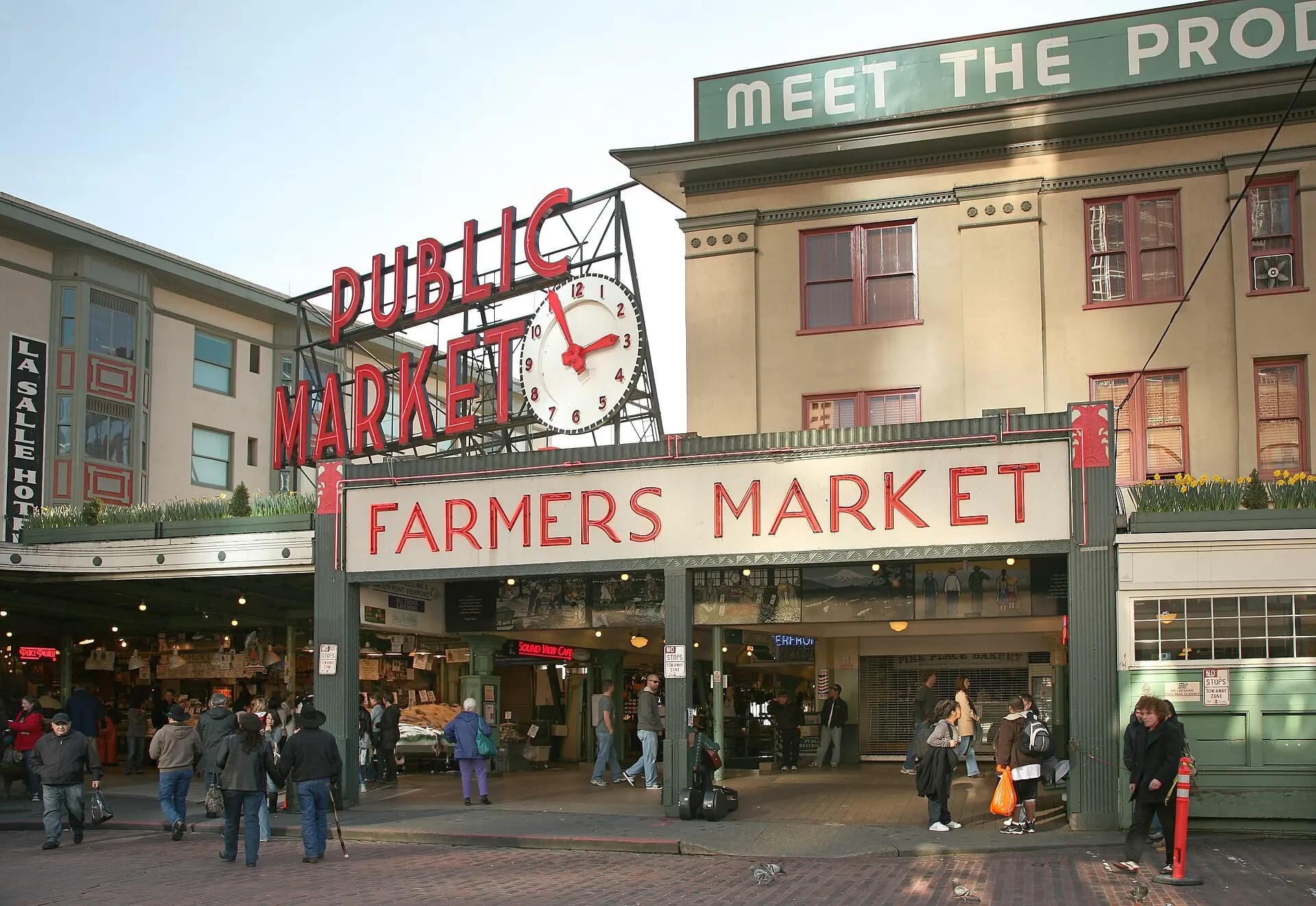
Open since 1907, the market is one of the oldest continuously running public markets in the country, a warren of fishmongers, farm stalls, bakeries, craft tables and tiny restaurants spread over several levels above the bay. Watch the fishmongers throw salmon at Pike Place Fish Market, find the neon Public Market Center clock and sign, and look into the alley for the Gum Wall. The Starbucks on Pike Place is the company's oldest surviving shop and draws long queues.
TipArrive before 10am on a weekday to see the stalls setting up without the shoulder-to-shoulder crowds of summer afternoons.
- 2
Seattle Aquarium
Photo: Joe Mabel, CC BY-SA 4.0, via Wikimedia Commons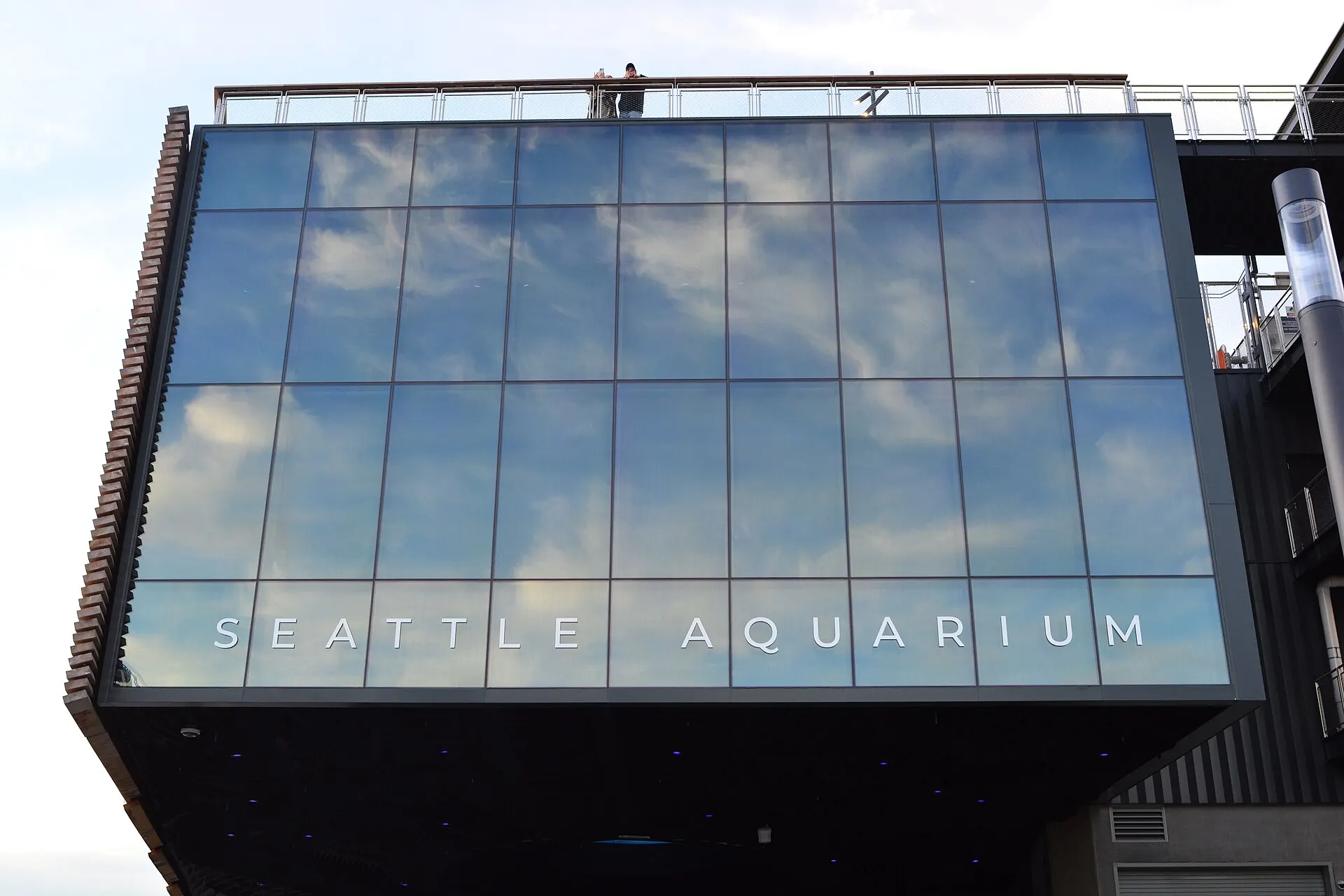
From the market, the Overlook Walk, a broad landscaped bridge opened in 2024, carries you straight down to the waterfront and over the roof of the aquarium. The original building on Pier 59 focuses on the creatures of Puget Sound, including sea otters, harbour seals and a giant Pacific octopus. Across the street, the Ocean Pavilion, opened in August 2024, holds a huge Indo-Pacific reef tank with sharks and rays.
- 3
Waterfront Park
Photo: SounderBruce, CC BY-SA 4.0, via Wikimedia Commons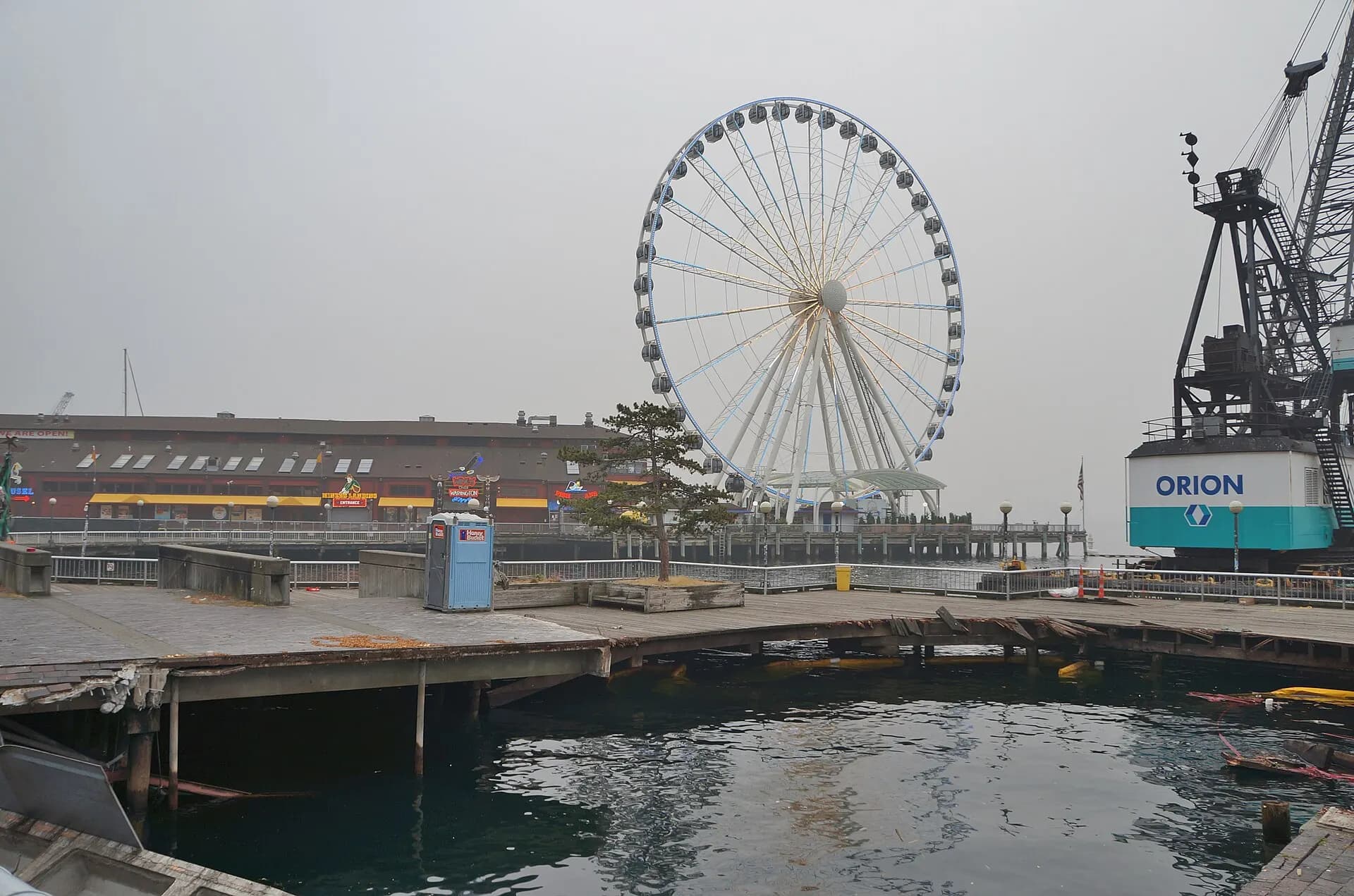
For decades a double-decker highway, the Alaskan Way Viaduct, cut the city off from its shoreline. After it was demolished, the city built about 20 acres of new public space in its place, and the finished park was celebrated with a grand opening in September 2025. A wide promenade runs along the seawall, with glass bricks that let light through to the water below, while Pier 58 has a giant jellyfish climbing frame and Pier 62 hosts concerts and events. The Seattle Great Wheel turns at Pier 57.
TipThe park is open daily from 7am to 10pm. Sunset over the Olympics, seen from Pier 62, is the best free show in town.
- 4
Pioneer Square and the Underground Tour
Photo: Joe Mabel, CC BY-SA 4.0, via Wikimedia Commons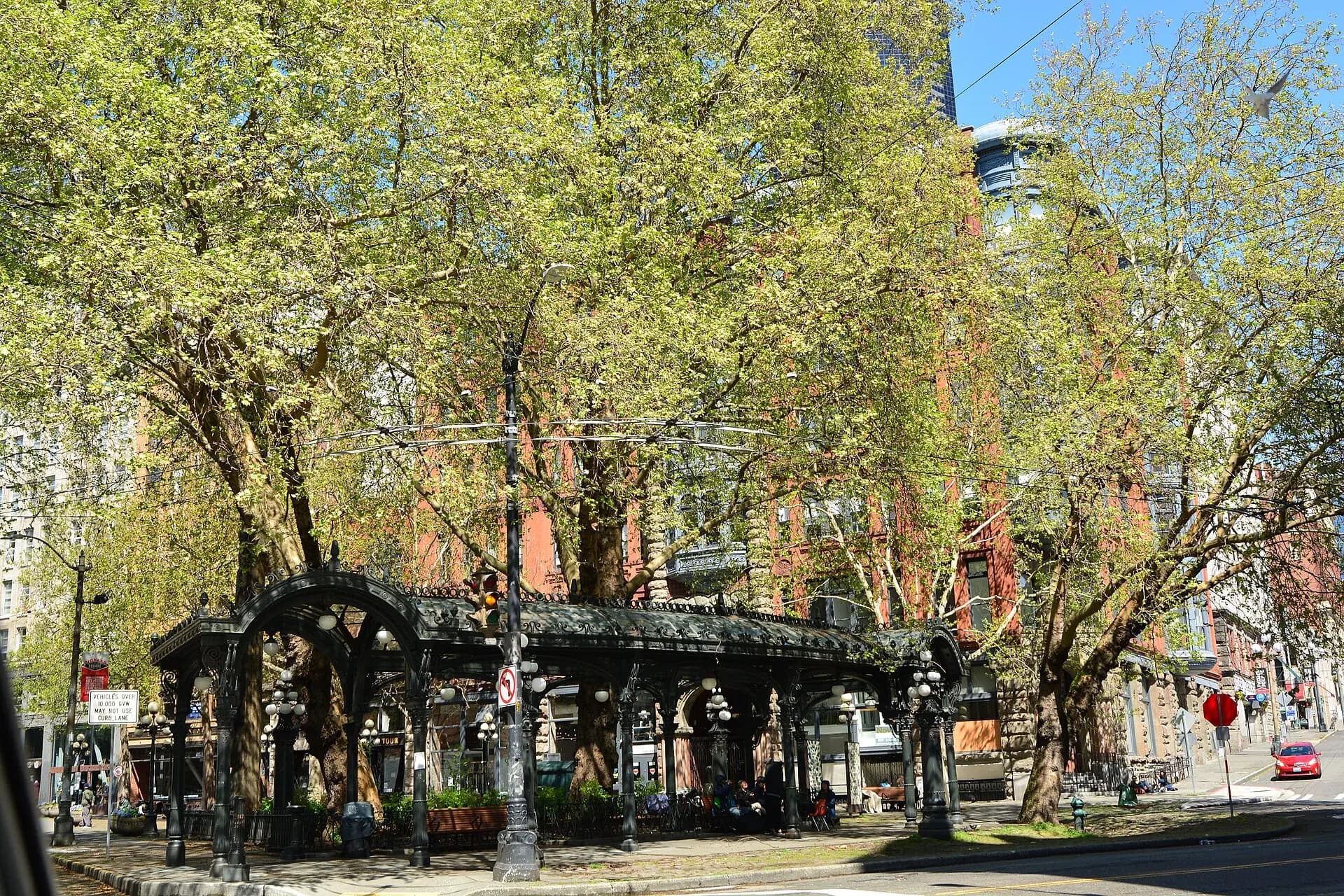
Seattle's oldest neighbourhood was rebuilt in brick and stone after the Great Fire of 1889, and the streets were later raised a storey to stop flooding, leaving the old shopfronts buried. The 75-minute Underground Tour, starting at 614 First Avenue, leads you through those sunken passages with plenty of humour. Afterwards, visit the free Klondike Gold Rush National Historical Park museum, which tells how Seattle outfitted the stampede to the Yukon in 1897, and ride up the 1914 Smith Tower for the view.
TipUnderground Tour tickets can be booked ahead online. Pioneer Square is quiet at night and has a visible homelessness problem; it is fine by day, but stay aware of your surroundings.
- 5
Chinatown-International District
Photo: Joe Mabel, CC BY-SA 3.0, via Wikimedia Commons
A few blocks east, Chinese, Japanese, Filipino and Vietnamese communities built one of the most diverse old neighbourhoods on the West Coast. The Wing Luke Museum tells the story of Asian Pacific American life through restored hotel rooms and shops. Uwajimaya, a large Asian grocery and food hall, and the district's dim sum halls and noodle shops make it one of the best places to eat cheaply.
- 6
Capitol Hill
Photo: Another Believer, CC BY-SA 4.0, via Wikimedia Commons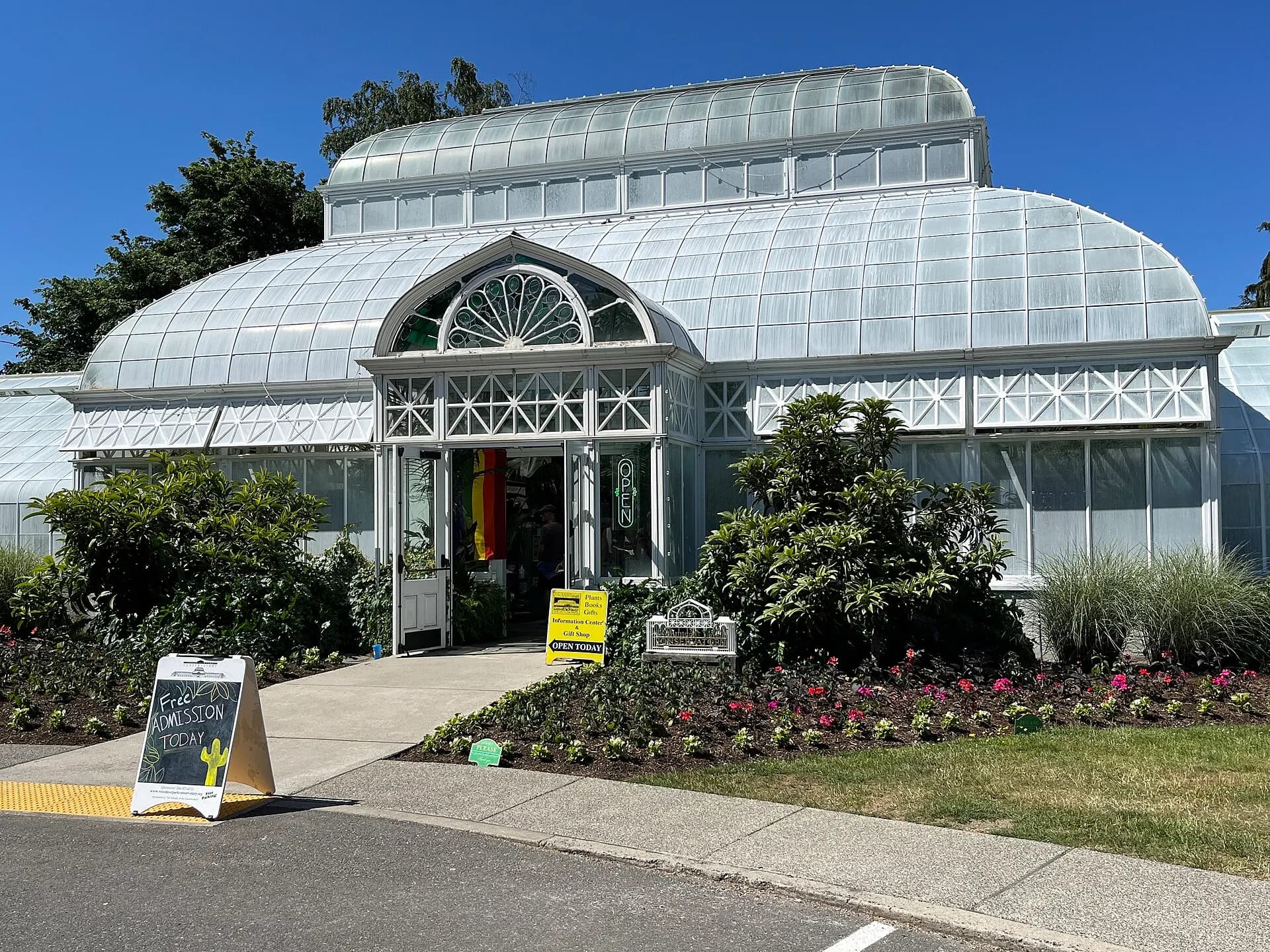
Capitol Hill is the city's liveliest neighbourhood, long the centre of LGBTQ+ Seattle, with rainbow crosswalks, record shops, cocktail bars and coffee roasters along Broadway and Pike and Pine streets. At the north end, Volunteer Park has a Victorian-style glass conservatory, a water tower you can climb for free and the Seattle Asian Art Museum.
- 7
Space Needle
Photo: Dietmar Rabich, CC BY-SA 4.0, via Wikimedia Commons
Built for the 1962 World's Fair, the 605-foot (184 m) tower is the city's emblem. Its observation deck has floor-to-ceiling glass and a slowly rotating glass floor, the Loupe, which lets you look straight down at Seattle Center. Ride the 1962 monorail from Westlake Center downtown to get there in two minutes.
TipTimed tickets are sold online; a clear evening, or a morning when the mountains are out, is worth the wait for.
- 8
Chihuly Garden and Glass
Next to the Needle, this museum is devoted to the work of Tacoma-born glass artist Dale Chihuly. Galleries of glowing sculptures lead to a tall glasshouse hung with a vast flower-like piece and out into a garden where glass forms grow among the plants.
- 9
Museum of Pop Culture (MoPOP)
Photo: Dietmar Rabich, CC BY-SA 4.0, via Wikimedia Commons
Frank Gehry's crumpled, multicoloured building houses exhibitions on music, film, science fiction and games. Seattle's music history is the heart of it, with galleries on Jimi Hendrix, who grew up here, and Nirvana and the grunge scene of the early 1990s.
- 10
Kerry Park
Photo: Guywelch2000, CC BY 4.0, via Wikimedia Commons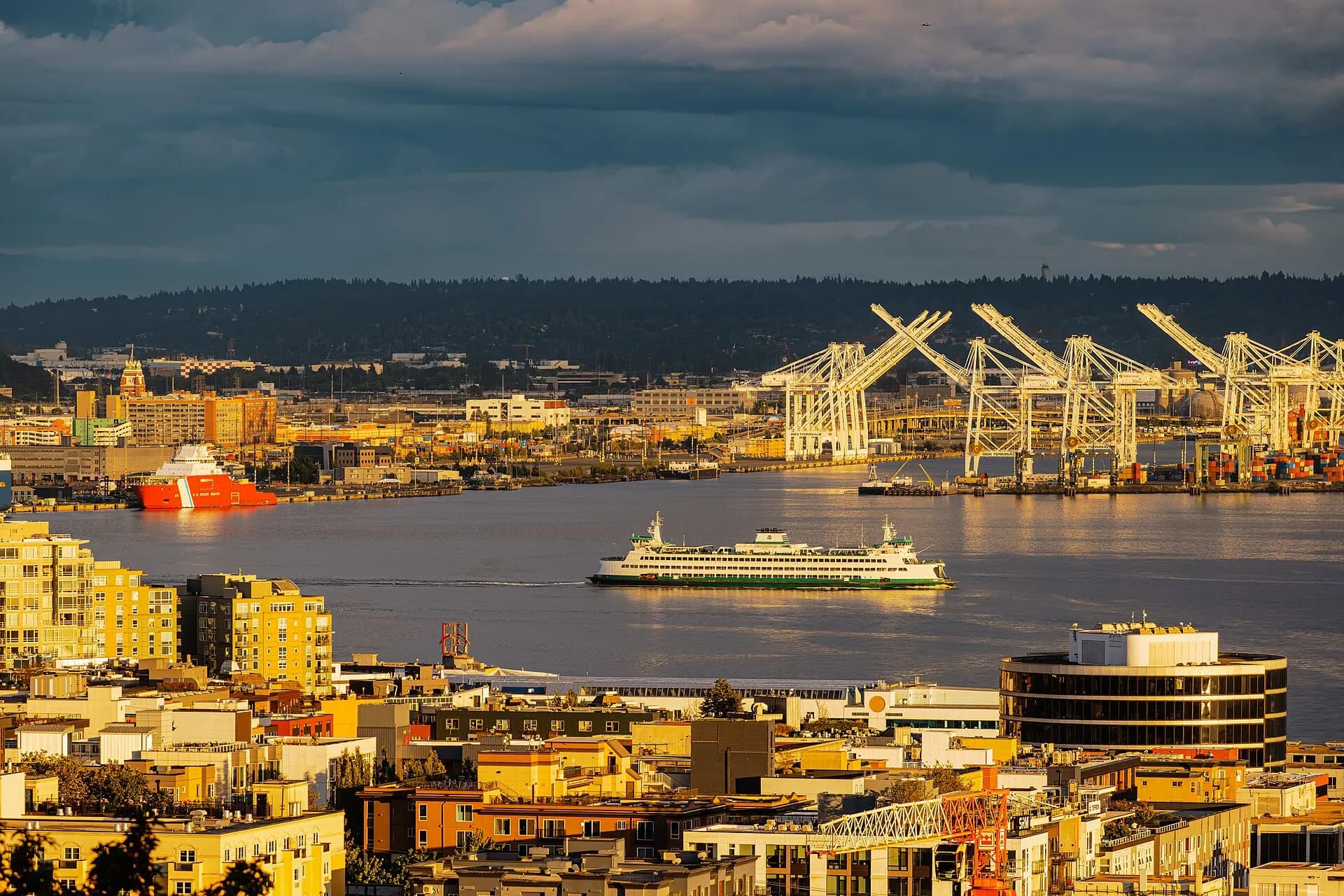
This small park on the steep south slope of Queen Anne Hill has the classic postcard view: the Space Needle in front of the downtown towers, Elliott Bay to the right and, on clear days, Mount Rainier behind. It is a 20-minute uphill walk from Seattle Center.
- 11
Fremont Troll
Fremont calls itself the centre of the universe, and its quirky public art backs that up. The best known is a huge concrete troll crouching under the Aurora Bridge, clutching a real Volkswagen Beetle, which locals sculpted in 1990. The neighbourhood has good brewpubs and a Sunday market, and the Burke-Gilman Trail runs along the canal towards Gas Works Park.
- 12
Ballard Locks
Photo: Another Believer, CC BY-SA 4.0, via Wikimedia Commons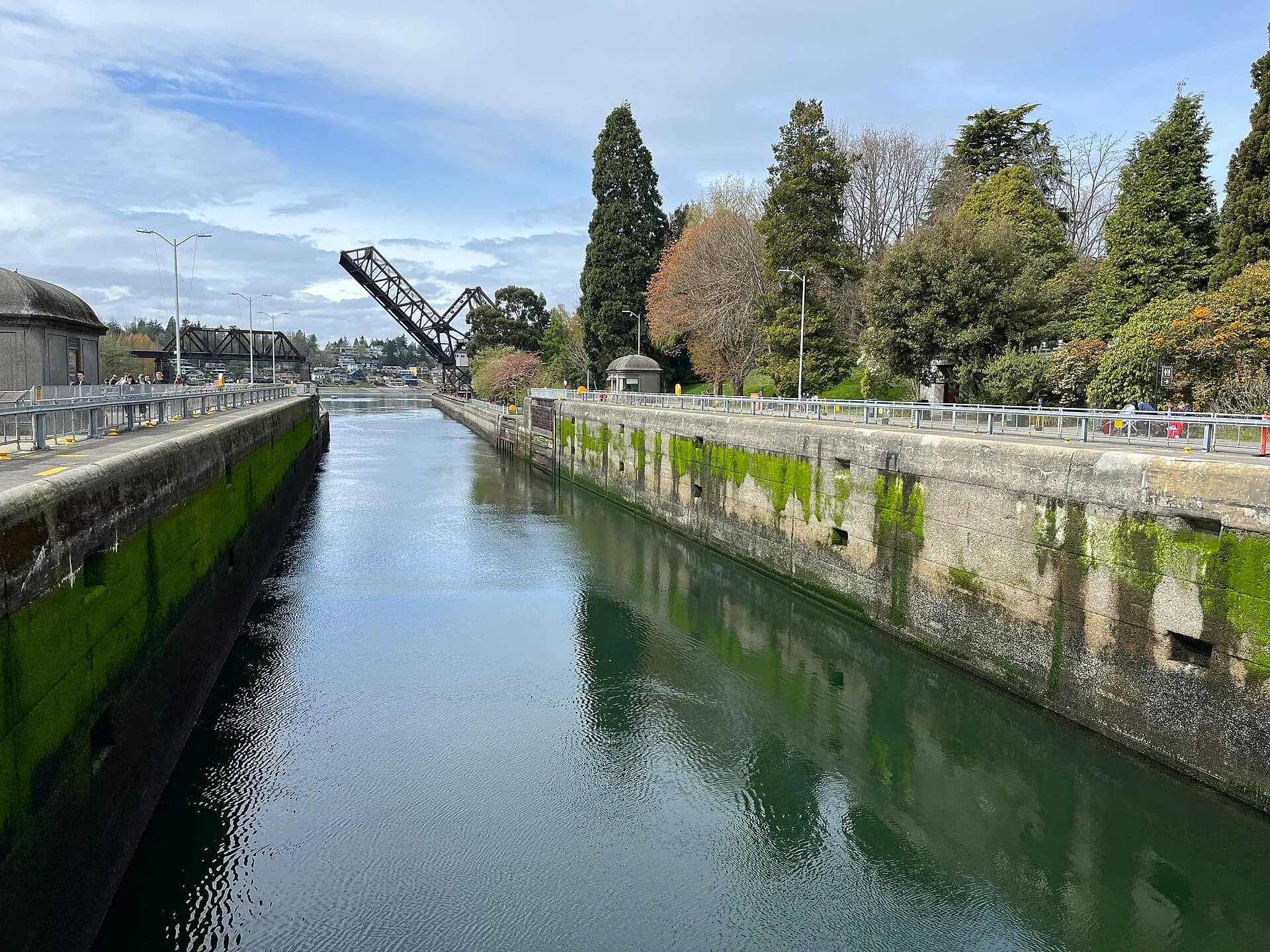
The Hiram M. Chittenden Locks, opened in 1917, lift boats between the salt water of Puget Sound and the freshwater lakes inside the city. It is oddly mesmerising to watch fishing boats and kayaks rise and fall. Beside the locks, a fish ladder has an underwater viewing room where migrating salmon push upstream in summer and early autumn, with sockeye, then chinook and coho, the best chances from about July to September. The surrounding botanical garden is free.
TipFish numbers vary from year to year; in late spring and winter the ladder may be almost empty.
- 13
Discovery Park
Photo: Another Believer, CC BY-SA 4.0, via Wikimedia Commons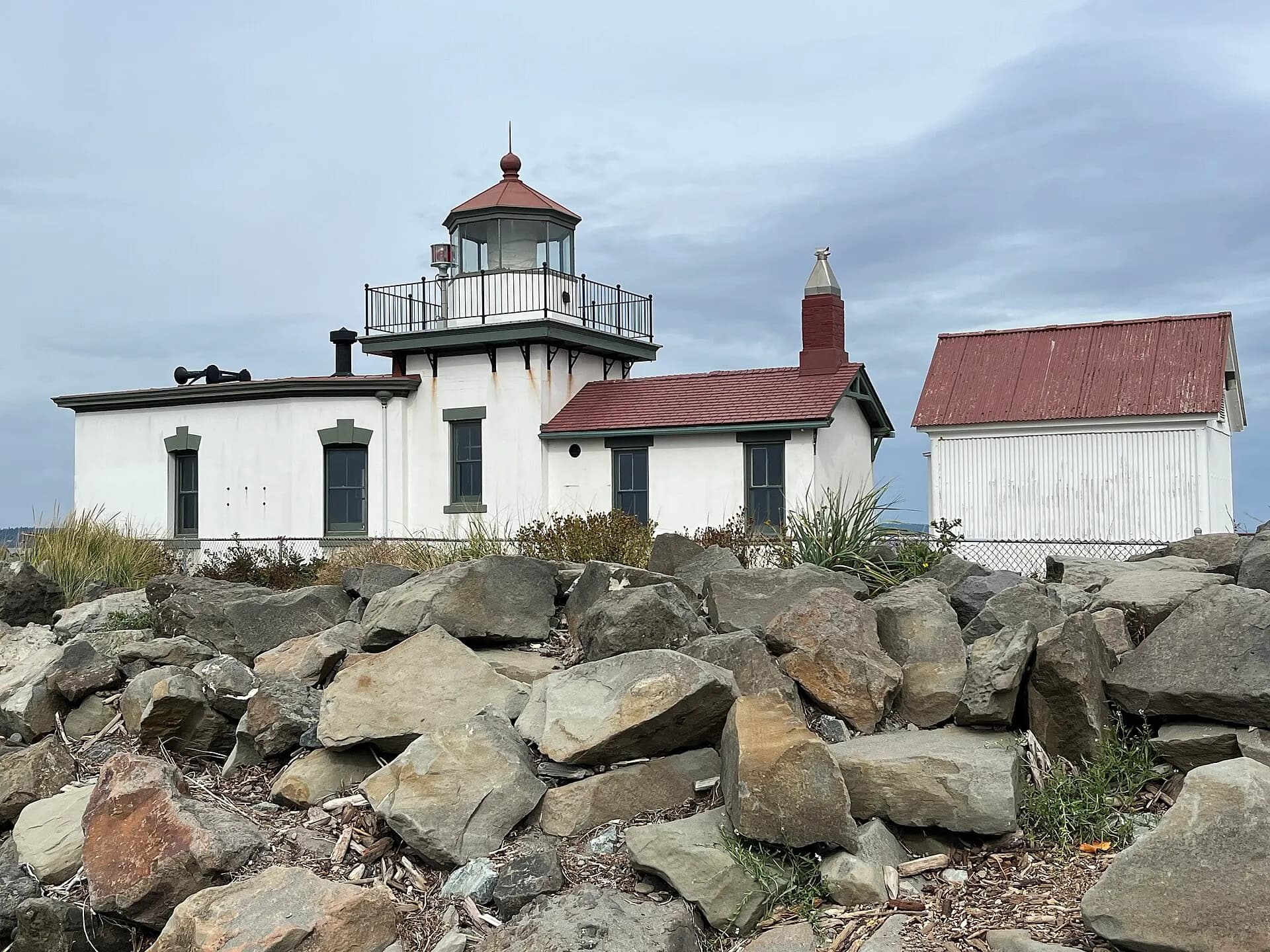
Seattle's largest park occupies a former army post, Fort Lawton, on a headland jutting into the Sound. Trails wind through forest and meadows to sandy bluffs with views of the Olympics, and a path drops down to the beach and the 1881 West Point Lighthouse. It feels a long way from the city.
- 14
Bainbridge Island
Photo: Klaus with K, CC BY-SA 3.0, via Wikimedia Commons
The 35-minute ferry from Colman Dock on the waterfront is the cheapest scenic cruise in the region, with the skyline shrinking behind you and the mountains ahead. Walk off the boat into Winslow, the island's small town, for cafés, wineries and the Bainbridge Island Historical Museum. The moving Japanese American Exclusion Memorial marks the place where, in 1942, island families became the first Japanese Americans forced from their homes into wartime camps.
- 15
Museum of Flight
Photo: Marostegui, CC BY-SA 3.0, via Wikimedia Commons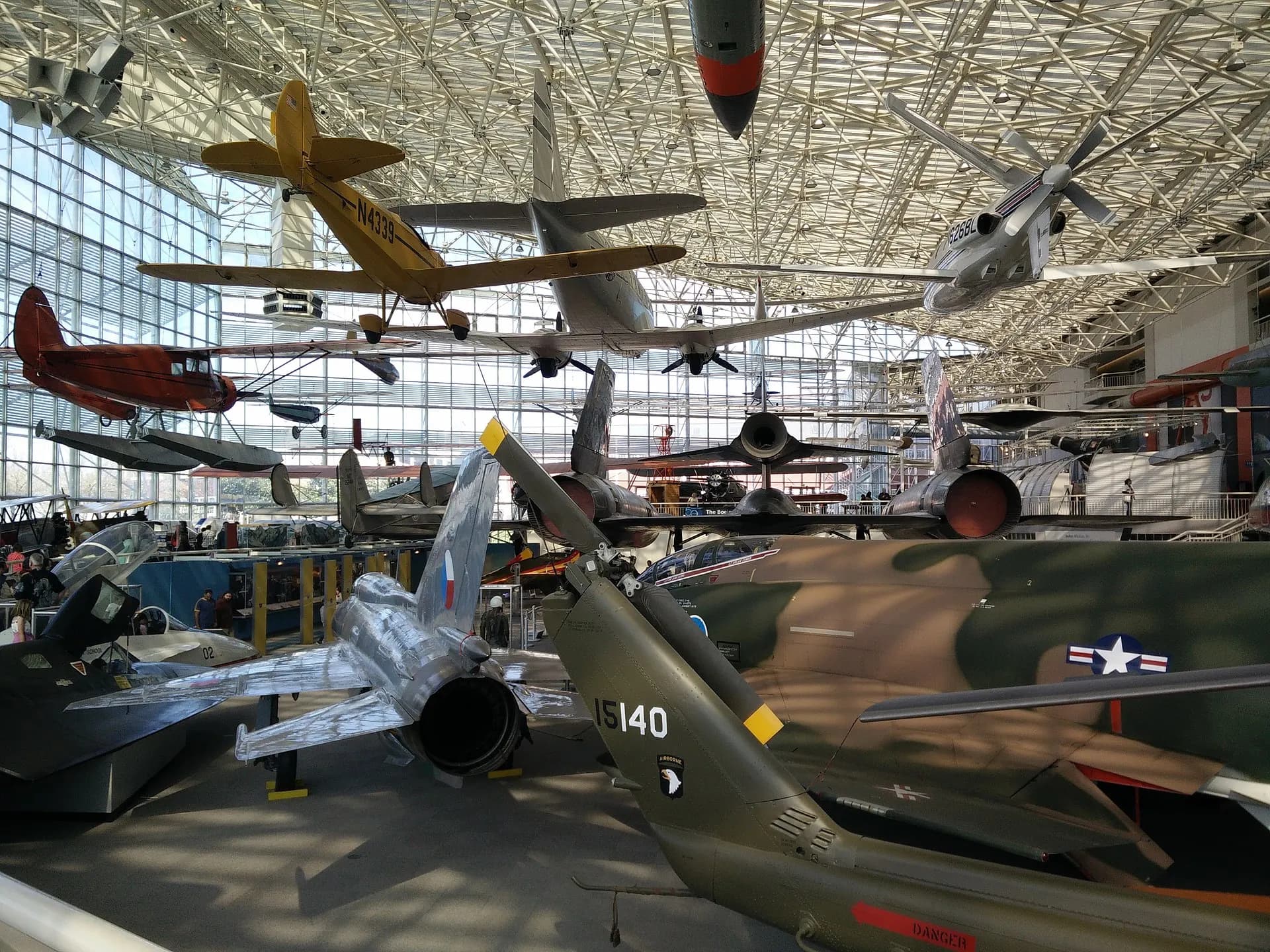
At Boeing Field, south of downtown, this is one of the world's largest air and space museums. It includes Boeing's original Red Barn factory, a Concorde, an early presidential Air Force One and a full-size space shuttle trainer. It makes a good rainy-day visit.
- 16
Snoqualmie Falls
Photo: Kpsudeep, CC BY-SA 4.0, via Wikimedia Commons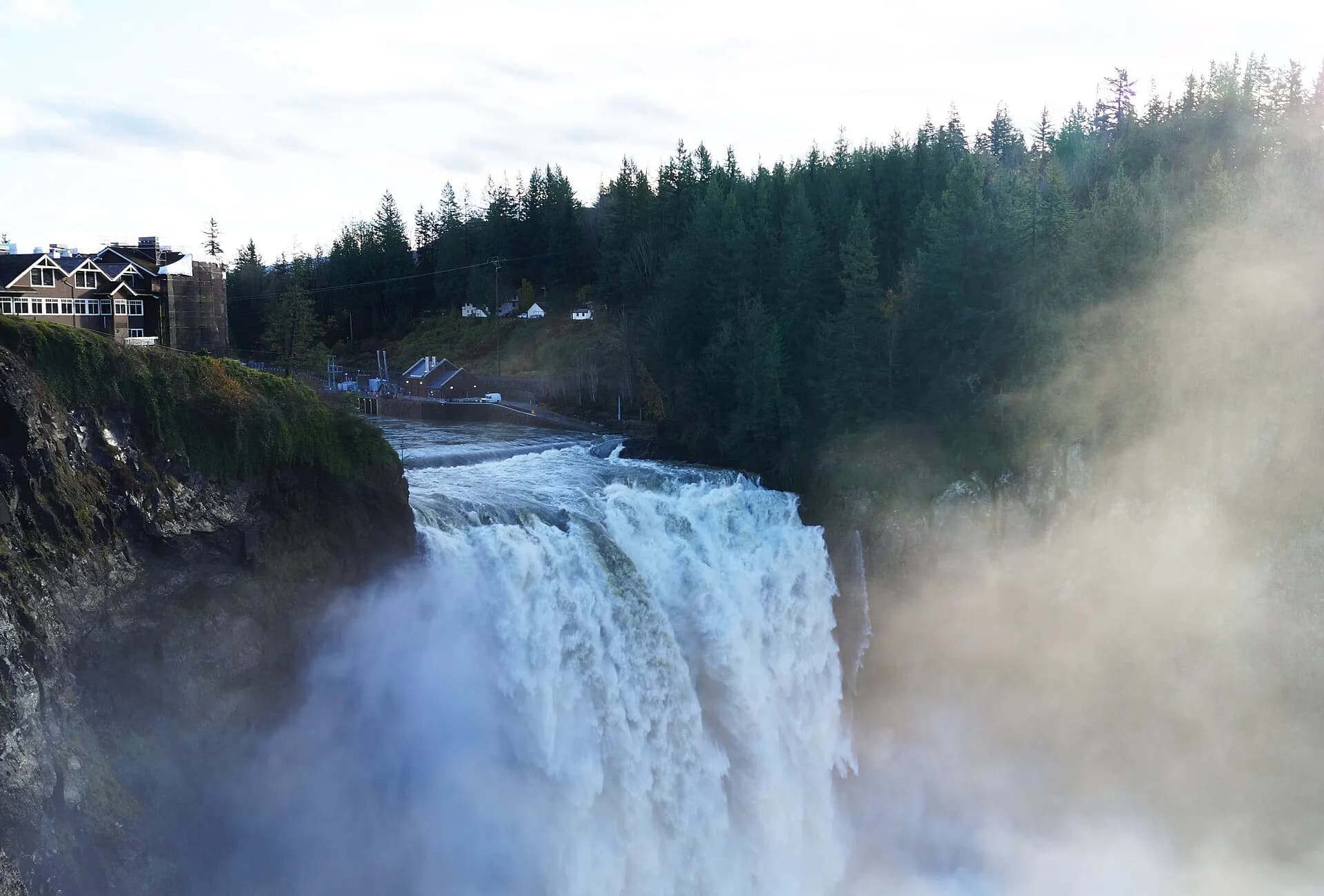
About 30 miles (50 km) east of the city, the Snoqualmie River plunges 268 feet (82 m) into a misty gorge. An observation deck sits right by the car park, and a steep trail leads down to the river. The falls are sacred to the Snoqualmie Tribe, and fans of the TV series Twin Peaks will recognise the lodge perched above them.
- 17
Mount Rainier National Park
Photo: Mount Rainier National Park from Ashford, WA, United States, Public domain, via Wikimedia Commons
Rising to 14,410 feet (4,392 m), Rainier is an active volcano wrapped in glaciers. The classic day trip, about two and a half hours' drive each way, goes to Paradise on the south side, where trails cross wildflower meadows in late July and August and the Henry M. Jackson Visitor Center opens year-round with limited winter hours. Unlike in 2024 and 2025, no timed-entry reservation is needed in 2026, but entrance queues can exceed an hour on summer weekends.
TipFrom 1 November to 1 May every vehicle in the park must carry tire chains, including four-wheel-drive and rental cars. In winter only the Nisqually entrance road to Paradise is open, and the gate times depend on snow, so check the park's alerts page before setting out.
- 18
Olympic National Park
Photo: Cody Logan (aka clpo13), CC BY-SA 4.0, via Wikimedia Commons
Across Puget Sound, Olympic National Park protects glacier-topped mountains, temperate rainforest and wild Pacific beaches. It is too big for one day, but Hurricane Ridge, about a 2.5-hour trip via the Bainbridge ferry and Port Angeles, gives sweeping mountain views from a paved road. Its day lodge was destroyed by fire in 2023, so facilities are limited to temporary trailers, and winter access is restricted. To see the mossy Hoh Rain Forest or the coast, plan to stay a night or two.
When to go
Seattle's reputation for rain is half true. The city gets less rain in a year than New York or Boston, but it falls as drizzle on many grey days from October to May, often under low cloud that hides the mountains. Winters are mild, with snow in the city only a few days a year. Summer is the reward: July, August and September are mostly dry, sunny and warm without being hot, the mountains are clear and the long evenings stay light until after 9pm. This is also peak season for cruise ships to Alaska, so hotels are at their most expensive.
Late August and early September can bring wildfire smoke from fires in the region, which may hide the views and affect air quality for a few days. May, June and October are good compromises, with fewer crowds and lower prices; just pack a waterproof jacket. The 2026 FIFA World Cup brought six matches to Lumen Field in June and July 2026, including a United States group game, and much of the new waterfront hosted fan events.
Getting around
Link light rail is the backbone. The 1 Line runs from Seattle-Tacoma International Airport through downtown, the University of Washington and north to Lynnwood, taking about 40 minutes from the airport to Westlake. Since March 2026 the 2 Line has crossed Lake Washington to Bellevue and Redmond. The adult fare is a flat $3; tap a contactless bank card or an ORCA card on the reader before boarding, or buy a ticket from a machine or in the Transit GO Ticket app.
King County Metro buses fill the gaps, and the monorail links Westlake Center with Seattle Center. Downtown, the market and the waterfront are walkable, though the hills are steep. Washington State Ferries leave Colman Dock for Bainbridge Island and Bremerton; walk-on passengers pay only on the way out of Seattle. A car is useful only for Mount Rainier, Snoqualmie Falls and the Olympic Peninsula; parking downtown is expensive.
Local tips
- Tip 18 to 20% in restaurants and bars. Seattle's sales tax is high and is added at the till.
- Locals rarely carry umbrellas; a light hooded rain jacket is more useful and easier in the wind.
- Check whether "the mountain is out" before going up the Space Needle or Kerry Park; Rainier hides behind cloud for much of the year.
- Many shops and cafés are card-only. Pike Place Market stalls usually take cards too.
- Cruise ship days crowd the market and waterfront, especially on summer weekends; go early.
- Bring photo ID to bars, even if you are clearly over 21.
- Mountain weather changes fast. For Rainier and the Olympics, carry layers, water and food, as services inside the parks are limited, and outside summer they are mostly closed.
Eat and drink
Seafood leads the way. Look for wild Pacific salmon, Dungeness crab, oysters from local inlets and smoked salmon at the market, along with geoduck, the enormous local clam, in sushi bars. Seattle's large Asian communities shape its cooking, from dim sum and pho in the International District to teriyaki, a local takeaway staple. Pike Place Market has chowder counters, piroshky and fresh doughnuts.
Coffee is close to a religion, and independent roasters on Capitol Hill and in Fremont take it as seriously as the chains born here. Washington is also one of the country's biggest wine producers, and Ballard has a whole district of craft breweries and taprooms near the locks.
Where to stay
Downtown and Belltown put you within walking distance of the market, waterfront and Seattle Center, and are closest to Link for the airport. Capitol Hill suits travellers who want nightlife and good restaurants on the doorstep. Queen Anne, Fremont and Ballard are quieter, more residential bases with good bus links. Prices peak in summer during cruise season. Staying near a Link station further out, for example in the University District, can be better value.
The city that rose from the mud
Seattle sits on the land of the Coast Salish peoples, and the city takes its name from Chief Si'ahl of the Duwamish and Suquamish. American settlers arrived in 1851 and built a sawmill town on tidal flats that flooded at high tide. After the Great Fire of 1889, the city rebuilt in brick and raised its streets, then flattened entire hills, sluicing the earth into the bay. The Klondike Gold Rush of 1897 made it rich as the supply port for the north.
The 20th century brought Boeing, which built its first planes here in 1916, and the 1962 World's Fair, which left the Space Needle and the monorail. Later came software and online retail, which drove the rapid growth of the city's skyline.
Ferries and the water
Seattle is a city best seen from the water. Washington State Ferries runs the largest ferry system in the United States, and the crossings are ordinary commuter routes with spectacular views. Beyond Bainbridge, the Bremerton route threads a narrow passage among forested islands. On calm summer days, kayaks and paddleboards can be hired on Lake Union, where you can paddle past houseboats under the floatplanes. Look out for harbour seals, and occasionally orcas or humpback whales, in the Sound.
Responsible travel
Ride Link, the buses and the ferries rather than driving, and leave the car for trips out of the city. In the national parks keep to trails, as meadow plants at Paradise take decades to recover from trampling, never feed wildlife, and remember that drones are banned. Watch salmon and marine mammals from a distance; orcas in Puget Sound are endangered, and boats must keep well away. In Pike Place Market, buy from the farmers and small makers who give it its character, and in neighbourhoods like the International District, eat in family-run places that are threatened by rising rents.