Boston
Red-brick history, gas-lit lanes and a waterfront city of universities, where the American Revolution began and the chowder is still made the old way.
- Best time to go
- Late May to June, and September to October for autumn colour
- Local time
- –
- Currency
- US Dollar (USD)
- Reading time
- 12 min
- Language
- English
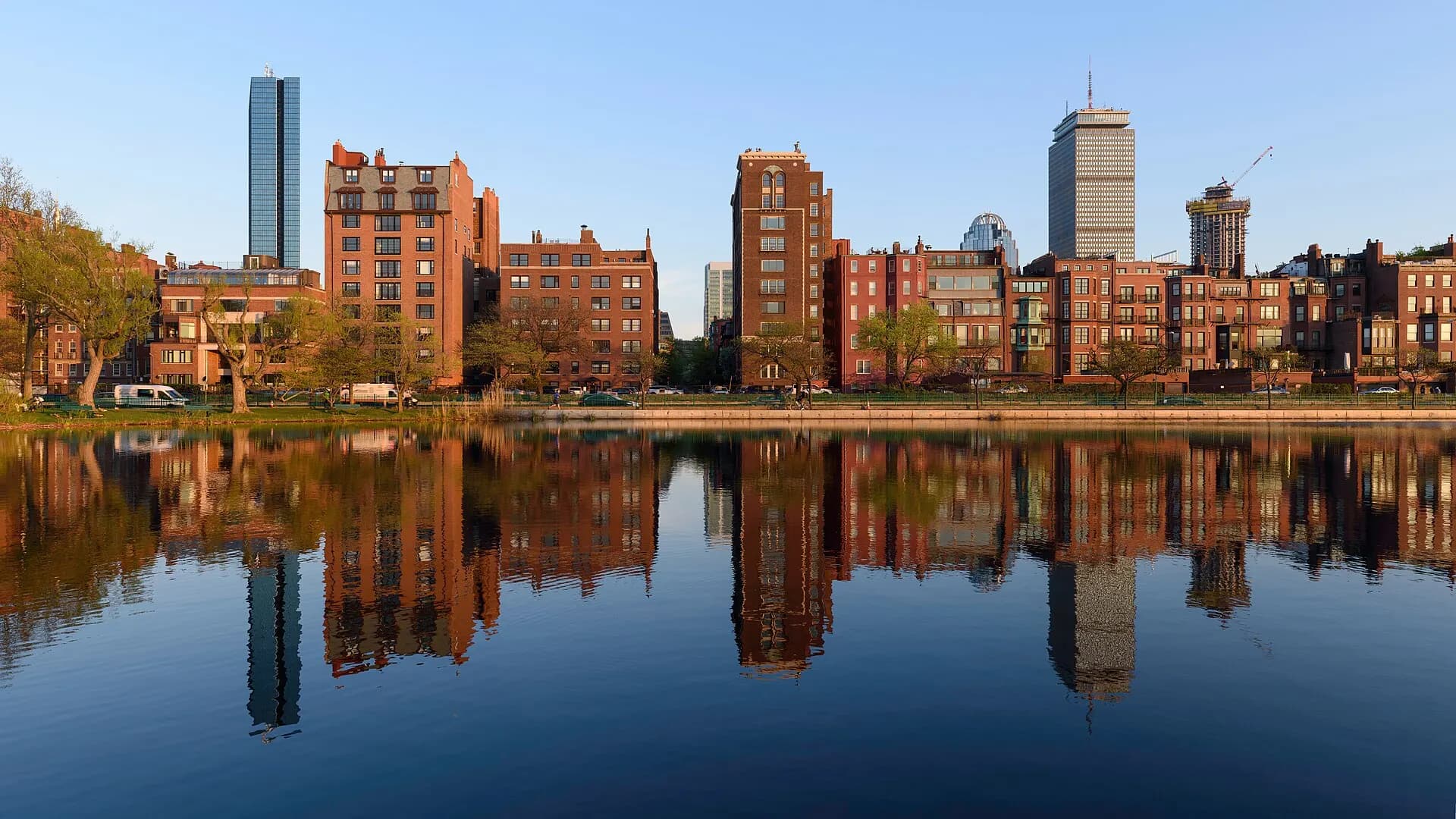
Boston is one of the oldest cities in the United States and one of its most walkable. This is where colonists dumped tea in the harbour, where two lanterns hung in a church steeple, and where the first shots of the American Revolution were fired just up the road. A red line set into the pavement, the Freedom Trail, links many of those landmarks through a compact centre of brick churches, burying grounds and meeting houses, all squeezed between modern towers.
But Boston is far more than a history lesson. It has superb art museums, a much-loved old ballpark, a waterfront of seafood shacks and island ferries, and, across the Charles River in Cambridge, two of the world's most famous universities. The city is small enough to cover largely on foot, with the T, the local subway, for longer hops. Give it three or four days, plus a day trip to Salem or to Lexington and Concord.
The top 21 in Boston
- 1
Boston Common
Photo: King of Hearts, CC BY-SA 4.0, via Wikimedia Commons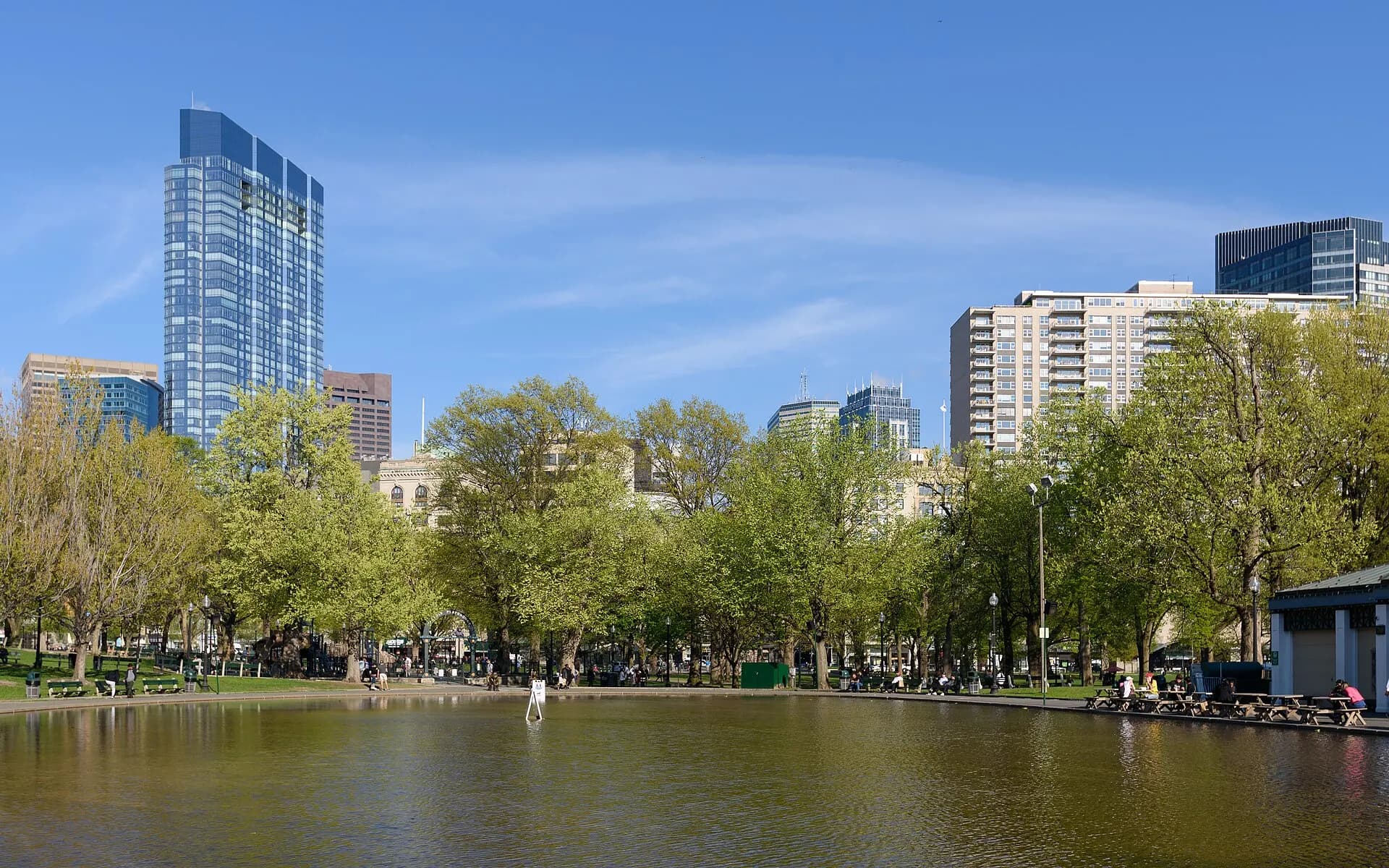
Set aside in 1634, the Common is the oldest public park in the country, once a cow pasture and a British army camp. Today it is the city's lawn, with the Frog Pond (a paddling pool in summer, a skating rink in winter) and the official starting point of the Freedom Trail. The Boston Common Visitor Center on Tremont Street has maps and trail information.
TipThe Freedom Trail runs about 2.5 miles (4 km) past 16 sites. Follow the red line on the pavement on your own, or join a tour led by costumed guides from the Freedom Trail Foundation.
- 2
Massachusetts State House
Photo: NPS Photo, Public domain, via Wikimedia Commons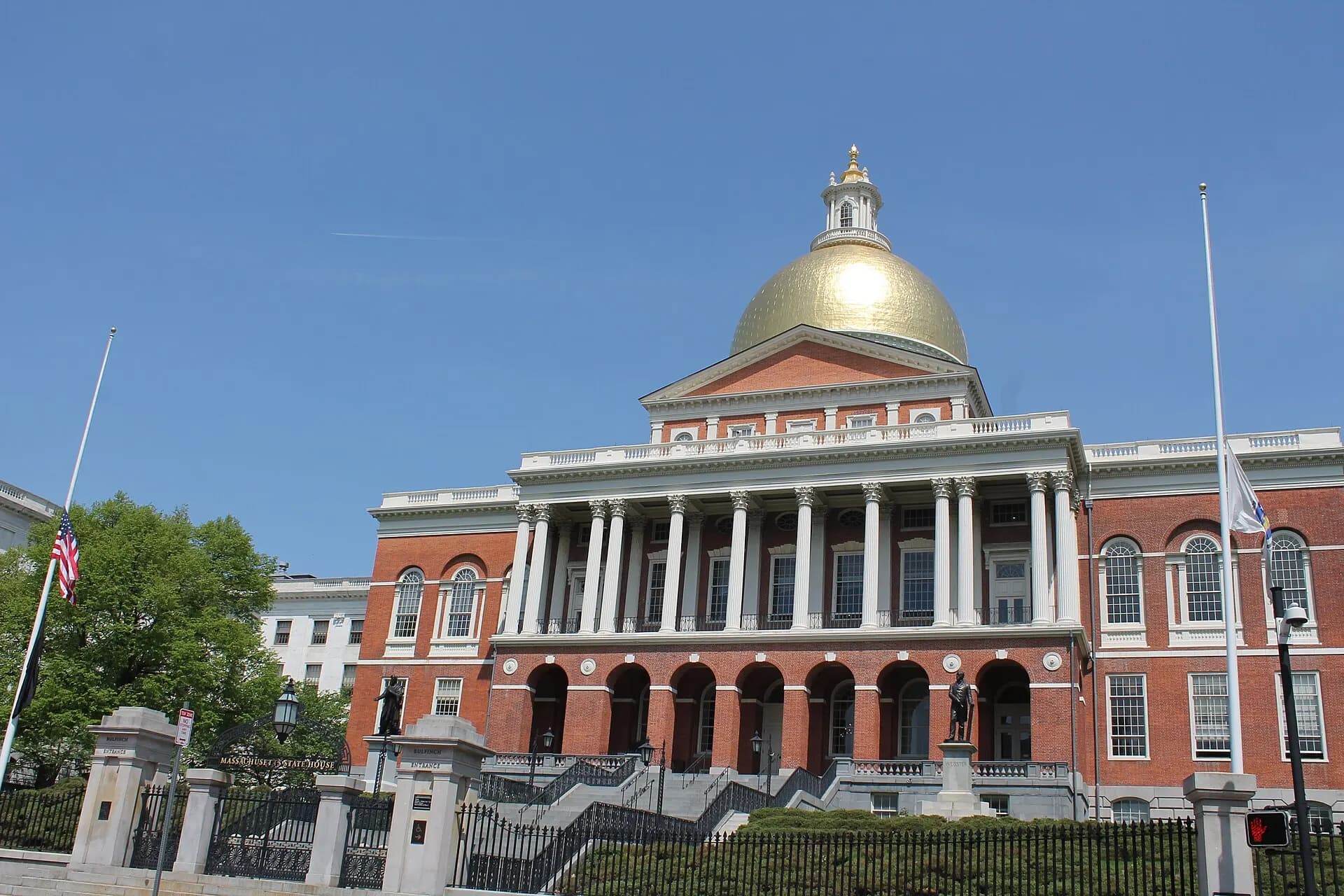
Charles Bulfinch's State House, completed in 1798, crowns Beacon Hill with a dome that shines with gold leaf. It is still the seat of the state government. Inside are the chambers of the legislature and the Sacred Cod, a carved wooden fish that has hung over the House since the 18th century. Free tours are usually offered on weekdays; bring photo ID.
- 3
Old South Meeting House
Photo: NPS Photo, Public domain, via Wikimedia Commons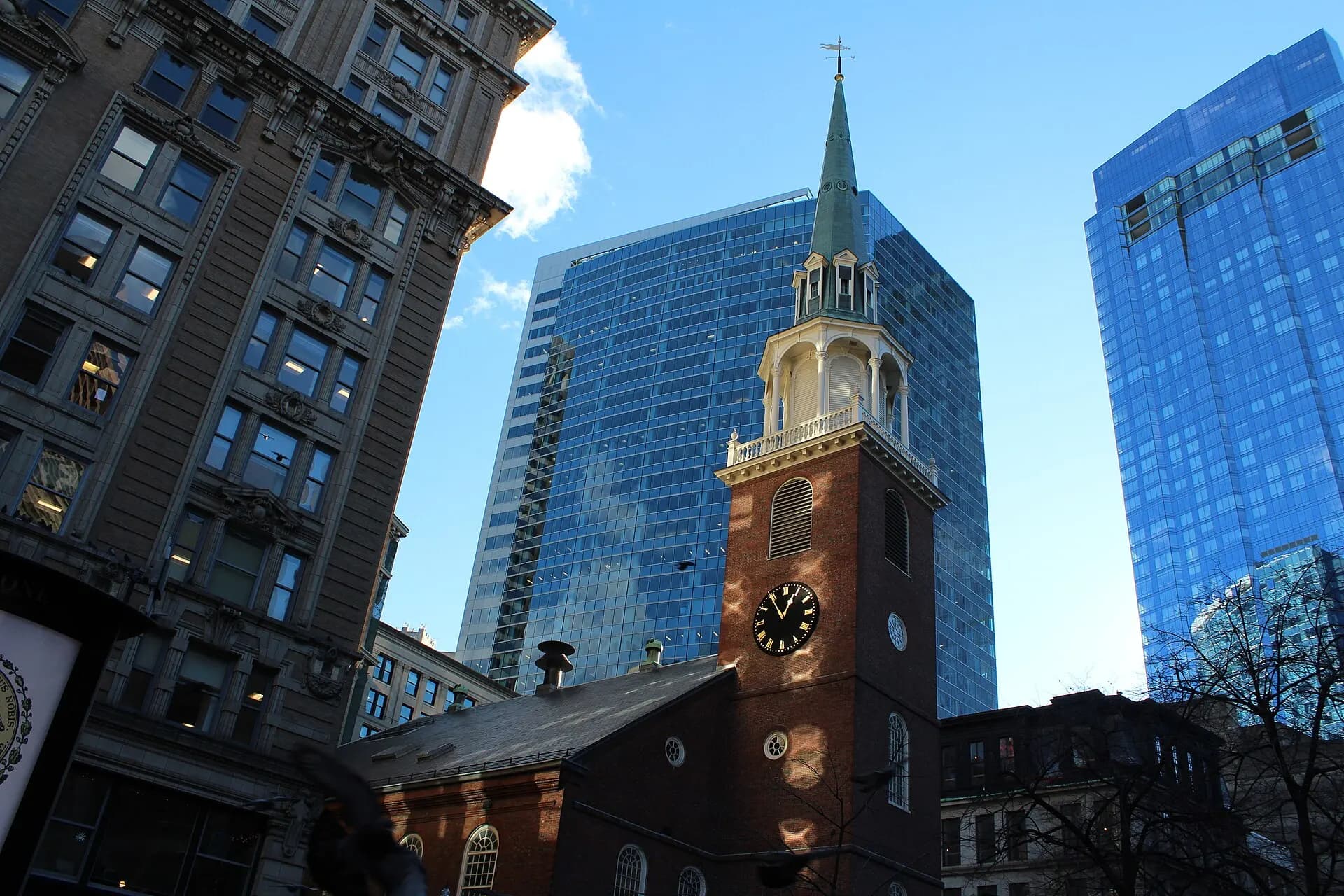
On 16 December 1773 thousands of colonists packed into this brick meeting house to protest the tax on tea, and that evening men disguised as Mohawks went down to the harbour and threw the cargo overboard. The building is now a museum about free speech and dissent. Along the way from the State House, the trail passes Park Street Church, the Granary Burying Ground, where Paul Revere, Samuel Adams and John Hancock are buried, and King's Chapel.
- 4
Old State House
Photo: Marco Almbauer, Public domain, via Wikimedia Commons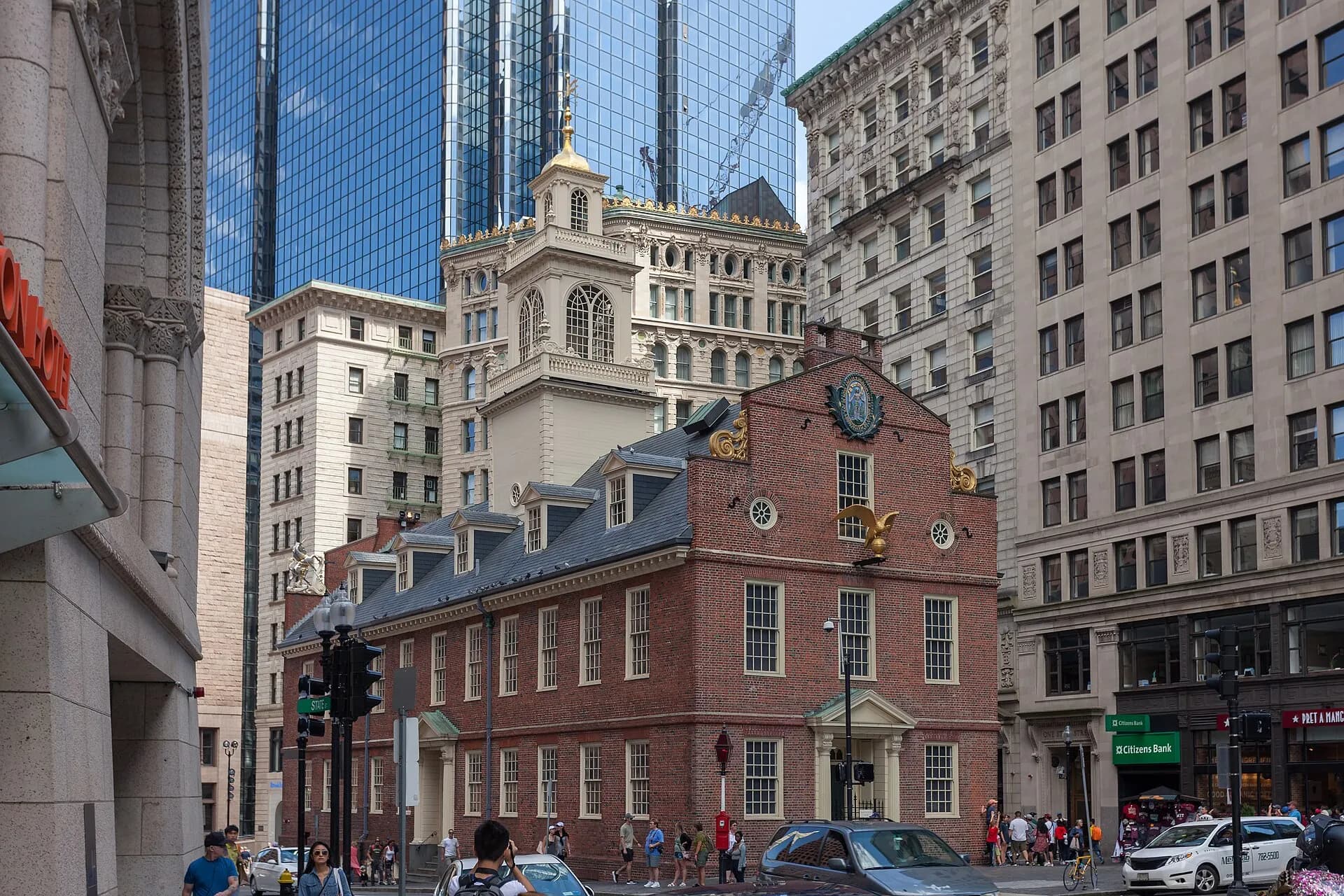
Boston's oldest surviving public building, from 1713, was the seat of the British colonial government. The Declaration of Independence was read to the city from its balcony in July 1776. A ring of cobblestones at the junction outside marks the site of the Boston Massacre of 1770, when British soldiers fired into a crowd. Inside, a museum covers the events that led to revolution.
- 5
Faneuil Hall and Quincy Market
Photo: Epicgenius, CC BY-SA 4.0, via Wikimedia Commons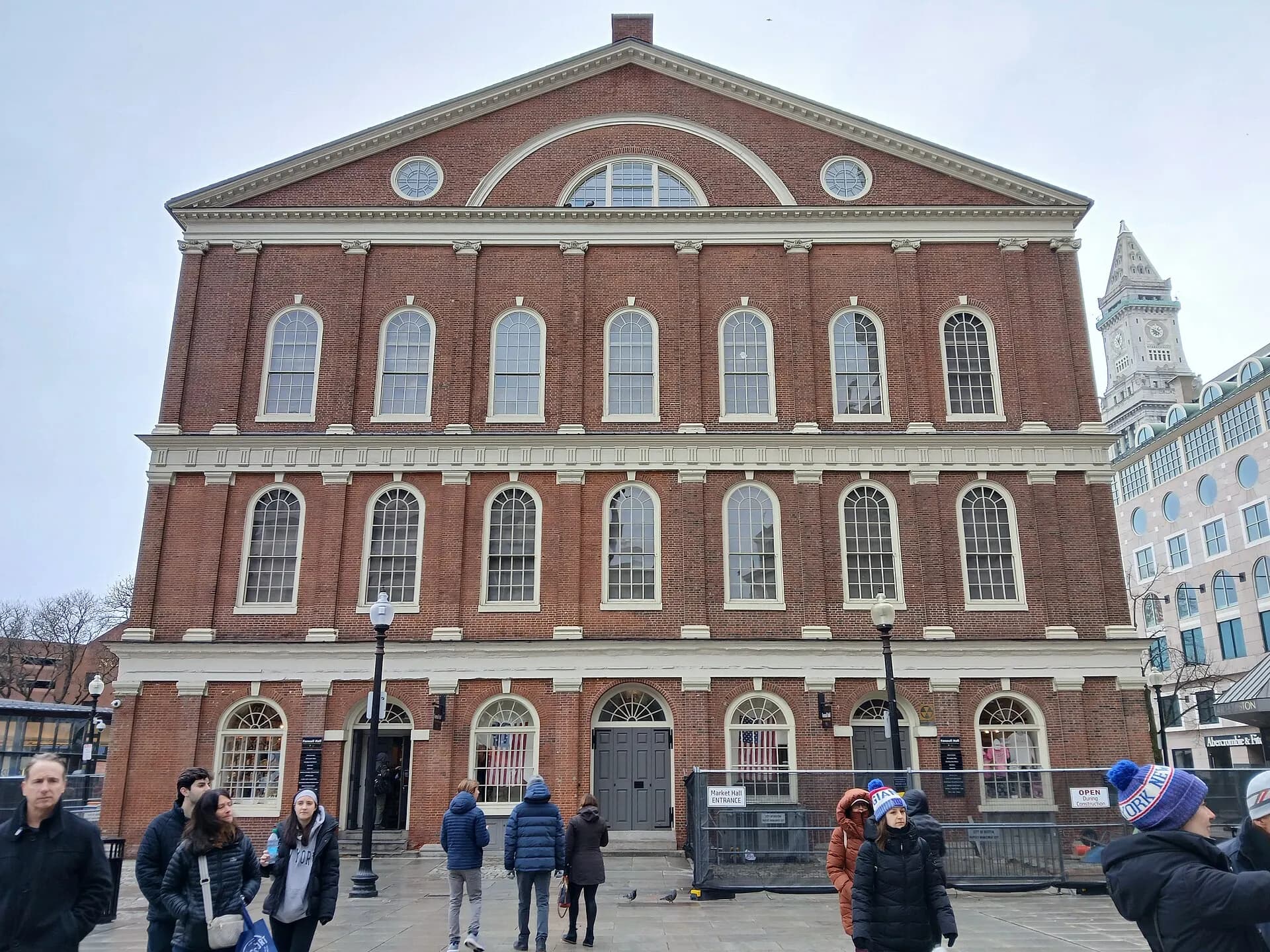
Faneuil Hall, built in 1742, earned the nickname the Cradle of Liberty for the protest meetings held in its upstairs Great Hall, which is free to visit and still hosts debates and citizenship ceremonies. The ground floor houses the downtown National Park Service visitor centre. Behind it, Quincy Market is a busy food hall flanked by shops and street performers.
- 6
The North End
Boston's oldest residential neighbourhood is a tight grid of narrow streets settled by waves of immigrants and, since the late 19th century, home to the city's Italian American community. Hanover Street is lined with cafés, bakeries and trattorias, and in summer the streets fill with saints' festivals and processions.
- 7
Paul Revere House
Photo: Beyond My Ken, CC BY-SA 4.0, via Wikimedia Commons
Built around 1680, this small timber house is the oldest building in downtown Boston, and the home from which Paul Revere set out on his midnight ride on 18 April 1775 to warn that British troops were marching. Its low-ceilinged rooms give a rare sense of everyday colonial life. There is an admission fee.
- 8
Old North Church
Photo: LEvalyn, CC BY 4.0, via Wikimedia Commons
On the night of Revere's ride, two lanterns were hung in the steeple of Christ Church, now known as the Old North Church, to signal that the British were crossing by water. Built in 1723, it is the oldest standing church building in Boston and still an active parish. Behind-the-scenes tours take visitors up into the bell-ringing chamber or down into the crypt. Copp's Hill Burying Ground is a few steps up the hill.
- 9
USS Constitution and Bunker Hill
Photo: Ethan Long, CC BY-SA 2.0, via Wikimedia Commons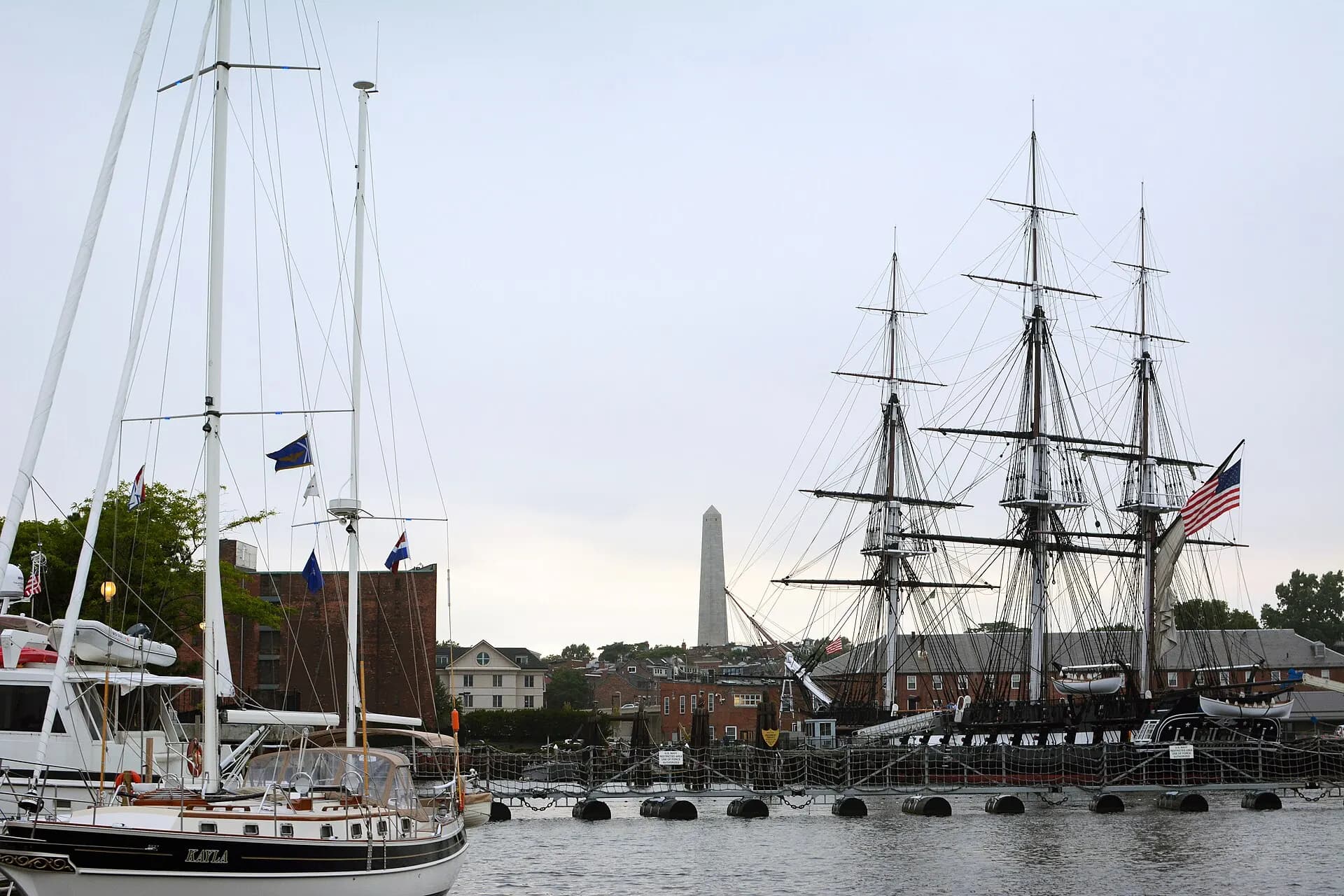
Across the Charlestown Bridge, the Charlestown Navy Yard is home to USS Constitution, launched in 1797 and the oldest commissioned warship afloat. Visiting the ship is free, with tours led by active-duty US Navy sailors; adults may be asked to show photo ID at security. The trail ends a short uphill walk away at the granite obelisk of the Bunker Hill Monument, which marks the battle of 17 June 1775. Climbing its 294 steps is free.
TipShip and monument hours vary by season and can change at short notice, so check the National Park Service page on the day. A seasonal ferry runs from Long Wharf to the Navy Yard if you would rather not walk back.
- 10
Beacon Hill and Acorn Street
Photo: R Boed, CC BY 2.0, via Wikimedia Commons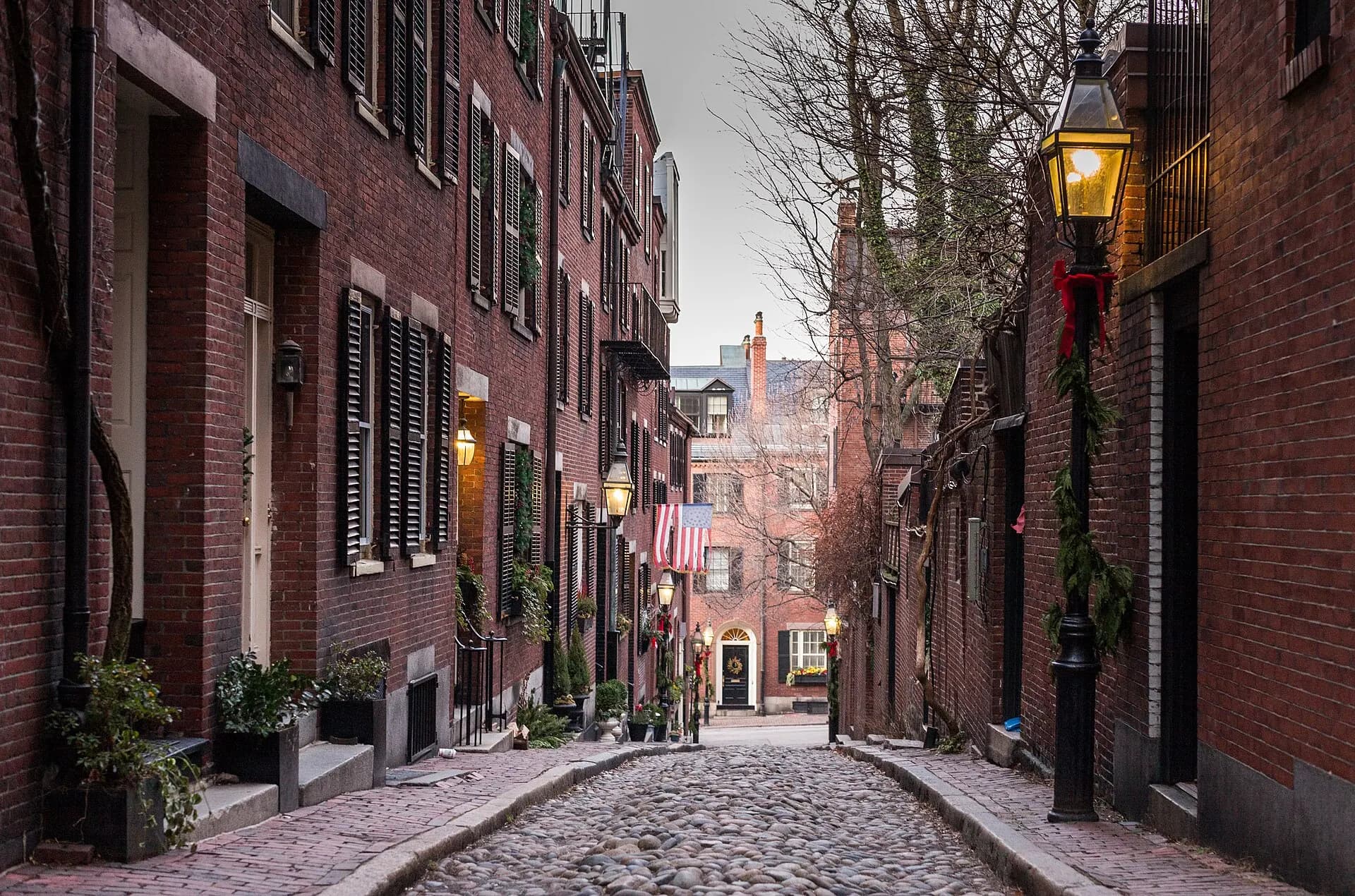
Behind the State House, Beacon Hill is Boston at its most picturesque: steep streets of 19th-century brick row houses, black shutters, window boxes and gas lamps. Acorn Street, a short cobbled lane, is one of the most photographed streets in America, and Louisburg Square is a quiet gem of a private square. At the bottom of the hill, Charles Street has antique shops and cafés.
TipThese are people's homes. Keep your voice down, stay off doorsteps, and visit early in the morning for an empty lane.
- 11
The Public Garden
Photo: King of Hearts, CC BY-SA 4.0, via Wikimedia Commons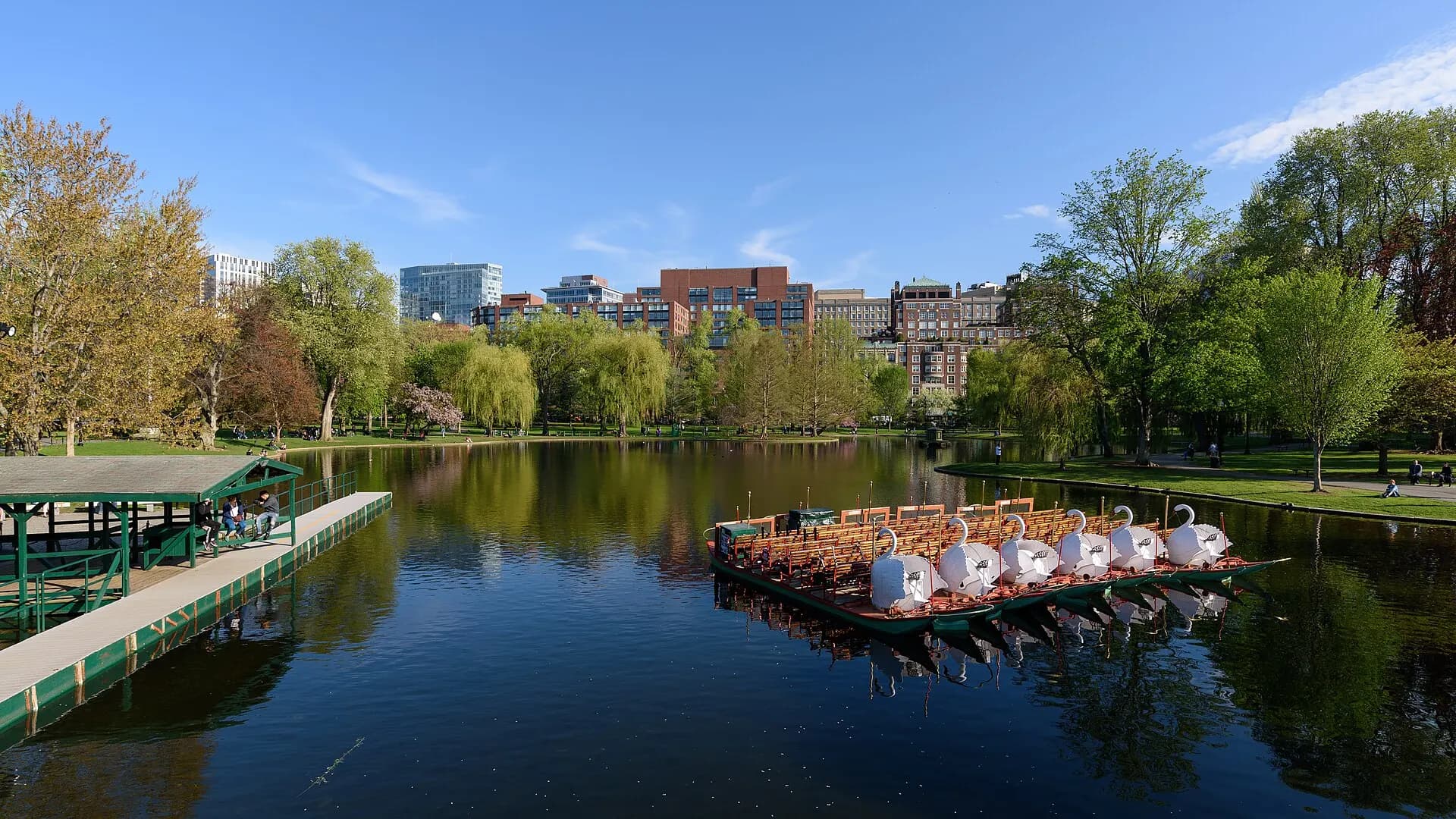
Laid out from 1837, the Public Garden was the first public botanical garden in the United States, with formal flowerbeds, weeping willows and a little lagoon crossed by a footbridge. The pedal-powered Swan Boats have glided on the lagoon since 1877 and run from spring to late summer. Children love the bronze statues from Make Way for Ducklings near the Charles Street gate.
- 12
Back Bay and the Boston Public Library
Photo: Lëa-Kim Châteauneuf, CC BY-SA 4.0, via Wikimedia Commons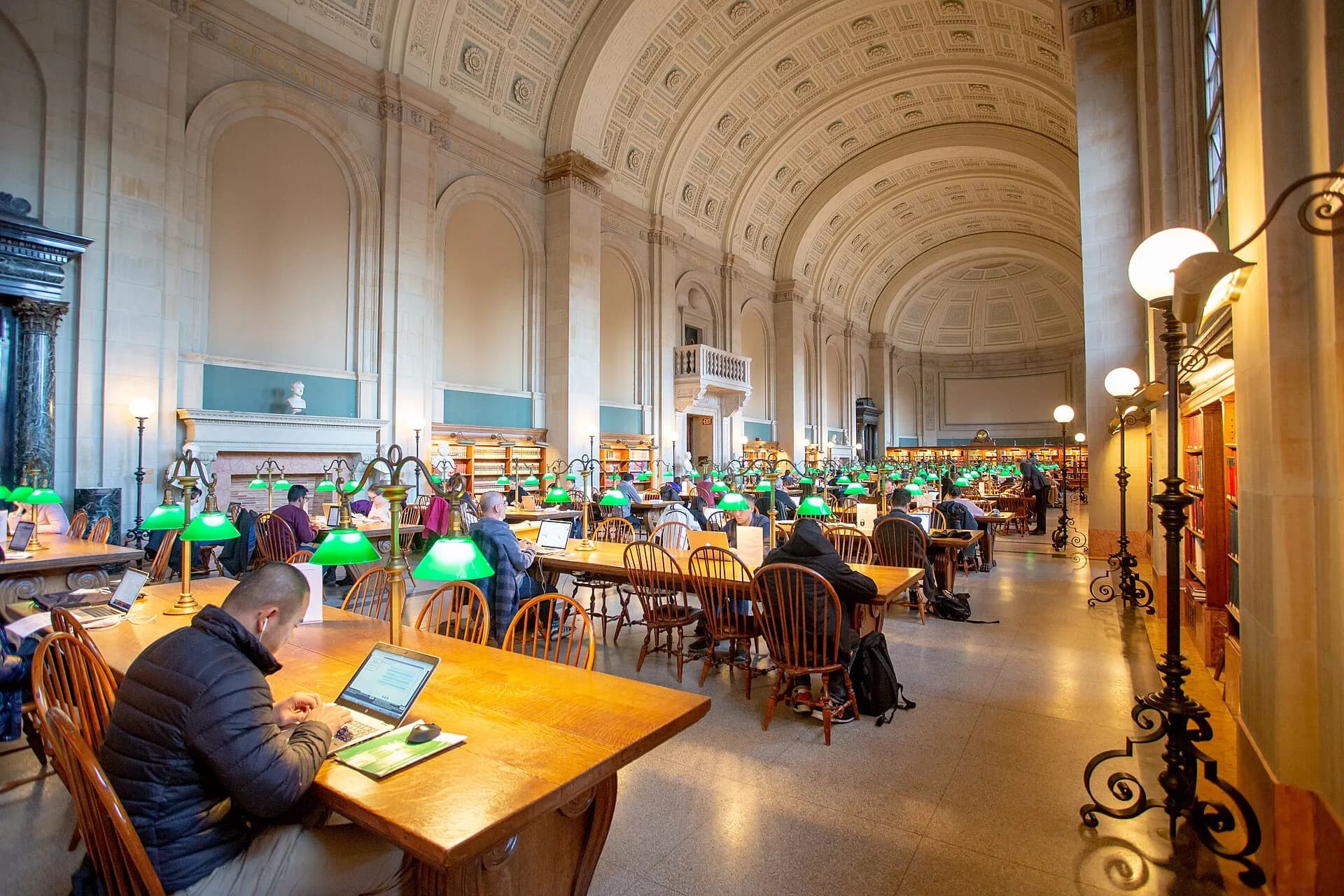
Back Bay was built on filled marshland in the 19th century and laid out on a grid of grand brownstone avenues. Walk the tree-lined Commonwealth Avenue Mall to Copley Square, where the McKim Building of the Boston Public Library, opened in 1895, faces H. H. Richardson's Trinity Church. The library is free to enter: look into the vast reading room of Bates Hall and the arcaded courtyard. Newbury Street, one block north, is the city's main shopping street.
- 13
Fenway Park
Photo: Zoke, CC BY-SA 4.0, via Wikimedia Commons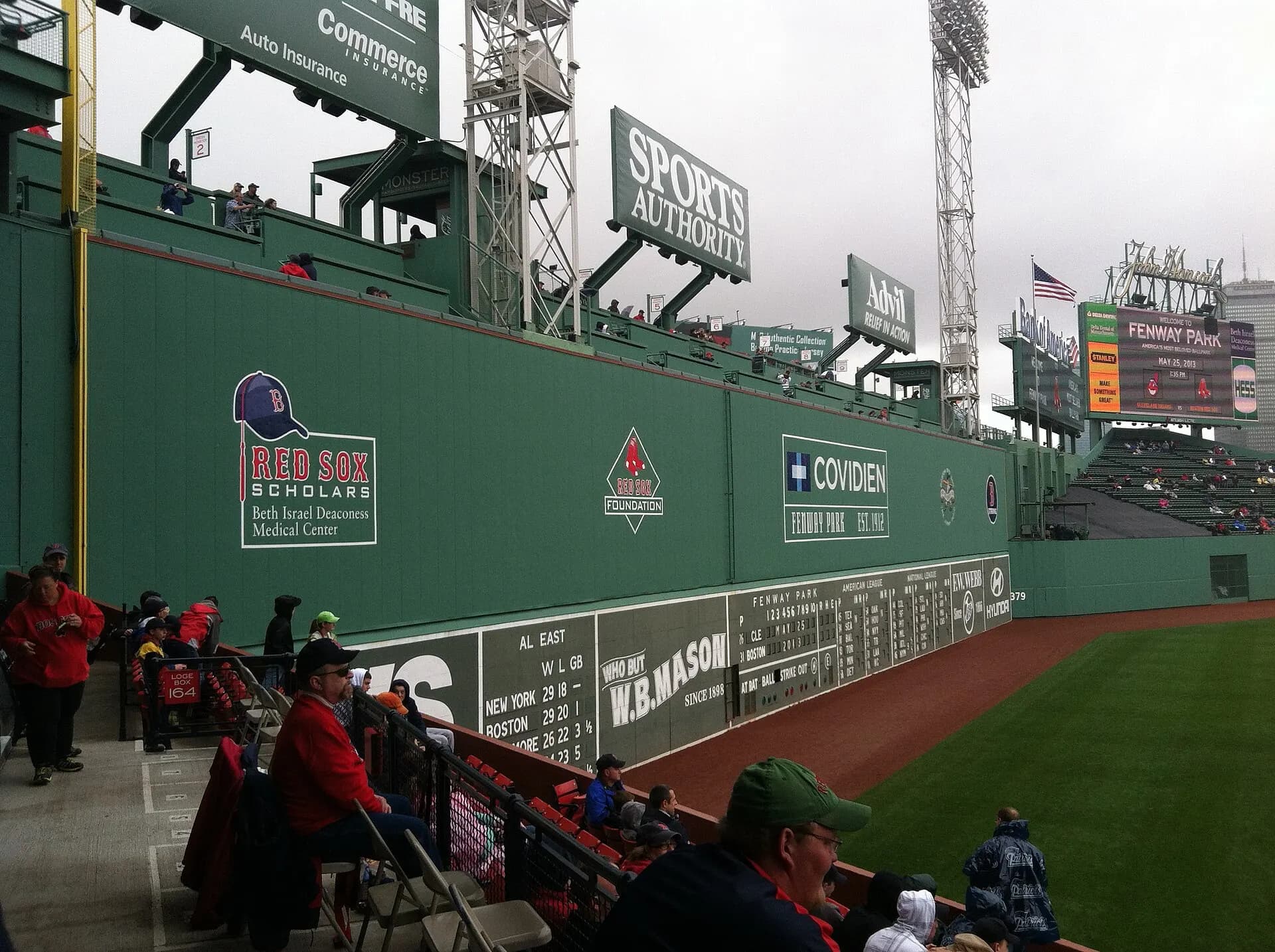
Opened in 1912, the home of the Boston Red Sox is the oldest ballpark in Major League Baseball, famous for its towering left-field wall, the Green Monster. The baseball season runs from spring to early autumn; guided tours of the ballpark are offered for much of the year. On game nights the surrounding streets fill with fans long before the first pitch.
- 14
Isabella Stewart Gardner Museum
Photo: King of Hearts, CC BY-SA 4.0, via Wikimedia Commons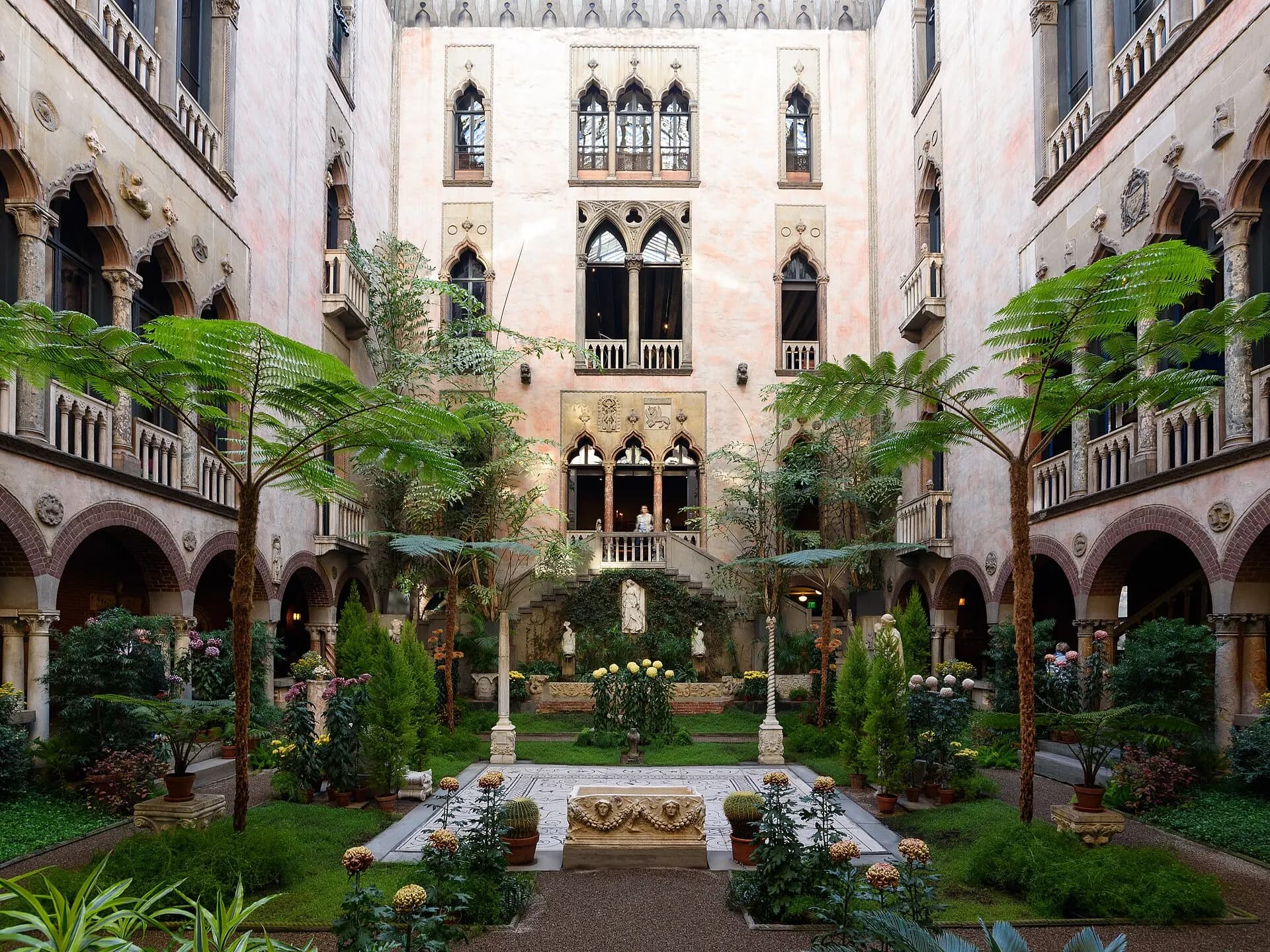
Isabella Stewart Gardner built a Venetian-style palace to display her collection and opened it in 1903, with rooms arranged exactly as she left them around a flower-filled glass-roofed courtyard. In 1990 thieves stole thirteen works, including a Vermeer and a Rembrandt, which have never been recovered; empty frames still hang in their place. A modern wing adds concerts and contemporary art.
TipBook a timed ticket ahead, as popular times sell out. The museum is closed on Tuesdays, and visitors named Isabella get in free for life.
- 15
Museum of Fine Arts
Photo: Beyond My Ken, CC BY-SA 4.0, via Wikimedia Commons
One of the great encyclopaedic museums of the country, ten minutes' walk from the Gardner. Highlights include Egyptian and classical antiquities, Japanese art, American paintings by John Singleton Copley and John Singer Sargent, and a strong collection of French Impressionists. It is closed on Tuesdays and stays open late on Thursday and Friday evenings.
- 16
MIT
Photo: Peacearth, CC BY-SA 4.0, via Wikimedia Commons
Across the Charles River in Cambridge, the Massachusetts Institute of Technology is open to wander. Stand beneath the Great Dome, admire Frank Gehry's tilting Stata Center, and look out for the outdoor sculptures scattered across the campus. The MIT Museum in Kendall Square shows off robots, holograms and other inventions. Walk back over the Harvard Bridge for one of the best views of the Boston skyline.
- 17
Harvard and Cambridge
Photo: Chris Rycroft, CC BY 2.0, via Wikimedia Commons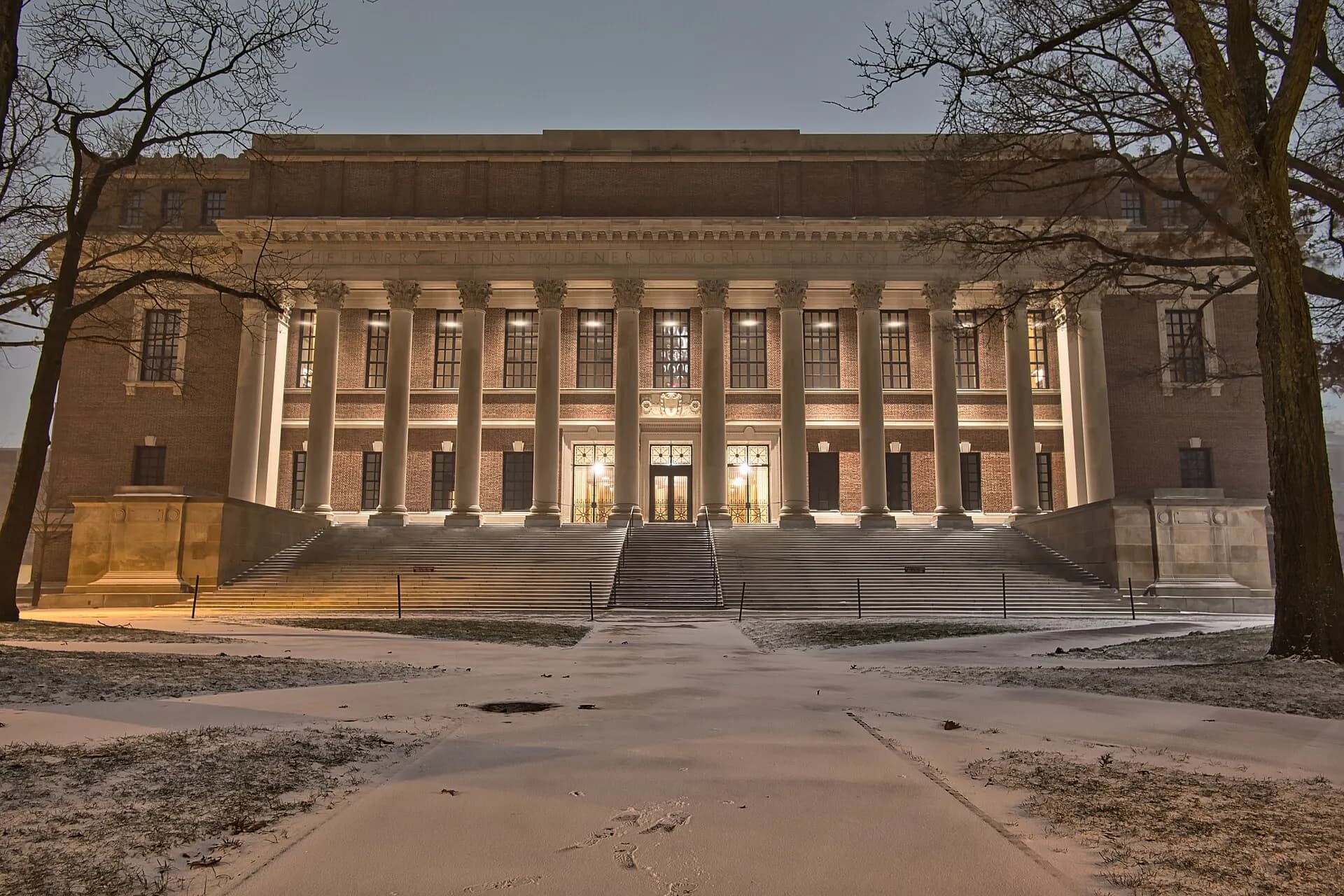
Founded in 1636, Harvard is the oldest university in the country. Harvard Yard, its leafy heart, is free to stroll, with the John Harvard statue and the columns of Widener Library. The Harvard Art Museums and the Harvard Museum of Natural History are worth a few hours, and around Harvard Square there are bookshops, cafés and street musicians.
TipStudents lead walking tours of the Yard; tread respectfully, as classes are in session for much of the year.
- 18
The Seaport and the ICA
Photo: Alacoolwiki, CC BY-SA 4.0, via Wikimedia Commons
The Seaport, a former district of wharves and parking lots, is now Boston's newest neighbourhood, with glass towers, restaurants and the waterfront Harborwalk. Its landmark is the Institute of Contemporary Art, a building cantilevered dramatically over the water. On the way, the Boston Tea Party Ships and Museum on the Fort Point Channel retells the events of 1773.
- 19
The Boston Harbor Islands
Photo: NewtonCourt, CC BY-SA 4.0, via Wikimedia Commons
A national and state park made up of islands scattered across the harbour, reached by ferry from Long Wharf in season. Spectacle Island, a former dump transformed into a green hill, has a lifeguarded beach and about five miles of walking trails with skyline views. Georges Island is home to Fort Warren, a 19th-century granite fort with tunnels to explore.
TipThe public ferry season runs roughly from mid-May to mid-October, and in 2026 it closed on 12 October. Check the official schedule before you plan, and bring water and snacks.
- 20
Salem
Photo: Ranjansanjeev, CC BY-SA 3.0, via Wikimedia Commons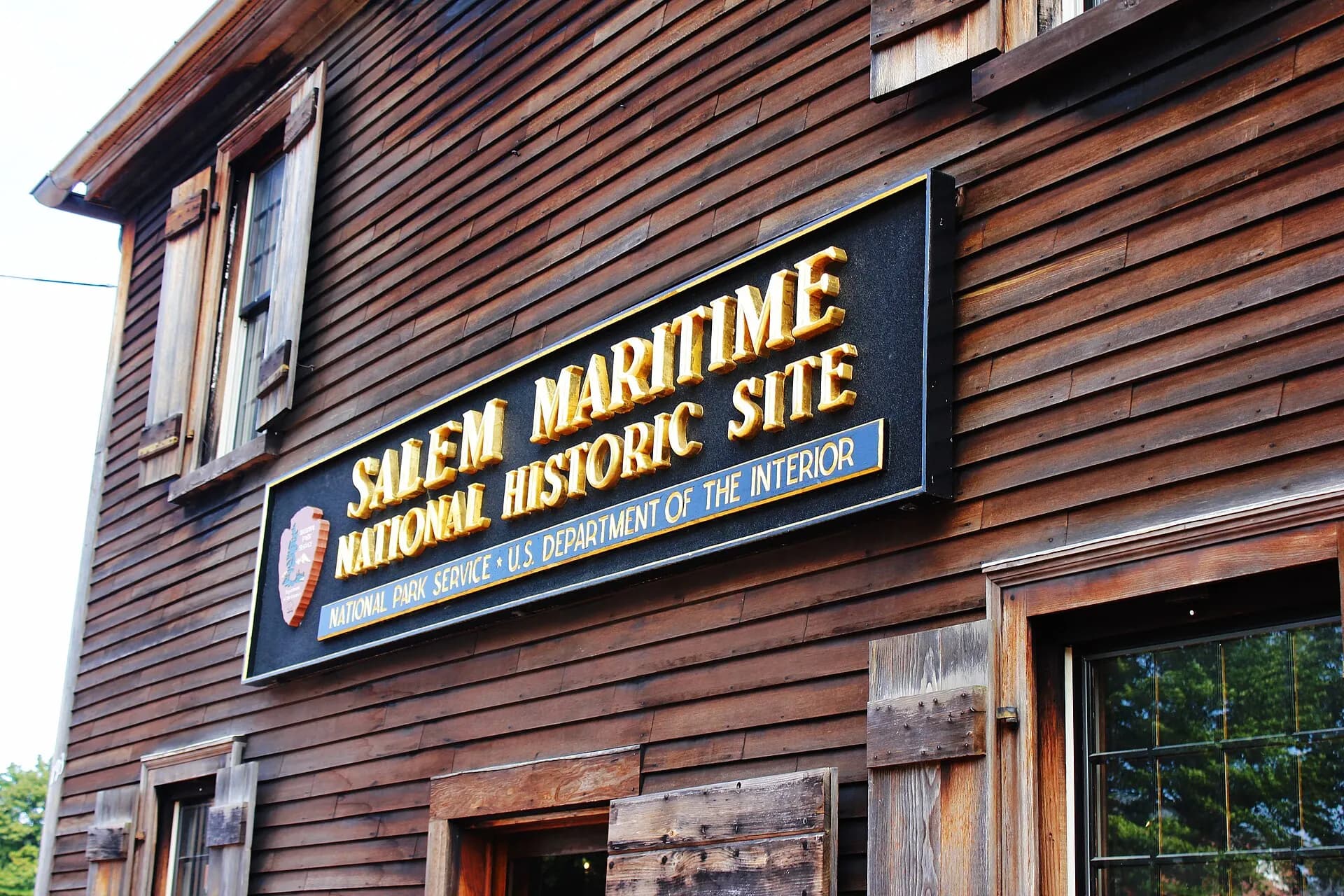
Salem, about 25 km north-east of Boston, is known for the witch trials of 1692, when twenty people were executed. It is also a handsome old seaport, with sea captains' mansions, the wharves of a national park site devoted to its maritime trade, the House of the Seven Gables, linked to Nathaniel Hawthorne, and the outstanding Peabody Essex Museum. Commuter trains run from North Station, and a seasonal ferry sails from the Boston waterfront.
TipIn October, Salem celebrates Halloween with a month of events and becomes extremely crowded, especially at weekends. Visit on a weekday or outside October for a calmer day.
- 21
Lexington and Concord
Photo: Daderot at en.wikipedia, CC BY-SA 3.0, via Wikimedia Commons
On 19 April 1775, British troops marching from Boston met colonial militia on Lexington's Battle Green and then at the North Bridge in Concord, where the minutemen turned them back: the first battles of the Revolutionary War. Minute Man National Historical Park protects the bridge, Daniel Chester French's Minute Man statue and the Battle Road between the two towns. Concord was also home to Emerson, Thoreau and Louisa May Alcott, and Walden Pond is just south of town.
TipCommuter trains run from North Station to Concord; Lexington is easiest by bus from Alewife station at the end of the Red Line, or by car.
When to go
Late spring and early autumn are the most pleasant times. From late May to June the city is green and mild, and the Public Garden is in full bloom. Summer is warm and often humid, with outdoor concerts, harbour cruises and the island ferries running. Autumn is the classic season: from late September the air turns crisp, and the trees of the Common, the Public Garden and the suburbs turn red and gold, usually peaking in the city in late October. September and October are also the busiest and most expensive months for hotels.
Winters are cold, often below freezing, with snowstorms and strong nor'easter storms off the Atlantic. It is a quieter, cheaper time to visit, with skating on the Frog Pond, holiday lights in December and museums to retreat into. Mid-April brings Patriots' Day and the Boston Marathon, when hotels fill up quickly.
Getting around
The T, run by the MBTA, has four colour-coded subway lines (Red, Orange, Green and Blue) plus the Silver Line buses. Visitors can simply tap a contactless bank card or phone at the gates and on buses, or buy a one-day or seven-day CharlieTicket pass from station machines. Commuter Rail trains, which serve Salem, Concord and the suburbs, are not covered by contactless taps or subway passes, so buy tickets in the mTicket app or at North and South stations. MBTA ferries link Long Wharf with Charlestown and other harbour points.
From Logan International Airport, the Silver Line SL1 bus runs from every terminal to South Station and is free from the airport. Free Massport shuttle buses also connect the terminals with Airport station on the Blue Line. Driving in central Boston is slow and parking is expensive, so leave the car until you head out of town. Bluebikes, the bike-share scheme, has docks across Boston and Cambridge.
Local tips
- Tip 18 to 20% in restaurants and bars; sales tax is added at the till, so menu prices don't include it.
- Wear comfortable shoes: the Freedom Trail, Beacon Hill and the North End are all cobbles, brick and hills.
- Book timed tickets ahead for the Gardner and the Museum of Fine Arts; both are closed on Tuesdays.
- Many state and national holidays close museums, including Patriots' Day in April, so check before planning a day around one.
- Hotel prices spike around university graduations in May, the Marathon in April and the autumn foliage season.
- Red Sox game nights pack the Green Line near Kenmore; allow extra time or walk.
- Bars and restaurants check photo ID for alcohol, whatever your age; bring a passport or driving licence.
Eat and drink
Boston's food is shaped by the sea. Order a bowl of creamy New England clam chowder, a lobster roll (served cold with mayonnaise or warm with butter), fried clams and fresh oysters from the waters of Cape Cod and Duxbury. The Union Oyster House near Faneuil Hall has been serving since 1826. In the North End, settle into a red-sauce trattoria and finish with cannoli from one of the old bakeries on Hanover Street.
The Boston cream pie, actually a custard-filled sponge cake topped with chocolate, was created at the Omni Parker House hotel, which still makes it. Chinatown, by South Station, is good for dim sum and late-night noodles, and Cambridge and Somerville have some of the area's most inventive and international cooking. Craft breweries thrive across the region.
Where to stay
Back Bay and Beacon Hill are the most attractive bases, with handsome streets, good transport and many of the sights on foot. Downtown and the waterfront put you right on the Freedom Trail, and the Seaport has modern hotels close to the harbour. Cambridge suits those who want a livelier student atmosphere and easy access to Harvard and MIT. Boston is an expensive city for hotels, especially in autumn; staying near a T station in Cambridge, Somerville or Brookline can be better value.
The road to revolution
Boston was the heart of the colonial resistance to British rule. Protests over taxes led to the Boston Massacre in 1770 and the Boston Tea Party in 1773, and Britain responded by closing the port and occupying the town. On the night of 18 April 1775 Paul Revere and William Dawes rode out to warn the countryside, and the next day fighting broke out at Lexington and Concord. In June came the bloody battle on Charlestown's Breed's Hill, now known as Bunker Hill, and in March 1776 the British evacuated Boston after the colonists placed cannon on Dorchester Heights.
The 250th anniversaries of these events, part of the national semiquincentennial, were marked across Boston and Massachusetts through 2025 and 2026, with re-enactments, exhibitions and July Fourth celebrations. The sites themselves are open all year: walk the Freedom Trail in the morning, then follow the Battle Road out to Concord to see where the war began.
Autumn colour and winter
New England is famous for its autumn foliage, and Boston makes a good base for seeing it. Colours appear first in northern New England and the hills of western Massachusetts in early October, then spread south and east, reaching the city's parks and the leafy streets of Cambridge and Concord around late October. The Arnold Arboretum, a free park run by Harvard in Jamaica Plain, is lovely at this time of year.
Winter visitors should pack a proper coat, gloves and waterproof boots. Snowstorms can briefly halt transport, so keep plans flexible. In return there are quiet museums, lower hotel prices, skating on the Common, and cosy taverns serving chowder.
Responsible travel
Most of Boston's historic sites are small, fragile buildings in living neighbourhoods. Keep to paths in the old burying grounds, and don't make rubbings of the gravestones or lean on them. In Beacon Hill and the North End, remember that people live behind those photogenic doors. Use the T, the ferries and your feet rather than a car, carry a reusable bottle, and on the harbour islands take everything you bring back with you. Eating in family-run restaurants and bakeries helps keep the character of neighbourhoods like the North End alive.