New Orleans
The birthplace of jazz, a city of Creole cooking, iron balconies, streetcars and a celebration around every corner.
- Best time to go
- February to May, for Mardi Gras, festivals and mild weather
- Local time
- –
- Currency
- US Dollar (USD)
- Reading time
- 4 min
- Language
- English
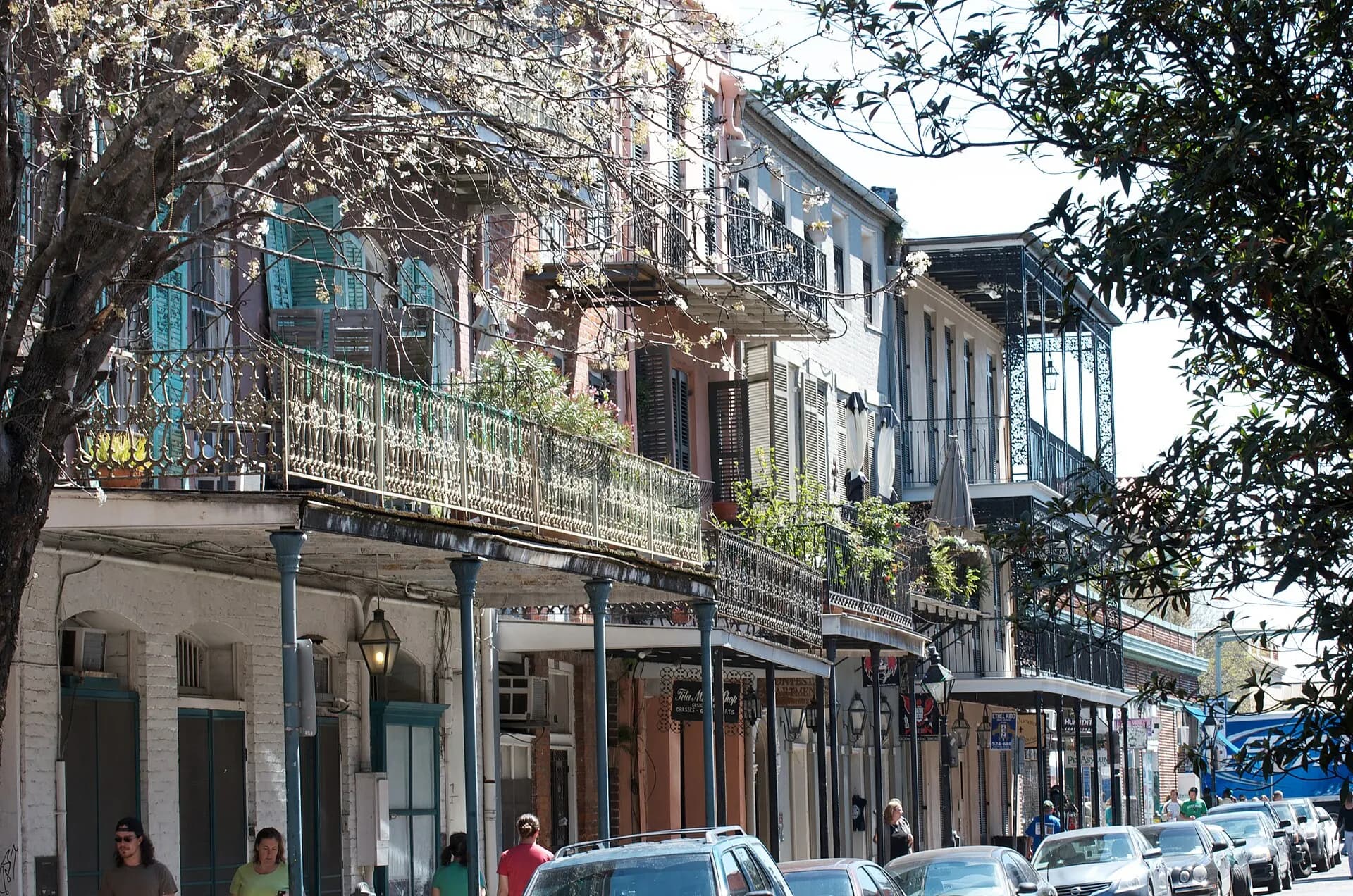
New Orleans, on a bend of the Mississippi River near its mouth in Louisiana, is unlike any other city in the United States. Founded by the French in 1718, ruled by Spain, and shaped by African, Caribbean, Creole, Acadian and many other cultures, it gave the world jazz and a cuisine all its own. Its old streets of iron balconies and shotgun houses, its brass bands and second-line parades, and its love of a good time make it one of the most distinctive cities in America.
The city has faced hardship, most of all the flooding after Hurricane Katrina in 2005, and has rebuilt with resilience and pride. Come for the music and the food, stay for the people and the atmosphere, and walk its neighbourhoods slowly.
The top 10 in New Orleans
- 1
The French Quarter
Photo: Bjoertvedt, CC BY-SA 4.0, via Wikimedia Commons
The city's oldest neighbourhood, the Vieux Carré, laid out by the French in 1718, with mostly Spanish-era buildings of the late eighteenth century, cast-iron galleries, hidden courtyards and gas lamps. Royal Street has galleries and antique shops; Bourbon Street is loud and lively at night.
TipExplore Royal and Chartres streets in the morning, when the Quarter is quiet.
- 2
Jackson Square and St Louis Cathedral
Photo: Michael Gaylard, CC BY 2.0, via Wikimedia Commons
The historic heart of the Quarter, a garden square with a statue of Andrew Jackson, flanked by the Pontalba Buildings and dominated by St Louis Cathedral, one of the oldest cathedrals in the United States. Artists, musicians and fortune tellers gather around it.
- 3
Café du Monde and the French Market
Photo: Spatms, CC BY-SA 4.0, via Wikimedia Commons
A riverside café open since 1862, famous for its beignets, square doughnuts covered in powdered sugar, served with chicory coffee. The French Market, beside it, has food stalls and crafts.
- 4
Frenchmen Street
Photo: Infrogmation of New Orleans, CC BY-SA 4.0, via Wikimedia Commons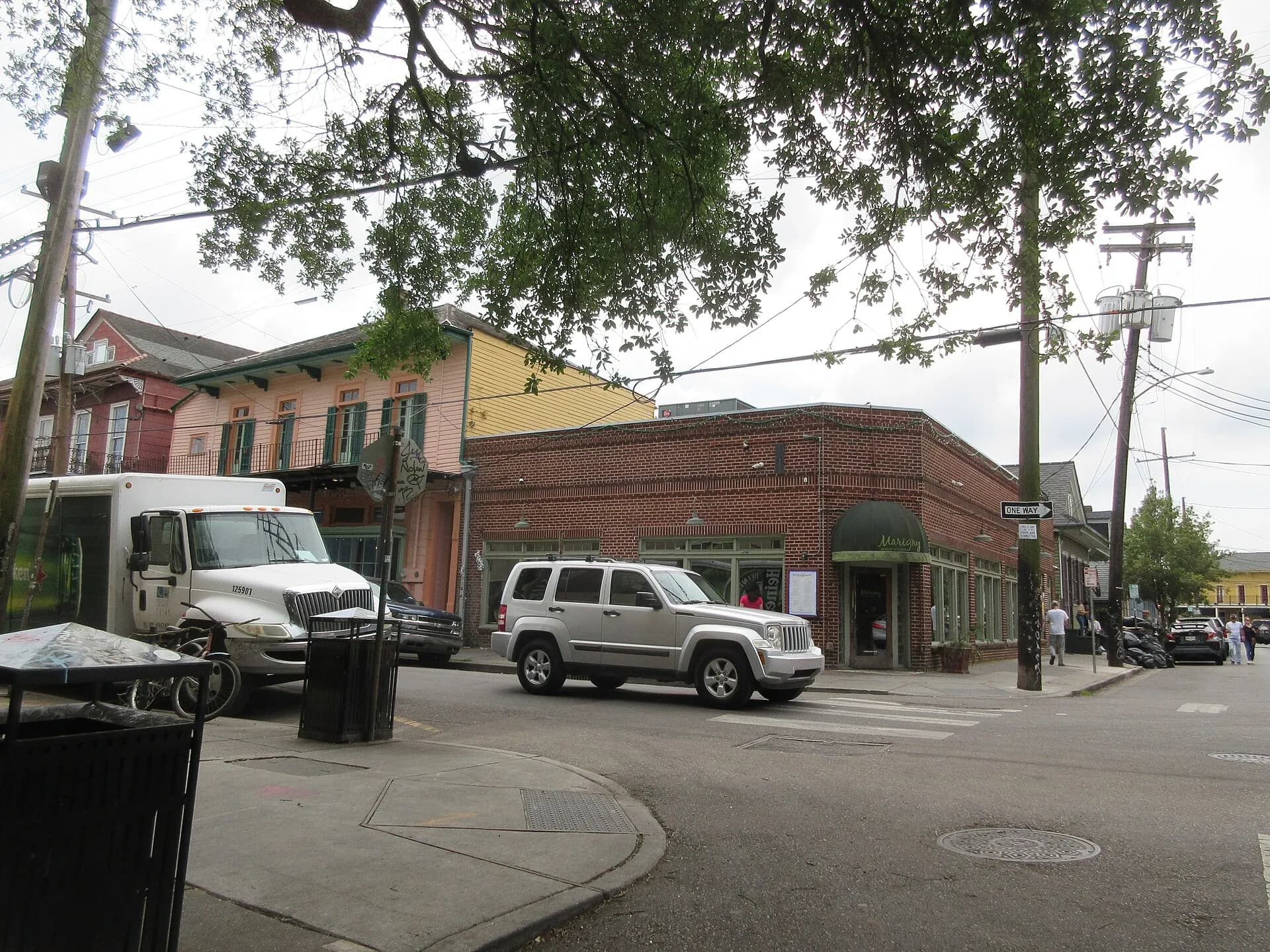
In the Marigny neighbourhood just beyond the Quarter, a few blocks of clubs and bars with live music every night, from traditional jazz to brass bands and blues, often with no cover charge.
- 5
Preservation Hall
Photo: Richard Martin, CC BY 2.0, via Wikimedia Commons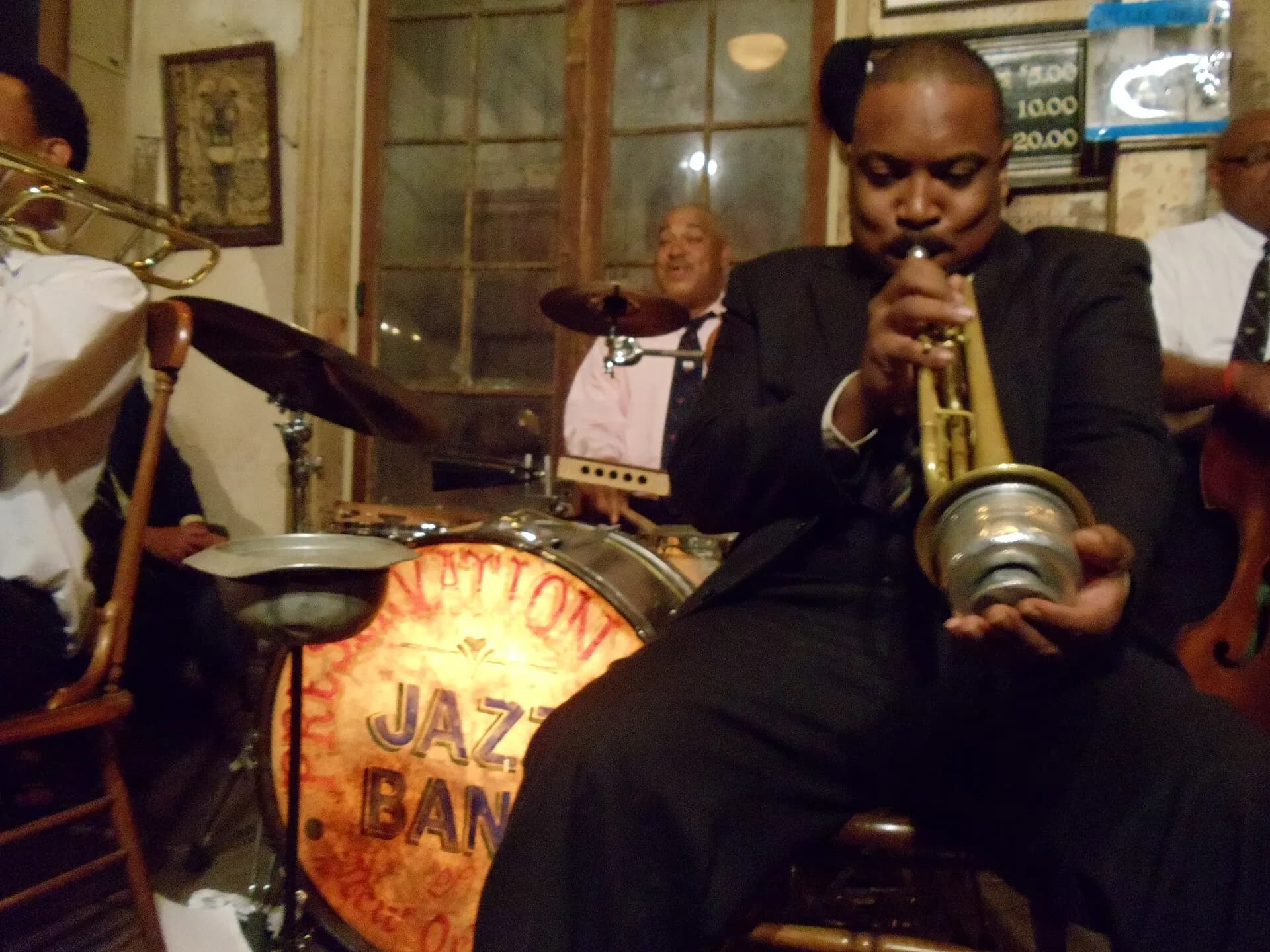
A small, plain hall in the French Quarter dedicated to traditional New Orleans jazz since 1961, with short, intimate concerts several times a night.
- 6
The Garden District
Photo: MusikAnimal, CC BY-SA 4.0, via Wikimedia Commons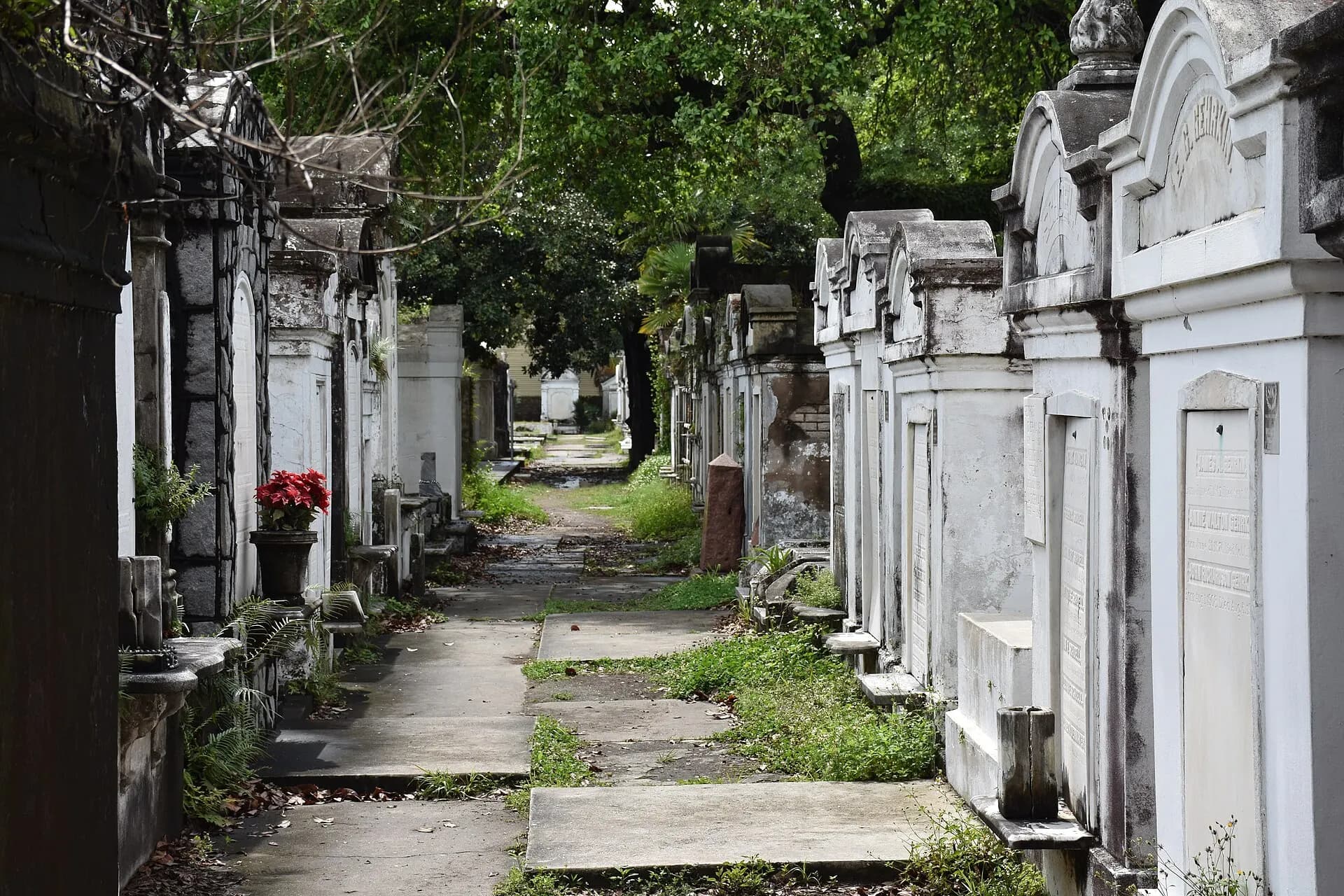
A neighbourhood of grand nineteenth-century mansions with gardens of oaks and magnolias, built by wealthy Americans. Lafayette Cemetery No. 1, with its above-ground tombs, is at its heart.
- 7
The St Charles streetcar
Photo: Infrogmation of New Orleans, CC BY-SA 4.0, via Wikimedia Commons
The oldest continuously operating streetcar line in the world, running green wooden cars along oak-shaded St Charles Avenue from downtown through the Garden District to Uptown and Audubon Park.
- 8
The National WWII Museum
Photo: ironypoisoning, CC BY-SA 2.0, via Wikimedia Commons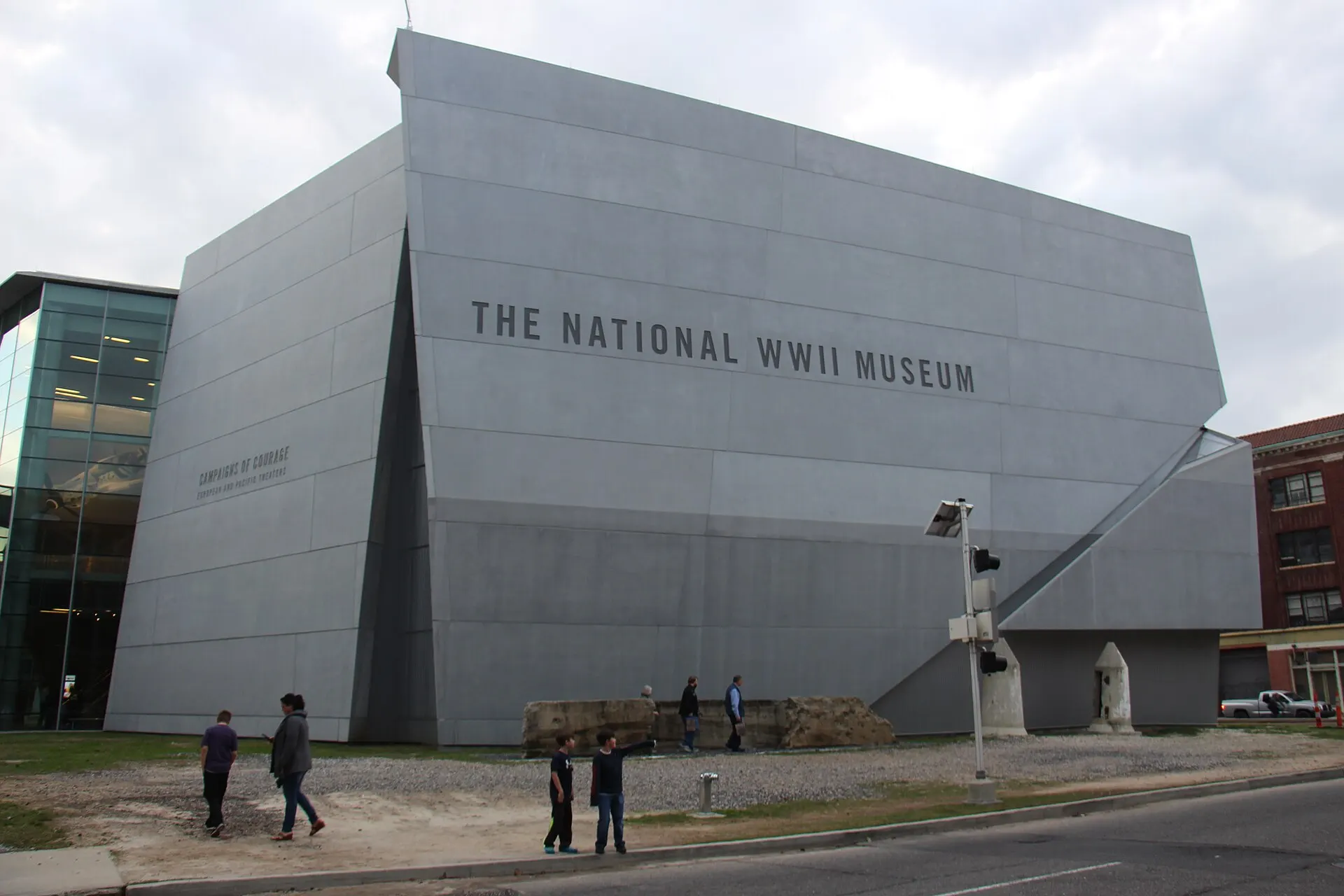
A large museum telling the story of the American experience in the Second World War, with aircraft, personal stories and immersive films. It's one of the most visited museums in the country; allow most of a day.
- 9
City Park
Photo: Infrogmation of New Orleans, CC BY-SA 4.0, via Wikimedia Commons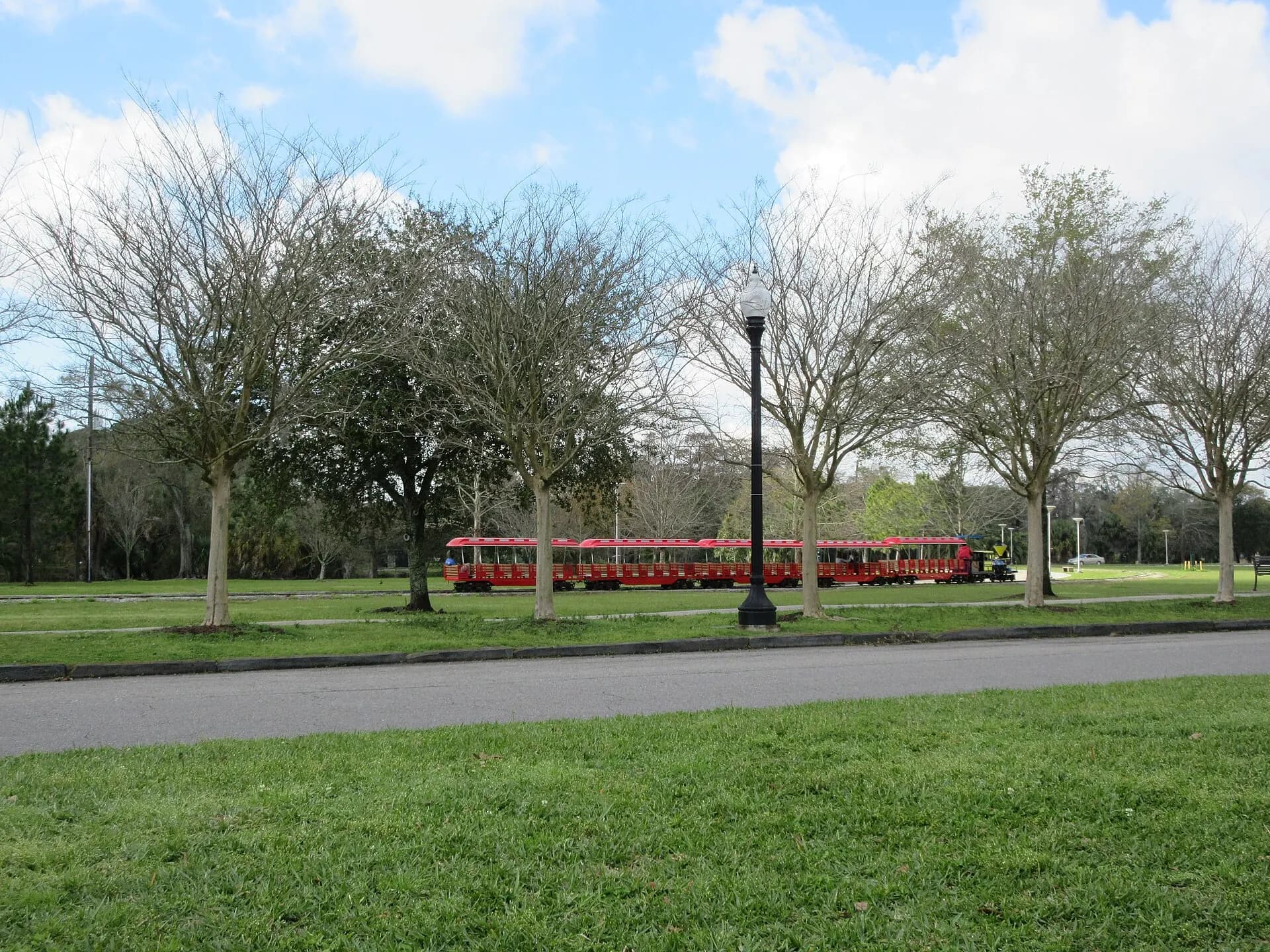
A vast park with ancient live oaks draped in Spanish moss, the New Orleans Museum of Art, a sculpture garden and botanical gardens.
- 10
The swamps and bayous
Swamp tours by boat leave from the outskirts of the city into the bayous, where you may see alligators, herons and cypress trees. Jean Lafitte National Historical Park has boardwalks through a swamp.
When to go
Spring is the best season, with mild weather and the city's biggest celebrations: Mardi Gras, in February or early March, the French Quarter Festival in April and the New Orleans Jazz & Heritage Festival in late April and early May. Summer is hot and humid, and hurricane season runs from June to November. Autumn and early winter are pleasant, with fewer crowds.
Getting around
The French Quarter and Marigny are best on foot. Streetcars run along St Charles Avenue, Canal Street and the riverfront; buy a Jazzy Pass for unlimited rides. Taxis and ride-hailing are easy to find. Louis Armstrong New Orleans International Airport is about thirty minutes from downtown.
Local tips
- Book accommodation far ahead for Mardi Gras and Jazz Fest.
- Visit cemeteries with a licensed guide; some are only open on tours.
- Drinks in plastic "go cups" can be carried on the streets, but not glass.
- Stay in busy, well-lit areas at night, and use a taxi to return to your hotel late.
- Tip musicians on the street and in clubs with no cover charge.
- Most visitors to the United States need a visa or ESTA authorisation.
Eat and drink
New Orleans has one of America's great food cultures, mixing Creole and Cajun traditions. Try gumbo, jambalaya, red beans and rice, crawfish étouffée, po' boy sandwiches, muffulettas and char-grilled oysters. Grand old restaurants serve shrimp rémoulade and bread pudding, and classic cocktails such as the Sazerac and Ramos gin fizz were born here.
Where to stay
The French Quarter puts you at the centre of things but can be noisy. The Marigny and Bywater are quieter, with a local feel. The Garden District and Uptown offer guesthouses on oak-lined streets near the streetcar.
Mardi Gras
Mardi Gras, the final day of the Carnival season before Lent, has been celebrated in New Orleans since the eighteenth century. In the weeks before it, krewes, social clubs, hold parades with elaborate floats, marching bands and riders throwing beads and trinkets to the crowds. Most parades follow St Charles Avenue and Canal Street, and families stake out spots along the route. The Mardi Gras Indians, Black Masking Indians who sew their own magnificent beaded suits, appear on Mardi Gras Day and St Joseph's Night.
The music
Jazz grew up in New Orleans around the start of the twentieth century, out of brass bands, blues, ragtime, spirituals and the rhythms of Congo Square, where enslaved Africans gathered to drum and dance on Sundays. Louis Armstrong, Jelly Roll Morton and Sidney Bechet came from here. The New Orleans Jazz National Historical Park, in the Old US Mint, has exhibits and free concerts.