Miami
A sun-bleached, Spanish-speaking gateway to the Caribbean, where pastel Art Deco hotels, Cuban coffee windows and turquoise water sit a short drive from alligator country.
- Best time to go
- December to April for dry, warm days; November and May for lower prices and smaller crowds
- Local time
- –
- Currency
- US Dollar (USD)
- Reading time
- 15 min
- Language
- English

Miami is less a single city than a sprawl of islands, causeways and neighbourhoods strung along Biscayne Bay, with the Atlantic on one side and the Everglades on the other. Barely a century ago much of it was mangrove swamp and pineland. Today it is one of the great Latin American cities, even though it happens to lie in the United States: Spanish is heard everywhere, Cuban coffee is sold through street windows, and the skyline of glass towers in Brickell keeps climbing.
Most visitors split their time between two very different places. Miami Beach, a separate city on a barrier island, has the sand, the nightlife and the world's largest collection of Art Deco buildings. The mainland city of Miami has the museums, the street art of Wynwood, the Cuban heart of Little Havana and the leafy older suburbs of Coconut Grove and Coral Gables. Allow four or five days to see both, then add a day in the Everglades and, if you can, a long drive down the Florida Keys.
The top 19 in Miami
- 1
South Pointe Park
Photo: Dough4872, CC BY-SA 4.0, via Wikimedia Commons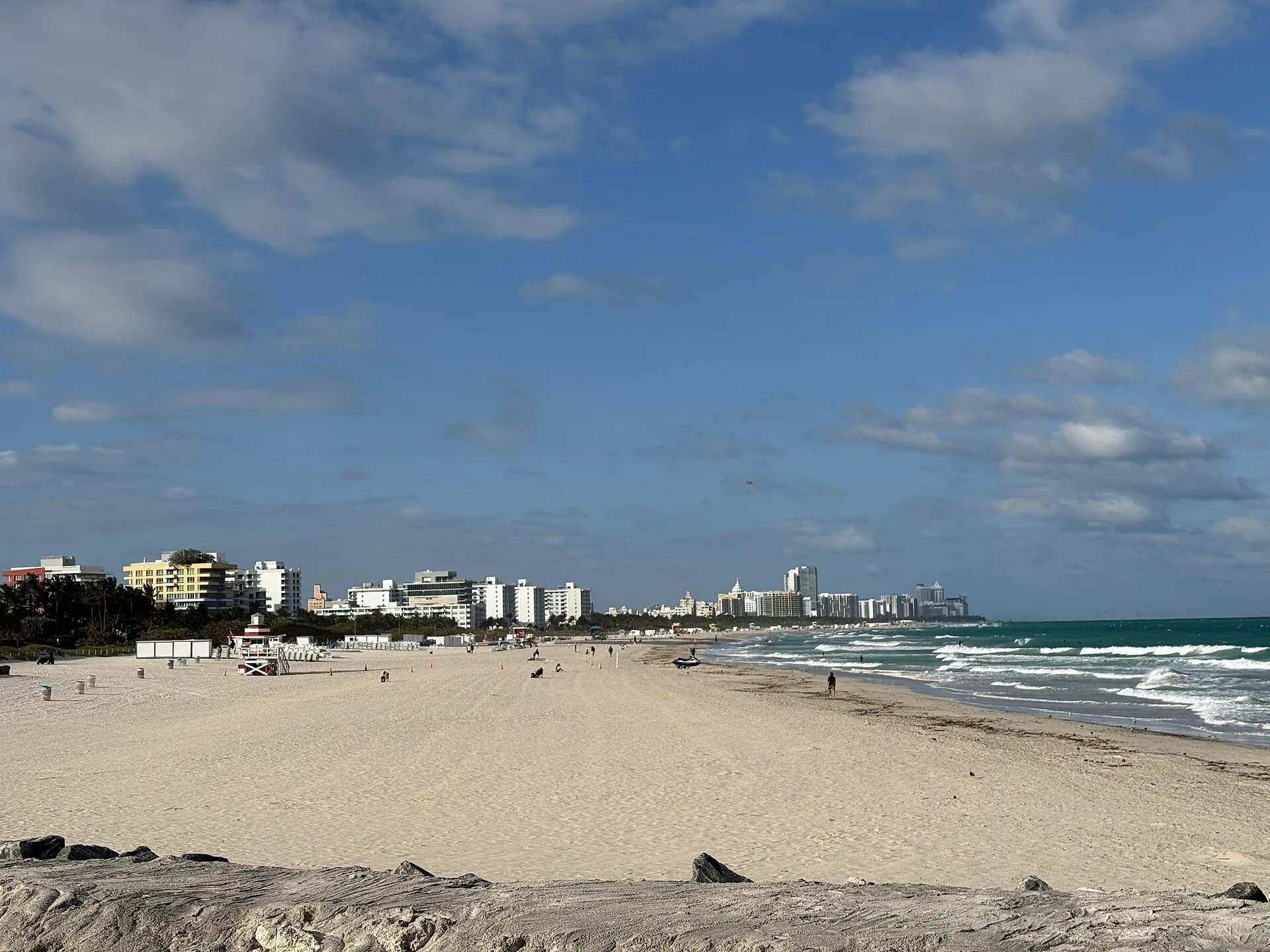
Start at the southern tip of Miami Beach, where a landscaped park looks across Government Cut, the deep channel that cruise ships and cargo vessels use to reach the port. A long fishing pier pushes out into the ocean, and the lawns, dunes and promenade are a calmer introduction to the beach than the crowds further north. Watching a towering cruise ship slide past at close range, close enough to wave at the passengers, is a very Miami moment.
TipThe pier and beach here are at their best early in the morning, before the heat builds and the parking fills up.
- 2
Art Deco Historic District
Photo: Tamanoeconomico, CC BY-SA 4.0, via Wikimedia Commons
Walk north from South Pointe and you enter about a square mile of low-rise hotels and apartment blocks, most built between the late 1920s and the early 1940s, in Art Deco, Mediterranean Revival and Streamline Moderne, a local variant often called Tropical Deco. Look for porthole windows, racing stripes, "eyebrow" ledges shading the windows, glass-block walls and neon signs. Many of the buildings were close to demolition in the 1970s, and the district was saved by a determined group of residents who founded the Miami Design Preservation League in 1976; it became the first 20th-century district on the National Register of Historic Places in 1979.
TipThe league runs guided walking tours from the Art Deco Welcome Center; booking on its website is the easiest way to make sure of a place.
- 3
Art Deco Welcome Center and Ocean Drive
Photo: Don Ramey Logan, CC BY 4.0, via Wikimedia Commons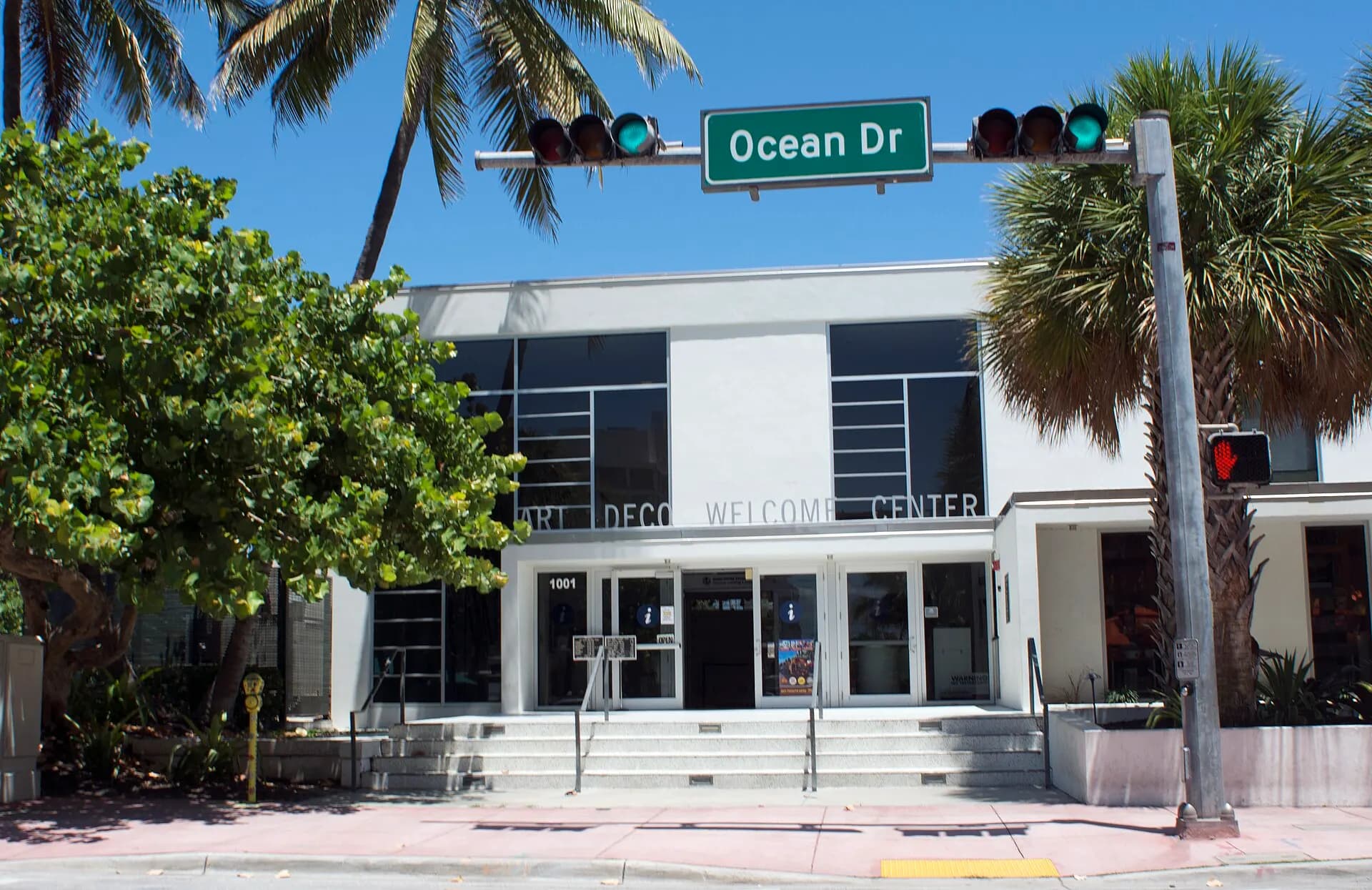
Ocean Drive is the district's famous front row: a strip of pastel hotels with neon names facing the palms of Lummus Park and the beach. By day it is a parade of joggers, skaters and people watching people; at dusk the neon flickers on and the pavement cafés fill. The Art Deco Welcome Center at 1001 Ocean Drive, itself a former beach patrol building, has exhibitions on the architecture and is the meeting point for tours. The waterfront restaurants on the strip are notorious for oversized cocktails and steep bills, so check the menu and the automatic service charge before sitting down.
- 4
Lummus Park
Photo: Ianaré Sévi, CC BY-SA 3.0, via Wikimedia Commons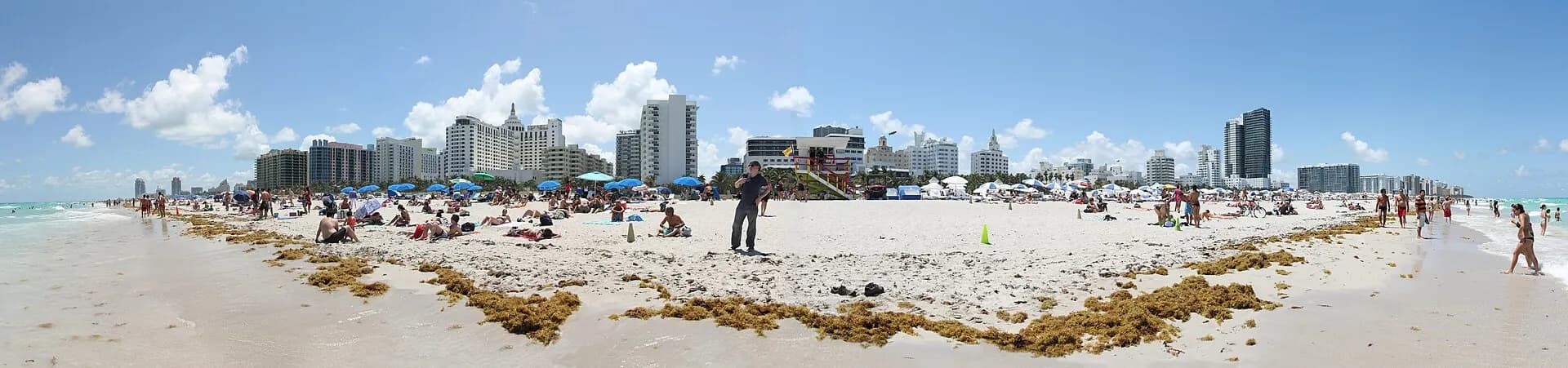
Between Ocean Drive and the sea, this long ribbon of grass, palms and sand is South Beach's main beach. The brightly painted lifeguard towers, each with its own design, are among the most photographed structures in Florida. The sand is wide and soft, the water is usually warm and clear, and the Beachwalk path runs along the dunes for miles if you want to walk or cycle north.
TipSwim near a staffed lifeguard tower and watch the flags; rip currents can be strong after storms, and purple flags warn of jellyfish or Portuguese men-of-war.
- 5
The Wolfsonian–FIU
Photo: Daderot, Public domain, via Wikimedia Commons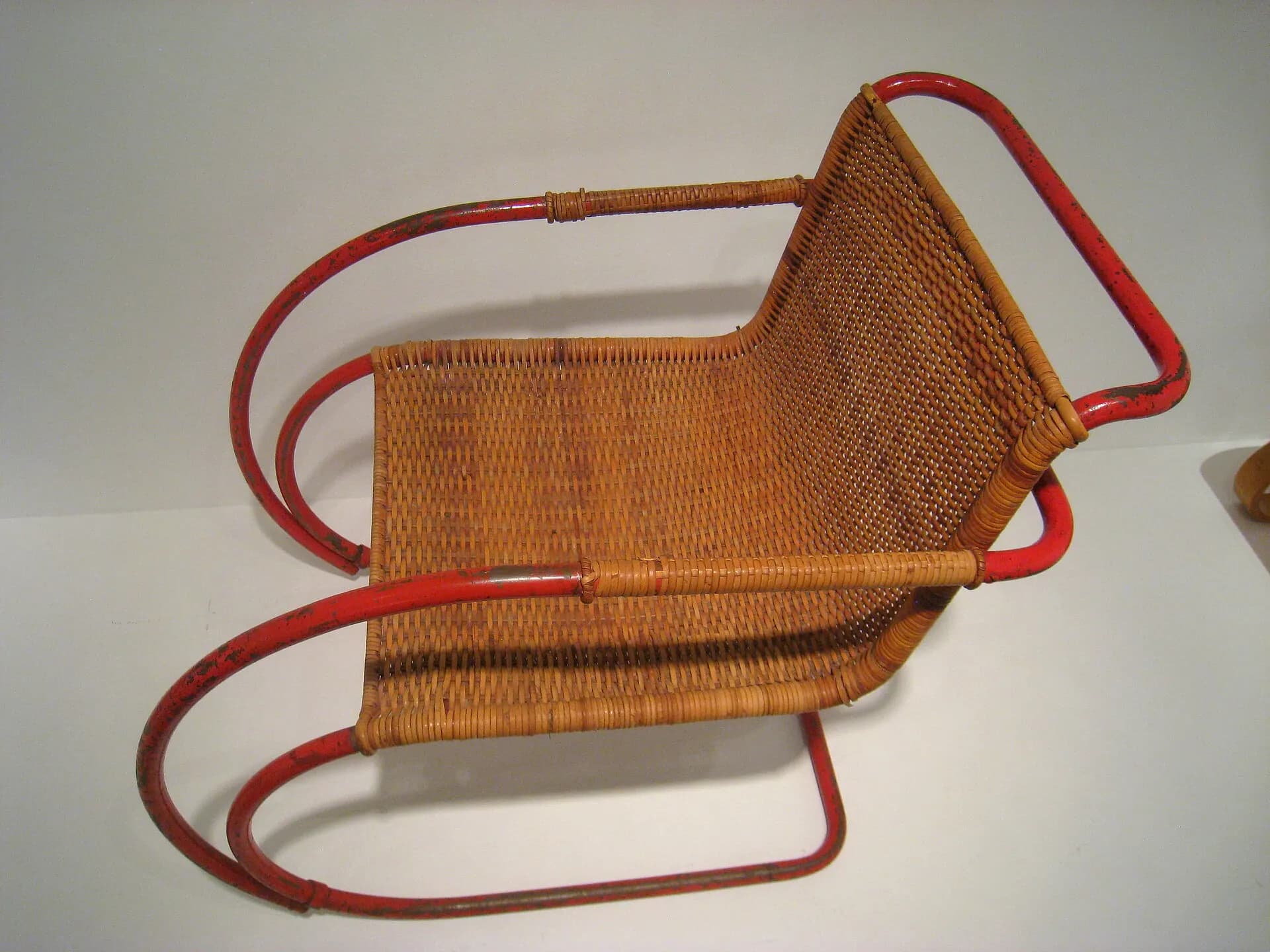
One block inland on Washington Avenue, this museum fills a Mediterranean Revival former storage building with a remarkable collection of design and propaganda from about 1850 to 1950: furniture, posters, industrial objects and decorative arts that show how design was used to sell everything from household goods to political ideas. It is the perfect companion to the streets outside and a cool refuge on a hot afternoon.
- 6
Lincoln Road
Laid out as a pedestrian mall by the architect Morris Lapidus in 1960, Lincoln Road runs from Washington Avenue almost to the bay. Its shops, restaurants and outdoor tables sit among sculptural shade structures, pools and tropical planting. It is best in the evening, when the heat eases and the cafés spill into the street, and on Sundays, when a farmers' market sets up.
- 7
Wynwood Walls
Back on the mainland, the former warehouse district of Wynwood has become one of the world's best-known open-air street art scenes. The Wynwood Walls, a gated complex of courtyards opened in 2009, showcases large commissioned murals by international artists, refreshed every year or two. But the art does not stop at the gates: almost every wall, roller shutter and loading bay in the surrounding blocks is painted, and the neighbourhood is full of galleries, breweries, coffee roasters and bars. The upmarket Miami Design District, with its designer boutiques and public art, is a short ride north.
TipThe Walls charge for entry and are busiest on weekend afternoons. Arrive at opening, or explore the free murals in the surrounding streets in the cooler morning.
- 8
Pérez Art Museum Miami
Photo: B137, CC BY-SA 3.0, via Wikimedia Commons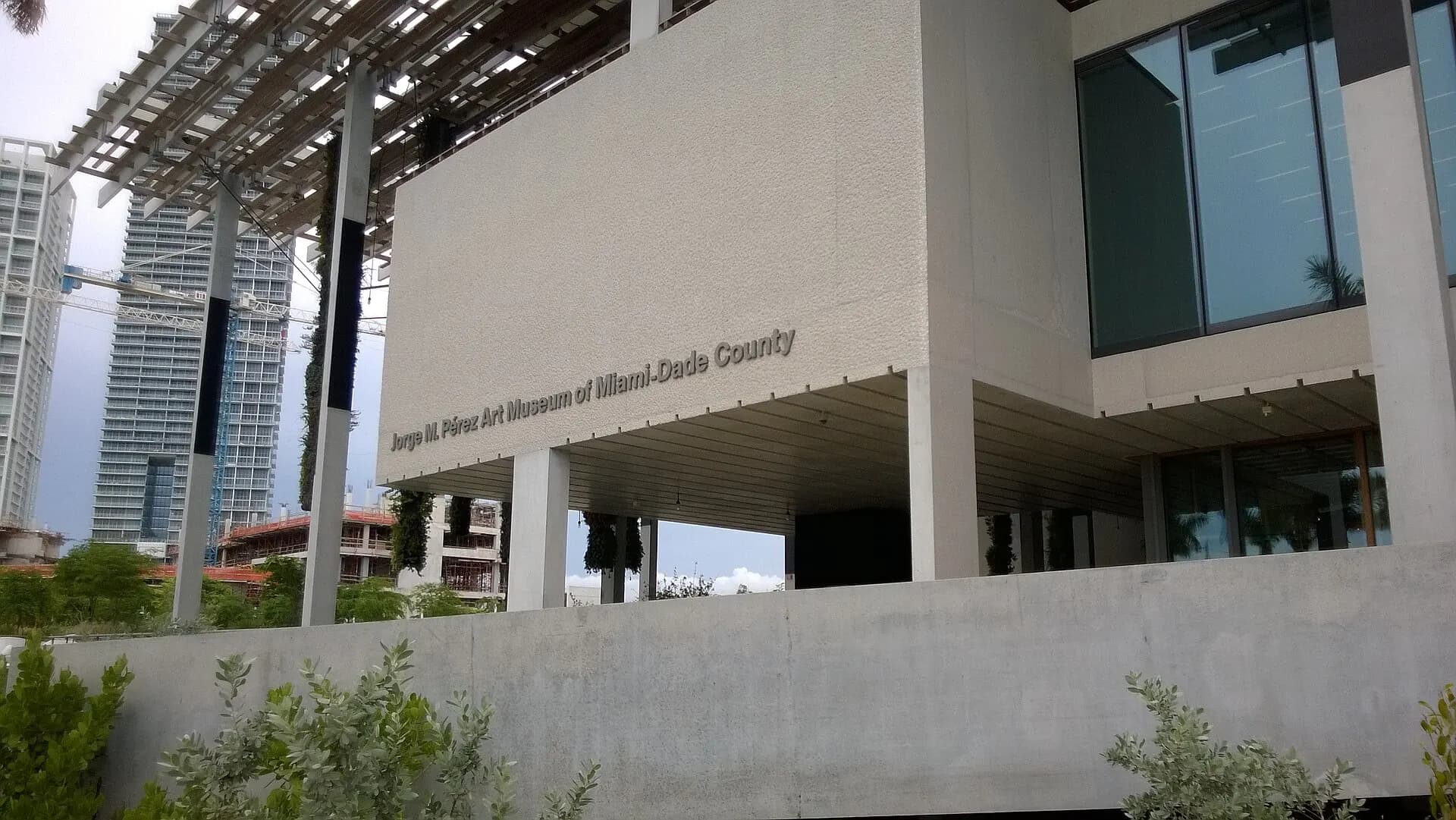
Downtown, on the edge of Biscayne Bay in Museum Park, PAMM is housed in a building by the Swiss firm Herzog & de Meuron, opened in 2013, with a deep shaded veranda hung with tropical plants that dangle like vertical gardens. The collection focuses on modern and contemporary art, with particular strength in work from the Americas, the Caribbean and the African diaspora. Even if you skip the galleries, the bayside terrace, café and views over the water towards the port are worth the visit.
- 9
Frost Science
Photo: Dan Lundberg, CC BY-SA 2.0, via Wikimedia Commons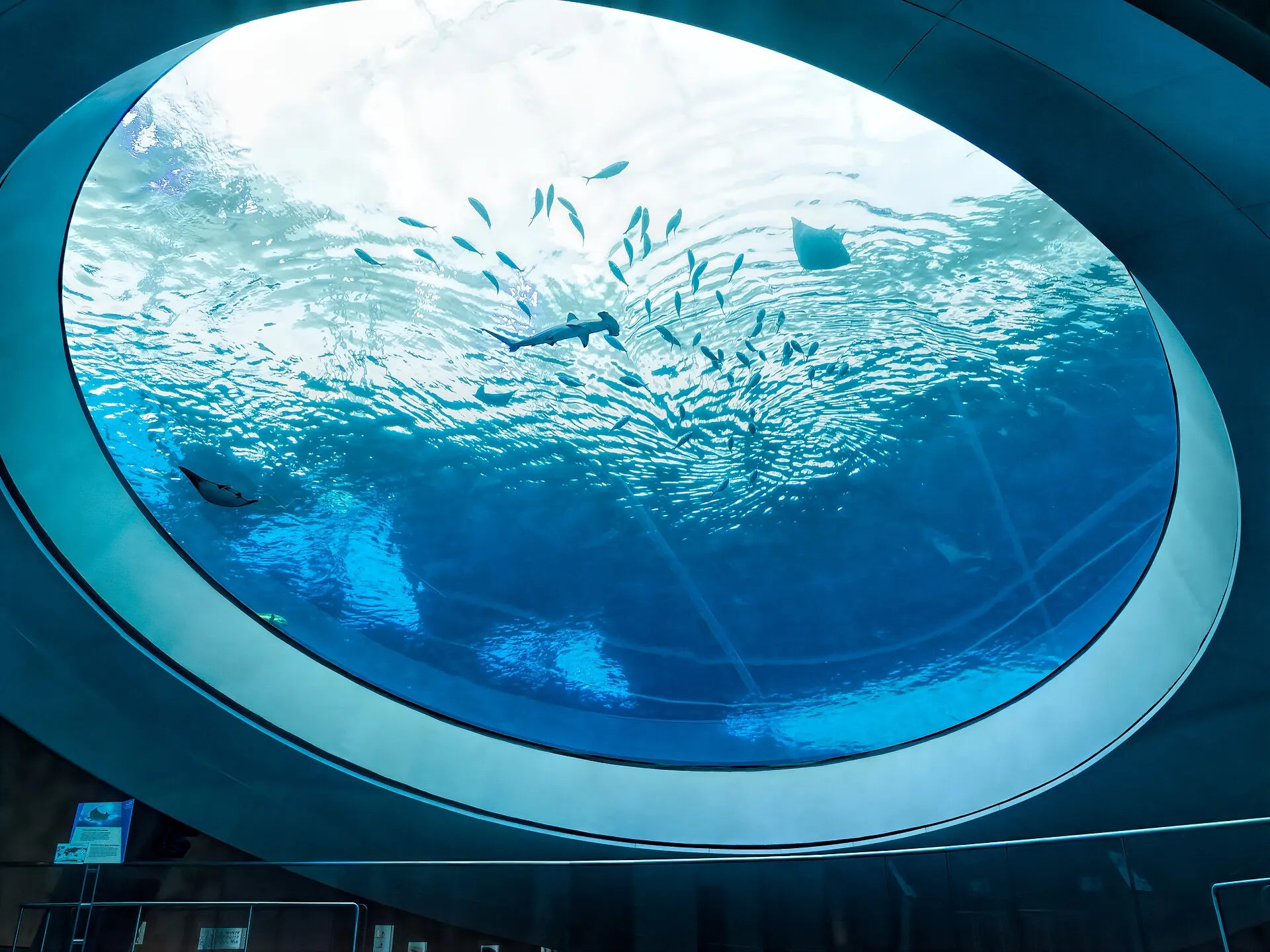
Next door, the Phillip and Patricia Frost Museum of Science combines a science museum, a planetarium and a three-level aquarium. The centrepiece is a huge cone-shaped tank of Gulf Stream marine life, viewed from the top as an open pool and from below through a giant lens-shaped window, where sharks, rays and shoals of fish circle overhead. It is a good choice with children or on a stormy day.
TipBoth museums sit beside the Museum Park Metromover station, so you can ride the free Metromover from Brickell or Bayside instead of looking for parking.
- 10
Bayside Marketplace and Bayfront Park
Photo: Neil Williamson, CC BY-SA 2.0, via Wikimedia Commons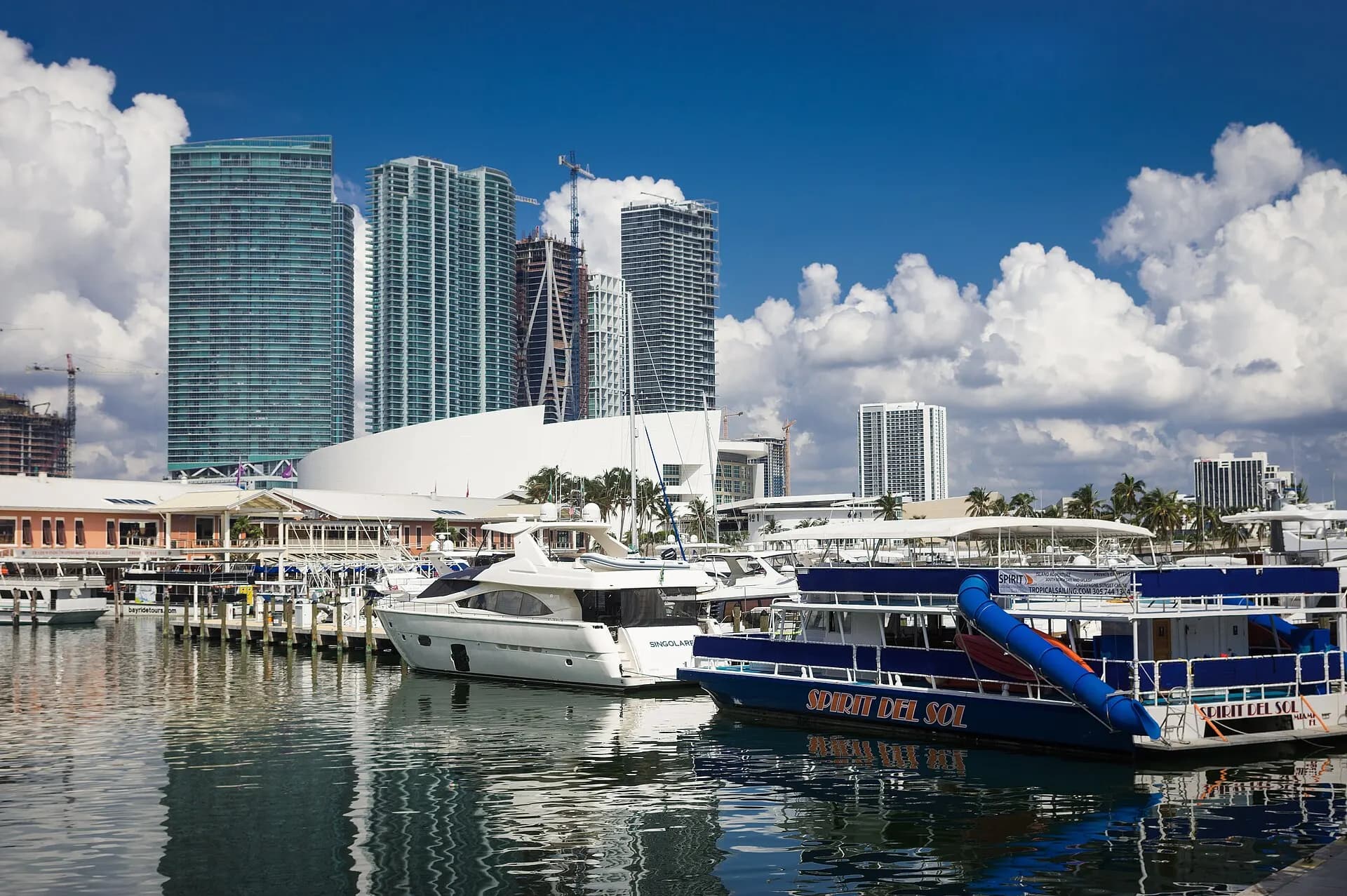
A short walk south, Bayside Marketplace is an open-air shopping and dining centre on the marina, touristy but lively, with live music and boats leaving for sightseeing cruises past the mansions of Star Island and the cruise port. Next door, Bayfront Park is the city's waterfront green space and stage for concerts and festivals. Across Biscayne Boulevard, the 1925 Freedom Tower, where tens of thousands of Cuban exiles were processed in the 1960s, is a reminder of the migration that remade the city.
- 11
Brickell
Photo: Rhododendrites, CC BY-SA 4.0, via Wikimedia Commons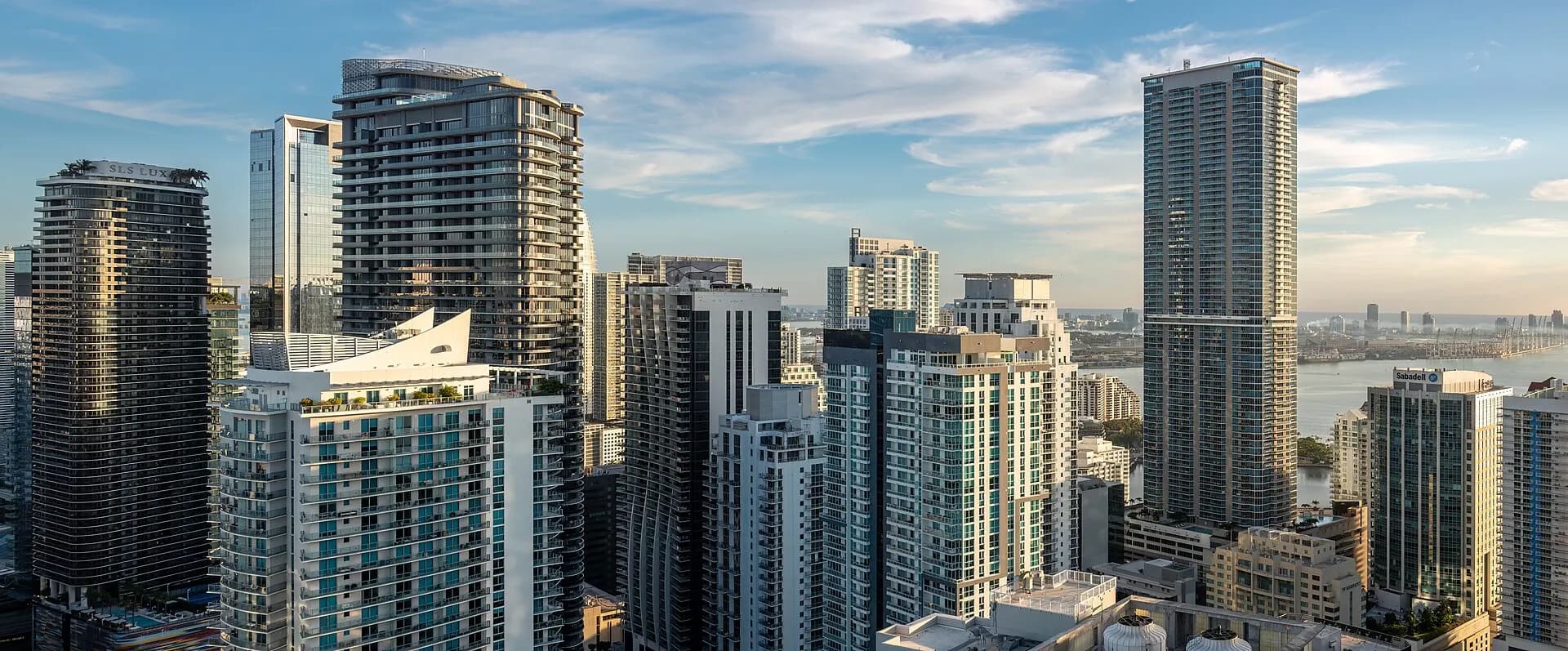
South of the Miami River, Brickell is the city's financial district and the forest of glass towers you see in skyline photos. It has grown at extraordinary speed, with new residential skyscrapers seemingly every year. Brickell City Centre, a covered shopping complex with restaurants, is the hub, and the streets around it are packed with rooftop bars, cafés and restaurants that come alive after work. Walk out to Brickell Key, a small man-made island, for a quiet waterside loop with views back across the bay.
- 12
Little Havana and Calle Ocho
Photo: Sharon Hahn Darlin, CC BY 2.0, via Wikimedia Commons
West of downtown, Little Havana became the heart of Cuban Miami after the 1959 revolution, and Southwest 8th Street, Calle Ocho, is its main artery. The most interesting stretch, roughly between 12th and 17th avenues, has cigar rollers working in shop windows, fruit stands, Latin music spilling from bars and ventanitas, the walk-up windows that sell thimble-sized shots of sweet, strong cafecito. At Máximo Gómez Park, better known as Domino Park, older men play fast, noisy games of dominoes under the shade. The Tower Theater and the Walk of Fame stars set in the pavement honour Latin stars.
TipCome in the late afternoon and stay for dinner, or visit on the last Friday of the month for Viernes Culturales, an evening street celebration of art and music.
- 13
Vizcaya Museum and Gardens
Photo: Leslie Platt, CC BY 2.0, via Wikimedia Commons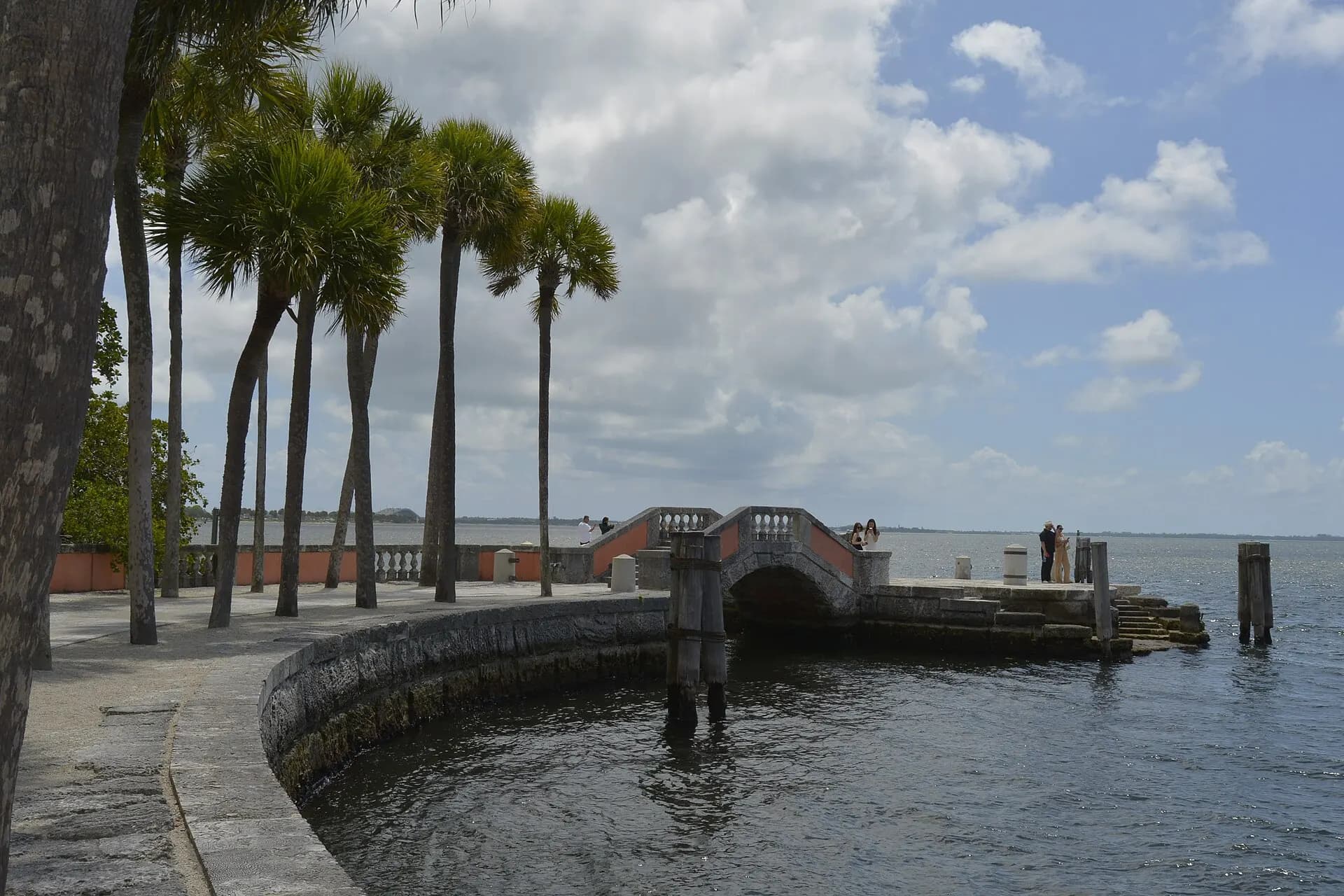
Built between 1914 and 1922 as a winter home for the industrialist James Deering, Vizcaya is a fantasy of an Italian Renaissance villa on the shore of Biscayne Bay. Its rooms are filled with European furniture, tapestries and art collected to suggest centuries of family history, and the formal gardens, with fountains, grottoes, sculpture and a stone barge-shaped breakwater in the bay, are among the finest in the country. Allow at least two hours.
TipVizcaya is open from 9:30am to 4:30pm every day except Tuesday. Book timed tickets online, especially at weekends, and wear comfortable shoes for the gardens.
- 14
Coconut Grove
Photo: Averette, CC BY 3.0, via Wikimedia Commons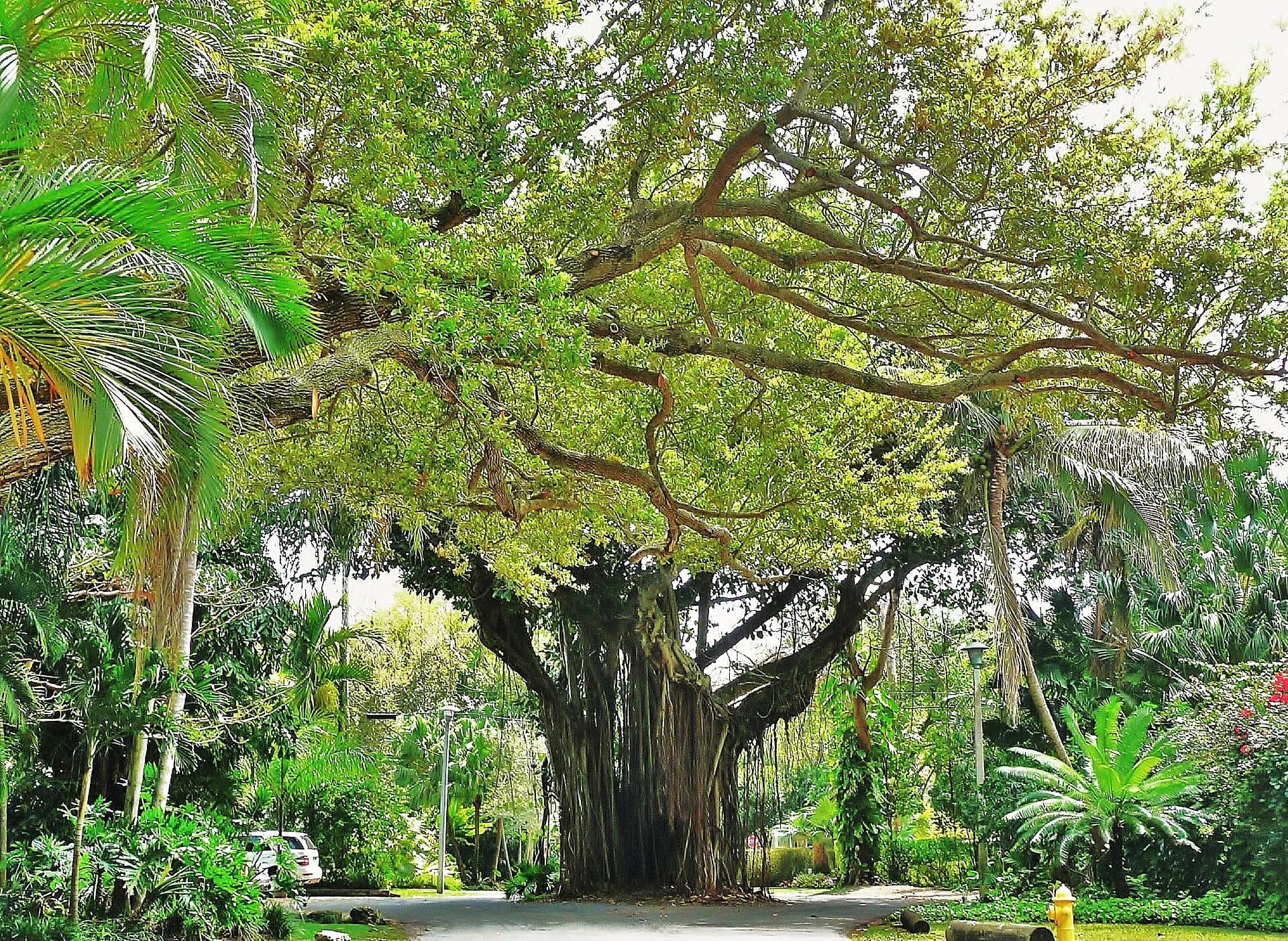
Further down the bay, Coconut Grove is one of Miami's oldest settlements, with roots among Bahamian immigrants and New England intellectuals in the 19th century. Under its dense tree canopy it still feels village-like, with sidewalk cafés, the CocoWalk shopping and dining complex, a marina full of sailboats and bayfront parks. The Barnacle Historic State Park preserves an 1891 house built by a yacht designer, one of the oldest homes in the county still on its original site, in a rare patch of hardwood hammock.
- 15
Coral Gables and Venetian Pool
Photo: Jesper Rautell Balle, CC BY 3.0, via Wikimedia Commons
In the 1920s the developer George Merrick built Coral Gables as a planned "City Beautiful" in Mediterranean style, with grand gateways, fountains, banyan-lined streets and the soaring Biltmore Hotel. Its most magical sight is the Venetian Pool, created from an old coral rock quarry in 1924. Spring water from the aquifer fills the pool, which is drained and refilled daily, and swimmers paddle beneath waterfalls, through grottoes and past Venetian-style loggias and a striped bridge.
TipThe pool is closed on Mondays; it opens 11am to 5:30pm from Tuesday to Friday and 10am to 4:30pm at weekends. Children must be at least three years old and 38 inches (97 cm) tall, and ticket sales stop once it reaches capacity, so arrive early on hot weekends.
- 16
Bill Baggs Cape Florida State Park
Photo: Paolo Bernabei, CC BY-SA 3.0, via Wikimedia Commons
Across the Rickenbacker Causeway, the island of Key Biscayne feels a world away from downtown. At its southern tip, this state park has a long, sandy, palm-fringed beach regularly ranked among the best in the United States, shady picnic areas, nature trails and fishing along the seawall. The Cape Florida Lighthouse, first built in 1825 and rebuilt after it was attacked and burned during the Second Seminole War, is the oldest standing structure in Miami-Dade County, and guided tours climb to the top on a limited schedule.
TipParking is limited and the park can fill on summer weekends and holidays; come early. On the way, the causeway beaches and Crandon Park are good for windsurfing and families.
- 17
Everglades National Park: Shark Valley
Photo: Daniel Kraft, CC BY-SA 3.0, via Wikimedia Commons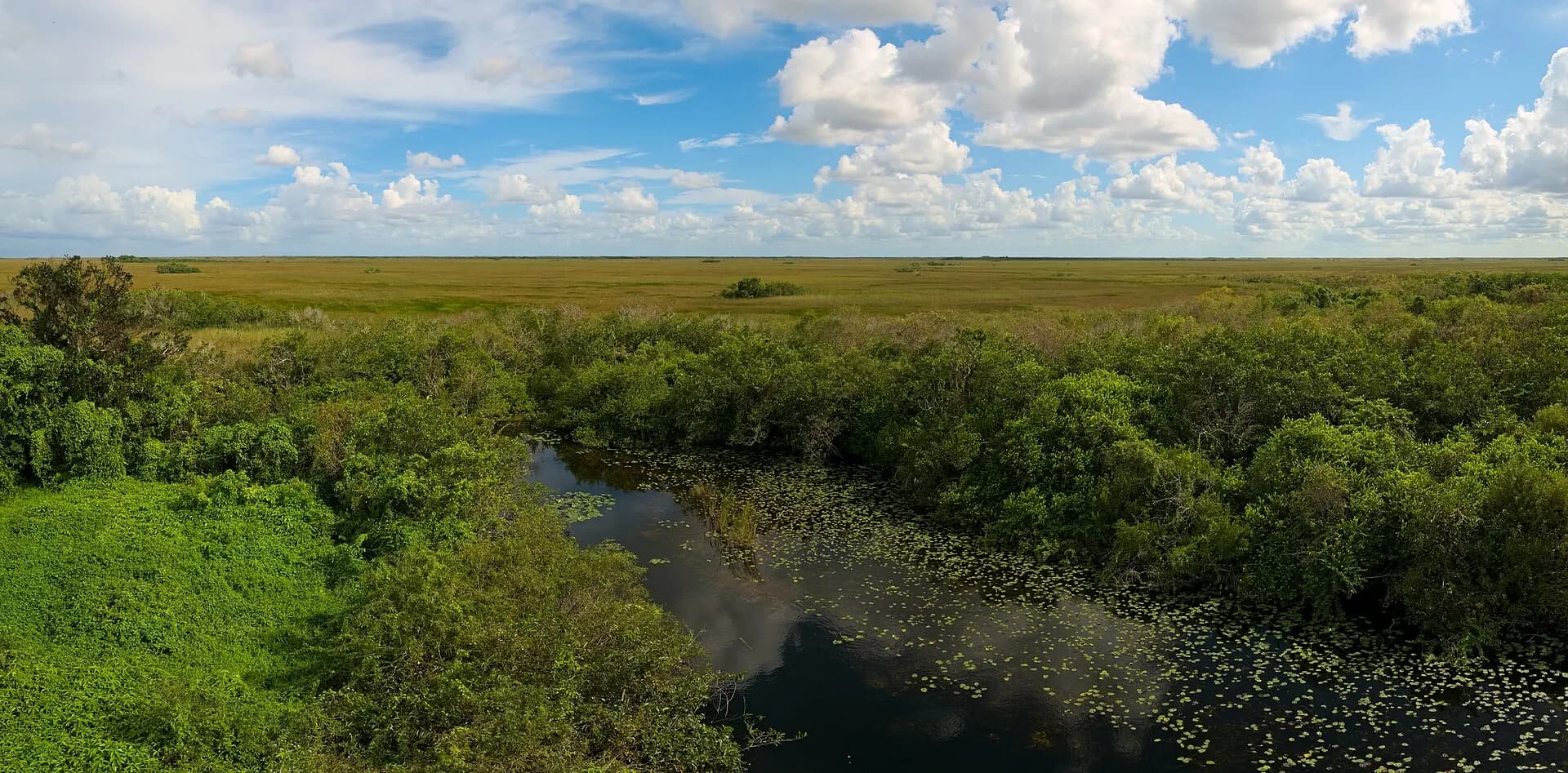
About an hour west of downtown along the Tamiami Trail, the Shark Valley entrance is the easiest way to see the Everglades, a vast, slow-moving "river of grass" flowing south towards Florida Bay. A paved 15-mile (24 km) loop road leads to an observation tower with panoramic views over the sawgrass; you can ride it on a two-hour guided tram tour, hire a bicycle or walk part of the way. Alligators bask beside the road, and herons, egrets, anhingas and turtles are almost guaranteed in winter. Shark Valley's gate is open from 8:30am to 6pm.
TipThe standard entrance fee is $35 per private vehicle, payable by card only, and since 2026 non-US residents aged 16 and over pay an extra $100 per person unless they hold an annual or America the Beautiful pass. Bring water, a hat and insect repellent, especially from May to October.
- 18
Everglades National Park: Anhinga Trail
Photo: judygva (back in town and trying to catch up), CC BY 2.0, via Wikimedia Commons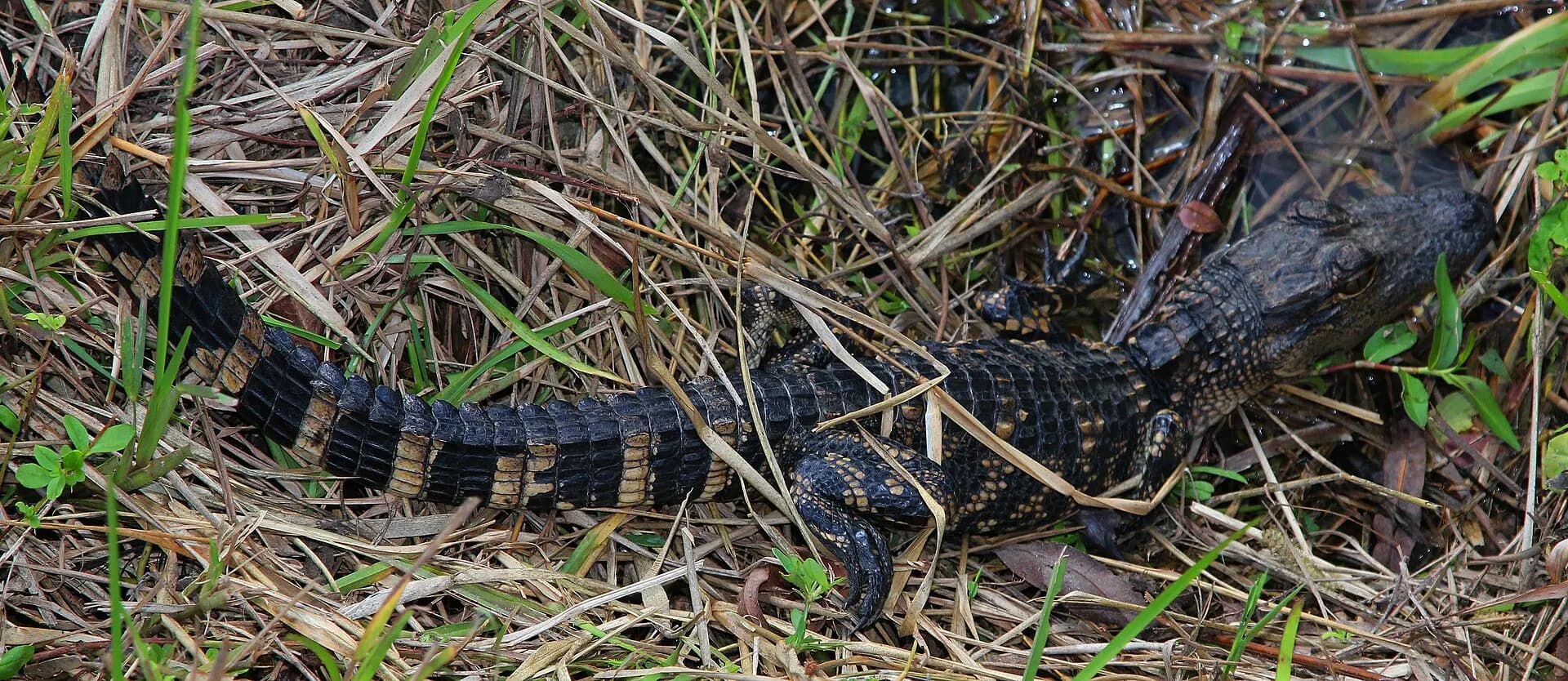
For a different side of the park, drive south to the main entrance near Homestead, past the Ernest F. Coe Visitor Center, to the Royal Palm area. The short Anhinga Trail, a paved path and boardwalk over a sawgrass marsh, is one of the best places in the country to see wildlife up close: alligators, cormorants, anhingas drying their wings and herons fishing at your feet. The main road continues 38 miles to Flamingo on Florida Bay, where you may spot manatees and crocodiles. The two entrances do not connect inside the park, so pick one per day.
TipVultures here sometimes peck at the rubber seals on cars. Rangers may lend tarps and bungee cords at the car park to cover your vehicle.
- 19
Key West
Photo: Joe Parks from Berkeley, CA, CC BY 2.0, via Wikimedia Commons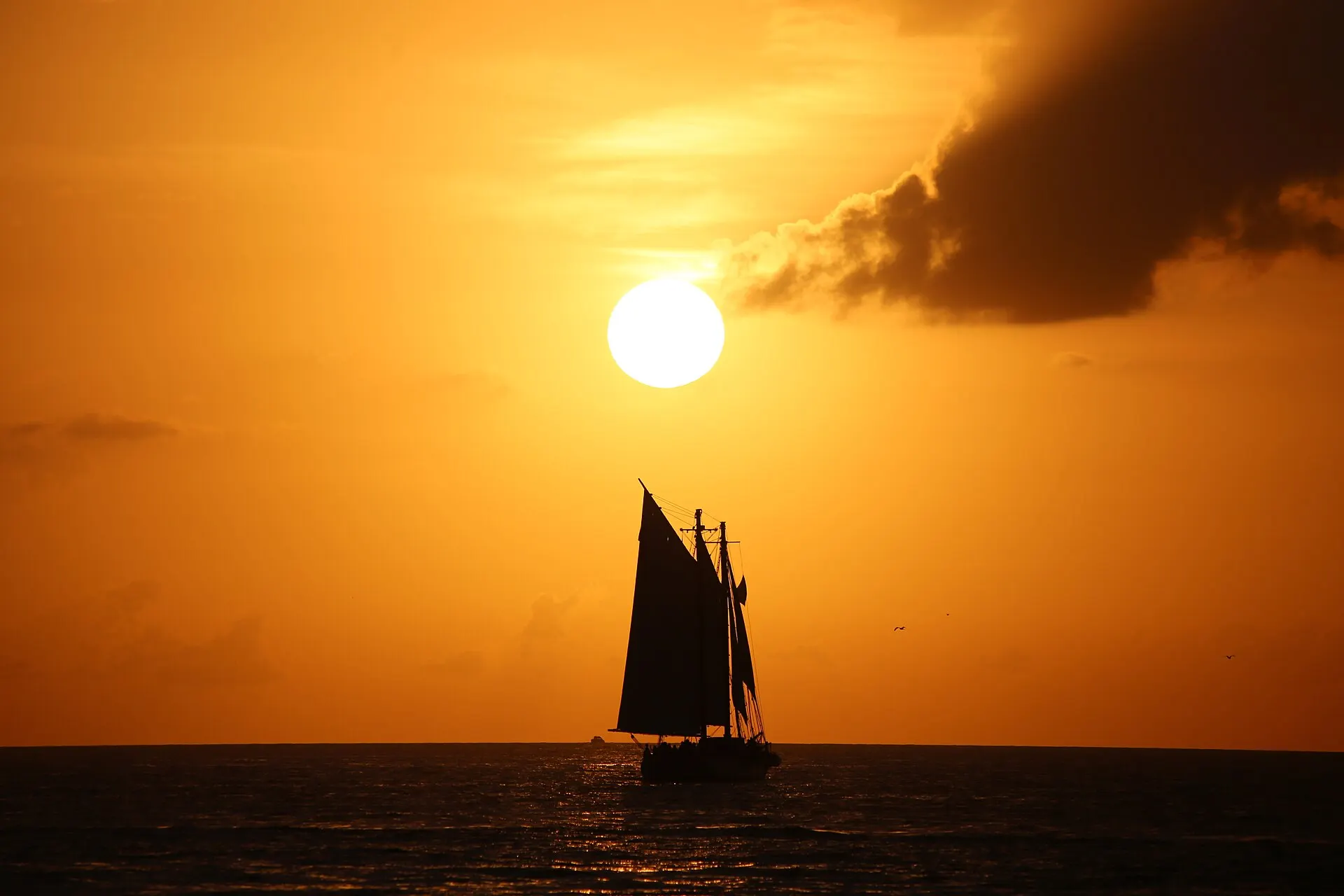
The Overseas Highway hops across more than 40 bridges, including the famous Seven Mile Bridge, on its 160-mile (260 km) journey to the southernmost town in the continental United States. Allow about three and a half to four hours each way without stops; it makes a very long day trip, and an overnight stay is far better. Key West has gingerbread-trimmed wooden houses, Ernest Hemingway's former home with its many-toed cats, the striped Southernmost Point buoy and a lively bar scene on Duval Street. Every evening crowds gather at Mallory Square for the sunset celebration, with jugglers, musicians and street performers.
TipStop on the way at John Pennekamp Coral Reef State Park in Key Largo for snorkelling or a glass-bottom boat over the reef, or at Bahia Honda for one of the Keys' best beaches.
When to go
Miami is warm all year, but it has two very different seasons. The dry season, from roughly December to April, is the classic time to visit: sunny days in the mid-20s Celsius (high 70s Fahrenheit), low humidity, cool nights and almost no rain. It is also peak season, with the highest hotel prices, the biggest crowds and a packed events calendar, from Art Basel Miami Beach in early December to Art Deco Weekend in January, the Miami Open tennis tournament in March and Miami Music Week. March is spring break, when Miami Beach can get rowdy and the city sometimes imposes curfews and parking restrictions in South Beach.
From May to October the wet season brings heat in the low 30s Celsius (around 90°F), heavy humidity and short but violent afternoon thunderstorms, which usually pass within an hour. Prices fall, the sea is like a warm bath and the mornings are often clear. This overlaps with the Atlantic hurricane season (see below). November and May are good compromises, with warm weather, fewer visitors and lower prices. For the Everglades, the dry season is far better: wildlife gathers around the remaining water, and the mosquitoes are bearable.
Getting around
Miami is spread out and built for cars, but you can manage without one if you base yourself in South Beach, downtown or Brickell. Downtown, the driverless Metromover is free for everyone: its elevated cars loop around downtown, Brickell and the Omni area, stopping by Bayside, the museums and Brickell City Centre, from 5:30am to 10pm daily. Metrorail connects the airport with downtown, Brickell, Coconut Grove and the University station near Coral Gables, and you can pay with a contactless bank card or the GO Miami-Dade Transit app. Metrobus routes link the mainland with Miami Beach, and Miami Beach and several other neighbourhoods run free local trolleys.
Rideshares are widely used and are often the quickest way between the beach and the mainland. Bike-share and e-scooters work well on the flat Miami Beach streets and along the Beachwalk, but take care with traffic. Brightline trains run from downtown to Fort Lauderdale, West Palm Beach and Orlando. For the Everglades, the Keys or a full day of exploring, rent a car, but expect heavy traffic and expensive hotel and street parking, especially in South Beach.
Local tips
- Sales and resort taxes are added at the till, and many Miami Beach restaurants add an automatic service charge of around 18 to 20%. Read the bill before tipping again.
- Spanish is the first language for many residents. A few words go a long way, though English is understood almost everywhere.
- The sun is fierce even in winter. Wear reef-safe sunscreen, a hat and sunglasses, and drink plenty of water.
- Order a cafecito (a small, sweet espresso), a cortadito with milk, or a colada, a larger cup meant to be shared in tiny plastic cups.
- Dress codes are relaxed by day but smarter in South Beach clubs and upmarket restaurants. Bring a light layer: air-conditioning indoors is often icy.
- Street parking in Miami Beach is paid by app or machine and enforcement is strict; towing is expensive.
- Bring photo ID to bars and clubs, even if you are clearly over 21.
Eat and drink
Cuban food is the backbone of Miami eating. Try a Cuban sandwich of roast pork, ham, Swiss cheese, pickles and mustard pressed on Cuban bread, or the local variant, the medianoche, on a softer, sweeter roll. Ropa vieja (shredded beef), lechón asado (roast pork), black beans and rice, fried plantains and croquetas filled with ham are everywhere, along with pastelitos, flaky pastries stuffed with guava and cream cheese. Little Havana and the bakeries of Hialeah and Westchester are the places to try them.
The city's Latin American mix goes far beyond Cuba: look for Peruvian ceviche, Venezuelan arepas, Colombian bakeries, Nicaraguan fritangas and Haitian griot in Little Haiti. Seafood is a highlight, especially stone crab claws, served chilled with mustard sauce during the season from mid-October to early May, grouper sandwiches and conch fritters. Finish with a slice of key lime pie. Wynwood and Brickell lead the way for craft beer and cocktails, and Miami's fine-dining scene has grown fast in recent years.
Where to stay
South Beach is the obvious base for beach time, Art Deco hotels and nightlife, though it can be loud, especially around Ocean Drive and Collins Avenue at weekends. Mid-Beach and North Beach have bigger resort hotels and quieter sand. Downtown and Brickell suit travellers who want city sightseeing, business-style hotels and easy access to the free Metromover and Metrorail. Coconut Grove and Coral Gables are calmer, leafy alternatives with good restaurants. Prices peak from December to April and during big events like Art Basel; check whether your hotel adds a nightly resort fee and charges for parking.
A city built in a century
The Tequesta people lived around Biscayne Bay for some 2,000 years before Spanish contact, and their traces include the Miami Circle, a ring of holes cut into the limestone at the mouth of the Miami River. After Spain ceded Florida to the United States in 1821, the area remained a remote frontier of forts, plantations and a few homesteaders. Its transformation began when Julia Tuttle, a Cleveland widow who owned land on the river, persuaded the railway magnate Henry Flagler to extend his line south; the trains arrived in 1896, and the city was incorporated the same year.
A frenzied land boom in the 1920s created Miami Beach, Coral Gables and much of what visitors see today, before a devastating hurricane in 1926 and the Depression brought it crashing down. After 1959, waves of exiles fleeing Castro's Cuba, followed by migrants from across Latin America and the Caribbean, turned Miami into a bilingual, international city. The 1980s brought turmoil, drug money and the glamour of television's Miami Vice, and the revival of South Beach in the 1990s made the Art Deco district a global icon.
Hurricane season and responsible travel
The Atlantic hurricane season officially runs from 1 June to 30 November, with the greatest risk from mid-August to October. Most days in those months are simply hot and humid, and direct hits are rare, but a storm can disrupt flights and force evacuations of the islands. If you travel then, buy travel insurance that covers weather, book flexible rates, follow the National Hurricane Center's forecasts and obey any evacuation orders from Miami-Dade County.
Miami sits barely above sea level on porous limestone, and "sunny day" tidal flooding already affects some streets in Miami Beach during the highest tides of autumn. Help the coast by using reef-safe sunscreen, never touching or standing on coral when snorkelling in the Keys, and taking your rubbish with you from the beach. In the Everglades, stay at least 15 feet (4.5 m) from alligators, never feed wildlife, which is illegal and dangerous, and keep to trails and boardwalks. Choosing licensed tour operators matters too: many airboat rides operate outside the national park, and the quieter, smaller-group tours do the least harm to the wetlands and their wildlife.