Amalfi Coast
Pastel villages stacked on cliffs above a sparkling sea, lemon groves, and some of the most spectacular walks in Europe.
- Best time to go
- May to June and September to early October, for warm seas without peak crowds
- Local time
- –
- Currency
- Euro (EUR)
- Reading time
- 4 min
- Language
- Italian
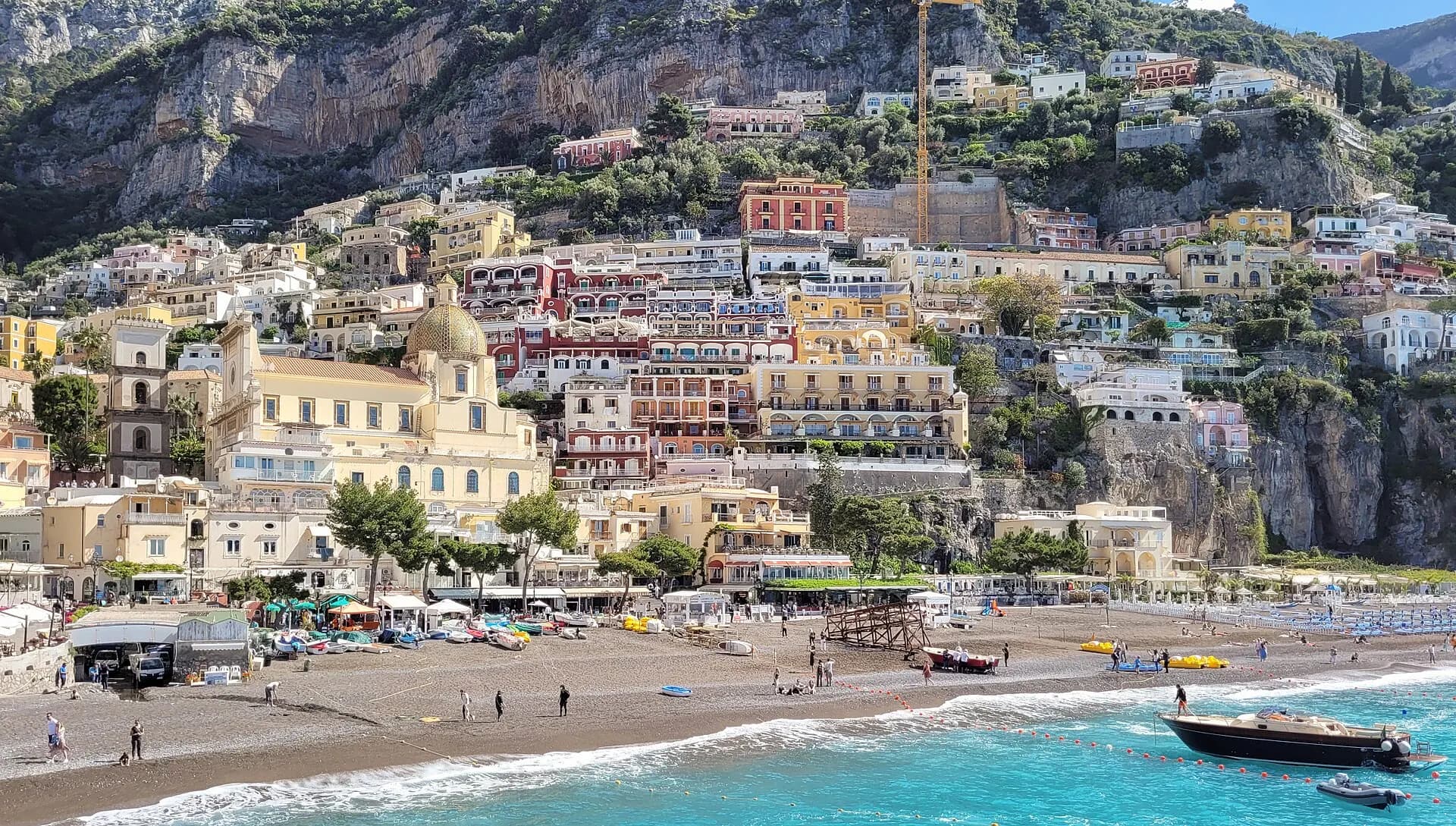
The Amalfi Coast runs for around fifty kilometres along the southern side of the Sorrento peninsula, south of Naples, where steep mountains plunge into the Tyrrhenian Sea. Villages of pastel houses cling to the cliffs, lemon terraces climb the hillsides, and a single winding road clings to the coast. In the Middle Ages, Amalfi was a powerful maritime republic, and the whole coast is now a World Heritage Site.
It's one of the most beautiful places in Italy and one of the busiest in summer, with traffic on the narrow road and crowds in the main villages. The secret is to travel by boat when you can, stay the night rather than day-tripping, walk the trails above the coast, and visit outside July and August if possible.
The top 8 in Amalfi Coast
- 1
Positano
Photo: Simon Burchell, CC BY-SA 4.0, via Wikimedia Commons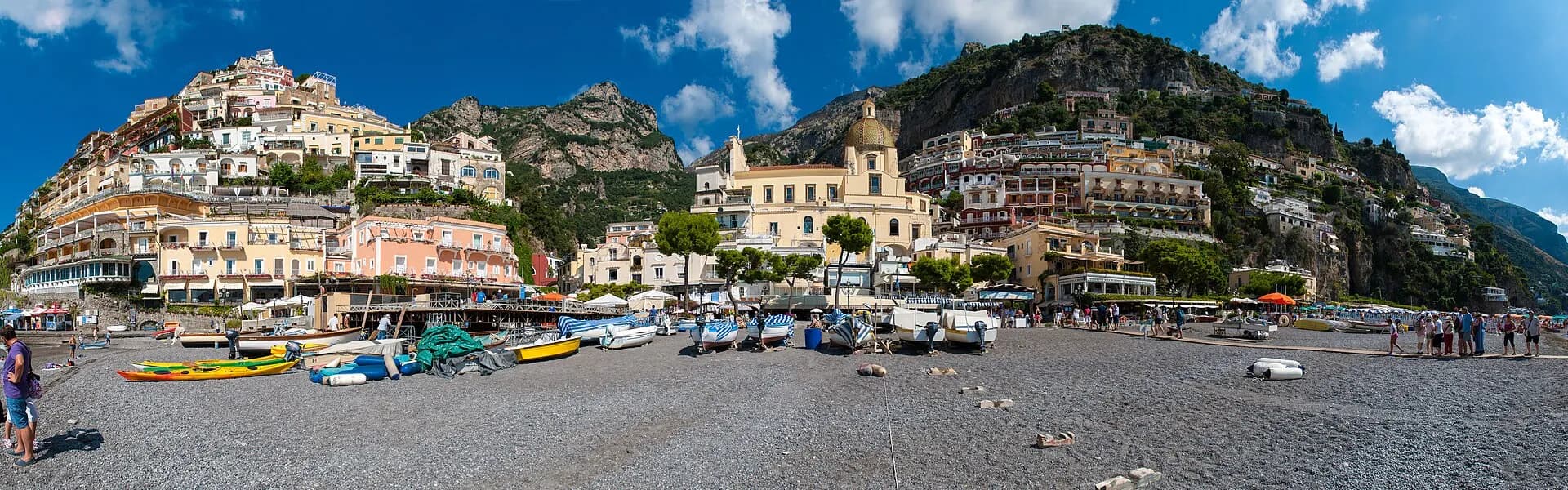
The most photographed village on the coast, a cascade of pink, peach and yellow houses tumbling down to a pebble beach, with steep stairways, boutiques selling linen and sandals, and the majolica-tiled dome of the church of Santa Maria Assunta.
TipWear comfortable shoes: Positano is almost entirely steps. Take the boat to arrive, rather than the bus.
- 2
Amalfi
Photo: Bernard Gagnon, CC BY 4.0, via Wikimedia Commons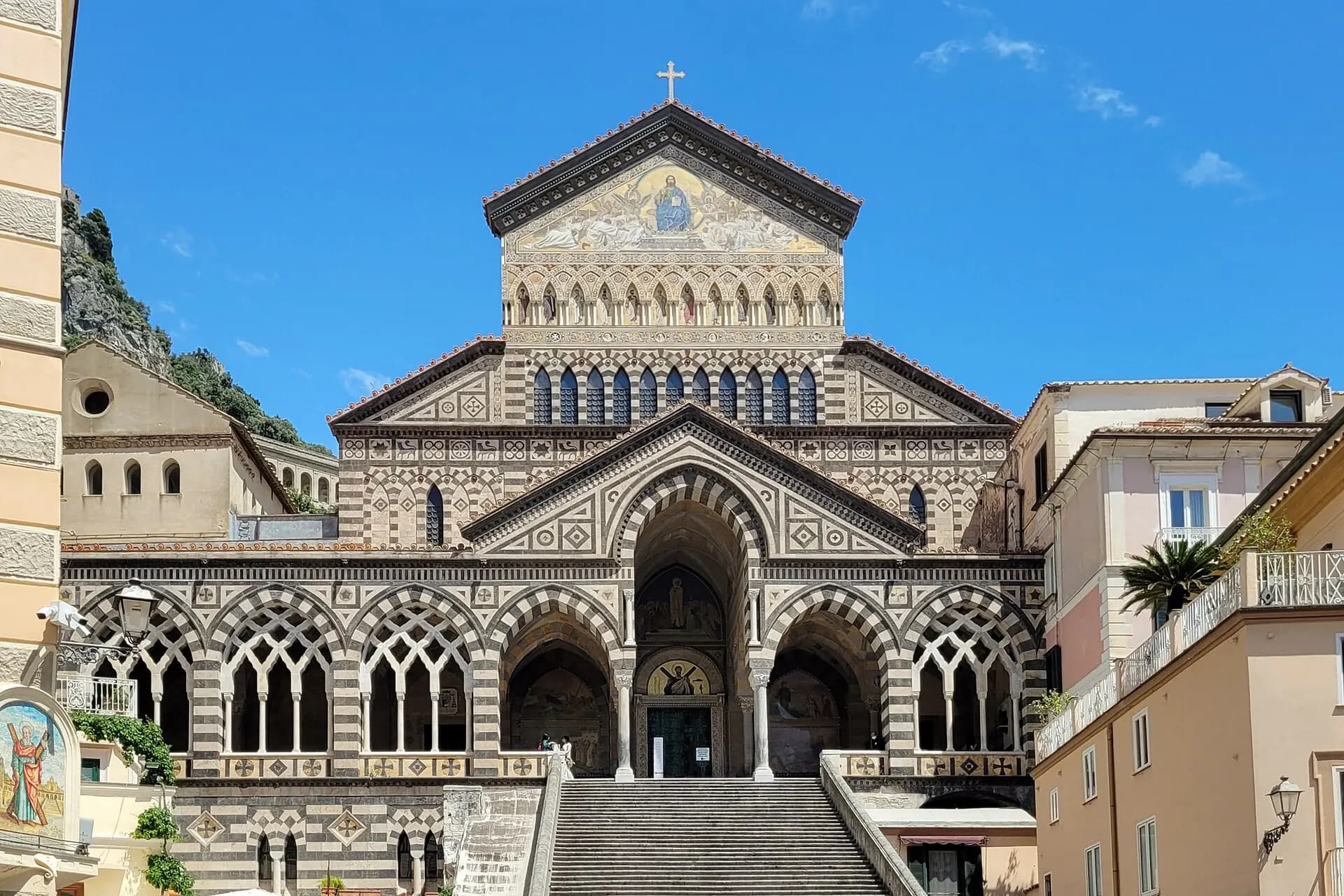
The coast's main town and once the capital of a powerful maritime republic, centred on a lively piazza beneath the striped Arab-Norman cathedral, reached by a grand staircase. The cloister of Paradise next to it is beautifully peaceful. Visit the paper museum to learn about the town's medieval papermaking.
- 3
Ravello
Photo: Mihael Grmek, CC BY-SA 4.0, via Wikimedia Commons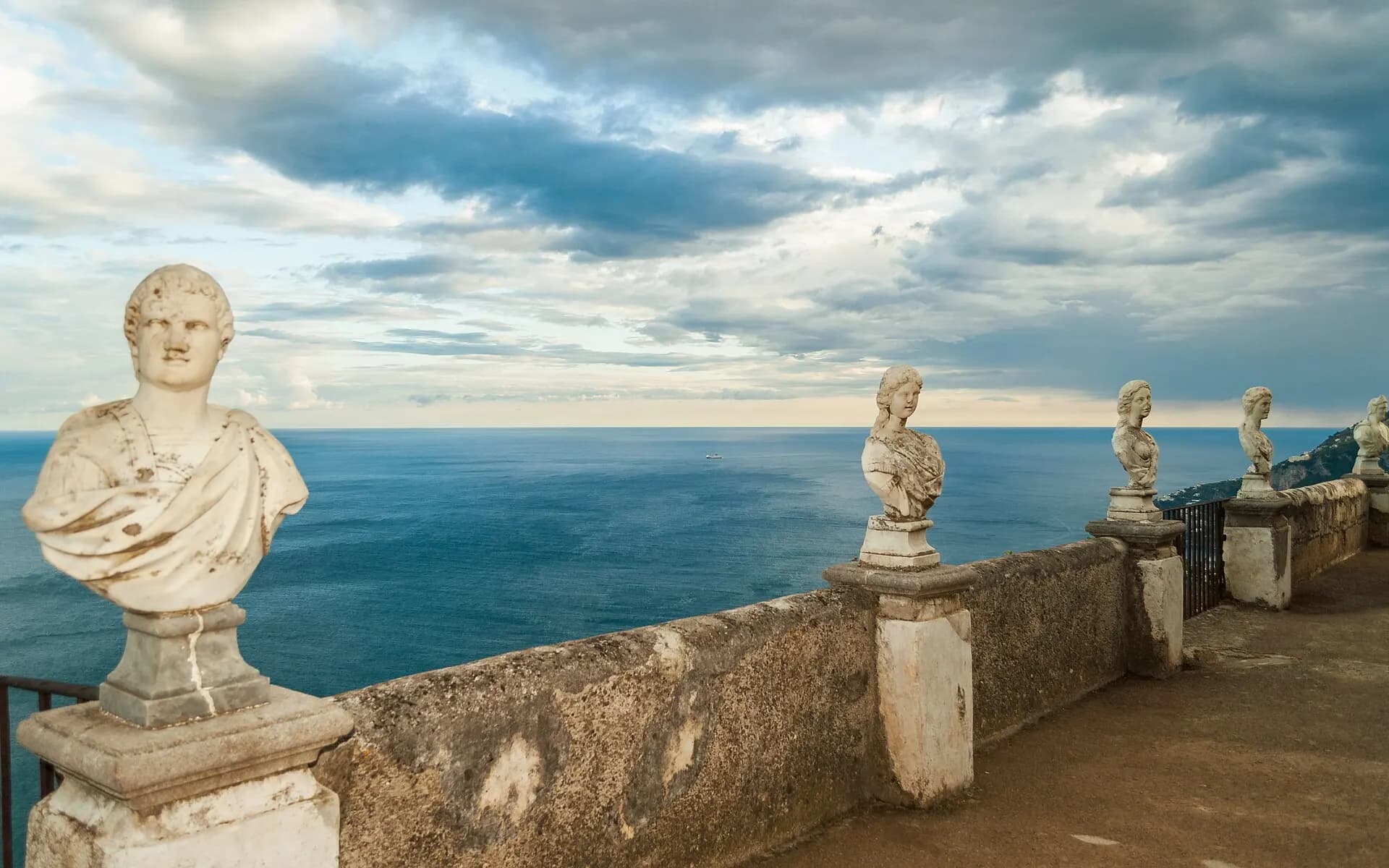
A village high above the sea, quieter than the coast below, famous for its gardens and music festival. At Villa Rufolo, terraced gardens host summer concerts with the sea as the backdrop, and the Terrace of Infinity at Villa Cimbrone, lined with marble busts, has one of the most famous views in Italy.
- 4
The Path of the Gods (Sentiero degli Dei)
Photo: Alanthebox, CC0, via Wikimedia Commons
A hiking trail high above the coast, from Bomerano, in the village of Agerola, to Nocelle above Positano, with breathtaking views over the cliffs and sea. It takes around three hours and is mostly downhill when walked in that direction.
TipStart early, bring water and sturdy shoes, and avoid the hottest hours in summer. From Nocelle, about 1,700 steps lead down to Positano, or take the local bus.
- 5
The Valle delle Ferriere
Photo: Marco Ebreo, CC BY-SA 4.0, via Wikimedia Commons
A shaded nature reserve in a valley above Amalfi, following a stream past the ruins of old paper mills and ironworks to waterfalls, home to a rare prehistoric fern. It's a cool walk in summer.
- 6
Atrani
Photo: Mайкл Гиммельфарб, CC BY-SA 4.0, via Wikimedia Commons
A tiny fishing village just around the headland from Amalfi, one of the smallest towns in Italy, with a picture-perfect square and a small beach. It's a quieter, more authentic place to stay or eat.
- 7
The Emerald Grotto
Photo: Falk2, CC BY-SA 4.0, via Wikimedia Commons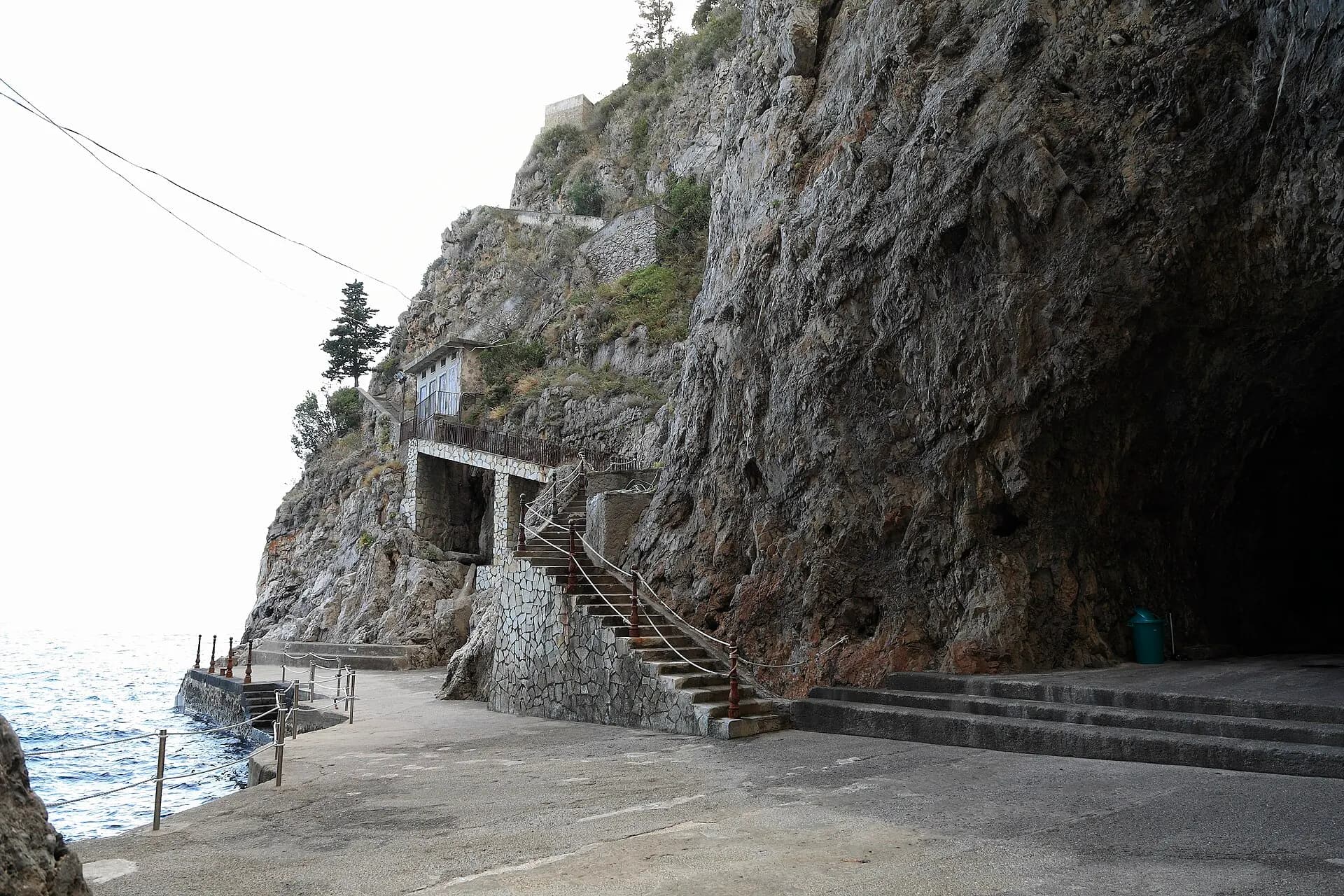
A sea cave near Conca dei Marini, reached by a lift or stairs from the road, where small rowing boats float on water lit an intense emerald green by sunlight entering underwater.
- 8
Capri
Photo: Mайкл Гиммельфарб, CC BY-SA 4.0, via Wikimedia Commons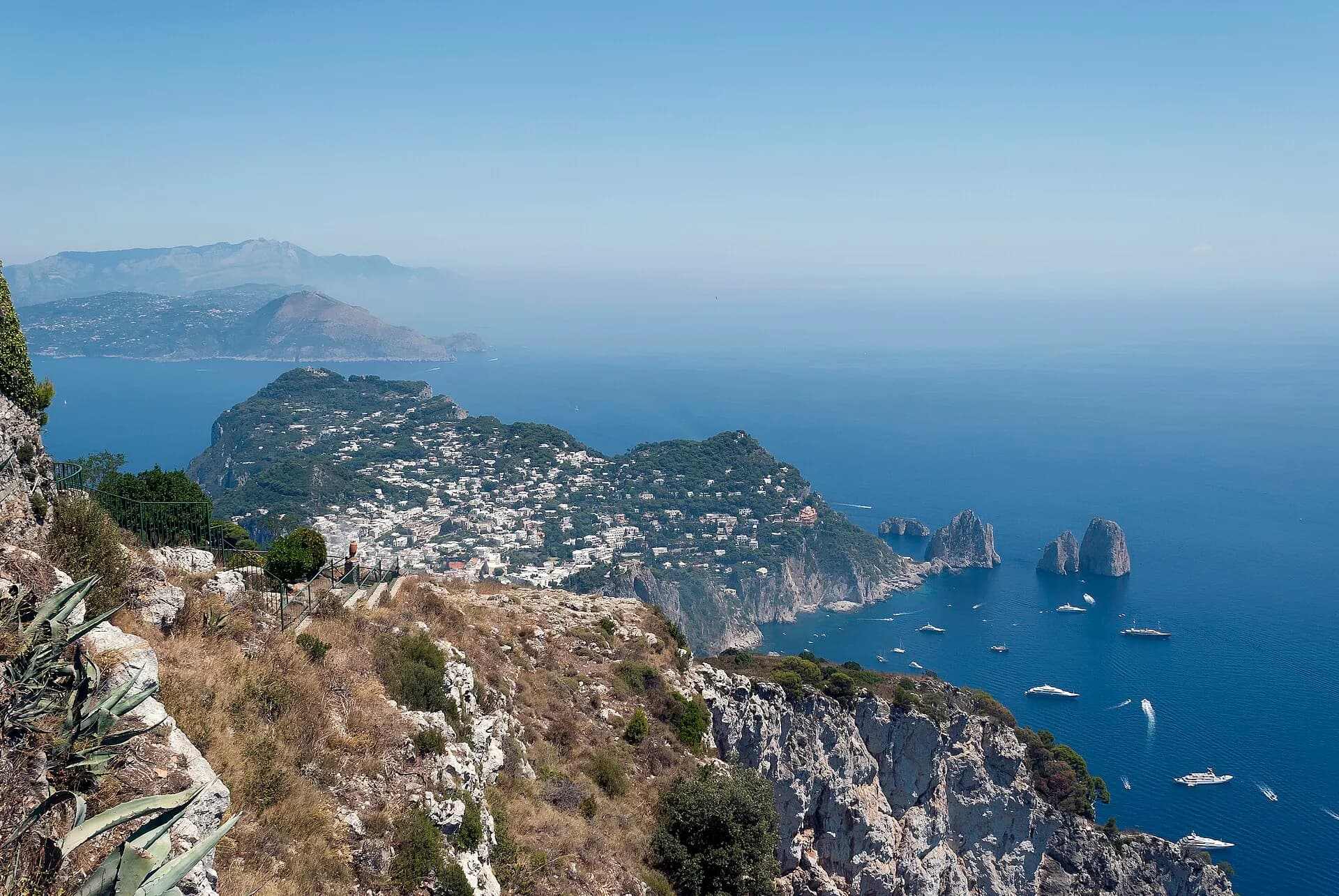
A glamorous island off the tip of the Sorrento peninsula, reached by ferry from Positano and Amalfi in summer. Take the chairlift up Monte Solaro, walk to the Faraglioni rocks and the Villa Jovis, the ruined palace of the emperor Tiberius, and, when the sea is calm, take a small boat into the Blue Grotto.
TipGo early in the day, and explore the quieter village of Anacapri.
When to go
Late spring and early autumn are ideal, with warm weather and a sea warm enough for swimming, but fewer crowds than in summer. July and August are hot, crowded and expensive, with traffic jams on the coast road. Many hotels and restaurants close from November to March, and ferry services are limited, but the coast is peaceful and the walking excellent.
Getting around
The coast road, the SS163, is narrow and winding, with heavy traffic in summer. SITA buses link Sorrento, Positano, Amalfi and Salerno, with a connection up to Ravello from Amalfi, but they're often crowded. Ferries connect the main villages, Salerno and Capri from spring to autumn, and they're often the most pleasant way to travel. Driving is not recommended: parking is very limited and expensive.
The nearest airport is Naples, about an hour and a half away by road; there are buses to Sorrento and Amalfi, and trains via Salerno or the Circumvesuviana to Sorrento.
Local tips
- Avoid driving if you can; use ferries and buses, or hire a private driver.
- Book hotels months ahead for the summer, and stay at least two nights.
- Expect many steps everywhere; pack light.
- Beaches are mostly pebbly; many have paid sunbed areas alongside small free sections.
- Buy bus tickets before boarding, at tobacconists or newsagents.
- Respect quiet hours and dress modestly in churches.
Eat and drink
The coast's food is built on seafood, tomatoes, mozzarella and lemons. Try scialatielli ai frutti di mare, a fresh pasta with seafood; spaghetti alle vongole, with clams; fresh anchovies from Cetara, home of colatura, an anchovy sauce; and delizia al limone, a lemon cream sponge. Limoncello, made from the large local lemons, is served cold after dinner, and the wines of Furore and Ravello are worth trying.
Where to stay
Each village suits a different trip. Positano is the most glamorous and romantic, with the most boutique hotels and the steepest climbs. Amalfi is the transport hub, with buses and ferries in every direction and the liveliest evenings, making it the most practical base. Ravello is peaceful, with grand villa hotels and the best views, but it's up in the hills, away from the sea. Praiano, between Positano and Amalfi, is quieter and better value, with superb sunsets. Sorrento, just off the coast on the other side of the peninsula, is cheaper still, with good transport to Naples, Pompeii, Capri and the coast.
Day trips
Pompeii, buried by the eruption of Vesuvius in AD 79, is about an hour from Sorrento on the Circumvesuviana train, and Herculaneum, smaller but better preserved, is on the same line. Naples, a chaotic, magnificent city with the world's best pizza and the National Archaeological Museum, is a little further.