Mallorca
A Gothic cathedral above the sea, stone villages in a UNESCO mountain range, a wooden train to Sóller and turquoise coves around the whole coast.
- Best time to go
- April to June and late September to October, for warm days, walkable mountains and calmer coves
- Local time
- –
- Currency
- Euro (EUR)
- Reading time
- 16 min
- Language
- Spanish and Basque

Mallorca is the largest of Spain's Balearic Islands, about the size of a small English county, and far more varied than its package-holiday reputation suggests. Along the northwest coast the limestone wall of the Serra de Tramuntana, a UNESCO World Heritage cultural landscape since 2011, drops into the sea, its slopes carved into dry-stone terraces of olives and oranges by centuries of farmers. Inland lies a flat, rural plain of almond orchards, windmills and market towns, and the east and south coasts break up into dozens of small coves, or calas, of pale sand and startlingly clear water.
Palma, the capital, holds almost half the island's people and is a real city, with a great Gothic cathedral, a maze of old lanes and a busy food and art scene. Most visitors can see the essentials in a week: a couple of days in Palma, two or three in the mountains, and the rest split between the north and the southeast coast. The sibling islands of Menorca and Ibiza are short flights or ferry rides away.
The top 23 in Mallorca
- 1
Palma Cathedral (La Seu)
Photo: Dietmar Rabich, CC BY-SA 4.0, via Wikimedia Commons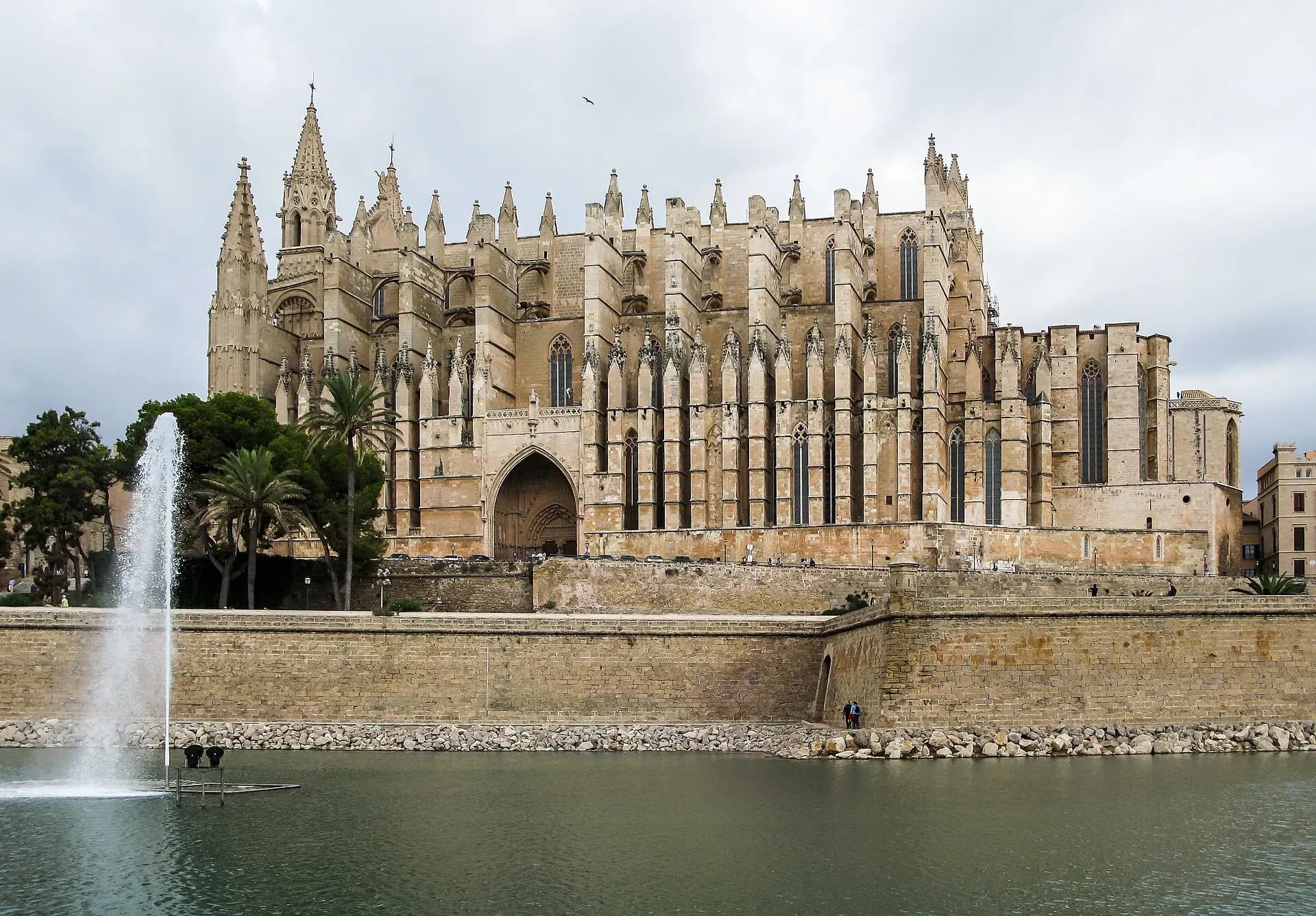
Rising straight above the old sea walls, La Seu is one of the largest Gothic cathedrals in Europe, begun after the Catalan conquest of 1229 on the site of the city's main mosque and not finished until the seventeenth century. Inside, the nave is extraordinarily tall and full of coloured light from its rose windows, one of the largest in the Gothic world. Antoni Gaudí reworked the interior in the early twentieth century, adding the floating iron canopy over the altar, and the contemporary artist Miquel Barceló covered a side chapel in a startling ceramic skin of fish, fruit and loaves. Guided visits up to the roof terraces give views over the bay.
TipTickets are cheaper online and visiting hours are short, ending mid-afternoon on weekdays and around lunchtime on Saturdays; Sunday is for worship only. Check the official site for the current price and times.
- 2
Royal Palace of La Almudaina
Photo: Thomas Wolf, www.foto-tw.de, CC BY-SA 3.0 de, via Wikimedia Commons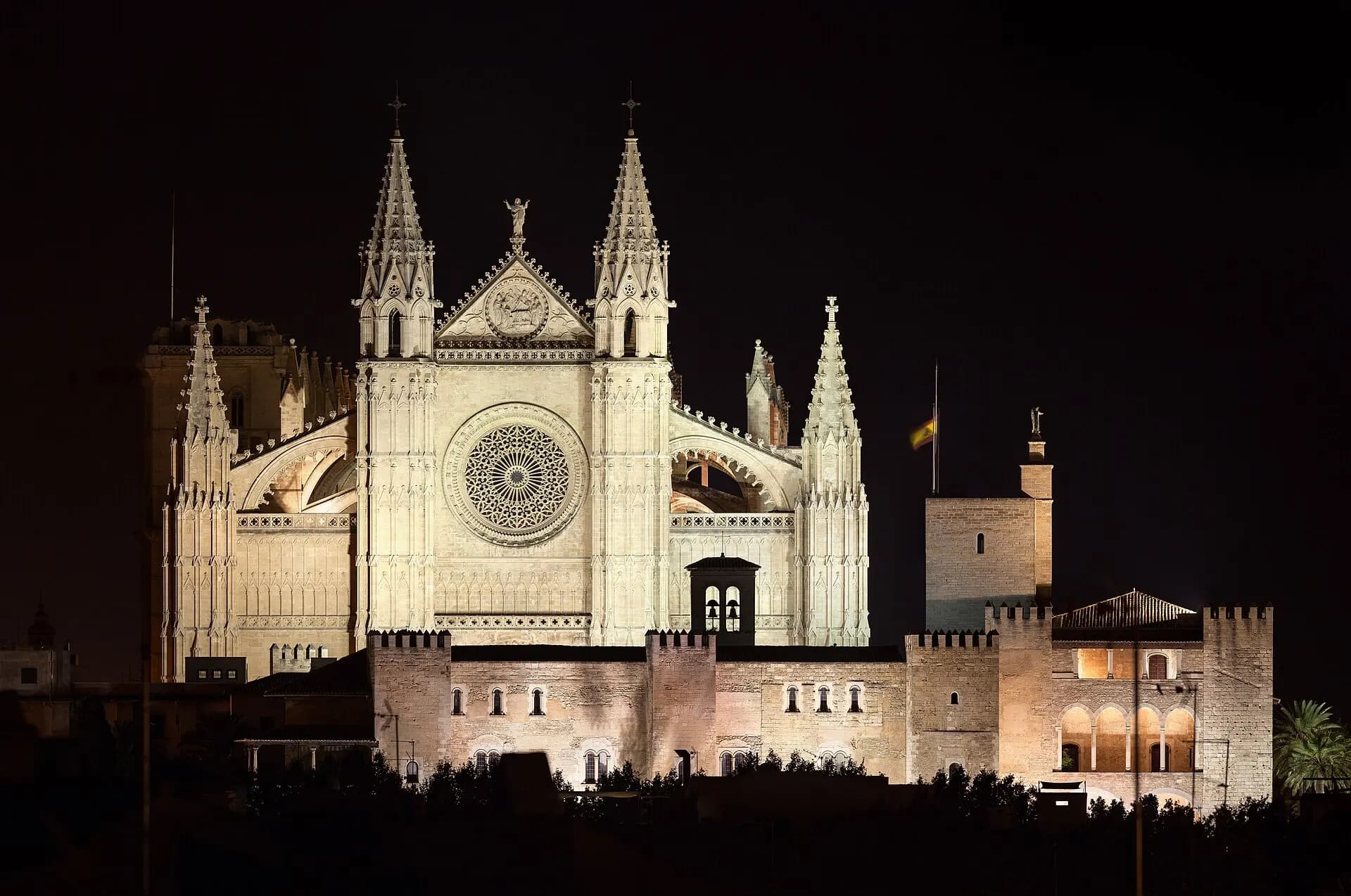
Next to the cathedral stands the Almudaina, a Moorish fortress turned into a palace for the kings of Mallorca in the fourteenth century and still an official residence of the Spanish royal family. Visits cover Gothic halls, a royal chapel and tapestry-hung rooms, and the gardens of S'Hort del Rei below are free.
- 3
Palma old town
Photo: Pérez, CC BY-SA 4.0, via Wikimedia Commons
Behind the cathedral, the old town is a tangle of narrow streets lined with honey-coloured mansions whose courtyards, or patis, are sometimes open to peek into. Look for the tenth-century Arab Baths, one of the few Moorish buildings to survive; the Basilica of Sant Francesc, with its Gothic cloister and the tomb of the medieval philosopher Ramon Llull; the arcaded Plaça Major; and the Modernista shopfronts around Plaça del Mercat. The broad Passeig des Born and the Gothic exchange of La Llotja lead down to the waterfront, and Es Baluard, a modern art museum built into a Renaissance bastion, has good views from its ramparts.
TipMercat de l'Olivar, Palma's main food market, is the place for a lunch of fresh seafood and a glass of wine at the counters; it closes on Sundays.
- 4
Bellver Castle
Photo: Friedrich Haag, CC BY-SA 4.0, via Wikimedia Commons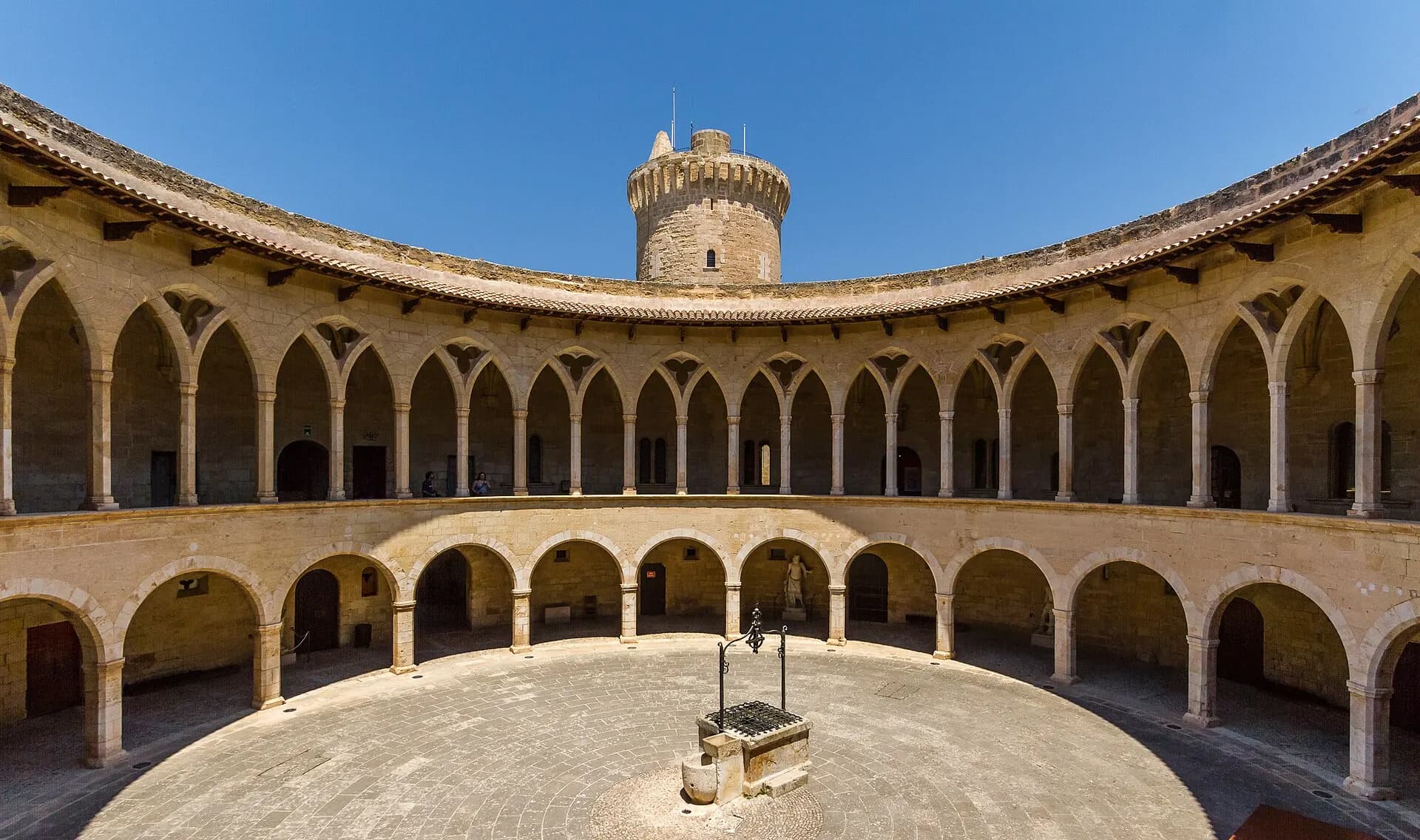
On a wooded hill west of the centre sits one of Europe's few circular castles, built in the early fourteenth century for King James II of Mallorca. Its round courtyard, double-storey arcades and moat-ringed keep are remarkably intact, and it houses Palma's city history museum. The real reward is the view from the roof across the bay, the port and the cathedral to the mountains.
TipThe walk up through the pine woods is steep but shaded; the castle is generally closed on Mondays.
- 5
Sa Dragonera
Photo: Twilight Tea, CC BY-SA 3.0, via Wikimedia Commons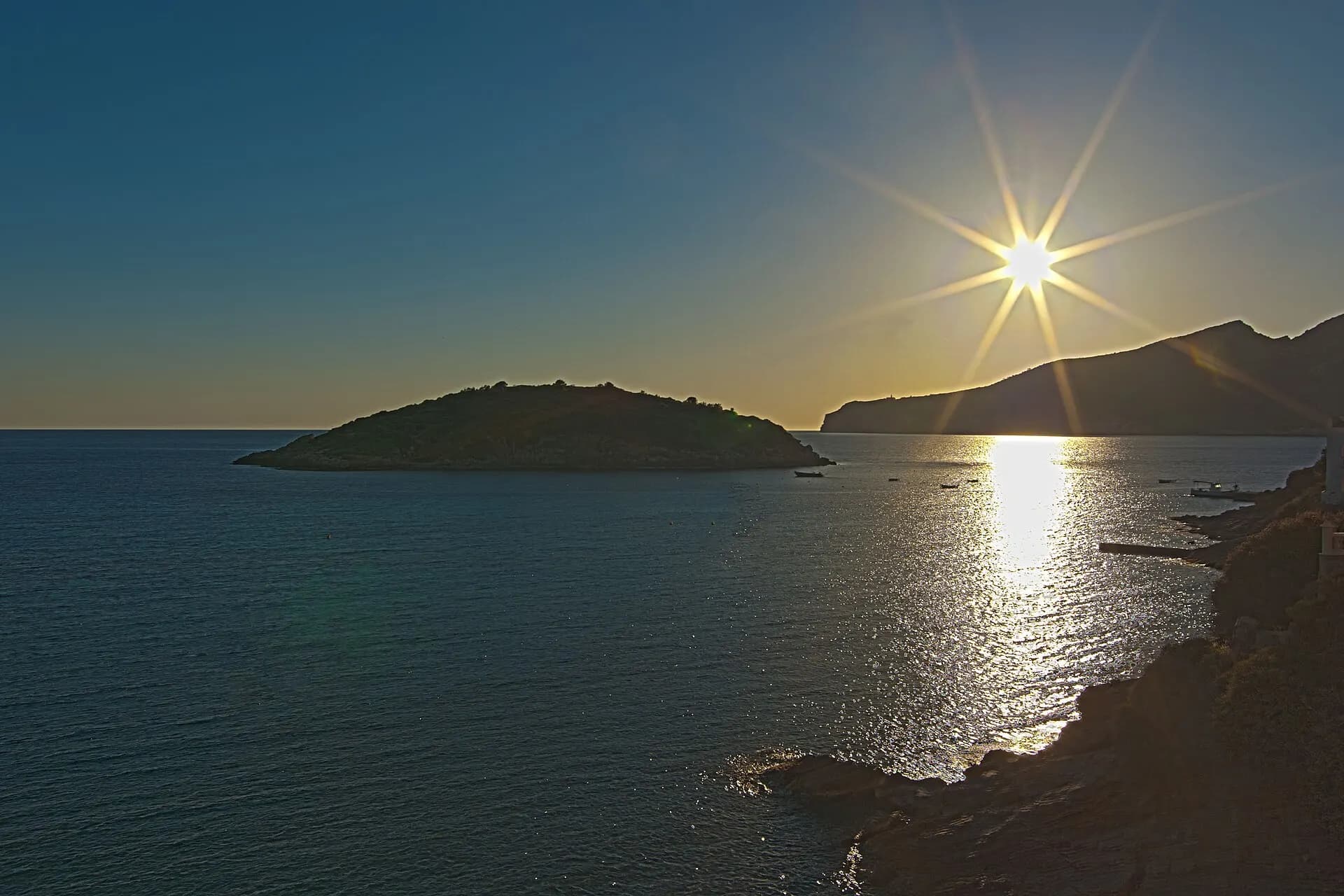
At the far western tip of the island, a long, ridged island shaped like a sleeping dragon lies just off the village of Sant Elm. It is a natural park with no permanent residents, home to colonies of seabirds and thousands of endemic lizards. In the main season small boats cross from Sant Elm, and paths lead to old lighthouses with long views back to Mallorca's cliffs.
TipBoats do not run in rough weather or in winter; check at the Sant Elm harbour the day before.
- 6
Valldemossa
Photo: Isiwal, CC BY-SA 4.0, via Wikimedia Commons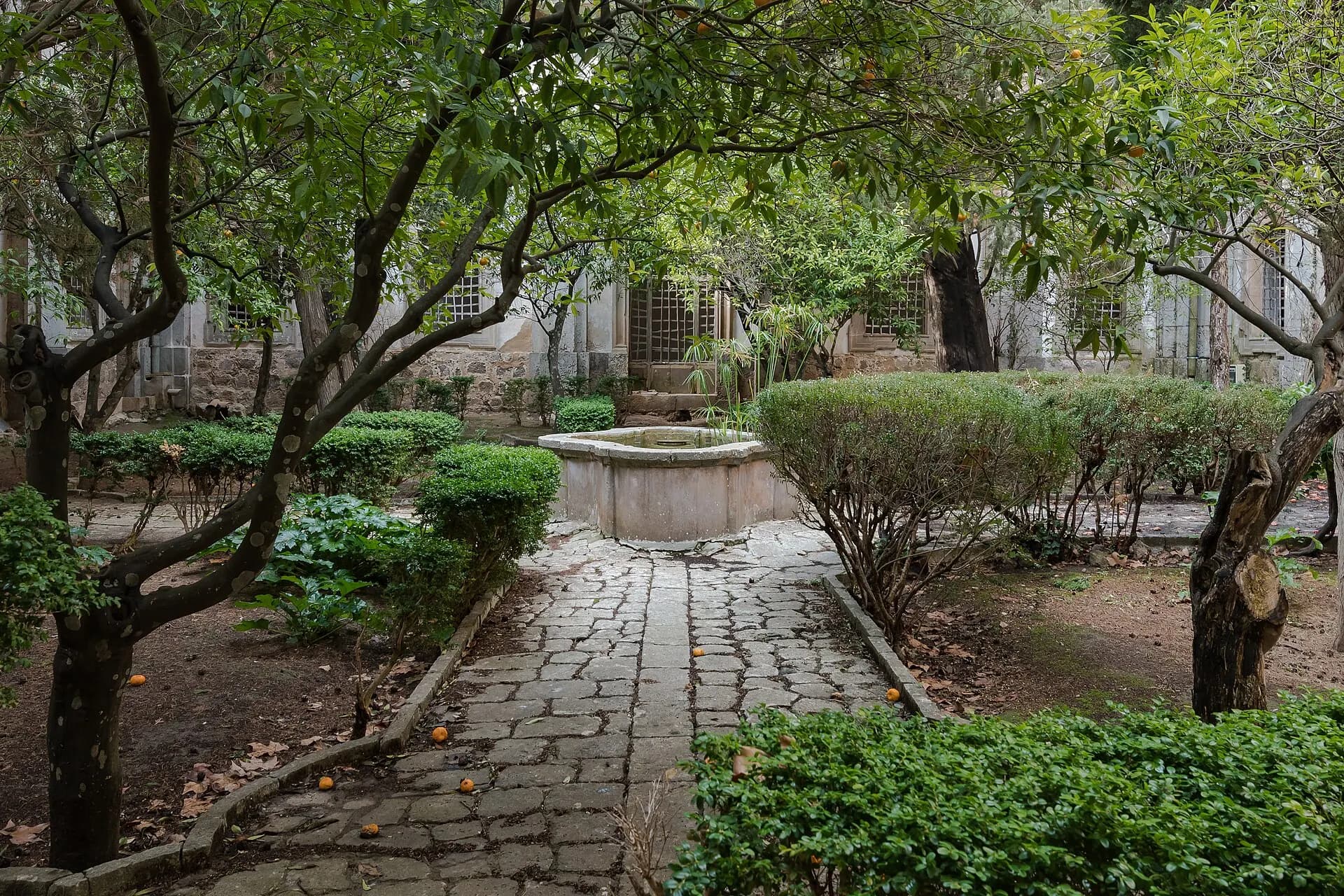
Perched in a green valley at the start of the mountains, Valldemossa is the best-known village in Mallorca, a cluster of stone houses, potted plants and steep lanes around its Carthusian monastery, the Cartoixa. The composer Frédéric Chopin and the writer George Sand spent the wet winter of 1838 to 1839 in its cells, which Sand described in her unflattering book A Winter in Majorca; the rooms now hold a piano and manuscripts. Try a coca de patata, a fluffy potato bun dusted with sugar, with your coffee.
TipTour coaches arrive mid-morning; come before 10am or late in the afternoon to see the village at its quietest.
- 7
Deià
Photo: Vicenç Salvador Torres Guerola, CC BY-SA 3.0, via Wikimedia Commons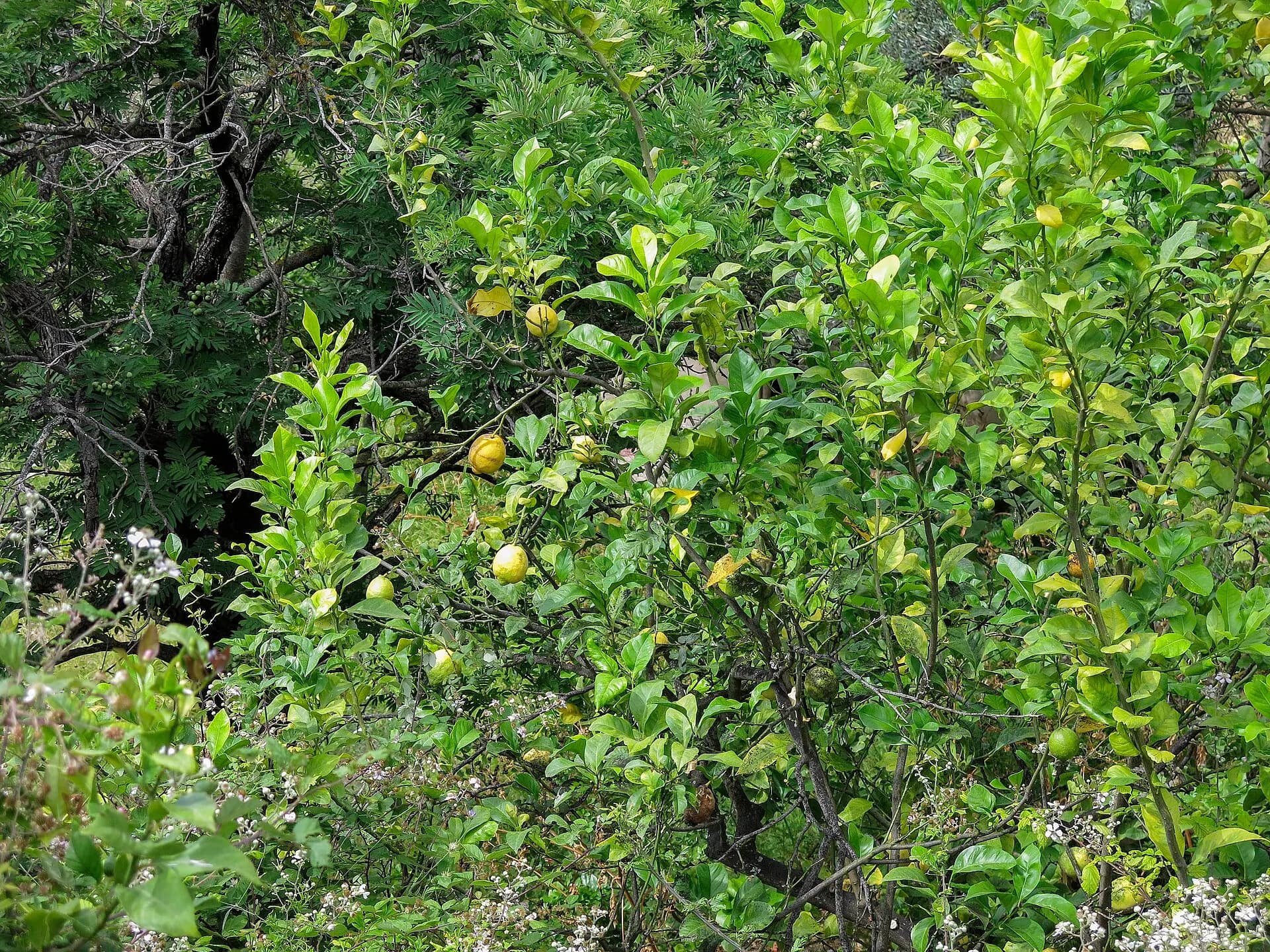
Deià tumbles down a hillside between the mountains and the sea, its ochre houses climbing to a small church and cemetery with a magnificent view. It has drawn artists and writers for a century, most famously the English poet Robert Graves, who lived here from the 1920s until his death and is buried in the churchyard; his house, Ca n'Alluny, is a museum. A path drops to Cala Deià, a rocky cove with clear water and a couple of seafood restaurants.
- 8
Sóller and the tram
Photo: Isiwal, CC BY-SA 4.0, via Wikimedia Commons
Sóller sits in a bowl of orange and lemon groves, cut off from Palma by the mountains until a railway tunnel opened in 1912. The wooden carriages of the Ferrocarril de Sóller still make the scenic hour-long run from Palma, and an open-sided tram, running since 1913, rattles from the town's main square down to Port de Sóller, a horseshoe bay with a promenade, beaches and boats along the coast. The town itself has a striking Modernista church and bank façade by Joan Rubió, a pupil of Gaudí, and an excellent Saturday market.
TipIn 2026 a single tram ride costs 10 euros and a single train from Palma 23 euros, with a combined train and tram return at 40 euros; timetables change in early November, so check the official site before you go.
- 9
Fornalutx and Biniaraix
Photo: Malopez 21, CC BY-SA 4.0, via Wikimedia Commons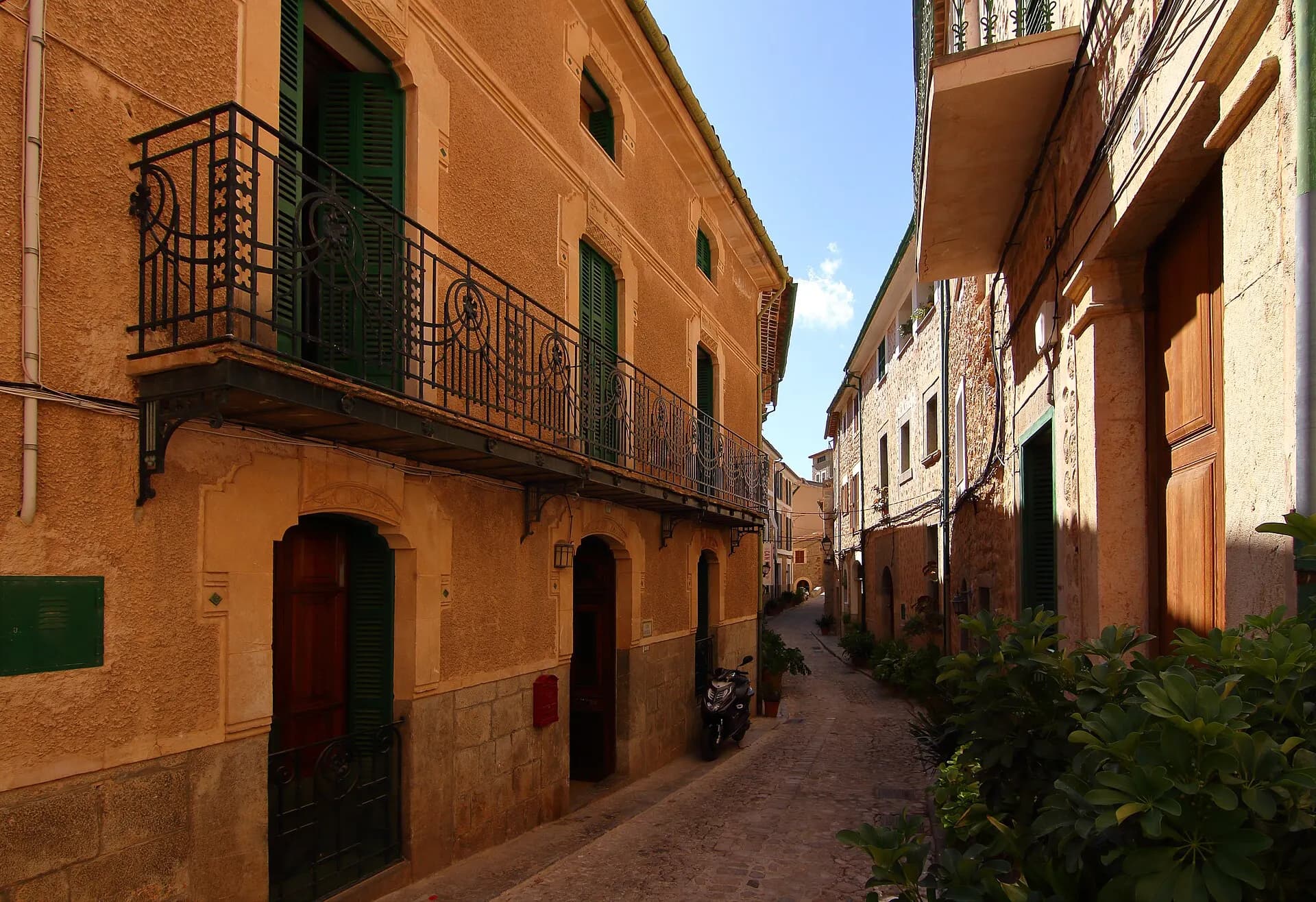
Above Sóller, Fornalutx is often called one of the prettiest villages in Spain, all stepped stone lanes, green shutters and views of the island's highest peaks. Nearby Biniaraix is the start of the Barranc de Biniaraix, an old pilgrim path of thousands of stone steps climbing a gorge through terraced olive groves, one of the island's best short walks.
- 10
Sa Calobra and the Torrent de Pareis
Photo: Isiwal, CC BY-SA 3.0, via Wikimedia Commons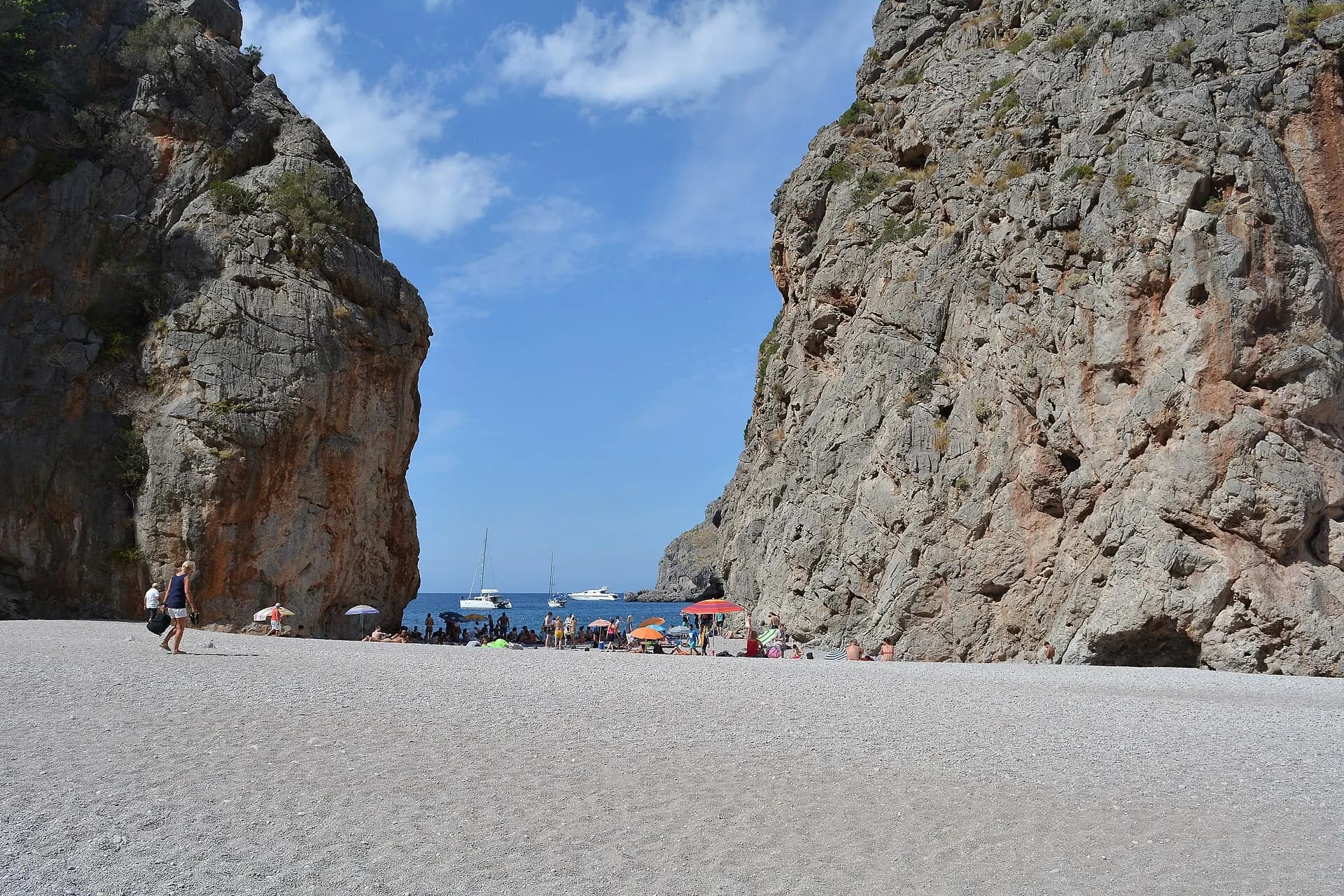
The road down to Sa Calobra is an attraction in itself, a ribbon of hairpins that falls some 700 metres to the sea and twists through a full loop at the bend nicknamed the Nus de sa Corbata, the knot of the tie. From the tiny harbour, a path runs through tunnels in the rock to the mouth of the Torrent de Pareis, where a deep gorge between sheer walls opens onto a pebble beach. Walking the gorge itself from Escorca is a serious, full-day scramble only for experienced hikers in dry weather.
TipThe road is narrow and clogged with coaches and cyclists from late morning; drive early, or come by boat from Port de Sóller.
- 11
Lluc Monastery
Photo: H. Zell, CC BY-SA 3.0, via Wikimedia Commons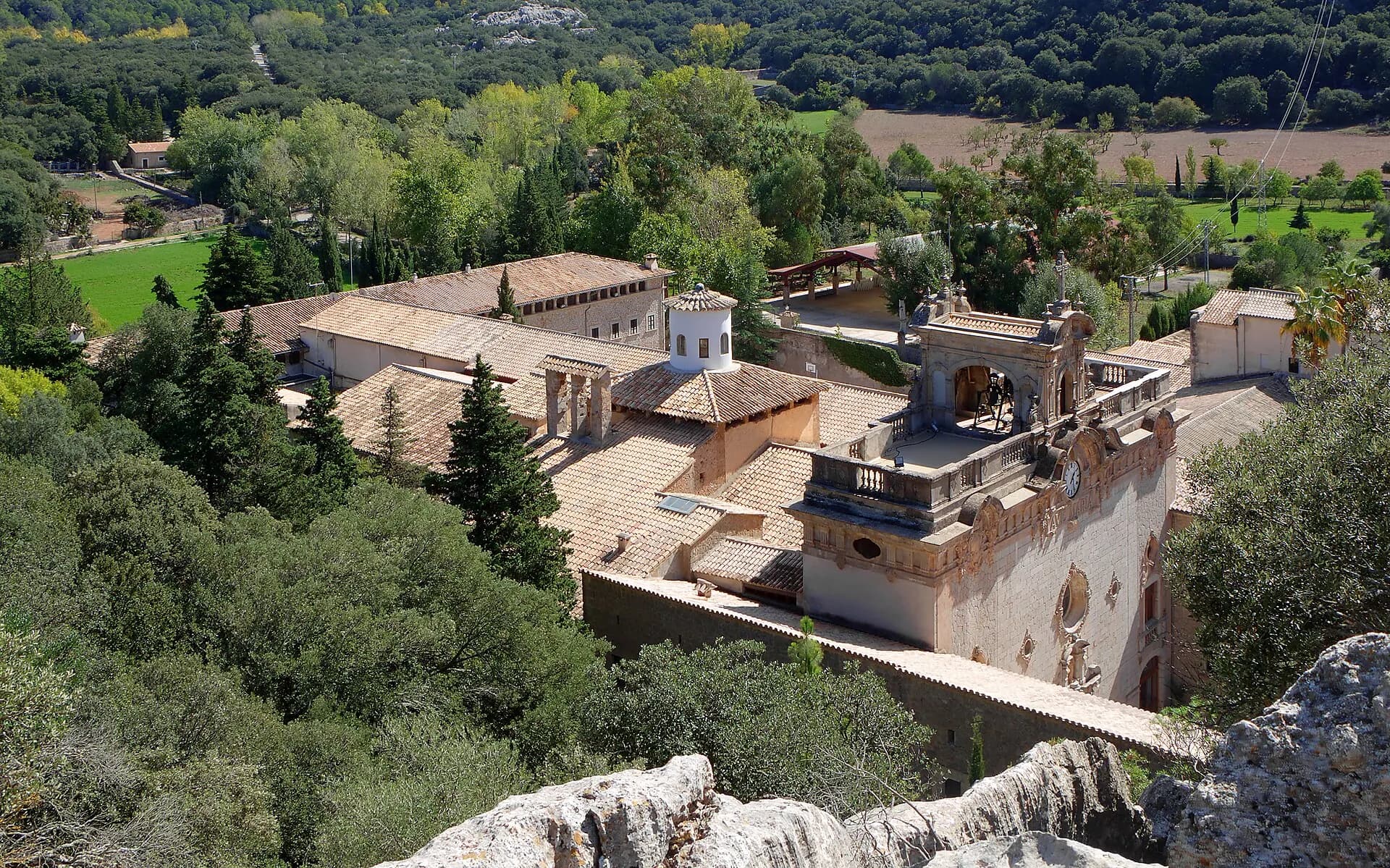
Hidden in a high valley in the heart of the mountains, the sanctuary of Lluc has been Mallorca's spiritual centre for seven centuries, built around a small dark statue of the Virgin, La Moreneta, said to have been found by a shepherd boy. Its boys' choir, the Escolania, has sung here since the sixteenth century. Pilgrims, walkers and families picnicking in the woods all mix here, and simple rooms in the old pilgrims' quarters make it a peaceful overnight stop on the GR221.
- 12
Pollença
Photo: Adam Loader, CC BY-SA 4.0, via Wikimedia Commons
Pollença is a handsome old market town of sand-coloured stone, built inland to protect it from pirates. From the main square, 365 cypress-lined steps climb to the little chapel of El Calvari, with views over the rooftops to the bay. The Sunday market fills the centre, and the coastal resort of Port de Pollença, a few kilometres away, has a long, family-friendly beach and a pine-shaded seafront walk.
- 13
Cap de Formentor
Photo: Thomas Wolf, www.foto-tw.de, CC BY-SA 3.0 de, via Wikimedia Commons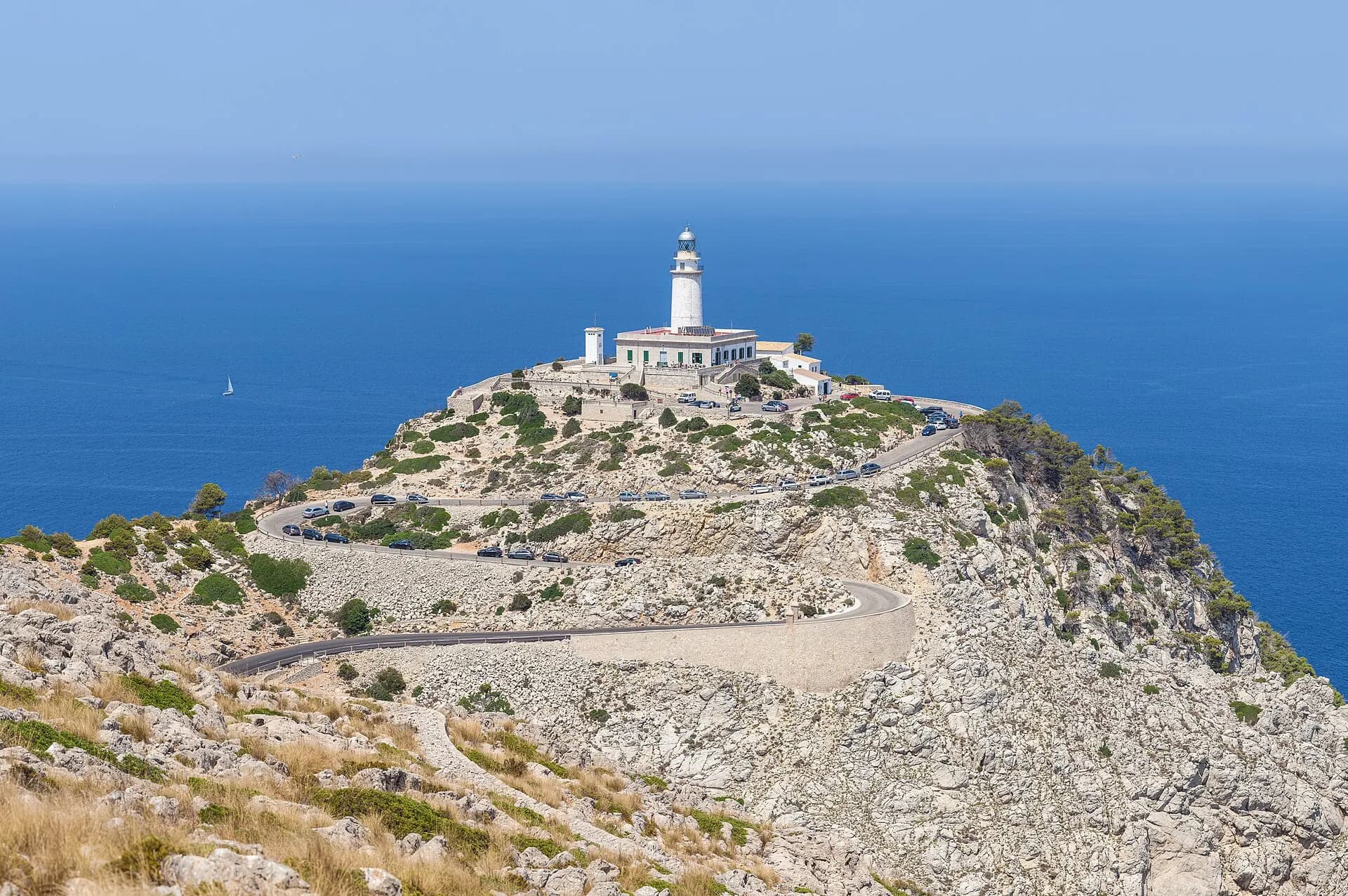
The island's northernmost point is a narrow ridge of cliffs running out into the sea, crossed by a spectacular road to a lighthouse at the tip. Stop at the Mirador des Colomer, a viewpoint perched on a sheer drop above a rocky islet, and at Platja de Formentor, a pine-backed beach of calm water. The lighthouse terrace looks out to Menorca on a clear day.
TipFrom 15 May to 18 October 2026, between 10am and 10pm, private cars may only drive as far as the Formentor beach car park until it is full, and the section to the lighthouse is closed to them altogether. Take TIB bus 334 from Port de Pollença or Alcúdia, cycle, or drive out before 10am.
- 14
Alcúdia and Pollentia
Photo: Adam Jones from Kelowna, BC, Canada, CC BY-SA 2.0, via Wikimedia Commons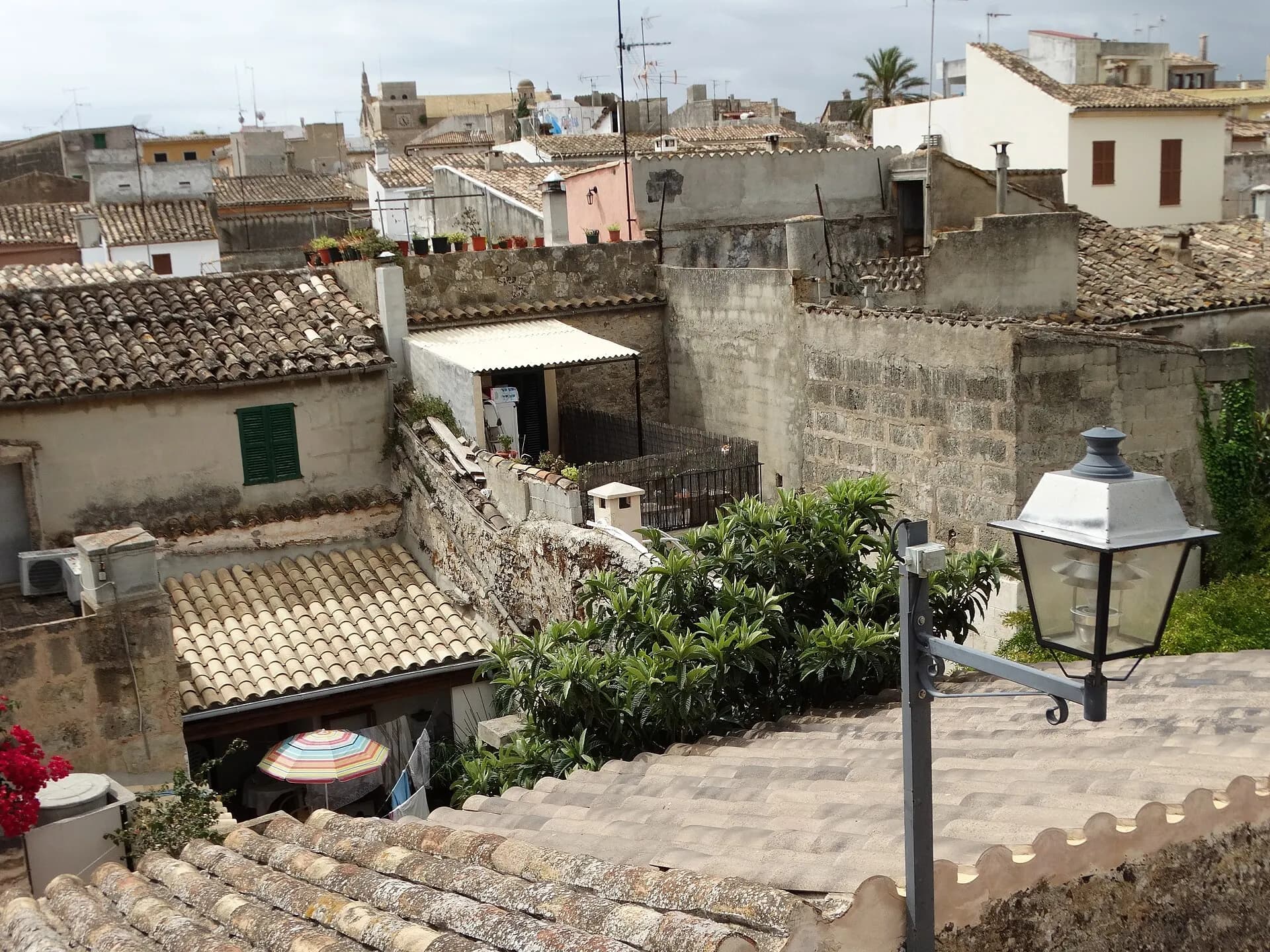
Alcúdia's old town is ringed by restored medieval walls you can walk along in places, with gateways leading into lanes of shops and cafés; its Tuesday and Sunday markets are among the island's busiest. Just outside the walls lie the ruins of Pollentia, the main Roman city on Mallorca, founded in the first century BC, with house foundations, a forum and a small theatre cut into the rock. The long sandy bay of Port d'Alcúdia is a short ride away.
- 15
S'Albufera Natural Park
Photo: Chixoy, Public domain, via Wikimedia Commons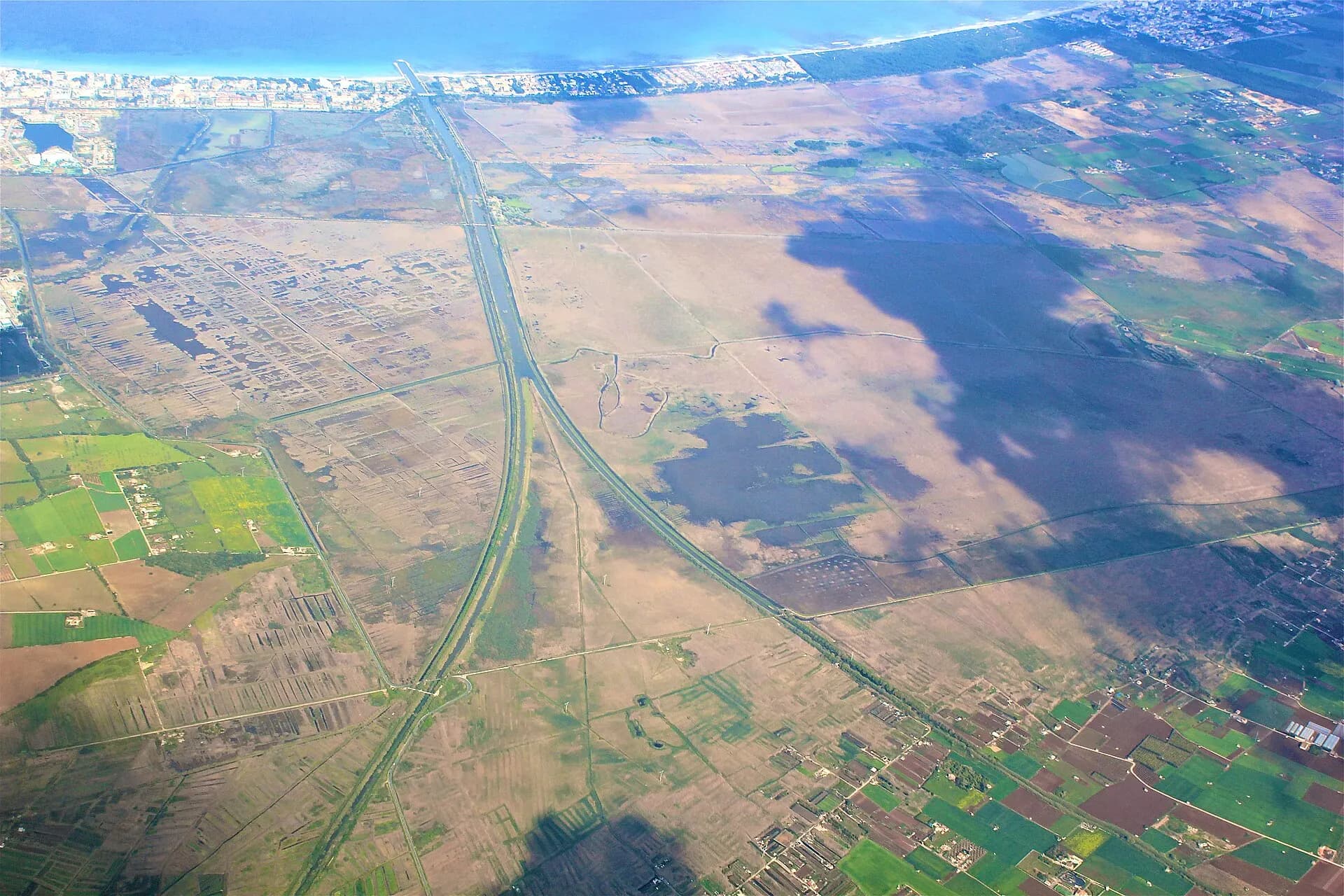
South of Alcúdia, Mallorca's largest wetland is a maze of reed beds, canals and lagoons that was drained for farming in the nineteenth century and is now a protected haven for birds. Flat paths and hides make it easy to spot herons, egrets, marsh harriers and, at times, flamingos, especially in spring and autumn migration. Entry is free; bring binoculars and insect repellent.
- 16
Artà and Ses Païsses
Photo: H. Zell, CC BY-SA 3.0, via Wikimedia Commons
Artà is a quiet inland town in the northeast, crowned by the walled sanctuary of Sant Salvador, reached by a stairway from the old town. Just outside, Ses Païsses is one of the best-preserved Talaiotic villages on the island, a Bronze and Iron Age settlement with a massive stone gateway and the base of a central tower, set among holm oaks. Nearby Capdepera has a hilltop castle with crenellated walls and sea views.
- 17
Caves of Drach
Photo: Steffen Mokosch, CC BY-SA 4.0, via Wikimedia Commons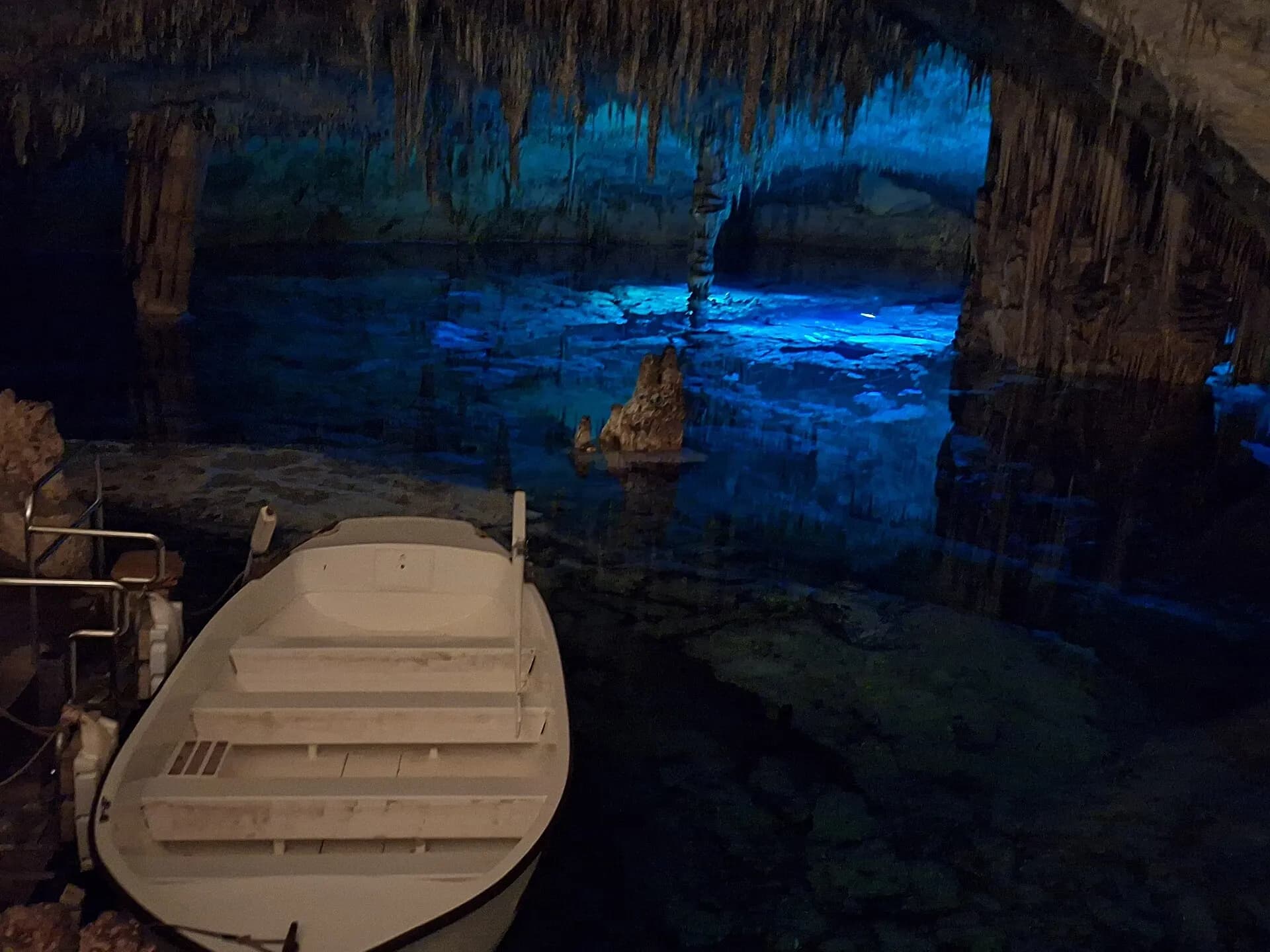
On the east coast at Porto Cristo, the Coves del Drac are a series of four linked caverns full of stalactites and stalagmites, explored and mapped at the end of the nineteenth century. The visit follows a walkway of more than a kilometre to Lake Martel, one of the largest underground lakes in the world, where visitors sit in the dark for a short classical music recital played from boats gliding across the water.
TipEntry is by timed ticket and summer slots sell out; book ahead online. The caves stay at a mild temperature all year, but steps can be slippery.
- 18
Mondragó Natural Park
Photo: Xxlstier, CC BY-SA 4.0, via Wikimedia Commons
A small protected stretch of southeast coast of pine woods, farmland and dunes around two coves, S'Amarador and Cala Mondragó, with shallow turquoise water and easy coastal paths linking them. It is a gentler, more manageable alternative to the island's most famous coves, and good for families.
- 19
Caló des Moro
Photo: Olaf Tausch, CC BY 3.0, via Wikimedia Commons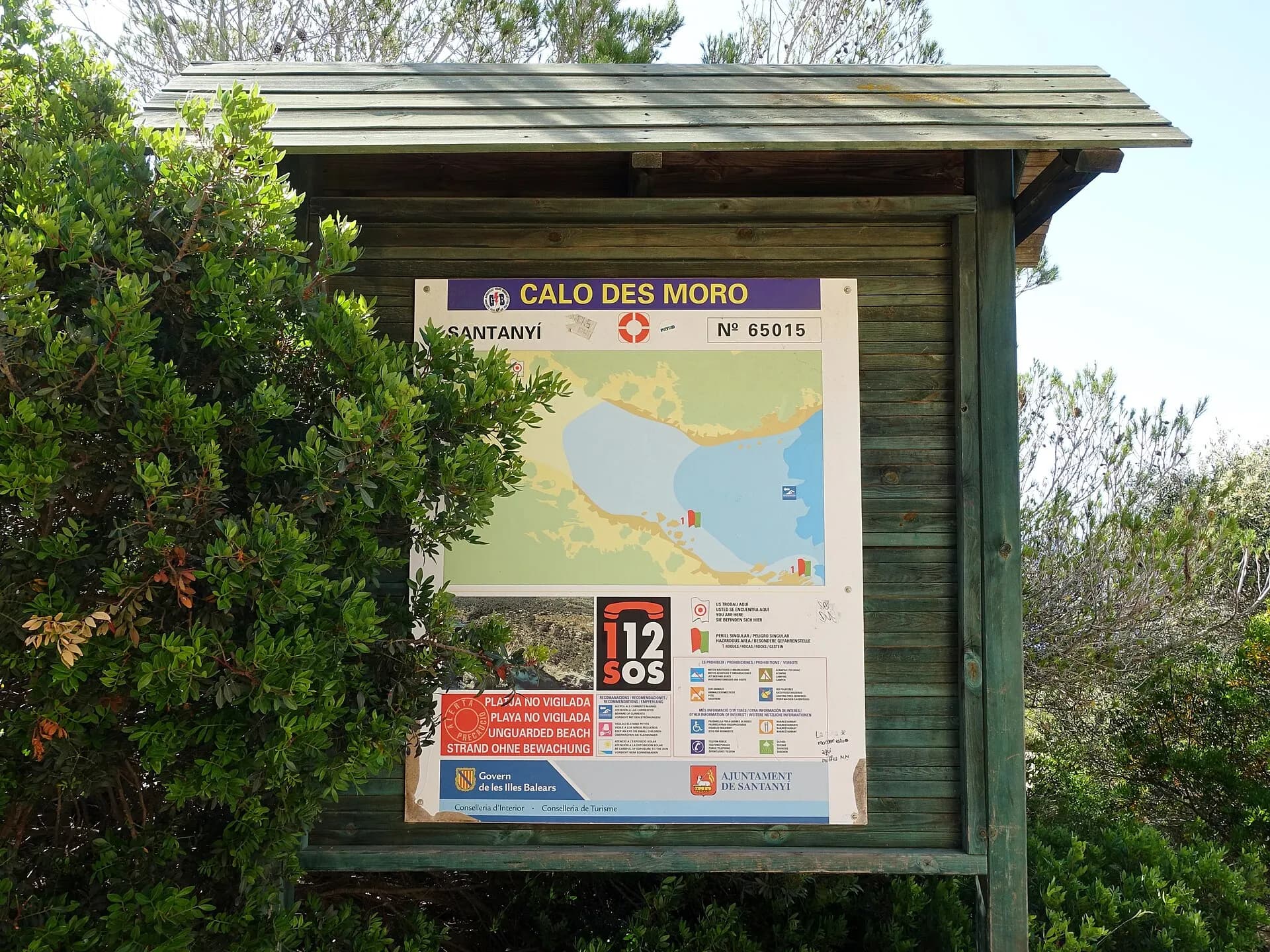
This tiny cove, a sliver of white sand between high rocky walls and pines, became one of the most photographed places in Mallorca thanks to social media, and its fame has caused real problems. There is no road down: parking near the trailhead is restricted, and the last stretch is a steep, rocky path. In peak summer the beach can hold only a fraction of the people who try to reach it, and the council has used staff to manage access at the busiest times.
TipCome very early in the morning or outside July and August, park only in signed areas and wear proper shoes. If it is full, the neighbouring cove of S'Almunia is lovely too.
- 20
Cala Figuera
Photo: Abrget47j, CC BY-SA 3.0, via Wikimedia Commons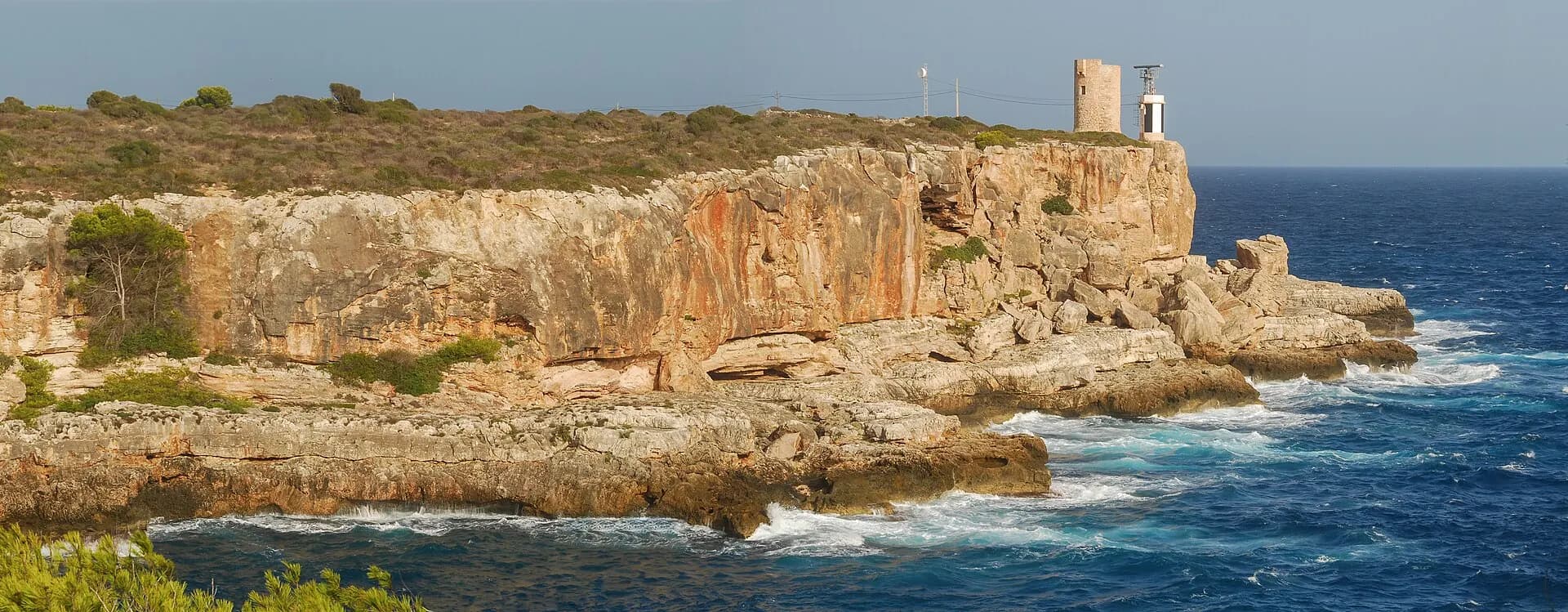
A narrow, fjord-like inlet where fishermen's houses with green boat sheds sit right on the water, Cala Figuera is one of the few working fishing harbours left on the island. There is no beach, but a walk around the inlet at dusk, when boats return and the restaurants light up, is a fine end to a day on the coast.
- 21
Santanyí
Photo: Asurnipal, CC BY-SA 4.0, via Wikimedia Commons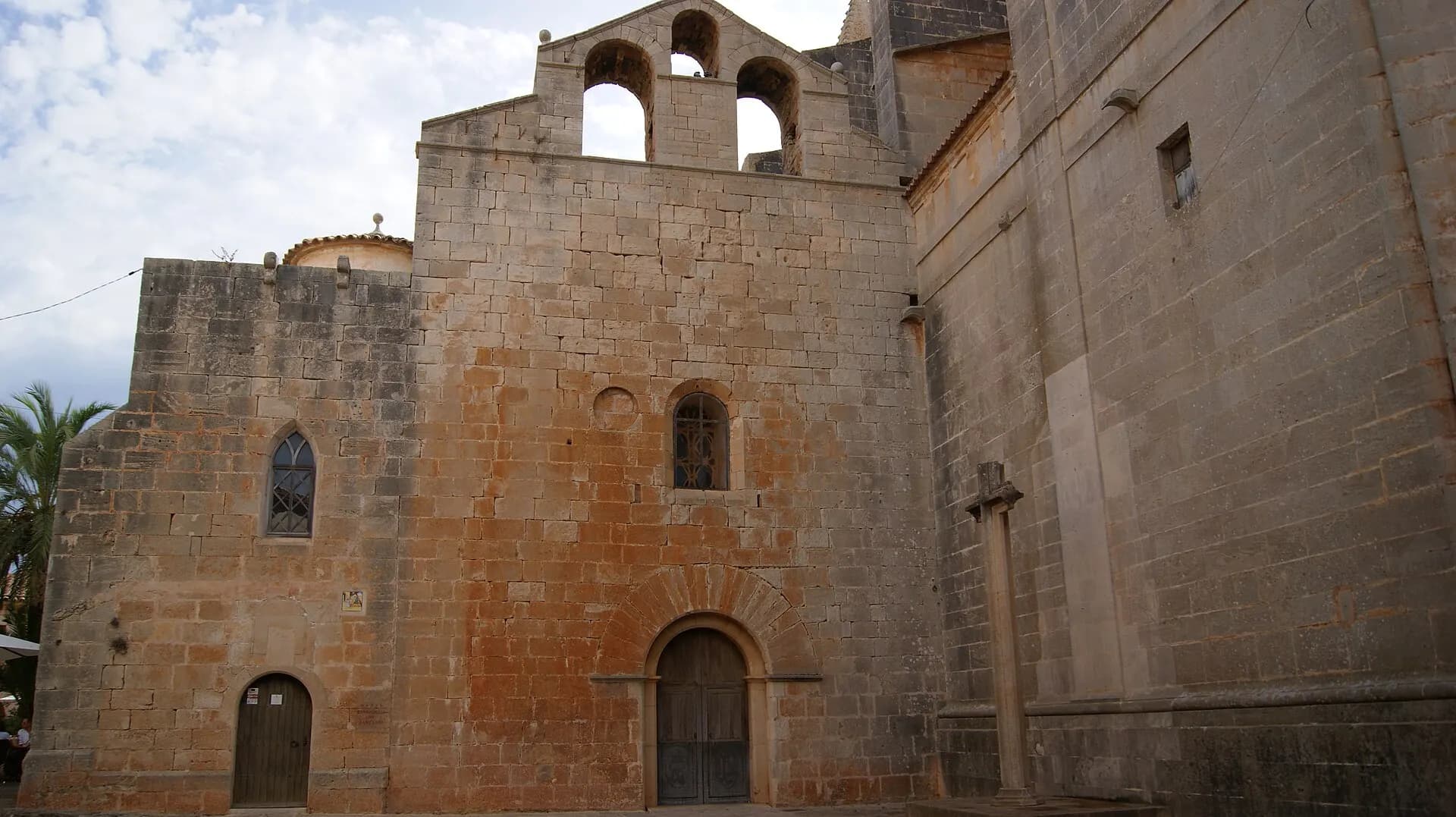
The town that gives its name to this corner of the island is built of the warm golden sandstone quarried nearby, which was also used in Palma Cathedral. It has become a stylish place of galleries, design shops and cafés, and its Wednesday and Saturday markets draw people from all over the south. Inside the parish church of Sant Andreu is a remarkable baroque organ.
- 22
Es Trenc
Photo: Yaroslav Syubayev, CC BY-SA 4.0, via Wikimedia Commons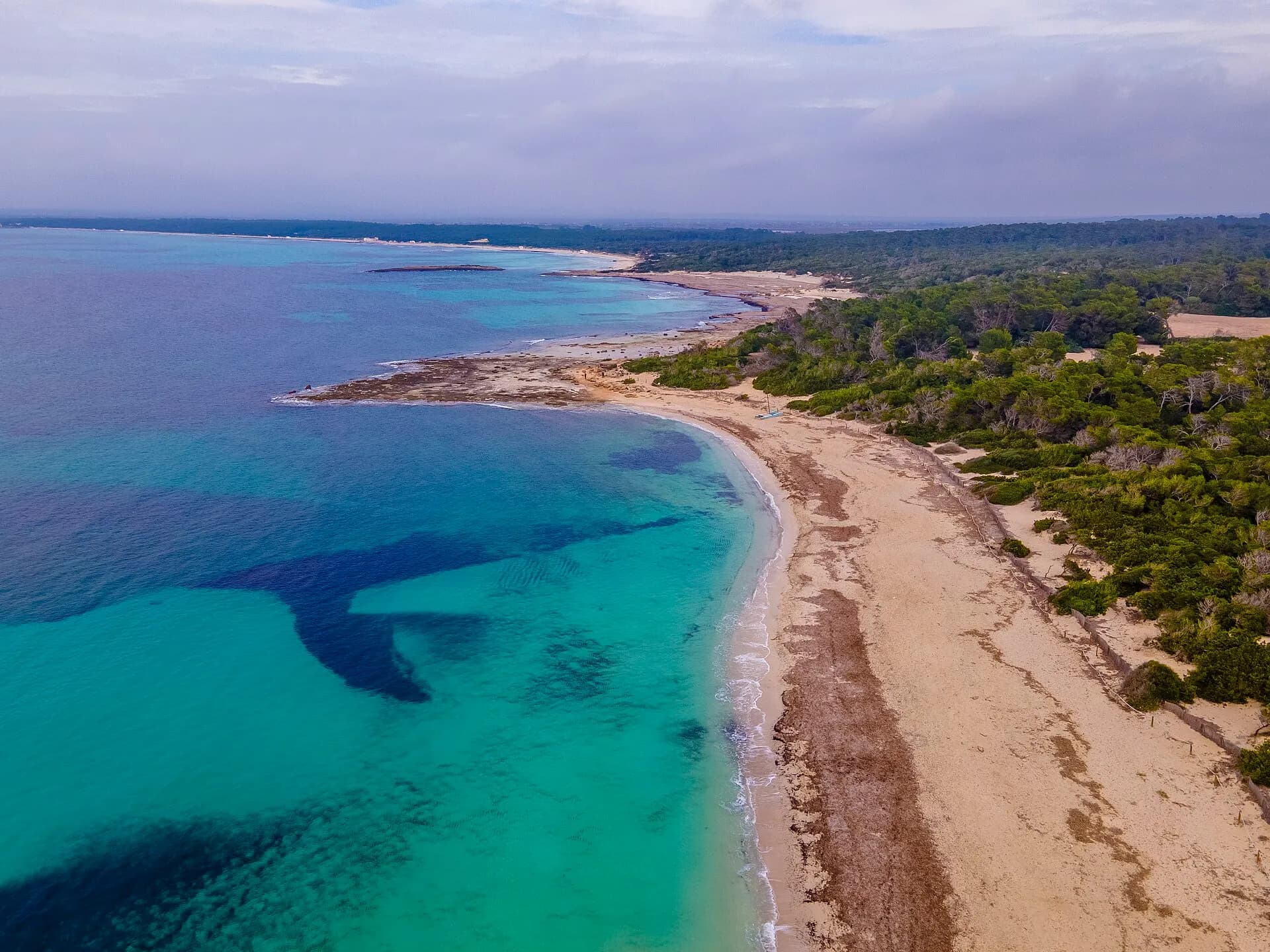
Es Trenc is the longest natural beach on the island, several kilometres of fine white sand and dunes with no high-rise hotels, protected within a natural park together with the salt pans of Salines de Llevant behind it. The water is shallow and Caribbean-blue in calm weather. The salt flats, still worked today, attract wading birds and produce the island's prized flor de sal.
TipCar parks charge in summer and fill by late morning; the quietest stretches are a long walk from the access points.
- 23
Cabrera National Park
Photo: Antoni Pons Oliver, CC BY-SA 3.0, via Wikimedia Commons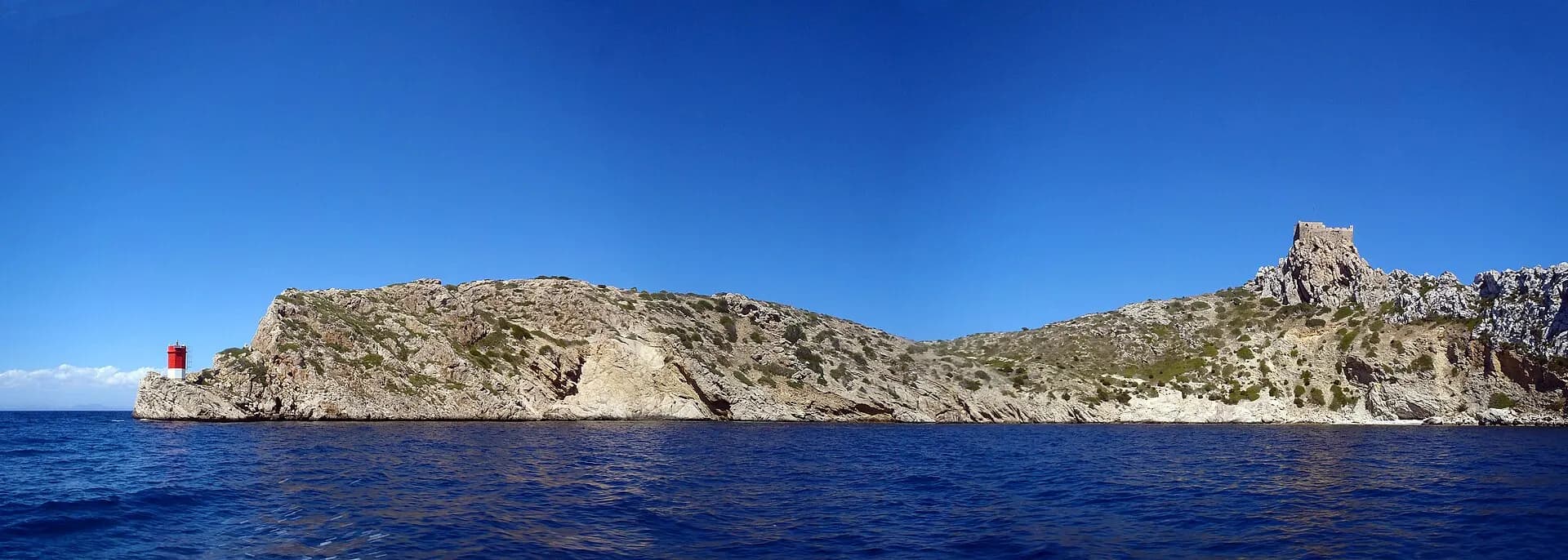
South of Colònia de Sant Jordi, the Cabrera archipelago is a maritime and terrestrial national park of rocky, almost uninhabited islands with some of the best-preserved sea beds in the Mediterranean. Day boats cross in season, stopping at the natural harbour below a small medieval castle and often at the Cova Blava, a sea cave where you can swim. Visitor numbers are capped, and diving, anchoring and overnight stays need permits.
When to go
July and August are hot, crowded and expensive, with traffic queues to the famous coves and coach convoys in the mountains; the sea is at its warmest, though, from July into October. Spring, from April to June, is the best time for walking and cycling, with almond blossom over by March, wild flowers on the hills and long, bright days. Late September and October bring warm seas, the grape and olive harvests and thinner crowds. Winter is mild and often sunny in Palma but can be wet and cold in the mountains, and many resort hotels close from November to March, while Palma and the villages stay open and quiet.
Look out for the light show at La Seu, when the sun shines through the eastern rose window to project its pattern beneath the western one, around 2 February and 11 November, and for local saints' day festivals in summer, such as the mock battle of Moors and Christians in Sóller in May and in Pollença in August.
Getting around
Palma Airport, one of the busiest in Spain in summer, is about 8 kilometres east of the city. City buses run frequently into central Palma, and TIB airport lines link directly with the main resorts. Palma's own EMT city buses cover the capital and nearby beaches.
The TIB network of green-and-white buses reaches almost every town and many beaches, and is good value, though services to quieter areas can be infrequent outside summer. Useful routes include the mountain lines through Valldemossa, Deià and Sóller, bus 334 to Formentor and the summer services to Sa Calobra and Lluc. Local trains run from Palma's Plaça d'Espanya to Inca, Sa Pobla and Manacor, and the historic Sóller train leaves from a separate station next door.
A hire car gives the most freedom, especially for coves and inland villages, but parking in Palma and the mountain villages is scarce and summer traffic is heavy; consider a car for only part of your stay. Mountain roads are narrow and shared with large groups of cyclists, so drive slowly and pass with care. In summer, boats run along the north coast between Port de Sóller and Sa Calobra and around the bay of Pollença. Ferries connect Palma and Alcúdia with Menorca, Ibiza and mainland ports such as Barcelona, Valencia and Dénia.
Local tips
- Catalan, in its local Mallorquí form, and Spanish are both official; signs mostly use Catalan names, so you will see Palma's cathedral as La Seu and the Caves of Drach as Coves del Drac.
- Every overnight stay in licensed accommodation carries the Balearic sustainable tourism tax, charged per person per night: in 2026 it runs up to 4 euros in the top hotels in high season, less in simpler places, about a quarter of that in low season, and is halved from the ninth night. Under-16s are exempt; a reform with higher summer rates has been discussed, so check before you travel.
- Book licensed accommodation only; illegal holiday lets are being fined and closed down, and they take homes from locals.
- Sunday is quiet in towns and shops are often shut; village markets run on fixed days, so plan a day around one.
- Lunch is eaten from about 1.30pm and dinner from 8.30pm; many good restaurants offer a set-price menú del dia at lunchtime.
- Drinking alcohol in the street and pub crawls are restricted in Magaluf, Platja de Palma and parts of Palma, with heavy fines.
- Carry water and shoes with grip; many coves are reached on rough paths and there is often no shade or kiosk.
Eat and drink
Mallorcan cooking is hearty country food built on pork, vegetables, olive oil and bread. The island's best-known product is sobrassada, a soft, paprika-red cured sausage spread on bread or drizzled with honey, and its signature pastry is the ensaïmada, a feather-light coiled bun dusted with icing sugar, sold plain or filled and carried home in octagonal boxes. Try tumbet, layered fried aubergine, potato and pepper with tomato; trempó, a summer salad of tomato, pepper and onion; pa amb oli, bread rubbed with tomato and olive oil and topped with ham or cheese; and the thick vegetable and bread soup sopes mallorquines. Along the coast look for caldereta de llagosta, a lobster stew, and fresh fish baked with potatoes.
The island makes good wine, especially around Binissalem and the plain of Felanitx and Manacor, from local grapes such as Manto Negro and Callet, and its olive oil from the terraces of the Tramuntana has protected status. Hierbas, an aniseed herbal liqueur, is served after meals.
Where to stay
Palma is the best all-round base for a first trip, with the best restaurants, culture and transport, and city stays work well in any season. Sóller and Port de Sóller suit walkers and anyone who wants mountains and sea together, and Deià and Valldemossa have small, often expensive hotels. In the north, Pollença and Port de Pollença are calm and good for families and cyclists, and Alcúdia has long beaches. In the southeast, Santanyí, Cala d'Or and Colònia de Sant Jordi are handy for the coves and Es Trenc. For peace inland, old farmhouses converted into rural hotels and agroturismes are scattered across the island.
Hiking the GR221
The GR221, or Ruta de Pedra en Sec, the Dry Stone Route, follows old mule tracks, charcoal burners' paths and pilgrim ways along the length of the Serra de Tramuntana, from Port d'Andratx in the west to Pollença in the north. It is usually walked in around eight stages over a week, though some sections are still unfinished or cross private land, and much of it can be done as day walks. The route passes through Valldemossa, Deià, Sóller and Lluc, crossing high passes beneath Puig Major, the island's highest peak, and the Consell de Mallorca runs a chain of simple walkers' refuges along the way, which must be booked ahead.
Spring and autumn are ideal; in summer the heat on the open limestone is fierce and water sources are scarce, and in winter storms can bring rain, mist and even snow on the tops. Carry plenty of water, a good map and sturdy boots, start early, and tell someone your plans. Popular short sections include the Barranc de Biniaraix from Sóller and the path between Deià and Port de Sóller.
A short history
Mallorca's first settlers built the stone towers, or talaiots, still dotted across the island around three thousand years ago. Carthaginians and then Romans followed, who founded Palma and Pollentia; the islanders were famed slingers who fought in ancient armies. After centuries of Vandal and Byzantine rule, the island became part of the Muslim world in the tenth century as Mayurqa, with Palma, then Madina Mayurqa, one of the great cities of the western Mediterranean.
In 1229, King James I of Aragon conquered the island, and for a few decades it was the heart of an independent Kingdom of Mallorca, the period that produced La Seu, Bellver and the Almudaina. Absorbed into the crown of Aragon and later Spain, it lived through piracy, plague and poverty until the arrival of tourism in the 1950s and 1960s transformed it into one of the richest regions in Spain.
Responsible travel and overtourism
Mallorca welcomes many millions of visitors a year, and in recent summers tens of thousands of residents have marched in Palma against mass tourism, rising rents and the loss of homes to holiday lets. The authorities have responded with curbs on illegal rentals, limits on cruise ships calling at Palma, drinking restrictions in the party resorts, and controls on access to places such as Formentor and Sa Calobra. The anger is aimed at the model, not at individual visitors, but you can make a real difference by travelling outside July and August, staying in licensed hotels, using buses and trains, spreading your visits beyond the famous coves and eating in local, family-run places.
Water is scarce on the island in summer, so keep showers short. Offshore, the meadows of Posidonia seagrass that keep the water so clear are protected, and anchoring on them is banned; boat hirers should use buoys and the official anchoring maps. Leave the dried seagrass on the beaches, where it protects the sand, stay on paths in dunes and on the mountains, close farm gates behind you on walking routes and take all your rubbish home.