Granada
The Alhambra glowing above whitewashed hill quarters, cave flamenco, free tapas and the snowy Sierra Nevada behind it all.
- Best time to go
- March to June and September to November; winter is crisp and quiet, summer very hot
- Local time
- –
- Currency
- Euro (EUR)
- Reading time
- 8 min
- Language
- Spanish and Basque
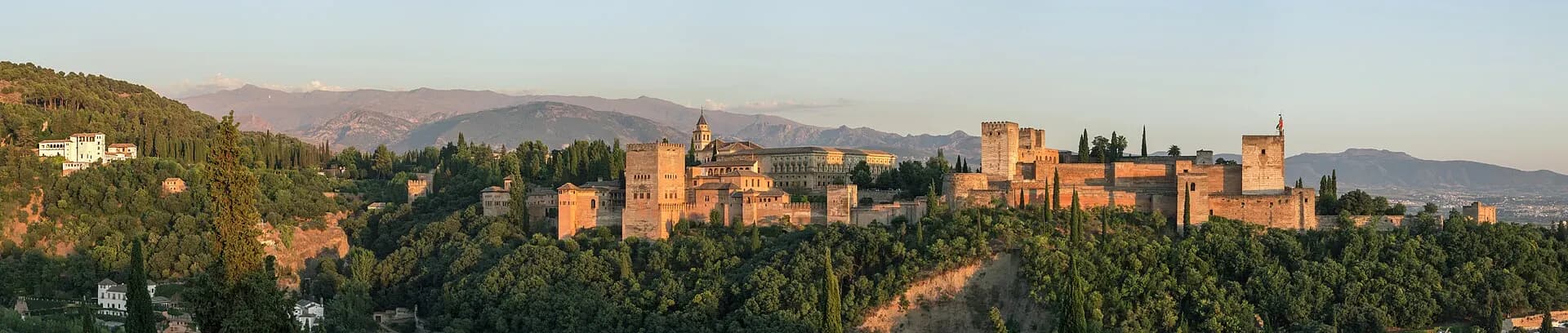
Granada sits where the plain of the Vega meets the foothills of the Sierra Nevada, its old quarters climbing two hills on either side of the little River Darro. On one hill stands the Alhambra, the palace-city of the Nasrid sultans, the last Muslim dynasty in Spain, who held Granada until the Catholic Monarchs, Isabella and Ferdinand, took it in 1492. On the other is the Albaicín, a maze of whitewashed lanes and walled gardens that still follows its medieval street plan. Together they form a World Heritage Site.
Below them lies a lively university city with a Renaissance cathedral, the tombs of the Catholic Monarchs, a reconstructed silk bazaar and some of the most generous bar culture in Spain, where a drink still often comes with a free tapa. Give it at least two full days: one for the Alhambra, one for everything else, and an evening in Sacromonte.
The top 13 in Granada
- 1
The Alhambra and the Nasrid Palaces
Photo: Jebulon, CC0, via Wikimedia Commons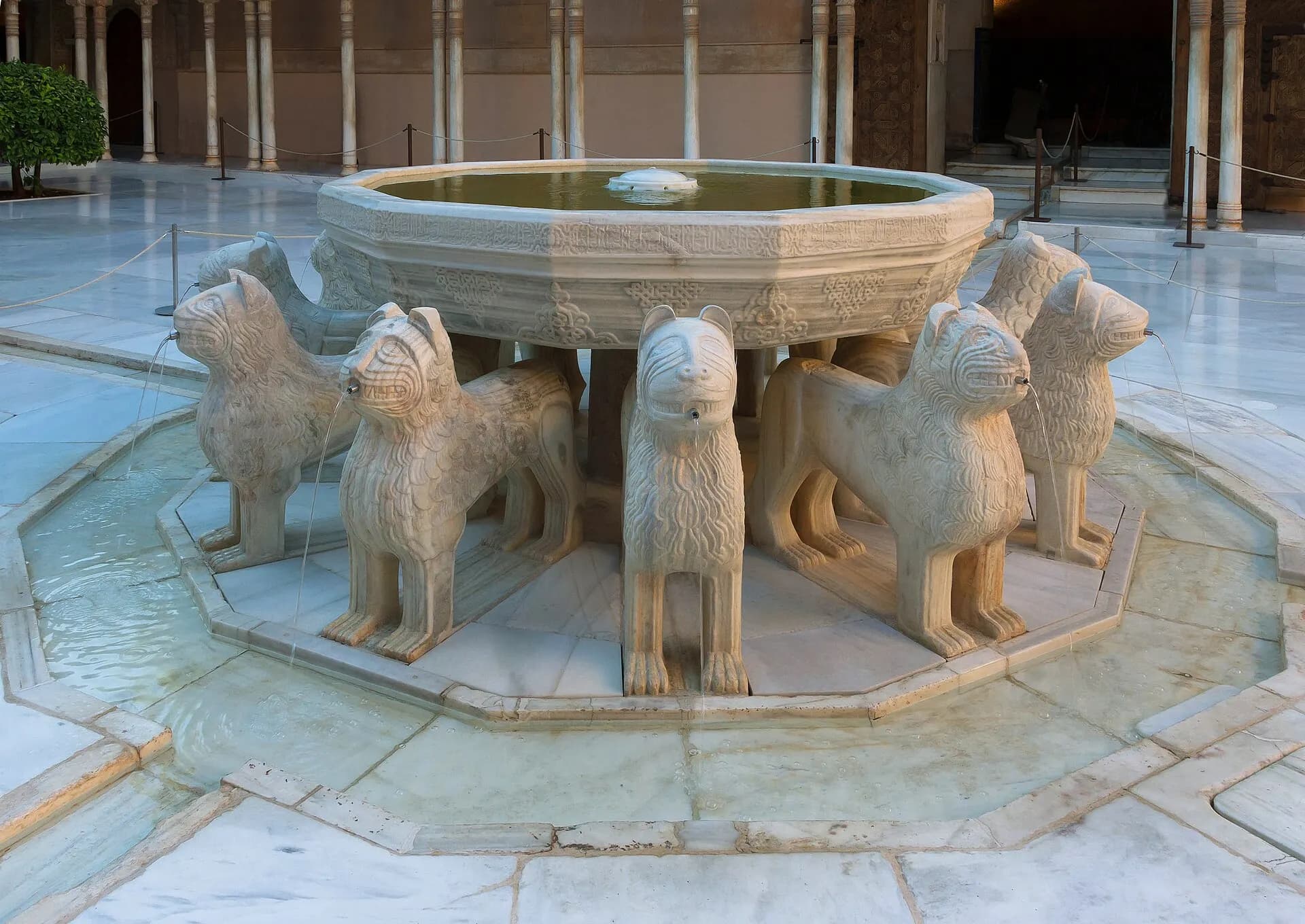
The Nasrid Palaces are the heart of the visit: the Mexuar, the Comares Palace around the Court of the Myrtles, and the Palace of the Lions, with carved stucco, tiled walls and honeycomb ceilings of extraordinary delicacy. Around them lie the Alcazaba fortress, whose watchtower gives the best views of the city, the Renaissance Palace of Charles V, and the Partal gardens. The palaces admit a limited number of people every half hour, and you can only enter at the time printed on your ticket; miss it and you lose the palaces. A general visit takes around three hours.
TipBuy only from the official Alhambra ticket website (tickets.alhambra-patronato.es), its phone line or the ticket office. Tickets are personal, carry the visitor's name and ID number, and staff check your passport or ID card at entry, so tickets bought through resellers or with the wrong name can be refused.
- 2
The Generalife
Photo: Benjamin Smith, CC BY-SA 4.0, via Wikimedia Commons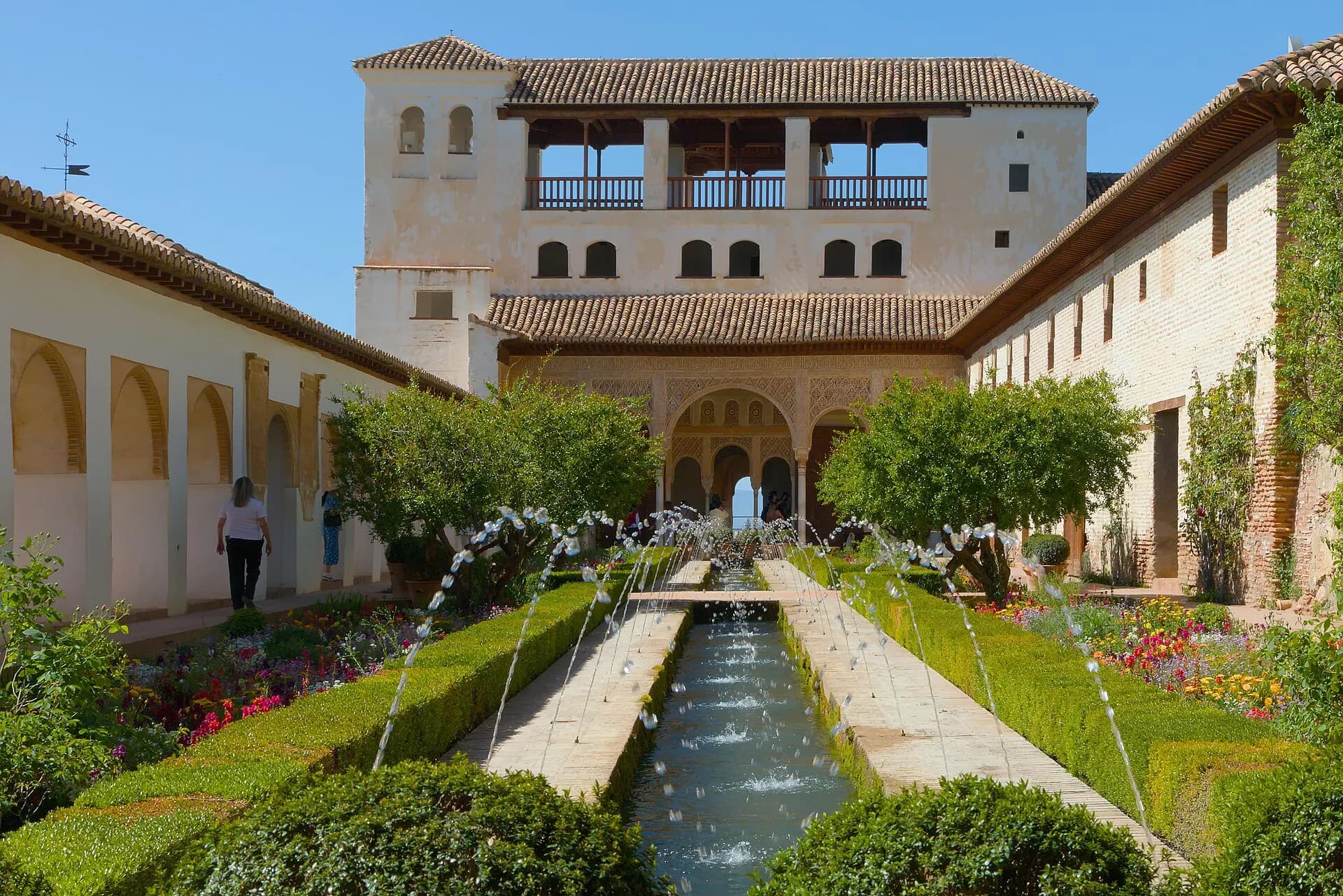
The summer palace and gardens of the sultans, on the hillside above the Alhambra, included in the general ticket. Its long Patio de la Acequia, with a water channel framed by fountains and flowerbeds, and the cypress-lined walks are at their best in spring. Gardens-only and night tickets are also sold.
- 3
Carrera del Darro and Paseo de los Tristes
Photo: Jebulon, CC0, via Wikimedia Commons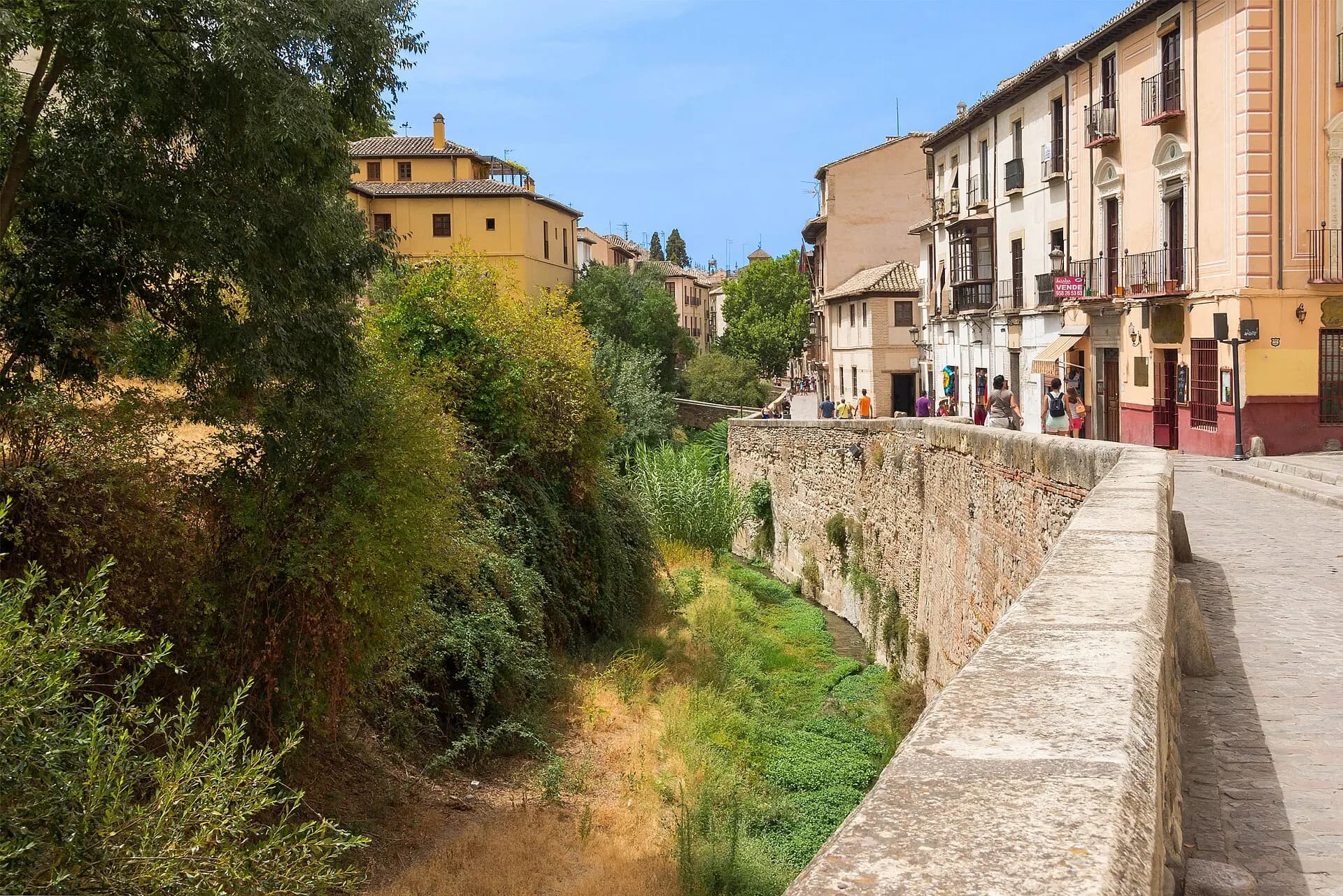
From Plaza Nueva, a cobbled lane follows the Darro past stone bridges, Renaissance mansions and churches, with the walls of the Alhambra rising above. On the way is El Bañuelo, eleventh-century Arab baths with star-shaped skylights. The lane opens out at the Paseo de los Tristes, officially Paseo del Padre Manjón, named for the funeral processions that once passed this way; today its terraces are a lovely place for a drink as the Alhambra lights up.
- 4
The Albaicín and the Mirador de San Nicolás
Photo: Diego Delso, CC BY-SA 4.0, via Wikimedia Commons
Climb from the Darro into the old Moorish quarter, with its steep lanes, cármenes (walled houses with gardens), hidden squares and churches built over mosques. The terrace in front of the church of San Nicolás has the classic view across to the Alhambra with the Sierra Nevada behind. It's crowded at sunset; the higher Mirador de San Cristóbal and San Miguel Alto are quieter alternatives.
TipKeep a close eye on your bag at the viewpoint, and take a taxi or minibus back if the lanes feel deserted late at night.
- 5
Sacromonte
Photo: Eunostos, CC BY-SA 4.0, via Wikimedia Commons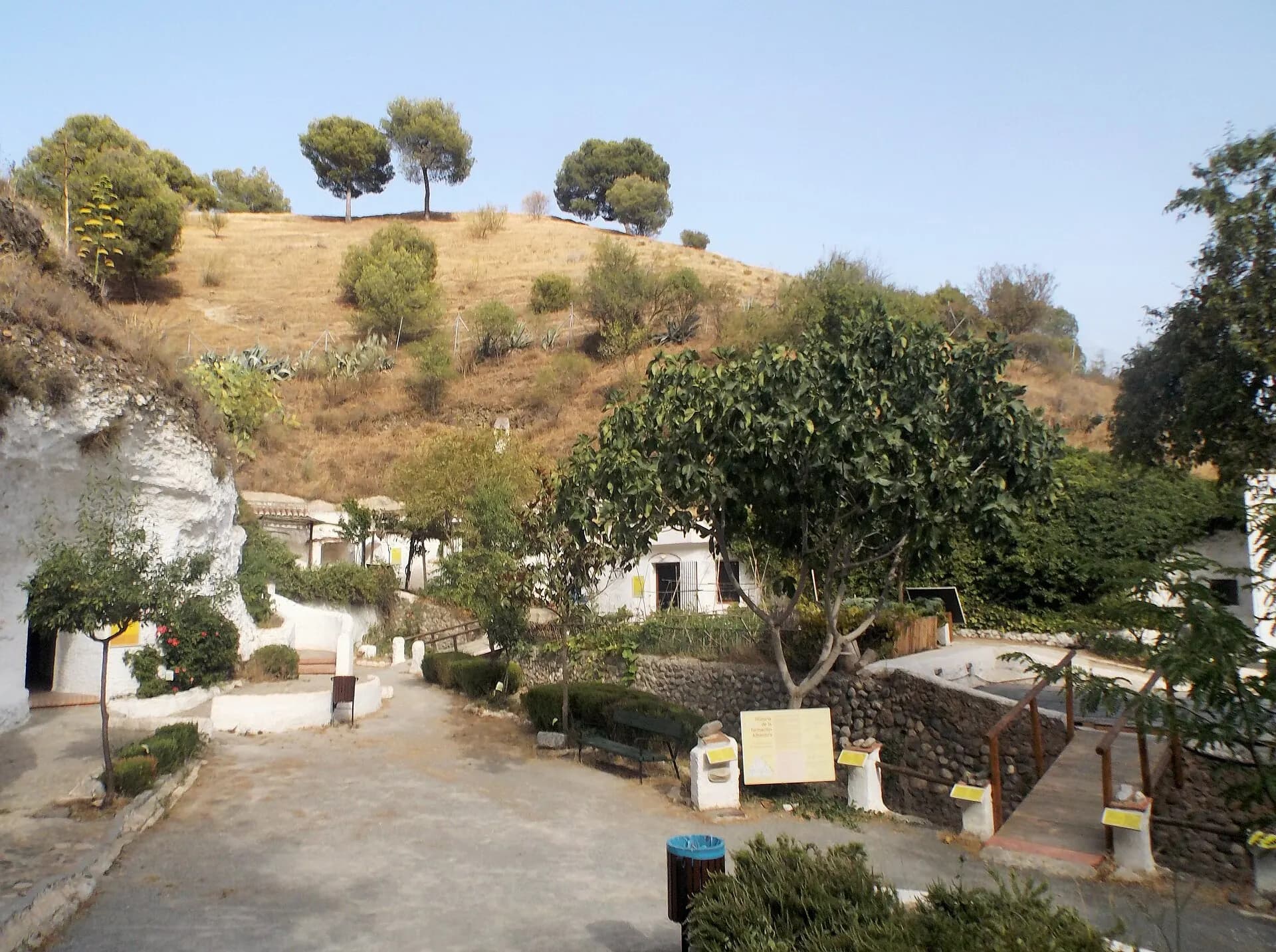
Beyond the Albaicín, cave houses are carved into the hillside, long home to Granada's Roma community. It's the place for zambra, a local style of flamenco performed in whitewashed caves, where the audience sits close enough to feel the footwork. The Sacromonte Caves Museum explains cave life and traditional trades, and the Abbey of Sacromonte crowns the hill.
- 6
Hammam Al Ándalus
Modern baths in the style of the old Arab hammams, near Plaza Nueva, with warm, hot and cold pools in candlelit vaulted rooms and optional massages. Sessions are timed and small, so book ahead and bring swimwear.
- 7
Granada Cathedral
Photo: Jim Gordon, CC BY 2.0, via Wikimedia Commons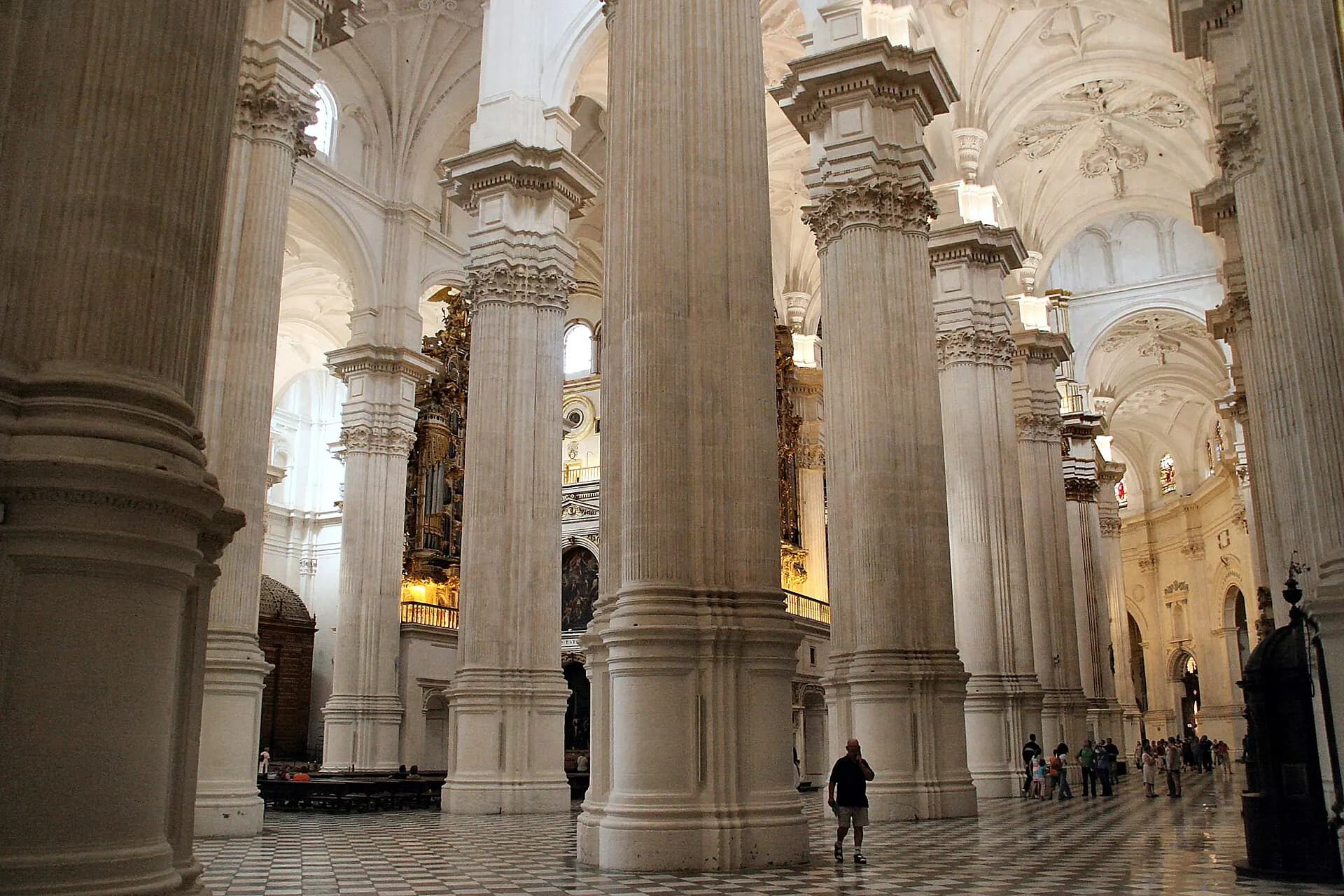
Begun in the sixteenth century on the site of the main mosque and largely designed by Diego de Siloé, it's one of the great Renaissance churches of Spain, with a dazzling white interior, a domed main chapel and a facade by the painter and sculptor Alonso Cano.
- 8
The Royal Chapel
Photo: Javi Guerra Hernando, CC BY-SA 4.0, via Wikimedia Commons
A late Gothic chapel built between 1505 and 1517 as the burial place of the Catholic Monarchs. Their marble tombs lie beside those of their daughter Juana and her husband Philip the Handsome; the lead coffins are in the crypt below. The sacristy holds Isabella's own collection of Flemish paintings, her crown and Ferdinand's sword.
- 9
The Alcaicería
Photo: Palickap, CC BY-SA 4.0, via Wikimedia Commons
Once the Nasrid silk market, with some two hundred shops in the sixteenth century, it burned down in 1843 and was rebuilt in a romantic neo-Moorish style. Its narrow alleys now sell lanterns, ceramics, slippers and spices; browse, but compare prices.
- 10
Corral del Carbón
Photo: Alberto-g-rovi, CC BY 3.0, via Wikimedia Commons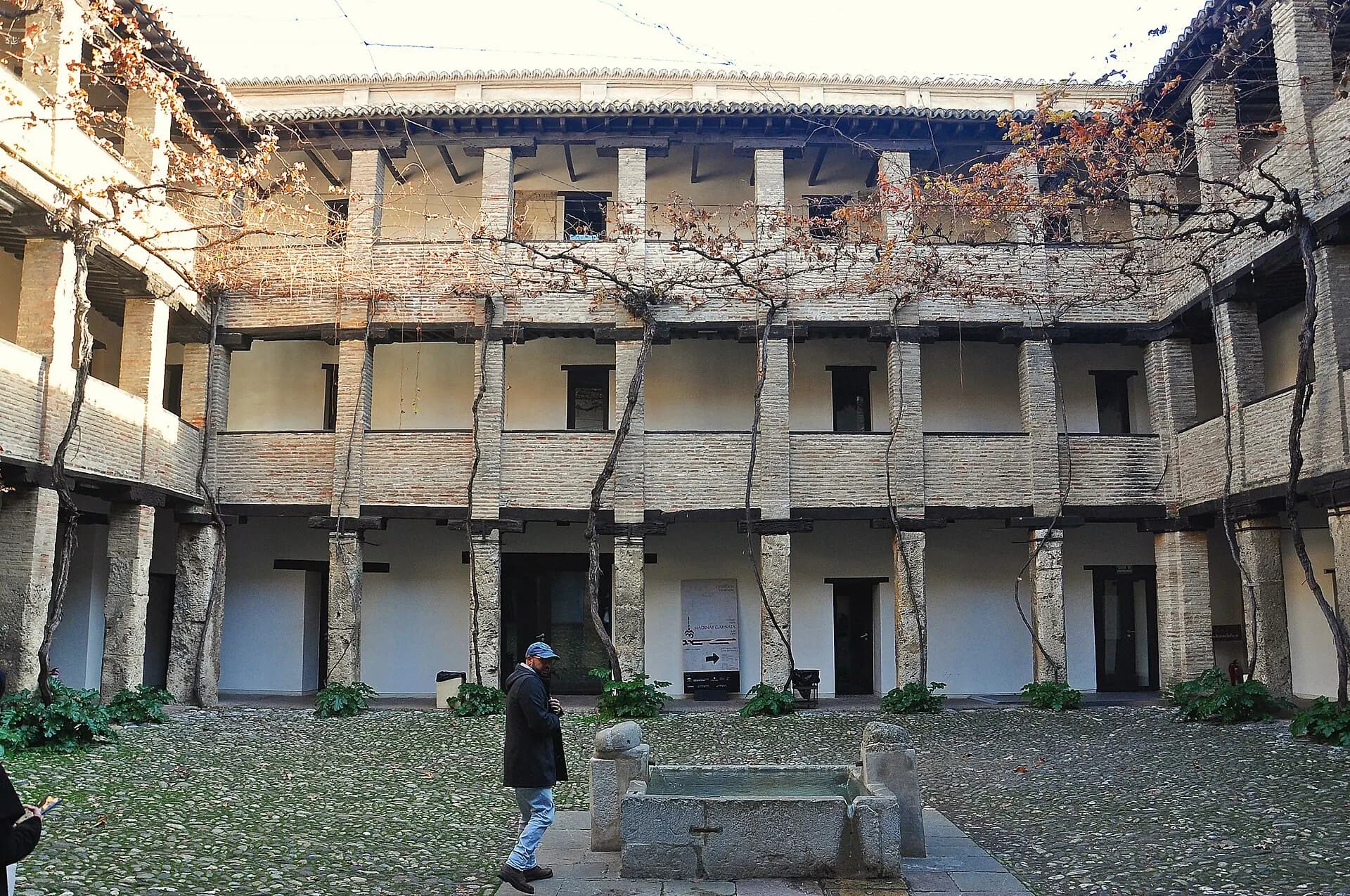
A fourteenth-century Nasrid inn and grain exchange, the al-fundaq al-yadida, with a beautifully carved horseshoe gateway leading into a galleried courtyard. Merchants stored their wheat and slept here; today it's one of the Alhambra's Andalusian Monuments, a quiet stop between the shops.
- 11
The Monastery of San Jerónimo
Photo: Jebulon, CC0, via Wikimedia Commons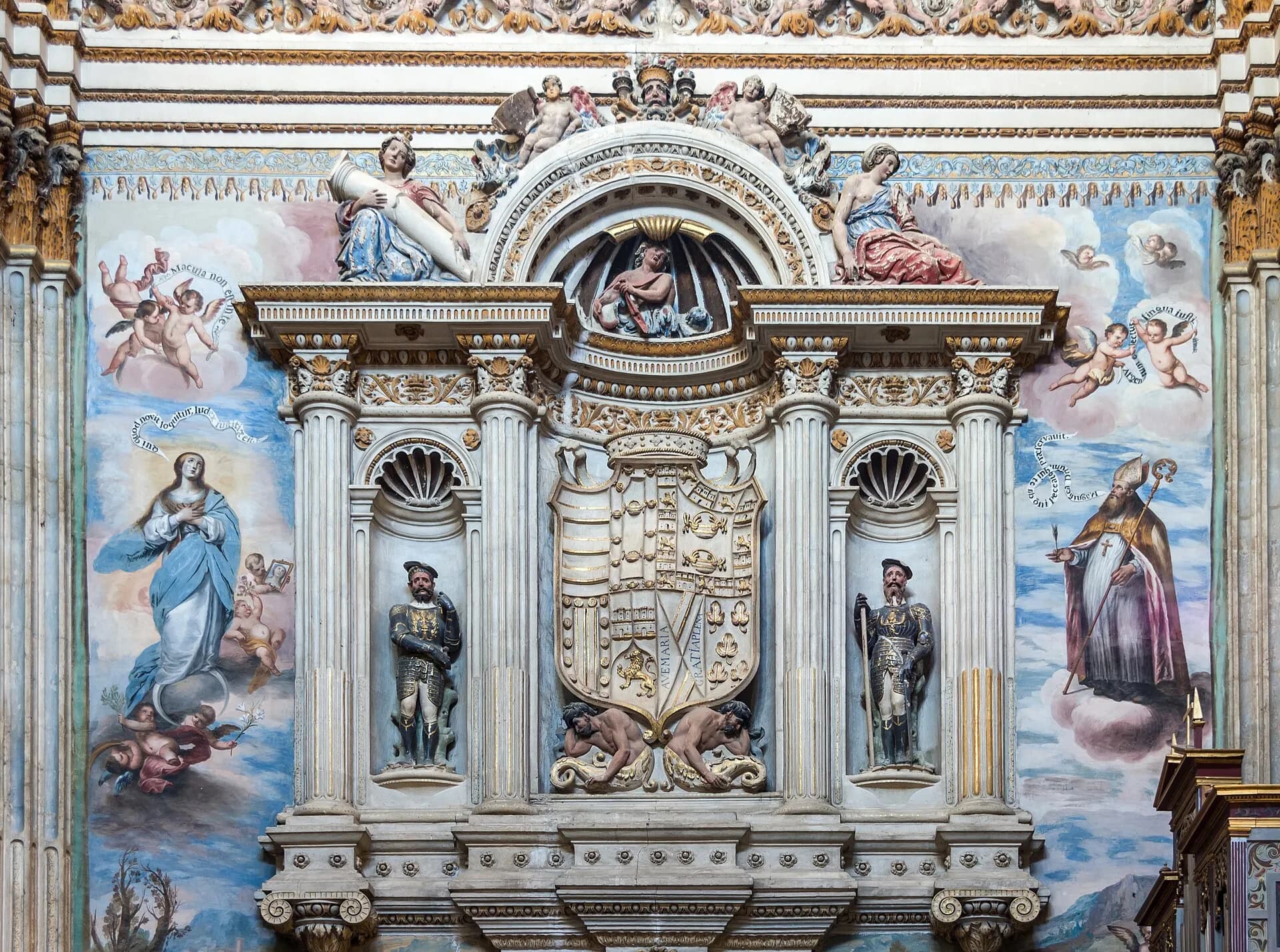
A Hieronymite monastery founded by the Catholic Monarchs, with two cloisters and a church largely by Diego de Siloé. Gonzalo Fernández de Córdoba, the "Great Captain" who fought in the conquest of Granada, is buried beneath the crossing, under a richly painted and gilded interior.
- 12
The Cartuja
Photo: Germán Póo-Caamaño from Victoria, Canadá, CC BY 2.0, via Wikimedia Commons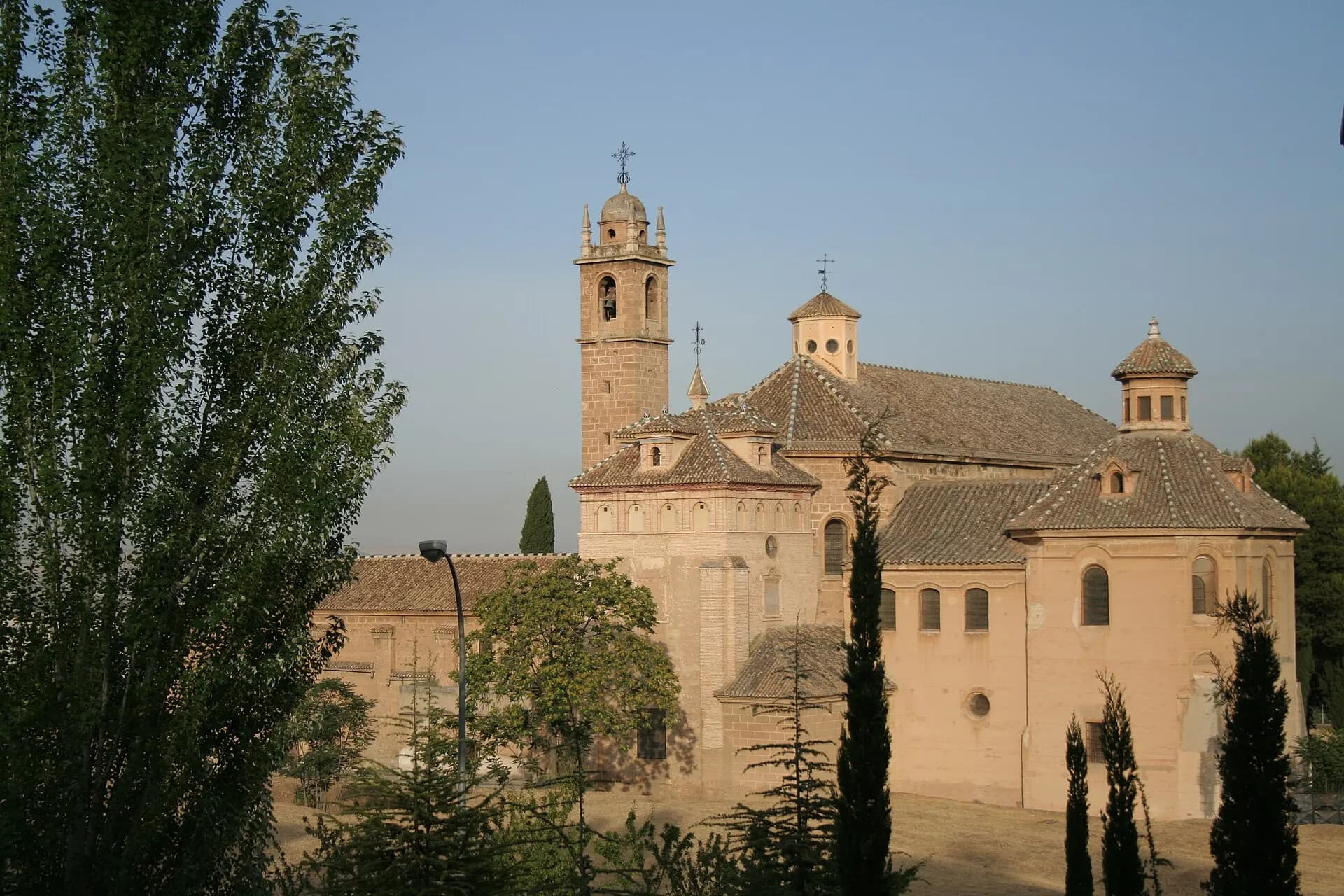
North of the centre, this Carthusian monastery looks plain from outside, but its sacristy, finished in 1764, is one of the most extravagant works of the late Spanish Baroque, a riot of white stucco, marble and mirror-like inlaid wood. It's a short bus or taxi ride from the centre.
- 13
Sierra Nevada
Photo: Jebulon, CC0, via Wikimedia Commons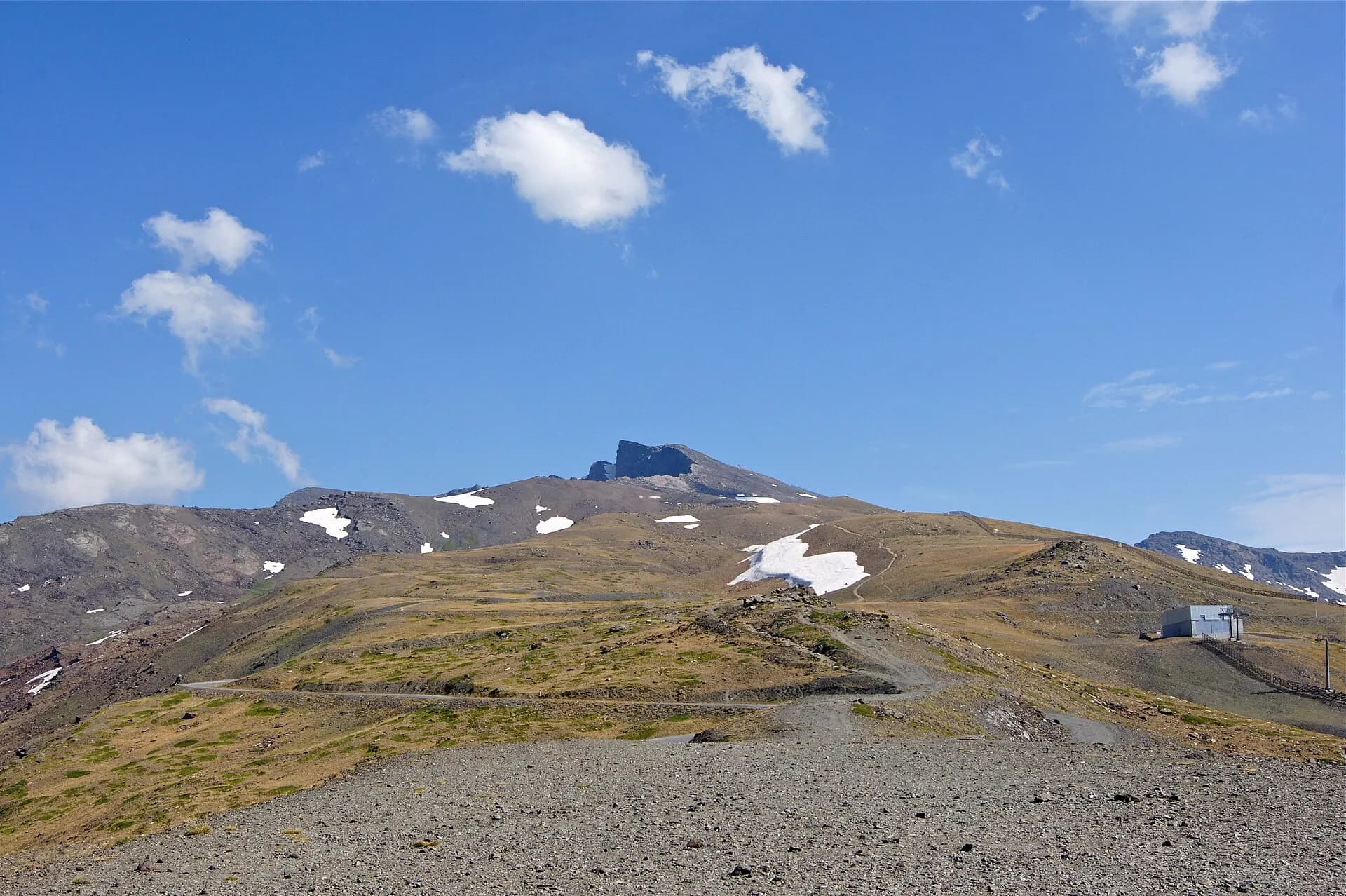
The mountains behind the Alhambra rise to Mulhacén, at nearly 3,500 metres the highest peak on the Spanish mainland, and are protected as a national park. The ski station at Pradollano is less than an hour by road, with a season usually running from December into spring; in summer the same slopes are good for walking, with cooler air than the city below.
TipWeather changes quickly at altitude; carry layers and sun protection even in summer.
When to go
Spring, from March to June, is the loveliest season, with gardens in flower at the Generalife and snow still on the Sierra Nevada; Easter Week processions and the Cruces de Mayo in early May bring the streets alive. Autumn, from September to November, is warm and golden. July and August are very hot, often above 35°C, so plan the Alhambra for early morning. Winter days are often sunny but nights are cold, and the Alhambra is quieter. Whatever the season, Alhambra tickets sell out well in advance, especially from spring to autumn and at weekends.
Getting around
Granada's airport is about 15 kilometres west, with buses timed to flights. The train station on Avenida de los Andaluces has high-speed trains to Madrid and services towards Córdoba and Seville, and the bus station links the city with Málaga, Seville, the coast and the rest of Spain. The old town is best explored on foot, but it's steep: small red city minibuses climb to the Alhambra and run through the Albaicín and Sacromonte. Much of the historic centre is closed to unauthorised traffic by cameras, so if you arrive by car, check with your hotel about access and parking before you drive in.
Local tips
- Buy Alhambra tickets as early as possible, only through the official channels, and in the exact name of each visitor; names can be changed up to the day before through the official call centre.
- Carry your original passport or ID card to the Alhambra; it can be checked alongside your ticket.
- Allow time to walk to the Nasrid Palaces: they're well inside the complex, a good walk from the main entrance.
- Bags at the Alhambra must be smaller than 40 by 40 centimetres, and small backpacks must be worn on the front.
- You can leave the Alhambra complex and return on the same ticket, but each area, such as the palaces or the Generalife, can only be entered once.
- The Alhambra's Andalusian Monuments in the city, such as El Bañuelo and the Corral del Carbón, are free on Sundays.
- Wear shoes with grip: the Albaicín's cobbles are steep and slippery.
Eat and drink
Granada is famous for its free tapas: in many bars, each drink you order comes with a small plate, often getting more generous with each round. You don't choose it in traditional bars, though some let you pick from a list. Calle Navas near the town hall, Calle Elvira near Plaza Nueva and the Realejo quarter are good areas for a tapas crawl. Try habas con jamón, broad beans with cured ham from the Alpujarras; piononos, small cream-topped sponge cakes from nearby Santa Fe; and, around Calderería Nueva, Moroccan-style tea rooms with mint tea and pastries. Dinner starts late, rarely before nine.
Where to stay
The centre, around the cathedral and Plaza Nueva, is flat, convenient and full of bars. The Albaicín has small hotels in old cármenes with views of the Alhambra, but the lanes are steep and cars can't reach most doors. The Realejo, the old Jewish quarter on the slopes below the Alhambra, is atmospheric and handy for both. Hotels on the Alhambra hill itself are peaceful and ideal for an early start at the palaces.
The last Moorish kingdom
When the rest of al-Andalus fell to Christian kingdoms in the thirteenth century, the Nasrid dynasty held on in Granada for more than 250 years, paying tribute to Castile and building the palaces of the Alhambra. Their inscriptions, poetry carved into the walls, still repeat the motto "There is no victor but God". The city surrendered on 2 January 1492, and the last sultan, Muhammad XII, known as Boabdil, went into exile. The promises of religious tolerance in the surrender treaty were soon broken: forced conversions followed, and the Moriscos, Muslims who had converted, were expelled in the early seventeenth century. Much of what you see today, from the cathedral to the Royal Chapel, was built to mark the new Christian city on top of the old one.
Flamenco in Sacromonte
Flamenco grew among Andalusia's Roma, and Sacromonte's caves are one of its homes. The zambra, a dance with roots in old wedding celebrations, is closely linked to the neighbourhood. Shows in the caves are short, intimate and loud, usually with dinner or a drink included; book directly with a venue and arrange a taxi or minibus back. For more serious flamenco, look out for smaller peñas, flamenco clubs, and the city's flamenco festivals.
Responsible travel
The Albaicín is a living neighbourhood, and its residents have seen many homes turn into holiday flats. Keep your voice down in the lanes at night, respect private doorways and gardens, and consider staying in a licensed hotel or guesthouse. In the Alhambra, don't touch the stucco and tiles, and stay on marked paths in the gardens. In Sacromonte, buy flamenco tickets from the venues themselves rather than street touts, and in the Sierra Nevada stick to trails and take your rubbish home.