Tokyo
Neon towers and quiet shrines, tiny bars and vast parks. The world's largest city is easier, friendlier and more fun than it looks.
- Best time to go
- March to May and October to November, for comfortable weather and cherry blossom or autumn colour
- Local time
- –
- Currency
- Japanese Yen (JPY)
- Reading time
- 5 min
- Language
- Japanese
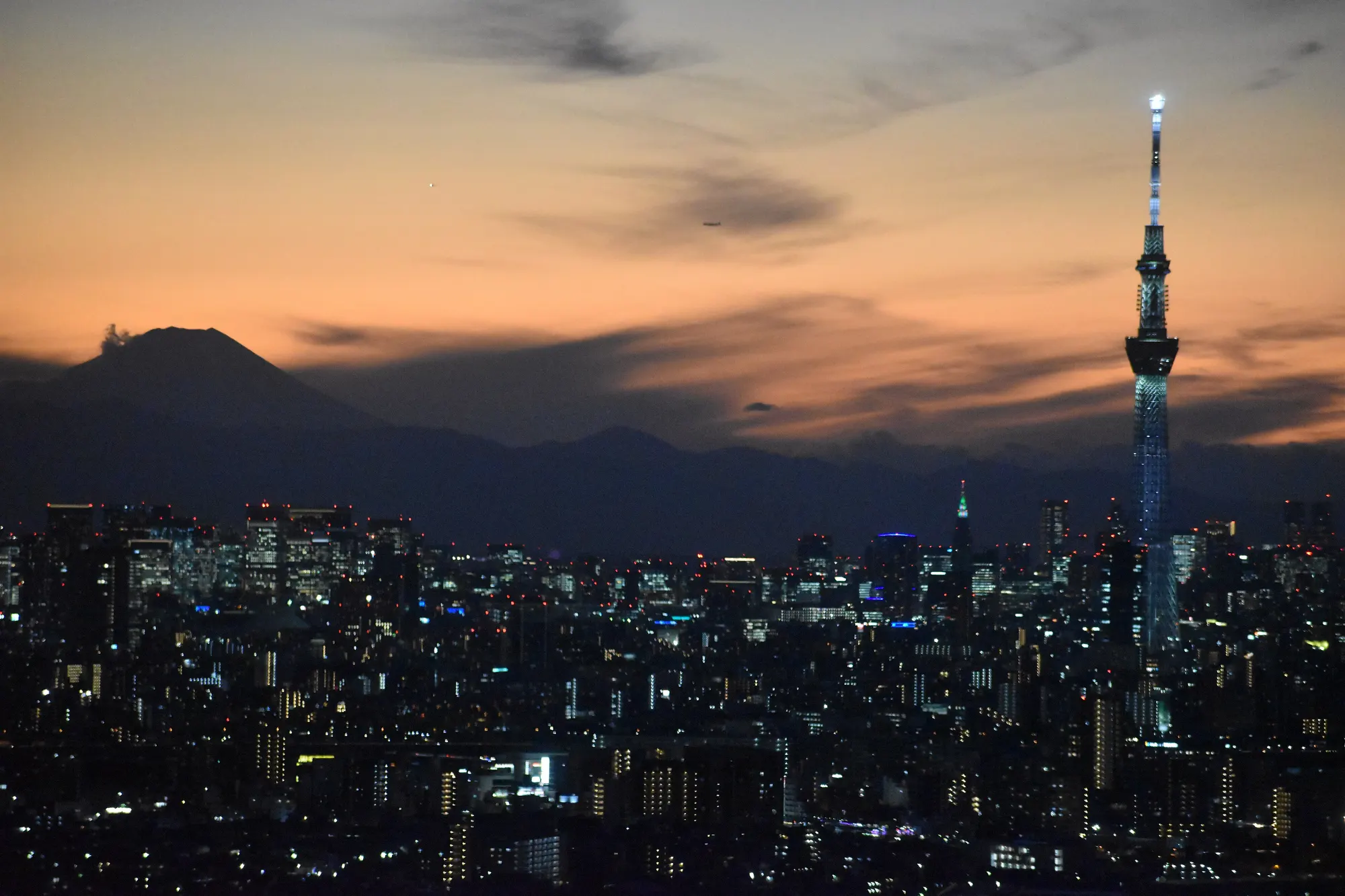
Tokyo is less a city than a cluster of cities, each with its own character: the electric crossings of Shibuya, the department stores of Ginza, the old wooden shrines of Asakusa, the student bars of Shimokitazawa. It is enormous, yet remarkably clean, safe and orderly, and the trains make it easy to sample a different neighbourhood every few hours.
The best way to approach Tokyo is by area, using the Yamanote loop line, which circles the centre and links most of the big districts. Mix the famous sights with time to wander: the city's charm is in its side streets, its tiny restaurants and its sudden pockets of calm.
The top 12 in Tokyo
- 1
Senso-ji and Asakusa
Photo: Guilhem Vellut from Annecy, France, CC BY 2.0, via Wikimedia Commons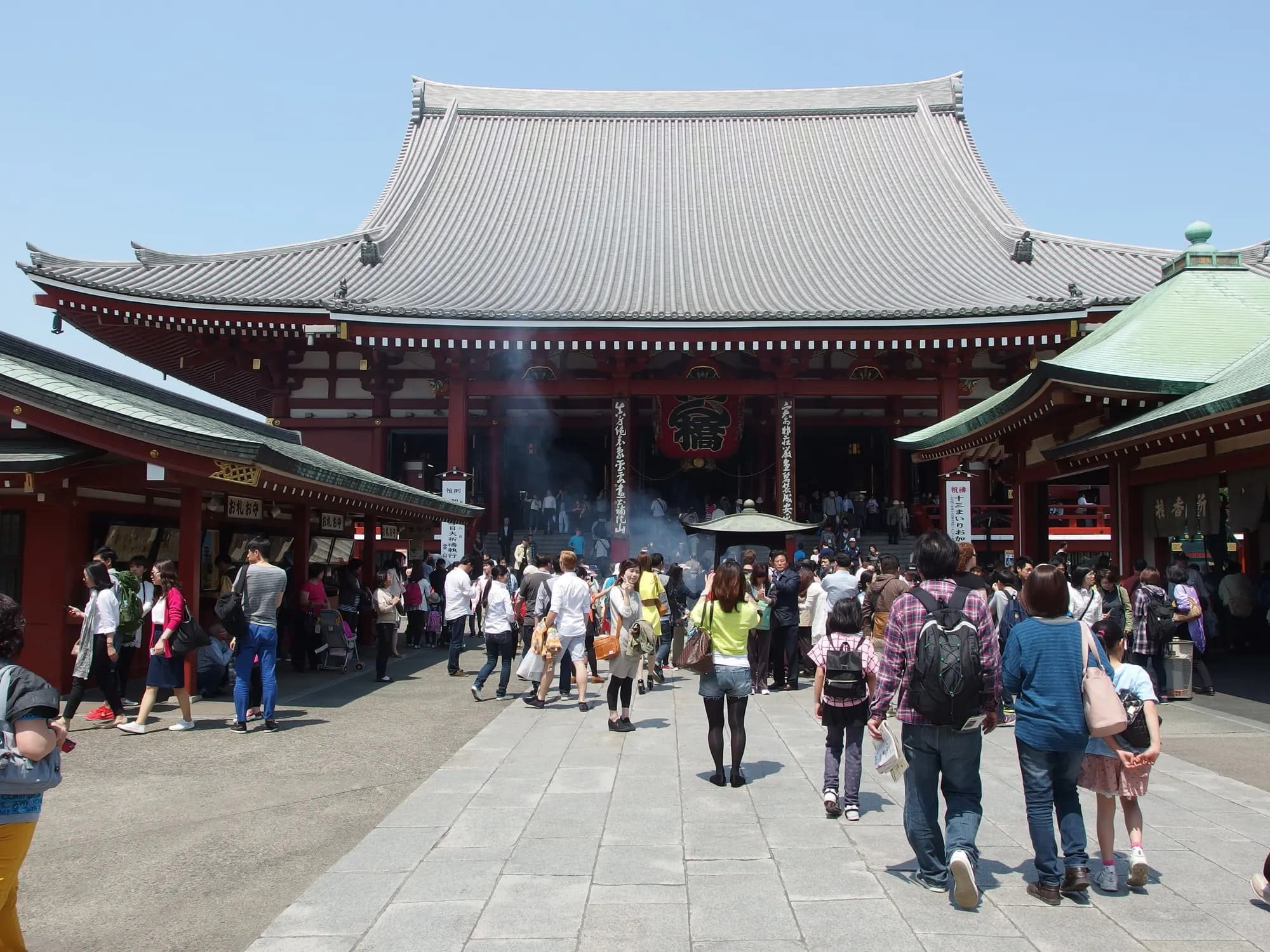
Tokyo's oldest temple, founded in the seventh century, is reached through the giant red lantern of the Kaminarimon gate and the Nakamise shopping street, lined with stalls selling snacks and souvenirs. The surrounding Asakusa district keeps the feel of old Tokyo.
TipCome early in the morning or after dark, when the temple is lit up and the crowds are gone.
- 2
Tokyo Skytree
Photo: Basile Morin, CC BY-SA 4.0, via Wikimedia Commons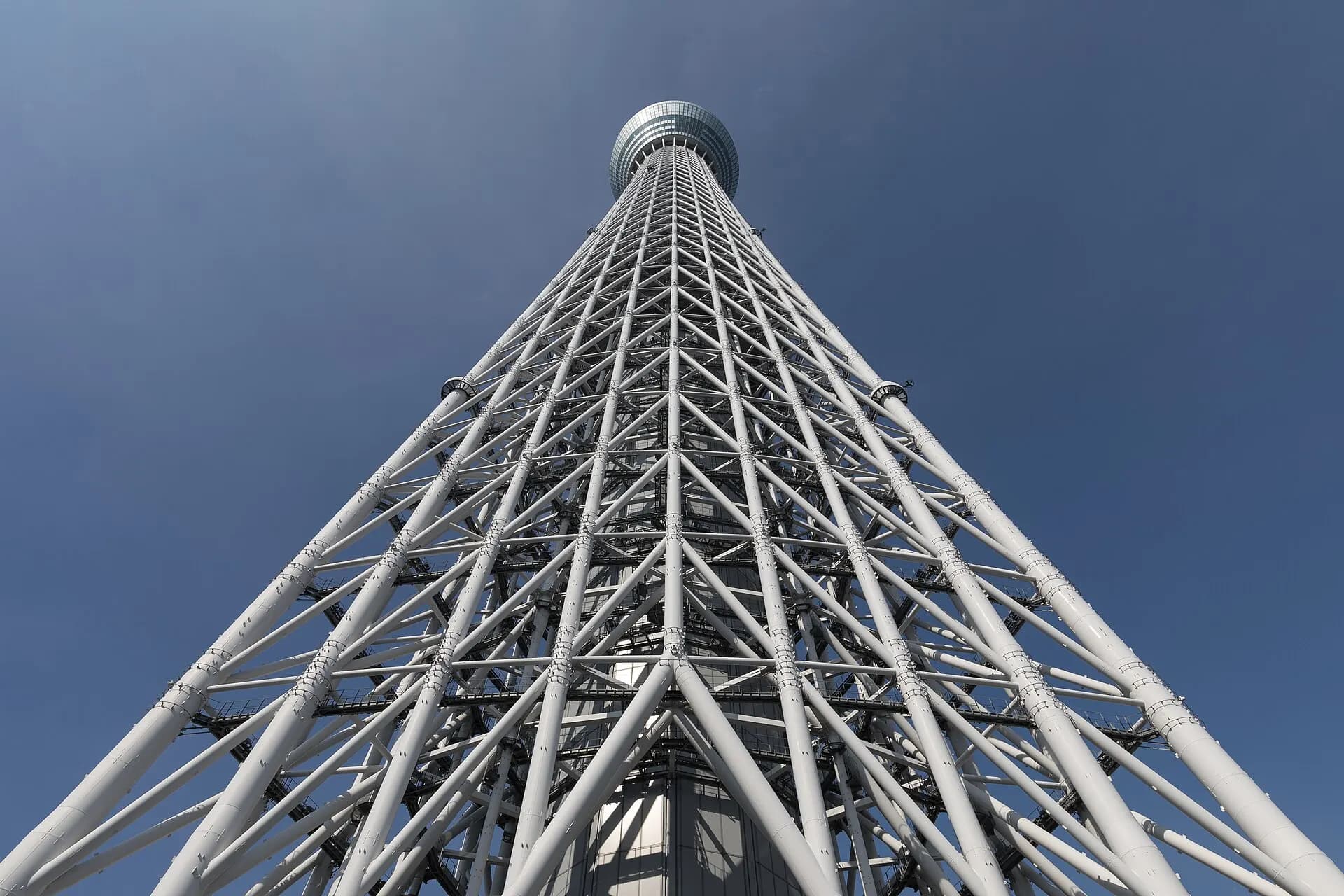
At 634 metres, the Skytree is the tallest tower in Japan, with two observation decks offering vast views across the city, and on clear winter days, to Mount Fuji. At its base, the Solamachi complex has shops, restaurants and an aquarium.
TipBook a timed ticket online, and go on a clear morning or at dusk.
- 3
Yanaka
Photo: Christophe95, CC BY-SA 4.0, via Wikimedia Commons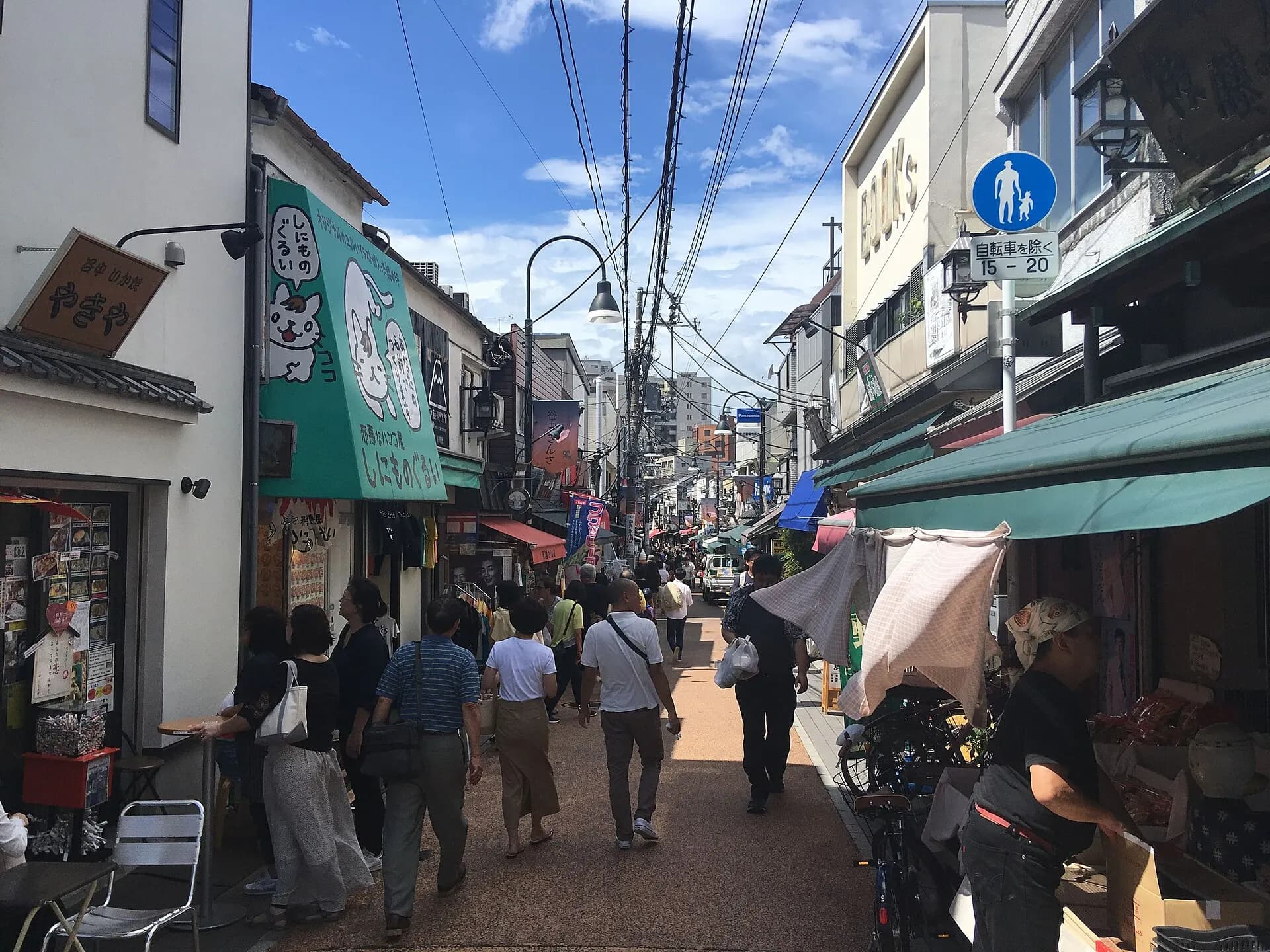
One of the few areas of Tokyo to escape both the 1923 earthquake and the wartime bombing, Yanaka keeps the feel of the old city, with wooden houses, dozens of small temples, artisans' workshops and a quiet cemetery shaded by cherry trees. The Yanaka Ginza shopping street, at the bottom of the "sunset steps", is lined with snack stalls and family-run shops.
- 4
Ueno Park
Photo: Guilhem Vellut from Annecy, France, CC BY 2.0, via Wikimedia Commons
A large park with museums including the Tokyo National Museum, the country's largest collection of Japanese art and artefacts, plus a zoo, a pond full of lotus and, in spring, one of the city's most popular cherry blossom spots.
- 5
Akihabara
Photo: Jakub Hałun, CC BY 4.0, via Wikimedia Commons
The centre of electronics, anime, manga and gaming culture, with multi-storey arcades, figure shops and themed cafés. Even if it's not your world, it's a fascinating glimpse of Japanese pop culture.
- 6
Tsukiji Outer Market
Photo: Aimaimyi, CC BY-SA 3.0, via Wikimedia Commons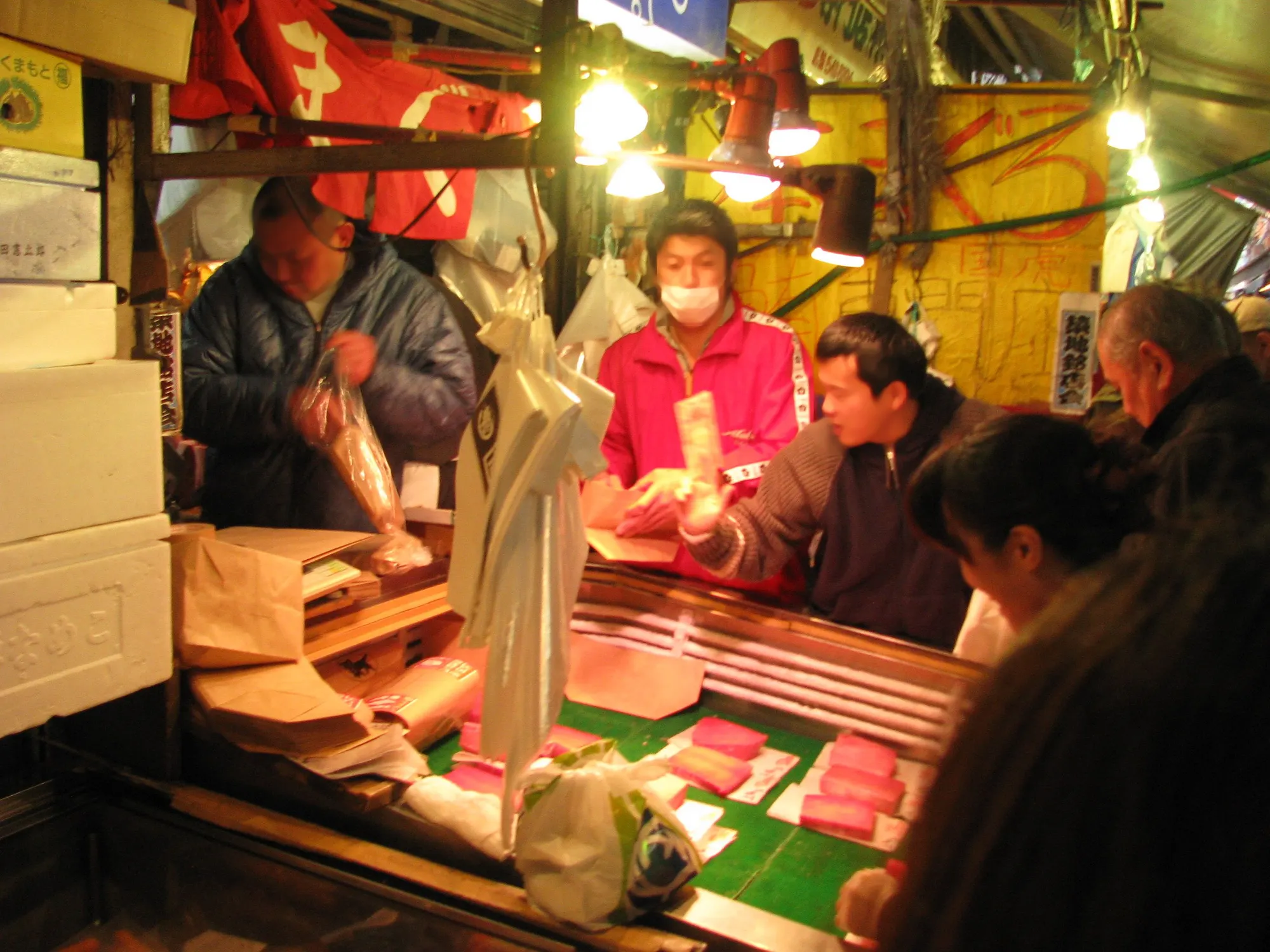
The wholesale fish market moved to Toyosu in 2018, but the outer market around it remains a lively warren of stalls selling fresh seafood, knives, tea and street food, from tamagoyaki omelettes to grilled scallops.
TipGo early, from about 7 am; many stalls close by early afternoon.
- 7
teamLab Planets
An immersive digital art museum in Toyosu where you walk barefoot through rooms of light, mirrors, water and floating flowers that respond to your movements. It's one of the most popular experiences in Tokyo for visitors of all ages.
TipTickets are sold for timed slots and sell out, especially at weekends; book ahead and wear clothes that can be rolled up above the knee.
- 8
Ginza and the Imperial Palace
Photo: 麒麟坊, CC BY-SA 3.0, via Wikimedia Commons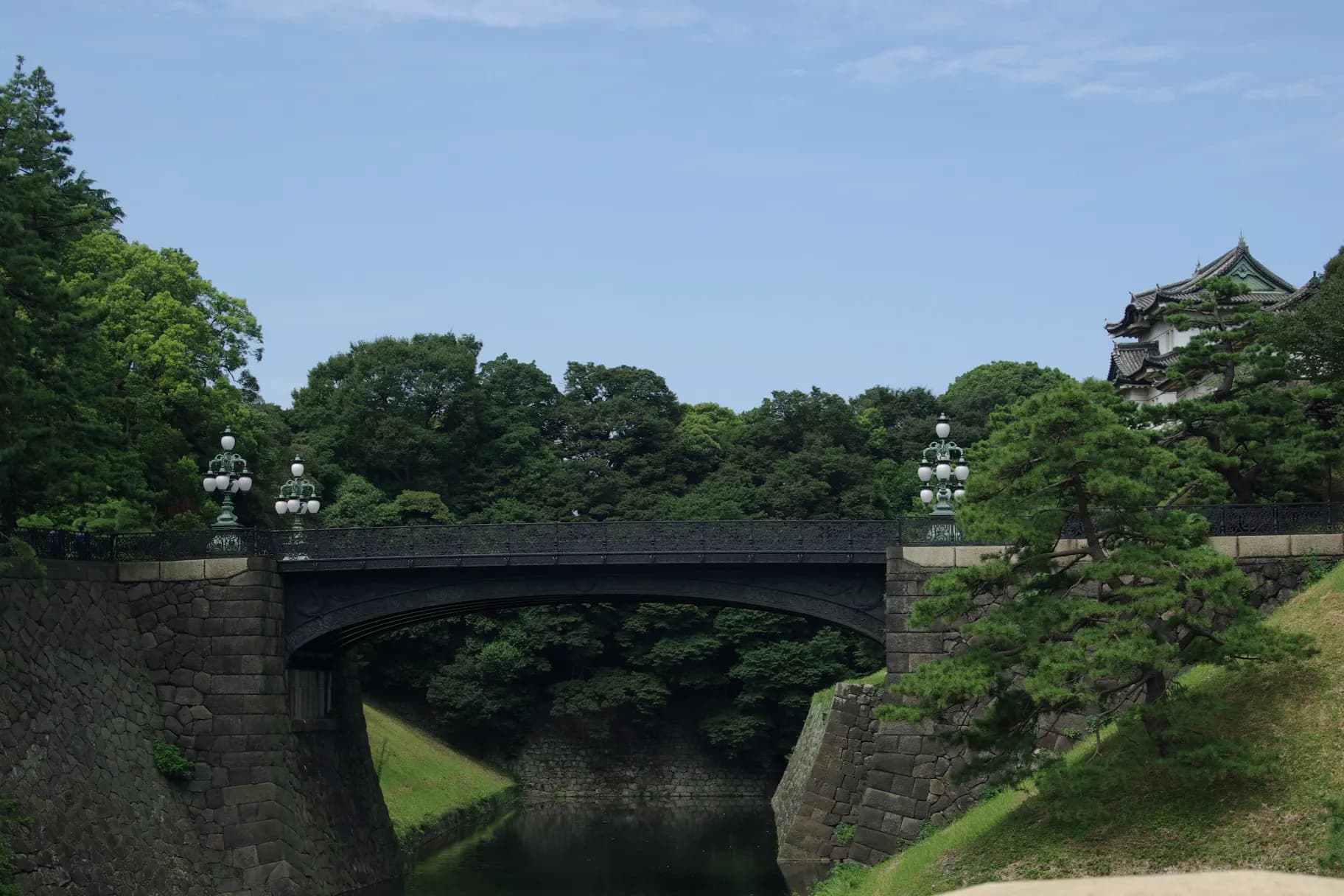
Tokyo's most elegant shopping district is famous for its flagship stores and department stores, and on weekend afternoons its main street is closed to cars. A short walk away, the Imperial Palace stands behind moats and massive stone walls on the site of Edo Castle; its East Gardens, with the remains of the castle keep, are open to the public on most days.
TipThe East Gardens are usually closed on Mondays and Fridays; check before you go.
- 9
Shinjuku
Photo: Basile Morin, CC BY-SA 4.0, via Wikimedia Commons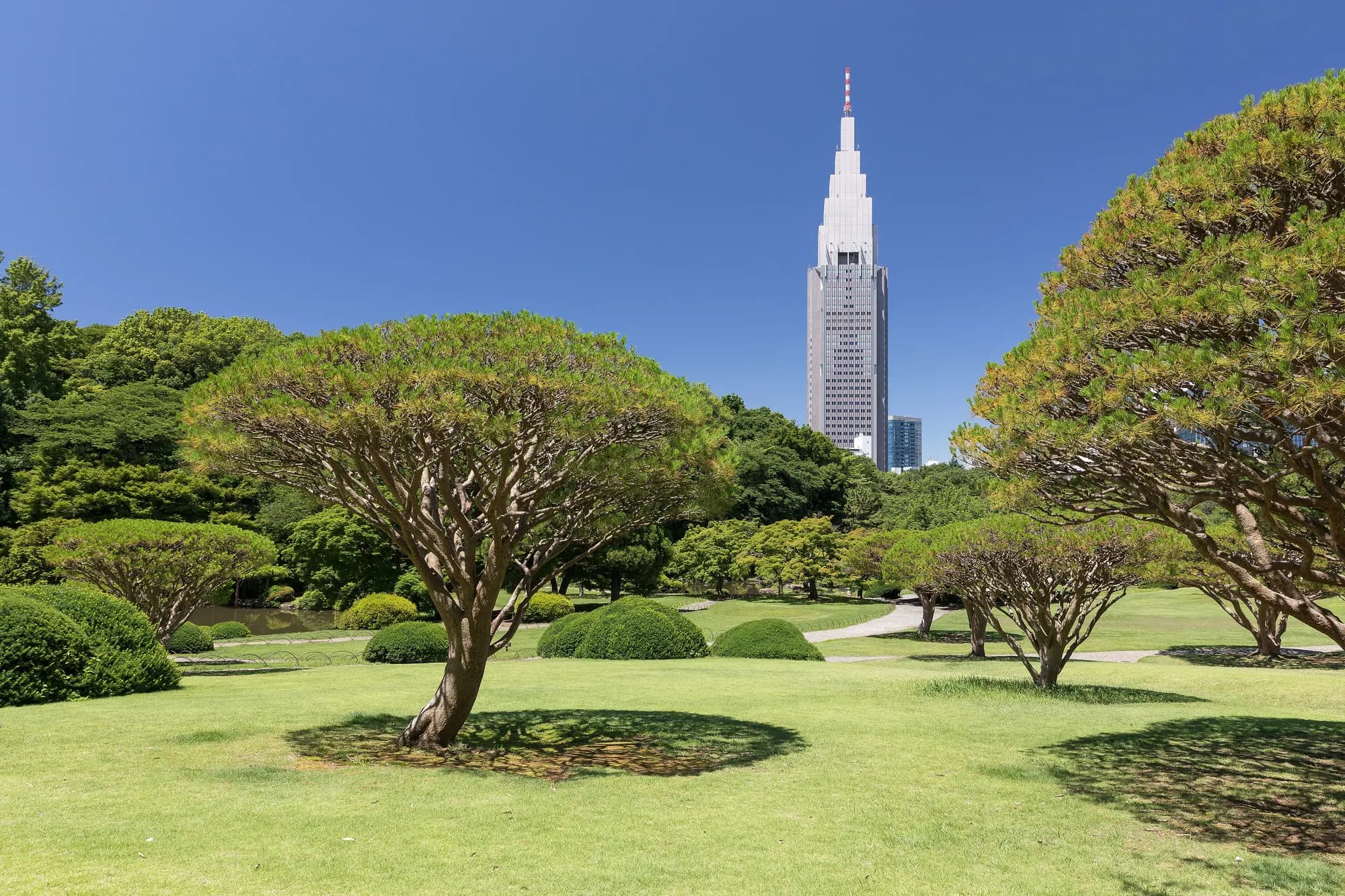
A district of skyscrapers, neon and nightlife around the world's busiest train station. Explore the tiny bars of Golden Gai and the lantern-lit yakitori alleys of Omoide Yokocho, then escape to Shinjuku Gyoen, one of the city's finest gardens. The free observation decks of the Tokyo Metropolitan Government Building give views to Mount Fuji on clear days.
- 10
Meiji Jingu
Photo: Another Believer, CC BY-SA 4.0, via Wikimedia Commons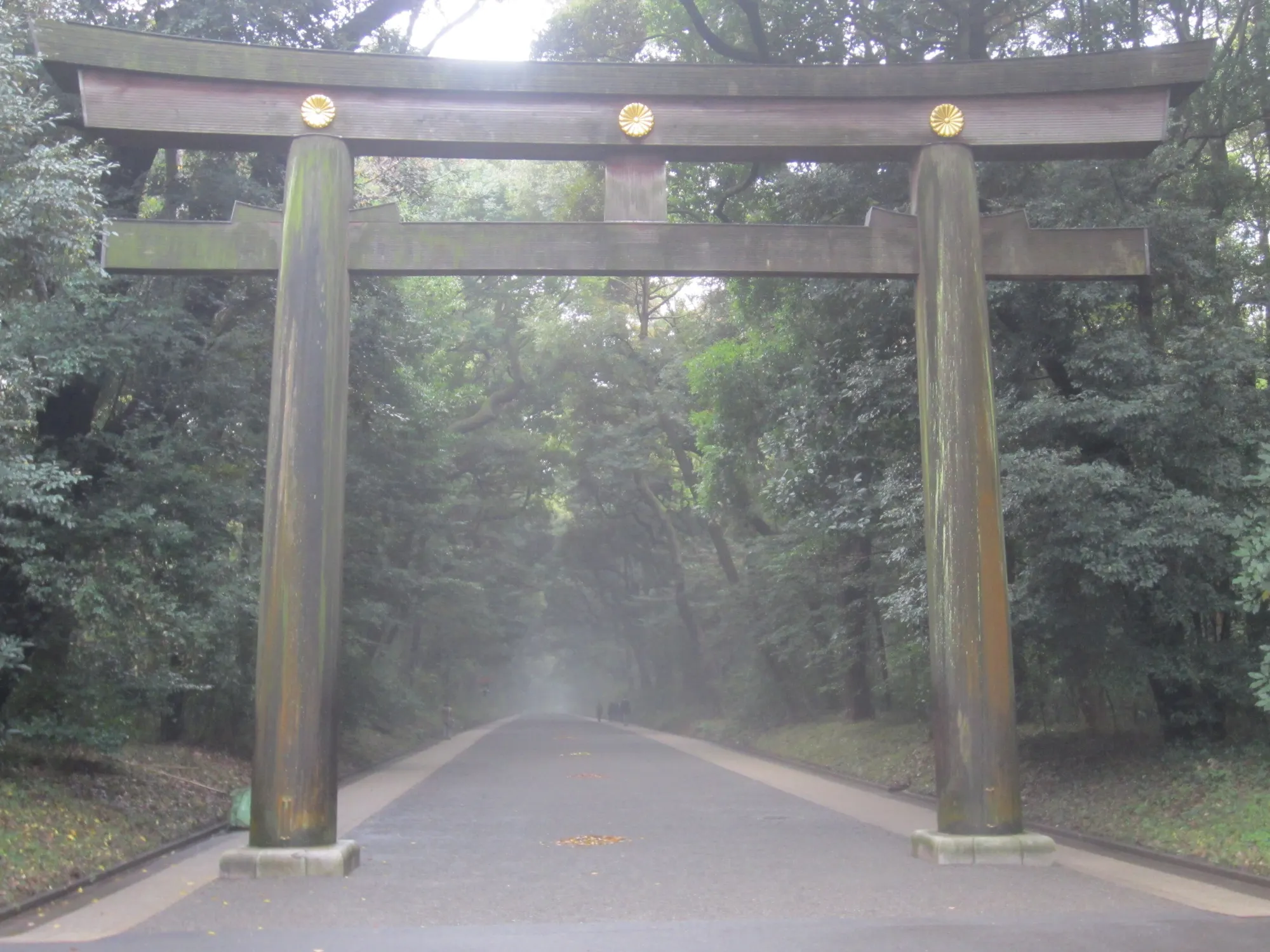
A Shinto shrine to the Emperor Meiji, set in a forest of a hundred thousand trees planted by volunteers from across Japan, a few minutes from the bustle of Harajuku. The walk through the giant wooden torii gates is one of the most peaceful in the city.
- 11
Shibuya
Photo: Benh LIEU SONG (Flickr), CC BY-SA 2.0, via Wikimedia Commons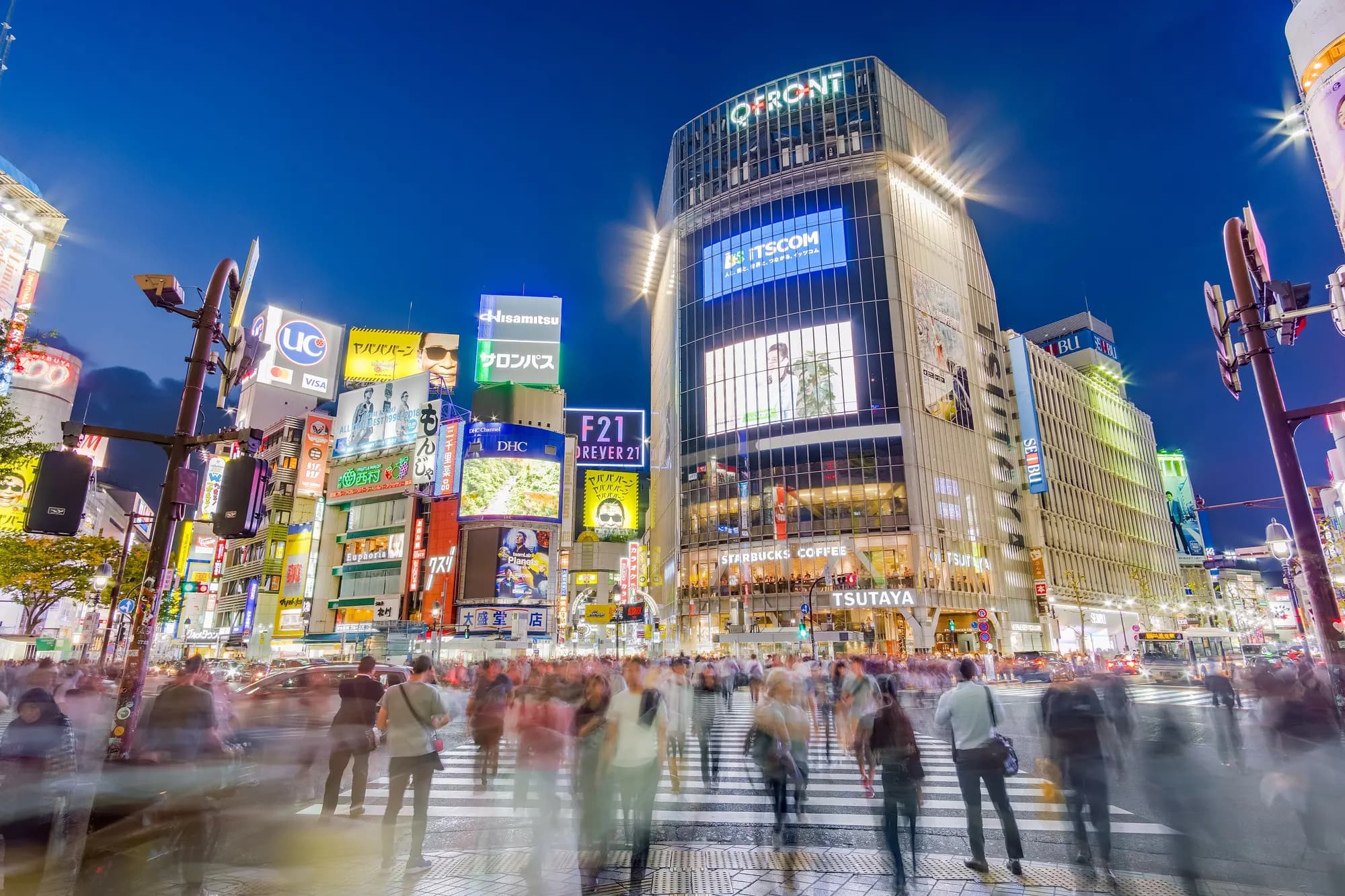
Home to the famous scramble crossing, where up to thousands of people cross from every direction at once when the lights change. The Shibuya Sky observation deck, on top of the Shibuya Scramble Square tower, offers an open-air view over the city.
TipWatch the crossing from above, from the station's walkways or a café window, then walk it yourself.
- 12
Shimokitazawa
Photo: Stephen Kelly from San Francisco, CA, USA, CC BY 2.0, via Wikimedia Commons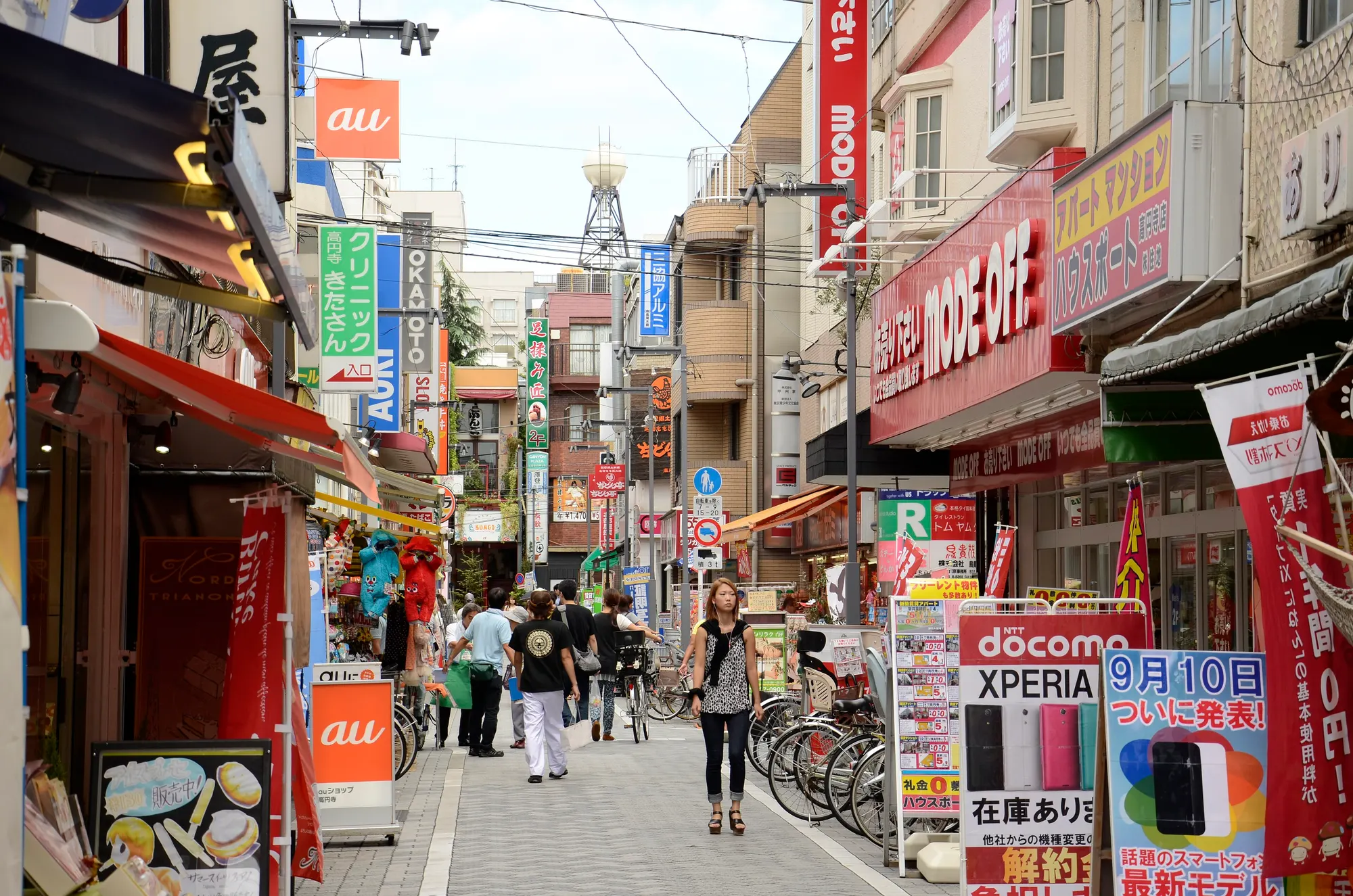
A neighbourhood of vintage clothes shops, record stores, small theatres and cafés, popular with young Tokyoites. It's a good antidote to the big districts and an easy hop from Shibuya, and a good place to end a day.
When to go
Spring brings cherry blossom, usually from late March to early April, and pleasant weather. Autumn, from October to early December, is mild and dry, with the leaves turning in November. Summer is hot and humid, with the rainy season in June and early July, though it's also the season of festivals and fireworks. Winter is cold but often clear and sunny, and good for views of Mount Fuji.
Avoid Golden Week (late April to early May) and the New Year period if you can: these are Japan's main holidays, and transport and hotels are busy.
Getting around
Tokyo's trains and subways are fast, frequent and punctual. A rechargeable IC card such as Suica or Pasmo, or a phone wallet, works on almost all trains, subways and buses, and in many shops. The Yamanote line circles the centre and links most districts. Trains stop around midnight, so plan late nights accordingly; taxis are clean but expensive.
From Narita Airport, the Narita Express or the Keisei Skyliner reach the city in about an hour. Haneda Airport is closer, about 30 minutes from the centre by train or monorail.
Local tips
- Avoid rush hour, roughly 7.30 to 9.30 am and 5.30 to 7.30 pm, when trains are packed.
- Stand on the left on escalators in Tokyo, and queue in the lines marked on station platforms.
- Don't eat while walking along busy streets, and keep phone calls off on trains.
- Tipping isn't expected and can cause confusion.
- Carry some cash: smaller restaurants and shops may not take cards.
- Convenience stores (konbini) are excellent for snacks, drinks, cash machines and more.
Eat and drink
Tokyo has more great restaurants than any other city, many of them tiny and specialised: ramen counters, sushi bars, tempura houses, yakitori grills and izakaya pubs. Department store food halls (depachika) are a feast for the eyes. Don't miss a bowl of ramen, fresh sushi or a casual meal at a standing bar.
Day trips
Tokyo is a good base for day trips. Kamakura, an hour south by train, was Japan's capital in the twelfth and thirteenth centuries and is known for its great bronze Buddha, its Zen temples and its beaches. Nikko, about two hours north, has the lavishly decorated Toshogu shrine, the mausoleum of the shogun Tokugawa Ieyasu, set in forested mountains. Hakone, in the hills to the south-west, offers hot springs, a lake cruise and, on clear days, views of Mount Fuji. Further afield, the Fuji Five Lakes area gives the closest views of the mountain itself.