Hokkaido
Japan's wild north: powder snow, lavender fields, hot springs, seafood and brown bears.
- Best time to go
- December to March for snow and skiing; July for lavender; September to October for autumn colour
- Local time
- –
- Currency
- Japanese Yen (JPY)
- Reading time
- 4 min
- Language
- Japanese
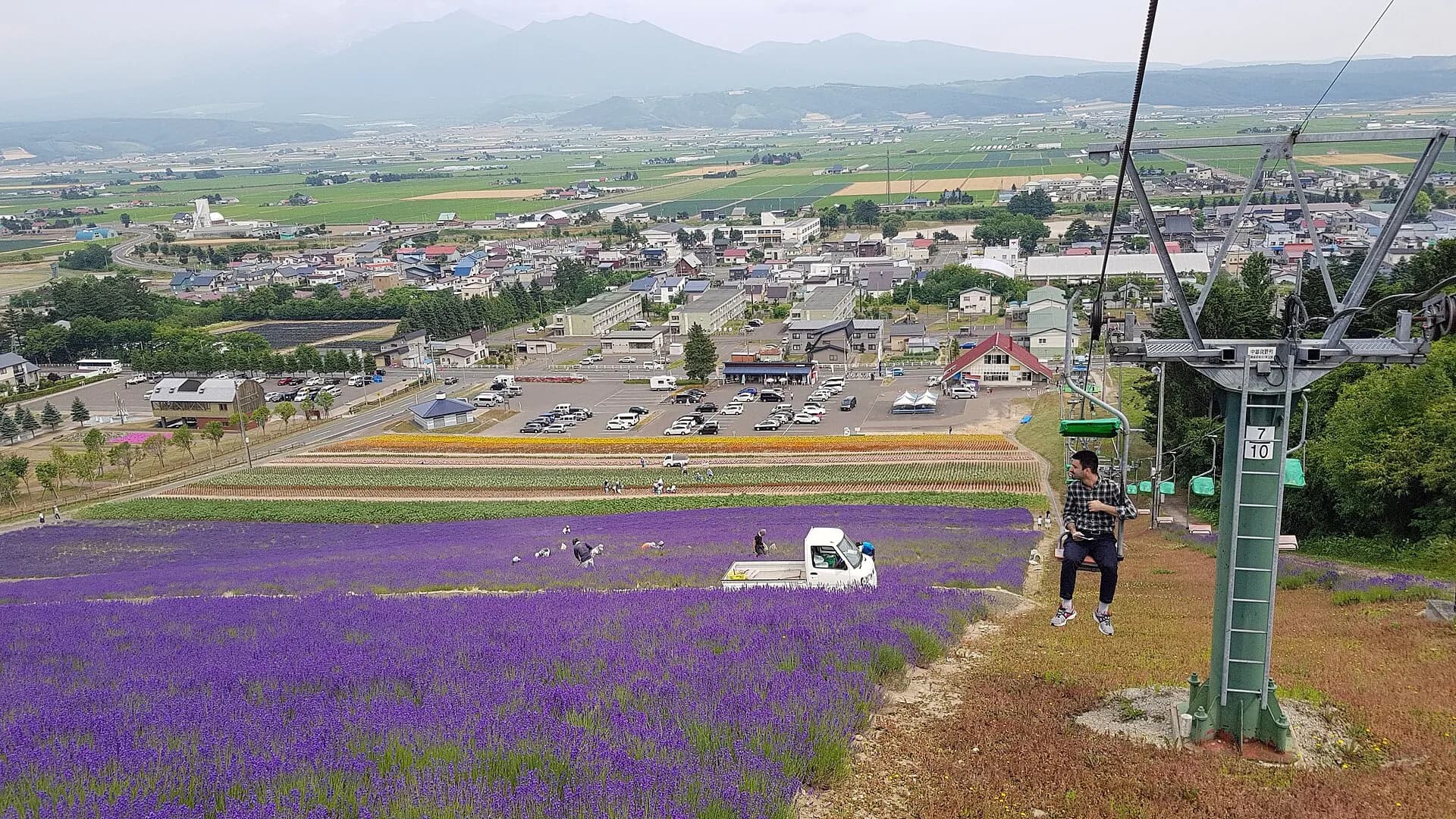
Hokkaido, Japan's northernmost main island, feels different from the rest of the country: wide open spaces, volcanic mountains, forests and farmland, cooler summers and long, snowy winters. It's the homeland of the Ainu, the indigenous people of northern Japan, and was settled by Japanese farmers only from the late nineteenth century.
It's a paradise for outdoor lovers, with some of the world's best powder snow in winter and flower fields and hiking in summer, as well as hot springs, superb seafood and dairy produce. Distances are large, so plan your route carefully.
The top 9 in Hokkaido
- 1
Sapporo
Photo: contri, CC BY-SA 4.0, via Wikimedia Commons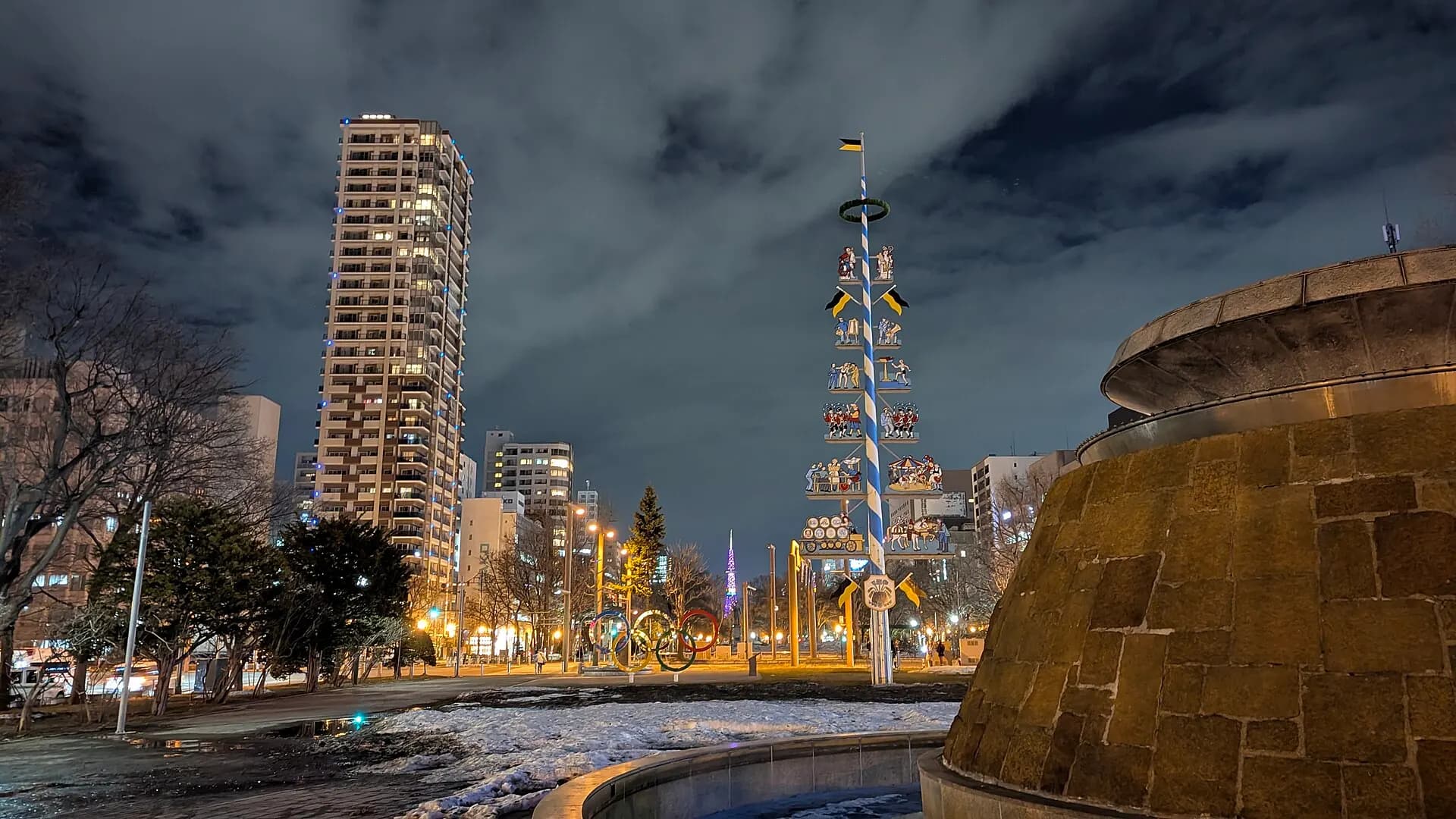
Hokkaido's capital, a modern city on a grid, with the long Odori Park at its heart. In February, the Sapporo Snow Festival fills the park with huge snow and ice sculptures. The city is also famous for its beer, its miso ramen and its Nijo fish market.
- 2
Otaru
Photo: Markus Leupold-Löwenthal, CC BY-SA 3.0, via Wikimedia Commons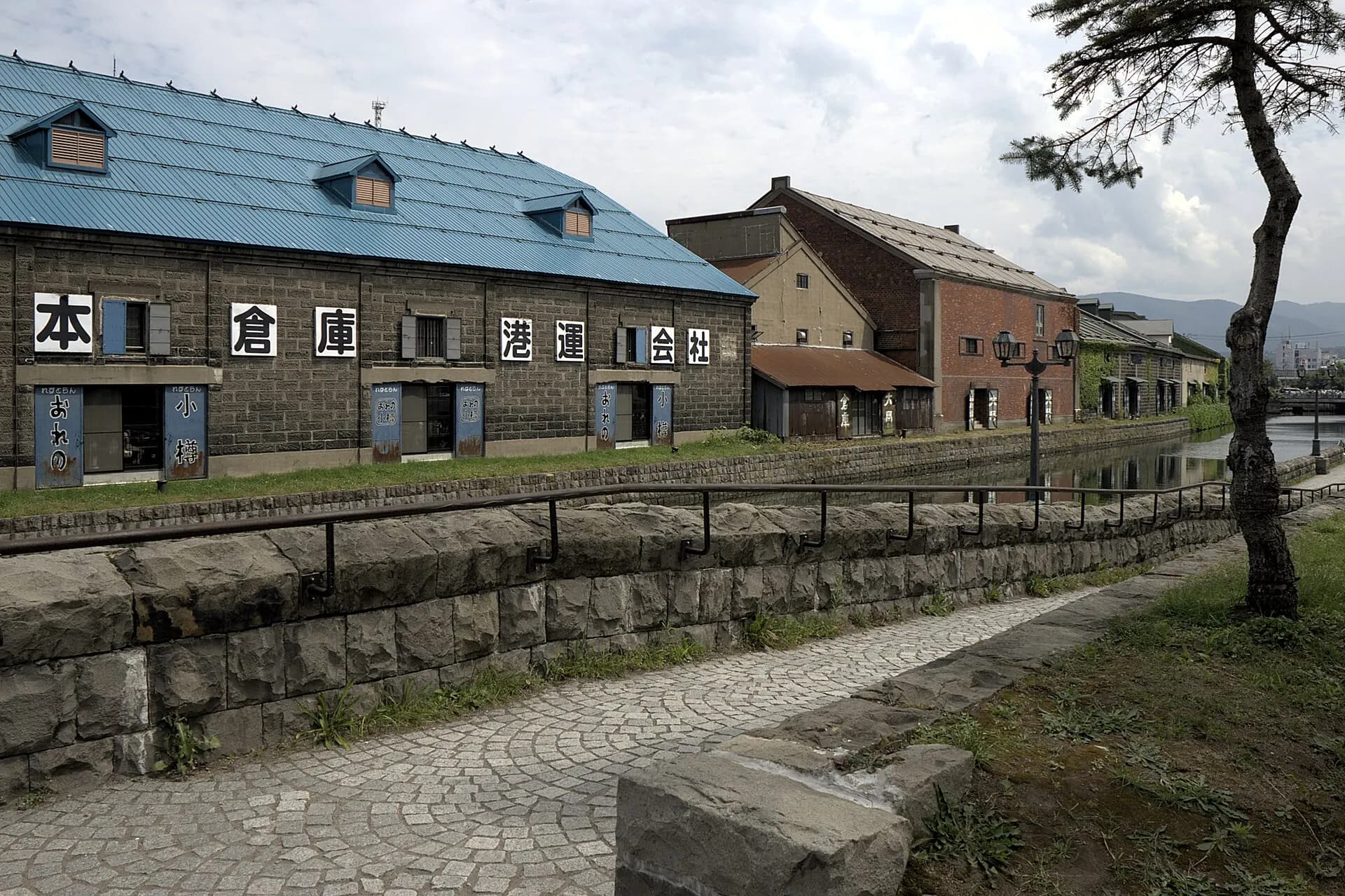
A port town near Sapporo with a historic canal lined with old stone warehouses, now shops and restaurants, glass and music-box workshops, and excellent sushi.
- 3
Niseko
Photo: ShakyIsles, CC BY-SA 4.0, via Wikimedia Commons
A ski resort area famous worldwide for its light, dry powder snow, with runs on Mount Annupuri facing the volcanic cone of Mount Yōtei. In summer, it's a base for rafting, hiking and cycling.
- 4
Furano and Biei
Photo: MaedaAkihiko, CC BY-SA 4.0, via Wikimedia Commons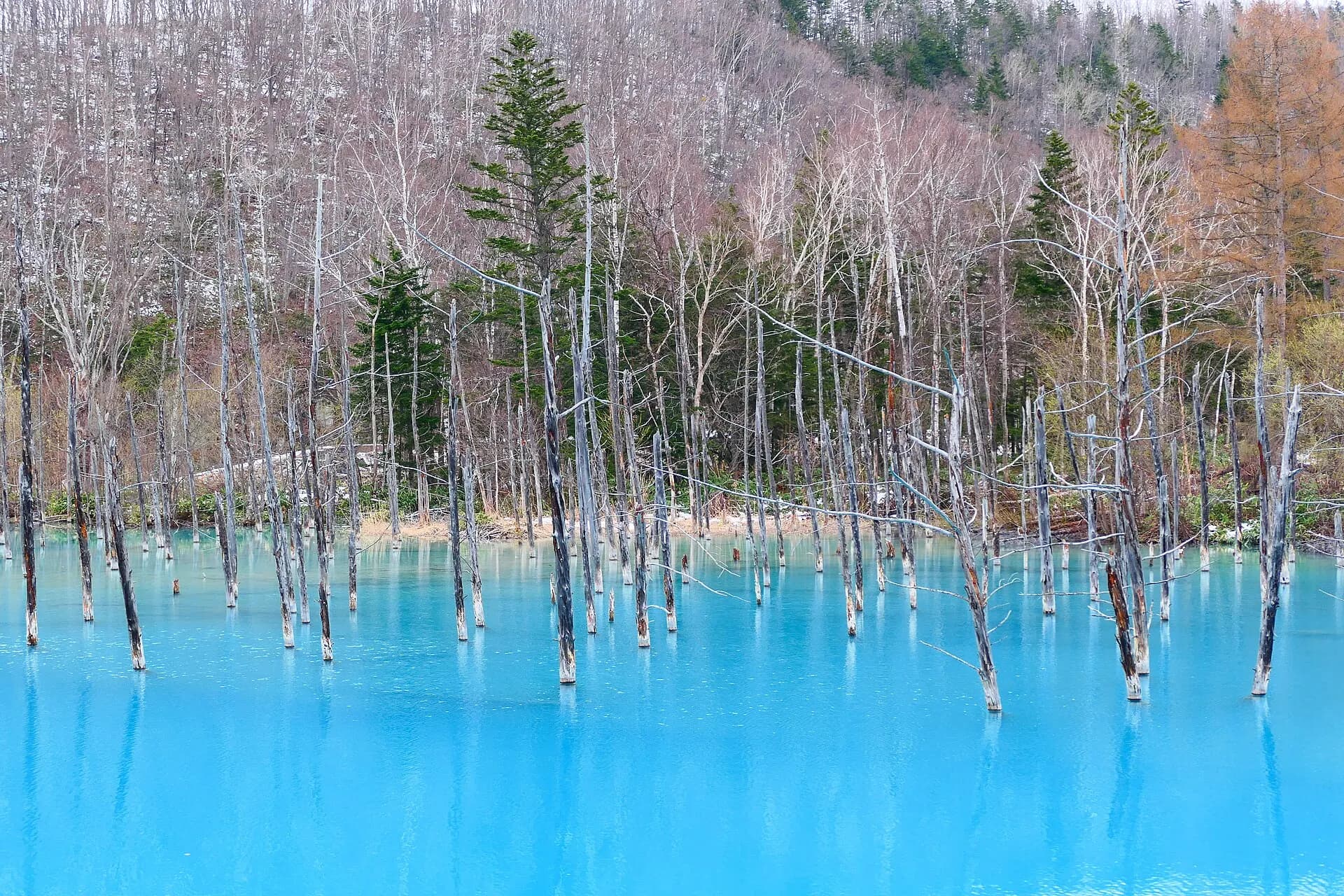
Rolling farmland in central Hokkaido, famous for its lavender fields in July, at farms such as Farm Tomita, and for the colourful patchwork of fields around Biei. The Blue Pond, coloured by minerals, is a striking sight among dead trees.
- 5
Shiretoko National Park
Photo: 663highland, CC BY 2.5, via Wikimedia Commons
A remote peninsula in the north-east, a World Heritage Site where brown bears, deer and seabirds live in one of Japan's last true wildernesses. Elevated boardwalks lead to the Shiretoko Five Lakes, and boat trips sail along the cliffs to look for bears on the shore. In winter, drift ice arrives from the Sea of Okhotsk.
TipFollow all bear-safety rules; some trails require a guided walk or a lecture in bear season.
- 6
Hakodate
Photo: 663highland, CC BY 2.5, via Wikimedia Commons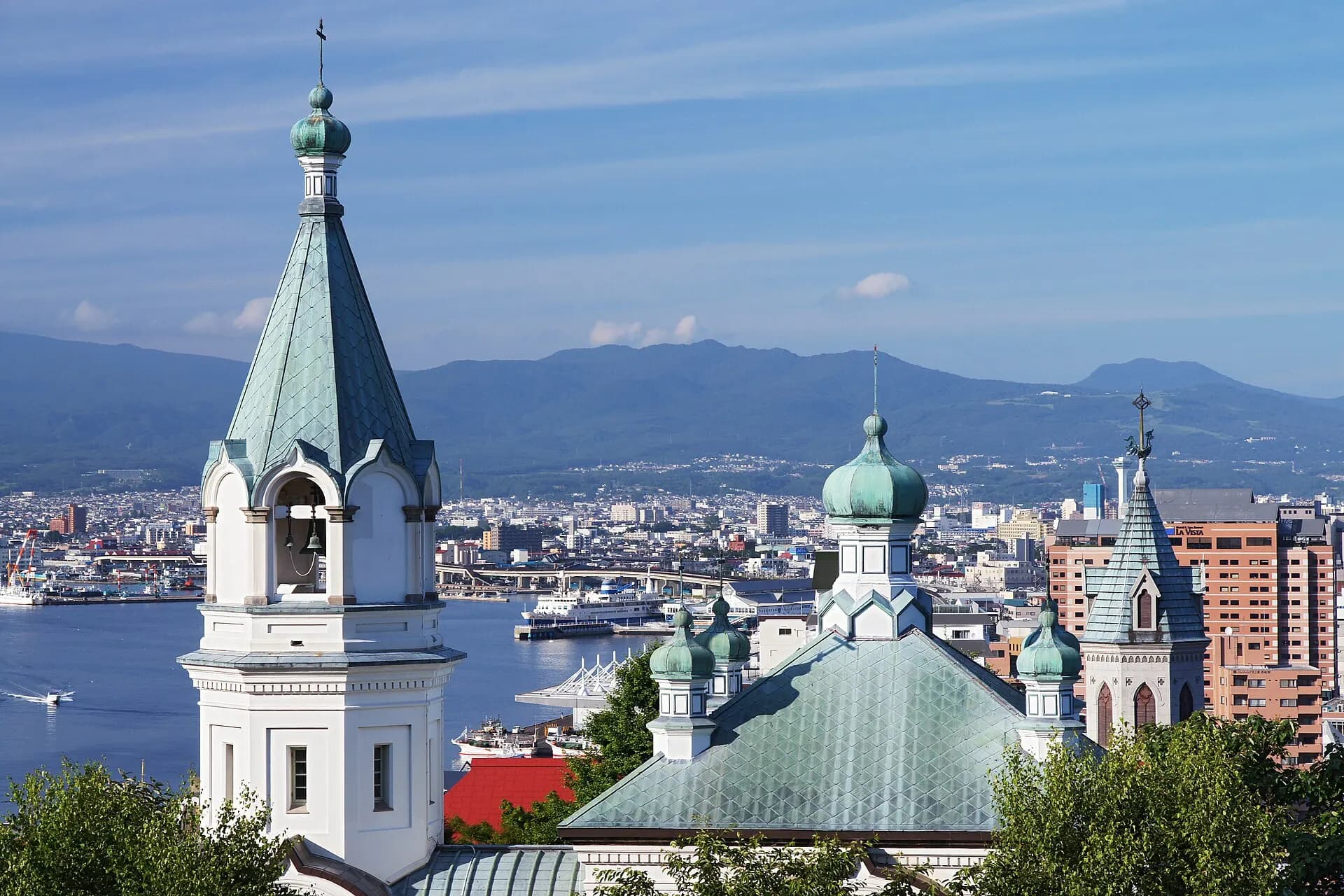
A port city in the south, with a lively morning market, Western-style houses and churches from its days as one of Japan's first open ports, and a famous night view of the city from Mount Hakodate.
- 7
Noboribetsu
Photo: Zelinlin, CC BY-SA 4.0, via Wikimedia Commons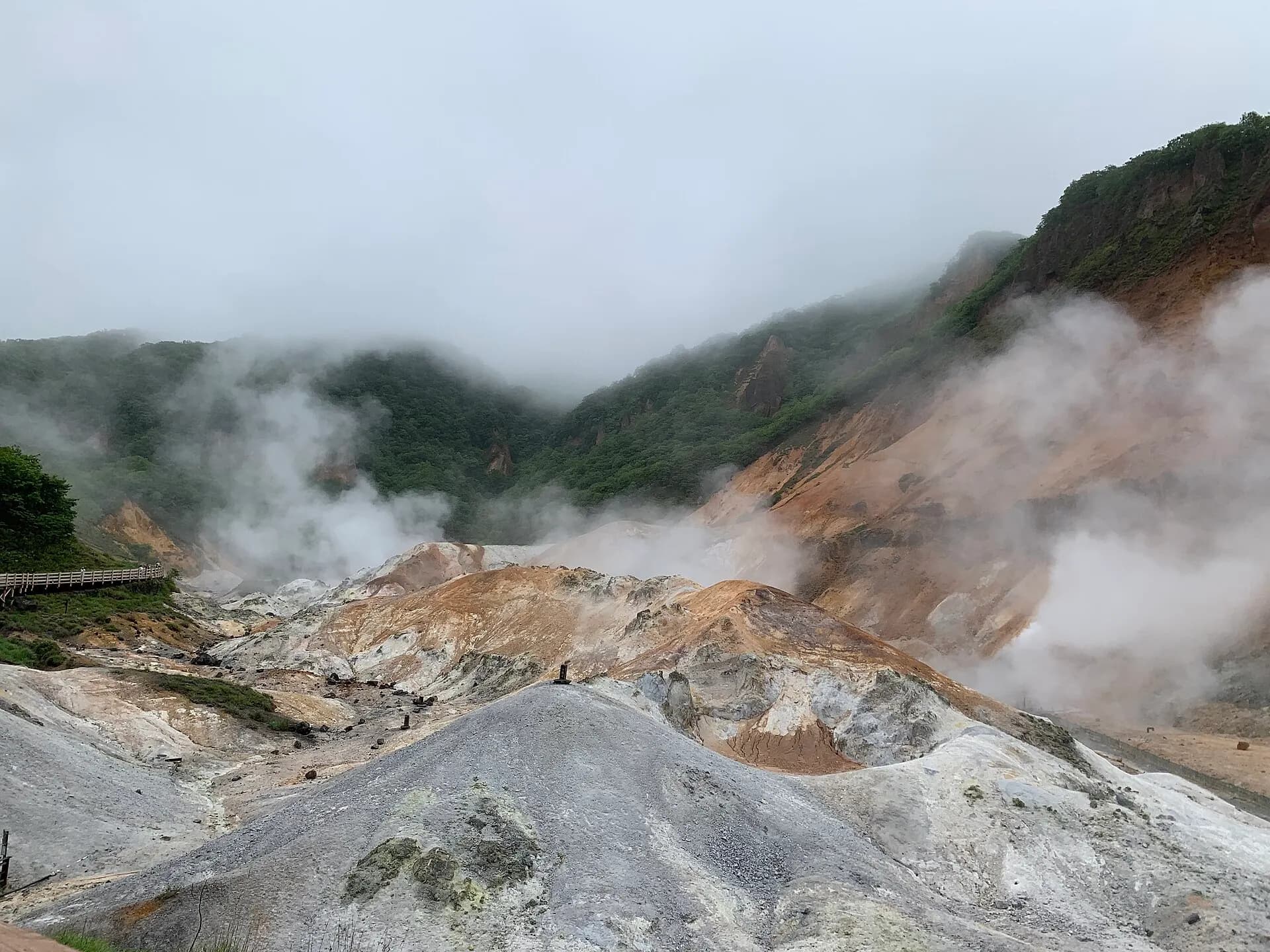
One of Japan's best-known hot-spring resorts, with Jigokudani, "Hell Valley", a volcanic crater of steaming vents and sulphur streams, and ryokan with mineral-rich baths.
- 8
Upopoy National Ainu Museum and Park
Photo: 掬茶, CC BY-SA 4.0, via Wikimedia Commons
A national museum and cultural park on the shore of Lake Poroto in Shiraoi, opened in 2020, dedicated to Ainu history and culture, with performances of traditional dance and music and a recreated village.
- 9
Daisetsuzan National Park
Photo: OKJaguar, CC BY-SA 4.0, via Wikimedia Commons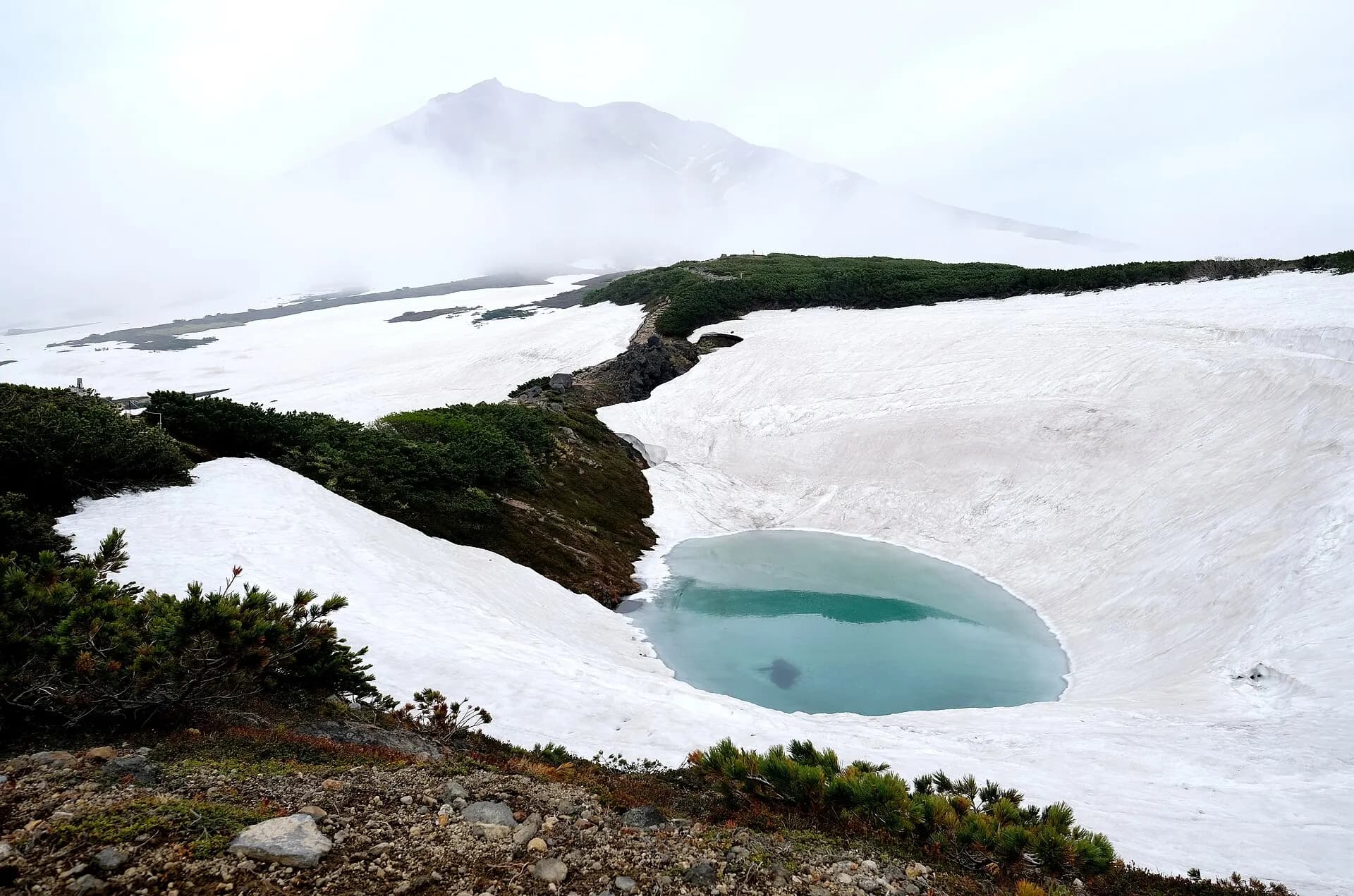
Japan's largest national park, a volcanic mountain range with alpine flowers, hot springs and the earliest autumn colours in the country. A ropeway from Asahidake Onsen gives access to hiking trails among steaming vents.
When to go
Winter, from December to March, brings deep snow, skiing, the Sapporo Snow Festival and drift ice in the north-east. Spring is short, with cherry blossoms arriving in May. Summer, from June to August, is pleasantly cool compared with the rest of Japan, with lavender in July and hiking in the mountains. Autumn colours begin in the mountains in September, the earliest in Japan.
Getting around
The shinkansen reaches Hakodate from Tokyo, and limited express trains link the main cities, but trains are sparse in rural areas. Renting a car is the best way to explore the countryside and national parks; driving in winter requires experience on snow and ice. New Chitose Airport, near Sapporo, has domestic and international flights, and regional airports serve the east and north.
Local tips
- Bring serious winter clothing and boots in winter; temperatures can drop well below freezing.
- Remove tattoos or cover them, as some hot springs still restrict entry for people with tattoos.
- Learn bear-safety basics for hiking: carry a bell and keep to marked trails.
- Book accommodation early for the Snow Festival and peak ski season.
- Distances are long; allow plenty of time.
- Tipping isn't expected.
- A Hokkaido rail pass can save money on long train journeys.
- In winter, flights and trains can be delayed by heavy snow; build in spare time.
- Deer often wander onto rural roads at dusk; drive carefully.
Eat and drink
Hokkaido is famous for its food. Try seafood rice bowls (kaisendon) piled with sea urchin, salmon roe and crab at the morning markets; miso ramen in Sapporo; jingisukan, grilled mutton named after Genghis Khan; soup curry; and dairy products, from soft-serve ice cream to cheese. Sapporo beer and local whisky from Yoichi are well known.
Where to stay
Sapporo makes a good base for the west, with day trips to Otaru. Ski resorts such as Niseko and Furano have hotels and apartments, and many onsen towns offer traditional ryokan with hot-spring baths. In remote areas, family-run guesthouses and lodges are often the best option.
Hot springs
Hokkaido is full of onsen, natural hot springs, thanks to its volcanic landscape. Noboribetsu, Jōzankei near Sapporo, and the lakeside resort of Tōya, beneath the active volcano of Mount Usu, are among the best known, and remote springs such as those at Shiretoko and Daisetsuzan let you bathe surrounded by nature. Bathing in an outdoor pool as snow falls around you is one of the great pleasures of a Hokkaido winter.
Wildlife
Hokkaido has wildlife found nowhere else in Japan: brown bears, Ezo deer, red foxes, and in winter, Steller's sea eagles on the drift ice of the north-east. The red-crowned cranes of Kushiro, sacred symbols of long life, perform elegant courtship dances in the snowy fields in winter, and the Kushiro Wetland, Japan's largest marsh, is their home.