Kyoto
Temples at dawn, gardens in the rain and lantern-lit lanes after dark. Japan's old imperial capital rewards an early start.
- Best time to go
- Late March to early April for cherry blossom, and November for autumn colour
- Local time
- –
- Currency
- Japanese Yen (JPY)
- Reading time
- 5 min
- Language
- Japanese
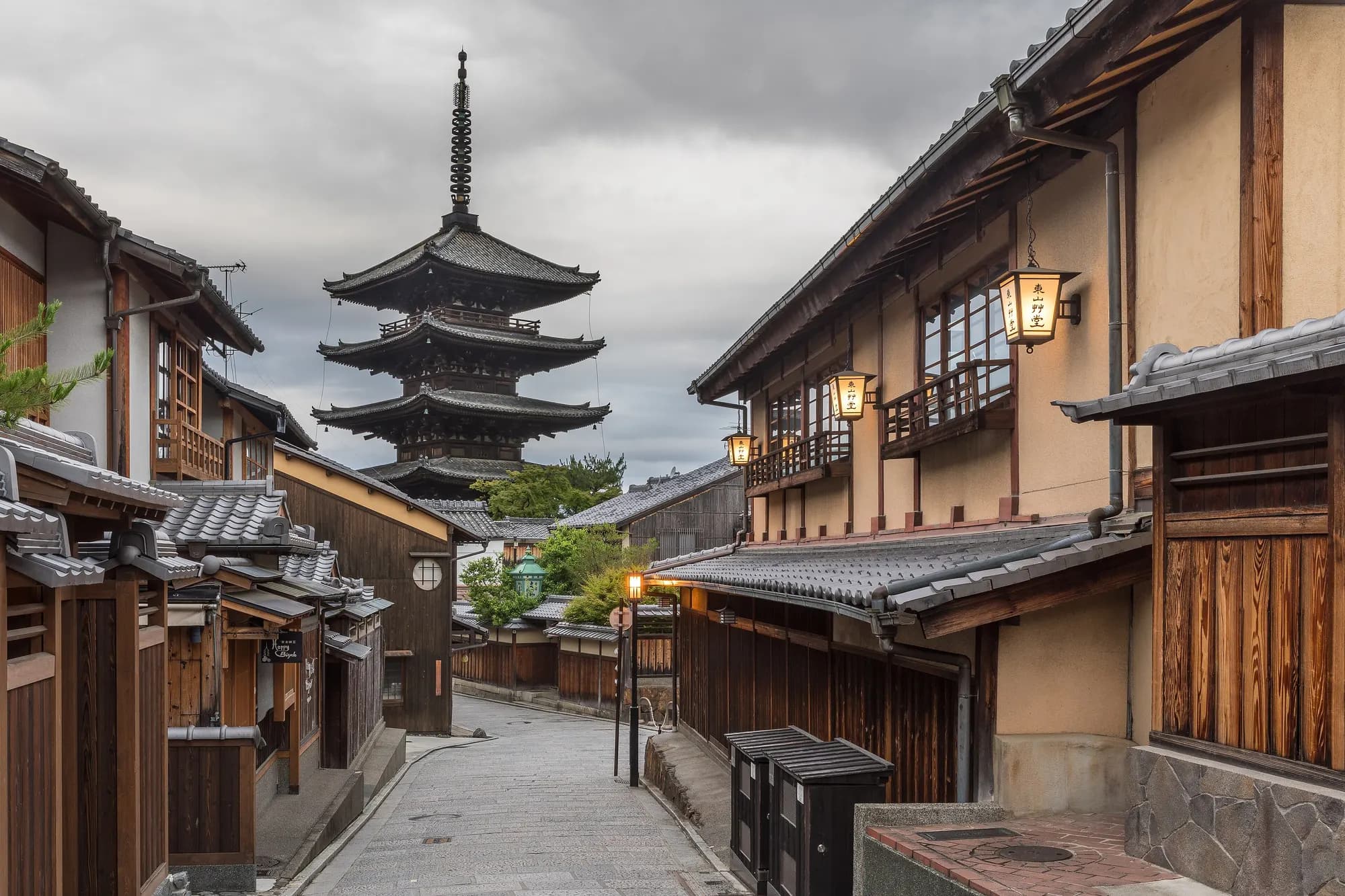
Kyoto was Japan's imperial capital for more than a thousand years, and it still holds the country's densest collection of temples, shrines, gardens and wooden townhouses. Seventeen temples, shrines and castles in and around the city together make up a UNESCO World Heritage Site, yet the city is easy to love on a much smaller scale too: a quiet garden at opening time, a bowl of noodles in a narrow lane, the sound of geta sandals on stone after dark.
The secret to Kyoto is timing. The famous sights are busy from mid-morning, so the best days start early, slow down at lunch, and save the evening for the old streets of Gion and Pontocho once the day-trippers have gone.
The top 10 in Kyoto
- 1
Fushimi Inari Taisha
Photo: Basile Morin, CC BY-SA 4.0, via Wikimedia Commons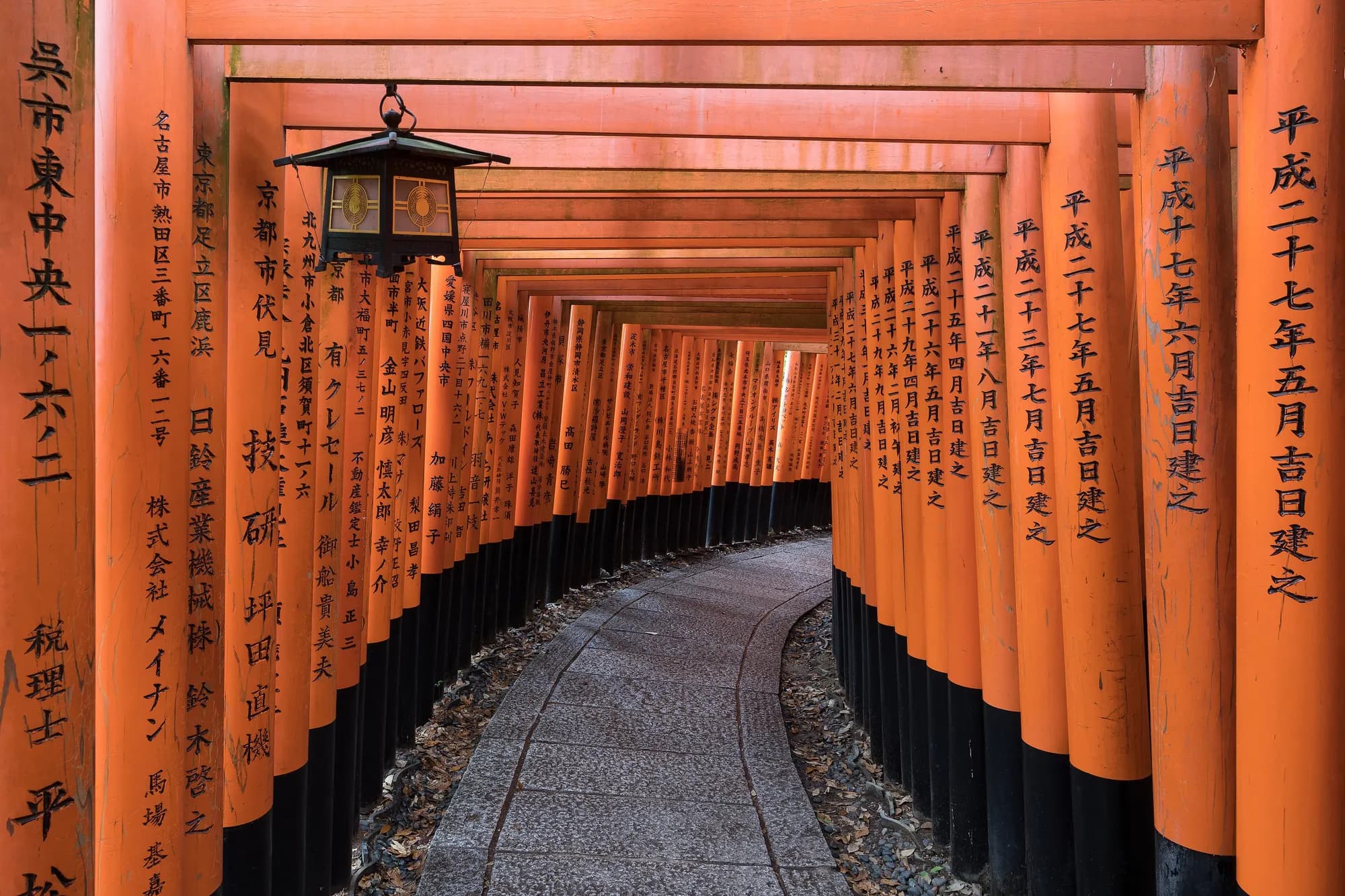
Thousands of vermilion torii gates climb the slopes of Mount Inari behind this shrine to the god of rice and prosperity. Most visitors turn back after the first dense tunnels of gates; keep walking and the crowds thin, the gates grow older and mossier, and you reach viewpoints over the city. The full loop to the summit takes two to three hours on foot.
TipCome at sunrise or after dark. The shrine never closes and entry is free, and the lantern-lit gates at night are worth the trip on their own.
- 2
Sanjusangen-do
Photo: Guilhem Vellut from Annecy, France, CC BY 2.0, via Wikimedia Commons
A temple hall more than a hundred metres long, the longest wooden building in Japan, holding 1,001 gilded statues of Kannon, the goddess of mercy, standing in rows like a silent army, guarded by twenty-eight protective deities. It's one of the most extraordinary sights in Japan.
TipPhotography is not allowed inside the hall.
- 3
Kiyomizu-dera
Photo: そらみみ, CC BY-SA 3.0, via Wikimedia Commons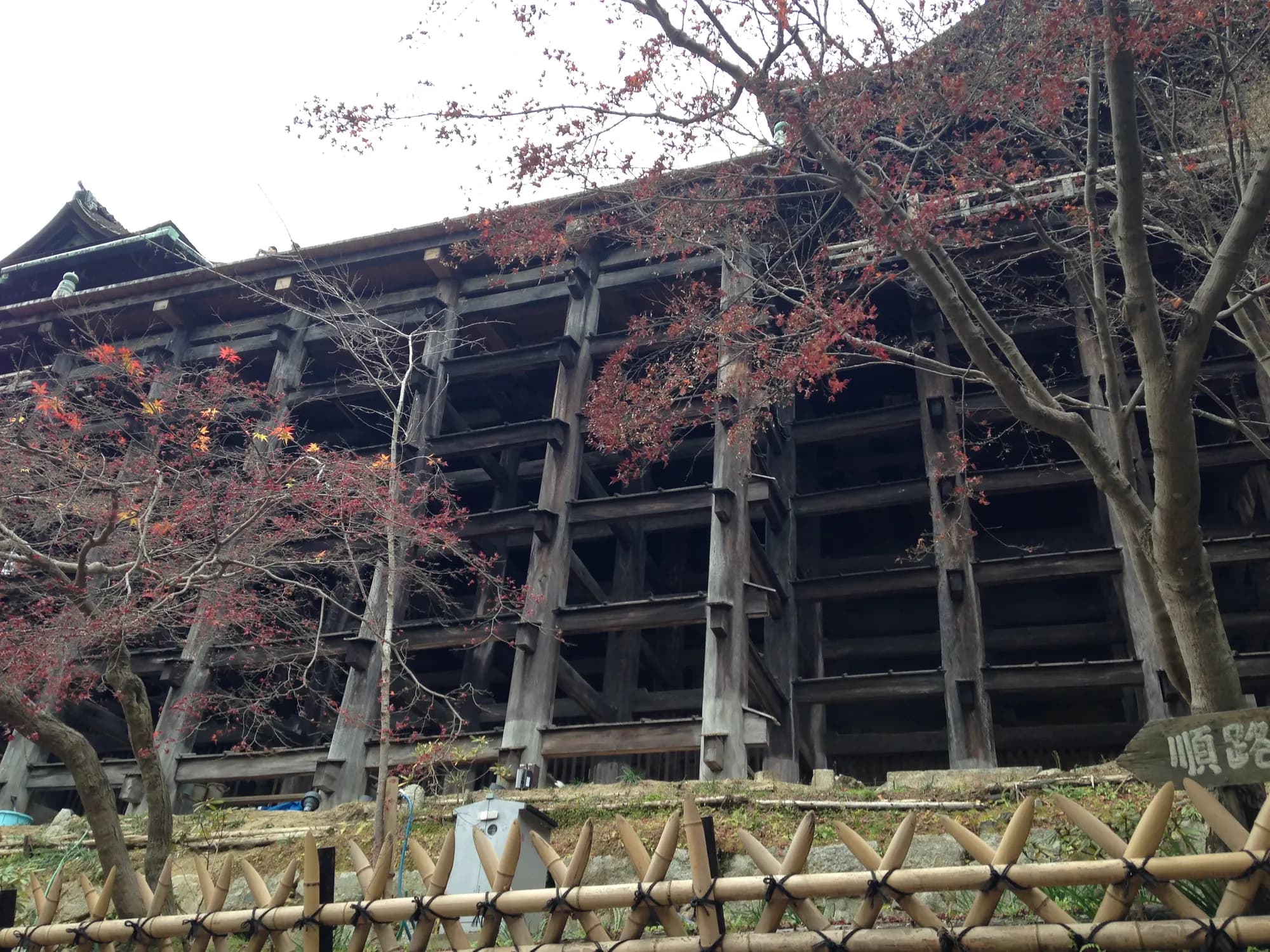
A wooden temple built out over a wooded hillside on a huge timber stage, put together without a single nail. The view from the stage, across a sea of maple and cherry trees to the city below, is one of Japan's classic images. Below the main hall, the Otowa waterfall splits into three streams said to bring long life, success and love.
TipWalk up through the old slopes of Sannenzaka and Ninenzaka, but do it early: by late morning the lanes are shoulder to shoulder.
- 4
Arashiyama
Photo: Basile Morin, CC BY-SA 4.0, via Wikimedia Commons
On the western edge of the city, Arashiyama combines the famous bamboo grove with a riverside setting, the moss and pond garden of Tenryu-ji temple, and a hillside monkey park with views over Kyoto. The bamboo grove is short, a few minutes' walk end to end, so treat it as part of a morning here rather than the whole reason to come.
TipArrive before 8 am for the bamboo grove, then go up to the Okochi Sanso villa garden, which most tour groups skip.
- 5
Kinkaku-ji
Photo: Basile Morin, CC BY-SA 4.0, via Wikimedia Commons
The Golden Pavilion, its upper floors covered in gold leaf, reflected in a pond framed by pines. It is one of the most photographed buildings in Japan and you see it from a set path, so expect a short, busy visit rather than a contemplative one.
TipCombine it with Ryoan-ji, the temple of the famous rock garden, a short bus ride away.
- 6
Ryoan-ji
Photo: Carla Antonini, CC BY-SA 3.0, via Wikimedia Commons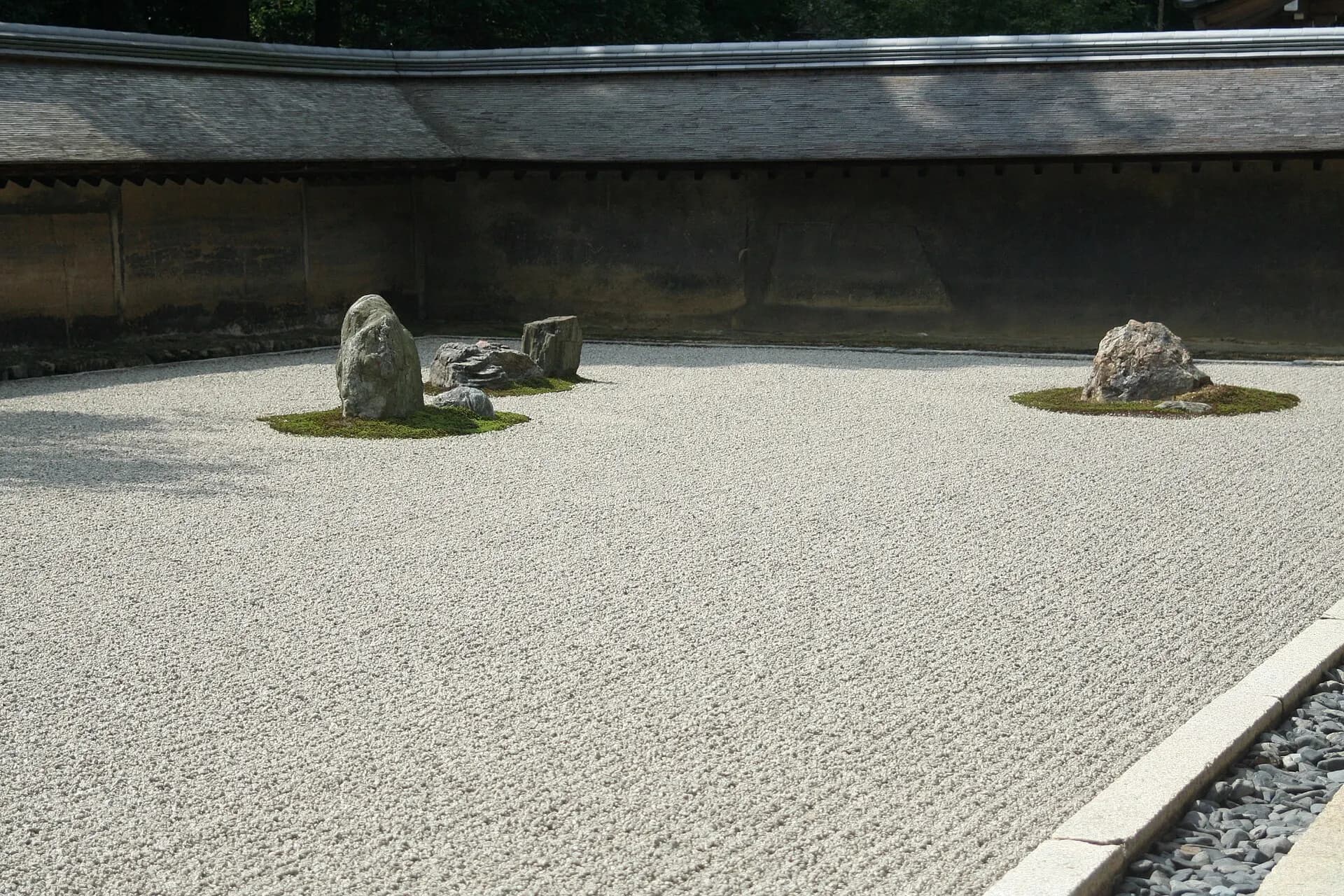
The most famous Zen rock garden in Japan: fifteen stones set in raked white gravel, enclosed by an earthen wall, arranged so that you can never see all fifteen at once from the viewing veranda. Its meaning is left to the visitor. Beyond it, the temple's pond garden is lovely in every season.
- 7
Gion and Hanamikoji
Photo: MichaelMaggs, CC BY-SA 2.5, via Wikimedia Commons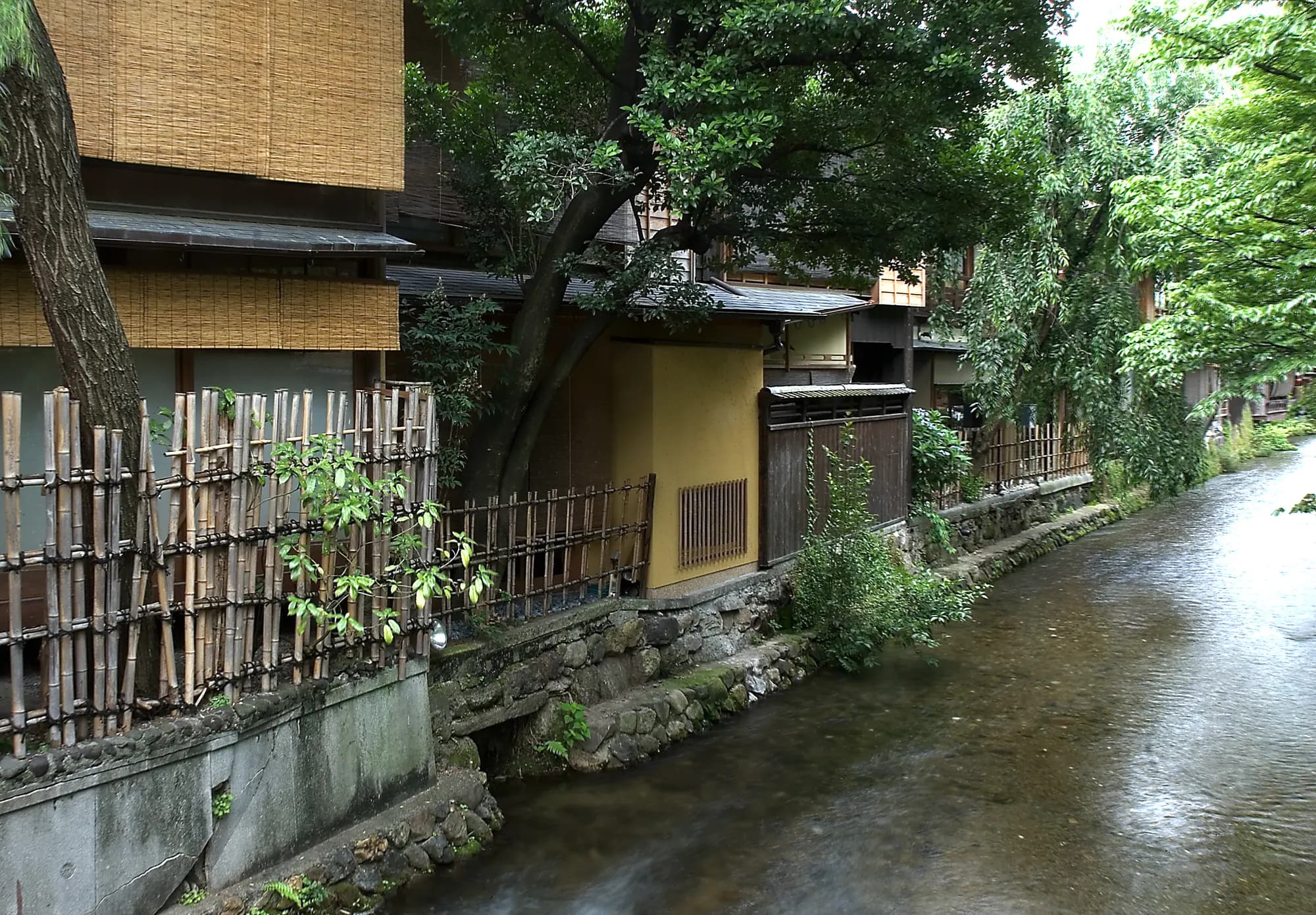
Kyoto's best-known geisha district, with wooden teahouses, latticed facades and stone-paved lanes. Gion is still a working district: you may see geiko and maiko walking to evening appointments, but they are not attractions. Some private lanes now ban photography, and fines apply, so watch for the signs.
TipWalk along the Shirakawa canal at dusk, when the willows and lanterns are at their most beautiful.
- 8
Nishiki Market
Photo: collinox, CC BY 2.0, via Wikimedia Commons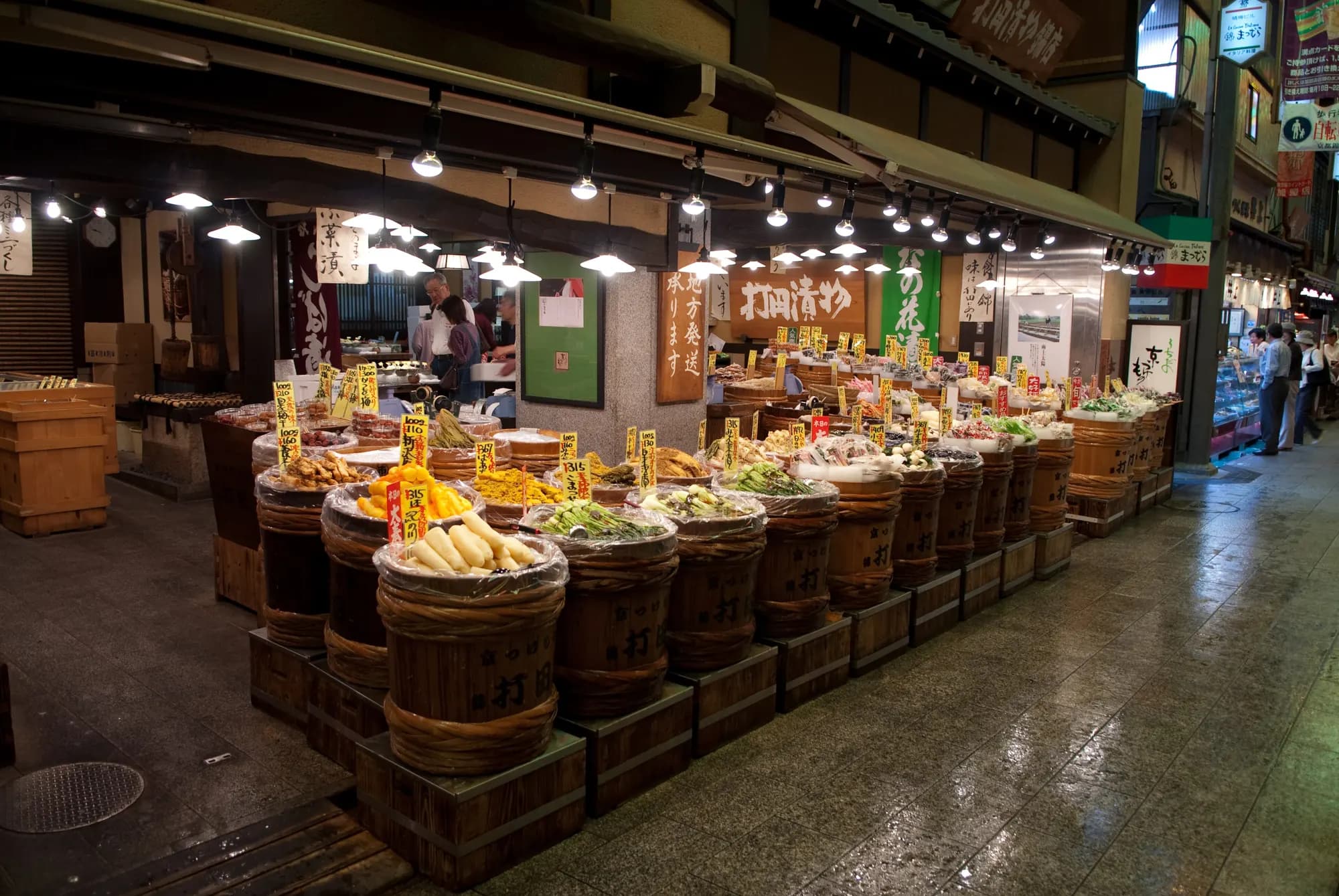
A covered, five-block market street lined with stalls selling pickles, tofu, fresh fish, Japanese sweets and kitchen knives. It is the place to graze on small bites and to see the ingredients behind Kyoto's cooking.
TipMany stalls ask you not to walk while eating: stand at the stall to finish, then move on.
- 9
Philosopher's Path
Photo: Reggaeman, CC BY-SA 3.0, via Wikimedia Commons
A stone path along a cherry-lined canal in the north-east of the city, named after a philosopher who walked it daily. It links Ginkaku-ji, the Silver Pavilion, with a string of smaller temples and quiet cafes, and takes about half an hour end to end.
TipContinue south to Nanzen-ji to see the brick aqueduct running through the temple grounds.
- 10
Nijo Castle
Photo: DXR, CC BY-SA 3.0, via Wikimedia Commons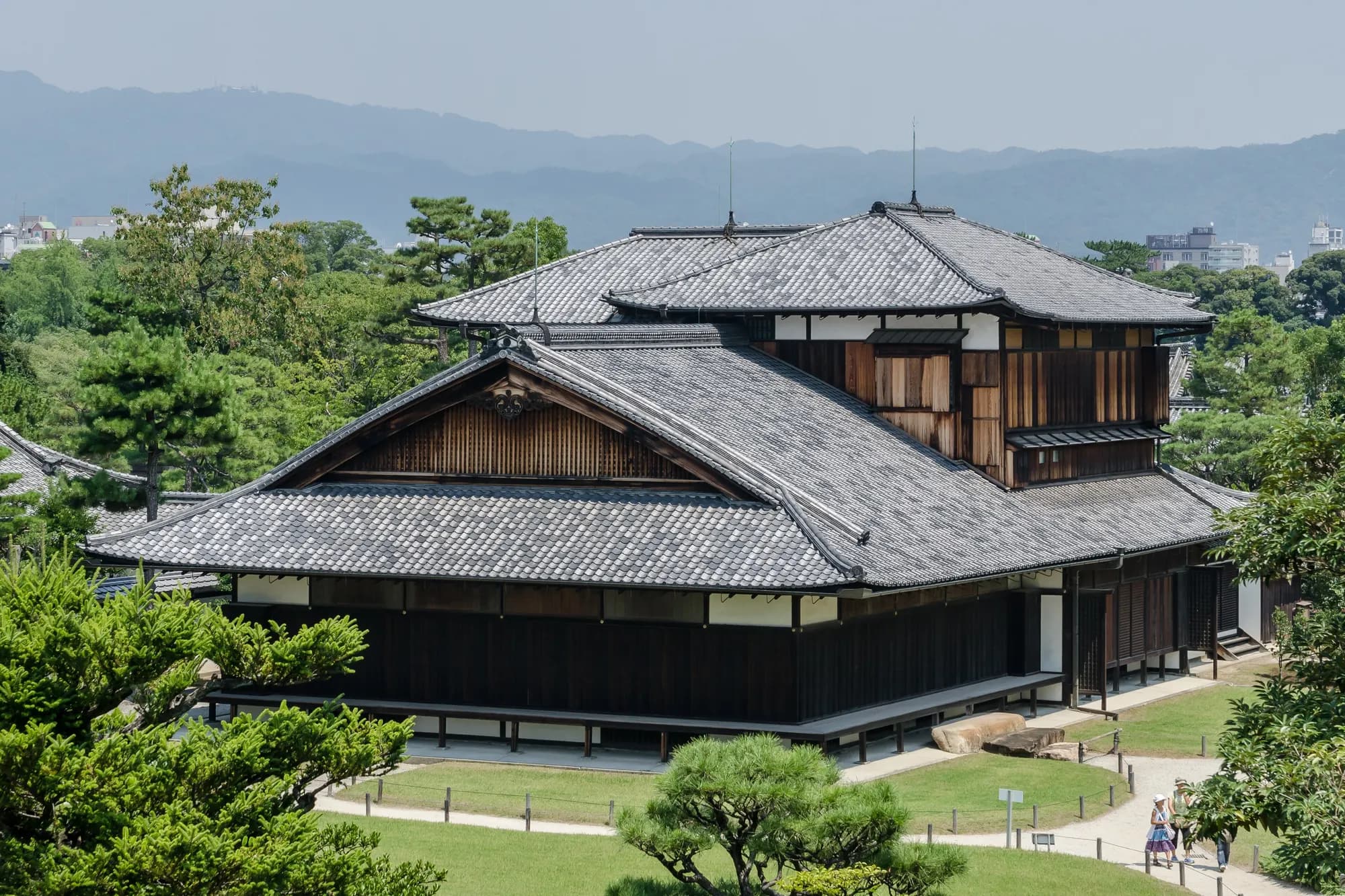
The Kyoto residence of the Tokugawa shoguns, with painted screens and "nightingale floors" that chirp underfoot, designed to warn of intruders. The gardens and the castle's sheer scale show the power of the shoguns in a city of emperors.
When to go
Kyoto has two famous seasons. Cherry blossom usually peaks in late March or early April, and the autumn leaves in mid to late November. Both are spectacular and both are the busiest and most expensive times of the year, so book accommodation months ahead.
Late spring (May) and autumn outside the peak weeks are the sweet spot: mild weather and fewer crowds. Summer is hot and very humid, with the rainy season in June and July, though July brings the Gion Matsuri, one of Japan's great festivals. Winter is cold but quiet, and a dusting of snow on Kinkaku-ji is a rare treat.
Getting around
Kyoto is compact, and the centre is best explored on foot or by bicycle. Buses reach almost every sight but are slow and crowded at peak times; the two subway lines and the private Keihan and Hankyu railways are faster for longer hops. A rechargeable IC card such as ICOCA, or a phone wallet, works on trains and buses.
From Kansai International Airport, the Haruka express train reaches Kyoto Station in about 75 minutes. Tokyo is about two hours and fifteen minutes away by shinkansen.
Local tips
- Start early: most temples open between 8 and 9 am, and the first hour is the calmest of the day.
- Carry cash: many smaller temples, shrines and restaurants still don't take cards.
- Take your shoes off where you see a step up or slippers: temple halls and many traditional restaurants require it.
- Bow slightly and keep your voice down at shrines; photography is often banned inside temple halls.
- Base yourself near Kyoto Station or downtown around Shijo and Kawaramachi for the easiest transport.
- Use Kyoto for day trips: Nara's deer and giant Buddha are 45 minutes away, Osaka half an hour.
Eat and drink
Kyoto's cooking is refined and seasonal. Look out for kaiseki, the multi-course meal built around the season; yudofu, simmered tofu, a speciality near the Nanzen-ji temple; and the vegetarian shojin ryori cooking of Buddhist temples. Matcha from nearby Uji appears in everything from tea ceremonies to soft-serve ice cream.