Mendoza
Argentina's wine capital: leafy plazas, Malbec vineyards and the snow-capped Andes on the horizon.
- Best time to go
- March to April for the grape harvest; October to April for warm, sunny days
- Local time
- –
- Currency
- Argentine Peso (ARS)
- Reading time
- 4 min
- Language
- Spanish and Guarani
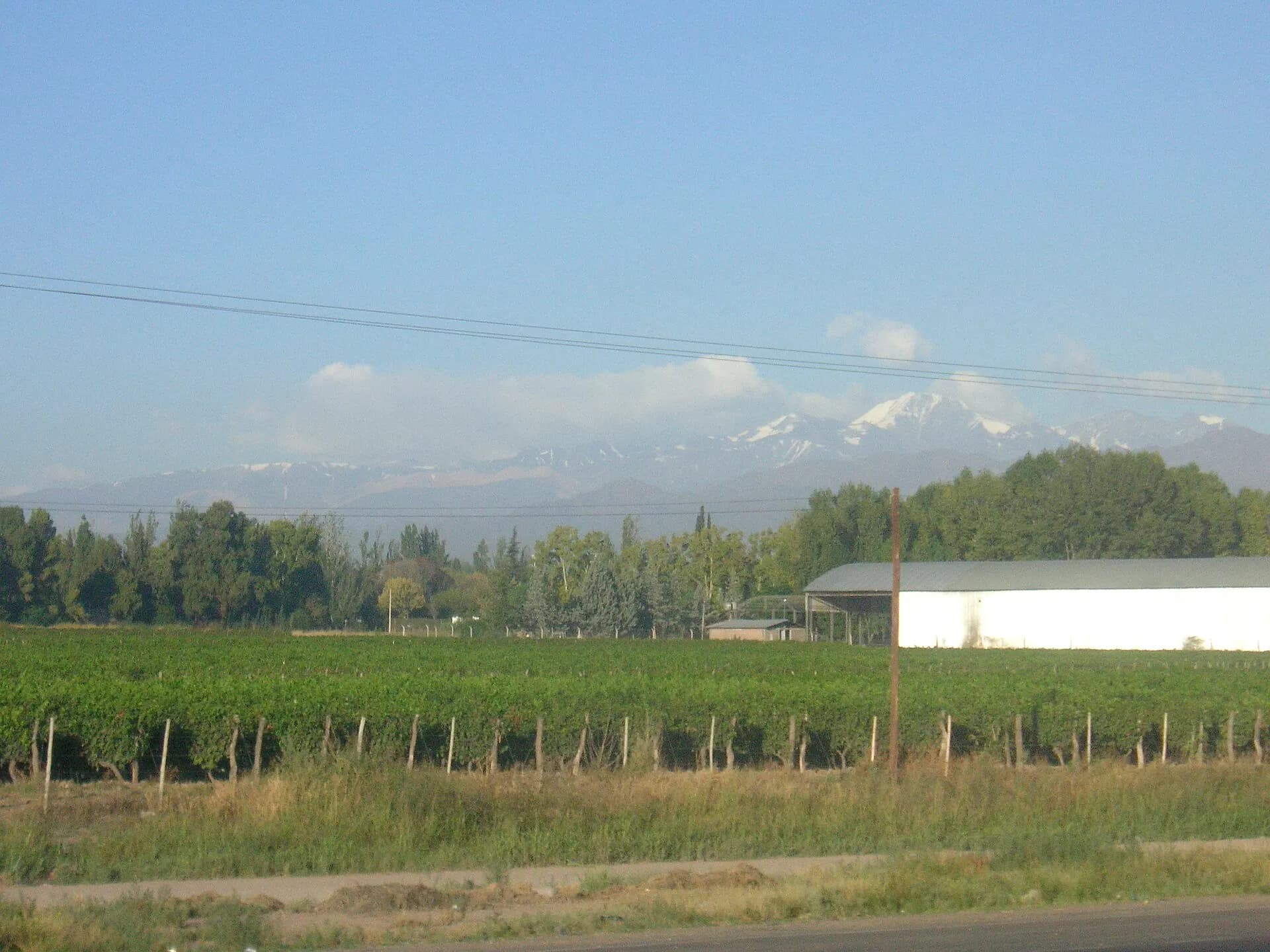
Mendoza, in western Argentina at the foot of the Andes, is the heart of the country's wine industry, producing most of its wine, including the famous Malbec. The city was rebuilt after an earthquake in 1861 with wide avenues, low buildings and spacious plazas, all shaded by trees watered by an ancient network of irrigation channels, the acequias, which run alongside the streets.
Beyond the city, vineyards stretch towards the snow-capped mountains, and the high Andes, including Aconcagua, the highest mountain outside Asia, are within reach. Days here are sunny and dry, perfect for wine tasting, cycling and outdoor adventure.
The top 8 in Mendoza
- 1
Plaza Independencia and the city plazas
Photo: Beatrice Louise Murch from United States of America, CC BY-SA 2.0, via Wikimedia Commons
The city's central square, with fountains, trees and a craft market at weekends, surrounded by four smaller plazas, each with its own character, including the Plaza España with its colourful Spanish tiles.
- 2
Parque General San Martín
Photo: Bernard Gagnon, CC BY-SA 4.0, via Wikimedia Commons
A vast park on the western edge of the city, with an artificial lake, rose gardens, and Cerro de la Gloria, a hill with a monument to the Army of the Andes, which crossed the mountains to liberate Chile and Peru in the early nineteenth century.
- 3
Luján de Cuyo
The closest wine region to the city, about half an hour south, with many of Mendoza's oldest and most renowned wineries, especially for Malbec.
- 4
Maipú
A wine region just east of the city, popular for cycling between wineries, olive oil producers and small farms on rented bikes.
TipRide carefully on the roads, drink plenty of water, and pace your tastings.
- 5
- 6
Aconcagua Provincial Park
Photo: Albert Backer, CC BY-SA 3.0, via Wikimedia Commons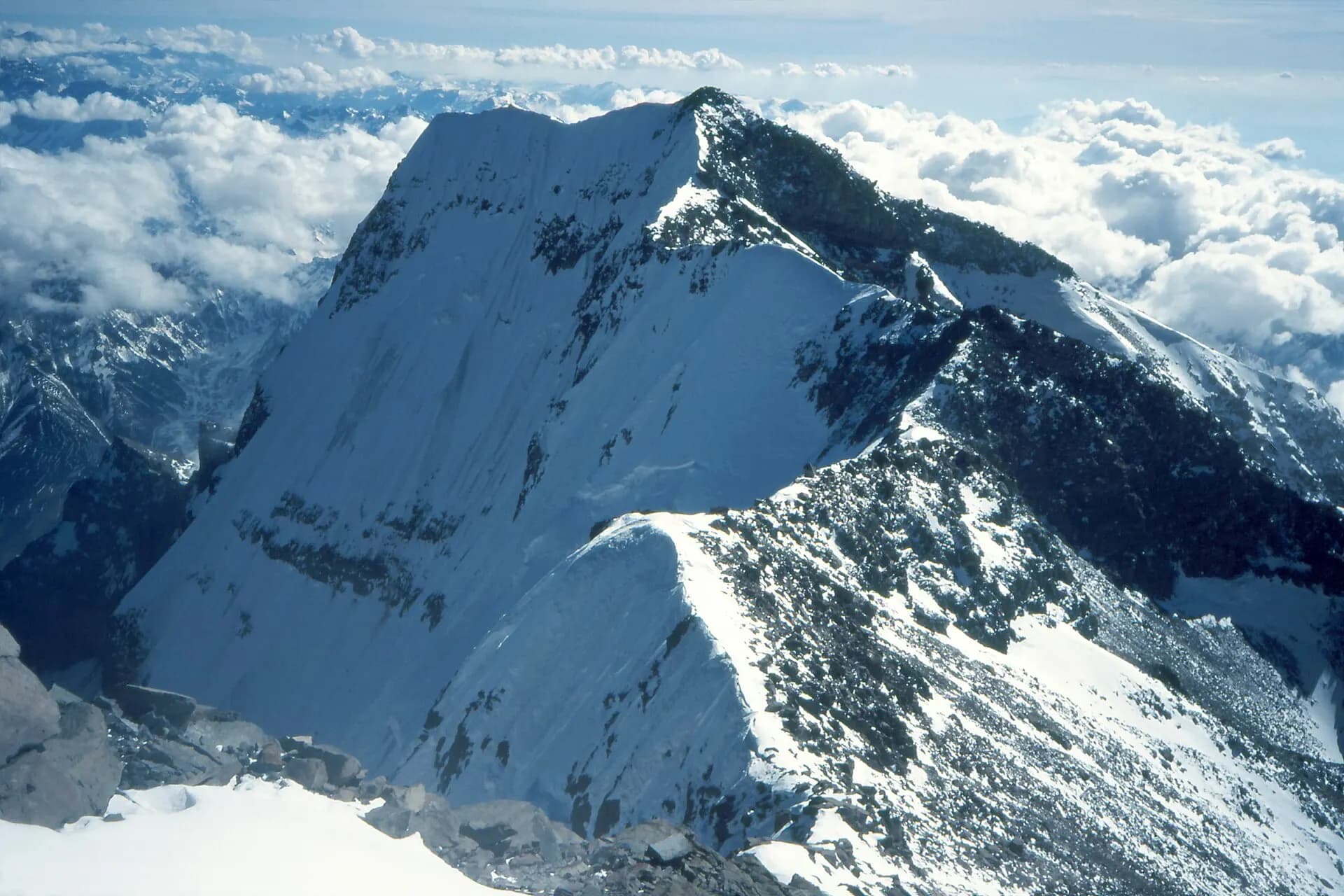
About three hours west along the road to Chile, a park around Aconcagua, at 6,961 metres the highest peak in the Americas. Short walks from the Horcones visitor centre lead to a lagoon with views of its south face. Climbing the mountain is a serious expedition requiring a permit.
- 7
Puente del Inca
Photo: Bernard Gagnon, CC BY-SA 4.0, via Wikimedia Commons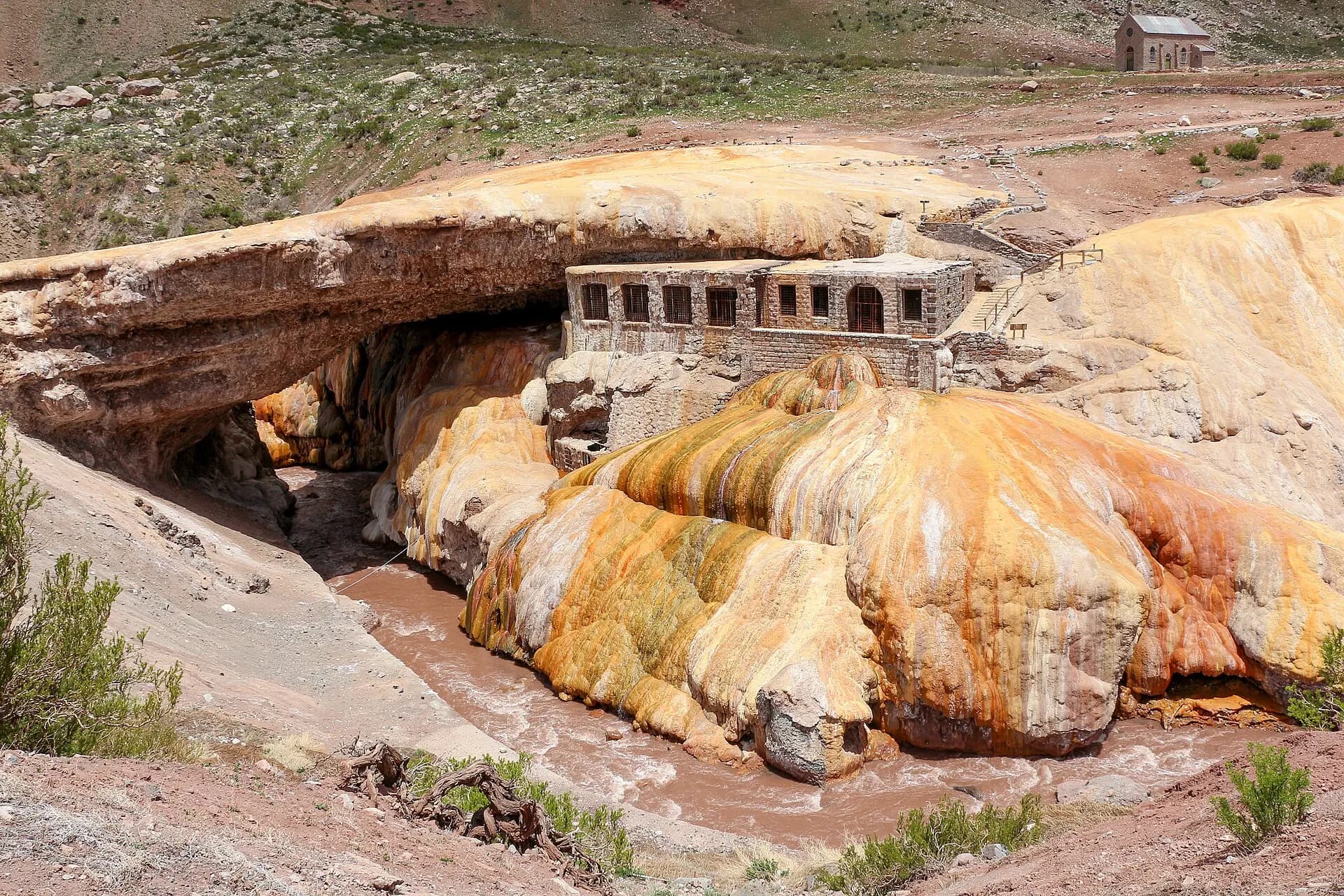
A natural stone bridge over the Las Cuevas River on the road to Aconcagua, coloured orange and yellow by mineral deposits from hot springs, with the ruins of an old spa beneath it.
- 8
Potrerillos
A reservoir in the mountains about an hour west, with a dramatic setting, and a centre for rafting, kayaking and horse riding on the Mendoza River.

When to go
Mendoza is sunny and dry most of the year. The grape harvest, from February to April, is celebrated with the Fiesta Nacional de la Vendimia, a huge harvest festival in early March, with parades and the crowning of a harvest queen. Spring and autumn are pleasant, with autumn colours in the vineyards. Summers are hot, and winters are cool and sunny, with skiing in the mountains.
Getting around
The city centre is walkable, and buses and taxis cover the rest. Ride-hailing apps operate. To visit the wine regions, join a tour, hire a driver, or rent a bike in Maipú; driving yourself means you can't taste. El Plumerillo International Airport is about twenty minutes from the centre, with flights to Buenos Aires and Santiago.
Local tips
- Book winery visits and tastings in advance; many require reservations.
- Don't drink and drive; hire a driver or join a tour for tastings.
- Shops often close in the afternoon for a long siesta, reopening in the evening.
- Argentina's economy changes quickly; check current advice on paying by card or cash.
- Bring sunscreen and a hat: the sun is strong and the air dry.
- The road to Chile over the Andes can close in winter because of snow.
- Dinner starts late, often after nine in the evening.
- Spit buckets are normal at tastings; use them if you're visiting several wineries.
- The acequias run along the kerbs; watch your step at night.
Eat and drink
Mendoza's wineries serve long lunches paired with their wines, often with Argentine beef from the grill. Try empanadas, asado, and chivito, goat roasted over a fire. Besides Malbec, try Cabernet Franc, Bonarda and the white Torrontés. The province also produces excellent olive oil.
Where to stay
Hotels in the city centre are convenient for restaurants and plazas. Many wineries in Luján de Cuyo and the Uco Valley have lodges and boutique hotels among the vines, for a peaceful stay with views of the Andes.
Wine and the desert
Mendoza lies in a desert, receiving very little rain, and its vineyards exist only thanks to irrigation channels that carry meltwater from the Andes, a system first developed by the indigenous Huarpe people and expanded by Spanish settlers. The high altitude, intense sunshine and cool nights give the region's grapes their concentrated flavours. Malbec, originally from south-west France, found its ideal home here and has become Argentina's signature grape.
Outdoor adventures
Beyond the vineyards, the mountains offer endless outdoor activities: rafting on the Mendoza River, horse riding with local gauchos, hiking and mountain biking in the foothills, and paragliding from Cerro Arco above the city. In winter, the ski resort of Penitentes, on the road to Aconcagua, and Las Leñas, a long drive south, offer powder snow.
Planning a wine tour
Many wineries open by appointment only, so plan your visits in advance, choosing two or three per day with a long lunch at one of them. Tours usually include a walk through the vineyards and cellars and a tasting of several wines. Many travellers base themselves in the city and visit Luján de Cuyo and Maipú, then spend a night or two among the vines of the Uco Valley.