Bariloche
Alpine-style chalets on a vast blue lake, forested mountains and the Andes on the horizon, in Argentina's lake district.
- Best time to go
- December to March for hiking and lakes; July to September for skiing
- Local time
- –
- Currency
- Argentine Peso (ARS)
- Reading time
- 4 min
- Language
- Spanish and Guarani

San Carlos de Bariloche lies on the southern shore of Lake Nahuel Huapi, in the foothills of the Andes in northern Patagonia. Founded by settlers from Germany, Switzerland and Austria, its stone and timber buildings give it the feel of an Alpine town, and it's famous across Argentina for its chocolate shops and ski slopes.
It's the gateway to Nahuel Huapi National Park, Argentina's oldest, established in 1934, a vast area of lakes, forests and mountains. Spend days hiking to viewpoints, cycling the lakeside roads, cruising to islands, and in winter skiing on Cerro Catedral.
The top 8 in Bariloche
- 1
The Civic Centre
Photo: Hiroki Ogawa, CC BY 3.0, via Wikimedia Commons
The town's main square, surrounded by buildings of stone and timber in an Alpine style, designed in the 1930s, with a museum of Patagonian history and views over the lake. Mitre street, nearby, is lined with chocolate shops.
- 2
Cerro Campanario
Photo: Raf24~commonswiki, CC BY 4.0, via Wikimedia Commons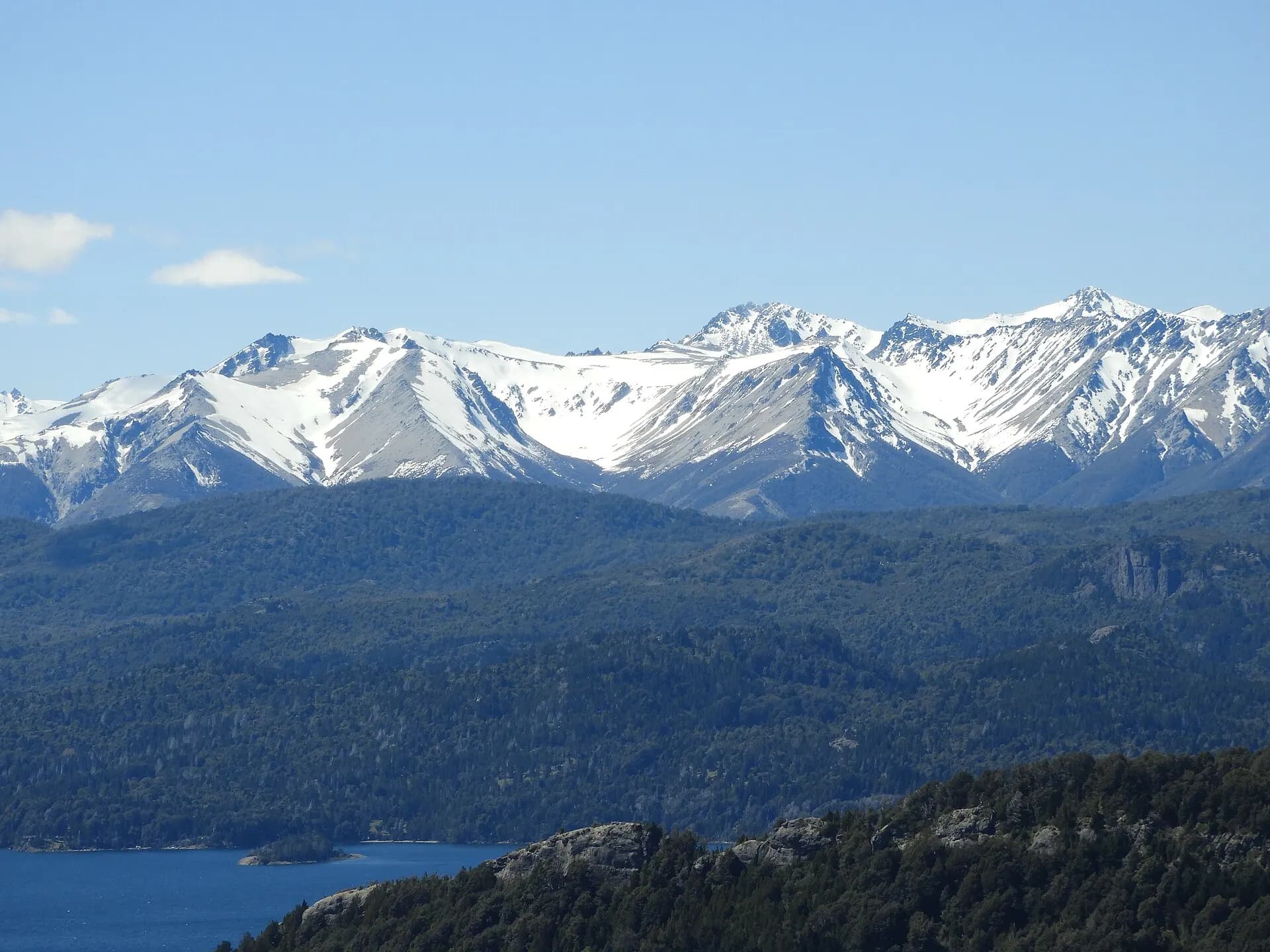
A small hill west of town, reached by a chairlift or a steep short hike, with one of the most beautiful panoramas in Argentina over the lakes, islands and mountains of the national park.
TipGo late in the afternoon, when the light over the lakes is warm and soft.
- 3
The Circuito Chico
Photo: NINASANTPL, CC BY-SA 4.0, via Wikimedia Commons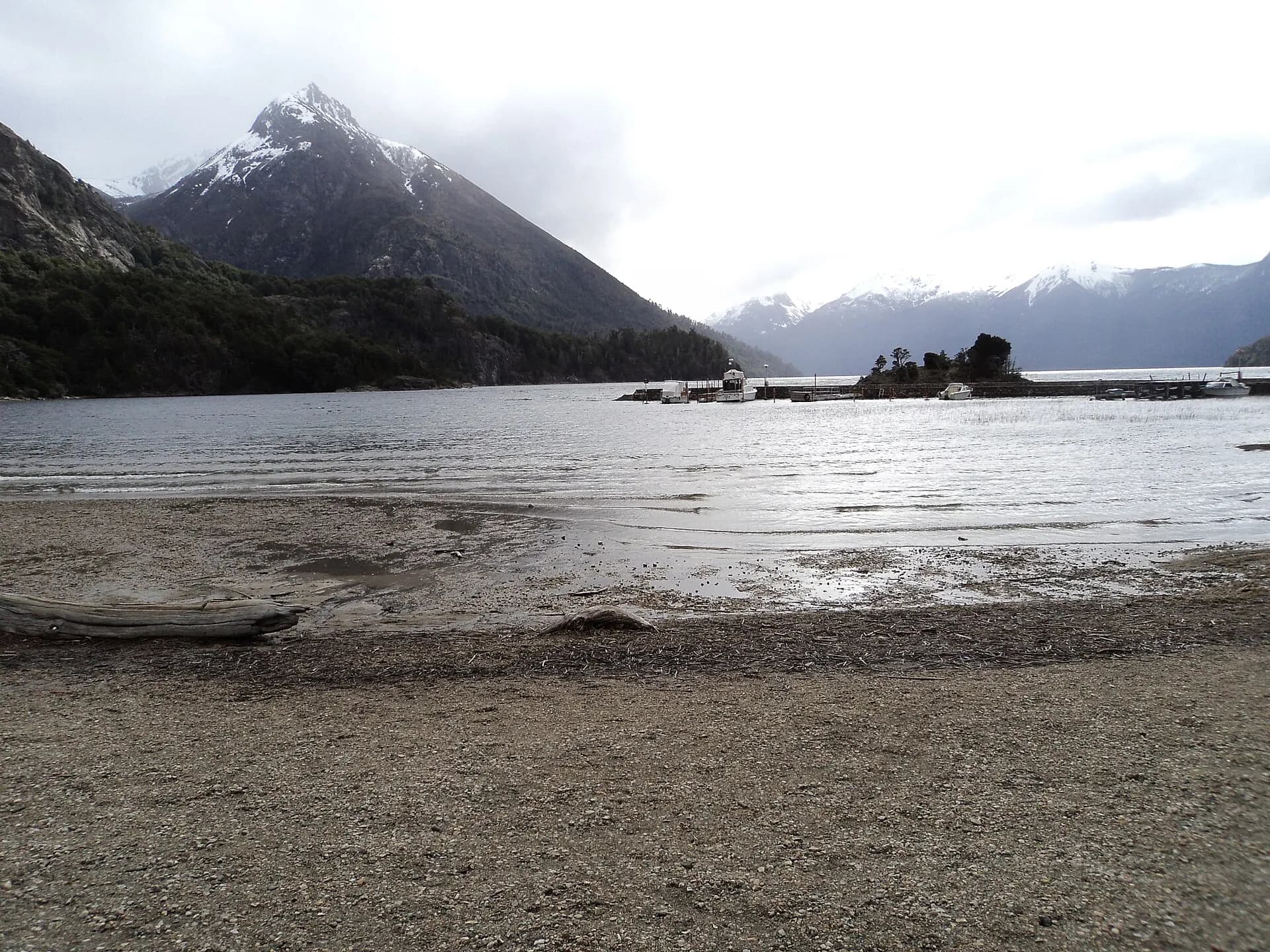
A loop of about sixty kilometres along the lakeshore west of town, past viewpoints, beaches, forests and the elegant Llao Llao Hotel, best explored by bike, car or tour.
TipCycling the loop is popular; rent a bike near the start and allow most of a day, as the road is hilly.
- 4
The Llao Llao Hotel and peninsula
Photo: Fernando, CC BY-SA 4.0, via Wikimedia Commons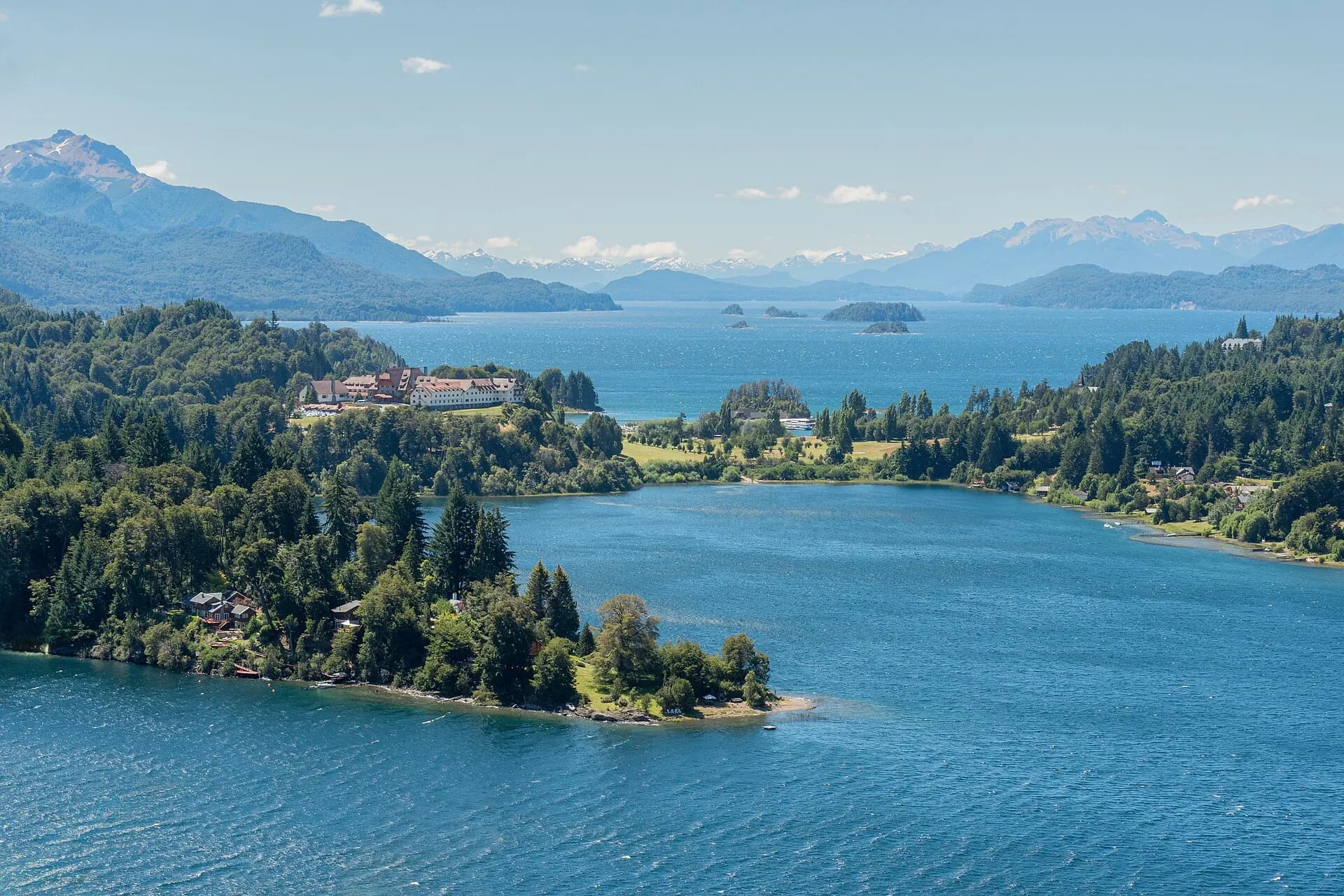
A grand hotel on a hill between two lakes, built in the 1930s, with walking trails through the Llao Llao Municipal Park, a forest of coihue trees with lake views.
- 5
Cerro Catedral
Photo: CarlosJBJ, CC BY-SA 4.0, via Wikimedia Commons
One of the largest ski resorts in South America, with slopes overlooking the lakes. In summer, chairlifts carry hikers up to trails that lead to the Frey mountain hut and its granite spires.
- 6
Isla Victoria and the Bosque de Arrayanes
Boat trips cross the lake to Isla Victoria, with forest trails, and to the Quetrihué peninsula, home to the Bosque de Arrayanes, a forest of rare myrtle trees with cinnamon-coloured, cool-to-the-touch bark.
- 7
- 8
The Seven Lakes Route
A spectacular road of about a hundred kilometres between Villa La Angostura and San Martín de los Andes, through forests and past a string of mountain lakes. It's a popular day trip or road trip from Bariloche.

When to go
Summer, from December to March, brings warm days, ideal for hiking, kayaking and boat trips; January and February are the busiest. The ski season runs from about July to September, with winter holidays in July the busiest time. Autumn brings red and gold colours in the forests, and spring is quieter, with snow lingering on the peaks.
Getting around
Bariloche's centre is walkable, and local buses run along the lakeshore road to the Circuito Chico, Cerro Campanario and Cerro Catedral. Renting a car or bike gives more freedom. Boats to the islands leave from Puerto Pañuelo. Bariloche Airport, about twenty minutes from town, has flights from Buenos Aires and other cities.
Local tips
- Pay the national park entrance fee where required.
- Weather in the mountains changes fast; carry layers and rain gear.
- Book ski passes and accommodation early for July.
- Argentina's economy changes quickly; check current advice on paying by card or cash.
- Hiking trails can be long; tell someone your plans and carry water.
- Respect fire bans in the forests.
- Bring sunscreen: the sun at altitude is strong even when it's cool.
- Wind on the lake can make boat trips rough in the afternoon; go in the morning.
- Pack a swimsuit in summer, but expect cold glacial water.
Eat and drink
Bariloche is famous for its chocolate, sold in shops along Mitre street, and for Patagonian specialities such as lamb, trout from the lakes, wild boar and venison, and berries from the region. Swiss-style fondues are a local tradition, and craft breweries have flourished, especially around Colonia Suiza, a village founded by Swiss settlers, with a weekend market.
Where to stay
Hotels in the town centre are convenient for restaurants and buses. Lodges and cabins along the lakeshore road to Llao Llao offer views and quiet, while Cerro Catedral has ski-in hotels. Villa La Angostura, on the north shore of the lake, is a smaller, upmarket alternative.
Outdoor adventures
Bariloche is a centre for outdoor sports. In summer, kayak or paddleboard on the calm bays of the lakes, raft the Manso River, mountain bike on forest trails, or fly-fish for trout. Hikers can follow trails to mountain huts run by the Club Andino Bariloche, such as Refugio Frey, beneath granite towers, and Refugio Jakob, beside a mountain lake, staying overnight in simple dormitories. In winter, Cerro Catedral, along with the smaller Cerro Otto, offers skiing and snowboarding with views over the lake.
Beyond Bariloche
Villa La Angostura, on the north shore of the lake, is a pretty village of wooden houses and the starting point of the trail to the Arrayanes forest. San Martín de los Andes, at the end of the Seven Lakes Route, is a charming lakeside town. El Bolsón, about two hours south, is known for its craft market, hops and alternative spirit. Across the Andes, the Chilean Lake District can be reached by road or by a classic boat-and-bus crossing of the lakes.