El Calafate
The gateway to Patagonia's great glaciers, where walls of blue ice crash into milky turquoise lakes.
- Best time to go
- October to April, the southern spring and summer, for long days and open trails
- Local time
- –
- Currency
- Argentine Peso (ARS)
- Reading time
- 4 min
- Language
- Spanish and Guarani
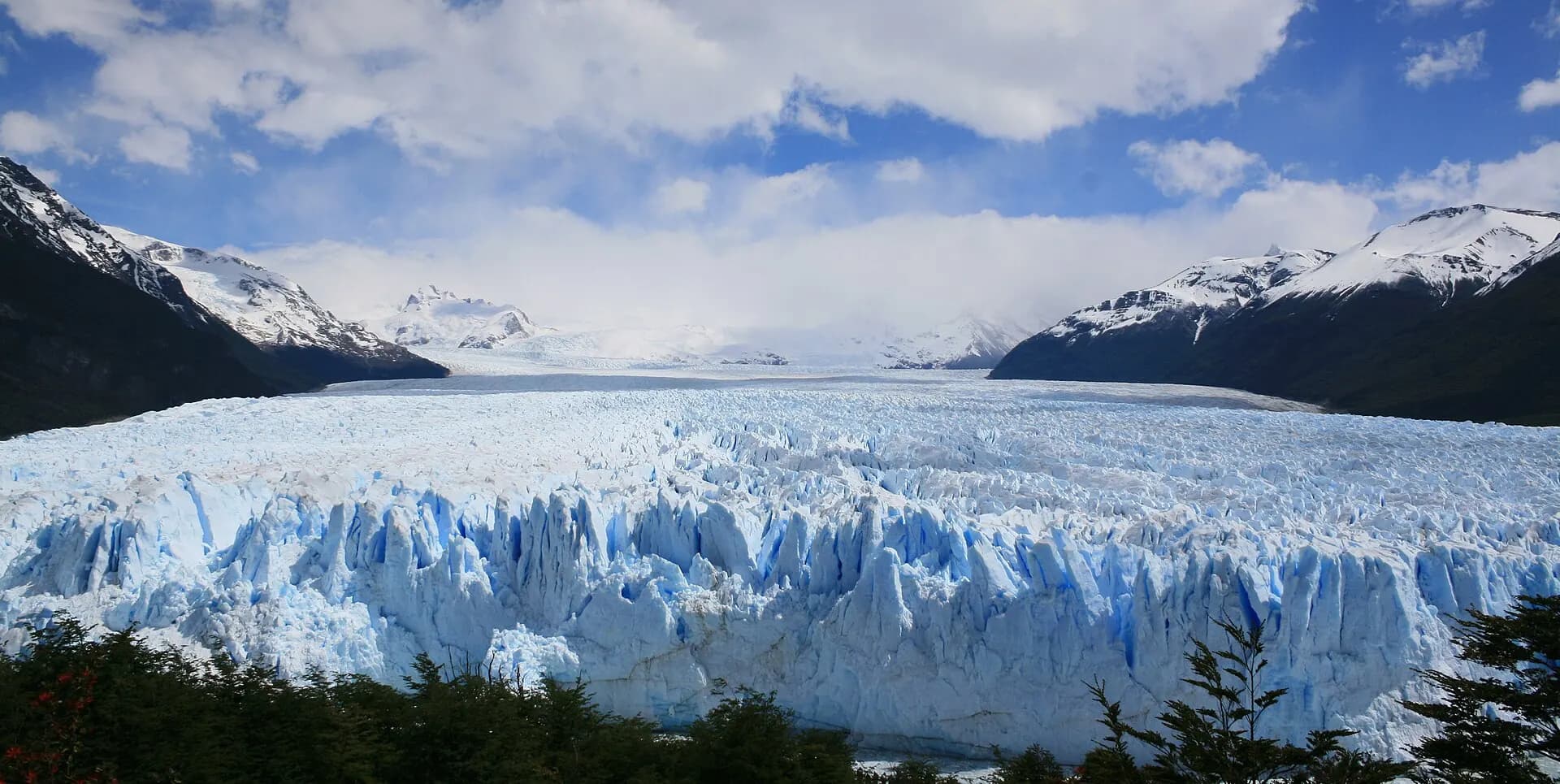
El Calafate is a small town on the shore of Lago Argentino, the largest lake in Argentina, in the windswept steppe of southern Patagonia. It exists largely because of what lies to the west: Los Glaciares National Park, a World Heritage Site where the Southern Patagonian Ice Field, the largest expanse of ice outside the polar regions, spills down into the lakes in dozens of glaciers.
The most famous of them, the Perito Moreno Glacier, is one of the most spectacular natural sights on earth, and unusually easy to reach. From El Calafate, you can also cruise among icebergs, ride across the steppe, and travel north to El Chaltén, the trekking capital beneath Mount Fitz Roy.
The top 8 in El Calafate
- 1
The Perito Moreno Glacier
Photo: Makelelecba, CC BY-SA 4.0, via Wikimedia Commons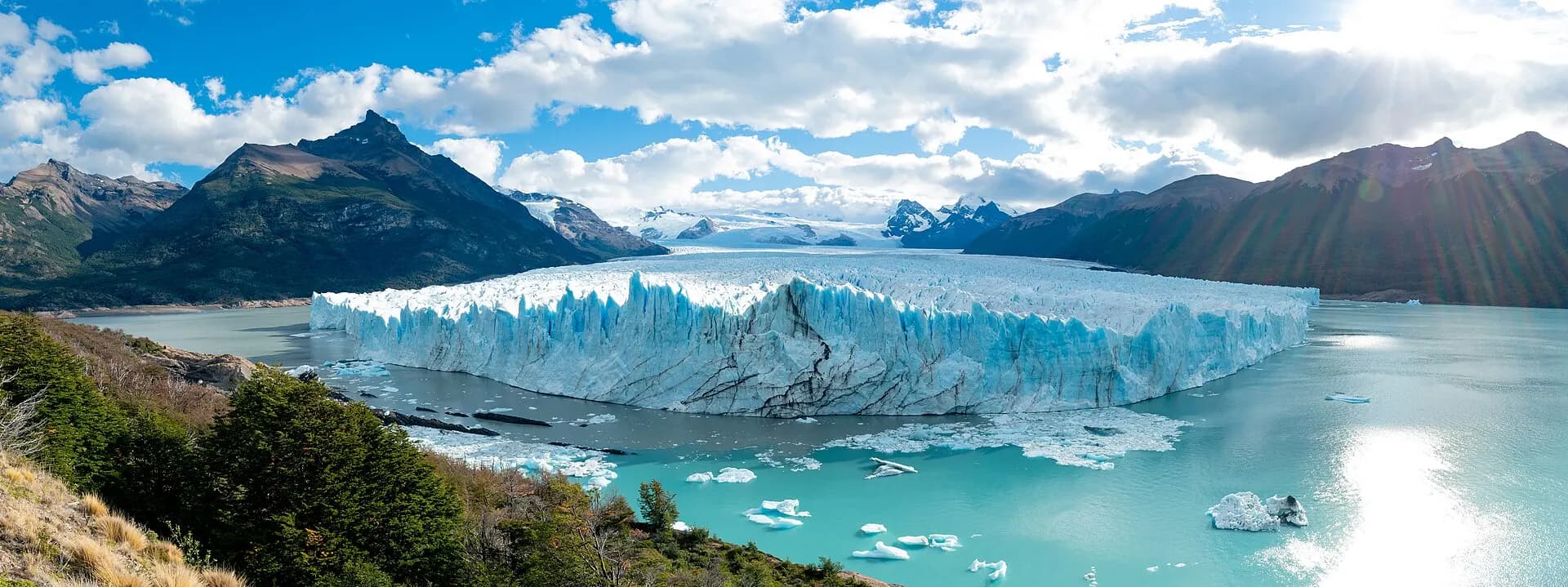
A wall of ice about five kilometres wide and rising some sixty to seventy metres above the water, ending in Lago Argentino. Unlike most glaciers, it has remained broadly stable for decades. A network of walkways on the peninsula opposite lets you watch, at close range, as towering blocks of ice break away and crash into the lake with a thunderous roar.
TipSpend at least a few hours on the walkways; the best calving happens when you least expect it. Bring warm, windproof layers.
- 2
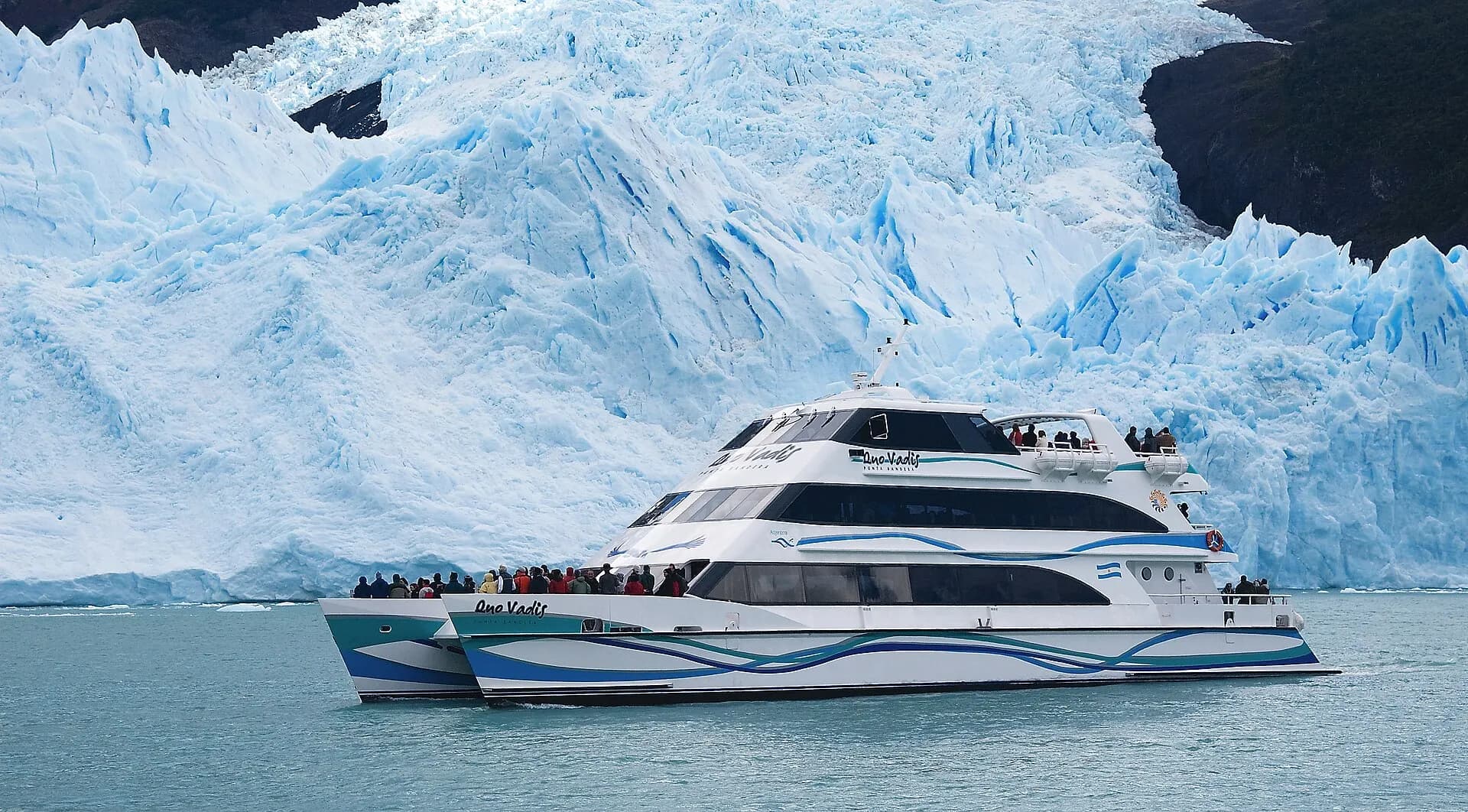
A boat trip to the glacier face
Photo: amanderson2, CC BY 2.0, via Wikimedia Commons
Boats leave from Bajo de las Sombras to sail close to the southern face of the Perito Moreno Glacier, giving a sense of its scale from water level.
- 3
Ice trekking on the Perito Moreno
Photo: Douglas Scortegagna from Flores da Cunha, Brasil, CC BY 2.0, via Wikimedia Commons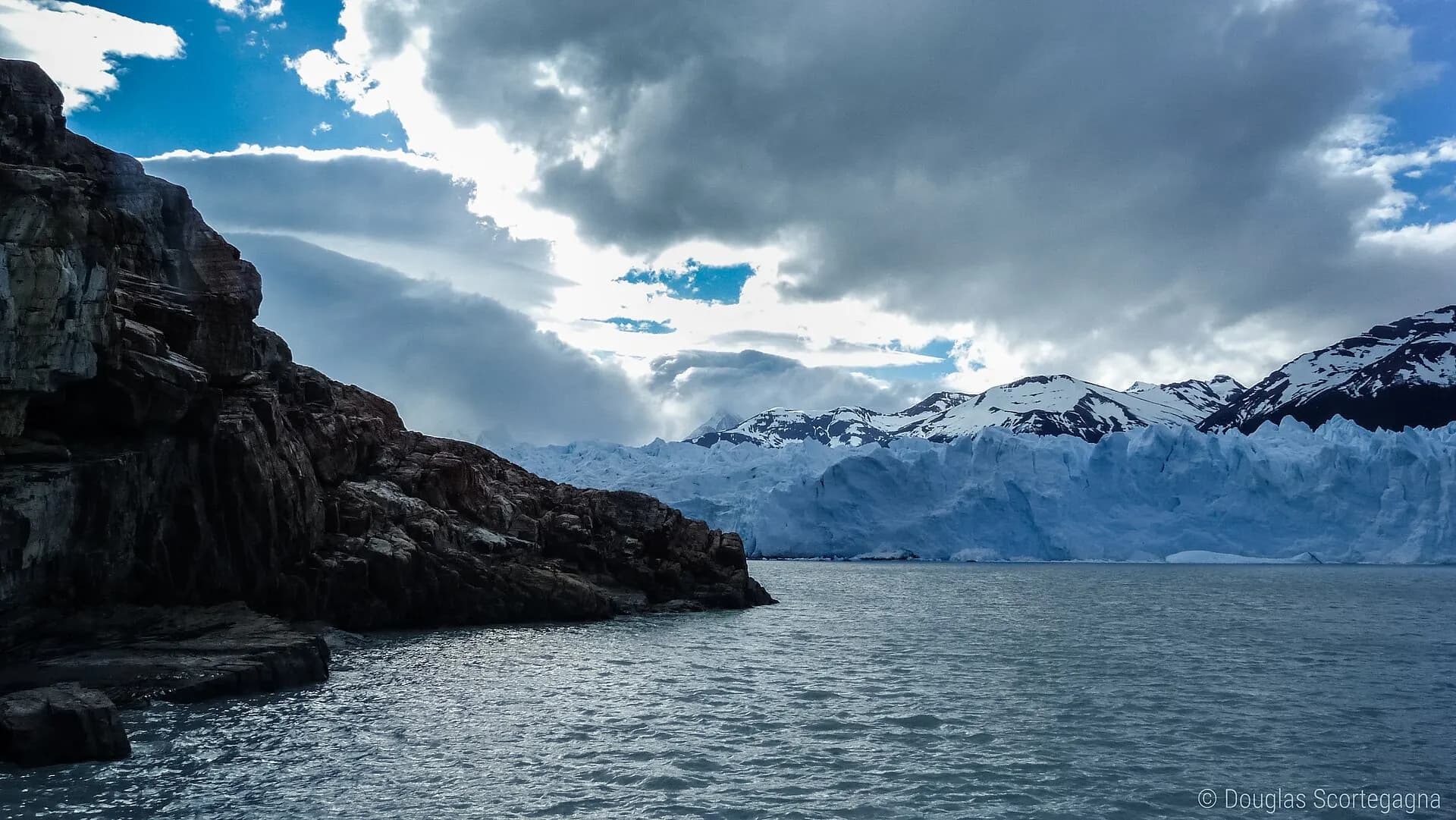
Guided walks with crampons take you onto the surface of the glacier, among crevasses, seracs and deep blue pools. Short "mini-trekking" tours suit most fit visitors; longer treks go further onto the ice.
TipBook well ahead in summer; age and fitness limits apply.
- 4
- 5
Laguna Nimez
A nature reserve on the edge of town, with a walking trail around wetlands home to flamingos, black-necked swans and many other birds, with views over Lago Argentino.
- 6
The Glaciarium
An interpretation centre about glaciers and ice, with exhibits on how glaciers form and change and on the ice fields of Patagonia, plus an ice bar.
- 7
El Chaltén and Mount Fitz Roy
Photo: Almonroth, CC BY-SA 3.0, via Wikimedia Commons
A small mountain village about three hours north, founded in 1985, at the foot of the jagged granite peaks of Mount Fitz Roy and Cerro Torre. Free trails start right from the village, including the challenging hike to Laguna de los Tres, beneath Fitz Roy, and the walk to Laguna Torre.
TipStay a few nights in El Chaltén; the peaks are often hidden in cloud, so allow time for a clear day.
- 8
An estancia visit
Traditional sheep ranches on the steppe welcome visitors for horseback riding, sheep-shearing demonstrations and a Patagonian lamb barbecue, an insight into the region's pioneering history.
When to go
The southern spring and summer, from October to April, is the main season, with long days and all services open; it's also the windiest period. December to February is the busiest. Autumn, in March and April, brings golden colours and calmer weather. Many services close or reduce in winter, from June to August, though the Perito Moreno Glacier can still be visited and is beautiful under snow.
Getting around
El Calafate is small and walkable. Buses and tours run to the Perito Moreno Glacier, about eighty kilometres away, and to El Chaltén. Renting a car gives freedom on the good roads to the glacier and El Chaltén, though distances are long and there are few services. Strong winds can make driving tricky.
Comandante Armando Tola International Airport is about twenty minutes from town, with flights from Buenos Aires and Ushuaia. Buses link El Calafate with Puerto Natales, in Chile, for Torres del Paine.
Local tips
- Pay the national park entrance fee at the park gate; check the current payment methods before you go.
- Book boat trips, ice treks and buses ahead in peak season.
- Dress in layers: the wind is relentless and temperatures change quickly.
- Carry snacks and water; services in the park are limited.
- Argentina's economy changes quickly; check current advice on paying by card or cash.
- Bring sunscreen and sunglasses: the sun is strong and reflects off the ice.
Eat and drink
Patagonian lamb, slow-roasted on a cross over an open fire (cordero al asador), is the regional speciality. Try dishes made with calafate berries, which give the town its name, in jams, ice cream and liqueurs; legend says that anyone who eats them will return to Patagonia. Argentine steaks, empanadas and Malbec wines are everywhere, and local craft breweries are popular in El Chaltén.
Where to stay
El Calafate has hotels for every budget, from hostels in town to lodges with views of Lago Argentino and estancias on the steppe. Staying in town is convenient for tours and restaurants. A few lodges near the glacier and within the national park offer quiet nights close to nature. In El Chaltén, hostels and small hotels fill quickly in summer, so book early.
Beyond El Calafate
Torres del Paine National Park, across the border in Chile, is about five to six hours away by bus via Puerto Natales; many travellers combine the two, but allow a full day for the crossing and bring your passport. South along Argentina's Route 40, the steppe stretches towards Río Gallegos and the Atlantic coast, while far to the south, Ushuaia, on the Beagle Channel, is reached by a short flight and is the departure point for voyages to Antarctica.