Buenos Aires
Grand boulevards and European cafés, tango in the streets, and steak dinners that start after ten.
- Best time to go
- September to December and March to May, for mild, sunny weather
- Local time
- –
- Currency
- Argentine Peso (ARS)
- Reading time
- 4 min
- Language
- Spanish and Guarani
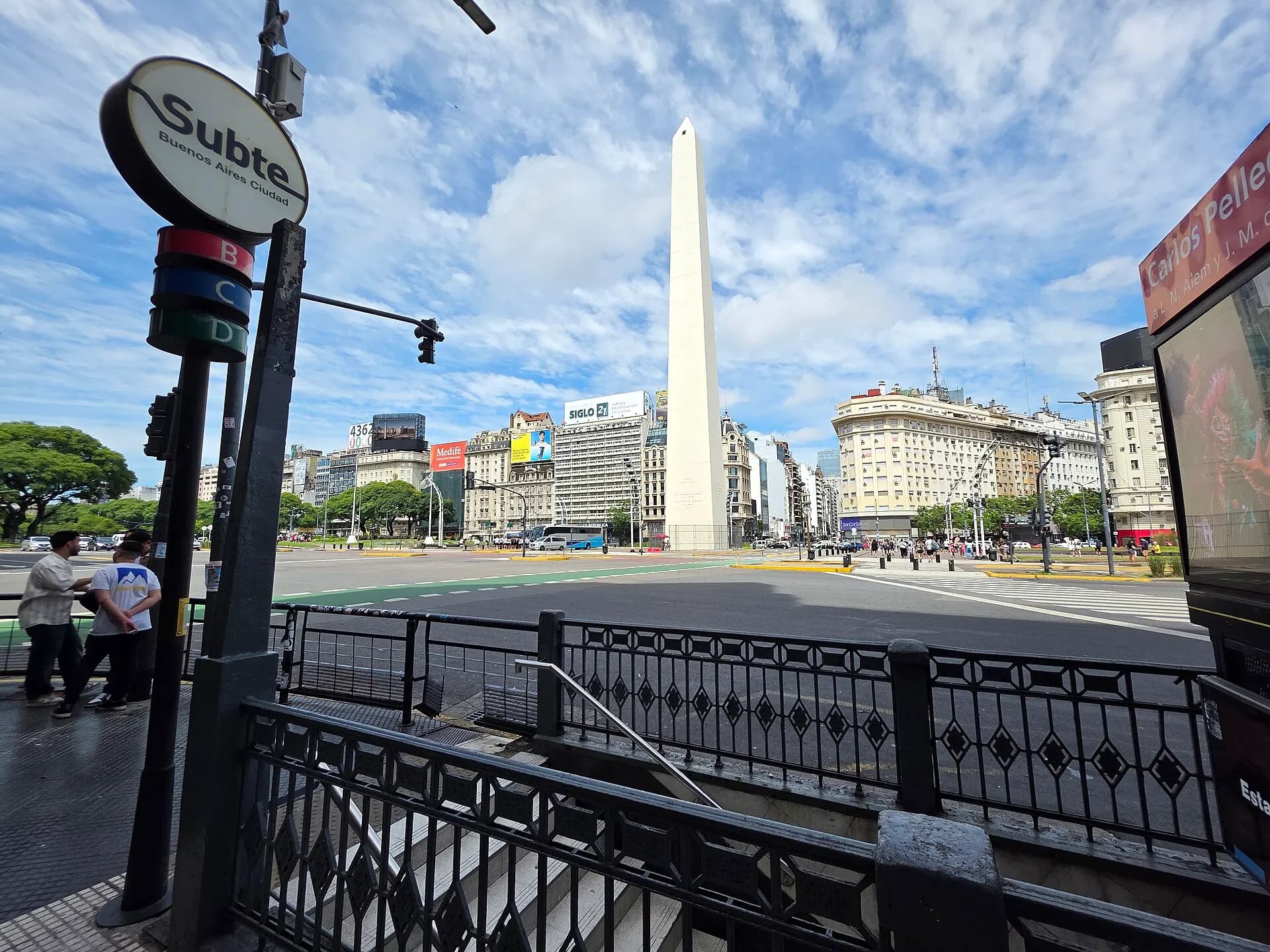
Buenos Aires grew rich in the late nineteenth century on beef and grain exports, and spent its fortune on boulevards, palaces and opera houses inspired by Paris, Madrid and Milan. Waves of immigrants, especially from Italy and Spain, shaped its language, its food and its music, and gave birth to the tango in the city's port neighbourhoods.
It's a city of barrios, each with its own character, from the cobbled streets of San Telmo to the leafy parks of Palermo. Life runs late here: dinner rarely starts before nine, and the nightlife goes on until dawn. Slow down to the porteño pace, linger in its cafés, and the city will draw you in.
The top 9 in Buenos Aires
- 1
Plaza de Mayo and the Casa Rosada
Photo: Diego Delso, CC BY-SA 3.0, via Wikimedia Commons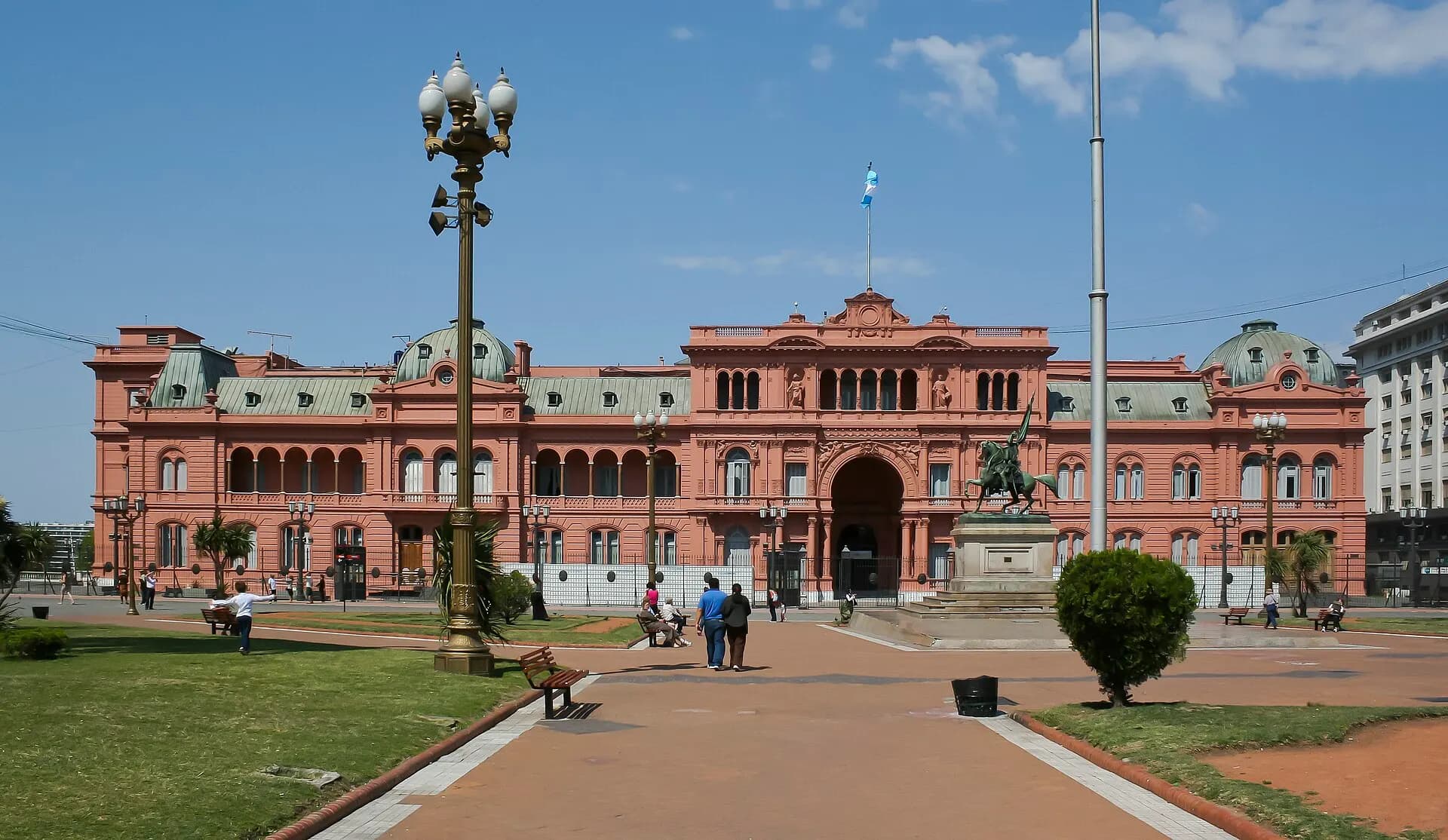
The city's founding square and the scene of Argentina's great political moments, faced by the pink presidential palace, the Casa Rosada, from whose balcony Eva Perón addressed the crowds. The Metropolitan Cathedral, where Pope Francis served as archbishop, and the old colonial town hall, the Cabildo, also stand here.
- 2
San Telmo
Photo: Taken by the uploader, w:es:Usuario:Barcex, CC BY-SA 3.0, via Wikimedia Commons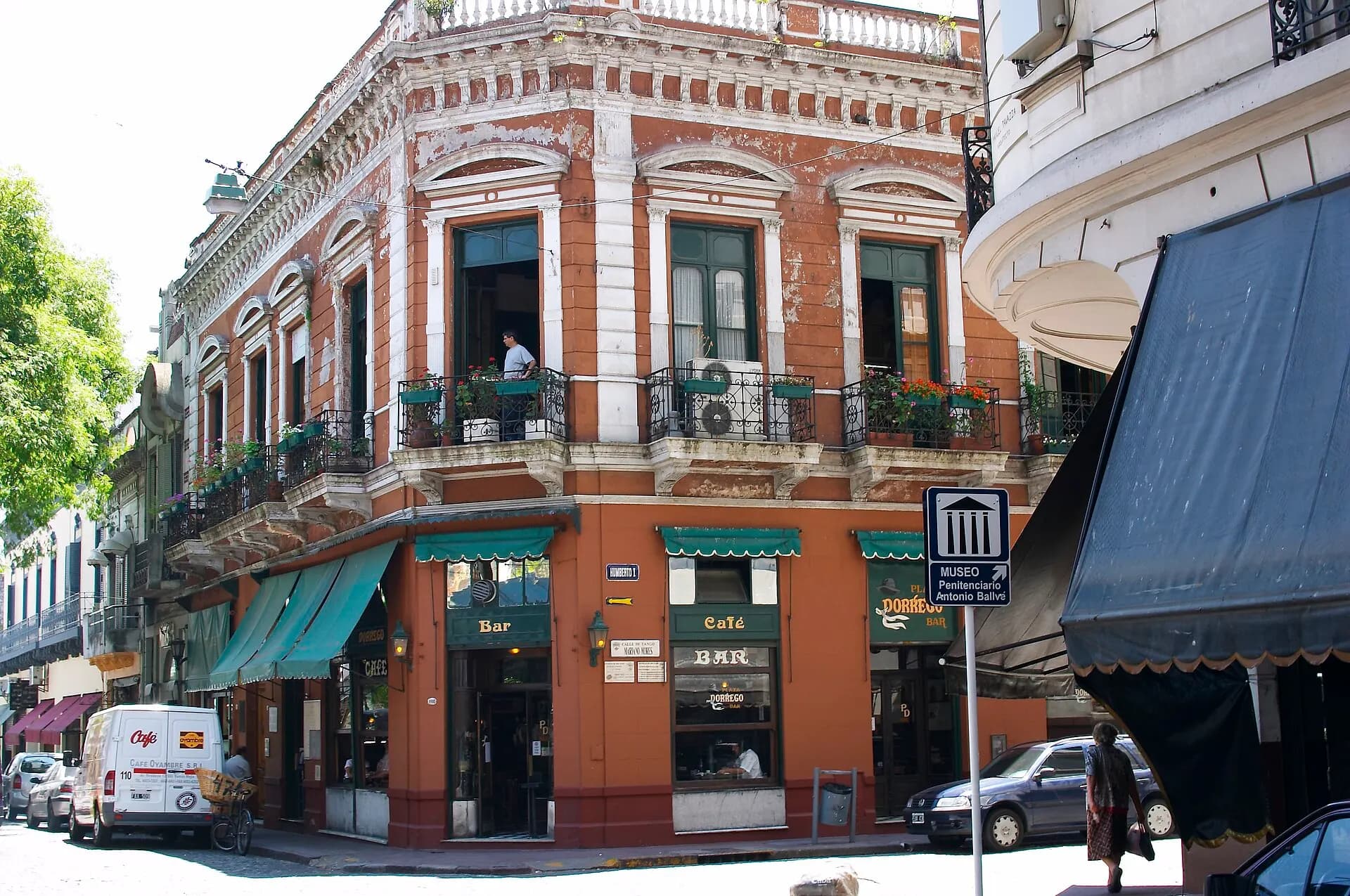
The oldest barrio, with cobbled streets, colonial houses, antique shops and old bars. On Sundays, the Feria de San Telmo street market stretches along Defensa street, with antiques, crafts and tango dancers performing in Plaza Dorrego.
TipWalk the Sunday market from Plaza de Mayo south to Plaza Dorrego, and stop in the covered San Telmo Market for lunch.
- 3
La Boca and Caminito
Photo: Diego Delso, CC BY-SA 3.0, via Wikimedia Commons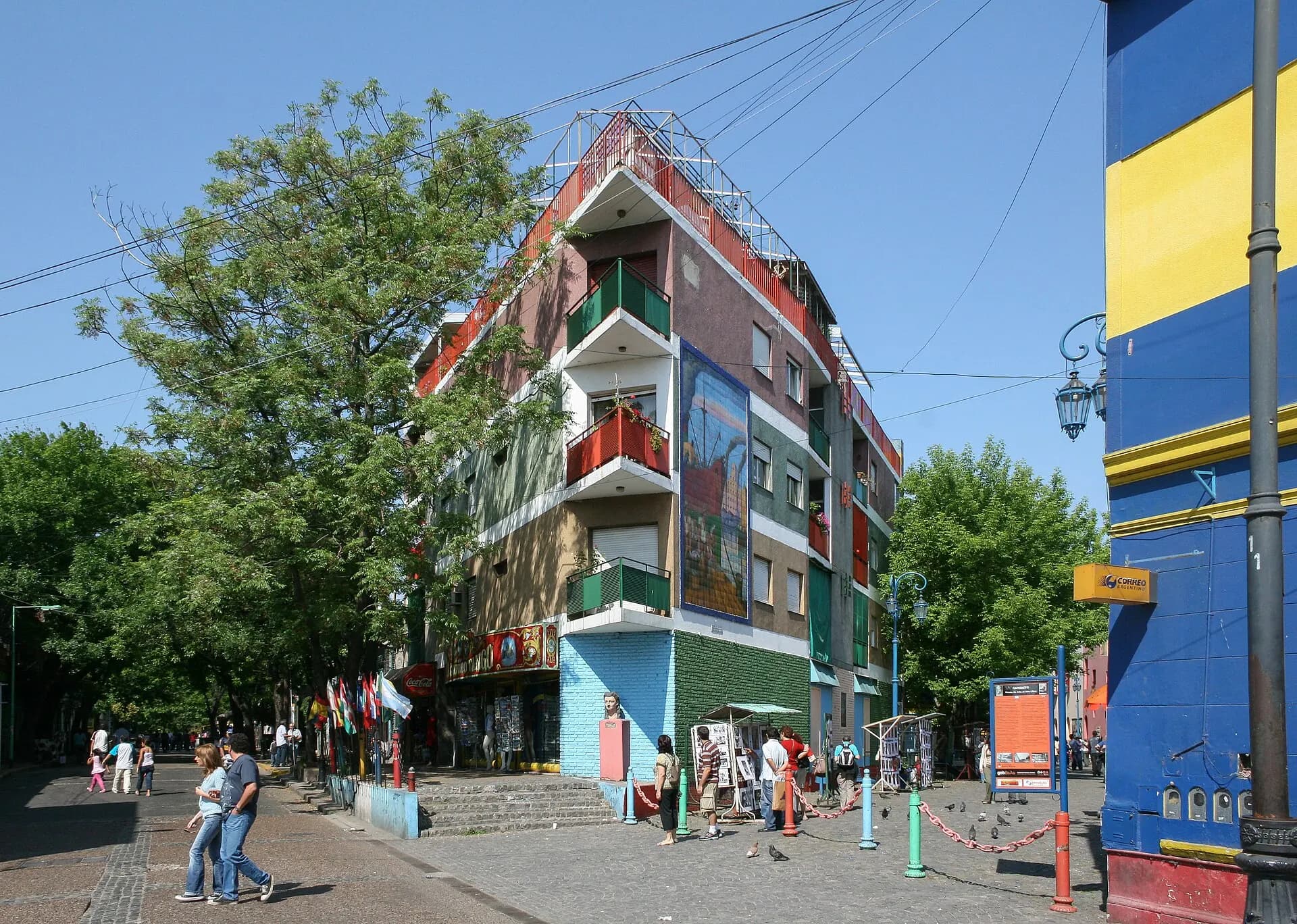
The old port neighbourhood where Italian immigrants lived in houses built from corrugated iron, painted in bright colours with leftover ship paint. Caminito, a short pedestrian street, is now an open-air museum of colourful façades and tango shows. Nearby is La Bombonera, the stadium of the Boca Juniors football club.
TipStay within the main tourist area around Caminito and visit during the day.
- 4
- 5
The Teatro Colón
Photo: Bernard Gagnon, CC BY-SA 4.0, via Wikimedia Commons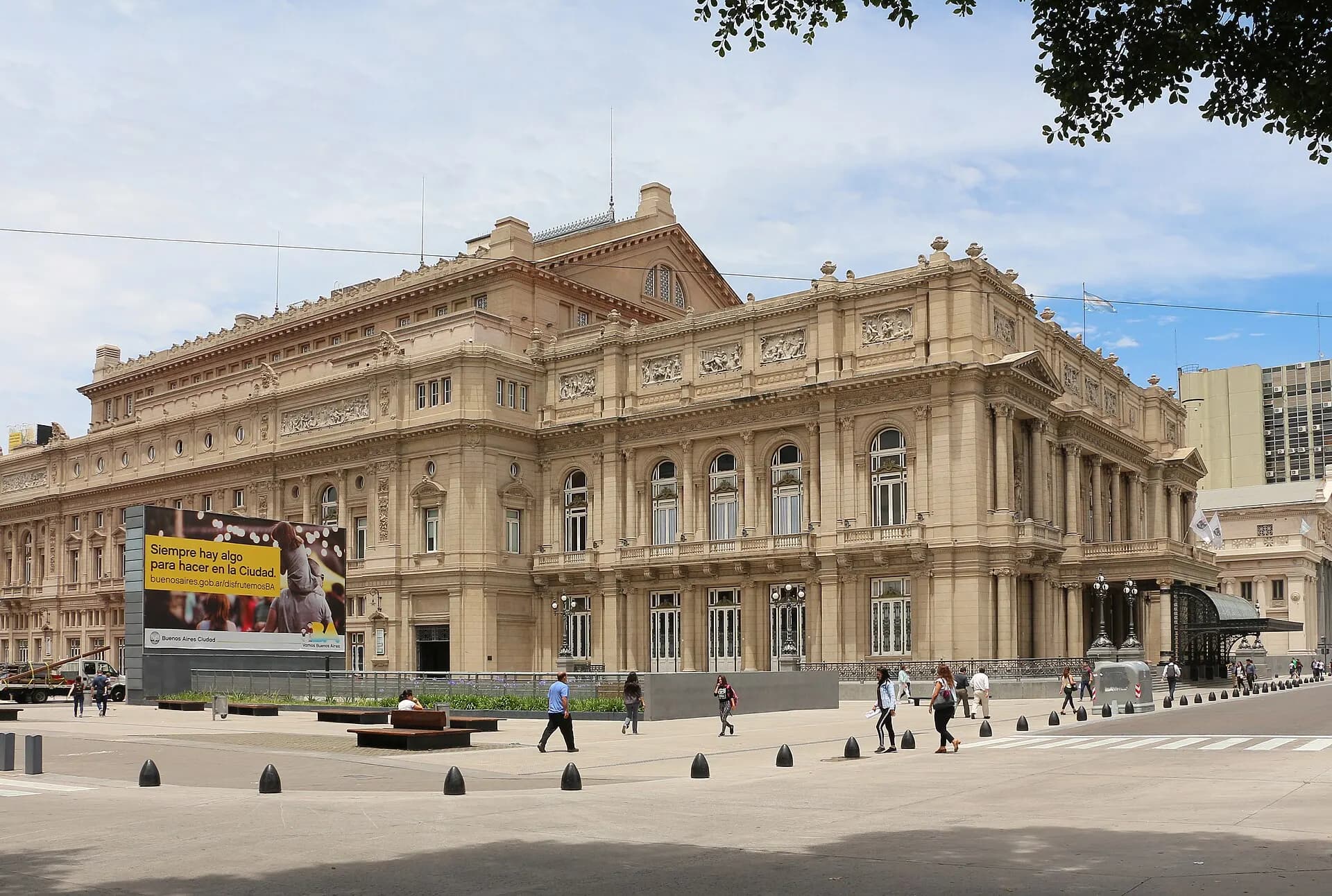
One of the world's great opera houses, opened in 1908, famous for its acoustics and its horseshoe-shaped auditorium of red velvet and gold. Guided tours run most days, but the best way to see it is at a performance.
- 6
El Ateneo Grand Splendid
Photo: Roberto Fiadone, CC BY-SA 3.0, via Wikimedia Commons
A bookshop in a former theatre from 1919, with books lining the balconies and boxes and a café on the old stage beneath a painted ceiling. It's often described as one of the most beautiful bookshops in the world.
- 7
Palermo
Photo: Liam Quinn from Canada, CC BY-SA 2.0, via Wikimedia Commons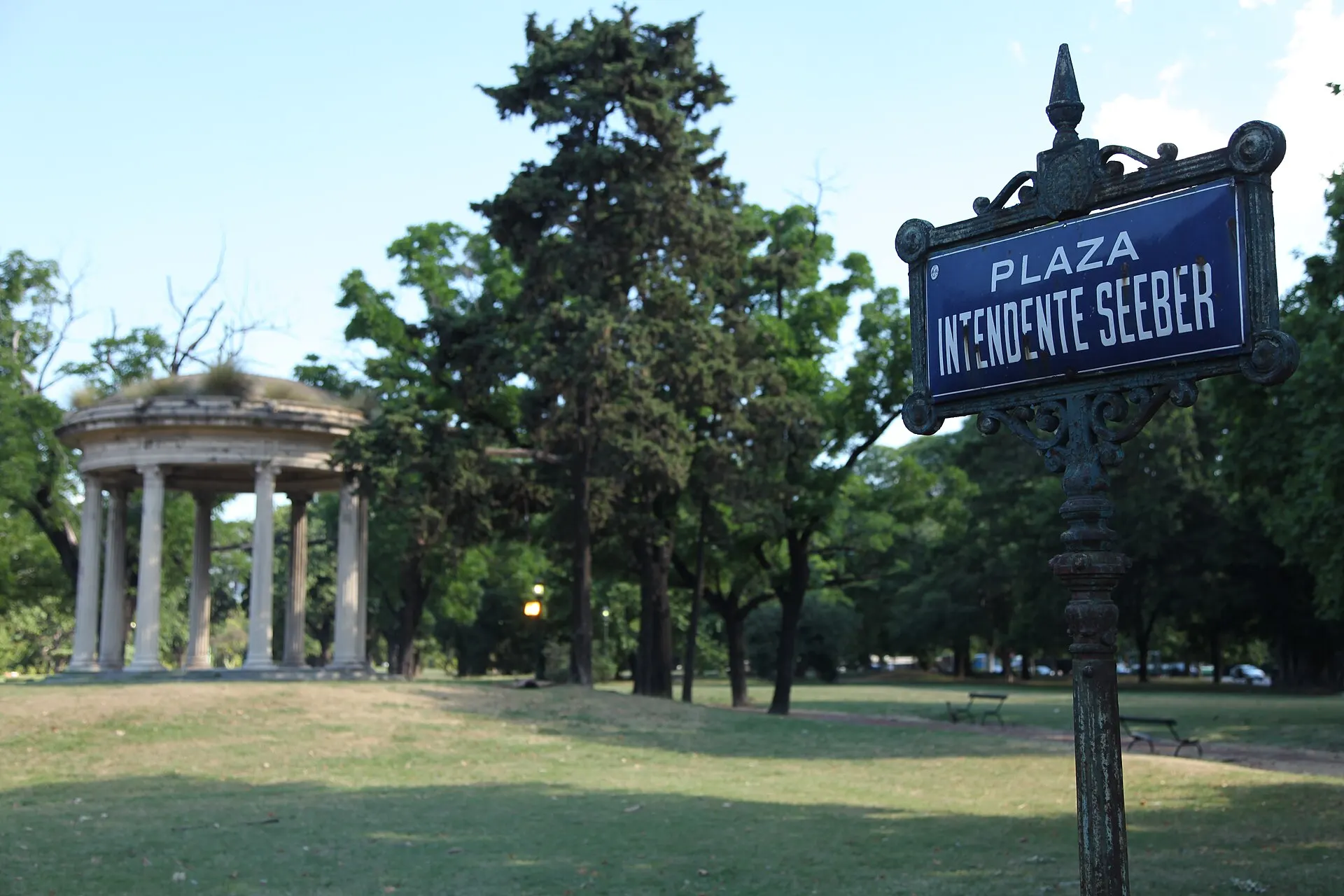
The city's largest barrio, with vast parks, a rose garden and lakes in the Bosques de Palermo, the Japanese Garden, and the Museo de Arte Latinoamericano (MALBA). Palermo Soho and Palermo Hollywood are filled with boutiques, cafés, restaurants and bars, the centre of the city's nightlife.
- 8
Puerto Madero
Photo: Diego Delso, CC BY-SA 3.0, via Wikimedia Commons
The redeveloped docks east of the centre, with old brick warehouses turned into restaurants and offices beside the water, the white Puente de la Mujer footbridge, and the Costanera Sur ecological reserve, a wetland on the edge of the River Plate.
- 9
A milonga
Photo: Ilan Costica, CC BY-SA 3.0, via Wikimedia Commons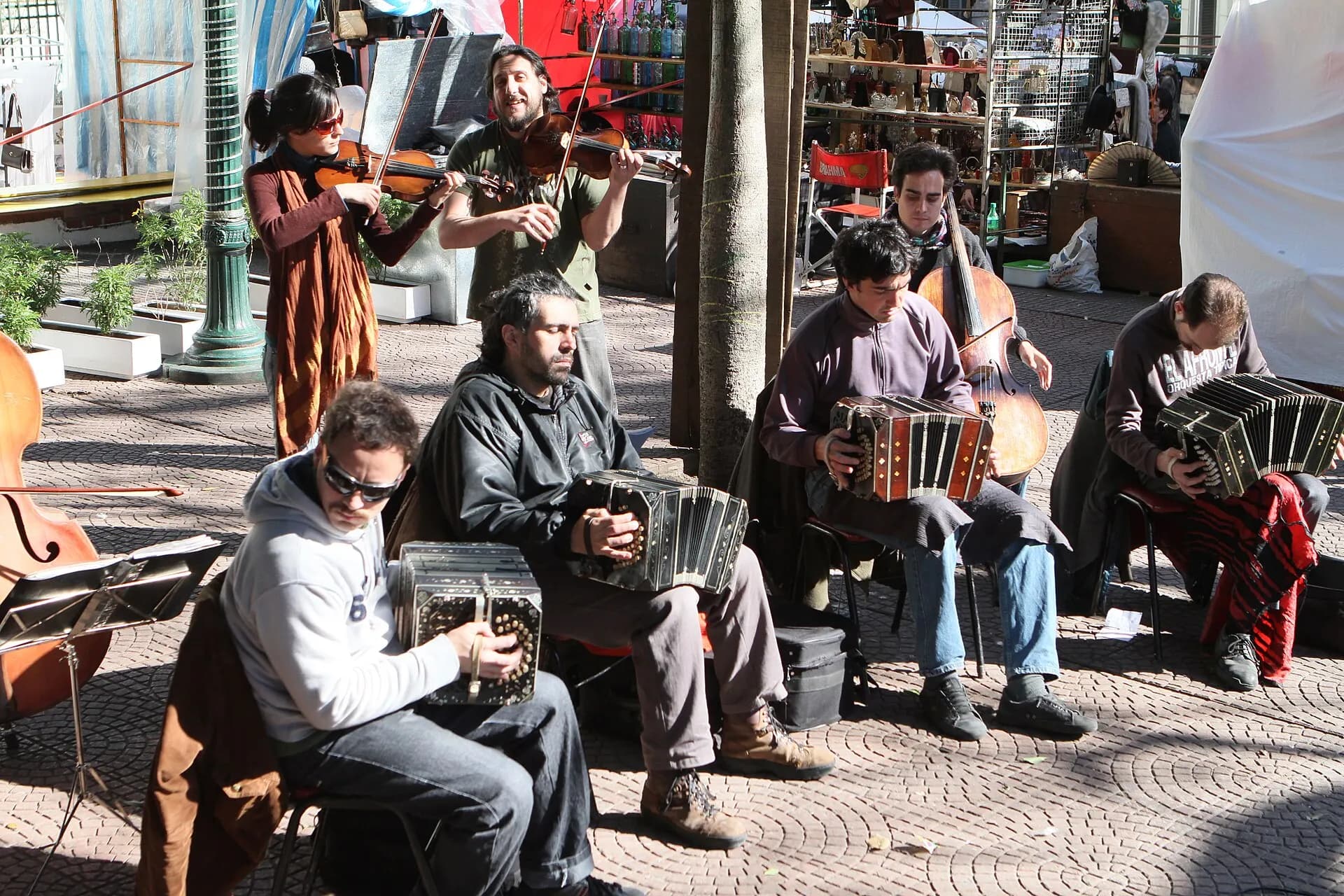
Tango was born in Buenos Aires, and the best way to experience it is at a milonga, a social dance where locals of all ages take to the floor. Many start with a lesson for beginners. Dinner shows are glossier but less authentic.
TipMilongas usually start late, around ten or eleven at night; look for one with a beginners' class first.
When to go
Spring, from September to November, brings warm days and the purple jacaranda blossom that fills the streets in November. Autumn, from March to May, is also pleasant. Summer, from December to February, is hot and humid, and many porteños leave the city in January. Winter, from June to August, is cool but rarely cold, and cultural life is in full swing.
Getting around
The Subte, the city's metro, is the fastest way to cross the centre, and buses (colectivos) reach every corner of the city. Both use the rechargeable SUBE card. Taxis and ride-hailing apps are widely available. The city is flat and easy to explore on foot or by bike, using the free EcoBici bike-share scheme.
Ezeiza International Airport is about forty minutes from the centre by road; Aeroparque Jorge Newbery, for domestic and regional flights, is close to Palermo. Ferries cross the River Plate to Uruguay.
Local tips
- Argentina's economy can change quickly; check current advice on paying by card or cash before you travel.
- Dinner starts late: most restaurants fill up from nine or ten in the evening.
- Greet friends and acquaintances with a single kiss on the cheek; it's normal even between men.
- Keep an eye on your phone and bag in crowded places and on public transport.
- Tip around 10% in restaurants.
- Book Teatro Colón tours and performances ahead.
Eat and drink
Argentine beef is legendary: eat at a parrilla, a grill restaurant, and try bife de chorizo (sirloin), ojo de bife (ribeye) and provoleta, grilled cheese. Empanadas, pizza in the Italian-Argentine style and fresh pasta are everywhere. Malbec from Mendoza is the classic wine, and the city's cafés serve medialunas (small croissants) with coffee. Try mate, the bitter herbal tea shared from a gourd, and dulce de leche in everything from pastries to ice cream.
Day trips
Tigre, about an hour north by train, sits at the entrance to the Paraná Delta, a maze of rivers and islands where houses on stilts are reached only by boat; take a launch through the channels and visit the Puerto de Frutos market. Across the River Plate, the old Portuguese town of Colonia del Sacramento, in Uruguay, is a World Heritage Site of cobbled lanes and colonial houses, an hour or so away by fast ferry; bring your passport. On the pampas, the town of San Antonio de Areco keeps gaucho traditions alive, and many estancias, cattle ranches, offer days of horse riding and asado.