The Scottish Highlands
Wild glens, dark lochs, castles and mountains in Britain's last great wilderness.
- Best time to go
- May to September for long days; September for autumn colour and fewer midges
- Local time
- –
- Currency
- British Pound (GBP)
- Reading time
- 4 min
- Language
- English
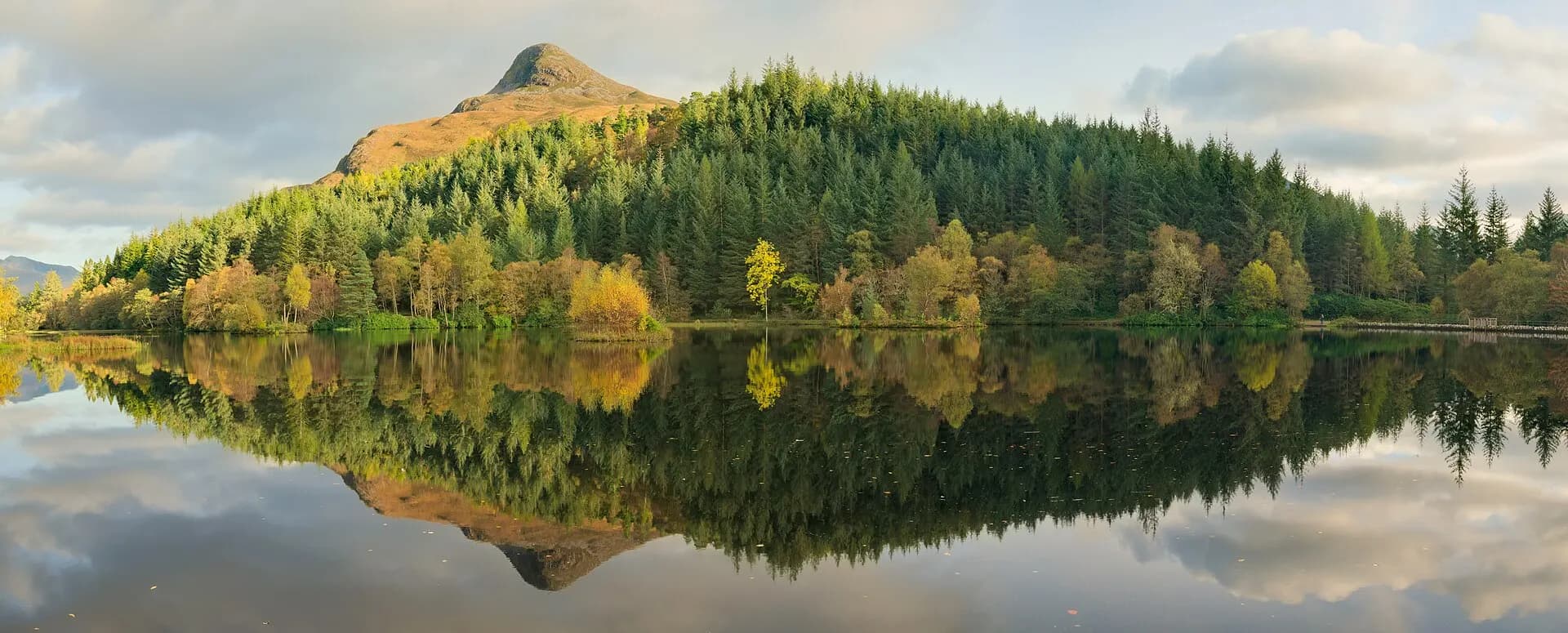
The Highlands cover the mountainous north and west of Scotland, a sparsely populated landscape of mountains, glens, lochs and sea lochs cut by glaciers, fringed by islands. It's the land of clans and castles, of Gaelic culture and whisky, and of dramatic history, from the Jacobite risings to the Highland Clearances, when many people were evicted from their land.
Most visitors explore on a road trip, ideally over a week or more, combining famous sights like Glencoe, Loch Ness and the Isle of Skye with quieter corners. The weather is changeable and the roads often narrow, so slow down and allow time to take it all in.
The top 9 in The Scottish Highlands
- 1
Glencoe
Photo: Richard Haworth, CC BY-SA 2.0, via Wikimedia Commons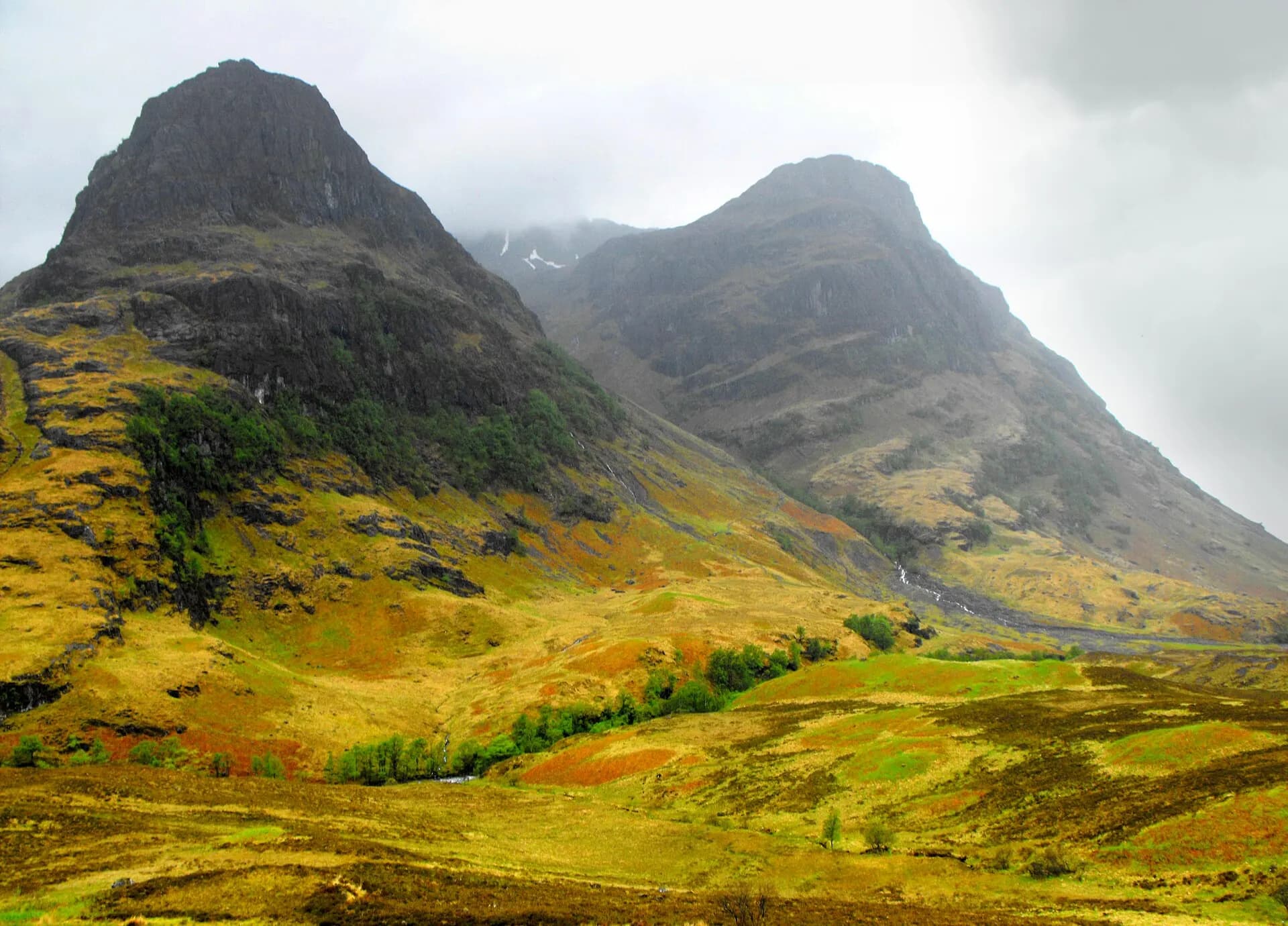
One of the most dramatic glens in Scotland, with steep mountains rising on both sides of the road, including the Three Sisters. It was the scene of the 1692 massacre of members of the MacDonald clan. The visitor centre explains its history and geology, and trails range from short walks to serious mountain hikes.
- 2
Loch Ness and Urquhart Castle
Photo: Eusebius, CC BY 3.0, via Wikimedia Commons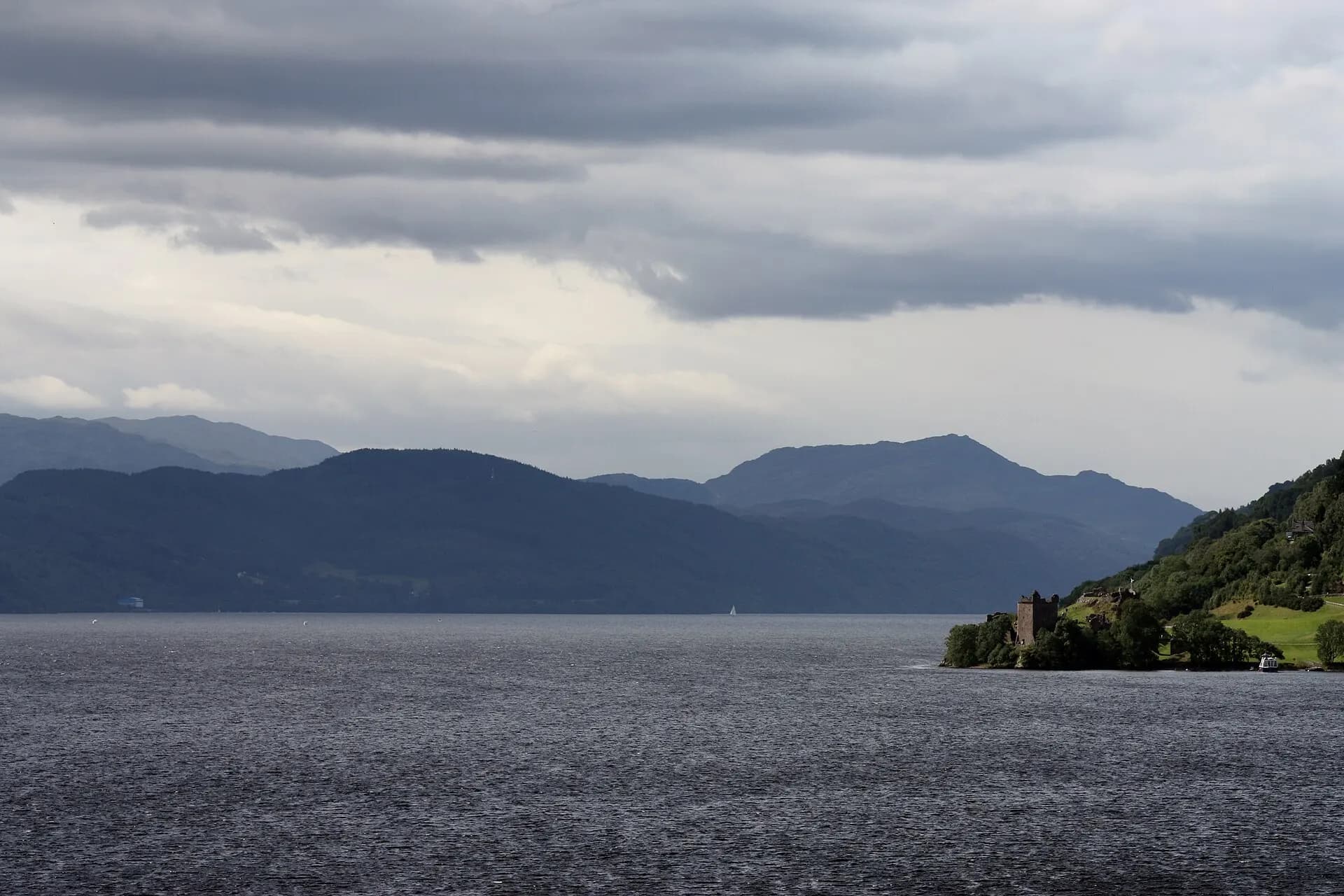
The long, deep loch famous for its legendary monster, Nessie, stretches along the Great Glen. On its shore, the ruins of Urquhart Castle, once one of the largest castles in Scotland, stand on a rocky headland with superb views.
TipArrive early or late in the day to avoid the coach tours.
- 3
The Isle of Skye
Photo: Klaus with K, CC BY-SA 3.0, via Wikimedia Commons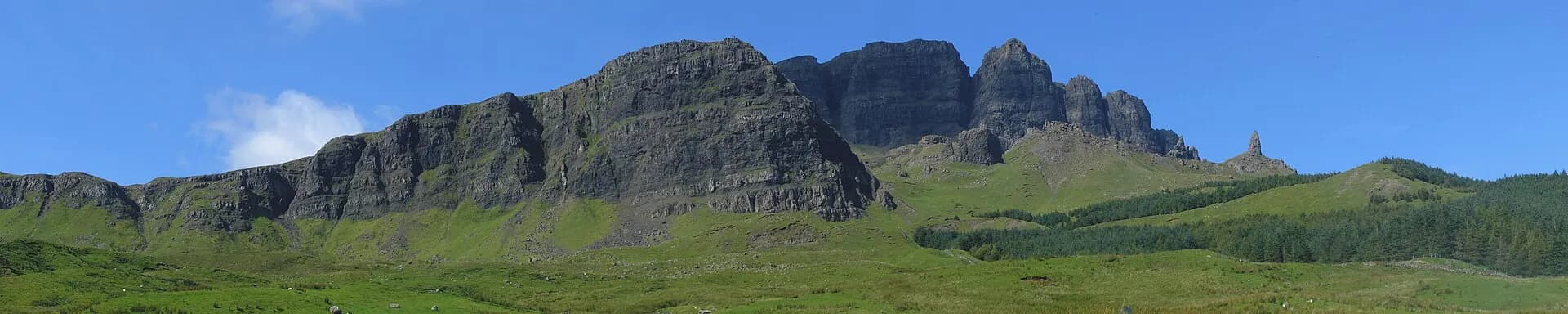
The largest of the Inner Hebrides, connected to the mainland by a bridge, with the jagged Cuillin mountains, the rock pinnacle of the Old Man of Storr, the strange landscape of the Quiraing, and the colourful harbour town of Portree.
TipBook accommodation well in advance in summer, and set off early for the popular walks, where parking fills quickly.
- 4
Eilean Donan Castle
Photo: Eusebius, CC BY 3.0, via Wikimedia Commons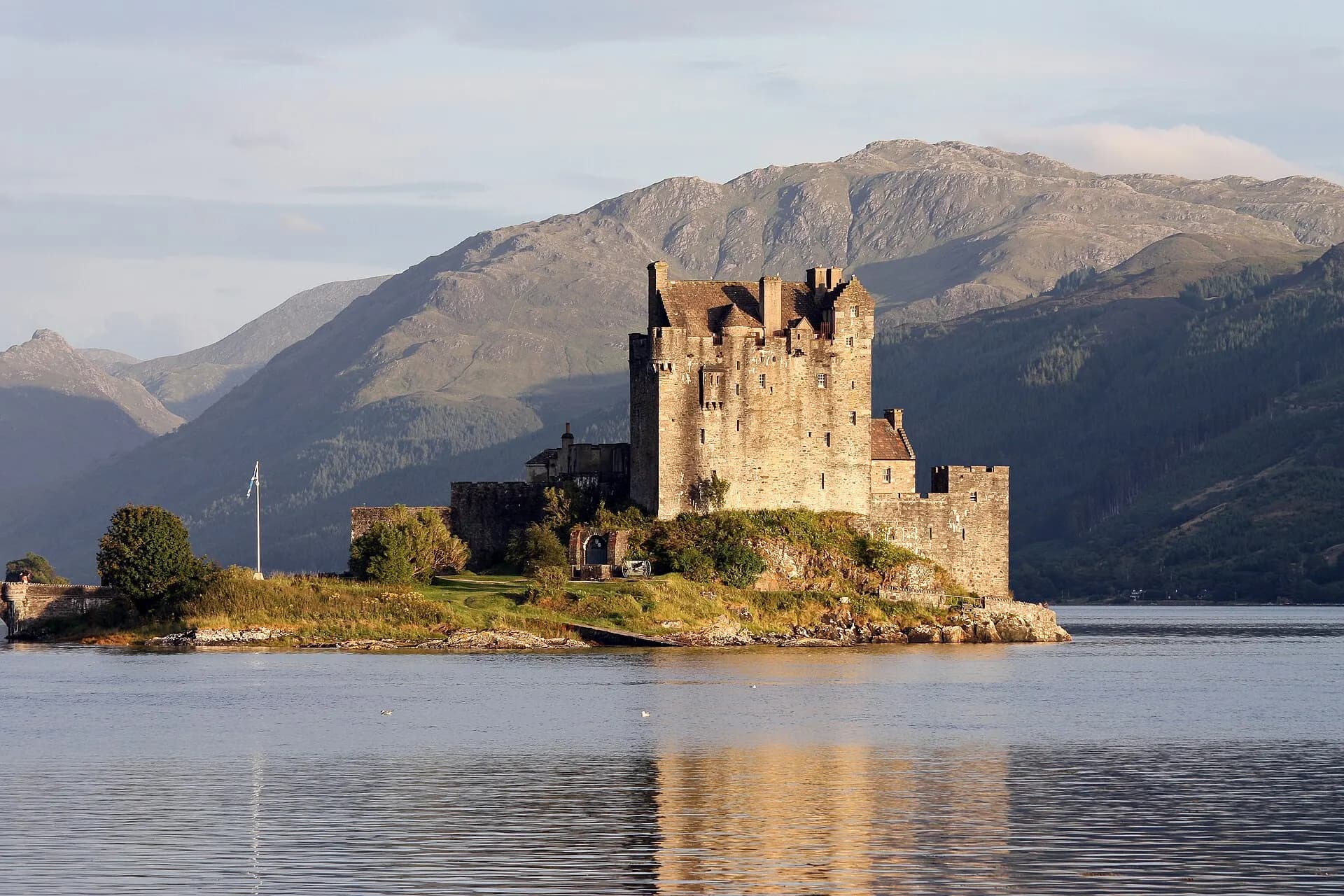
A castle on a small island where three sea lochs meet, linked to the shore by a stone bridge, rebuilt in the early twentieth century on the ruins of a medieval fortress. It's one of the most photographed castles in Scotland, on the road to Skye.
- 5
Ben Nevis and Fort William
Photo: Gareth James, CC BY-SA 2.0, via Wikimedia Commons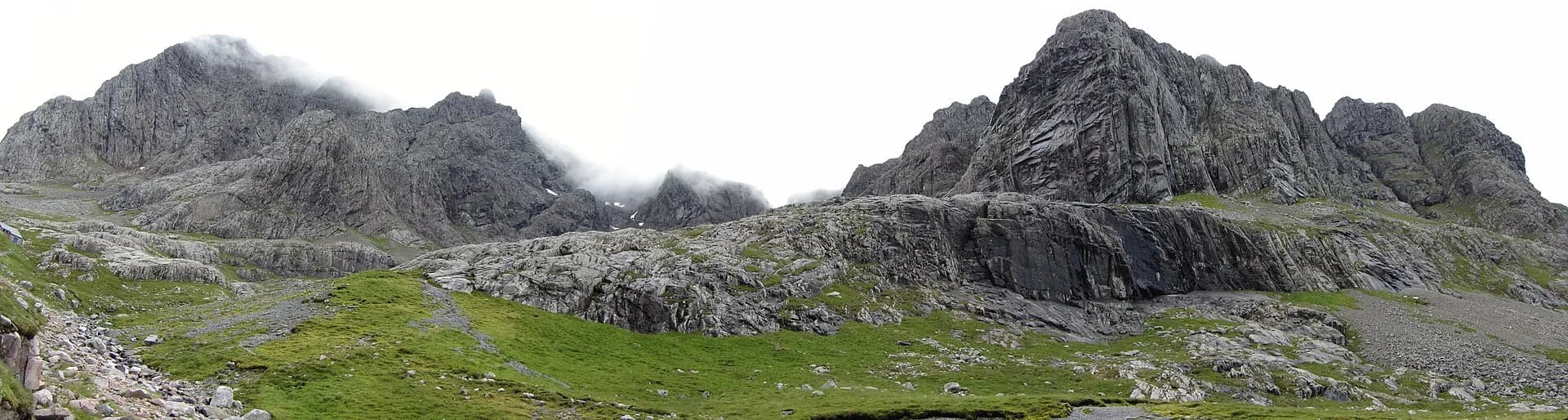
Britain's highest mountain, at 1,345 metres, rises above Fort William, the "outdoor capital of the UK". The main path to the summit is a long, demanding day; the Nevis Range gondola and the walk to Steall Falls in Glen Nevis are gentler options.
- 6
The Glenfinnan Viaduct
Photo: Daniel Kraft, CC BY-SA 3.0, via Wikimedia Commons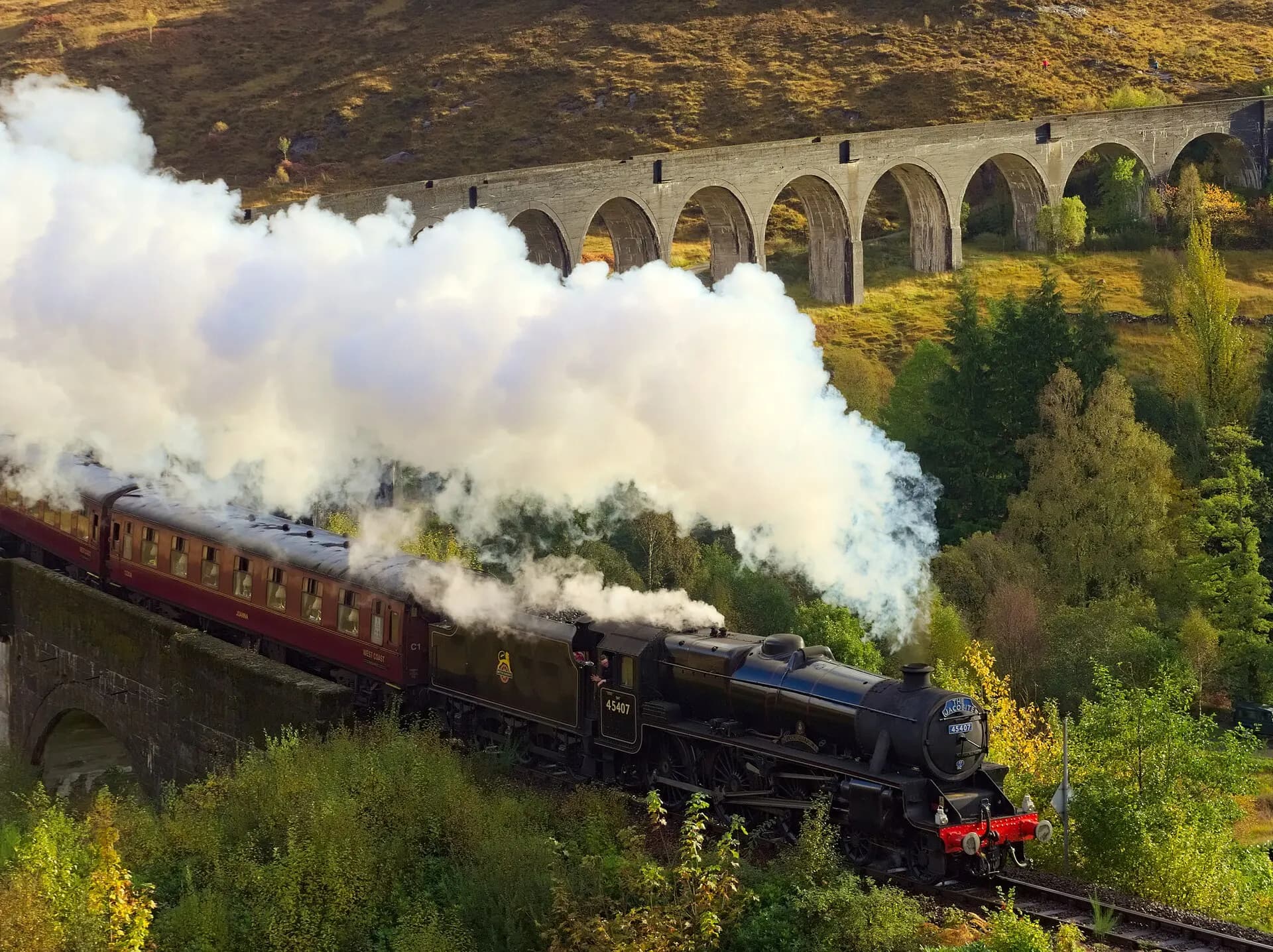
A curving railway viaduct of twenty-one arches at the head of Loch Shiel, made famous by the Harry Potter films. The Jacobite steam train crosses it in summer on its way from Fort William to Mallaig. The Glenfinnan Monument nearby marks where Bonnie Prince Charlie raised his standard in 1745.
- 7
Inverness and Culloden
Photo: Mike McBey, CC BY 2.0, via Wikimedia Commons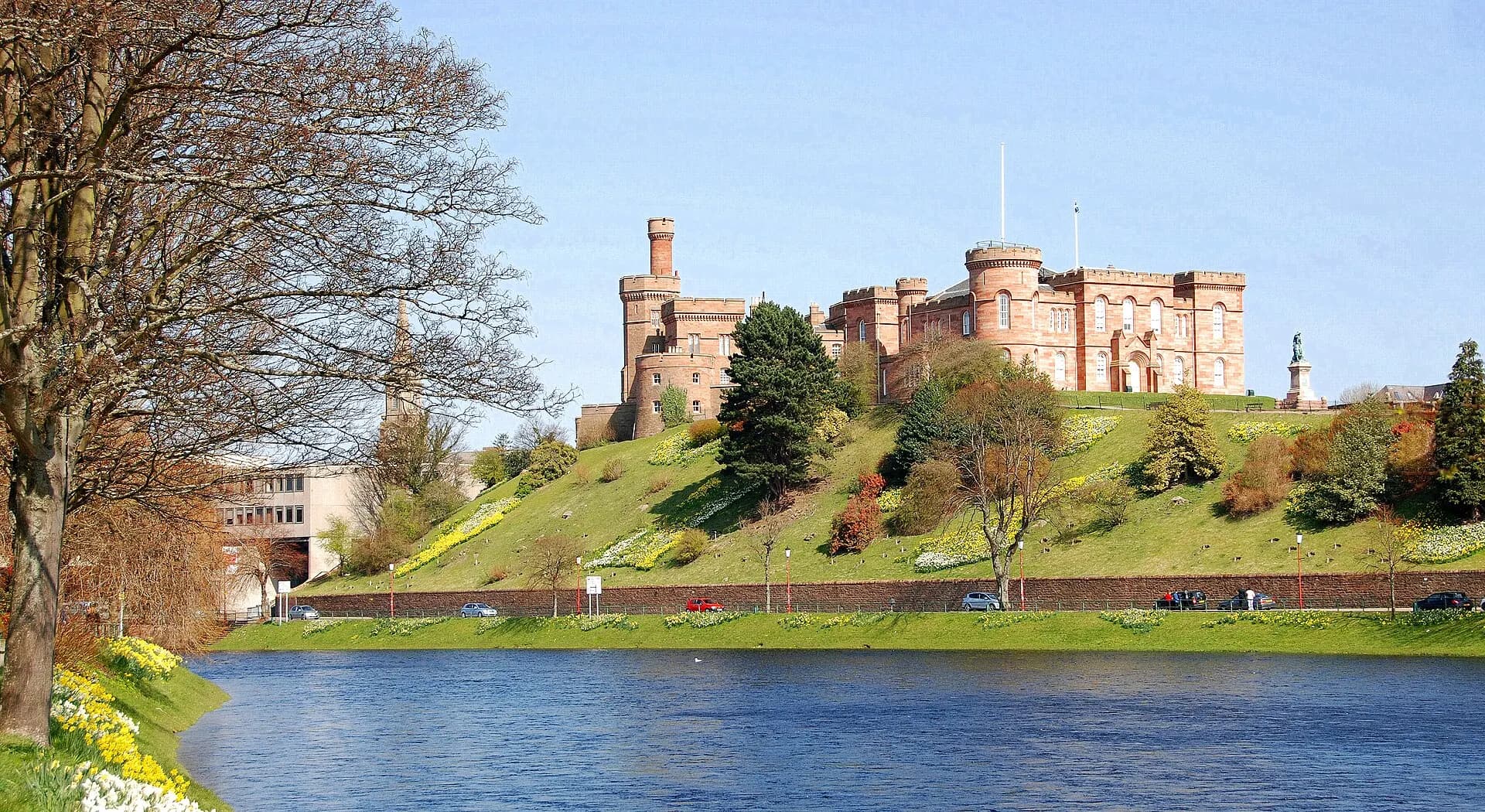
The capital of the Highlands, on the River Ness, with a riverside walk and a castle. Nearby, the moorland of Culloden Battlefield, where the Jacobite rising was crushed in 1746, has a moving visitor centre.
- 8
The Cairngorms
Photo: Milada Vigerova mili_vigerova, CC0, via Wikimedia Commons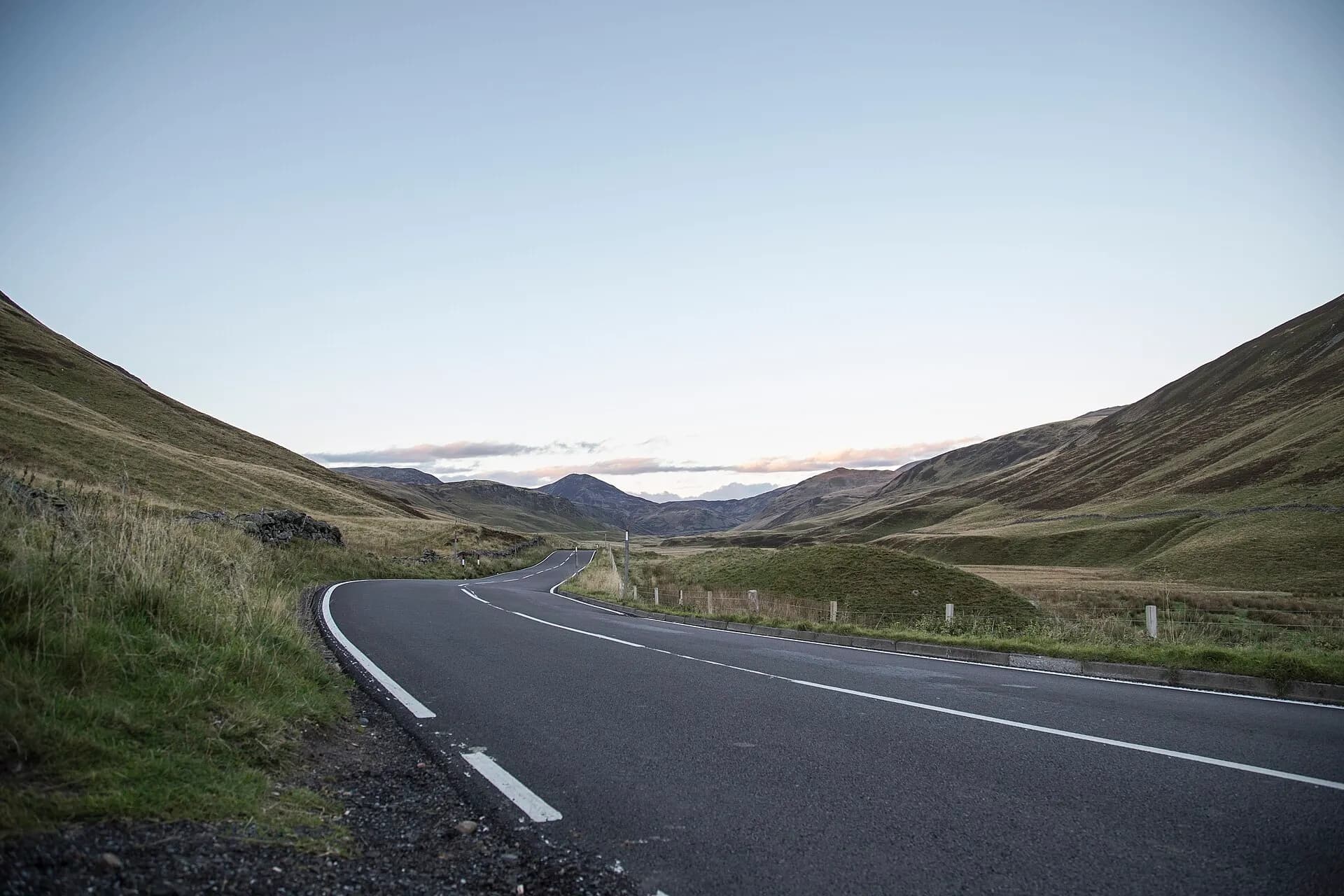
Britain's largest national park, a high plateau of mountains, pine forests and lochs, with reindeer, ospreys and red squirrels, and Aviemore as its main base for hiking, cycling and skiing.
- 9
The North Coast 500
Photo: Ellievking1, CC BY-SA 4.0, via Wikimedia Commons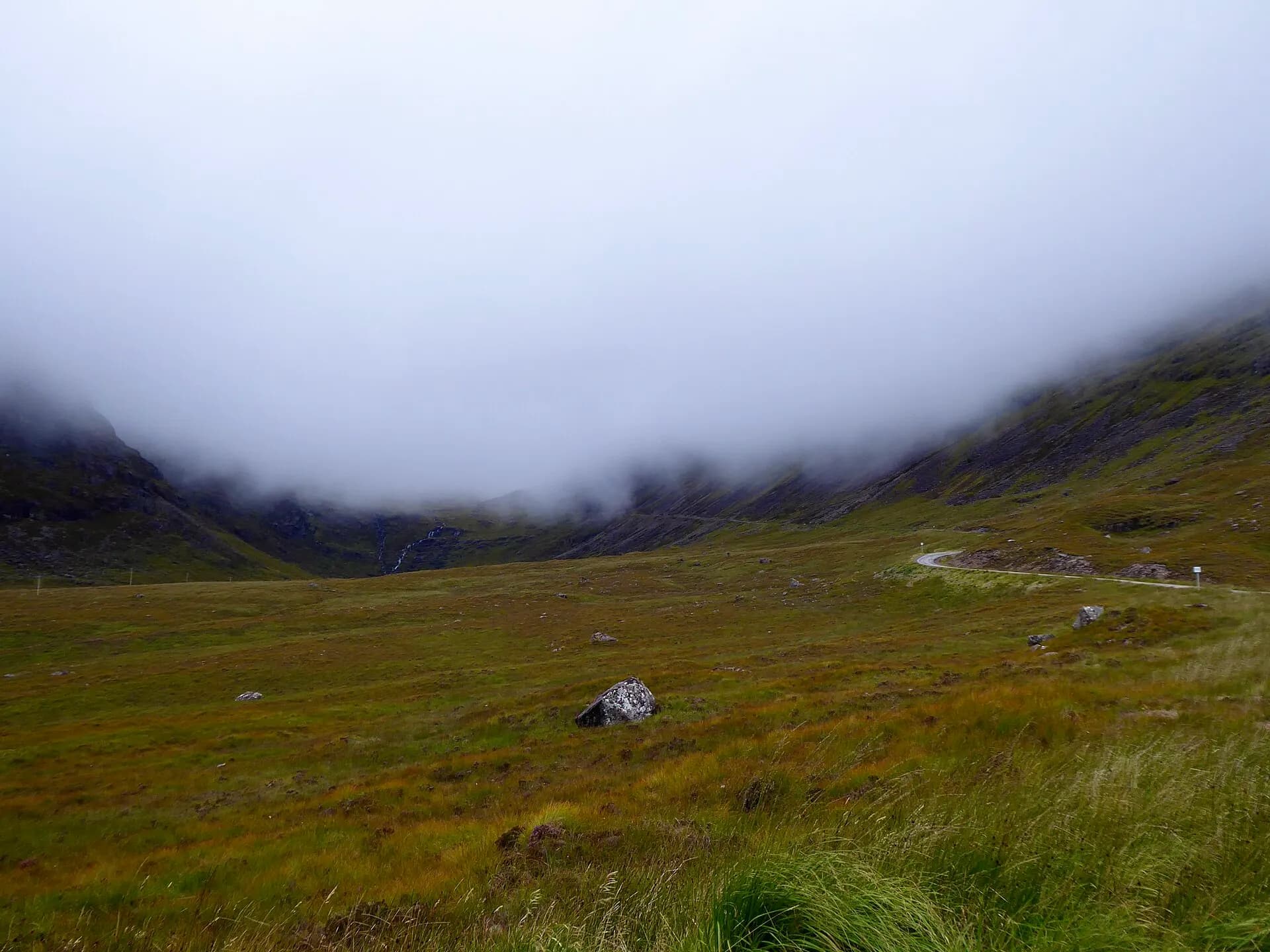
A circular driving route of around 500 miles around the far north of Scotland, through remote mountains, white-sand beaches, sea cliffs and fishing villages, from Inverness to John o' Groats and back.
TipMany roads are single-track: pull into passing places to let others overtake, and allow far longer than the distances suggest.
When to go
Late spring and early summer bring the longest days and most stable weather, though summer is also the busiest season. From June to August, midges, tiny biting insects, can be a nuisance in calm, damp places. September brings autumn colours and fewer crowds. Winter is cold and dark, with snow on the mountains, and some attractions and roads close, but the landscapes are dramatic.
Getting around
A car gives the most freedom, but take care on narrow and single-track roads. Trains run from Glasgow and Edinburgh to Inverness, Fort William and Kyle of Lochalsh, the West Highland Line being one of the most scenic railway journeys in the world. Buses connect many towns, and ferries run to the islands. Inverness Airport has flights from across the UK.
Local tips
- Pack waterproofs and warm layers in every season.
- Bring midge repellent in summer.
- Book accommodation ahead, especially on Skye and along the North Coast 500.
- Follow the Scottish Outdoor Access Code: you have a right to roam responsibly, but leave no trace.
- Fill up with fuel when you can; petrol stations are few in remote areas.
- Watch for sheep and deer on the roads.
Eat and drink
Try Highland game such as venison, fresh seafood from the west coast, including langoustines and scallops, smoked salmon, cullen skink and cranachan, a dessert of cream, raspberries, honey and oats. The Highlands are home to many famous whisky distilleries, including those of Speyside, the most densely packed whisky region in the world, many of which offer tours and tastings.
Where to stay
Base yourself in a few places rather than moving every night. Fort William and Glencoe are ideal for the western mountains and the West Highland Railway, Inverness for Loch Ness, Culloden and the north, and Portree or Broadford for Skye. Aviemore is the hub for the Cairngorms. Accommodation ranges from castles and country-house hotels to cosy inns, bed and breakfasts, self-catering cottages and bothies, simple mountain shelters for hikers.
Islands of the west
Beyond Skye, ferries from Oban, Mallaig and Ullapool reach the Hebrides. Mull has the colourful harbour of Tobermory and wildlife trips to see eagles, puffins and whales; tiny Iona is the cradle of Scottish Christianity, with its ancient abbey; and the Outer Hebrides, Lewis and Harris, have white-sand beaches, Gaelic culture, Harris Tweed weavers and the standing stones of Callanish.