London
Royal palaces, free world-class museums, riverside walks and markets. A city of villages, each with its own character.
- Best time to go
- May to September, for long days and the parks at their best; December for festive lights
- Local time
- –
- Currency
- British Pound (GBP)
- Reading time
- 5 min
- Language
- English
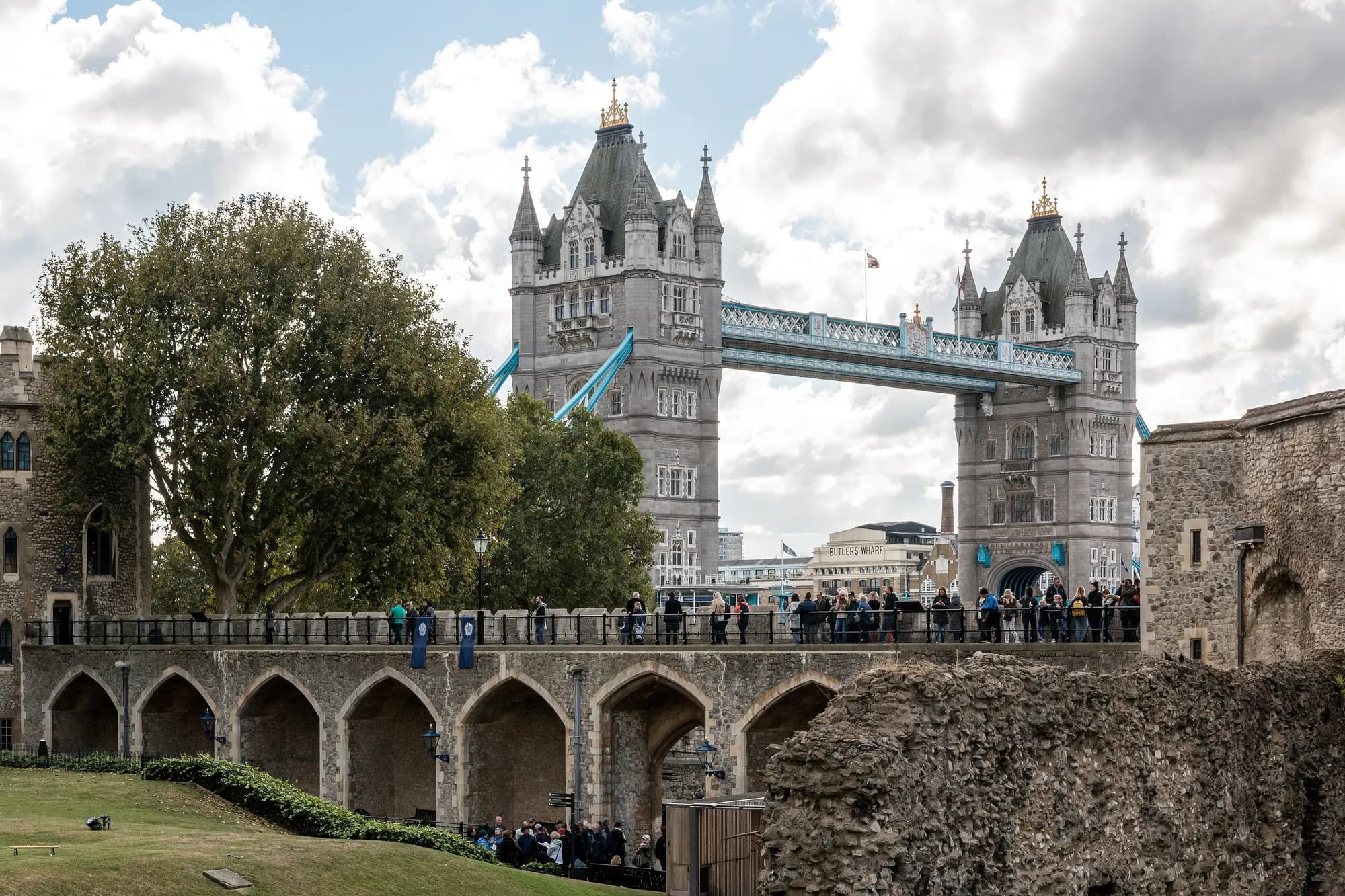
London grew from a Roman town into the capital of an empire, and it has the monuments to show for it: palaces, cathedrals, a medieval fortress and the Houses of Parliament. Yet much of its charm lies elsewhere, in its parks, its markets, its theatres and the distinct neighbourhoods that make up the city, each with its own high street, pubs and atmosphere.
It is an expensive city, but it has a secret: most of its great museums and galleries are free. Combine them with walks along the river, a few of the paid sights, and an evening at the theatre, and London is one of the most rewarding cities in the world.
The top 14 in London
- 1
Camden Market
Photo: Myrabella, CC BY-SA 3.0, via Wikimedia Commons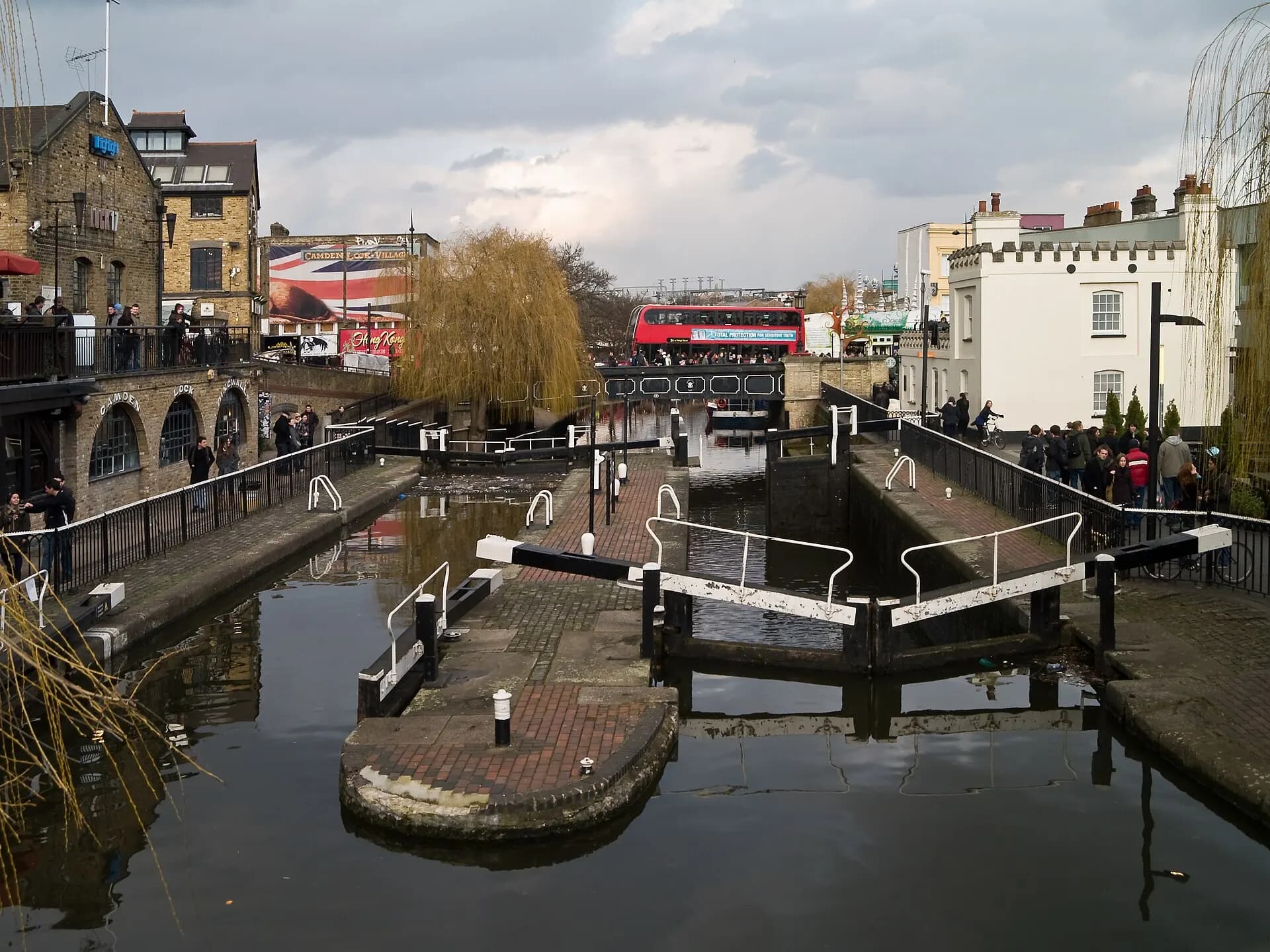
A sprawl of markets around the canal lock in Camden Town, with vintage clothes, crafts, records and street food from every corner of the world, in old stables and warehouses. Camden has been a centre of London's alternative music scene since the 1970s, and its pubs and venues still host live music most nights.
TipWalk along the Regent's Canal towpath to Little Venice or through Primrose Hill for one of the best free views of the London skyline.
- 2
The British Museum
Photo: Photograph by Mike Peel (www.mikepeel.net)., CC BY-SA 4.0, via Wikimedia Commons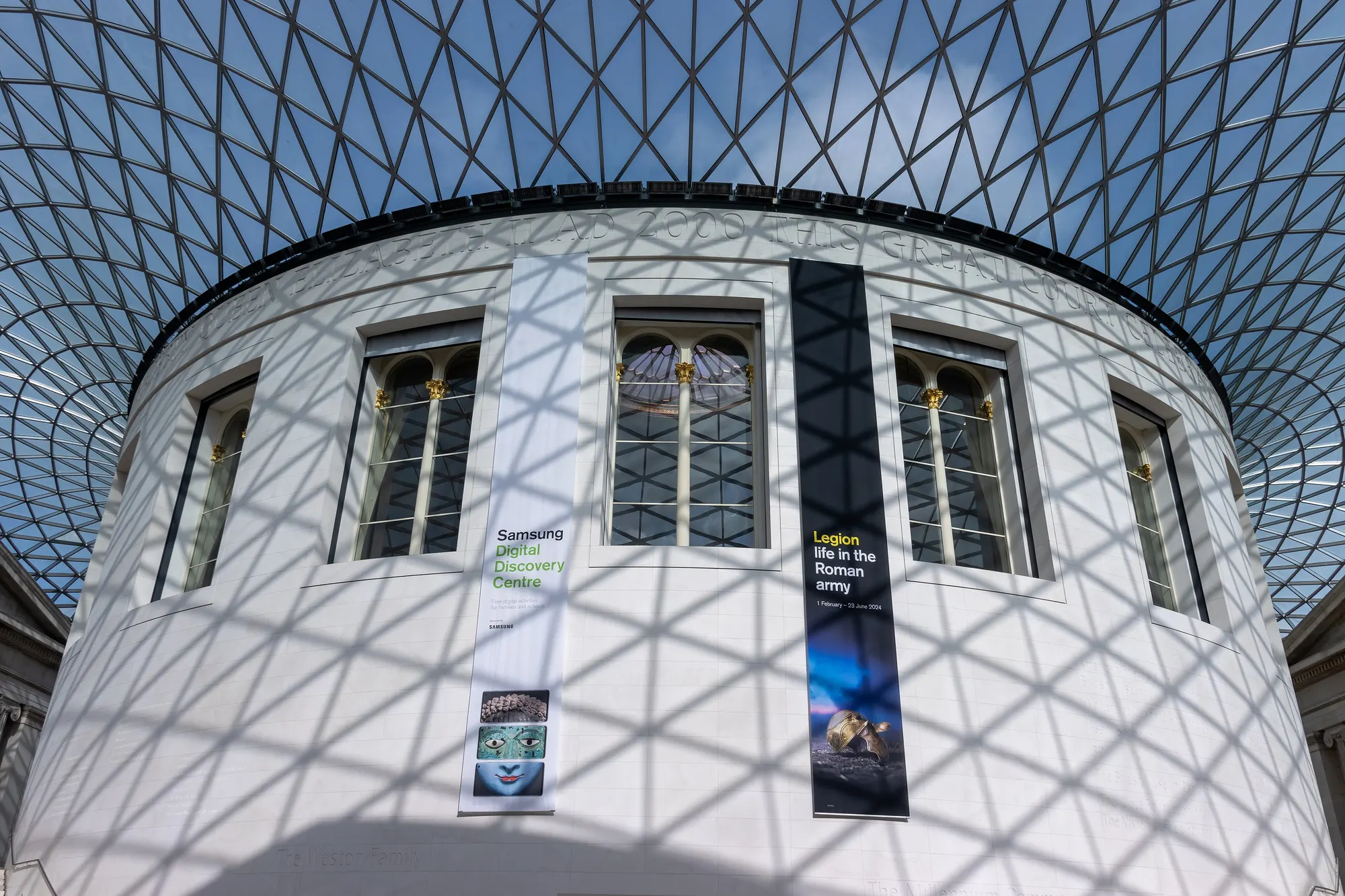
A museum of world history and culture, with eight million objects, including the Rosetta Stone, the Parthenon sculptures, Egyptian mummies and the Sutton Hoo treasure. Entry is free, and it's impossible to see everything, so choose a few galleries.
TipArrive at opening time or late on a Friday, when the museum stays open later and is calmer.
- 3
The National Gallery and Trafalgar Square
Photo: Diliff, CC BY-SA 3.0, via Wikimedia Commons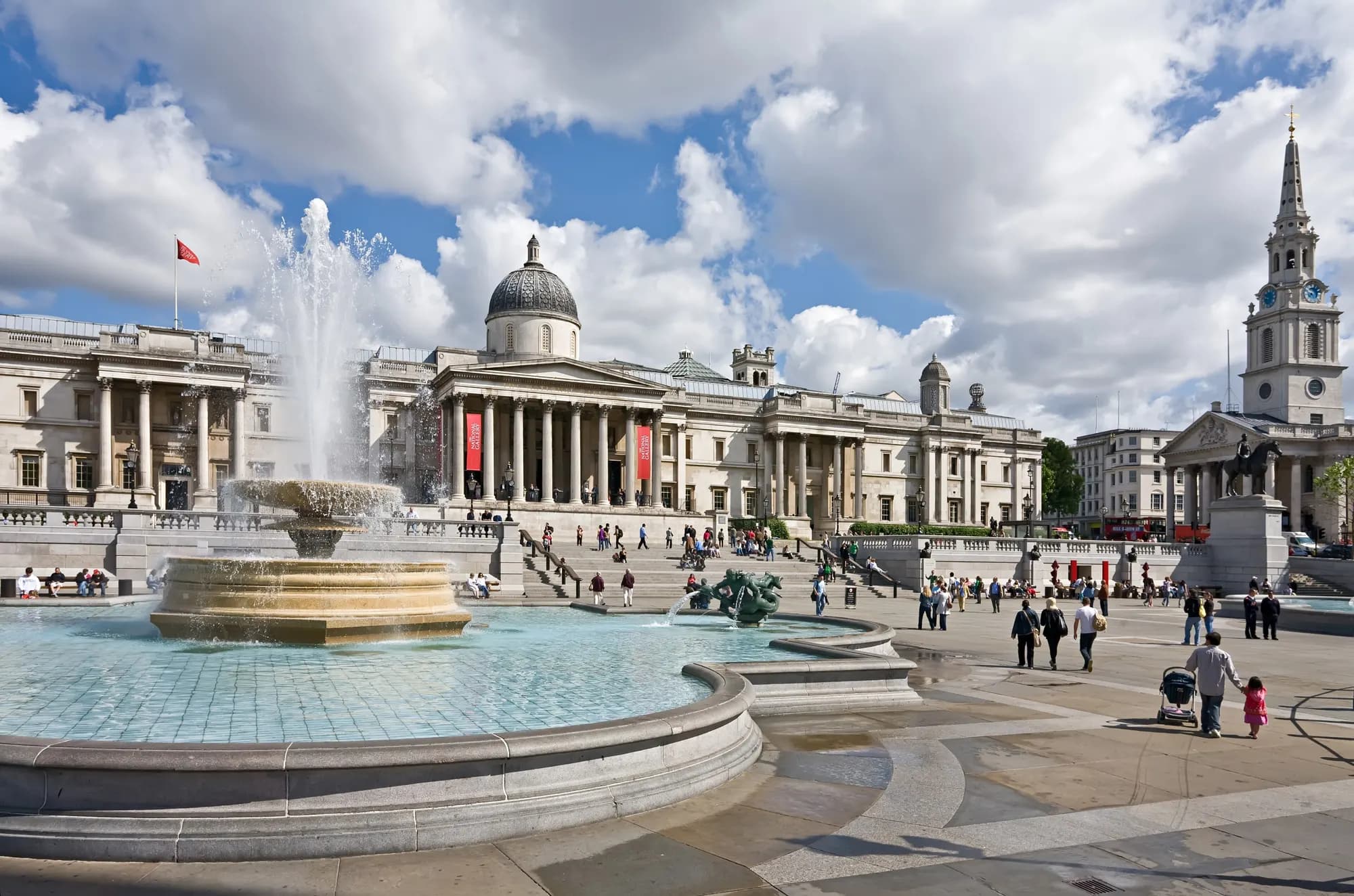
A free collection of more than two thousand Western European paintings, from Leonardo, Van Eyck and Titian to Turner, Constable, Monet and Van Gogh. It overlooks Trafalgar Square and Nelson's Column, and the National Portrait Gallery is around the corner.
- 4
Westminster Abbey and the Houses of Parliament
Photo: Diliff, CC BY-SA 2.5, via Wikimedia Commons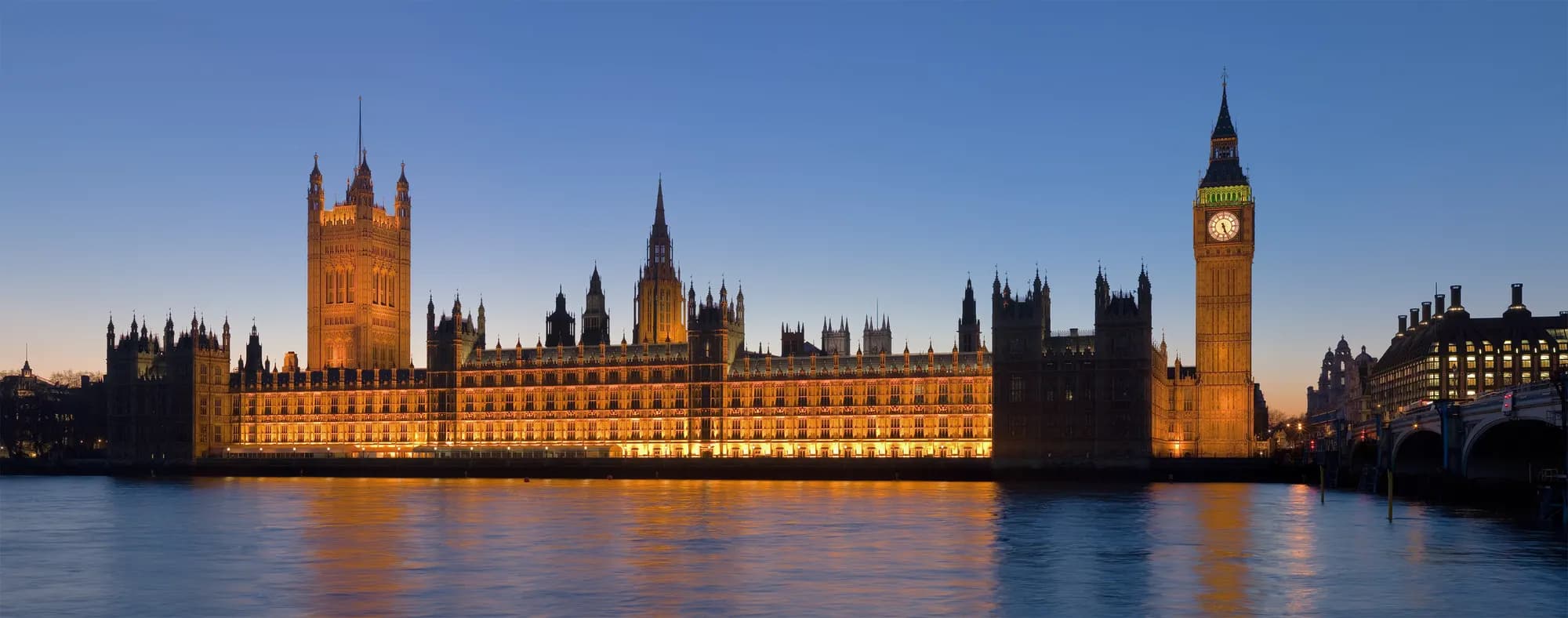
The abbey has seen nearly every coronation since 1066 and holds the tombs of monarchs, poets and scientists. Across the road, the Palace of Westminster, with its clock tower housing Big Ben, is the seat of the British Parliament. Visitors can watch debates from the public galleries, and guided tours run on most Saturdays and during parliamentary recesses.
- 5
The Churchill War Rooms
Photo: Jenny Poole, CC BY 2.0, via Wikimedia Commons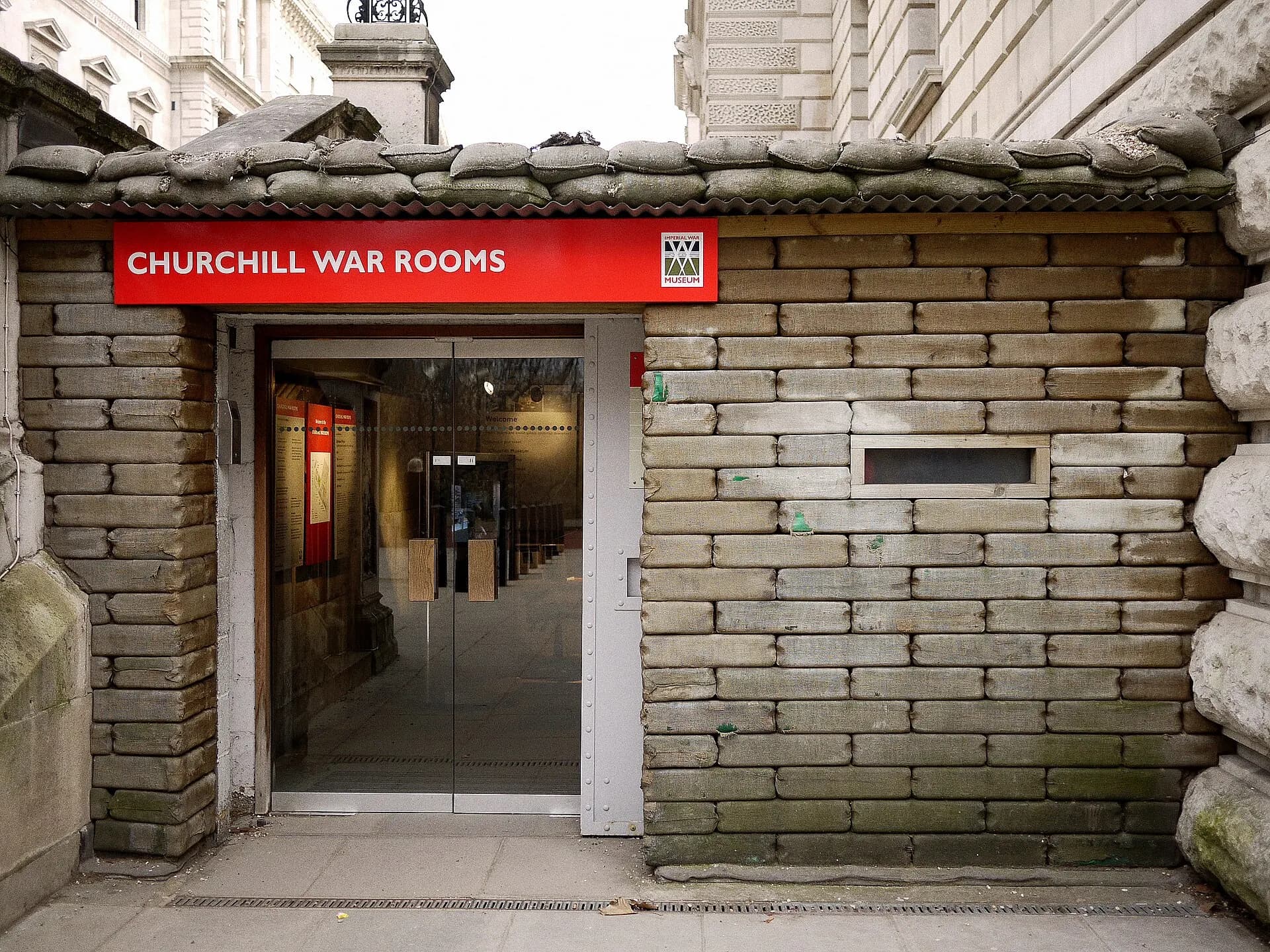
The underground bunker beneath Whitehall from which Winston Churchill and his government directed Britain's war effort, left almost exactly as it was when the lights were switched off in 1945, with the Cabinet Room and the Map Room. A museum alongside tells the story of Churchill's life.
TipBook ahead; queues form early, especially in summer.
- 6
Buckingham Palace
Photo: Diliff, CC BY-SA 3.0, via Wikimedia Commons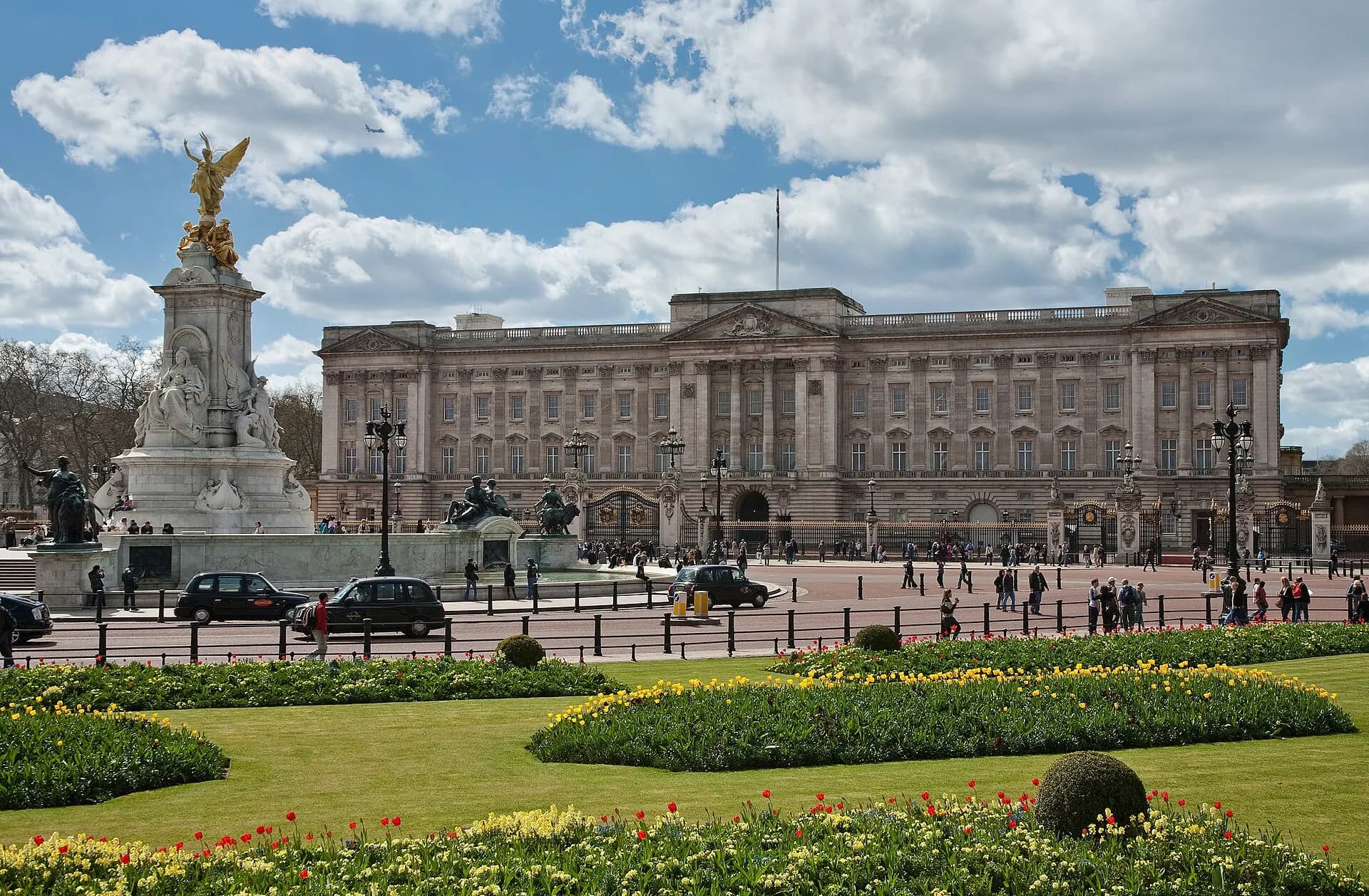
The monarch's official London residence faces the Mall, the ceremonial avenue running from Trafalgar Square through St James's Park. The Changing the Guard ceremony takes place in front of the palace on several mornings a week, and the State Rooms open to visitors for a few weeks each summer.
TipCheck the ceremony schedule before you go, and arrive early for a spot by the railings, or watch the guards march along the Mall instead.
- 7
Hyde Park and Kensington Gardens
Photo: Rhododendrites, CC BY-SA 4.0, via Wikimedia Commons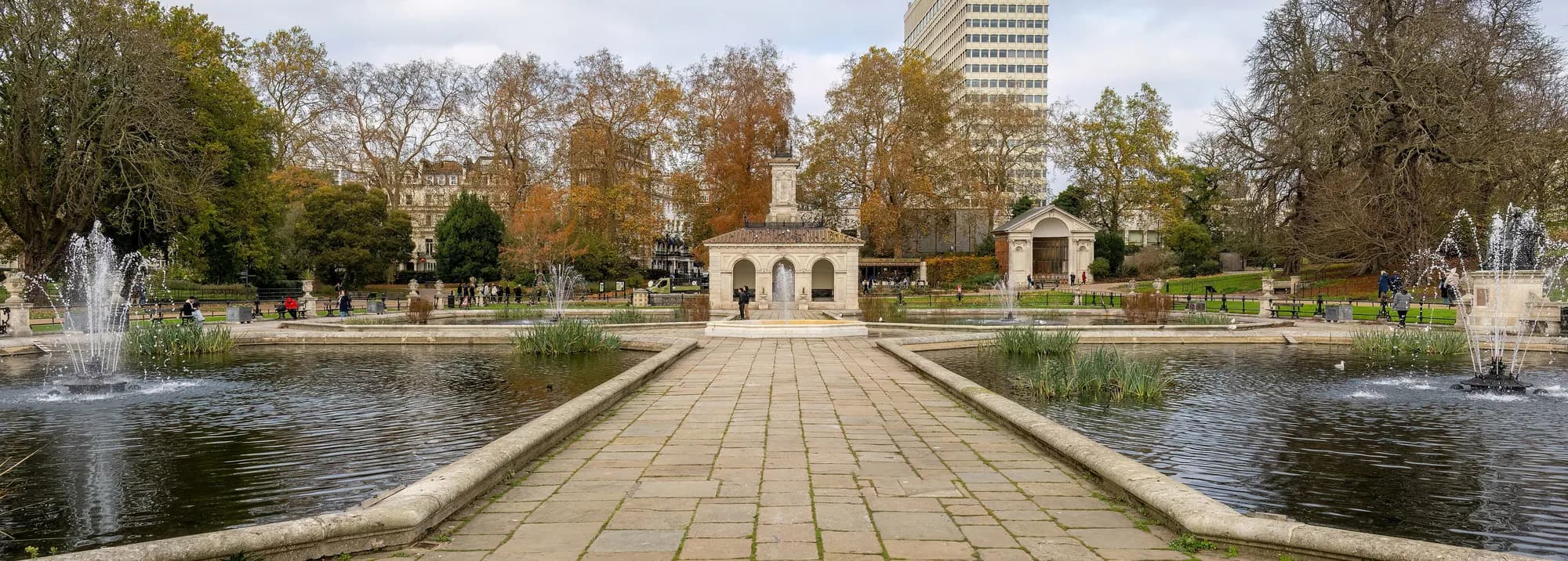
Royal parks covering more than 250 hectares, with the Serpentine lake, Kensington Palace, the Diana Memorial Fountain and the Italian Gardens. They are a fine place for a walk or a picnic, and for rowing on the lake in summer.
- 8
South Kensington's museums
Photo: Diego Delso, CC BY-SA 4.0, via Wikimedia Commons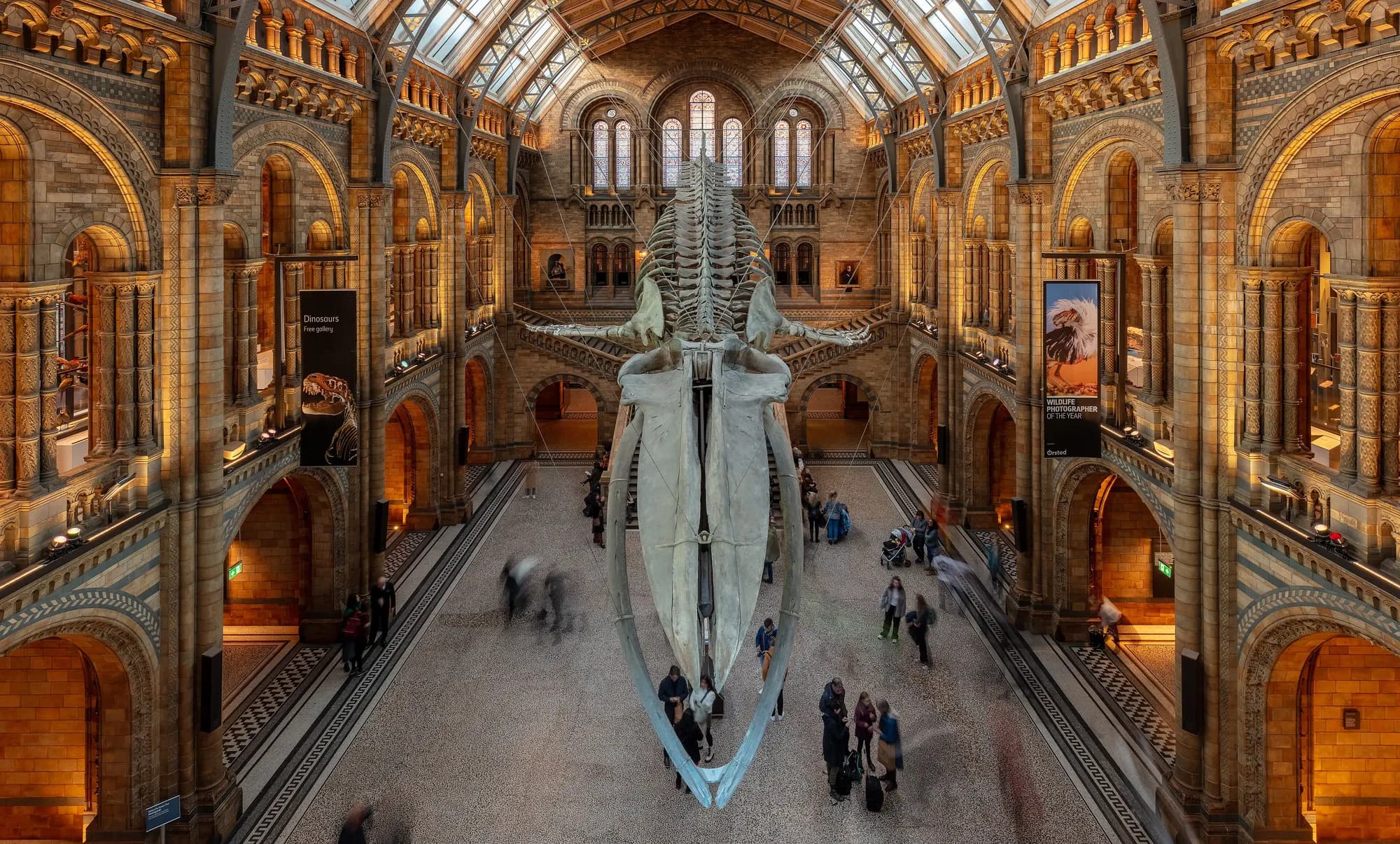
Three great free museums stand side by side here: the Natural History Museum, in a cathedral-like building filled with dinosaurs and a blue whale skeleton; the Science Museum; and the Victoria and Albert Museum, the world's leading museum of art and design.
- 9
Kew Gardens
Photo: Diliff, CC BY-SA 3.0, via Wikimedia Commons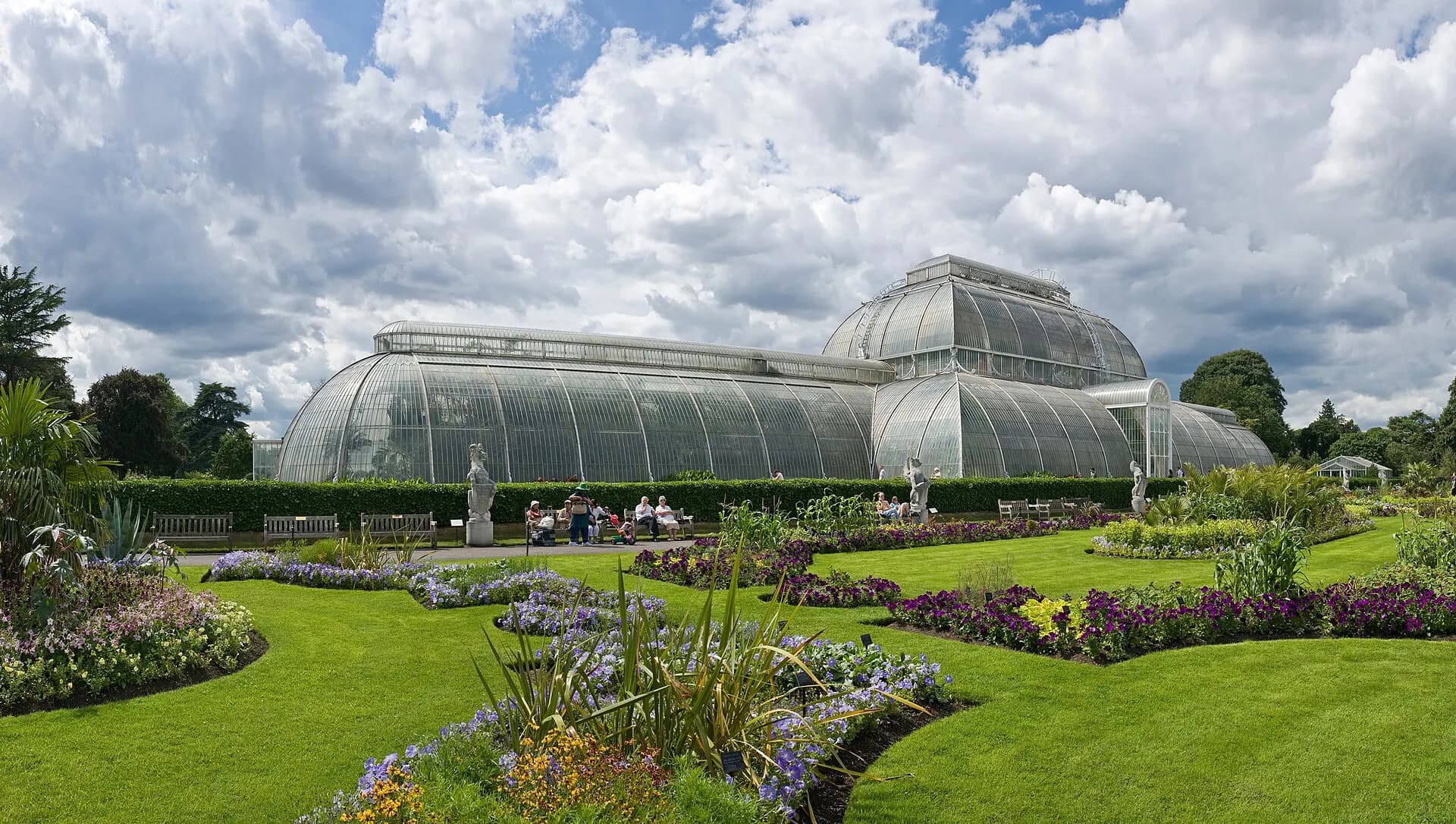
The Royal Botanic Gardens at Kew, a World Heritage Site, hold the world's largest collection of living plants across more than a hundred hectares beside the Thames. Highlights include the Victorian glasshouses of the Palm House and Temperate House, a treetop walkway and the Great Pagoda.
TipIt's a short ride on the District line or Overground; in summer, boats run up the river from Westminster.
- 10
The South Bank and Tate Modern
Photo: King of Hearts, CC BY-SA 4.0, via Wikimedia Commons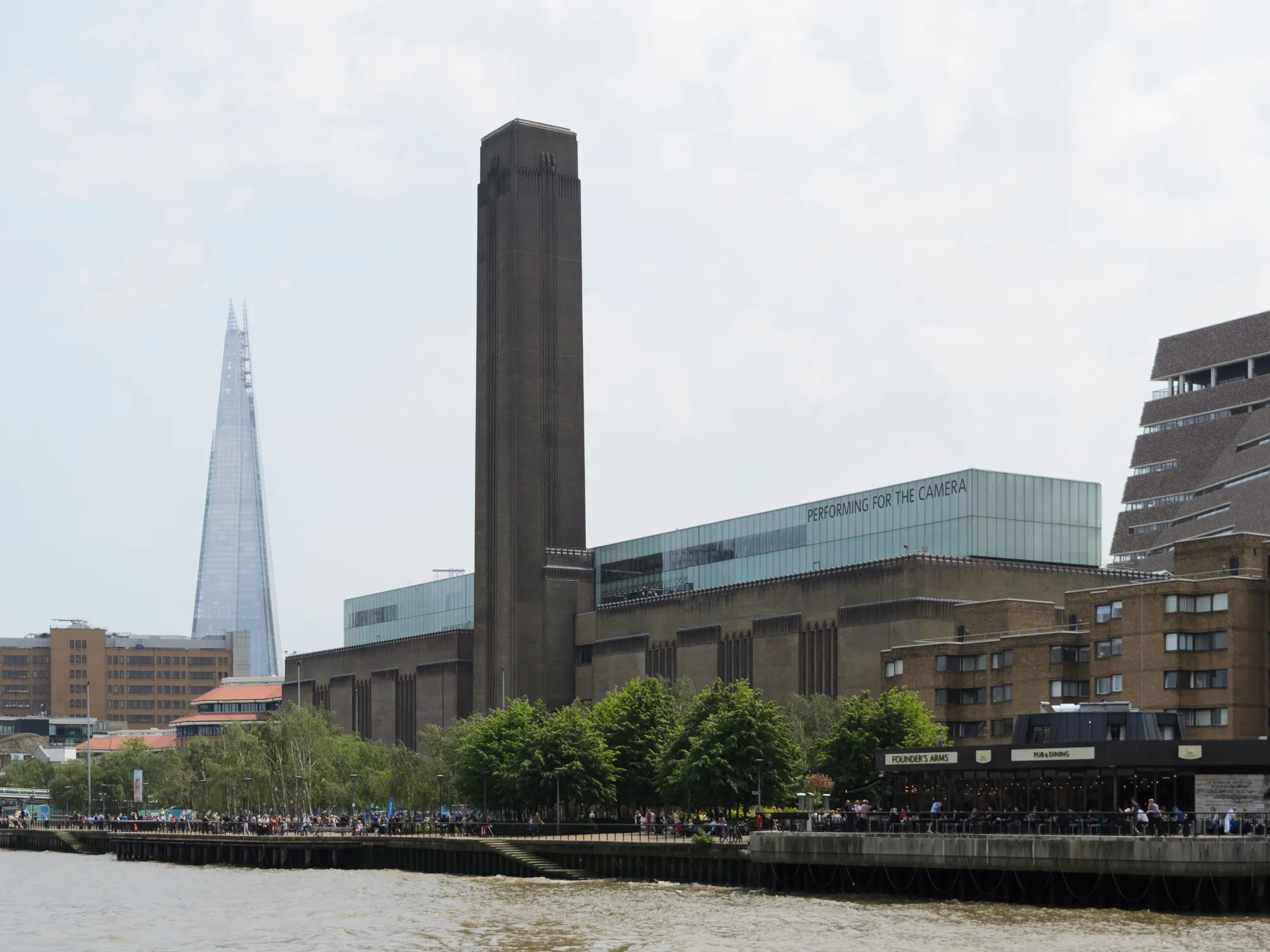
A riverside walk from the London Eye to Tower Bridge, past theatres, the Southbank Centre, street food and second-hand book stalls. Tate Modern, in a former power station, has a free collection of modern and contemporary art and a viewing level with views across to St Paul's Cathedral. Shakespeare's Globe, a reconstruction of his theatre, is next door.
- 11
Borough Market
Photo: Stephen Armstrong, CC BY-SA 2.0, via Wikimedia Commons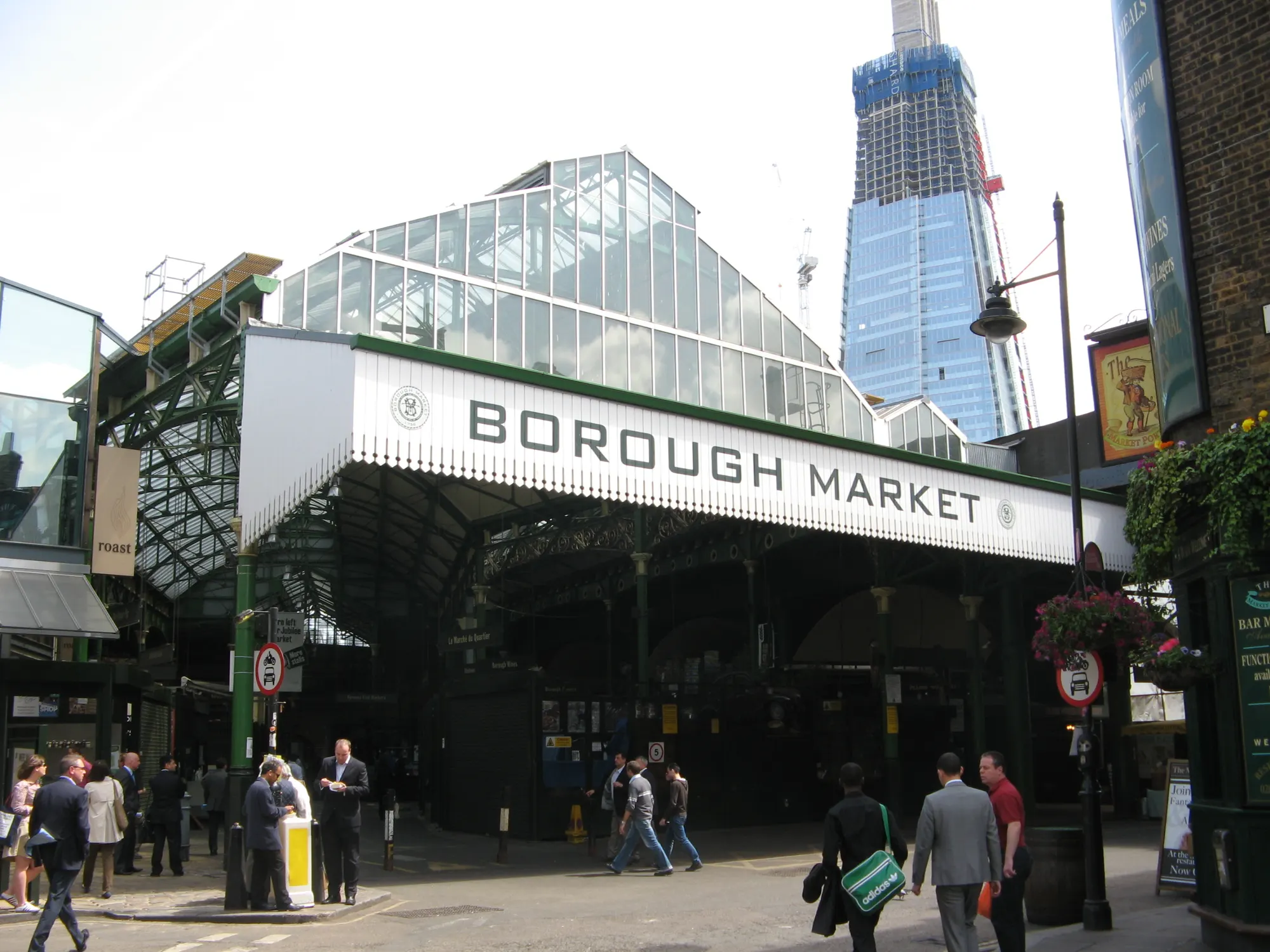
London's best-known food market has traded near London Bridge for centuries. Its stalls sell British cheeses, bread, meat and produce alongside street food from around the world. Southwark Cathedral is on its doorstep.
TipCome hungry, and arrive before noon on Saturdays, when it is busiest.
- 12
St Paul's Cathedral
Photo: Julian Herzog (Website), CC BY 4.0, via Wikimedia Commons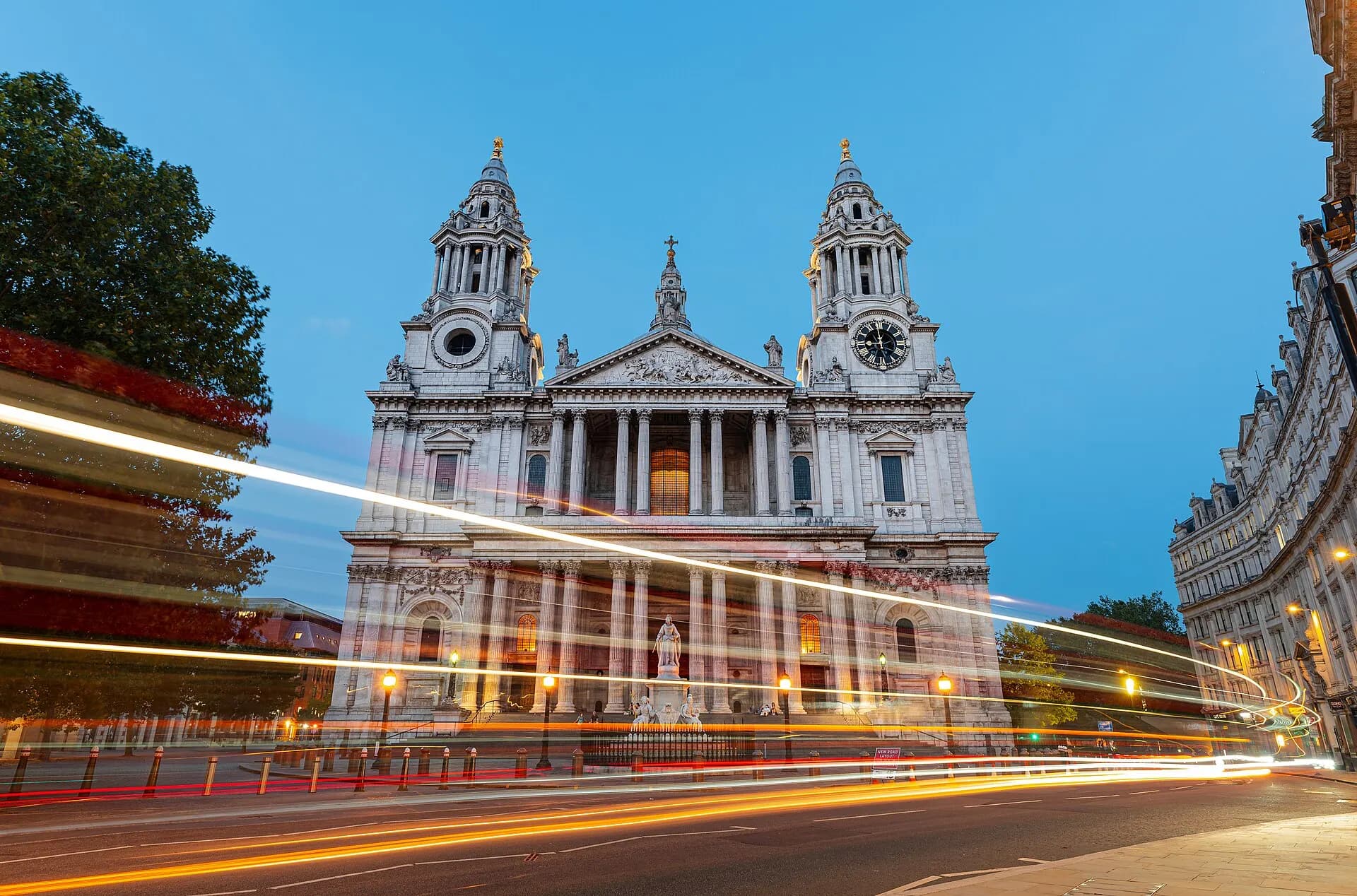
Sir Christopher Wren's masterpiece was built after the Great Fire of 1666 destroyed its medieval predecessor, and its great dome has dominated the City of London since 1710. Climb to the Whispering Gallery, where a whisper carries around the dome, and up to the Golden Gallery for one of the best views in London.
- 13
The Tower of London
Photo: Bob Collowan, CC BY-SA 3.0, via Wikimedia Commons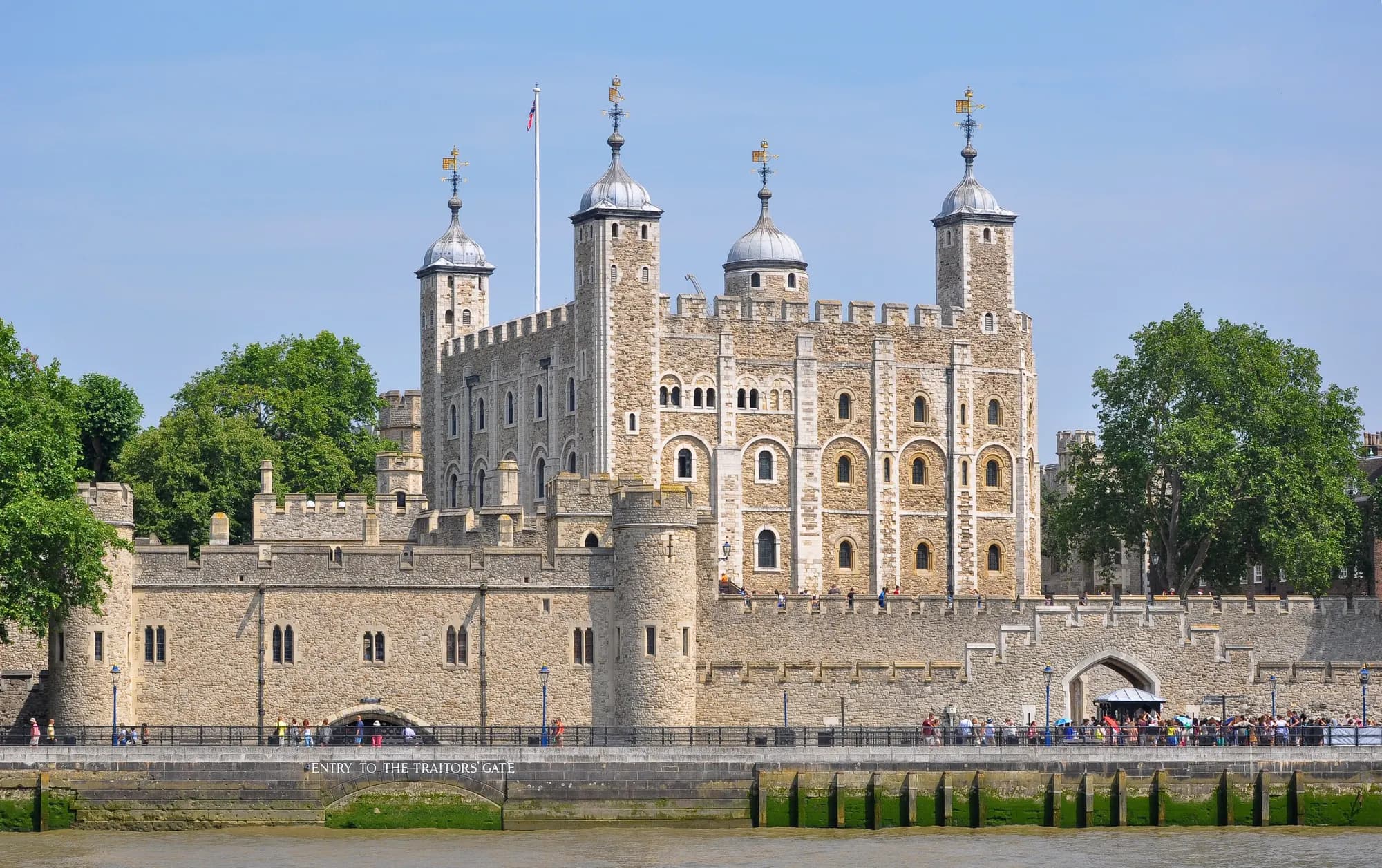
A Norman fortress begun by William the Conqueror after 1066, which has been a royal palace, a prison and a place of execution. Today it holds the Crown Jewels, and the Yeoman Warders, the "Beefeaters", lead lively tours of its history.
TipHead straight to the Crown Jewels when you arrive, before the queues build up.
- 14
Greenwich
Photo: Dietmar Rabich, CC BY-SA 4.0, via Wikimedia Commons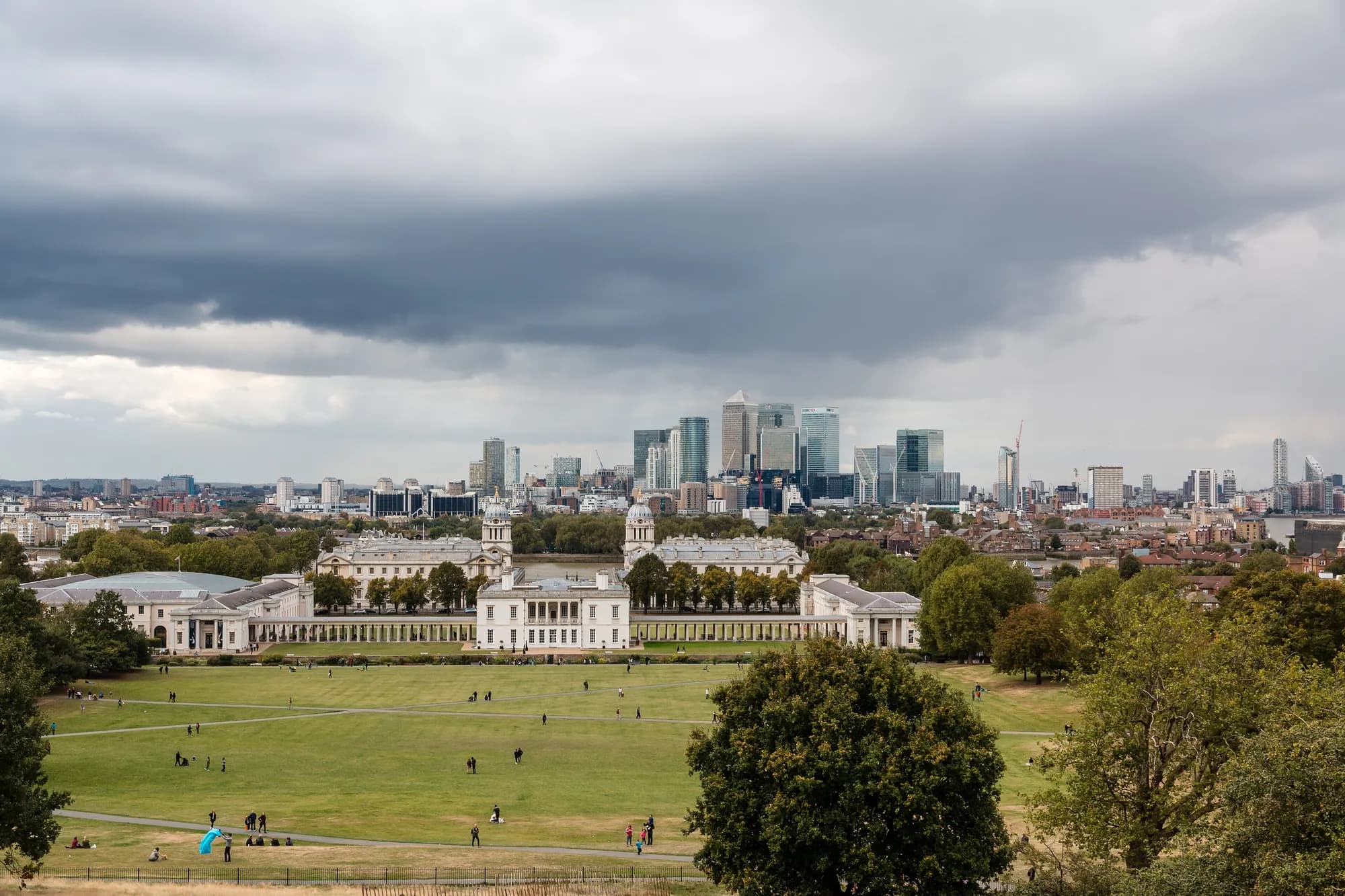
A riverside town with a royal park, the Royal Observatory and the Prime Meridian, where you can stand with one foot in each hemisphere, the clipper ship Cutty Sark, and the National Maritime Museum. Arriving by boat along the Thames is part of the fun.
When to go
London is a year-round destination. Summer brings long evenings, outdoor events and the parks at their finest, though it is also the busiest season. Spring and autumn are milder and quieter. Winter is cold and dark early in the afternoon, but the city's Christmas lights, markets and ice rinks make December festive. Rain is possible at any time, so bring a layer and an umbrella.
Getting around
The Underground (the Tube), the Overground, the Elizabeth line, buses and the DLR cover the whole city. Tap in and out with a contactless bank card or phone, or an Oyster card, and fares are automatically capped each day and week. Buses are a cheap way to see the city from the top deck, and the city's hire bikes are a good option in central London.
From Heathrow Airport, the Elizabeth line and the Piccadilly line reach central London, and the Heathrow Express runs non-stop to Paddington. Gatwick, Stansted and Luton airports have express trains to the centre. Eurostar trains link St Pancras with Paris, Brussels and Amsterdam.
Local tips
- Many visitors now need a UK Electronic Travel Authorisation (ETA) before travelling; check the government website.
- Stand on the right on escalators, and let people off the train before you board.
- Use contactless rather than buying paper tickets: it's cheaper and automatically capped.
- Most of the big museums are free, but booking a time slot can help at busy periods.
- Tipping around 10 to 12.5% is usual in restaurants; check whether service is already on the bill.
- Book theatre tickets directly or via official box offices, and look for day seats for good discounts.
Eat and drink
London is one of the world's most diverse food cities. Try a traditional pub with a Sunday roast, fish and chips, or an afternoon tea, then explore the curry houses of Brick Lane and Tooting, the Chinese restaurants of Chinatown, and the food halls and street markets found all over the city. The pub, however, remains the heart of London's social life.