Tulum
Maya ruins on a cliff above the Caribbean, white beaches, jungle cenotes and a wild biosphere reserve.
- Best time to go
- November to April, the dry season
- Local time
- –
- Currency
- Mexican Peso (MXN)
- Reading time
- 4 min
- Language
- Spanish

Tulum, on the Caribbean coast of Mexico's Yucatán Peninsula, is known for its ancient Maya city perched on a cliff above turquoise water, one of the most beautiful archaeological sites in the Americas. Around it lie white-sand beaches, a jungle dotted with cenotes, freshwater sinkholes for swimming, and the vast Sian Ka'an Biosphere Reserve.
Once a quiet beach town, Tulum has grown rapidly into a fashionable destination with boutique hotels, beach clubs and restaurants, and prices to match. It's a base for exploring the Riviera Maya, including the ruins of Cobá and many cenotes, with a new airport and train station making it easier to reach.
The top 8 in Tulum
- 1
The Tulum archaeological site
Photo: edenpictures, CC BY 2.0, via Wikimedia Commons
A walled Maya port city that flourished between the thirteenth and fifteenth centuries, with El Castillo, a temple on the cliff edge, the Temple of the Frescoes and the Temple of the Wind. A small beach lies below the cliffs. It's now part of the Jaguar National Park.
TipArrive at opening time to beat the heat and the tour buses.
- 2
Tulum's beaches
Photo: Erik Cleves Kristensen, CC BY 2.0, via Wikimedia Commons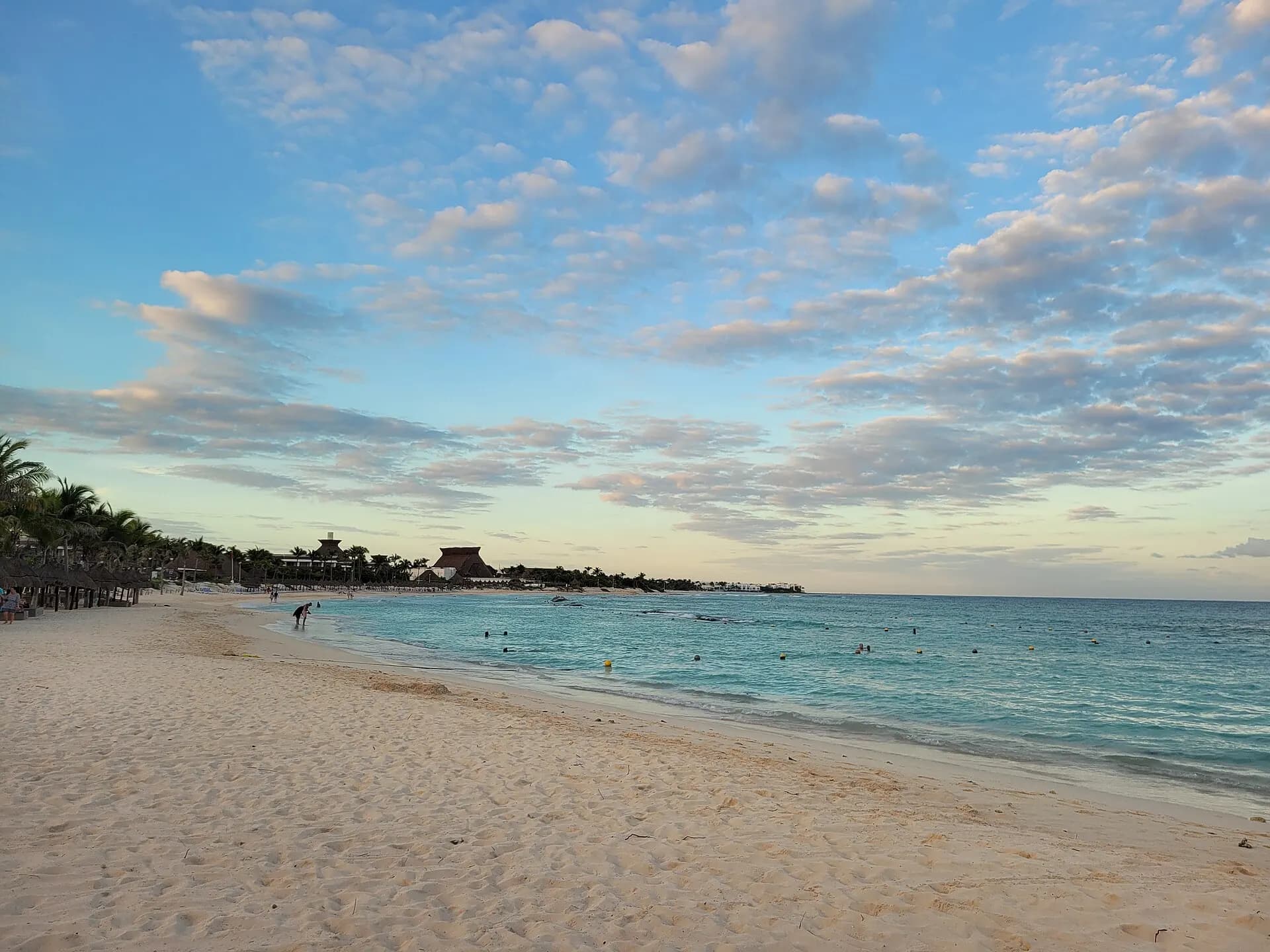
White sand and turquoise water run south from the ruins, with stretches such as Playa Paraíso and Playa Ruinas, as well as the hotel zone's beaches.
- 3
- 4
Cenote Dos Ojos
Photo: diego_cue, CC BY-SA 3.0, via Wikimedia Commons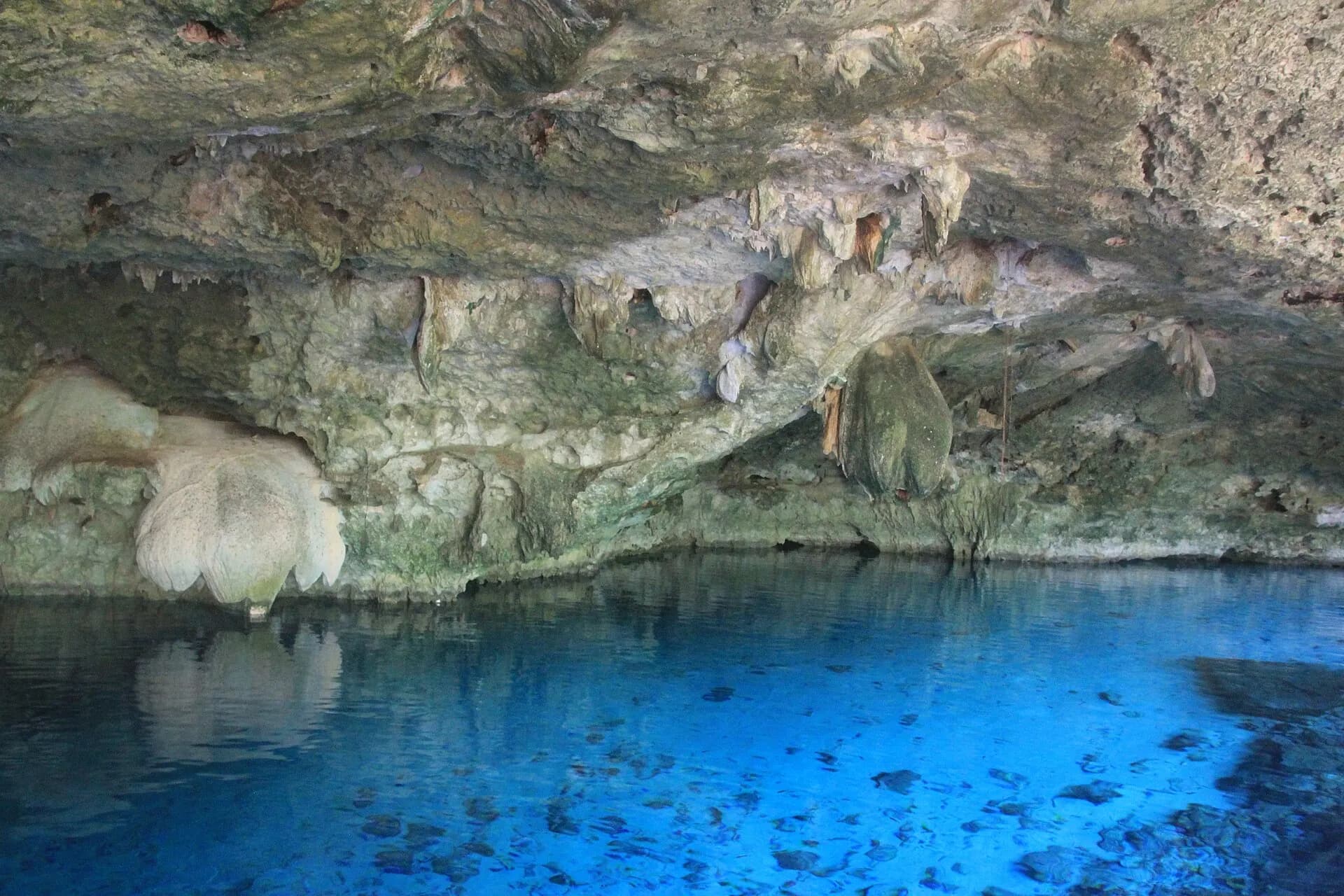
A pair of linked cenotes, "two eyes", in a large underwater cave system, popular for snorkelling and cave diving.
- 5
Sian Ka'an Biosphere Reserve
Photo: Gordon Leggett, CC BY-SA 4.0, via Wikimedia Commons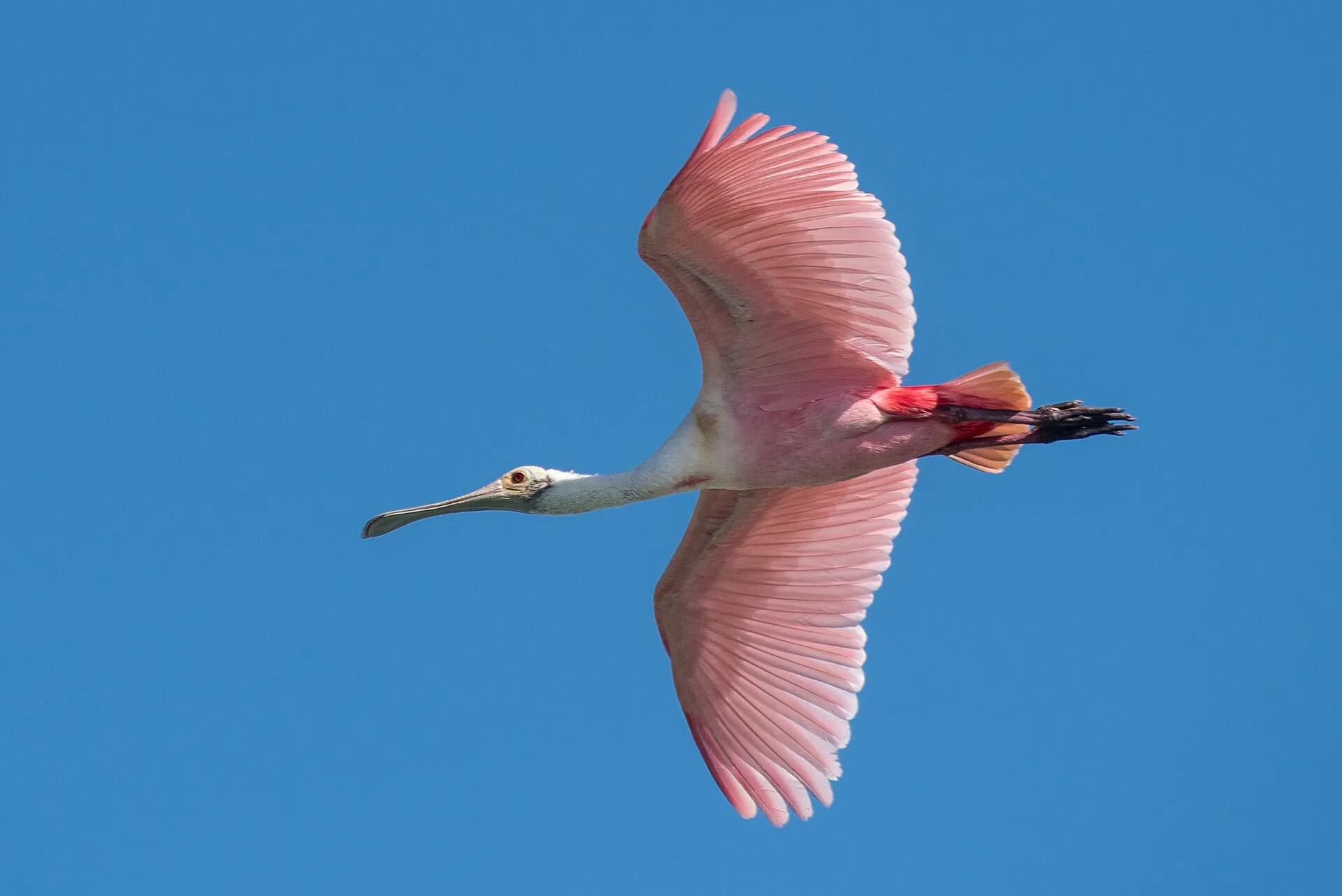
A World Heritage Site south of Tulum covering more than half a million hectares of tropical forest, mangroves, lagoons and reef, with boat tours through ancient Maya canals, dolphins, manatees and birdlife.
- 6
Cobá
Photo: Carlos Delgado, CC BY-SA 3.0, via Wikimedia Commons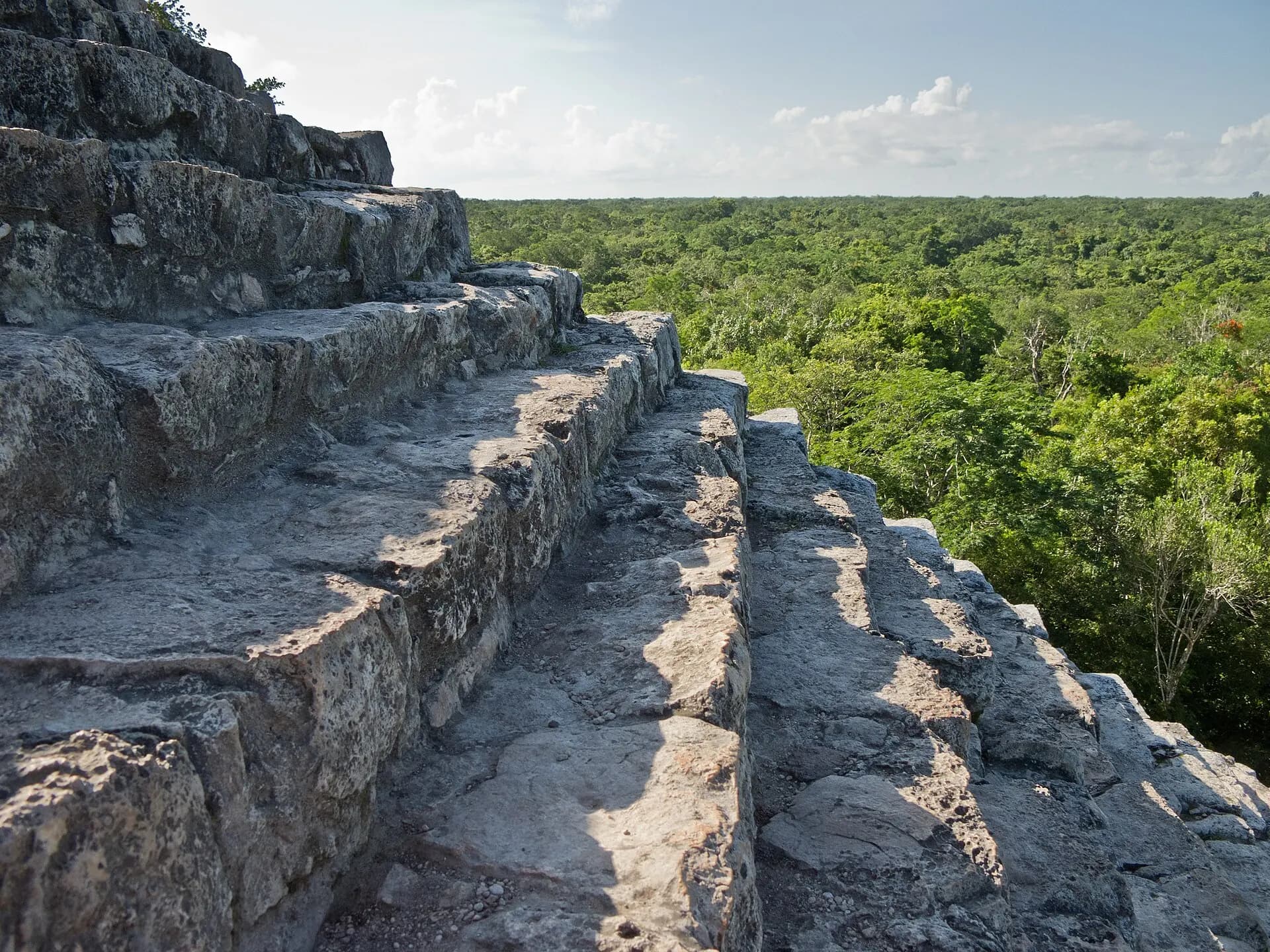
A Maya city in the jungle about forty-five minutes inland, with the tall Nohoch Mul pyramid and a network of ancient raised roads, explored by bicycle.
- 7
Muyil
Photo: Arian Zwegers from Brussels, Belgium, CC BY 2.0, via Wikimedia Commons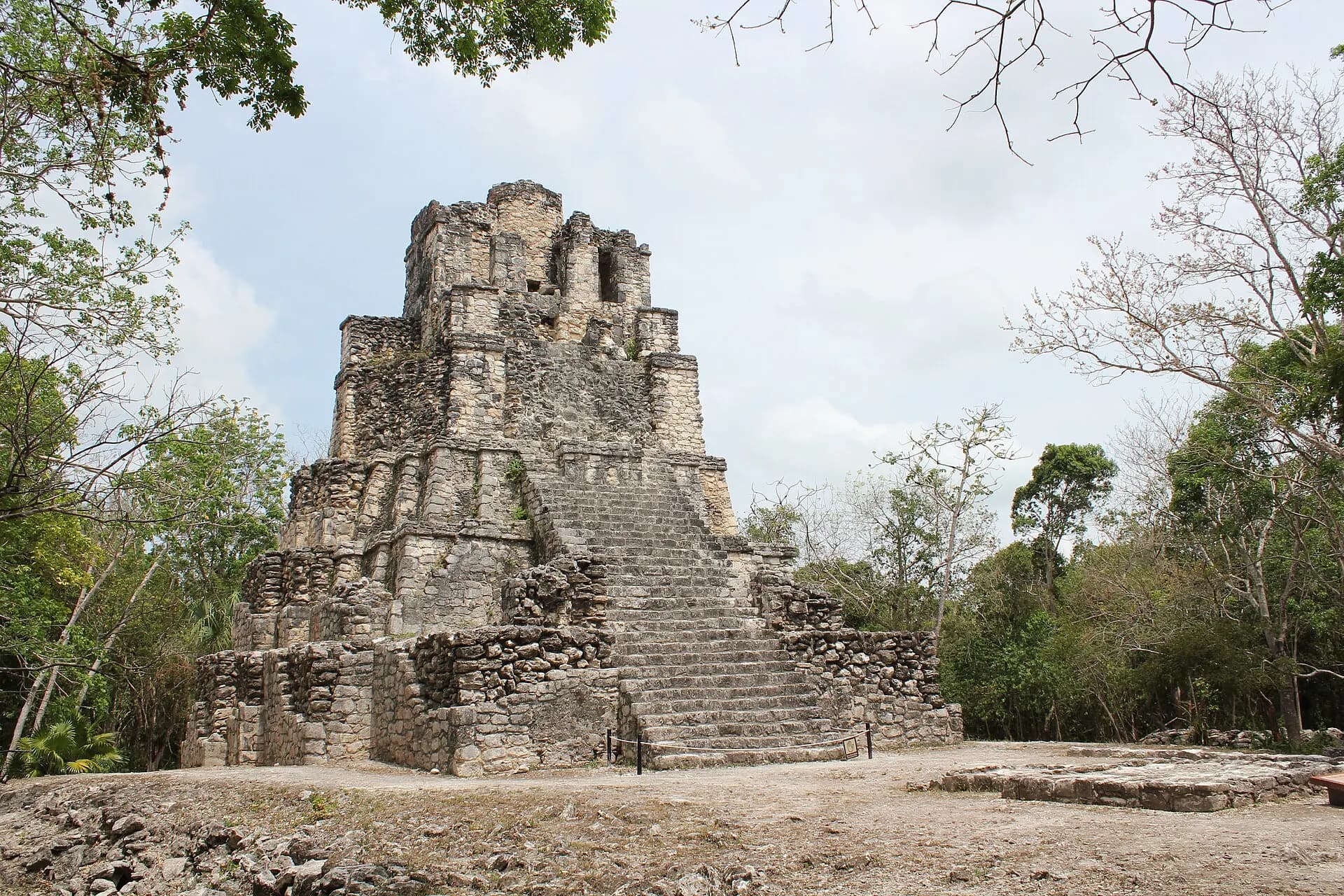
A quieter Maya site at the edge of Sian Ka'an, with a temple rising out of the jungle and a boardwalk to a lagoon.
- 8
Akumal
Photo: Eden, Janine and Jim from New York City, CC BY 2.0, via Wikimedia Commons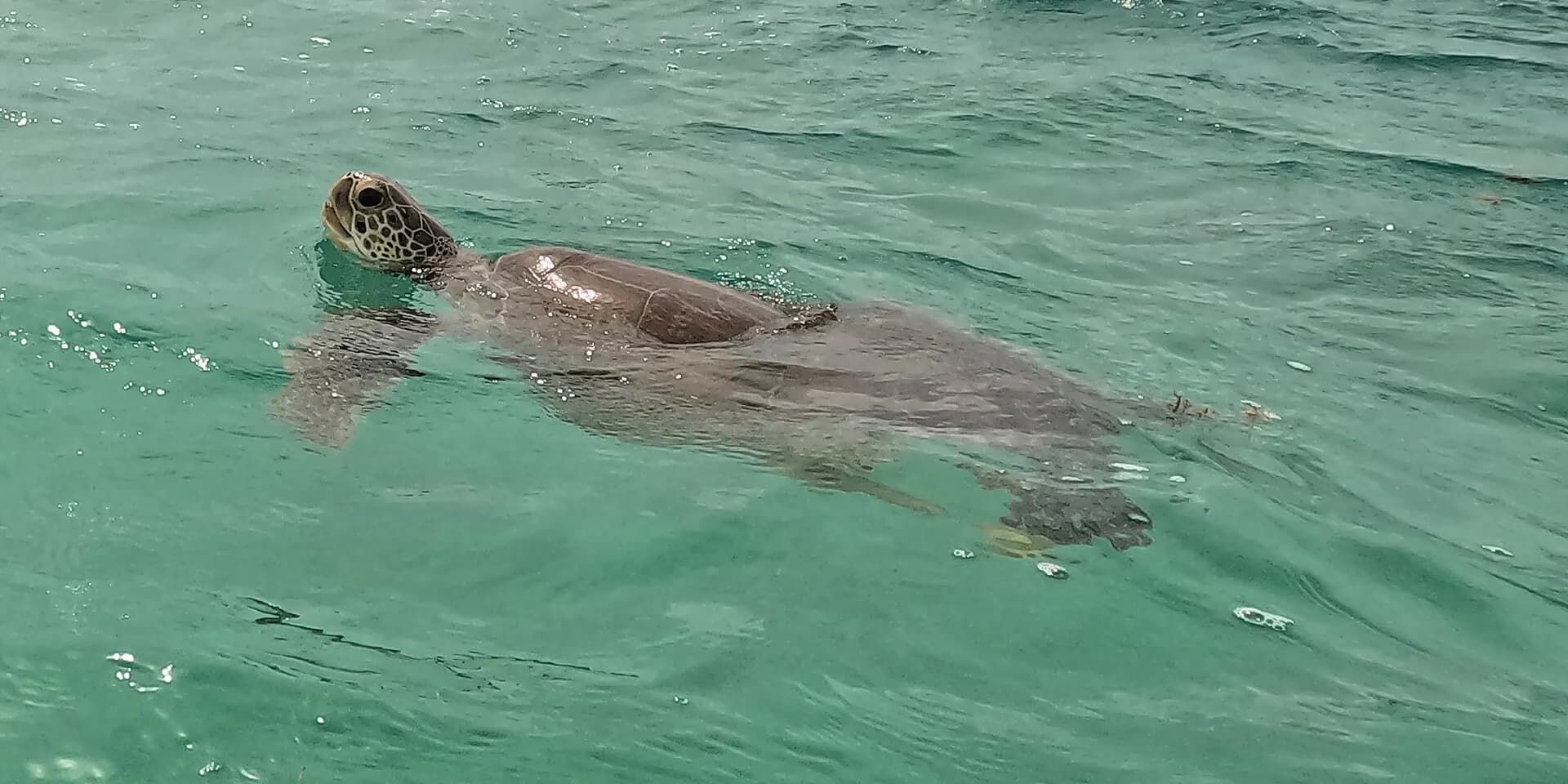
A bay north of Tulum known for green sea turtles grazing on seagrass; snorkel only with a guide in the regulated area.
When to go
The dry season, from November to April, brings sunny days and calmer seas, with the busiest period around Christmas and Easter. May to October is hotter and more humid, with afternoon storms and the risk of hurricanes, mainly from August to October. Sargassum seaweed can wash up on beaches, mostly from April to September; check reports before you go.
Getting around
Tulum International Airport and the Tren Maya station link Tulum with the rest of the peninsula, and Cancún International Airport is about two hours north by road. Bicycles are a good way to get around town and to the beach. Colectivo minibuses run along the highway to Playa del Carmen and the cenotes, and taxis and car hire are widely available.
Local tips
- Bring cash in pesos for cenotes and colectivos; many don't take cards.
- Use biodegradable sunscreen, and shower before swimming in cenotes.
- Taxis can be expensive; agree the fare before getting in.
- Check sargassum forecasts before booking a beach stay.
- Stay hydrated and protect yourself from the sun.
- Some beach areas near the ruins now charge entry as part of the national park.
Eat and drink
Try Yucatecan specialities such as cochinita pibil, slow-roasted pork marinated in achiote; sopa de lima; and fresh ceviche. Tacos and street food in town are cheaper than the beach restaurants.
Where to stay
The beach hotel zone has boutique eco-hotels by the sea, often expensive. Tulum town (the pueblo) has cheaper hotels and guesthouses, with more local restaurants. Aldea Zamá, between them, has newer apartments.
Cenotes
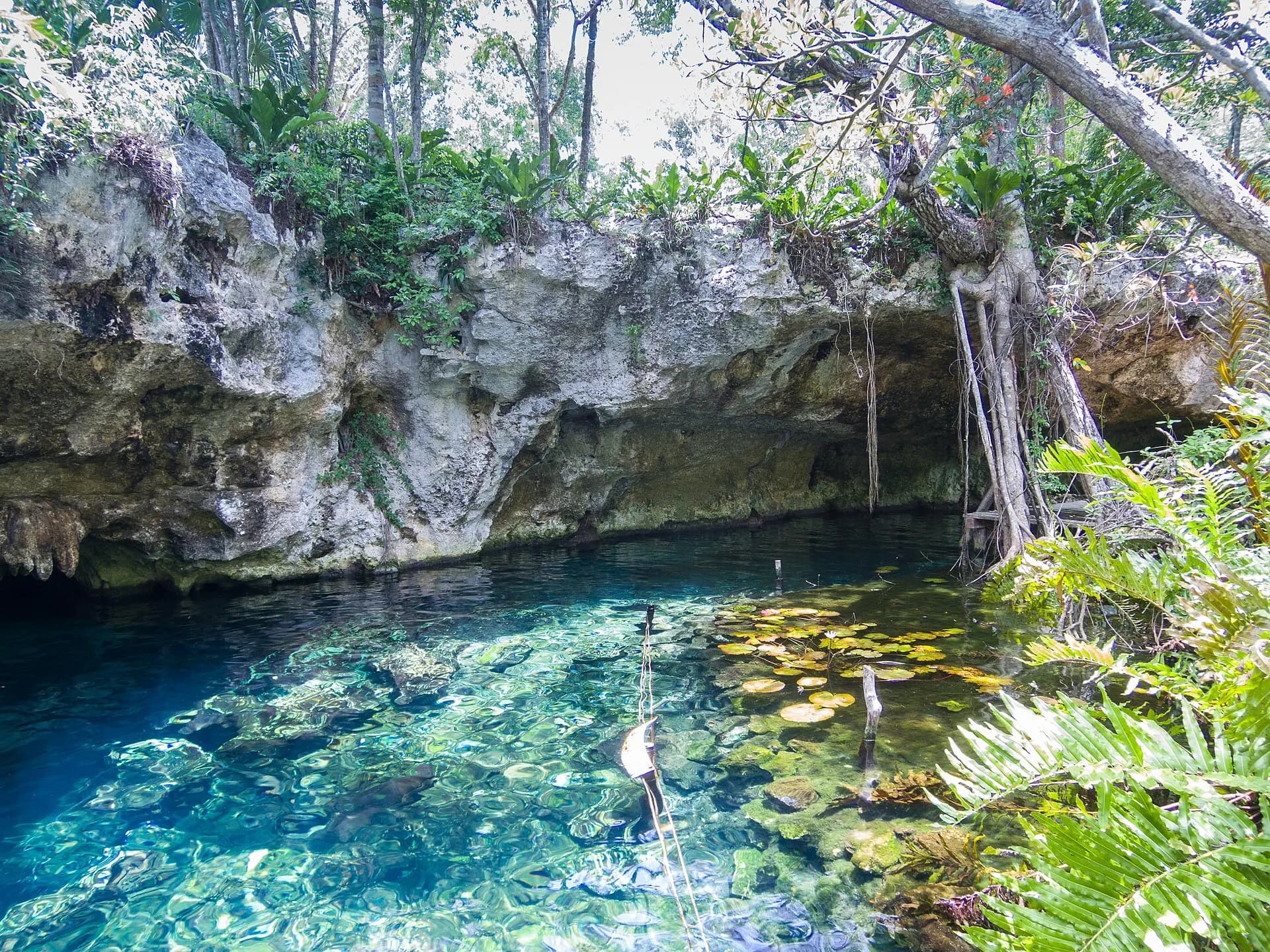
The Yucatán Peninsula is a flat shelf of limestone with no rivers on the surface; water flows underground through vast cave systems, and where the roof collapses, it forms cenotes. For the ancient Maya, they were sources of water and sacred entrances to the underworld. Around Tulum, they range from open pools surrounded by jungle to caverns with stalactites and crystal-clear water. Many are privately or community run, with small entrance fees, and some offer diving with certified guides.
The Maya world of the Yucatán
The Maya civilisation flourished across southern Mexico and Central America for more than two thousand years, building great cities with pyramids, palaces and ball courts, and developing writing, astronomy and a sophisticated calendar. Tulum, known to the Maya as Zamá, meaning "dawn", was one of the last cities they built and inhabited, a trading port linking sea routes along the coast with inland cities. It was still occupied when the Spanish arrived in the early sixteenth century. Today, millions of Maya people live in the Yucatán Peninsula, and Yucatec Maya is still widely spoken. Chichén Itzá, one of the New Seven Wonders of the World, is about two hours inland and makes a long day trip, best started early.
Diving and snorkelling
The Mesoamerican Barrier Reef, the second-largest reef system in the world, runs along the coast, with coral, tropical fish, rays and turtles. Dive centres in Tulum offer reef dives as well as cenote and cave dives, where light falls through the water in beams, an unforgettable experience for certified divers. Only dive in caves with a qualified cave-diving guide.
Responsible travel
Tulum's rapid growth has put pressure on the coast, mangroves and the underground rivers that supply the region's water. Choose hotels that manage waste and water responsibly, avoid single-use plastics, and stay on marked paths in the jungle. Don't touch or stand on coral, and keep your distance from turtles.