Mexico City
Aztec temples beneath a colonial cathedral, Frida's blue house, leafy boulevards and the best tacos in the world.
- Best time to go
- March to May for warm, dry days; October to November for Día de Muertos
- Local time
- –
- Currency
- Mexican Peso (MXN)
- Reading time
- 4 min
- Language
- Spanish
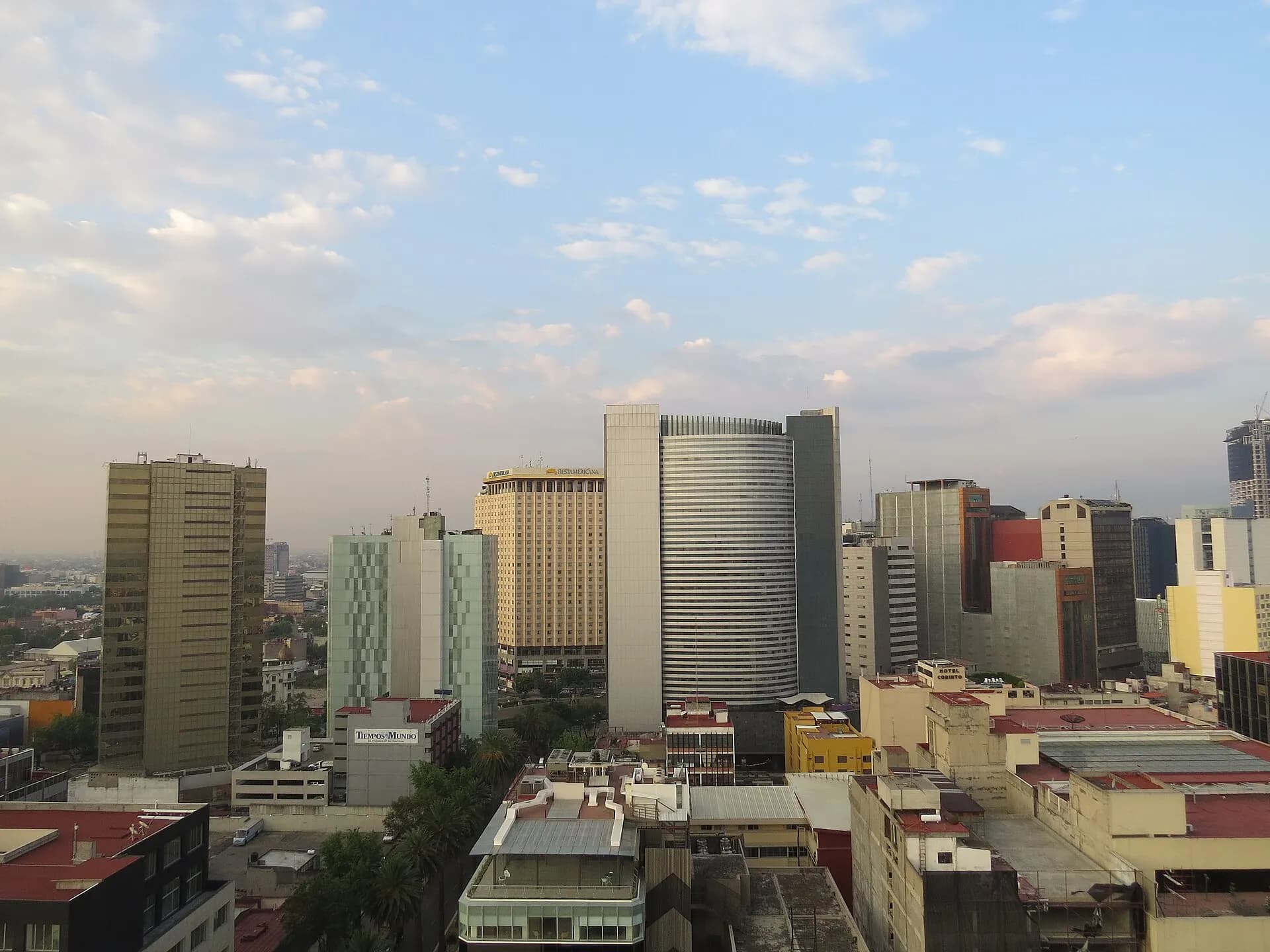
Mexico City stands on the site of Tenochtitlan, the Aztec capital built on an island in a lake, which the Spanish conquered in 1521 and rebuilt as the capital of New Spain. Today it is one of the largest cities in the Americas, high in a valley surrounded by mountains and volcanoes, and one of the world's great cultural capitals.
The city's historic centre, packed with colonial palaces and churches built over Aztec ruins, is a World Heritage Site. Beyond it lie leafy neighbourhoods of Art Deco buildings and cafés, world-class museums, and markets overflowing with food. It's enormous, but organised by neighbourhood, it is easy and rewarding to explore.
The top 9 in Mexico City
- 1
The Zócalo and the Templo Mayor
Photo: Abraham P V, CC BY 2.0, via Wikimedia Commons
The vast main square, one of the largest in the world, is flanked by the Metropolitan Cathedral and the National Palace. Just off it, the excavated ruins of the Templo Mayor, the great temple of the Aztecs, and their museum reveal the layers of the city beneath your feet.
TipVisit the National Palace to see Diego Rivera's murals of Mexican history; bring identification, which is required at the entrance.
- 2
The National Museum of Anthropology
Photo: Oleg Yunakov, CC BY-SA 4.0, via Wikimedia Commons
One of the world's great museums, with collections from all of Mexico's ancient civilisations: the Aztec Sun Stone, Olmec heads, Maya treasures and reconstructions of temples. Its central courtyard is shaded by a huge umbrella-like canopy supported by a single column. It is closed on Mondays.
TipAllow at least half a day, and start with the Mexica (Aztec) hall at the far end of the courtyard.
- 3
Chapultepec Park and Castle
Photo: Arian Zwegers from Brussels, Belgium, CC BY 2.0, via Wikimedia Commons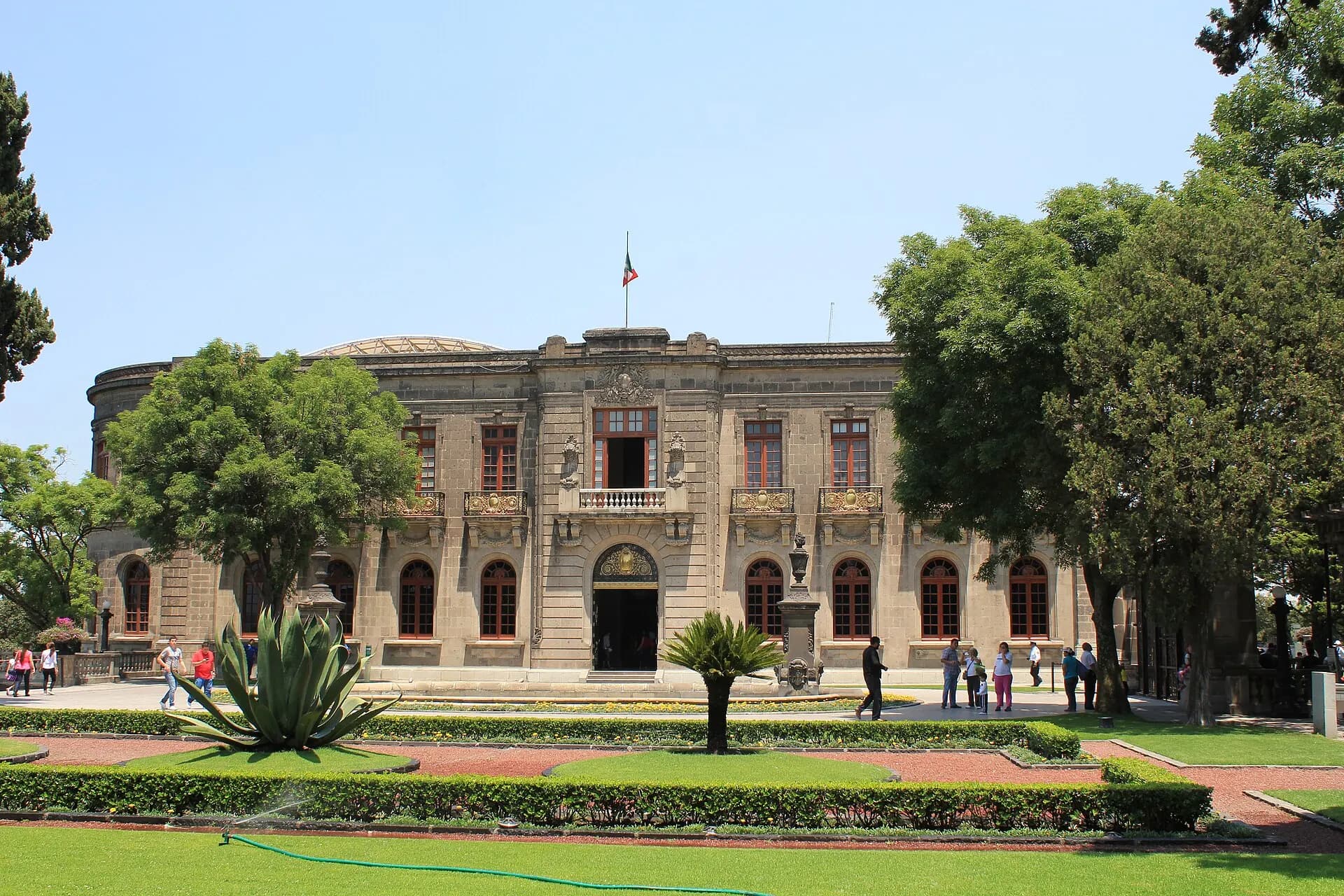
One of the largest city parks in the Americas, with lakes, museums and woods. On a hill at its centre, Chapultepec Castle, once the residence of the emperor Maximilian, holds the National History Museum and has wide views down the Paseo de la Reforma.
- 4
Coyoacán and the Frida Kahlo Museum
Photo: Photo courtesy of: RunningToddler, CC BY-SA 2.0, via Wikimedia Commons
A former village of cobbled streets, plazas and colonial houses in the south of the city. The Casa Azul, the blue house where the painter Frida Kahlo was born and lived with Diego Rivera, is now a museum displaying her paintings, studio and personal belongings.
TipTickets for the Casa Azul are sold online only and sell out days ahead.
- 5
The Palacio de Bellas Artes
Photo: Diego Delso, CC BY-SA 3.0, via Wikimedia Commons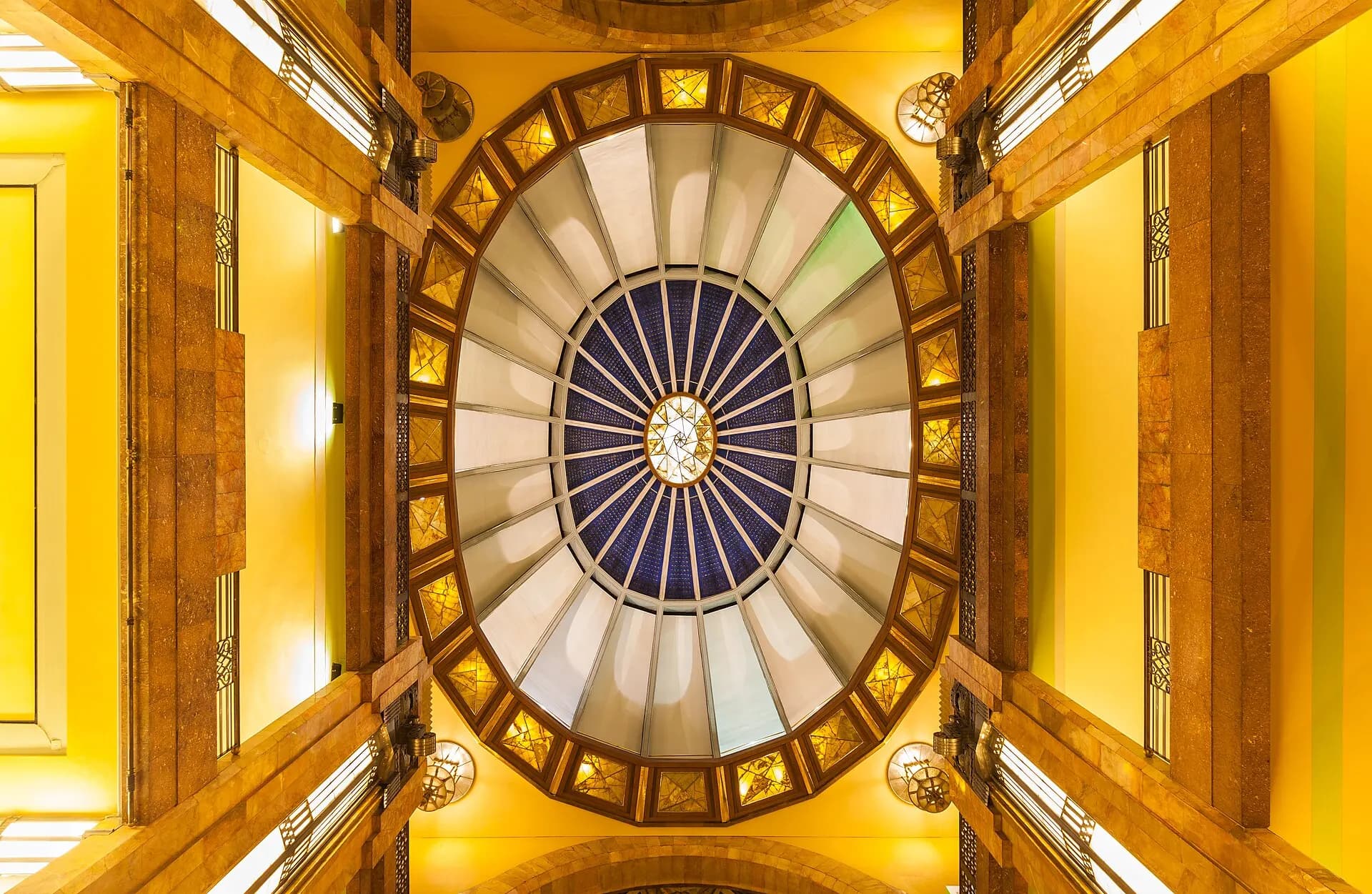
A spectacular white marble palace of the arts, with an Art Nouveau exterior and Art Deco interior, completed in 1934. Inside are murals by Rivera, Siqueiros and Orozco, and a theatre with a glass curtain made by Tiffany. The Ballet Folklórico de México performs here.
- 6
Roma and Condesa
Photo: Carl Campbell from Montréal, PQ, Canada, CC BY 2.0, via Wikimedia Commons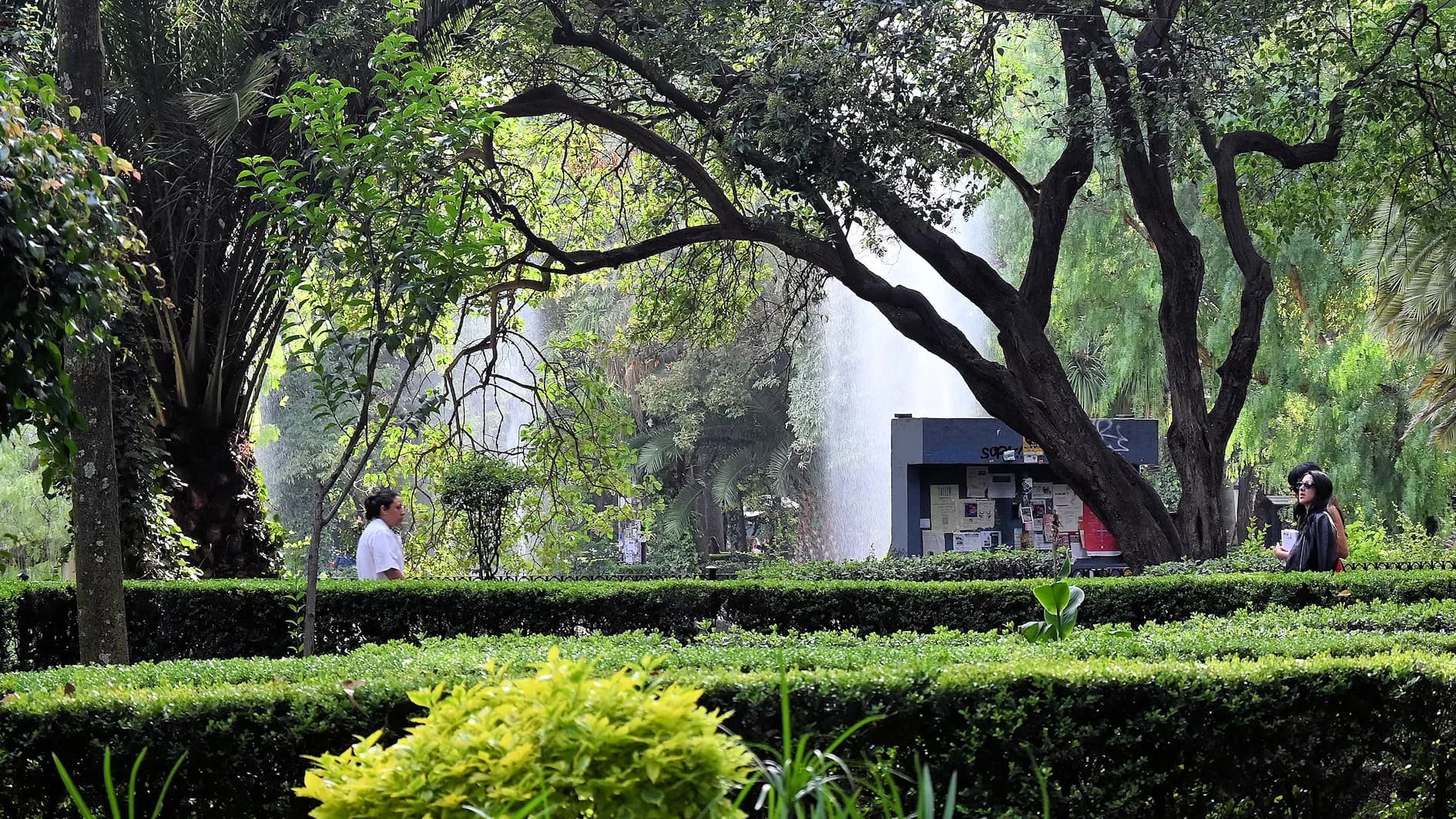
Two neighbouring districts of tree-lined avenues, Art Deco and Art Nouveau buildings, parks, cafés, restaurants and boutiques. They are the city's most pleasant areas to stroll, and good places to stay.
- 7
Xochimilco
Photo: Carlos Valenzuela, CC BY-SA 4.0, via Wikimedia Commons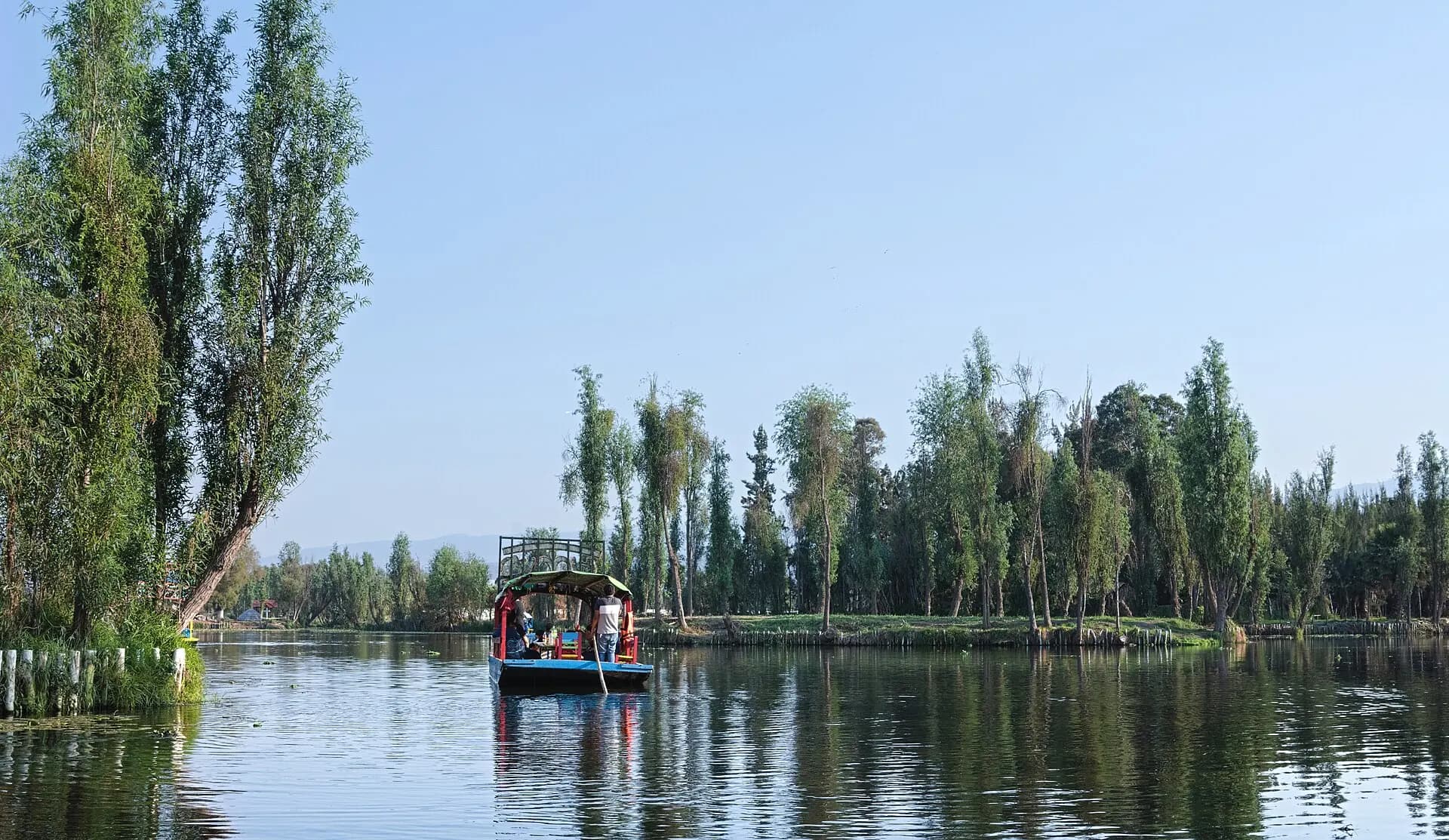
The last remains of the ancient lake system, a network of canals and floating gardens (chinampas) in the south of the city. Colourful flat-bottomed boats called trajineras carry groups along the canals, accompanied by mariachi bands and food vendors.
TipAgree the price and duration with the boatman before you set off, and go on a weekday for a calmer trip.
- 8
The Basilica of Our Lady of Guadalupe
Photo: José Luiz, CC BY-SA 4.0, via Wikimedia Commons
The most visited Catholic shrine in the Americas, built where the Virgin of Guadalupe is said to have appeared to Juan Diego in 1531. The modern circular basilica holds the original image, viewed from a moving walkway, and the old basilica, sinking into the soft ground, stands beside it. On 12 December, millions of pilgrims arrive.
- 9
Teotihuacan
Photo: Daniel Case, CC BY-SA 3.0, via Wikimedia Commons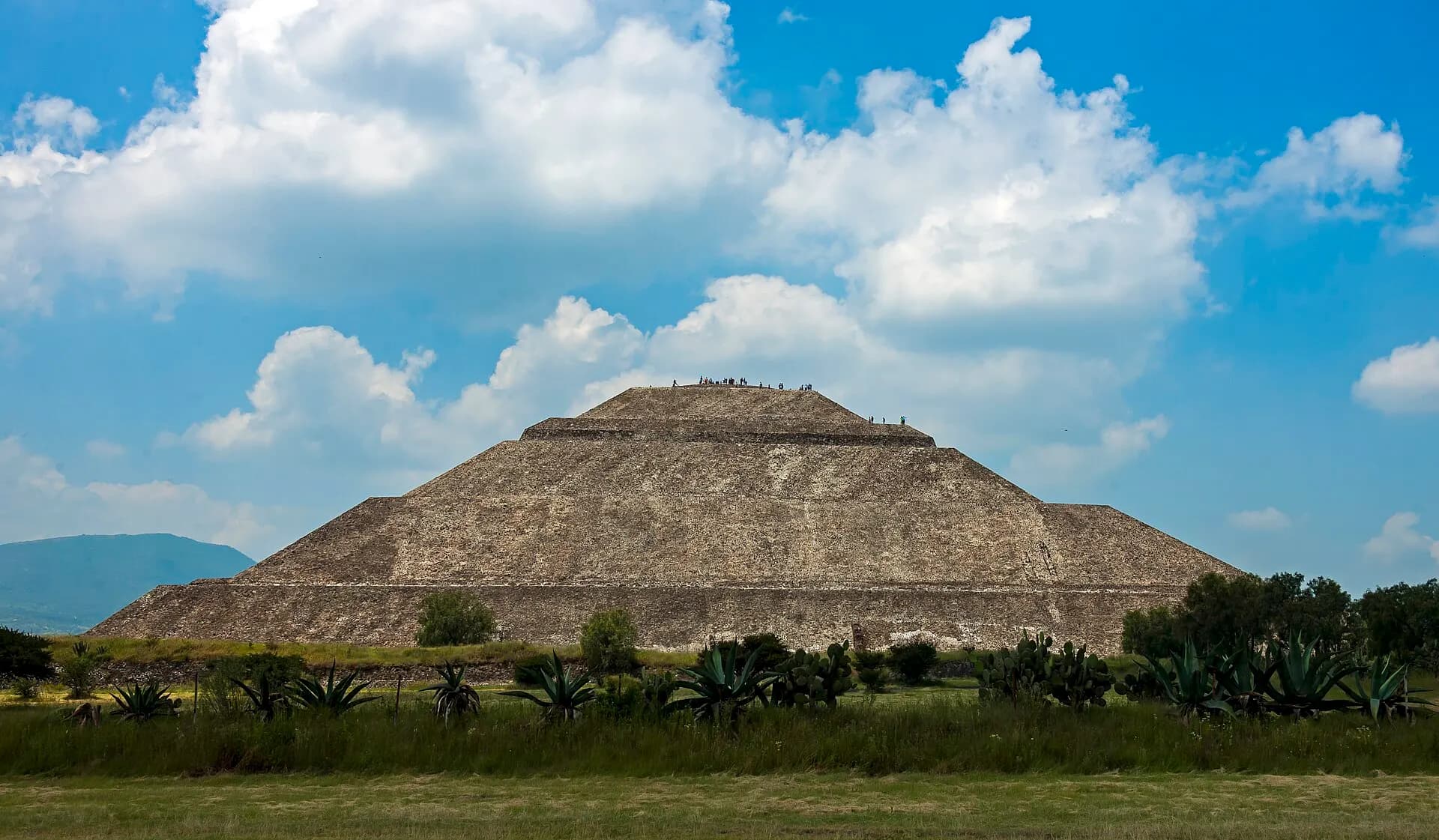
About an hour north-east of the city, the ruins of Teotihuacan, one of the largest cities of the ancient world, cover a vast site along the Avenue of the Dead. The Pyramid of the Sun and the Pyramid of the Moon dominate the landscape, and hot-air balloons float over them at dawn.
TipArrive at opening time to beat the heat and crowds, and bring water, a hat and sunscreen.
When to go
Mexico City has a mild climate all year because of its altitude. The dry season, from November to April, is sunny, with cool mornings; March to May is the warmest. The rainy season, from June to October, brings afternoon showers, but mornings are usually clear. Día de Muertos, the Day of the Dead, at the start of November, fills the city with altars, marigolds and a grand parade.
Getting around
The metro is huge, cheap and fast, though very crowded at rush hour; the Metrobús lines are a good alternative along the main avenues. A rechargeable integrated mobility card works on both. Ride-hailing apps are widely used and are the safest way to travel by car, especially at night. The historic centre, Roma, Condesa and Coyoacán are best explored on foot.
The international airport is close to the centre, linked by metro, Metrobús and taxi.
Local tips
- The city is at about 2,240 metres; take it easy on your first day and drink plenty of water.
- Drink bottled or filtered water rather than tap water.
- Use ride-hailing apps or authorised taxi stands rather than hailing cabs on the street.
- Keep valuables discreet, especially on crowded public transport.
- Tip around 10 to 15% in restaurants.
- Many museums are closed on Mondays.
Eat and drink
Mexico City is one of the world's great food cities. Try tacos al pastor, carved from a spit, at a taquería; quesadillas, tamales and tlacoyos from street stalls; and mole, the rich sauce of chillies and chocolate. Markets such as the Mercado de San Juan and Mercado de Coyoacán are great places to graze. Drink mezcal or tequila, pulque in a traditional pulquería, or a michelada with lime and spices.
Day trips
Puebla, about two hours east by bus, is a colonial city of tiled facades and baroque churches, the home of mole poblano and Talavera pottery. Nearby Cholula is crowned by a church built on top of the largest pyramid in the world by volume, now mostly hidden under a grassy hill. To the south, Tepoztlán is a mountain village with a hilltop temple reached by a steep hike, and Taxco, further away, is a whitewashed hill town famous for its silver.