Vancouver
A city between the ocean and the mountains, where you can kayak in the morning and ski in the afternoon.
- Best time to go
- June to September for dry, sunny days; December to March for skiing nearby
- Local time
- –
- Currency
- Canadian Dollar (CAD)
- Reading time
- 4 min
- Language
- English and French
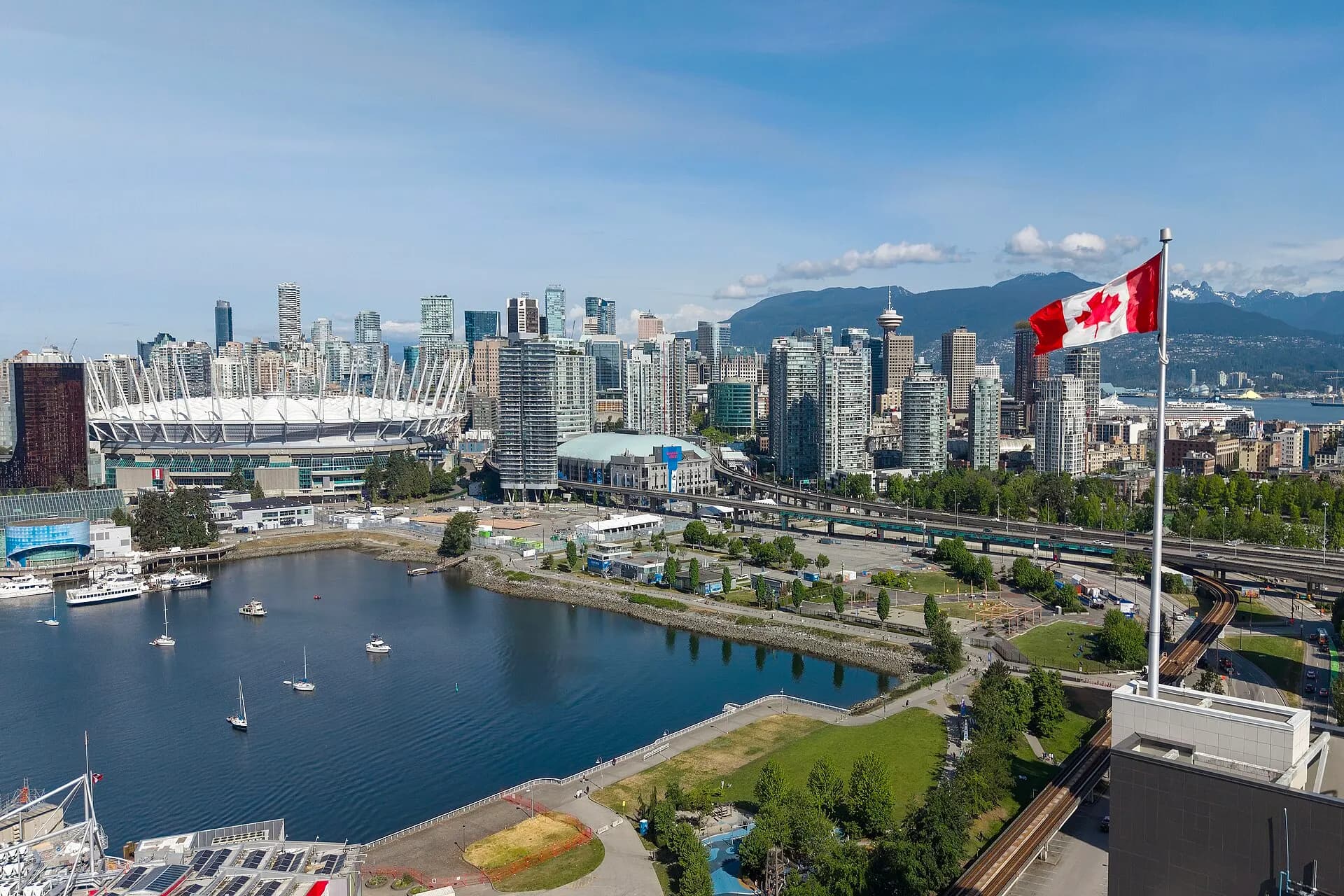
Few cities have a setting like Vancouver. Glass towers rise on a peninsula between the ocean and the forested Coast Mountains, which are close enough to ski on after work. It's a young, outdoorsy city, built on the traditional territories of the Musqueam, Squamish and Tsleil-Waututh peoples, with a strong Indigenous presence and a large Asian community, both of which shape its culture and food.
Vancouver is easy to explore, with good public transport, waterfront paths and distinct neighbourhoods. It's also a gateway to the wilder landscapes of British Columbia, from the islands of the Pacific coast to the mountains of Whistler.
The top 8 in Vancouver
- 1
Stanley Park and the Seawall
Photo: Dietmar Rabich, CC BY-SA 4.0, via Wikimedia Commons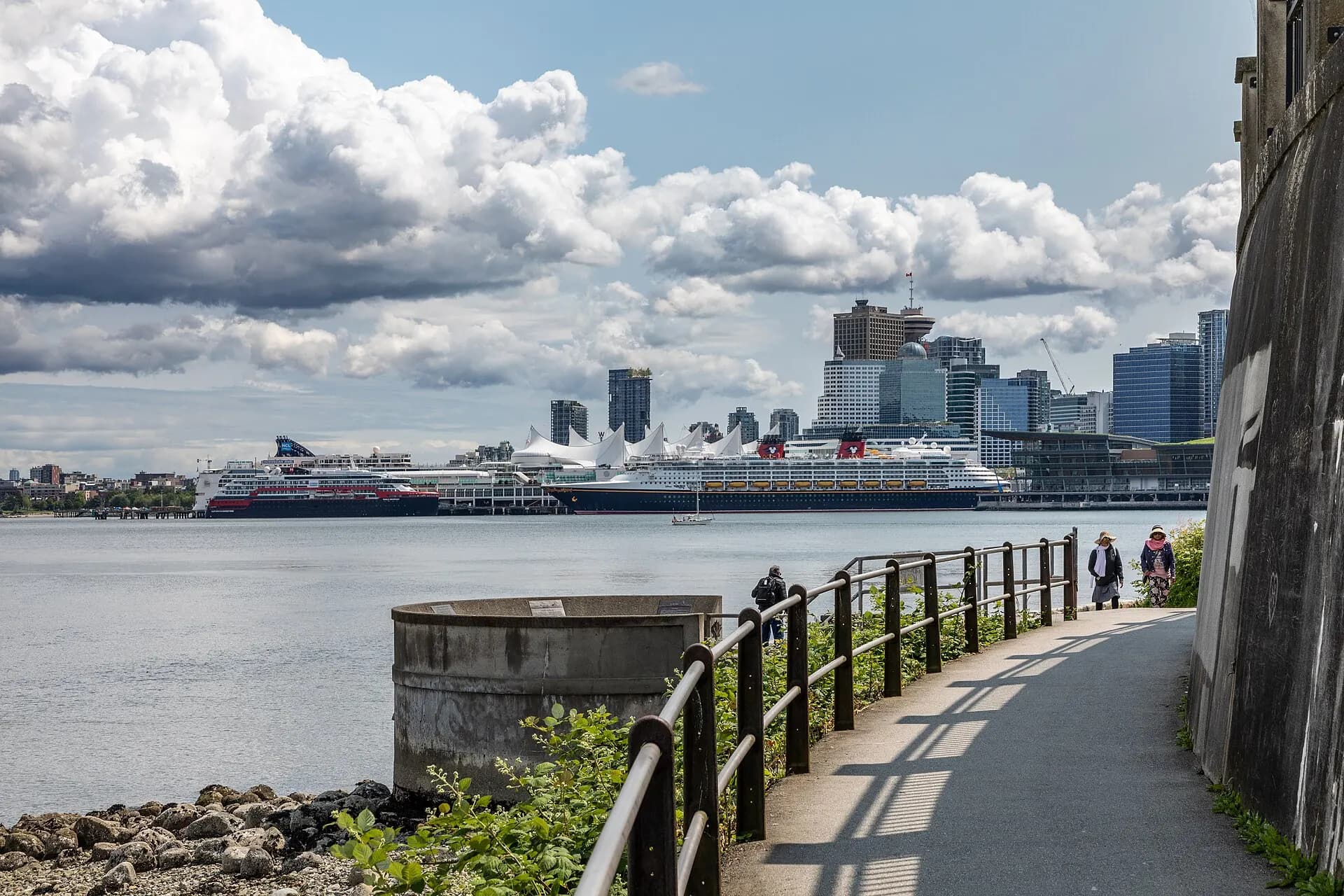
A thousand-acre park of old forest at the tip of the downtown peninsula, larger than New York's Central Park. The Seawall path, around ten kilometres, circles it along the water, past beaches, totem poles at Brockton Point and the Lions Gate Bridge. It's best explored by bike.
TipBike rental shops are by the park's entrance on Denman Street; ride the Seawall anticlockwise, as cyclists must.
- 2
Granville Island
Photo: Dennis Sylvester Hurd from Minuwangoda, WP, Sri Lanka, Canada, CC0, via Wikimedia Commons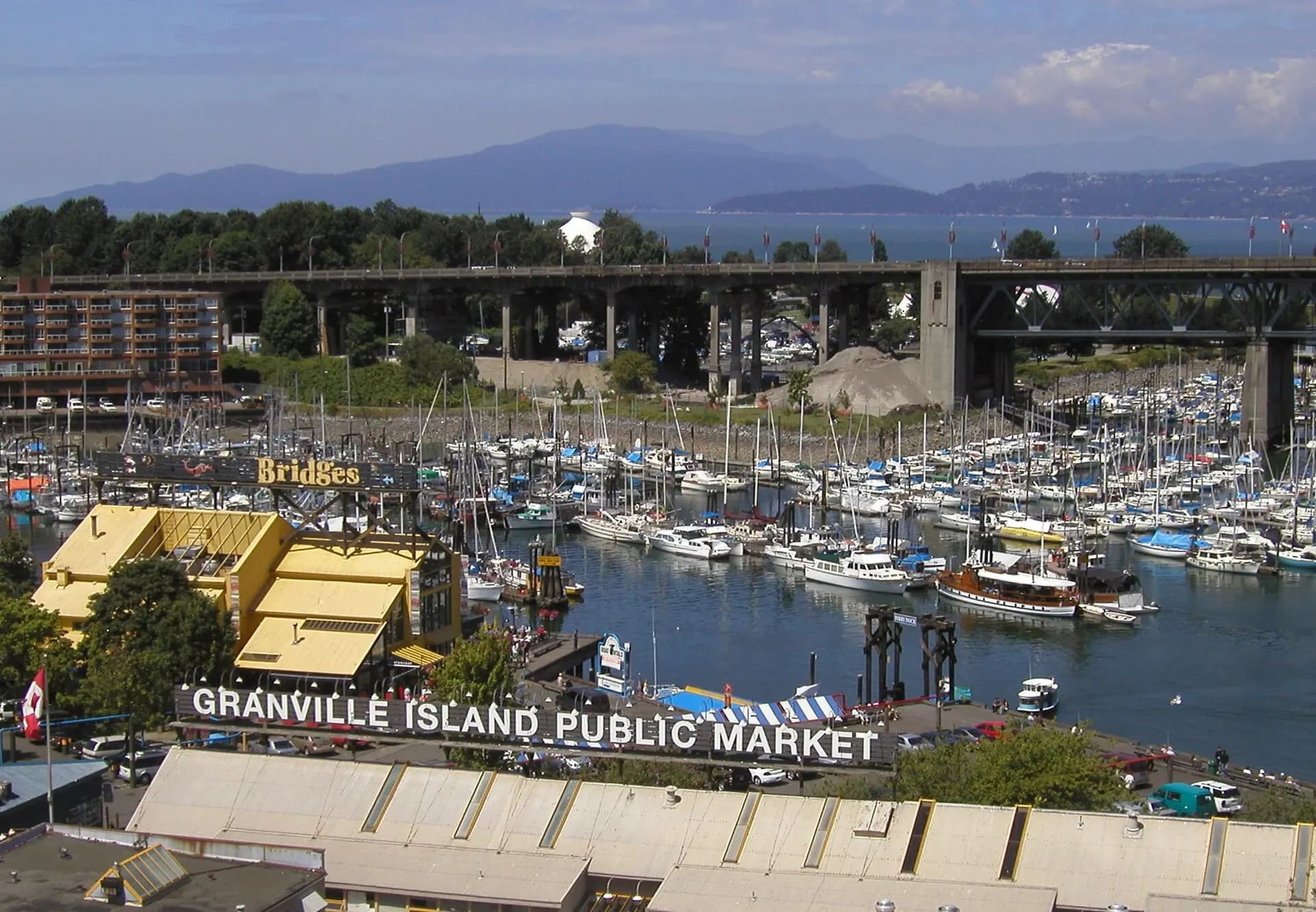
A former industrial area under the Granville Bridge, now home to a lively public market with fresh produce, seafood and bakeries, as well as artists' studios, a brewery and theatres. Tiny ferries cross False Creek from downtown.
- 3
Gastown
Photo: Canuck85, CC BY-SA 4.0, via Wikimedia Commons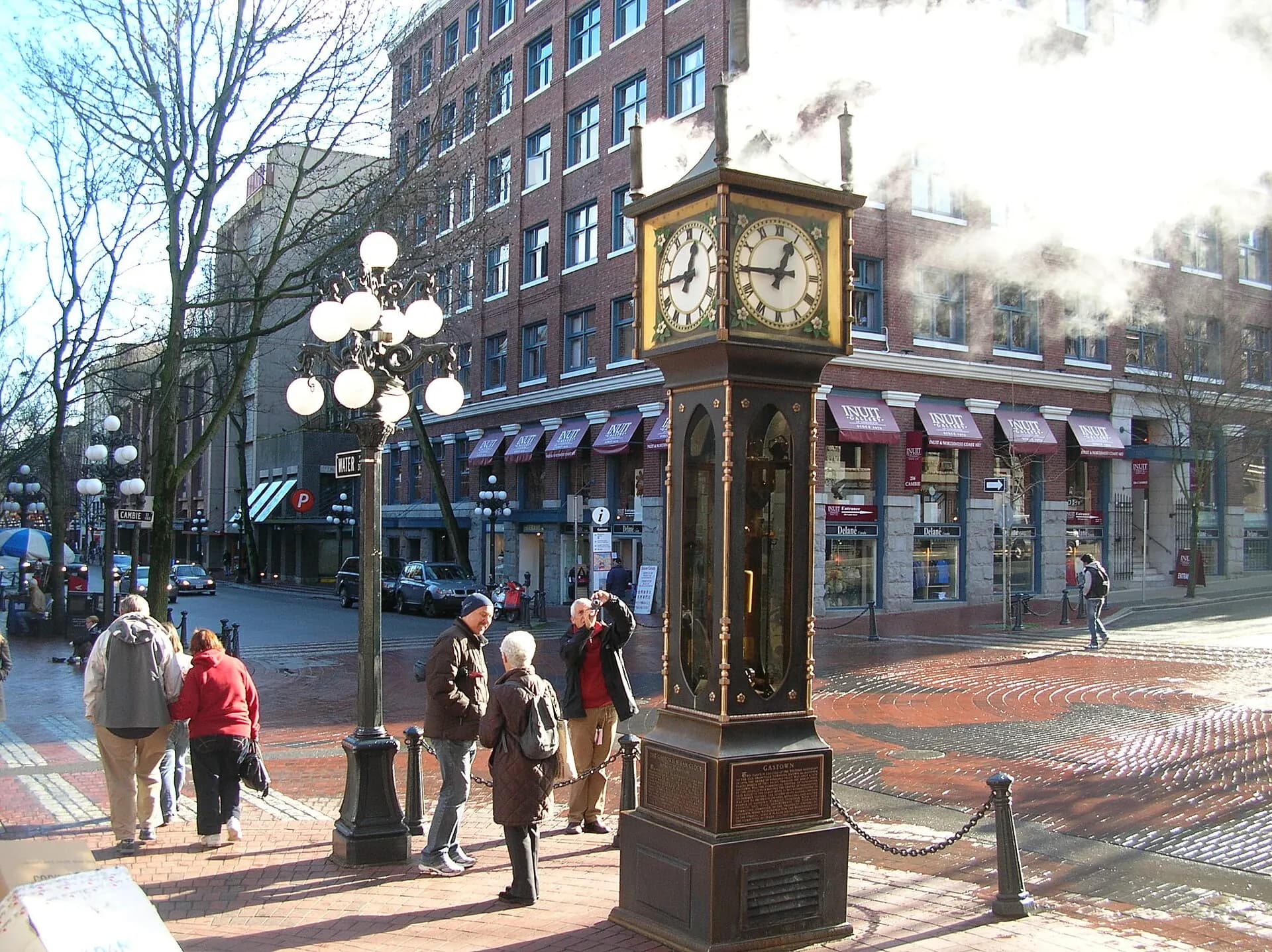
The oldest neighbourhood in Vancouver, with cobbled streets, Victorian buildings, independent shops and some of the city's best restaurants and bars. Its steam-powered clock whistles every fifteen minutes.
- 4
Chinatown and the Dr. Sun Yat-Sen Classical Chinese Garden
Photo: YukonExpatriate, CC BY-SA 3.0, via Wikimedia Commons
One of the largest Chinatowns in North America, with herbal shops, bakeries and restaurants. At its heart is a classical garden built in the Ming dynasty style by craftsmen from Suzhou, a serene place of pavilions, rocks and ponds.
- 5
Capilano Suspension Bridge and Grouse Mountain
Photo: Markus Säynevirta, CC BY-SA 4.0, via Wikimedia Commons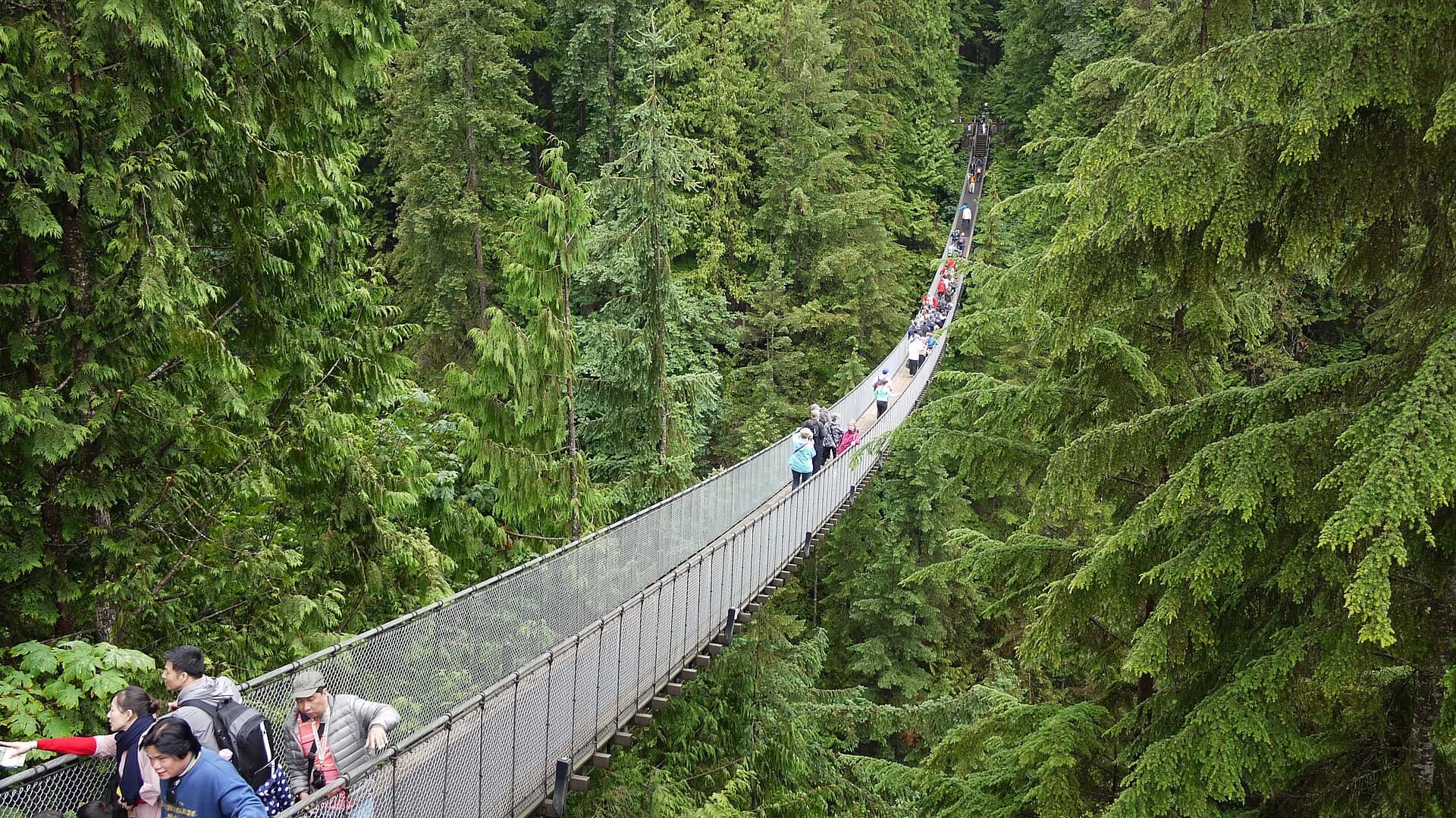
In North Vancouver, a long suspension bridge sways high above a rainforest canyon, with treetop walkways and a cliffside walk nearby. A short drive further, the Grouse Mountain gondola climbs to a mountaintop with views of the city, and skiing in winter.
TipThe free Lynn Canyon suspension bridge is a quieter, cheaper alternative, with swimming holes and forest trails.
- 6
The Museum of Anthropology
Photo: Xicotencatl, CC BY-SA 4.0, via Wikimedia Commons
At the University of British Columbia, a museum with one of the world's finest collections of Northwest Coast Indigenous art, including towering totem poles in a great glass hall and sculptures by the Haida artist Bill Reid.
- 7
Kitsilano and English Bay
Photo: dronepicr, CC BY 2.0, via Wikimedia Commons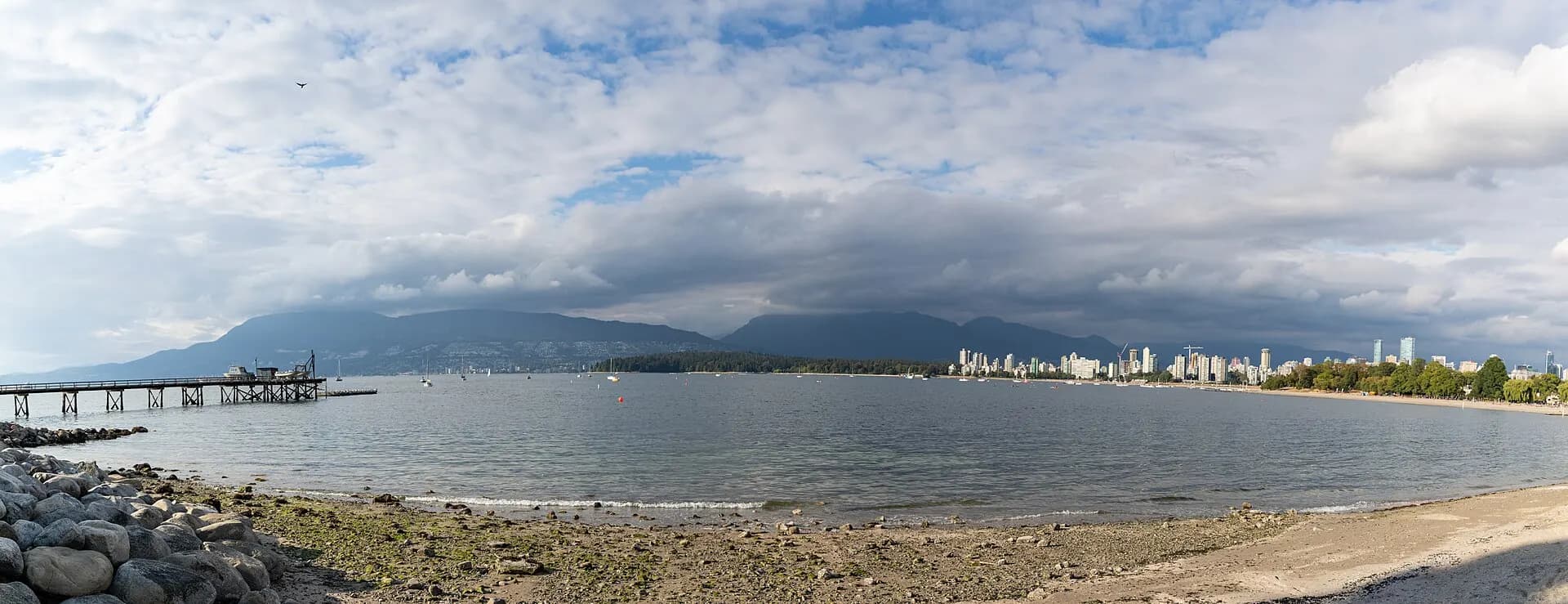
Beach neighbourhoods on either side of the water, popular for swimming, volleyball and sunset picnics. Kitsilano Beach has a huge outdoor saltwater pool, and the West End's English Bay beach is where the city gathers to watch the sun go down.
- 8
Queen Elizabeth Park
Photo: Xicotencatl, CC BY-SA 4.0, via Wikimedia Commons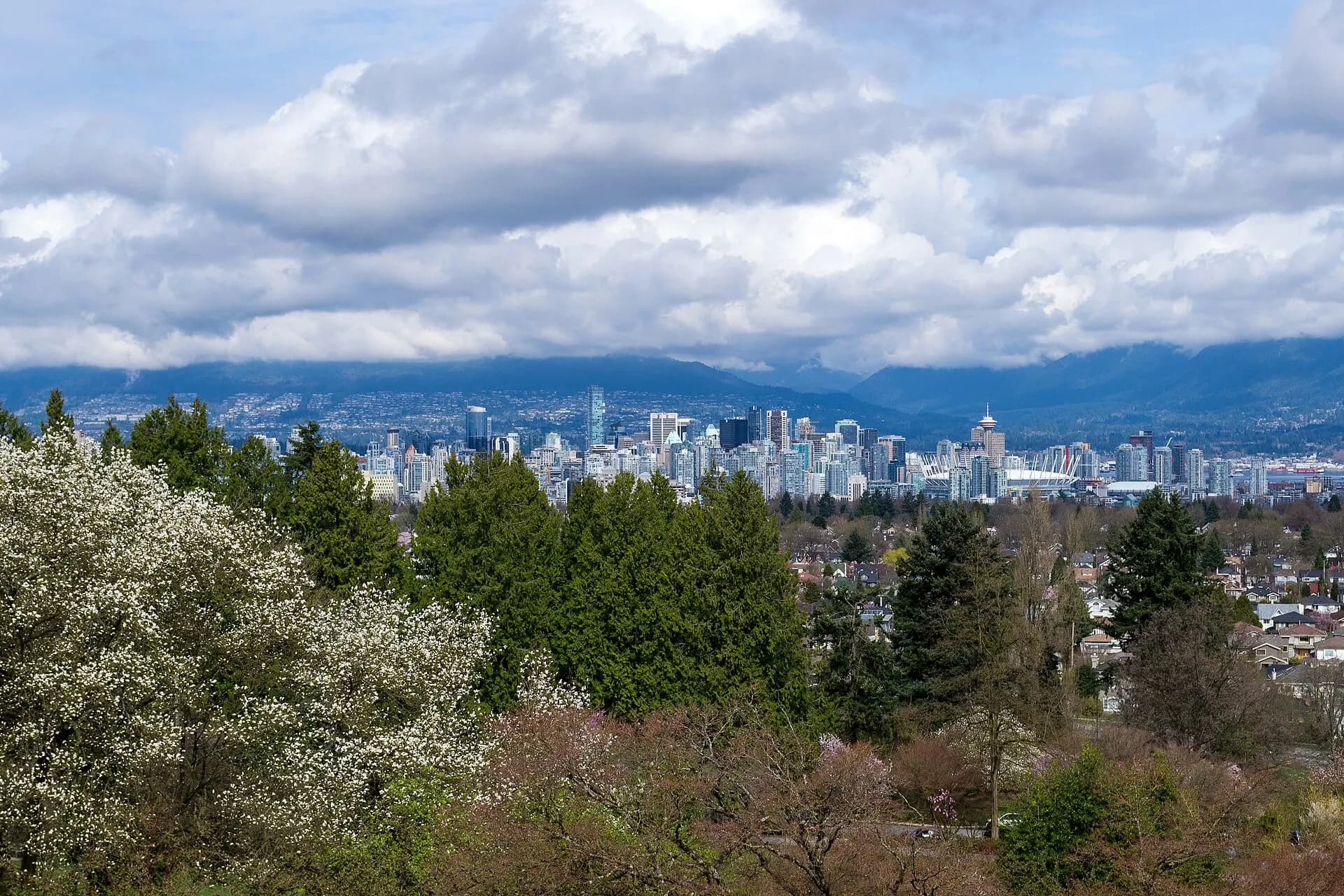
The city's highest point, a former quarry turned into gardens, with a conservatory full of tropical plants and birds and wide views of the downtown skyline and the mountains.
When to go
Summer, from June to September, is warm, sunny and dry, the best time for the beaches, hiking and outdoor dining. The rest of the year is mild but rainy, especially from November to March, when the mountains get plenty of snow for skiing. Spring brings cherry blossom to the streets in March and April.
Getting around
The SkyTrain, buses and the SeaBus ferry to North Vancouver are run by TransLink; tap a contactless card or a Compass Card. Downtown is compact and walkable, and the city has an excellent network of bike lanes, with bike-share docks all over the centre. The Canada Line SkyTrain links the airport with downtown in about twenty-five minutes.
Ferries run from Tsawwassen and Horseshoe Bay to Vancouver Island and the Gulf Islands.
Local tips
- Most visitors flying to Canada need an Electronic Travel Authorization (eTA) or a visa; check the government website.
- Pack a waterproof jacket at any time of year.
- Tip 15 to 20% in restaurants and bars; sales tax is added at the till.
- Book popular hiking trails' parking or day passes ahead in summer.
- Bears live in the mountains around the city: carry bear spray on remote trails and never feed wildlife.
- Some downtown blocks east of Gastown face serious social problems; stay aware, as in any big city.
Eat and drink
Vancouver's food scene draws on the Pacific and on Asia. Try wild salmon, spot prawns in season, and sushi, which here is among the best outside Japan. The city's Chinese restaurants, especially in Richmond, are outstanding, and its craft breweries and coffee shops are everywhere.
Day trips
The Sea-to-Sky Highway runs north along Howe Sound to Squamish, where the Sea to Sky Gondola climbs to viewpoints and suspension bridges, and on to Whistler, two hours from the city, a world-famous ski resort in winter and a mountain-biking and hiking centre in summer. Victoria, the capital of British Columbia, on Vancouver Island, is reached by ferry or seaplane, with its harbour, gardens and the Royal BC Museum.
Where to stay
Downtown and the West End put you within walking distance of Stanley Park, the Seawall and English Bay, with plenty of hotels and restaurants. Yaletown, on the north shore of False Creek, has stylish restaurants in converted warehouses and the seawall on its doorstep. Kitsilano offers a more relaxed, residential stay near the beaches, and North Vancouver, a short SeaBus ride across the harbour, is ideal for the mountains and forest trails.
Outdoor Vancouver
Getting outdoors is the heart of life in Vancouver. In summer, kayak or paddleboard on False Creek or in Deep Cove, the forested inlet in North Vancouver, then hike up to the Quarry Rock viewpoint above it. The Grouse Grind, a steep 2.9-kilometre trail up Grouse Mountain, is the city's famous fitness challenge. In winter, the three local mountains, Grouse, Cypress and Mount Seymour, offer skiing and snowshoeing, many with night skiing, less than an hour from downtown.