Montréal
A French-speaking island city of stone streets, a park-topped mountain, wood-fired bagels and festivals in every season.
- Best time to go
- June to September for festivals and terraces; late September to October for autumn colour
- Local time
- –
- Currency
- Canadian Dollar (CAD)
- Reading time
- 9 min
- Language
- English and French
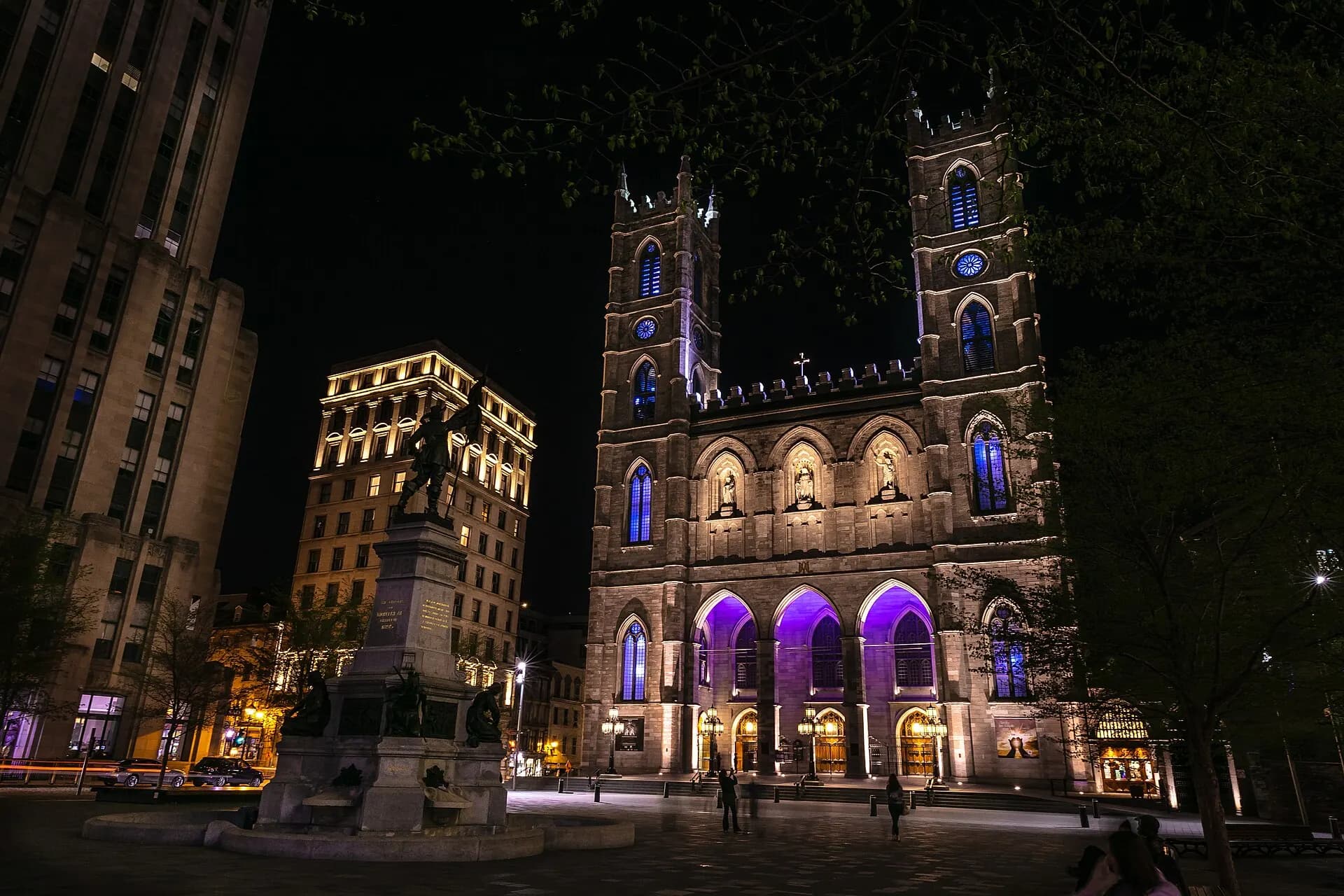
Montréal sits on an island in the St Lawrence River, wrapped around the wooded hill that gave it its name. It's the largest city in Quebec and one of the largest French-speaking cities in the world, yet English, and dozens of other languages, are heard on every street. The result is a city that feels unlike anywhere else in North America: a seventeenth-century French settlement turned industrial port, now known for its food, design, music and a calendar of festivals that barely pauses for winter.
Most visitors start in Old Montréal, with its stone warehouses, Notre-Dame Basilica and the Old Port on the river, then head up to Mount Royal and out into neighbourhoods such as the Plateau and Mile End, where the city's character really lives: spiral outdoor staircases, corner cafés, bagel bakeries and market stalls. The metro, a network of cycle lanes and an underground city of linked passages make it easy to get around in any season.
The top 16 in Montréal
- 1
Notre-Dame Basilica
Photo: Diego Delso, CC BY-SA 4.0, via Wikimedia Commons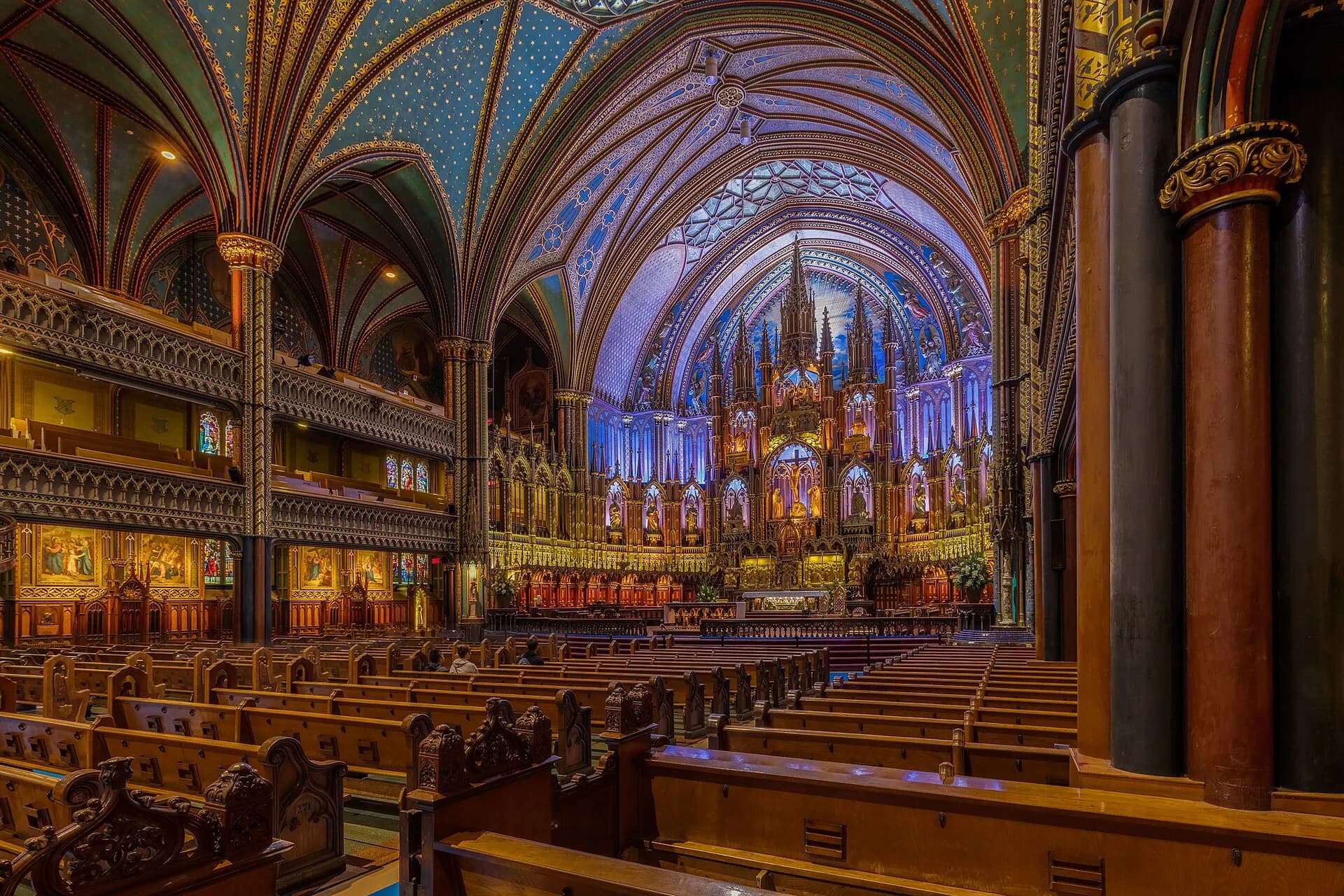
The Gothic Revival basilica on Place d'Armes, completed in the 1820s, is Montréal's most famous building. The facade is plain grey stone, but inside the vaulted ceiling glows deep blue, starred in gold, above a carved and gilded altarpiece and a huge Casavant organ. In the evening, the AURA experience by Moment Factory fills the nave with light projections and music for about 40 to 45 minutes.
TipBook AURA ahead for evenings in summer and around the holidays; the show includes loud music and flashing lights that may not suit young children.
- 2
Pointe-à-Callière
Photo: Lumaag, CC0, via Wikimedia Commons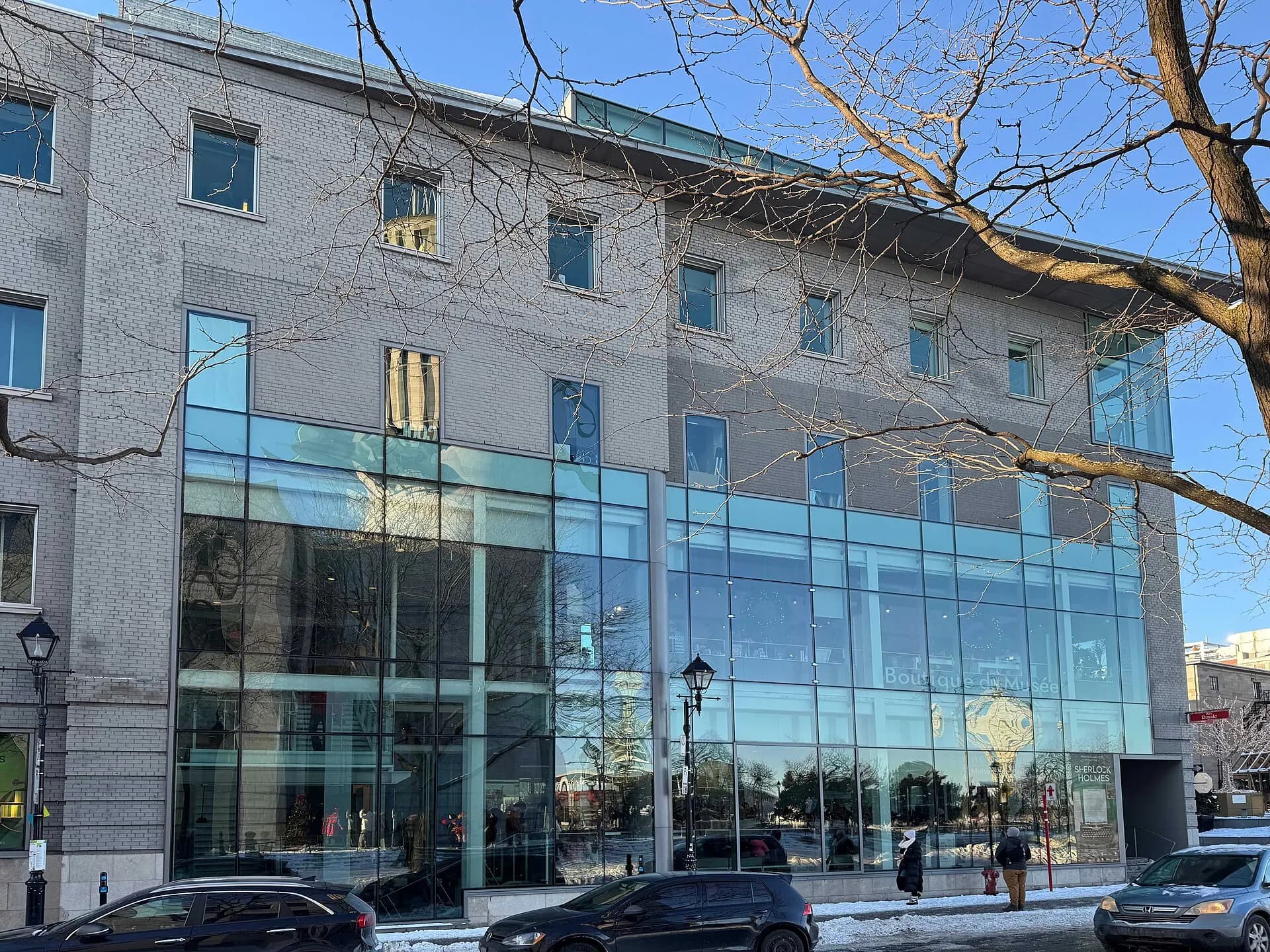
The city's archaeology and history museum stands on the very spot where Ville-Marie was founded in 1642. Underground walkways lead through excavated foundations, an old collector sewer and layers of the city's past, from Indigenous presence to the French colony and the port. Temporary exhibitions are often excellent.
- 3
Old Montréal and the Old Port
Photo: Guilhem Vellut from Paris, France, CC BY 2.0, via Wikimedia Commons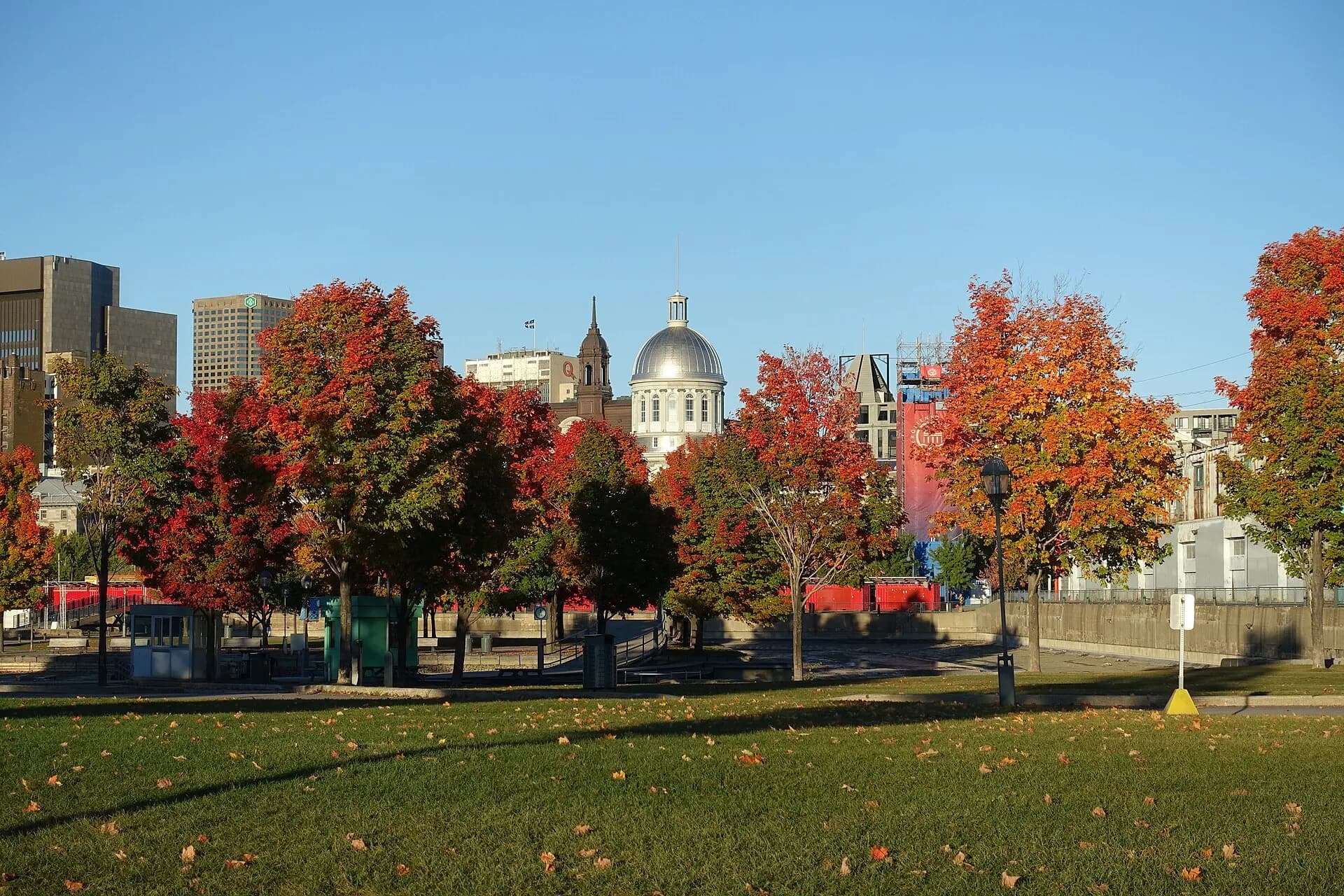
Cobbled rue Saint-Paul, Place Jacques-Cartier and the silver dome of Bonsecours Market form the heart of the old town, best explored slowly on foot. Below, the Old Port has been turned into a long riverside promenade with the Clock Tower, a Ferris wheel, a science centre and boat trips on the St Lawrence.
TipWander the side streets in the early morning, when the old town is quiet and the light falls on the stone.
- 4
Parc Jean-Drapeau
Photo: Guilhermeduartegarcia, CC BY-SA 3.0, via Wikimedia Commons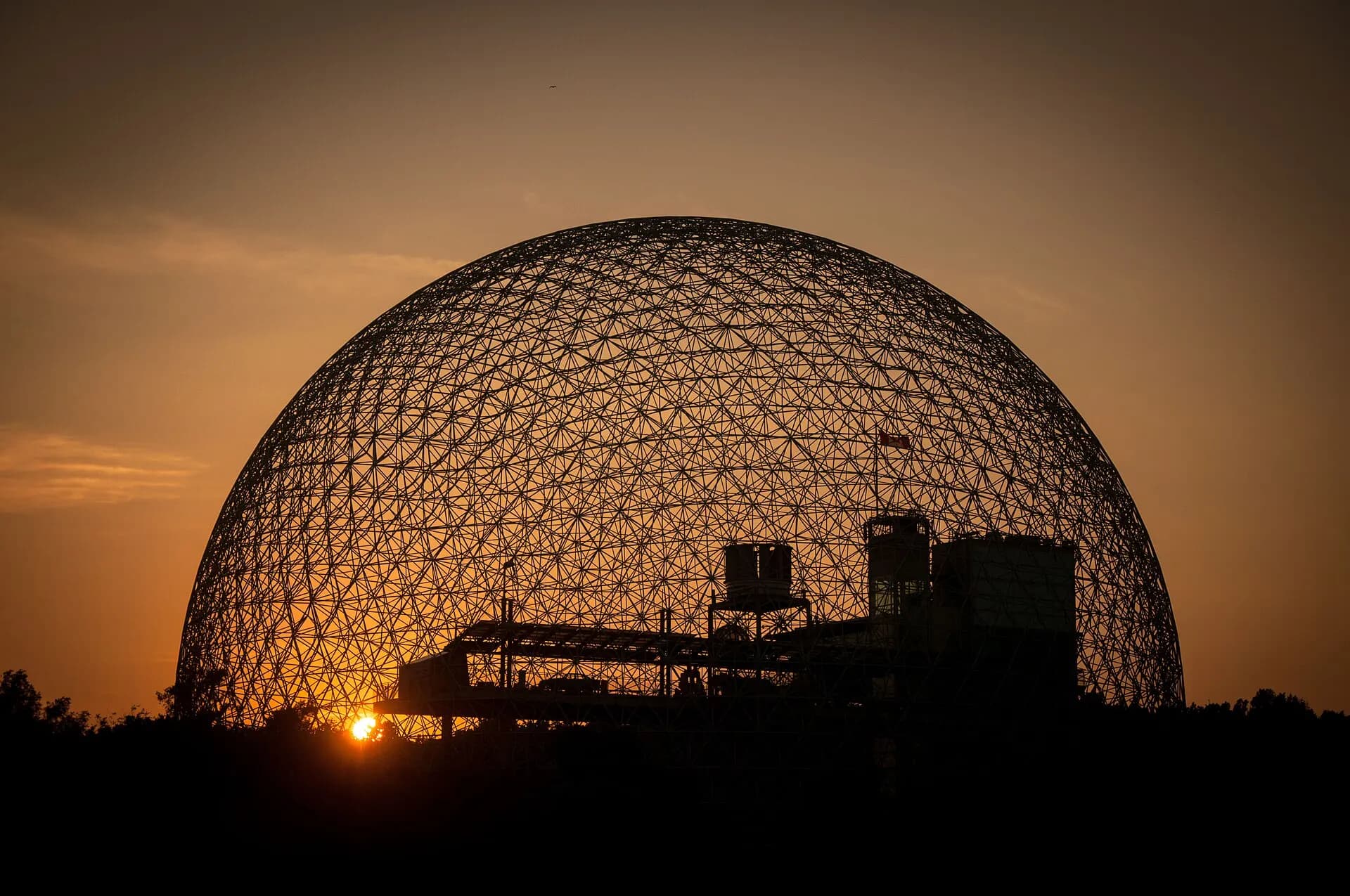
Two islands in the river, Île Sainte-Hélène and Île Notre-Dame, hosted Expo 67 and are now a large park reached by metro or, in summer, by river shuttle from the Old Port. The Biosphère, Buckminster Fuller's geodesic dome from the American pavilion, is now an environment museum, and there are beaches, trails, a Formula 1 circuit and views back to the skyline.
- 5
Quartier des Spectacles
Photo: Miguel Tremblay, CC0, via Wikimedia Commons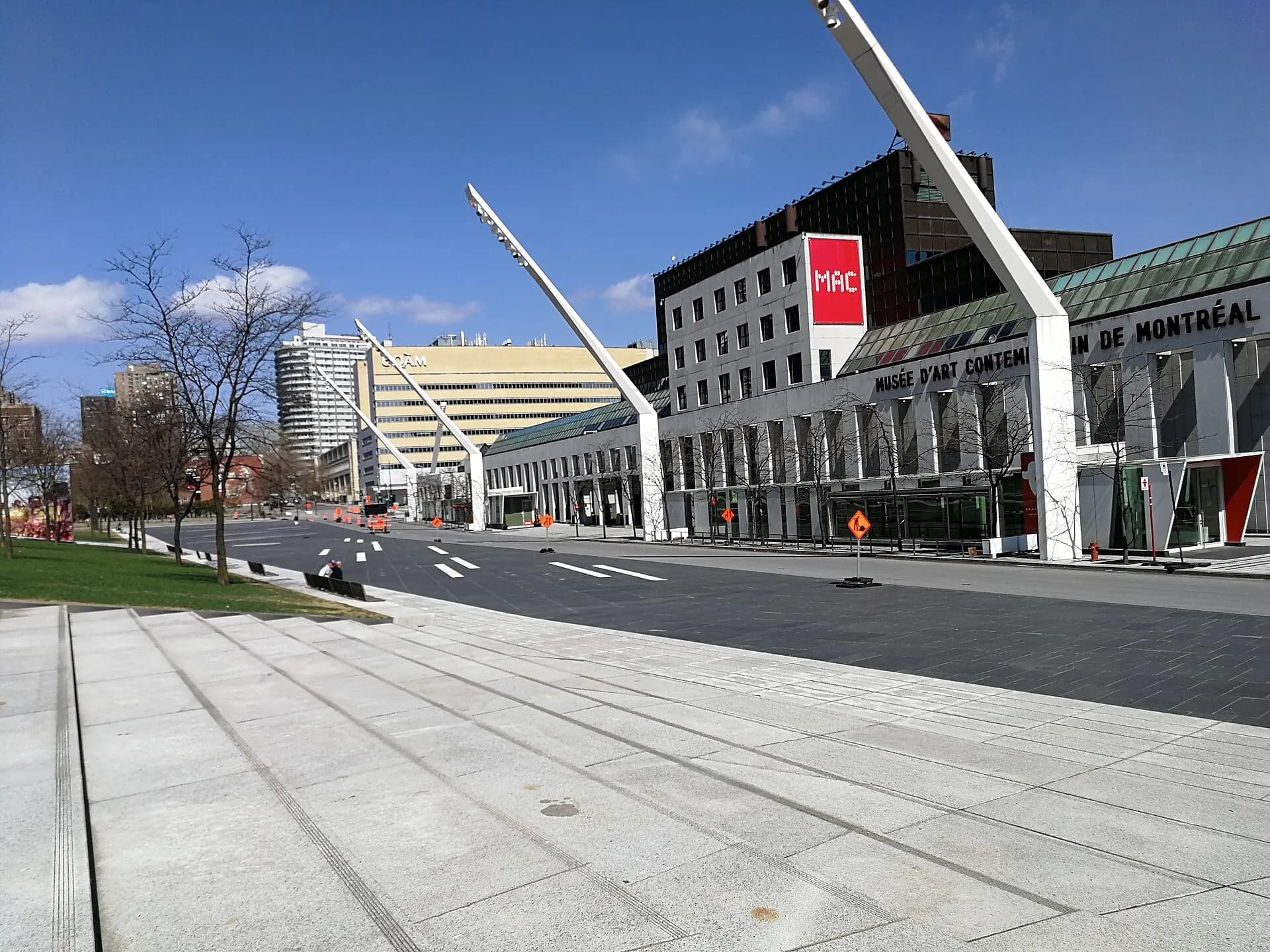
The city's entertainment district packs theatres, concert halls and the Musée d'art contemporain around open squares such as Place des Festivals. It's the stage for the Montreal International Jazz Festival in summer, with many free outdoor concerts, and for light installations and public art through the colder months.
- 6
The underground city (RÉSO)
Photo: Deror_avi, CC BY-SA 4.0, via Wikimedia Commons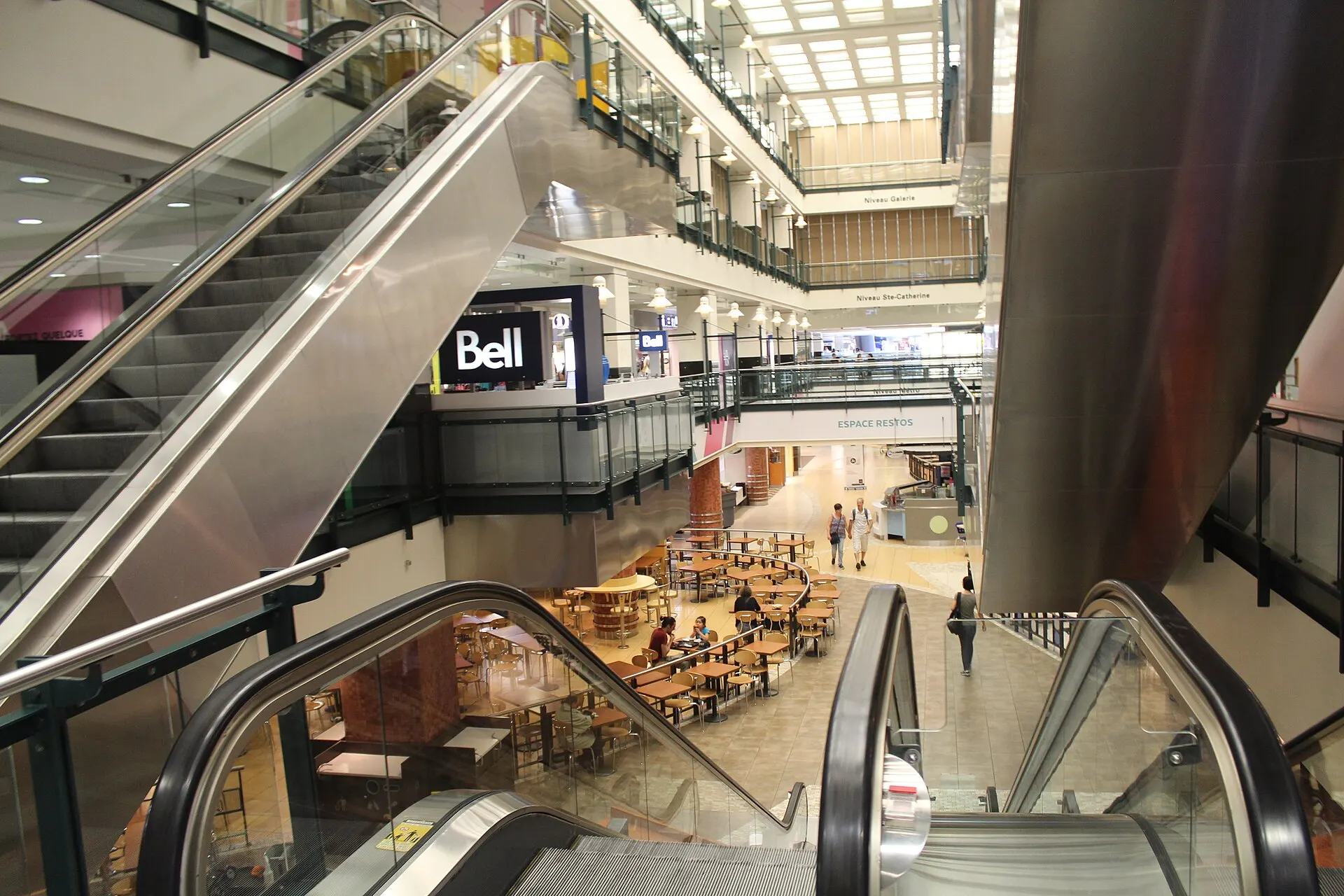
More than 30 km of passages link metro stations, shopping centres, office towers, hotels and concert halls under downtown. It's less a sight than a way of life in winter, letting people cross much of the centre without going outside. Follow the RÉSO signs from stations such as McGill, Peel or Bonaventure.
- 7
Montreal Museum of Fine Arts
Photo: Pierre5018, CC BY-SA 4.0, via Wikimedia Commons
Spread across several linked pavilions on rue Sherbrooke, Canada's oldest art museum covers everything from old masters to Quebec and Indigenous art, decorative arts and a strong collection of Canadian painting.
- 8
Atwater Market
Photo: Parcours riverain - Ville de Montréal, CC BY 2.0, via Wikimedia Commons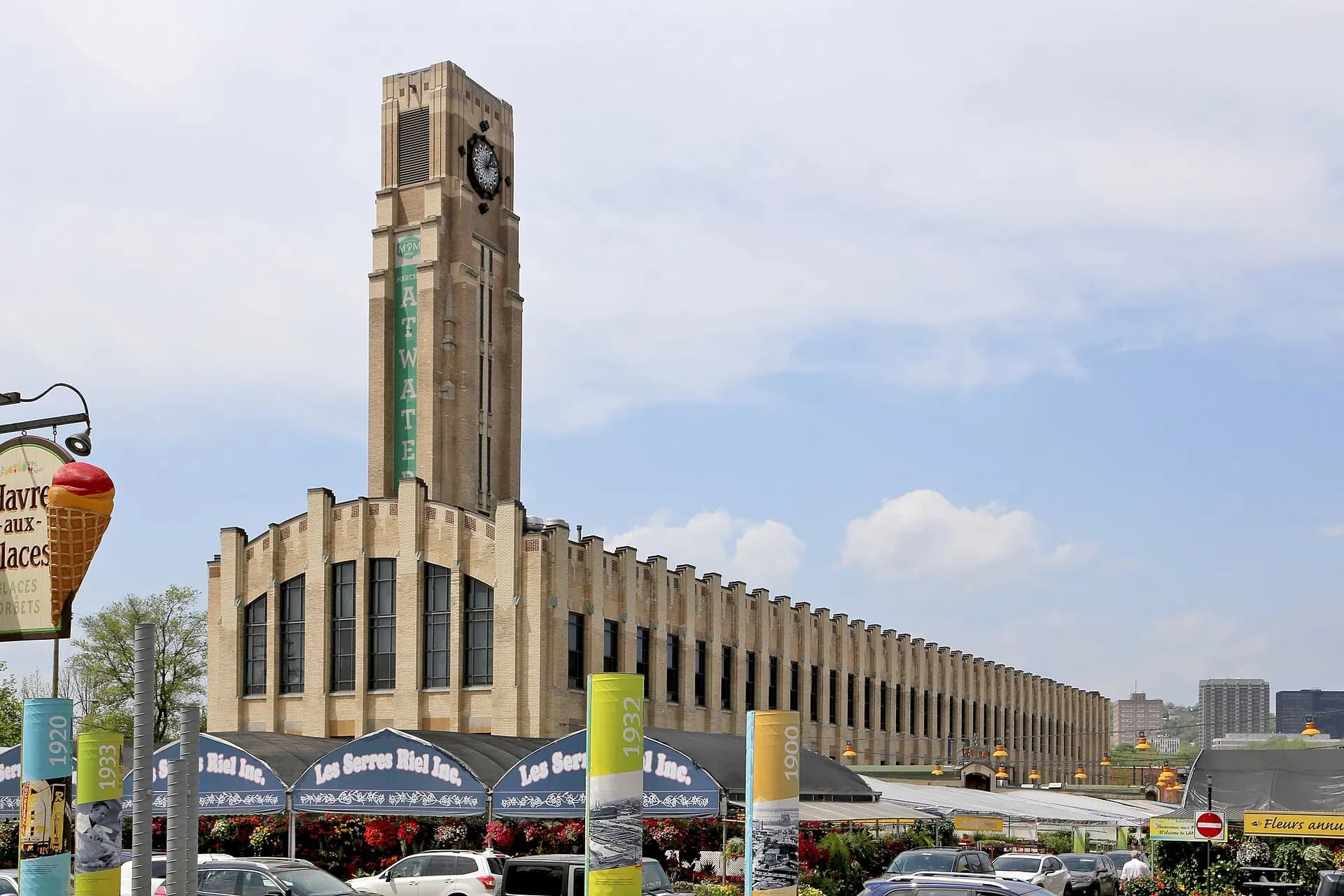
An Art Deco market hall beside the canal, with butchers, cheesemongers, bakers and, outside, flower and produce stalls. It's a good place to put together a picnic before heading along the canal.
- 9
Lachine Canal
Photo: Guilhem Vellut from Annecy, France, CC BY 2.0, via Wikimedia Commons
Once the industrial backbone of the city, the canal is now a national historic site with a cycling and walking path that runs for about 14 km past old factories and lofts. In summer, you can rent kayaks or pedal boats, or simply cycle the towpath west towards Lachine.
- 10
Saint Joseph's Oratory
Photo: King of Hearts, CC BY-SA 4.0, via Wikimedia Commons
The largest church in Canada, its great copper dome rising from the northern flank of Mount Royal. It grew from a small chapel built by Brother André, a doorkeeper credited with many healings and canonised in 2010, and pilgrims still climb the central stairs on their knees. Inside are the crypt church, a votive chapel lined with candles, and the basilica itself.
- 11
Mount Royal and the Kondiaronk lookout
Photo: Deror_avi, CC BY-SA 4.0, via Wikimedia Commons
The city's green summit is a park designed by Frederick Law Olmsted, who also created New York's Central Park. The Kondiaronk lookout, in front of the Mount Royal Chalet, has the classic view over the downtown towers to the river. Trails wind through the woods to the illuminated cross and Beaver Lake, and on summer Sundays drummers gather at the George-Étienne Cartier monument for the Tam-Tams.
TipWalk up the stairs from rue Peel downtown, about 30 to 45 minutes, or take bus 11 to the top and walk down.
- 12
Plateau Mont-Royal
The neighbourhood that sums up Montréal for many visitors: rows of brick houses with iron spiral staircases, Victorian Square Saint-Louis, and lively streets such as avenue du Mont-Royal and rue Saint-Denis. Boulevard Saint-Laurent, the old dividing line between French and English Montréal, is lined with murals, many painted for the MURAL festival.
- 13
Mile End
Photo: Bohemian Baltimore, CC BY-SA 4.0, via Wikimedia Commons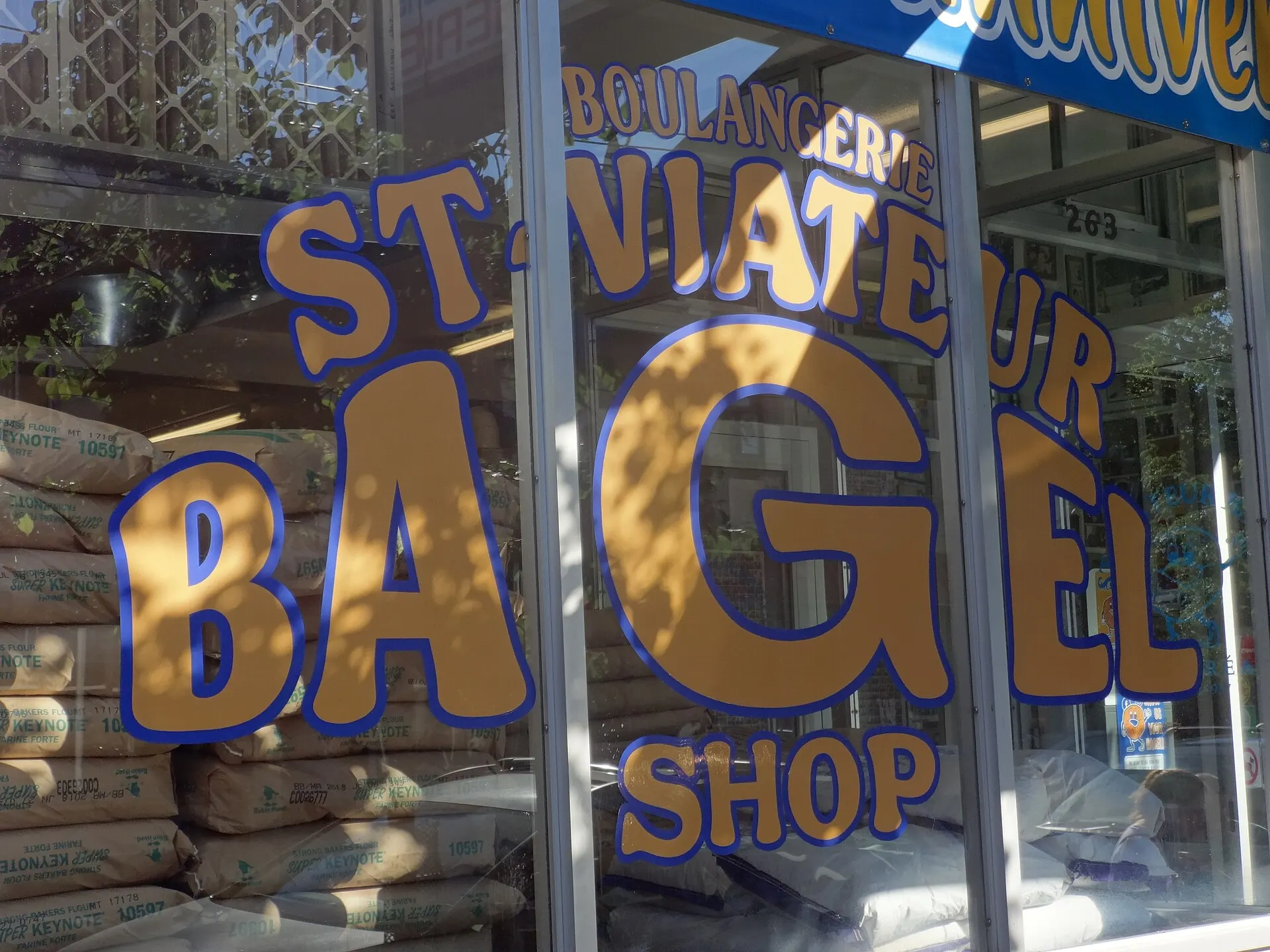
Just north-west of the Plateau, Mile End is home to the city's two famous bagel bakeries, St-Viateur and Fairmount, both open long hours and baking in wood-fired ovens. Around them are cafés, record shops, Hasidic and Greek bakeries, and some of the city's most creative small restaurants.
- 14
Jean-Talon Market
Photo: Brandon Moore (Raskuly), CC BY 4.0, via Wikimedia Commons
In Little Italy, one of the largest open-air markets in North America, at its best from summer into autumn with Quebec strawberries, corn, apples, maple products and cheeses. Stalls stay open all year, with the central area enclosed in winter.
- 15
Olympic Park and the Biodôme
Photo: Guilhem Vellut from Annecy, France, CC BY 2.0, via Wikimedia Commons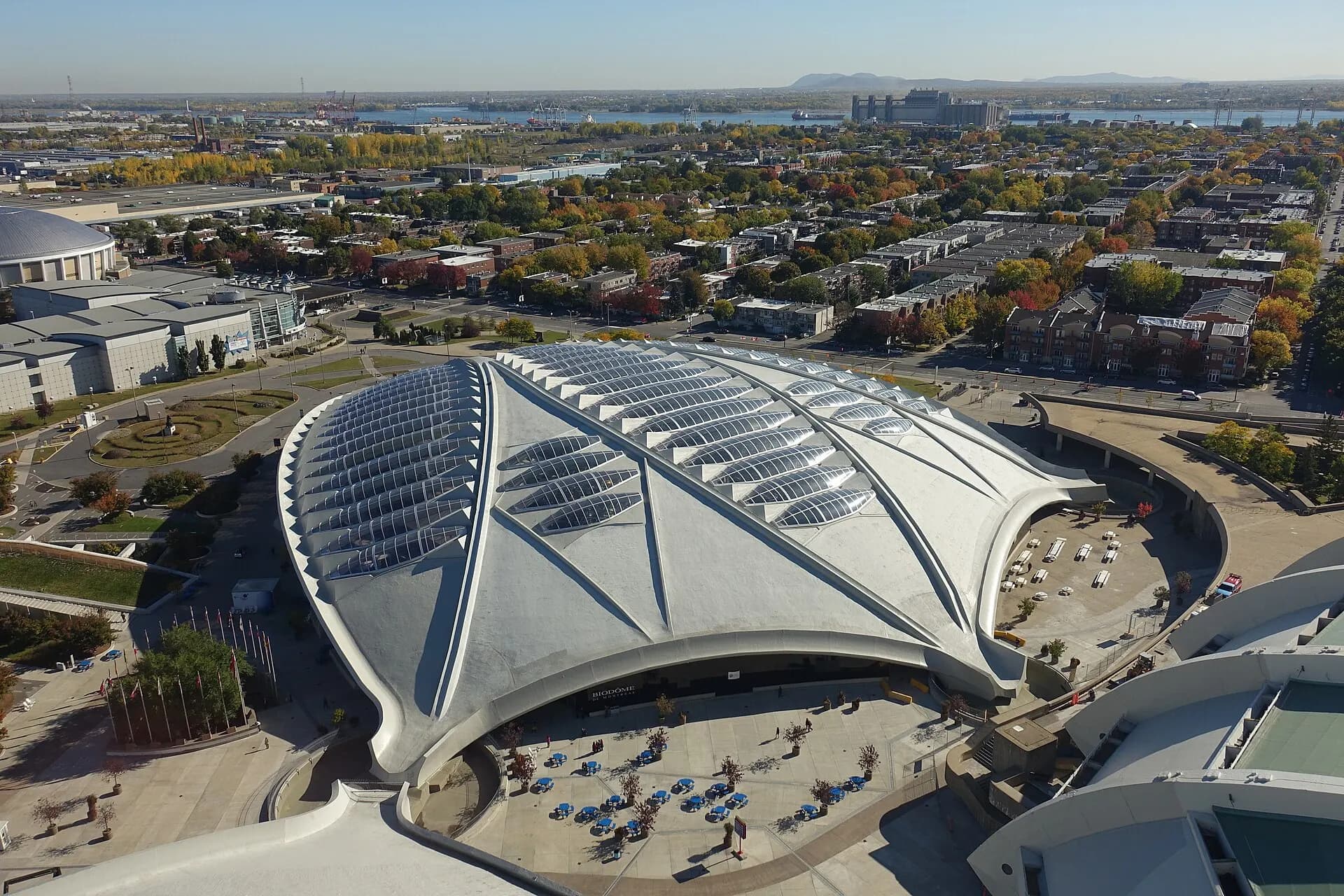
The 1976 Olympic Stadium, with its leaning tower, dominates the east end. The stadium roof and tower are under long-term renovation, so check whether the tower observatory has reopened before planning around it. Next door, the Biodôme, in the former Olympic velodrome, recreates four ecosystems of the Americas, from a tropical forest to the sub-Antarctic, with penguins, lynx and puffins.
- 16
Botanical Garden and Insectarium
Photo: King of Hearts, CC BY-SA 4.0, via Wikimedia Commons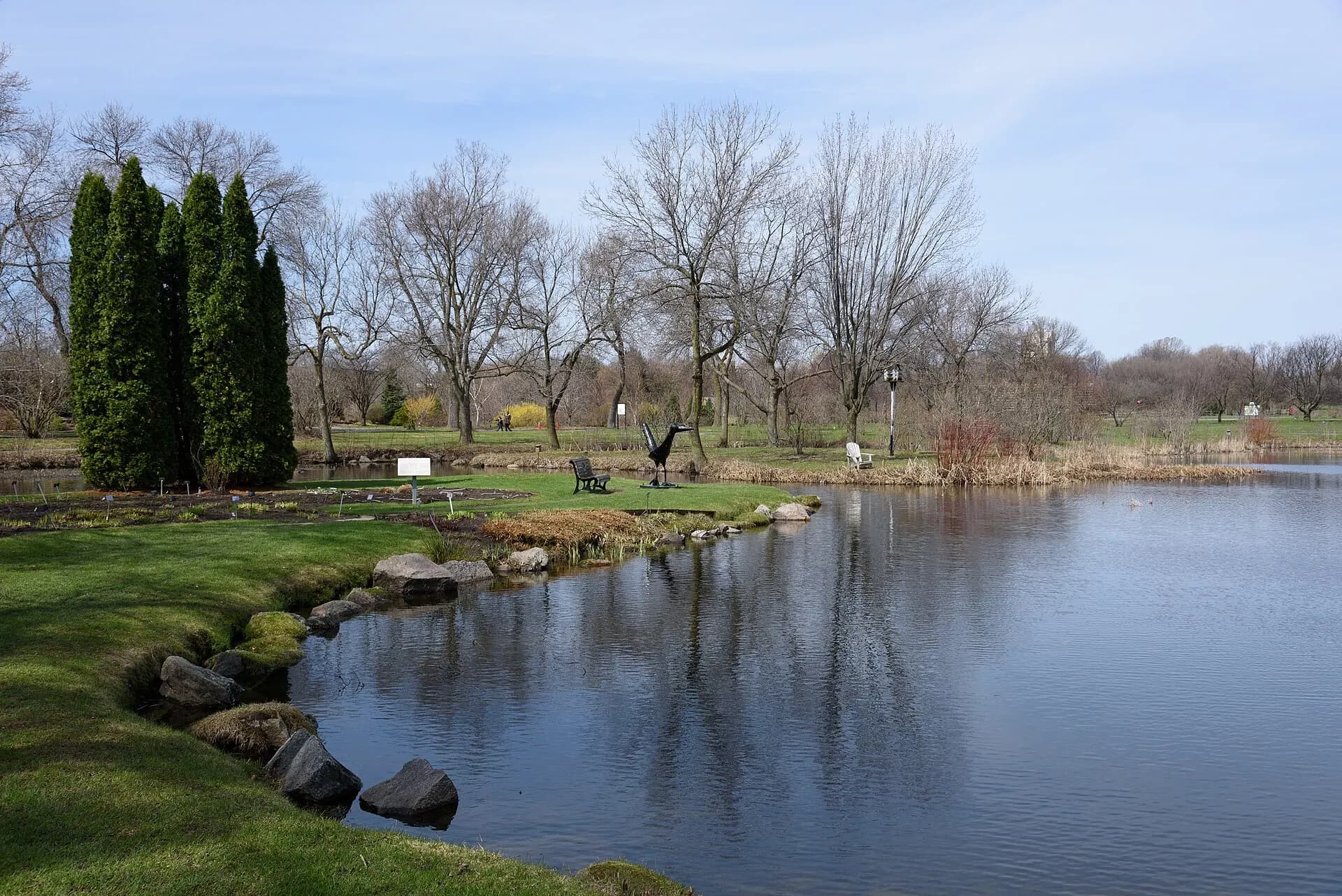
Across the road, the Botanical Garden is one of the largest in the world, with a Chinese garden, a Japanese garden, a First Nations garden and big greenhouses. The Insectarium, rebuilt in 2022, lets visitors walk among living insects. In autumn, the Gardens of Light fill the Chinese and Japanese gardens with lanterns after dark.
When to go
Summer, from June to early September, is warm and often humid, with café terraces, parks full of picnickers and the big festivals: the Jazz Festival around late June and early July, the MURAL festival in June and comedy in July. Late September and October bring crisp days and brilliant red and gold on Mount Royal. Winter is long and properly cold, often below minus 20°C with wind chill, but it's also when the city shows its spirit, with skating, snowy parks and Igloofest, an outdoor electronic music festival in the Old Port on winter weekends from mid-January into February. Spring arrives late; March and April are sugar shack season in the countryside nearby.
Getting around
The STM metro has four colour-coded lines, numbered 1, 2, 4 and 5 (green, orange, yellow and blue), running on quiet rubber tyres, plus an extensive bus network; buy an OPUS card or occasional fares at stations, or a short-term pass for a few days of travel. From Montréal-Trudeau airport, the 747 bus runs around the clock to downtown; a REM light-rail station at the airport is under construction and expected in 2027. BIXI bike share has thousands of bikes, many electric, with its full network running from spring to autumn. The city has a large network of protected cycle lanes. Downtown, Old Montréal and the Plateau are easy to walk, and in winter the underground city links many central stations. Driving and parking in the centre are best avoided.
Local tips
- Montréal is a French-speaking city. Greet people with "Bonjour" first; most staff in the centre switch happily to English, and many shops greet you with "Bonjour-Hi".
- Quebec and federal sales taxes are added at the till, so prices you see on shelves and menus are lower than what you pay.
- Tipping of around 15 to 20 per cent is expected in restaurants, bars and taxis.
- In winter, dress in layers with a warm hat, gloves and waterproof boots; pavements can be icy and wind chill is severe.
- Watch for cyclists in the bike lanes, which often run between the pavement and parked cars.
- The Passeport MTL bundles entry to several major attractions and can save money if you plan to see many.
- Some restaurants are "apportez votre vin" (bring your own wine), especially on the Plateau; buy a bottle at a SAQ shop or dépanneur first.
Eat and drink
Montréal takes food seriously. Try poutine, chips with cheese curds and gravy, at a casse-croûte or a late-night spot; smoked meat sandwiches piled high on rye, a tradition from the city's Jewish delis, with Schwartz's on boulevard Saint-Laurent the best known; and Montréal bagels, smaller, denser and sweeter than the New York kind, boiled in honey water and baked in wood-fired ovens. Look out too for tourtière, a spiced meat pie, maple sweets of every kind, Quebec cheeses and craft beers from local microbreweries. The city's dining scene ranges from French bistros and Portuguese grills to Haitian, Lebanese and Vietnamese restaurants, and the markets are full of seasonal produce.
Where to stay
Old Montréal has characterful boutique hotels in old stone buildings, convenient for sightseeing but quieter at night. Downtown has the big hotels, close to the metro and the underground city, which helps in winter. The Plateau and the Quartier Latin have guesthouses and apartments in a more local setting, with plenty of restaurants. Book well ahead for the Grand Prix weekend in June and festival dates in summer.
Ville-Marie and the making of the city
Long before Europeans arrived, the island was a meeting place for Indigenous peoples; when Jacques Cartier came up the river in 1535, he found the Iroquoian village of Hochelaga. French settlers led by Paul de Chomedey de Maisonneuve and Jeanne Mance founded Ville-Marie in 1642 as a missionary outpost, and it grew into a centre of the fur trade. In 1701, the Great Peace of Montreal was signed here between New France and some forty Indigenous nations, with the Wendat chief Kondiaronk among its architects; the Mount Royal lookout bears his name. After the British conquest in 1760, the city became the commercial capital of Canada, with grand banks and warehouses still visible in the old town, and a magnet for Irish, Jewish, Italian, Greek, Portuguese and many other immigrants. Expo 67 and the 1976 Olympics brought the metro, the islands' park and much of the modern city.
French language and culture
French is the official language of Quebec, and protecting it is central to the province's identity. Signs are in French, menus often too, and the local accent and vocabulary differ from those of France. A few words go a long way: "bonjour", "merci", "s'il vous plaît" and "excusez-moi". Montréal itself is more bilingual than the rest of the province, especially downtown and in the west of the island, but starting a conversation in French is a simple courtesy that's always appreciated.
Winter in Montréal
Rather than hibernating, Montrealers lean into winter. Skate on Beaver Lake on Mount Royal or at the Old Port's rink, go cross-country skiing or snowshoeing in the city's big parks, and dance outside in snowsuits at Igloofest. When it's too cold, the underground city, museums and cosy bistros take over. Days are short and temperatures can stay below freezing for weeks, so plan indoor options and check the forecast before outdoor activities.
Responsible travel
Use the metro, buses, BIXI and your feet; the city is built for it, and it keeps traffic down in crowded neighbourhoods. On Mount Royal, stay on marked trails to protect the forest, and take your rubbish home from the parks. Support independent shops, markets and local producers. In residential areas such as the Plateau, many short-term rentals are restricted, so choose licensed accommodation, which in Quebec displays a registration number.