Sofia
A relaxed, affordable capital where Roman streets, Ottoman domes and Orthodox gold sit beneath a mountain you can climb before lunch.
- Best time to go
- May to June and September to October for the city and day trips; July to September for the high Rila lakes; December to March for skiing
- Local time
- –
- Currency
- Euro (EUR)
- Reading time
- 14 min
- Language
- Bulgarian
Sofia is one of Europe's most underrated capitals: green, walkable, inexpensive, and built on top of seven thousand years of settlement. Under the pavements lie the streets of Roman Serdika, where the emperor Constantine once considered moving his capital. Above them stand a fourth-century rotunda, a sixth-century basilica that gave the city its name, an Ottoman mosque fed by hot springs, a synagogue, a Catholic cathedral and the gilded domes of Alexander Nevsky, all within a few minutes' walk of each other. And at the end of the main shopping street, the bulk of Vitosha mountain rises to nearly 2,300 metres, close enough to hike on an afternoon off.
The city also makes the ideal base for western Bulgaria. Within two or three hours lie the Rila Monastery, the country's spiritual heart; the glacial Seven Rila Lakes; Plovdiv, one of the oldest continuously inhabited cities in Europe; and Koprivshtitsa, a perfectly preserved nineteenth-century mountain town. The places below run as a route: a day or two in central Sofia, a half day at Boyana and on Vitosha, then a loop south to the Rila mountains, east to Plovdiv and back through the hills via Koprivshtitsa. Allow five days to a week for everything. Further afield, the overland routes from Sofia lead to Istanbul, Athens and Budapest.
The top 15 in Sofia
- 1
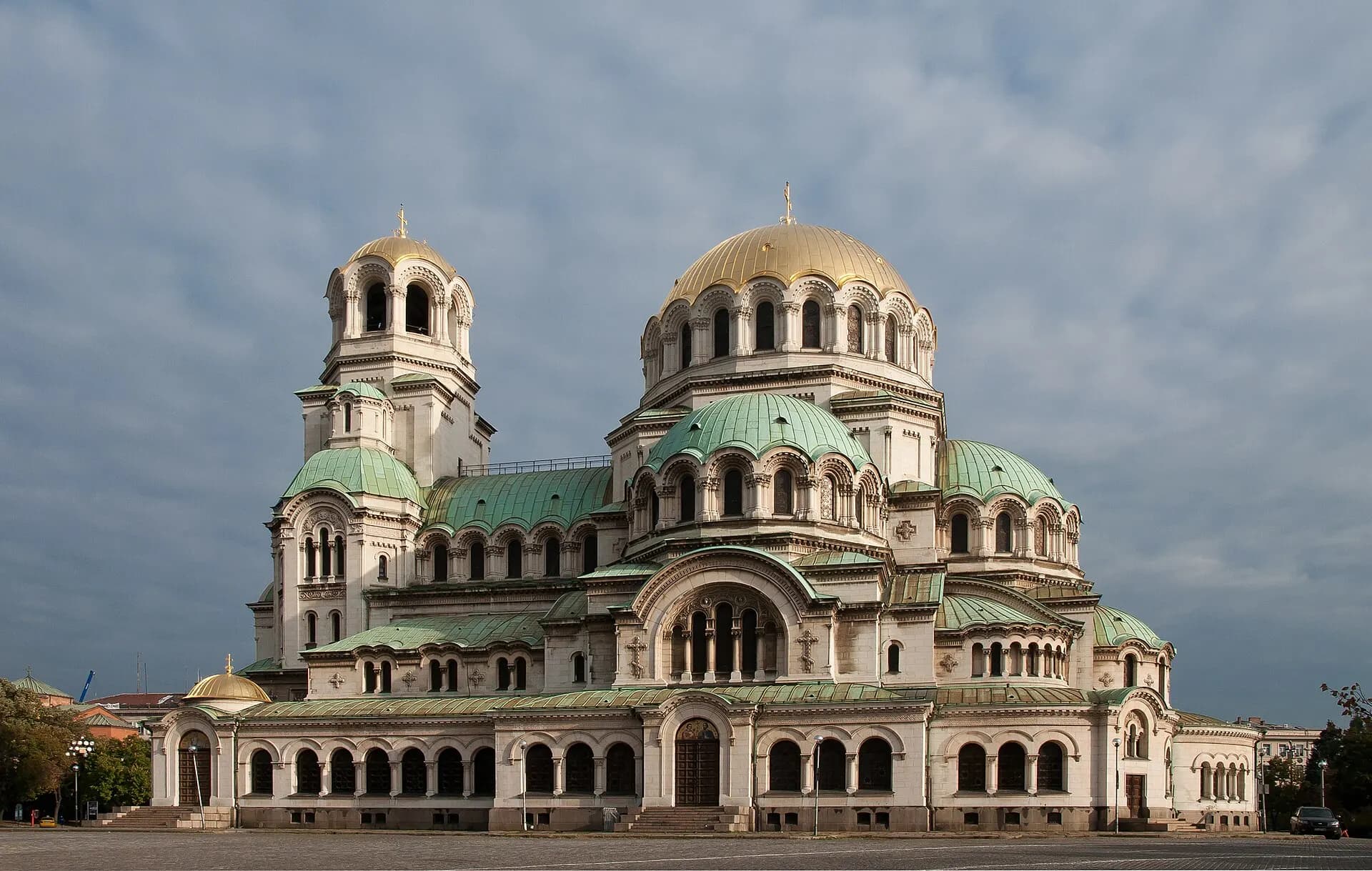
Alexander Nevsky Cathedral
Photo: Pudelek (Marcin Szala), CC BY-SA 3.0, via Wikimedia Commons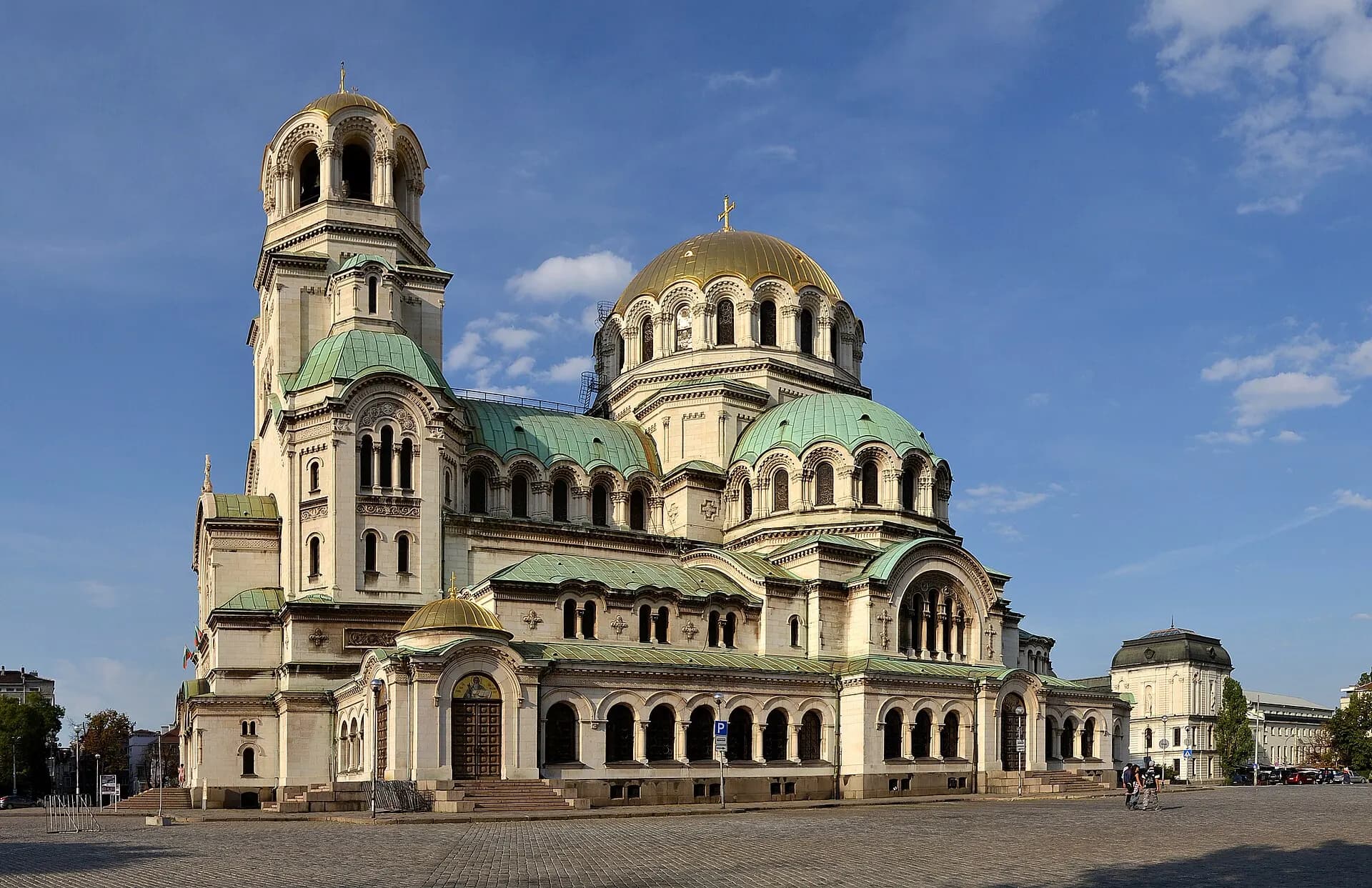
Sofia's great landmark is a neo-Byzantine cathedral with gold and green domes, built between the 1880s and 1912 as a memorial to the Russian soldiers who died in the war of 1877–78 that ended Ottoman rule in Bulgaria. It is one of the largest Orthodox churches in the Balkans, and inside it is dark, vast and hushed, lit by candles and chandeliers, with walls of murals, onyx and marble, and a richly carved iconostasis. In the crypt, a branch of the National Gallery keeps a superb collection of Orthodox icons from across the country, dating from the medieval period to the nineteenth century.
TipEntry to the cathedral itself is free; the crypt icon gallery is ticketed and closed on Mondays. Come for a sung service on a Sunday morning, when the choir is the best reason to visit, and look for the antiques and icon sellers in the square outside.
- 2
St Sofia Church
Photo: Plamen Agov (user:MrPanyGoff), CC BY-SA 3.0, via Wikimedia Commons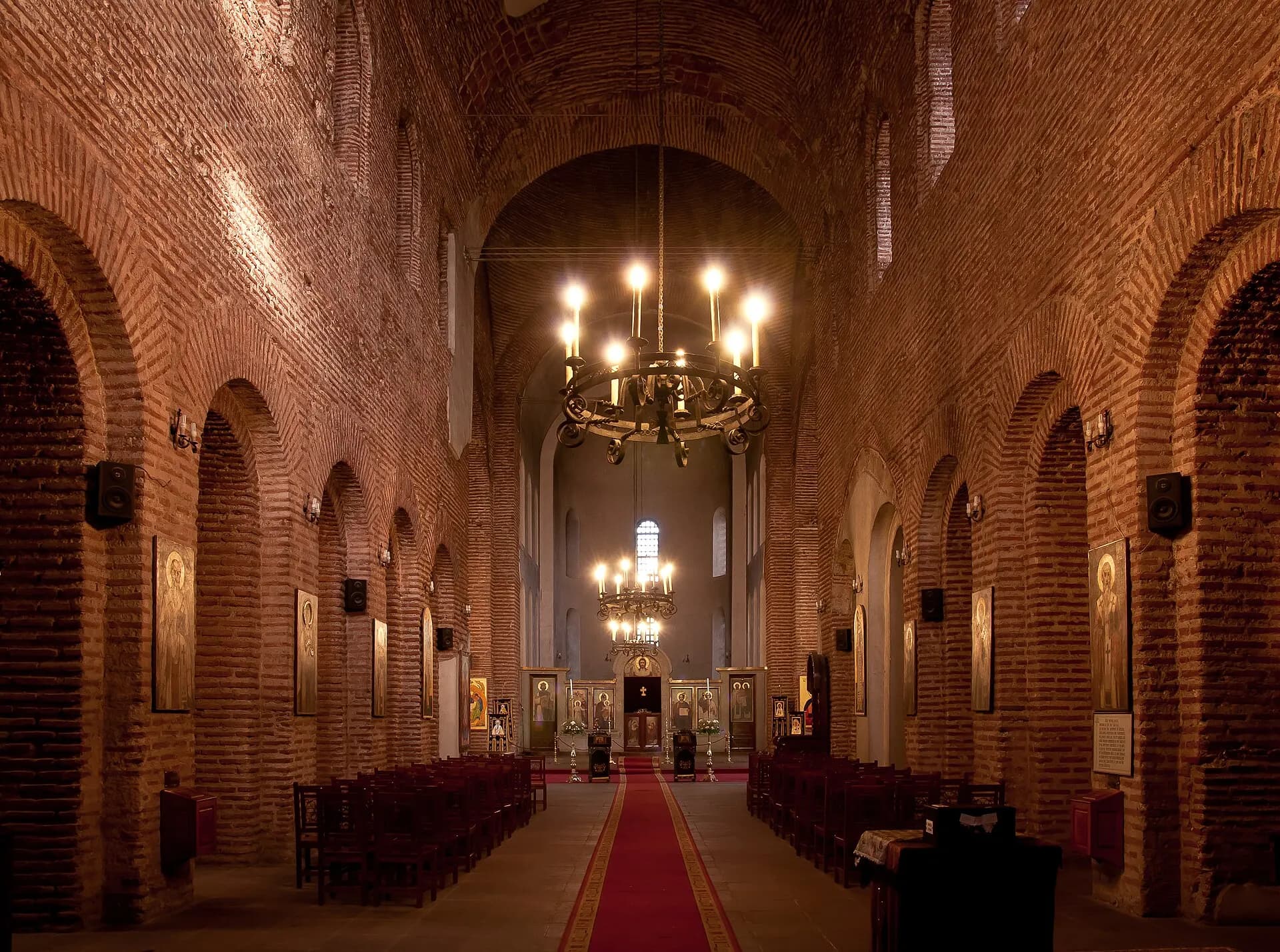
Just across the square from Alexander Nevsky, this plain red-brick basilica is far older and, for many, more moving. The present church dates mostly from the sixth century, the time of the Byzantine emperor Justinian, on the site of several earlier churches and a Roman cemetery, and in the fourteenth century its name passed to the whole city. Under the Ottomans it became a mosque, and earthquakes toppled its minaret; restored as a church in the twentieth century, it is now simple and light inside. Steps lead down to an underground museum, where walkways pass over early Christian tombs and mosaic floors.
TipOutside, by the east wall, the Tomb of the Unknown Soldier is guarded by a stone lion; the grave of the poet Ivan Vazov lies beside the church.
- 3
Rotunda of St George
Photo: Matti Blume, CC BY-SA 4.0, via Wikimedia Commons
Hidden in the courtyard behind the Presidency and the Sheraton hotel, this small round church of red brick is the oldest standing building in Sofia, built by the Romans in the fourth century, possibly as a bathhouse or ceremonial hall, and later turned into a church. Inside, the dome holds several layers of frescoes painted between the tenth and fourteenth centuries, including a ring of prophets that once lay hidden under Ottoman plaster when the building served as a mosque. Around it are the foundations of Roman streets and buildings from the old city.
TipTime your visit to catch the changing of the guard outside the Presidency, on the hour, by soldiers in nineteenth-century uniform with plumed caps.
- 4
Serdika ruins
Photo: Ann Wuyts, CC BY 2.0, via Wikimedia Commons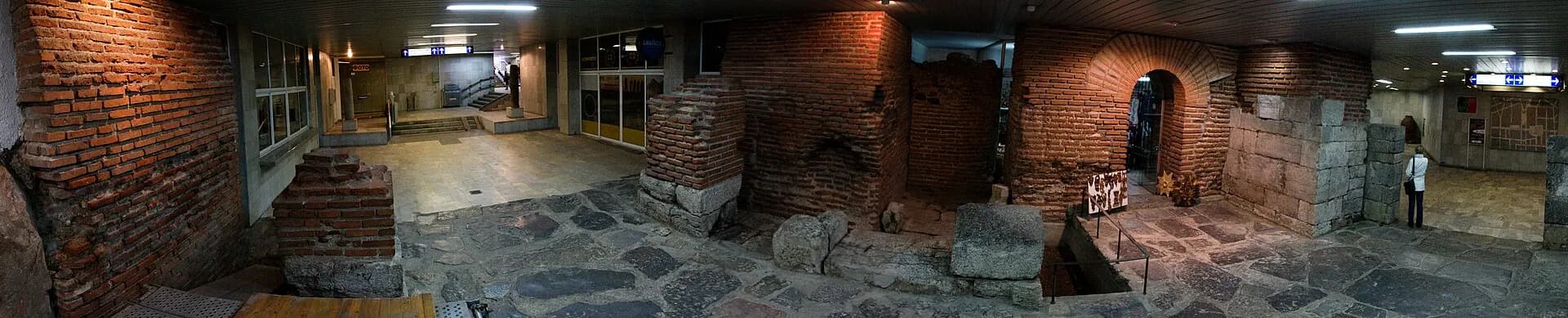
When the metro was dug under the city centre, engineers kept hitting Roman Serdika, and rather than bury it again the city put it on show. At the Serdika metro interchange and in the open-air complex of the Largo, between the Presidency and the former party headquarters, you can walk among streets paved with large stones, the foundations of houses, baths and an early church, and the bases of the city's east gate. The site, known as Ancient Serdika, is free to wander and lit at night, a striking sight with modern trams and the Banya Bashi minaret in the background.
TipPart of the remains can be seen through glass in the metro station concourse itself, so look down as you change lines.
- 5
Banya Bashi Mosque and the mineral springs
Photo: Pudelek (Marcin Szala), CC BY-SA 3.0, via Wikimedia Commons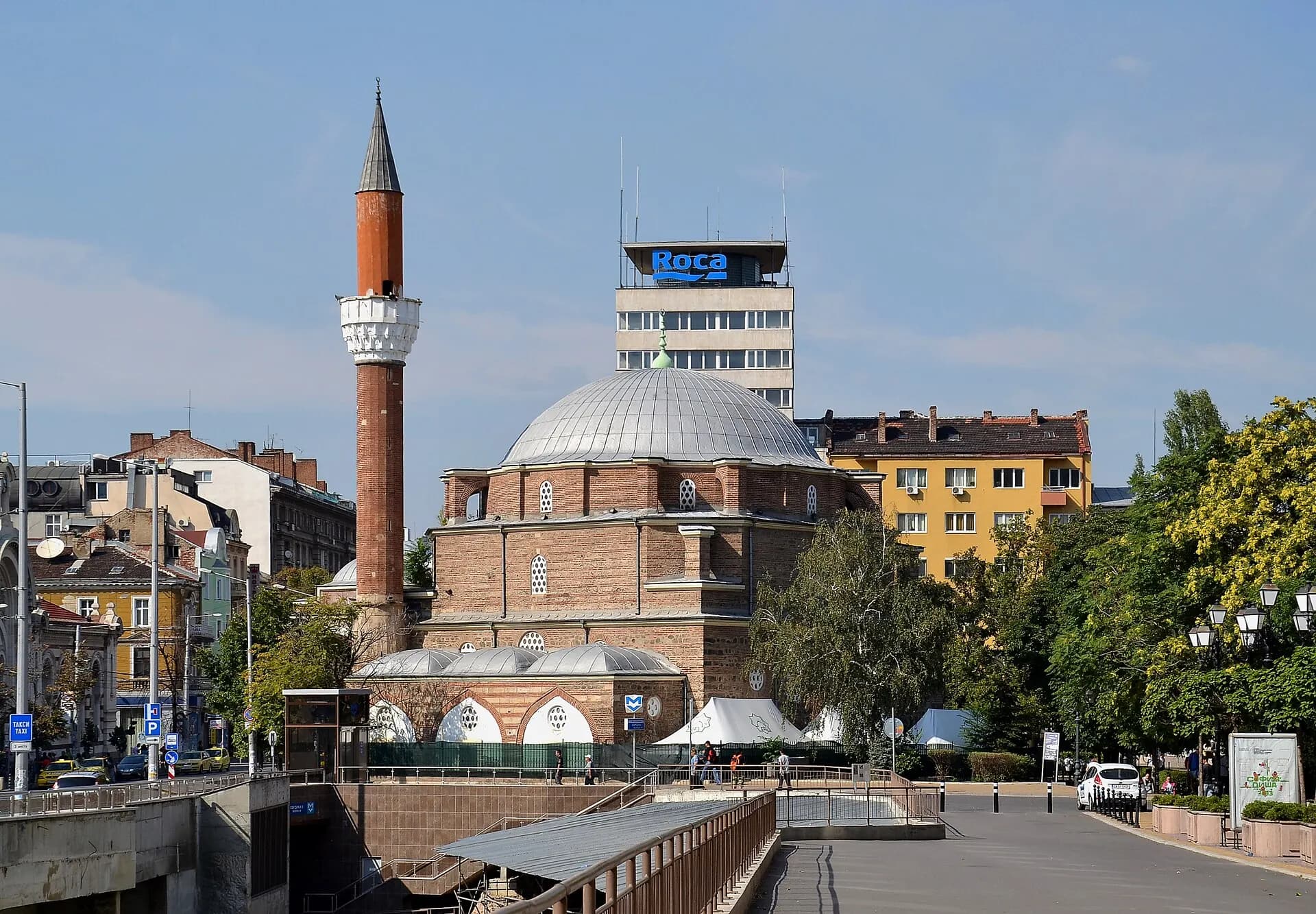
The only working mosque in central Sofia dates from the sixteenth century and is traditionally linked to the great Ottoman architect Mimar Sinan. Its name means "many baths", for the thermal springs here, which have drawn people since Roman times. Across a small garden stands the Central Mineral Baths, a handsome early-twentieth-century building of yellow and black stripes that now houses the Sofia History Museum, with displays on the city's growth since Roman times. Outside, public taps run with warm mineral water, and locals queue with plastic bottles to fill up.
TipVisitors can enter the mosque outside prayer times if dressed modestly; women should cover their heads. The water from the taps is drinkable and warm, at around 40°C.
- 6
Central Market Hall
Photo: MrPanyGoff, CC BY-SA 3.0, via Wikimedia Commons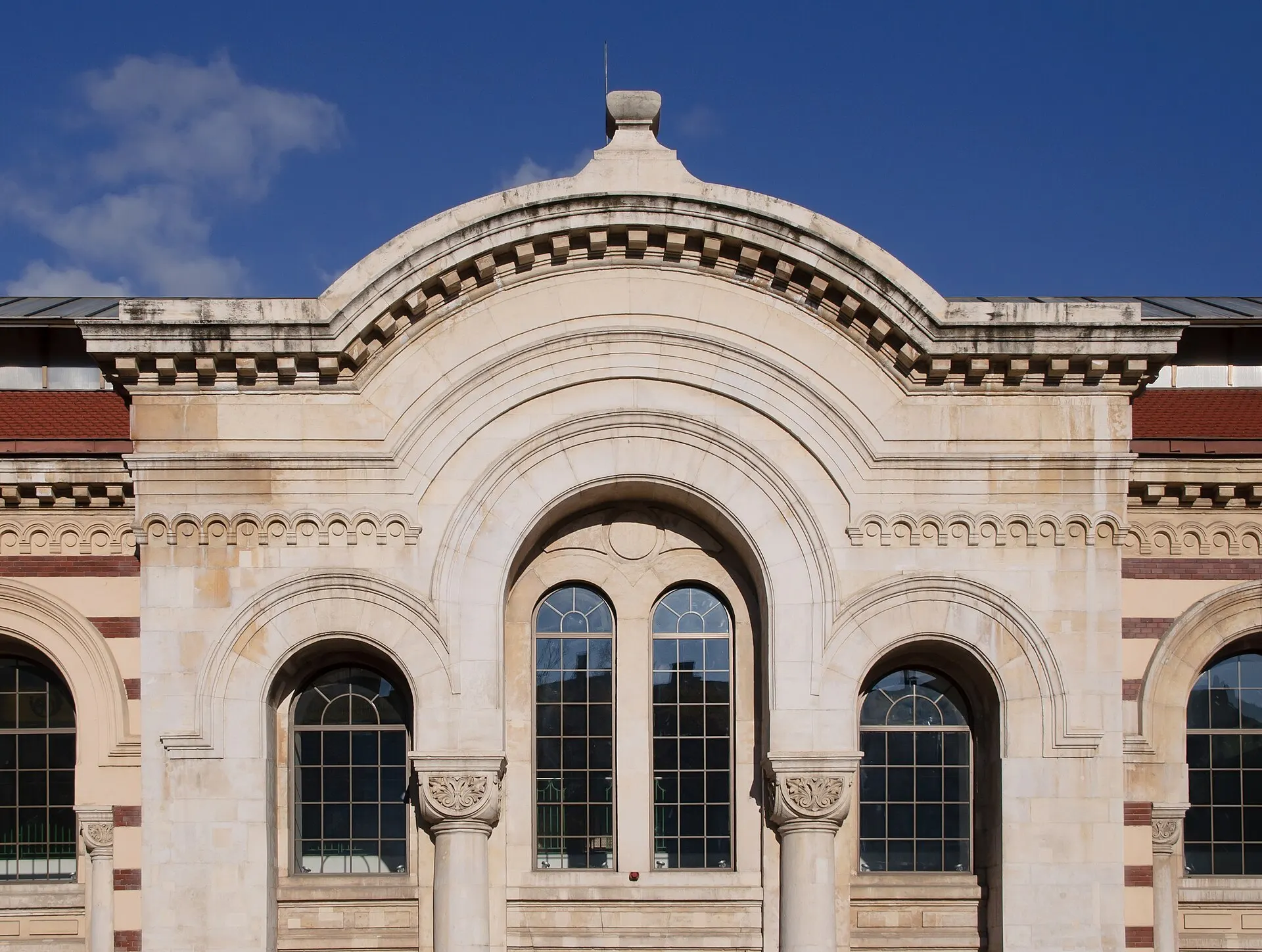
Opposite the mosque on Maria Luiza Boulevard, Sofia's covered market hall opened in 1911, a neo-Renaissance building with a clock tower and decorations that blend Byzantine and Bulgarian motifs. It is more of a shopping centre than a raw market today, with cafés and food stalls alongside sellers of cheese, honey, wine and preserves, but it is a good place to buy Bulgarian products and see the architecture of early independent Sofia. A short walk away, the women's market, Zhenski Pazar, is the real thing: crowded, cheap and full of fruit, vegetables and spices.
TipHead to Zhenski Pazar in the morning, and look out for jars of lyutenitsa, the roast pepper and tomato relish, to take home.
- 7
Vitosha Boulevard
Photo: Radosław Botev, CC BY 3.0 pl, via Wikimedia Commons
Sofia's main pedestrian street runs south from the church of Sveta Nedelya towards the Palace of Culture, with the mountain it is named after filling the view at the end. It is lined with shops, cafés and restaurants that spill out onto the street in summer, and it is where the city comes to stroll in the evening. Side streets nearby hide many of the best bars and small restaurants, and the Ivan Vazov National Theatre, in its neoclassical building and park, is a few blocks east.
TipThe terrace cafés directly on the boulevard are pricier; walk a block either side for better value.
- 8
National Palace of Culture
Photo: DemieK07, CC0, via Wikimedia Commons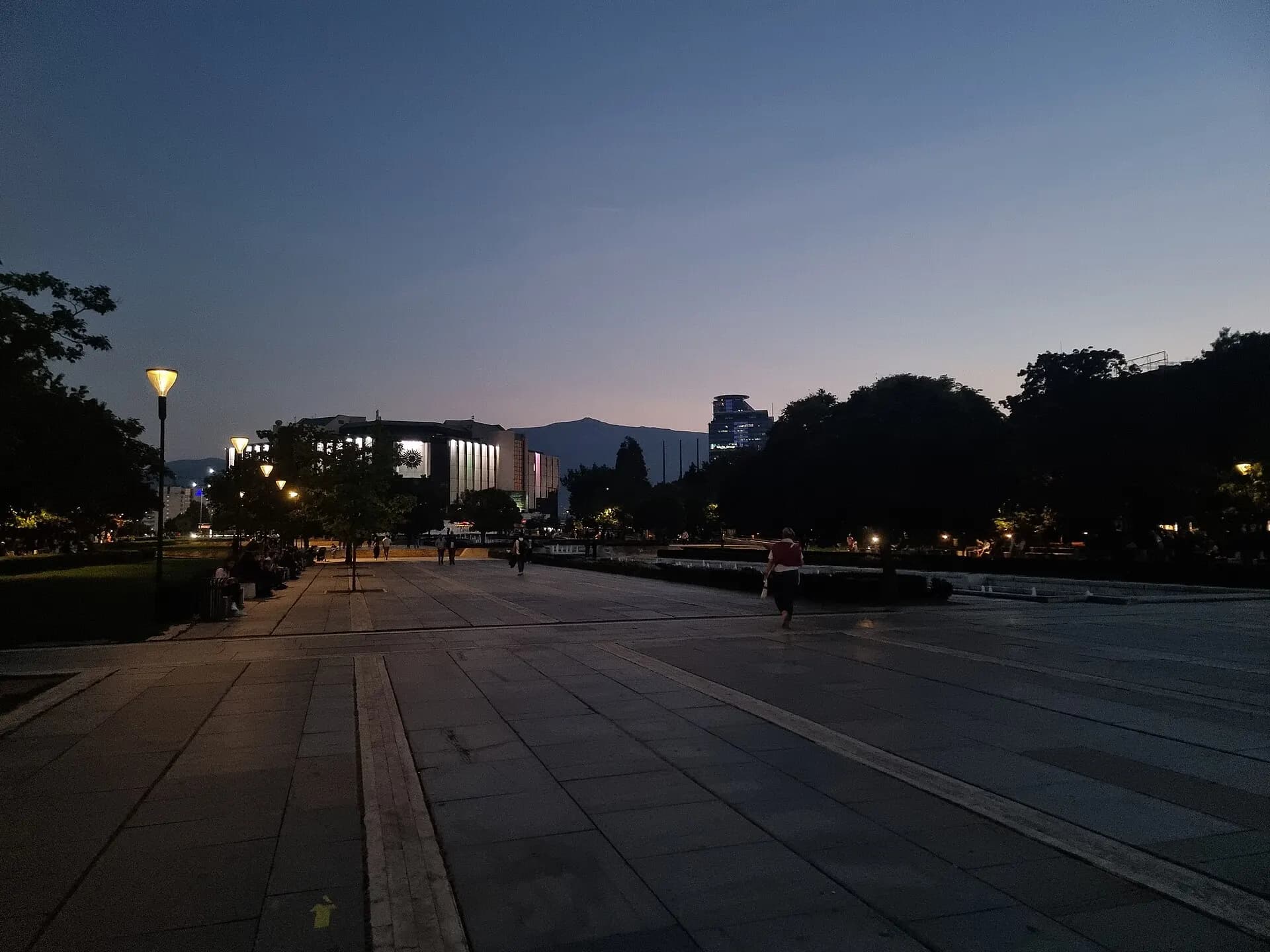
At the southern end of Vitosha Boulevard, the NDK is a vast, angular conference and concert centre opened in 1981 to celebrate thirteen hundred years of the Bulgarian state. Love it or loathe it, it is one of the defining buildings of late communist Europe, and it still hosts concerts, film festivals, exhibitions and fairs. The long park in front, with fountains and skateboarders, is one of the city's most popular meeting places, and the views of Vitosha from here are excellent.
TipCheck the NDK programme for the Sofia Film Fest and other events; the park is at its liveliest on summer evenings.
- 9
Boyana Church
Photo: Interact-Bulgaria, CC BY-SA 4.0, via Wikimedia Commons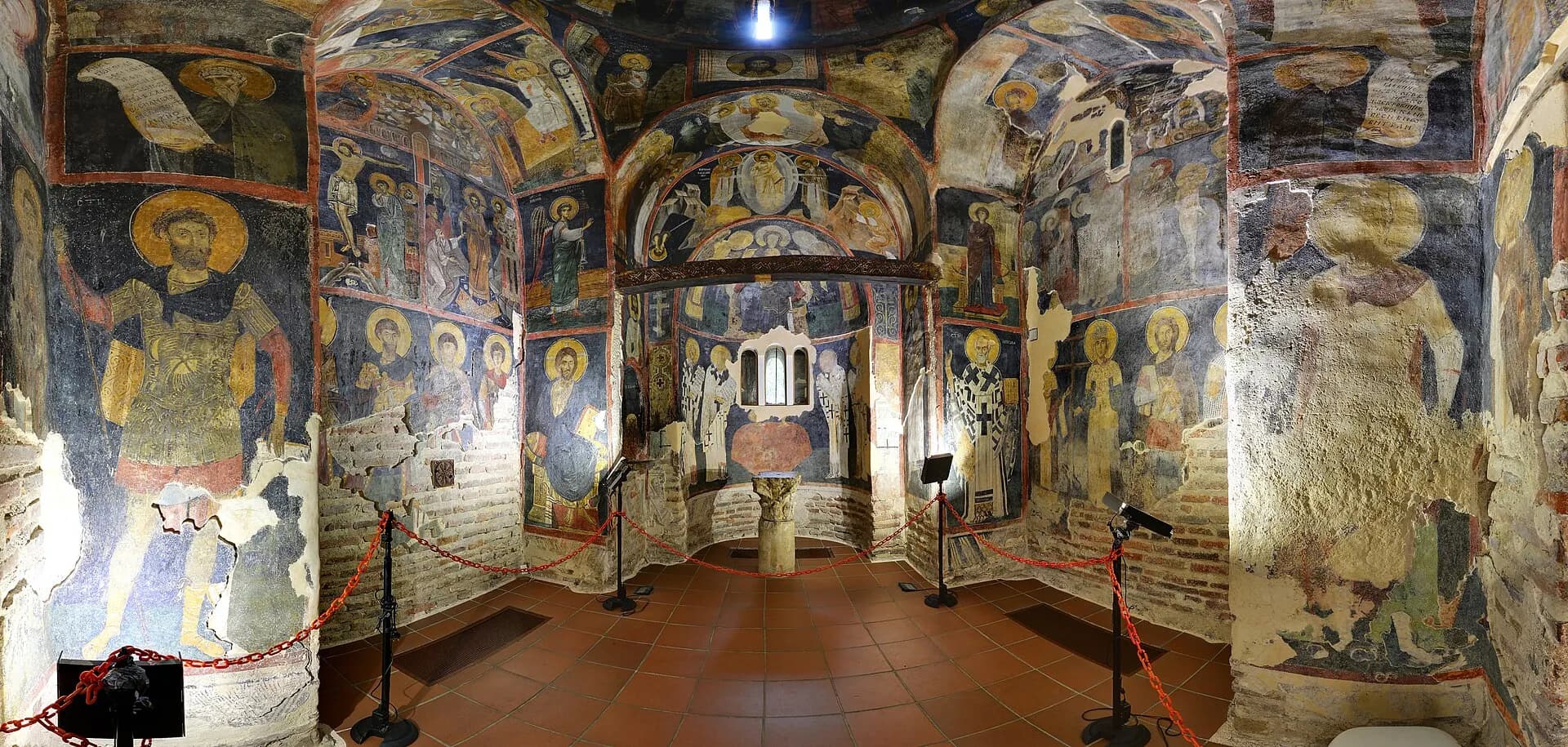
In the leafy suburb of Boyana, at the foot of Vitosha, a small medieval church holds one of the most important collections of medieval painting in Europe. Its frescoes, dated to 1259, show saints and donors with a warmth and individuality of expression that was unusual for their time: the portraits of the local ruler Kaloyan and his wife Desislava are especially lifelike. The church was added to the UNESCO World Heritage list in 1979. It is part of the National History Museum, and visits are kept short and in small groups to protect the paintings.
TipBuy tickets at the desk on site, and expect a wait in summer, as only a few visitors are allowed in at a time. The National History Museum, in a former government residence nearby, makes a good pairing.
- 10
Vitosha mountain and Cherni Vrah
Photo: Gitanes232, CC0, via Wikimedia Commons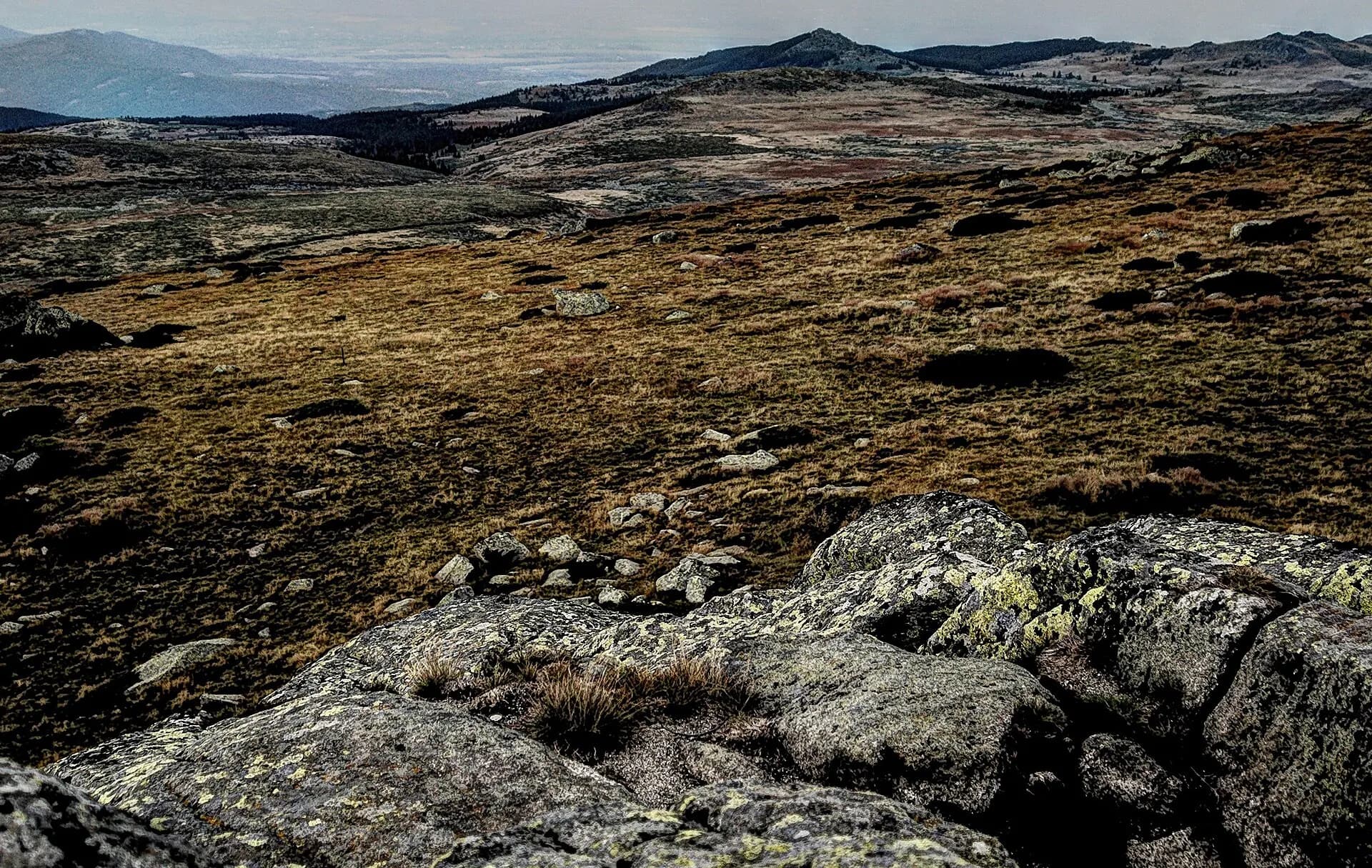
Vitosha is Sofia's backyard: a granite dome covered in pine and beech forest, crossed by marked trails and protected as the oldest nature park in the Balkans, founded in 1934. Its summit, Cherni Vrah, the "black peak", rises to 2,290 metres, and on a clear day the view takes in Sofia, the Rila and Pirin mountains and much of western Bulgaria. Most people start from Aleko, a ski and hiking area high on the north side that can be reached by road, and walk up to the summit in about two hours. Lower down, the Golden Bridges are a river of giant boulders through the forest, and the Boyana waterfall is a popular walk from the suburbs.
TipLift services from the Simeonovo and Dragalevtsi sides have had long closures in recent years, so check which are running before you go. Weather changes fast at the top, so bring a warm layer even in summer.
- 11
Seven Rila Lakes
Photo: Anthony Ganev:, CC BY 3.0, via Wikimedia Commons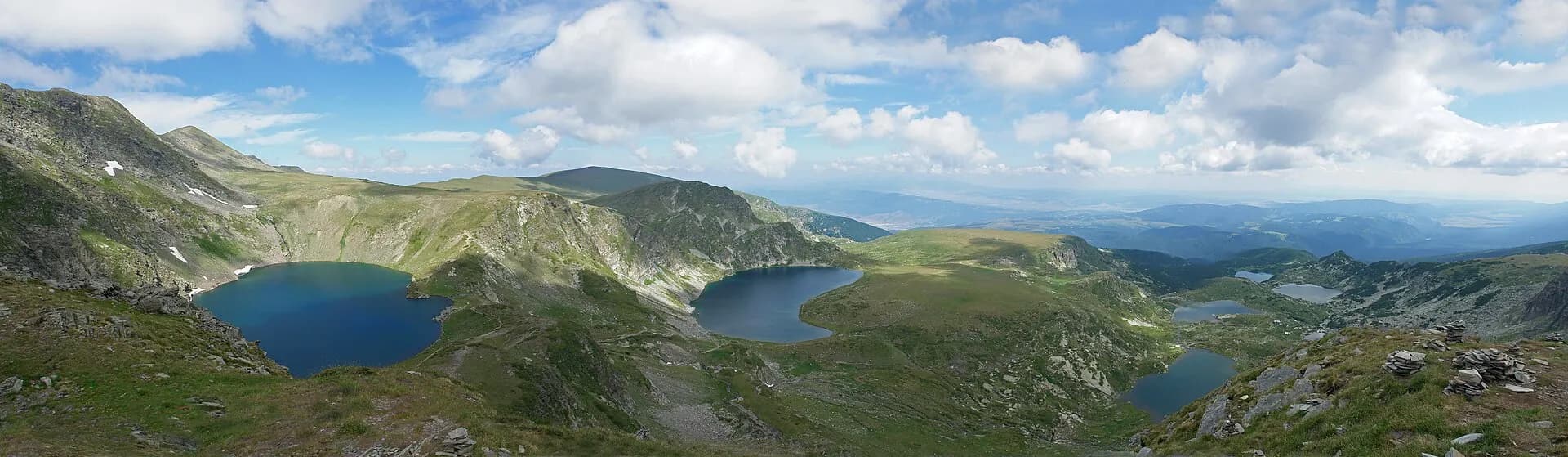
High in the north-west Rila mountains, about two hours' drive south of Sofia, seven glacial lakes lie in a staircase of cirques between 2,100 and 2,500 metres, each with its own name: the Tear, the Eye, the Kidney, the Twin, the Trefoil, the Fish Lake and the Lower Lake. It is the most visited mountain landscape in Bulgaria. From the resort of Panichishte, near the spa town of Sapareva Banya, a chairlift lifts walkers to the Rila Lakes hut, and from there a well-marked loop climbs past the lakes to a ridge where most of them can be seen at once. Allow four to six hours for the round walk.
TipThe chairlift normally runs in summer and early autumn only, and queues build at weekends; arrive early, on a weekday if you can, and bring cash for the ticket. Snow can linger near the upper lakes into July. The area lies in Rila National Park: stay on trails and don't swim in the lakes.
- 12
Rila Monastery
Photo: Pudelek (Marcin Szala), CC BY-SA 3.0, via Wikimedia Commons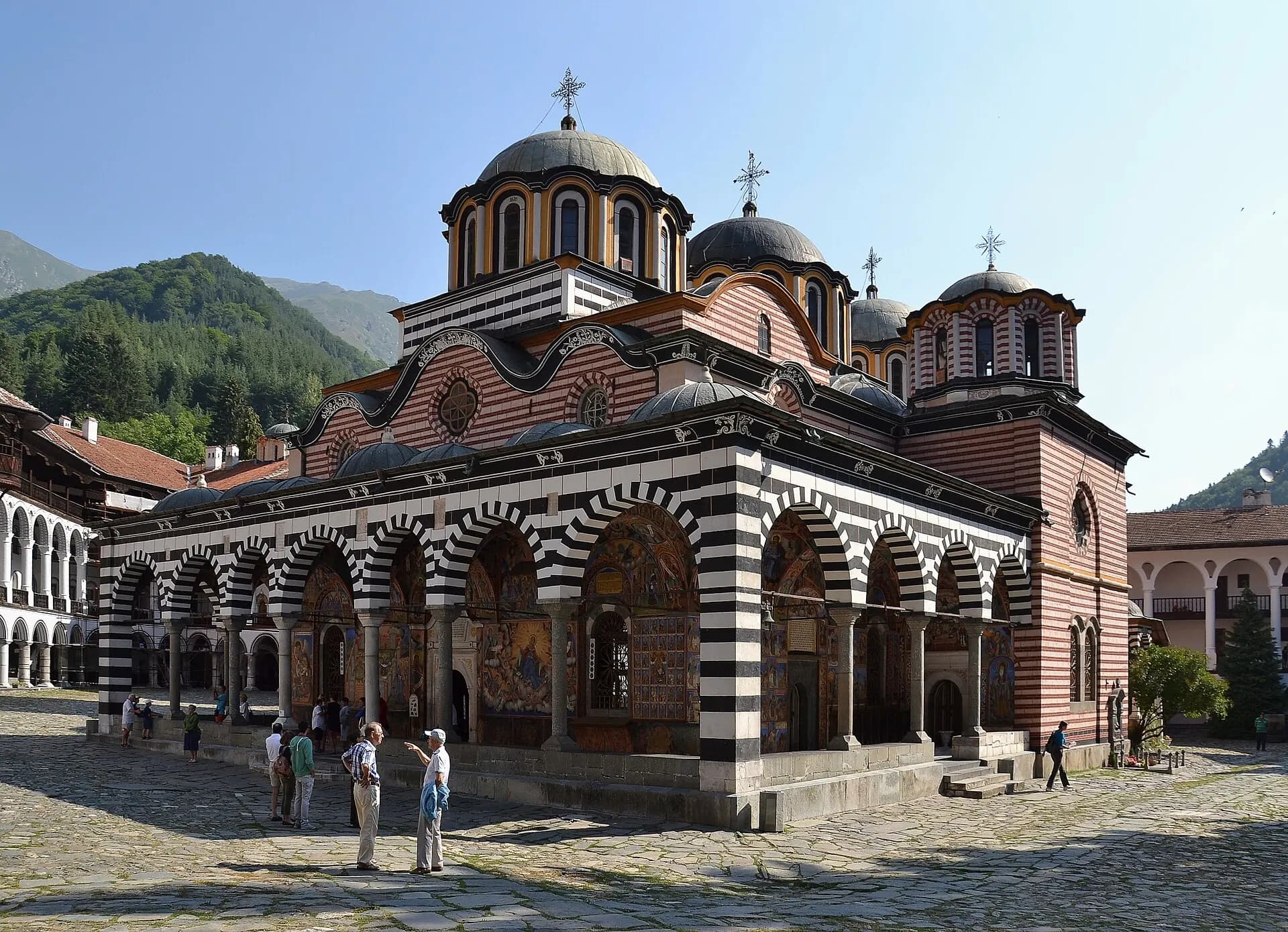
Bulgaria's largest and most famous monastery sits in a forested valley deep in the Rila mountains, founded in the tenth century by the hermit St John of Rila and kept alive through centuries of Ottoman rule as a centre of Bulgarian language and faith. Most of what you see was rebuilt after a fire in 1833: tall, striped residential wings with wooden balconies enclose a courtyard where the church of the Nativity stands, its porches covered in brilliant frescoes of saints, sinners and the Last Judgement. The fourteenth-century Hrelyo's Tower is the oldest surviving building. It became a World Heritage Site in 1983.
TipEntry to the monastery and church is free; the museum, with its tiny, intricately carved wooden cross, is ticketed. Dress modestly, and walk for twenty minutes up the valley to the cave of St John for a quieter moment. Simple rooms in the monastery itself can be booked for an overnight stay.
- 13
Plovdiv Roman Theatre
Photo: MrPanyGoff, CC BY-SA 3.0, via Wikimedia Commons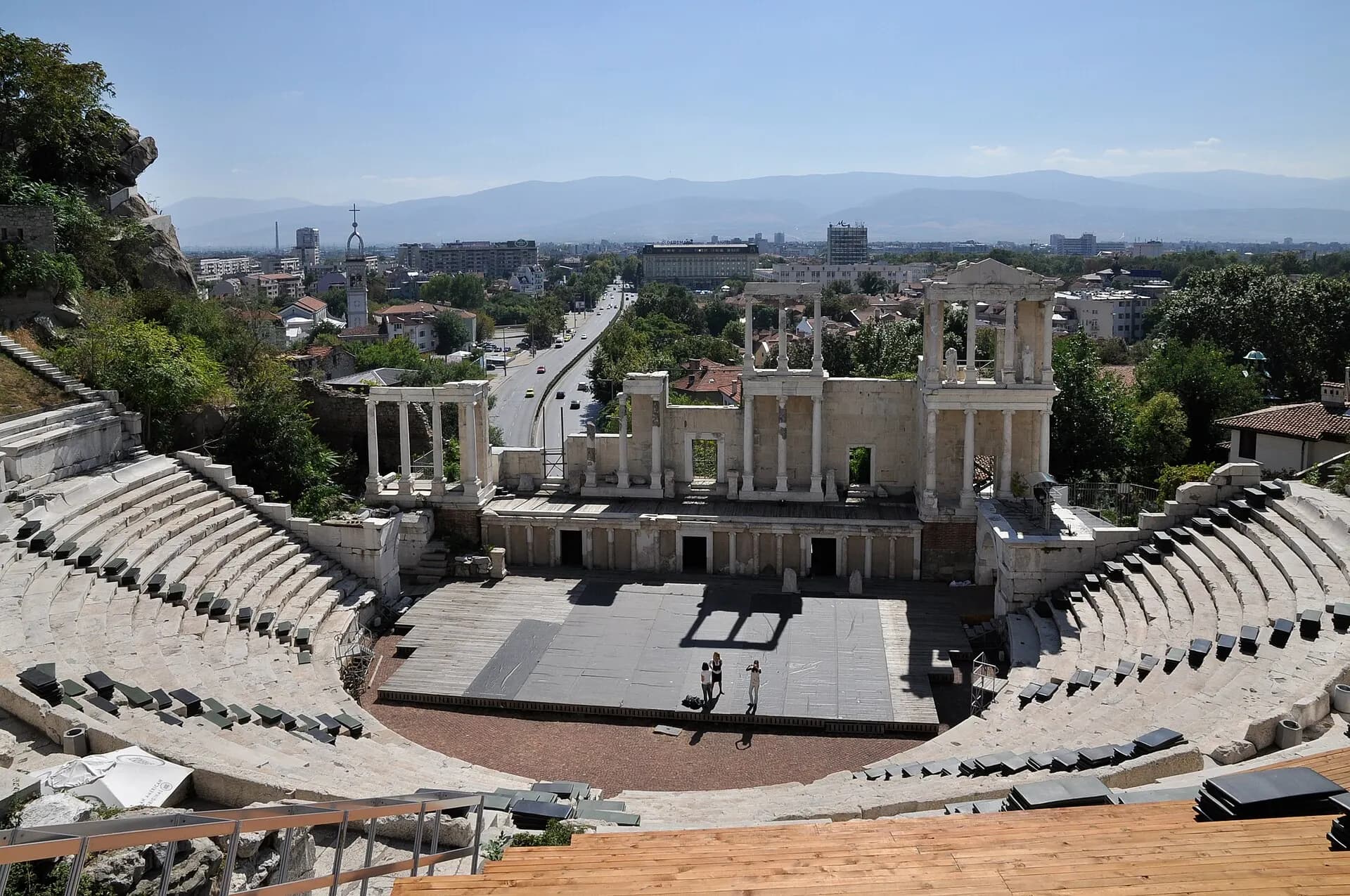
Plovdiv, Bulgaria's second city, is about two hours east of Sofia, and its finest monument is the Roman theatre of Philippopolis, built in the second century AD into the slope between two of the city's hills. Its marble tiers, for several thousand spectators, look down over the stage building to the plain beyond. It was buried and forgotten until a landslide uncovered it in the late 1960s, and today it hosts opera, concerts and festivals again in summer. Elsewhere in the centre, part of the Roman stadium curves beneath the main pedestrian street, beside the Ottoman Dzhumaya Mosque.
TipPlovdiv was European Capital of Culture in 2019, and the lively Kapana quarter, the "trap", of narrow streets full of galleries, bars and cafés, is the place to eat and drink.
- 14
Plovdiv Old Town
Photo: BrankaVV, CC BY-SA 4.0, via Wikimedia Commons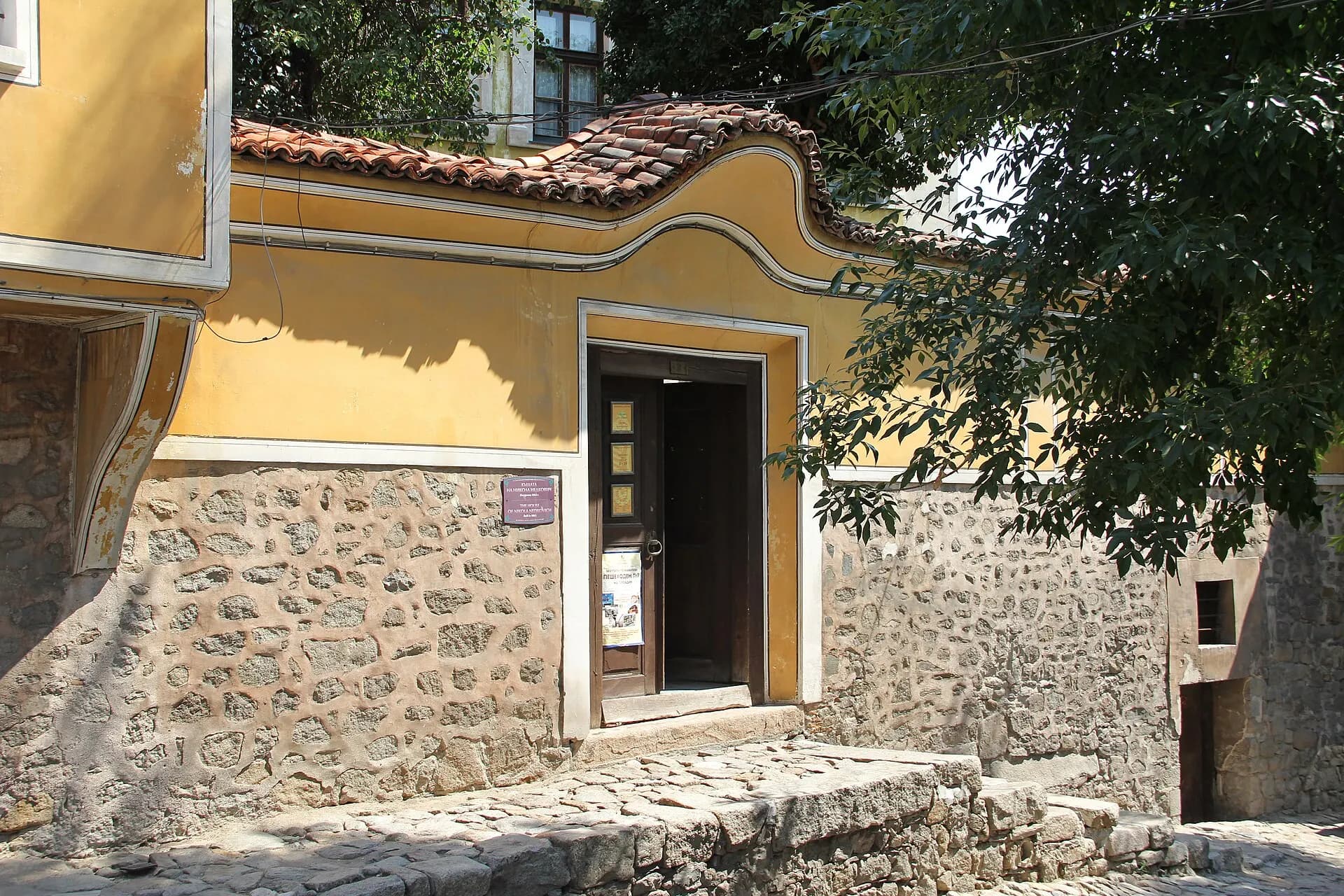
Above the Roman theatre, the cobbled lanes of the old town wind over the hill of Nebet Tepe, where Thracians first settled thousands of years ago. They are lined with the elegant houses of nineteenth-century merchants, painted in bold colours, with upper floors jutting out over the street on wooden brackets. Several are open as museums, including the Regional Ethnographic Museum in the Kuyumdzhiev House, and others hold galleries and guesthouses. Climb to the ruins on top of Nebet Tepe at sunset for a view over the city's hills.
TipA combined ticket covers several of the old town's house museums; the cobbles are rough, so wear sensible shoes.
- 15
Koprivshtitsa
Photo: Vislupus, CC BY-SA 4.0, via Wikimedia Commons
In a high valley of the Sredna Gora hills, about two hours east of Sofia, this small town looks much as it did in 1876, when it was the place where the April Uprising against Ottoman rule broke out. Its streets of cobbles and stone bridges are lined with brightly painted houses behind high walls, built by wealthy wool and livestock traders, and several are open as museums dedicated to the town's revolutionaries and poets. Every five years it hosts a huge national folklore festival on the meadows above the town, with thousands of singers and dancers in costume.
TipKoprivshtitsa makes a peaceful overnight stop between Plovdiv and Sofia. The railway station is several kilometres from the town, so check for a connecting bus, or drive.
When to go
Sofia sits on a high plain at around 550 metres, so its climate is continental: warm, sunny summers with thunderstorms, and cold, often snowy winters. May, June, September and October are the best months for the city and day trips, with mild temperatures, green parks and full concert programmes. July and August can be hot in town, but they are the best time for the high mountains: the Seven Rila Lakes and the upper trails on Vitosha are usually snow-free from July to September, and the chairlift to the lakes runs only in the warm months. Winter brings skiing on Vitosha and at Borovets, in the Rila mountains, and Bansko, further south; it can also bring smog to the city on still days. Easter, celebrated by the Orthodox calendar, is the year's biggest festival.
Getting around
Central Sofia is compact and best seen on foot; most of the sights above lie within a twenty-minute walk of the Largo. The metro is clean, fast and cheap, with three lines, and line M1 runs to Terminal 2 of Sofia Airport, giving one of the easiest airport connections in the region. Trams, buses and trolleybuses fill in the gaps, and contactless bank cards can be used to pay on the metro and most surface lines. Taxis are inexpensive, but use a licensed company with clear markings and a meter, or a ride-hailing app, rather than accepting offers at the airport or station.
For the day trips, a car or an organised tour is by far the easiest option. Public transport to the Rila Monastery and the Seven Rila Lakes is limited, with few buses a day to the monastery and none direct to the lakes chairlift. Plovdiv is easy: frequent buses take around two hours and trains, run by BDZ, take a little longer. Koprivshtitsa has a few direct trains a day, but its station is outside town. Long-distance buses and trains also link Sofia with Belgrade, Thessaloniki, Bucharest and Istanbul; the Central Bus Station and Central Railway Station stand side by side north of the centre.
Local tips
- Bulgaria adopted the euro on 1 January 2026, replacing the lev at a fixed rate of 1.95583 leva to the euro. Prices are now in euros, and you may still see both currencies on labels and menus for a while; old lev notes can be exchanged free at the Bulgarian National Bank.
- Bulgarians shake their heads for "yes" and nod for "no". It is genuinely confusing; if in doubt, ask again in words.
- Street signs and menus are written in Cyrillic, the alphabet that was developed in the medieval Bulgarian kingdom. Learning the letters takes an hour and makes navigation much easier; many central signs also show Latin transliteration.
- Cards are widely accepted in the city, but carry some cash for markets, mountain huts, chairlifts and village guesthouses.
- Cover shoulders and knees in churches and monasteries, and in the mosque.
- Pavements can be uneven and kerbs high, so watch your step, especially at night.
Eat and drink
Bulgarian food is simple, fresh and generous, built around vegetables, yoghurt and white brined cheese, sirene. Most meals start with a shopska salad of tomatoes, cucumbers, peppers and onion under a snow of grated sirene, alongside a small glass of rakia, the fruit brandy that is the national drink. In summer, tarator, a cold soup of yoghurt, cucumber, dill and walnuts, is the best thing to eat on a hot day. Grilled meats, kebapche and kyufte, are found everywhere, as are slow-cooked clay-pot stews like kavarma. For breakfast, try banitsa, flaky filo pastry with egg and cheese, with a glass of ayran or boza, a thick, slightly fermented grain drink.
Bulgarian yoghurt has a famous reputation, owed to the bacterium named after the country, Lactobacillus bulgaricus. Bulgarian wine is excellent value, from native red grapes like Mavrud, around Plovdiv, and Melnik, in the south-west, to whites such as Dimyat. Sofia's restaurant scene has grown fast, with modern Bulgarian kitchens and wine bars in the streets around Vitosha Boulevard and the Oborishte district, where traditional mehanas, taverns with folk décor, still thrive too.
Where to stay
Most visitors base themselves in central Sofia, within walking distance of Vitosha Boulevard and the Largo; the streets of Oborishte, east of Alexander Nevsky, are quieter, leafy and full of cafés. Lozenets and the area around the NDK are good value and close to the mountain. Hotels in Sofia are cheap by EU capital standards. For the day trips, an overnight stay transforms the experience: sleep at or near the Rila Monastery to see it after the coach tours leave, in Sapareva Banya for an early start at the lakes, in a guesthouse in Plovdiv's old town or Kapana, and in a traditional house in Koprivshtitsa.
A short history
The Thracian Serdi tribe gave Serdika its name, and under Rome it grew into an important city on the road from Belgrade to Constantinople. It fell to the Bulgarian state in the ninth century as Sredets, and took the name Sofia, after its church, by the late fourteenth century, just as the Ottomans conquered it. Almost five centuries of Ottoman rule followed, during which monasteries like Rila kept Bulgarian learning alive. After liberation in 1878, the small town was chosen as capital and rebuilt with boulevards and grand public buildings. The twentieth century brought wars, bombing and four decades of communist rule, remembered in the monumental buildings of the Largo and the statues gathered at the Museum of Socialist Art. Bulgaria joined NATO in 2004, the EU in 2007, the Schengen area in 2025 and the eurozone in 2026.
Responsible travel
Vitosha and Rila are protected areas: stay on marked trails, take your rubbish away, and don't pick plants, as both mountains are home to rare species. The Seven Rila Lakes suffer from heavy summer crowds, so visiting on a weekday, keeping to paths, and not wading or swimming in the lakes helps. Every August, the lakes host a large gathering of the White Brotherhood, a spiritual movement that dances in circles at dawn; watch respectfully. At the monasteries and churches, remember they are places of worship first, and ask before photographing people or interiors. Spend locally: family guesthouses, village markets and small wineries benefit most from your visit, and western Bulgaria's quieter towns welcome visitors outside the main season.