Sydney
A dazzling harbour, golden beaches and the Opera House's sails. A city made for life outdoors.
- Best time to go
- September to November and March to May, for warm days without the summer crowds
- Local time
- –
- Currency
- Australian Dollar (AUD)
- Reading time
- 4 min
- Language
- English
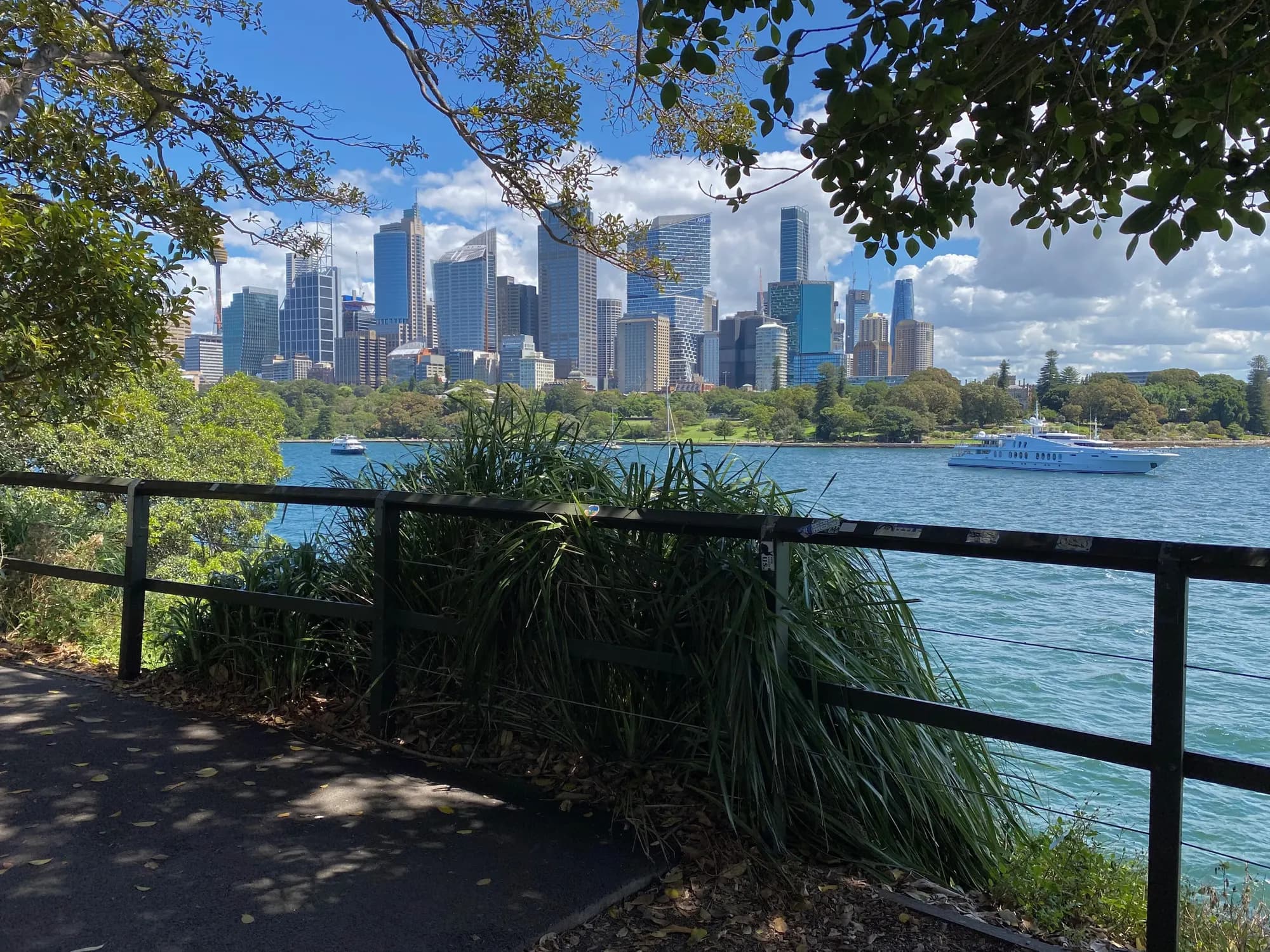
Sydney is built around one of the world's most beautiful natural harbours, and life here revolves around the water. Ferries criss-cross between bays and headlands, the Opera House and the Harbour Bridge frame the view, and more than a hundred beaches line the coast, from the famous surf of Bondi to quiet harbour coves.
Australia's oldest and largest city is also a place of world-class food, art and nightlife. It is the land of the Gadigal people of the Eora Nation, whose history goes back tens of thousands of years. Pack a swimsuit, plan time outdoors and use the ferries: the journey is often the best part.
The top 9 in Sydney
- 1
Sydney Opera House
Photo: Diliff, CC BY-SA 3.0, via Wikimedia Commons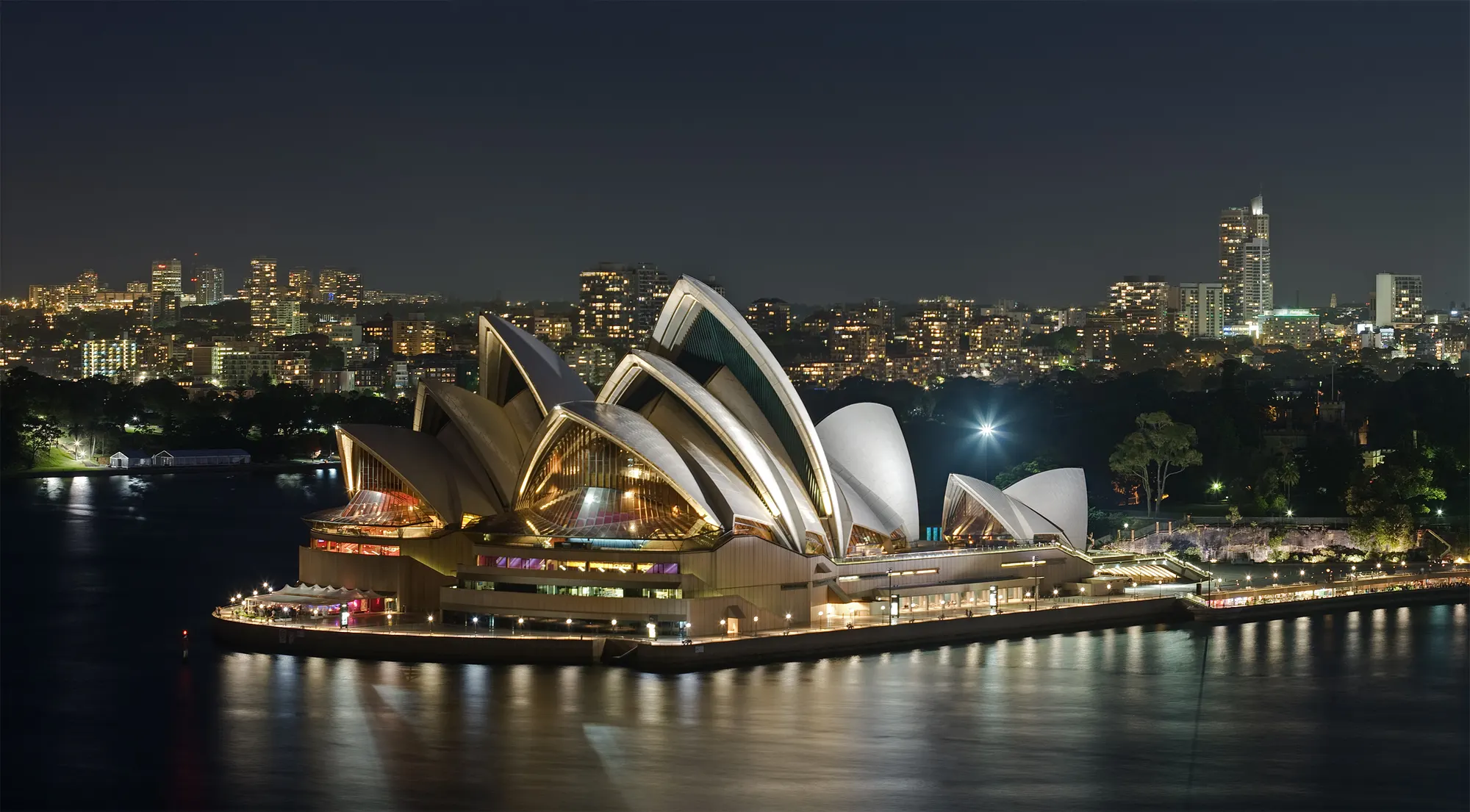
Jørn Utzon's masterpiece, with its roof of white sails, opened in 1973 and is a World Heritage Site. Join a guided tour to see its halls, or better still, see a performance: opera, theatre, concerts and comedy fill its stages.
TipWalk around to the steps facing the harbour at sunset, or watch the sails glow from the Opera Bar.
- 2
Sydney Harbour Bridge
Photo: JJ Harrison (https://www.jjharrison.com.au/), CC BY-SA 3.0, via Wikimedia Commons
The great steel arch of the "Coathanger", opened in 1932, links the city and the North Shore. You can walk across it for free, climb the Pylon Lookout for views, or join a guided climb over the arch itself.
- 3
The Rocks
Photo: Dietmar Rabich, CC BY-SA 4.0, via Wikimedia Commons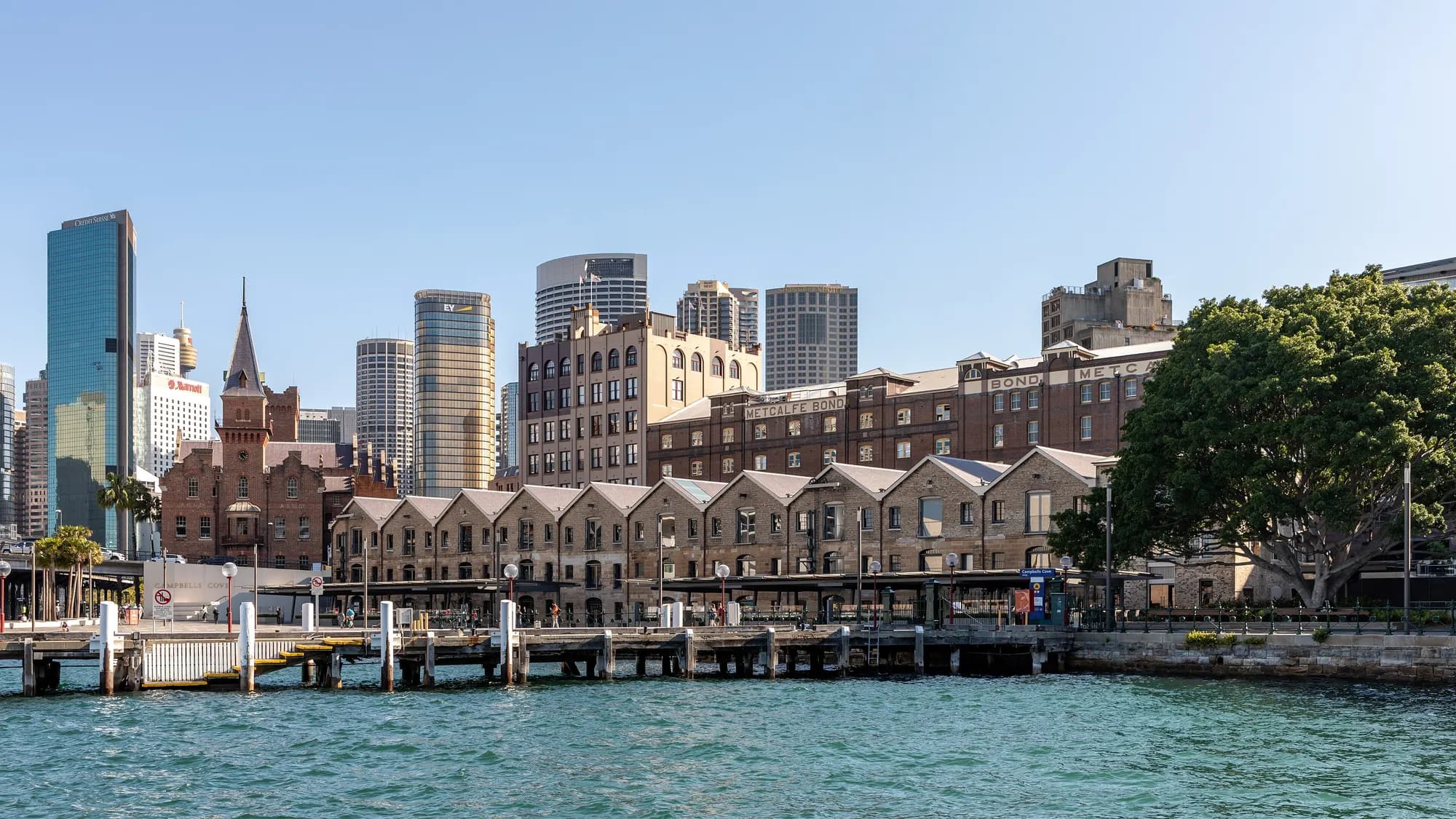
The oldest part of colonial Sydney, where the first British settlement was founded in 1788, with sandstone buildings, laneways, historic pubs and a weekend market. The Museum of Contemporary Art stands on its waterfront.
- 4
Royal Botanic Garden
Photo: Dietmar Rabich, CC BY-SA 4.0, via Wikimedia Commons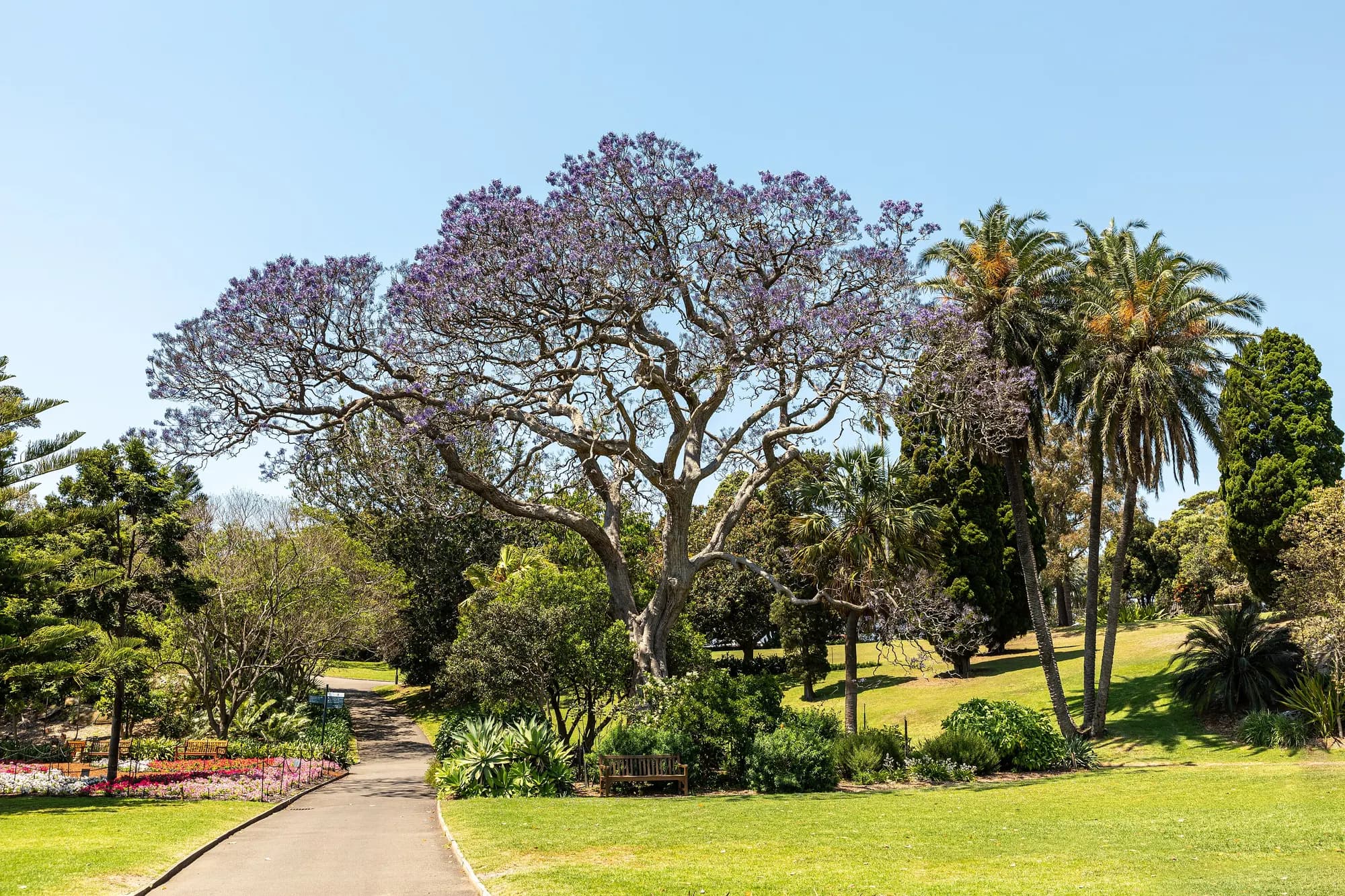
A large garden on the harbour next to the Opera House, with plants from around the world and walks to Mrs Macquarie's Chair, a sandstone bench carved by convicts in 1810 with one of the best views of the Opera House and bridge.
- 5
The Bondi to Coogee coastal walk
Photo: Dietmar Rabich, CC BY-SA 4.0, via Wikimedia Commons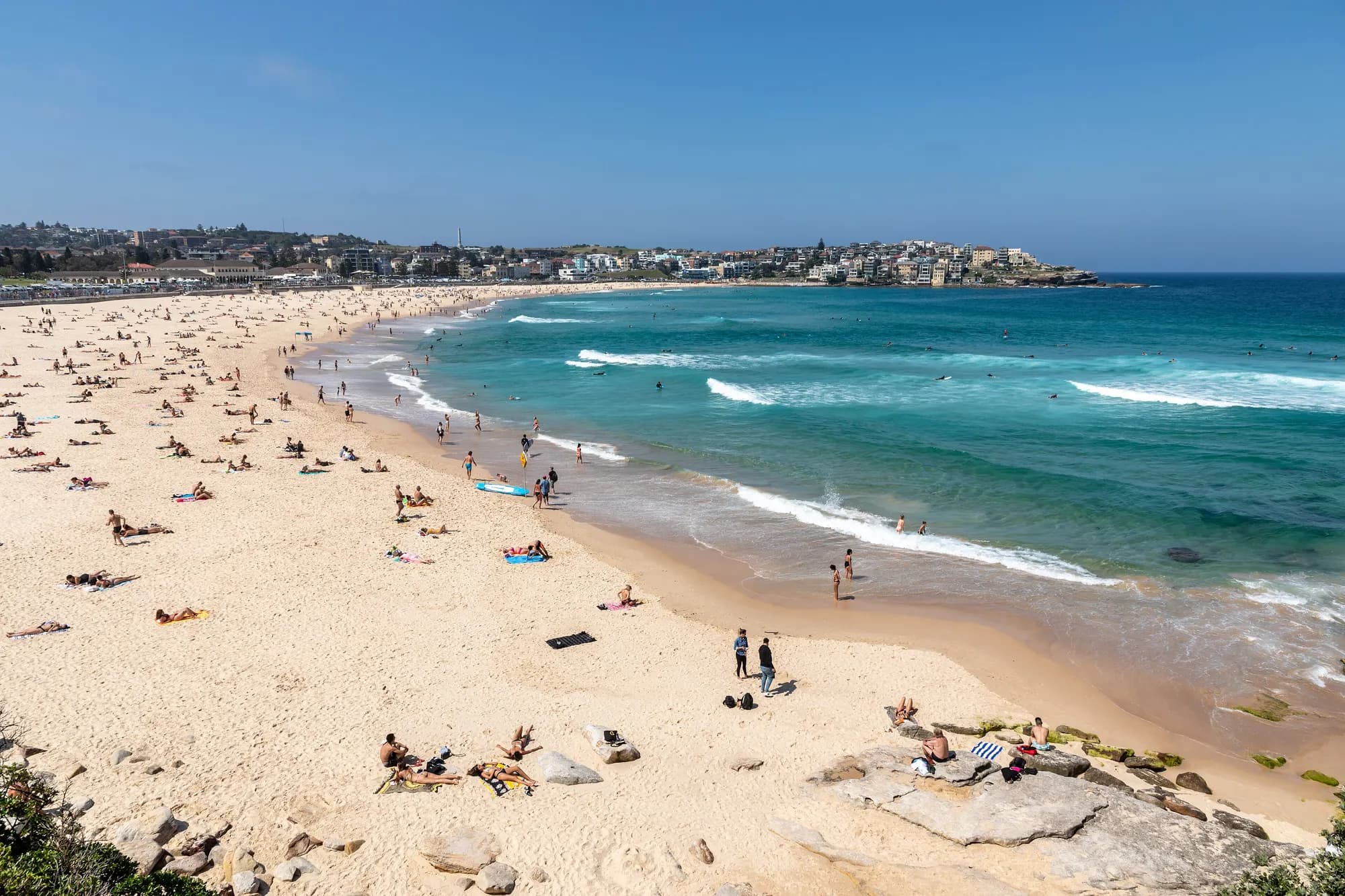
A six-kilometre path along the cliffs from Australia's most famous beach, past rock pools, coves and the ocean pools of Bronte and Coogee. Bondi's Icebergs pool, at the southern end of the beach, is one of the most photographed swimming pools in the world.
TipSwim only between the red and yellow flags, where lifeguards patrol, and take the sun seriously.
- 6
The Manly ferry
Photo: Diliff, CC BY-SA 3.0, via Wikimedia Commons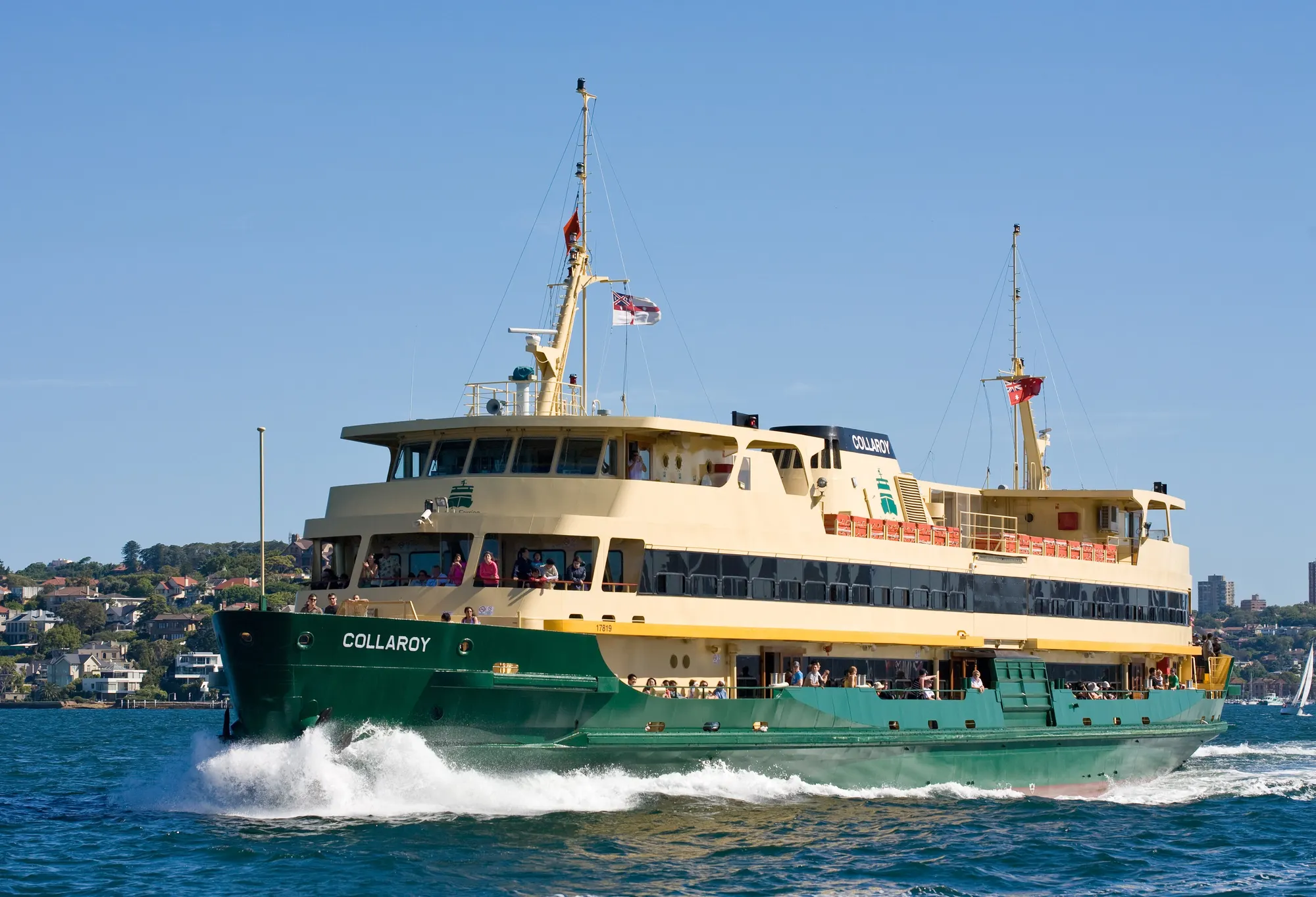
The ferry from Circular Quay to Manly crosses the harbour past the Opera House and the headlands, one of the world's great ferry rides. Manly has a surf beach, a pine-lined promenade and walks to North Head.
- 7
Taronga Zoo
Photo: Diego Delso, CC BY 3.0, via Wikimedia Commons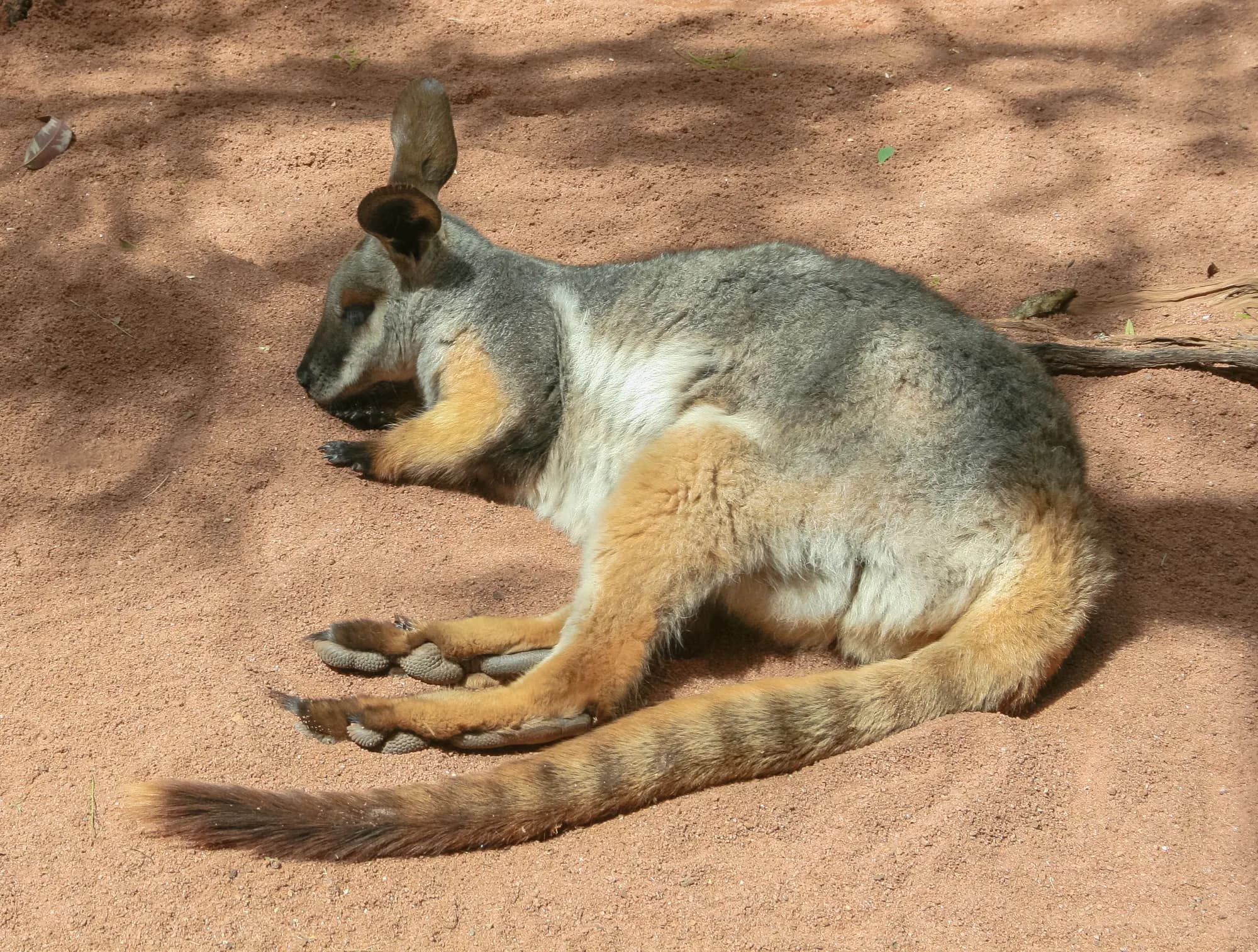
A zoo on a harbourside hill, reached by ferry, where Australian animals such as koalas, kangaroos and platypuses are joined by species from around the world, all with views across the water to the city.
- 8
The Art Gallery of New South Wales
Photo: Dietmar Rabich, CC BY-SA 4.0, via Wikimedia Commons
A major gallery with Australian, Aboriginal and Torres Strait Islander, European and Asian art, now in two buildings linked by gardens. Entry to the main collection is free.
- 9
The Blue Mountains
Photo: Christopher Wood, CC BY-SA 3.0, via Wikimedia Commons
About two hours west of the city by train, a World Heritage area of deep valleys, eucalyptus forests and sandstone cliffs, named for the blue haze given off by the trees. The Three Sisters rock formation at Katoomba is the best-known view, and walking trails lead to waterfalls and lookouts.
TipStart early and take the train to Katoomba or Wentworth Falls; bring layers, as the mountains are cooler than the coast.
When to go
Spring and autumn are ideal, with warm, sunny days and fewer crowds. Summer, from December to February, is hot and the beaches are at their busiest; New Year's Eve fireworks over the harbour draw huge crowds. Winter, from June to August, is mild and sunny, good for walking and whale watching, as humpbacks migrate along the coast.
Getting around
Sydney's public transport includes trains, light rail, buses and ferries. Tap on and off with an Opal card or a contactless bank card or phone, and fares are capped daily and weekly. The ferries from Circular Quay are a practical and scenic way to reach the harbour suburbs and beaches.
From Sydney Airport, trains reach the city centre in about fifteen minutes, though a station access fee is added to the fare.
Local tips
- Most visitors need a visa or an electronic travel authority before travelling to Australia; check the government website.
- The sun is fierce: wear sunscreen, a hat and sunglasses, even on cloudy days.
- Swim at patrolled beaches between the flags, and watch out for rip currents.
- Strict biosecurity rules apply: declare food, plants and animal products on arrival.
- Tipping isn't expected, though rounding up for good service is appreciated.
- Many restaurants are "bring your own" (BYO) for wine, sometimes with a small corkage fee.
Eat and drink
Sydney has a superb dining scene, shaped by immigration from around the world. Try fresh seafood at the Sydney Fish Market, brunch in a café (the city takes coffee very seriously), modern Australian cooking, and the excellent Thai, Vietnamese, Lebanese and Chinese food in neighbourhoods such as Haymarket, Cabramatta and Marrickville. Australian wines from the Hunter Valley, a few hours north, are worth exploring.
Beyond the city
The Royal National Park, about an hour south, was founded in 1879 and is the world's second-oldest national park, with clifftop walks, waterfalls and quiet beaches. To the north, the Northern Beaches stretch to Palm Beach, with walks to the Barrenjoey Lighthouse, and the Hawkesbury River winds through sandstone gorges. The Hunter Valley, about two and a half hours by car, is Australia's oldest wine region, known for its Semillon and Shiraz, and Port Stephens, further up the coast, offers dolphin watching and vast sand dunes.