Riga
The largest city of the Baltics, where a Hanseatic old town meets whole streets of extravagant Art Nouveau facades on the banks of the Daugava.
- Best time to go
- May to September for long, light evenings; late June for Midsummer; December for the Christmas market
- Local time
- –
- Currency
- Euro (EUR)
- Reading time
- 14 min
- Language
- Latvian
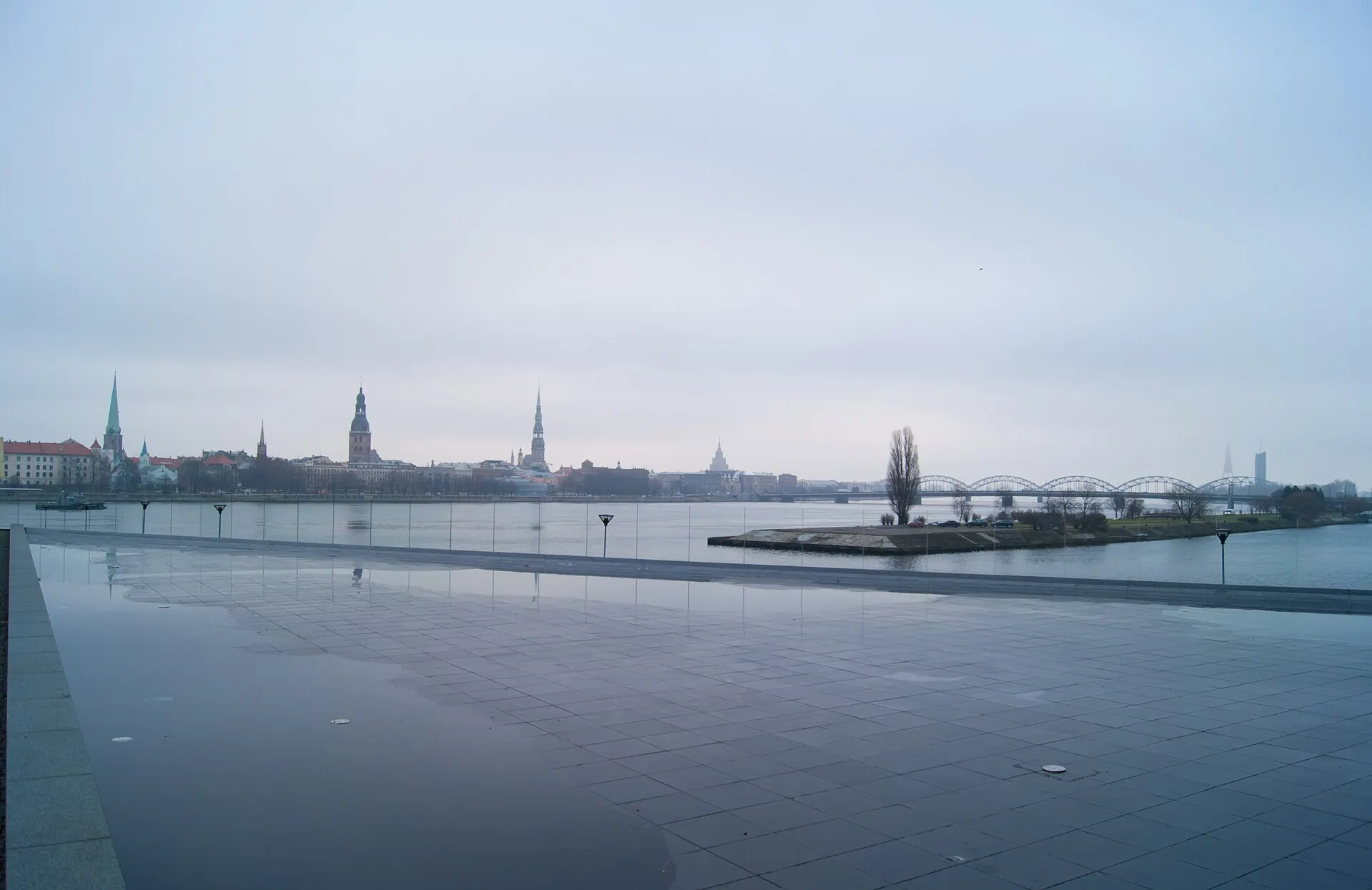
Riga, the capital of Latvia, is the biggest city in the three Baltic states and the one that feels most like a metropolis. Founded at the start of the 13th century by German crusaders and merchants near the mouth of the Daugava, it became a rich member of the Hanseatic League, and its cobbled medieval core, Vecrīga, is still crowded with church spires, guild halls and merchants' houses. The historic centre, including the old town and the 19th-century boulevards around it, is a UNESCO World Heritage Site.
What makes Riga unusual is what grew outside the old walls. Around 1900 the city was booming, and its architects filled the new streets with Art Nouveau apartment blocks; about a third of the buildings in the centre are in the style, more than in any other European city. Add a vast market set up in former Zeppelin hangars, sobering museums about the 20th century, a lively café and cocktail scene and easy trains to the beach and the forest, and two or three days in the city, plus a couple of day trips, is a good start.
The top 18 in Riga
- 1
House of the Blackheads
Photo: Scotch Mist, CC BY-SA 4.0, via Wikimedia Commons
The most photographed building in Riga stands on Town Hall Square, a riot of stepped gables, statues and a gilded astronomical clock. It was built in the 14th century for the Brotherhood of Blackheads, a guild of unmarried foreign merchants, and was famed for its parties. Bombed in 1941 and cleared by the Soviets, it was rebuilt from old plans and photographs in time for the city's 800th anniversary in 2001. The interiors include the vaulted cellars and the grand assembly hall, and the building also serves as a residence for the President of Latvia, so it may close for official events.
TipAccording to legend, Riga's first decorated Christmas tree was set up by the Blackheads in 1510; a plaque on the square marks the spot.
- 2
Museum of the Occupation of Latvia
Photo: Avi1111 dr. avishai teicher, CC BY-SA 3.0, via Wikimedia Commons
Facing the House of the Blackheads across a small square, in a dark, Soviet-era block on Latviešu strēlnieku laukums, renovated and extended with a new wing, this museum tells the story of the Soviet and Nazi occupations between 1940 and 1991: deportations to Siberia, the Holocaust in Latvia, the partisan war and the peaceful struggle for independence. Letters, personal objects and a replica of a Gulag barrack make it moving rather than dry. The museum also runs tours of the former KGB headquarters, the "Corner House" at Brīvības iela 61, where cells and interrogation rooms can be seen.
TipThe main museum opens daily from 10am to 6pm, except on a few public holidays. Allow at least two hours.
- 3
St Peter's Church
Photo: Diego Delso, CC BY-SA 3.0, via Wikimedia Commons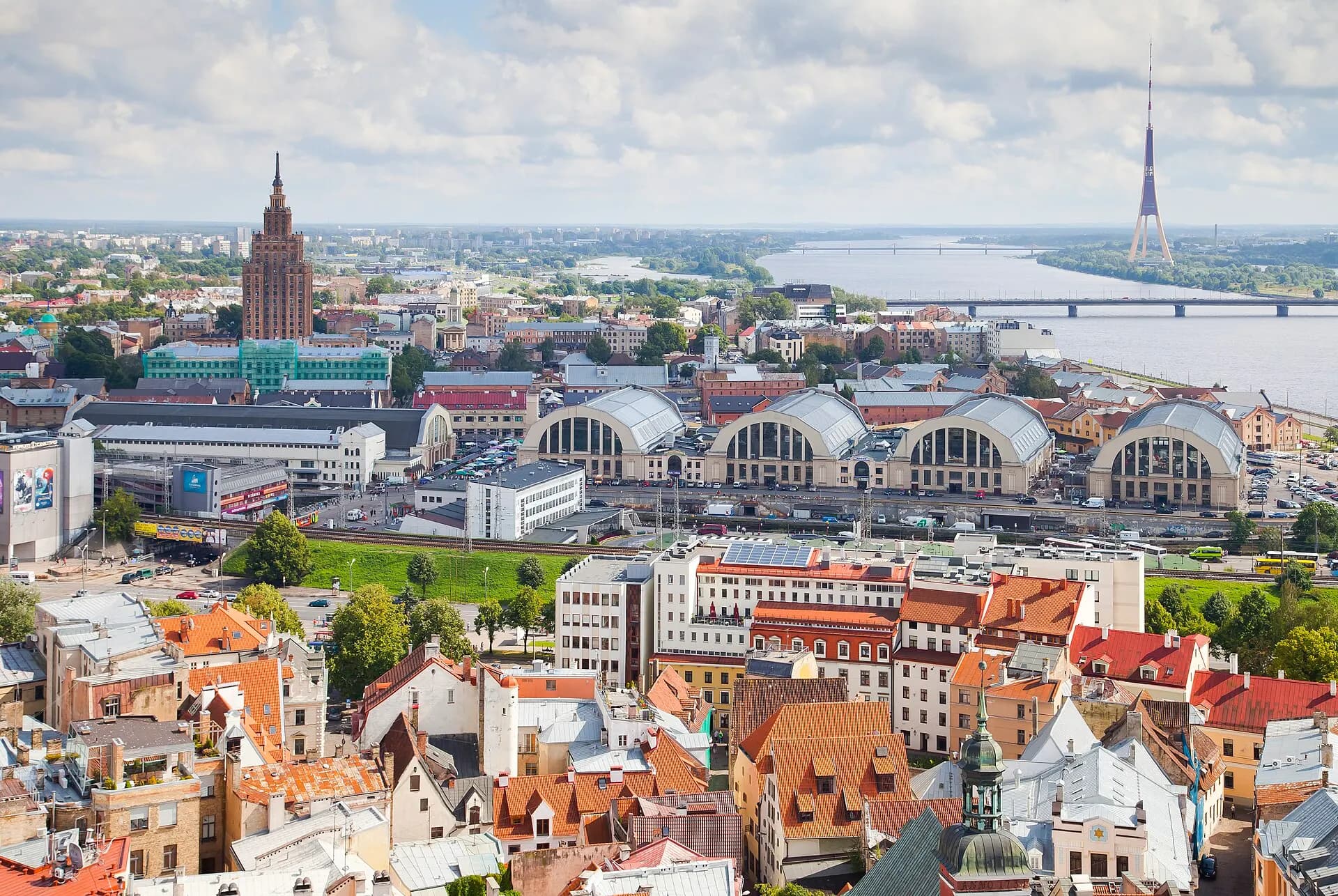
Just behind Town Hall Square, St Peter's is one of the oldest buildings in the city, a red-brick Gothic church whose wooden spire has been rebuilt several times after lightning, collapse and war. The current steel version, completed in 1973 to the 18th-century design, carries a lift to a viewing gallery about 72 metres up. From here you look down on the jumble of red roofs, the river and its bridges, and out over the Art Nouveau quarter and the Soviet-era Academy of Sciences tower.
TipGo up late in the afternoon for the best light on the old town. The church and the tower share one ticket, and hours are shorter in winter.
- 4
Riga Cathedral
Photo: Crannofonix, CC BY-SA 4.0, via Wikimedia Commons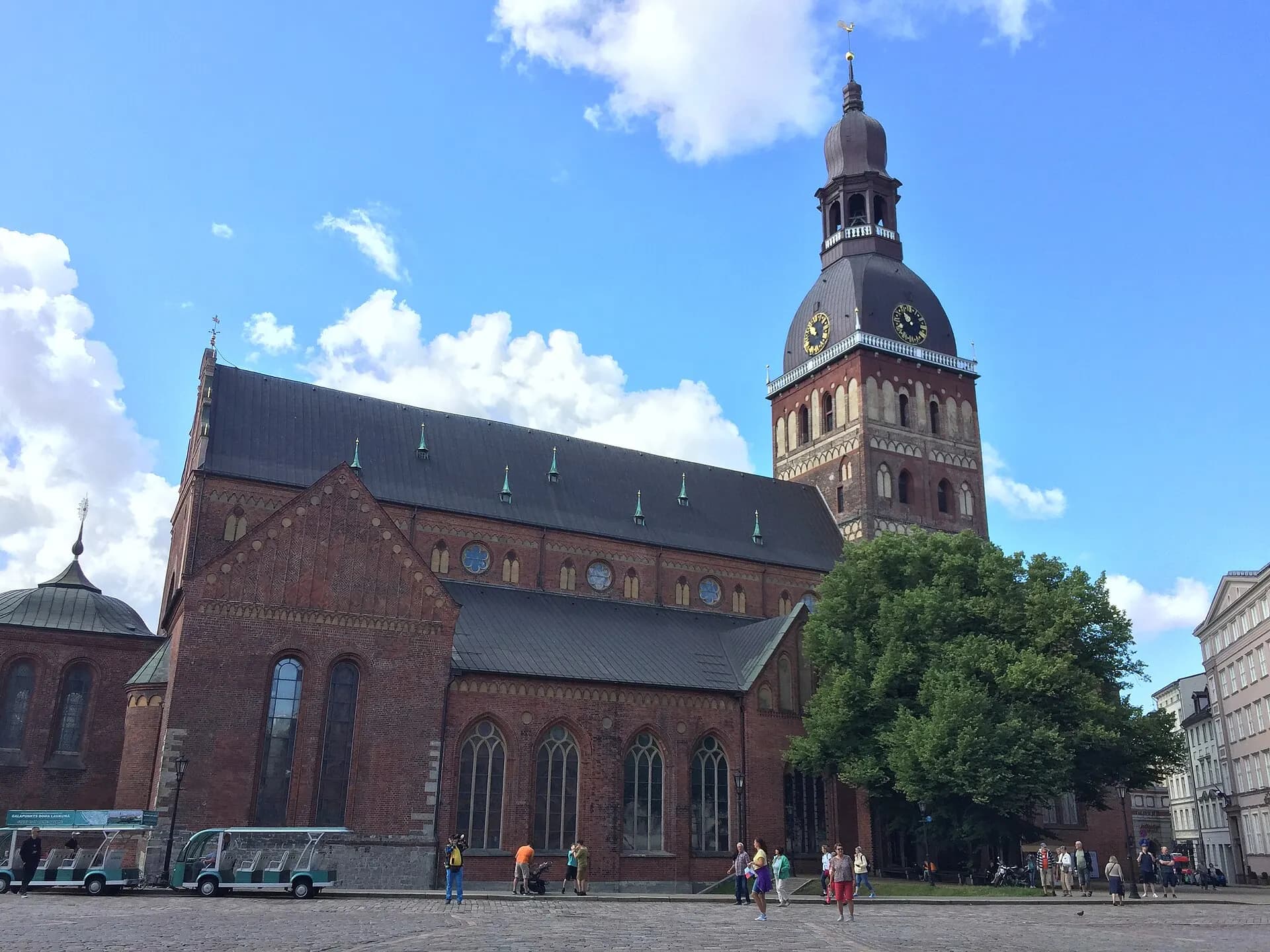
The Dom, Riga's Lutheran cathedral, was begun in 1211 and is the largest medieval church in the Baltic states, mixing Romanesque, Gothic and Baroque work. Its great treasure is the organ, built in the 1880s and once the largest in the world, which is heard in regular short concerts. The cloister, with its collection of old stone carvings and a weathercock that once topped the spire, is one of the oldest in the region. Outside, Dome Square is the old town's biggest open space, lined with café terraces in summer and home to the Christmas market in December.
- 5
Three Brothers
Photo: Trogain, CC BY-SA 4.0, via Wikimedia Commons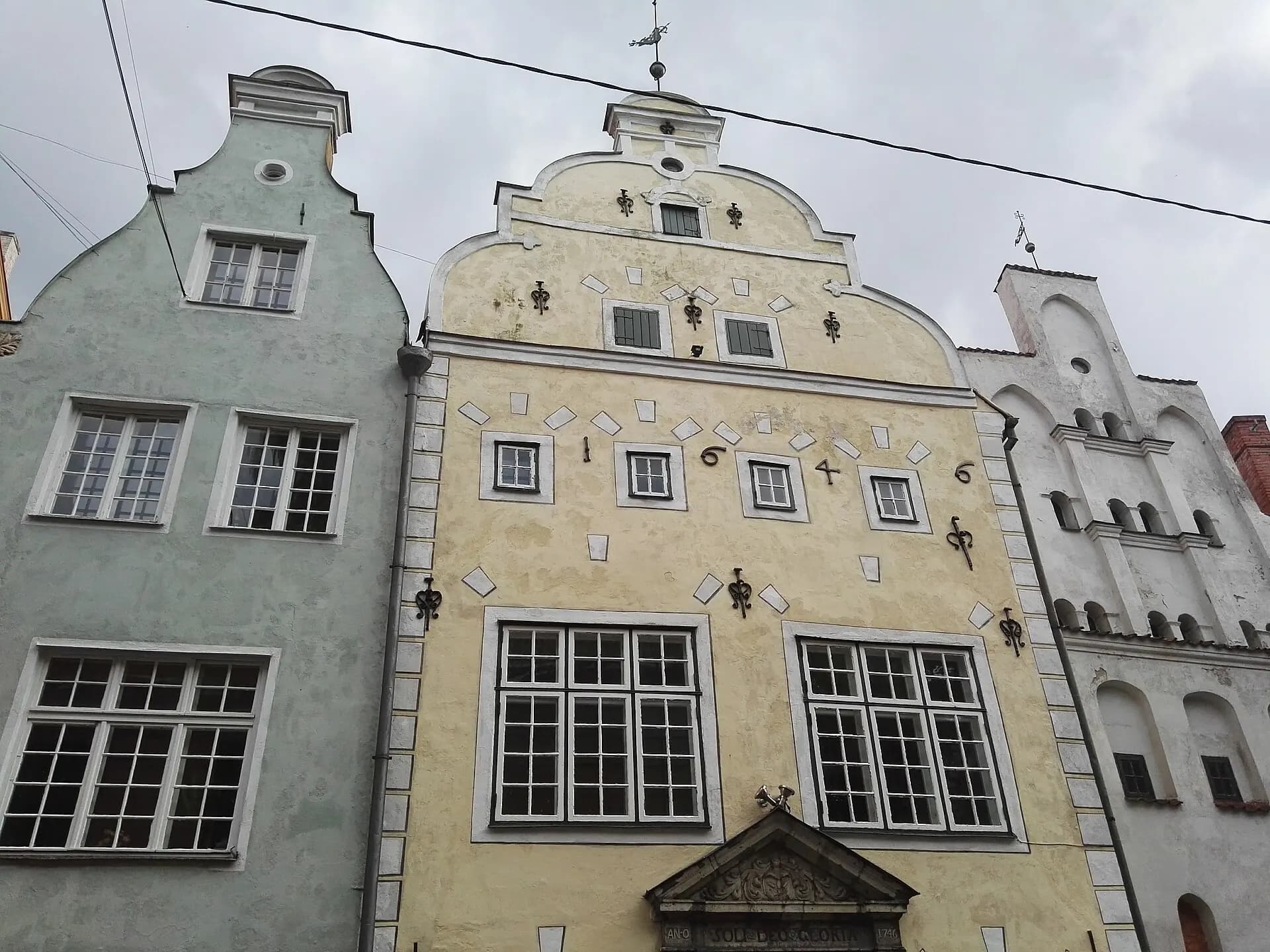
A short walk north on Mazā Pils iela, three narrow houses stand side by side, each from a different century. The oldest, with its stepped gable and tiny windows, is thought to date from the late 15th century and is the oldest surviving stone house in the city; its neighbours show how merchant homes grew larger and lighter over the following 200 years. Today they house the Latvian Museum of Architecture.
- 6
Riga Castle
Photo: Scotch Mist, CC BY-SA 4.0, via Wikimedia Commons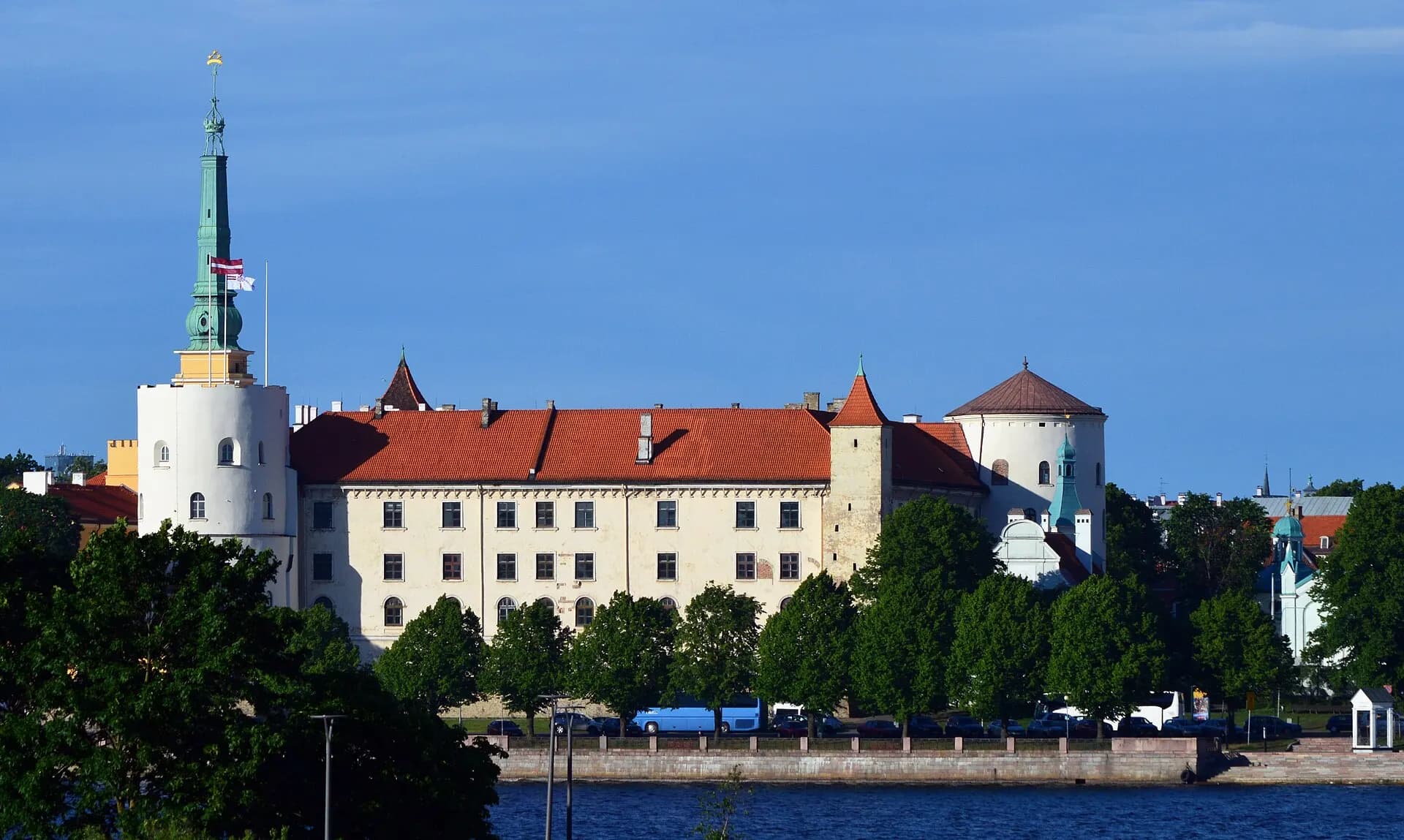
At the river end of the old town, the long white castle was founded in the 14th century by the Livonian Order and has been rebuilt many times. It is the official seat of the President of Latvia, and part of it is home to the National History Museum of Latvia; a long restoration followed a serious fire in 2013. Walk round to the riverside for the best view of its round towers.
- 7
Swedish Gate
Photo: Diego Delso, CC BY-SA 3.0, via Wikimedia Commons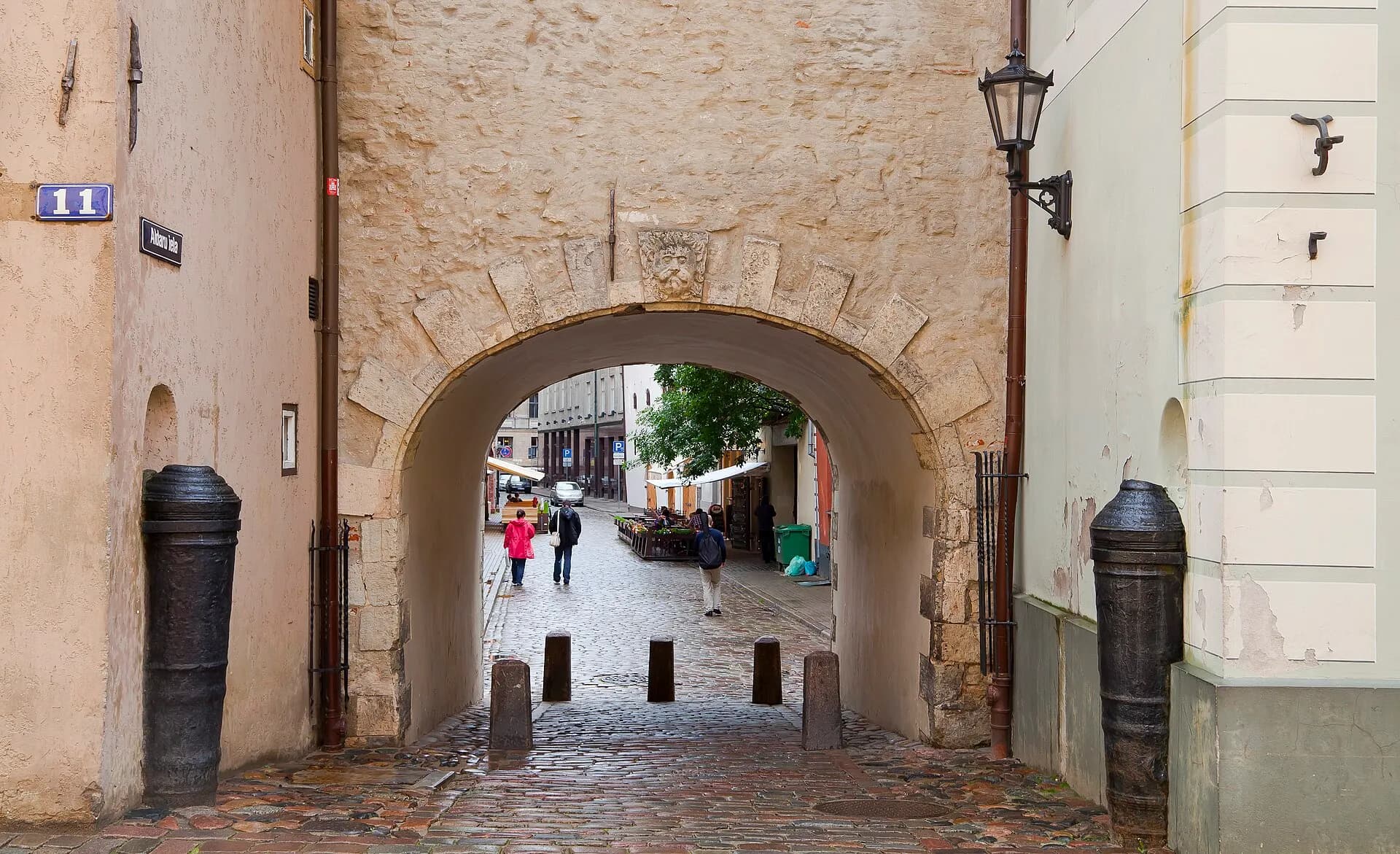
Riga was ruled by Sweden for most of the 17th century, and in 1698 a gate was cut through a house in the city wall on Torņa iela so residents could reach the Swedish barracks. It is the only surviving gate of the old fortifications. Beside it, a stretch of reconstructed wall and the row of yellow former barracks, the Jacob's Barracks, now holding shops and cafés, make one of the prettiest corners of the old town. The round Powder Tower, the last of the town's defensive towers, is a few steps away.
- 8
Freedom Monument
Photo: Scotch Mist, CC BY-SA 4.0, via Wikimedia Commons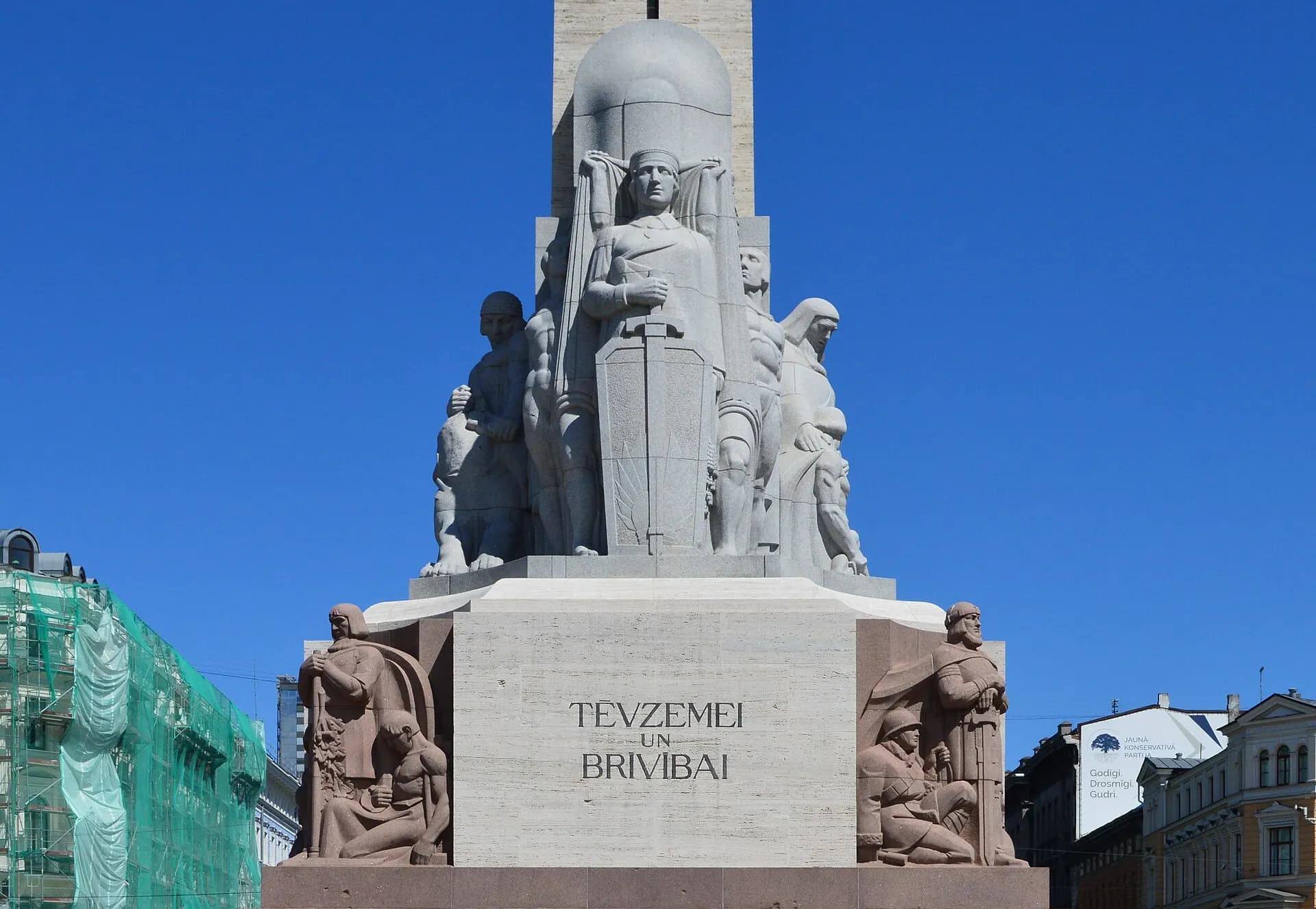
Just outside the old town, on the boulevard ring, a slender column rises 42 metres to a copper figure of Liberty holding up three gold stars, symbols of Latvia's historic regions. Unveiled in 1935 and paid for by public donations, it survived the Soviet years, when laying flowers here could lead to arrest, and became the rallying point of the independence movement in the late 1980s. An honour guard stands at its foot during the day, with a short changing ceremony on the hour.
TipWalk on through Bastejkalns, the park beside the canal that follows the line of the old moat, to the opera house and the flower market.
- 9
Latvian National Museum of Art
Photo: Diego Delso, CC BY-SA 3.0, via Wikimedia Commons
The country's main art museum occupies a grand building of 1905 at the edge of Esplanāde park, restored and extended with underground galleries in 2016. Its collection runs from 18th-century Baltic German portraits to Latvian painters of the late 19th and 20th centuries, such as Vilhelms Purvītis, Janis Rozentāls and Johann Walter, whose landscapes of snow, birch woods and spring floods give an excellent feel for the country. The rooftop terrace has a fine view over the park.
- 10
Art Nouveau district and Alberta iela
Photo: Virtual-Pano, CC BY-SA 4.0, via Wikimedia Commons
North of the museum, the streets of the "quiet centre" are lined with apartment blocks covered in faces, masks, sphinxes, peacocks and swirling plant forms. Alberta iela is the showpiece: nearly every building on this short street dates from the early 1900s, several of them by Mikhail Eisenstein, whose facades are the most theatrical. Elizabetes iela and Strēlnieku iela continue the parade, while later buildings show the calmer national romantic style that drew on Latvian folk art. The Riga Art Nouveau Centre, at Alberta iela 12, preserves a period apartment with its furniture, stained glass and painted stairwell.
TipLook up; the best details are often on the upper floors and corner towers. Morning light falls on the east side of Alberta iela, afternoon light on the west.
- 11
Central Market
Photo: Nenea hartia, CC BY-SA 4.0, via Wikimedia Commons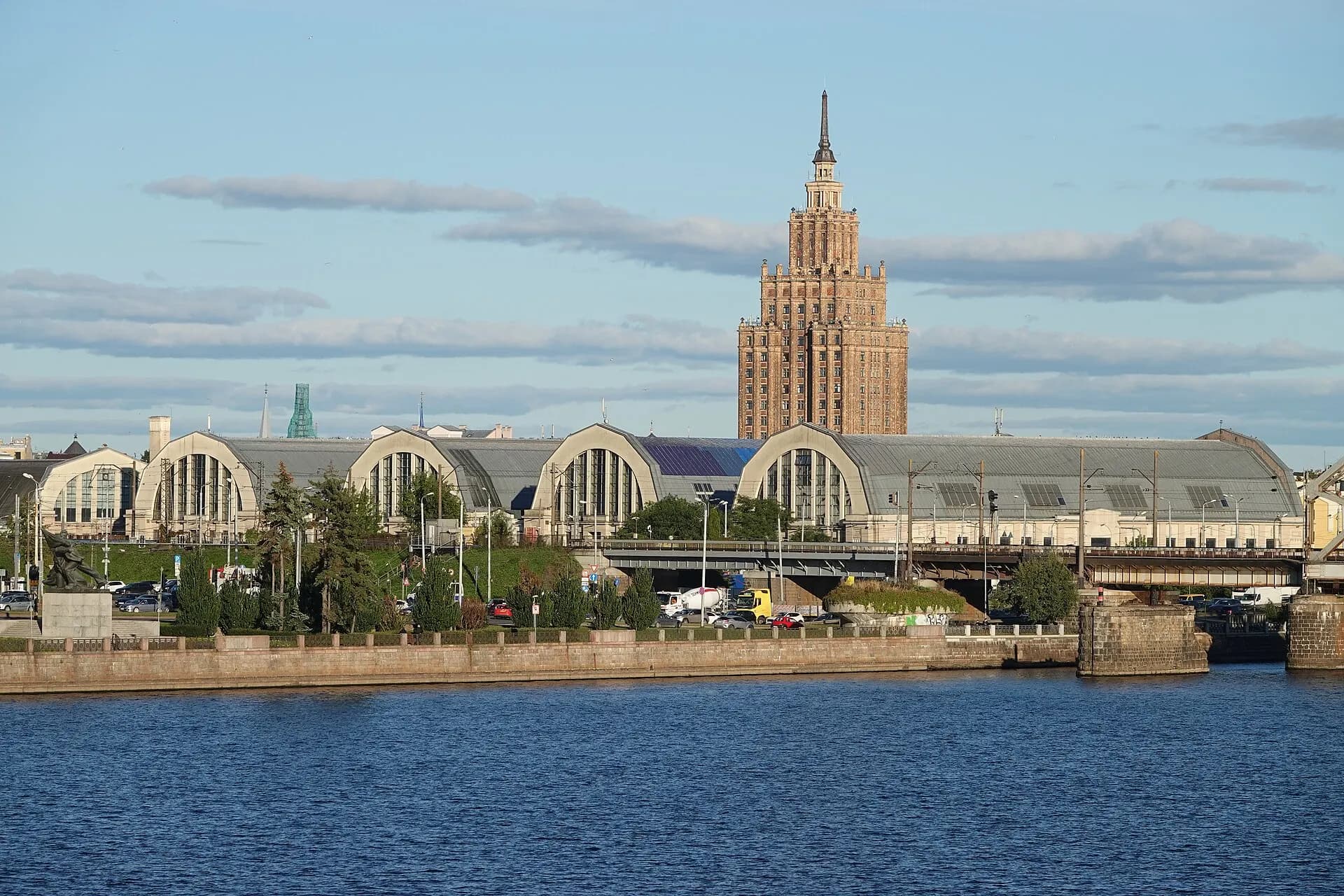
South of the old town, beyond the railway, five huge arched pavilions hold one of the largest markets in Europe. They were built in the 1920s and 1930s reusing the frames of German Zeppelin hangars from the First World War, and each one is roughly given over to a different trade: meat, fish, dairy, vegetables and so on. Come for smoked fish, rye bread, honey, sauerkraut, berries and mushrooms in season, and for the stalls of ready food. The market is part of the World Heritage Site.
TipBehind the market, the red-brick warehouses of Spīķeri have been turned into a small arts and café quarter. Beyond, the Academy of Sciences, a Stalin-era skyscraper, has a viewing terrace on its upper floors.
- 12
Kalnciema Quarter
Photo: Evita wiki, CC BY-SA 4.0, via Wikimedia Commons
Across the Daugava in Pārdaugava, Riga's wooden architecture is less famous but no less charming. Around Kalnciema iela, a group of restored 19th-century wooden houses with carved porches surrounds a courtyard that hosts a weekend market of farmers, bakers and craftspeople, along with concerts and festivals in summer. The surrounding streets are full of other timber houses, some lovingly restored and some still waiting.
TipThe market is held on Saturdays; check the quarter's website for the season's events. Trams cross the river from the old town in a few minutes.
- 13
Mežaparks
Photo: Svetlov Artem, CC0, via Wikimedia Commons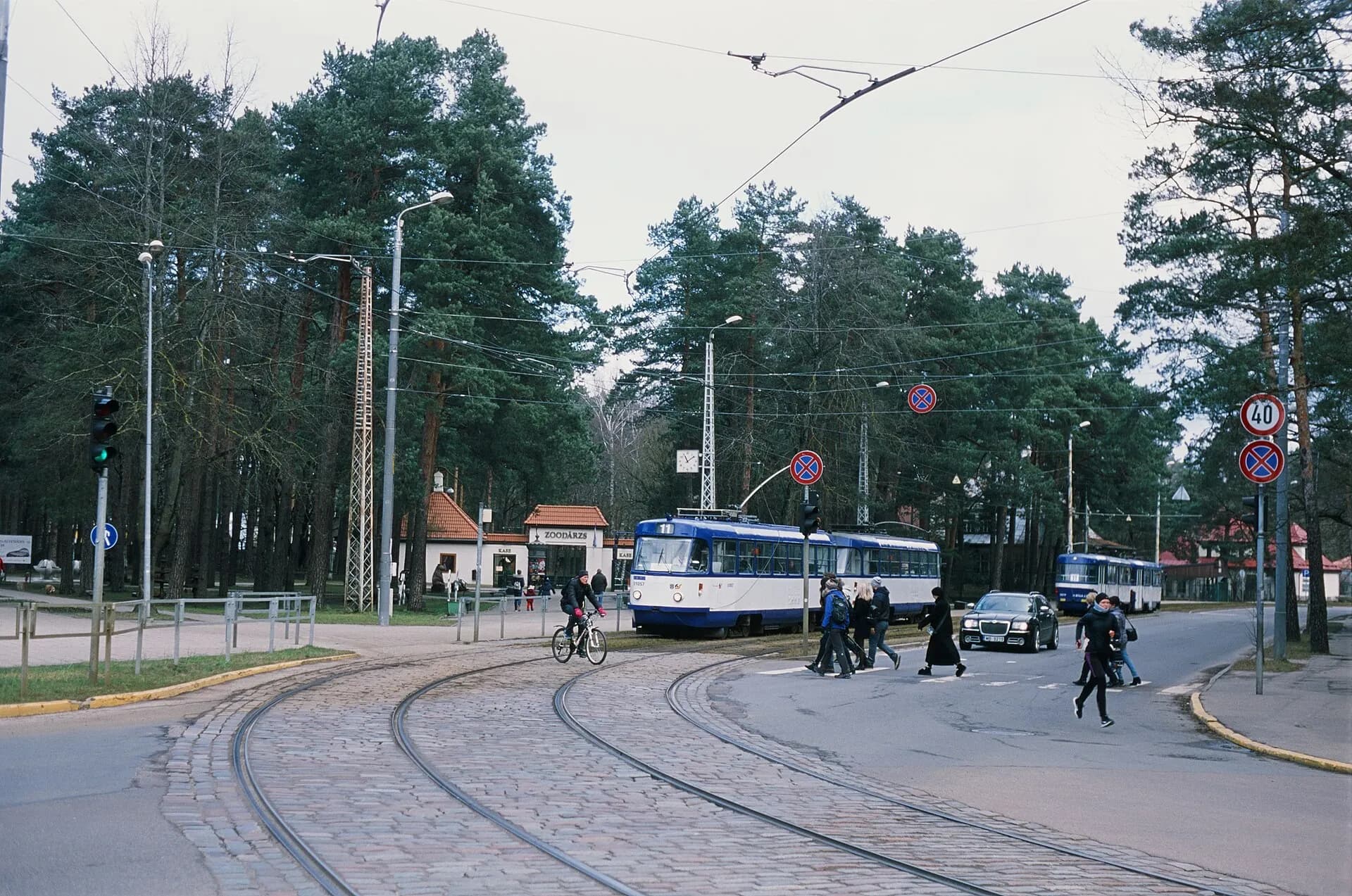
In the north of the city, Mežaparks was laid out in the early 1900s as one of Europe's first garden suburbs, with villas set among tall pines beside Ķīšezers lake. Locals come to walk, cycle and swim, and the park is home to Riga Zoo and to the huge open-air stage where the Latvian Song and Dance Festival, a UNESCO-listed tradition, holds its massed choir concerts every five years. A tram runs here from the centre.
- 14
Ethnographic Open-Air Museum of Latvia
Photo: Pudelek (Marcin Szala), CC BY-SA 3.0, via Wikimedia Commons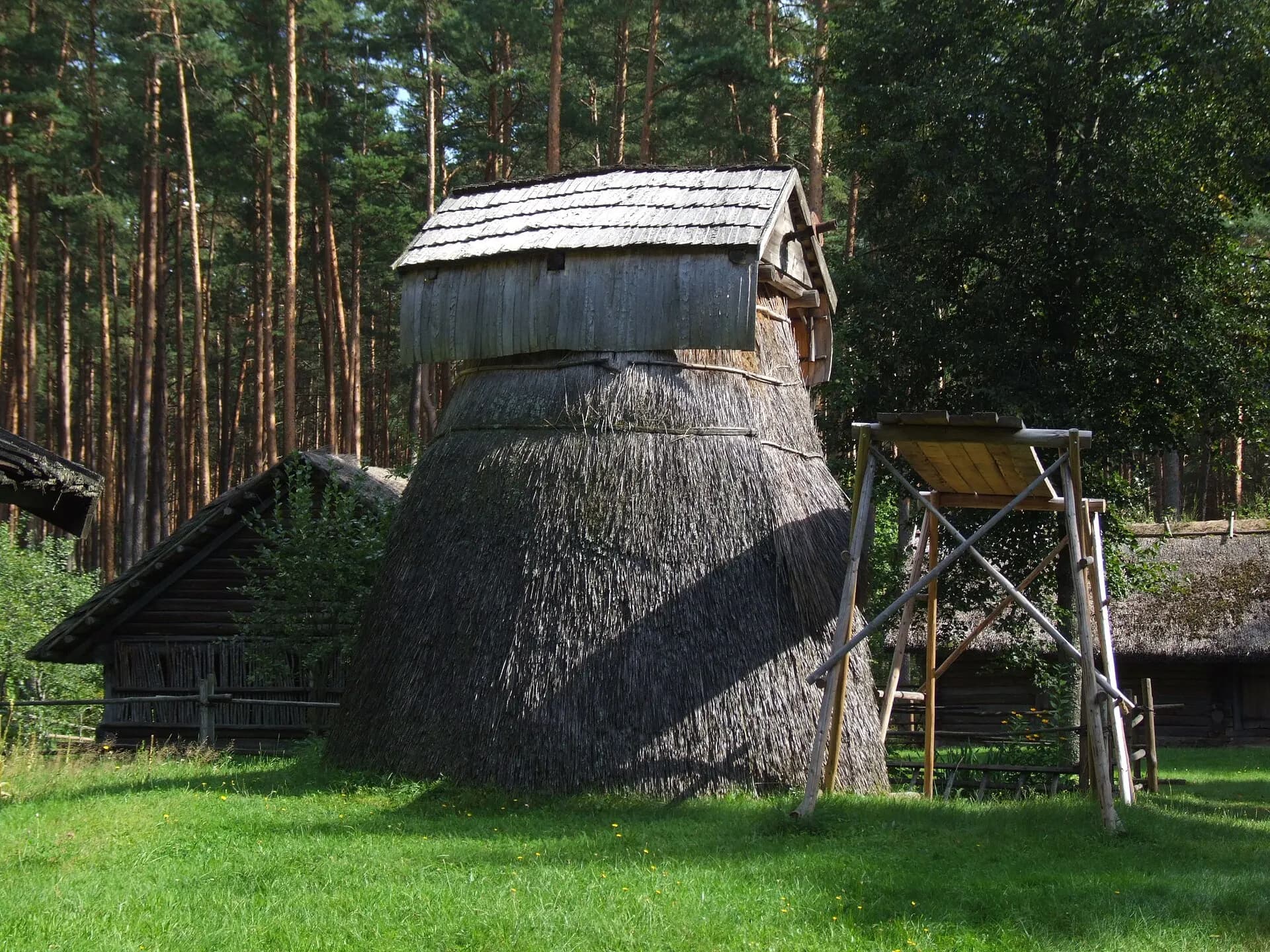
On the shore of Lake Jugla, on the eastern edge of the city, more than a hundred historic buildings have been moved from every region of Latvia into a pine forest: farmsteads, windmills, a wooden church, a fishermen's village and a tavern. In summer, craftspeople demonstrate weaving, pottery and blacksmithing, and the museum's annual crafts fair in early June is one of the country's biggest. It is one of the oldest open-air museums in Europe, founded in 1924.
TipWear comfortable shoes; the grounds cover a large area. Buses run from the city centre in about 40 minutes.
- 15
Jūrmala
Photo: Scotch Mist, CC BY-SA 4.0, via Wikimedia Commons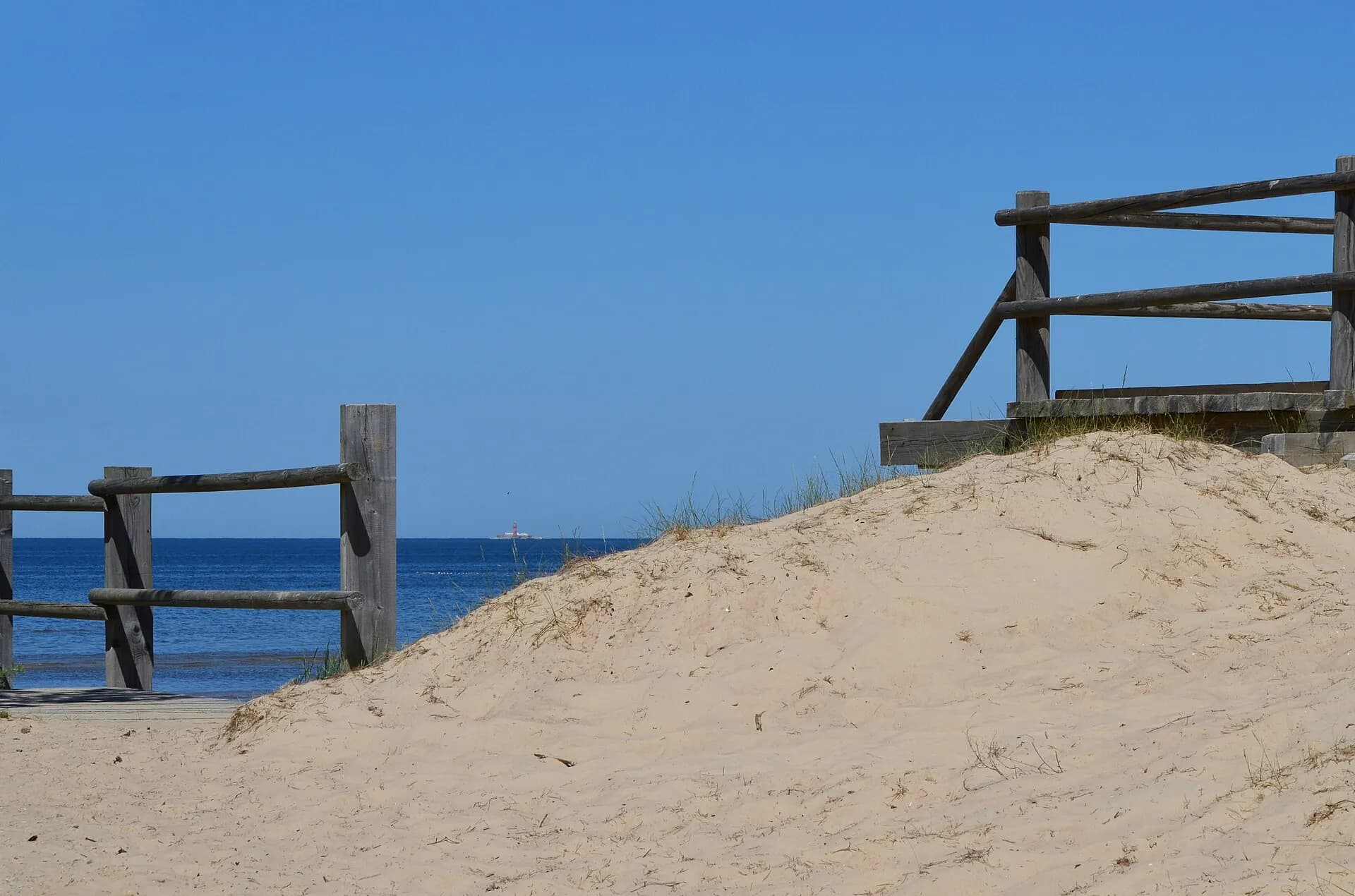
West of Riga, Jūrmala is a resort town strung along some 25 kilometres of white sand beach between the Gulf of Riga and the Lielupe river. Its summer villas, many of them wooden with fretwork verandas, date from its heyday as a spa resort in the Russian Empire and later as a favourite of the Soviet elite. Majori is the centre, with the pedestrian street Jomas iela leading to the beach. The water is shallow and cool, and the long, quiet shore is lovely for walking even out of season.
TipTrains from Riga Central Station reach Majori in about half an hour. Cars entering Jūrmala must pay a seasonal entry fee in the warmer months, so the train is the easier choice.
- 16
Gauja National Park and Sigulda
Photo: Laima Gūtmane (simka…, CC BY-SA 3.0, via Wikimedia Commons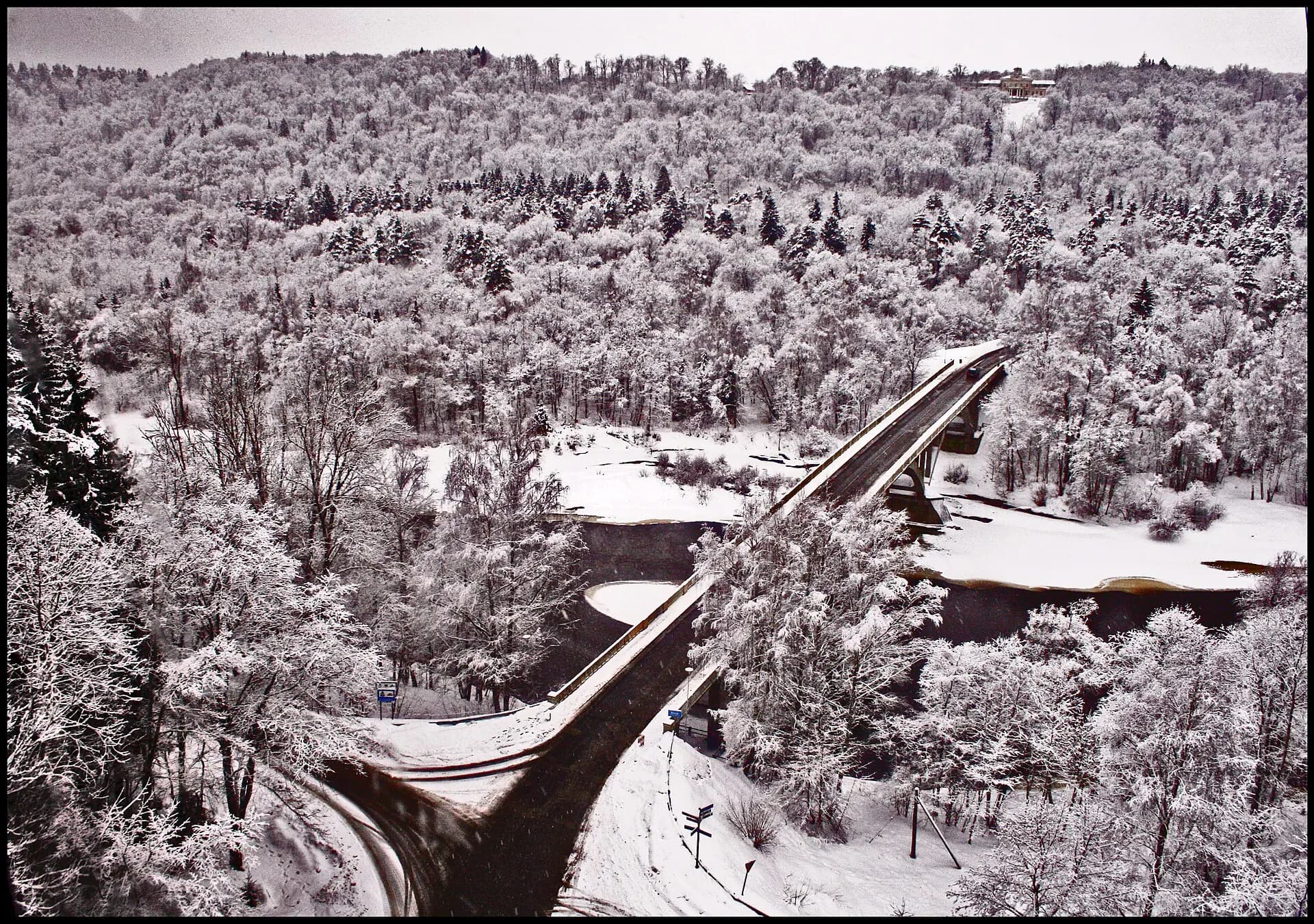
About an hour north-east of Riga by train, the Gauja river has cut a wooded valley through sandstone, with red cliffs and caves along its banks. Latvia's oldest national park protects it, and the town of Sigulda makes an easy base. Here you can see the ruins of the medieval Livonian Order castle beside the 19th-century New Castle, ride the cable car across the valley, walk forest trails to Gūtmaņa Cave, the largest in the Baltics, or try the Olympic bobsleigh track. In autumn, when the trees turn gold and red, the valley is at its best.
- 17
Turaida Castle
Photo: Pudelek (Marcin Szala), CC BY-SA 3.0, via Wikimedia Commons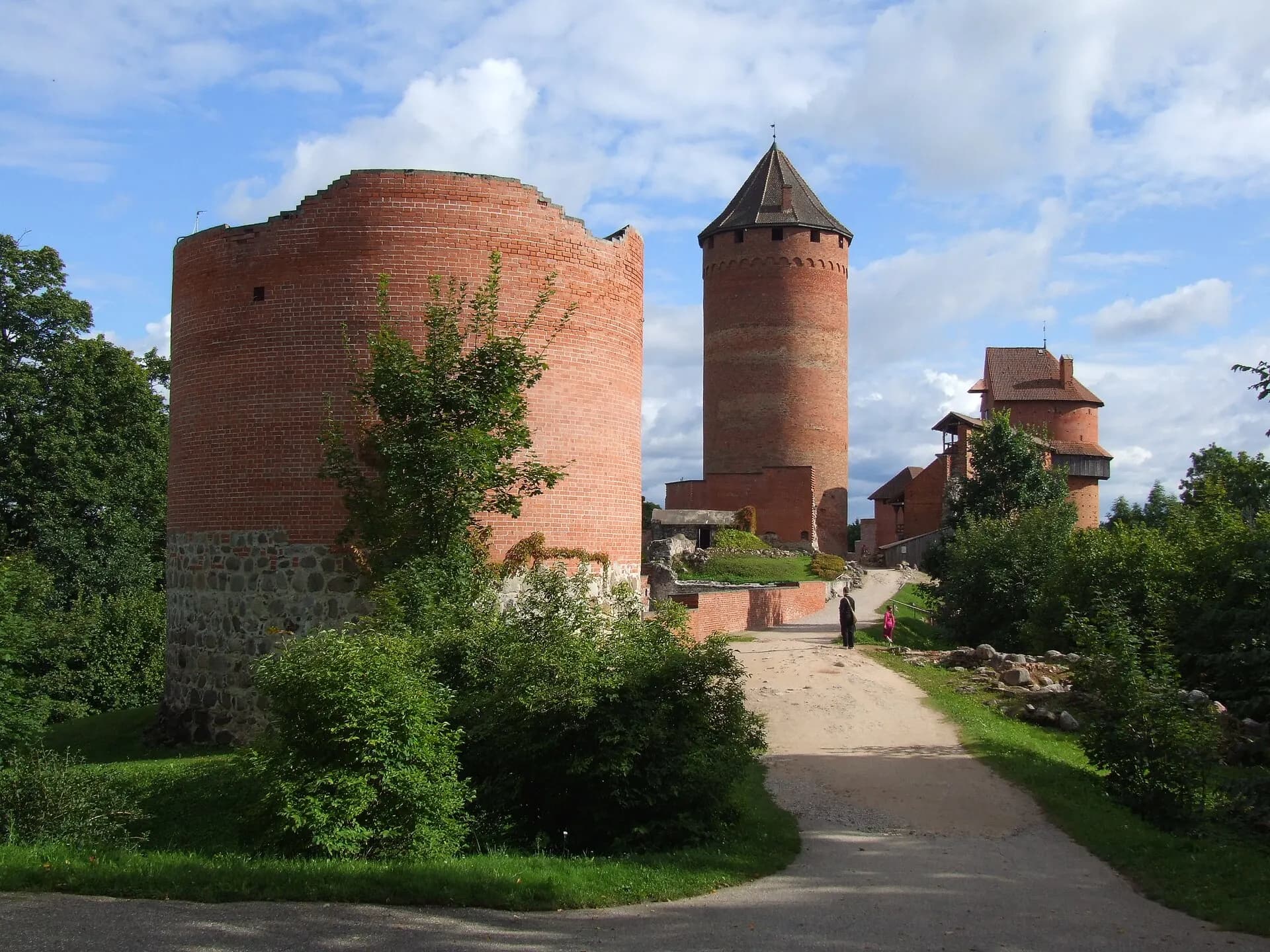
On the far side of the valley from Sigulda, the red-brick tower of Turaida Castle rises above the trees. Built from the 13th century for the Archbishop of Riga, it is now the centre of the Turaida Museum Reserve, which includes a wooden church, a sculpture park dedicated to Latvian folk songs and the grave of the "Rose of Turaida", a young woman whose 17th-century love story is one of the country's best-known legends. Climb the main tower for a view over the forest.
TipBuses link Sigulda and Turaida, or you can walk there in about an hour via the cable car and the trails past Gūtmaņa Cave.
- 18
Rundāle Palace
Photo: Scotch Mist, CC BY-SA 4.0, via Wikimedia Commons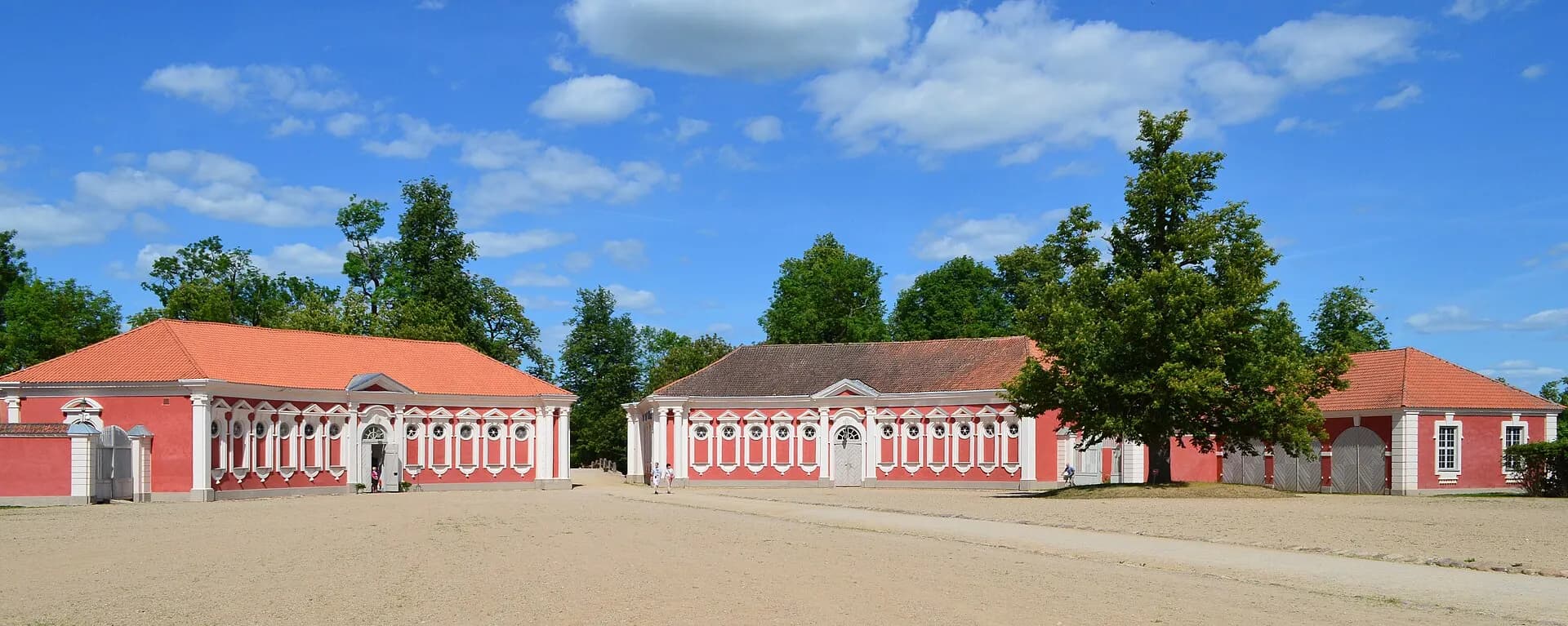
About 80 kilometres south of Riga, near the Lithuanian border, rises the finest Baroque palace in the Baltics. It was designed in the 1730s by Francesco Bartolomeo Rastrelli, the architect of St Petersburg's Winter Palace, as a summer residence for Ernst Johann von Biron, Duke of Courland. Its restored state rooms, especially the gilded Golden Hall and the White Hall with its stucco decoration, and the formal French garden with its large rose garden, are a startling sight in the farmland of Zemgale.
TipPublic transport is slow, with a change in Bauska, so most visitors drive or join a tour. The gardens are at their best from June to August, when the roses are in bloom.
When to go
Riga's summers are short, mild and gloriously light. From late May to early August the evenings stay bright until after 10pm, terraces fill the old town and the beaches of Jūrmala come to life; July is usually the warmest month, though temperatures rarely climb far above the mid-20s. The highlight of the year is Jāņi, or Midsummer, on 23 and 24 June, Latvia's biggest holiday, when people head to the countryside to sing, make flower wreaths, drink beer and stay up around bonfires. The city itself can be oddly quiet then, and some museums close.
Late spring and early autumn are pleasant and less crowded, and September and October bring brilliant colour to Gauja National Park. Winters are cold, dark and often grey, with snow and temperatures below freezing from December to February, but December has a festive Christmas market on Dome Square and hot spiced Black Balsam drinks. National holidays fall on 4 May, marking the restoration of independence in 1990, and 18 November, Proclamation Day, when the city is decked with red-white-red flags and lights.
Getting around
Riga's old town is small and almost entirely pedestrian, and most of the main sights, the Art Nouveau district and the Central Market are within about 20 minutes' walk of each other. Trams, trolleybuses and buses run by Rīgas satiksme cover the rest of the city. A ticket valid for 90 minutes on any route costs €1.50 in 2026; buy it from ticket machines, shops such as Narvesen, the Rīgas satiksme app, or by tapping a contactless bank card on the validator. Every ticket must be validated as you board.
Bus 22 connects Riga Airport with the city centre in about half an hour. Vivi suburban trains leave from Riga Central Station for Jūrmala and Sigulda, and a unified ticket lets you combine a train journey with a 90-minute ride on the city's buses and trams. For Rundāle a car or tour is easiest. Riga is a natural stop on a Baltic route between Tallinn, about four and a half hours north by coach, and Vilnius, about four hours south; international coach companies run frequent services from the bus station beside the Central Market.
Local tips
- Latvia uses the euro, and cards are accepted almost everywhere, including at most market stalls.
- Latvian is the official language. English is widely spoken by younger people and in tourism, and Russian is still heard on the streets; a simple "paldies" (thank you) is appreciated.
- Tipping of about 10% is customary in sit-down restaurants if service is not already included.
- Old town bars on Friday and Saturday nights can be rowdy with stag parties; the quiet centre and Pārdaugava are calmer for evenings out.
- Be wary of overly friendly strangers inviting you to a particular bar; a few old town venues have been known to overcharge tourists wildly. Always check prices before ordering.
- Cobbles are uneven and slippery when wet or icy, so bring sturdy shoes.
- Many museums close on Mondays, and some attractions keep shorter hours from October to April.
Eat and drink
Latvian cooking is hearty country food: dark rye bread, grey peas with bacon, smoked fish, potatoes with dill, cottage cheese and sour cream, and, in summer and autumn, mountains of wild mushrooms and forest berries. Look for sklandrausis, a small rye tart filled with carrot and potato, and for rupjmaizes kārtojums, a layered dessert of rye crumbs, cream and berry jam. Lido, a local chain of self-service canteens, is a cheap and cheerful introduction, and the Central Market's pavilions have plenty of counters for a quick lunch.
At the same time Riga has a confident modern restaurant scene in which young chefs work with local, seasonal produce, from Baltic fish to sea buckthorn and birch sap. Latvia's craft beer scene is excellent, and the national drink, Riga Black Balsam, is a dark herbal liqueur sipped neat, mixed with blackcurrant juice or added to hot drinks. Rooftop bars in the centre offer views over the spires on summer evenings.
Where to stay
Staying in the old town puts you in the middle of things, with the cathedral and the House of the Blackheads on your doorstep, but it can be noisy at weekends. The quiet centre, around the Art Nouveau streets and the boulevards, has handsome apartment hotels and is still within a short walk of the old town. Pārdaugava, across the river near the Kalnciema Quarter, is a calmer, more residential choice with good tram links. Hotels are cheaper than in most western European capitals, though prices rise in summer and during big events, so book early around Midsummer and the Song and Dance Festival.
A city of many masters
Riga was founded in 1201 by Bishop Albert of Buxhoeveden on land inhabited by Livs and Latvian tribes, and it soon joined the Hanseatic League, trading furs, timber, grain and flax. For centuries the city was run by German-speaking merchants and nobles, even as rule passed from the Livonian Order to Poland-Lithuania, then to Sweden in 1621 and to the Russian Empire in 1710. By the end of the 19th century Riga was one of the empire's largest and fastest-growing ports, and that wealth paid for the Art Nouveau boom.
Latvia declared independence in 1918, but in 1940 it was occupied by the Soviet Union, then by Nazi Germany, then by the Soviets again. Tens of thousands of people were deported to Siberia, Riga's large Jewish community was almost wiped out in the Holocaust, and the country was resettled with Russian speakers. In 1989 Latvians joined Estonians and Lithuanians in the Baltic Way, a human chain stretching from Vilnius to Tallinn, and independence was restored in 1991. Latvia joined the European Union and NATO in 2004 and adopted the euro in 2014.
Responsible travel
Use the trams and trains rather than a car; Jūrmala, Sigulda and the open-air museum are all easy to reach by public transport. In Gauja National Park keep to marked trails, as the soft sandstone cliffs and caves are easily damaged, and never carve names into the rock, a habit that has scarred Gūtmaņa Cave for centuries. Remember that the history told at the Occupation Museum and the Freedom Monument is still personal for many Latvians, so treat these places with respect. Buy food and crafts directly from producers at the Central Market and the Kalnciema Quarter market, and choose locally owned restaurants and guesthouses where you can.