Tallinn
A fairy-tale medieval old town of spires and city walls, in one of Europe's most digital, forward-looking capitals.
- Best time to go
- May to September for long, light evenings; December for the Christmas market
- Local time
- –
- Currency
- Euro (EUR)
- Reading time
- 4 min
- Language
- Estonian

Tallinn, the capital of Estonia, has one of the best-preserved medieval old towns in northern Europe. A prosperous member of the Hanseatic League of trading cities, it grew rich on trade across the Baltic, and its cobbled streets, merchant houses, church spires and city walls with red-roofed towers survive almost intact. The Old Town is a World Heritage Site.
Beyond the walls, Estonia has become one of the world's most digitally advanced countries since regaining independence in 1991, and Tallinn mixes its fairy-tale centre with creative districts, modern architecture and a growing food scene. It's compact, walkable and easily combined with Helsinki, a short ferry ride across the Gulf of Finland.
The top 9 in Tallinn
- 1
Town Hall Square
Photo: Julie Anne Workman, CC BY-SA 3.0, via Wikimedia Commons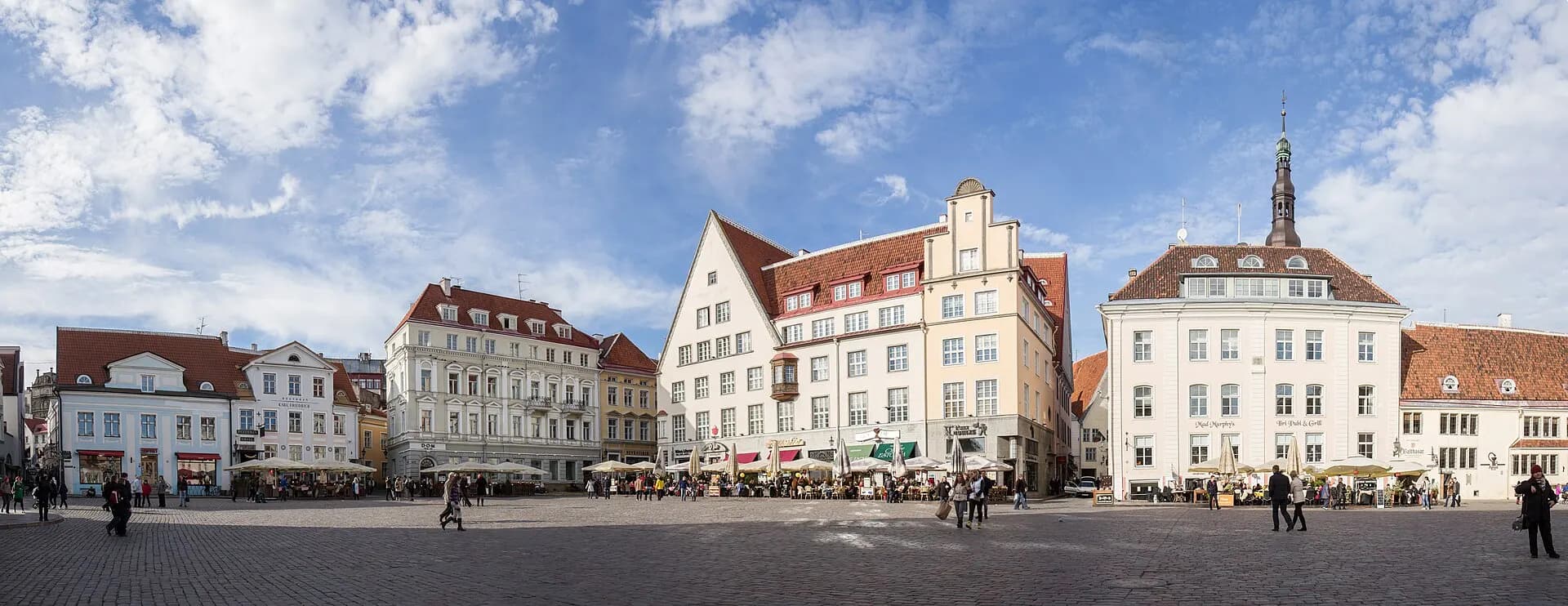
The heart of the Lower Town since the Middle Ages, surrounded by colourful merchant houses and café terraces, and dominated by the Gothic Town Hall, the oldest surviving town hall in northern Europe, whose tower you can climb in summer. The Town Hall Pharmacy, on the square, is one of the oldest continuously operating pharmacies in Europe.
- 2
Toompea Hill
Photo: Diego Delso, CC BY-SA 3.0, via Wikimedia Commons
The upper town on a limestone hill, where the nobility and clergy once lived, with Toompea Castle, now the Estonian parliament, and viewing platforms looking over the red rooftops and spires of the Lower Town to the sea.
TipThe Kohtuotsa and Patkuli viewing platforms are at their best early in the morning, before tour groups arrive.
- 3
Alexander Nevsky Cathedral
Photo: Diego Delso, CC BY-SA 3.0, via Wikimedia Commons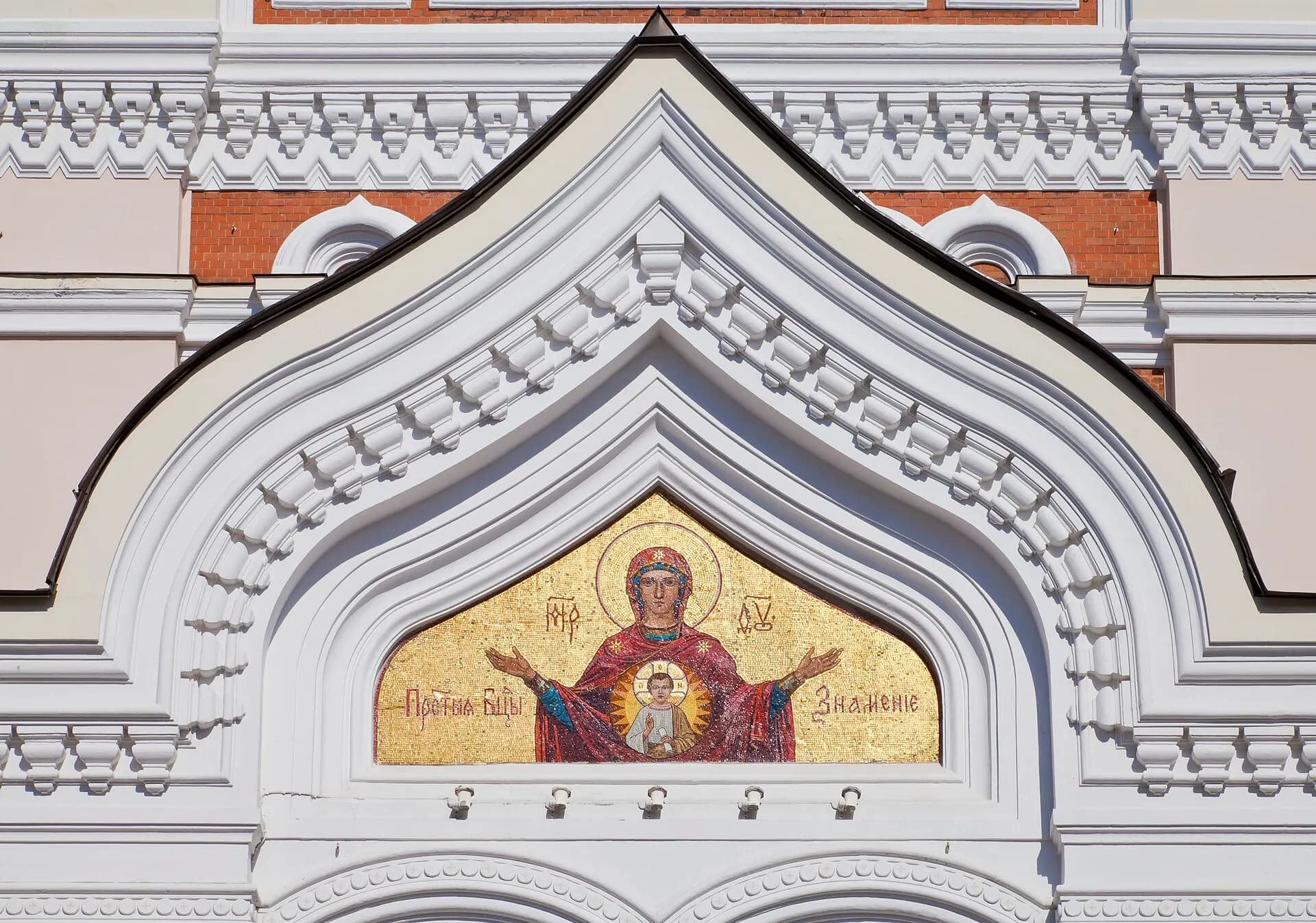
An onion-domed Russian Orthodox cathedral built on Toompea in the 1890s, when Estonia was part of the Russian Empire, with a richly decorated interior.
- 4
St Olaf's Church
Photo: Diego Delso, CC BY-SA 3.0, via Wikimedia Commons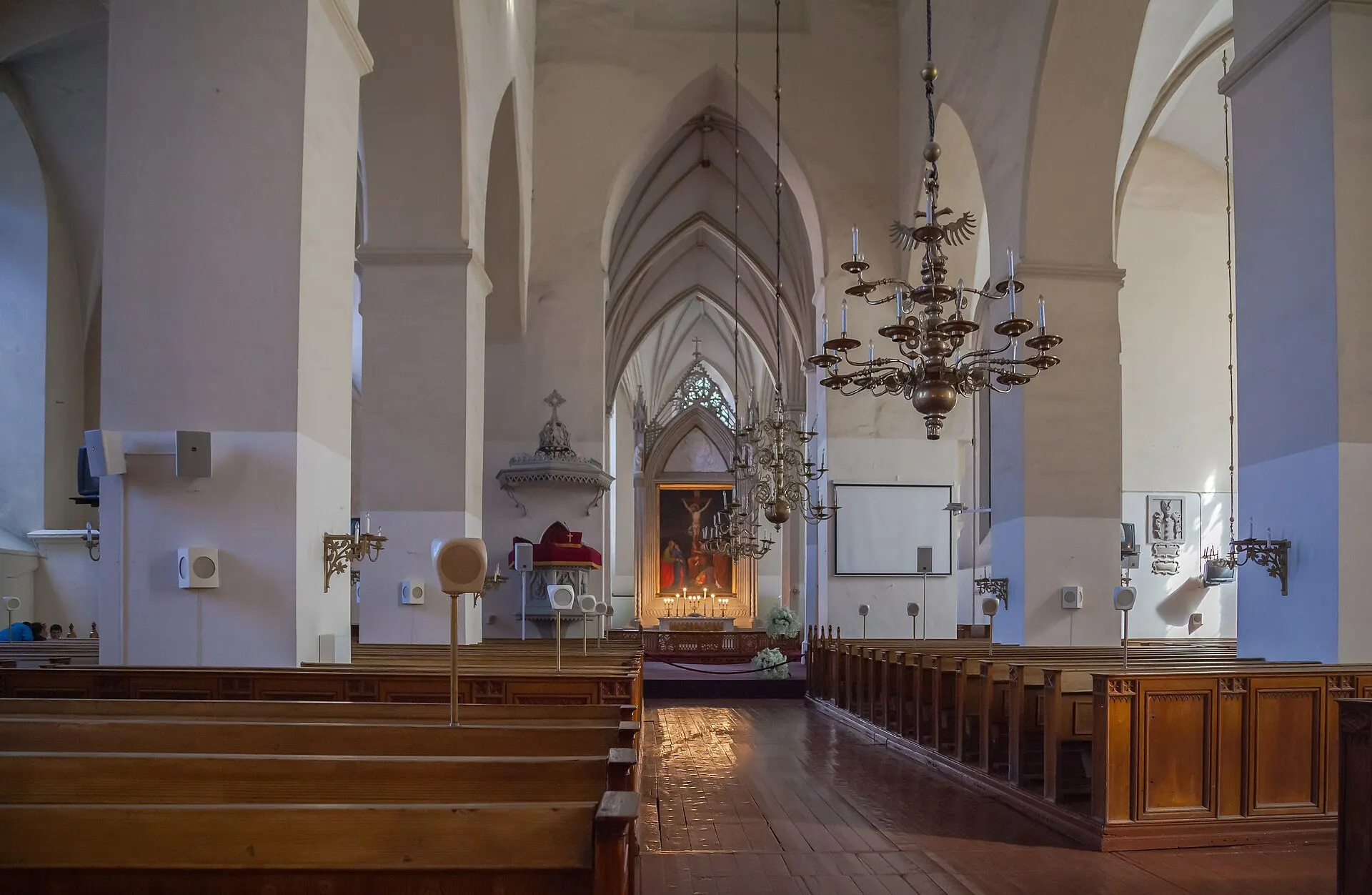
A Gothic church whose tall spire was once among the highest buildings in the world. In summer, you can climb its narrow steps to a gallery with superb views.
- 5
The city walls and towers
Photo: Ivar Leidus (Iifar), CC BY-SA 3.0 ee, via Wikimedia Commons
Nearly two kilometres of the medieval walls survive, with around twenty defensive towers. Walk a section of the walls near the Nunnery Gate, and visit the Kiek in de Kök tower and its underground passages.
- 6
Kadriorg Park and Palace
Photo: Bengt Oberger, CC BY-SA 4.0, via Wikimedia Commons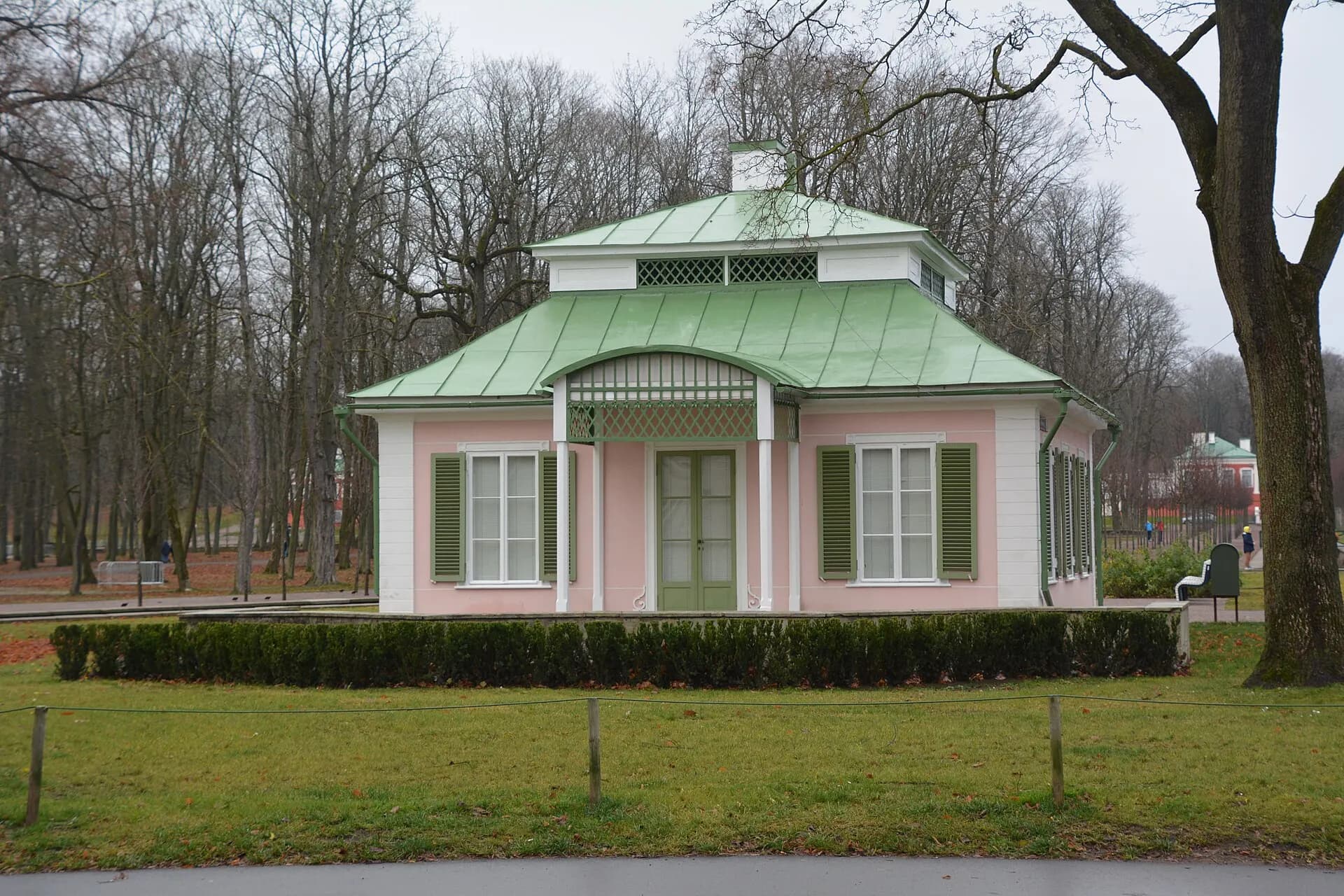
A baroque palace built by Peter the Great for his wife Catherine in the eighteenth century, now an art museum, set in a large park with ponds, a Japanese garden and the presidential palace. KUMU, the Art Museum of Estonia, in a striking modern building, is at the other end of the park.
- 7
Telliskivi Creative City
Photo: Relkmsaiia, CC BY-SA 4.0, via Wikimedia Commons
A former factory complex next to the Kalamaja district, turned into studios, design shops, cafés, street art, a flea market and the Fotografiska photography museum. Kalamaja, nearby, is a neighbourhood of colourful wooden houses.
- 8
The Seaplane Harbour
Photo: Hiiumaa mudeliklubi, CC BY-SA 4.0, via Wikimedia Commons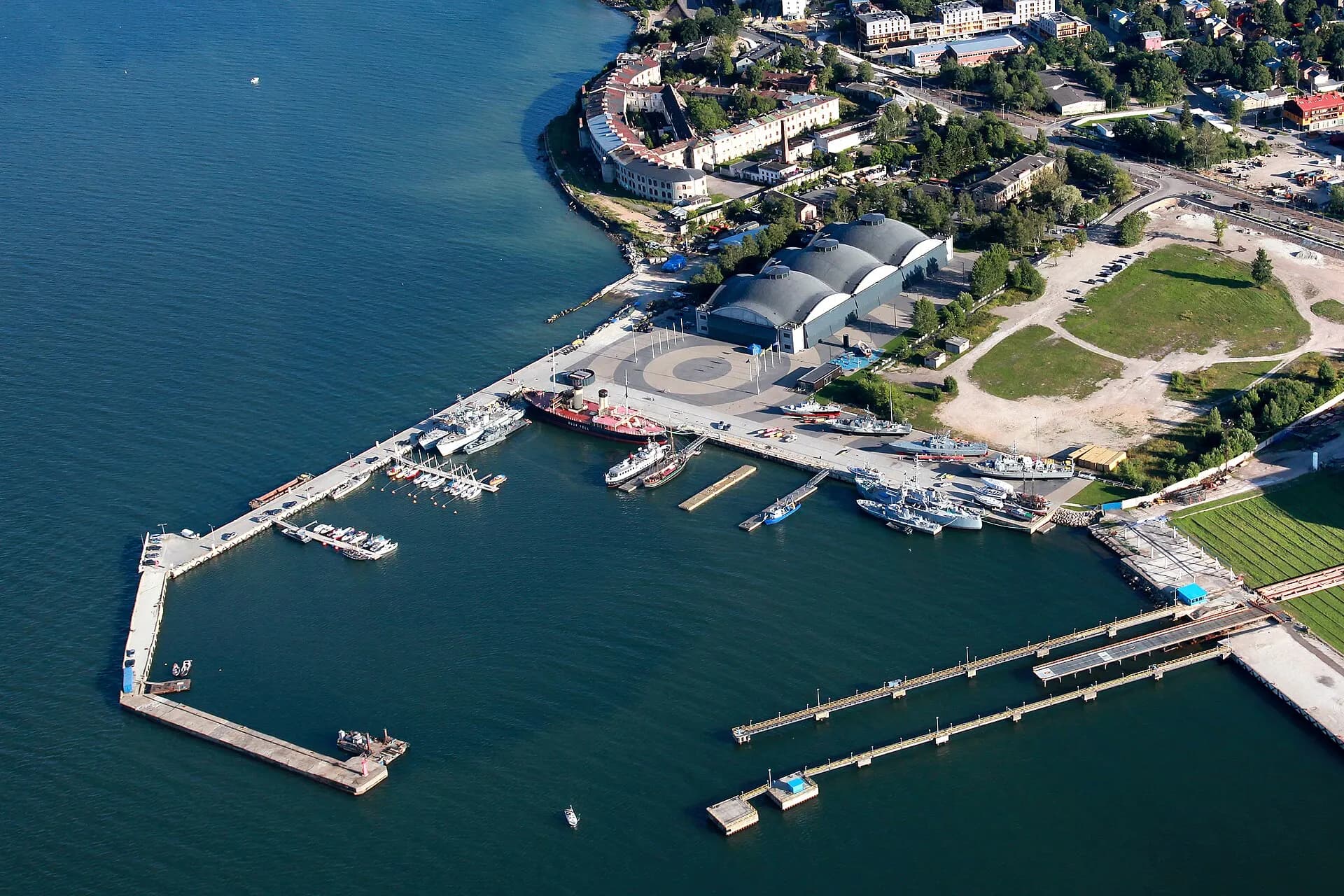
A maritime museum in vast concrete seaplane hangars from 1917, with a submarine you can climb inside, an icebreaker moored outside and a seventeenth-century shipwreck.
- 9
Lahemaa National Park
Photo: Diego Delso, CC BY-SA 3.0, via Wikimedia Commons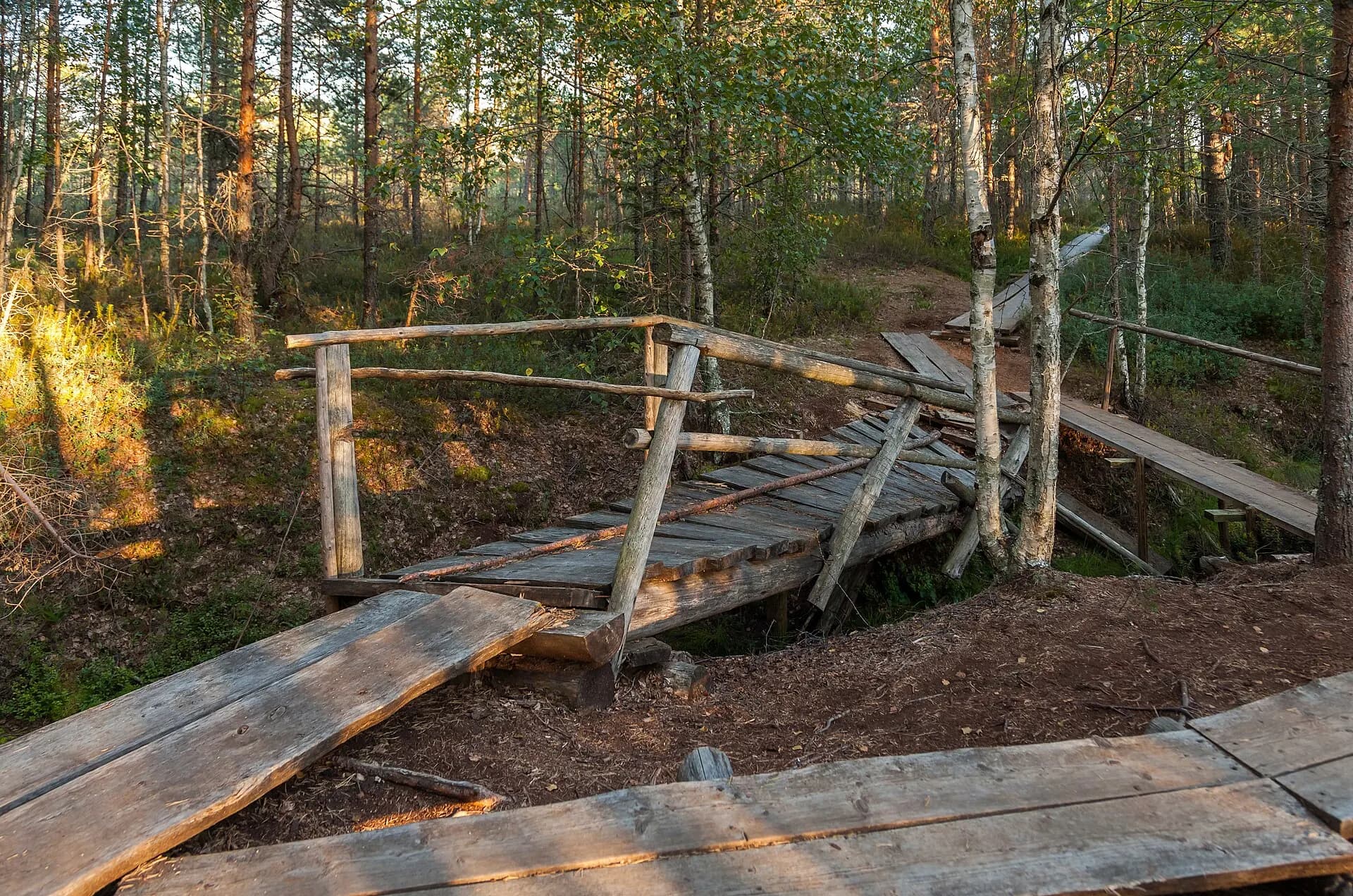
About an hour east of the city, a park of forests, bogs, coastline and manor houses, with boardwalk trails across the raised bogs and the restored Palmse and Sagadi manors.
When to go
Late spring and summer bring long, light evenings, with almost no darkness around midsummer, celebrated on 23 and 24 June with bonfires. The Old Town Days festival fills the streets in early June. Autumn is quieter and colourful. Winters are cold and dark, but the Christmas market on Town Hall Square, one of the oldest traditions in Europe, is magical.
Getting around
The Old Town is compact and car-free in parts, best explored on foot. Trams, buses and trolleybuses cover the rest of the city; pay with a contactless card or the Ühiskaart card. Tallinn Airport is about fifteen minutes from the centre by tram, and ferries cross to Helsinki in about two hours.
Local tips
- Estonia uses the euro.
- Cards are accepted almost everywhere; Estonia is highly digital.
- Visit the Old Town early or late on days when cruise ships are in port.
- Wear shoes with good grip on the cobblestones.
- Many museums are closed on Mondays.
- Tipping around 10% is appreciated in restaurants.
- Summer evenings stay light until very late; bring an eye mask if you're a light sleeper.
- Smoke and bonfire smells around Midsummer are normal and festive.
- Ferries to Helsinki fill up on weekends; book ahead.
Eat and drink
Estonian cooking is hearty and seasonal: try black rye bread, a national staple; smoked fish and sprats; blood sausage and sauerkraut at Christmas; and forest berries and mushrooms in late summer. Tallinn's modern restaurants serve inventive New Nordic-style menus. The Balti Jaam Market, beside the railway station, has a food hall, local produce and antiques under one roof. Kama, a flour mix of roasted grains, is eaten with yoghurt or used in desserts, and kohuke, sweet curd cheese bars covered in chocolate, are a national favourite. Try Vana Tallinn, a sweet rum-based liqueur, and local craft beers.
Saunas
Sauna culture is central to Estonian life. Many hotels have saunas, public saunas operate in the city, and in rural areas you can try a traditional smoke sauna, a practice recognised by UNESCO, often followed by a plunge into a lake or the sea.
Where to stay
Staying in the Old Town puts you among medieval streets and restaurants, in hotels set in historic buildings. The modern city centre around Viru Square has large hotels a few minutes' walk away, and Kalamaja and Telliskivi offer apartments in a creative neighbourhood.
Day trips
Helsinki, the capital of Finland, is about two hours away by fast ferry, making an easy day trip across the Gulf of Finland. Closer to home, the Pirita district, east of the centre, has a long sandy beach, the ruins of a fifteenth-century convent and the TV Tower with an observation deck. Further afield, the university town of Tartu, the spa resort of Pärnu on the west coast, and the islands of Saaremaa and Hiiumaa, with windmills, juniper and fishing villages, show the quieter side of Estonia.