Kerala
Palm-fringed backwaters, misty tea hills, spice gardens and colonial port towns in India's tropical south.
- Best time to go
- October to March, after the monsoon, for warm, dry days
- Local time
- –
- Currency
- Indian Rupee (INR)
- Reading time
- 4 min
- Language
- Hindi and English
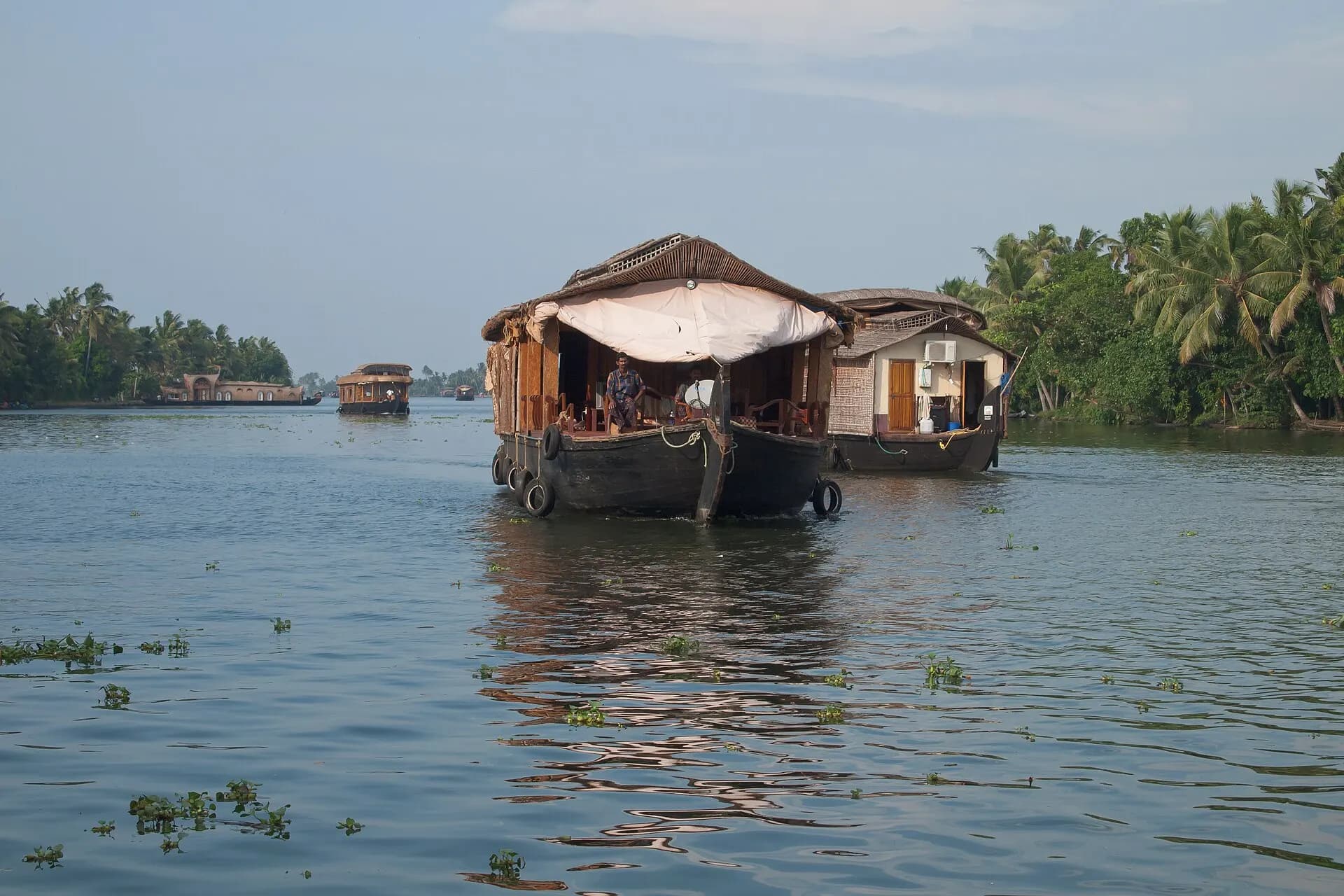
Kerala, a narrow state along India's south-west coast, stretches between the Arabian Sea and the Western Ghats mountains. It's a land of coconut palms, rice paddies and a maze of lagoons, rivers and canals known as the backwaters, with tea and spice plantations in the cool hills inland. For centuries, its ports traded pepper and spices with Arabs, Chinese, Portuguese, Dutch and British merchants, leaving a mix of cultures, religions and architecture.
Known as "God's Own Country", Kerala is greener and more relaxed than much of India, famous for Ayurvedic treatments, Kathakali dance-drama, and some of the best food in the country.
The top 8 in Kerala
- 1
Kochi (Fort Kochi)
Photo: Ingo Mehling, CC BY-SA 4.0, via Wikimedia Commons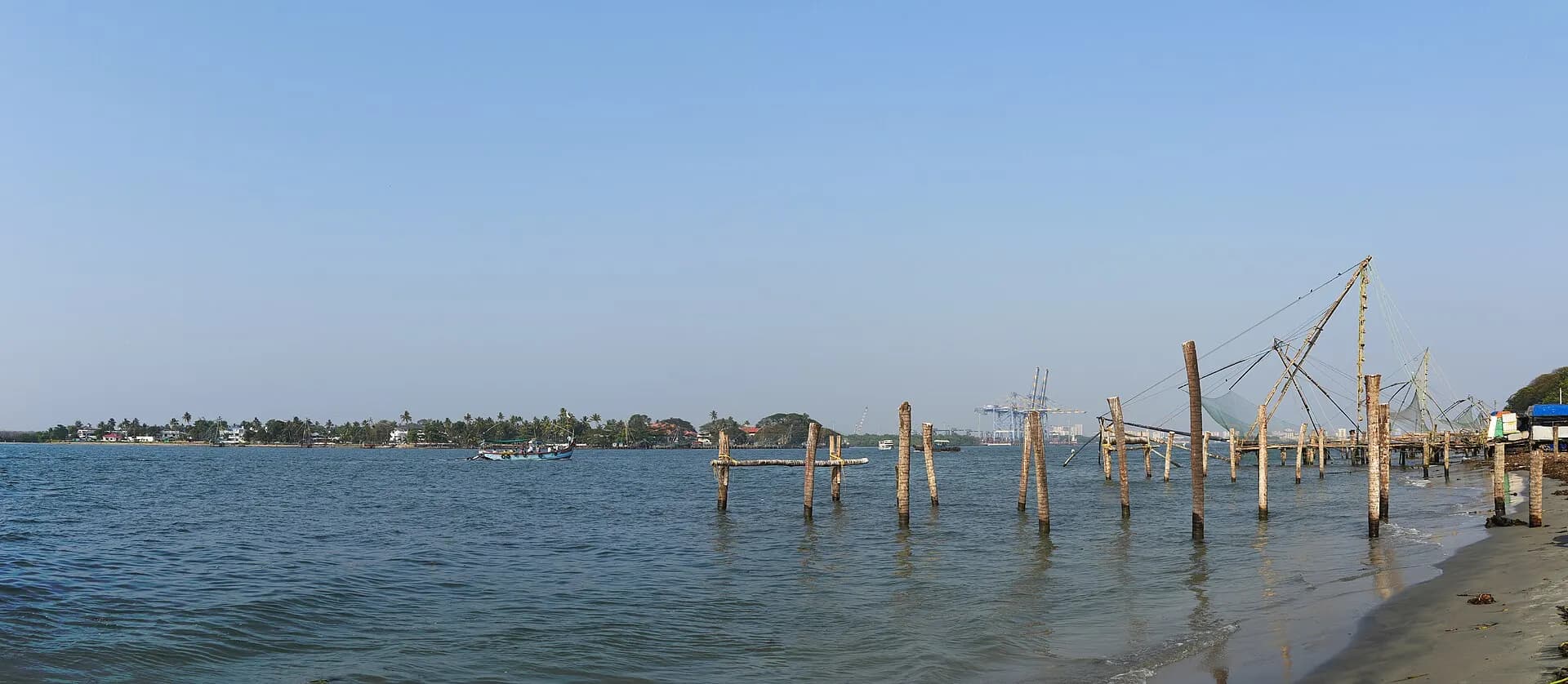
A historic port with Portuguese, Dutch and British buildings, the cantilevered Chinese fishing nets along the shore, St Francis Church, where Vasco da Gama was first buried, the Dutch Palace with its murals, and the Paradesi Synagogue in Jew Town, the oldest active synagogue in the Commonwealth.
TipWatch the fishermen work the nets at sunrise or sunset, and catch an evening Kathakali performance.
- 2
The Alleppey backwaters
Photo: Sravanbaddi, CC BY-SA 4.0, via Wikimedia Commons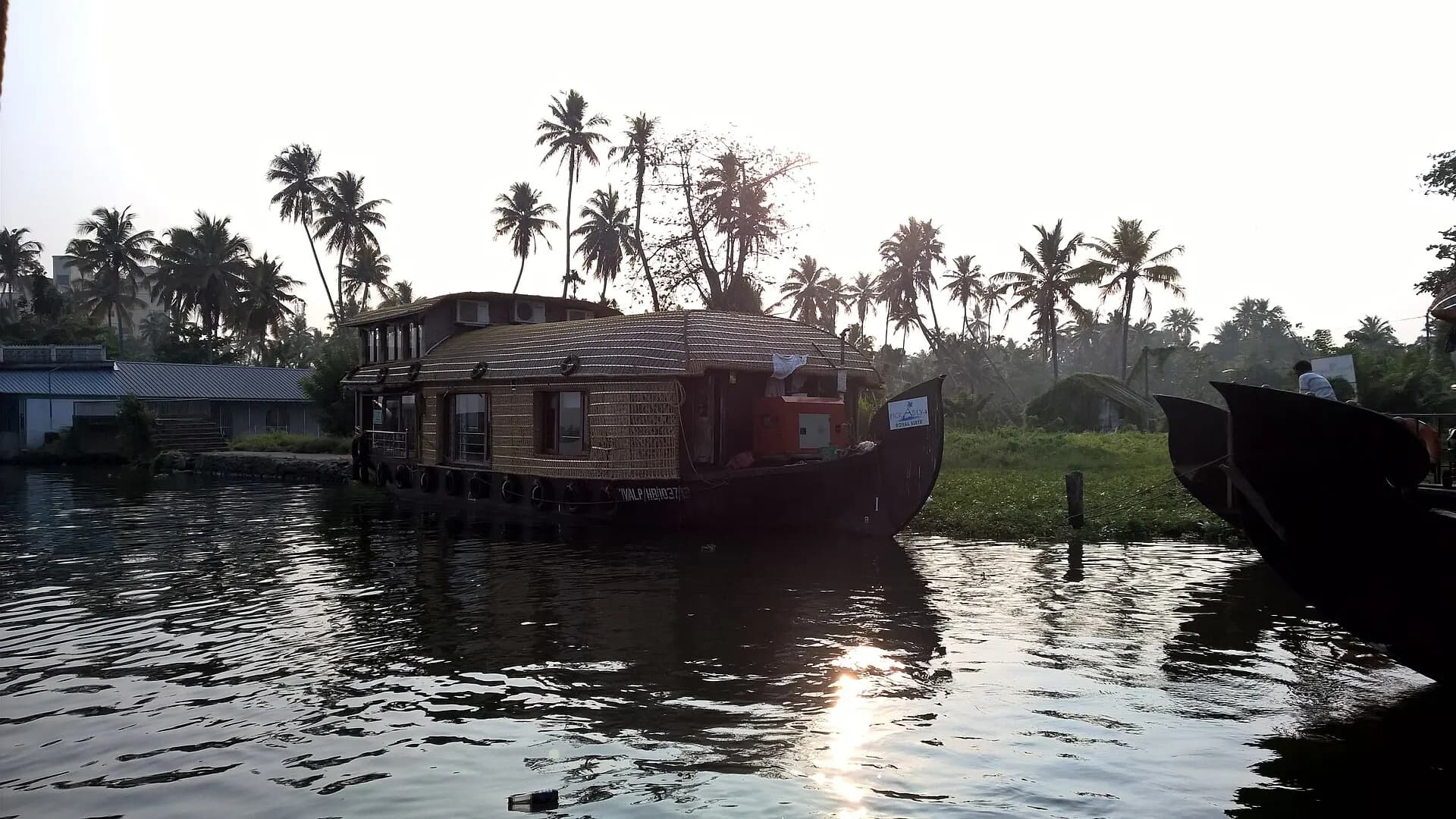
A network of canals, lagoons and rivers around Alappuzha (Alleppey) and Kumarakom, lined with palms, villages, churches and rice fields below water level. Cruising them on a converted rice barge, a kettuvallam houseboat, is Kerala's signature experience.
TipConsider a day or overnight trip on a smaller canoe or houseboat to reach narrow channels that big boats can't.
- 3
Munnar
Photo: Rainer Halama, CC BY-SA 4.0, via Wikimedia Commons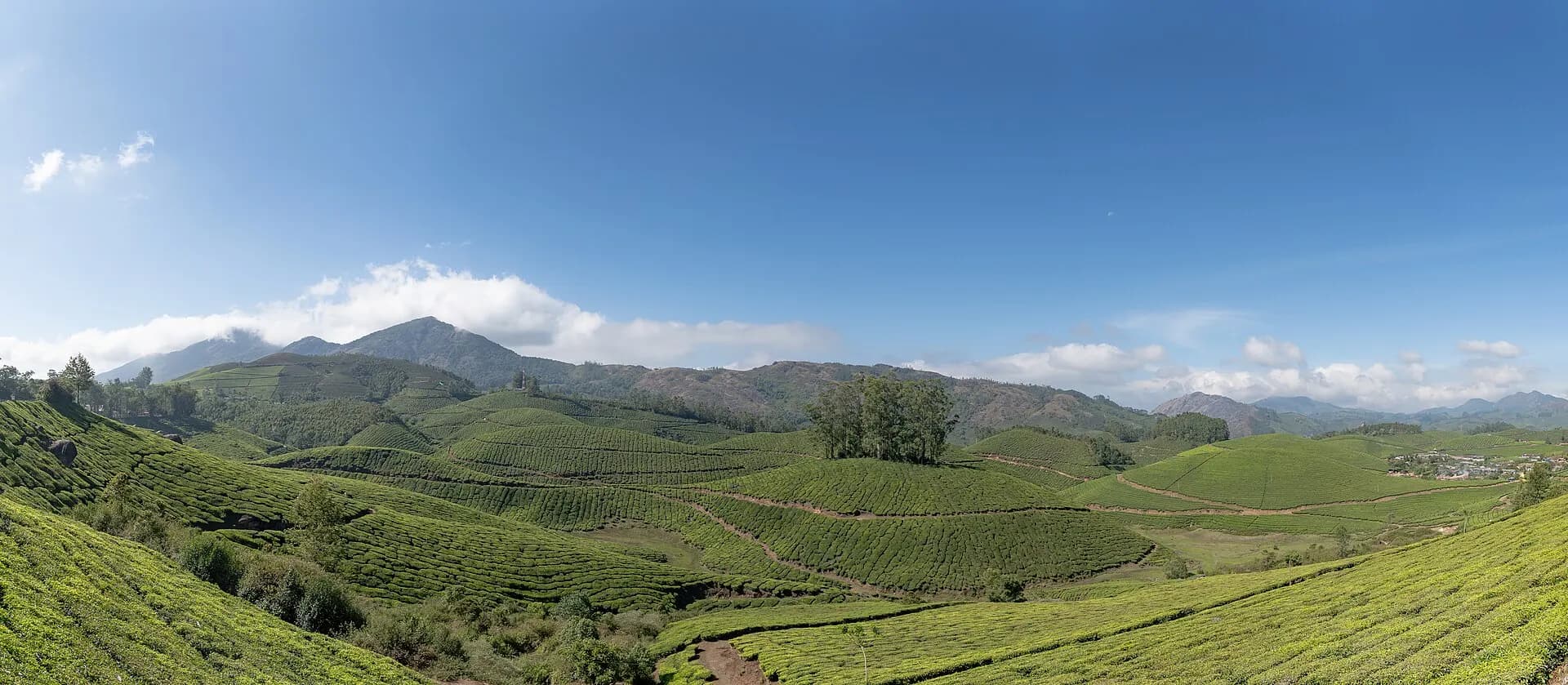
A hill station in the Western Ghats at around 1,600 metres, surrounded by rolling tea estates, waterfalls and mountains. Visit a tea factory and museum, and the Eravikulam National Park, home to the endangered Nilgiri tahr, a mountain goat.
- 4
Periyar Tiger Reserve
Photo: Shantham11, CC BY-SA 4.0, via Wikimedia Commons
A wildlife reserve around a lake in the hills near Thekkady, home to elephants, gaur, deer and a small population of tigers. Boat cruises on the lake, guided jungle walks and bamboo rafting are offered, and spice gardens of cardamom and pepper surround the town.
- 5
Varkala
A beach town where red laterite cliffs rise above the Arabian Sea, with cafés and guesthouses along the clifftop and a holy beach where Hindus perform rituals for their ancestors.
- 6
Kovalam
Photo: Georgeumartin, CC BY-SA 4.0, via Wikimedia Commons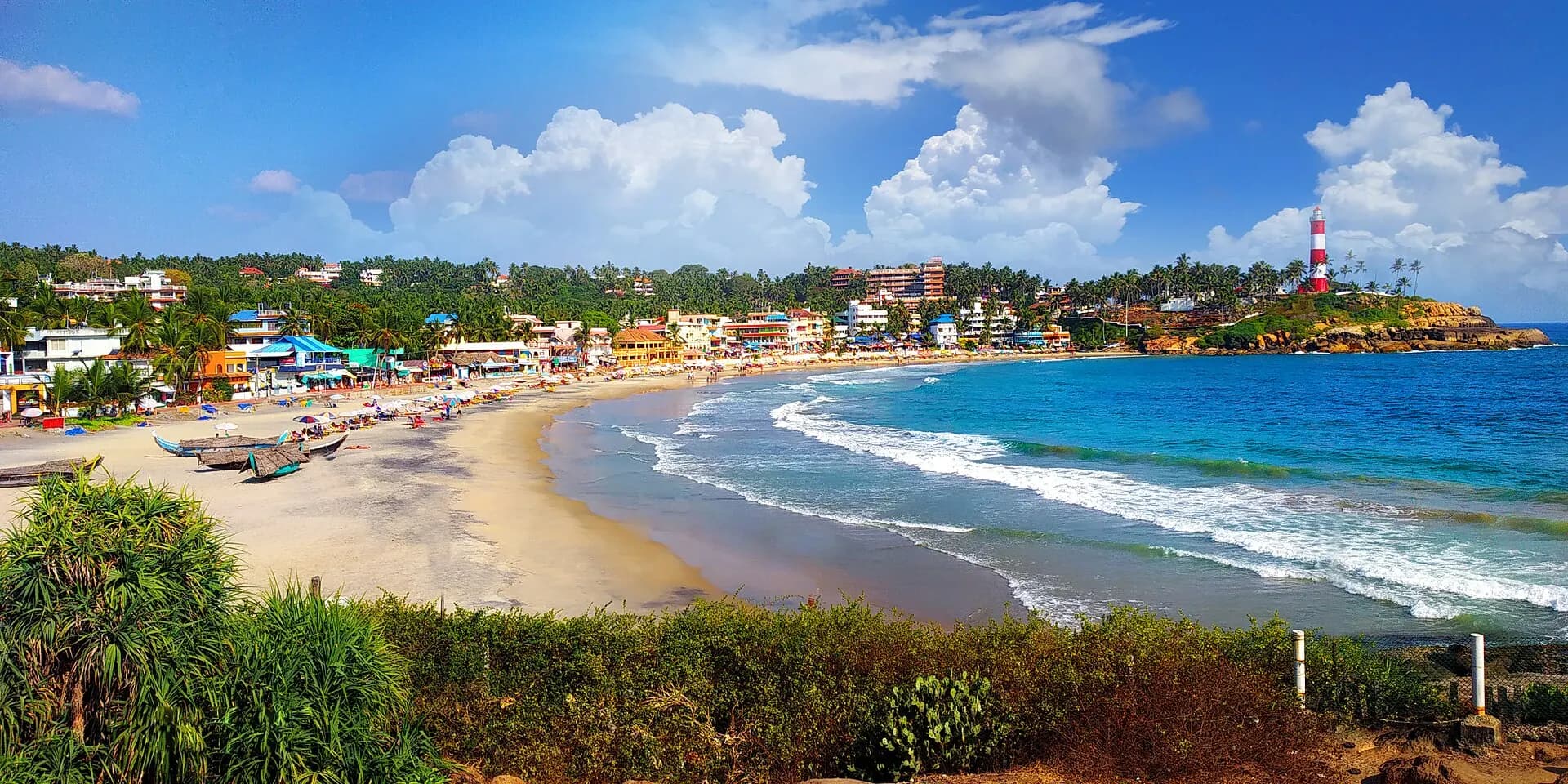
A beach resort near the state capital, Thiruvananthapuram, with crescent beaches and a red-and-white striped lighthouse.
- 7
- 8
Wayanad
Photo: Ingo Mehling, CC BY-SA 4.0, via Wikimedia Commons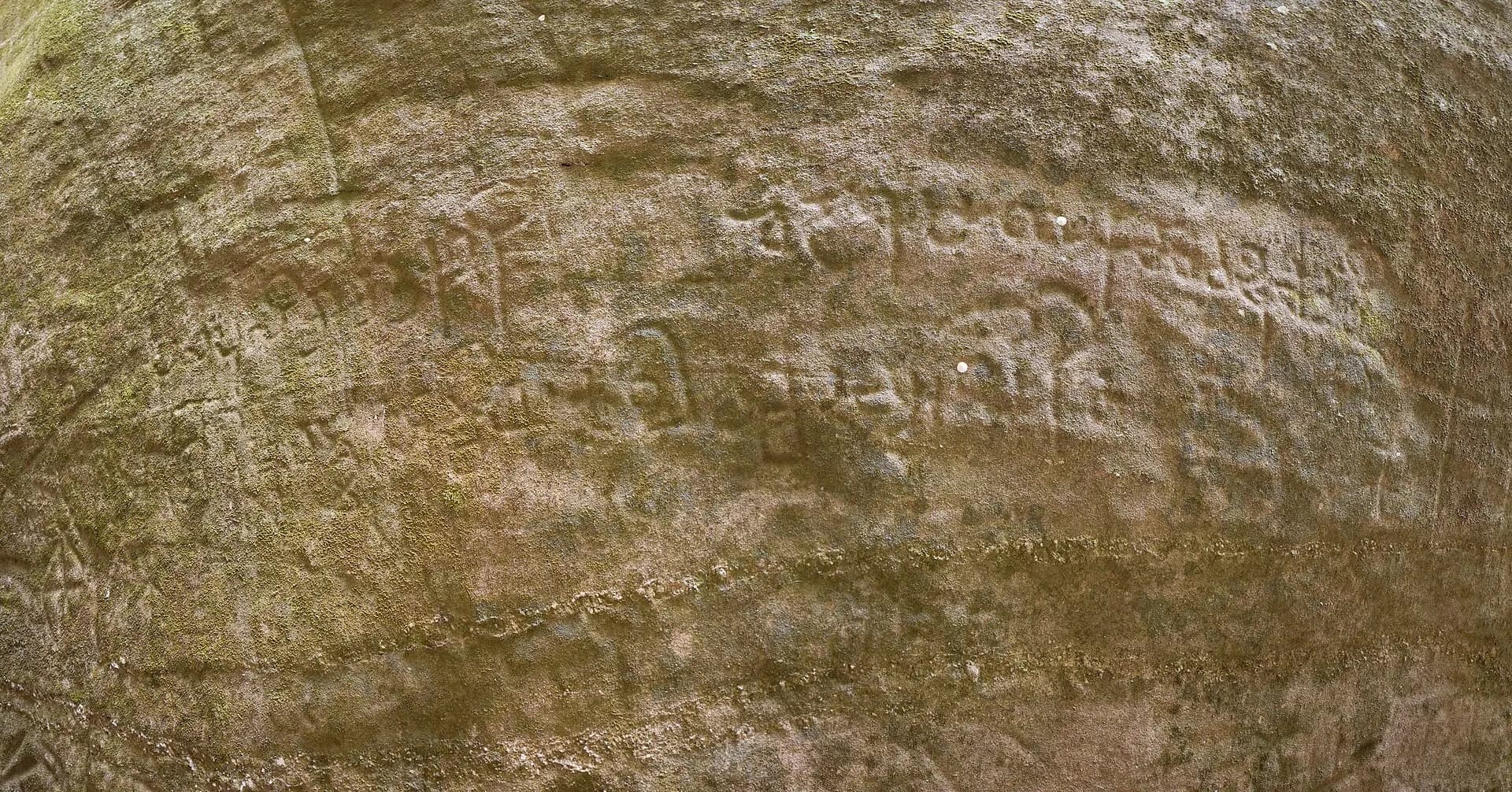
A green, hilly district in the north, with coffee and spice estates, waterfalls, wildlife sanctuaries and the Edakkal Caves, with prehistoric rock carvings.
When to go
The best time to visit is from October to March, when the weather is warm and dry. The south-west monsoon, from June to September, brings heavy rain, and the north-east monsoon brings showers in October and November; many people come during the monsoon for Ayurvedic treatments, which are said to be most effective then. April and May are hot and humid. The snake-boat races, held on the backwaters in August and September, are a spectacular sight.
Getting around
Trains run along the coast between the main towns, and buses go everywhere cheaply. Many travellers hire a car with a driver, especially for the hills. Kochi, Thiruvananthapuram and Kozhikode have international airports. Ferries and boats are the best way to travel around the backwaters.
Local tips
- Check visa requirements; many nationalities can apply for an Indian e-visa online.
- Dress modestly, especially at temples; some temples admit only Hindus.
- Remove your shoes before entering temples and homes.
- Choose houseboats from operators approved by Kerala Tourism.
- Drink bottled or filtered water.
- Swim only where it's safe: currents can be strong on some beaches.
Eat and drink
Keralan cooking uses coconut, curry leaves, black pepper and fresh seafood. Try appam, lacy rice pancakes, with stew; karimeen pollichathu, pearl spot fish cooked in banana leaf; fish moilee in coconut milk; and puttu, steamed rice cakes with chickpea curry. The sadya, a vegetarian feast served on a banana leaf during the Onam festival, includes more than twenty dishes. Drink fresh coconut water and toddy, a palm wine, at a toddy shop.
Where to stay
Fort Kochi has heritage hotels in colonial mansions and homestays, and the backwaters have resorts and houseboats. Munnar and Thekkady offer plantation bungalows and eco-lodges, and Varkala and Kovalam have beach guesthouses and Ayurvedic resorts.
Culture and Ayurveda
Kerala is the home of Kathakali, a dance-drama with elaborate costumes and painted faces, and Kalaripayattu, one of the oldest martial arts in the world; both can be seen at cultural centres in Kochi and elsewhere. Ayurveda, the traditional Indian system of medicine, is widely practised in Kerala; choose a reputable, certified centre for treatments.
Festivals
Kerala's calendar is full of colour. Onam, the harvest festival in August or September, is celebrated with flower carpets, feasts and the Vallam Kali snake-boat races, in which long boats rowed by over a hundred oarsmen race to the beat of songs. Temple festivals feature processions of caparisoned elephants and percussion ensembles; Thrissur Pooram, in April or May, is the most spectacular. Theyyam, a ritual dance in which performers are believed to become deities, takes place in the north of the state from December to May.
Planning a houseboat trip
Most houseboat cruises start from Alleppey or Kumarakom and last one night, with a crew who cook Keralan meals on board. Choose a boat with good reviews and an approved licence, and confirm what's included. Because of a limit on cruising hours, boats moor in the evening, so a night on board is more about relaxing than covering distance.