Paris
Grand boulevards, neighbourhood bakeries and the world's greatest museums. Paris is best on foot, with a reservation in your pocket.
- Best time to go
- April to June and September to October, for mild weather and long evenings
- Local time
- –
- Currency
- Euro (EUR)
- Reading time
- 6 min
- Language
- French

Few cities reward wandering like Paris. Its centre is compact, its streets were rebuilt in the nineteenth century for walking and looking, and almost every corner has a café terrace, a bakery or a view of the Seine. The headline sights live up to their reputation, but the Paris people fall for is often smaller: a market street on a Sunday morning, a quiet square in the Marais, a picnic on the river at dusk.
The city is divided into twenty numbered districts, or arrondissements, spiralling out from the centre. Most of what visitors want to see lies in the first eight, along and near the river, and a good plan is to give each day one area rather than criss-crossing the city.
The top 14 in Paris
- 1
The Louvre
Photo: Benh LIEU SONG (Flickr), CC BY-SA 4.0, via Wikimedia Commons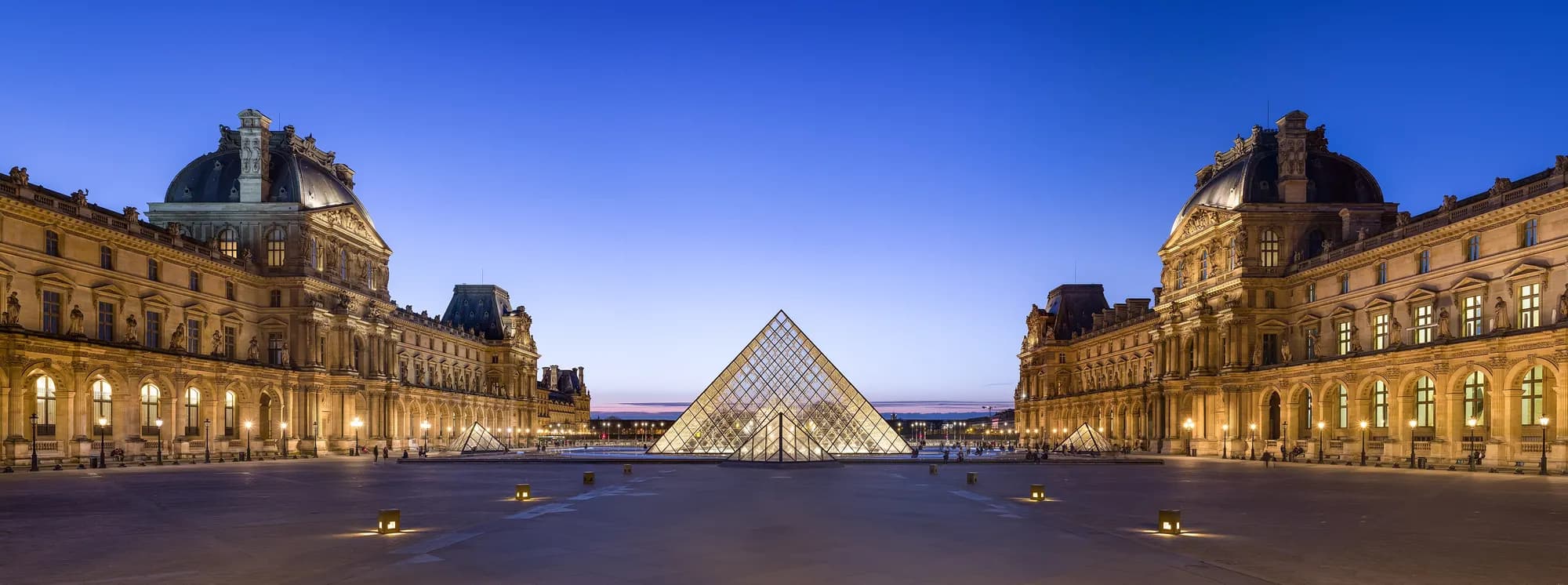
The world's most visited museum is a former royal palace holding everything from Egyptian antiquities to the Mona Lisa, which you'll see over a crowd of phones. Don't try to see it all: pick two or three wings, such as the Italian paintings, the Greek sculpture of the Winged Victory and Venus de Milo, and Napoleon III's apartments, and enjoy them properly.
TipBook a timed ticket online and use the Porte des Lions or the Carrousel entrance rather than the main pyramid queue. Evening openings are the calmest time.
- 2
Musée de l'Orangerie
Photo: Jebulon, CC0, via Wikimedia Commons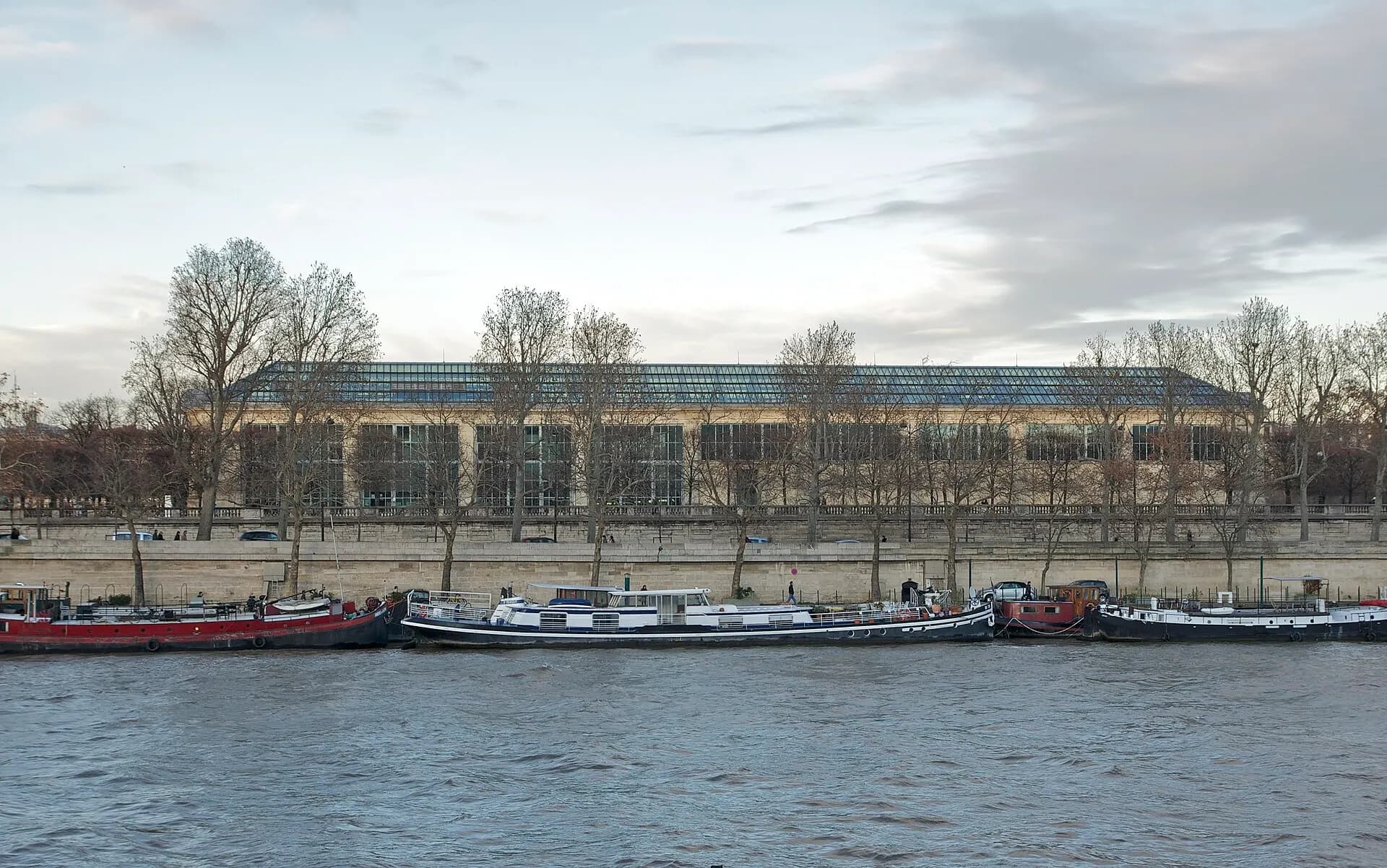
At the far end of the Tuileries Garden from the Louvre, two oval rooms were built to Claude Monet's own plans to display his Water Lilies, eight vast panels that wrap around you like a pond at different times of day. Downstairs is a fine collection of paintings by Renoir, Cézanne, Matisse and Picasso. It's small enough to enjoy in an hour.
- 3
The Arc de Triomphe and the Champs-Élysées
Photo: Wilfredor, CC0, via Wikimedia Commons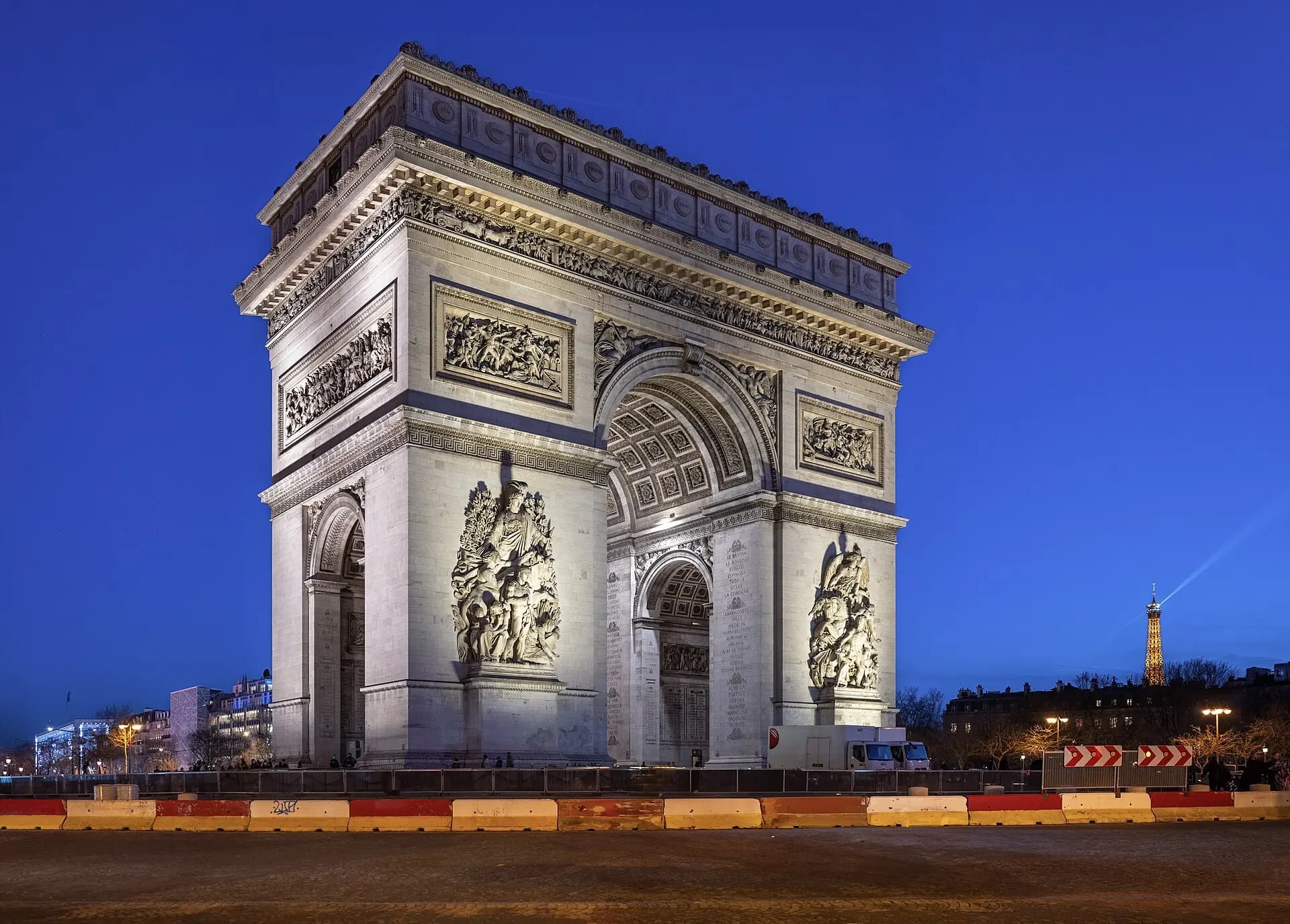
Napoleon commissioned the arch in 1806 to celebrate his armies, and it was finished in 1836. Beneath it lies the Tomb of the Unknown Soldier, whose flame is rekindled every evening. Climb to the roof for a view down the twelve avenues radiating from the square, along the Champs-Élysées towards the Louvre and out to the towers of La Défense.
TipReach the arch through the underground passage; never try to cross the traffic circling it.
- 4
The Eiffel Tower and the Champ de Mars
Photo: Jorge Royan, CC BY-SA 3.0, via Wikimedia Commons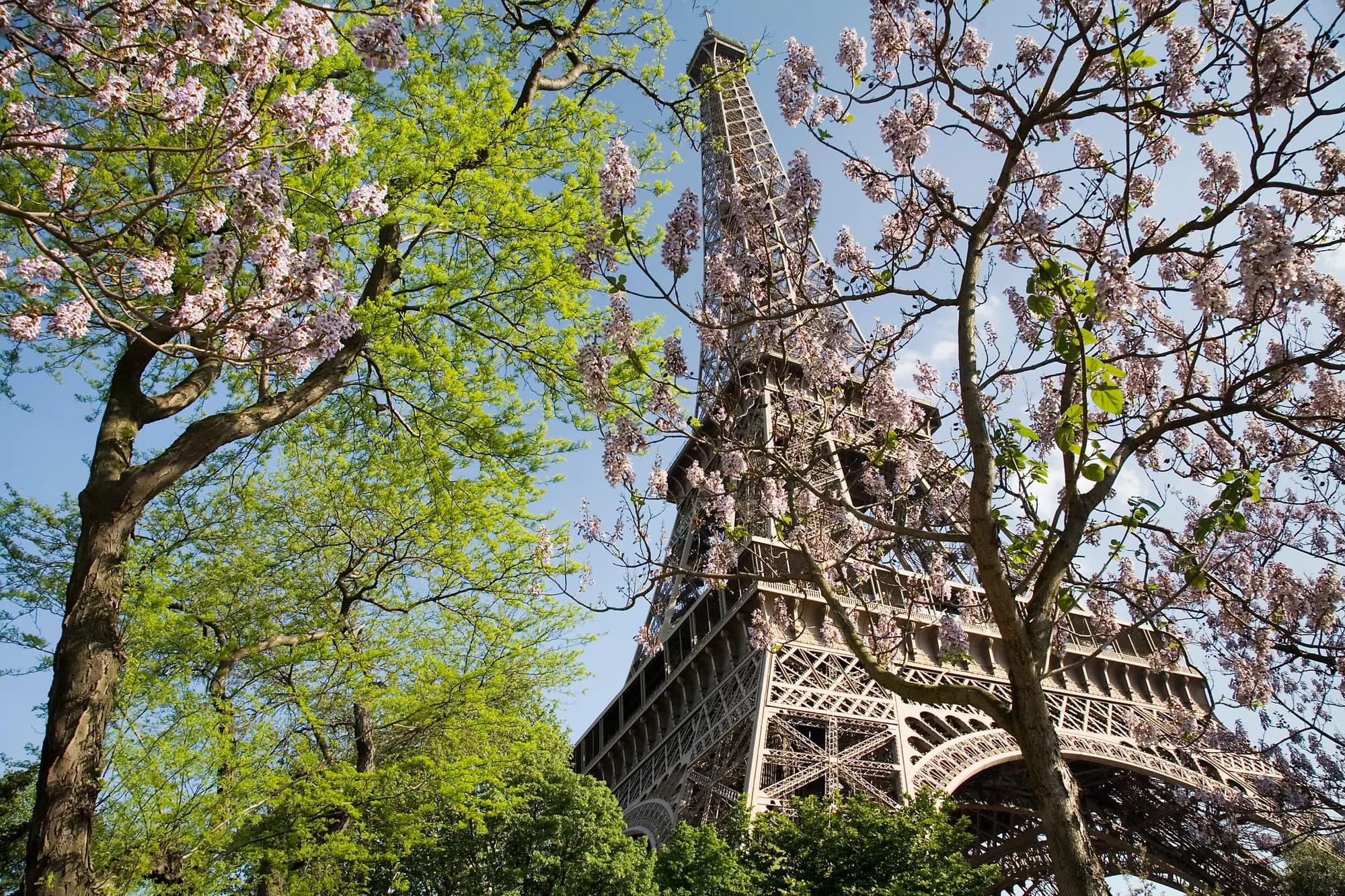
Built for the 1889 World's Fair and meant to be temporary, the tower is now the city's symbol. Going up is worth it on a clear day, but some of the best views of the tower are from the Trocadéro gardens across the river, and from the Champ de Mars park beneath it as it sparkles on the hour after dark.
TipBook summit tickets well ahead, or take the stairs to the second floor, which is usually faster and cheaper.
- 5
Musée Rodin
Photo: Jebulon, CC0, via Wikimedia Commons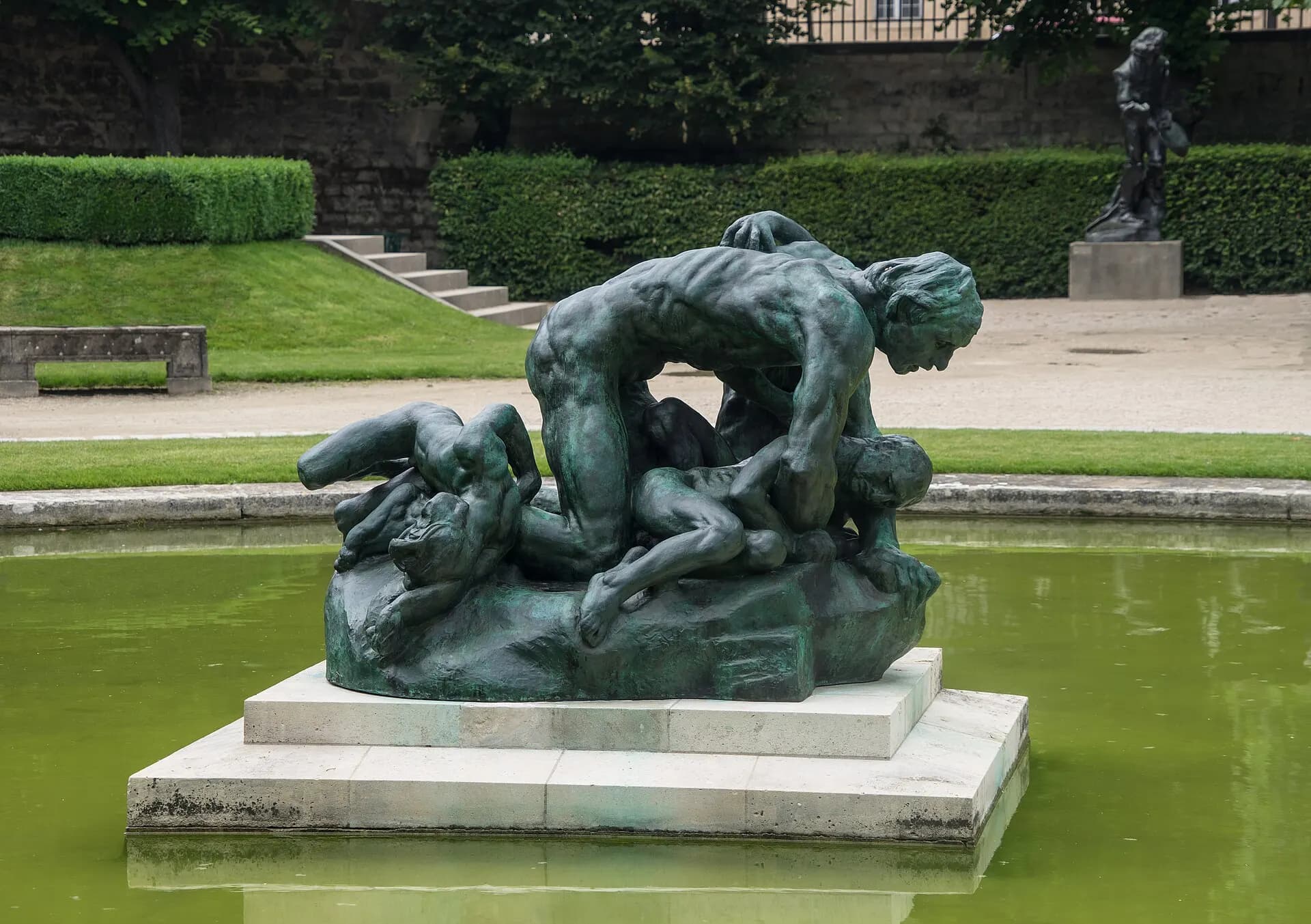
The mansion where Auguste Rodin worked in his last years now holds his sculptures, with The Thinker, The Gates of Hell and The Burghers of Calais set among the roses of its garden. It's one of the most peaceful museums in Paris, and the garden alone is a lovely escape.
- 6
Musée d'Orsay
Photo: DXR, CC BY-SA 3.0, via Wikimedia Commons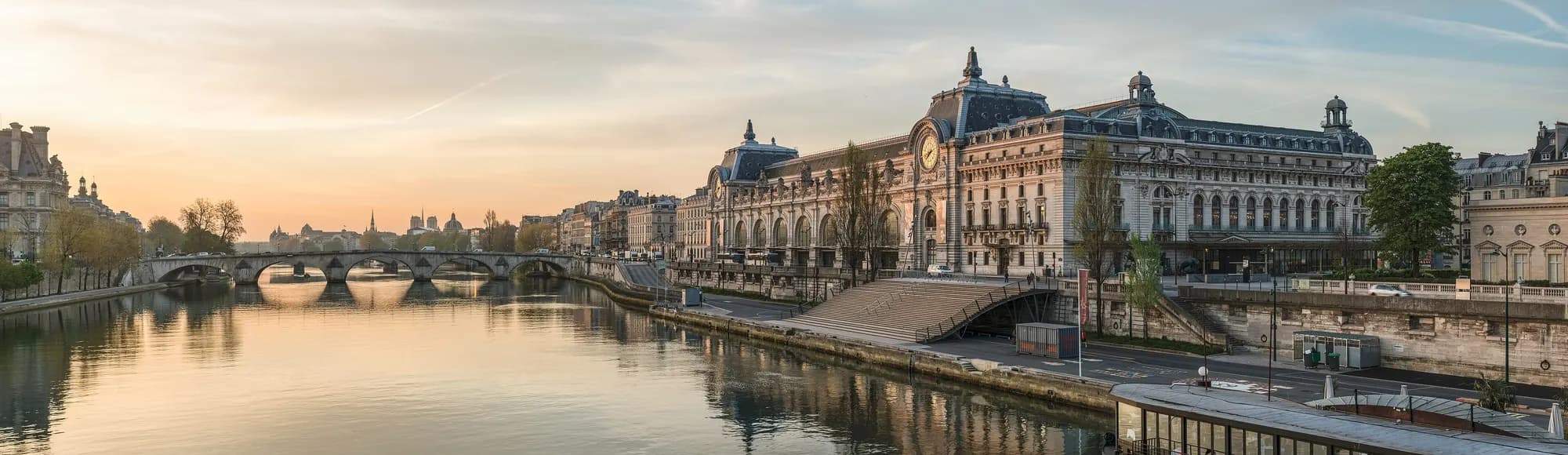
A former railway station on the Left Bank, with the world's finest collection of Impressionist and Post-Impressionist art: Monet, Renoir, Degas, Van Gogh and Cézanne, beneath a vast station clock. It is smaller and easier to enjoy than the Louvre, and many visitors prefer it.
TipGo straight to the top floor for the Impressionists, then work down; the clock window there frames a view across the Seine to Montmartre.
- 7
A Seine cruise or riverside walk
Photo: Dietmar Rabich, CC BY-SA 4.0, via Wikimedia Commons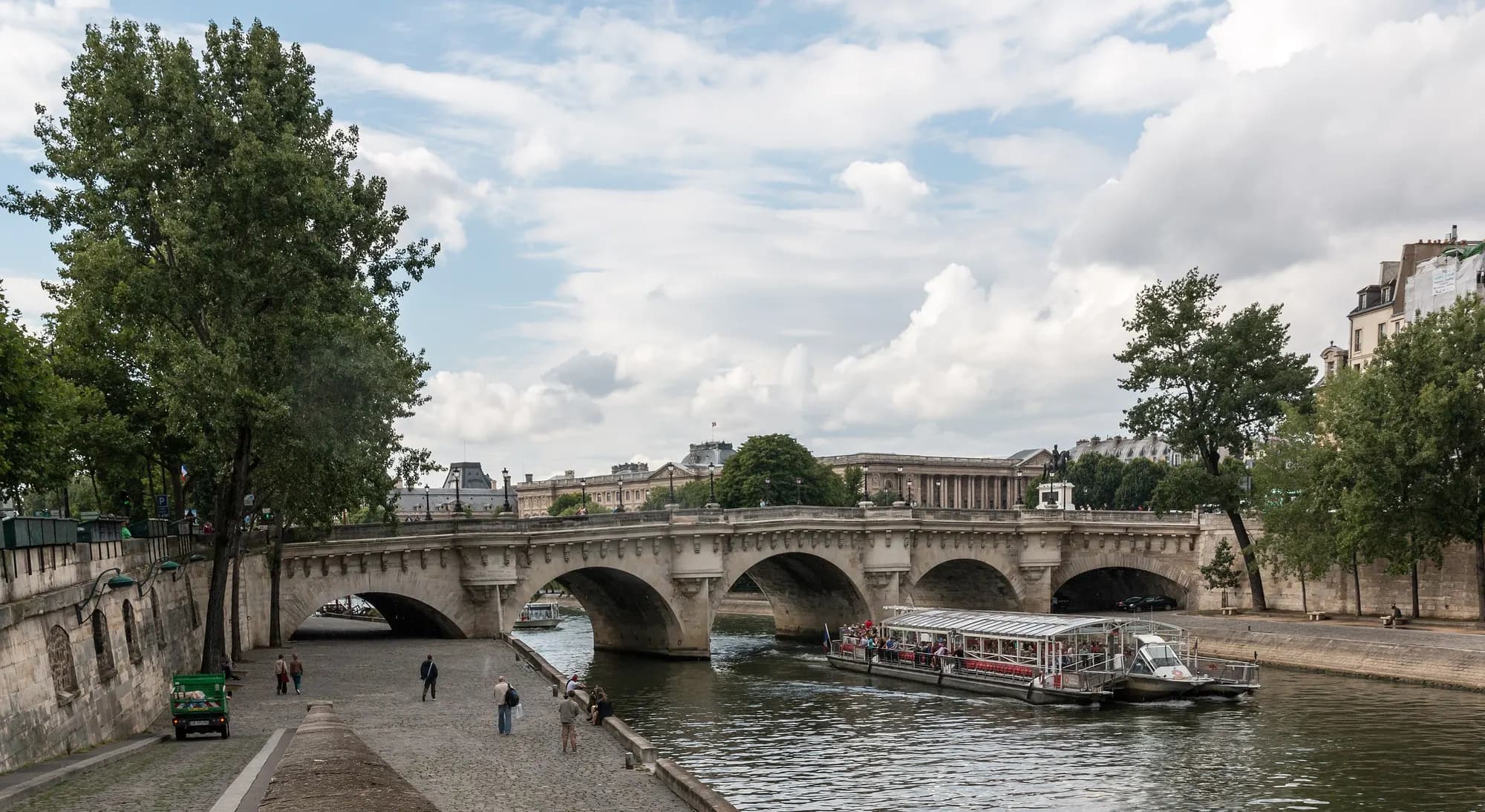
Most of the city's great monuments line the river, which is why its banks are a World Heritage Site. A boat trip shows them all in an hour; walking the quays between the Louvre and Notre-Dame, past the green bookstalls of the bouquinistes, is just as good.
- 8
Notre-Dame and the Île de la Cité
Photo: Benh LIEU SONG, CC BY-SA 3.0, via Wikimedia Commons
The Gothic cathedral reopened in December 2024 after five years of restoration following the 2019 fire, its interior brighter than it has been for centuries. Nearby on the same island, Sainte-Chapelle has some of the finest medieval stained glass in the world, best on a sunny afternoon.
TipEntry to Notre-Dame is free but timed reservations help at busy times; Sainte-Chapelle needs its own ticket.
- 9
Latin Quarter and Luxembourg Gardens
Photo: Jorge Royan, CC BY-SA 3.0, via Wikimedia Commons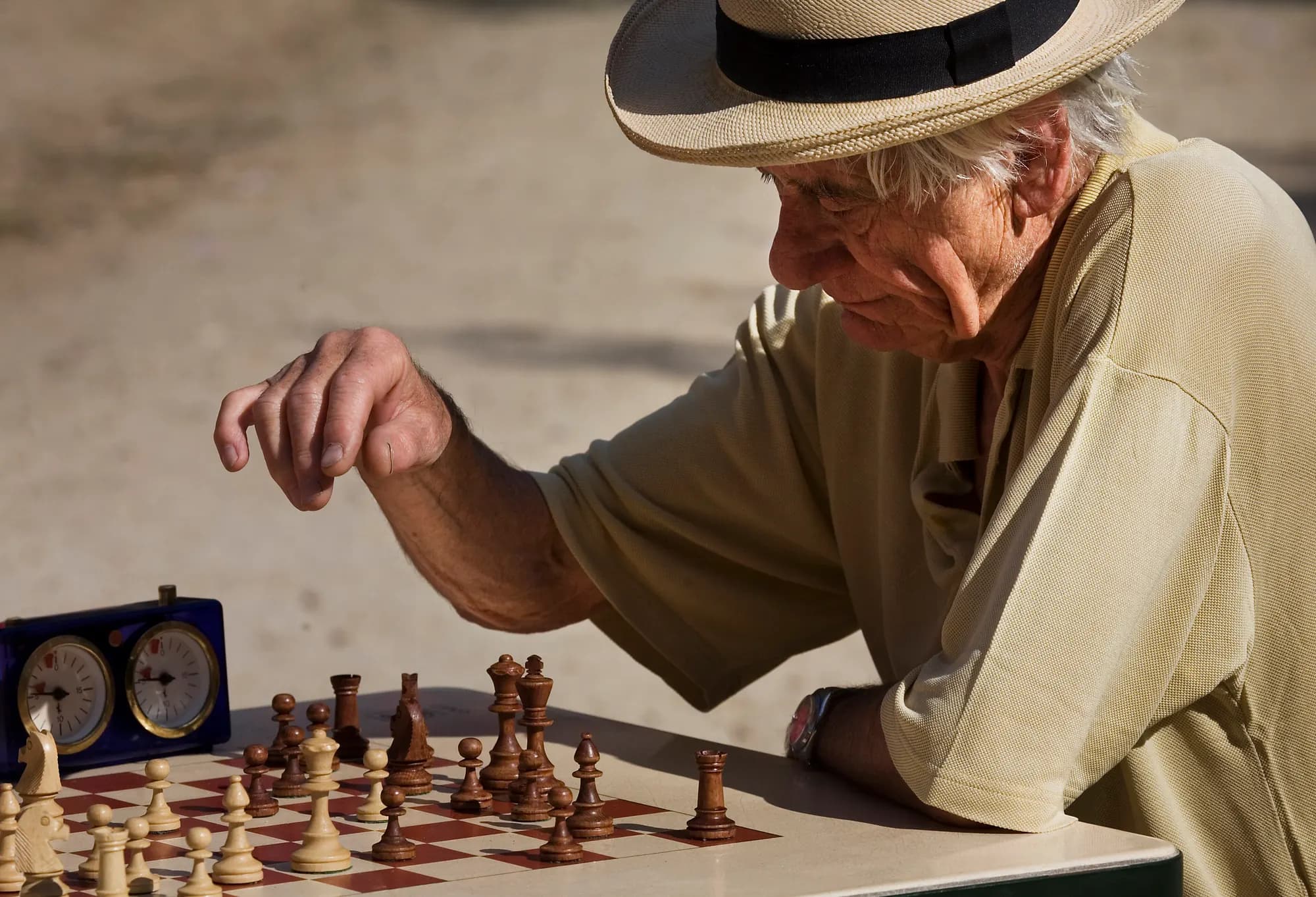
The student quarter around the Sorbonne, with bookshops, the domed Panthéon, and the formal Luxembourg Gardens, where Parisians read on the green metal chairs. Shakespeare and Company, the English-language bookshop facing Notre-Dame, is on its edge.
- 10
Le Marais
Photo: Diego Delso, CC BY-SA 4.0, via Wikimedia Commons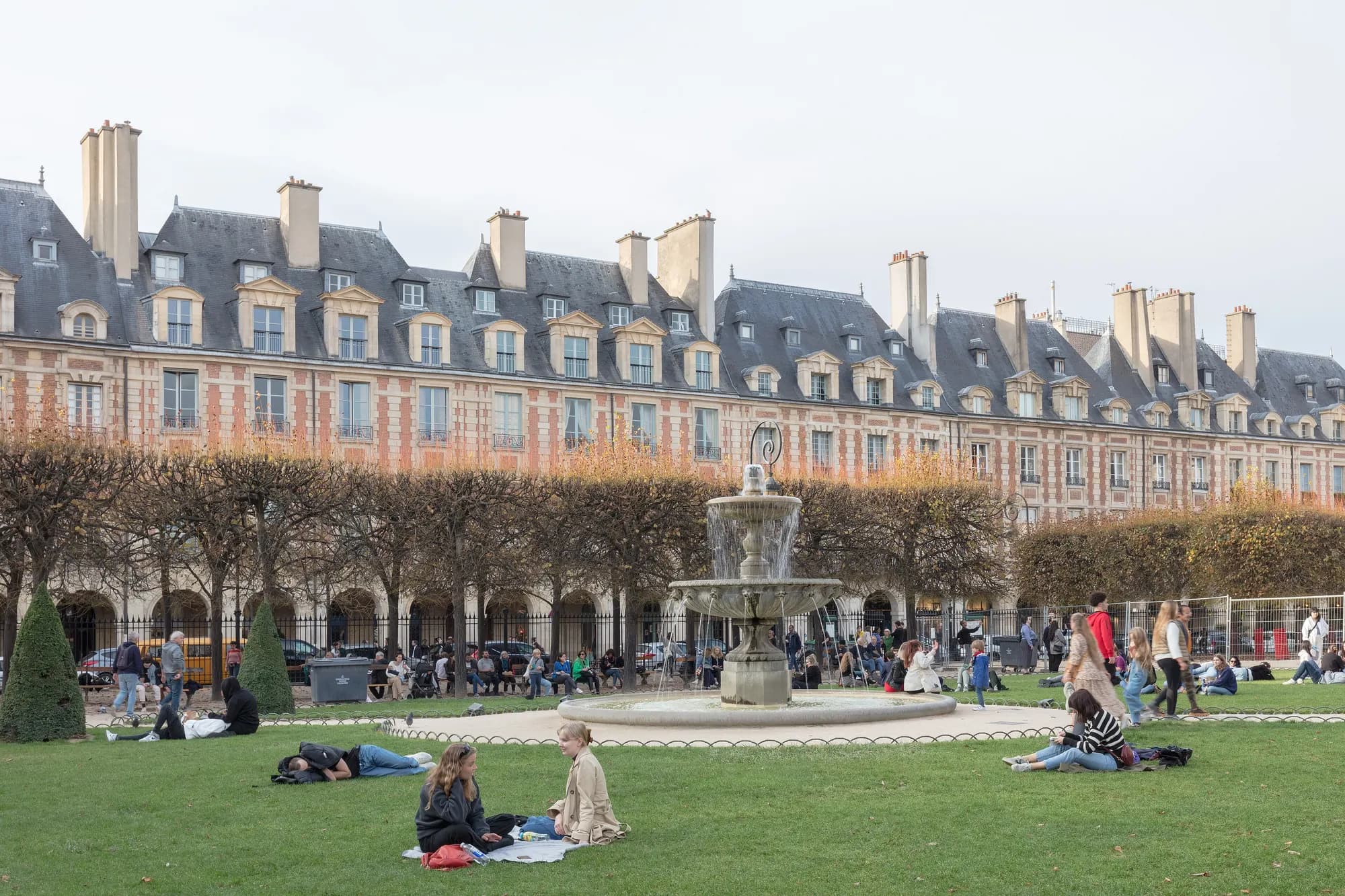
One of the few districts to escape the nineteenth-century rebuilding, the Marais is a tangle of medieval lanes, aristocratic mansions and small museums, around the arcaded Place des Vosges, the city's oldest planned square. It is also the historic Jewish quarter and the centre of the city's gay scene, with independent shops and some of the best falafel in town.
- 11
Père Lachaise Cemetery
Photo: Pierre-Yves Beaudouin, CC BY-SA 3.0, via Wikimedia Commons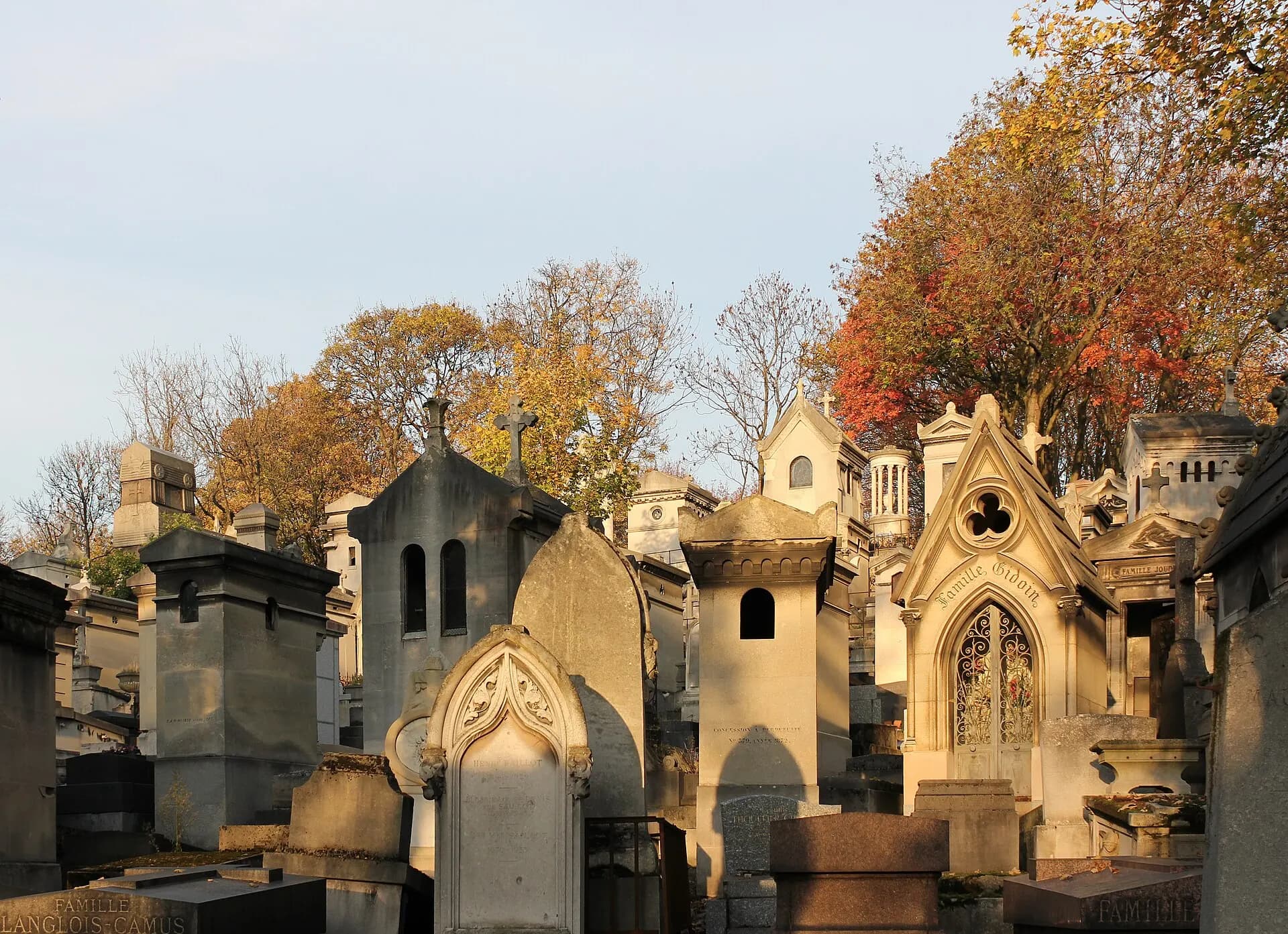
The world's most visited cemetery is a hillside city of cobbled lanes, chapels and mossy tombs under old trees. Among the famous names buried here are Chopin, Oscar Wilde, Édith Piaf, Molière and Jim Morrison. Free maps at the entrances help you find them.
TipWander rather than hunt for graves; the quiet upper paths are the most atmospheric.
- 12
Palais Garnier
Photo: Benh LIEU SONG, CC BY-SA 3.0, via Wikimedia Commons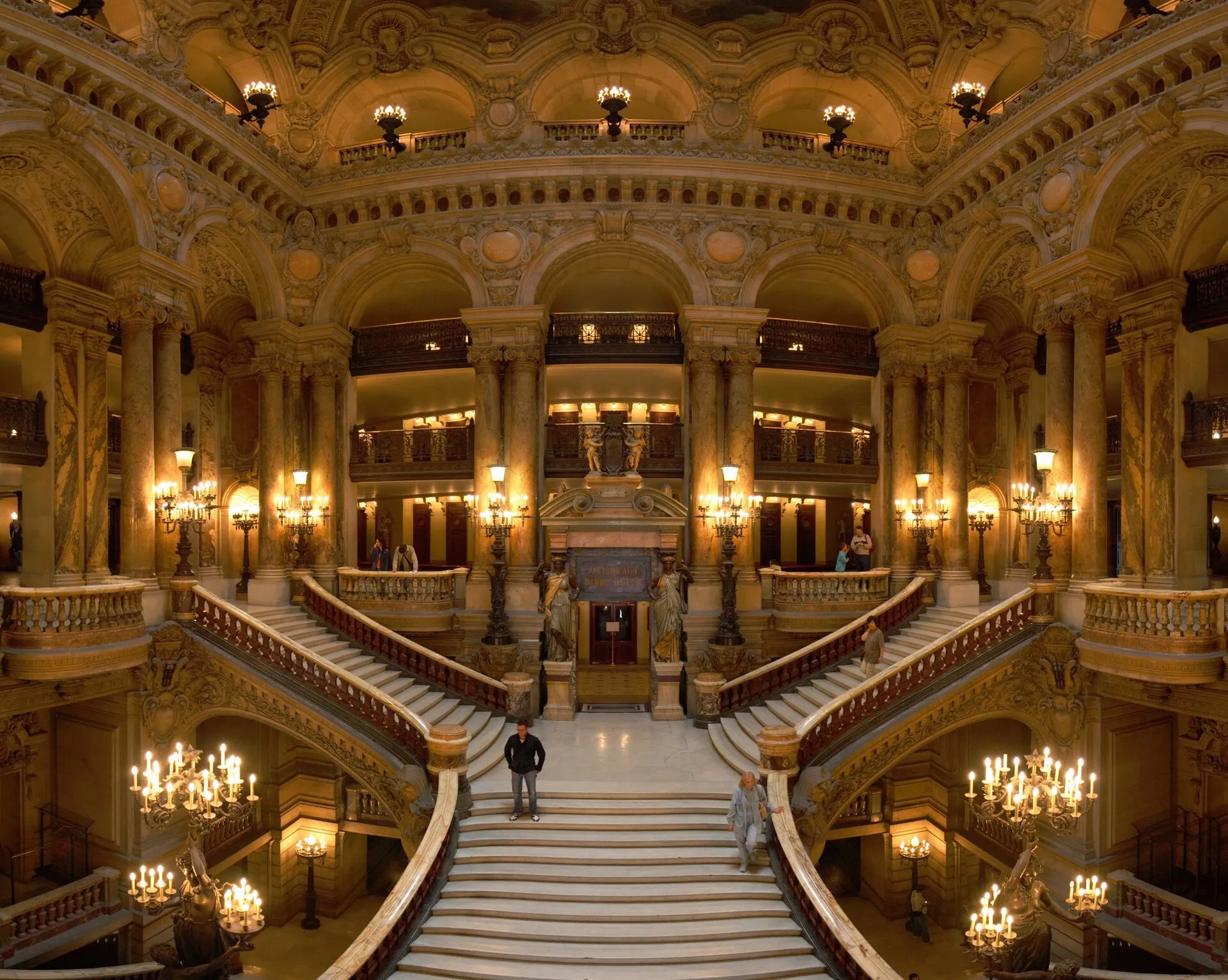
The opulent opera house completed in 1875 for Napoleon III's Paris is a riot of marble, gilding and velvet, with a grand staircase built for the city's high society to see and be seen. Inside the auditorium, the ceiling was painted by Marc Chagall in 1964. The building can be visited on most days when it isn't hosting rehearsals.
- 13
Montmartre and Sacré-Cœur
Photo: Thomas Bresson, CC BY 4.0, via Wikimedia Commons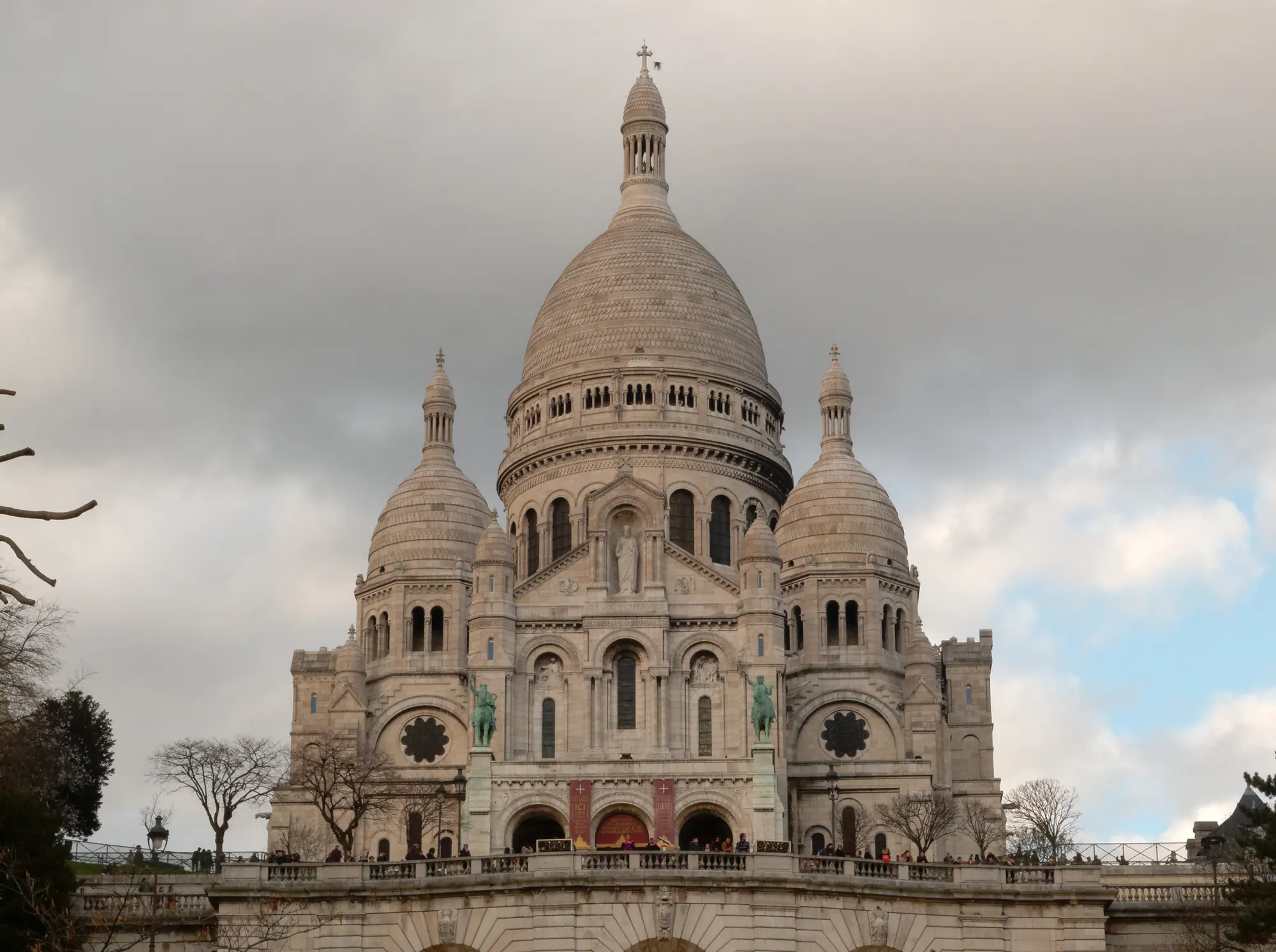
A hilltop village of steep stairs, vineyards and artists' studios, crowned by the white domes of the Sacré-Cœur basilica, with one of the best free views over Paris from its steps. Place du Tertre is touristy; the side streets to the west, around Rue des Abbesses, are livelier and more local.
TipWalk up from the Abbesses Métro station, with its original Art Nouveau entrance, rather than taking the main stairs from the south.
- 14
The Palace of Versailles
Photo: Basile Morin, CC BY-SA 4.0, via Wikimedia Commons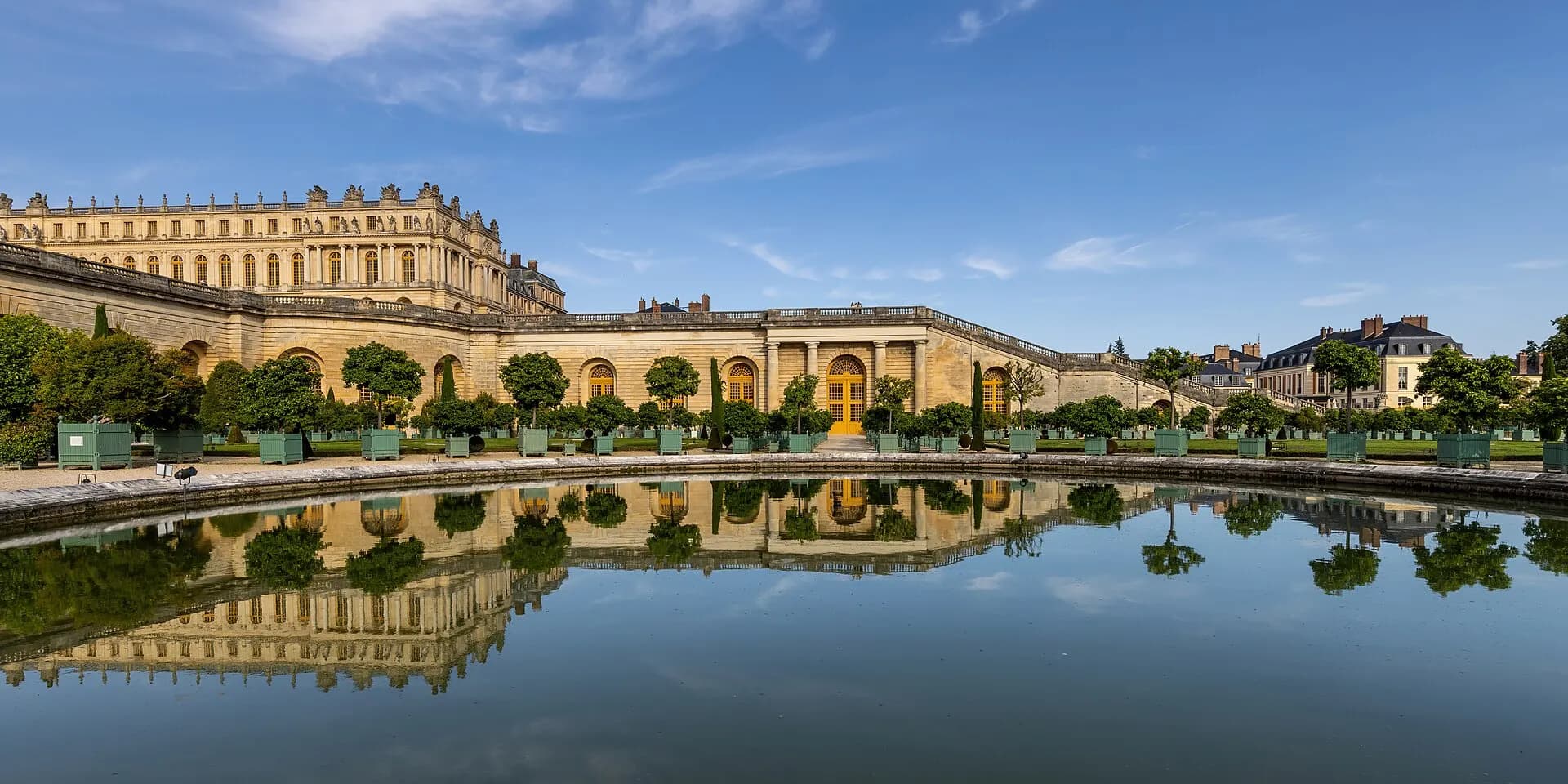
The palace Louis XIV built just outside Paris became the seat of the French court and a model for royal residences across Europe. Its highlights are the Hall of Mirrors, the state apartments and the vast formal gardens, with the Trianon palaces and Marie-Antoinette's rustic hamlet further out in the park. It needs a full day.
TipTake the RER C train to Versailles Château Rive Gauche, book a timed ticket, and avoid Tuesdays, when it's busiest after the Monday closure.
When to go
Spring and early autumn are the best times: mild, with long evenings and the gardens at their best. Summer is warm and busy with visitors, and many Parisians leave in August, when some small shops and restaurants close. Winter is cold and grey but quiet, with shorter queues and Christmas markets in December.
Getting around
The Métro is fast and frequent, with stations every few hundred metres in the centre; the RER suburban trains link the airports and Versailles. Buy a Navigo Easy card for single tickets, or use contactless payment where accepted. Walking is often the best way to see the centre, and the shared Vélib' bikes and growing network of cycle lanes make cycling easy.
From Charles de Gaulle Airport, the RER B train reaches the centre in about 35 to 50 minutes. Trains from Paris reach London, Brussels, Amsterdam and much of France in a few hours.
Local tips
- Greet people with "bonjour" when you walk into a shop or café: it's expected and makes a difference.
- Book the big sights and popular restaurants ahead, especially in summer.
- Many museums are closed one day a week: the Louvre on Tuesdays, the Musée d'Orsay on Mondays.
- Watch for pickpockets on the Métro and at crowded sights, especially near the doors of trains.
- A carafe of tap water ("une carafe d'eau") is free in restaurants.
- Lunch menus ("formule") are often much better value than dinner.
Eat and drink
Eat as Parisians do: a croissant or tartine for breakfast, a set lunch at a bistro, and dinner late, from about eight. Look out for the city's bakeries, with crusty baguettes and pastries; cheese shops (fromageries); and covered markets such as the Marché des Enfants Rouges in the Marais. Wine bars serving natural wines and small plates have become a city institution.