Dubrovnik
A walled city of limestone streets and terracotta roofs, rising straight from a clear blue Adriatic.
- Best time to go
- May to June and September to October, for warm seas without the peak summer crowds
- Local time
- –
- Currency
- Euro (EUR)
- Reading time
- 4 min
- Language
- Croatian
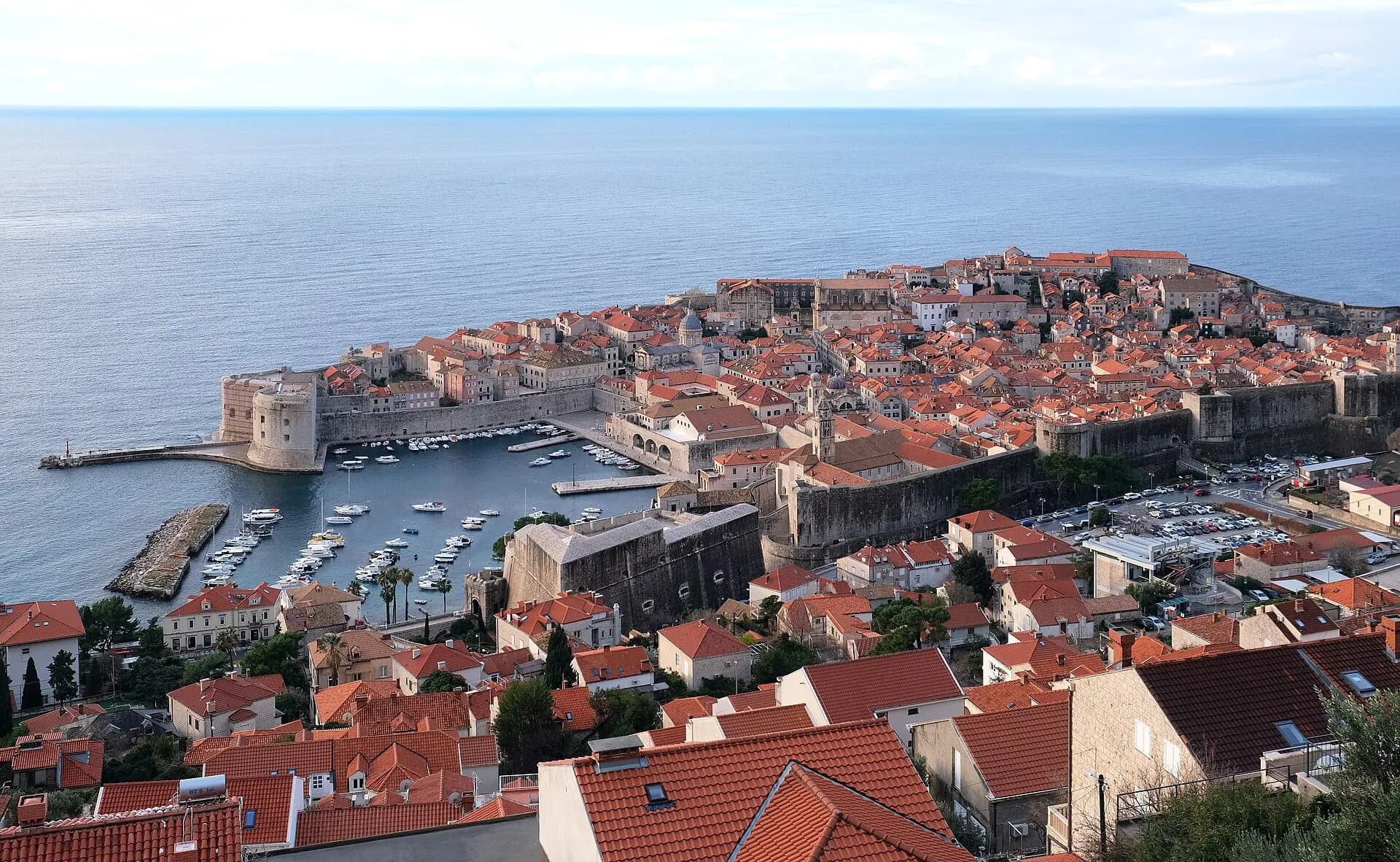
For centuries, Dubrovnik was the capital of the Republic of Ragusa, a small but wealthy maritime state that rivalled Venice through trade and diplomacy. Its old town, surrounded by massive stone walls, is one of the best-preserved medieval cities in Europe, and a World Heritage Site. Polished limestone streets, baroque churches and palaces, and a harbour full of boats sit between steep hills and the sea.
Its beauty has made it extremely popular, and the old town can be crowded in summer, especially when cruise ships are in port. Walk the walls early or late, swim from the rocks, escape to the islands, and you'll understand why it has been called the pearl of the Adriatic.
The top 6 in Dubrovnik
- 1
The City Walls
Photo: Jocelyn Erskine-Kellie from London, UK, CC BY 2.0, via Wikimedia Commons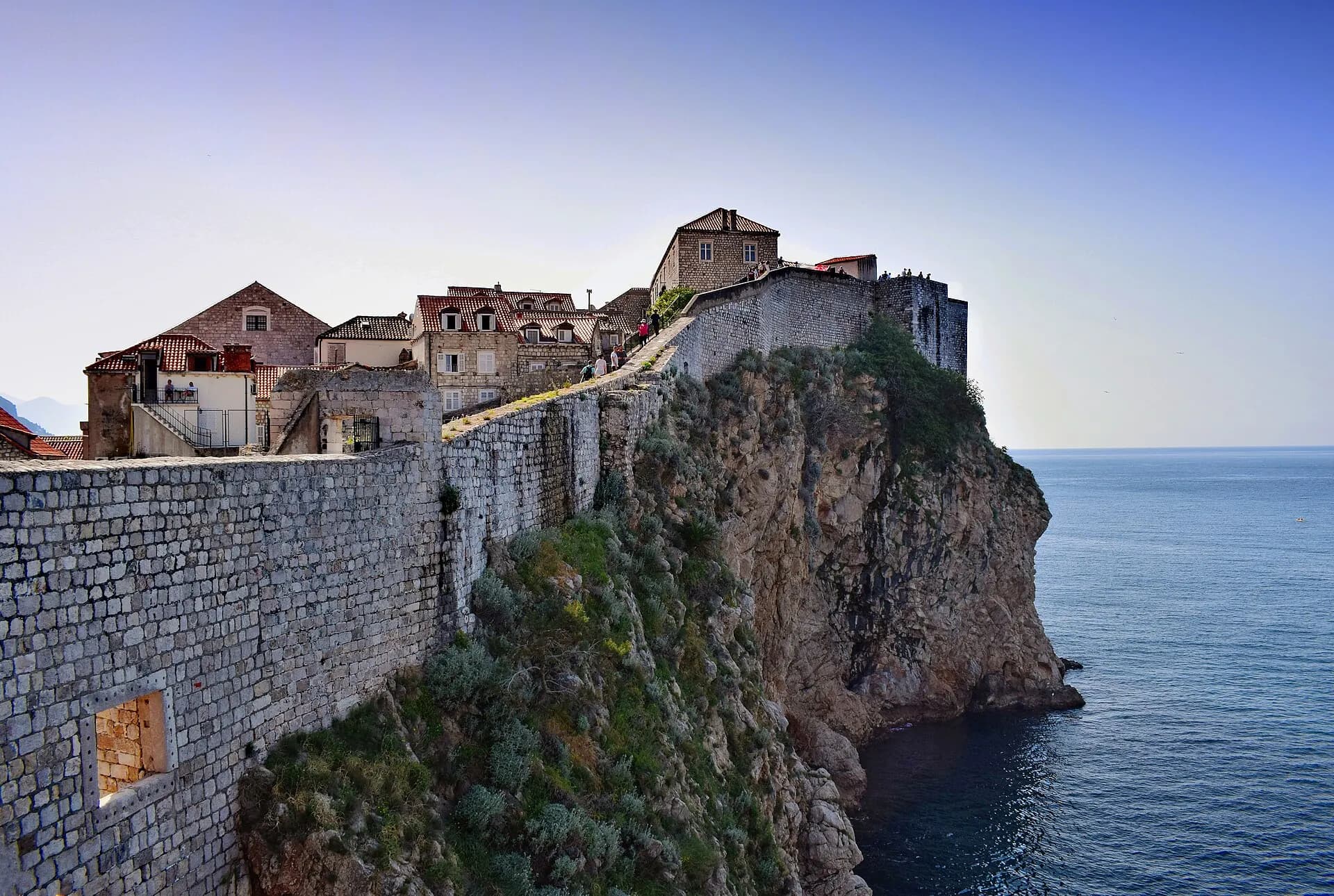
Nearly two kilometres of walls, up to twenty-five metres high, encircle the old town, with towers, forts and bastions. Walking the full circuit takes about two hours, with views over the terracotta roofs on one side and the sea on the other.
TipStart at opening time or late in the afternoon to avoid the heat and the crowds, and bring water: there's little shade.
- 2
Stradun and the old town
Photo: Diego Delso, CC BY-SA 3.0, via Wikimedia Commons
The old town's main street, paved in limestone polished to a shine by centuries of footsteps, runs from the Pile Gate to the old harbour. Narrow, stepped lanes climb from it on both sides, lined with houses, small restaurants and hidden squares. Just inside the Pile Gate, the Franciscan Monastery has a Romanesque cloister and one of Europe's oldest working pharmacies, in business since 1317.
- 3
The Rector's Palace
Photo: Pudelek (Marcin Szala), CC BY-SA 3.0, via Wikimedia Commons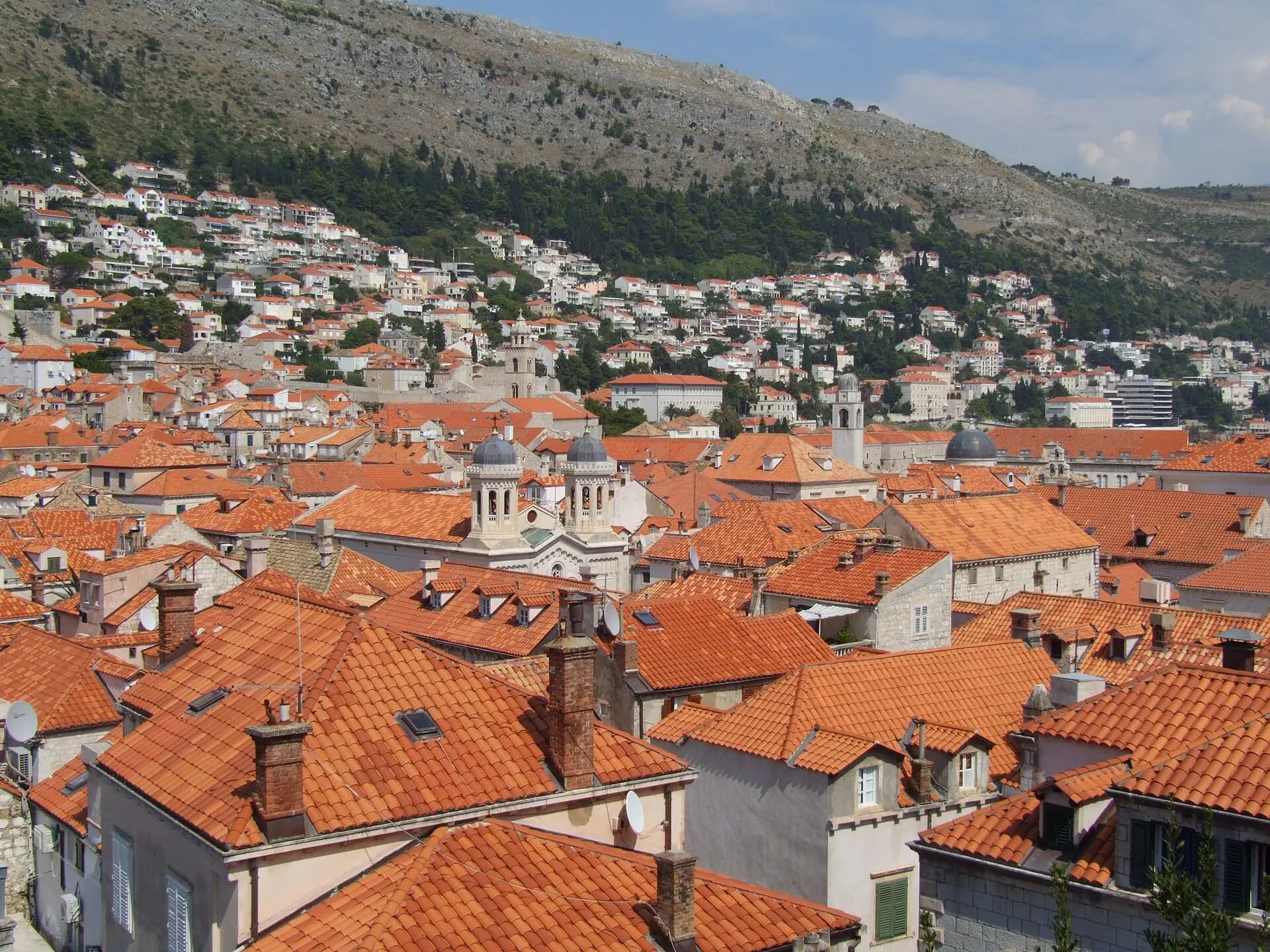
The Gothic-Renaissance palace where the elected rector of the republic lived during his one-month term, now the Cultural History Museum. Its arcaded courtyard hosts concerts during the summer festival.
- 4
Fort Lovrijenac
Photo: Sumitsurai, CC BY-SA 4.0, via Wikimedia Commons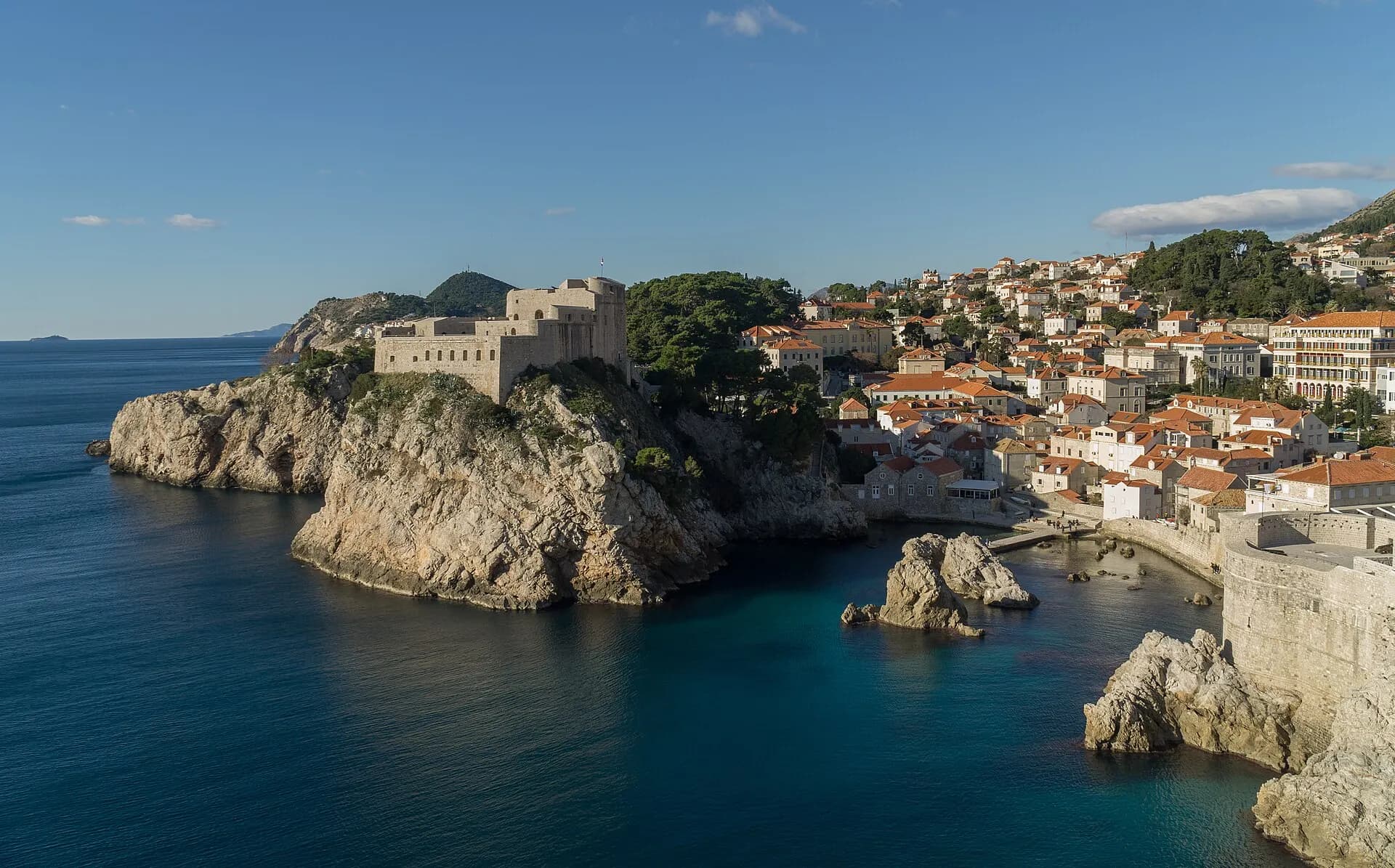
A fortress on a sheer rock outside the western walls, which protected the city from attack by sea and land. It has superb views of the walls and old town, and plays host to theatre during the Dubrovnik Summer Festival.
- 5
The cable car and Mount Srđ
Photo: dronepicr, CC BY 2.0, via Wikimedia Commons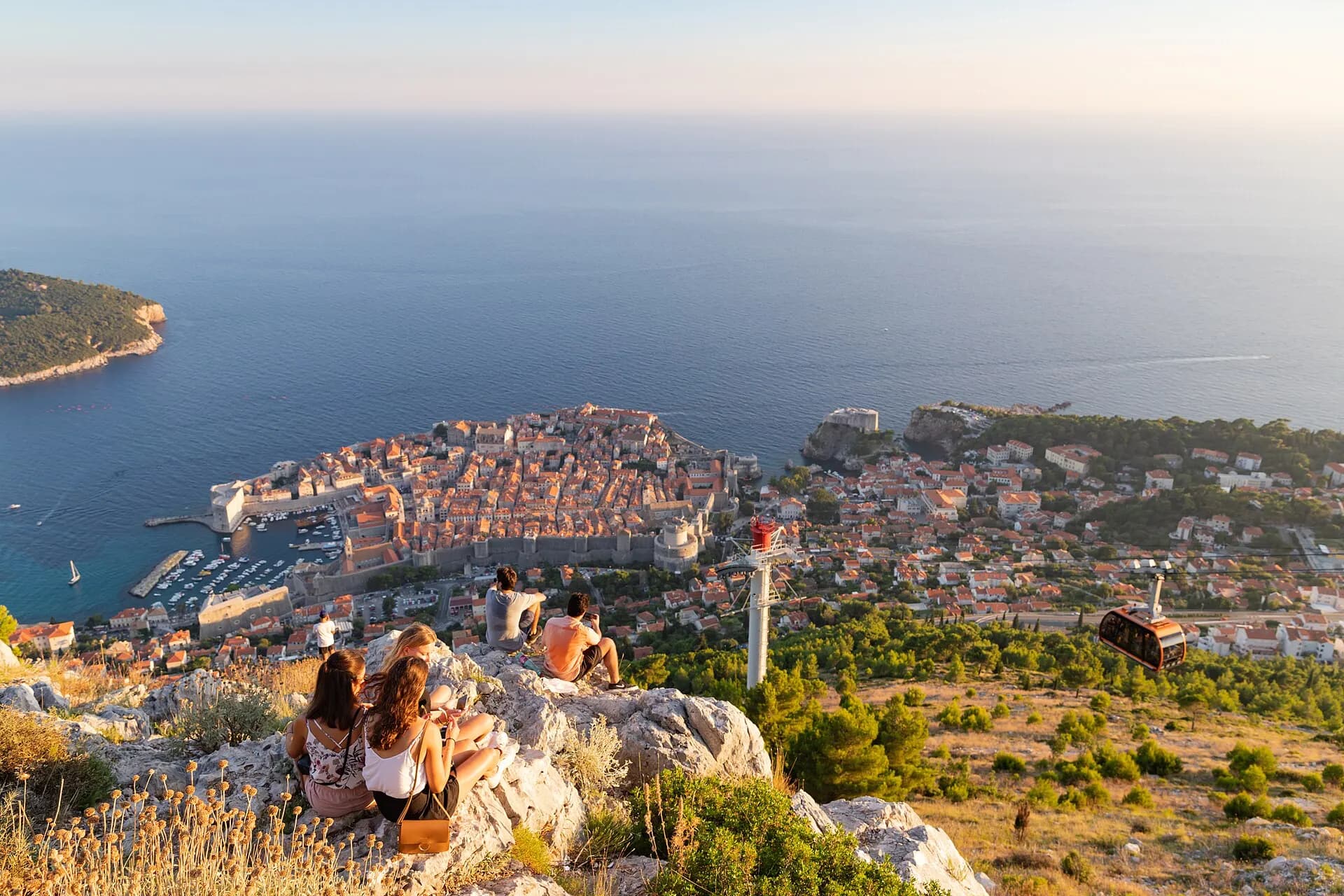
A cable car climbs from just outside the walls to the top of Mount Srđ, with a breathtaking view of the old town, the coast and the islands. A Napoleonic fort at the top houses a museum about the siege of Dubrovnik in the 1990s.
TipGo up an hour before sunset; you can also hike up on a zigzag path, which is steep and exposed.
- 6
Lokrum
Photo: Pudelek (Marcin Szala), CC BY-SA 3.0, via Wikimedia Commons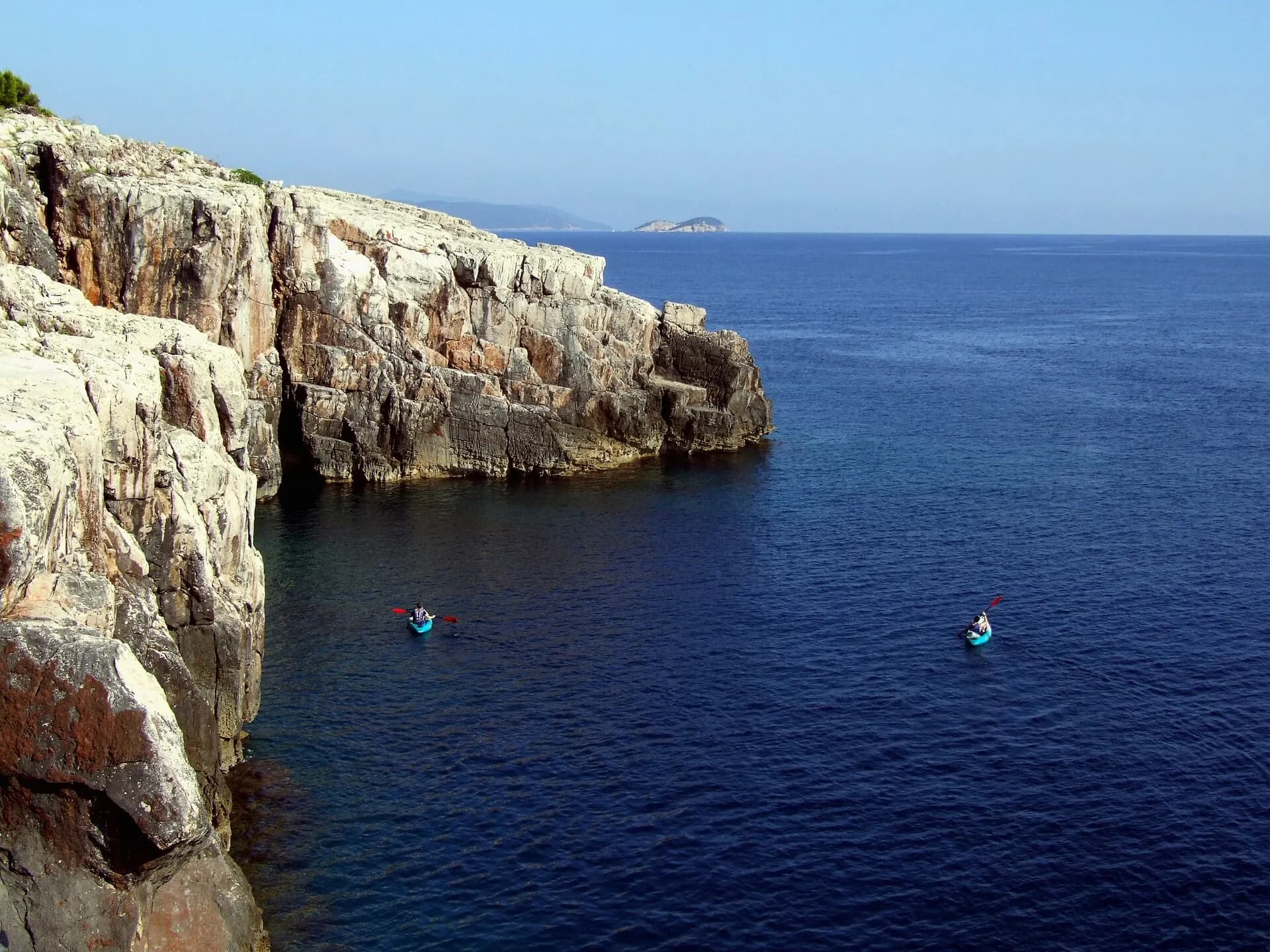
A forested island a short boat ride from the old harbour, with a botanical garden, a ruined Benedictine monastery, rocky swimming spots, a small salt lake and peacocks roaming freely. No one lives on the island overnight, and the last boat back leaves in the early evening.
When to go
Late spring and early autumn are the best times, with warm weather, a swimmable sea and fewer visitors than in July and August, when the city is hot and crowded. The Dubrovnik Summer Festival, from July to August, brings theatre and music to the old town's squares and forts. Winter is mild and quiet, though many restaurants close and some boat services are reduced.
Getting around
The old town is car-free and best explored on foot. Local buses link the Pile Gate with the port at Gruž, the Lapad peninsula and other districts. Boats run to Lokrum and the Elaphiti islands from the old harbour and Gruž. Parking near the old town is limited and expensive.
Dubrovnik Airport is about half an hour south of the city, connected by an airport shuttle bus. Ferries link Dubrovnik with the islands and other towns along the coast.
Local tips
- Check cruise-ship schedules: the old town is much busier when several ships are in port.
- A Dubrovnik Pass covers the city walls and several museums.
- Wear shoes with good grip; the polished limestone is very slippery when wet.
- Croatia uses the euro.
- Don't walk around the old town in swimwear or shirtless; it can lead to a fine.
- Tap water is safe to drink, and there are public fountains in the old town.
- For a swim near the old town, Banje Beach is the closest; or go through the small openings in the southern sea walls to the Buža bars, where you can swim off the rocks below the walls.
Eat and drink
Dalmatian food is Mediterranean: fresh fish grilled with olive oil and garlic, black risotto with cuttlefish ink, octopus salad and peka, meat or octopus slow-cooked under a bell-shaped lid. Try the oysters and mussels from Ston and the local wines from the Pelješac peninsula, especially the red Plavac Mali.
Day trips
The Elaphiti islands, a short boat ride north-west, have quiet villages, sandy bays and pine forests. Ston, an hour away, has medieval walls stretching across a hillside, said to be among the longest in Europe, and is famous for its salt pans and oysters. Cavtat, a pretty harbour town to the south, is reached by a scenic boat ride. Further afield, the Bay of Kotor in Montenegro and the old bridge of Mostar in Bosnia and Herzegovina are popular day trips; bring your passport for the border crossings.
Where to stay
Staying inside the old town walls is atmospheric, in apartments and small guesthouses tucked into the lanes, but expect stairs, no cars and some noise in summer. Ploče, just east of the walls, has hotels with views back to the old town and easy access to Banje Beach. The Lapad peninsula, a short bus ride away, is greener and quieter, with family-friendly hotels, a seafront promenade and the city's best sandy bays. Gruž, near the ferry port, is practical for island-hopping and has a lively morning market.