Kruger National Park
One of Africa's great wildlife reserves, where you can drive yourself in search of the Big Five.
- Best time to go
- May to September, the dry winter, for the easiest game viewing
- Local time
- –
- Currency
- South African Rand (ZAR)
- Reading time
- 4 min
- Language
- Afrikaans and English

Kruger National Park, in north-eastern South Africa, is one of the largest wildlife reserves in Africa, stretching about 350 kilometres from north to south along the border with Mozambique. It's home to an extraordinary variety of animals, including the "Big Five" of lion, leopard, elephant, buffalo and rhino, as well as cheetahs, wild dogs, giraffes, hippos and hundreds of species of birds.
Unlike many African parks, Kruger can be explored on a self-drive safari on a network of paved and gravel roads, staying in fenced rest camps with cottages and campsites. Private game reserves on its western edge offer guided safaris in open vehicles, often with luxury lodges.
The top 8 in Kruger National Park
- 1
The southern Kruger
Photo: Entropy1963, Public domain, via Wikimedia Commons
The southern part of the park, between the Crocodile and Sabie rivers, has the highest density of wildlife, including many rhinos and lions, and is the most accessible from Johannesburg. It's also the busiest area.
- 2
Skukuza
Photo: Dietmar Rabich, CC BY-SA 4.0, via Wikimedia Commons
The park's largest rest camp, on the banks of the Sabie River, with shops, restaurants, a museum and an airport, and a good base for exploring the south.
- 3
Lower Sabie
Photo: Bernard DUPONT from FRANCE, CC BY-SA 2.0, via Wikimedia Commons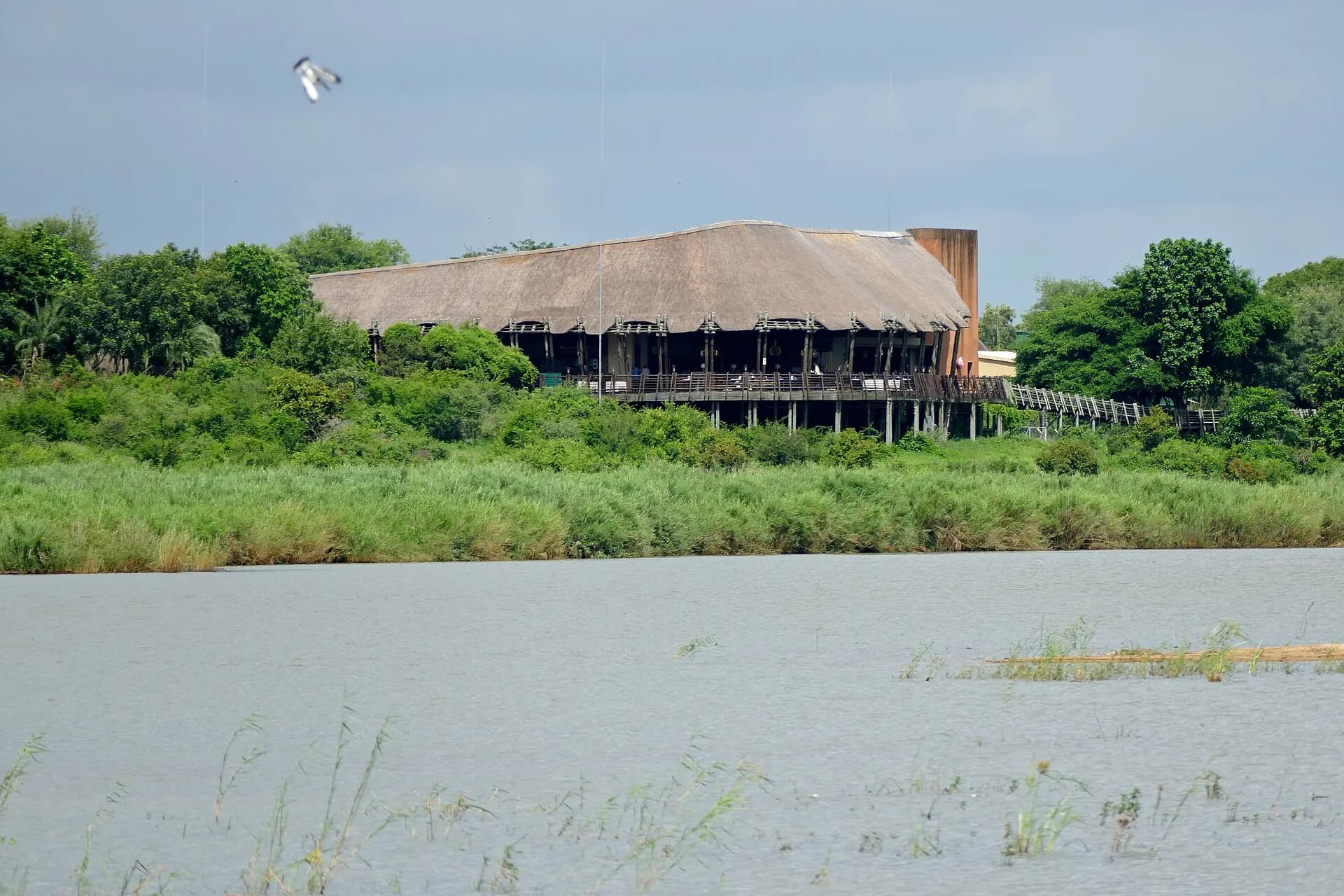
A rest camp overlooking the Sabie River, where elephants, hippos and buffalo come to drink, with one of the best riverside views in the park.
- 4
The Sabie and Sand rivers
Photo: hyper7pro from Secunda, South Africa, CC BY 2.0, via Wikimedia Commons
The roads along the Sabie River, between Skukuza and Lower Sabie, are some of the most rewarding for game viewing, with leopards in the riverine trees and big herds coming down to the water.
- 5
The central Kruger and Satara
Photo: Bernard DUPONT from FRANCE, CC BY-SA 2.0, via Wikimedia Commons
Open grassy plains around Satara attract large herds of zebra, wildebeest and buffalo, and the lions and cheetahs that follow them.
- 6
Olifants
Photo: Dietmar Rabich, CC BY-SA 4.0, via Wikimedia Commons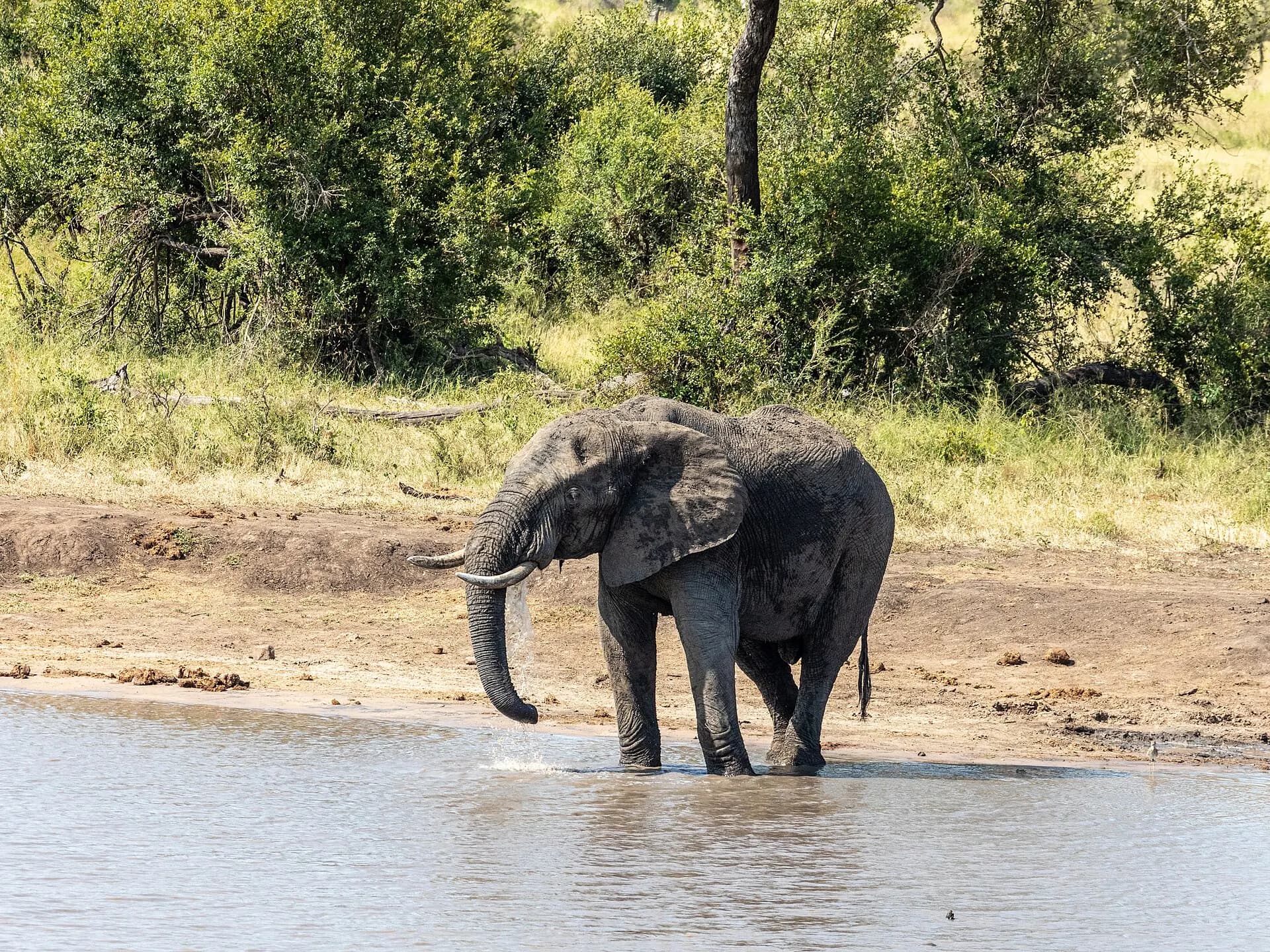
A rest camp perched on a cliff above the Olifants River, with sweeping views over the river valley, where elephants and other animals gather.
- 7
The northern Kruger
Photo: Dietmar Rabich, CC BY-SA 4.0, via Wikimedia Commons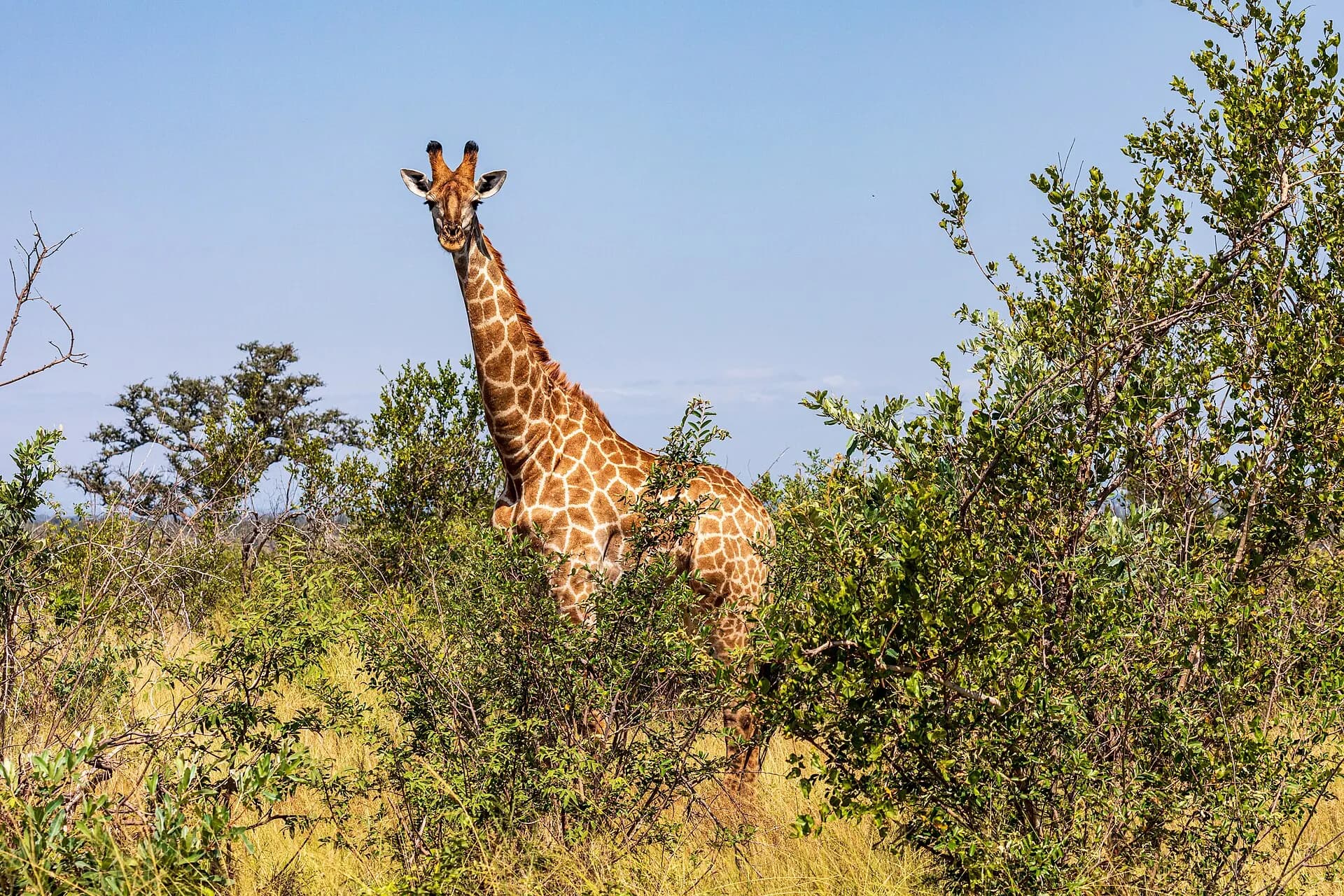
The remote north, from Punda Maria to the Pafuri area on the Limpopo River, is quieter, with baobab trees, rich birdlife and tropical riverine forest, and fewer visitors.
- 8
The private game reserves
Photo: Cosal, CC BY-SA 4.0, via Wikimedia Commons
Reserves such as Sabi Sand and Timbavati, unfenced from Kruger, offer guided game drives in open vehicles, off-road tracking and night drives, with excellent leopard sightings.
When to go
The dry season, from May to September, is the best time for game viewing, as vegetation thins and animals gather at water sources; it's also cooler and lower risk for malaria. The wet summer, from October to April, is hot, green and lush, with newborn animals and migratory birds, though animals are more spread out.
Getting around
Self-drive is popular: rent a car and follow the park's roads, sticking to speed limits and gate opening times. Guided game drives, including sunrise and night drives, can be booked at rest camps. Kruger Mpumalanga International Airport near Nelspruit, Skukuza Airport inside the park and Hoedspruit Airport serve the region, and Johannesburg is about five hours away by road.
Local tips
- Book rest camps well ahead through SANParks, especially in school holidays.
- Stay in your vehicle except at designated areas, and keep windows up near elephants and lions.
- Be back in camp before the gates close; times change with the seasons.
- Never feed animals; it's dangerous and illegal.
- Malaria is present, especially in the wet season; take medical advice.
- Drive slowly: many of the best sightings are by the roadside.
- A Wild Card gives unlimited entry to SANParks parks and can save money on longer stays.
- Fill up with fuel in camp; petrol stations are only in the main rest camps.
- Carry water, snacks and a cooler: distances between camps are long.
- Respect speed limits strictly; animals cross without warning.
Eat and drink
Rest camps have shops and restaurants, but many visitors self-cater with a braai, a South African barbecue, in the evening. Try boerewors, a spiced sausage, and biltong, dried meat, a classic road-trip snack. Private lodges serve elaborate meals, often under the stars. Picnic sites along the roads have gas braais for hire, a pleasant way to break a long day of game driving.
Where to stay
Rest camps offer camping, huts, bungalows and family cottages at good prices. Smaller bushveld camps are quieter, and luxury lodges in private concessions and reserves offer guided safaris and high-end comfort.
Wildlife to look for
Elephants are everywhere in Kruger, often in big family herds crossing the road or drinking at rivers and dams. Buffalo gather in large herds in the central and northern regions, and lions are most often seen in the south and centre. Leopards are elusive, but the riverine forests of the Sabie and Sand rivers give good chances. White and black rhinos survive in the south, though poaching has reduced their numbers, so sightings are not reported publicly. Wild dogs, cheetahs and hyenas, as well as giraffes, zebras, hippos and crocodiles, complete the picture, and the park has more than five hundred species of birds, including the colourful lilac-breasted roller and the ground hornbill.
Self-drive or guided?
A self-drive safari gives freedom and great value: you set your own pace, stop as long as you like at sightings and stay in rest camps at modest prices. Bring binoculars, a field guide and plenty of patience, and use the sightings boards in camps to see what others have spotted. Guided safaris, from park rangers or private reserves, add expert tracking, open vehicles, off-road driving where allowed and night drives, when you may see nocturnal animals such as leopards, hyenas and genets.
Beyond Kruger
The Panorama Route, along the escarpment west of the park, has dramatic viewpoints such as God's Window, the Three Rondavels above the Blyde River Canyon, one of the largest canyons in the world, and Bourke's Luck Potholes, sculpted by swirling water. Graskop and Sabie are pleasant mountain towns to stop in on the way.