Transylvania
A ring of forested Carpathian peaks around medieval Saxon towns, fortified village churches and hilltop castles, far richer and gentler than its vampire legend.
- Best time to go
- Late May to September for walking and the Transfăgărășan (open roughly July to October); December for Christmas markets
- Local time
- –
- Currency
- Romanian Leu (RON)
- Reading time
- 14 min
- Language
- Romanian
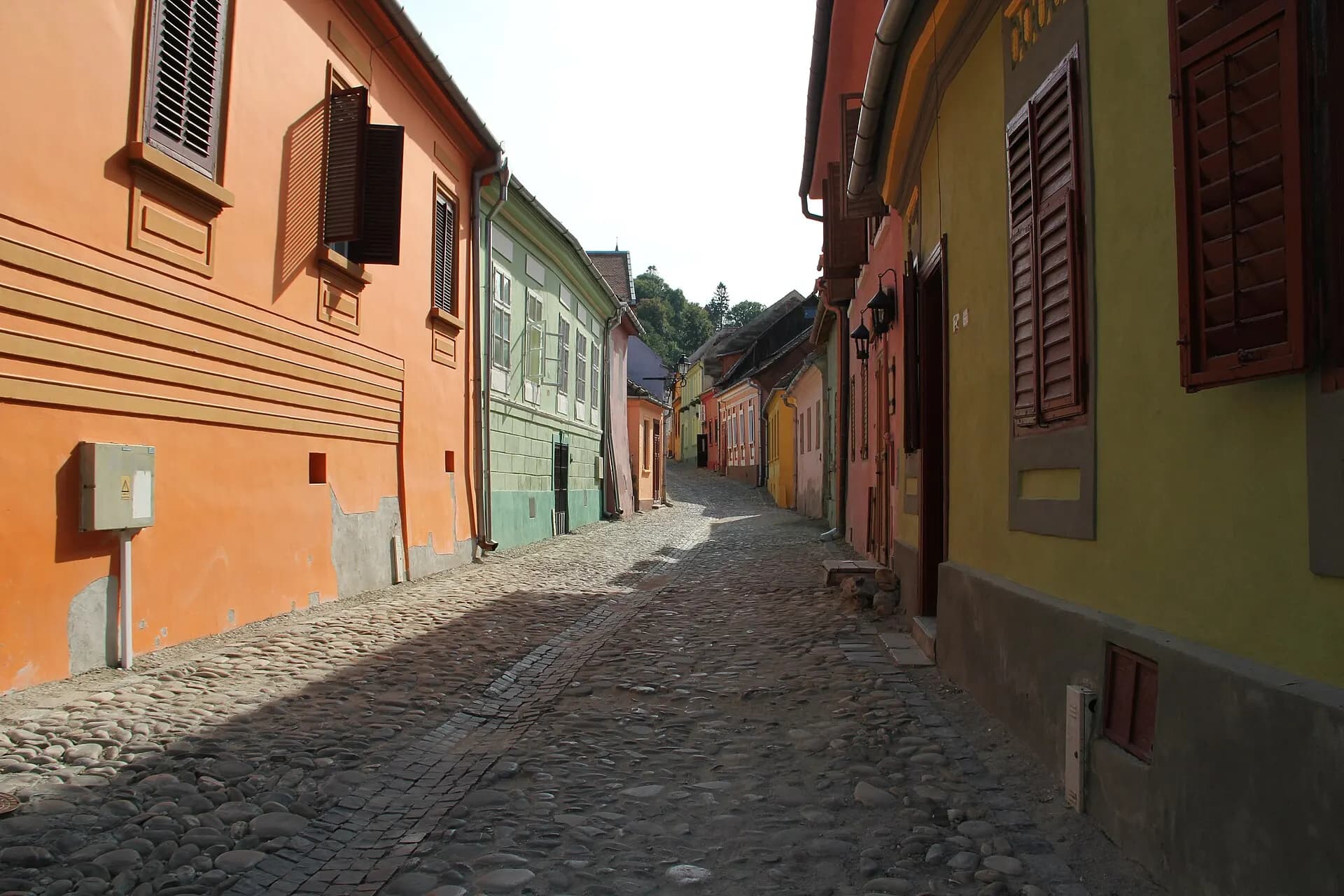
Transylvania fills the great bowl in the middle of Romania, ringed on three sides by the arc of the Carpathian Mountains. The name means "beyond the forest", and the forests are still here, home to more brown bears than anywhere else in Europe outside Russia. Inside the mountain ring lies a gentle country of hay meadows, orchards and rolling hills, scattered with towns that look as if they had been lifted from medieval Germany. That is more or less what happened: from the twelfth century the Hungarian kings invited German settlers, known as the Transylvanian Saxons, to farm and guard the frontier, and they built walled market towns and, in hundreds of villages, churches surrounded by fortress walls. Hungarians, Romanians, Székelys, Roma and Saxons have shared the region ever since, and you can hear the mix in place names that come in two or three languages.
Then there is Dracula. Bram Stoker's novel put Transylvania on the world's map, and Bran Castle has made a business of it, but the real story is richer: Vlad III, the Wallachian prince whose nickname inspired the book, was born in Sighișoara, and Transylvania's castles, citadels and Gothic churches are fascinating without any vampire. Most visitors arrive in Bucharest, the capital, and head north over the mountains; Sinaia and Peleș Castle, just south of the historic border, make a natural first stop. The places below follow that route: the Prahova Valley, Brașov and its castles, the Saxon heartland of fortified churches and Sighișoara, Sibiu and the high Făgăraș mountains, then west to Hunedoara, Turda and Cluj-Napoca. Allow at least a week, ideally ten days, with a car. From Cluj, the road west leads towards Hungary and our Budapest guide.
The top 13 in Transylvania
- 1
Peleș Castle
Photo: Pudelek (Marcin Szala), CC BY-SA 3.0, via Wikimedia Commons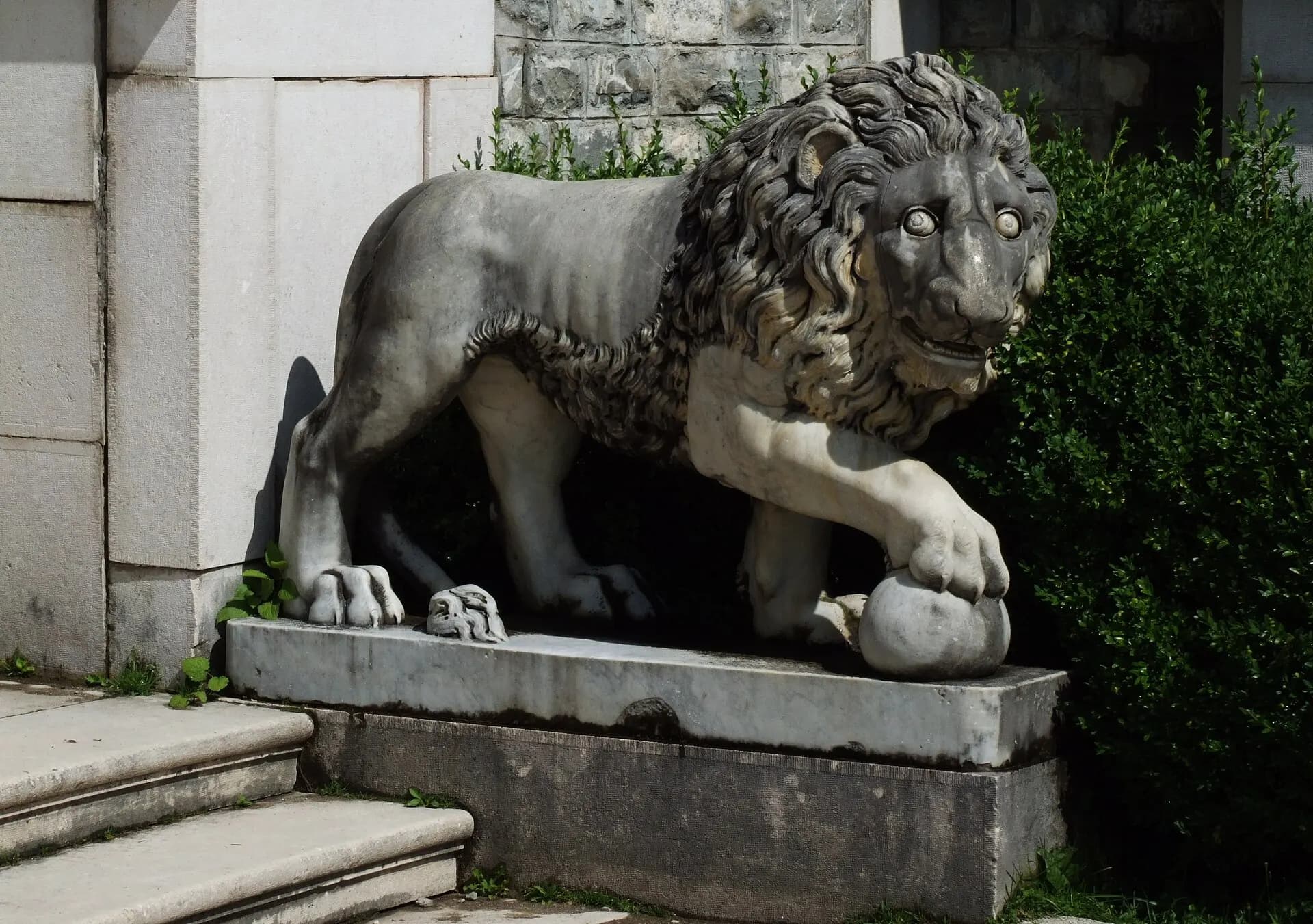
Romania's first king, Carol I, chose a wooded valley above the mountain resort of Sinaia for his summer residence, and the result, completed in the 1880s, is a fairy-tale palace of turrets, timber framing and carved gables in the German neo-Renaissance style. The interiors are even more lavish than the outside: carved walnut and ebony, stained glass, Murano chandeliers, a Moorish hall, a Florentine room and a vast armoury of European and Oriental weapons. It was also one of the most modern houses of its day, with central heating and its own electricity. The smaller Pelișor Castle nearby, built for the future King Ferdinand and Queen Marie, has Art Nouveau rooms.
TipPeleș is closed on Mondays and Tuesdays, and it shuts for about a month each autumn for cleaning and conservation (in 2026, from 2 November to 1 December). Buy timed tickets on the official site and arrive early at weekends, when queues from Bucharest build up.
- 2
Bran Castle
Photo: Myrabella, CC BY-SA 3.0, via Wikimedia Commons
Perched on a rock above the pass that once linked Transylvania with Wallachia, Bran was built in the late fourteenth century by the people of Brașov as a customs post and fortress. Its white walls, red roofs and towers make it the most famous castle in Romania, and it is sold as "Dracula's Castle", though there's little evidence Vlad III ever stayed here. The more interesting story is a twentieth-century one: the castle was given to Queen Marie in 1920, and she turned it into a homely royal retreat, so the narrow rooms, stairways and courtyards are furnished as she knew them. Extra exhibitions on torture instruments and a glass lift-and-tunnel cost more.
TipThis is the busiest sight in Transylvania. Book online, as tickets often sell out, and come early on a weekday; the souvenir market below the gate sells smoked cheese and woollens as well as vampire kitsch.
- 3
Râșnov Fortress
Photo: Pudelek, CC BY-SA 4.0, via Wikimedia Commons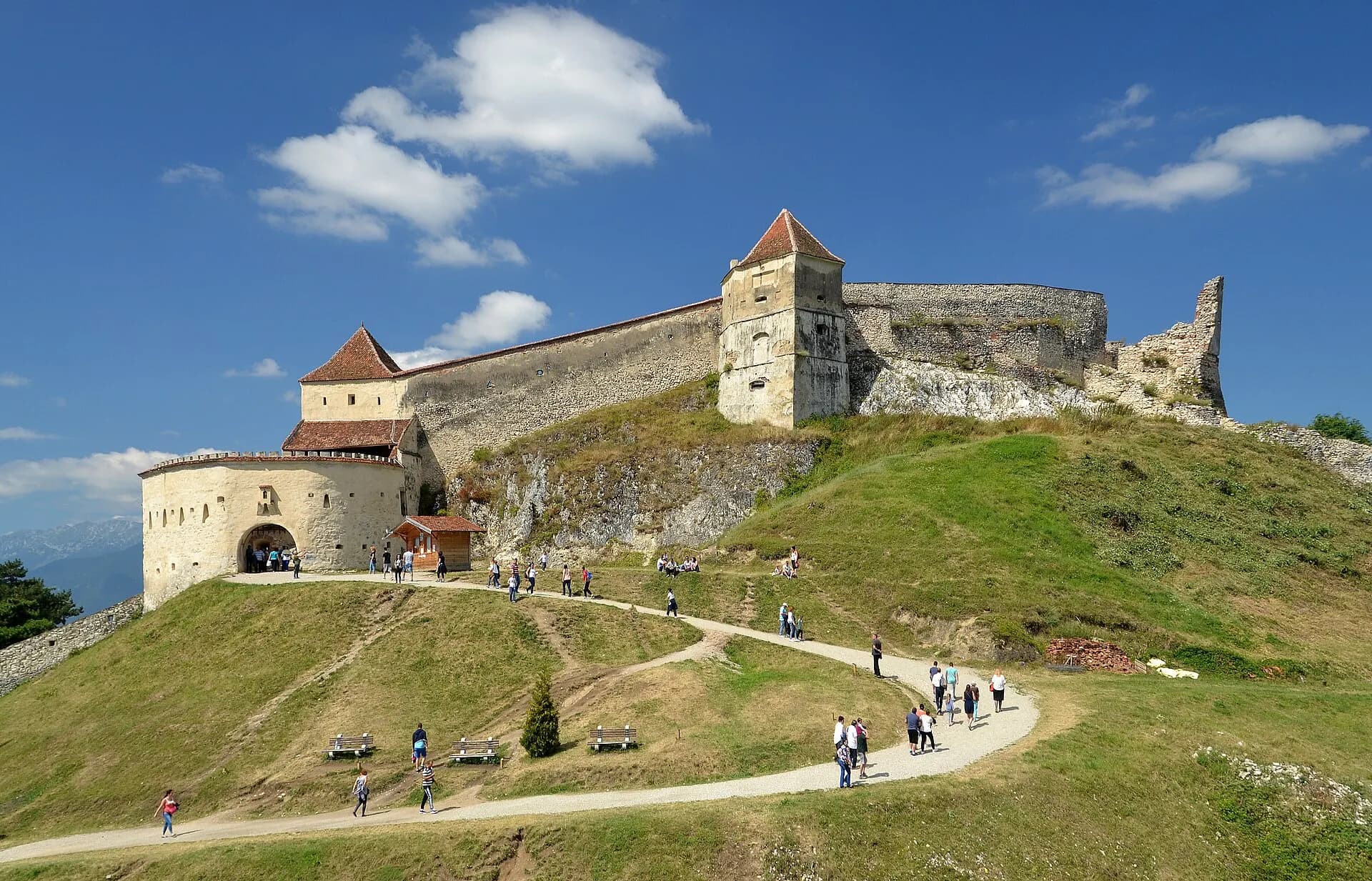
On a steep hill above the small town of Râșnov, between Bran and Brașov, stand the walls and towers of a peasant citadel built by Saxon villagers as a refuge from Tatar and Ottoman raids. Unlike a nobleman's castle, it held a whole village in a siege, with rows of houses, a school, a chapel and a deep well, which legend says was dug by Turkish prisoners in exchange for their freedom. The walls have been heavily restored, but the views across the Bârsa plain to the Bucegi and Piatra Craiului mountains are superb.
TipWalk up the path from the town in about twenty minutes, or take the small road train in season.
- 4
Council Square and the Black Church, Brașov
Photo: Pudelek (Marcin Szala), CC BY-SA 3.0, via Wikimedia Commons
Brașov, the German Kronstadt, is the most natural base in Transylvania, a lively city at the foot of the mountains with a beautifully kept old centre. Its heart is Piața Sfatului, Council Square, a broad, sloping square lined with colourful merchants' houses around the old town hall, which now holds the county history museum. Just off the square rises the Black Church, a huge Gothic hall church begun in the fourteenth century and blackened by the great fire of 1689 that gave it its name. It is one of the largest Gothic churches in south-eastern Europe, and inside hangs a remarkable collection of Ottoman-era Anatolian carpets, given by Saxon merchants who traded with the East, along with a large nineteenth-century organ used for concerts.
TipThe Black Church charges an entry fee and has shorter hours on Sundays and Mondays; it closes on a few days in early November for cleaning. Afterwards, walk along the walls past the Weavers' Bastion and squeeze through Strada Sforii, one of the narrowest streets in Europe.
- 5
Tâmpa
Photo: Neighbor's goat, CC BY-SA 4.0, via Wikimedia Commons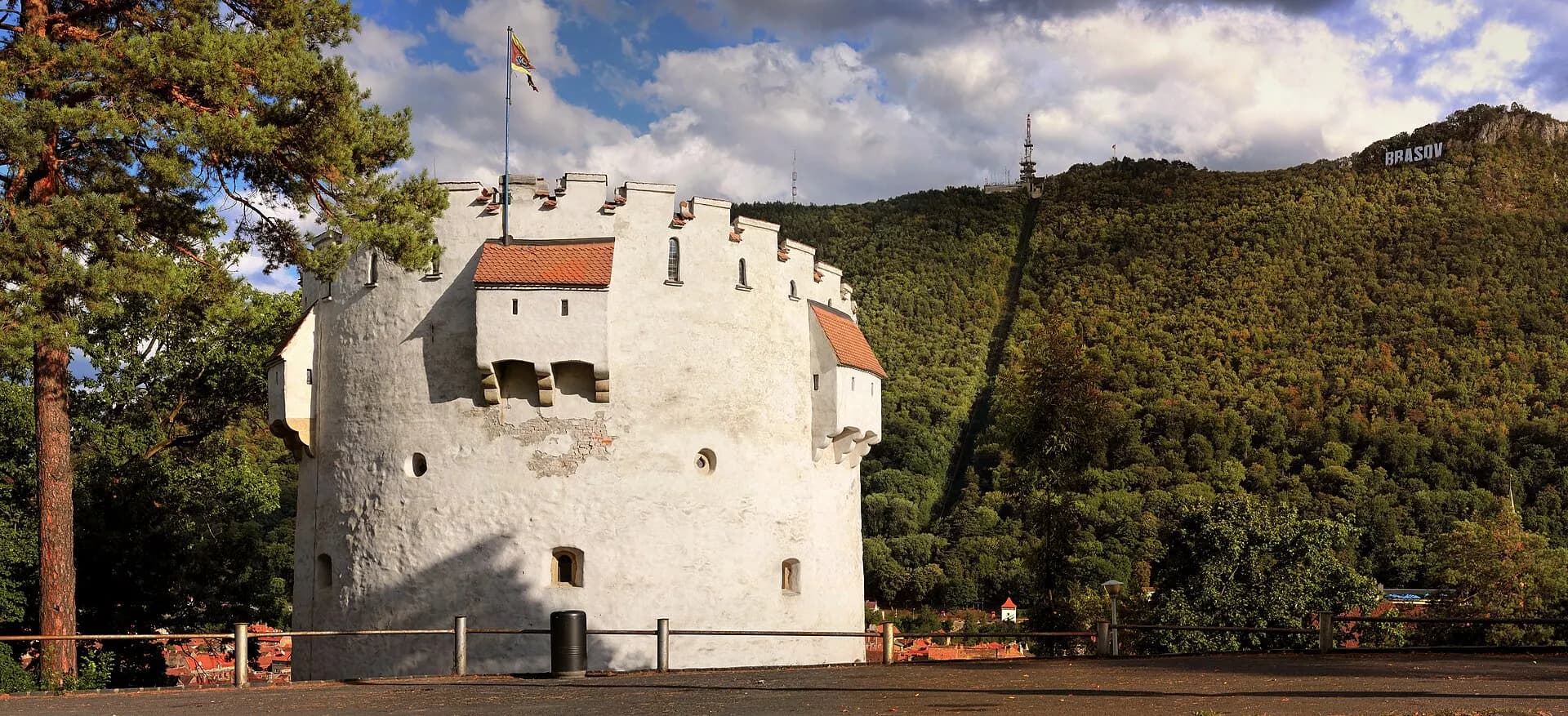
The forested mountain that rises straight out of the old town, crowned with a Hollywood-style BRASOV sign, makes Brașov's best viewpoint. A cable car climbs most of the way from the edge of the old walls, or you can walk up one of the marked paths through beech forest in about an hour. From the top the red roofs of the old city spread out below, with the Black Church in the middle and the Carpathians behind.
TipBears occasionally wander onto Tâmpa and into the city's edges at dusk. Stay on the paths, walk in daylight, and never leave food out.
- 6
Viscri
Photo: Pudelek, CC BY-SA 4.0, via Wikimedia Commons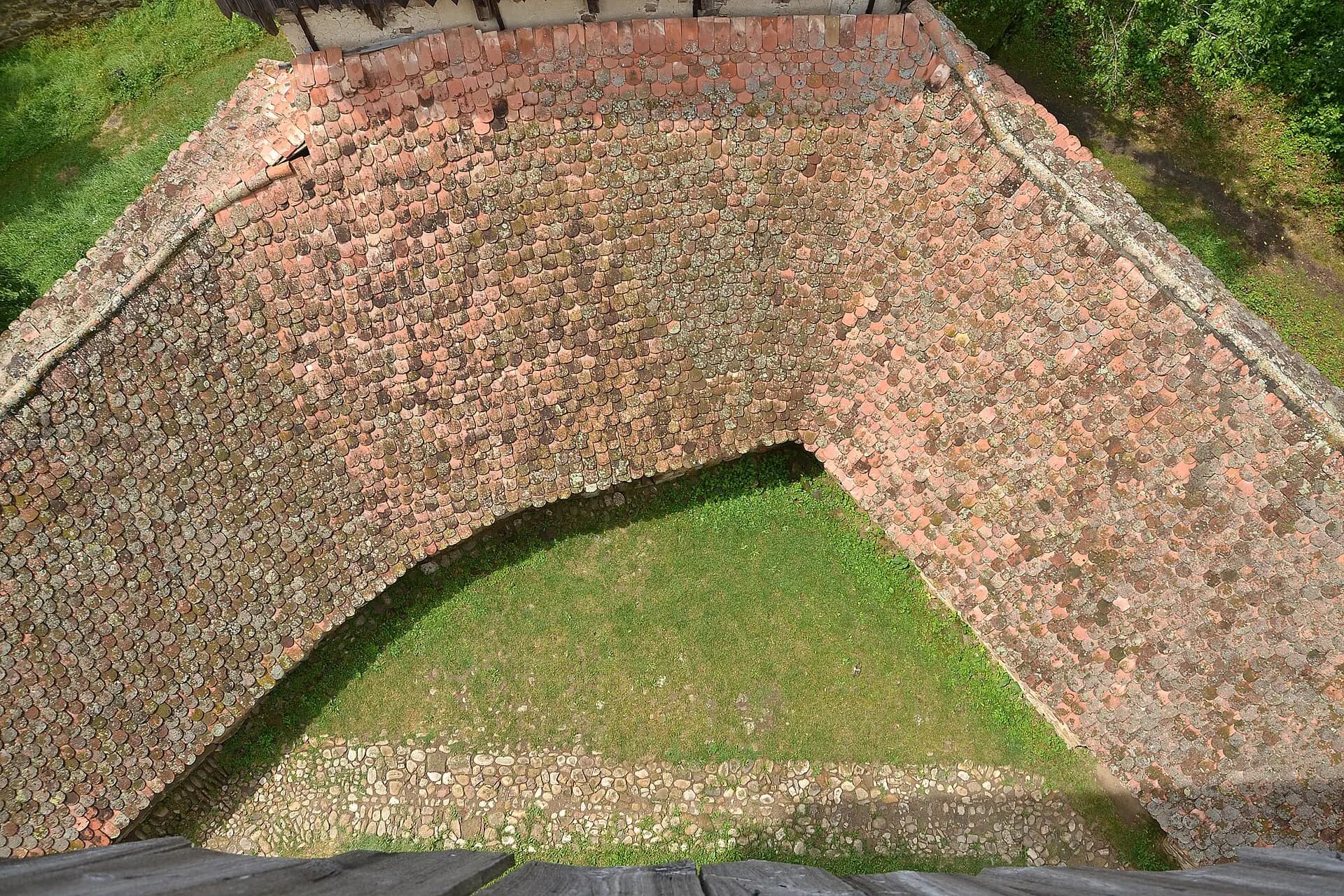
The tiny village of Viscri, down a long road in the hills between Brașov and Sighișoara, has become a symbol of the Saxon countryside. A single street of pastel farmhouses with tall gates leads up to a white fortified church inside double walls, whose oldest parts date from the twelfth century. Climb the wooden stairs of the tower for a view over the roofs and meadows, and visit the small museum of Saxon village life in the walls. Viscri was one of the villages that UNESCO listed for its fortified church, and careful restoration, with support from local trusts and from King Charles III, who owns a guest house here, has kept its traditions alive.
TipStay overnight in a restored village guest house to see Viscri after the day visitors leave, when the cows come home along the main street at dusk.
- 7
Sighișoara
Photo: Pudelek (Marcin Szala), CC BY-SA 3.0, via Wikimedia Commons
The most complete medieval citadel in Transylvania sits on a hill above the Târnava Mare river, a tangle of cobbled lanes, pastel houses and towers, each built and defended by a different craft guild. The symbol of the town is the Clock Tower, which guarded the main gate; it houses a history museum, a seventeenth-century clock with moving figures, and a viewing gallery. A short walk away, the house where Vlad III, later known as Vlad the Impaler, is said to have been born in the 1430s is now a restaurant. A covered wooden staircase of 1642 climbs to the Church on the Hill and the old Saxon cemetery among the trees. The historic centre is a UNESCO World Heritage Site.
TipDay-trippers fill the citadel at midday; stay the night to enjoy the lanes in the early morning and evening. A medieval festival is held in summer.
- 8
Biertan
Photo: Андрей Романенко, CC BY-SA 4.0, via Wikimedia Commons
Among the many fortified churches of the Saxon villages, Biertan is the grandest. A late Gothic hall church stands on a hill in the middle of the village, encircled by three rings of walls and towers, and from the sixteenth to the nineteenth century it was the seat of the Lutheran bishops of Transylvania. Inside, look for the painted altarpiece, the carved pulpit and the sacristy door, with an elaborate lock of many bolts. In one tower is the "marriage prison", where, the story goes, couples wishing to divorce were locked in together with one bed and one plate until they changed their minds.
TipThe church is about half an hour's drive from Sighișoara. Opening hours are seasonal, so it's worth checking locally before a special trip.
- 9
Sibiu
Photo: Chainwit., CC BY 4.0, via Wikimedia Commons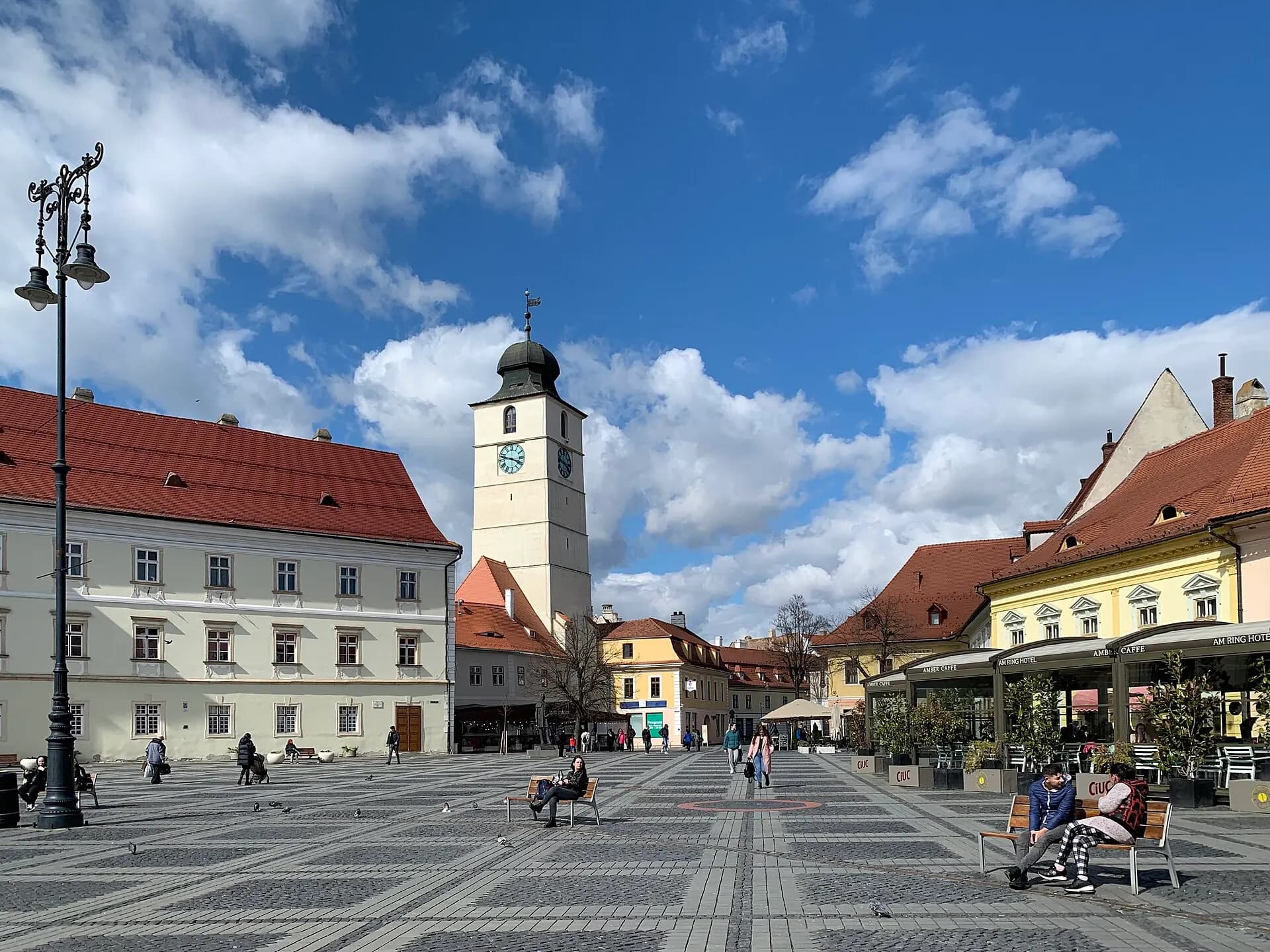
Sibiu, the Saxon Hermannstadt, was for centuries the leading town of the Transylvanian Saxons, and its restored old centre, refreshed when it was a European Capital of Culture in 2007, is one of the finest in Romania. The upper town is built around two linked squares: the Large Square, Piața Mare, with the Brukenthal Palace, home to the country's oldest museum, and the Baroque Jesuit Church; and the Small Square, Piața Mică, lined with arcaded guild houses. The Council Tower between them can be climbed for a view. Look up to see the roofs' small dormer windows, which seem to follow you like eyes. Linking the Small Square to Huet Square is the cast-iron Bridge of Lies, from 1859, which legend says creaks if anyone tells a lie on it. Steep passages and stairways lead down to the lower town.
TipOn the edge of town, the ASTRA open-air museum in Dumbrava forest gathers hundreds of old houses, mills and churches from across Romania. Sibiu's Christmas market, on the Large Square, is one of the best in the country.
- 10
Transfăgărășan road and Bâlea Lake
Photo: Pudelek, CC BY-SA 4.0, via Wikimedia Commons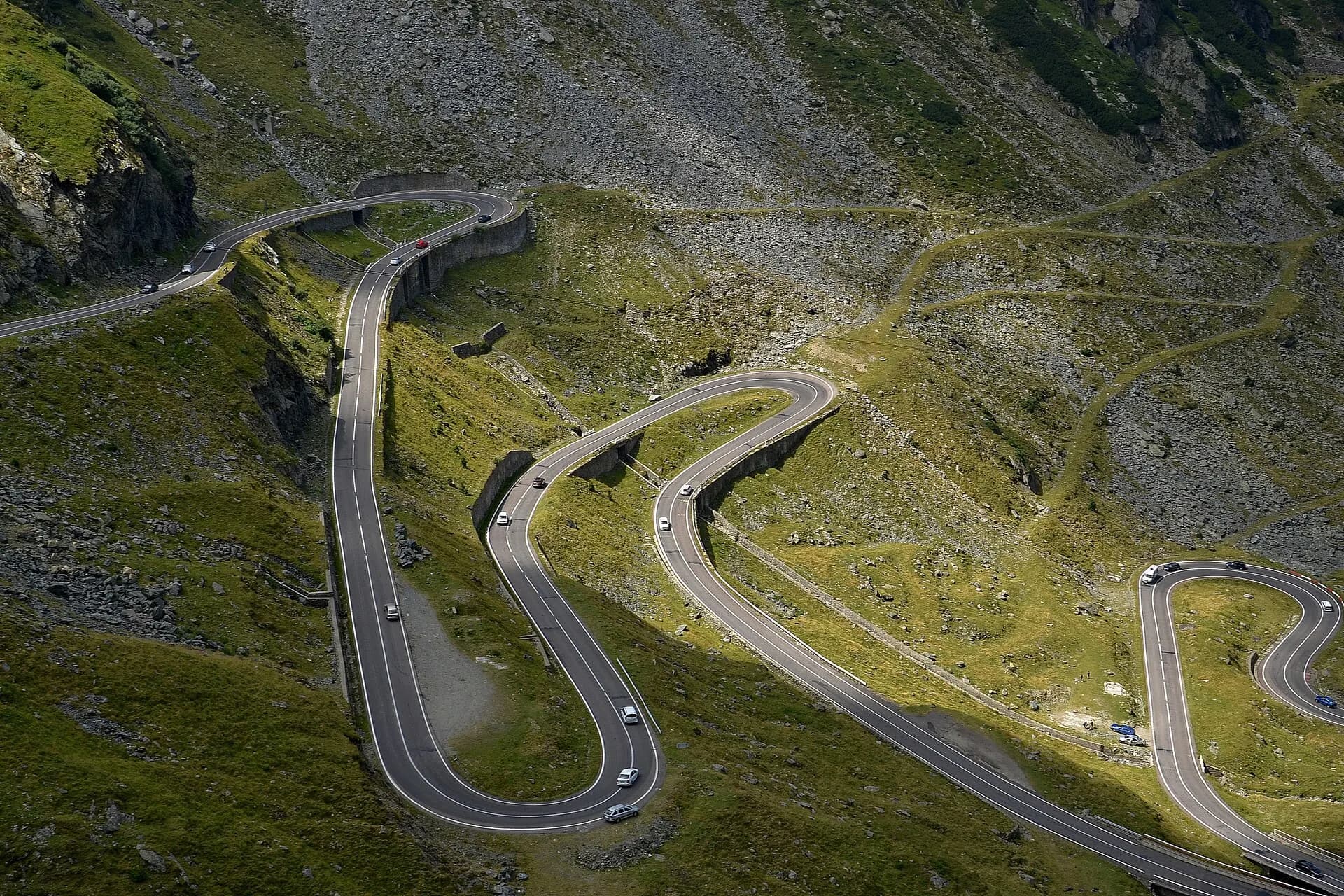
Built in the early 1970s on the orders of Nicolae Ceaușescu, the Transfăgărășan (DN7C) climbs over the Făgăraș mountains, Romania's highest range, in a dramatic sequence of hairpin bends. From the Transylvanian side, the road rises steeply from the Olt valley past the Bâlea waterfall to Bâlea Lake, a glacial lake at just over 2,000 metres, where a tunnel carries the road through the ridge and down towards the Vidraru reservoir and Poenari Fortress on the southern side. At the lake there are chalets, a small mountain hut and well-trodden paths into the alpine meadows.
TipThe high section is closed for most of the year because of snow. It usually opens around the end of June or in July and closes from about late October, with dates set each year by the national roads company CNAIR depending on the weather; in 2026 it opened on 12 June. When open, the high section is often restricted to daytime hours. Bears gather by the road begging for food: stay in your car and never feed them, which is illegal and dangerous. In winter, a cable car runs up from Bâlea Cascadă to the snowbound lake.
- 11
Corvin Castle
Photo: Pudelek, CC BY-SA 4.0, via Wikimedia Commons
On a rock above a stream at Hunedoara, Corvin Castle, also called Hunyadi Castle, is the most spectacular Gothic castle in Romania, with a long timber bridge on stone piers, steep roofs, pointed towers and battlements. It was rebuilt in the fifteenth century by John Hunyadi, the great general who fought the Ottomans, and his son Matthias Corvinus, later king of Hungary. Inside are the Knights' Hall, the Diet Hall, a Gothic chapel and a deep well with a dark legend of its own. The surrounding steel town is unlovely, but the castle itself is unforgettable.
TipThe castle is closed on Monday mornings and opens at noon; the main ticket also covers the guild house and an archaeology exhibition. Combine it with the Roman and Dacian sites of the Orăștie Mountains or the old Roman capital at Sarmizegetusa Ulpia Traiana.
- 12
Turda Salt Mine
Photo: Rkoster, CC BY 4.0, via Wikimedia Commons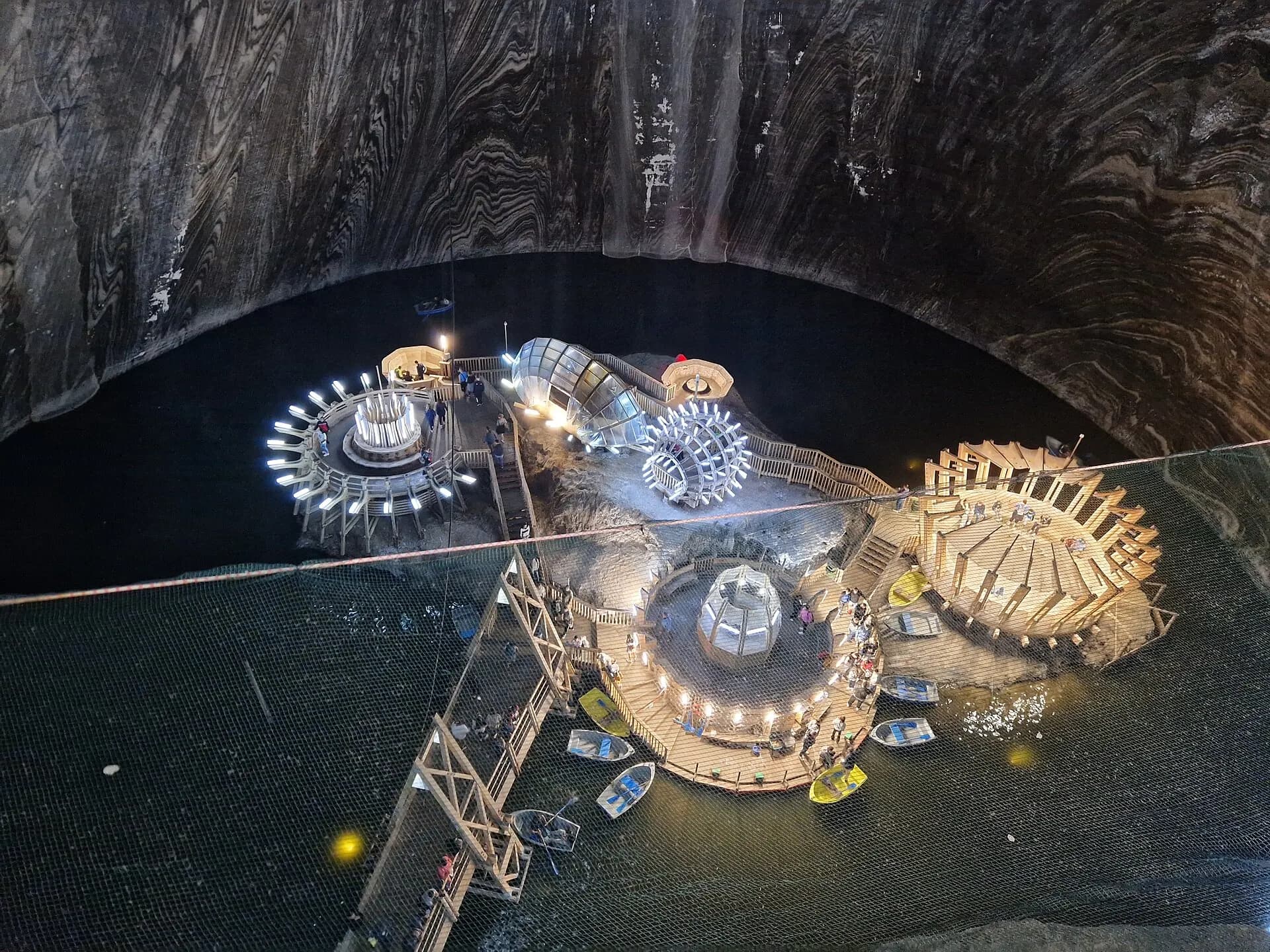
Salt was mined at Turda from at least the Middle Ages until the 1930s, and the old workings, reopened for visitors after a modern makeover in 2010, are one of the strangest sights in Europe. Long galleries lead into vast chambers carved out of the salt, the largest being the Rudolf mine, more than a hundred metres deep, where a futuristic lit-up fitout includes a big wheel, a mini-golf course and a sports area. Below, in the Terezia mine, rowing boats float on an underground lake beneath stalactites of salt. The air is cool and dry all year, around 12 degrees, and many locals come for its supposed health benefits.
TipEntry costs more at weekends and on public holidays, and the wheel and boats are extra. Bring a warm layer. Nearby, the Turda Gorge is a fine short hike through limestone cliffs.
- 13
Cluj-Napoca
Photo: Rosenborg BK Fan, CC0, via Wikimedia Commons
Transylvania's largest city, known in Hungarian as Kolozsvár, is a youthful university town with a busy café scene and good restaurants. In the central Piața Unirii stands St Michael's Church, a tall Gothic church with a nineteenth-century tower, beside the equestrian statue of King Matthias Corvinus, who was born in a house nearby. The Bánffy Palace on the same square holds the national art museum, and a short walk away the Botanical Garden, with its Japanese garden and greenhouses, makes a peaceful break. In summer, Cluj hosts big festivals, including the Untold music festival and the Transilvania International Film Festival.
TipCluj's airport has the widest choice of international flights in Transylvania, so it works well as a start or end point for a one-way trip from Bucharest.
When to go
Late spring and summer, from late May to September, are the best months for most visitors. The meadows are full of flowers in June, the mountain paths are clear of snow by July, and towns hold festivals, from Sighișoara's medieval fair to the music festivals of Cluj. Summers are warm rather than hot, though July and August can bring afternoon thunderstorms in the mountains. The Transfăgărășan's high section is open only in summer and early autumn. September and early October are lovely, with harvests, golden beech forests and fewer crowds, though some village guest houses begin to wind down.
Winters are cold and snowy, especially in the mountains, with ski resorts at Poiana Brașov, just above Brașov, and Sinaia. December brings Christmas markets to Sibiu, Brașov and Cluj, and the old towns look magical under snow, but many rural roads are slow and some sights shorten their hours. Avoid long weekends and public holidays at Bran and Peleș if you can, when the roads from Bucharest are jammed.
Getting around
Most international visitors fly into Bucharest's Henri Coandă airport at Otopeni. From there trains run up the Prahova Valley to Sinaia and Brașov in about three hours, and buses and minibuses are often a little quicker. Brașov's own airport at Ghimbav, opened in 2023, and the airports at Sibiu, Târgu Mureș and Cluj-Napoca have direct flights from other European cities, which makes a one-way route possible. Romania has been a full member of the Schengen area since 2025, so there are no border checks from neighbouring Hungary.
The national railway, CFR Călători, links Brașov, Sighișoara, Sibiu and Cluj, and trains are cheap, though often slow. Buses fill many gaps, but the fortified-church villages, Transfăgărășan, Corvin Castle and Turda are much easier with a car. Roads have improved greatly, with motorway sections near Sibiu and Cluj, but many are still single-lane and busy with trucks, horse carts and slow traffic, so allow more time than the map suggests. An electronic road vignette, the rovinietă, is required on national roads; buy it online or at petrol stations if your hire car doesn't already have one. Mountain roads can be closed by snow from late autumn to spring.
Local tips
- The currency is the Romanian leu (RON). Cards are widely accepted in towns, but carry cash for village guest houses, markets and church entrance fees.
- Brown bears are common across Transylvania, even on the edges of towns. Never feed them, keep food sealed when camping, and follow local warnings on trails.
- Many fortified churches are kept locked: look for a notice on the gate with the phone number or house of the key-keeper, who will open up for a small fee.
- Book accommodation in Sighișoara, Viscri and Brașov well ahead for summer weekends and festival dates.
- Cover shoulders and knees in Orthodox churches; women may be asked to cover their hair in monasteries.
- Taxi apps are widely used in the cities and avoid haggling. Use official taxis rather than drivers who approach you at airports and stations.
- Tap water is generally safe in the cities, but many people prefer bottled water in rural areas.
Eat and drink
Transylvanian cooking mixes Romanian, Hungarian and Saxon traditions, and it's hearty mountain food. Start with ciorbă, a sour soup, perhaps ciorbă de burtă, tripe soup with garlic and cream, or a vegetable or meatball version, served with chilli and bread. Sarmale, cabbage leaves stuffed with pork and rice, come with mămăligă, polenta, sour cream and sometimes smoked bacon. Transylvanian goulash and stuffed peppers show the Hungarian influence, and in Hungarian-speaking areas look for kürtőskalács, chimney cake, a spiral of sweet dough baked on a spit and rolled in sugar, cinnamon or walnuts. Papanași, fried doughnuts with sour cream and jam, are the classic dessert.
The mountain pastures produce cheeses such as telemea, a brined white cheese, and smoked cheeses sold at markets around Bran. Saxon villages are known for their jams, honey and fruit syrups. Țuică and palincă, strong plum brandies, are offered as a welcome in many homes, and the Târnave valleys around Sighișoara and Mediaș produce crisp white wines. Ursus and Ciuc are popular local beers, and craft brewing has taken off in Cluj and Brașov.
Where to base yourself
Brașov is the obvious first base, with Bran, Râșnov, Peleș and Tâmpa within an hour and good restaurants and rail links. For the Saxon heartland, stay in Sighișoara or, for a rural experience, in a guest house in Viscri, Saschiz or Biertan. Sibiu is the best base for the west of the Saxon lands, the ASTRA museum and the Transfăgărășan, while Cluj-Napoca suits the north-west, Turda and onward travel to Hungary. Corvin Castle can be visited from Sibiu, or on a drive between Sibiu and Cluj via Alba Iulia, whose huge star-shaped Vauban-style citadel is worth a stop.
A short history
Transylvania was the heart of ancient Dacia, conquered by the Roman emperor Trajan in 106 AD; the Romanian language descends from the Latin of that era. From around the eleventh century it became part of the Kingdom of Hungary, which brought in Saxon settlers and Székely frontier guards. After the Ottoman victory over Hungary in 1526, Transylvania became a semi-independent principality, famous for its religious tolerance, before falling under Habsburg rule at the end of the seventeenth century. In 1918, after the First World War, its Romanian majority voted for union with Romania, proclaimed at Alba Iulia, though Hungary held the north again during the Second World War. Under communism many Saxons left, and after 1990 most of the rest emigrated to Germany, leaving their villages half empty; today restoration projects, returning families and tourism are giving many of them a second life.
Responsible travel
Transylvania's villages and wildlife depend on careful visitors. Choose family-run guest houses and local guides, especially in the Saxon villages, so that tourism money helps keep the old farmhouses and churches alive. Pay the small entrance fees at fortified churches, which go towards their upkeep. Never feed bears, whether by the road on the Transfăgărășan or at a picnic site: fed bears become bolder, are a danger to people and are often shot as a result. On mountain trails, take rubbish home and stay on marked paths, and respect grazing flocks and their dogs, which guard sheep from wolves and bears and can be fierce; keep your distance and walk calmly past.