Doha
A Gulf capital of world-class museums, a lantern-lit old souq and a seven-kilometre bay, with dunes, mangroves and an inland sea an hour or two away.
- Best time to go
- November to March for warm, sunny days; avoid June to September, when heat and humidity are fierce
- Local time
- –
- Currency
- Qatari Riyal (QAR)
- Reading time
- 13 min
- Language
- Arabic
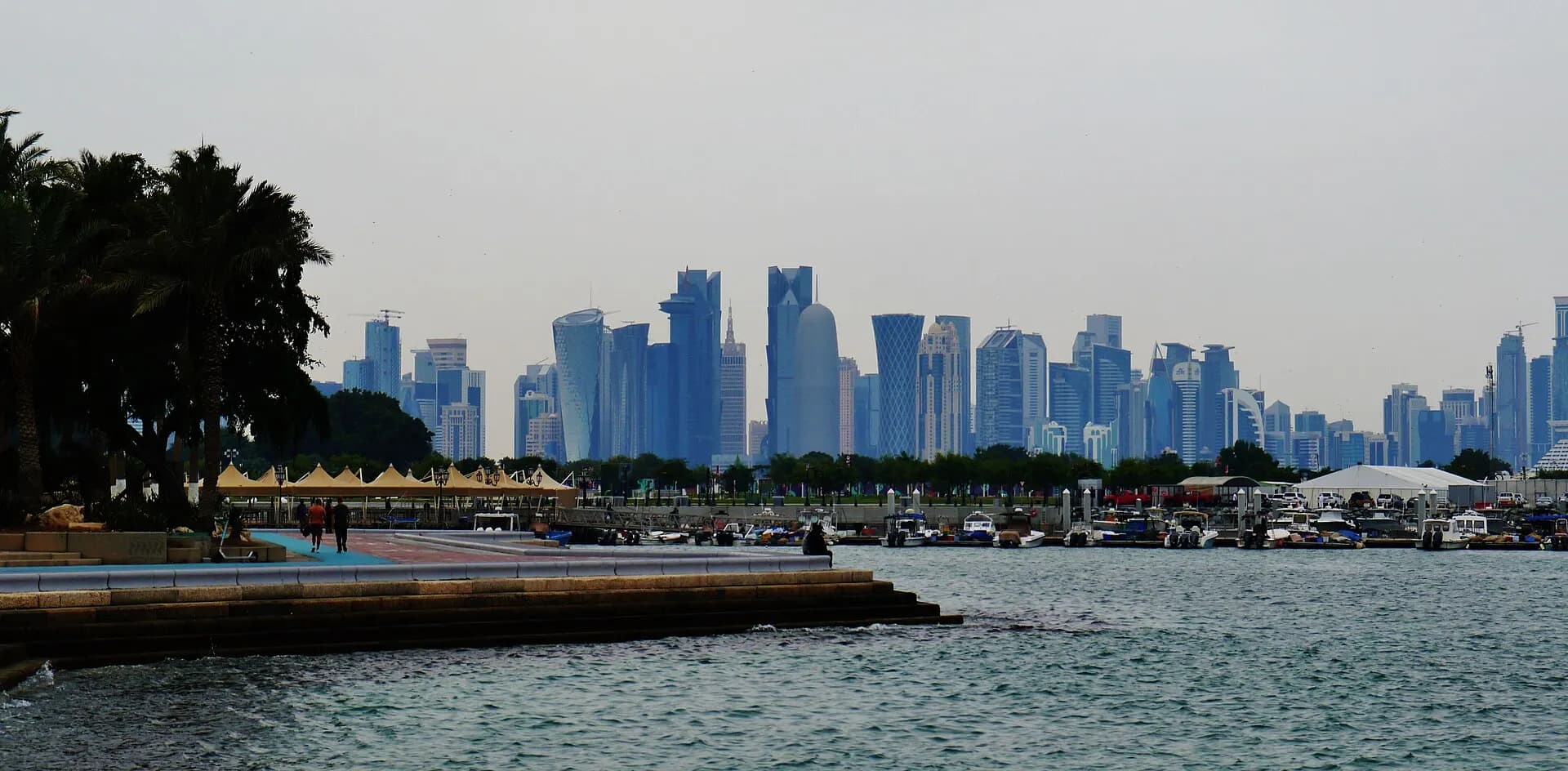
Little more than a century ago Doha was a pearling and fishing village of coral-stone houses clustered around a shallow bay. Oil, and then natural gas, turned Qatar into one of the richest countries on earth, and its capital has spent the last three decades building at a pace few cities have matched: a skyline of sculptural towers along the West Bay, a driverless metro, artificial islands and a whole new city at Lusail, where the 2022 FIFA World Cup final was played.
What sets Doha apart from its Gulf neighbours is how much of that money went into culture. The Museum of Islamic Art and the National Museum of Qatar are two of the finest buildings in the region, and both are worth a trip on their own. Between them, the rebuilt Souq Waqif keeps the feel of an old Arabian market alive, and the curving Corniche gives the city a waterfront promenade where families stroll on winter evenings. Three or four days is enough for the city; add a day in the desert or on the north coast to see a quieter Qatar of dunes, mangroves and abandoned forts. For a contrasting Gulf city, see our Dubai guide.
The top 17 in Doha
- 1
National Museum of Qatar
Photo: Michael Coghlan, CC BY-SA 2.0, via Wikimedia Commons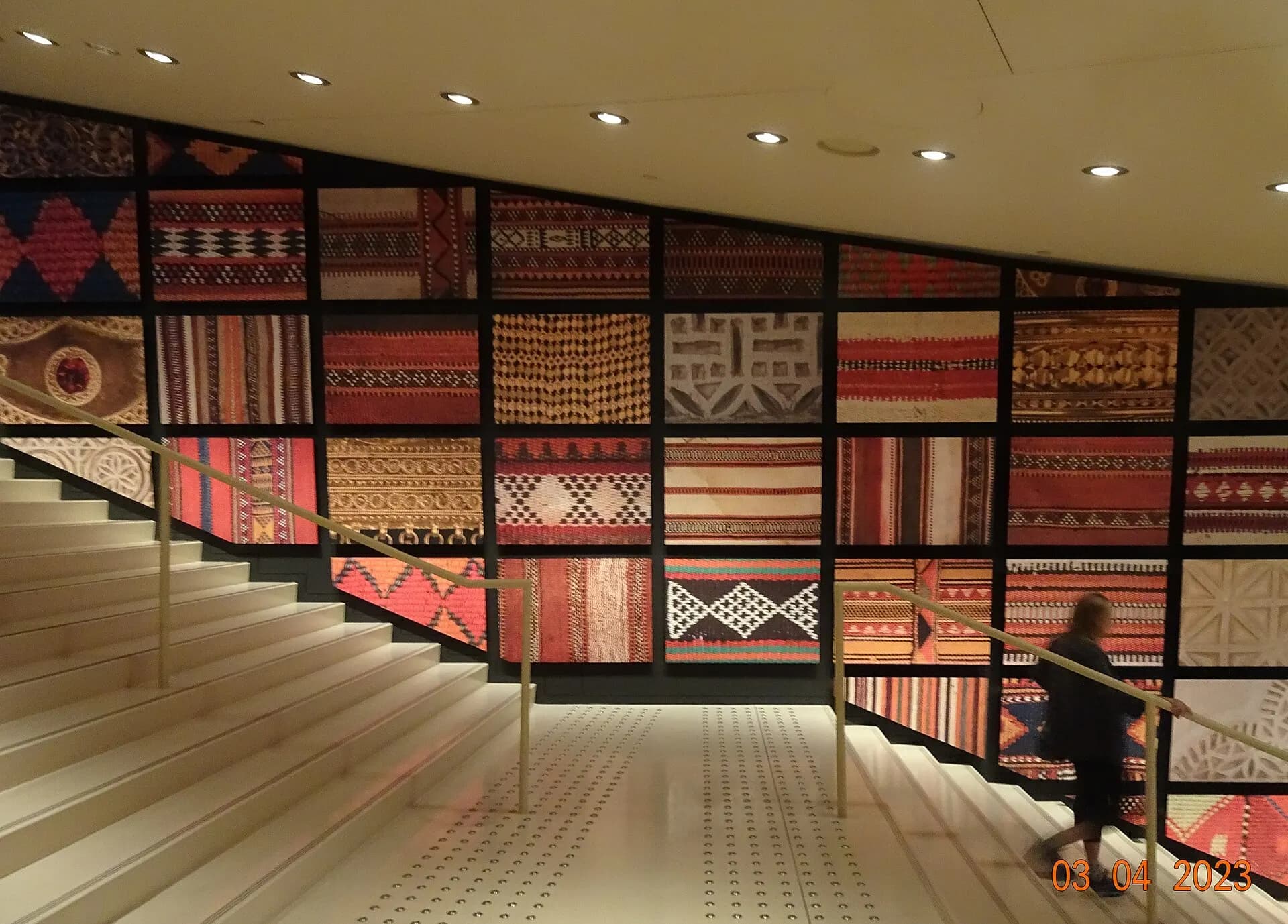
Jean Nouvel's museum, opened in 2019, is built from hundreds of interlocking curved discs inspired by the desert rose, a crystal formation found in Qatar's salt flats. Inside, a single looping route of galleries tells the story of the peninsula from its geology and Bedouin life to pearling, the discovery of oil and the modern state, using vast wall projections, films and objects. At the heart of the complex stands the restored early 20th-century palace of Sheikh Abdullah bin Jassim Al Thani, once the seat of government.
TipThe museum is closed on Tuesdays and opens only in the afternoon on Fridays; some galleries have been closed in rotation for upgrades, so check the website before you go. The National Museum metro station on the Red Line is next door.
- 2
Museum of Islamic Art and MIA Park
Photo: Šarūnas Burdulis from Hanover, USA, CC BY-SA 2.0, via Wikimedia Commons
Standing on its own artificial island off the Corniche, I. M. Pei's pale limestone building, completed in 2008, is a modern take on classic Islamic architecture, with a geometric form that shifts in the light. The collection spans some 1,400 years and three continents: manuscripts and Qurans, Iznik tiles, Mughal jewellery, Persian carpets, astrolabes and metalwork, displayed in hushed, dark galleries. The museum was refurbished and reopened in 2022. Beside it, MIA Park is a long green crescent with cafés, palms and the best view of the West Bay towers across the water; a weekend bazaar runs on Fridays and Saturdays in the cooler months.
TipMIA is closed on Wednesdays. Non-residents pay an entry fee, while Qatar residents and children usually go free; book through Qatar Museums and check the current price. Late opening on Thursdays is the quietest time.
- 3
Corniche and dhow harbour
Photo: Larry Johnson @ Flickr, CC BY 2.0, via Wikimedia Commons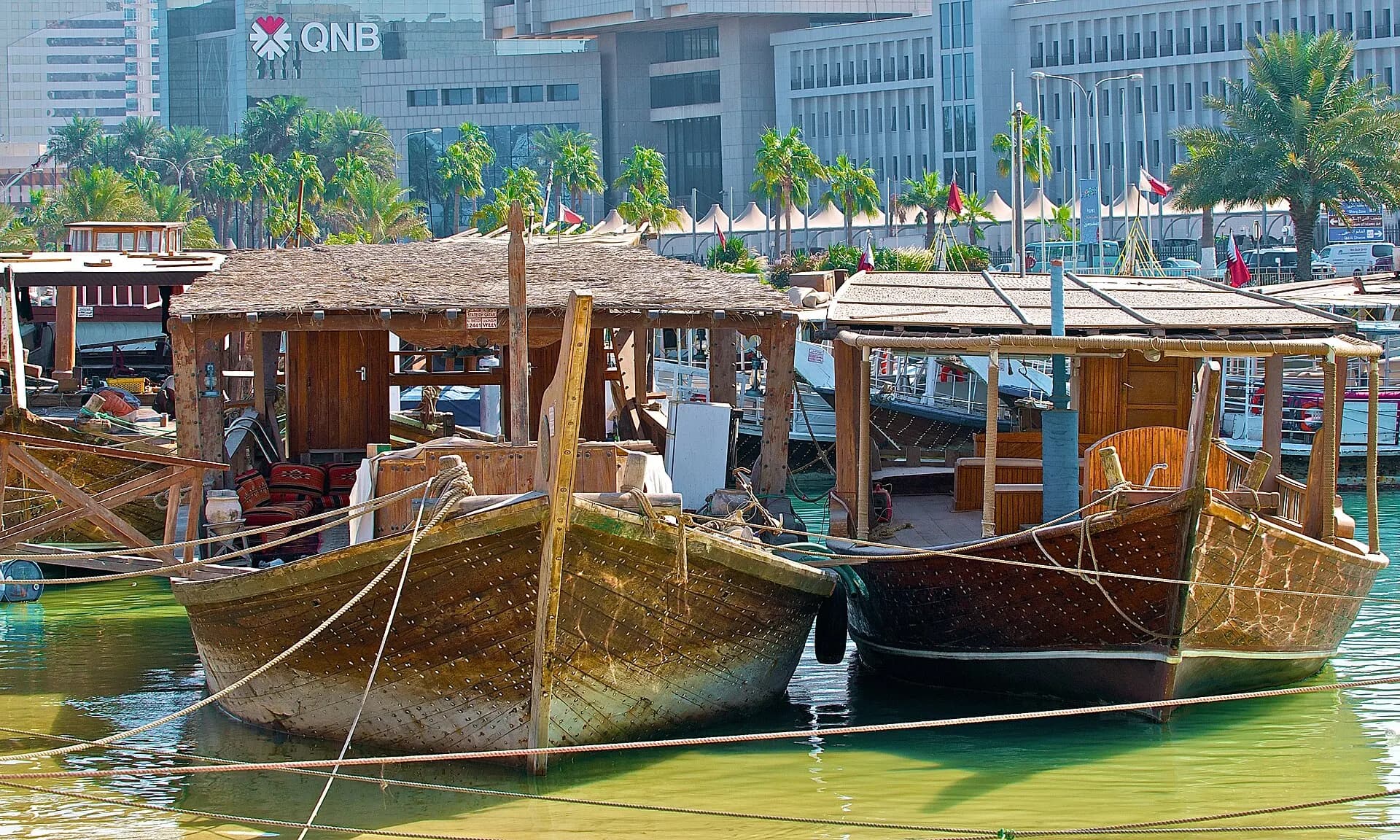
The Corniche is a seven-kilometre seafront promenade that follows the crescent of Doha Bay from the Museum of Islamic Art round to the West Bay skyscrapers. Walk or cycle a stretch at sunset, when the towers light up across the water. Near the museum, wooden dhows, the traditional sailing and fishing boats of the Gulf, moor in the old harbour; many now take visitors on short cruises around the bay, especially in the evening, and they are a pleasant way to see the skyline from the water.
TipAgree on the price and length of a dhow cruise before boarding. In summer, walk the Corniche only after dark.
- 4
Souq Waqif and the Falcon Souq
Photo: Diego Delso, CC BY-SA 3.0, via Wikimedia Commons
Souq Waqif, the "standing market", grew up where Bedouin traders once sold goods by the wadi that ran into the bay. By the 1990s it was crumbling, and it was rebuilt in the 2000s using traditional methods of mud render, exposed timber beams and shaded lanes. It is partly a reconstruction, but it works: the alleys are full of spice and perfume sellers, textile shops, birds, pottery and cheap restaurants, and it comes alive after dark. At its western edge, the Falcon Souq sells hoods, perches and the prized birds themselves, and a specialist falcon hospital treats them nearby.
TipVisit in the evening, when it is cooler and families come out to eat. Bargaining is expected in the smaller shops but not in restaurants.
- 5
Msheireb Downtown and Msheireb Museums
Photo: Isabell Schulz, CC BY-SA 2.0, via Wikimedia Commons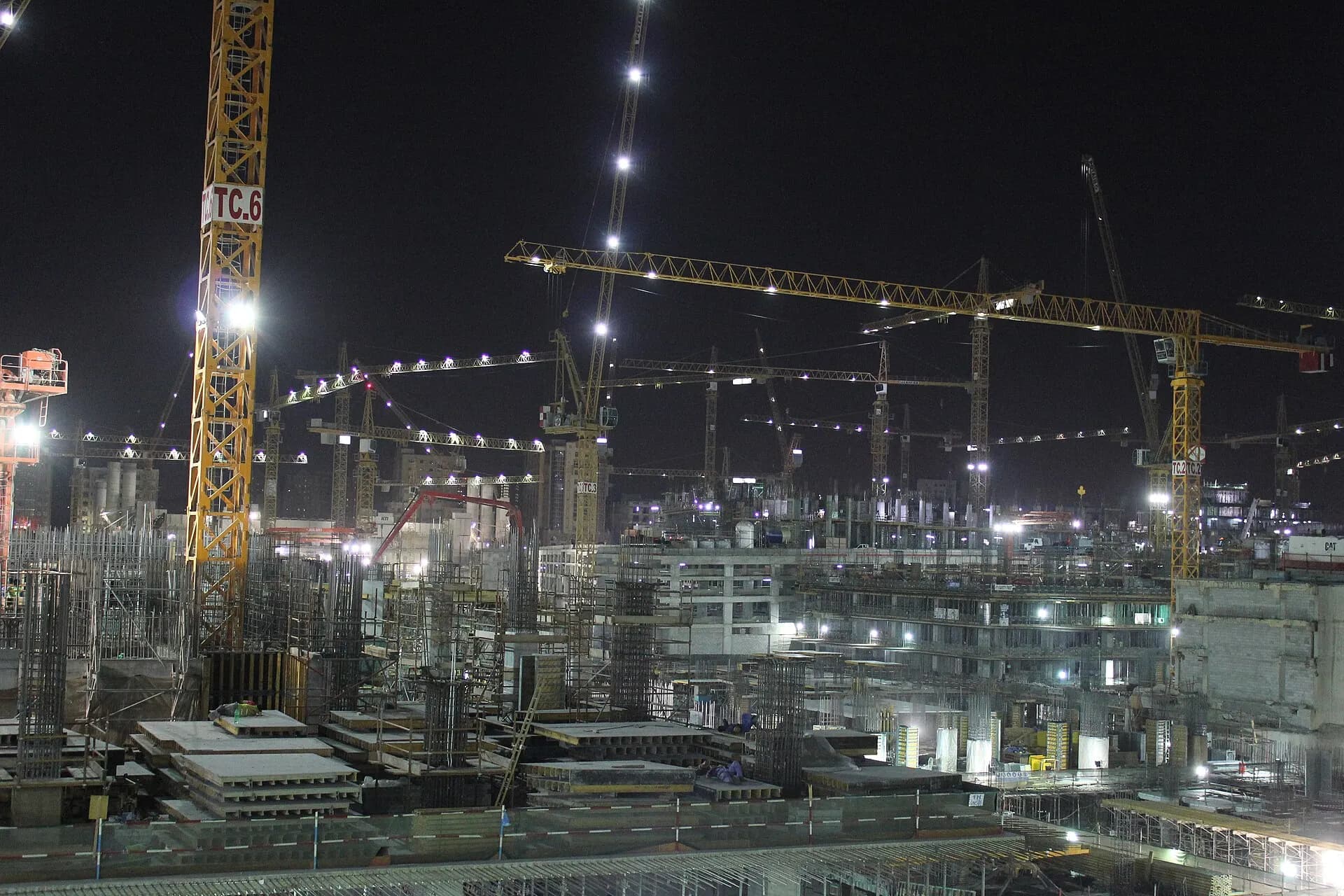
Just west of the souq, the old Msheireb neighbourhood has been rebuilt as a walkable, low-rise district of pale buildings designed to stay cool, threaded with shaded lanes and squares. Four restored heritage houses form the Msheireb Museums. Bin Jelmood House is one of the most important, confronting the history of slavery in the Gulf and the Indian Ocean world; Company House tells the story of the first Qatari oil workers; Radwani House shows family life before and after oil; and Mohammed Bin Jassim House explains the regeneration project itself.
TipThe museums are closed on Sundays and open only in the afternoon and evening on Fridays. Msheireb station is the metro's main interchange, where all three lines meet.
- 6
3-2-1 Qatar Olympic and Sports Museum
Photo: Matti Blume, CC BY-SA 4.0, via Wikimedia Commons
Built into the Khalifa International Stadium complex in the Aspire Zone, this museum opened in 2022 and is one of the largest of its kind. Galleries trace the history of sport from the ancient Olympics to the present day, with a strong section on Qatar's own athletes and the 2022 World Cup, and interactive zones where you can test your sprint start or reaction time. It is particularly good for families.
TipClosed on Tuesdays. Combine it with a look at the stadium and the Aspire Park lawns next door.
- 7
Qatar National Library
Photo: En Merker, CC0, via Wikimedia Commons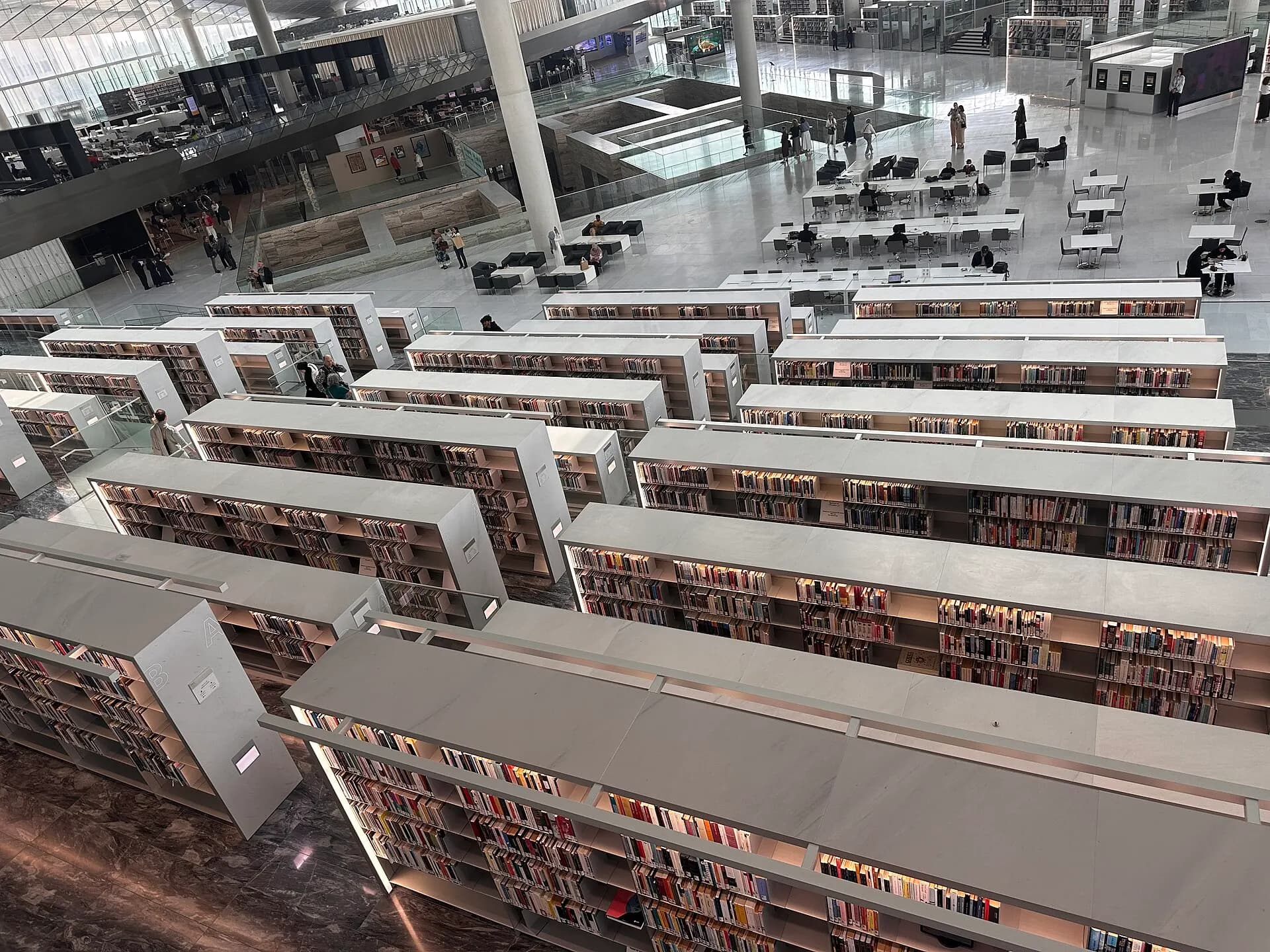
Rem Koolhaas's practice OMA designed this library in Education City as one vast, light-filled room, with stepped white marble shelving that rises like terraces on either side. Sunk into the floor at its centre is the Heritage Library, a collection of rare manuscripts, maps and early printed books about the Arab and Islamic world. Visitors are welcome to wander, and it is one of the most striking modern interiors in the region.
TipOpen daily, with shorter afternoon hours on Fridays. The Qatar National Library station on the Green Line is right outside.
- 8
Katara Cultural Village
Photo: Zairon, CC BY 4.0, via Wikimedia Commons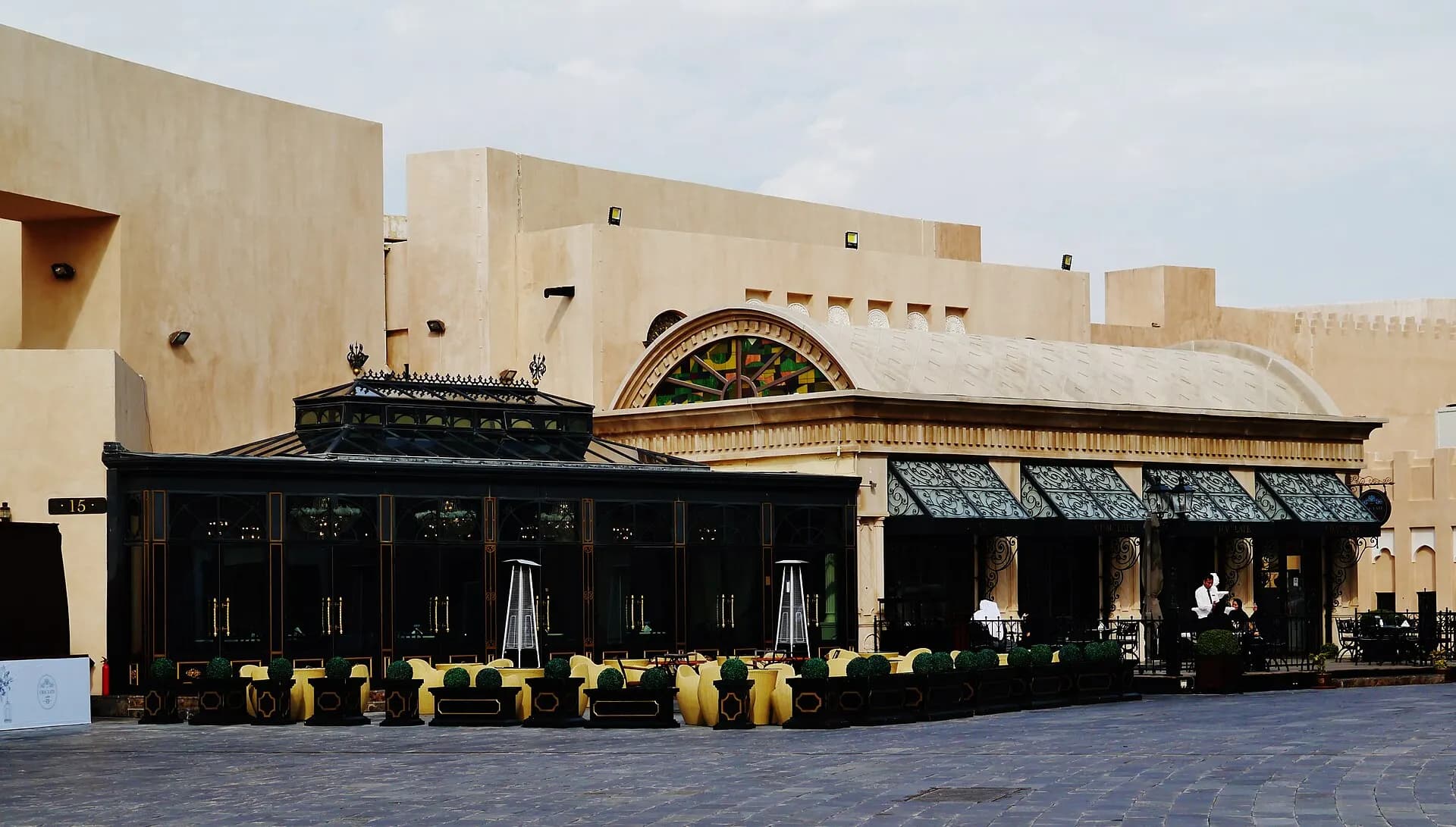
North of West Bay, Katara is a purpose-built cultural district of galleries, concert halls and restaurants in a mix of traditional styles. Look for the Greek-style amphitheatre facing the sea, the blue-and-gold tiled Katara Mosque, and the curious pigeon towers, modelled on traditional dovecotes. A public beach with water sports runs along the shore, and the district hosts festivals, including a traditional dhow festival.
TipKatara is best at the end of the afternoon, when you can watch the sunset from the amphitheatre and then eat at one of the restaurants by the beach.
- 9
The Pearl-Qatar
Photo: Steven Byles from Singapore, Singapore, CC BY-SA 2.0, via Wikimedia Commons
This artificial island, reclaimed from the sea over an old pearling bed, is a showcase of the new Doha: marinas full of yachts, apartment towers and a waterfront lined with cafés and designer shops. Porto Arabia, the main marina, is good for an evening stroll, while Qanat Quartier, with its pastel houses, canals and little bridges, borrows openly from Venice.
TipIt is a long walk between districts. Take a taxi, or connect by bus from Legtaifiya metro station.
- 10
Place Vendôme, Lusail
Photo: Sonse @ Flickr, CC BY 2.0, via Wikimedia Commons
Lusail is a planned city built from scratch north of Doha, with marinas, towers and wide boulevards, and is still filling in. Its most popular visitor attraction is Place Vendôme, a huge luxury mall inspired by the Parisian square, whose canal-side fountain puts on music and light shows in the evening. Nearby, Lusail Boulevard and the marina promenade are pleasant on cooler nights, and the striking crescent-shaped Katara Towers stand on the waterfront.
TipThe Lusail Tram links the district's main areas with the Red Line, using the same travel card as the metro.
- 11
Lusail Stadium
Photo: Palácio do Planalto from Brasilia, Brasil, CC BY 2.0, via Wikimedia Commons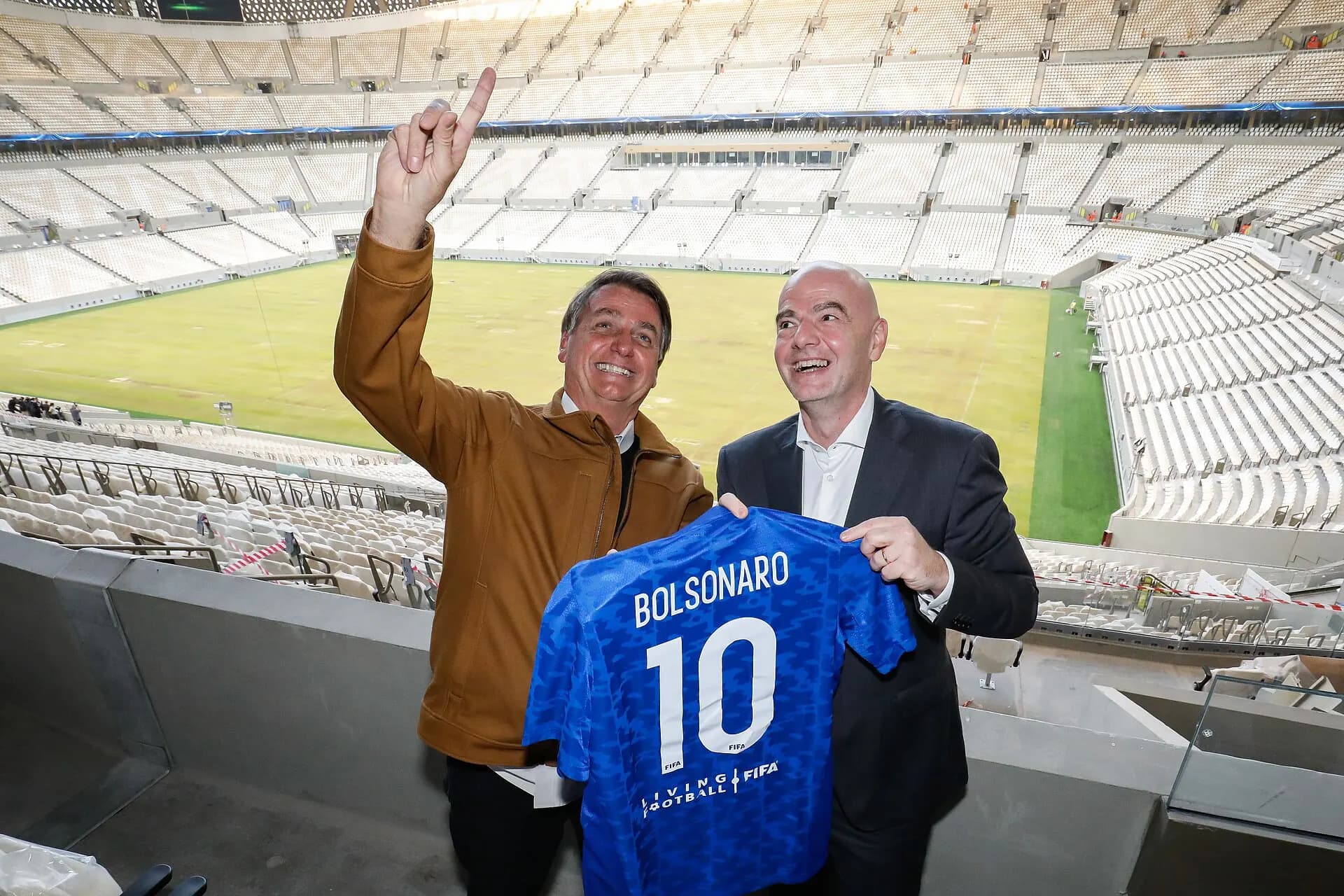
The largest of the 2022 World Cup stadiums, Lusail Stadium hosted the final in which Argentina beat France on penalties. Its golden bowl, patterned on traditional hand-crafted bowls and lanterns, is most impressive when lit up at night. Football fans can check for guided tours and events, but even from outside it is a striking sight, and it is easy to reach on the Red Line and the Lusail Tram.
- 12
Banana Island
Photo: Joshua Doubek, CC BY-SA 4.0, via Wikimedia Commons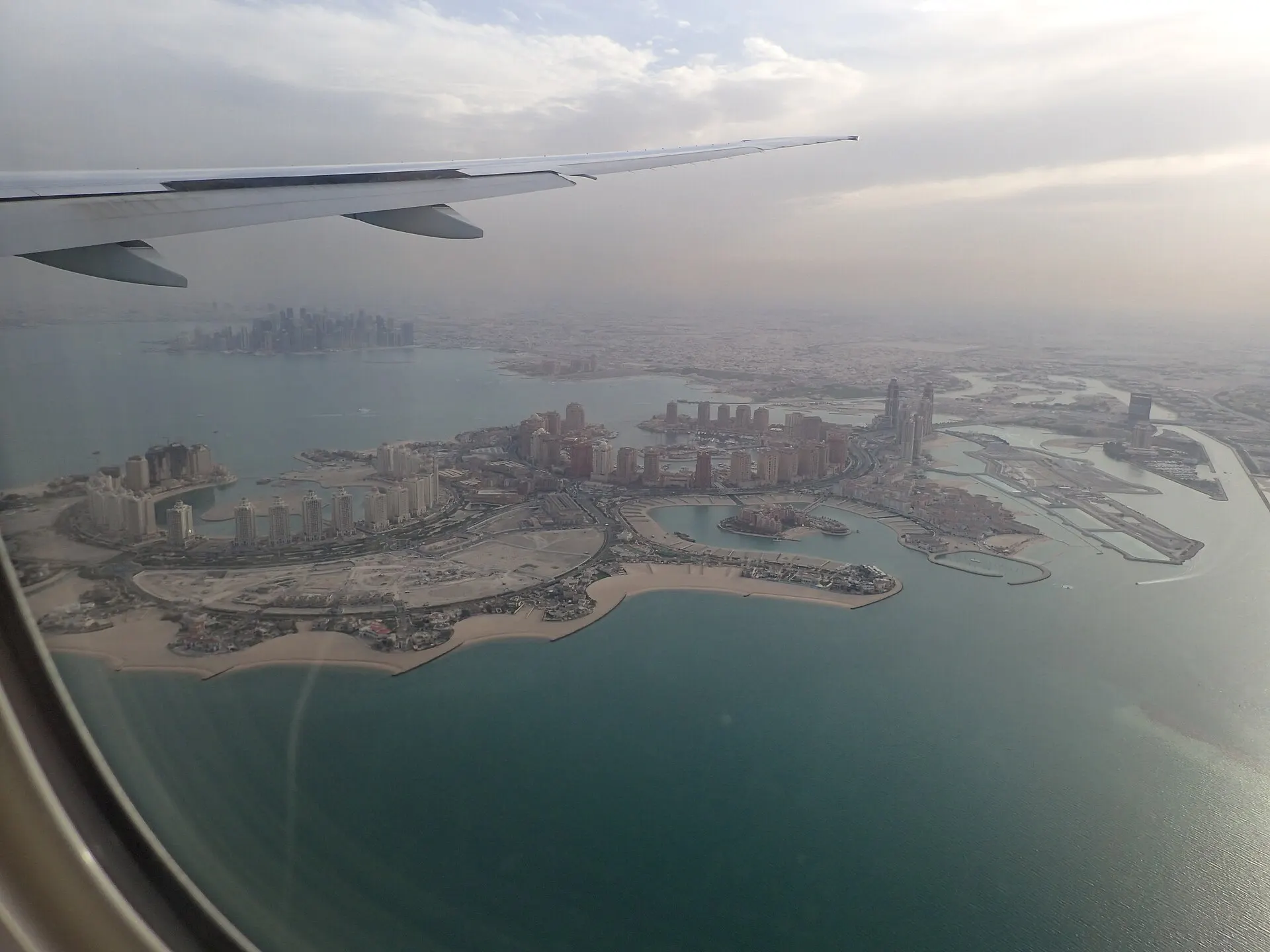
A crescent-shaped island in the Gulf, about half an hour by boat from Doha, Banana Island is home to an upmarket resort with a sandy beach, pools and a water park. Non-guests can visit on a day pass that includes the boat transfer; packages and prices vary by day and season, and weekends sell out. It is the easiest way to swim in clear water close to the city.
TipBook the day pass and boat slot ahead online, and check which Doha terminal your boat departs from.
- 13
Al Thakhira mangroves
Photo: Lawrence Wang @ Flickr, CC BY-SA 2.0, via Wikimedia Commons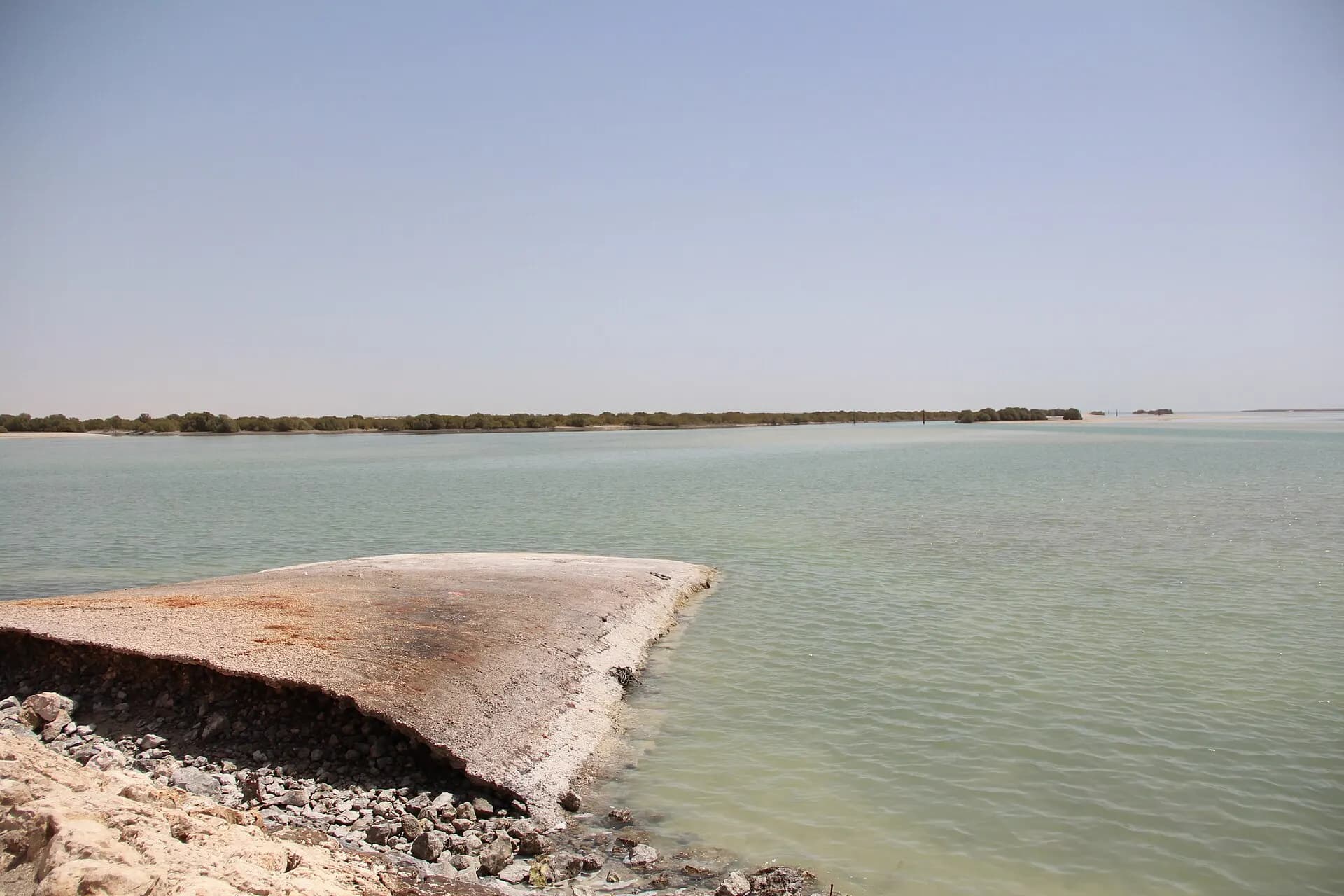
About an hour north of Doha, near the fishing villages of Al Thakhira and Al Khor, the Gulf's grey mangroves form a calm maze of channels and mudflats. Kayaking through them at high tide is one of the most peaceful experiences in Qatar, with herons, flamingos in winter and crabs scuttling among the roots. Several operators run guided paddles; tide times matter, as the channels drain at low water.
TipGo early in the morning or late in the afternoon, bring sun protection and water, and do not trample the young mangrove shoots on the shore.
- 14
Al Zubarah Fort and archaeological site
Photo: P. Hughes, CC BY 4.0, via Wikimedia Commons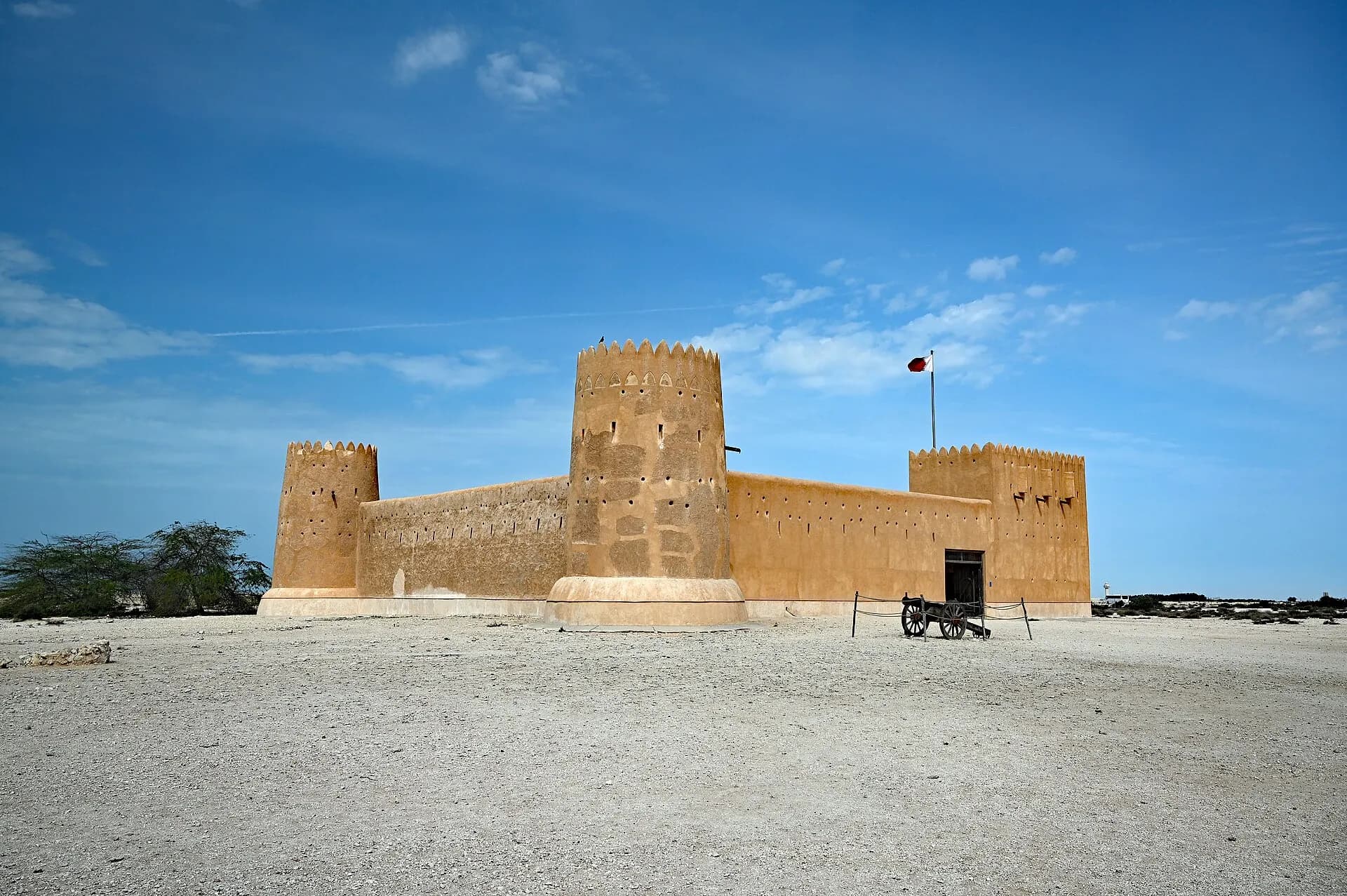
On the remote north-west coast, about 100 km from Doha, Al Zubarah was a walled pearl-trading town that flourished in the 18th and early 19th centuries before being destroyed and abandoned. Its excavated remains, stretching some 2.5 km from the inland fort to the coast, became Qatar's first UNESCO World Heritage Site in 2013. The square, crenellated fort itself dates from 1938 and holds displays on the town's history, while a boardwalk and shuttle lead to the ruined houses, mosques, market and town walls.
TipEntry is by ticket booked through Qatar Museums. The site opens daily, with shorter hours on Fridays, and there is little shade, so go in the morning.
- 15
East-West/West-East
In the Brouq Nature Reserve on the west coast, the American sculptor Richard Serra placed four steel plates, each more than 14 metres high, in a line over a kilometre long across a bare gypsum valley. Installed in 2014, the work changes completely with the light and the distance, and the silence of the desert around it is part of the experience. Nearby, the eroded limestone outcrops and film-set village of the reserve make a good add-on.
TipThe track to the sculptures is rough; a 4x4 is safer, especially after rain. Take plenty of water, and do not climb on or scratch the plates.
- 16
Sealine
Photo: Paul Trafford, CC BY 2.0, via Wikimedia Commons
About an hour south of Doha, the town of Mesaieed gives way to Sealine, where tall, pale dunes run straight down to the sea. It is the jumping-off point for desert safaris, and the place to try dune bashing in a 4x4, sandboarding, quad biking or a short camel ride. Some resorts and camps here offer a beach day or an overnight stay in tents.
TipUse a licensed tour operator for dune driving. Quad bikes and dune bashing carry a real risk of rollover; wear the seatbelt and helmet you are given.
- 17
Khor Al Adaid (Inland Sea)
Photo: FLASHPACKER TRAVELGUIDE, CC BY-SA 2.0, via Wikimedia Commons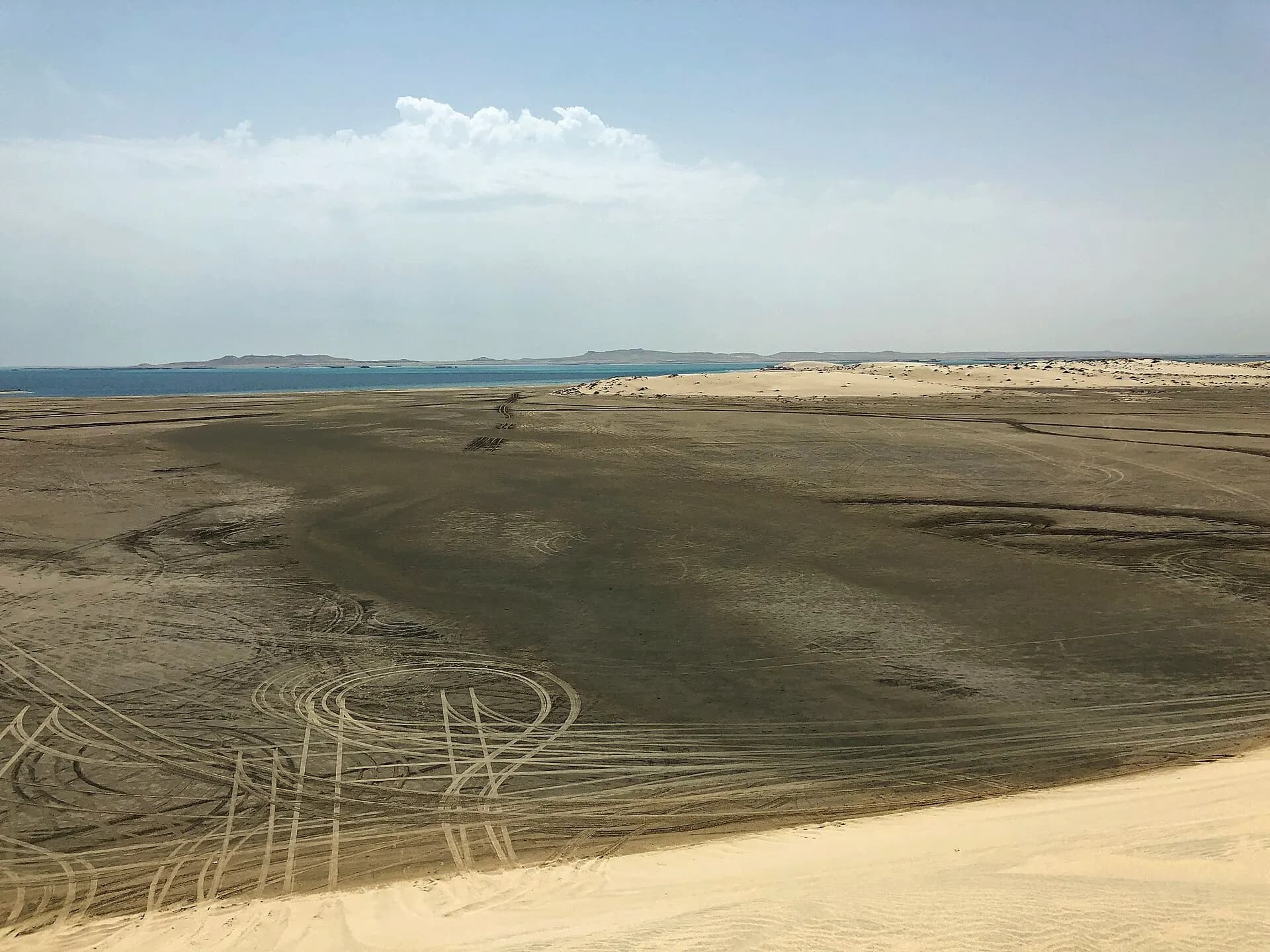
In Qatar's far south-east corner, near the Saudi border, a tidal inlet of the Gulf reaches deep into the sand sea, so that great crescent dunes slope directly into calm, turquoise water. This is the Inland Sea, the country's most spectacular natural sight and a protected nature reserve. There are no roads, so you reach it across the dunes from Sealine, usually on a half-day or full-day 4x4 tour, sometimes with an overnight desert camp. Swimming in the warm, shallow water with Saudi Arabia visible across the inlet is unforgettable.
TipNever attempt the crossing alone or in an ordinary car; go with an experienced driver and at least two vehicles. Tour prices vary widely, so compare what is included.
When to go
Doha has a desert climate with two seasons. From November to March days are warm and sunny, usually in the low to mid 20s °C, with cool evenings and the occasional shower; this is the high season, when outdoor events, festivals and the souq's evening crowds are at their best. April and October are hot but manageable, especially early and late in the day.
From May to September, temperatures commonly climb above 40°C, and high humidity along the coast makes it feel worse. Life moves indoors to air-conditioned malls and museums, and hotel prices fall sharply, so summer can suit travellers who plan to stay inside by day. Ramadan, whose dates move earlier each year (it falls in February and March in 2027), brings a slower pace by day and festive evenings; eating and drinking in public during daylight is not allowed, though hotels serve guests discreetly. The weekend in Qatar is Friday and Saturday.
Getting around
The Doha Metro, opened in 2019, is clean, cheap and air-conditioned. Three lines meet at Msheireb: the Red Line runs from Hamad International Airport through the centre, West Bay, Katara and Lusail; the Green Line runs west to Education City and the Qatar National Library; and the Gold Line runs east to west via Souq Waqif and the Sport City area. A standard single journey costs a few riyals; buy a rechargeable travel card at stations, which also works on the Lusail Tram. Each train has a premium Goldclub carriage and a section reserved for women and families; check the signs on the platform. The metro operates later on weekends and starts later on Friday mornings, so check current times.
Taxis are metered and reasonably priced, and ride-hailing apps such as Uber and Careem are widely used. Metrolink feeder buses run from many stations to nearby neighbourhoods. Walking between sights is pleasant only in winter, and pavements can end abruptly. For the desert, the north coast or Khor Al Adaid you need a car or a tour; driving in Qatar is on the right, and roads are fast and good, but local driving can be aggressive.
Local tips
- Dress modestly in public, covering shoulders and knees; this applies to both men and women in malls, souqs, museums and government buildings. Swimwear is for hotel pools and beach clubs, not public streets.
- Women visiting a mosque should cover their hair, and everyone should remove their shoes. Abayas are often available at the entrance of mosques open to visitors.
- Alcohol is served only in licensed hotel bars and restaurants. Public drunkenness is a criminal offence.
- Public displays of affection beyond holding hands are frowned upon, and same-sex relations are illegal in Qatar.
- Always ask before photographing people, particularly women, and avoid photographing government buildings and military sites.
- Use your right hand to eat, pass food and shake hands. If a Qatari woman does not offer her hand, a polite nod is the right response.
- Check entry rules on the Hayya portal before you travel; many nationalities get a free visa waiver on arrival, but others must apply online in advance.
- The currency is the Qatari riyal, pegged to the US dollar. Cards are accepted almost everywhere; carry small cash for the souq and for tips.
Eat and drink
Qatari home cooking shares its roots with the rest of the Gulf. Look for machboos, spiced rice cooked with chicken, lamb or fish; harees, slow-cooked wheat and meat traditionally eaten during Ramadan; and thareed, a stew poured over thin bread. Breakfast might be balaleet, sweet saffron vermicelli topped with an omelette. Souq Waqif is the easiest place to try these, alongside Lebanese, Persian, Yemeni and Indian restaurants, where grilled meats and fresh bread come cheap.
Doha's huge South Asian population means excellent, inexpensive biryani and curries all over the city, and karak, sweet milky tea spiced with cardamom, is the national drink, sold from roadside cafés for a couple of riyals. Arabic coffee, flavoured with cardamom and served in tiny cups with dates, is the traditional gesture of welcome. At the top end, hotels around West Bay, The Pearl and Lusail host branches of international celebrity restaurants.
Where to stay
West Bay, the business district of towers by the Corniche, has many large international hotels with sea views and is on the Red Line. Staying around Souq Waqif or Msheireb puts you in the old heart of the city, within walking distance of the museums and with a choice of boutique-style hotels in traditional buildings. The Pearl and Lusail suit travellers who want marina views, beach clubs and resort-style hotels, but are a taxi or tram ride from the historic centre. Prices drop steeply from June to September and climb during big sporting events and the winter season.
From pearls to gas
People have lived on the Qatar peninsula for thousands of years, but for most of its history it was a sparsely populated land of Bedouin herders and coastal settlements that lived from fishing and, above all, pearling. Each summer, fleets of dhows sailed to the oyster beds, and the trade made towns like Al Zubarah rich. In the 19th century the Al Thani family emerged as the leading power around Doha, and Qatar later came under British protection.
The collapse of the natural pearl market in the 1930s brought hard times, just before oil was found at Dukhan in 1939. Qatar became fully independent in 1971, and the discovery that it shared the world's largest natural gas field transformed it in the 1990s and 2000s. The wealth paid for the museums, universities, metro and stadiums that define today's Doha, built largely by migrant workers from South Asia and Africa, whose working conditions drew international criticism in the run-up to the World Cup.
Responsible travel
Use the metro and tram where you can rather than taxis for every trip, and refill water bottles from your hotel rather than buying endless plastic. In the desert and at Khor Al Adaid, choose operators who keep to established tracks, take all rubbish away and avoid driving over vegetation, as the dune ecosystems recover slowly. At the mangroves, keep your distance from nesting birds and do not trample seedlings. Respect local customs, especially during Ramadan, and remember that many of the people serving you are migrant workers far from home; a courteous word and a fair tip go a long way.