Lima
A colonial capital on the Pacific cliffs, with some of the best restaurants on earth and a ceviche on every corner.
- Best time to go
- December to April, the sunny summer, when the coastal fog lifts
- Local time
- –
- Currency
- Peruvian Sol (PEN)
- Reading time
- 4 min
- Language
- Spanish

Lima was founded by the Spanish conquistador Francisco Pizarro in 1535 as the City of Kings, and for centuries it was the capital of Spain's South American empire. Its historic centre, a World Heritage Site, is full of baroque churches and colonial mansions with carved wooden balconies. Today it's a sprawling city of around ten million people, set on cliffs above the Pacific.
Many visitors pass through on the way to Cusco and Machu Picchu, but Lima deserves time of its own, above all for its food: the city is one of the world's great culinary capitals, from the humble cevicherías to world-ranking restaurants. Base yourself in the seaside districts and spend your days between museums, markets and the coast.
The top 8 in Lima
- 1
The Plaza Mayor and the historic centre
Photo: Pierre André Leclercq, CC BY-SA 4.0, via Wikimedia Commons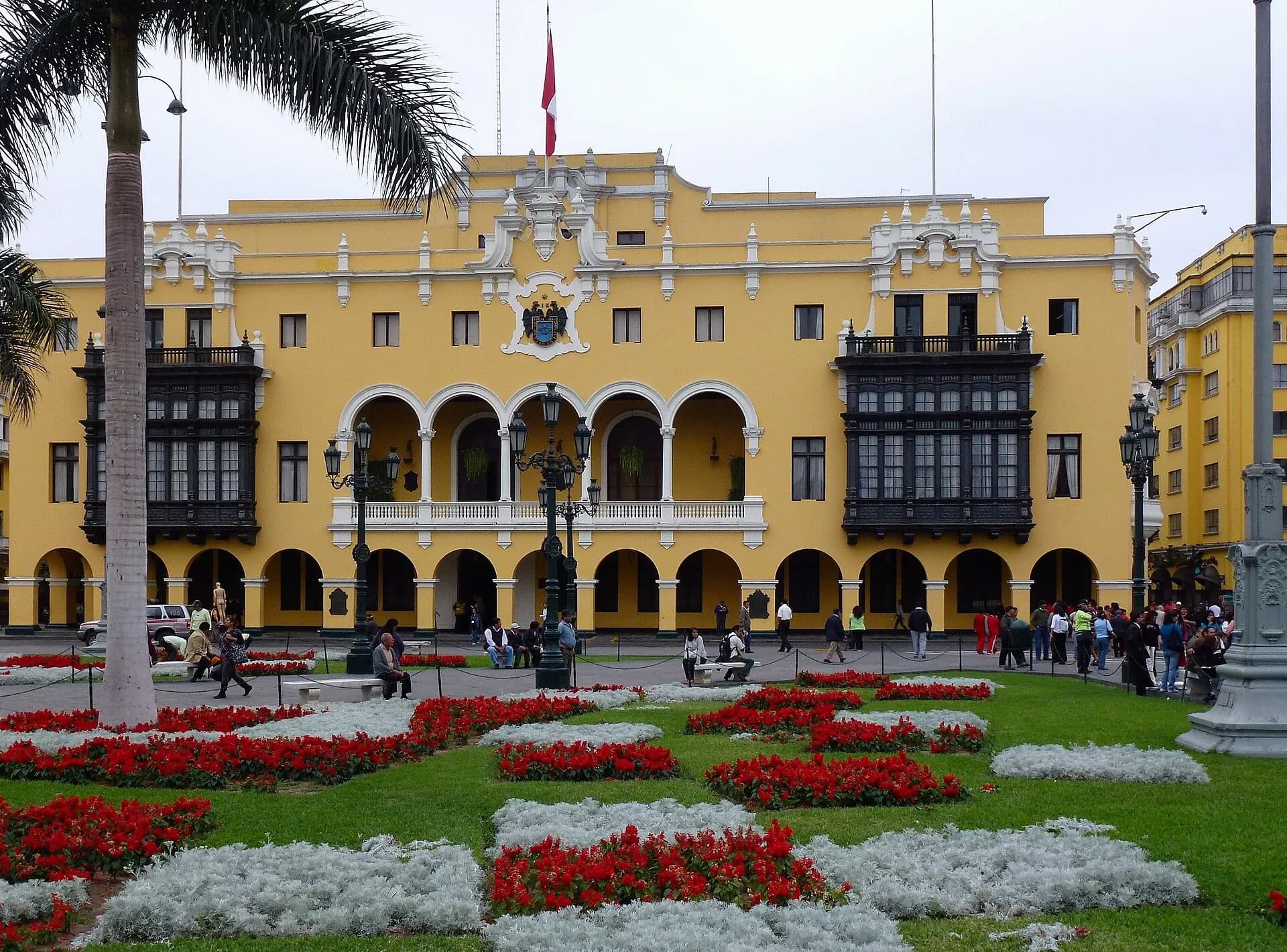
The city's main square, surrounded by the Cathedral, where Pizarro is buried, the Government Palace, the archbishop's palace with its elaborately carved wooden balconies, and the municipal palace. The changing of the guard at the Government Palace takes place at midday.
- 2
The Monastery of San Francisco
Photo: Diego Delso, CC BY-SA 4.0, via Wikimedia Commons
A baroque church and monastery with a beautiful library of ancient books, cloisters decorated with Seville tiles, and catacombs beneath the church, where the bones of thousands of people are arranged in patterns in ossuaries.
- 3
Museo Larco
Photo: BrunoLocatelli, CC BY-SA 4.0, via Wikimedia Commons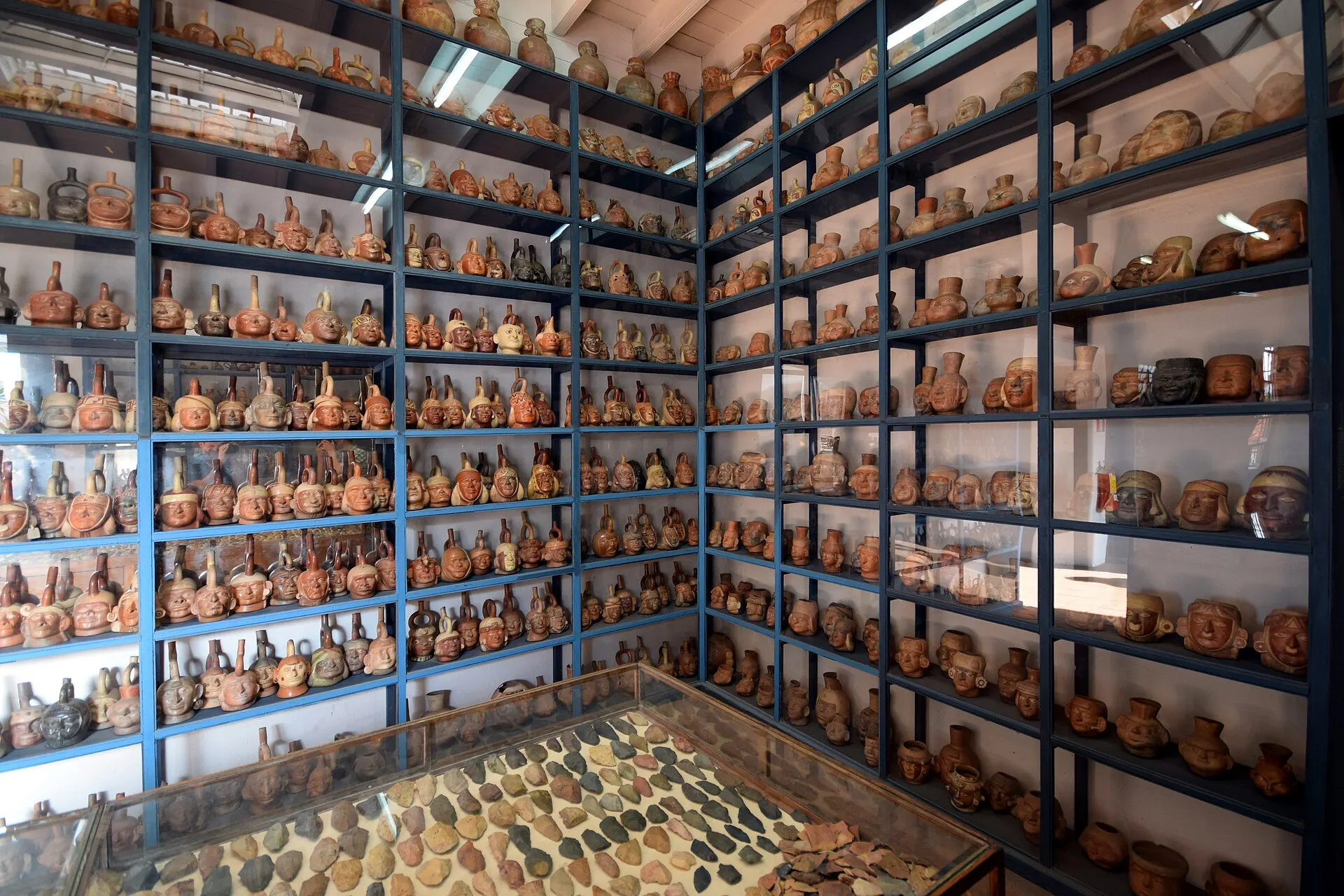
A museum in an eighteenth-century mansion with one of the finest collections of pre-Columbian art in the world, covering thousands of years of Peruvian history, with gold and silver jewellery and an extraordinary collection of ceramics. Its gardens are covered in bougainvillea, and it has an excellent restaurant.
- 4
Miraflores and the Malecón
Photo: Angela Vanessa Ortiz, CC BY-SA 4.0, via Wikimedia Commons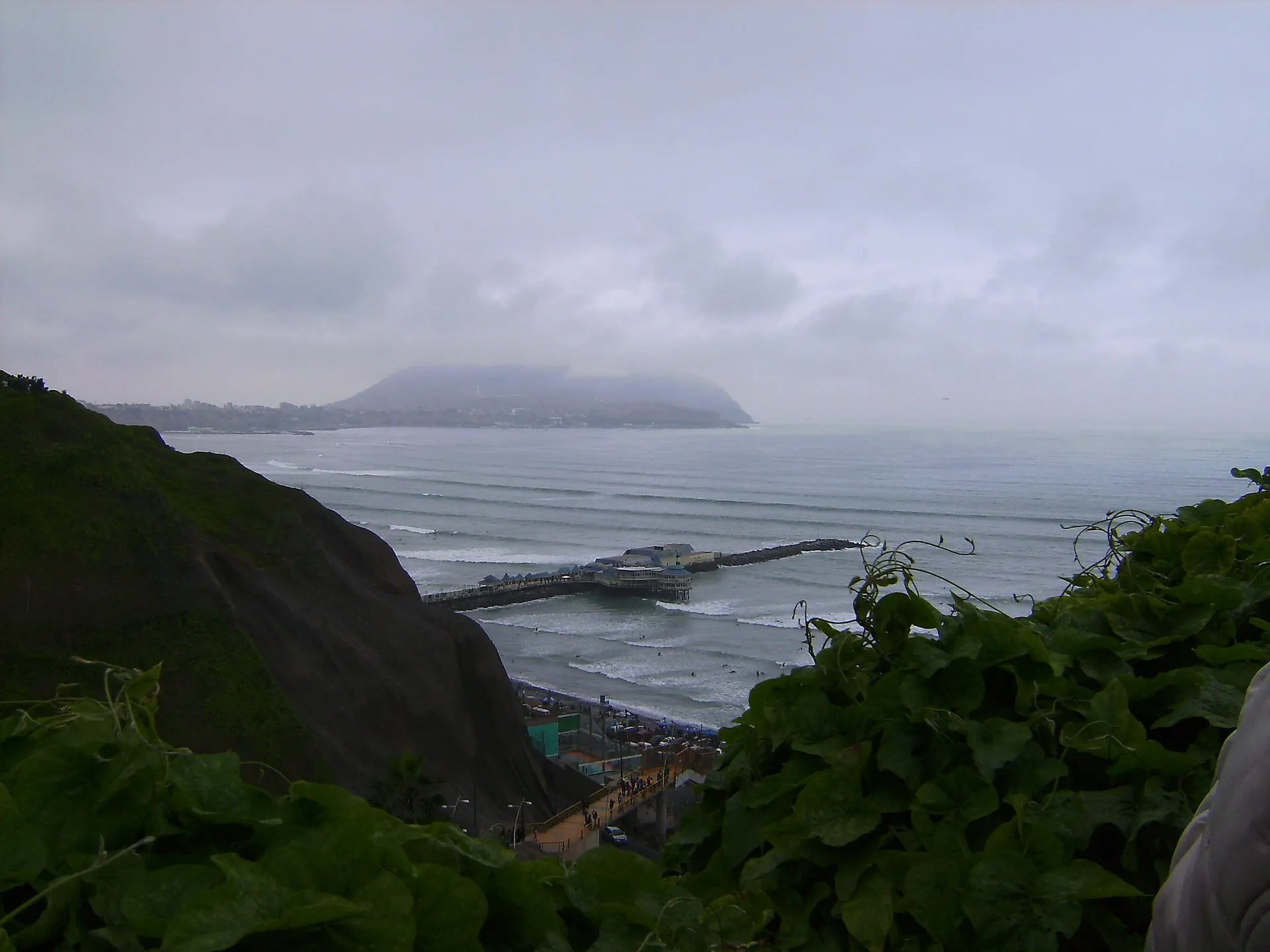
A modern district on the clifftops above the Pacific, with a long promenade, the Malecón, of parks and gardens, including the Parque del Amor with its mosaics. Paragliders soar along the cliffs, and steps lead down to the beaches and surf below.
TipWalk or cycle the Malecón at sunset, from Miraflores towards Barranco.
- 5
Huaca Pucllana
Photo: Diego Delso, CC BY-SA 4.0, via Wikimedia Commons
A great adobe pyramid built by the Lima culture between around AD 200 and 700, in the middle of Miraflores. Guided tours explain its history, and its restaurant has dinner with views of the floodlit ruins.
- 6
Barranco
Photo: Felipe Restrpo Acosta, CC BY-SA 4.0, via Wikimedia Commons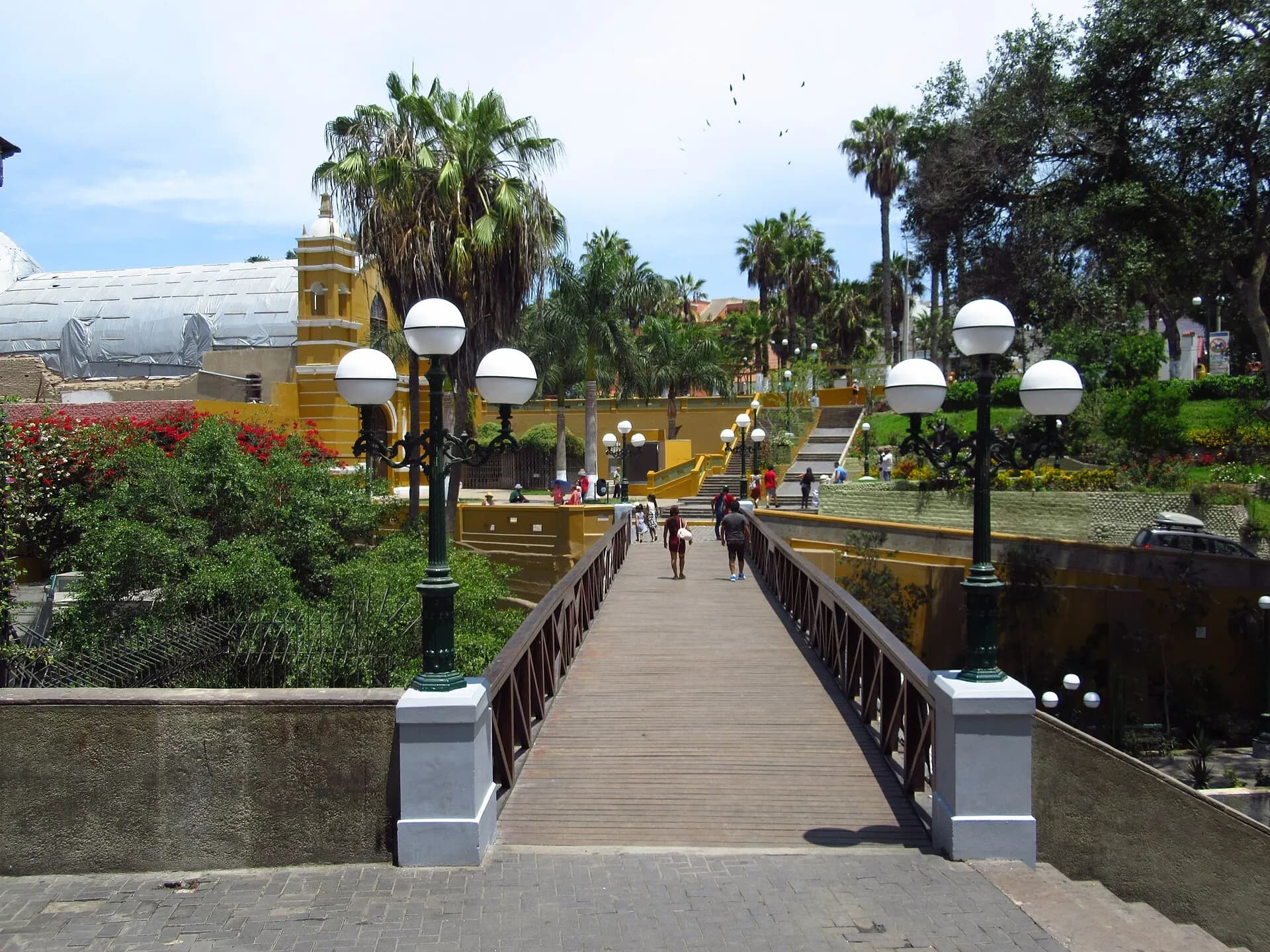
A bohemian clifftop district of colourful mansions, street art, galleries and bars. Its wooden Bridge of Sighs leads down towards the sea, and the MAC Lima contemporary art museum is nearby. It's the best area for an evening out.
- 7
The Magic Water Circuit
Photo: Diego Delso, CC BY-SA 4.0, via Wikimedia Commons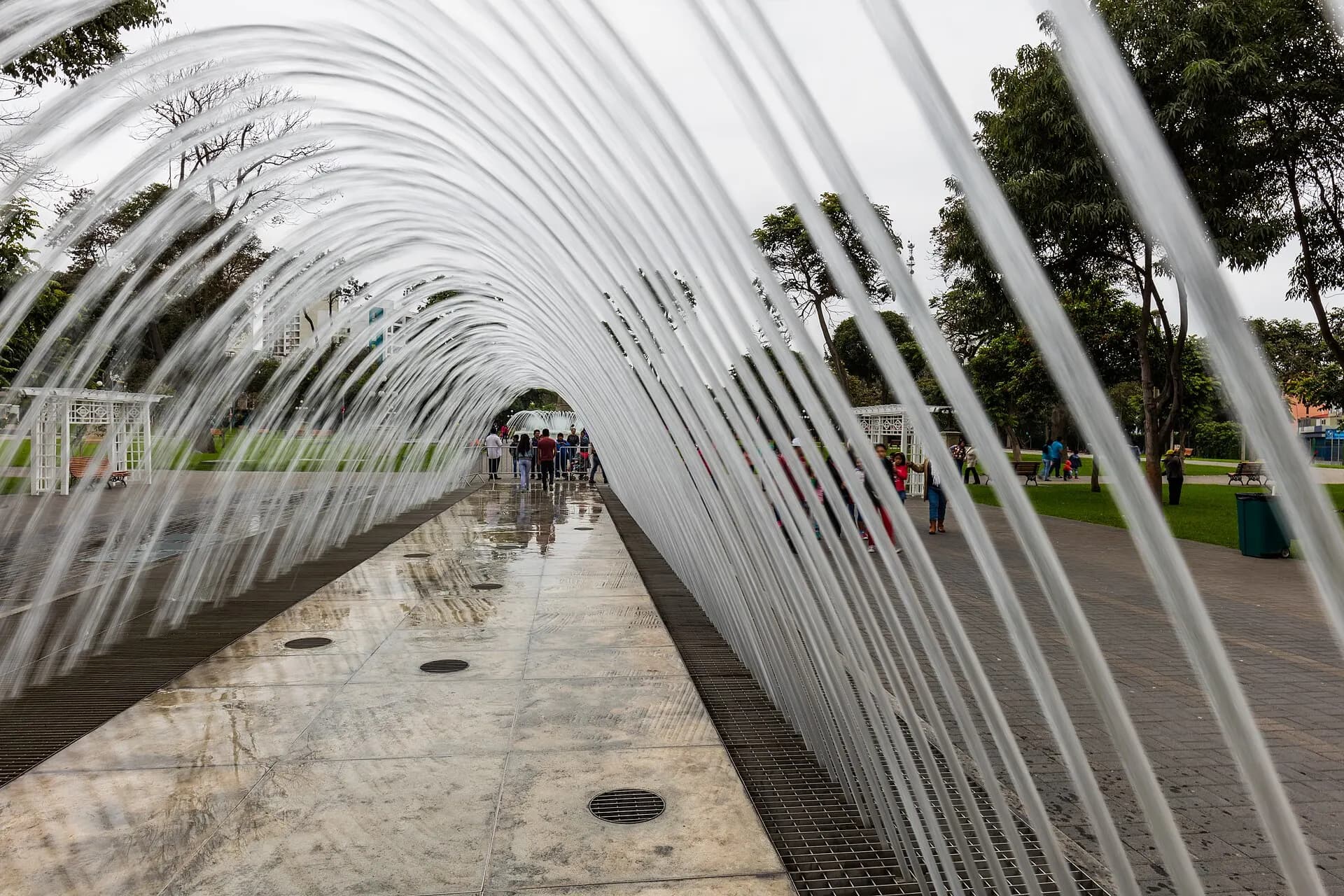
A park in the centre of the city with a series of illuminated fountains, one of the largest fountain complexes in the world. In the evenings, a light and music show plays on the water.
- 8
Pachacamac
Photo: Charles Gadbois, CC BY 3.0, via Wikimedia Commons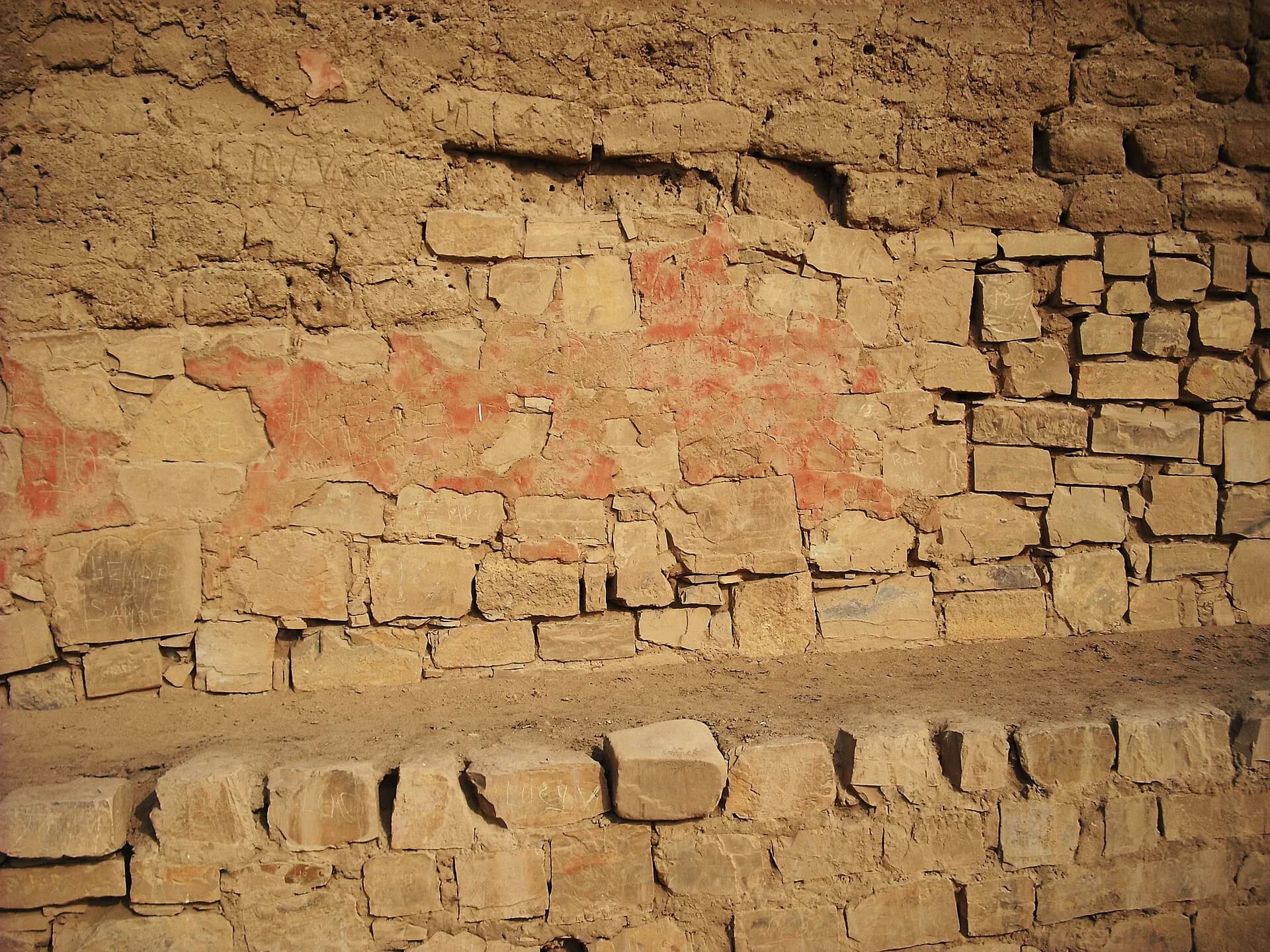
About thirty kilometres south of the city, a vast archaeological site that was a major religious centre for more than a thousand years before the Inca, with pyramids, temples and a site museum, overlooking the Pacific.
When to go
Lima has an unusual climate: it almost never rains, but from May to November the city is covered by a grey, damp coastal fog called the garúa. The summer, from December to April, is sunny and warm, the best time for the beaches. Peru's national holidays at the end of July bring parades and celebrations.
Getting around
Lima's traffic is heavy, so allow plenty of time for journeys. Ride-hailing apps and registered taxis are the safest and simplest way to get around. The Metropolitano rapid-bus line links Barranco and Miraflores with the historic centre. Miraflores and Barranco are pleasant to explore on foot or by bike along the coast.
Jorge Chávez International Airport is about an hour from Miraflores by road, depending on traffic. Flights to Cusco take about an hour and a half.
Local tips
- Use registered taxis or ride-hailing apps, especially at night and from the airport.
- Keep valuables out of sight in crowded areas and the historic centre.
- Drink bottled or filtered water.
- Book the city's top restaurants well in advance.
- Many restaurants serving ceviche close in the late afternoon: ceviche is a lunchtime dish.
- Carry small notes in soles for markets and tips.
- Lima's altitude is close to sea level, so it's a gentle start before flying up to Cusco at 3,400 metres.
- The coastal fog means it can feel cool and grey in winter; bring a light jacket.
Eat and drink
Lima's food is a fusion of indigenous, Spanish, African, Chinese and Japanese influences. Try ceviche, fresh raw fish cured in lime juice with chilli and onion; tiradito, a Japanese-influenced cousin; lomo saltado, a stir-fry of beef with fries; causa, layered potato with fillings; and anticuchos, grilled beef-heart skewers. Chifa, Peruvian-Chinese food, is everywhere. Drink a pisco sour or chicha morada, and visit the Surquillo market to see the variety of Peruvian produce.
Day trips
The Islas Palomino, off the port of Callao, are home to a colony of sea lions, and boat trips let you swim with them. South along the coast, the Paracas National Reserve and the Ballestas Islands, home to sea lions, penguins and seabirds, are about three and a half hours away, and the desert oasis of Huacachina and the mysterious Nazca Lines lie beyond.
Where to stay
Miraflores is the most popular base, safe and walkable, with hotels at every price along the clifftops and around Parque Kennedy, the leafy central square known for its resident cats. Barranco, next door, is smaller and more characterful, with boutique hotels in restored mansions and the best bars. San Isidro, inland, is a quieter business district with an olive grove park, El Olivar, planted in the sixteenth century. Staying in the historic centre is less common, but convenient for the museums and churches by day.