Cusco
The old Inca capital, where colonial churches stand on perfect stone walls, and the road to Machu Picchu begins.
- Best time to go
- May to September, the dry season in the Andes, with sunny days and cold nights
- Local time
- –
- Currency
- Peruvian Sol (PEN)
- Reading time
- 4 min
- Language
- Spanish
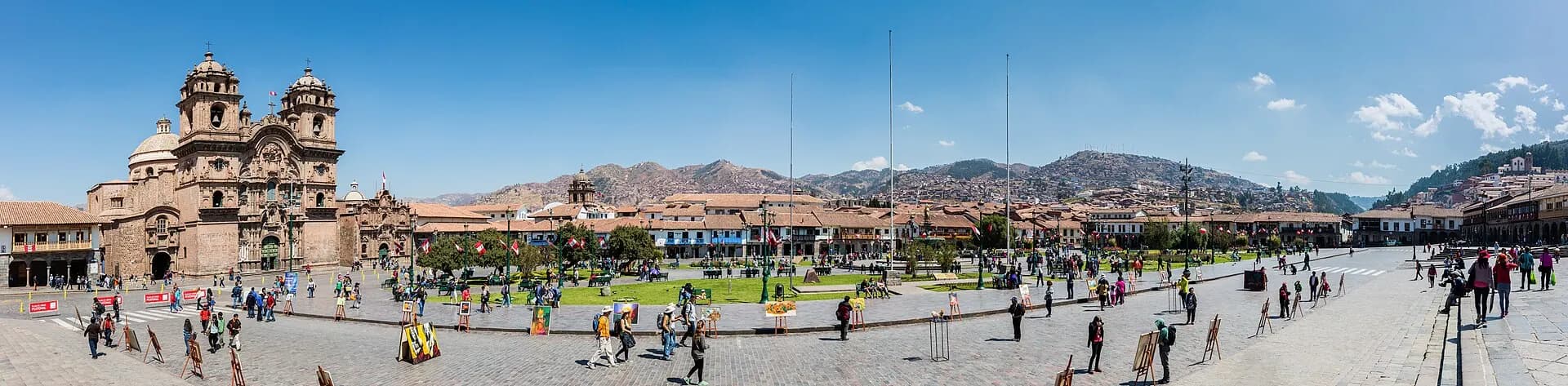
Cusco was the capital of the Inca Empire, which at its height stretched along the Andes from Ecuador to Chile. When the Spanish arrived in the sixteenth century, they built churches and mansions on top of Inca temples and palaces, and the result is a city where colonial buildings rest on walls of precisely fitted stone. The whole city is a World Heritage Site.
At about 3,400 metres above sea level, Cusco is also the gateway to the Sacred Valley and Machu Picchu. Give yourself time to adjust to the altitude, then explore the city's plazas, markets and churches before heading into the mountains.
The top 8 in Cusco
- 1
The Plaza de Armas
Photo: Diego Delso, CC BY-SA 4.0, via Wikimedia Commons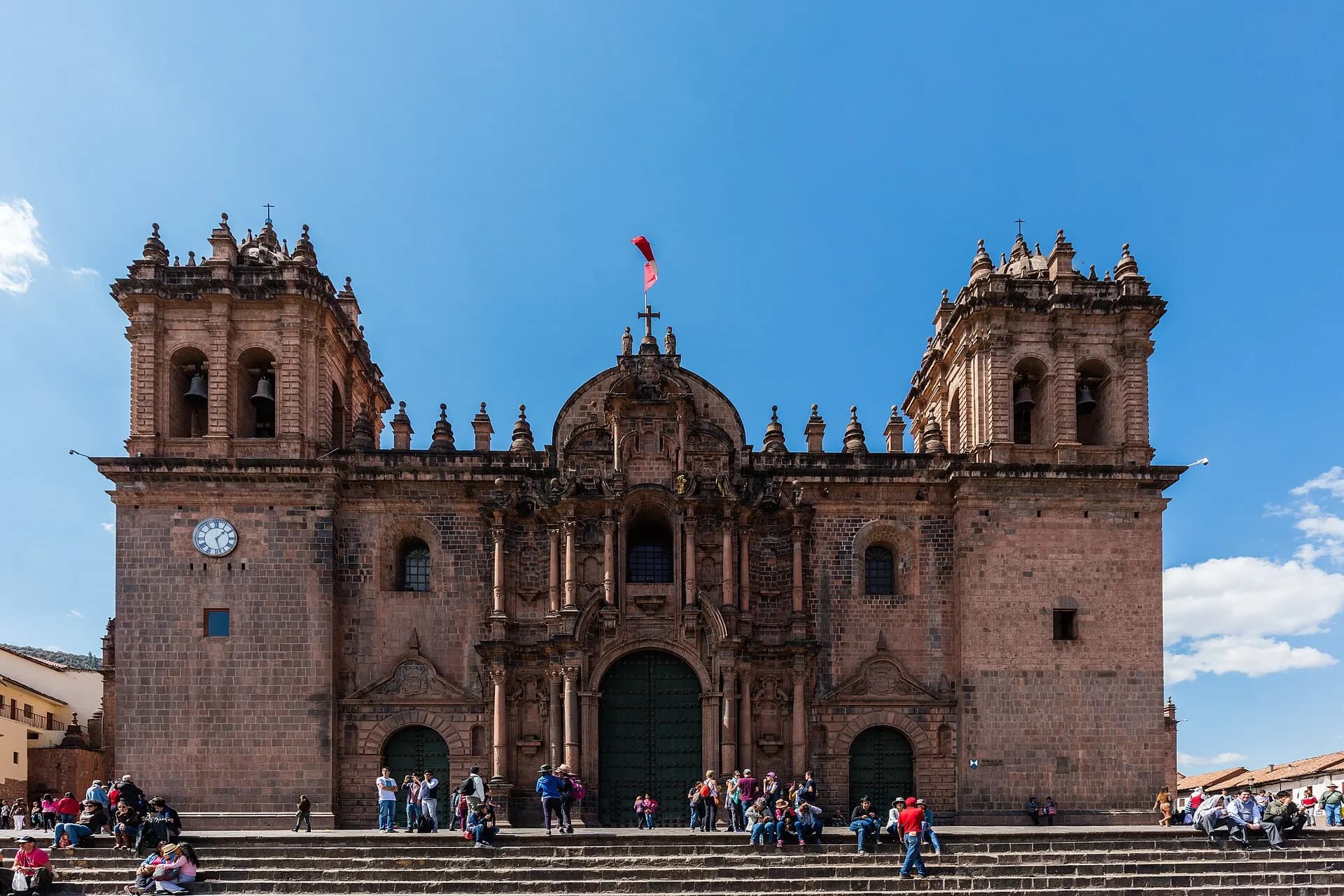
The main square, once the heart of the Inca capital, is surrounded by arcades, balconies and two great churches: the Cathedral, which holds a painting of the Last Supper with a guinea pig on the table, and the Jesuit church of La Compañía. It's lively day and night.
- 2
Qorikancha
Photo: Diego Delso, CC BY-SA 4.0, via Wikimedia Commons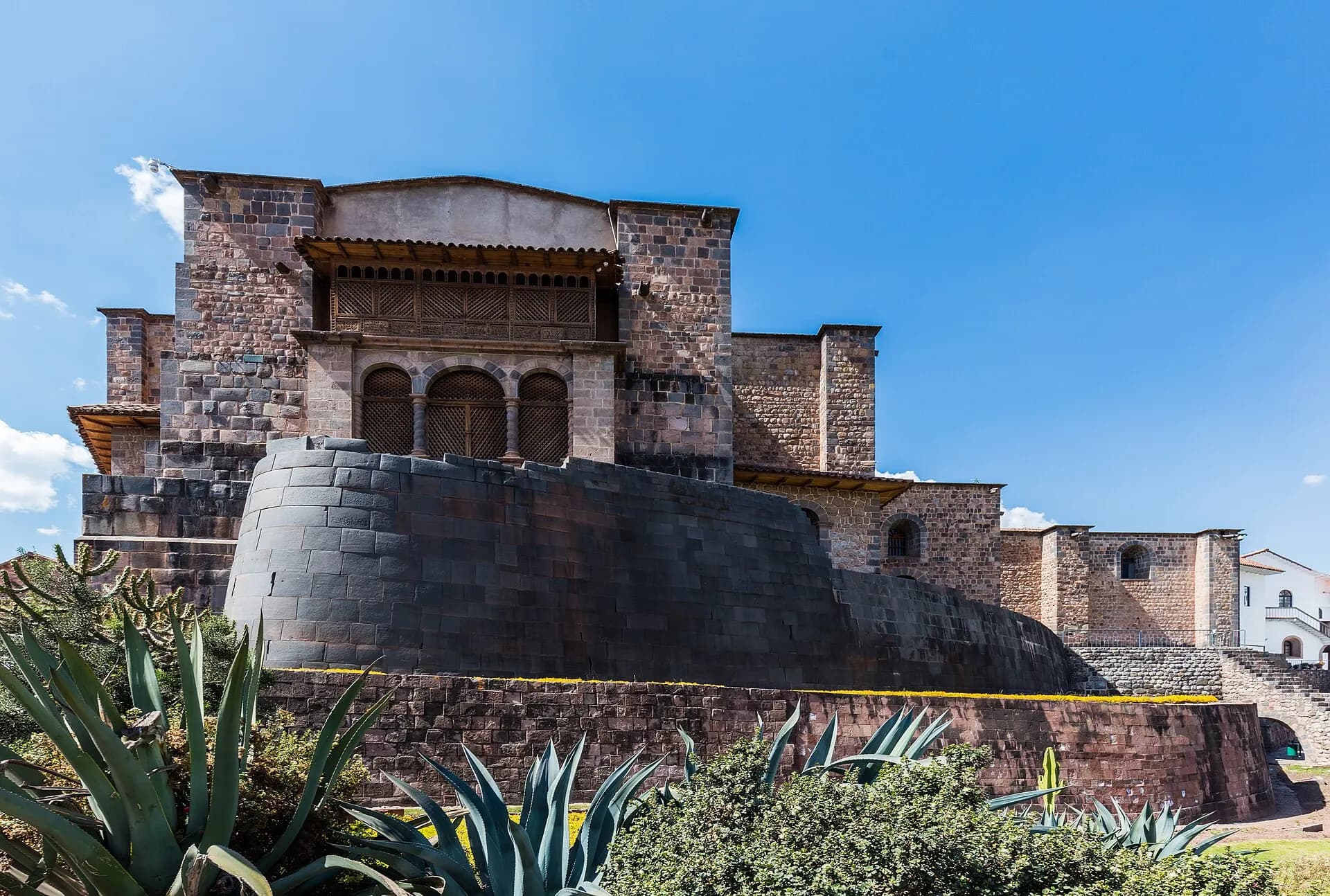
The Inca Empire's most important temple, dedicated to the sun god Inti, was once lined with sheets of gold. The Spanish built the Convent of Santo Domingo on top of it, but the curved and perfectly fitted Inca walls survive inside, and they withstood earthquakes that toppled the colonial buildings above.
- 3
San Blas
Photo: Ursula Paulina Uriarte Espejo, CC BY-SA 4.0, via Wikimedia Commons
An artisans' quarter of steep, narrow streets, whitewashed houses and blue doors on the hill above the Plaza de Armas, with workshops, galleries and small cafés. Along the way, look for the twelve-angled stone set into an Inca wall on Hatun Rumiyoc street.
- 4
The San Pedro Market
Photo: Chuck Moravec, CC BY 2.0, via Wikimedia Commons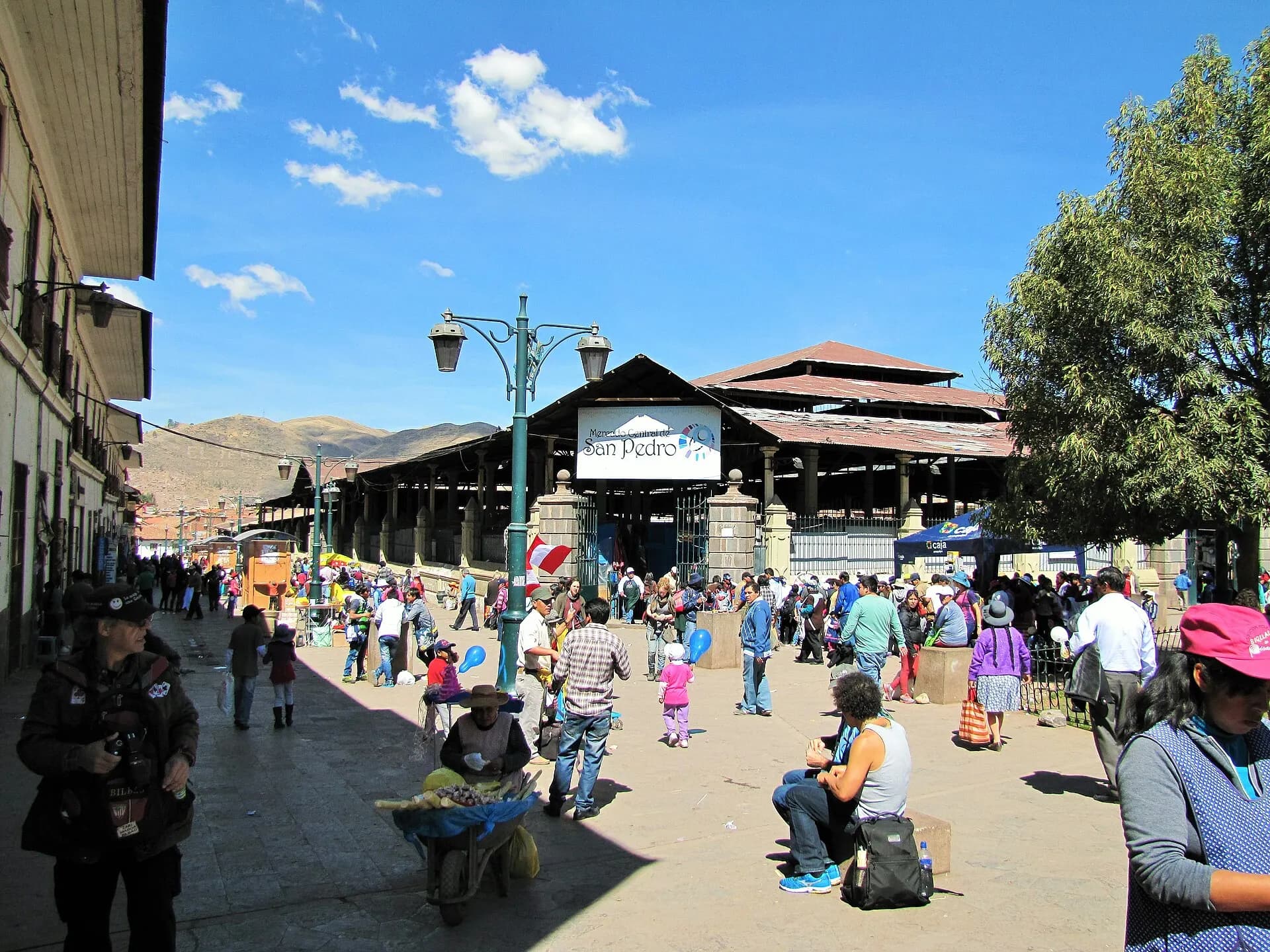
The city's main market, where locals shop for fruit, cheese, bread, herbs and dozens of kinds of potato. Its stalls serve fresh juices and simple, inexpensive meals.
- 5
Sacsayhuamán
Photo: Diego Delso, CC BY-SA 4.0, via Wikimedia Commons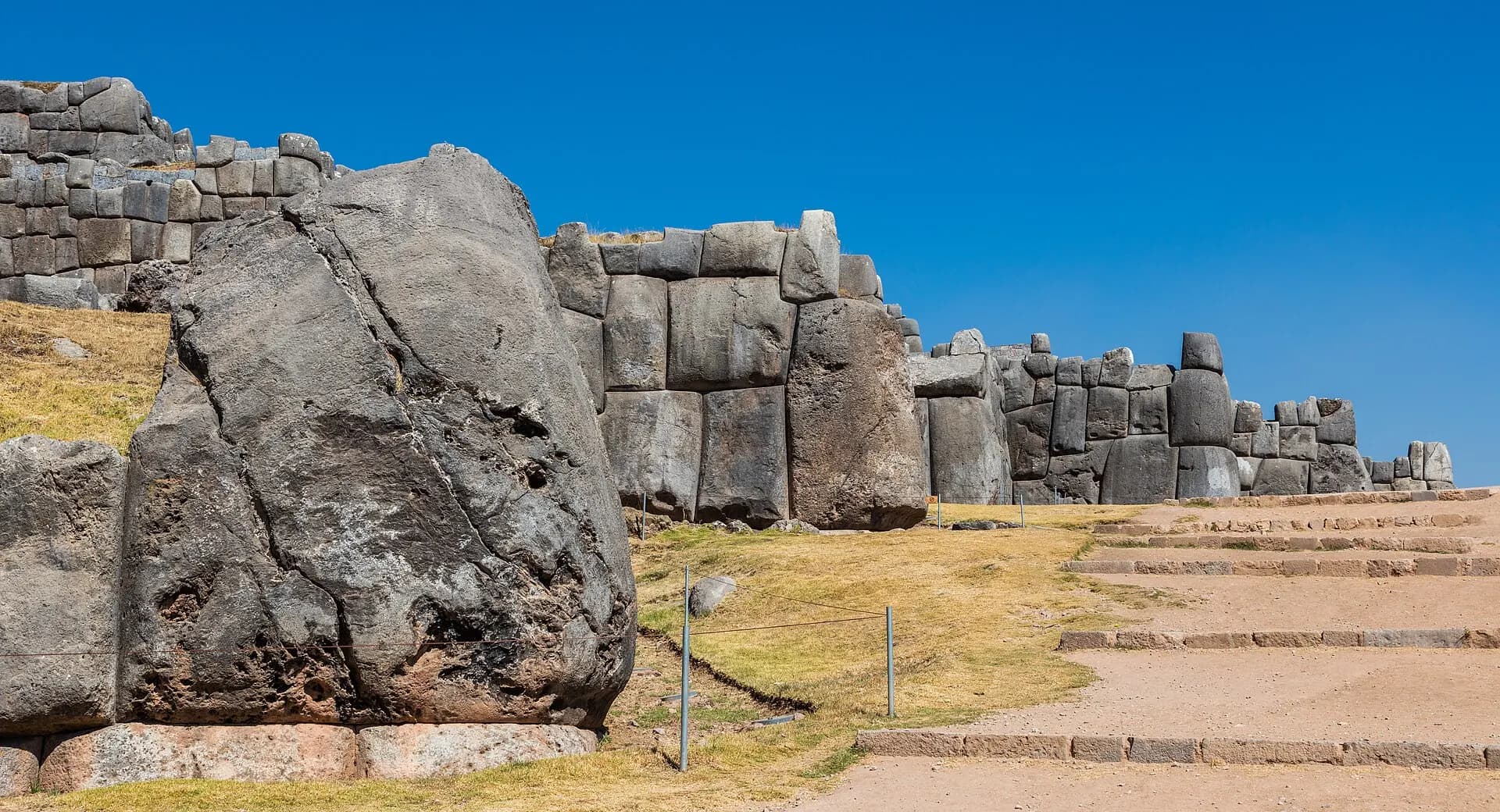
A huge Inca fortress and ceremonial complex on a hill above the city, with zigzagging walls built from colossal stones, some weighing many tonnes, fitted without mortar. Every 24 June, it hosts Inti Raymi, a re-enactment of the Inca festival of the sun.
TipThe Boleto Turístico, a combined ticket, covers Sacsayhuamán and many other sites around Cusco and in the Sacred Valley.
- 6
- 7
Ollantaytambo
Photo: Esmée Winnubst, CC BY 2.0, via Wikimedia Commons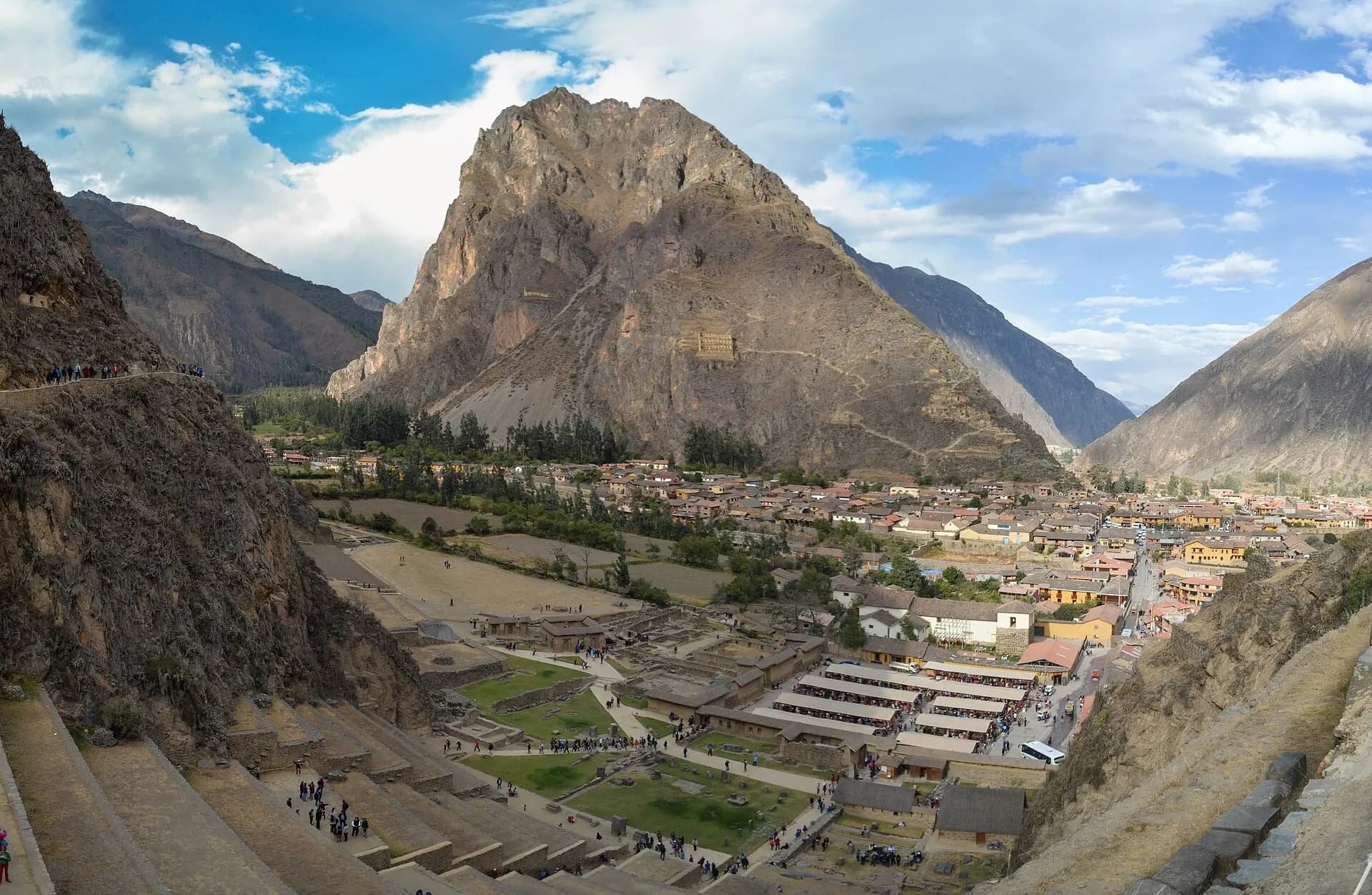
A town still laid out on its Inca street plan, overlooked by a fortress and temple on terraced slopes. It's the main station for trains to Machu Picchu, so many travellers stay a night here.
- 8
Machu Picchu
Photo: Diego Delso, CC BY-SA 4.0, via Wikimedia Commons
The fifteenth-century Inca citadel, set on a ridge high above the Urubamba River and surrounded by jungle-covered peaks, is one of the most extraordinary places on earth. It's reached by train to Aguas Calientes, then a bus up the mountain, or on foot via the multi-day Inca Trail.
TipEntry is by timed ticket and set circuit, and numbers are limited; book tickets and trains well in advance, especially from May to September. Inca Trail permits sell out months ahead.
When to go
The dry season, from May to September, has sunny days, cold nights and the best conditions for hiking and Machu Picchu; it's also the busiest. The rainy season, from November to March, brings afternoon downpours and muddy trails, though the landscape is green and there are fewer visitors. The Inca Trail closes every February for maintenance. Inti Raymi, on 24 June, is Cusco's biggest festival.
Getting around
Central Cusco is compact and walkable, though steep at this altitude. Taxis are cheap; use registered ones or apps. Tours, buses and colectivos (shared minibuses) run to the Sacred Valley. Trains to Aguas Calientes, for Machu Picchu, run from Ollantaytambo and from stations near Cusco, operated by PeruRail and Inca Rail.
Cusco's airport has flights to Lima and other Peruvian cities.
Local tips
- Take the altitude seriously: rest on your first day, drink plenty of water, avoid alcohol at first, and try coca tea.
- Consider starting in the lower Sacred Valley and returning to Cusco later.
- Bring layers: it's warm in the sun and cold at night, and few buildings are heated.
- Drink bottled or filtered water.
- Carry small notes and coins; change is often scarce.
- Always ask before photographing people in traditional dress; some will expect a small payment.
Eat and drink
Peruvian cooking is one of the world's most celebrated. In Cusco, try alpaca steak, roasted guinea pig (cuy), a speciality of the Andes, and hearty soups and stews made with Andean potatoes and grains such as quinoa. Ceviche, Peru's national dish, is widely available, and chicha morada is a sweet drink made from purple corn. Try a pisco sour, made with Peru's grape brandy.
Beyond Cusco
Several remarkable sites lie between Cusco and the Sacred Valley. Moray is a series of circular Inca terraces descending into a natural hollow, thought to have been used to experiment with crops. Nearby, the Salineras de Maras are thousands of salt pans terraced into a hillside, worked by local families since before the Incas. Chinchero, a village on a high plateau, has a colonial church on Inca foundations and weaving cooperatives that demonstrate traditional dyeing with plants and insects.
For hikers, the turquoise Humantay Lake lies beneath a glacier, and Vinicunca, the "Rainbow Mountain", is striped with mineral colours. Both involve long days and altitudes above 4,000 metres, so only attempt them once you've acclimatised. The Salkantay trek is a demanding multi-day alternative route to Machu Picchu.