Queenstown
A lakeside town ringed by mountains, the adventure capital of the world, and the gateway to Fiordland.
- Best time to go
- December to March for hiking and long days; June to September for skiing
- Local time
- –
- Currency
- New Zealand Dollar (NZD)
- Reading time
- 4 min
- Language
- English and Maori
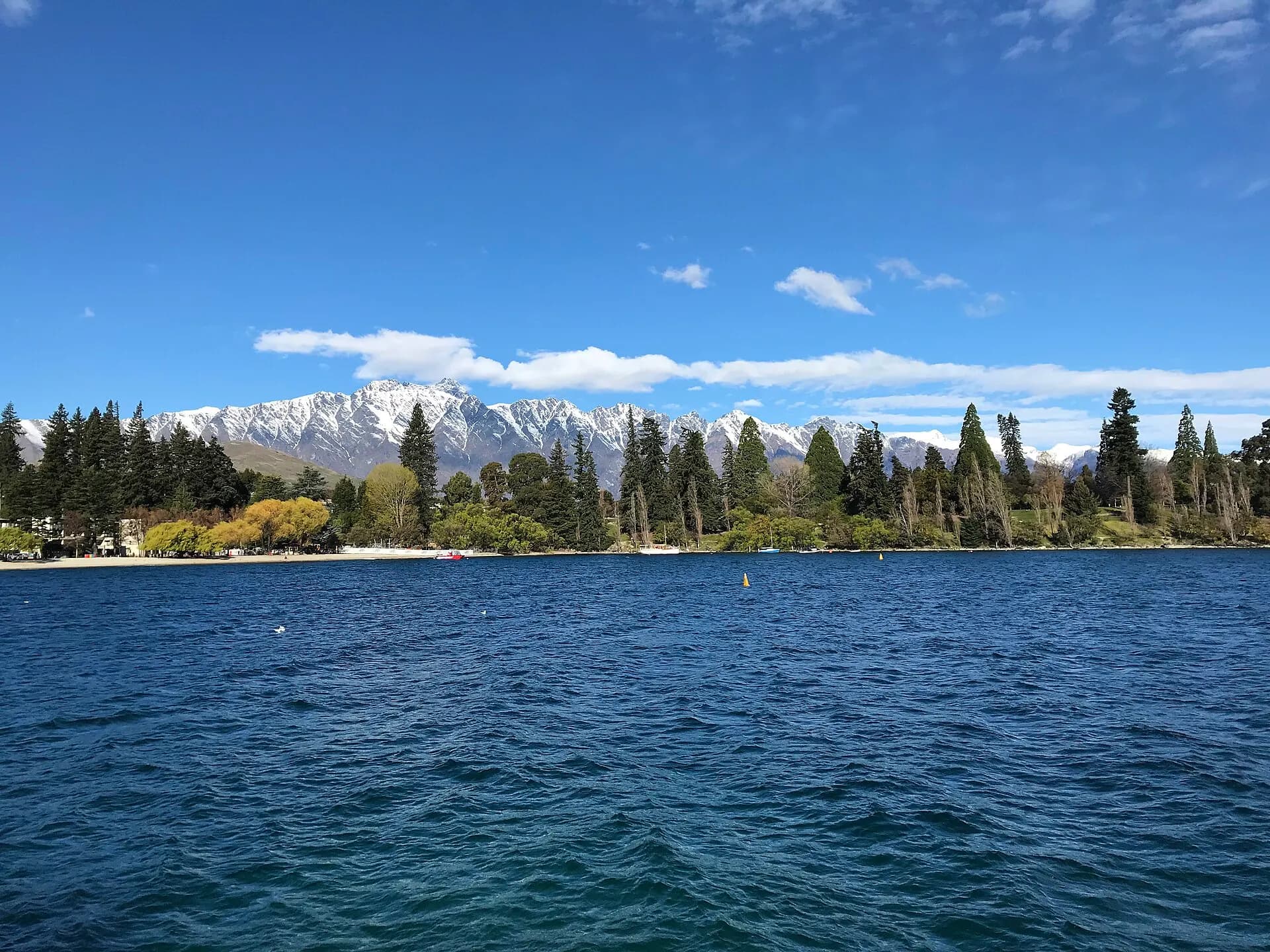
Queenstown sits on the shore of Lake Wakatipu, a long, deep glacial lake, with the jagged Remarkables mountain range rising directly across the water. It began as a gold-mining town in the 1860s and has become New Zealand's capital of adventure: this is where commercial bungy jumping began, and you can jet-boat, skydive, paraglide or ski within minutes of the town centre.
You don't need to be an adrenaline seeker to love it. The scenery is spectacular in every season, the walking trails are superb, and the town has excellent restaurants and wineries nearby. It's also the base for exploring Fiordland and Milford Sound.
The top 8 in Queenstown
- 1
Lake Wakatipu and the waterfront
Photo: Arran Bee from Nottingham, UK, CC BY 2.0, via Wikimedia Commons
The town's lakefront is the place to start, with a beach, the busy wharf and the Queenstown Gardens on a peninsula with views across the lake. The vintage steamship TSS Earnslaw, built in 1912, still crosses the lake to Walter Peak high-country farm.
- 2
Bob's Peak and the Skyline Gondola
Photo: Vincent60030, CC BY-SA 4.0, via Wikimedia Commons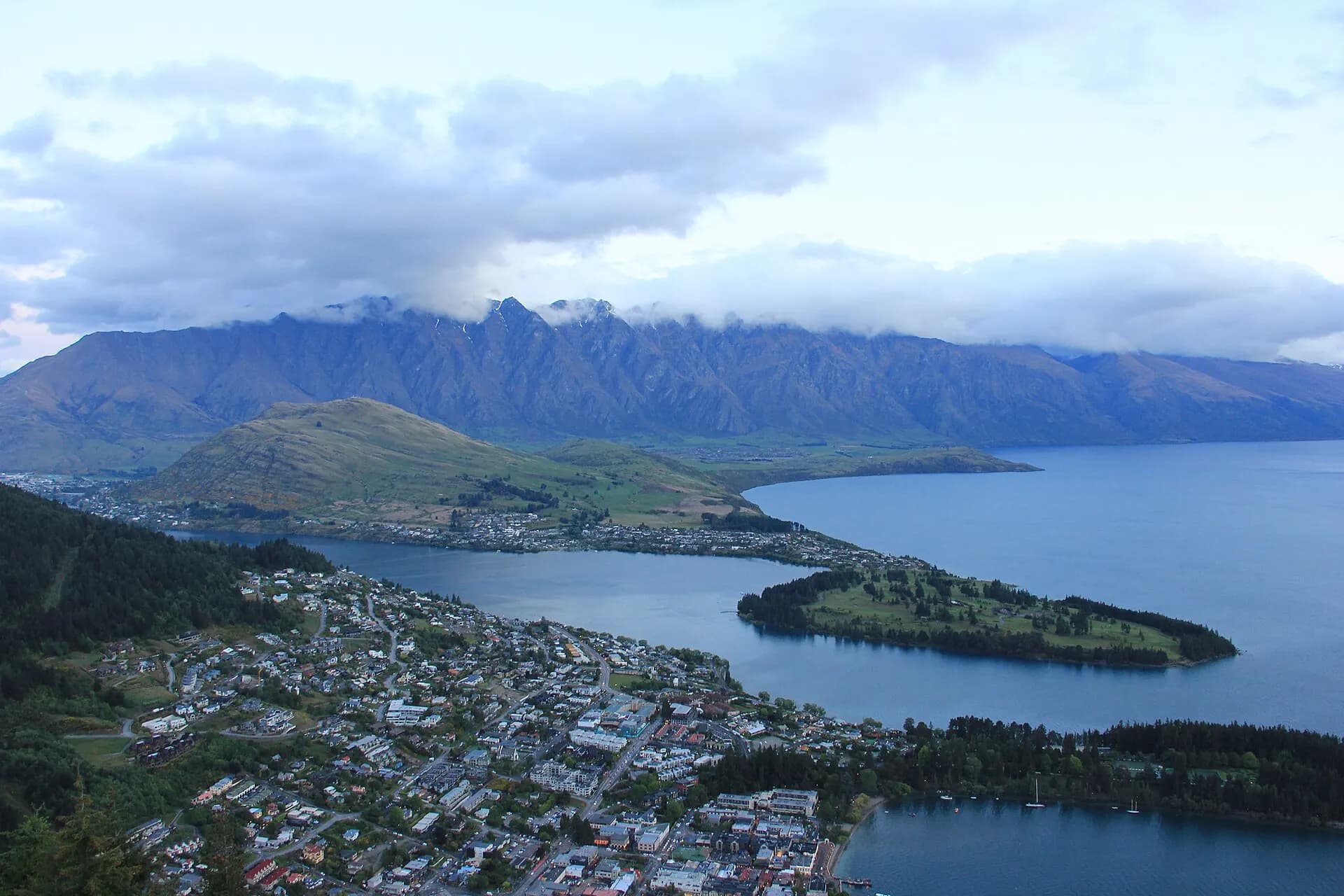
The gondola climbs steeply from the edge of town to Bob's Peak, with a panoramic view of the lake, the town and the Remarkables. At the top are a luge track, restaurants and walking trails.
TipWalk up on the Tiki Trail, about an hour's steep climb through the forest, and take the gondola back down.
- 3
The Kawarau Gorge Suspension Bridge
Photo: sussexbirder, CC BY 2.0, via Wikimedia Commons
The historic bridge over the Kawarau River where AJ Hackett opened the world's first commercial bungy jump in 1988. Even if you don't jump, it's fun to watch from the viewing platforms; the Gibbston wine valley lies just beyond.
- 4
Shotover River
Photo: Diego Delso, CC BY-SA 3.0, via Wikimedia Commons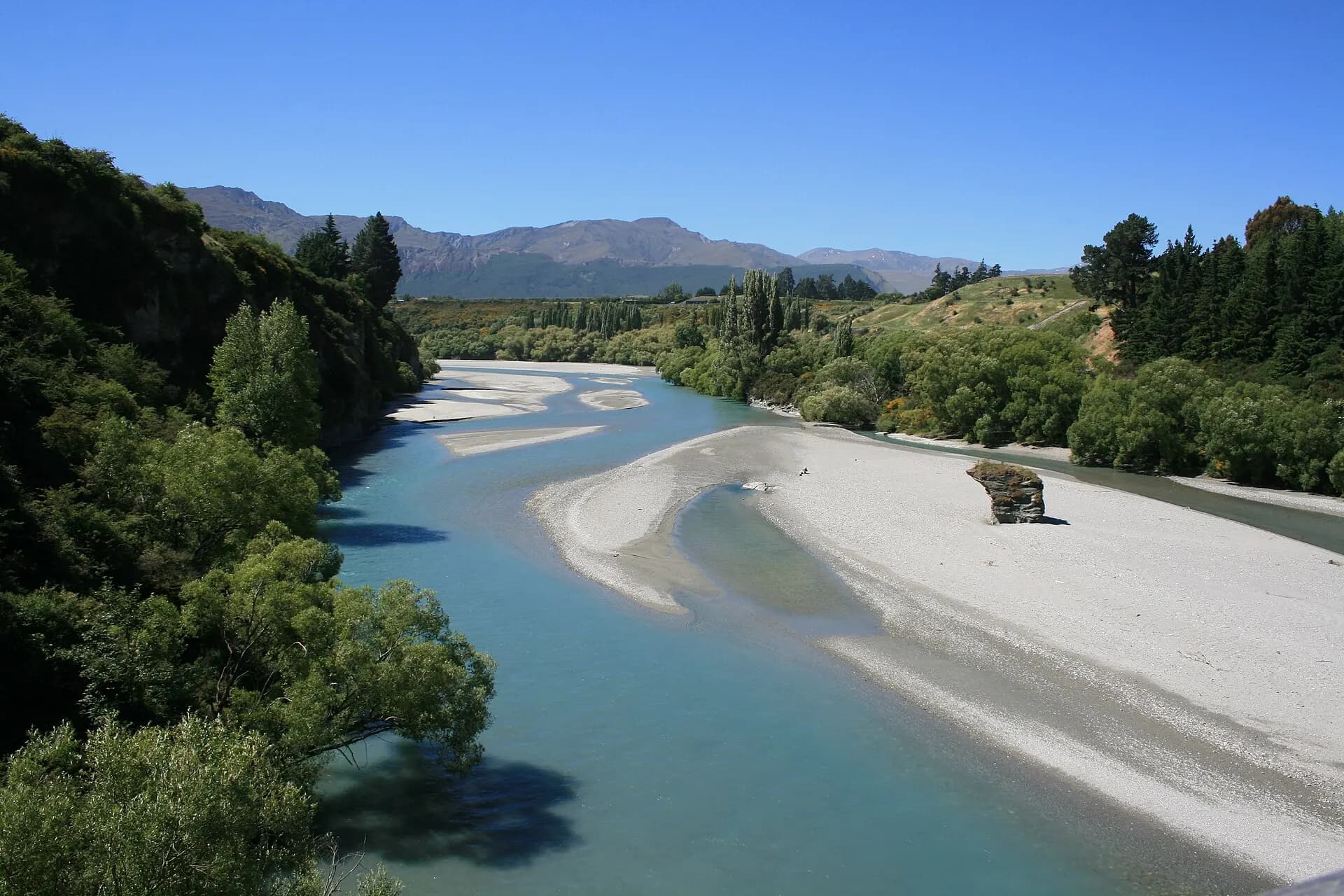
A river that runs through narrow, rocky canyons just north of town, made famous by the jet boats that race through them, spinning in the narrowest sections. The old gold-mining history of the area is visible along its banks.
- 5
Arrowtown
Photo: Bernard Spragg. NZ from Christchurch, New Zealand, Public domain, via Wikimedia Commons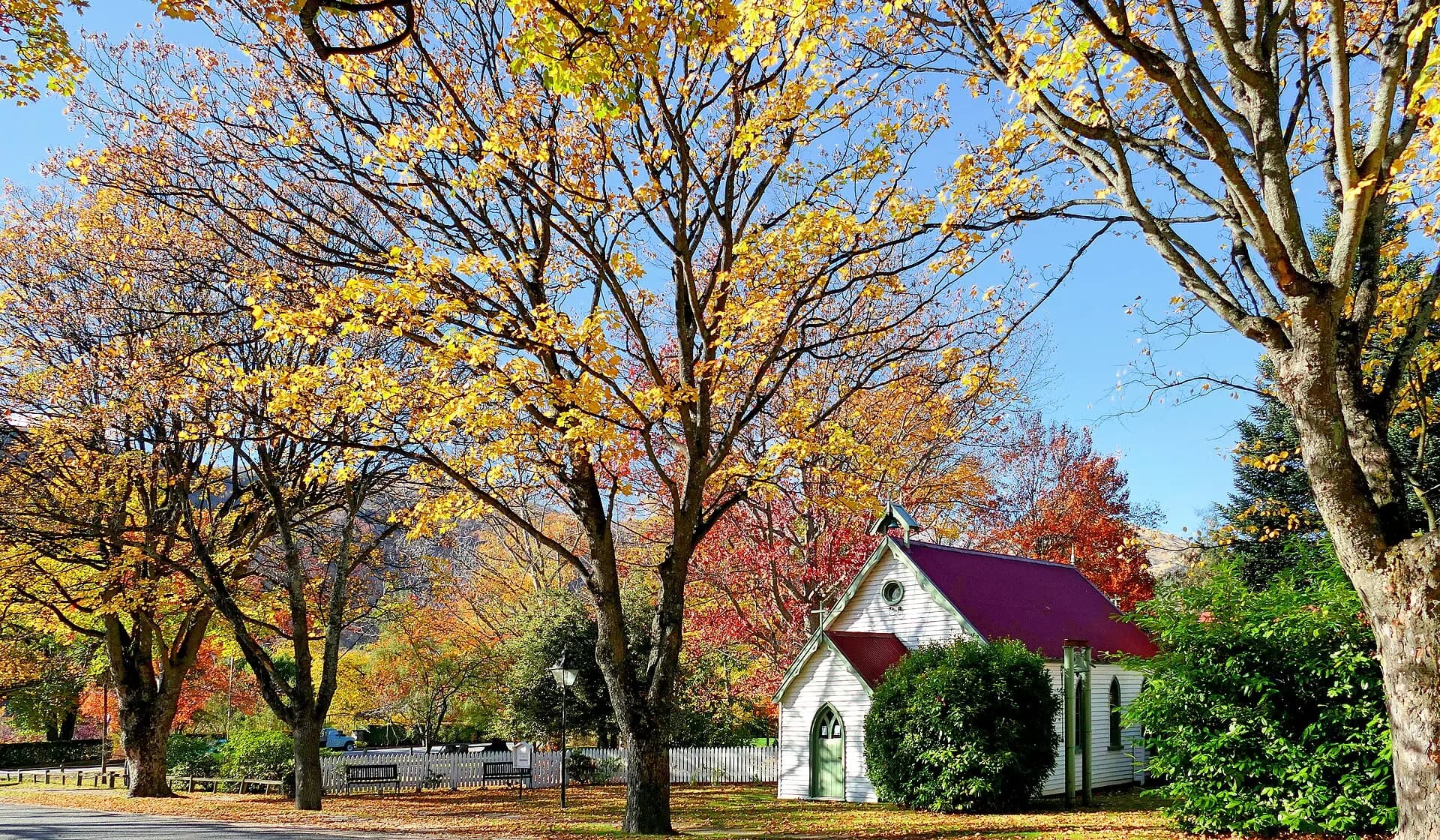
A former gold-mining town twenty minutes away, with a historic main street of wooden shops, a restored Chinese miners' settlement, and riverside trails. In April and May, its avenues of trees turn brilliant gold and red.
- 6
Glenorchy and the head of the lake
Photo: Michelle Maria, CC BY 3.0, via Wikimedia Commons
The road to Glenorchy, at the head of the lake, is one of the most scenic in New Zealand, with views of mountains and lake all the way. Glenorchy is the starting point for great walks such as the Routeburn Track, and the landscapes around it appear in many films.
- 7
Ben Lomond and Queenstown Hill
Photo: Bernard Spragg. NZ from Christchurch, New Zealand, CC0, via Wikimedia Commons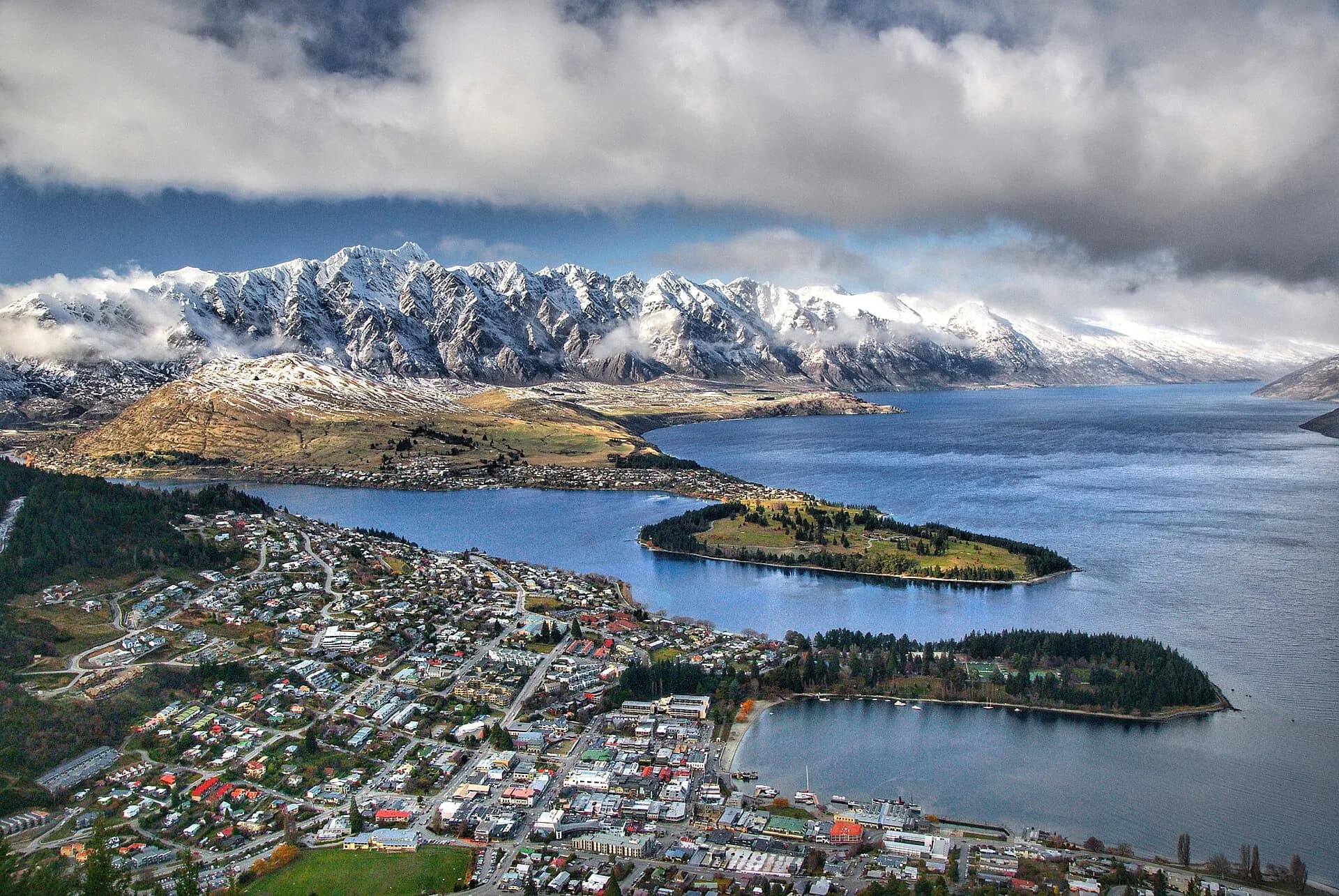
Two of the best hikes from the town. Queenstown Hill is a two- to three-hour return walk to a summit with views over the lake. Ben Lomond is a full-day climb from the top of the gondola to a 1,748-metre peak with a vast view over the Southern Alps.
TipBoth are exposed; carry water, layers and sun protection, and check the weather before setting off.
- 8
Milford Sound
Photo: Krzysztof Golik, CC BY-SA 4.0, via Wikimedia Commons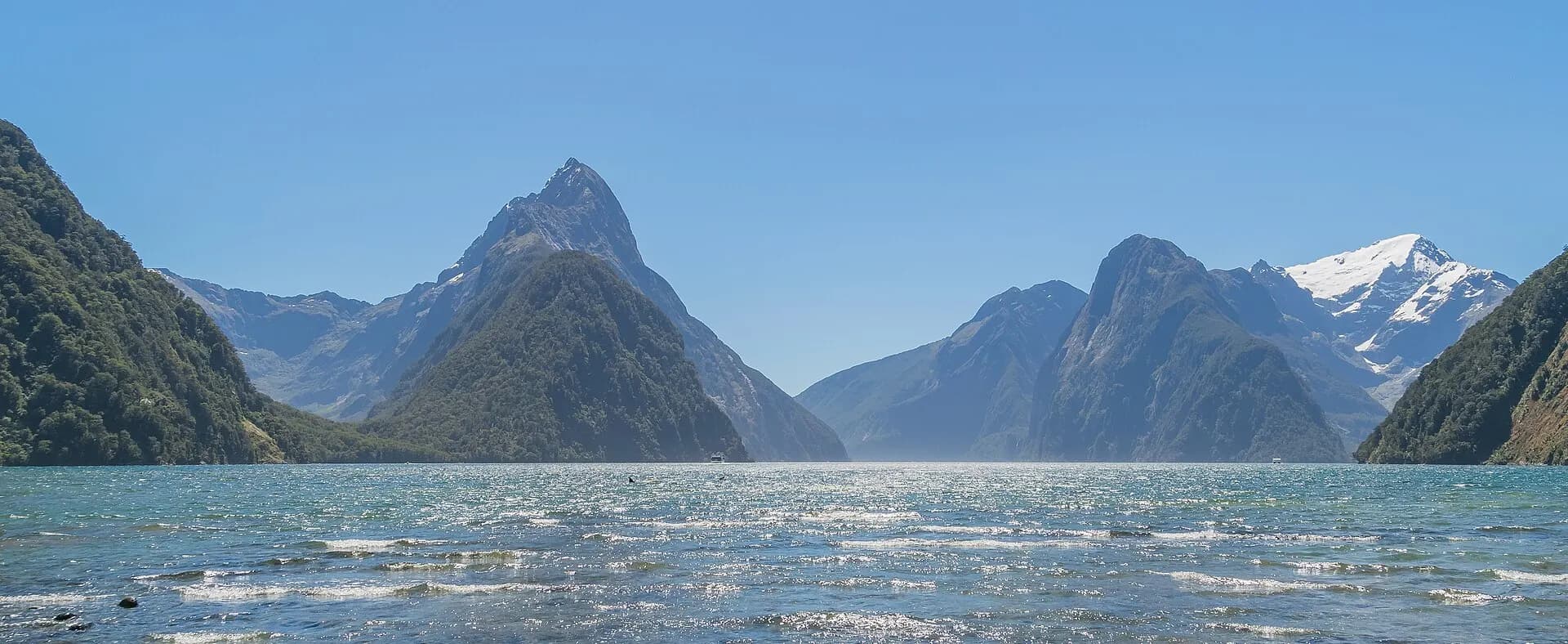
The most famous fiord in New Zealand, in the World Heritage area of Fiordland, with Mitre Peak rising straight from the water and waterfalls pouring down sheer cliffs. A boat cruise is the best way to see it. It's a long day from Queenstown by road, about four hours each way through spectacular scenery; scenic flights are faster.
TipDon't avoid rain: the waterfalls are at their most dramatic after a downpour.
When to go
Summer, from December to March, brings long, warm days, perfect for hiking, biking and water sports. Autumn, from March to May, is quieter, with golden colours in Arrowtown and the valleys. Winter, from June to September, is ski season, with the Remarkables and Coronet Peak ski areas close to town. Spring is changeable but beautiful, with snow still on the peaks.
Getting around
The town centre is compact and walkable, and local buses link it with the suburbs, Arrowtown and the airport. A rental car gives the most freedom for Glenorchy, Wanaka and the wine valleys; drive carefully on winding mountain roads and keep left. Many activities include transport from town.
Queenstown Airport is about fifteen minutes from the centre, with flights from Auckland, Christchurch, Wellington and Australia.
Local tips
- Most visitors need a New Zealand Electronic Travel Authority (NZeTA) before travelling; check the immigration website.
- The weather in the mountains changes quickly: carry layers and a waterproof jacket, even in summer.
- Book popular activities and Milford Sound trips ahead in summer.
- The sun is strong: wear sunscreen, a hat and sunglasses.
- Strict biosecurity rules apply on arrival: declare food, plants and hiking boots.
- Freedom camping is only allowed in designated places.
Eat and drink
Queenstown has a lively food scene for a small town. The town's famous burger bar draws queues at all hours; try local lamb, venison and salmon, and the wines of Central Otago, especially Pinot Noir, at the wineries of the Gibbston valley. Cosy pubs and cocktail bars fill up after a day on the slopes.
Day trips
Wanaka, an hour away over the Crown Range, one of the highest main roads in New Zealand, is a quieter lakeside town with a famous willow tree growing in the water and the popular Roys Peak hike, a long, steep climb to one of the most photographed views in the country. The Gibbston valley, on the way to the Kawarau bridge, has cellar doors and a cycle trail linking the wineries, and the Queenstown Trail, a network of mostly easy bike paths, connects the town with Arrowtown and the lake shore. Further afield, Aoraki/Mount Cook, New Zealand's highest mountain, is about three and a half hours north, and the glaciers of the West Coast lie beyond the Haast Pass.