Auckland
A harbour city on a field of volcanic cones, with island ferries, black-sand surf beaches and a strong Māori and Pacific heart.
- Best time to go
- December to April for beaches and islands; spring and autumn are milder and quieter
- Local time
- –
- Currency
- New Zealand Dollar (NZD)
- Reading time
- 10 min
- Language
- English and Maori
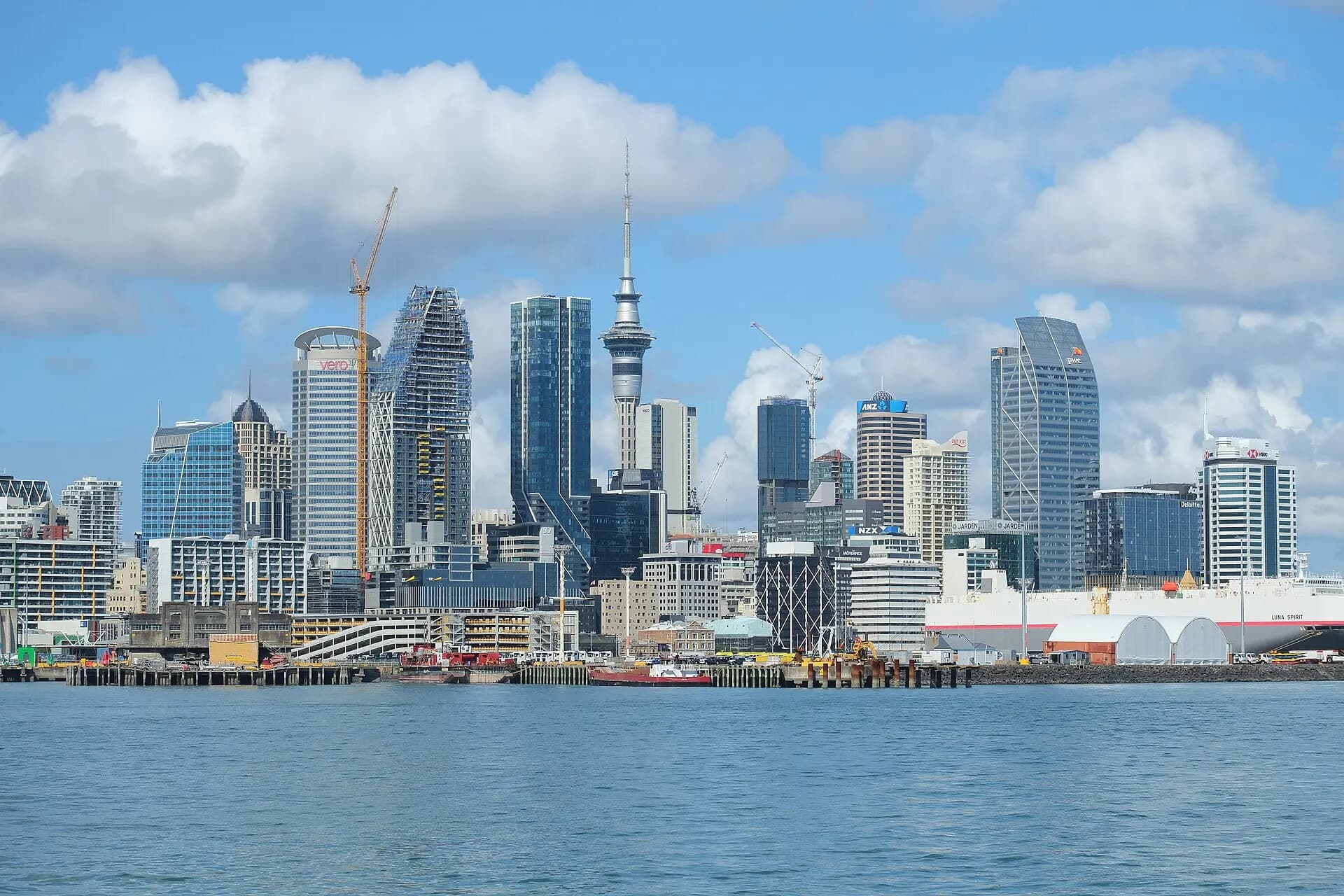
Auckland, Tāmaki Makaurau in te reo Māori, sits on a narrow isthmus between two harbours: the Waitematā, opening east to the islands of the Hauraki Gulf, and the Manukau to the west. Beneath it lies a field of around fifty volcanoes, and their grassy cones still rise between the suburbs, many of them old pā sites with terraces you can trace on the slopes. It is New Zealand's largest city and its most diverse, with large Māori, Pacific and Asian communities shaping its food, festivals and neighbourhoods.
The city itself rewards a few days, but much of Auckland's appeal is how quickly it gives way to something wilder. Ferries leave the downtown terminal for a young volcanic island, a wine-growing island and a bird sanctuary, and within an hour's drive west the Waitākere Ranges drop to black-sand surf beaches. Plan for changeable weather, book island ferries ahead in summer, and treat the west-coast surf with real respect.
The top 14 in Auckland
- 1
Viaduct Harbour and Wynyard Quarter
Photo: Radosław Botev, CC BY 3.0 pl, via Wikimedia Commons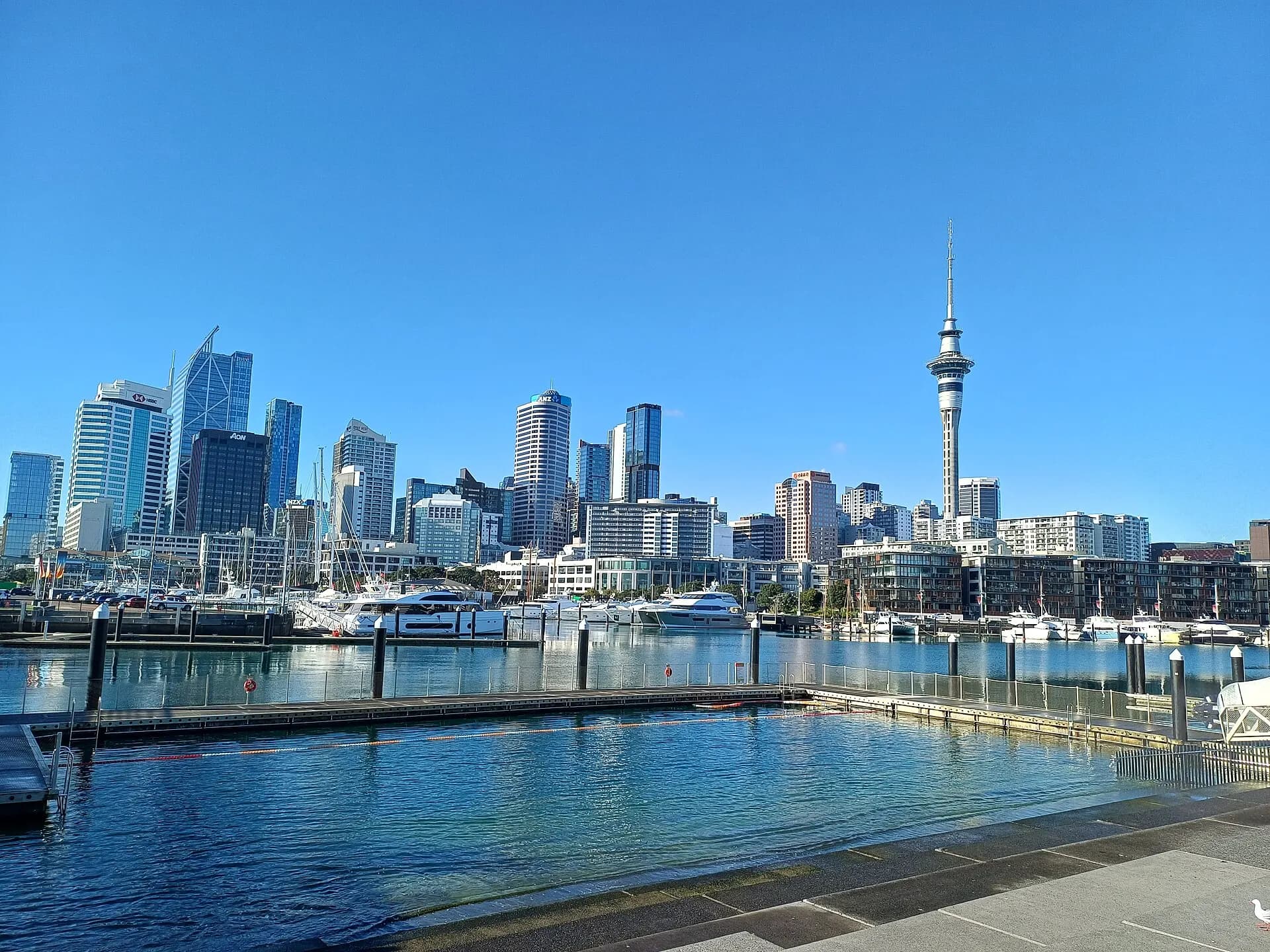
The redeveloped waterfront west of the ferry terminal, with superyachts and sailing boats in the Viaduct basin, then a lift bridge across to Wynyard Quarter's restaurants, playgrounds and old silos. It is the easiest place to feel Auckland's "City of Sails" side, and the Auckland Fish Market is here too.
TipWalk the waterfront from the Ferry Building to Wynyard at dusk, when the harbour light is at its best.
- 2
Sky Tower
Photo: Christian Mehlführer, User:Chmehl, CC BY 2.5, via Wikimedia Commons
The 328-metre tower that dominates the skyline, with glass-floored observation decks looking across both harbours, the volcanic cones and out to Rangitoto. For a thrill, the SkyWalk circles an outside ledge and the SkyJump is a guided base jump. A clear day makes all the difference, so check the weather before buying tickets.
- 3
Auckland Art Gallery Toi o Tāmaki
Photo: Joyofmuseums, CC BY-SA 4.0, via Wikimedia Commons
The country's largest art collection, in a heritage building with a striking timber-canopied extension beside Albert Park. Look for the portraits of Māori by Gottfried Lindauer and Charles Goldie and a strong collection of contemporary New Zealand and Pacific art. Check the website for current exhibitions, some of which charge entry.
- 4
Auckland War Memorial Museum and the Domain
Photo: Daan Hoffmann / Auckland War Memorial Museum Tāmaki Paenga Hira, CC BY 2.0, via Wikimedia Commons
Tāmaki Paenga Hira stands on the rim of an old volcanic crater in the Auckland Domain, the city's oldest park. Its Māori and Pacific galleries are among the finest anywhere, including the carved meeting house Hotunui, alongside natural history halls and moving war memorial floors. Entry is free for Aucklanders and by donation for other New Zealanders; international visitors pay an admission fee. Afterwards, wander the Domain to the glasshouses of the Wintergardens.
- 5
Karangahape Road and Ponsonby
Photo: Prosperosity, CC BY 4.0, via Wikimedia Commons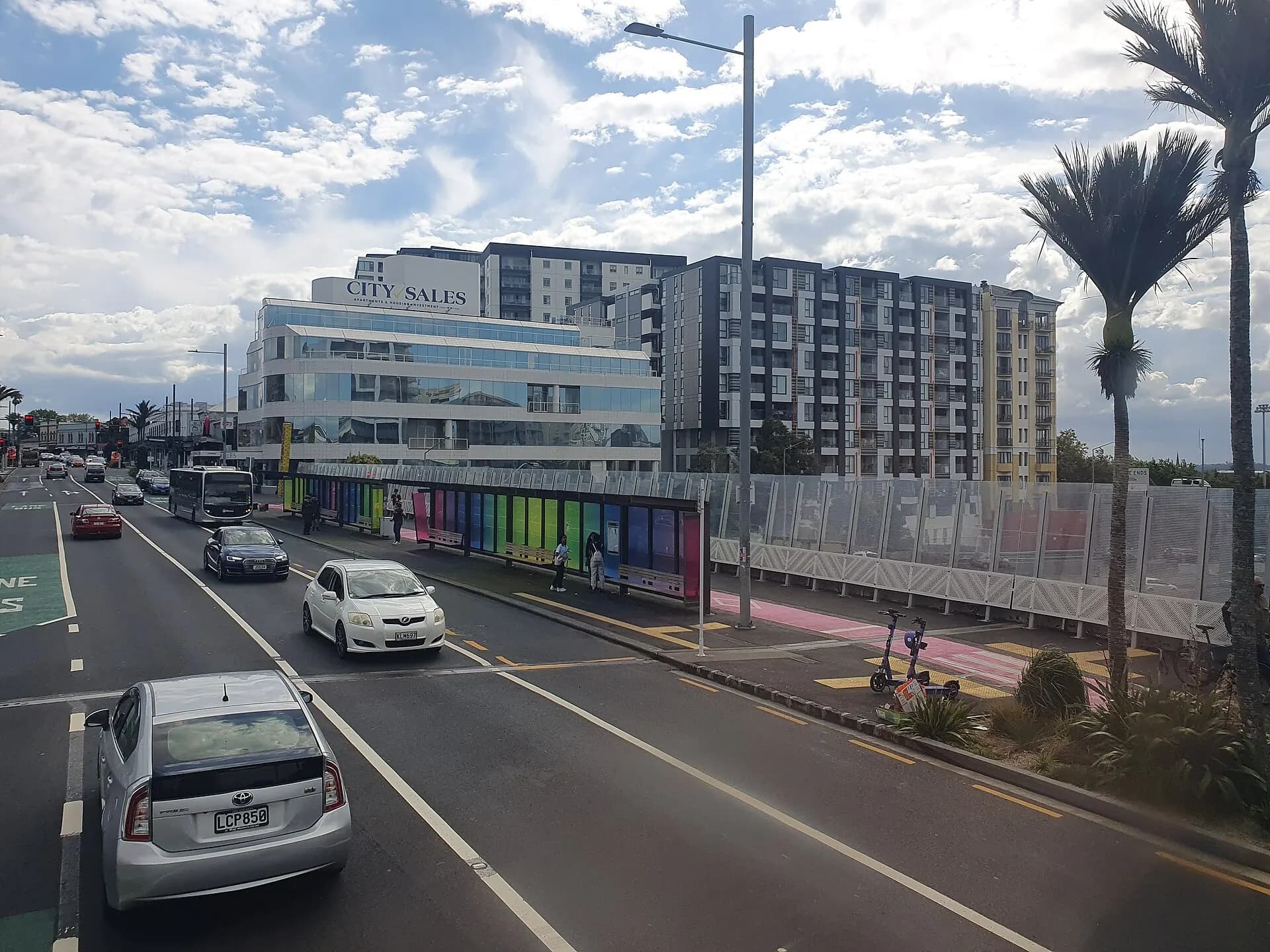
"K Road", on a ridge above the city centre, is Auckland's most characterful street, with vintage shops, bars, galleries, Pacific and Asian eateries and a long history as the heart of the city's queer and creative life. Its new Karanga-a-Hape train station opened with the City Rail Link in September 2026. Ponsonby Road, a short walk west, is smarter, with cafés, boutiques and the Ponsonby Central food hall.
- 6
Maungawhau / Mount Eden
Photo: Avenue, CC BY-SA 3.0, via Wikimedia Commons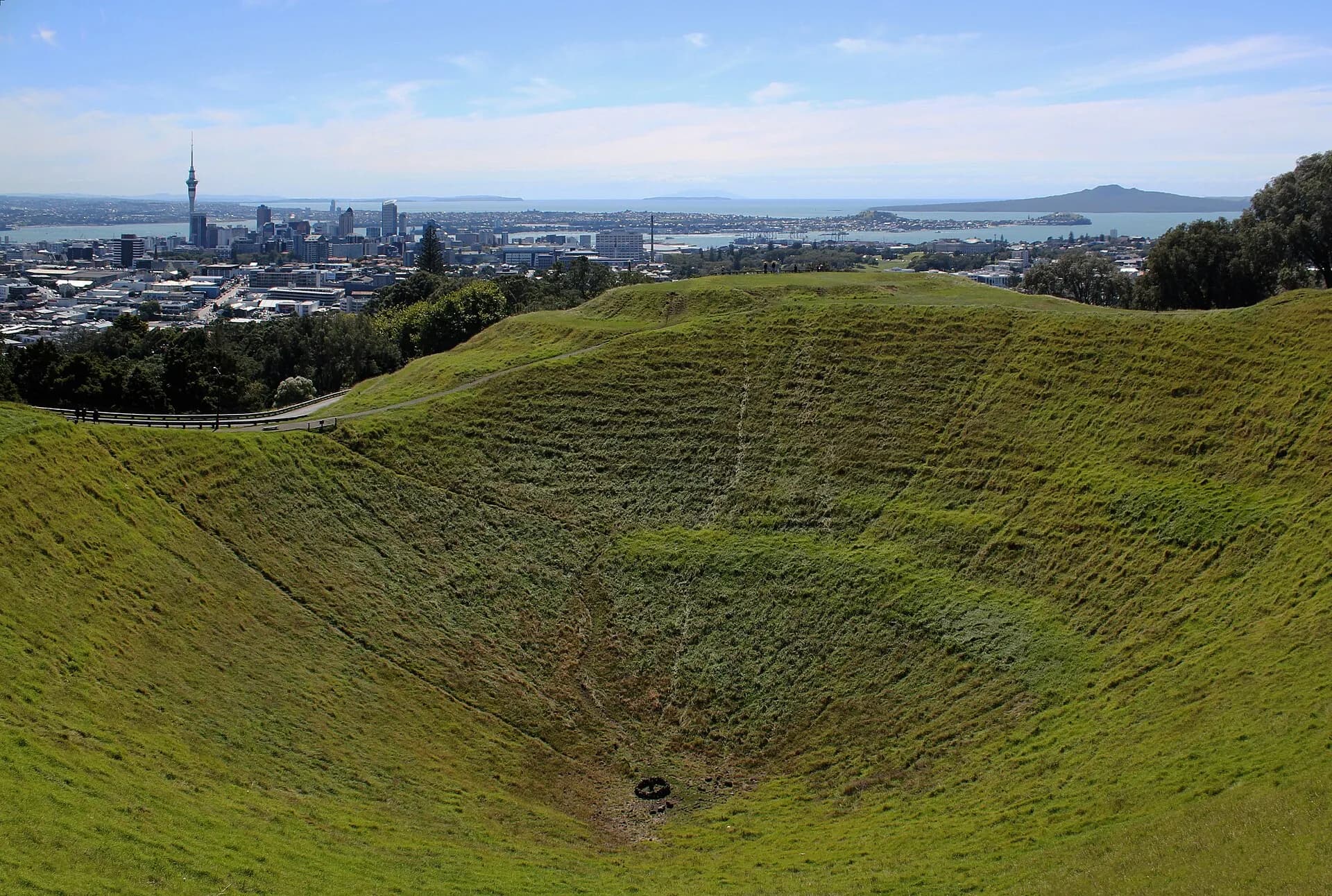
The highest volcanic cone on the isthmus, with a deep crater and views across the whole city. It was a large pā from around 1200 AD, and the summit has been vehicle-free since 2016; a boardwalk now leads around the rim past terraces and storage pits. The crater, Te Kapua Kai a Mataaho, is sacred: admire it from the rim and never walk down into it.
TipCome early in the morning or just before the gates close in the evening for the softest light and fewer people.
- 7
Maungakiekie / One Tree Hill and Cornwall Park
Photo: amysphere, CC BY 2.0, via Wikimedia Commons
Once one of the largest pā in Aotearoa, its slopes still scored with terraces, Maungakiekie rises above Cornwall Park, where sheep graze among old trees and a short walk from the city's traffic. The summit obelisk and a grave of Sir John Logan Campbell, who gifted the park, look out over both harbours. Pōhutukawa and native trees now grow where the famous lone tree once stood.
- 8
Devonport and Maungauika / North Head
Photo: Sids1 from New Zealand, CC BY 2.0, via Wikimedia Commons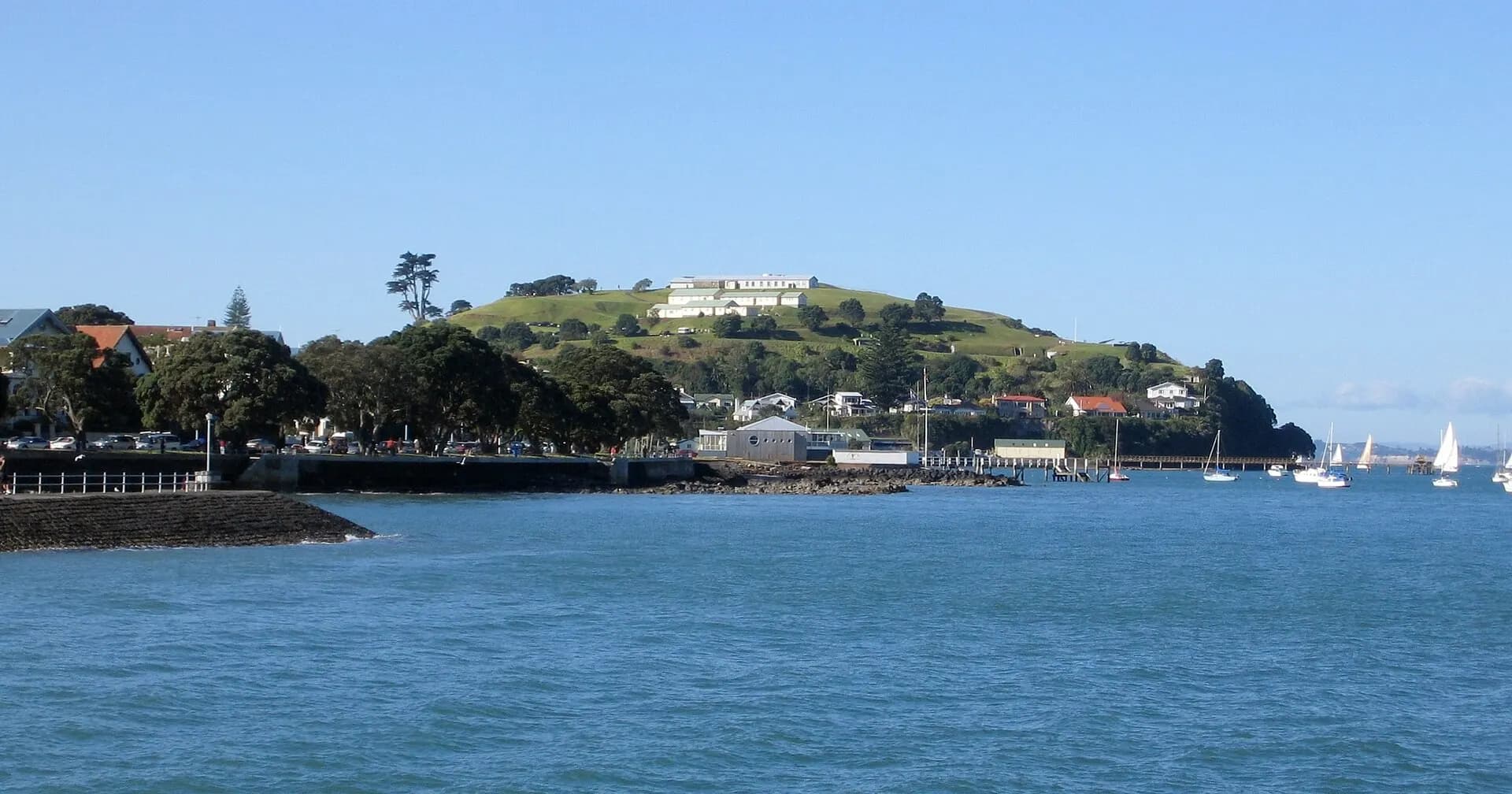
A twelve-minute ferry ride across the Waitematā, Devonport is a seaside suburb of Victorian villas, bookshops and cafés. Walk up Takarunga / Mount Victoria for the city view, then on to Maungauika / North Head, a volcanic headland honeycombed with old military tunnels and gun emplacements, and down to Cheltenham Beach.
TipBring a torch if you want to explore the North Head tunnels.
- 9
Rangitoto Island
Photo: Danny William Wilson, CC BY-SA 4.0, via Wikimedia Commons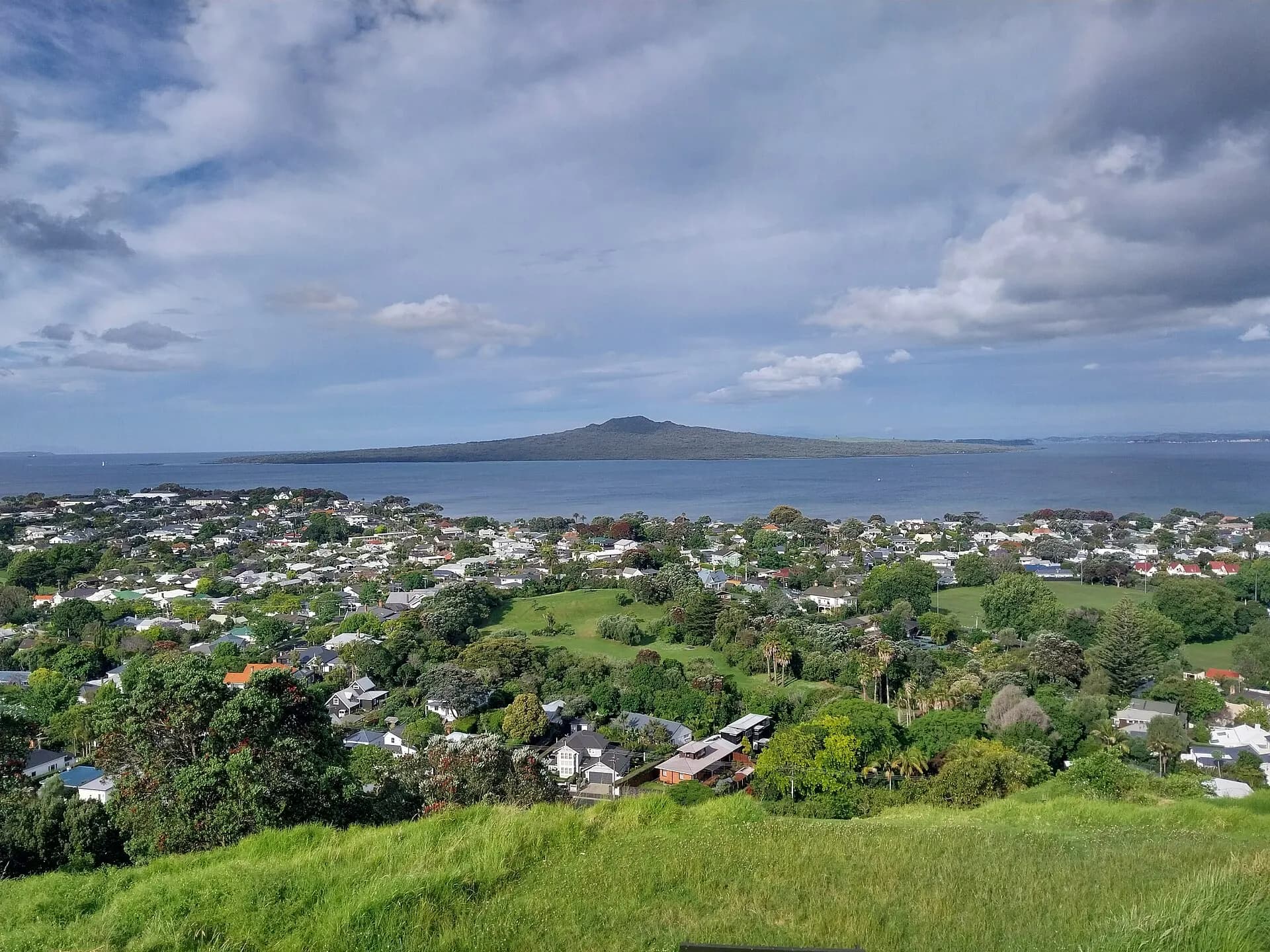
The near-perfect cone across the harbour is Auckland's youngest volcano, erupting from the sea only around six hundred years ago. A ferry from downtown takes about half an hour, and a track climbs over black lava fields and through pōhutukawa forest to the 260-metre summit and its crater, with lava caves just off the route. The island is pest-free, so bags and shoes are checked before boarding. There are no shops or drinking water, so take food, plenty of water, sun protection and sturdy shoes, and keep an eye on the last ferry back.
- 10
Waiheke Island
Photo: AlasdairW, CC BY-SA 4.0, via Wikimedia Commons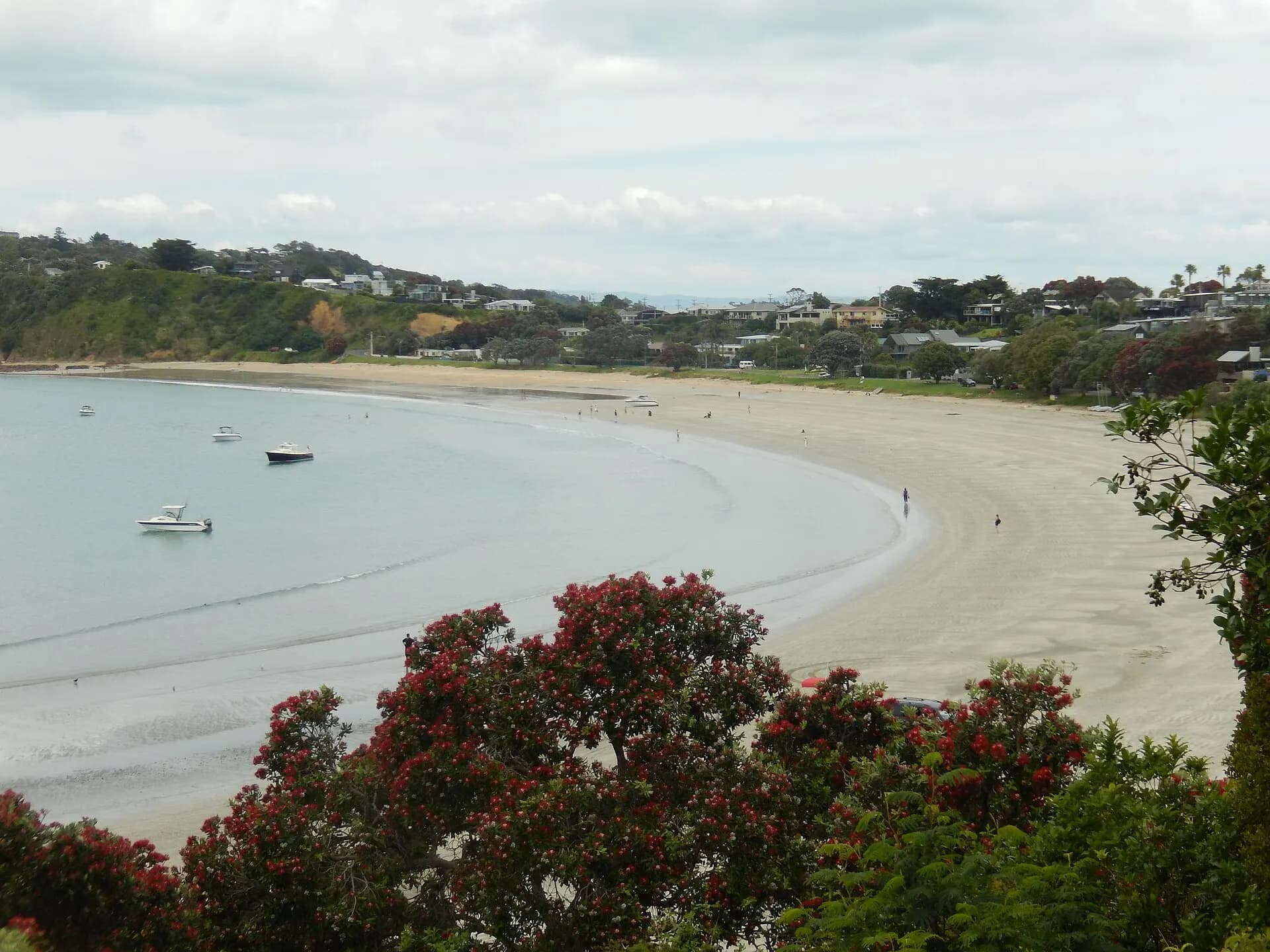
About forty minutes by ferry from downtown, Waiheke has vineyards and olive groves on its hills, sheltered swimming beaches such as Oneroa, Palm Beach and Onetangi, coastal walks and a relaxed village feel. Buses and hop-on hop-off tours meet the ferries at Matiatia, and many wineries have restaurants and tasting rooms.
TipWeekends in summer are very busy; go midweek if you can, book winery lunches ahead, and check the return ferry times.
- 11
Tiritiri Matangi
Photo: Sandy Austin from Auckland, New Zealand, CC BY 2.0, via Wikimedia Commons
An open bird sanctuary in the Hauraki Gulf, replanted by volunteers since the 1980s and now one of the best places in the country to see rare native birds in the wild: takahē, kōkako, tīeke (saddleback) and hihi (stitchbird), with tuatara also returned to the island. The public ferry runs Wednesday to Sunday from downtown and Gulf Harbour, and fills up well ahead between November and April. No food is sold on the island and there are no bins, so bring a picnic and take your rubbish home.
- 12
Goat Island Marine Reserve
Photo: Zeenatul Basher, CC BY-SA 3.0, via Wikimedia Commons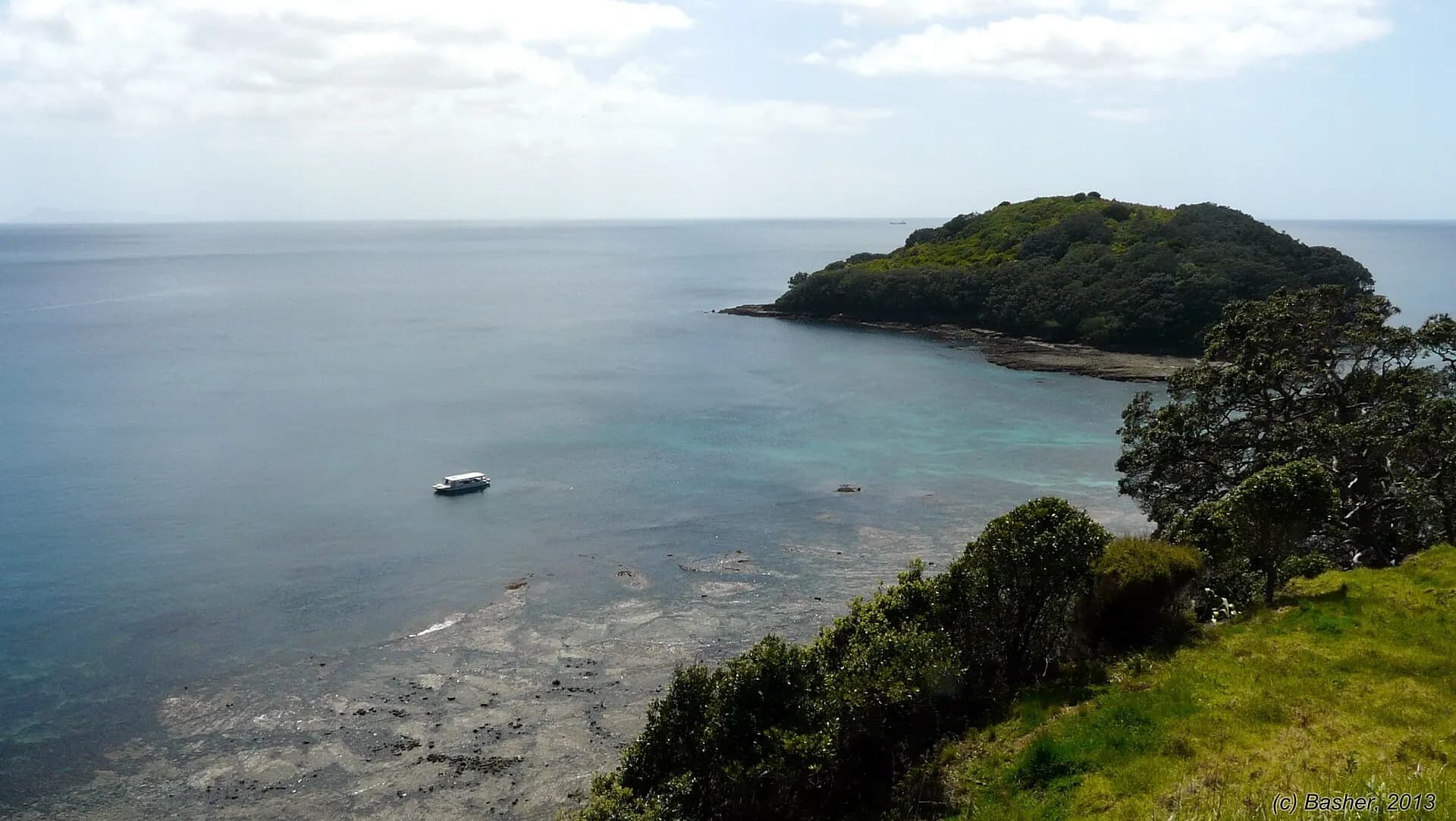
Around an hour and a half's drive north near Leigh, the Cape Rodney–Ōkakari Point Marine Reserve was New Zealand's first, set up in 1975 around the small island Te Hāwere-a-Maki. Fishing has been banned for half a century, and snapper, blue maomao and crayfish now swarm close to shore, so you can snorkel straight from the beach in calm weather. Combine it with the Matakana village farmers' market and the wineries on the way.
- 13
Muriwai gannet colony
Photo: russellstreet, CC BY-SA 2.0, via Wikimedia Commons
On the cliffs at Ōtakamiro Point, at the southern end of Muriwai's long black-sand beach, thousands of Australasian gannets (tākapu) nest within metres of the viewing platforms. The birds return in late winter and raise their chicks through spring and summer, roughly August to March. The tracks were badly damaged in the 2023 storms and have been repaired in stages since, so check the regional park page for current access.
- 14
Piha and the Waitākere Ranges
Photo: Avenue, CC BY-SA 3.0, via Wikimedia Commons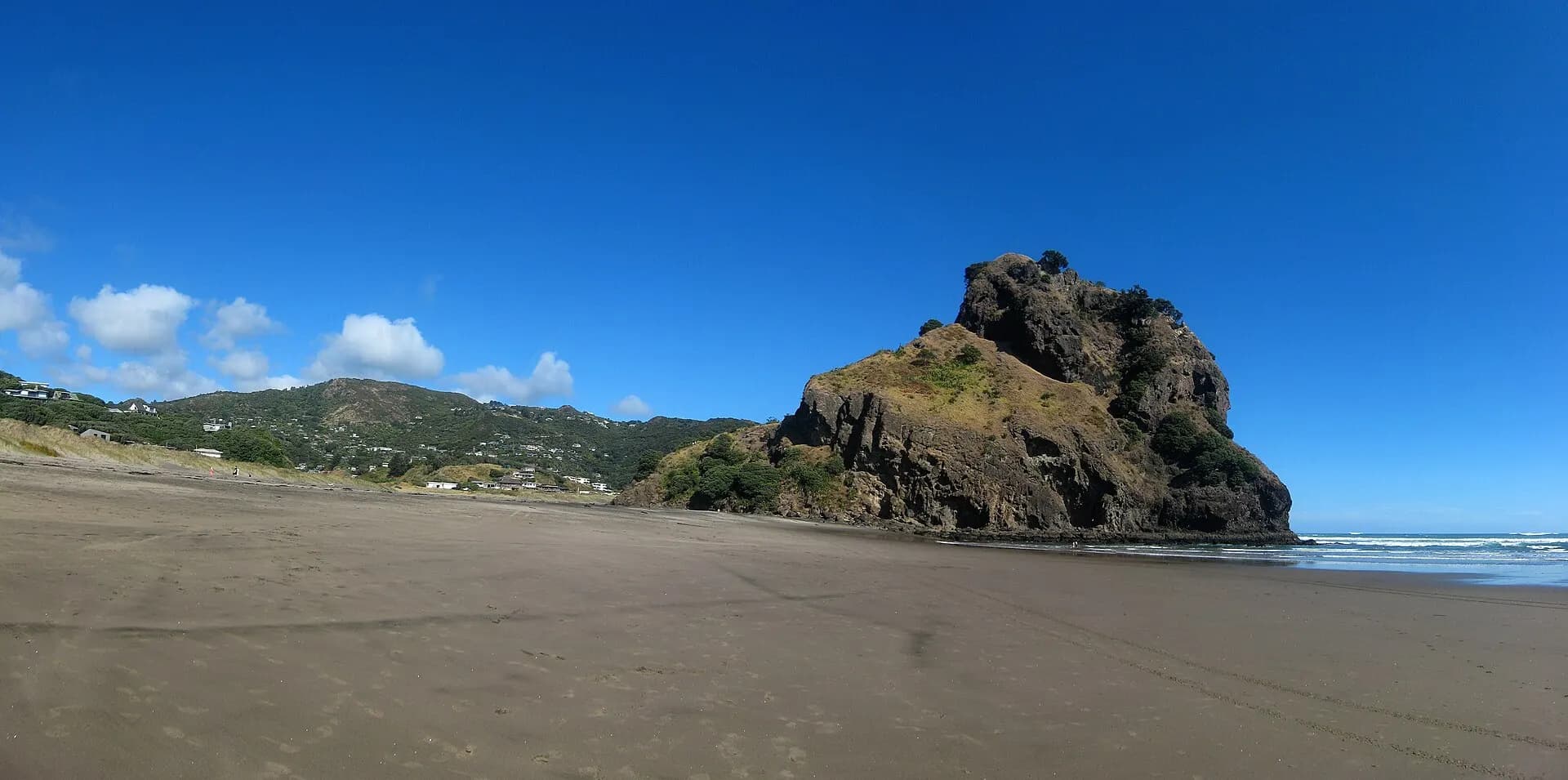
The rugged, rainforest-covered Waitākere Ranges end at a string of west-coast surf beaches, and Piha, below the bulk of Lion Rock (Te Piha), is the most famous: dramatic, black-sanded and popular with surfers. Stop at the Arataki Visitor Centre on Scenic Drive for views and maps. Many forest tracks were closed to slow kauri dieback and storm damage, and several have since reopened after upgrades, so check Auckland Council's track status map before you set out.
TipPiha's surf is powerful and its rips are notorious. Swim only between the red and yellow flags when lifeguards are on patrol.
When to go
Auckland has a mild, humid climate, rarely very hot or very cold, but the weather changes fast and locals talk of "four seasons in a day". Summer, from December to February, is warm and the best time for beaches and islands, with school holidays from Christmas to late January making ferries and Waiheke especially busy. March and April are often settled and still warm enough to swim. Winter, June to August, is cooler and wetter but rarely cold, and good for museums and walks. Spring brings new lambs at Cornwall Park and the start of the gannet season. Pack a light rain jacket in any month, and take the sun seriously: UV levels in New Zealand are high, and you can burn quickly even on cloudy days.
Getting around
Auckland Airport is about forty minutes to an hour from the city centre by road depending on traffic, and the AirportLink bus connects with trains at Puhinui station. In town, buses, trains and ferries are run by Auckland Transport. You can tag on and off with a contactless bank card, phone or watch on buses, trains and most ferries, or buy an AT HOP card, which you will need for daily and weekly fare caps and concessions. The City Rail Link opened in September 2026, running trains through the city centre via new underground stations at Te Waihorotiu (near Aotea Square) and Karanga-a-Hape, and on to Maungawhau near Mount Eden; Britomart station is now known as Waitematā.
Ferries leave the downtown terminal at the foot of Queen Street for Devonport, Rangitoto, Waiheke and Tiritiri Matangi; check whether your card works on each service, and book island trips ahead in summer. The waterfront, city centre, K Road and Ponsonby are all walkable, though hilly. To reach Piha, Muriwai and Goat Island you will need a car or a tour, as public transport is limited or non-existent.
Local tips
- Swim between the flags at patrolled beaches, especially on the west coast, where rips can sweep strong swimmers out; if caught, float, raise an arm and wait for help.
- Book the Tiritiri Matangi ferry and summer Waiheke trips well ahead.
- Scrub your shoes at the cleaning stations at the start of Waitākere tracks, and stay on open tracks to protect kauri.
- Tag off as well as on when using public transport, or you may be charged the maximum fare.
- Carry water, sunscreen, a hat and a jacket on island trips; there are no shops on Rangitoto or Tiritiri Matangi.
- Traffic on the motorways is heavy at rush hour, so plan day trips to avoid it.
- Tipping isn't expected in New Zealand, though rounding up for good service is appreciated.
Eat and drink
Auckland eats from all over the Pacific Rim. Try fresh snapper and Bluff or Pacific oysters at the waterfront, a mince and cheese pie from a bakery, and a flat white, which locals will happily tell you was perfected here. Dominion Road is lined with Chinese restaurants, from dumplings to regional specialities, while Sandringham and Mount Roskill have excellent South Asian food. On Saturday mornings, the Ōtara market in South Auckland is a lively mix of Pacific and Māori food and crafts. Ponsonby, Britomart and K Road have the city's busiest restaurant and bar scenes, and Waiheke and Matakana produce good wines, especially Syrah and Bordeaux-style blends. Look out for hāngī, food cooked in an earth oven, at Māori cultural experiences and events.
Where to stay
The city centre and Viaduct are the most convenient for ferries, the airport bus and sightseeing, with everything from hostels to luxury hotels. Ponsonby, Grey Lynn and Parnell offer quieter streets close to restaurants and cafés. Devonport, across the harbour, has heritage B&Bs and an easy ferry commute. For a slower pace, spend a night or two on Waiheke, or at Piha or Muriwai for the west coast, where accommodation is limited and books out in summer.
The volcanic field and the Tūpuna Maunga
Auckland's volcanoes erupted over roughly the last two hundred thousand years, each one usually only once, leaving cones, craters, lava caves and explosion craters now filled by lagoons and parks. To Māori, they are tūpuna maunga, ancestral mountains, and many were fortified pā with gardens on their fertile slopes. In 2014, a Treaty of Waitangi settlement returned fourteen of them to the iwi and hapū of Tāmaki Makaurau, and they are now co-governed by the Tūpuna Maunga Authority. Its work has included removing cars from summits, replanting native trees and protecting archaeological features. When you visit, stay on paths, keep off the terraces and craters, and remember that these are places of deep cultural significance, not just viewpoints.
Māori Auckland
The name Tāmaki Makaurau is often translated as "Tāmaki desired by many", a reflection of how prized the isthmus was for its harbours, fertile soil and food. Ngāti Whātua Ōrākei are the mana whenua of central Auckland, and their land at Takaparawhau / Bastion Point, the scene of a long occupation in 1977 and 1978, looks over the Waitematā from Tāmaki Drive. You will hear te reo Māori in greetings, see it on signs and station names, and find it woven into public art across the city. The Auckland Museum is the best starting point for understanding Māori history and taonga, and the official visitor site lists guided experiences led by Māori operators.
The Hauraki Gulf islands
Tīkapa Moana / the Hauraki Gulf is a marine park dotted with more than fifty islands, from busy Waiheke to protected sanctuaries where conservationists have removed introduced predators so native birds and reptiles can thrive. Rangitoto and neighbouring Motutapu, joined by a causeway, are pest-free, and Tiritiri Matangi is one of the country's great conservation success stories. Dolphins, orca and Bryde's whales feed in the gulf, and wildlife cruises run from the downtown waterfront. Biosecurity checks are part of every trip: check bags and shoes for seeds, soil and stowaway insects or rodents before you board.
Responsible travel
Auckland's natural places are under pressure from development, weeds, predators and disease. Clean your footwear at kauri dieback stations and walk only on open tracks, and follow biosecurity checks before visiting the gulf islands. Don't feed wildlife, keep your distance from nesting gannets and seabirds, and take all rubbish home from islands and beaches. At the marine reserve, look but don't touch or take anything. On the tūpuna maunga, respect closed areas and the crater floors. Using the ferries, trains and buses instead of driving around the city helps too.