Chișinău
A green, unhurried capital of boulevards and Soviet blocks, with some of the world's largest wine cellars and cave monasteries an easy drive away.
- Best time to go
- May, June and September for warm days and festivals; early October for the grape harvest and National Wine Day
- Local time
- –
- Currency
- Moldovan Leu (MDL)
- Reading time
- 15 min
- Language
- Romanian
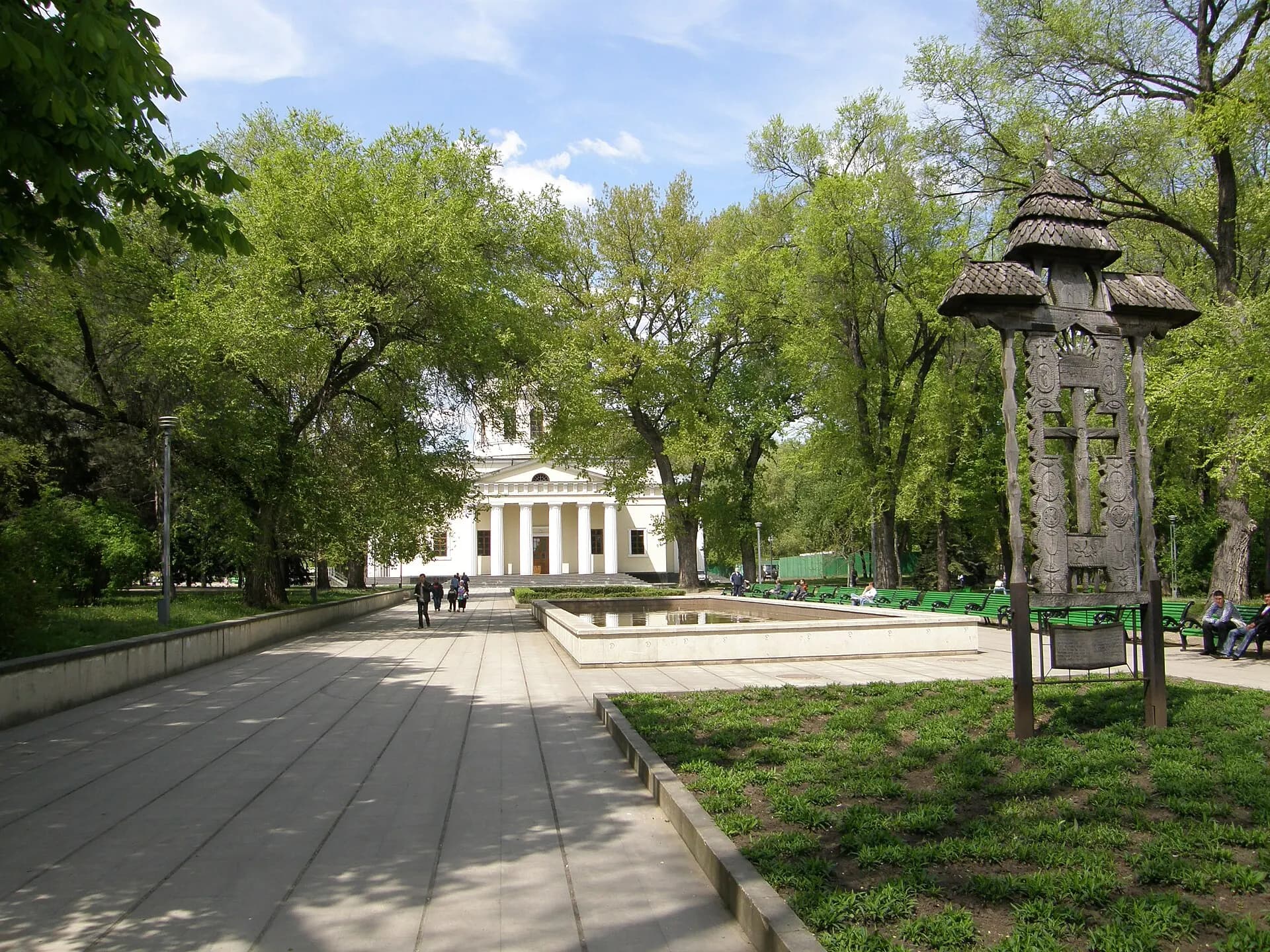
Chișinău is not a city of grand set pieces. Moldova's capital was largely rebuilt after earthquakes and the Second World War, so its centre is a grid of wide, tree-lined boulevards where a handful of honey-coloured nineteenth-century buildings sit among Soviet apartment blocks, glassy new cafés and a surprising number of parks. What it offers instead is an easy-going, affordable base, a lively food and wine scene, and a countryside that hides some of Europe's most unusual sights: limestone wine cellars that run for dozens of kilometres underground, and Orthodox monasteries carved into the cliffs above the Răut and Dniester rivers.
Two or three days cover the city itself; add as many again for day trips. Moldova is small, and almost everything below lies within two or three hours of the capital. One region is different: Transnistria, the breakaway strip along the east bank of the Dniester, is outside the Moldovan government's control, and as of October 2026 the UK Foreign, Commonwealth and Development Office (FCDO) advises against all travel there (see the section on current advice below). The rest of Moldova, including every place in this guide, is not covered by that warning.
The top 15 in Chișinău
- 1
Valea Morilor Park
Photo: Diego Delso, CC BY-SA 4.0, via Wikimedia Commons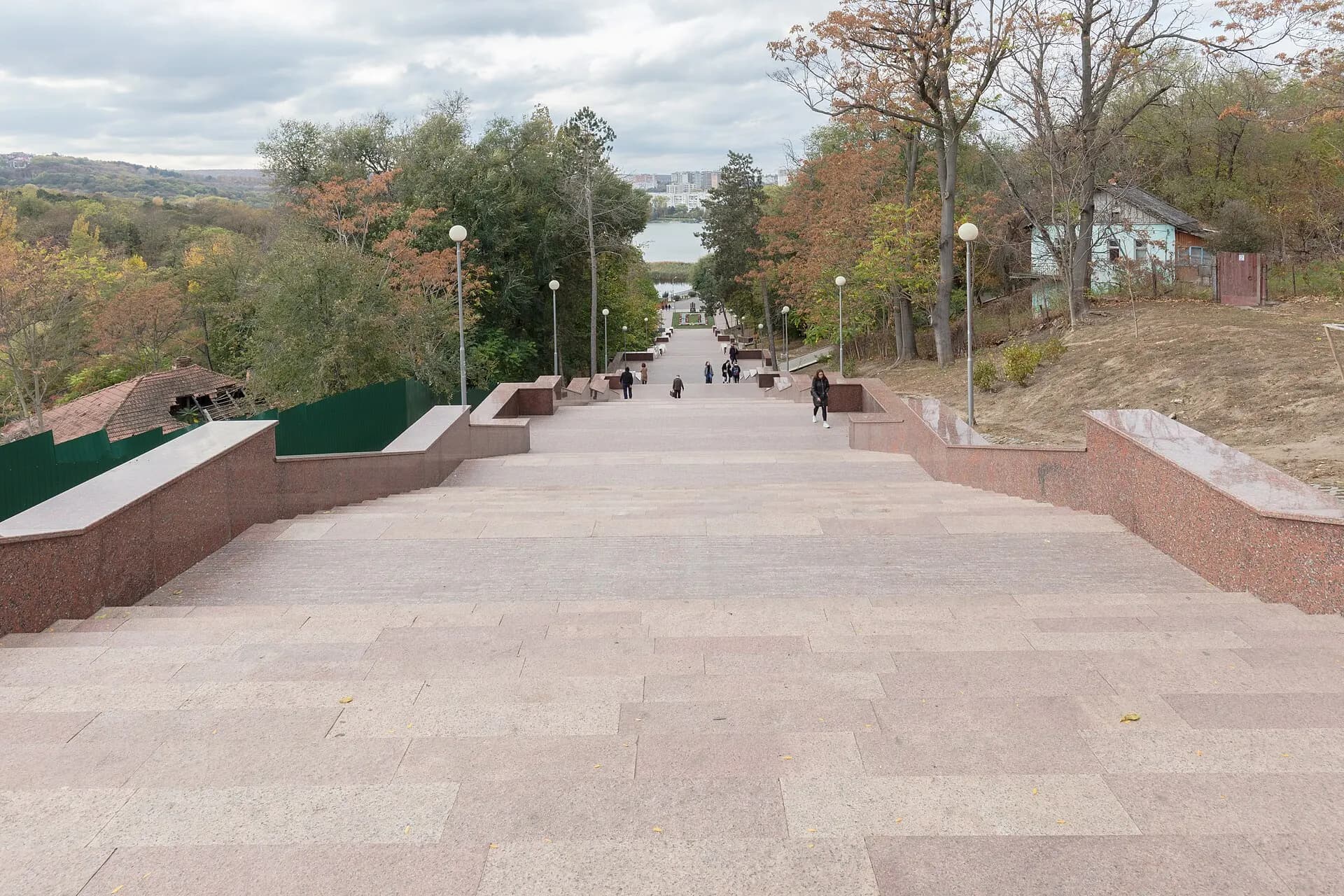
A wooded valley on the western edge of the centre, wrapped around a long lake, the "Valley of the Mills" is where Chișinău comes to walk, jog, row and sit in the shade. A grand stone staircase, built in the Soviet period, climbs from the lake shore towards the city, and a path loops all the way round the water, passing cafés, a summer beach area and a small funfair. It's a pleasant first stop for getting a feel for daily life, and an easy place to escape the heat on a summer evening.
TipThe full lake circuit takes about an hour on foot; the stairs are best climbed in the cool of the morning.
- 2
National Museum of Ethnography and Natural History
Photo: Diego Delso, CC BY-SA 4.0, via Wikimedia Commons
Housed in an eye-catching building of the early twentieth century, decorated in a Moorish-inspired style, this is the oldest museum in Moldova and one of its most enjoyable. The natural history halls lead through the geological eras to the star exhibit, the fossil skeleton of a deinotherium, a huge prehistoric relative of the elephant found in Moldova. Upstairs, the ethnography rooms show rural costume, carpets, pottery and the "casa mare", the best room of a traditional Moldovan house, kept for guests and celebrations. There's also a small botanical garden in the courtyard.
TipThe museum is closed on Mondays and on the last Wednesday of each month.
- 3
National Museum of History of Moldova
Photo: Alexandru Panoiu from Bucharest, Romania, CC BY 2.0, via Wikimedia Commons
A copy of Rome's Capitoline wolf suckling Romulus and Remus stands outside this neoclassical former school, a reminder of the Latin roots that Moldovans share with Romanians. Inside, the collections run from Stone Age tools and the painted pottery of the Cucuteni-Trypillia culture to the medieval principality of Moldavia and the twentieth century. The highlight is the treasury, where gold and silver pieces span several thousand years, from prehistoric ornaments to Dacian, Greek and medieval jewellery.
TipThe museum is closed on Mondays. While building works continue, the entrance is on the side street (Strada Mitropolit Gavriil Bănulescu-Bodoni) rather than the main façade.
- 4
Arc de Triumf
Photo: Diego Delso, CC BY-SA 4.0, via Wikimedia Commons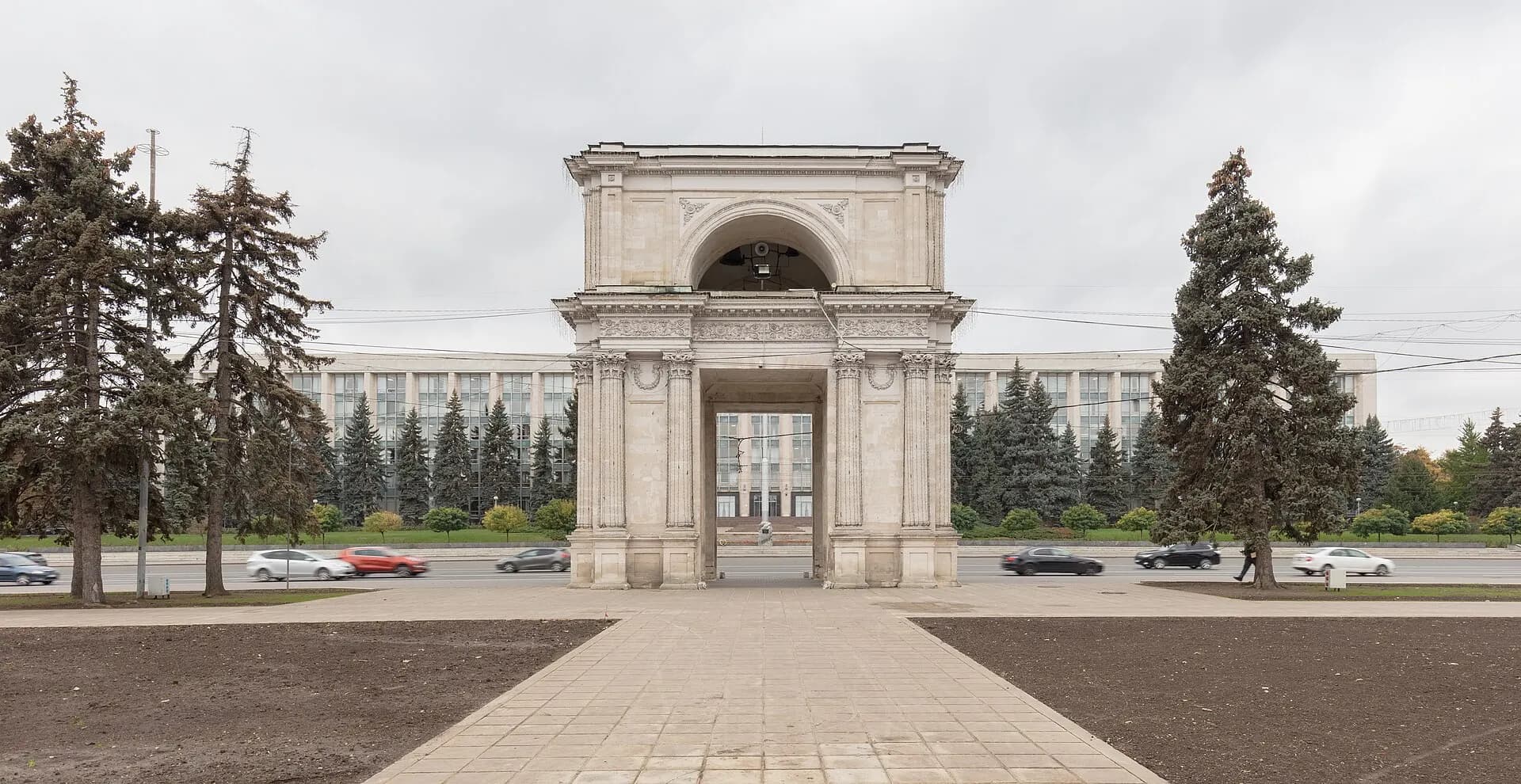
Chișinău's triumphal arch, sometimes called the Holy Gates, stands at the head of the cathedral square on the main boulevard. It was put up in the early 1840s to celebrate the Russian Empire's victory over the Ottomans, which had brought the region under Russian rule, and it is a modest, elegant structure compared with the arches of Paris or Bucharest. A large clock sits beneath the upper storey, and its bell was cast from captured Turkish cannon, according to local tradition. Across the boulevard is the government building, and beyond it the square where Moldovans gathered in 1989 to demand their language and independence.
- 5
Cathedral of Christ's Nativity
Photo: Mike1979 Russia, CC BY-SA 3.0, via Wikimedia Commons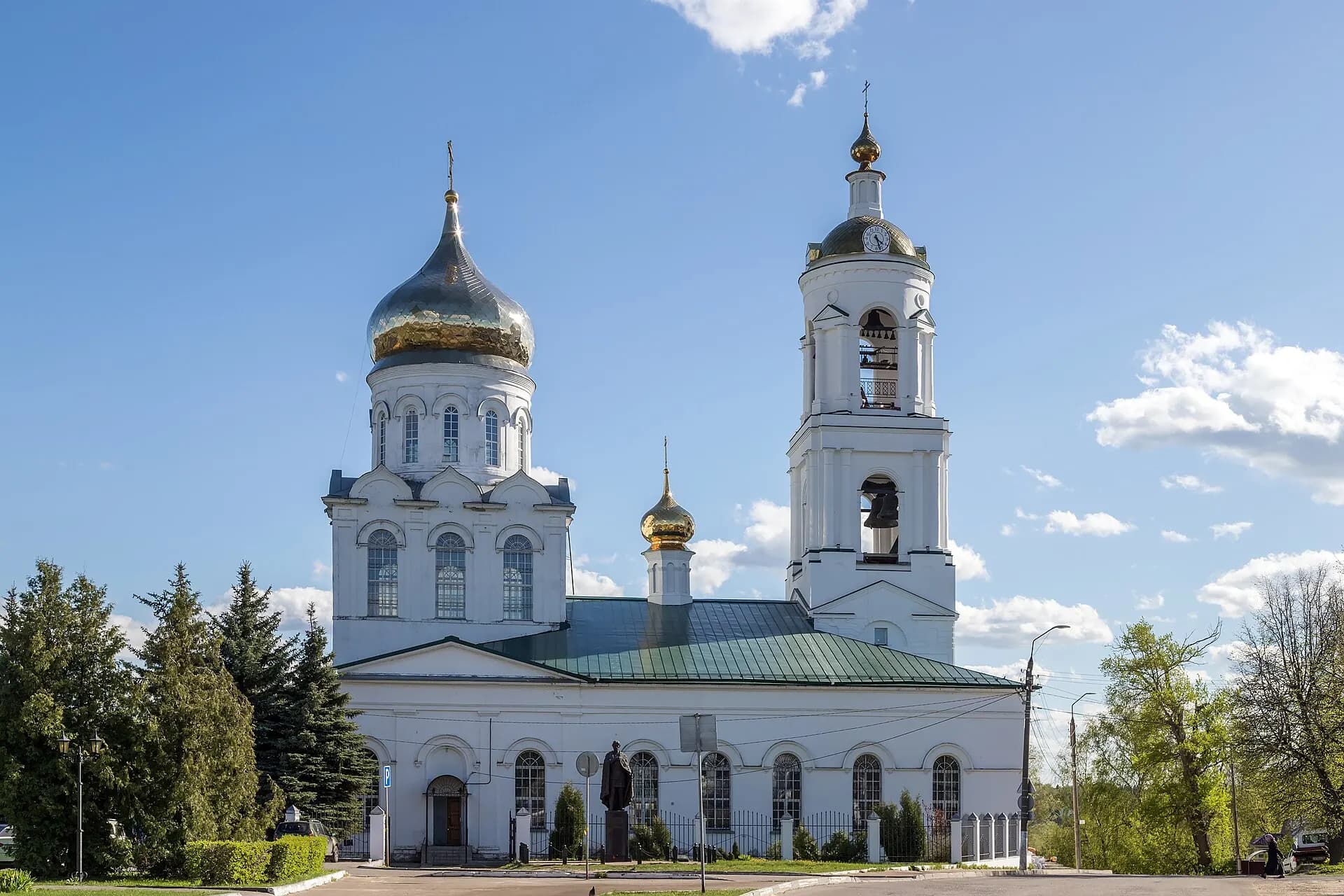
The city's main Orthodox cathedral is a neoclassical church of the 1830s, square in plan with a columned portico on each side and a low dome, set in a shady park in the very centre. In Soviet times it was closed and used as an exhibition hall, and its separate bell tower was blown up in 1962; both have since been restored, the tower rebuilt in the late 1990s. Inside, the walls are covered in modern icons and frescoes, and services, with their chanting and candles, are well worth catching. The surrounding Cathedral Park is a hub of the city, with flower sellers along one edge.
TipDress modestly, with shoulders covered; women may want a scarf for the head during services.
- 6
Stephen the Great Park
Photo: Diego Delso, CC BY-SA 4.0, via Wikimedia Commons
The oldest park in Chișinău, laid out in the early nineteenth century, faces the cathedral across the main boulevard. Its entrance is guarded by the bronze statue of Stephen the Great, the fifteenth-century prince of Moldavia who fought off the Ottomans and founded dozens of churches, and who remains the national hero; the monument, unveiled in 1928, is the symbol of the city and a favourite meeting point. Inside, an avenue of busts of Romanian-language writers known as the Alley of Classics leads among fountains, chess players and benches, past a bust of the Russian poet Alexander Pushkin, who spent three years of exile in the town in the 1820s. His small house nearby is now a museum.
TipFloral tributes are laid at Stephen's statue on national days; it's a good place to see local ceremonies.
- 7
Central Market
Photo: Bagriton, CC BY-SA 3.0, via Wikimedia Commons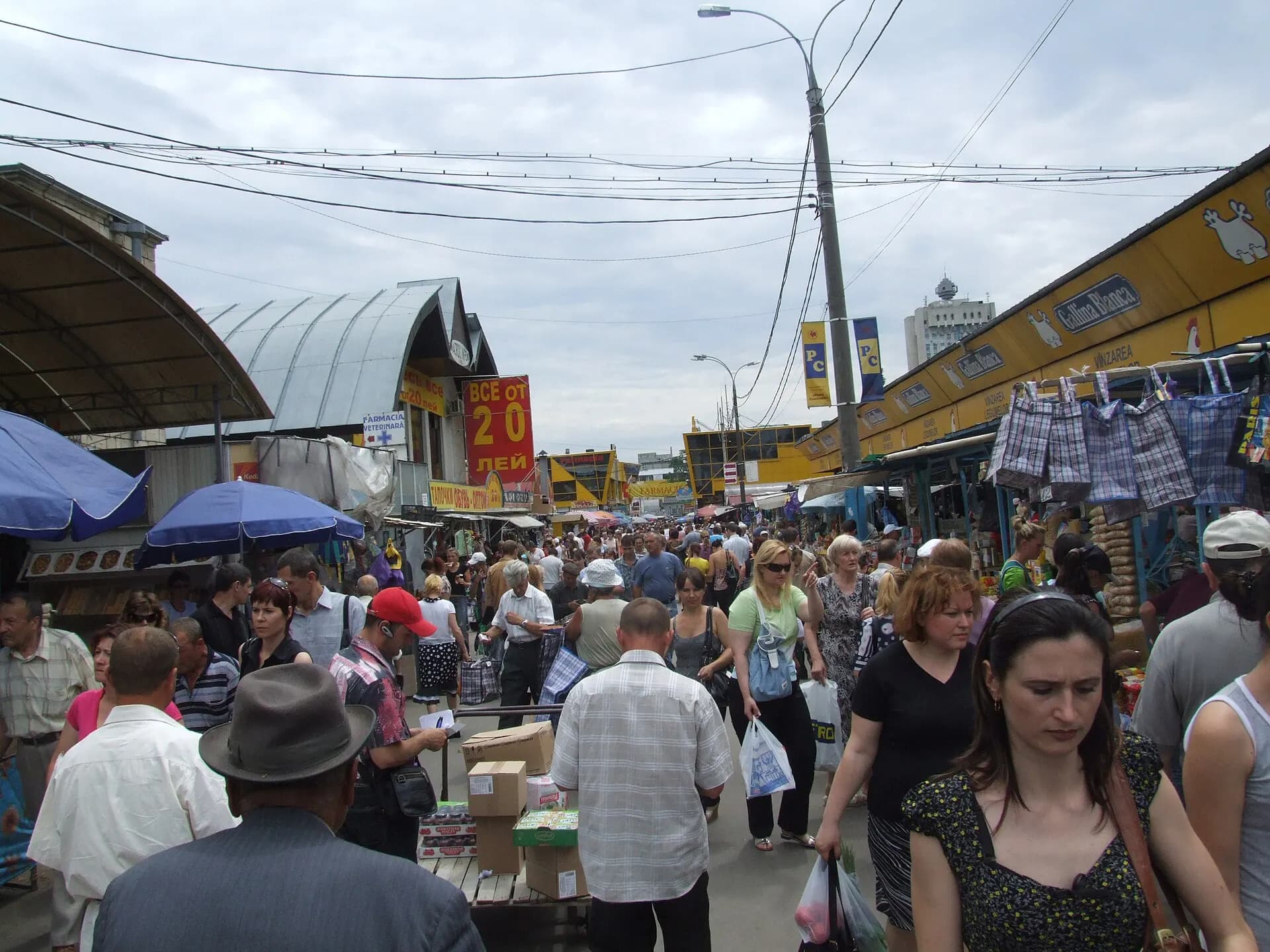
The sprawling Piața Centrală, a few blocks east of the cathedral, is the place to see what Moldovans eat. Indoor halls hold butchers, cheese counters stacked with crumbly brânză, pickles and jars of honey, while outdoor rows overflow with tomatoes, peppers, cherries, apricots, grapes and walnuts, depending on the season. Around the edges are clothes, hardware and stalls selling homemade wine and spirits in plastic bottles. It's noisy, crowded and entirely un-touristy, and the best way to understand the country's farming roots.
TipGo in the morning, carry small notes in lei, and keep a hand on your bag; the crowds attract pickpockets.
- 8
Mileștii Mici
Photo: Diego Delso, CC BY-SA 4.0, via Wikimedia Commons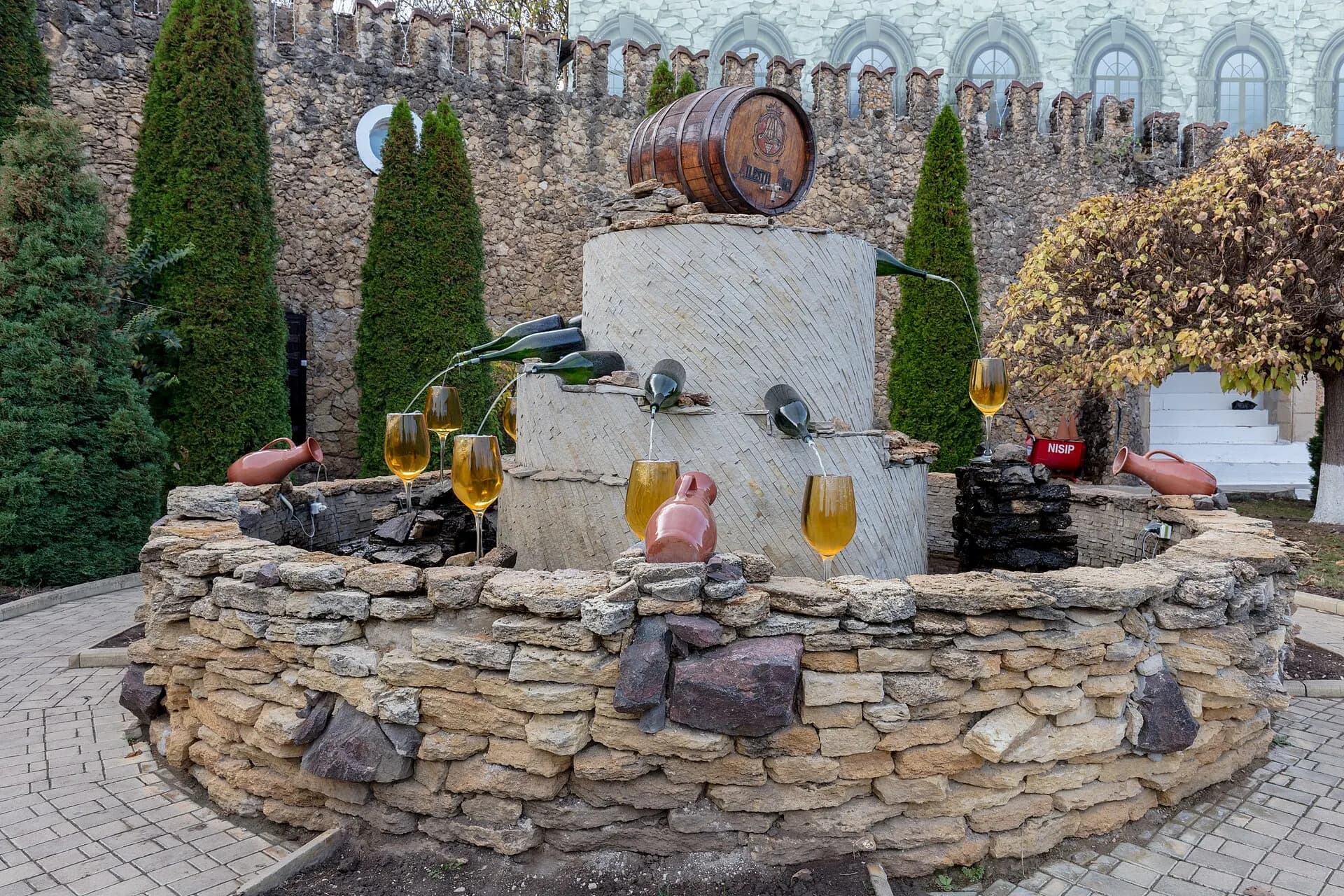
Just south of Chișinău, beneath the village of Mileștii Mici, lie the old limestone quarries that supplied the city's building stone. The tunnels, which run for some 200 kilometres, of which around 55 are used for wine, were turned into cellars in the late 1960s and now hold what Guinness World Records listed as the largest wine collection in the world, with well over a million bottles. Tours drive through the galleries, whose streets carry names of grape varieties, to tasting halls deep underground, where a constant cool temperature keeps the wine, and visitors, at about 12 to 14 degrees all year.
TipBook ahead by phone or email; prices rise after 5pm and at weekends. Bring a warm layer even in August.
- 9
Purcari
Photo: Diana.moraru, CC BY-SA 4.0, via Wikimedia Commons
In the far south-east, close to where the Dniester reaches the Ukrainian border, the Purcari estate is one of Moldova's oldest and best-known wineries, founded in 1827. Its signature red, Negru de Purcari, is a dark blend built around the local Rara Neagră grape and was famously admired at European courts in the nineteenth century. The château, with its brick cellars, has been restored with a small hotel, restaurant and tasting rooms among the vineyards, making it a good overnight escape from the city. It is about two hours' drive from Chișinău.
TipTastings and stays need booking through the winery. Combine it with other estates in the Ștefan Vodă wine region if you're driving.
- 10
Căpriana Monastery
Photo: Diego Delso, CC BY-SA 4.0, via Wikimedia Commons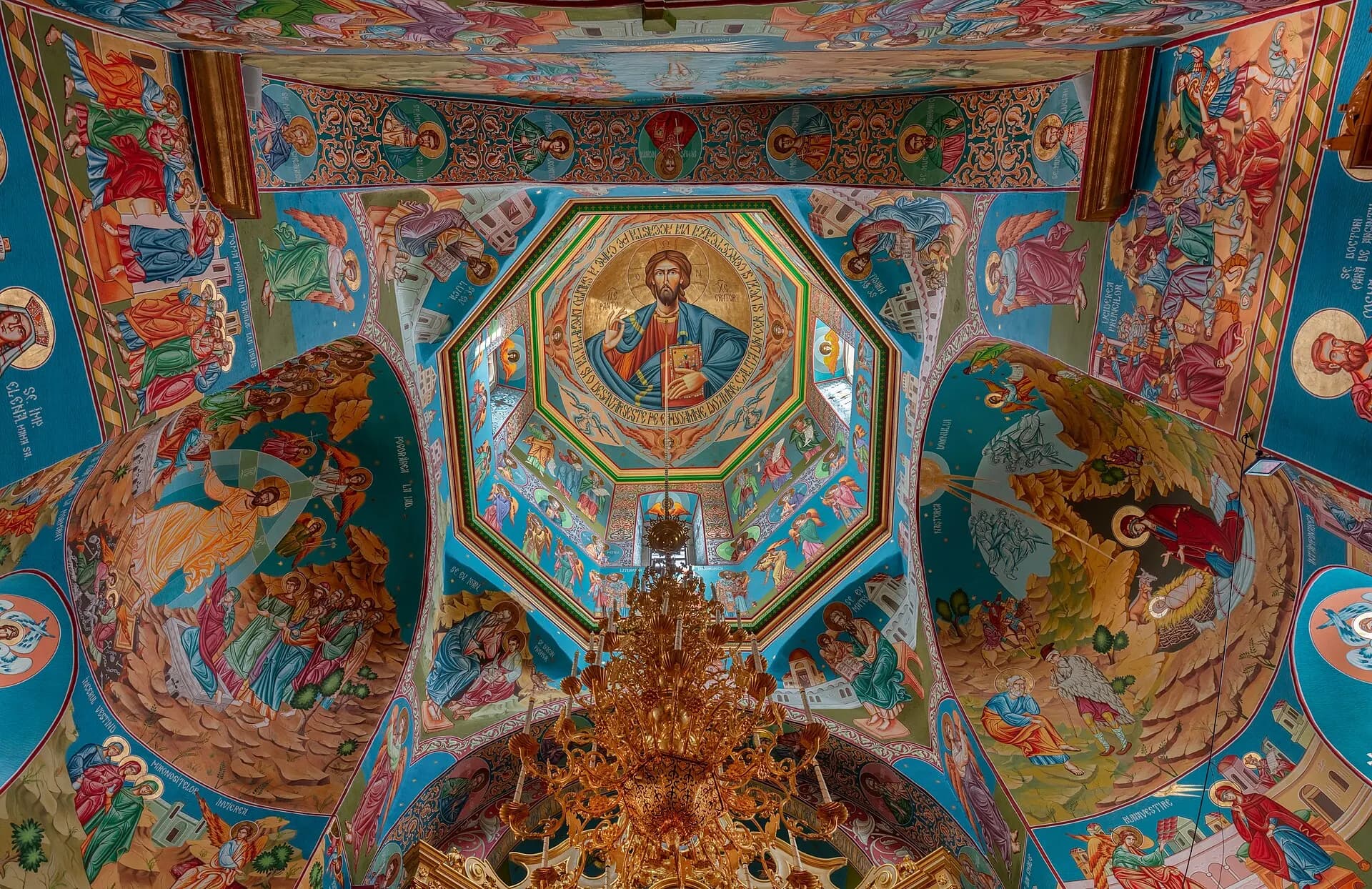
Set in the forested Codri hills west of the capital, Căpriana is one of the oldest monasteries in Moldova, first recorded in the fifteenth century and linked with Stephen the Great, who rebuilt it. Its stone Church of the Dormition dates from the sixteenth century, and newer churches and monks' cells surround a peaceful courtyard. Closed and badly neglected under Soviet rule, it has been carefully restored since independence and is again a working community. The surrounding woods, part of the Codri nature reserve area, are good for gentle walks.
TipIt's around 40 kilometres from Chișinău and makes an easy half-day trip, perhaps combined with the Cricova cellars.
- 11
Cricova
Photo: Andrew Milligan sumo, CC BY 2.0, via Wikimedia Commons
The other great underground wine city lies just north of Chișinău. Cricova's cellars, begun in the 1950s in former limestone mines, form a maze of some 120 kilometres of tunnels several dozen metres below ground, lined with barrels and named like streets. Visitors are driven through the galleries before tasting the sparkling wines made in the traditional bottle-fermented way, for which Cricova is best known. The collection includes old vintages and bottles that once belonged to famous figures, and the grand tasting halls have hosted presidents and astronauts.
TipAll visits are by booked tour, with several levels from a basic one-hour visit to long tastings with a meal; arrive on time, as late arrivals lose their slot.
- 12
Old Orhei (Orheiul Vechi)
Photo: Bertramz, CC BY-SA 3.0, via Wikimedia Commons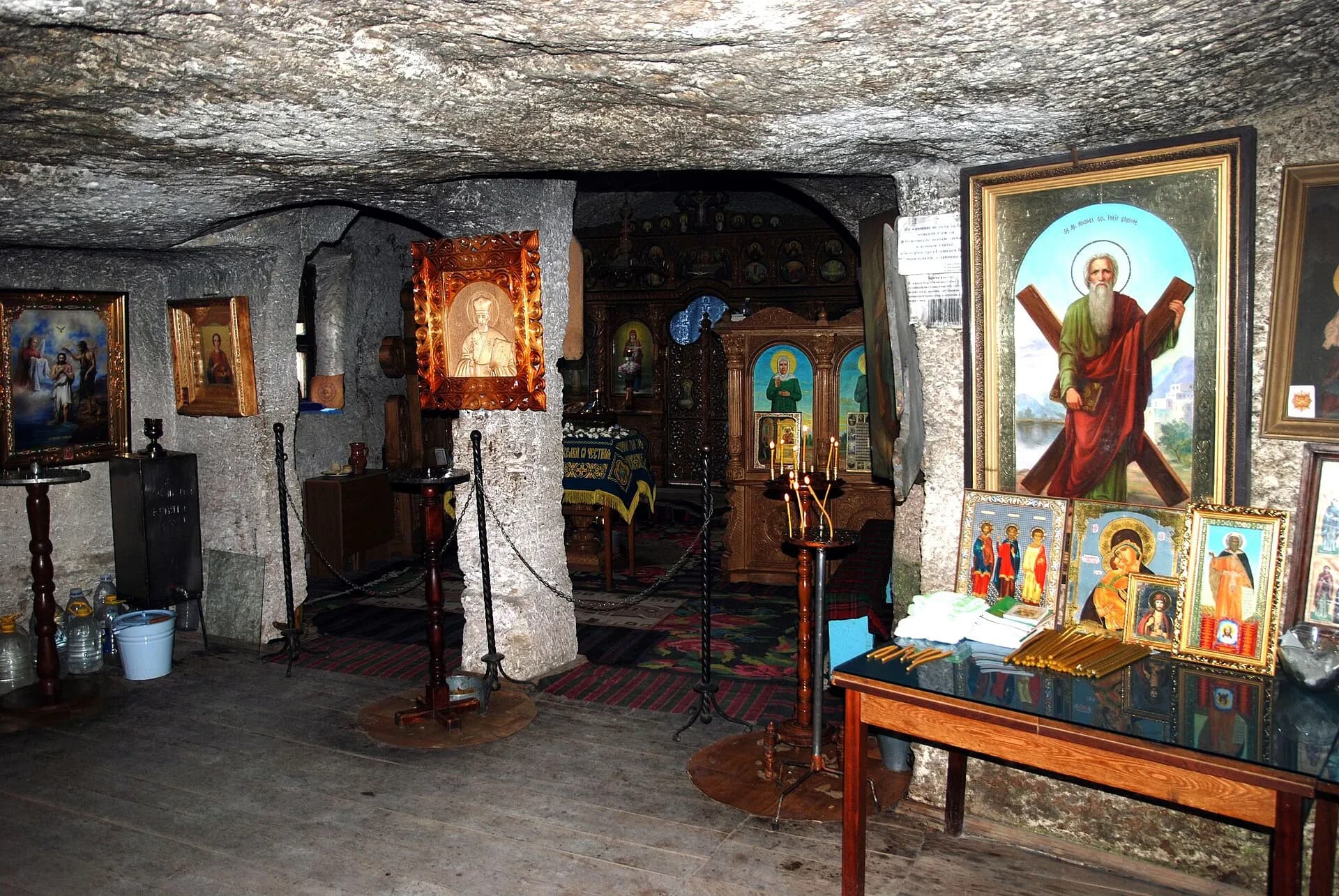
Moldova's single most memorable landscape lies about an hour north of the capital, where the little Răut river loops through a deep limestone gorge. On the cliff above the bend, a cave monastery was cut into the rock centuries ago by Orthodox monks; today a monk-tended chapel and cells can be visited through a narrow passage, with a balcony hanging over the valley. The ridge also holds a white-walled church of the early twentieth century, the remains of a medieval Moldavian town and of a fourteenth-century Golden Horde city, and traces of settlements going back to the Getae. The whole area is a protected historical and archaeological complex, and is on Moldova's tentative list for UNESCO World Heritage status.
TipStay overnight in one of the guesthouses in Butuceni village below the cliffs, which serve home-cooked meals and offer walks along the gorge at dawn and sunset. Wear modest clothing to enter the cave church.
- 13
Țipova Monastery
On a steep cliff above the Dniester, Țipova is the largest cave monastery in Moldova, a series of churches, cells and passages hollowed out of the rock on several levels. Its origins are uncertain and probably very old, and local legend says Stephen the Great married in one of its churches. A path leads down from the village past the cave churches to a gorge with small waterfalls. The cliff paths are steep and uneven, but the views over the broad river are superb. Note that the far bank is Transnistria; stay on the right (west) bank.
TipWear sturdy shoes, take water and allow a couple of hours to explore and climb back up.
- 14
Saharna Monastery
Photo: Diego Delso, CC BY-SA 4.0, via Wikimedia Commons
North of Țipova, in a green ravine running down to the Dniester, Saharna's Holy Trinity Monastery is one of Moldova's most important pilgrimage sites. The monastery was founded in the late eighteenth century beside an older cave hermitage cut into the rock, and pilgrims climb to a cliff-top rock said to bear the footprint of the Virgin Mary. The gorge has a string of small waterfalls and walking trails, and is a protected landscape. Saharna and Țipova are usually combined in one long day from Chișinău.
- 15
Soroca Fortress
Photo: Diego Delso, CC BY-SA 4.0, via Wikimedia Commons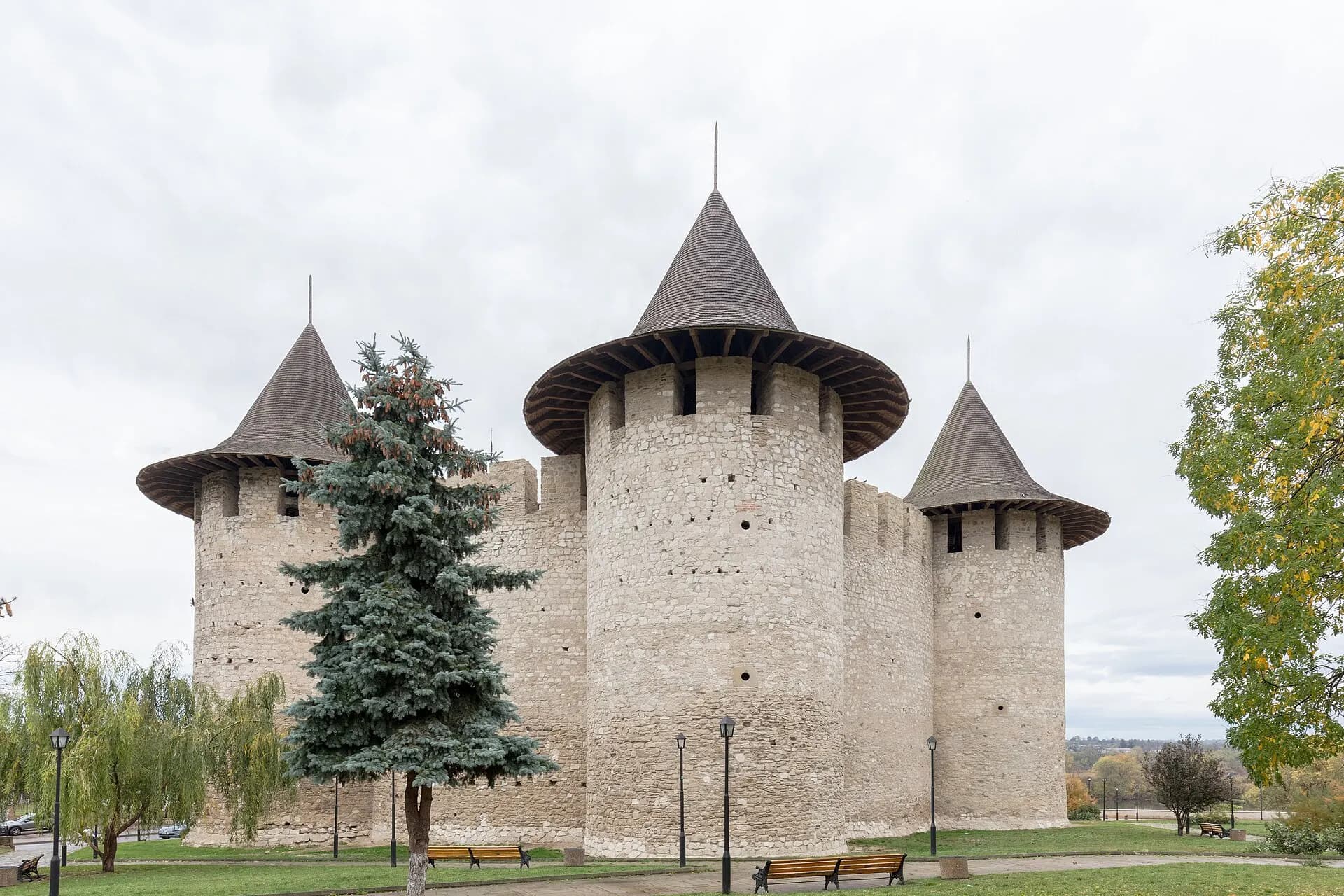
In the far north, on the Dniester facing Ukraine, Soroca's round stone fortress is one of the best-preserved medieval castles in the region. It grew from a wooden fort built under Stephen the Great in 1499 to guard a river crossing; the stone citadel, a perfect circle with four round towers and a square gate tower, was built in the 1540s. The town is also known for its large Roma community, whose ornate mansions on the hill above the centre are a local curiosity, and for the Candle of Gratitude, a hilltop monument with views over the river.
TipSoroca is about three hours from Chișinău by road, so consider staying a night or combining it with the northern monasteries.
Current advice: Transnistria and the Ukraine border
As of its latest update (10 December 2025, still current in October 2026), the UK FCDO advises against all travel to Transnistria, the self-declared republic on the eastern side of the Dniester. It does not advise against travel to the rest of Moldova. The FCDO's reasons are that Transnistria is outside the control of the Moldovan government, so its ability to help British nationals there is extremely limited; that there is widespread military activity in neighbouring Ukraine, close to some Moldovan borders; and that the region's self-declared authorities have expanded their powers to detain and prosecute people for broadly defined "extremism", which can include peaceful expression. All border crossings between Ukraine and Transnistria are currently closed.
In practical terms, this means not taking tours to Tiraspol or Bender, and not routing journeys to or from Ukraine through the region. Travelling against FCDO advice can also invalidate travel insurance. Other governments publish their own advice, which may differ in detail, so check yours before you go. Elsewhere, Moldova's borders with Ukraine are close to several places in this guide, including Purcari, Țipova, Saharna and Soroca; these are not under any FCDO warning, but it's sensible to keep an eye on news and the latest advice while the war continues.
The FCDO also notes that the government declared an energy emergency in late 2024 after gas supplies were cut off, and that managed power cuts may occur, although Chișinău's hotels and restaurants generally run normally.
When to go
Moldova has a continental climate: hot summers, cold winters and short, lovely springs and autumns. May and June bring blossom, green hills and warm days ideal for walking at Old Orhei. July and August can be very hot in the city, when the cellars and the shady parks come into their own. September and early October are the best months for wine lovers, as the harvest is under way and the country celebrates National Wine Day on the first weekend of October with a big festival in central Chișinău. Winters are grey and often snowy, with temperatures well below freezing, but the Christmas markets, the Orthodox Christmas on 7 January and a much quieter monastery circuit have their own appeal. Many rural guesthouses and smaller wineries keep shorter hours from November to March.
Getting around
Arriving: Chișinău International Airport, about 13 kilometres south-east of the centre, has direct flights from many European cities, including several low-cost routes; buses, minibuses and taxis link it to the centre in around 20 to 30 minutes. Rail and bus links run to Romania, with trains to Iași and Bucharest and frequent coaches; check current timetables, which change often. British passport holders can visit for up to 90 days in any six months without a visa, need a passport valid for at least three months after departure, and may be asked to show an onward ticket.
In the city: The centre is walkable. Trolleybuses and buses cover the city cheaply, and the private minibuses called rutiere fill the gaps, with route numbers on the windscreen. Ride-hailing apps are widely used and are the simplest way to get a fairly priced taxi; the FCDO warns that some official-looking taxis are unlicensed, so avoid hailing cars on the street.
Day trips: Minibuses leave from the city's bus stations for Orhei, Soroca and other towns, but timetables to the monasteries and wineries are sparse and the final stretch often needs a taxi. Most visitors join a small-group or private tour, or hire a car with a driver. If you drive yourself, be aware that rural roads vary in quality, driving standards can be poor, and driving at night outside towns is best avoided. Moldova has a very strict drink-driving limit, which matters on wine-tasting days: designate a driver or take a tour.
Local tips
- The currency is the Moldovan leu (plural lei). Cards are widely accepted in the capital, but carry cash for markets, rural guesthouses and minibuses. Be careful with cards at ATMs, as card fraud does occur.
- Romanian is the official language; Russian is also widely spoken, especially among older people and in some neighbourhoods. English is common among younger people in Chișinău, much less so in the countryside. A few words of Romanian, such as mulțumesc (thank you), are warmly received.
- Pickpocketing is the main crime risk, especially in markets and crowded transport. Keep your passport in the hotel safe and carry a copy; police checks happen and officers may ask for ID.
- Political demonstrations take place in central Chișinău from time to time. They are usually small and peaceful, but the FCDO advises staying away from them.
- Pavements can be uneven and side streets poorly lit at night, so watch your step and consider a torch.
- Tipping around 10 per cent in restaurants is normal.
- Moldova uses Eastern European Time, two hours ahead of GMT (three in summer).
Eat and drink
Moldovan food is hearty, seasonal and rooted in the village kitchen, with many dishes shared with Romania and a few borrowed from Ukraine, Russia and Turkey. The staple is mămăligă, a firm polenta served with brânză (salty sheep's cheese), soured cream and often fried pork or fish. Plăcinte, thin pastries filled with cheese, potato, cabbage or pumpkin, are sold everywhere and make a perfect snack. Look out too for sarmale, cabbage or vine leaves stuffed with rice and meat; zeamă, a sour chicken soup with handmade noodles; and mititei, little grilled sausages. In summer, markets and menus burst with tomatoes, aubergine salads and fruit.
Wine is the national passion. Moldova has one of the highest shares of land under vines of any country, and quality has risen enormously since the 2000s. Alongside international grapes, try the native whites Fetească Albă and Fetească Regală and the reds Fetească Neagră and Rara Neagră. Wine bars in central Chișinău pour by the glass from dozens of small estates, and the strong fruit brandy, rachiu, or homemade plum spirit appears at many tables. For a full meal with folk décor and live music, the city's traditional restaurants are popular with locals for celebrations.
Where to stay
Most visitors stay in the central grid around Bulevardul Ștefan cel Mare, within walking distance of the cathedral, the parks and the best restaurants; there's a good spread of international chain hotels, smaller boutique places and apartment rentals, at prices well below those of western Europe. The quieter streets west of the centre, towards Valea Morilor, suit those who want greenery. Outside the capital, the guesthouses of Butuceni at Old Orhei and the winery hotels, such as the château at Purcari and estates around Mileștii Mici and Cricova, are some of the most rewarding places to stay in the country.
A short history
The lands between the Prut and Dniester rivers were part of the medieval principality of Moldavia, whose greatest ruler, Stephen the Great (reigned 1457 to 1504), built the fortresses and monasteries that still dot the countryside. In 1812 the eastern half of Moldavia, known as Bessarabia, was annexed by the Russian Empire, and Chișinău, until then a small market town, became a provincial capital laid out on a grid of broad avenues. After the First World War Bessarabia united with Romania; in 1940 it was occupied by the Soviet Union, and after brutal wartime fighting, deportations and the murder of the city's large Jewish community, it became the Moldavian Soviet Socialist Republic.
Moldova declared independence in 1991. A short war in 1992 left Transnistria, the strip east of the Dniester, under a separatist administration backed by Russian troops, and it remains unrecognised by any UN member state. Since then the country has swung between east and west; it became an official candidate for European Union membership in 2022, and the war in neighbouring Ukraine has shaped daily life, from refugee arrivals to energy shortages.
Wine routes and responsible travel
The cellars of Cricova and Mileștii Mici draw the crowds, but much of the excitement in Moldovan wine today comes from small family estates in the Codru hills, the south-western Valul lui Traian region and the Ștefan Vodă area near Purcari. Visiting them directly, eating at village guesthouses and buying wine and crafts from producers puts money into a rural economy that has lost many of its young people to work abroad. At monasteries, dress modestly, ask before photographing monks or services, and leave a small donation. On cliff paths at Old Orhei, Țipova and Saharna, stay on marked trails, as the limestone edges crumble easily. And if you'd like to continue into the Romanian heartland, the castles and Saxon villages of Transylvania are a natural next stop, reached via Iași.