Kuala Lumpur
Twin towers and colonial domes, Chinese temples and Malay villages, and some of Asia's best street food, all a train ride apart.
- Best time to go
- Year-round; June to August and January to February tend to be a little drier
- Local time
- –
- Currency
- Malaysian Ringgit (MYR)
- Reading time
- 10 min
- Language
- Malay
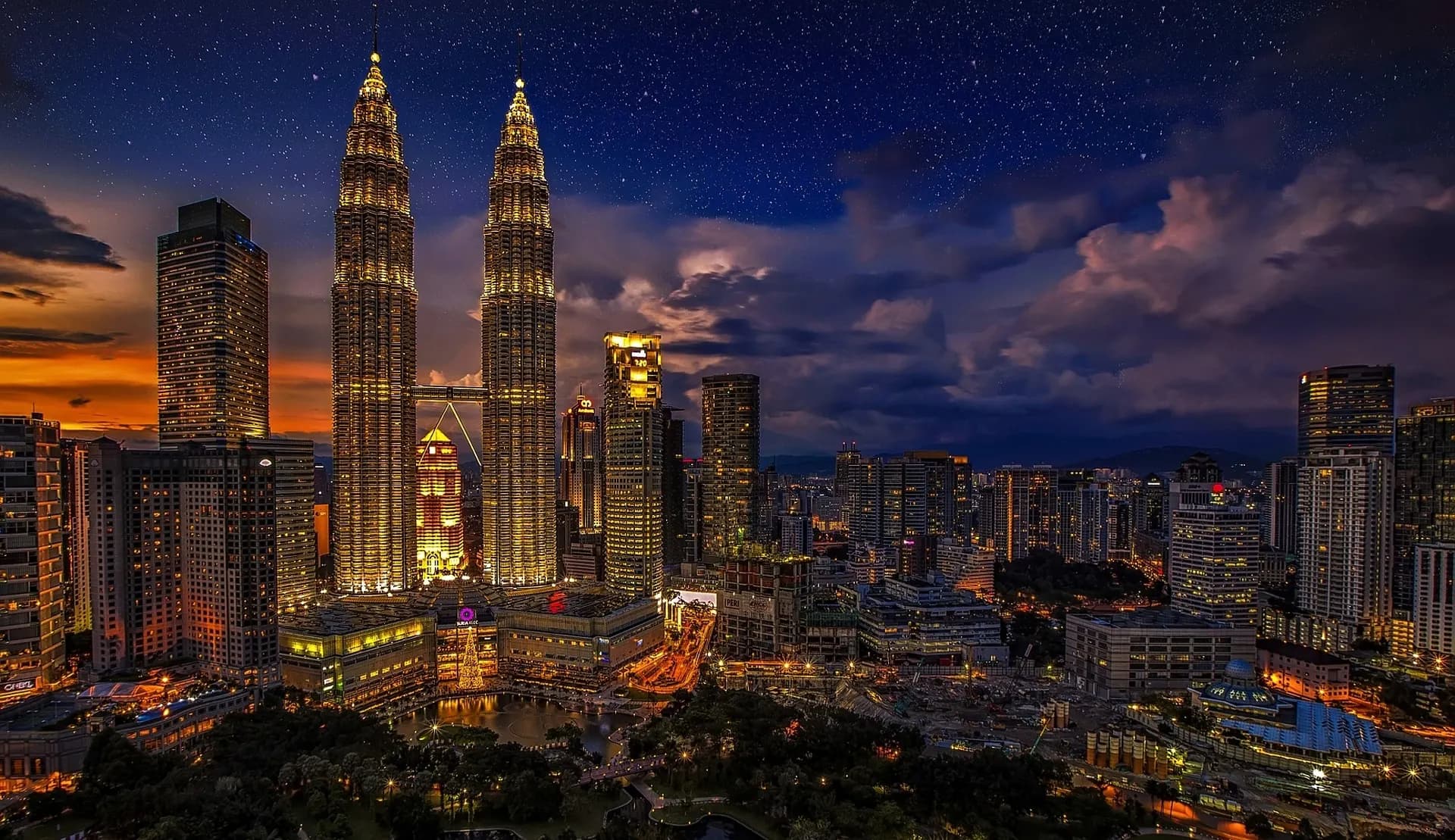
Kuala Lumpur began in the 1850s as a tin-mining camp where the Klang and Gombak rivers meet; its name means "muddy confluence" in Malay. In less than two centuries it has grown into a capital of glass towers and elevated railways, yet the old layers are still easy to find: Moorish-style colonial offices around a cricket green, Chinese shophouses and clan temples, Hindu shrines heavy with jasmine, and Malay wooden houses in the shadow of skyscrapers.
The city is a meeting place of Malay, Chinese and Indian cultures, and the best way to understand it is through its food, eaten at plastic tables under ceiling fans at any hour. It is hot, humid and spread out, but the trains link most sights, and a little planning around the heat and the afternoon rain goes a long way. Merdeka 118, now the world's second-tallest building, dominates the skyline south of Chinatown, but its observation deck had not opened to the public at the time of writing; check before you go, and be wary of unofficial ticket sellers.
The top 15 in Kuala Lumpur
- 1
The Petronas Twin Towers
Photo: CEphoto, Uwe Aranas, CC BY-SA 3.0, via Wikimedia Commons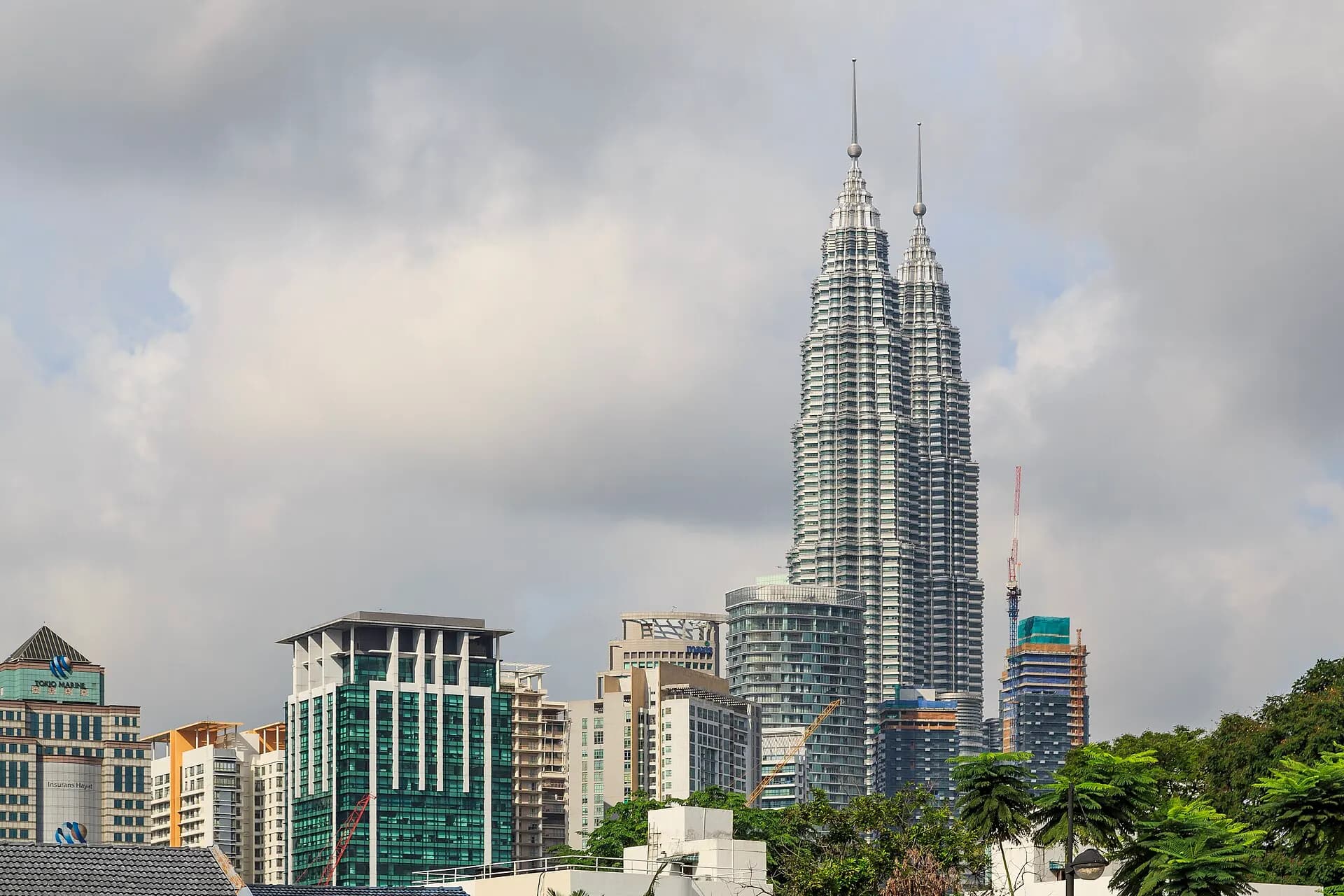
Designed by César Pelli and finished in the late 1990s, the 452-metre twin towers were the tallest buildings in the world until 2004, and their steel-and-glass facades are based on an eight-pointed Islamic star. A visit takes you to the double-decker Skybridge between the towers on levels 41 and 42, then up to the observation deck on level 86.
TipBook a timed ticket on the official website well ahead; slots sell out. The towers are closed on the first and third Monday of most months and over Hari Raya, and large bags must be left at the entrance.
- 2
KLCC Park
Photo: Marcin Konsek, CC BY-SA 4.0, via Wikimedia Commons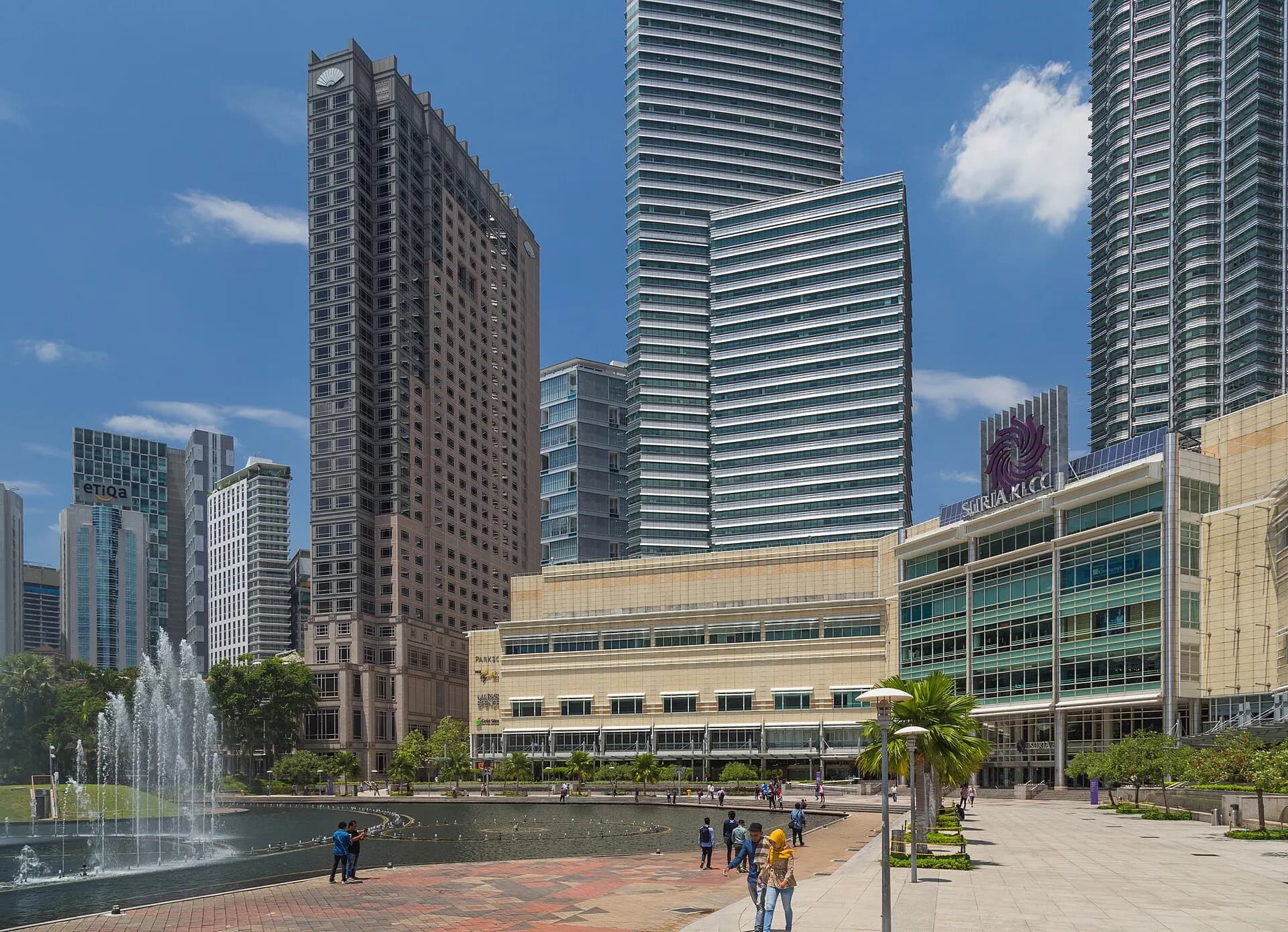
The landscaped park behind the towers, designed by the Brazilian landscape architect Roberto Burle Marx, has shady paths, a jogging track, a children's paddling pool and a lake with fountains. In the evening the musical fountain show and the lit-up towers draw a crowd; it's free and one of the best views of the skyline.
- 3
Kampung Baru
Photo: Elisa.rolle, CC BY-SA 4.0, via Wikimedia Commons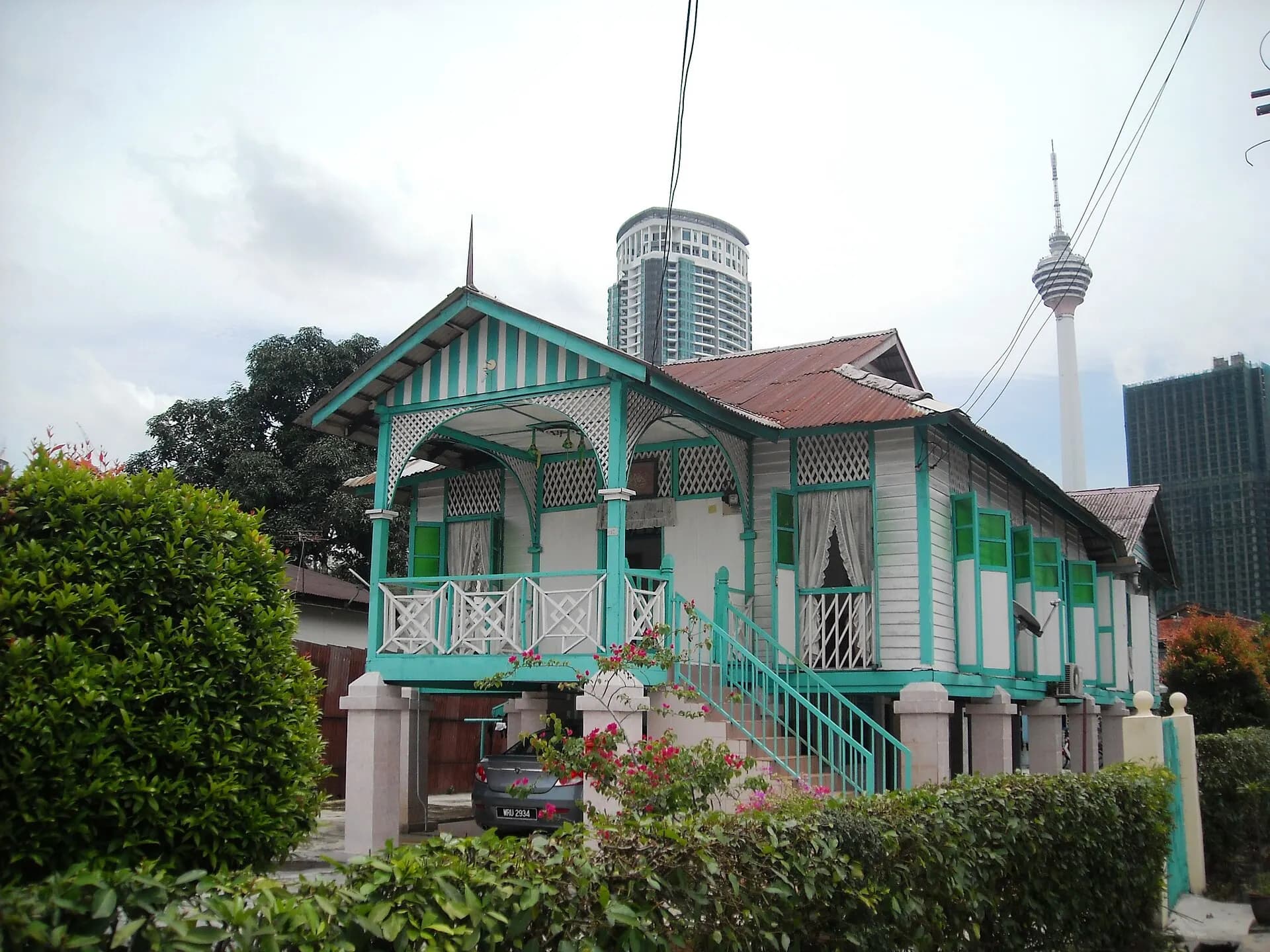
Set aside for Malay settlers at the end of the nineteenth century, this neighbourhood of wooden stilt houses, gardens and small mosques survives a few minutes from the towers. It's best known for Malay food: nasi lemak in the morning and a lively night-time food scene. The Saloma Link footbridge connects it with the KLCC side of the river.
TipThis is a conservative Malay area; dress modestly and ask before photographing people or homes.
- 4
KL Tower
The 421-metre telecommunications tower, Menara Kuala Lumpur, stands on Bukit Nanas hill, which gives its observation deck a view as high as the twin towers' and puts the towers themselves in the picture. An open-air Sky Deck and glass-floored Sky Box sit above the indoor deck. The hill is a protected forest reserve, with short trails in the KL Forest Eco Park below.
- 5
Masjid Jamek
Photo: CEphoto, Uwe Aranas, CC BY-SA 3.0, via Wikimedia Commons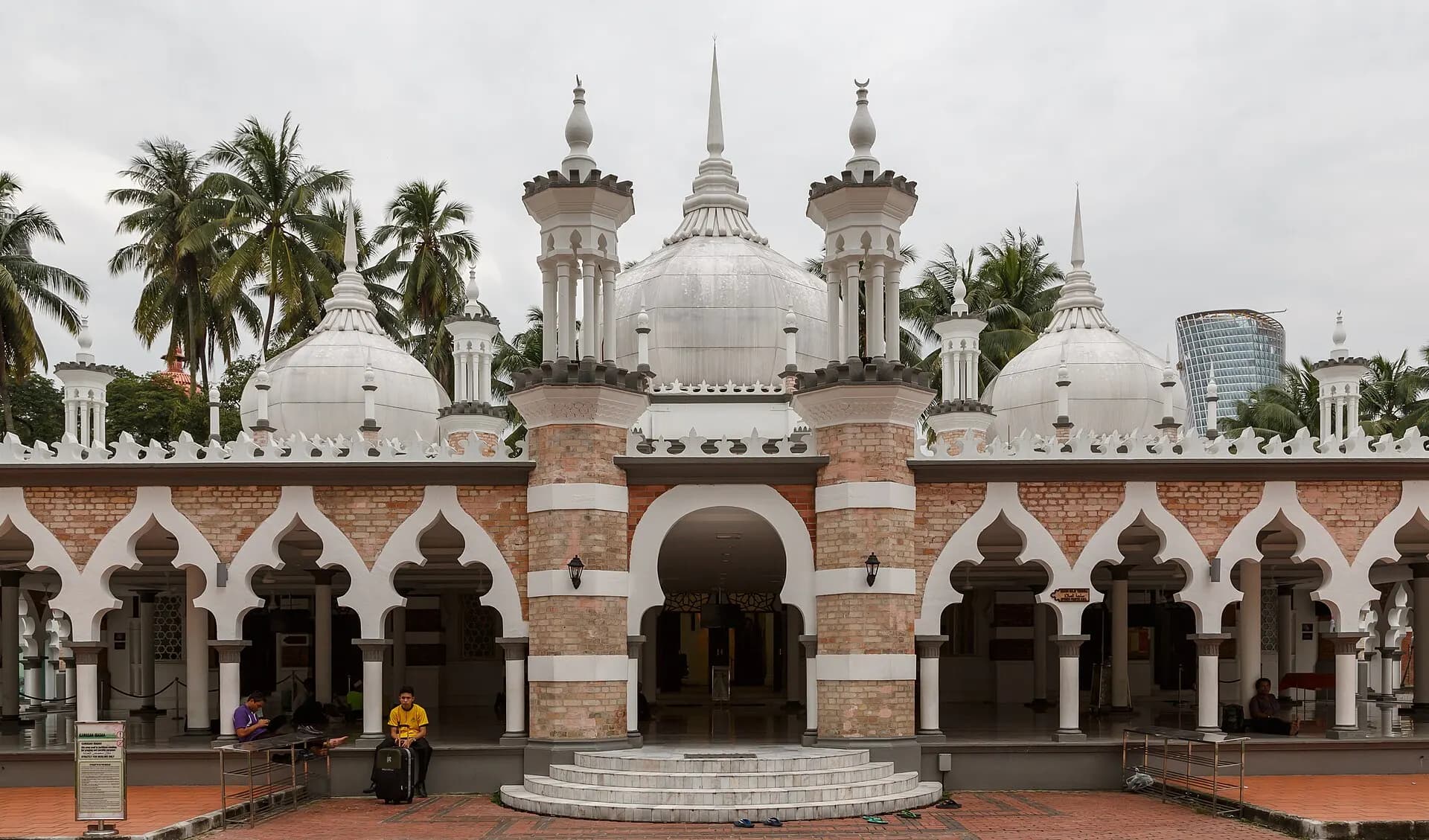
The city's oldest surviving mosque, completed in 1909, stands on the point where the two rivers meet, the spot where Kuala Lumpur began. Its pink-brick domes and minarets were designed by the British architect Arthur Benison Hubback, and the riverbanks around it have been landscaped as part of the River of Life project, with blue lighting at night.
TipVisitors are welcome outside prayer times; robes and headscarves are provided, and shoes come off at the door.
- 6
Merdeka Square and the Sultan Abdul Samad Building
Photo: P. Hughes, CC BY 4.0, via Wikimedia Commons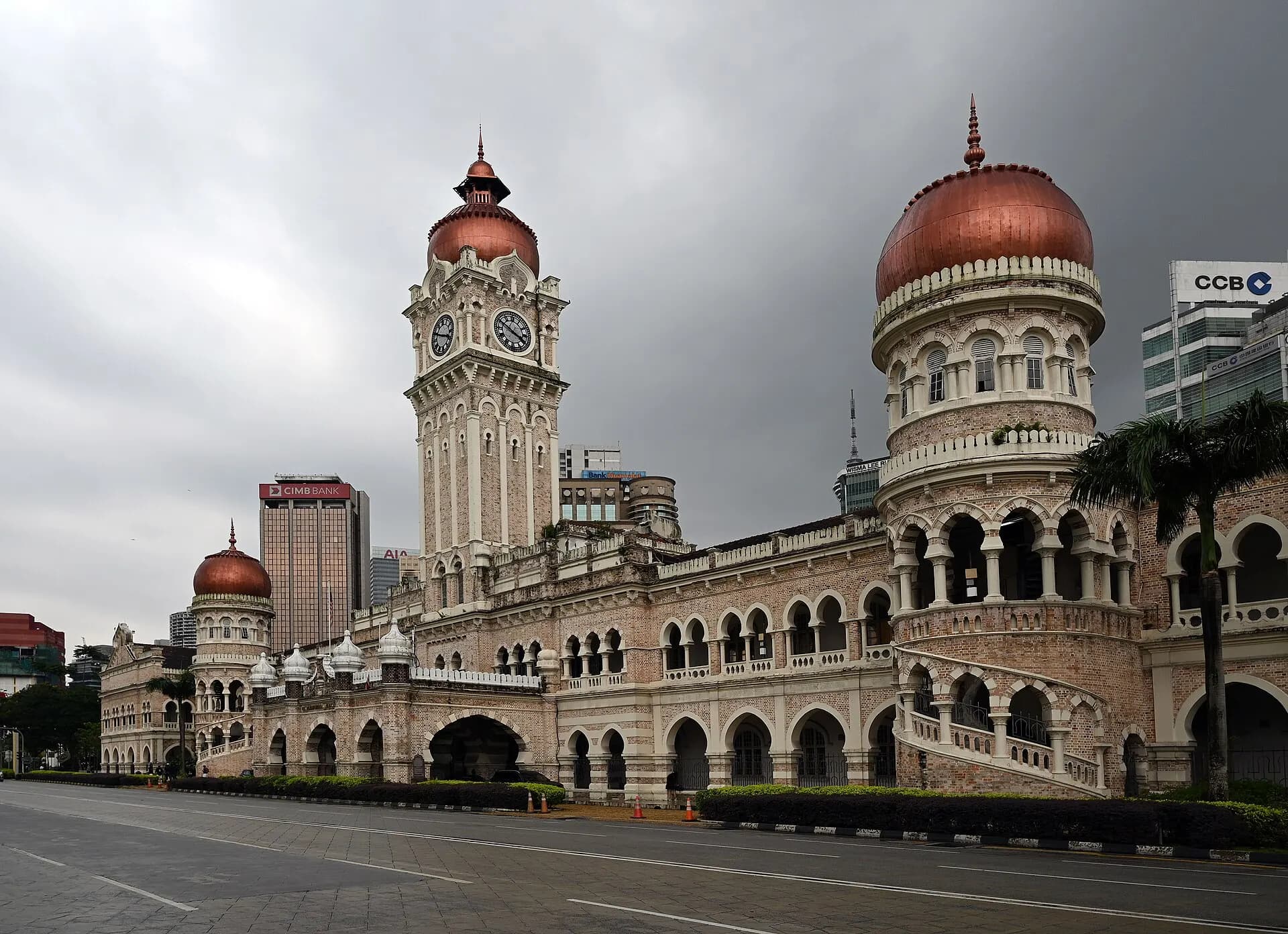
On this former cricket green the Union Flag was lowered and the Malayan flag raised at midnight on 31 August 1957, marking independence. Facing it, the copper-domed Sultan Abdul Samad Building of 1897 is the finest of the city's colonial buildings, in a Mughal-inspired style. The mock-Tudor Royal Selangor Club, the KL City Gallery and the National Textile Museum stand around the square.
- 7
Central Market
Photo: Wee Hong, CC BY-SA 4.0, via Wikimedia Commons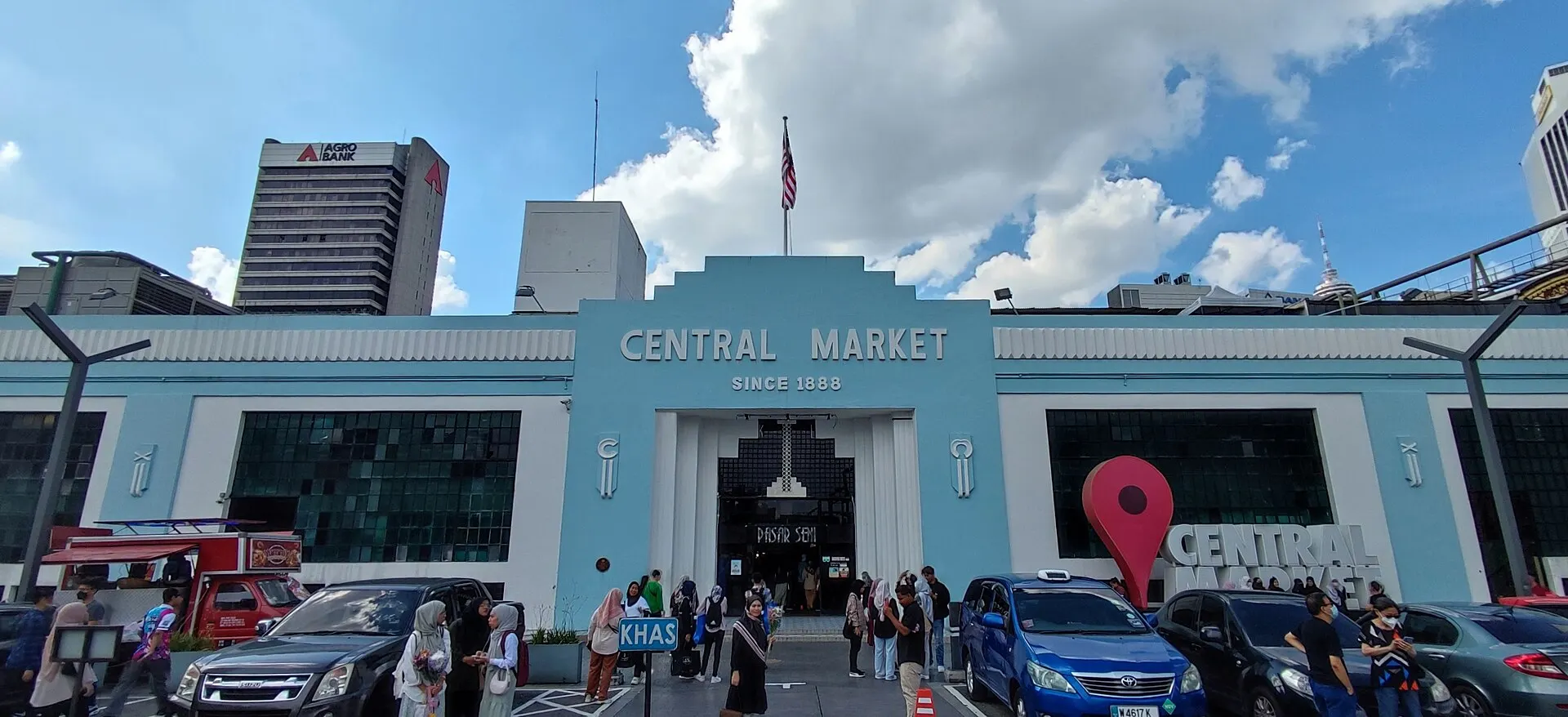
Kuala Lumpur's old wet market, housed since the 1930s in an Art Deco building painted pale blue, is now Pasar Seni, a covered market for batik, songket weaving, pewter, kites and other crafts, with a food court upstairs. It's air-conditioned, which helps in the midday heat.
- 8
Petaling Street and Chinatown
Photo: IQRemix, CC BY-SA 2.0, via Wikimedia Commons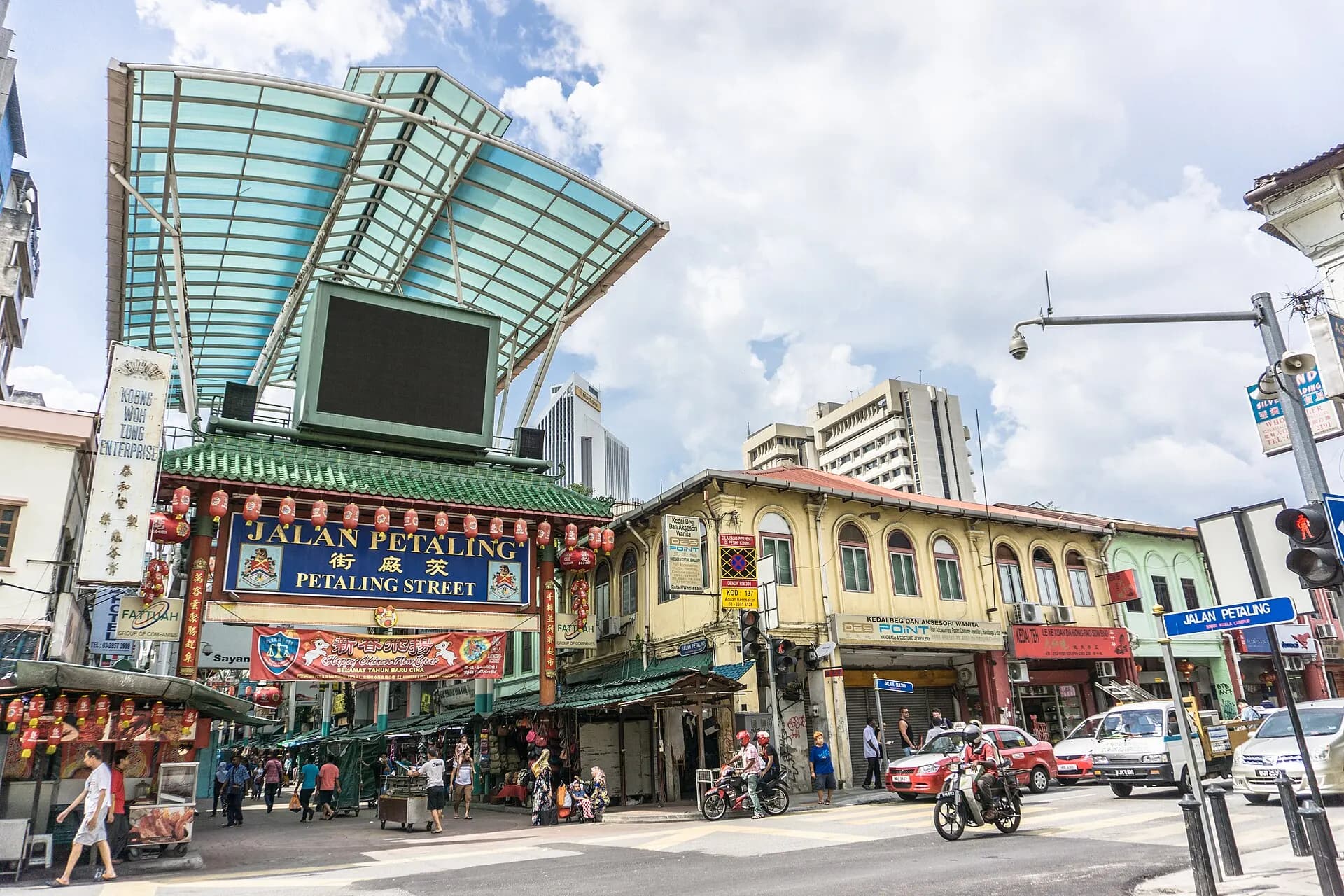
Chinatown's covered market street is busy with stalls, but the real interest lies in the streets around it. Sri Mahamariamman Temple, founded in 1873 and the oldest Hindu temple in the city, has a tall gopuram covered in painted deities. Across the road, the Guan Di Temple, dedicated to the Chinese god of war and loyalty, dates from the 1880s and is thick with incense. Old coffee shops, herbal stores and restored shophouse cafés fill the lanes.
TipMost market goods are copies; bargain politely, and spend your time on the temples and the food.
- 9
Kwai Chai Hong
Photo: Renek78, CC BY-SA 4.0, via Wikimedia Commons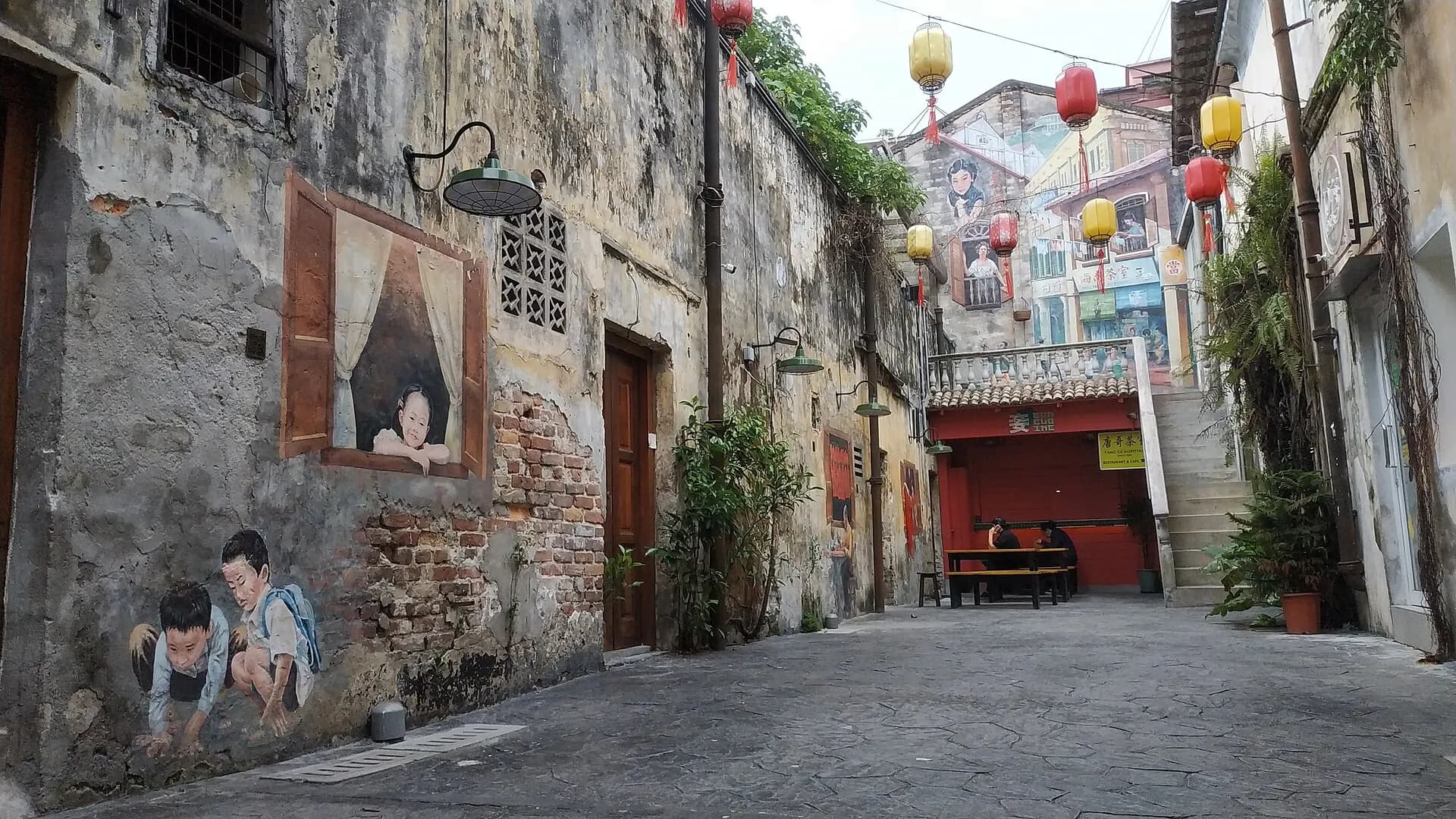
A once-neglected back lane behind a row of 1930s shophouses, restored with murals of everyday life in old Chinatown: children playing, a barber, a calligrapher. It's small and takes only a few minutes, but it shows how the old quarter is being brought back to life, and there are cafés nearby.
- 10
The National Mosque
Photo: CEphoto, Uwe Aranas, CC BY-SA 3.0, via Wikimedia Commons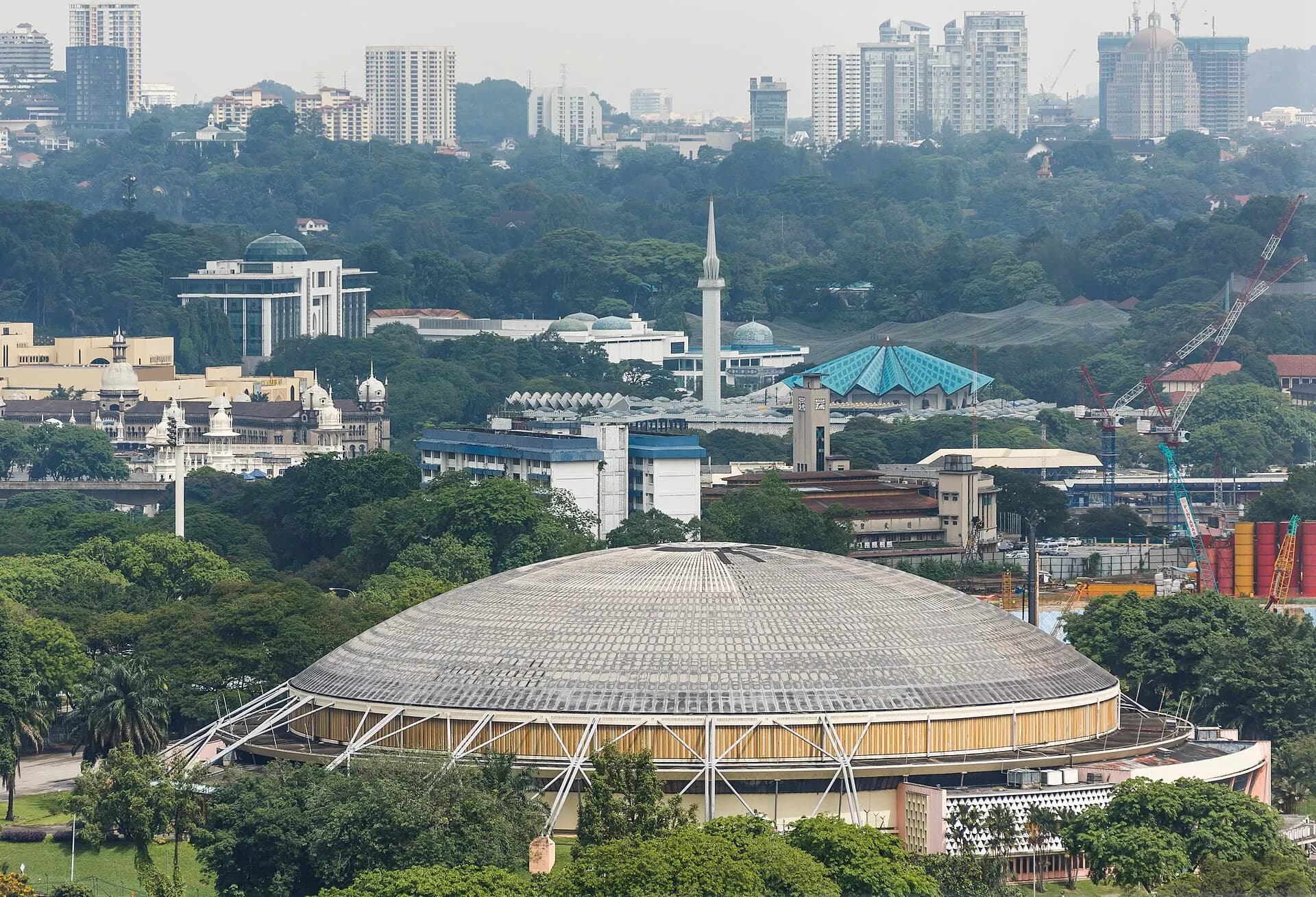
Masjid Negara, completed in 1965, is a landmark of modern Malaysian architecture, with a folded roof shaped like a sixteen-pointed star or a half-open umbrella, a tall minaret and reflecting pools. It can hold thousands of worshippers.
TipNon-Muslim visitors are admitted outside prayer times, and not during Friday prayers. Robes are provided at the entrance; check the visiting hours locally.
- 11
The Islamic Arts Museum Malaysia
Photo: Denis Luyten, Public domain, via Wikimedia Commons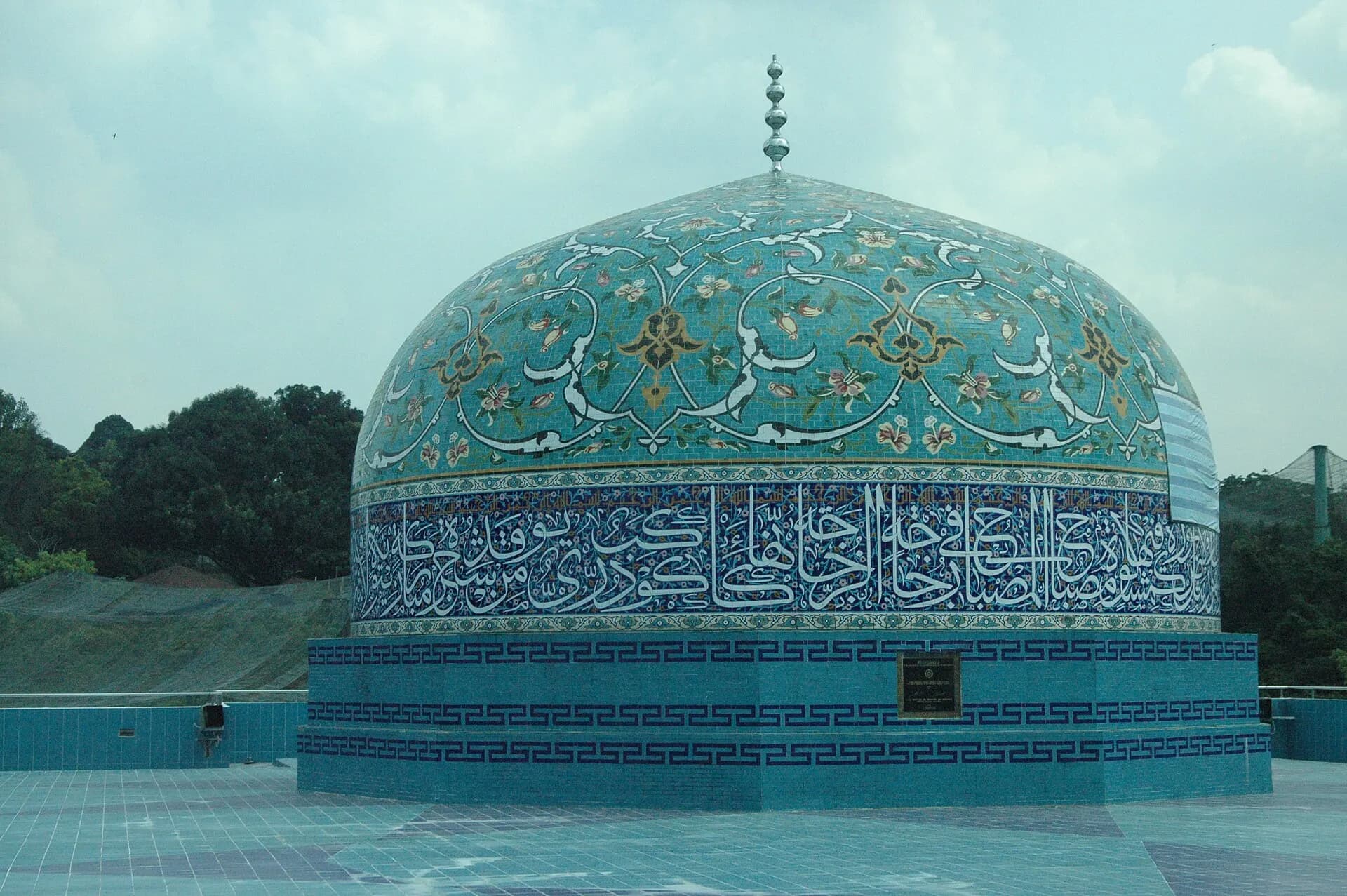
One of the finest museums of Islamic art in the world, with manuscripts, Qurans, textiles, jewellery, arms and ceramics from China to the Middle East, a reconstructed Ottoman room and scale models of the great mosques. The building's painted domes are works of art in themselves, and the museum café is a good place to cool off.
- 12
Perdana Botanical Garden
Photo: Renek78, CC0, via Wikimedia Commons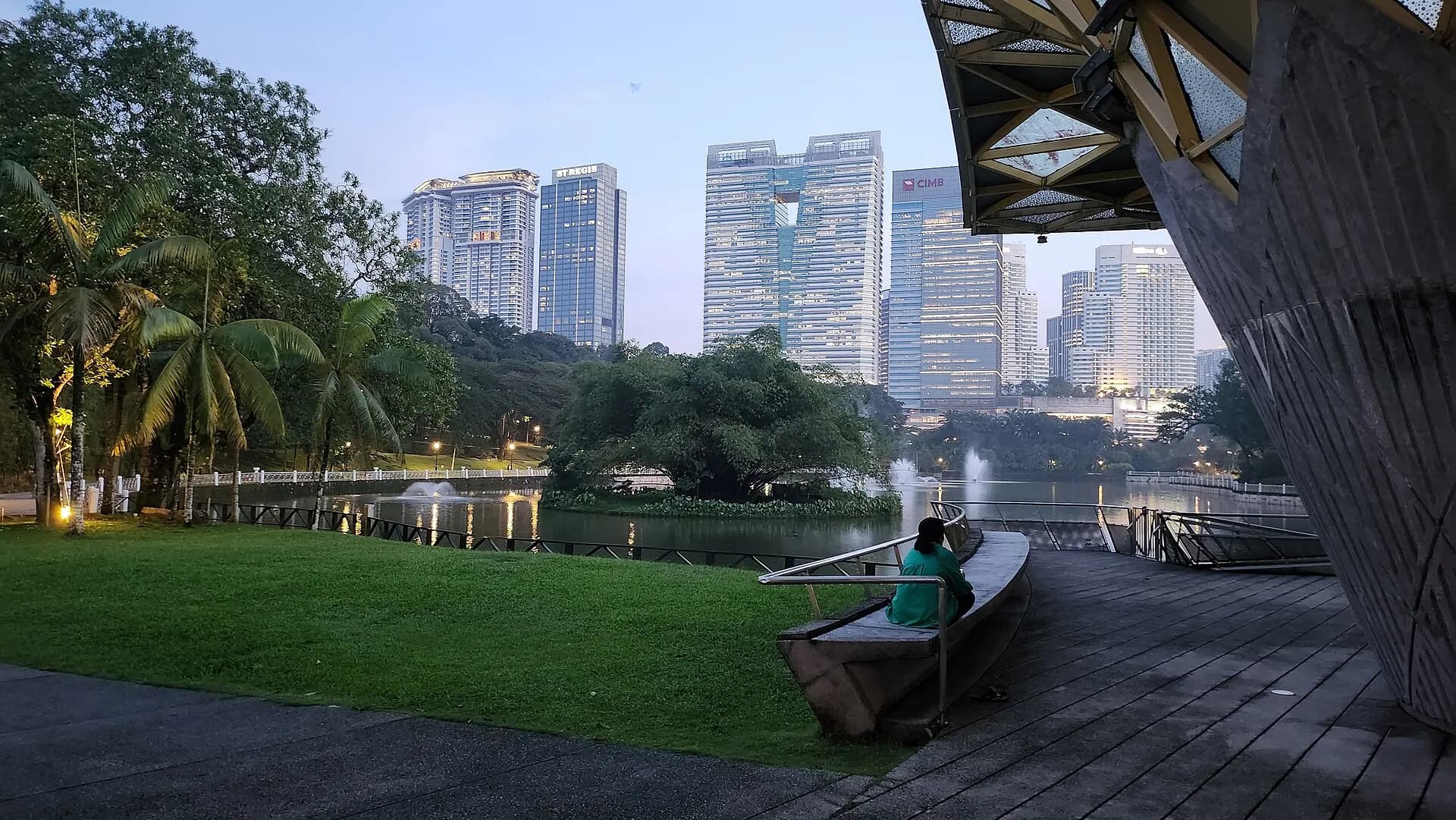
The Lake Gardens, laid out in the 1880s, are the city's green lung: a large park of lakes, lawns, tropical trees and themed gardens, popular with joggers at dawn and dusk. The National Monument, the KL Bird Park and the National Museum are on its edges, and a morning here pairs well with the mosque and museum nearby.
- 13
Thean Hou Temple
Photo: Sam Hidayat, CC BY-SA 4.0, via Wikimedia Commons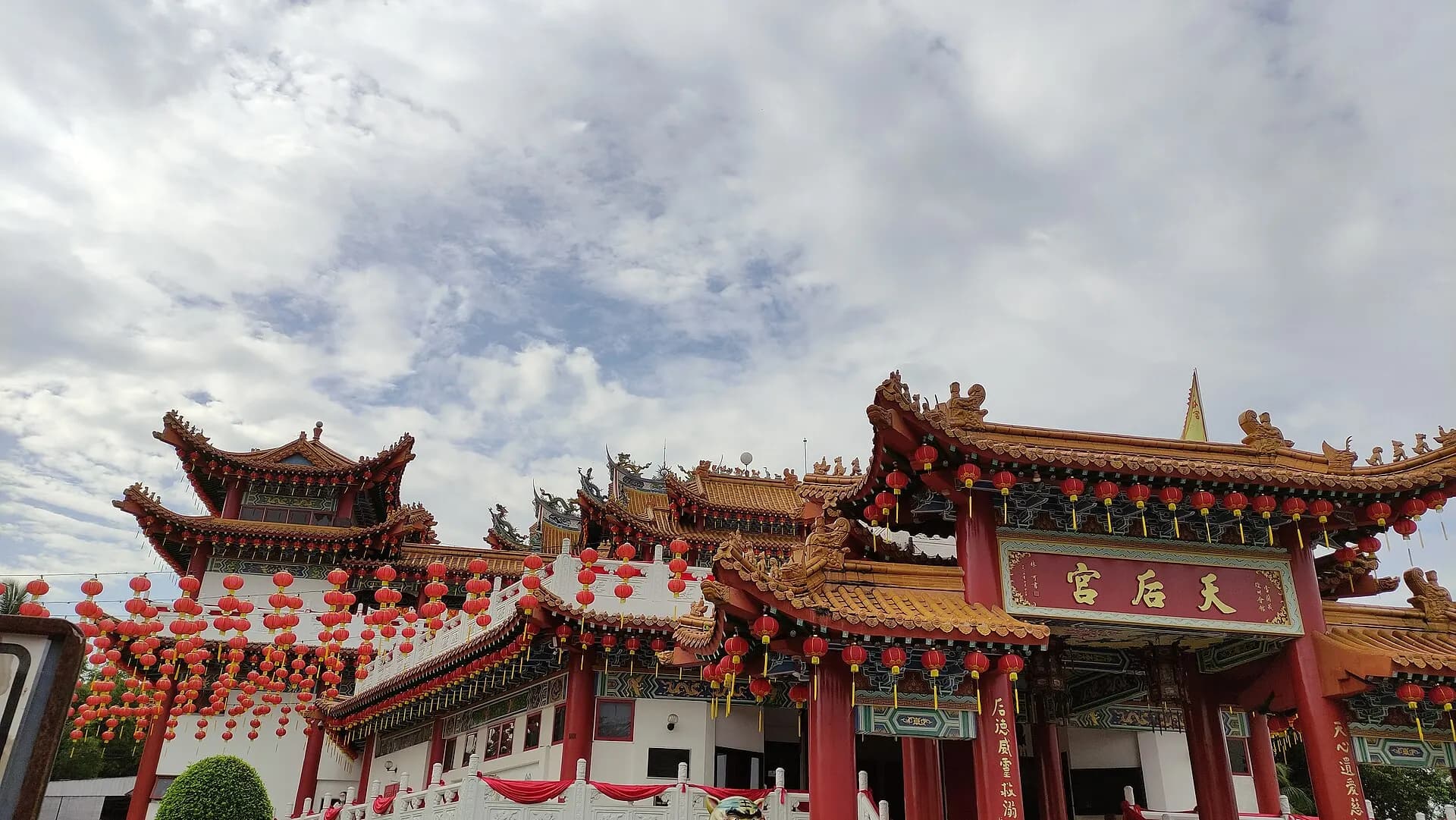
A six-tiered Chinese temple on a hill south of the centre, dedicated to the sea goddess Mazu and built in the 1980s by the Hainanese community. Its red pillars and upturned eaves, hung with lanterns, look across the city, and it's busy with weddings and at Chinese New Year.
TipIt's not near a station; take a taxi or ride-hailing car, ideally late in the afternoon when the lanterns light up.
- 14
Bukit Bintang and Jalan Alor
Photo: IQRemix, CC BY-SA 2.0, via Wikimedia Commons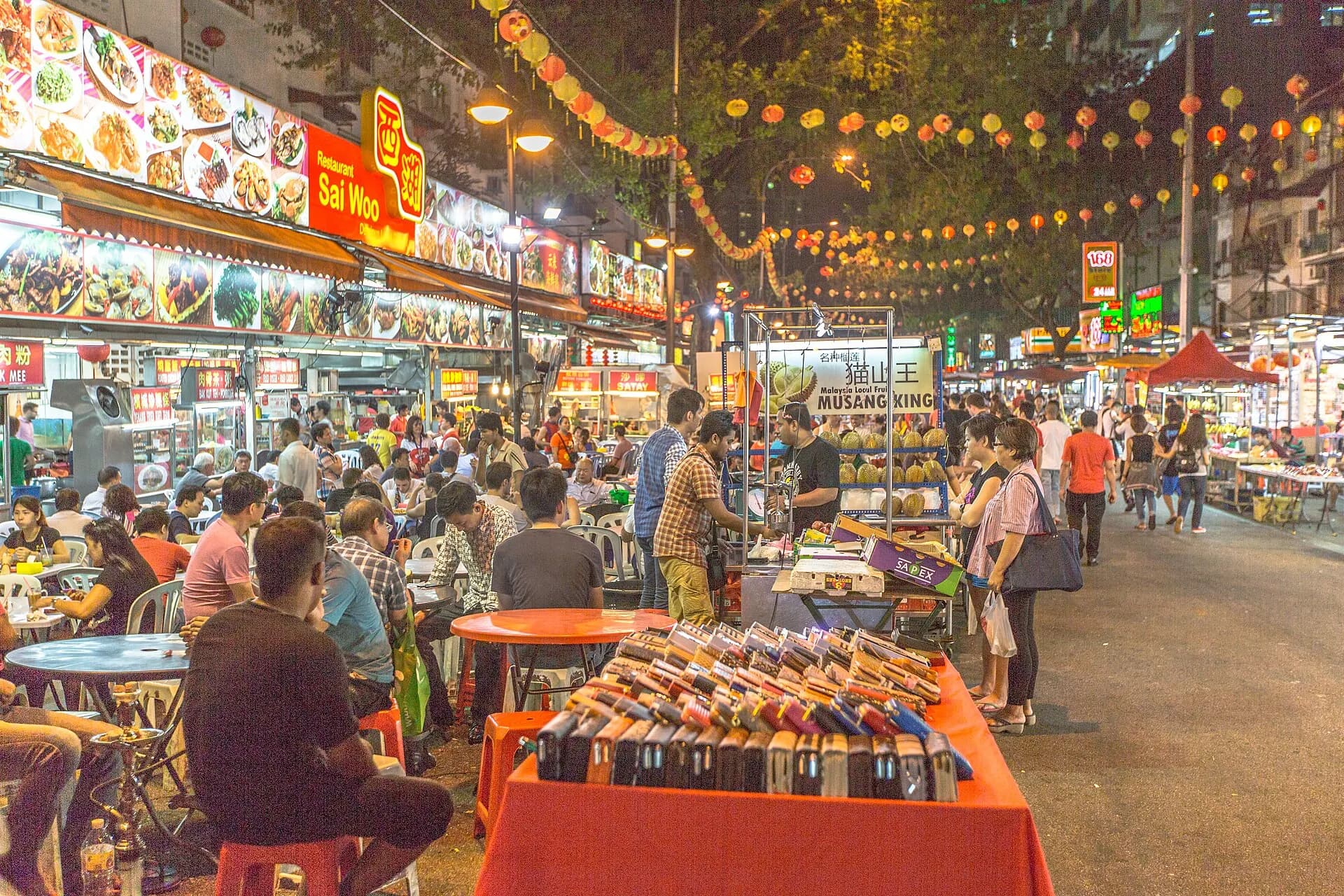
Bukit Bintang is the shopping heart of the city, a district of giant malls such as Pavilion and Lot 10, massage parlours and bars along Changkat Bukit Bintang. A block away, Jalan Alor fills each evening with tables and food stalls serving grilled seafood, satay, noodles and tropical fruit.
TipJalan Alor is lively but aimed at visitors; for local prices, look for the busy hawker centres and coffee shops on the side streets.
- 15
Batu Caves
Photo: *angys*, CC BY-SA 4.0, via Wikimedia Commons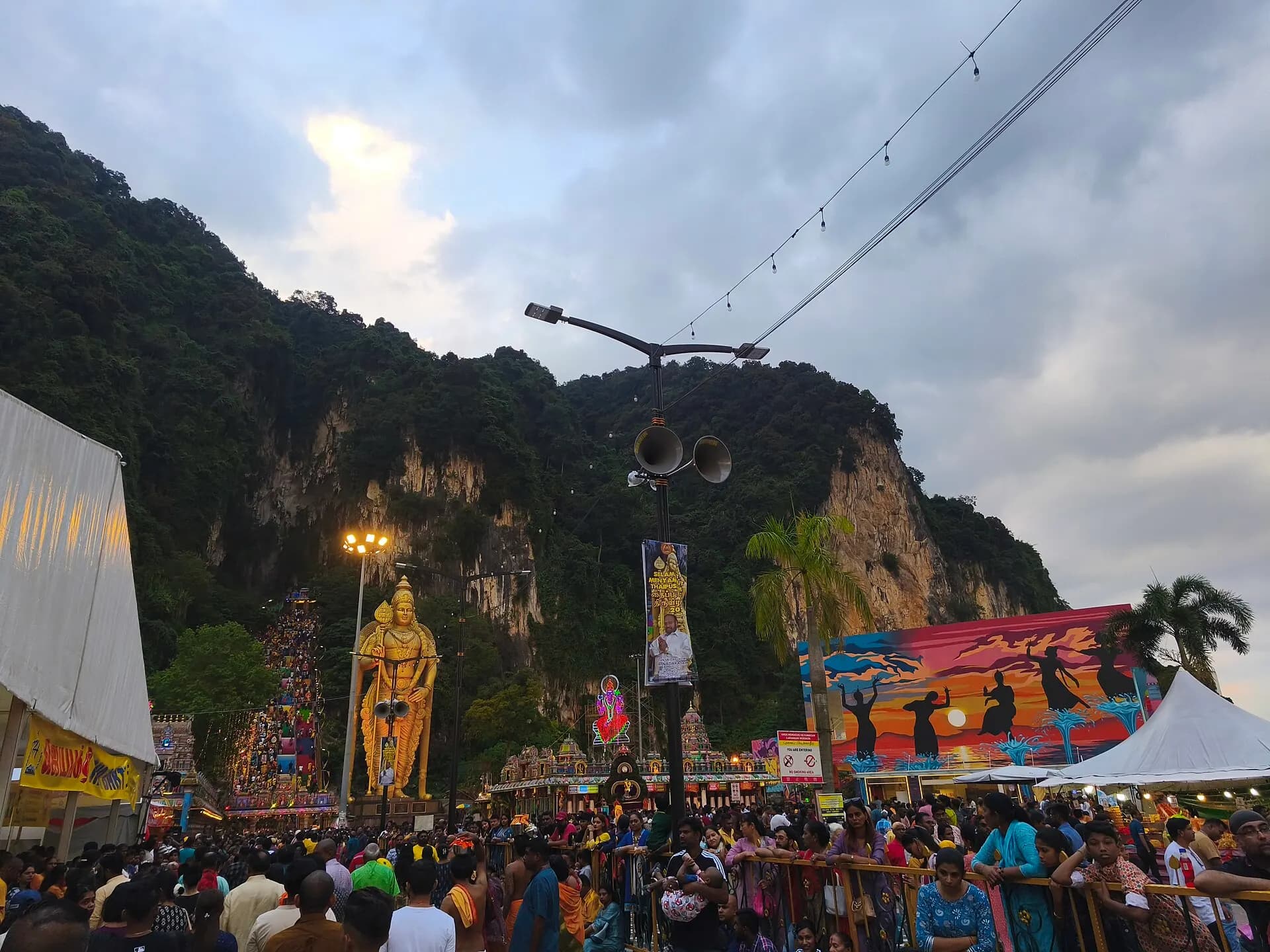
A limestone hill on the northern edge of the city, with a vast cavern temple reached by 272 steep, brightly painted steps beside a towering golden statue of Lord Murugan. It's one of the most important Hindu shrines outside India and the focus of the Thaipusam festival, when huge crowds of devotees climb the steps carrying offerings. The main Temple Cave is free; smaller caves at the foot of the hill charge entry.
TipShoulders and knees must be covered; sarongs can be rented at the foot of the steps. Go early to avoid the heat, and keep food and bags closed, as the macaques snatch anything. KTM Komuter trains run from KL Sentral to Batu Caves station.
When to go
Kuala Lumpur sits just north of the equator, so it's hot and humid all year, typically in the low thirties by day and rarely much below twenty-four at night. Rain falls in every month, usually as heavy afternoon or evening thunderstorms rather than all-day drizzle; the wettest spells tend to be around March to April and October to November. June to August and January to February are often a little drier. Smoke haze from fires in the region sometimes affects air quality, most often in the dry months of the southwest monsoon. Major festivals, including Chinese New Year, Thaipusam, Deepavali and Hari Raya, are colourful times to visit, but some sights and businesses close for the holidays.
Getting around
The city's rail network, run by Rapid KL, is cheap, air-conditioned and the best way to avoid traffic. The LRT, MRT and KL Monorail lines link KLCC, Bukit Bintang, Chinatown (Pasar Seni and Masjid Jamek stations) and the transport hub of KL Sentral, and KTM Komuter trains run to Batu Caves. Buy single-journey tokens at station machines, or a rechargeable Touch 'n Go card, which also works on buses; tapping in with a bank card was not yet possible at the time of writing. Ride-hailing apps such as Grab are inexpensive and widely used, especially for places away from stations. Walking is possible in the centre, but pavements can be patchy and the heat tiring.
From Kuala Lumpur International Airport, the KLIA Ekspres train reaches KL Sentral in around half an hour, and is quicker than the road at busy times.
Local tips
- Check entry rules before you travel; most foreign visitors must complete the Malaysia Digital Arrival Card online in the days before arriving.
- Carry an umbrella for both sun and sudden rain, and plan outdoor sightseeing for the morning.
- Dress modestly for mosques and temples: cover shoulders and knees, and take off your shoes before entering.
- Use your right hand for eating, giving and receiving, and avoid pointing with your index finger.
- Malls and trains are strongly air-conditioned; bring a light layer.
- Drink bottled or filtered water, and keep hydrated in the heat.
- Public displays of affection are frowned upon, and drug offences carry very severe penalties.
Eat and drink
Kuala Lumpur eats around the clock. Nasi lemak, rice cooked in coconut milk with sambal, anchovies, peanuts and egg, is the national breakfast; roti canai with dhal and a pulled tea, teh tarik, is the classic at a 24-hour mamak stall. Try char kway teow, KL-style Hokkien mee in dark soy, wonton noodles, Hainanese chicken rice, satay, and curry laksa, and finish with cendol, shaved ice with coconut milk and palm sugar. Brickfields, Little India near KL Sentral, is the place for banana-leaf rice. Durian season brings roadside stalls selling the pungent fruit, which is banned in many hotels and on trains. Alcohol is available in restaurants and bars but heavily taxed, and less common in Malay areas.
Where to stay
KLCC has the big international hotels, many with views of the towers, and quick access to the park. Bukit Bintang, a short monorail ride away, is the liveliest base for shopping, food and nightlife, with a wide range of prices. Chinatown has guesthouses and boutique hotels in restored shophouses, close to the old town. KL Sentral and Brickfields suit early departures, with direct trains to the airport.
A city of three cultures
Malaysia's population is mainly Malay, with large Chinese and Indian communities and many indigenous peoples, and Kuala Lumpur reflects all of them. The Chinese came in great numbers to work the tin mines in the nineteenth century, and Yap Ah Loy, a Hakka leader, did much to build the early town. Indian workers came to build railways and work on plantations, and Tamil culture remains strong in Brickfields and around Batu Caves. Islam is the official religion, and the call to prayer carries across the city, but temples and churches stand within a few streets of the mosques. Holidays are shared: open houses at Hari Raya, Deepavali and Chinese New Year welcome friends of every background.
Ramadan
During the Muslim fasting month, which moves about eleven days earlier each year and is expected to begin around early February in 2027, Muslims fast from dawn to sunset. Restaurants and non-Malay food stalls stay open, and visitors can eat as usual, though it's polite to be discreet in public, especially in Malay areas. In the late afternoon, Ramadan bazaars spring up across the city, with long rows of stalls selling grilled meats, rice dishes, kuih (sweet cakes) and drinks to break the fast; Kampung Baru's is one of the best known. The month ends with Hari Raya Aidilfitri, when many people return to their home towns, the city becomes quieter, and some attractions and shops close for a few days.
Visiting mosques and temples
Mosques in Kuala Lumpur are generally welcoming to visitors outside prayer times. Dress conservatively, with arms and legs covered and, for women, hair covered; robes and scarves are lent at the larger mosques. Remove your shoes, keep your voice low, don't walk in front of people praying, and ask before taking photographs of worshippers. Hindu temples also ask you to remove your shoes, and some don't allow photography inside the shrines. At Chinese temples, visitors may light incense and watch the rituals, but should avoid stepping on the raised thresholds at the doorways.
Responsible travel
Use the trains instead of taxis where you can, and refill a water bottle rather than buying plastic ones. Eat at hawker stalls and family-run coffee shops, which keep the city's food culture alive. At Batu Caves and in the forest reserves, don't feed the monkeys; it makes them aggressive and harms their health. Choose wildlife experiences carefully, and avoid any that involve handling animals or photographs with them. Respect residents' privacy in Kampung Baru and other neighbourhoods, where daily life goes on in the shadow of the tourist sights.