Maasai Mara
Golden plains, big cats and the Great Migration: Kenya's most famous safari country.
- Best time to go
- July to October for the Great Migration; January to February for dry weather and calving herds
- Local time
- –
- Currency
- Kenyan Shilling (KES)
- Reading time
- 4 min
- Language
- English and Swahili
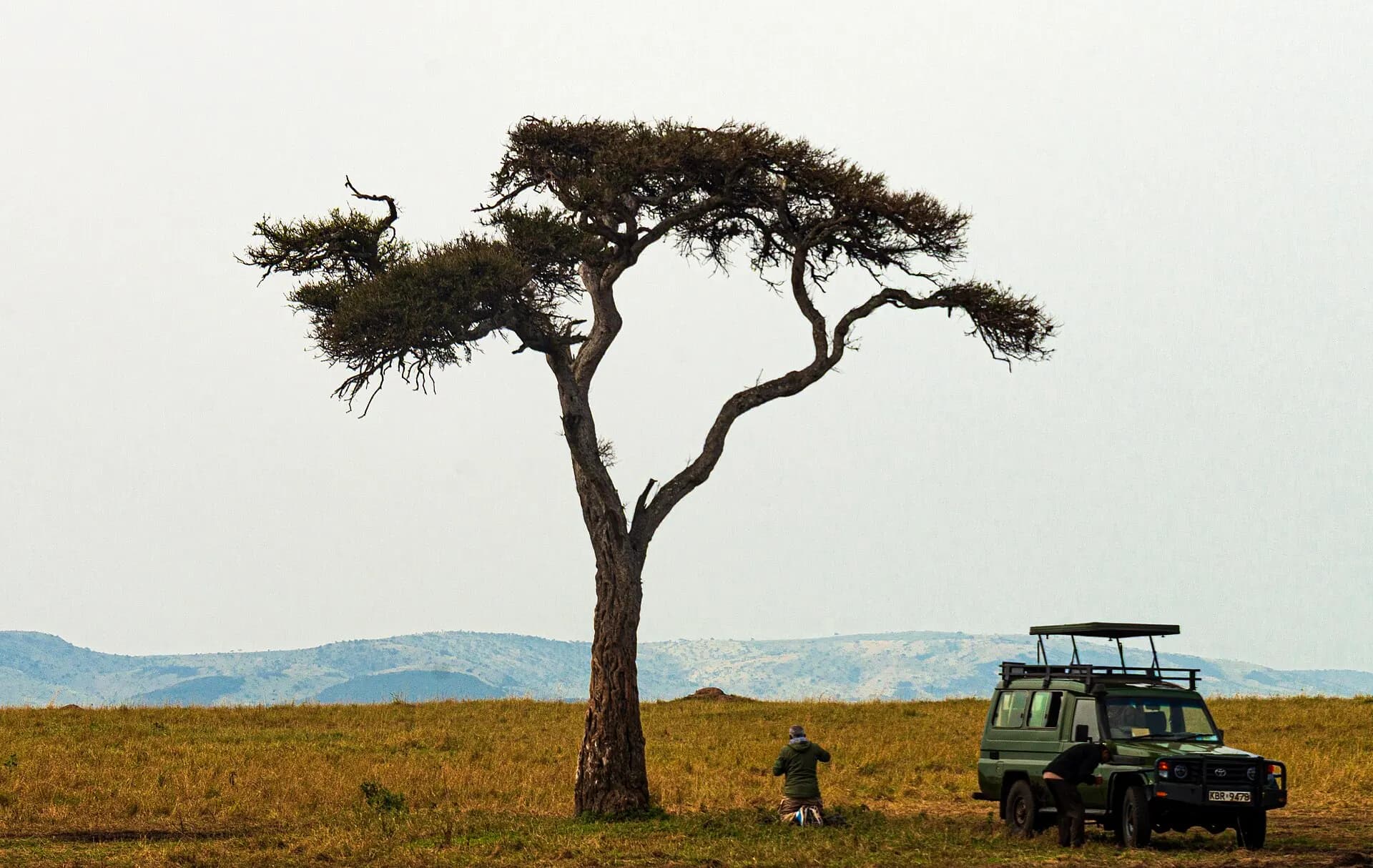
The Maasai Mara National Reserve, in south-west Kenya, is the northern part of the vast Serengeti-Mara ecosystem, a sweep of rolling grassland dotted with acacia trees and laced with rivers. It's home to an extraordinary concentration of wildlife, including lions, leopards, cheetahs, elephants and buffalo, and every year it hosts part of the Great Migration of wildebeest and zebra.
The reserve is managed by the local county government, and it's surrounded by community-run conservancies, where Maasai landowners lease their land for wildlife and tourism. Staying in a conservancy usually means fewer vehicles, off-road driving and walking safaris, and income that supports local people.
The top 7 in Maasai Mara
- 1
The Mara River crossings
Photo: Charles J. Sharp, CC BY-SA 4.0, via Wikimedia Commons
Between roughly July and October, huge herds of wildebeest and zebra plunge across the Mara River in search of fresh grass, braving the current and crocodiles waiting in the water. Crossings are unpredictable, and watching one is one of the most dramatic wildlife spectacles on earth.
TipBe patient: herds may gather on the banks for hours before crossing. Vehicles must keep a distance from the crossing points.
- 2
The central plains
Photo: Byrdyak, CC BY-SA 4.0, via Wikimedia Commons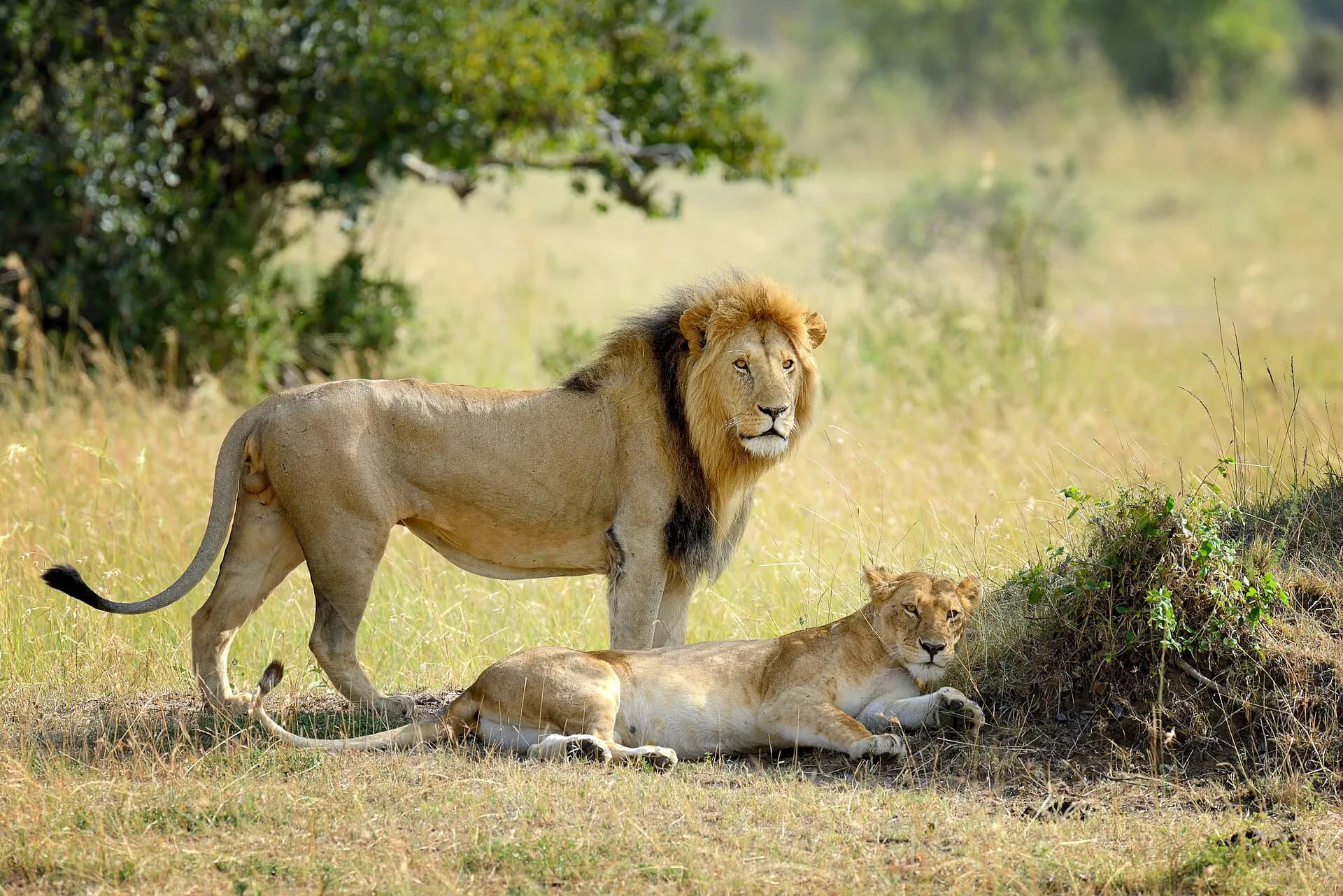
The open grasslands at the heart of the reserve are where most game drives take place, with excellent chances of seeing lions, cheetahs hunting on the open plains, elephants, giraffes, topi and many antelope.
- 3
The Mara Triangle
The western part of the reserve, between the Mara River and the Oloololo Escarpment, managed by a non-profit conservancy. It's well protected and less crowded, with spectacular views from the escarpment.
- 4
The private conservancies
Photo: Make it Kenya, Public domain, via Wikimedia Commons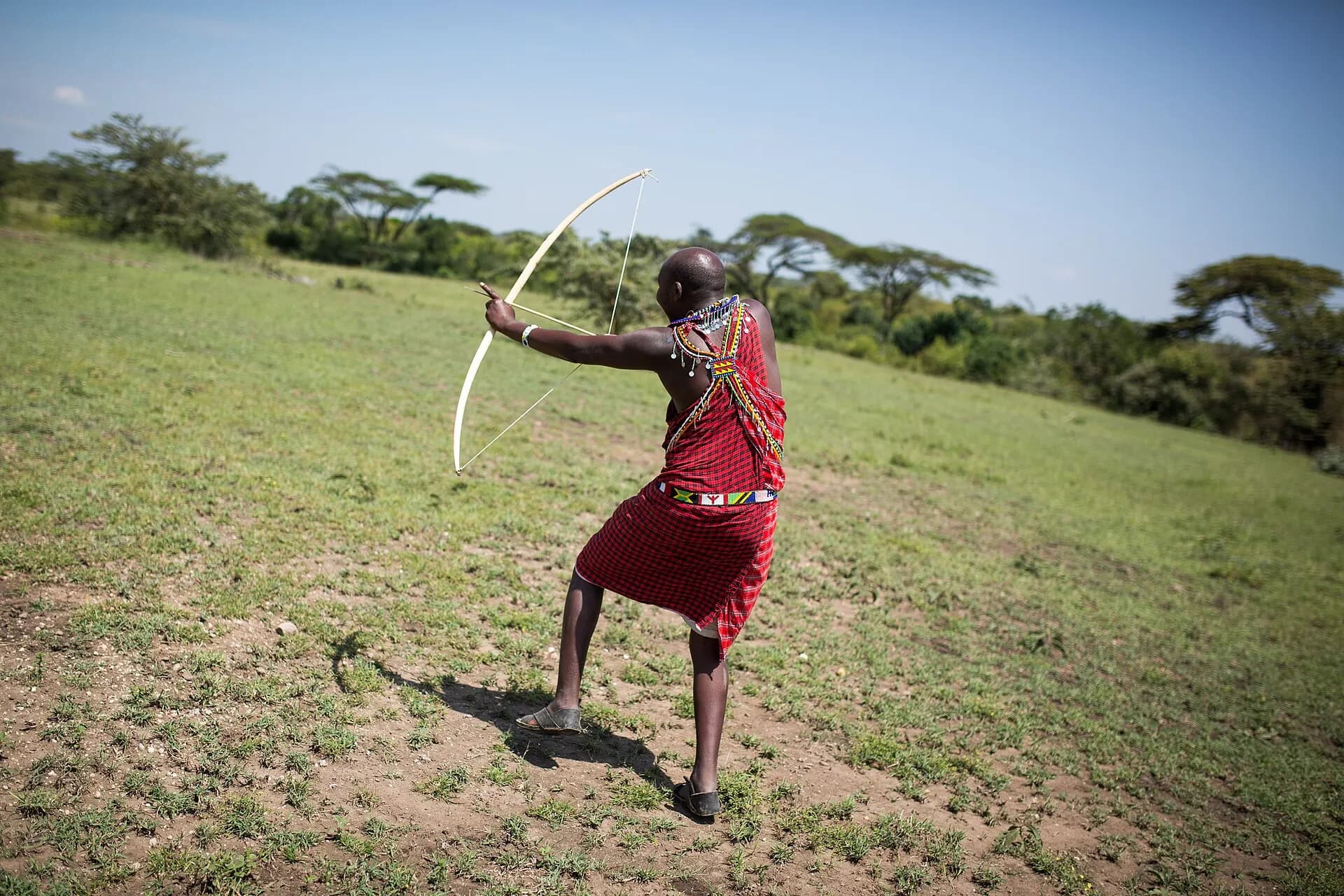
Conservancies such as Olare Motorogi, Naboisho and Mara North border the reserve, with strict limits on the number of vehicles and tents. They allow night drives, walking safaris and guiding with Maasai rangers, and some of the best big-cat viewing in Africa.
- 5
A hot-air balloon safari
Photo: Wajahatmr, CC BY-SA 3.0, via Wikimedia Commons
At dawn, balloons lift off over the plains, drifting over herds and rivers as the sun rises, followed by a champagne bush breakfast. It's expensive but unforgettable.
- 6
Musiara Marsh
Photo: MAKE IT KENYA PHOTO / STUART PRICE, Public domain, via Wikimedia Commons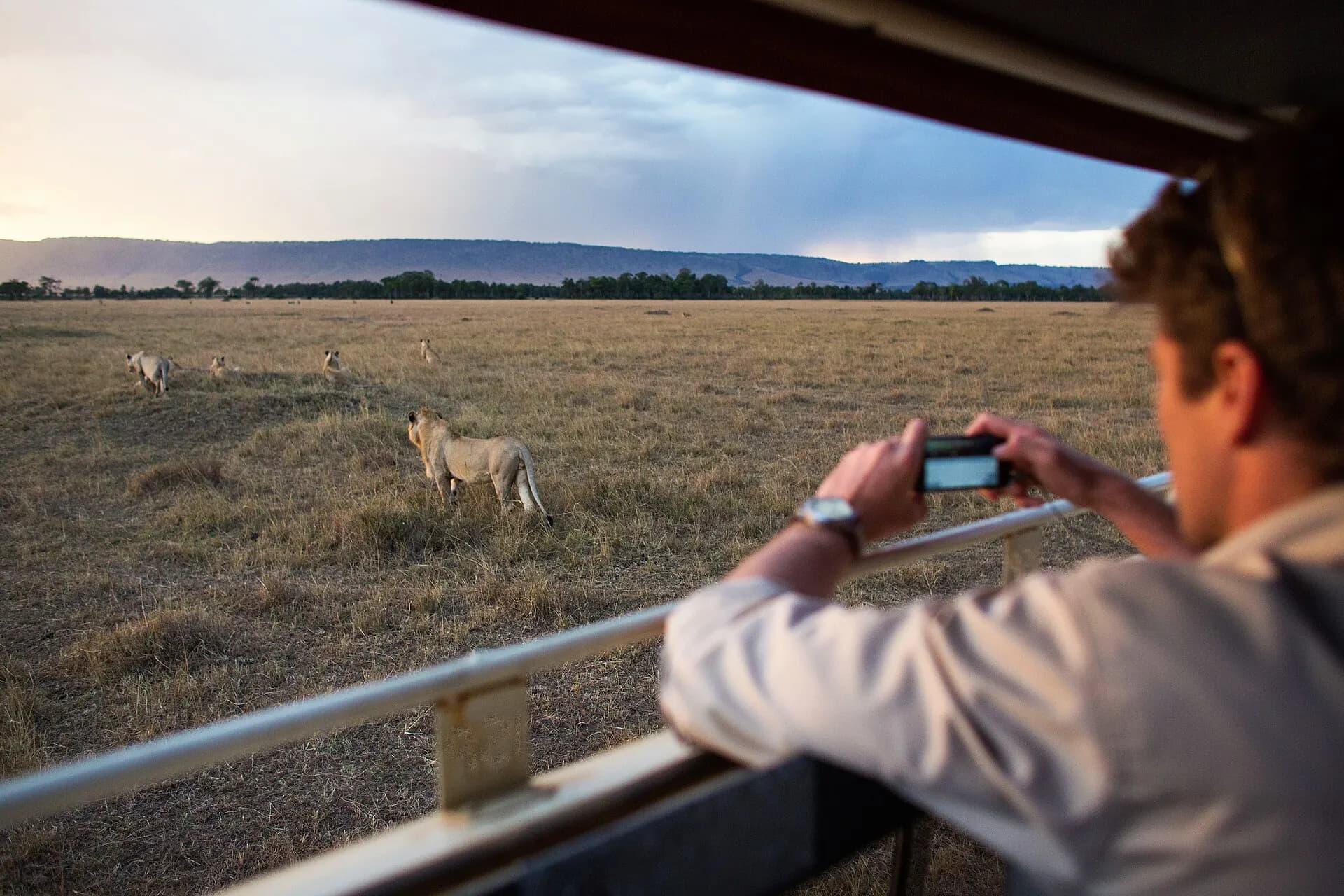
A marshland in the north of the reserve, a permanent source of water that attracts wildlife year-round, and the territory of lion prides made famous by wildlife documentaries.
- 7
A Maasai village visit
Some communities welcome visitors to learn about Maasai culture, homes and traditions. Choose a visit arranged through your camp or a conservancy, so that the community benefits directly.
When to go
The Great Migration usually reaches the Mara from around July and stays until October, the peak season, when parks are busiest and prices highest. January and February are dry and good for game viewing, with fewer visitors. The long rains, from April to May, make some roads difficult, and some camps close, though the landscape is green and prices are lower. The Mara has excellent resident wildlife all year round.
Getting around
Game drives are made in safari vehicles with driver-guides; you can't explore on your own on foot. Most visitors fly from Nairobi's Wilson Airport to one of the reserve's airstrips, about forty-five minutes, or drive, about five to six hours on roads that are partly rough. Camps and lodges arrange game drives and transfers.
Local tips
- Most visitors need a Kenyan electronic travel authorisation (eTA) before travelling.
- Book safaris and camps well ahead for the migration season.
- Reserve and conservancy fees are charged per person per day, often included in camp prices.
- Wear neutral colours, bring layers for cold early mornings, and a hat and sunscreen for the day.
- Never get out of the vehicle except where your guide allows, and keep quiet near animals.
- Ask before photographing people; Maasai people may expect a small payment.
- Malaria is present; take advice on prevention and use repellent.
- Single-use plastic bags are banned in Kenya; leave them at home.
- Drones are not allowed in the reserve without special permits.
Eat and drink
Safari camps serve generous meals, often outdoors under the stars, with bush breakfasts and sundowner drinks on game drives. Try Kenyan dishes such as nyama choma, grilled meat; ugali, a maize porridge; and sukuma wiki, sautéed greens. Kenyan tea and coffee, grown in the highlands, are excellent, and a cold Tusker beer is the classic sundowner.
Planning your safari
Three or four nights are ideal to see the Mara properly, with morning and late-afternoon game drives, when animals are most active. Many itineraries combine the Mara with Amboseli National Park, for elephants beneath Kilimanjaro, Lake Nakuru, known for its rhinos and flamingos, or the Kenyan coast at Diani or Lamu. The Serengeti, across the border in Tanzania, follows the migration through the rest of the year, but crossing between the two parks requires leaving via official border posts.
Where to stay
Accommodation ranges from simple campsites and budget tented camps outside the reserve gates to luxury lodges and intimate tented camps inside the reserve and the conservancies. Camps inside or right on the edge of the reserve put you closest to the action on game drives. Conservancy camps are more exclusive, with fewer vehicles at sightings, walking safaris and night drives, and their fees support Maasai landowners and conservation. Mobile camps follow the migration in season.
The Big Five and beyond
The Mara is one of the best places in Africa to see the "Big Five": lion, leopard, elephant and buffalo are common, while the black rhino is rare and shy. It's especially famous for big cats, with lion prides, cheetahs on the open plains and leopards along the rivers. Hippos crowd the Mara River pools, and more than 450 species of birds have been recorded, from ostriches and secretary birds to lilac-breasted rollers.