Lamu
A car-free Swahili island town of carved doors, donkeys and dhows, where life moves with the tides.
- Best time to go
- December to March and July to October, the drier seasons
- Local time
- –
- Currency
- Kenyan Shilling (KES)
- Reading time
- 4 min
- Language
- English and Swahili

Lamu Old Town, on an island off Kenya's northern coast, is the oldest and best-preserved Swahili settlement in East Africa, continuously inhabited for more than seven hundred years and a World Heritage Site. For centuries it traded with Arabia, Persia and India, and its architecture of coral-stone houses with carved wooden doors, narrow alleys and mosques reflects that mixed heritage.
There are almost no cars on the island: people get around on foot, by donkey or by dhow, the traditional sailing boat. The pace is slow, the culture conservative and deeply Muslim, and the beaches long and empty. Check your government's travel advice before visiting, as some areas of Lamu County on the mainland are affected by security warnings.
The top 8 in Lamu
- 1
Lamu Old Town
Photo: Bukhit2022, CC BY-SA 4.0, via Wikimedia Commons
A maze of narrow lanes too tight for cars, lined with tall coral-stone houses, many with intricately carved wooden doors, roof terraces and inner courtyards. Donkeys carry goods through the streets, and the waterfront is busy with dhows loading and unloading.
TipDress modestly in town, covering shoulders and knees, out of respect for local customs.
- 2
The Lamu Museum
Photo: Almaddy2022, CC BY-SA 4.0, via Wikimedia Commons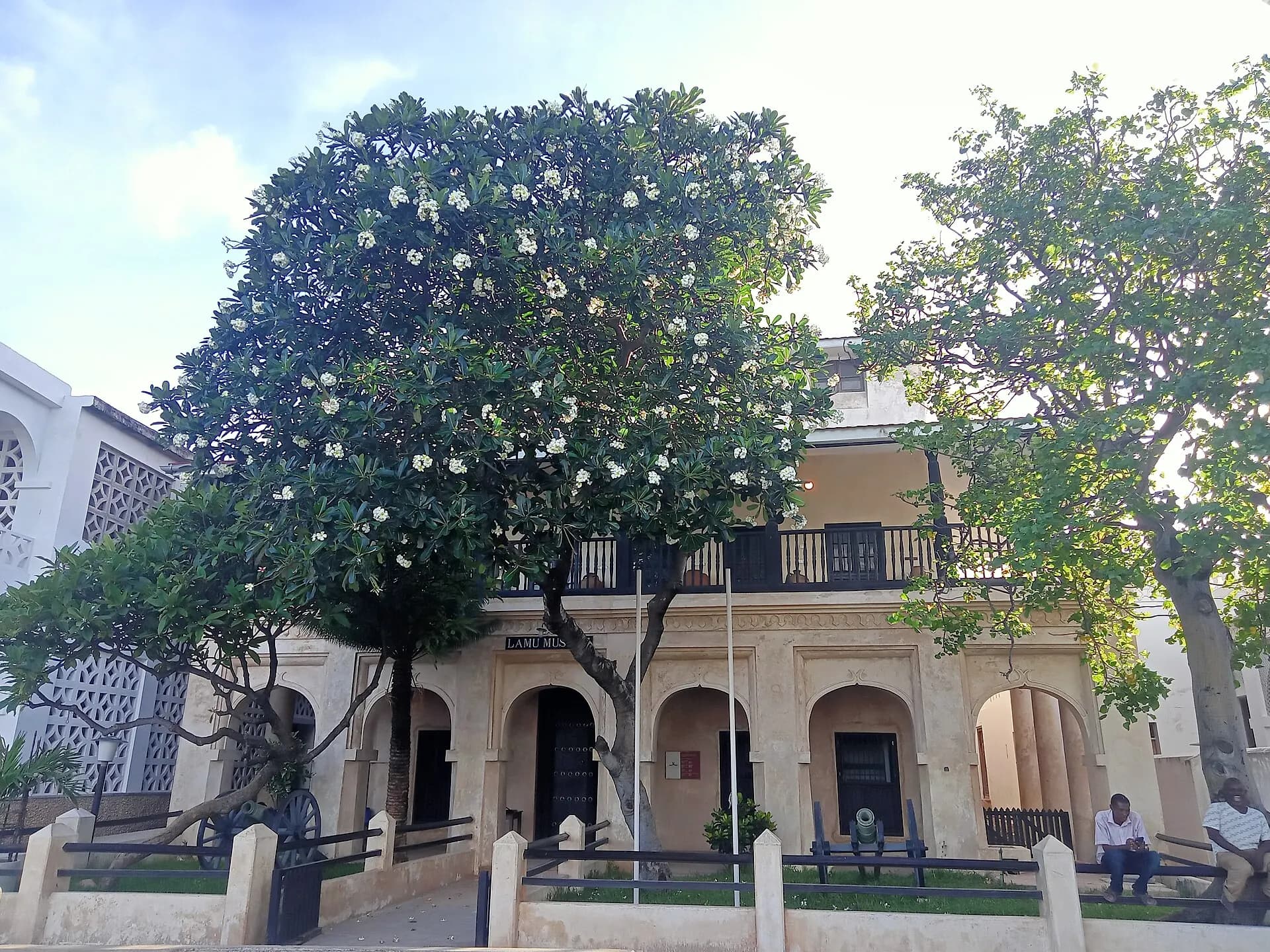
A museum in a nineteenth-century waterfront building, with exhibits on Swahili culture, a reconstructed traditional home, model dhows and two famous ceremonial horns, the siwa, made of carved ivory and brass.
- 3
Lamu Fort
A fortress built in the early nineteenth century, overlooking the main square, later used as a prison and now a museum and community centre with an environmental exhibition and views from its battlements.
- 4
The Swahili House Museum
Photo: Almaddy2022, CC BY-SA 4.0, via Wikimedia Commons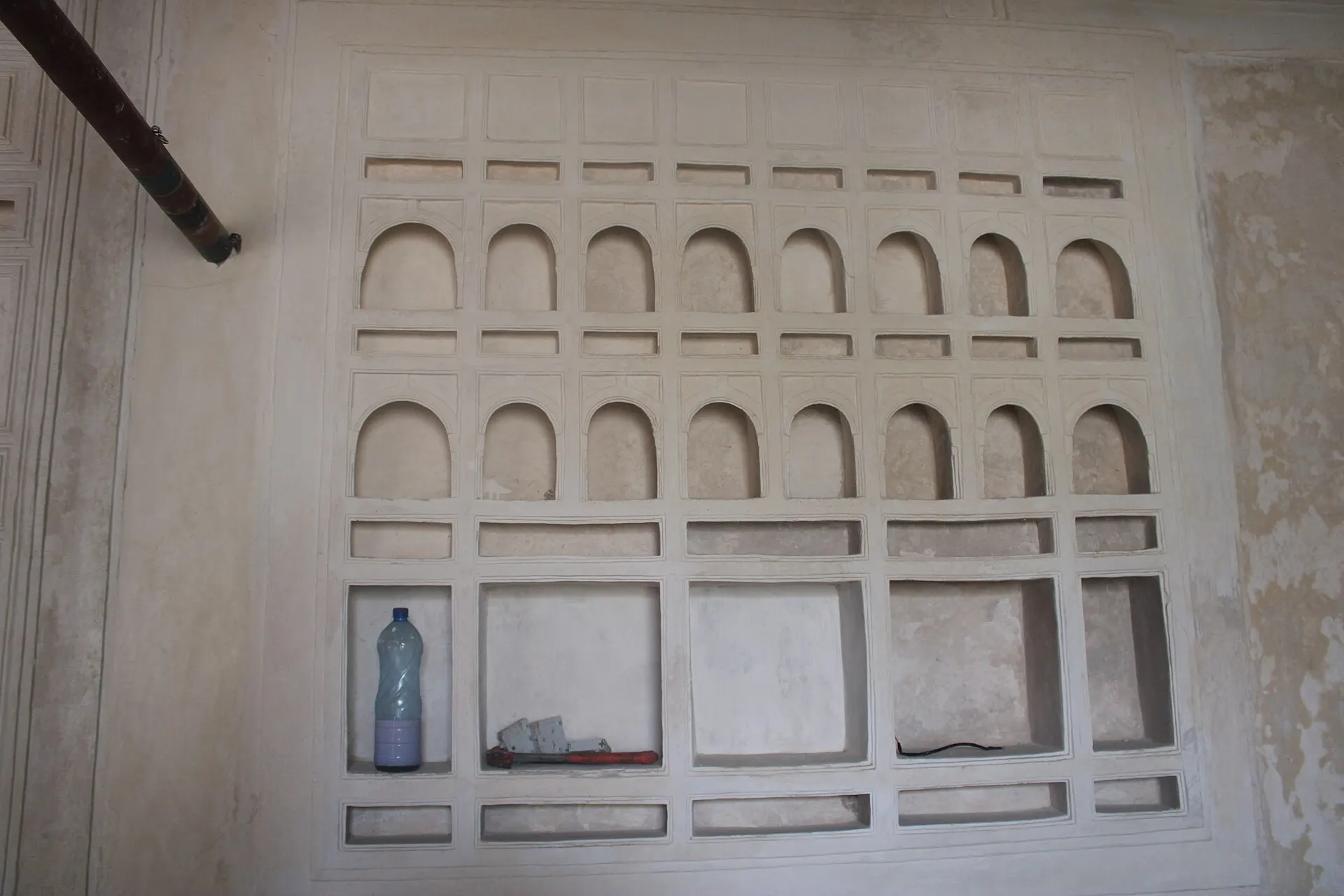
A restored eighteenth-century house showing how wealthy Swahili families lived, with carved plaster niches, a courtyard and traditional furniture.
- 5
The Donkey Sanctuary
Photo: Almaddy2022, CC BY-SA 4.0, via Wikimedia Commons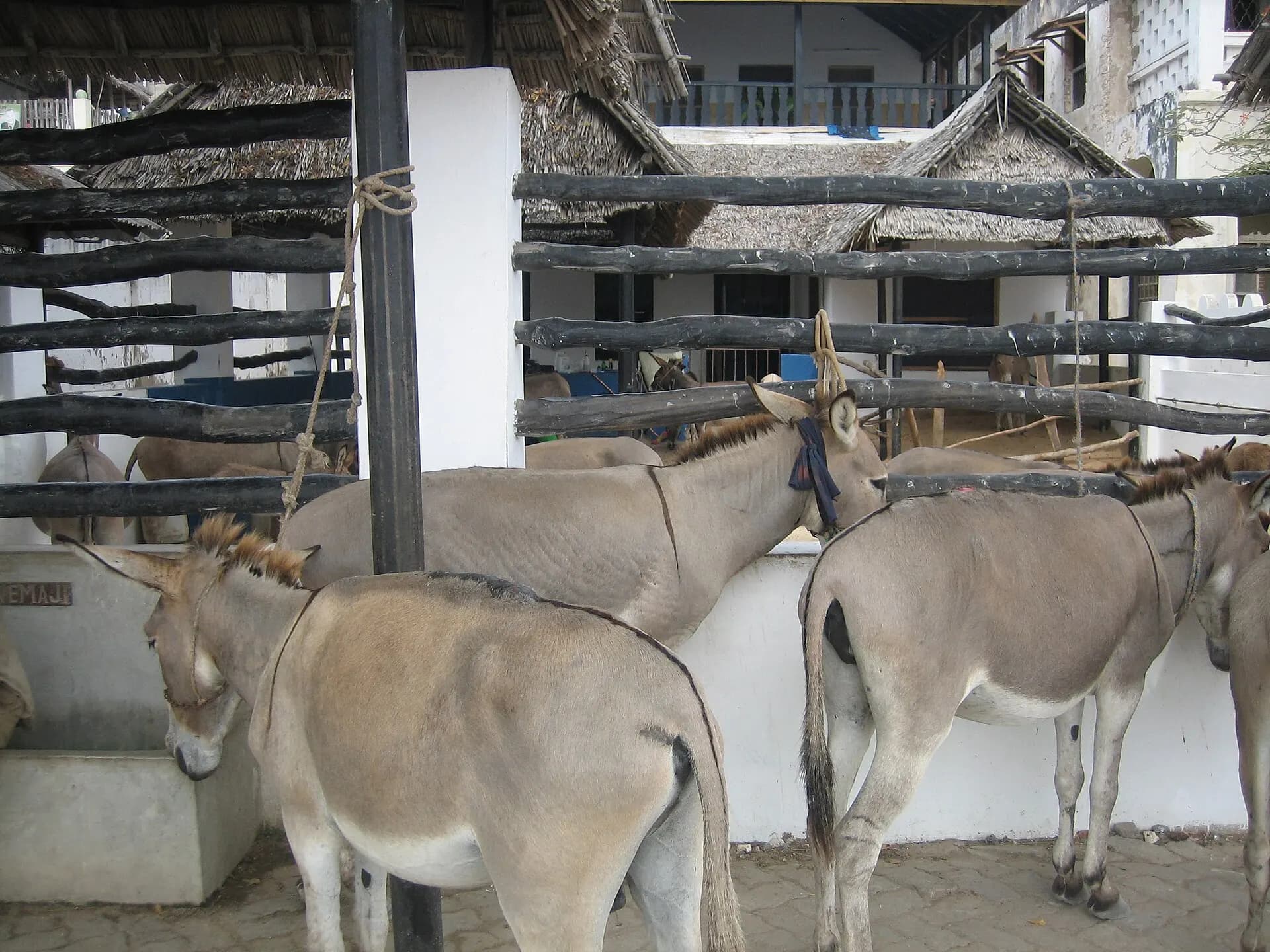
A sanctuary on the waterfront that cares for the island's working donkeys, with a free clinic. You can visit to learn about the animals that are central to life on Lamu.
- 6
Shela
Photo: Bingar1234, CC BY-SA 4.0, via Wikimedia Commons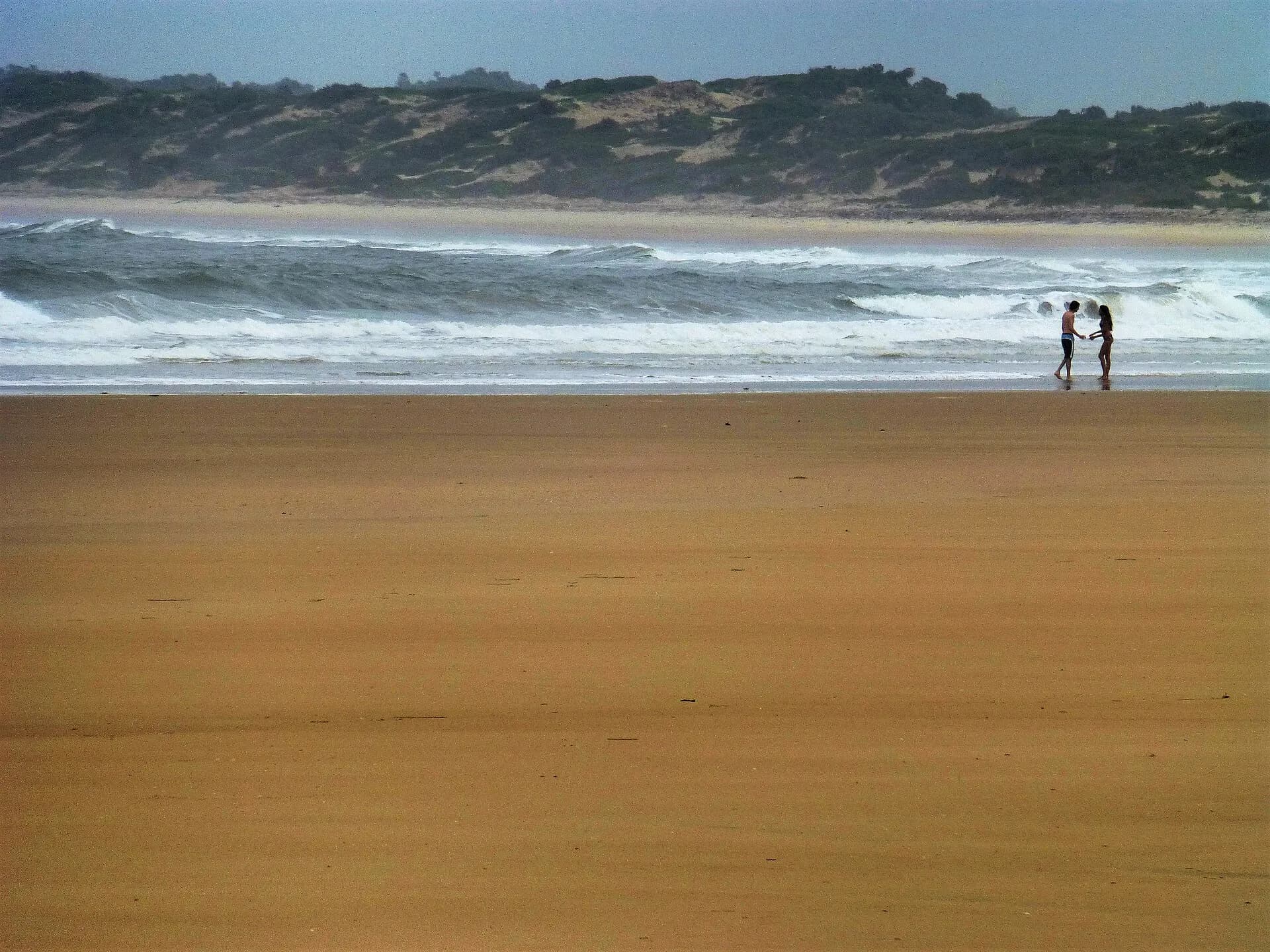
A village about forty-five minutes' walk or a short boat ride from Lamu town, with elegant white houses, guesthouses and a beach of soft sand stretching for kilometres along the Indian Ocean, backed by high dunes.
TipClimb the dunes behind the beach for views out to sea, and swim near the village, where currents are calmer.
- 7
A dhow trip
Photo: Sila101, CC BY-SA 4.0, via Wikimedia Commons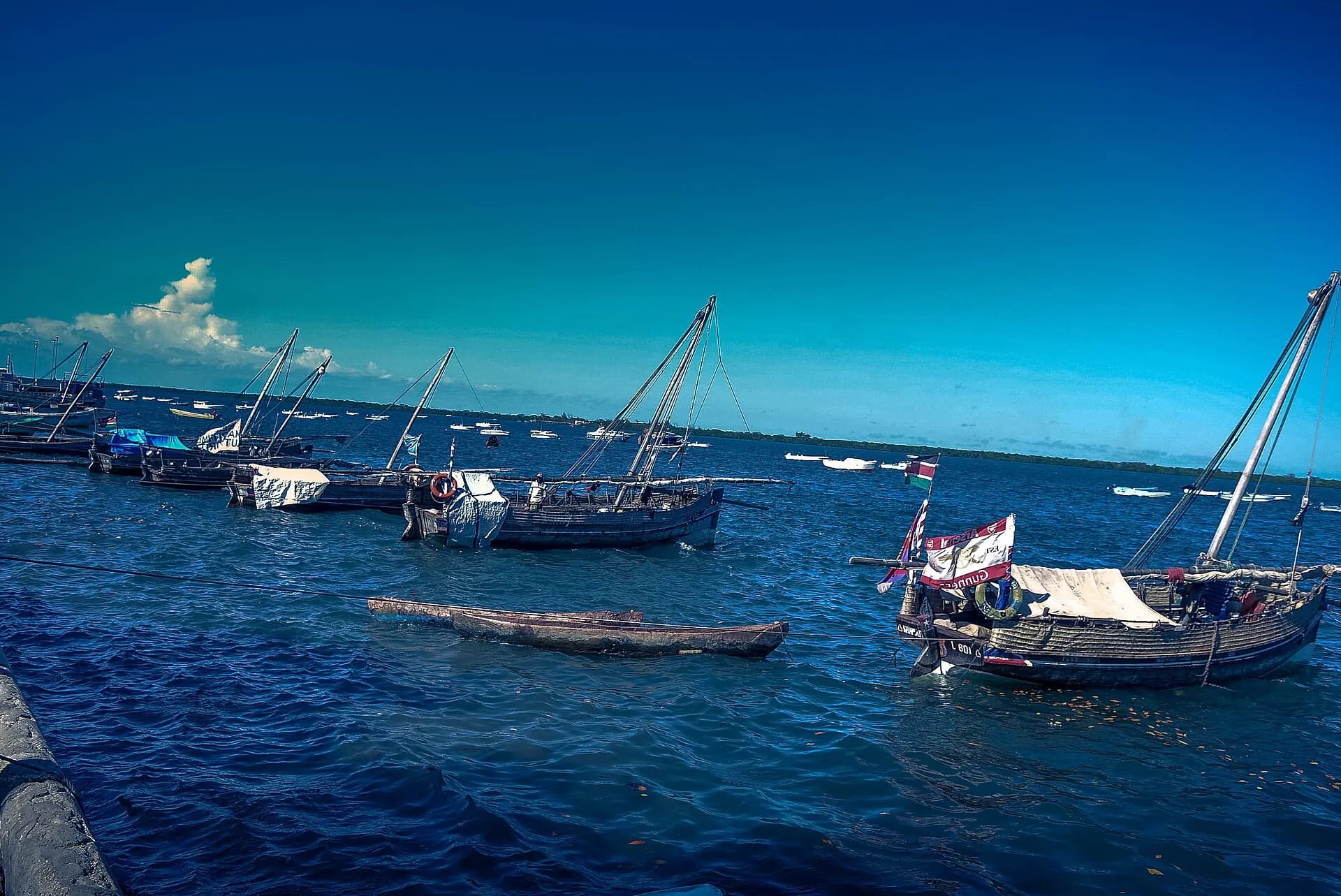
Sailing on a traditional dhow is the best way to experience the archipelago, gliding through mangrove channels at sunset, stopping to snorkel, or sailing to nearby islands for a seafood lunch grilled on the beach.
- 8

When to go
The driest and calmest months are roughly December to March and July to October. The long rains, from April to June, bring heavy downpours and some hotels close. The Lamu Cultural Festival, usually in November, celebrates Swahili culture with dhow races, donkey races and traditional music. Maulidi, the celebration of the Prophet's birthday, draws pilgrims from across East Africa to the Riyadha Mosque.
Getting around
Walking is the main way to get around Lamu town. Boats run between Lamu, Shela and Manda Island, and dhows can be hired for longer trips. Donkeys are used to carry goods and sometimes people. Flights from Nairobi and Mombasa land at Manda airport, a short boat ride from Lamu town.
Local tips
- Check your government's latest travel advice for Lamu County before travelling.
- Most visitors need a Kenyan electronic travel authorisation (eTA).
- Dress modestly away from the beach, and be respectful during prayer times and Ramadan.
- Ask before photographing people, especially women.
- Agree prices for dhow trips and services beforehand.
- Carry cash in shillings; card payments are limited.
- Bring reef-safe sunscreen and a hat; shade on the beaches is scarce.
- Donkeys have right of way in the narrow lanes; step aside to let them pass.
Eat and drink
Swahili cooking combines African, Arab and Indian flavours. Try fresh grilled fish and lobster, coconut curries, pilau rice, biryani, and samosas from the street stalls, and mahamri, sweet fried dough, with chai for breakfast. Fresh fruit juices, including mango and passion fruit, are sold everywhere. Alcohol is not widely served in Lamu town, out of respect for local custom, though some hotels in Shela offer it. Seafood is often caught the same morning and cooked over charcoal on the beach during dhow trips.
Where to stay
Lamu town has guesthouses and boutique hotels in restored Swahili houses with roof terraces overlooking the water. Shela has more upmarket villas and hotels near the beach, and quieter retreats are found on Manda Island and further afield in the archipelago.
Swahili culture and architecture
Lamu's houses were built of coral stone and mangrove poles, with thick walls to keep them cool, and arranged around inner courtyards for privacy, with family rooms on the upper floors opening onto roof terraces. Their massive carved wooden doors, decorated with geometric and floral patterns, are a symbol of the town, and craftsmen still carve them in workshops along the lanes. Dhows are also still built by hand, without plans, in boatyards in Lamu and the nearby village of Matondoni.
Islands of the archipelago
Beyond Lamu and Manda, the archipelago includes Pate Island, with the ruins of the old city-states of Siyu and Pate and villages rarely visited by travellers, and Kiwayu, with its remote beaches near the marine reserve. Many of these trips are best arranged through your hotel with a trusted boat operator, and you should check local security advice before travelling to the outer islands.