Munich
The Bavarian capital: baroque churches, royal palaces, world-class art and beer gardens under the chestnut trees.
- Best time to go
- May to September for beer gardens; late September for Oktoberfest; December for Christmas markets
- Local time
- –
- Currency
- Euro (EUR)
- Reading time
- 4 min
- Language
- German

Munich was the capital of the Wittelsbach dukes and kings of Bavaria for more than seven centuries, and their palaces, churches and art collections still define the city. It's prosperous, elegant and easygoing, with the Alps on the horizon, a river you can surf on, and a passion for beer and food rooted in Bavarian tradition.
The compact old town is easily explored on foot, and its excellent transport links make it a base for day trips to the Alps, fairy-tale castles and lakes. Come in summer for the beer gardens and the river, in autumn for Oktoberfest, or in winter for Christmas markets.
The top 10 in Munich
- 1
Marienplatz and the New Town Hall
Photo: Steffen Flor, CC BY-SA 4.0, via Wikimedia Commons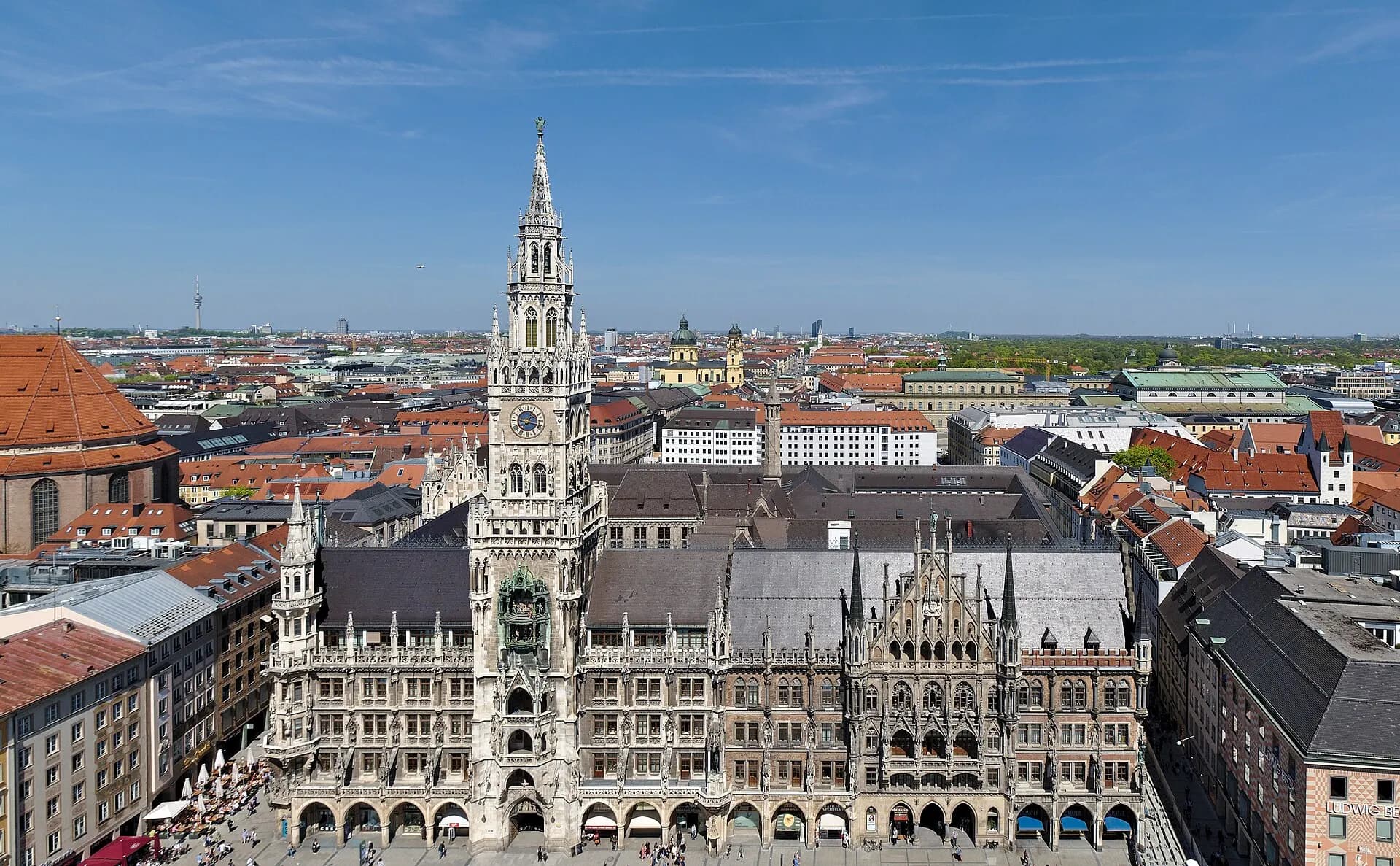
The city's central square, dominated by the Gothic Revival New Town Hall, whose Glockenspiel re-enacts a royal wedding and a traditional dance with mechanical figures at eleven in the morning, and also at noon and five in the afternoon in summer. Climb the tower of the neighbouring St Peter's Church for a view over the rooftops to the Alps.
- 2
The Frauenkirche
Photo: Martin Falbisoner, CC BY-SA 4.0, via Wikimedia Commons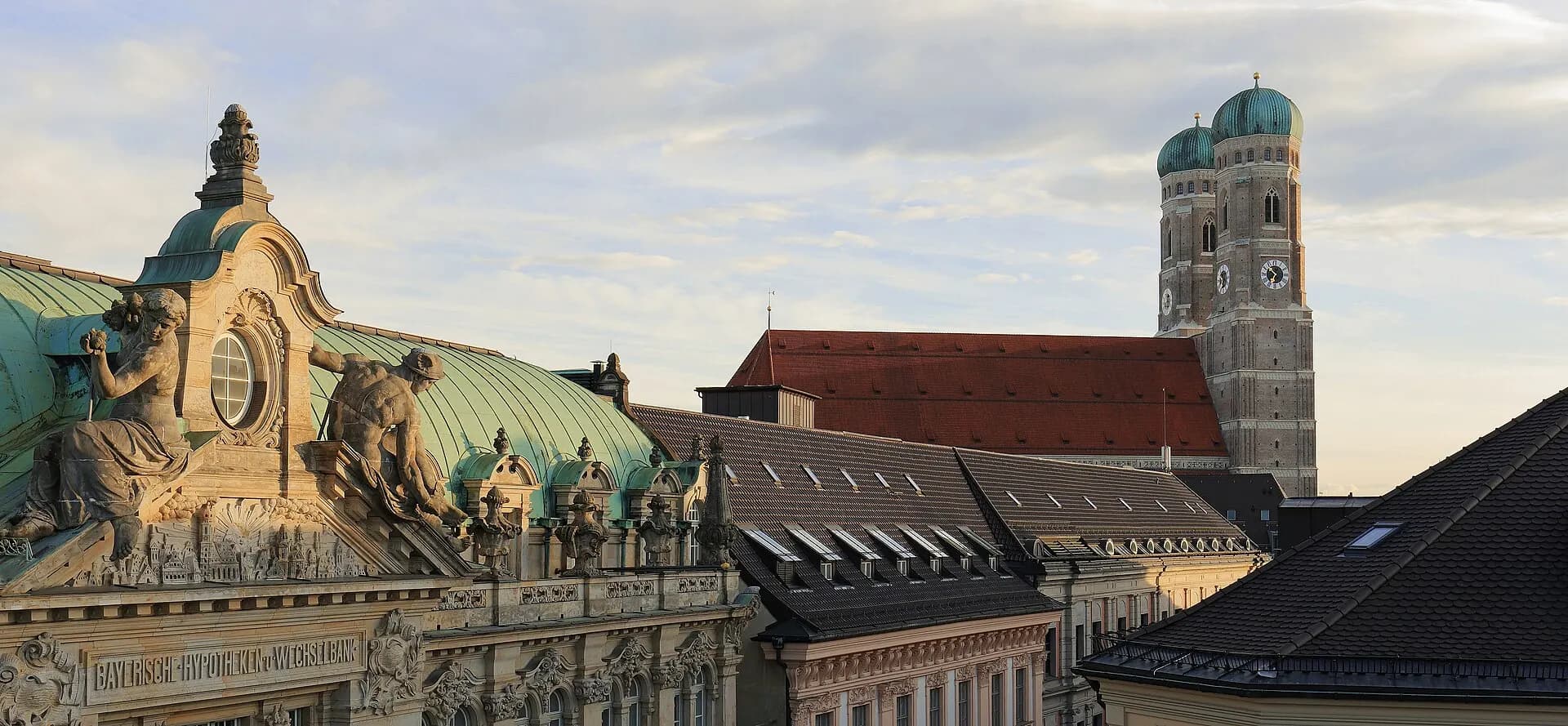
Munich's cathedral, a late-Gothic brick church whose twin towers with onion domes are the symbol of the city. Inside, look for the "devil's footprint" near the entrance.
- 3
The Residenz
Photo: Wilfredor, CC0, via Wikimedia Commons
The former royal palace of the Bavarian rulers, one of the largest palace complexes in Europe, with more than a hundred rooms open to visitors, including the Antiquarium, a vast Renaissance hall, and the Treasury of crowns and jewels. The rococo Cuvilliés Theatre is part of the complex.
- 4
The Viktualienmarkt
Photo: Dietmar Rabich, CC BY-SA 4.0, via Wikimedia Commons
Munich's food market, just off Marienplatz, with stalls selling fresh produce, cheeses, sausages and flowers around a maypole, and a beer garden at its heart.
- 5
The English Garden
Photo: Martin Falbisoner, CC BY-SA 3.0, via Wikimedia Commons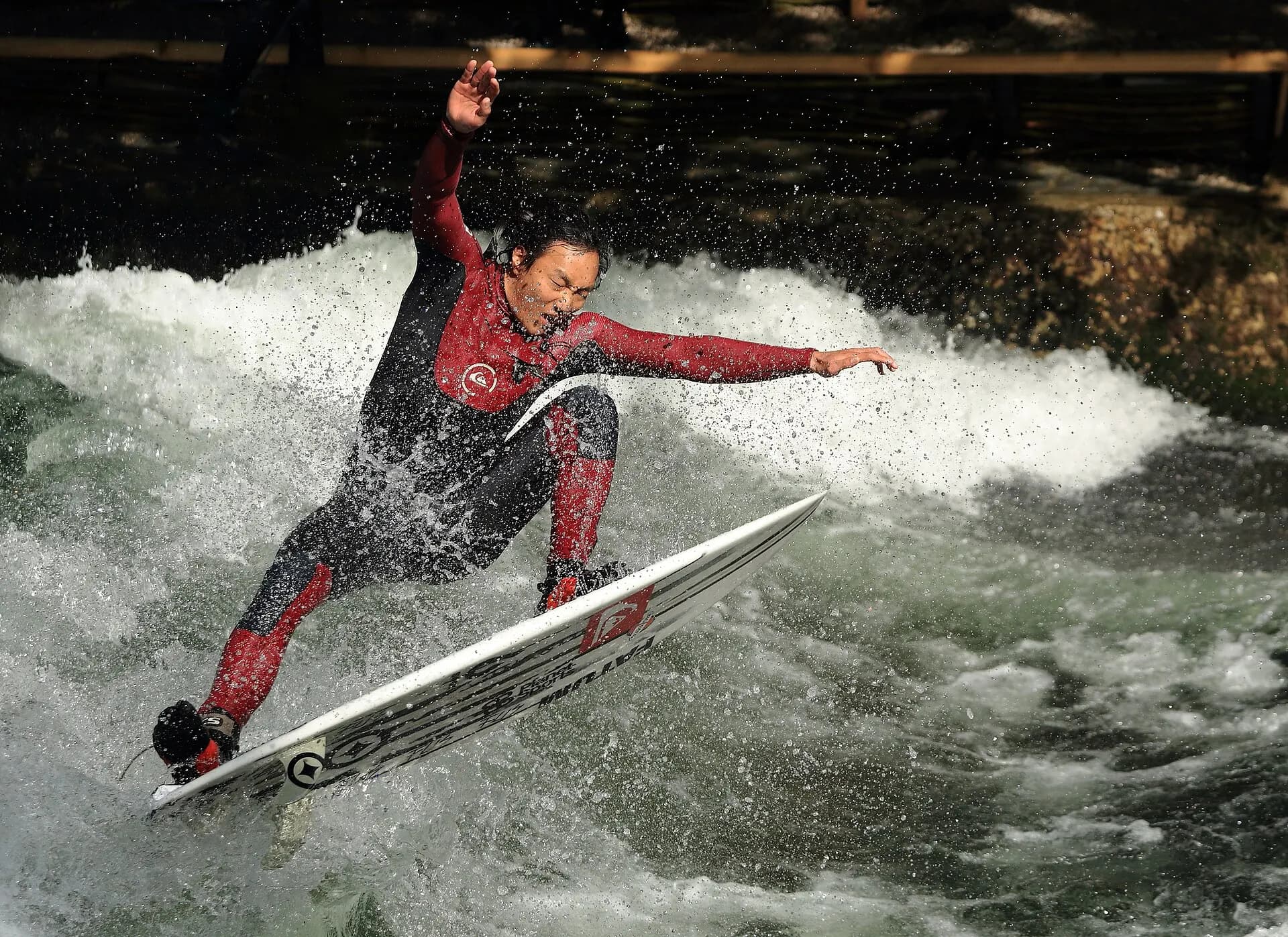
One of the largest city parks in the world, with meadows, streams, a Chinese Tower beer garden and a Japanese teahouse. At its southern entrance, surfers ride a standing wave on the Eisbach stream, a remarkable sight in the middle of the city.
- 6
Nymphenburg Palace
Photo: Richard Bartz, Munich aka Makro Freak, CC BY-SA 2.5, via Wikimedia Commons
The Wittelsbach summer palace, a baroque residence with a grand central hall, a Gallery of Beauties painted for King Ludwig I, and a vast park with pavilions, lakes and canals.
- 7
The Pinakotheken
Photo: AuHaidhausen, CC BY 4.0, via Wikimedia Commons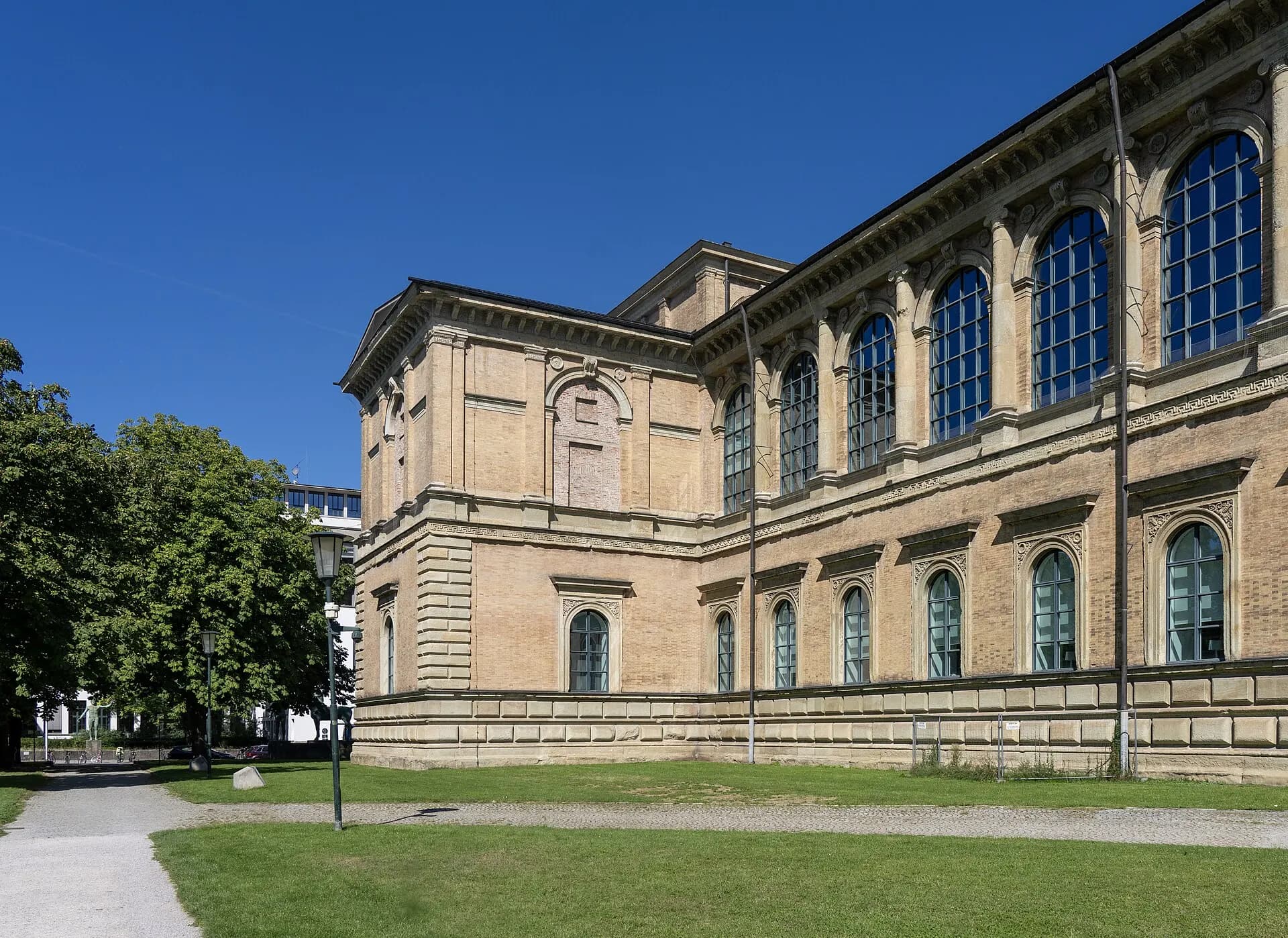
Three great art museums in the Maxvorstadt district: the Alte Pinakothek, with old masters such as Dürer, Rubens and Raphael; the Neue Pinakothek, devoted to nineteenth-century art; and the Pinakothek der Moderne, with modern art and design. On Sundays, entry costs just one euro.
- 8
The Deutsches Museum
Photo: Julian Herzog (Website), CC BY 4.0, via Wikimedia Commons
One of the world's largest museums of science and technology, on an island in the Isar River, with aircraft, ships, mines and countless hands-on exhibits.
- 9
The BMW Welt and Olympic Park
Photo: Ralf Steinberger from Milan, Berlin + Munich, Italy + Germany, CC BY 2.0, via Wikimedia Commons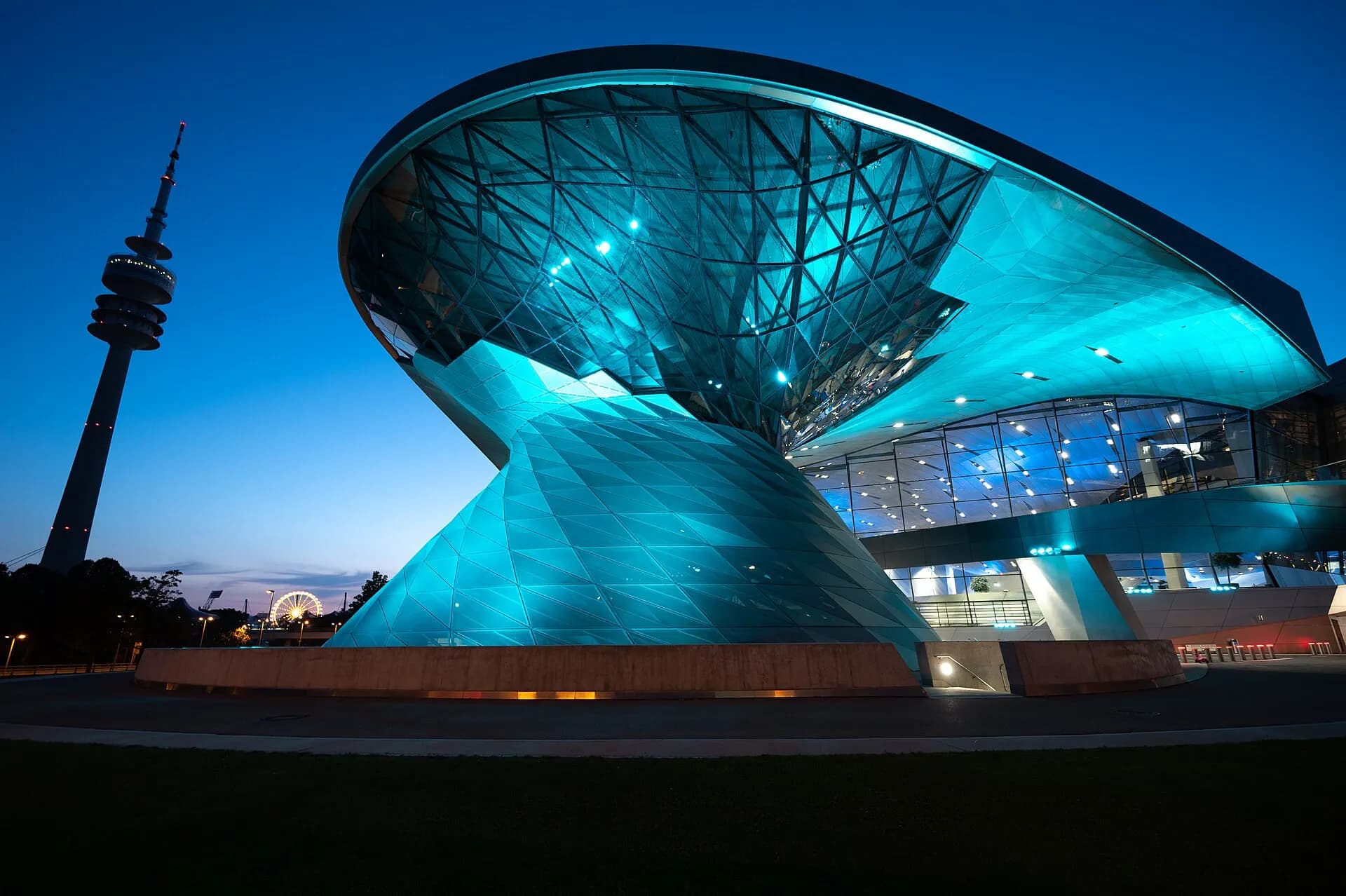
The Olympic Park, built for the 1972 Summer Games, has a striking tent-like roof, a television tower with views to the Alps and a lake. Across the road, BMW Welt and the BMW Museum showcase the carmaker's history and designs.
- 10
The Dachau Concentration Camp Memorial
Photo: Sandor Bordas, CC BY-SA 3.0, via Wikimedia Commons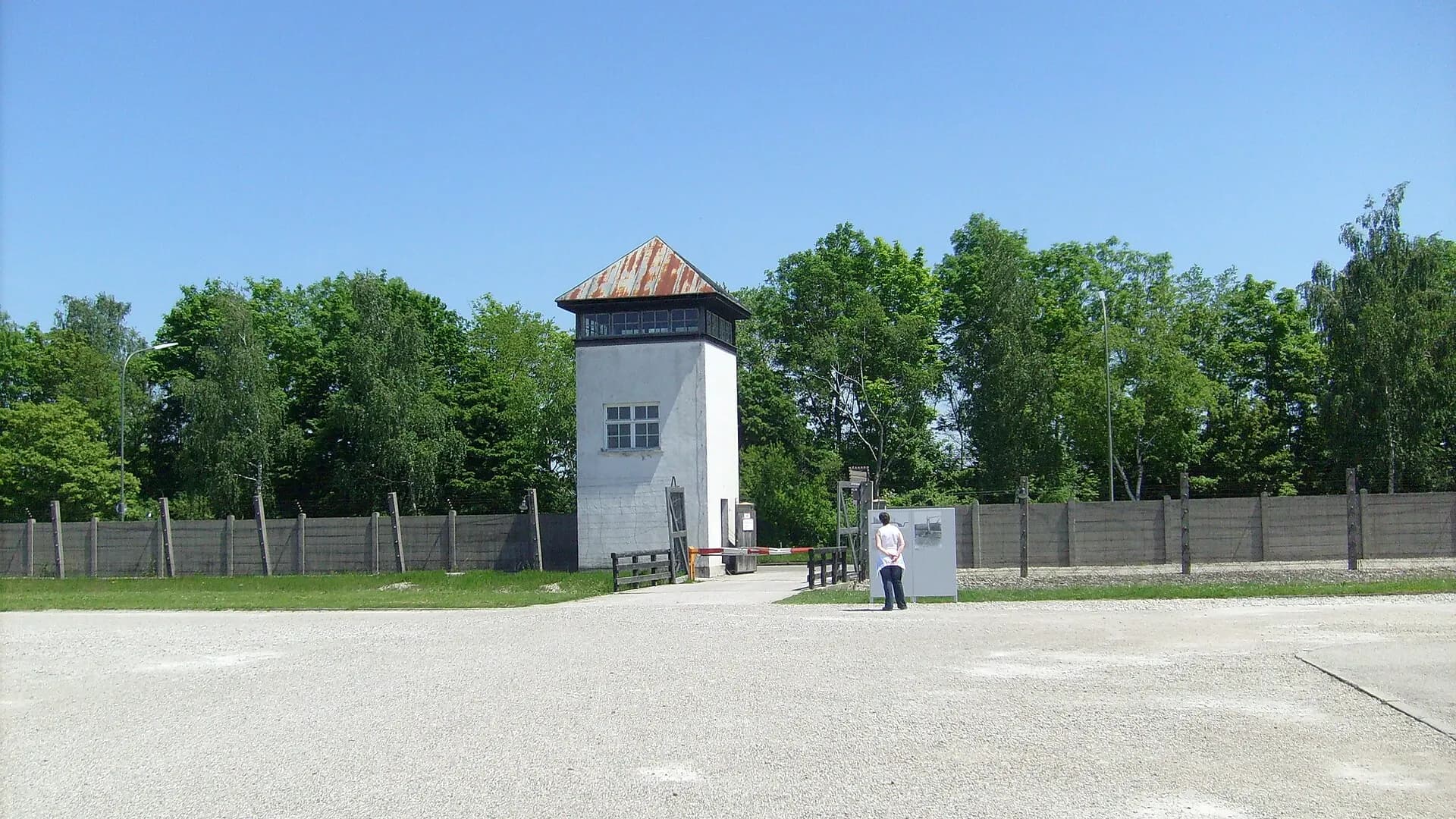
The first concentration camp set up by the Nazis, in 1933, served as a model for the others. The memorial site, about forty minutes away by S-Bahn and bus, documents the history of the camp and its prisoners. Entry is free, and guided tours are recommended.
When to go
Summer, from May to September, is the season of beer gardens, river swimming and festivals. Oktoberfest, the world's largest beer festival, runs for about two weeks from mid-to-late September until the first Sunday of October, drawing millions of visitors; hotels book up far ahead. December brings Christmas markets to Marienplatz and squares across the city. Winter is cold but good for skiing in the nearby Alps.
Getting around
Munich's U-Bahn, S-Bahn, trams and buses are efficient; buy tickets from machines or the MVV app and validate paper tickets before travelling. The old town is compact and walkable, and the city is excellent for cycling.
Munich Airport is about forty minutes from the centre by S-Bahn. High-speed trains link Munich with Berlin, Vienna, Salzburg and Zurich.
Local tips
- Book hotels months ahead for Oktoberfest, and arrive early at the tents for a seat.
- Most shops are closed on Sundays.
- In traditional beer gardens, you can bring your own food to tables without tablecloths.
- Carry some cash; smaller places may not take cards.
- Cyclists ride fast; stay out of the bike lanes.
- Dress respectfully at the Dachau memorial.
Eat and drink
Bavarian food is hearty. Try Weisswurst, white veal sausages traditionally eaten before noon with sweet mustard and a pretzel; Schweinshaxe, roast pork knuckle; Obatzda, a spiced cheese spread; and Schnitzel. The city's breweries, including Augustiner, Paulaner, Hacker-Pschorr, Hofbräu, Löwenbräu and Spaten, serve their beer in huge halls and beer gardens, and the Hofbräuhaus is the most famous of them all.
Day trips
Neuschwanstein Castle, the fairy-tale palace of King Ludwig II in the Alpine foothills, is about two hours away; book tickets well ahead. Salzburg, Mozart's birthplace, is about an hour and a half by train. The lakes south of the city, such as Tegernsee and Lake Starnberg, and the mountain town of Garmisch-Partenkirchen, beneath the Zugspitze, Germany's highest peak, are easy escapes.
Where to stay
The Altstadt, the old town around Marienplatz, puts the main sights, markets and beer halls within walking distance. Maxvorstadt, home to the universities and the Pinakothek museums, is lively and slightly cheaper, with student cafés and bars. Schwabing, to the north, is elegant and leafy, close to the English Garden. Haidhausen, across the Isar, has a village feel, with restaurants around its squares, and the area around the main station is the most practical for day trips by train, though less charming.