Beijing
Imperial palaces, temple parks and old hutong lanes, with the Great Wall winding over the hills just beyond the city.
- Best time to go
- April to May and September to October, when skies are clearest and the weather mild
- Local time
- –
- Currency
- Chinese Yuan (CNY)
- Reading time
- 9 min
- Language
- Chinese

Beijing has been the capital of China, with brief interruptions, for most of the last eight centuries, and it still carries the shape the Ming and Qing emperors gave it. A north-south line runs through the old city from the Temple of Heaven past Tiananmen Square and the Forbidden City to the Drum and Bell Towers, and around it lie lakes, imperial gardens and the grey-brick lanes known as hutongs. The Beijing Central Axis joined the Forbidden City, the Temple of Heaven, the Summer Palace and the Great Wall on UNESCO's World Heritage List in 2024.
It is also an enormous modern city of more than twenty million people, with wide ring roads, one of the world's largest metro networks and a lively food scene. Most travellers need four or five days: two or three for the centre, one for the Summer Palace and the northwest, and one for the Great Wall. Many of the big sights now require advance booking with your passport, so plan the first few days before you land.
The top 15 in Beijing
- 1
Temple of Heaven
Photo: Fong Chen, Public domain, via Wikimedia Commons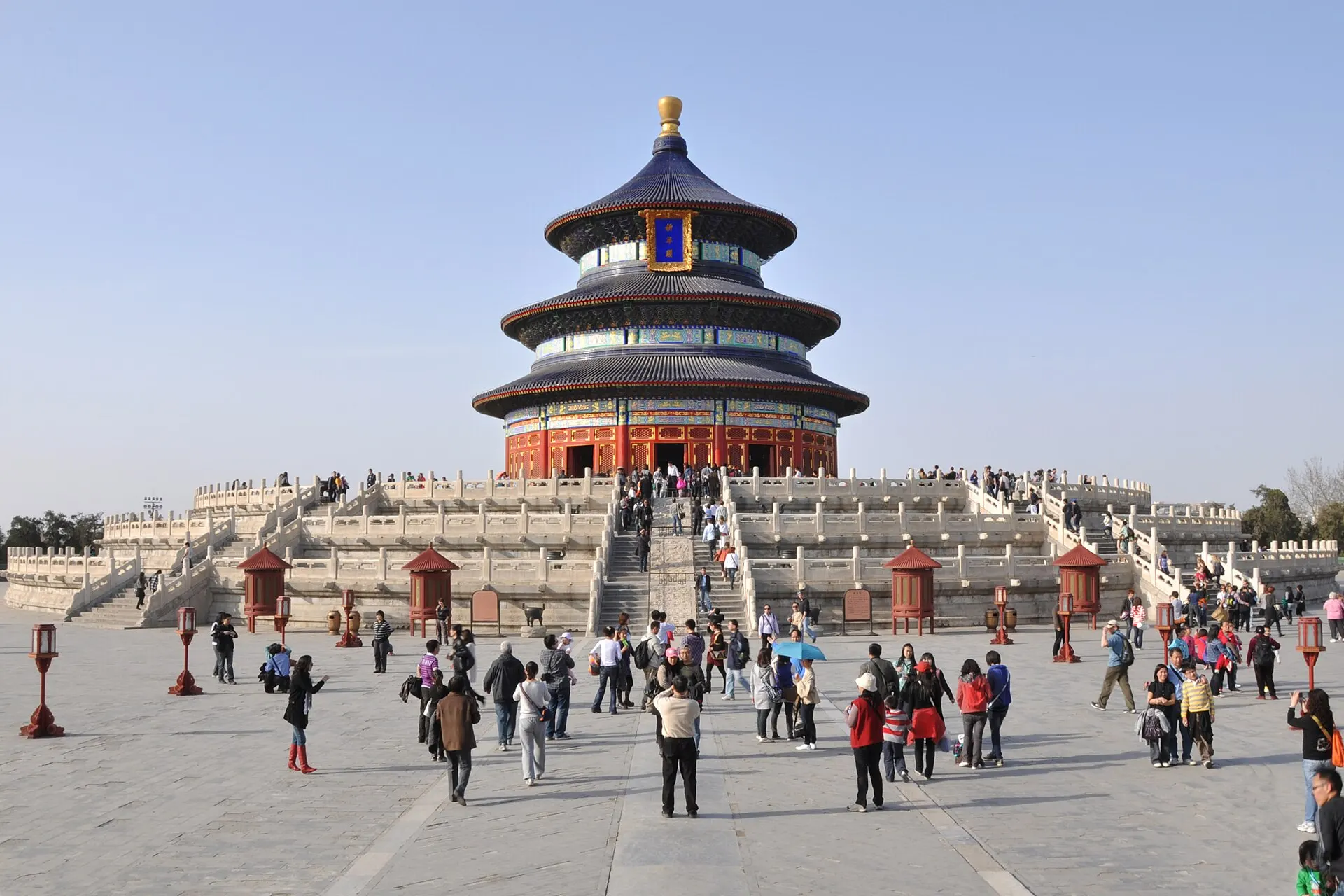
The emperors came here every winter solstice to pray for good harvests, and the round, triple-roofed Hall of Prayer for Good Harvests, built without nails and finished in deep blue tiles, is one of the great images of China. The surrounding park is a living place too: early in the morning, locals gather to practise tai chi, play cards, sing and dance.
TipCome early to see the park at its most sociable, and buy the combined ticket if you want to enter the main halls.
- 2
Tiananmen Square
Photo: CEphoto, Uwe Aranas, CC BY-SA 3.0, via Wikimedia Commons
One of the largest public squares in the world, flanked by the Great Hall of the People, the National Museum of China and the Mausoleum of Mao Zedong, with Tiananmen Gate and its famous portrait at the northern end. Entry is free but requires a real-name reservation made in advance, and every visitor passes through security and passport checks. The flag-raising ceremony at dawn draws large crowds.
TipBook a time slot through the official reservation channel a few days ahead, and carry the same physical passport you booked with.
- 3
The Forbidden City (Palace Museum)
Photo: Marcin Białek, CC BY-SA 4.0, via Wikimedia Commons
Home to twenty-four emperors over nearly five hundred years, the palace complex is a vast sequence of courtyards, halls and gates behind a moat and red walls. Enter through the Meridian Gate in the south and walk north past the Hall of Supreme Harmony to the Imperial Garden, with side trips into the Treasure Gallery and the Gallery of Clocks, which need small extra tickets. The museum is closed on Mondays (except national holidays), caps visitors at 40,000 a day, and sells no tickets on the day: book online in advance with your passport number.
TipPopular dates sell out, especially in summer and during national holidays, so book as soon as your dates are fixed.
- 4
Jingshan Park
Photo: harryalverson, CC BY-SA 2.0, via Wikimedia Commons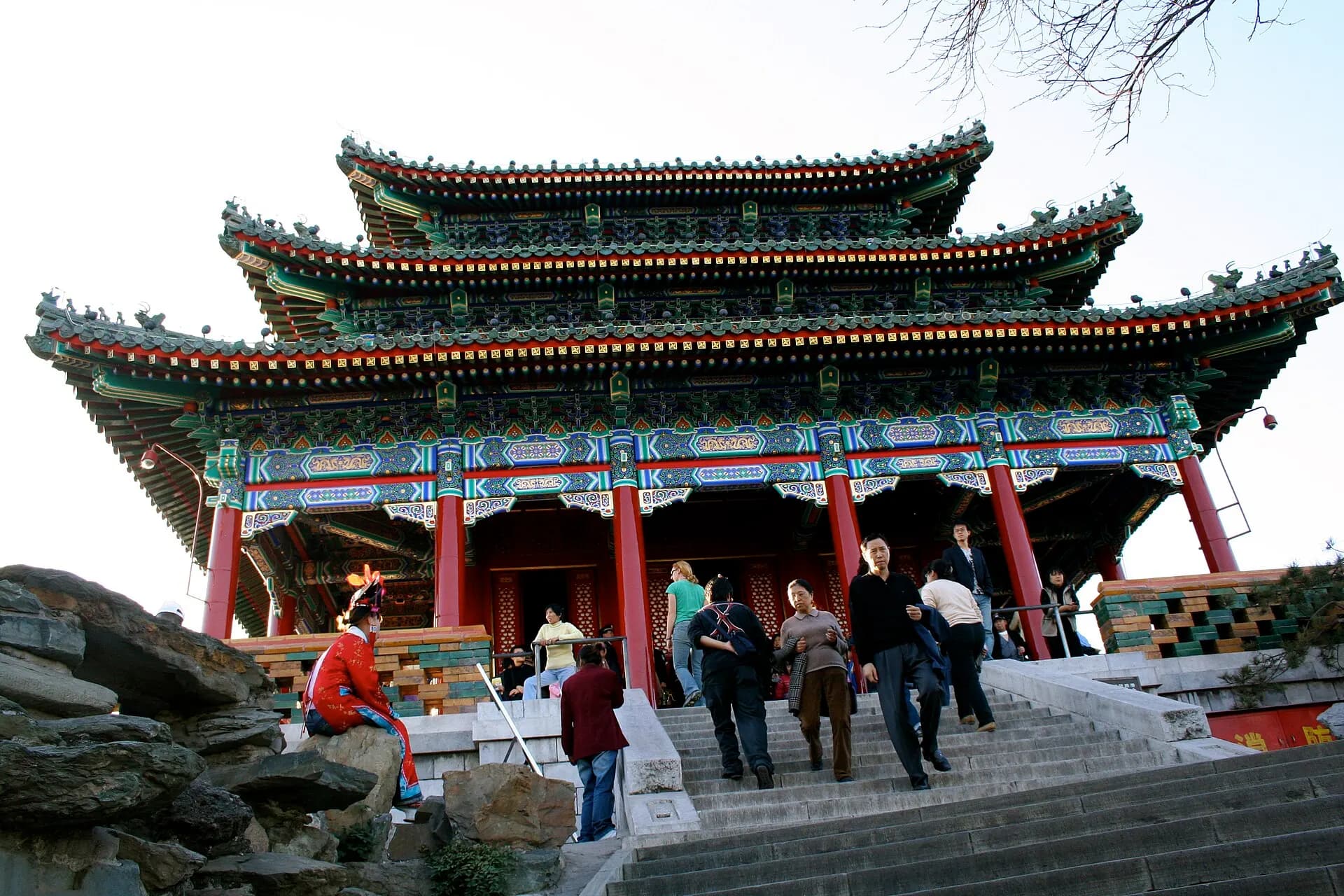
An artificial hill built from earth dug for the palace moat, directly north of the Forbidden City. A short climb to the Wanchun Pavilion at the top gives the best view in Beijing over the golden roofs of the palace, especially late in the afternoon.
- 5
Beihai Park
Photo: Bjoertvedt, CC BY-SA 4.0, via Wikimedia Commons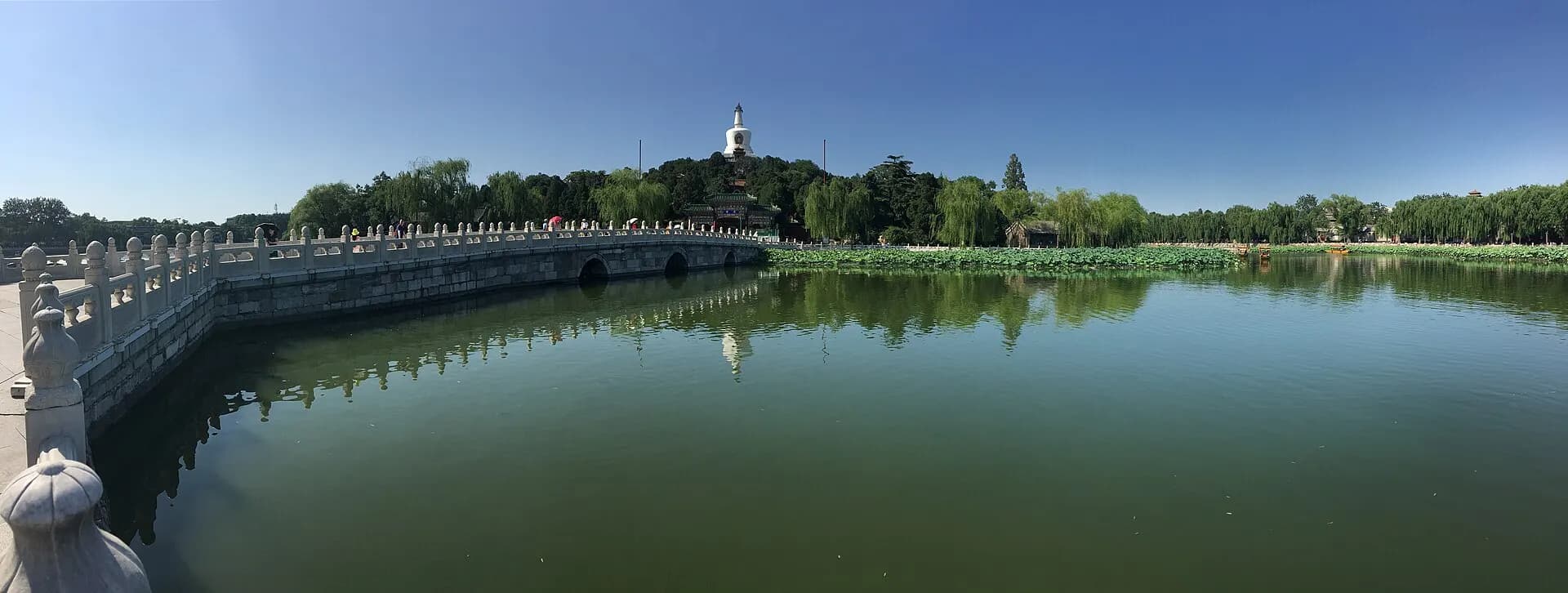
One of the oldest surviving imperial gardens in China, built around a lake with an island crowned by the White Dagoba, a Tibetan-style stupa. Hire a boat in summer, or walk the shoreline past the Nine-Dragon Wall.
- 6
Shichahai and the hutongs
Photo: fading, CC BY-SA 3.0, via Wikimedia Commons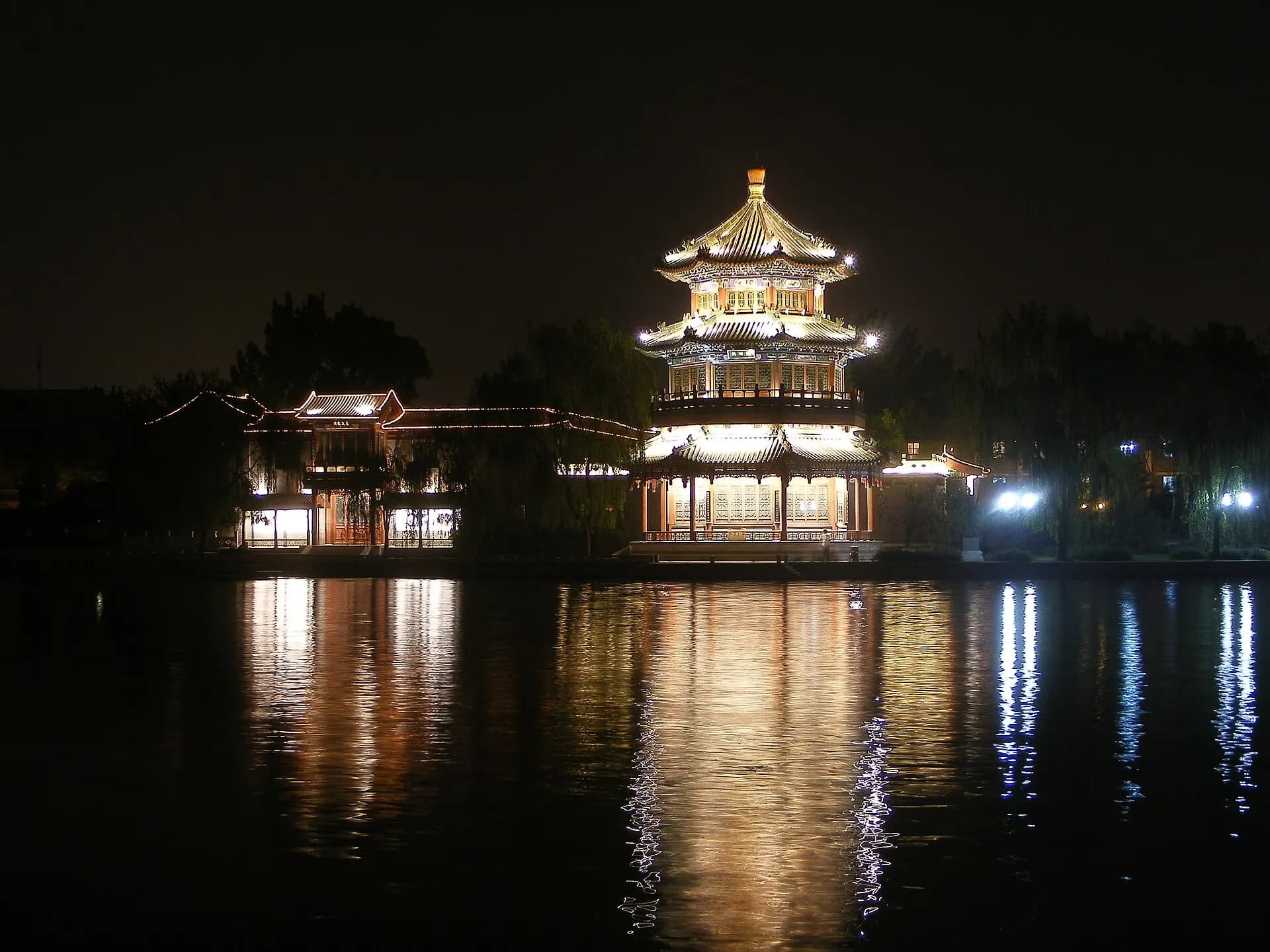
North of Beihai, three linked lakes, Qianhai, Houhai and Xihai, are lined with willows, bars and courtyard houses. The surrounding hutongs are the best place to see old Beijing: Nanluoguxiang is the busiest lane, lined with snack shops, while the quieter alleys on either side, such as Mao'er Hutong and those around Yandai Xiejie, are better for wandering. A rickshaw tour or a bicycle is a good way to explore.
TipRemember these are people's homes; keep your voice down and don't walk into courtyards uninvited.
- 7
Drum and Bell Towers
Photo: EditQ, CC0, via Wikimedia Commons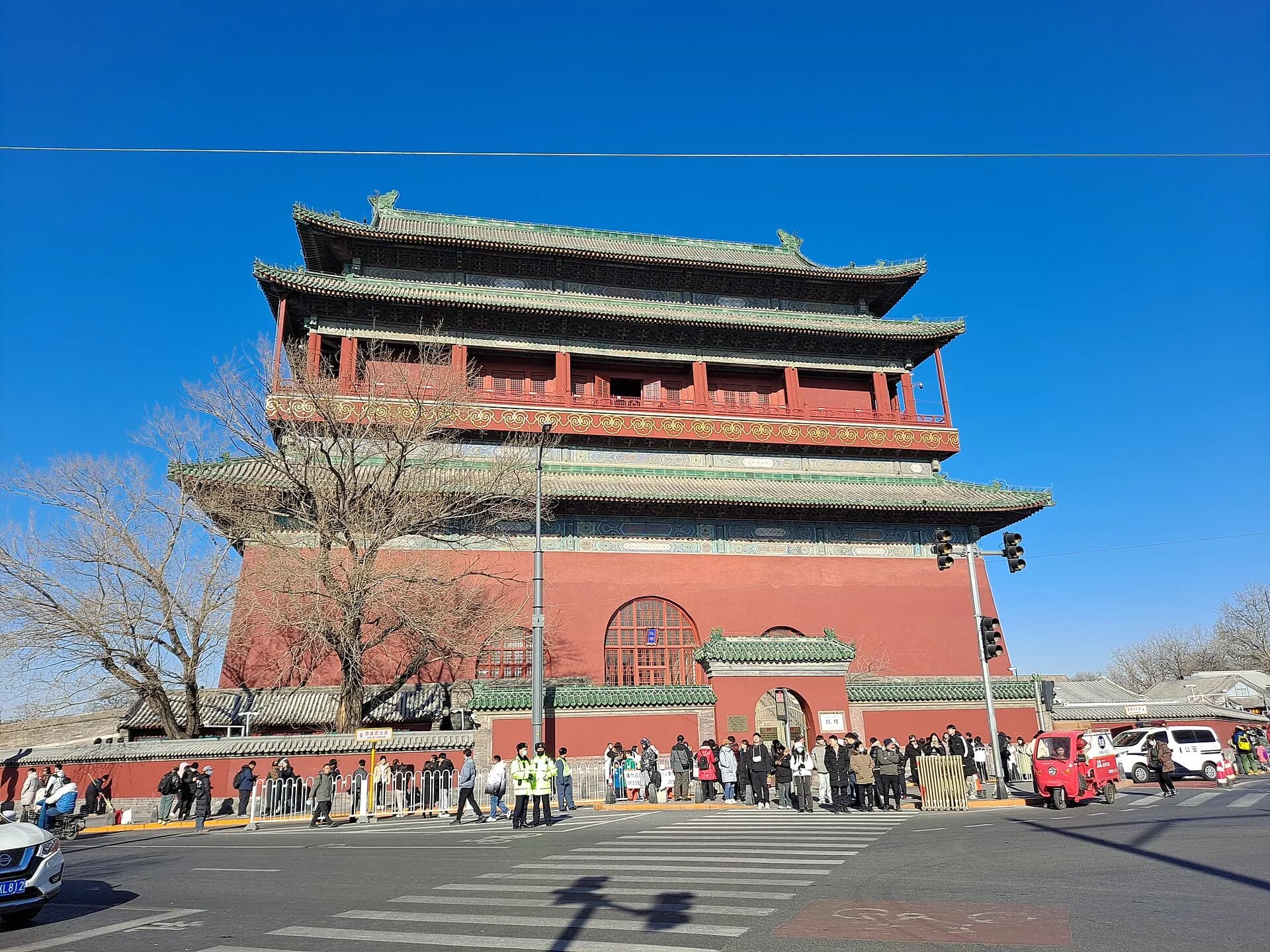
The two towers at the northern end of the Central Axis once marked the hours for the city. Climb the steep stairs of the Drum Tower for views over the hutong rooftops and to watch the regular drumming performances, then cross the little square to the Bell Tower.
- 8
Lama Temple (Yonghe Gong)
Photo: Ermell, CC BY-SA 4.0, via Wikimedia Commons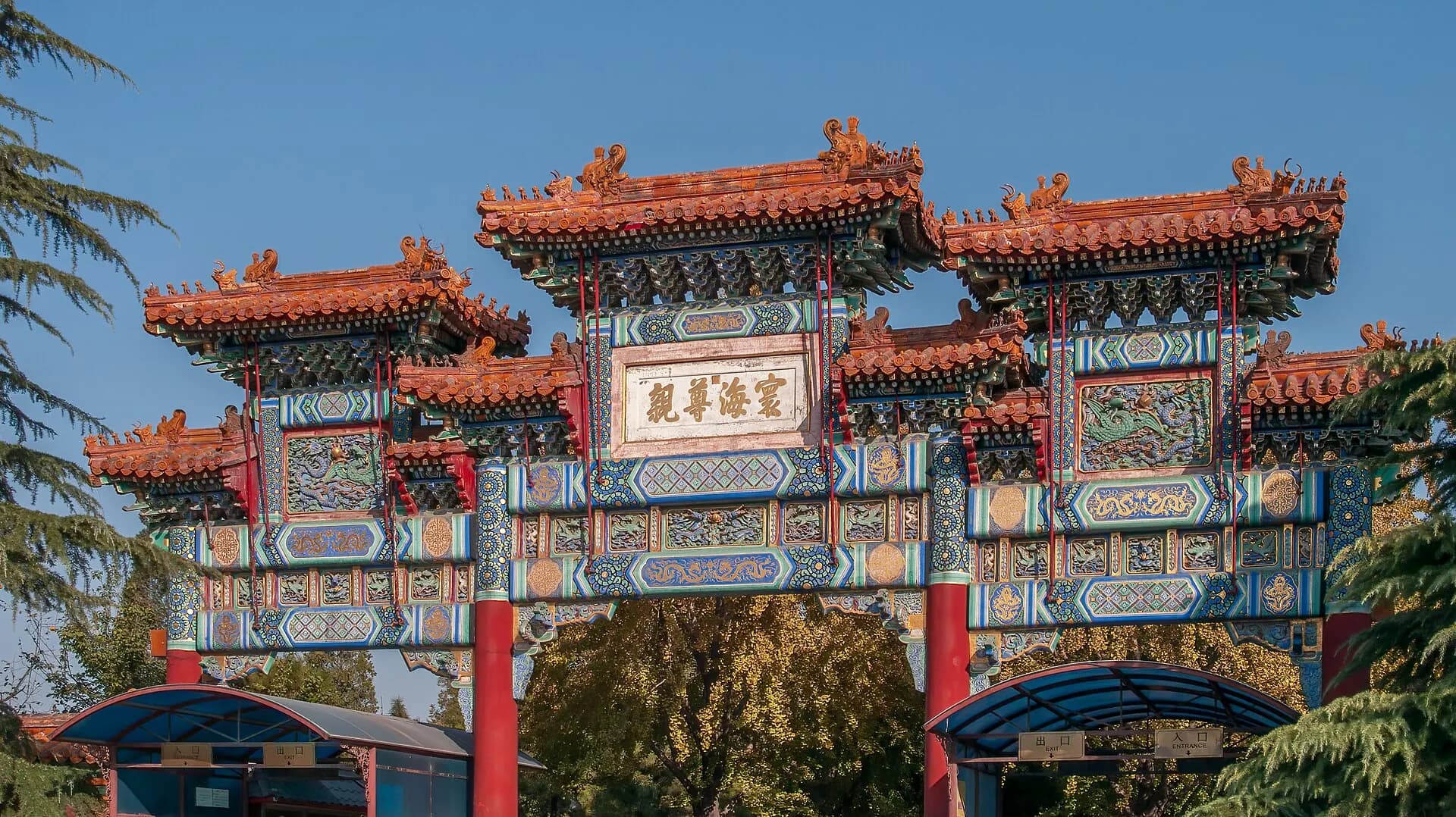
Beijing's most important Tibetan Buddhist temple, a former prince's residence turned monastery, full of incense, prayer and painted halls. The last hall holds a Buddha carved from a single piece of sandalwood, around eighteen metres high. The Confucius Temple and the Imperial Academy are a short walk west.
TipThis is an active place of worship; dress modestly and don't photograph inside the halls.
- 9
798 Art District
Photo: Cory M. Grenier, CC BY-SA 2.0, via Wikimedia Commons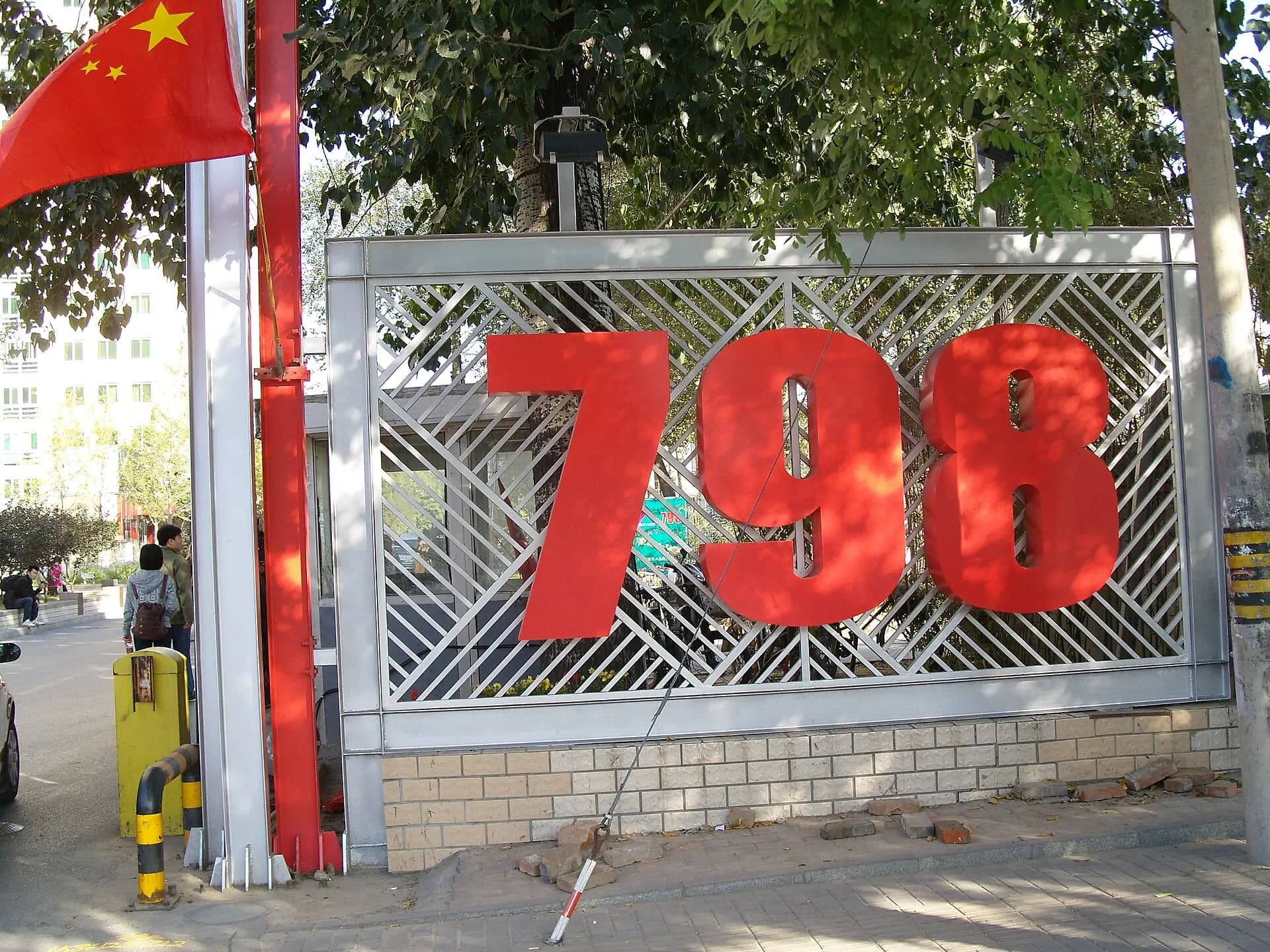
A complex of 1950s factories built with East German help, now filled with galleries, studios, cafés and shops. Its Bauhaus-style sawtooth roofs and leftover industrial pipes make it an interesting contrast to the imperial city.
- 10
Olympic Park
Photo: CEphoto, Uwe Aranas, CC BY-SA 3.0, via Wikimedia Commons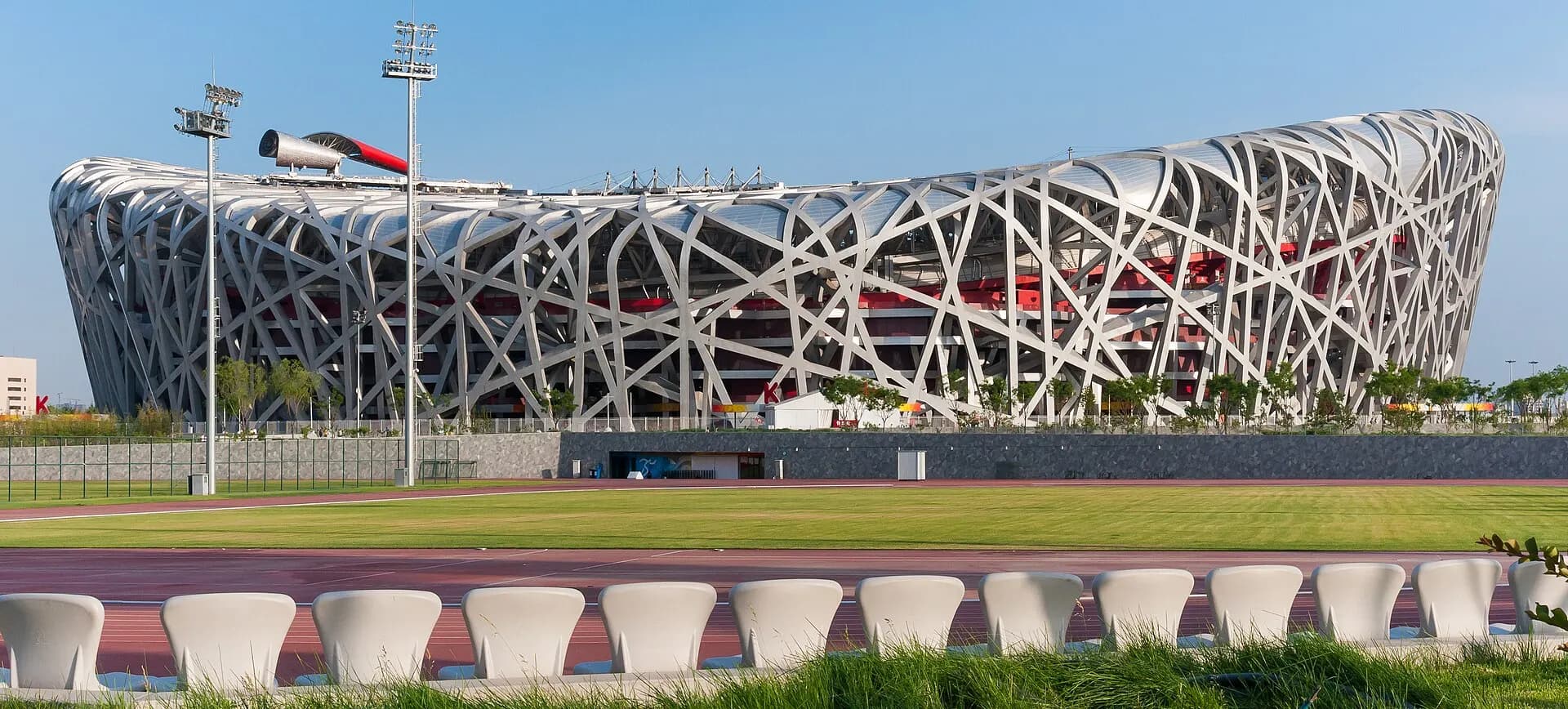
Built for the 2008 Summer Games and used again for the 2022 Winter Olympics, with the steel lattice of the National Stadium, the "Bird's Nest", and the bubble-clad National Aquatics Center, the "Water Cube". It's best at dusk, when the buildings are lit up.
- 11
Old Summer Palace (Yuanmingyuan)
Photo: Wuyouyuan, CC BY-SA 4.0, via Wikimedia Commons
Once a huge imperial garden of lakes, pavilions and European-style palaces, it was looted and burned by British and French troops in 1860. The ruins of the Western Mansions, carved stone fragments scattered across the grass, are a powerful reminder of that history, and the lakes are lovely when the lotus flowers in summer.
- 12
Summer Palace
Photo: Ermell, CC BY-SA 4.0, via Wikimedia Commons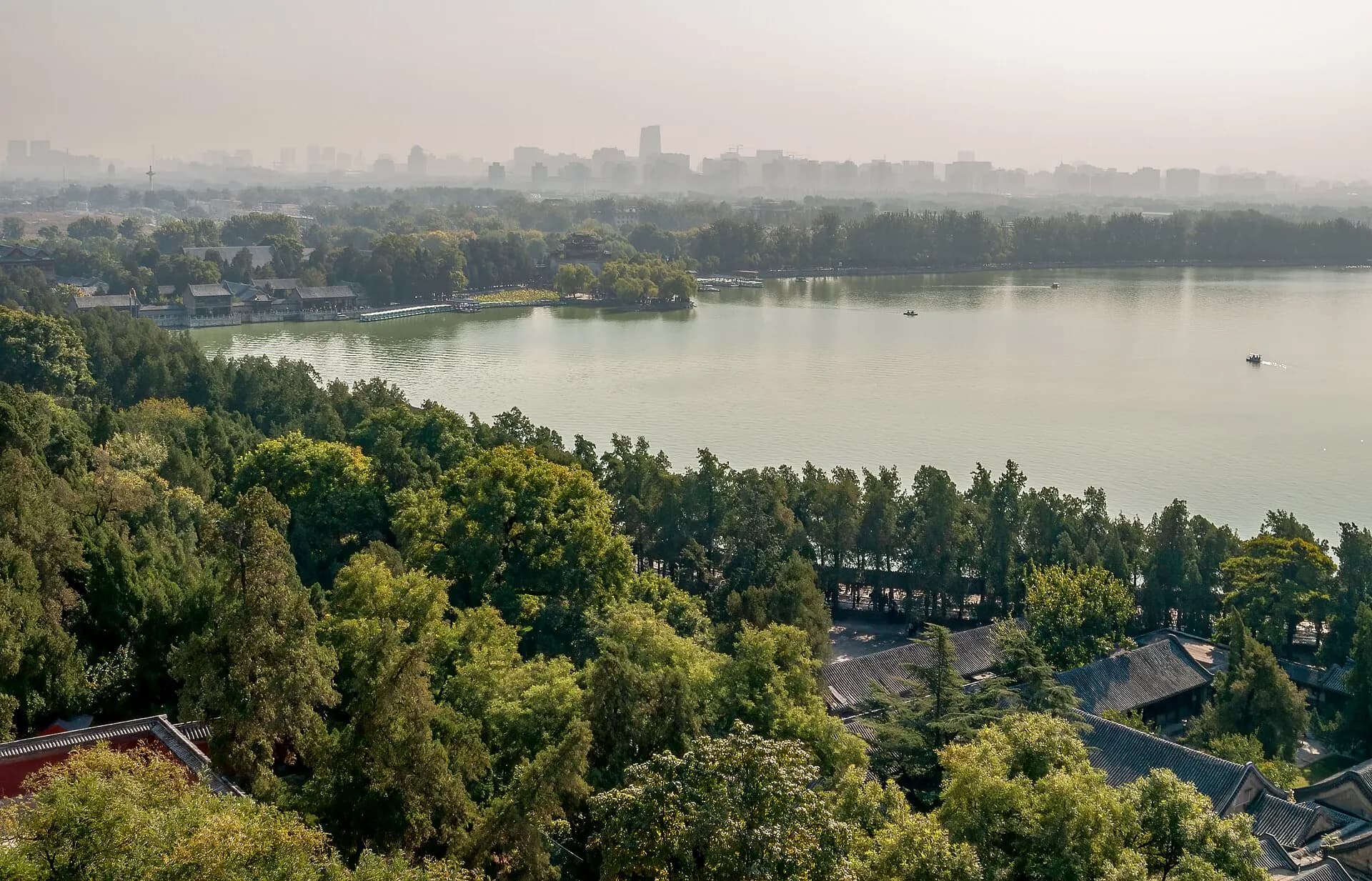
The Qing court's favourite retreat, a vast landscape garden of temples, pavilions and bridges around Kunming Lake and Longevity Hill. Walk the painted Long Corridor, climb to the Tower of Buddhist Incense, see the Marble Boat, and cross the Seventeen-Arch Bridge. Allow at least half a day.
TipEnter by the north or east gate and take a boat across the lake to finish at the other side.
- 13
Ming Tombs
Photo: Charlie fong, CC BY-SA 4.0, via Wikimedia Commons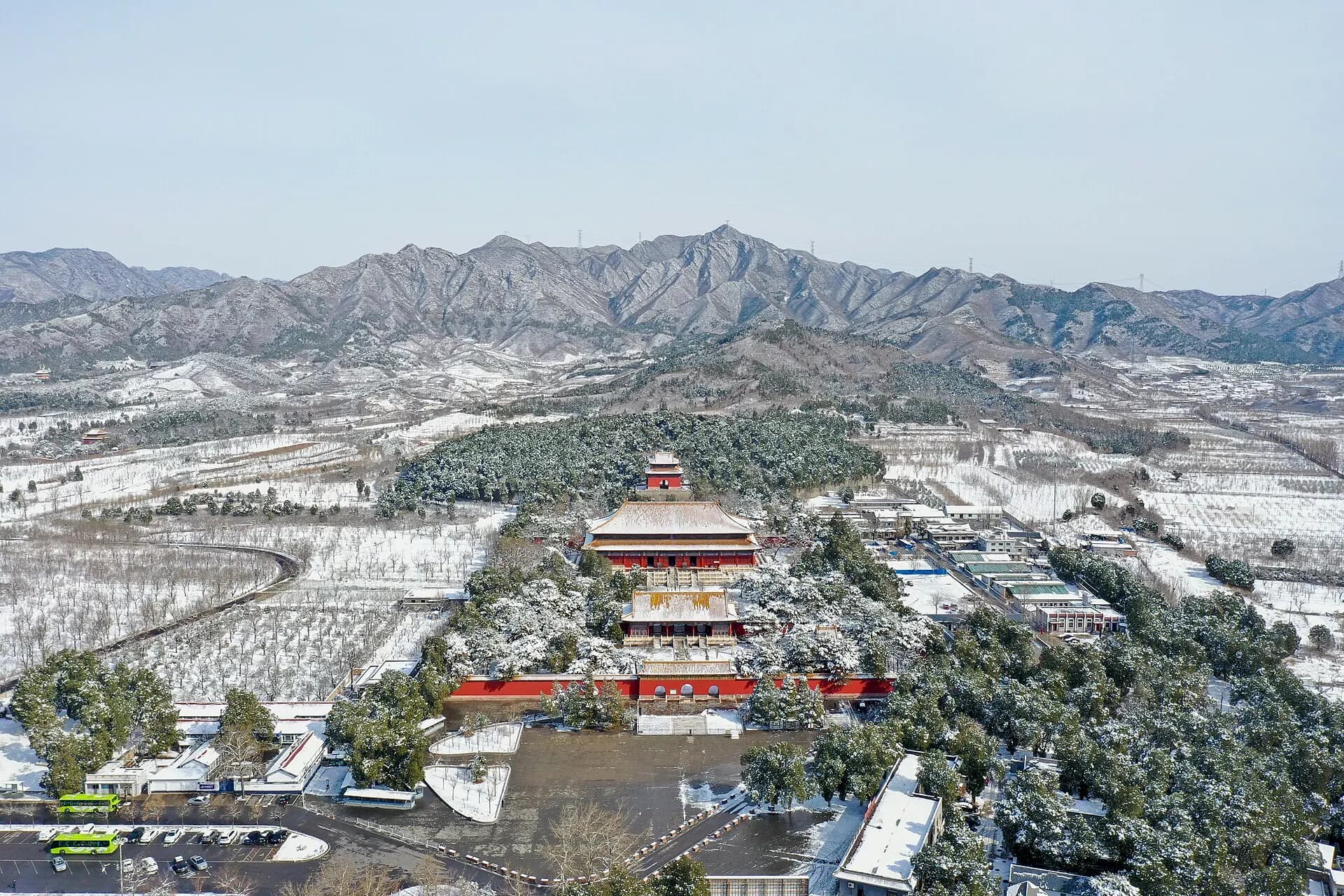
Thirteen Ming emperors are buried in a valley north of the city. The Sacred Way, lined with stone animals and officials, leads towards the tombs; Changling is the grandest, and at Dingling you can go down into the underground burial chamber. It combines well with a trip to the Great Wall.
- 14
Mutianyu Great Wall
Photo: Velatrix, CC0, via Wikimedia Commons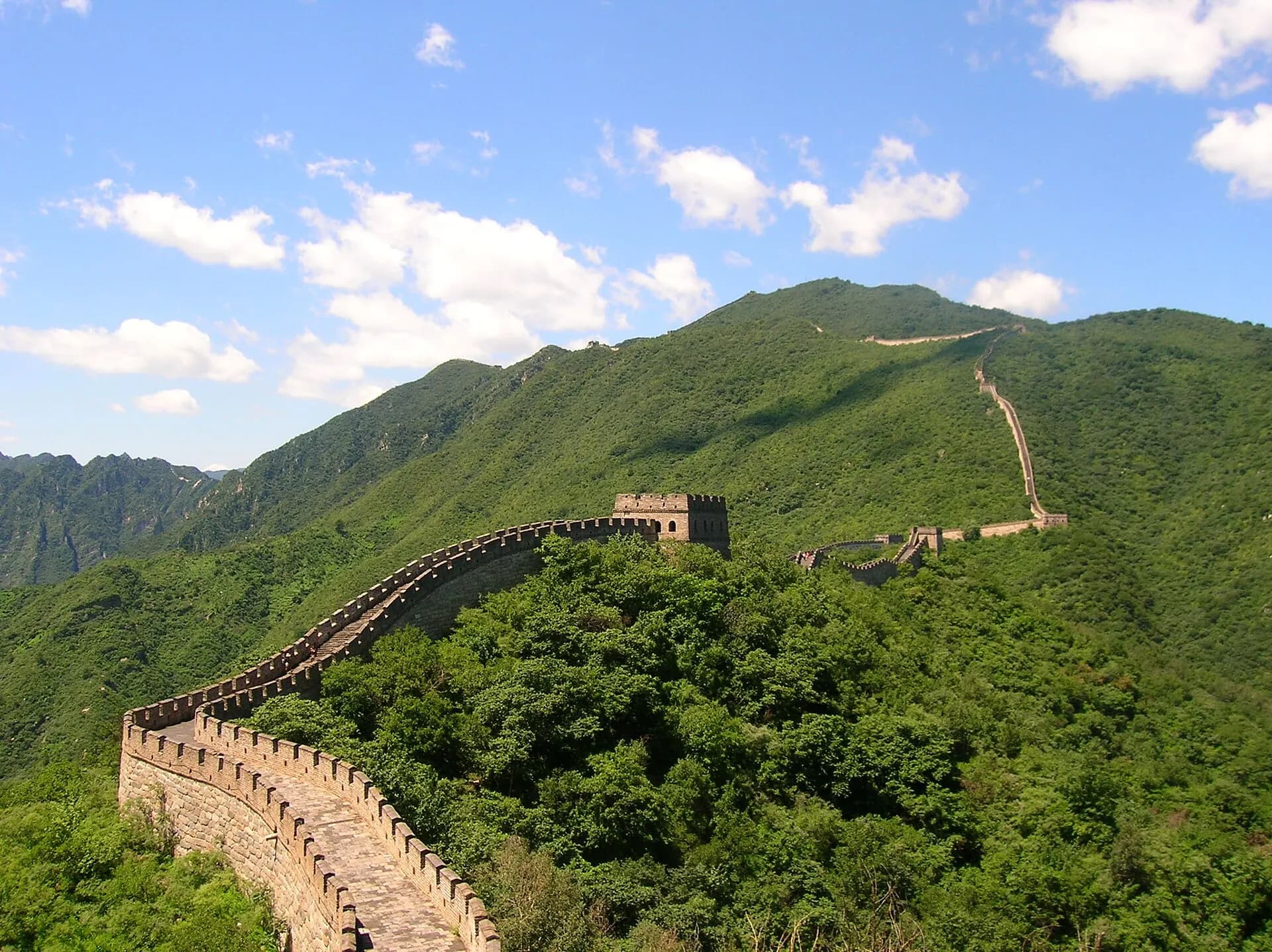
A beautifully restored stretch of wall with many watchtowers running along a forested ridge, about ninety minutes by road from central Beijing. A cable car or chairlift takes you up, and a toboggan run brings you down. It's less crowded than Badaling, which is the closest section to the city and gets very busy, especially at weekends and holidays.
TipArrive at opening time and walk away from the cable car station for quieter sections.
- 15
Jinshanling Great Wall
Photo: Jakub Hałun, CC BY-SA 3.0, via Wikimedia Commons
Further out, across the border in Hebei Province, Jinshanling is a dramatic, partly restored section that climbs over steep ridges, with fewer visitors and wide views. It's about two and a half to three hours by road, so it makes a long day trip, best on a clear day; serious walkers hike along the wall here.
When to go
Spring (April and May) and autumn (September and October) bring mild temperatures and the clearest skies; autumn is often considered the best time of all, when the leaves turn in the Western Hills. Summer is hot, humid and rainy, with heavy downpours in July and August. Winter is cold and dry, often well below freezing, but crisp, bright days and thin crowds have their own appeal. Air quality has improved a great deal over the past decade, but smog can still build in winter, and spring sometimes brings dust storms from the north; check an air-quality app before outdoor days. Avoid the national holidays around 1 May and the first week of October if you can, when sights are at their busiest.
Getting around
Beijing has two international airports, Capital in the northeast and Daxing in the south, both linked to the city by express metro lines. The metro is cheap, fast and well signed in English, covering almost everywhere in the city, with security checks at every station; the transport QR code in Alipay or WeChat is the easiest way to pay, and many gates now accept contactless foreign bank cards. Taxis and ride-hailing (DiDi, also available inside Alipay) are inexpensive; have your destination written in Chinese. High-speed trains run from Beijing's main stations to Shanghai, Xi'an and many other cities. For the Great Wall, a private driver or small-group tour is the simplest option for Mutianyu and Jinshanling; public buses and trains serve Badaling.
Local tips
- Carry your passport at all times; you'll need it for bookings, train tickets, hotel check-in and security checks.
- Set up Alipay or WeChat Pay before you arrive and link a foreign card; both now accept major international cards, and cash is less widely used than in most countries. Carry some yuan as a backup.
- Many foreign websites and apps, including Google services and most Western social media, are blocked in China. Download offline maps (Apple Maps works, as do Chinese apps such as Amap) and translation tools before you travel. Using unapproved VPNs is restricted under Chinese regulations, so understand the rules before relying on one; international roaming data and some travel eSIMs connect through overseas networks.
- Book the Forbidden City, Tiananmen Square and other major sights several days in advance with your passport details; on-the-day tickets are often unavailable.
- Many museums and sights close on Mondays.
- Expect long walks: distances within the sights, let alone the city, are huge.
Eat and drink
Peking duck is the essential meal: roasted until the skin is crisp and lacquered, then sliced at the table and wrapped in thin pancakes with spring onion, cucumber and sweet bean sauce. Book ahead at well-known restaurants. Try zhajiangmian, thick noodles with fried bean paste and pork; jianbing, the savoury breakfast crêpe sold from street stalls; and lamb hotpot cooked in a copper pot, best in winter. The hutongs have small noodle and dumpling shops, and Beijing's cafés and craft-beer bars have multiplied in recent years. Tap water isn't safe to drink; use bottled or boiled water.
Where to stay
Dongcheng, the eastern half of the old city, puts you close to the Forbidden City, the hutongs and the Lama Temple, with courtyard hotels in restored siheyuan houses as well as large international hotels around Wangfujing. Xicheng, around the lakes, is quieter and atmospheric. Sanlitun and the Central Business District in Chaoyang have modern hotels, nightlife and international restaurants. Hotels register foreign guests with the police, so check that yours accepts foreigners before booking.
Visas and entry
China's entry rules for visitors have relaxed in recent years, but they vary by nationality and change often, so check the National Immigration Administration and your nearest Chinese embassy before you book. Ordinary passport holders of more than forty countries, including most of the European Union, the United Kingdom, Australia, New Zealand, Japan and South Korea, can currently enter visa-free for up to thirty days for tourism; this arrangement runs until 31 December 2026, so check whether it has been extended if you're travelling later. Separately, citizens of 57 countries, including the United States, can use the 240-hour visa-free transit policy: you must be travelling on to a third country or region (not back to where you came from) with a confirmed onward ticket, arrive at a designated port such as Beijing's two international airports, and stay within the permitted area, which for Beijing travellers includes Beijing, Tianjin and Hebei Province. Anyone who doesn't qualify needs a visa in advance.
The Central Axis and the imperial city
Ming Beijing was laid out according to ancient ideas about the ideal capital: square, walled and symmetrical, with the emperor's palace at its centre on a north-south line. The 7.8-kilometre Central Axis runs from Yongdingmen Gate in the south, past the Temple of Heaven and the Altar of Agriculture, through Tiananmen and the Forbidden City, over Jingshan, and on to the Drum and Bell Towers. Most of the city walls were demolished in the twentieth century to make way for the Second Ring Road and the metro, but walking the axis from south to north is still the best way to understand the city's design.
The Great Wall
The walls around Beijing were built mainly by the Ming dynasty, from the late fourteenth century onwards, to defend the capital against raids from the north, though earlier walls date back more than two thousand years. They follow the crests of the mountains, with watchtowers within signalling distance of each other. Choose your section by what you want: Badaling for easy access, Mutianyu for restored wall with fewer crowds, and Jinshanling for dramatic scenery and hiking. Unrestored "wild" sections can be dangerous and some are officially closed; don't climb them without an experienced local guide, and wear good shoes, as the steps are steep and uneven everywhere.
Responsible travel
Respect the security procedures around Tiananmen Square and government buildings, and avoid photographing police, military sites or checkpoints. The hutongs are residential neighbourhoods under pressure from tourism and redevelopment; support small family businesses, don't photograph residents without asking, and keep noise down in the evenings. On the Great Wall, take your rubbish with you, don't write on or remove stones, and stay off sections that are closed for conservation.