Benin
The birthplace of Vodun and the old kingdom of Dahomey, where a stilt village floats on a lagoon and a road of memory leads to the sea.
- Best time to go
- November to March, the main dry season; mid-July to mid-September brings a shorter dry spell to the south
- Local time
- –
- Currency
- West African CFA Franc (XOF)
- Reading time
- 9 min
- Language
- French

Current advice (checked October 2026): the UK FCDO advises against all travel to Pendjari National Park, the W National Park and its surrounding hunting zones, and anywhere within 5km of the Burkina Faso border, and against all but essential travel to the rest of the Alibori and Atacora departments and to the area east of the RNIE 2 highway from Tchaourou to Malanville. The US State Department rates Benin as Level 2, "exercise increased caution", but says do not travel to areas bordering Burkina Faso and Niger. The south of the country, where most of the places below are, is outside these warnings. Check both before you plan anything in the north.
Benin is a narrow slice of West Africa, running some 700km inland from a short Atlantic coastline of lagoons and palm-fringed beaches to the dry hills and savannah of the Sahel's edge. On the coast stood the kingdom of Dahomey, whose kings grew rich on the trade in enslaved people, and the port of Ouidah, from which a vast number of captives were shipped to the Americas. The same coast is the heartland of Vodun, the religion that crossed the ocean to become Haitian Vodou and Brazilian Candomblé, and which remains an officially recognised, openly practised faith here.
For travellers that history makes Benin one of the most thought-provoking countries in the region. Distances in the south are short, roads between the main towns are good, and a week covers the coast comfortably. The places below run in route order: Porto-Novo, Cotonou and the lagoon village of Ganvié, west to Ouidah and Grand-Popo, inland via Lake Ahémé to Abomey, and finally the northern highlights, listed as heritage to know about rather than an itinerary while current advice stands. Neighbouring Ghana and Togo are a few hours west along the coast road, and Lagos lies just beyond the eastern border.
The top 16 in Benin
- 1
Great Mosque of Porto-Novo
Photo: Babylas, CC BY-SA 3.0, via Wikimedia Commons
Porto-Novo is Benin's official capital, a quieter, greener and more interesting city than Cotonou, and its great mosque is its most striking building. Built in the early twentieth century by Muslims who had returned from Brazil, it borrows the look of a Brazilian baroque church: a pastel façade in yellow, pink and green, with curving gables and towers. It is a vivid reminder that the slave trade ran both ways, and that freed Afro-Brazilians brought back architecture, food and family names that still mark the coast.
TipThe mosque is a place of worship; look from outside or ask permission before entering, and avoid Friday prayers.
- 2
Musée Da Silva
Photo: Rachad sanoussi, CC BY-SA 4.0, via Wikimedia Commons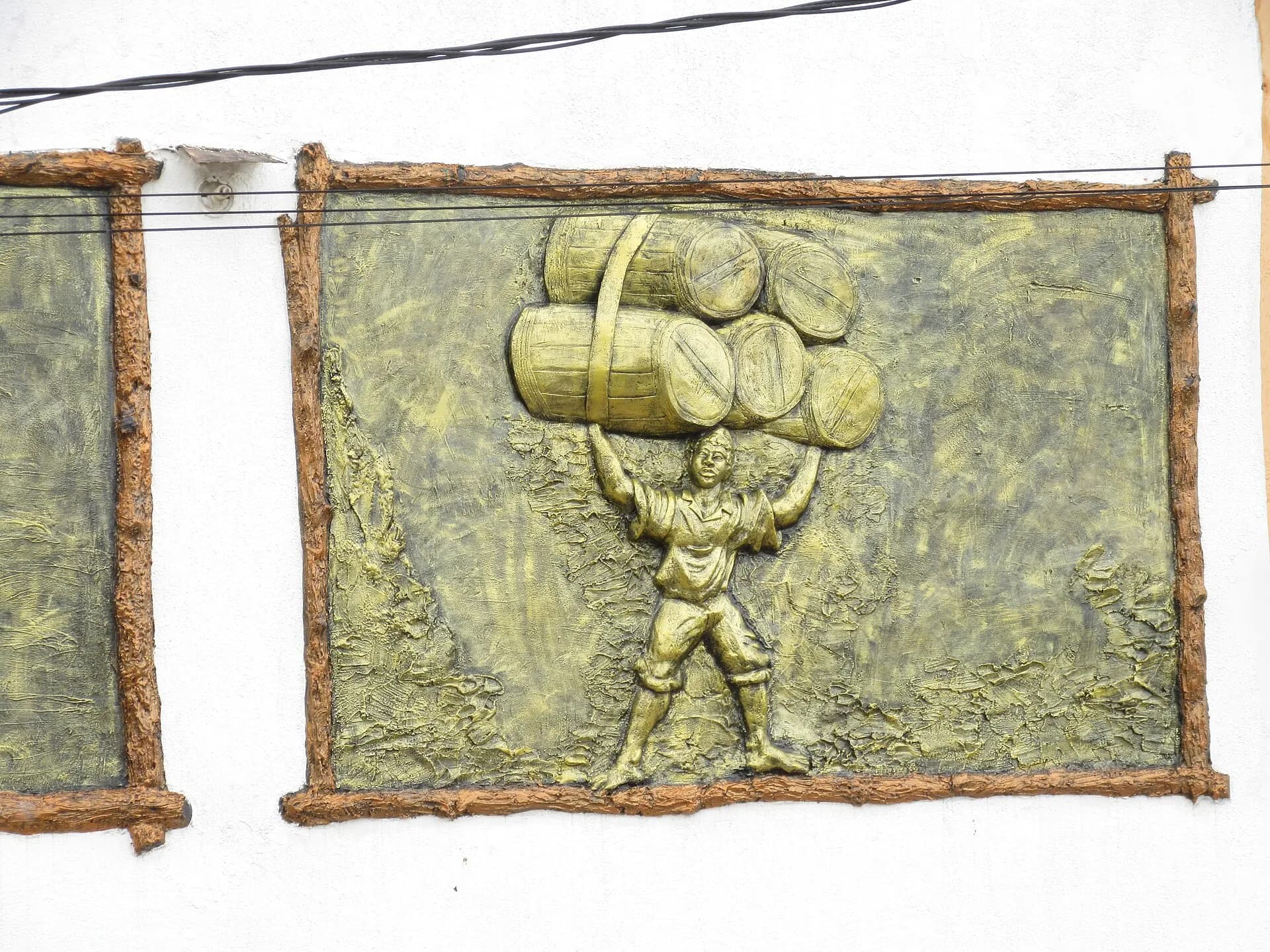
Set in a handsome Afro-Brazilian house, this privately run museum tells the story of the "Agudas", the returnees from Brazil and their descendants, through furniture, photographs, vintage cars and everyday objects. It is an engaging, slightly eccentric place, and a good introduction to the hybrid culture you see all along the coast between Lagos and Lomé.
- 3
Musée Honmè
Photo: Kulttuurinavigaattori, CC BY-SA 4.0, via Wikimedia Commons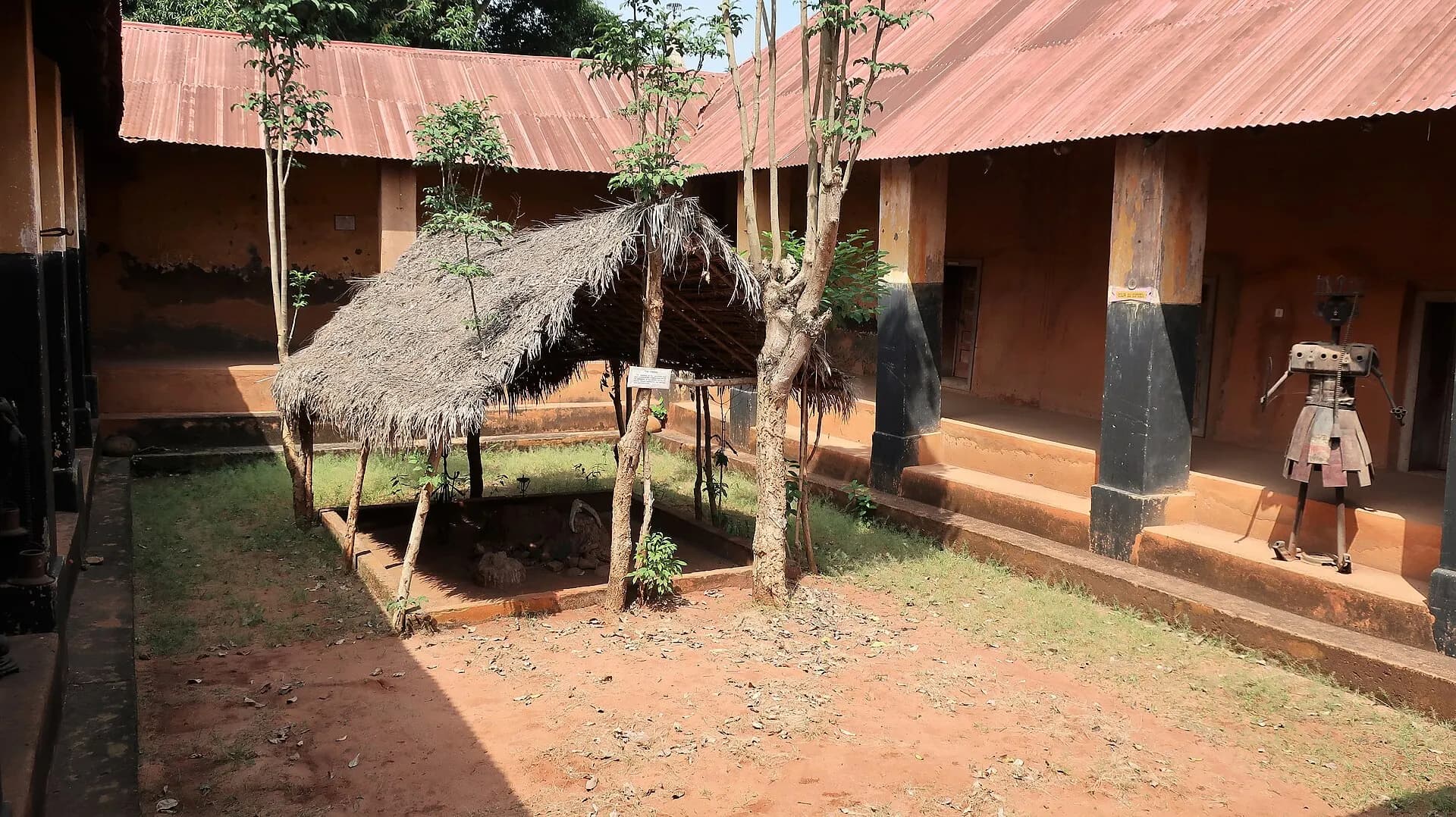
The former palace of the kings of Porto-Novo, among them King Toffa, who signed a protectorate treaty with France in the 1860s, is now a museum. Guides lead visitors through low earthen courtyards, royal rooms and shrines, explaining the rituals of a monarchy that survived alongside colonial rule. Nearby, the Alexandre Sènou Adandé Ethnographic Museum has a strong collection of masks and Yoruba carvings.
- 4
Dantokpa Market
Photo: Adoscam, CC BY-SA 4.0, via Wikimedia Commons
Cotonou, the economic capital, is a busy, motorbike-filled port city, and Dantokpa is its beating heart: one of the largest open-air markets in West Africa, spread along the lagoon by the Ancien Pont bridge. Fabric, plastic goods, spices, smoked fish and second-hand clothes fill the lanes, and there is a section devoted to Vodun fetish materials, from herbs and carved figures to animal parts.
TipGo in the morning with small notes, keep valuables out of sight, and ask before photographing traders.
- 5
Fondation Zinsou
Founded in 2005, the Fondation Zinsou has done more than any other institution to bring contemporary African art to a local audience, through exhibitions, school programmes and outreach. Its shows rotate, so check what is on. Elsewhere in the city, the giant bronze statue of an Amazon warrior, unveiled in 2022, honours the women soldiers of the Dahomey army and has quickly become a city landmark.
- 6
Ganvié
Photo: Fawaz.tairou, CC BY-SA 4.0, via Wikimedia Commons
On Lake Nokoué, just north of Cotonou, Ganvié is a whole town built on stilts, home to tens of thousands of Tofinu people. Their ancestors are said to have moved onto the water in the seventeenth or eighteenth century to escape slave raiders, who were forbidden by belief from entering the lake. Today the village has schools, mosques, churches and a floating market, all reached by pirogue, and families fish using brush enclosures called acadjas.
TipBoats leave from the official jetty at Abomey-Calavi; agree the price and duration first. Ask before photographing people, who understandably tire of cameras.
- 7
Temple of Pythons
Photo: Ji-Elle, CC BY-SA 4.0, via Wikimedia Commons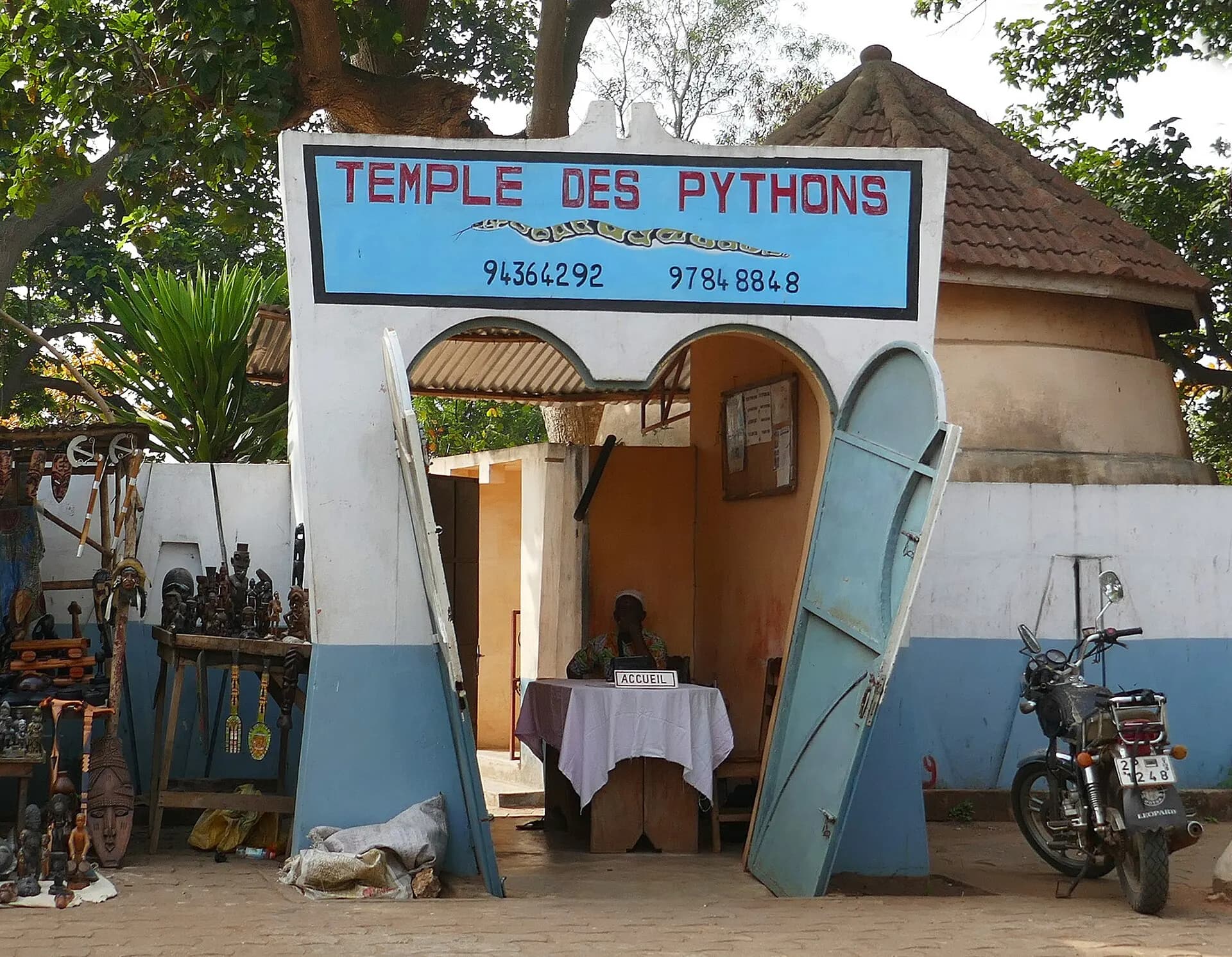
Ouidah, an hour west of Cotonou, is the spiritual heart of Vodun, and its python temple faces the cathedral basilica across a small square, a pairing that sums up the country's religious ease. Inside, royal pythons, sacred to the deity Dangbé, coil in a small round shrine; they are harmless and are said to wander through town at night. Visitors may hold one if they wish.
- 8
Kpassè Sacred Forest
Photo: Rachad sanoussi, CC BY-SA 4.0, via Wikimedia Commons
According to tradition, King Kpassè, who founded Ouidah, escaped his enemies by turning into an iroko tree that still stands in this patch of forest. Paths wind between metal and clay sculptures of Vodun deities, made for the 1990s festival of Vodun arts, and between shrines still in use.
- 9
Ouidah Museum of History
Photo: Kulttuurinavigaattori, CC BY-SA 4.0, via Wikimedia Commons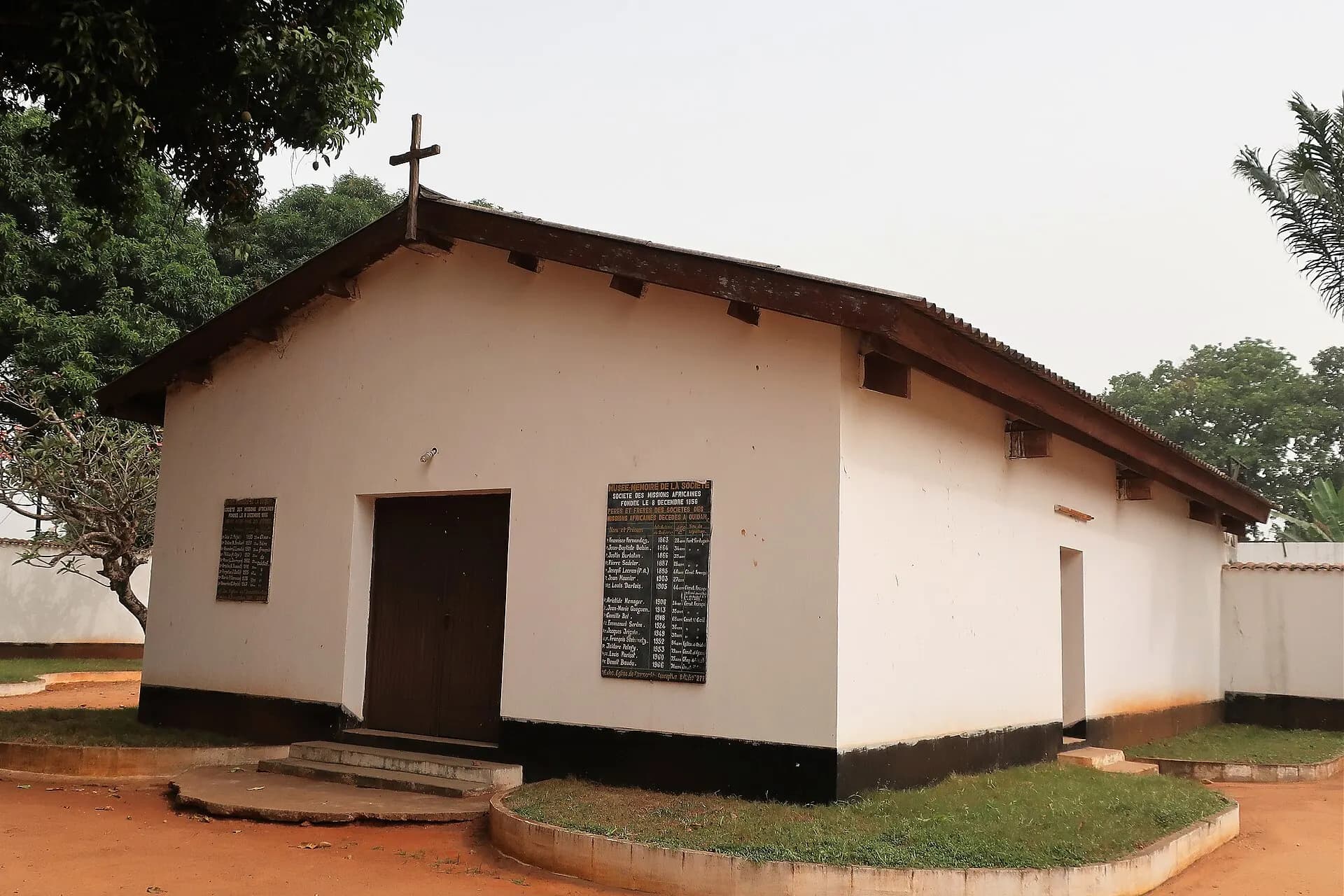
The museum occupies the Portuguese fort of São João Baptista de Ajudá, built in 1721 when Ouidah was one of the busiest slaving ports in Africa. Its displays cover the trade, the kingdom of Dahomey and the Afro-Brazilian connection. Ouidah's memorial sites have been undergoing a major redevelopment, so some exhibits may be closed or moved; ask locally.
- 10
Route des Esclaves and the Door of No Return
Photo: Chiemelacebelae, CC0, via Wikimedia Commons
The Route des Esclaves runs about 4km from the old auction square in town down to the beach, marked by memorials along the way: the Tree of Forgetting, which captives were made to circle to forget their homeland; the site of the huts where they were held; and a memorial to the many who died before boarding. At the shore stands the Door of No Return, a monumental arch unveiled in 1995 as part of UNESCO's Slave Route project. It is a place for quiet reflection rather than sightseeing, and many visitors, especially those of African descent, find it deeply moving.
TipWalk the route or take a guide who can explain each stop. Dress modestly and keep your voice low at the memorials.
- 11
Bouche du Roy
Photo: Kulttuurinavigaattori, CC BY-SA 4.0, via Wikimedia Commons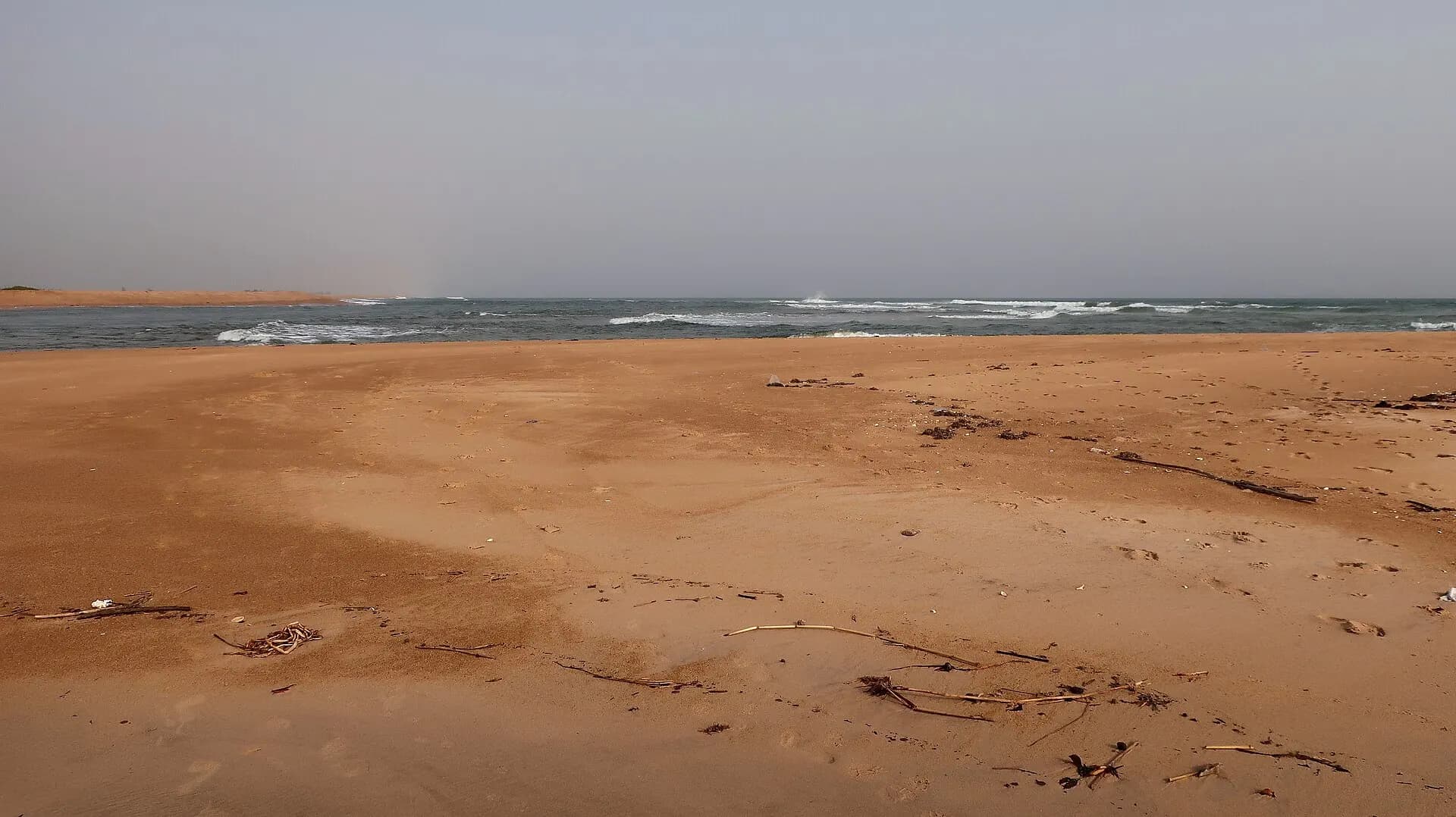
West of Ouidah, the Mono river meets the Atlantic at the Bouche du Roy, a protected area of mangroves, sandbars and fishing villages. Pirogue trips from Grand-Popo explore the channels, salt-making sites and birdlife, and sea turtles nest on parts of this coast.
- 12
Grand-Popo
Photo: Kulttuurinavigaattori, CC BY-SA 4.0, via Wikimedia Commons
A relaxed beach town near the Togolese border, Grand-Popo has a long sweep of sand, coconut palms and a handful of guesthouses. It is a good place to slow down for a couple of days, but the Atlantic here has powerful waves and rip currents.
TipSwim only where locals say it is safe, and never alone.
- 13
Possotomé and Lake Ahémé
Photo: Rachad sanoussi, CC BY-SA 4.0, via Wikimedia Commons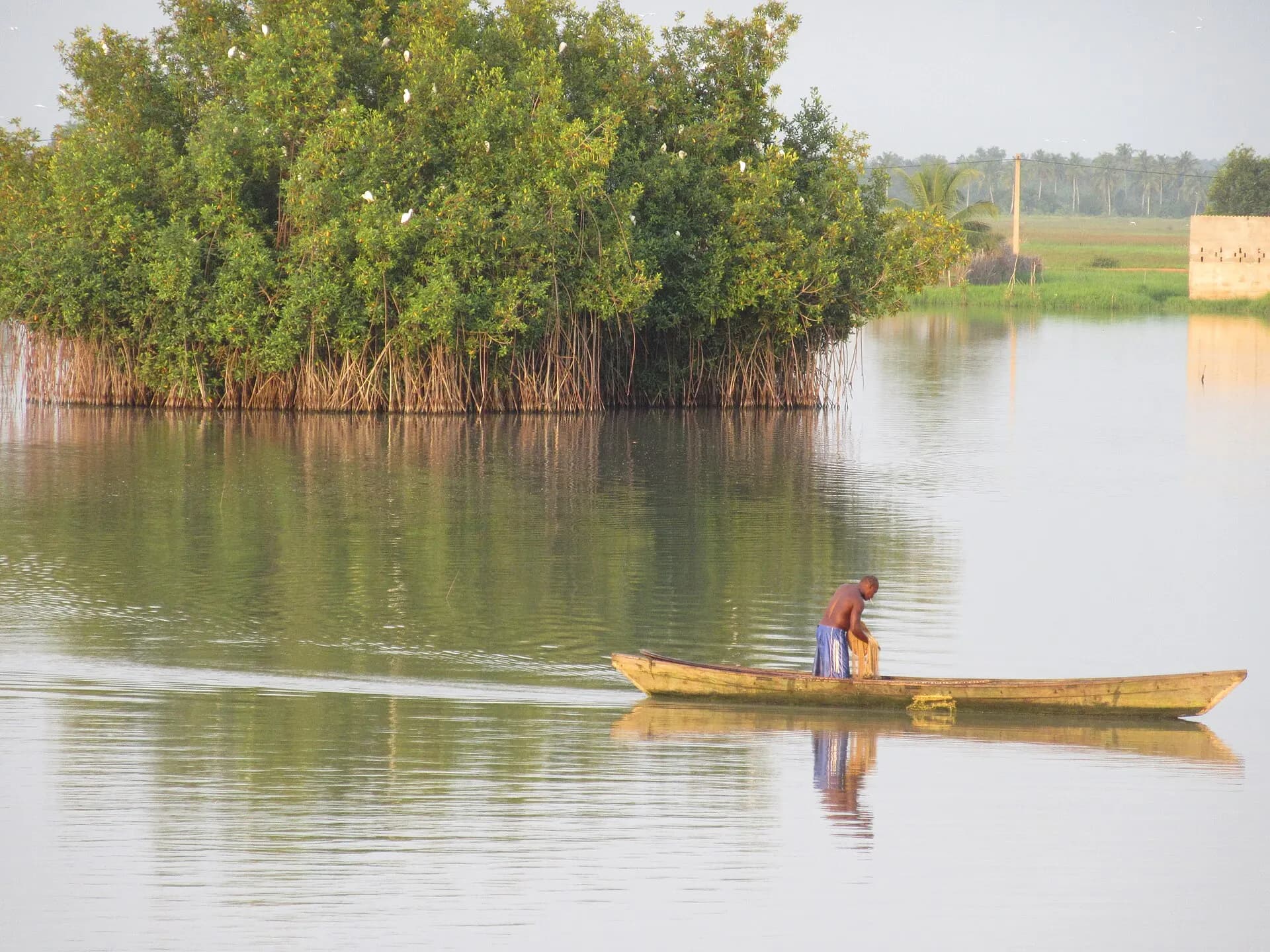
Possotomé, on the shore of Lake Ahémé, is famous for its hot springs and bottled mineral water. Community tourism projects offer pirogue trips with fishermen, village walks, herbal medicine visits and simple lakeside lodges, making it a gentle break between the coast and Abomey.
- 14
Royal Palaces of Abomey
Photo: Joachim Huber, CC BY-SA 2.0, via Wikimedia Commons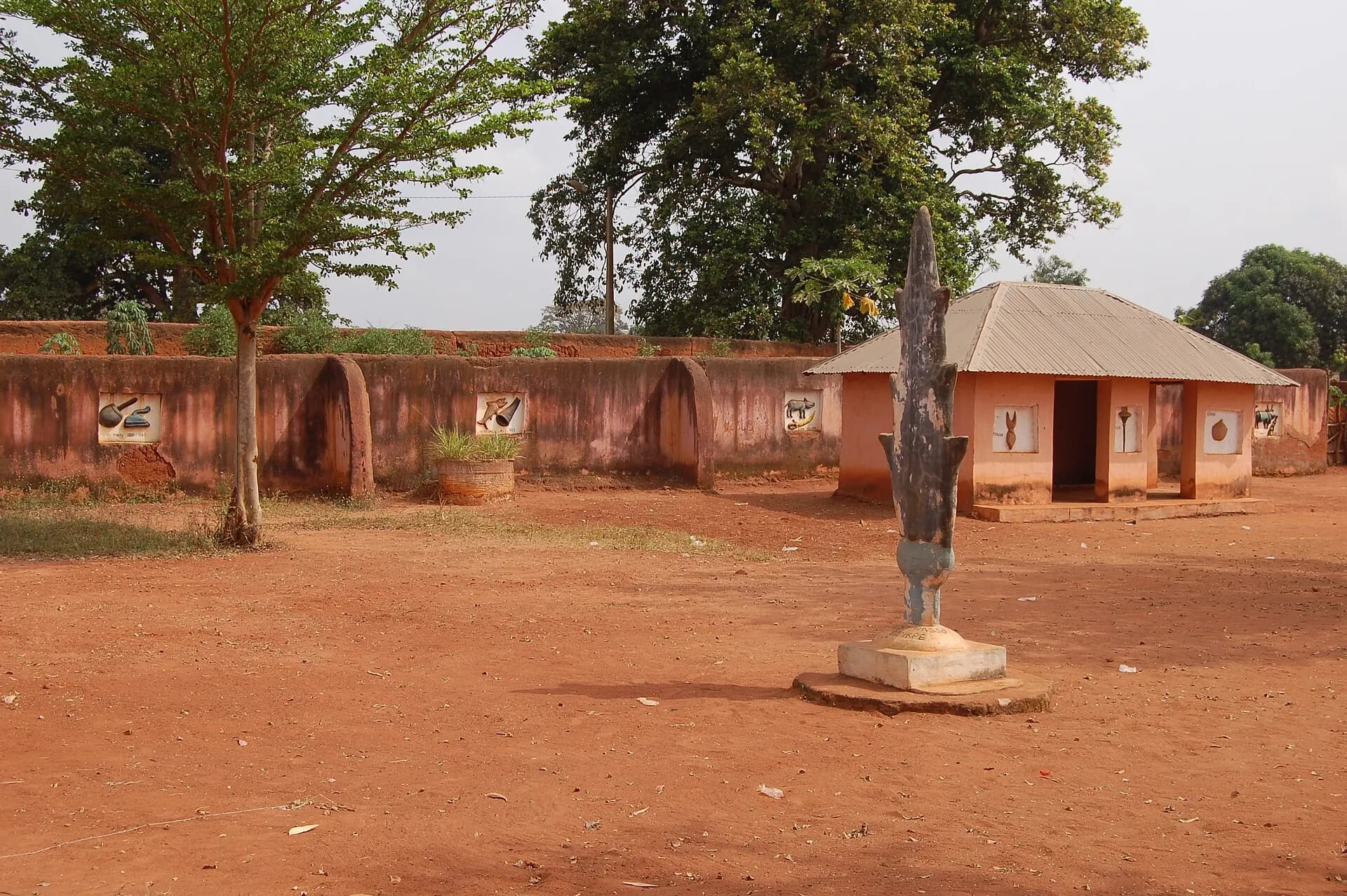
From the seventeenth century until the French conquest of 1894, twelve kings of Dahomey ruled from Abomey, each adding his own palace to a walled royal city. UNESCO lists what survives, chiefly the palaces of Ghezo and Glele, whose earthen walls carry painted bas-reliefs telling the history of the kingdom and its battles. The site has been the focus of a long-running restoration and museum project, and parts may be closed during works; check before you go. Many royal treasures looted in 1892 were returned by France in 2021.
- 15
Tata Somba houses, Atakora
Photo: Kennethdegan, CC BY-SA 4.0, via Wikimedia Commons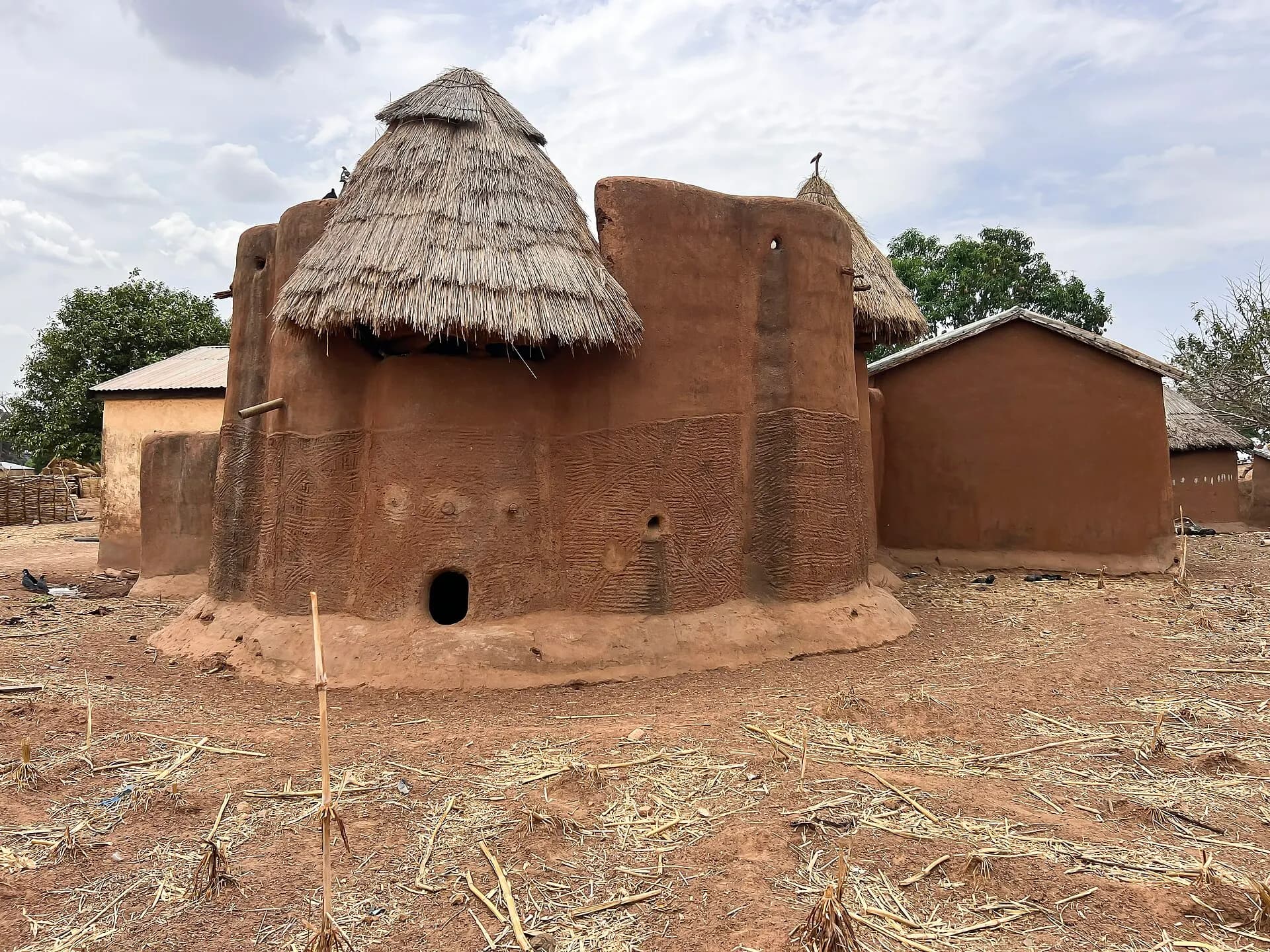
In the Atakora hills around Boukoumbé, the Batammariba build fortress-like earthen tower houses called tata somba, with granaries on the roof and living space inside. The tradition continues across the border in Togo's Koutammakou, which UNESCO lists. The FCDO currently advises against all but essential travel to the whole of Atacora department, so treat this as heritage to read about until advice changes.
- 16
Pendjari National Park
Photo: Fawaz.tairou, CC BY-SA 3.0, via Wikimedia Commons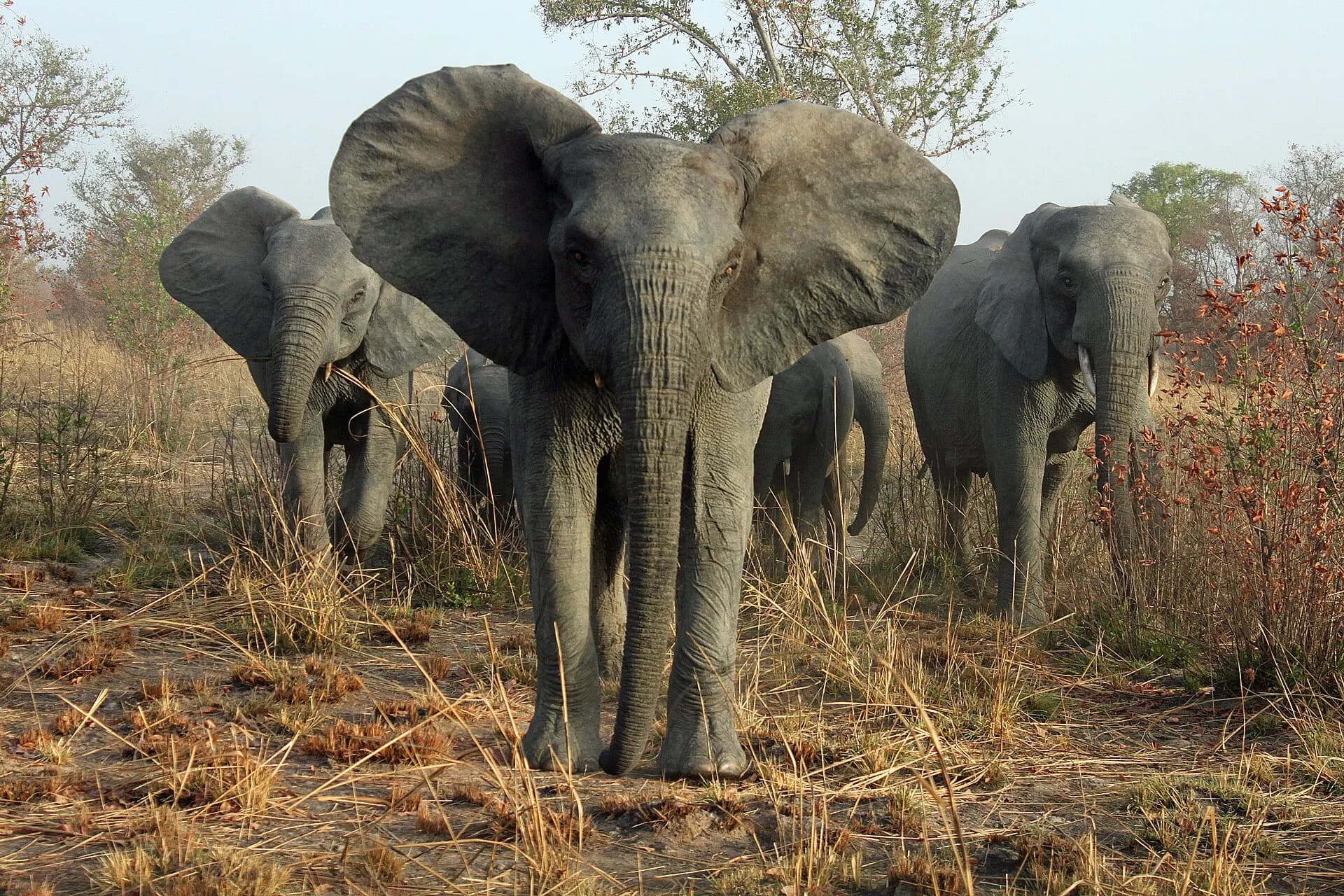
Pendjari, part of the UNESCO-listed W-Arly-Pendjari complex, was long the best wildlife park in West Africa, with elephants, lions, buffalo and antelope. Since attacks and kidnappings in the area, the FCDO advises against all travel there and the US says do not travel to areas bordering Burkina Faso. It is included here for its importance, not as a recommendation to visit.
Safety and current advice
The south of Benin, including Cotonou, Porto-Novo, Ouidah, Grand-Popo and Abomey, is outside the areas covered by FCDO warnings, and the US describes most coastal and southern areas as safe, while noting that crime, including robbery at night, does occur. The north is different: armed groups operating from the Sahel have carried out attacks near the borders with Burkina Faso and Niger, and both the UK and US advise against travel there in varying degrees. Your insurance may not cover you if you travel against FCDO advice. Read the latest advice from your own government before you go, register with your embassy if that option exists, and avoid travelling by road after dark.
When to go
The main dry season runs from November to March, with clear skies and manageable heat on the coast, though the dusty harmattan wind can haze the sky from December to February. The south has two rainy seasons, roughly April to mid-July and mid-September to October, with a short dry spell in between. January is the busiest month in Ouidah: the Vodun Days festival fills the town with ceremonies, masked Egungun and Zangbeto dancers and concerts, timed around the national Vodun holiday on 10 January. The organisers have announced the next edition for 2 to 9 January 2027.
Getting around
Most international flights land at Cotonou's Cardinal Bernardin Gantin airport. Within cities, zemidjans (motorbike taxis) are everywhere and cheap; insist on a helmet. Shared taxis and minibuses link the southern towns, and ride-hailing apps operate in Cotonou. Hiring a car with a driver for a few days is the easiest way to cover Ouidah, Possotomé and Abomey. Ganvié is reached only by boat from Abomey-Calavi. The coast road continues west to the Togolese border at Hillacondji, and east to Nigeria via Sèmè, though that crossing is slow.
Local tips
- Most visitors need a visa: apply online through the official e-visa portal well before travel; the FCDO says at least seven days ahead.
- A yellow fever vaccination certificate is required on entry, and malaria prevention is strongly advised.
- The currency is the West African CFA franc, pegged to the euro and shared with Togo. Cash is king outside Cotonou.
- French is the official language; Fon is widely spoken in the south. A few words of greeting go a long way.
- Ask before photographing people, shrines and ceremonies. Some Vodun sites charge a photo fee.
- Visas for Ghana, Togo and Nigeria cannot be obtained in Benin; arrange them before you travel.
Understanding Vodun
Vodun is not the cartoon "voodoo" of films. It is a religion of deities, ancestors and natural forces, with priests, initiations, convents and an ethical code, practised by millions alongside or instead of Christianity and Islam. Visitors are generally welcome at public ceremonies, but some rites and places are closed to outsiders. Follow your guide's lead, remove shoes where asked, and treat offerings and shrines as you would an altar in a church.
Eat and drink
Southern Benin cooking is built on maize and cassava dough, eaten with sauces: pâte with gboma (a spinach-like green) and smoked fish, or amiwo, a red maize paste cooked with tomato and spices. Grilled fish by the lagoon, akassa wrapped in leaves, peanut sauces and agouti (grasscutter) appear on many menus. Street stalls sell fried yam and bean fritters, and sodabi, a strong palm spirit, is the local firewater. La Béninoise beer and fresh coconut water cool things down.
A short history
The kingdom of Dahomey rose in the seventeenth century around Abomey and expanded to the coast in the 1720s, taking control of Ouidah and its slave trade. Its army included a famous corps of women soldiers, known to Europeans as the Amazons. France conquered the kingdom in 1894, and the colony became independent as Dahomey in 1960, taking the name Benin in 1975. After years of one-party rule, a national conference in 1990 made Benin one of the first African countries to move peacefully to multiparty democracy.