Taipei
Night markets, temples full of incense, hot springs and mountains, in one of Asia's friendliest and easiest cities.
- Best time to go
- October to December and March to May, for mild, pleasant weather
- Local time
- –
- Currency
- New Taiwan Dollar (TWD)
- Reading time
- 4 min
- Language
- Chinese
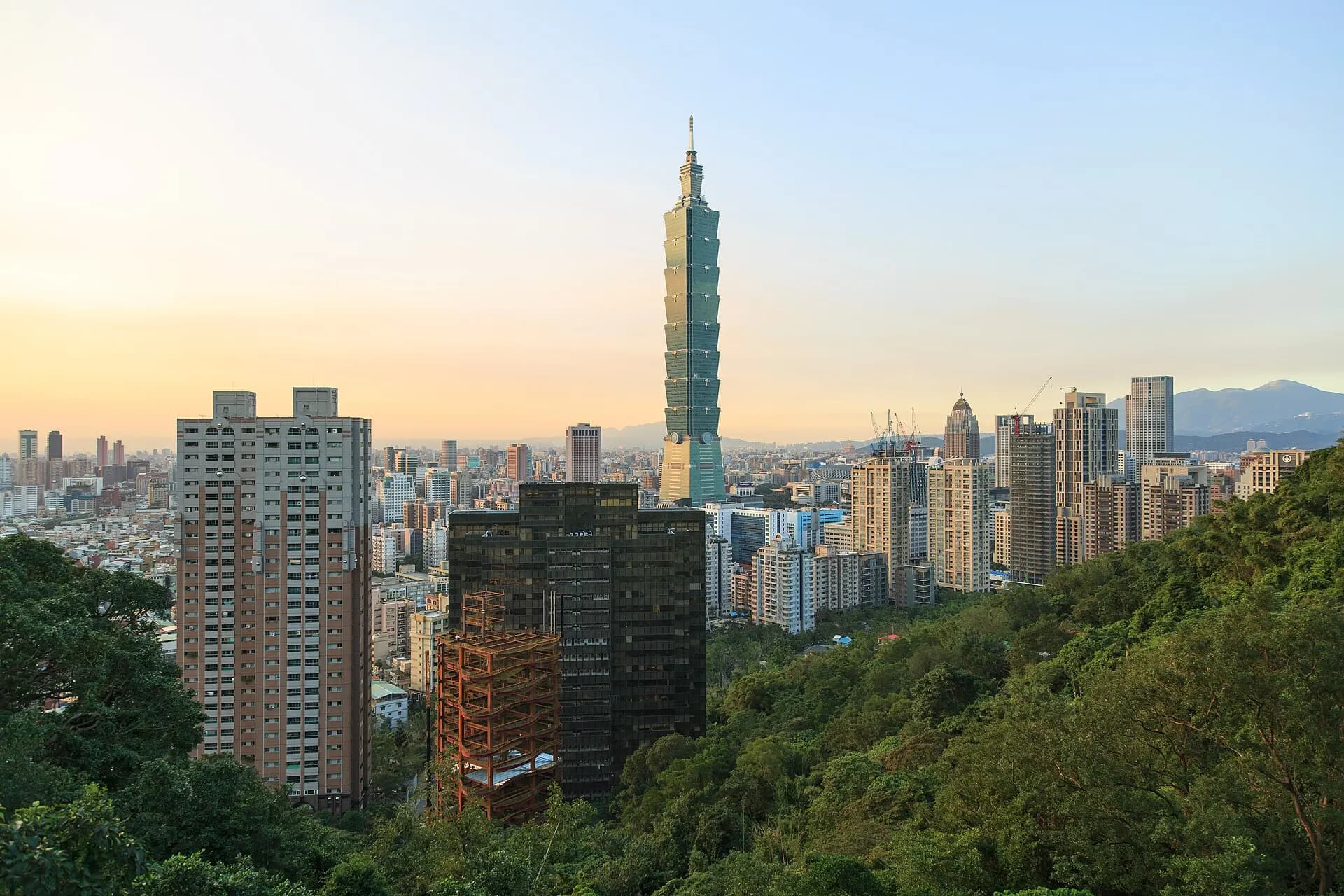
Taipei, the capital of Taiwan, sits in a basin ringed by green mountains, a city of busy streets, glittering towers and quiet temples, where tradition and modern life sit side by side. It's known for its food above all, from steaming night markets to dumpling houses, and for its friendliness, safety and efficient transport.
Within easy reach of the centre are hot springs, hiking trails, tea plantations and old mining towns. Taipei makes an excellent introduction to Taiwan, whether for a few days or as the start of a longer trip around the island.
The top 10 in Taipei
- 1
Taipei 101
Photo: Another Believer, CC BY-SA 4.0, via Wikimedia Commons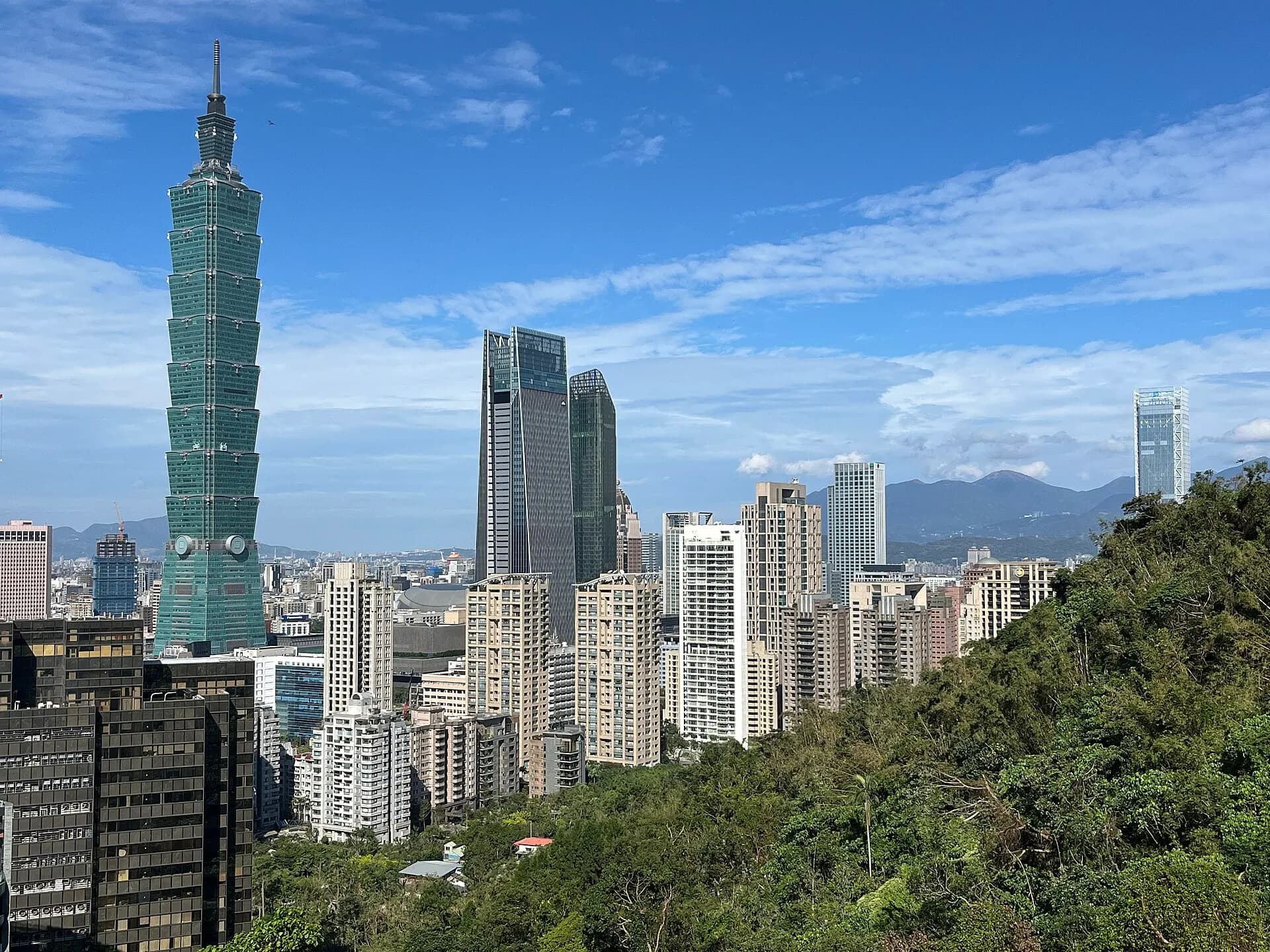
For several years the world's tallest building, this 508-metre tower shaped like a stalk of bamboo has observation decks on the 89th and 91st floors, and a giant tuned mass damper, a steel sphere that steadies it in typhoons and earthquakes.
TipFor a view of Taipei 101 itself, hike up Elephant Mountain (Xiangshan) at sunset.
- 2
The National Palace Museum
Photo: CEphoto, Uwe Aranas, CC BY-SA 3.0, via Wikimedia Commons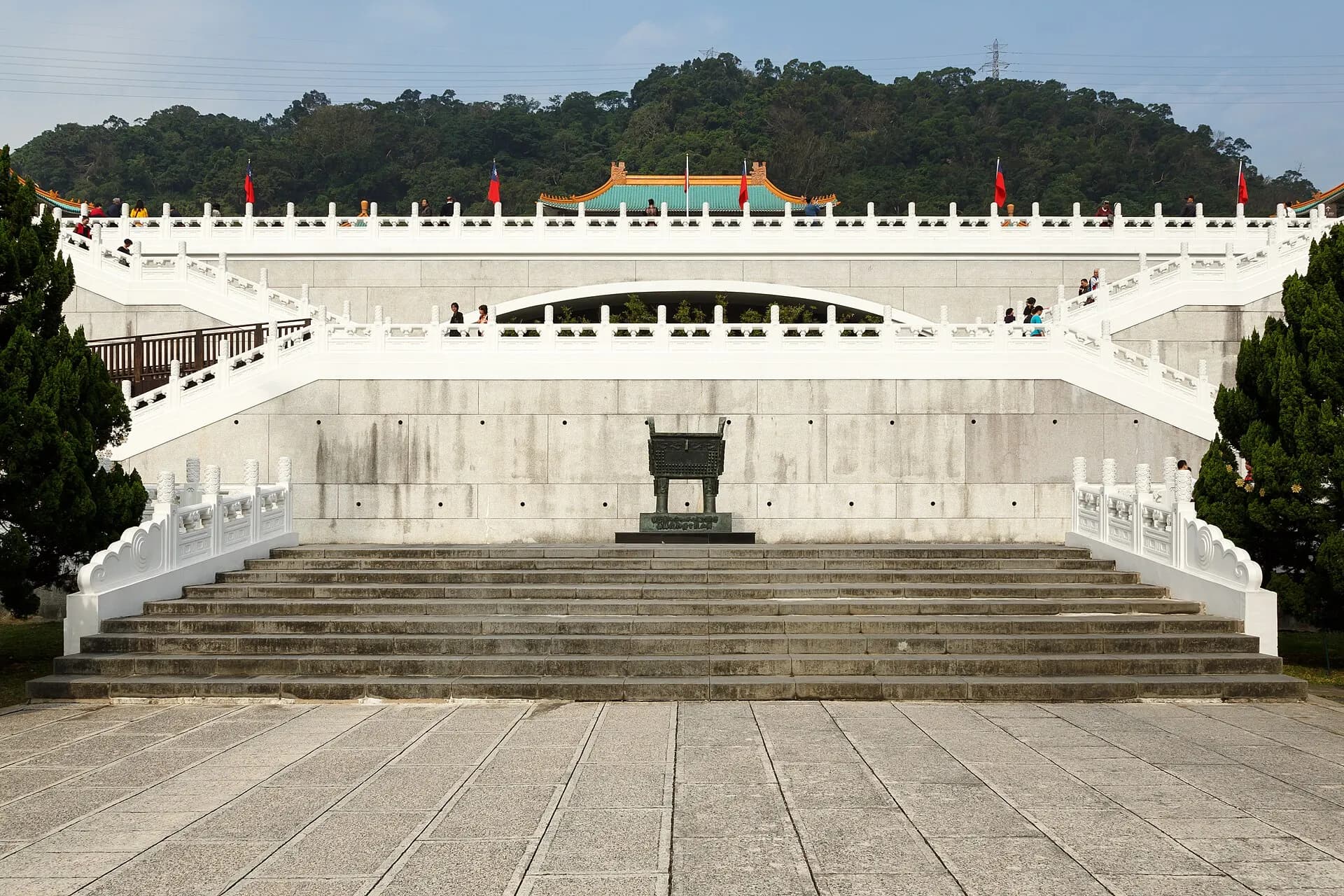
One of the world's great collections of Chinese art, with hundreds of thousands of objects, many brought from Beijing's Forbidden City, including jade, bronzes, ceramics, paintings and calligraphy. Famous pieces include the Jadeite Cabbage and the Meat-shaped Stone.
- 3
Longshan Temple
Photo: CEphoto, Uwe Aranas, CC BY-SA 3.0, via Wikimedia Commons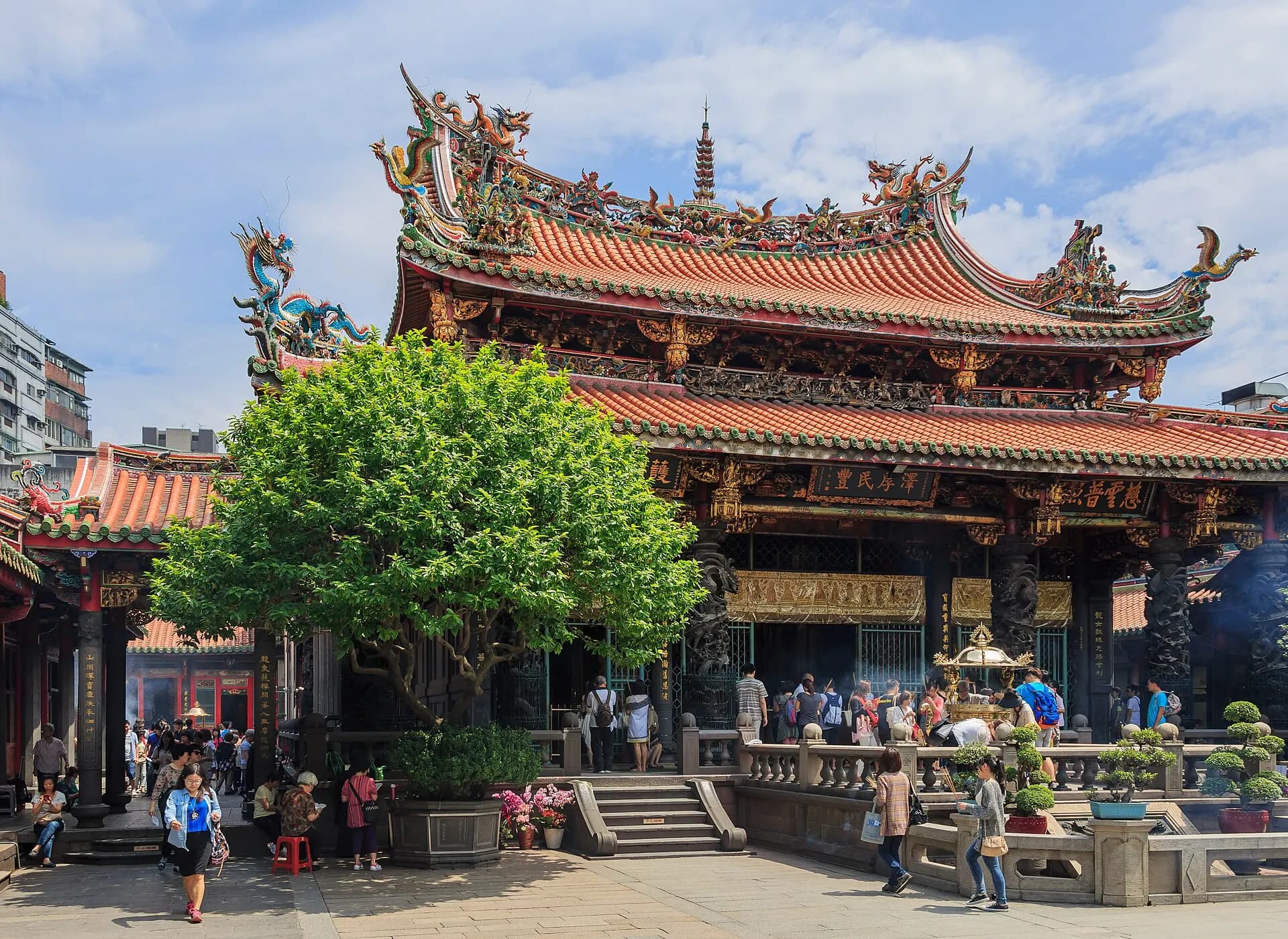
A temple founded in 1738 in the Wanhua district, dedicated to Buddhist and Taoist deities, with ornate roofs of dragons and phoenixes, and a constant flow of worshippers making offerings and burning incense.
- 4
Chiang Kai-shek Memorial Hall
Photo: AngMoKio, CC BY-SA 3.0, via Wikimedia Commons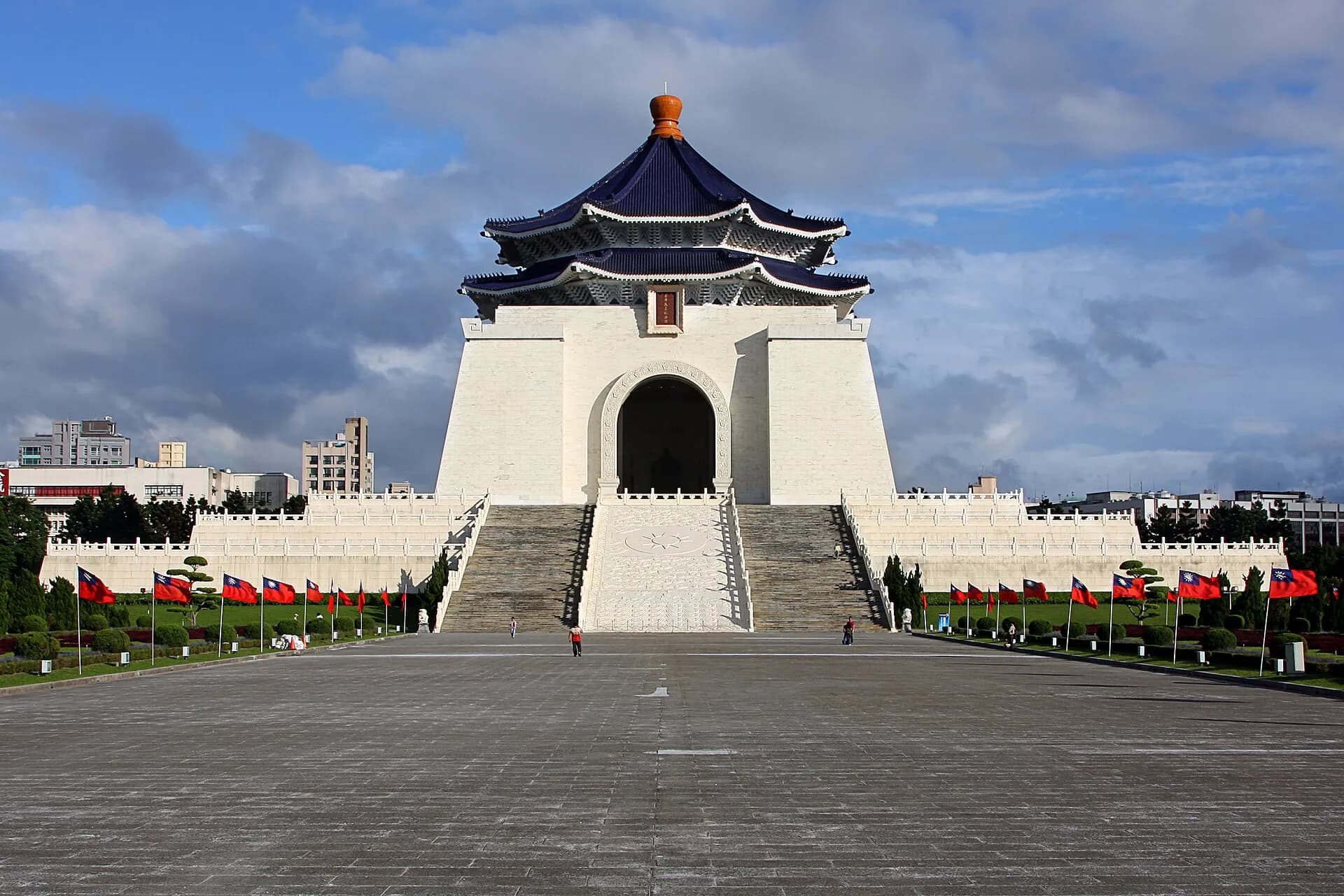
A vast white memorial with a blue roof, set in a square between the National Theater and Concert Hall. The changing of the guard takes place inside the hall on the hour.
- 5
Shilin Night Market
Photo: Exec8, CC BY-SA 4.0, via Wikimedia Commons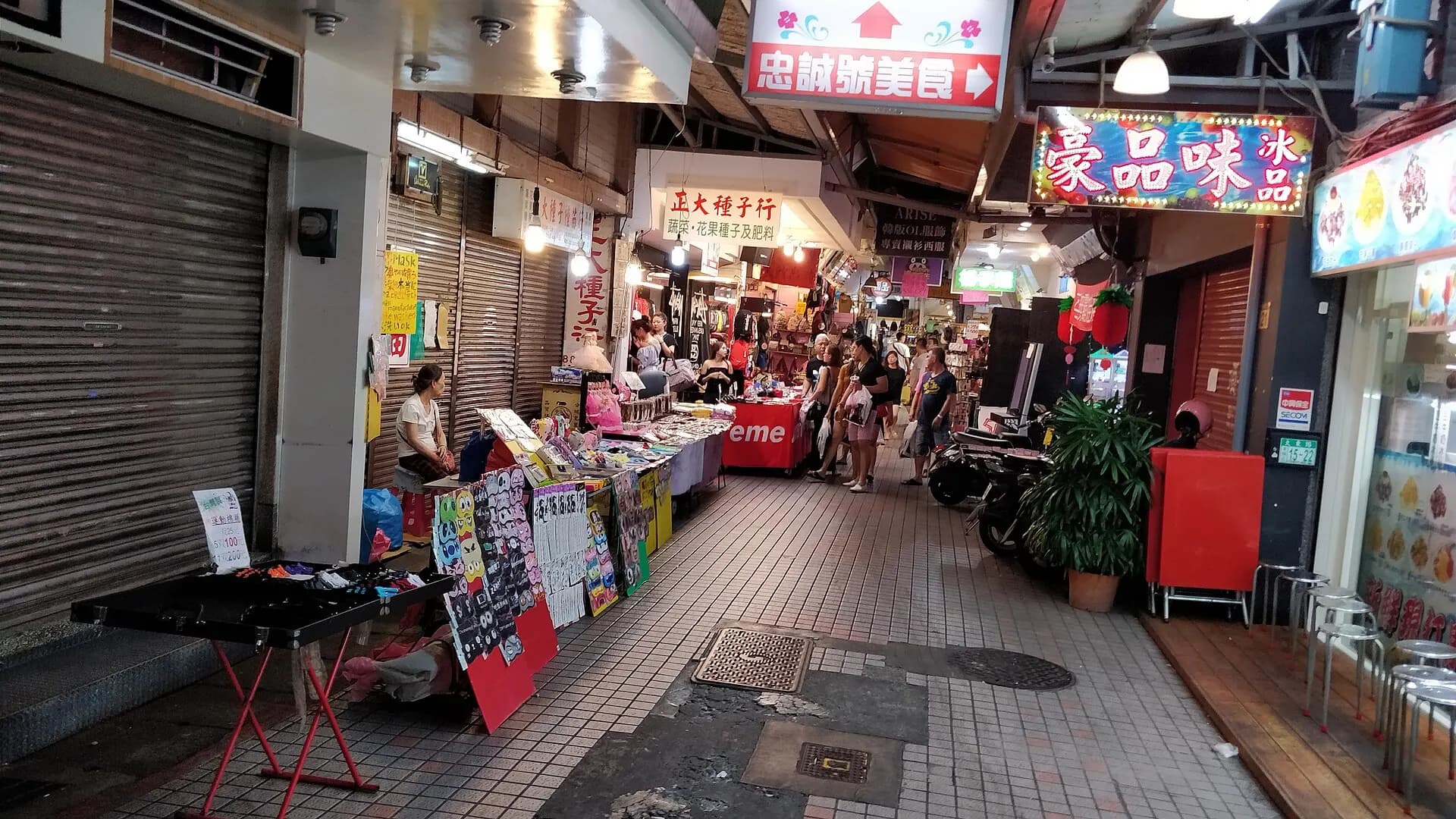
Taipei's largest and most famous night market, with a maze of stalls selling street food, snacks, clothes and games. Raohe Street and Ningxia night markets are smaller and often more focused on food.
TipArrive hungry and share dishes so you can try more.
- 6
Elephant Mountain
Photo: 4300streetcar, CC BY 4.0, via Wikimedia Commons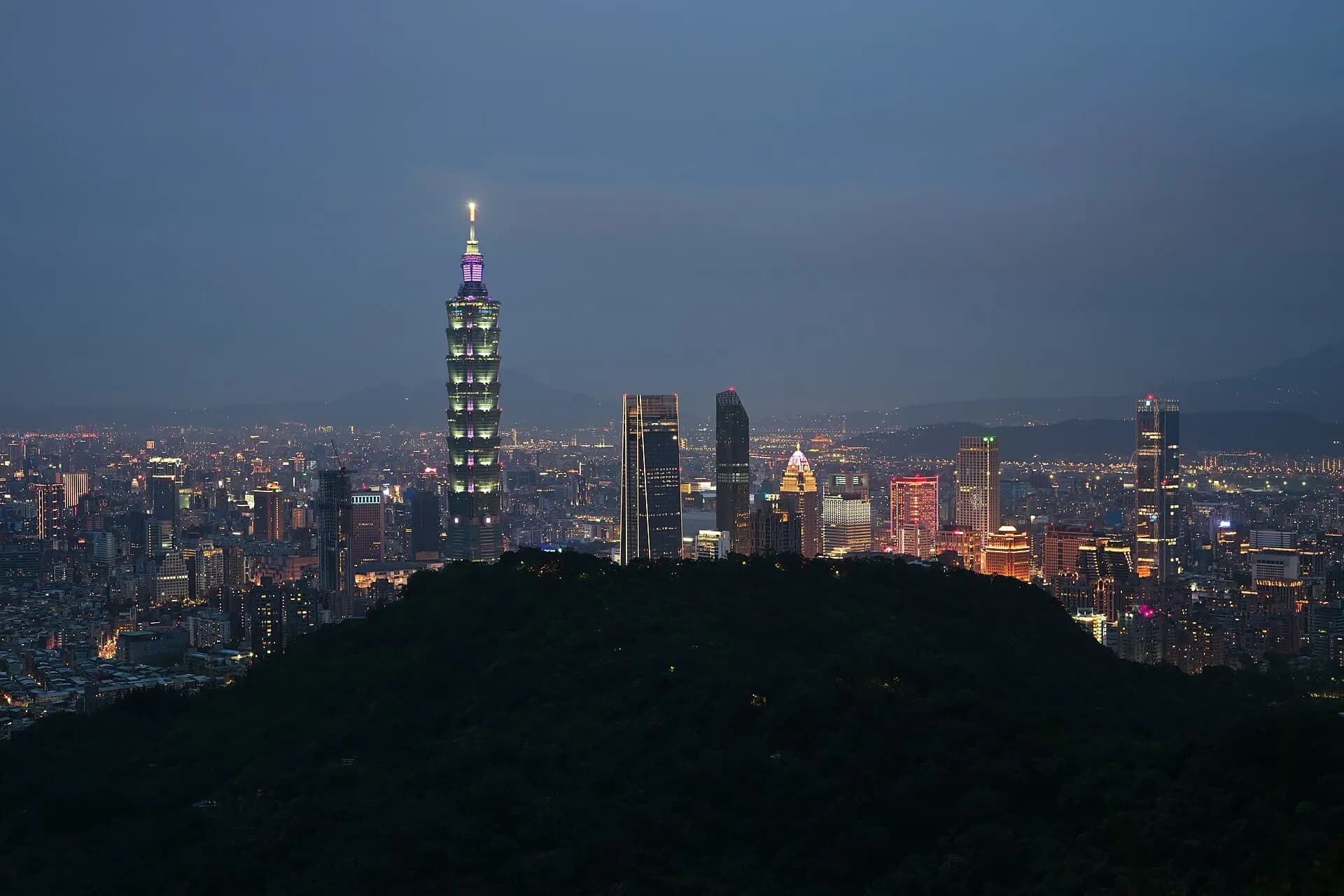
A short but steep hike from the city, with stone steps leading to viewpoints over Taipei 101 and the skyline, especially beautiful at sunset.
- 7
Beitou Hot Springs
Photo: Allervous, CC BY-SA 4.0, via Wikimedia Commons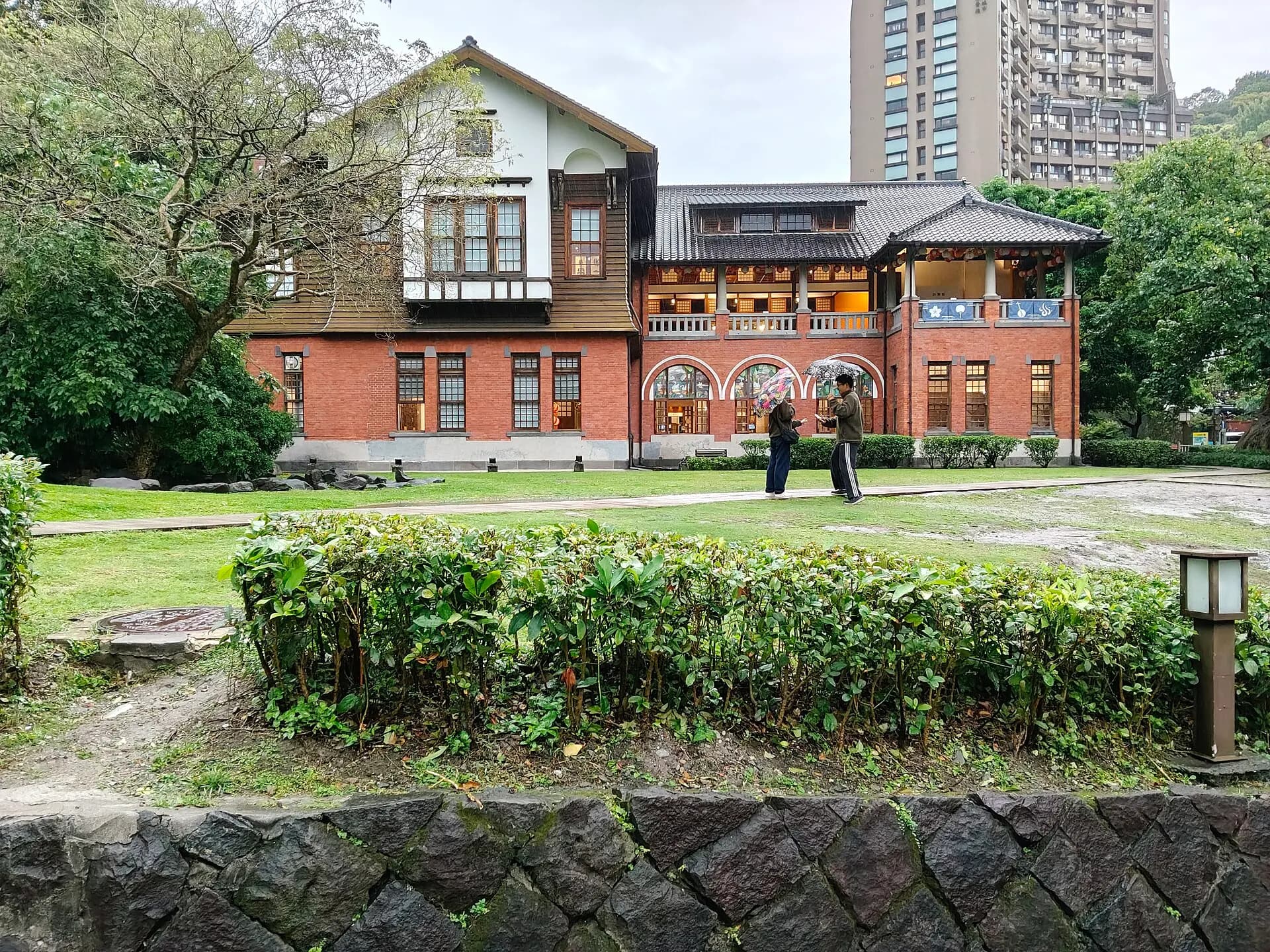
A hot-spring district in the north of the city, reached by MRT, with a steaming Thermal Valley, a museum in an old Japanese-era bathhouse and public and private baths.
- 8
Dadaocheng and Dihua Street
Photo: DONGIE 829 EFUOA, CC0, via Wikimedia Commons
An old trading district by the river with restored shophouses selling dried goods, herbs and fabrics, as well as cafés and galleries. The riverside wharf is lively at sunset.
- 9
Maokong
Photo: CEphoto, Uwe Aranas, CC BY-SA 3.0, via Wikimedia Commons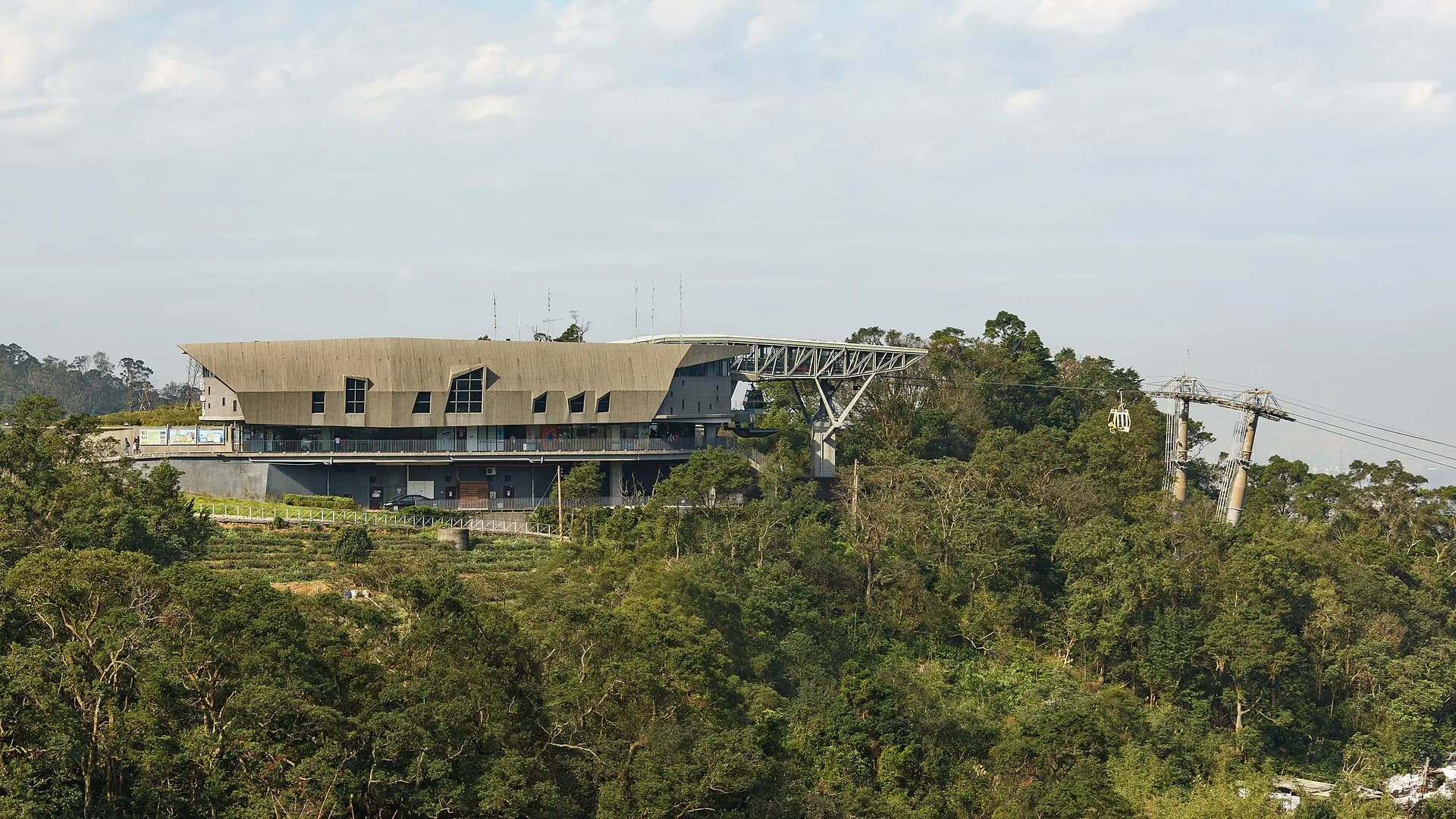
A hilly tea-growing area reached by a gondola from the Taipei Zoo, with teahouses overlooking the city where you can taste local oolong tea.
- 10
Jiufen
Photo: Ralff Nestor Nacor, CC BY-SA 4.0, via Wikimedia Commons
A former gold-mining town in the hills about an hour away, with narrow lanes of teahouses and lantern-lit shops, overlooking the sea. It's very busy at weekends.
When to go
Autumn and spring offer the most pleasant weather. Summer, from June to September, is hot and humid, with typhoons possible. Winter is mild but often cool and rainy. Lunar New Year, in January or February, is festive but some businesses close, and the Lantern Festival follows soon after, with sky lanterns released at Pingxi.
Getting around
The MRT metro is clean, efficient and covers most sights; pay with an EasyCard, also accepted on buses and in convenience stores. YouBike bike-share stations are everywhere. Taxis are affordable. Taoyuan International Airport is linked to the city by the Airport MRT in about forty minutes, and Songshan Airport, in the city, handles domestic and regional flights. High-speed trains run down the west coast of Taiwan.
Local tips
- Check visa requirements; many nationalities can visit visa-free for a set period.
- Stand on the right on MRT escalators, and don't eat or drink on the MRT.
- Tipping isn't expected.
- Carry some cash for night markets and small shops.
- Download a map app with offline maps; signs are often in English and Chinese.
- Typhoon warnings can close attractions and transport; check forecasts in summer.
- Convenience stores are everywhere and sell snacks, SIM cards, and transport top-ups.
- Carry an umbrella; rain showers come and go throughout the year.
Eat and drink
Taipei's food is reason enough to visit. Try xiaolongbao, soup dumplings; beef noodle soup; gua bao, pork belly buns; stinky tofu; oyster omelettes; and shaved ice with fruit. Bubble tea was invented in Taiwan, and the island's oolong teas are among the world's best. Breakfast shops serve soy milk with fried dough sticks and egg pancakes.
Where to stay
Xinyi, around Taipei 101, has upmarket hotels and shopping. Zhongshan and Ximending are central and lively, with good transport links. Da'an has leafy streets and many restaurants.
Day trips
Pingxi and Shifen, in the hills east of the city, are known for releasing sky lanterns and for Shifen Waterfall. Yangmingshan National Park, on the edge of the city, has volcanic landscapes, hot springs and hiking. Taroko Gorge, a marble canyon on the east coast, is a longer trip; check its current status, as parts were closed after the 2024 earthquake.
Temples and daily life
Religion in Taipei is a lively mix of Buddhism, Taoism and folk beliefs, and temples are busy community spaces rather than quiet monuments. Worshippers burn incense, make offerings of fruit and flowers, and throw pairs of red crescent-shaped blocks, called moon blocks, to ask the gods questions. Visitors are welcome: be respectful, avoid stepping on the raised thresholds of doorways, and don't photograph people praying up close. Besides Longshan, the Dalongdong Baoan Temple, a beautifully restored Taoist temple, and the Xiahai City God Temple on Dihua Street, where people come to pray for love to the Old Man under the Moon, are worth a visit.