Stockholm
A capital built across fourteen islands, with a medieval old town, royal palaces, world-class museums and thousands of islands at its door.
- Best time to go
- June to August for long light days and archipelago boats; December for Christmas markets
- Local time
- –
- Currency
- Swedish Krona (SEK)
- Reading time
- 11 min
- Language
- Swedish
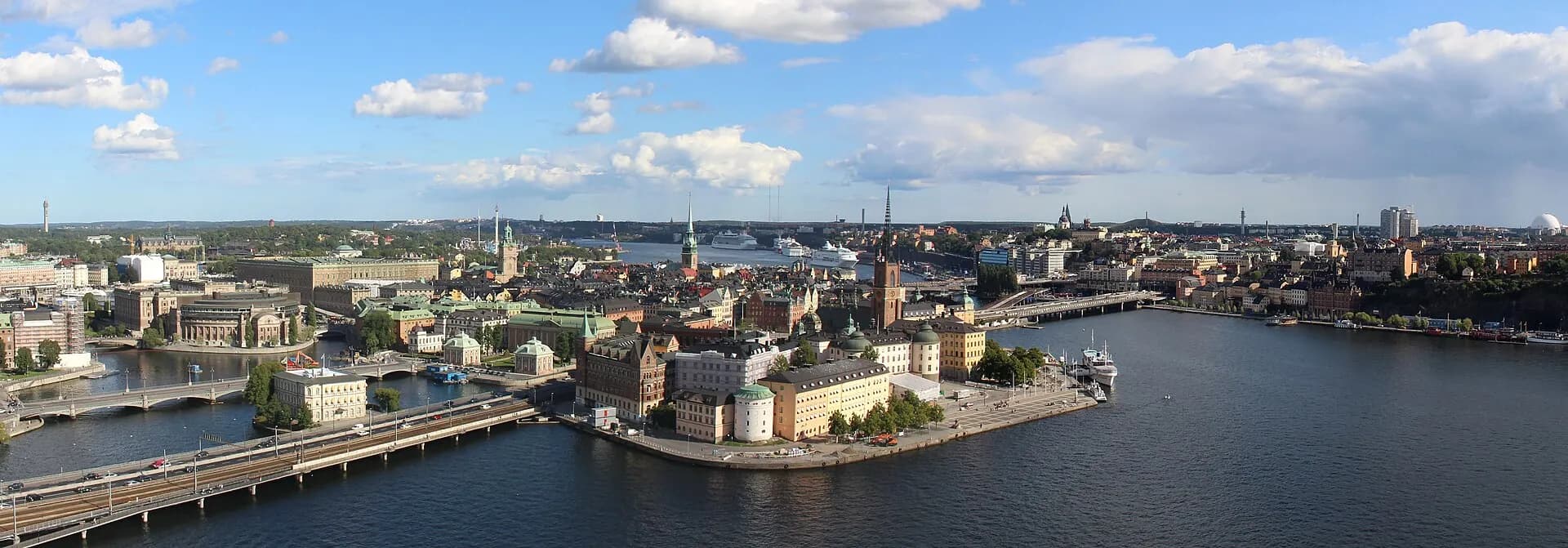
Stockholm spreads across fourteen islands where Lake Mälaren meets the Baltic Sea, and water is never far from view. At its heart sits Gamla stan, a medieval town of cobbled lanes and ochre and rust-red merchants' houses, crowned by the Royal Palace. Around it, bridges lead to the green island of Djurgården and its museums, the hilly, creative neighbourhood of Södermalm, and the elegant boulevards of Östermalm and Norrmalm.
The city is easy to like: clean, safe, walkable and beautifully designed, with ferries that double as public transport and a metro that has been called the world's longest art gallery. Beyond the last bridges lies the archipelago, around 30,000 islands, skerries and rocks reaching out towards the open sea, where Stockholmers spend their summers. Prices are high, so plan your museum days and lean on the excellent transport passes.
The top 18 in Stockholm
- 1
The Royal Palace
Photo: Julian Herzog (Website), CC BY 4.0, via Wikimedia Commons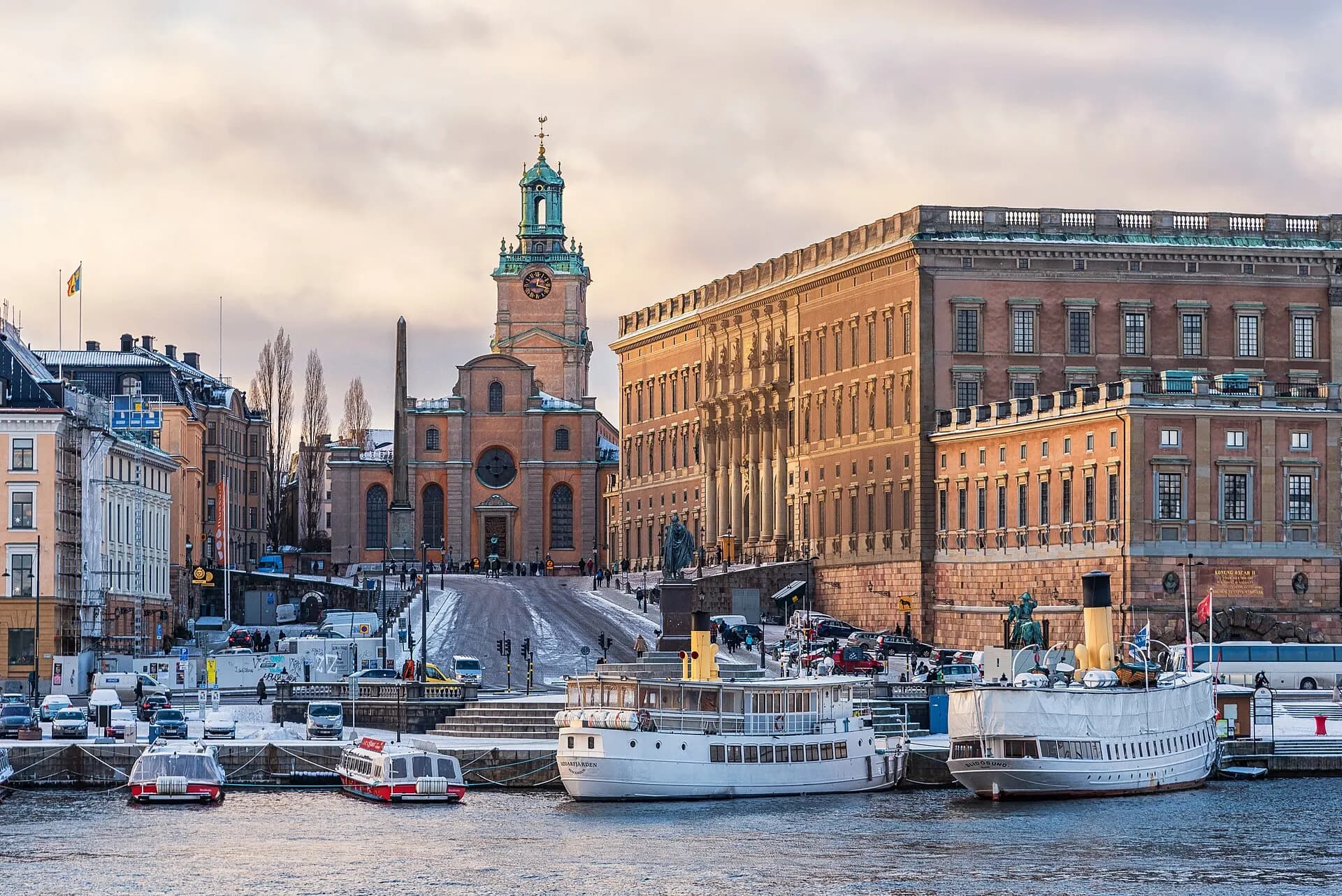
The official residence of the Swedish monarch, a huge Baroque palace on the northern edge of Gamla stan with more than six hundred rooms. You can visit the state apartments, the Treasury with the regalia, the Tre Kronor Museum in the vaults of the medieval castle that burned in 1697, and the Royal Armoury. The King's working palace it may be, but much of it is open year round.
TipThe changing of the guard takes place in the outer courtyard at midday, daily in summer and on fewer days in winter; check the schedule and arrive early for a good spot.
- 2
Storkyrkan
Photo: CGP Grey, CC BY 2.0, via Wikimedia Commons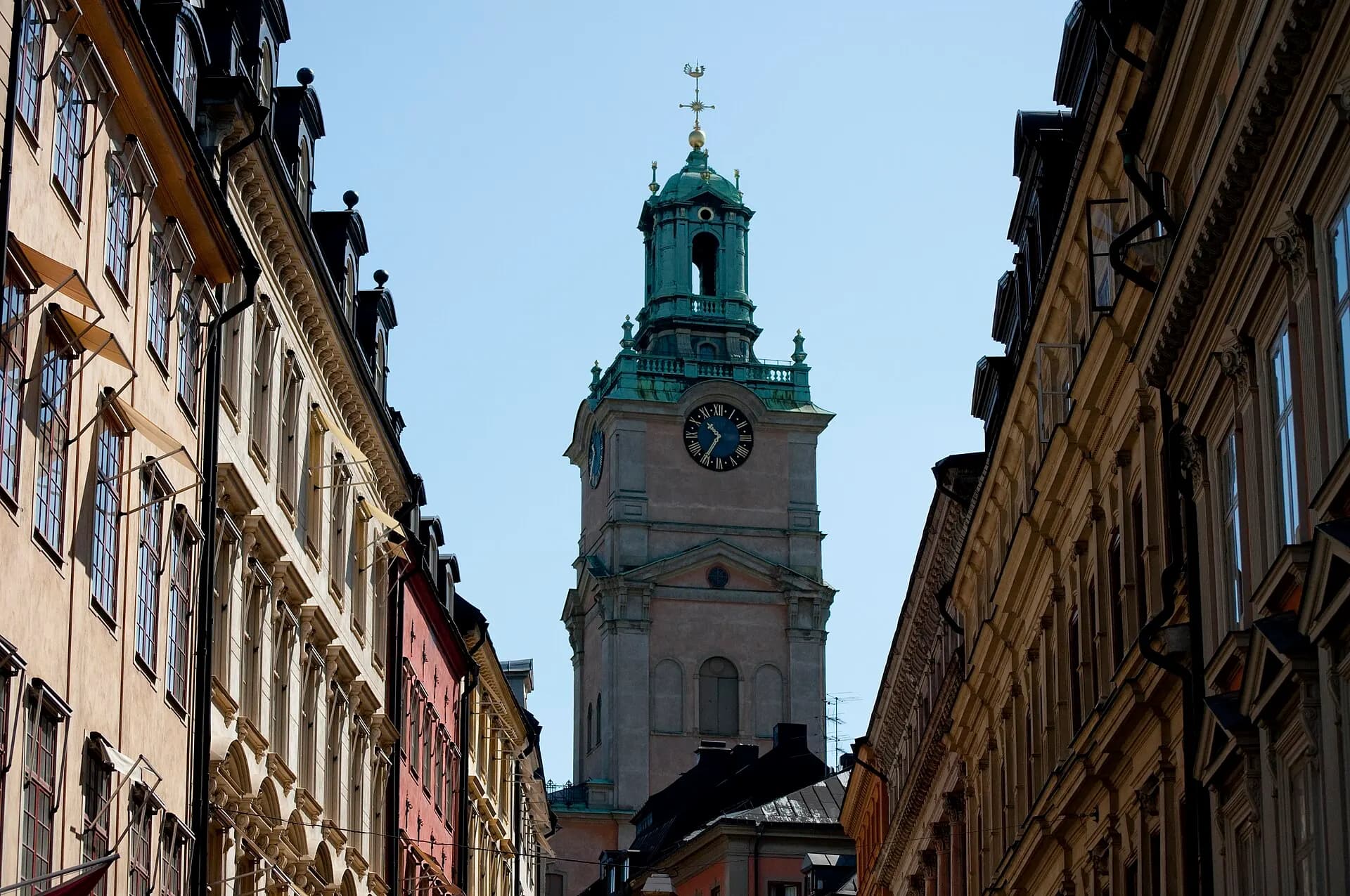
Stockholm Cathedral, the city's oldest church, hides a Gothic brick interior behind its Baroque exterior. Its great treasure is the late fifteenth-century sculpture of Saint George and the Dragon, carved in oak and elk antler, a symbol of Sweden's struggle for independence. Royal weddings and coronations have taken place here.
- 3
Stortorget and the Nobel Prize Museum
Photo: Jorge Láscar from Melbourne, Australia, CC BY 2.0, via Wikimedia Commons
The old town's main square, lined with tall gabled houses painted red, orange and yellow, is the classic image of Stockholm. It was also the scene of the Stockholm Bloodbath of 1520. The former Stock Exchange on the north side houses the Swedish Academy and the Nobel Prize Museum, which tells the stories of laureates and their ideas.
TipWander the narrow lanes nearby, including Mårten Trotzigs gränd, the city's narrowest alley at around ninety centimetres wide.
- 4
Riddarholmen
Photo: OleNeitzel, CC BY 4.0, via Wikimedia Commons
A small island just west of Gamla stan, home to grand aristocratic palaces and the Riddarholmen Church, with its openwork cast-iron spire. Almost every Swedish monarch since the seventeenth century is buried here. The church is usually open only in the warmer months. Walk to the quay on the island's western side for a wide view across Lake Mälaren to City Hall.
- 5
City Hall (Stadshuset)
Photo: ArildV, CC BY-SA 4.0, via Wikimedia Commons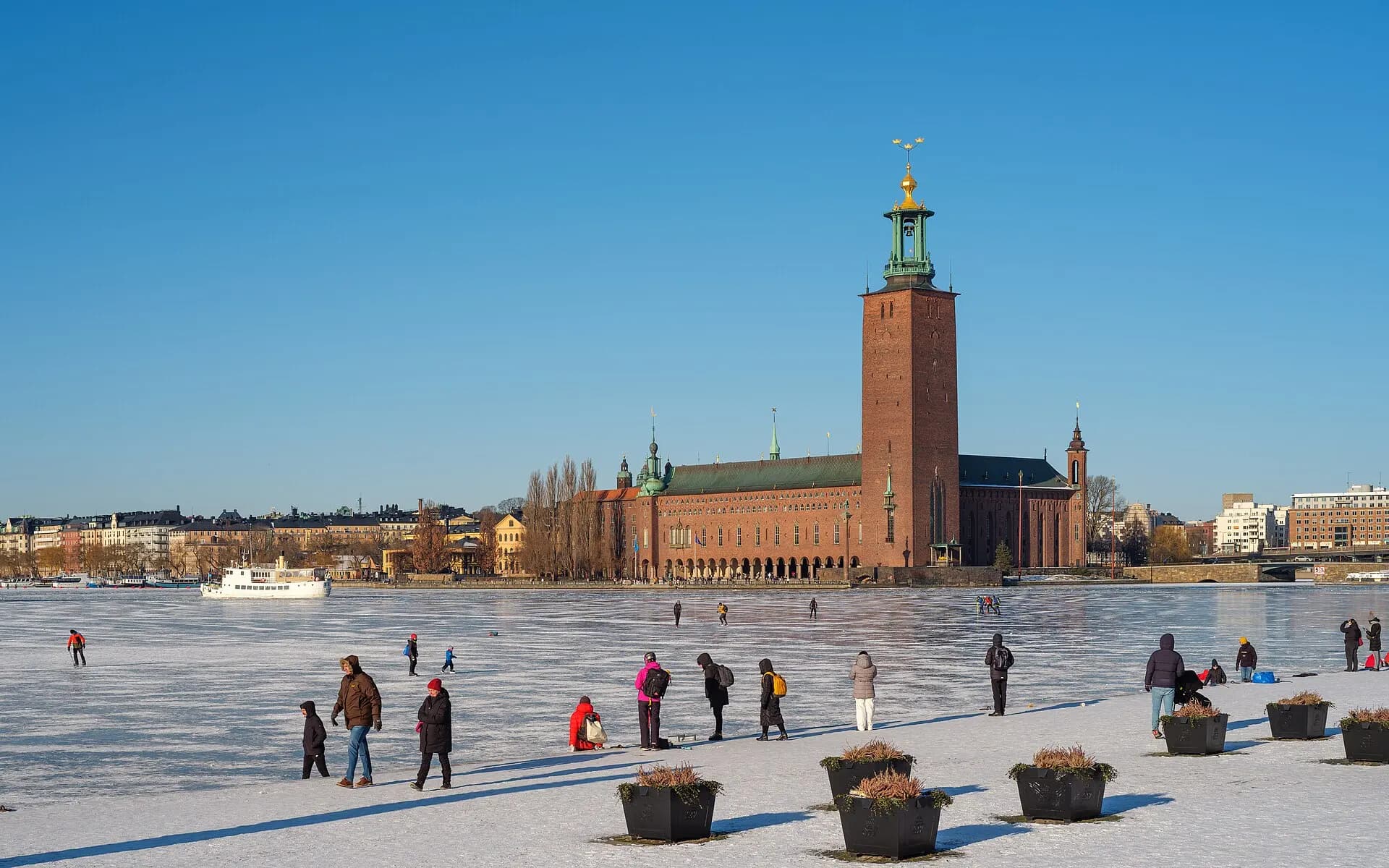
Stockholm's red-brick City Hall, finished in 1923, rises straight out of the water on Kungsholmen, its tower topped by three gold crowns. Guided tours take you through the Blue Hall, where the Nobel banquet is held each December, and the Golden Hall, covered in millions of gold mosaic pieces. The tower, about 106 metres high, has one of the best views of the city.
TipTours run at set times and the tower has limited timed entry, open mainly in the warmer months; book ahead and check whether City Hall is closed for official events.
- 6
The art of the T-bana
More than ninety of the metro's stations have been decorated by artists, with painted bedrock caves, mosaics and sculptures. T-Centralen's blue line platforms, painted with blue vines on white rock, are the most famous, and Kungsträdgården, Solna Centrum, Stadion and Tekniska högskolan are all worth the ride. A single ticket lets you hop between them.
TipKungsträdgården and Solna Centrum are on the blue line too, so one short trip covers several of the best.
- 7
Östermalm Saluhall
Photo: Pmk58, CC BY-SA 3.0, via Wikimedia Commons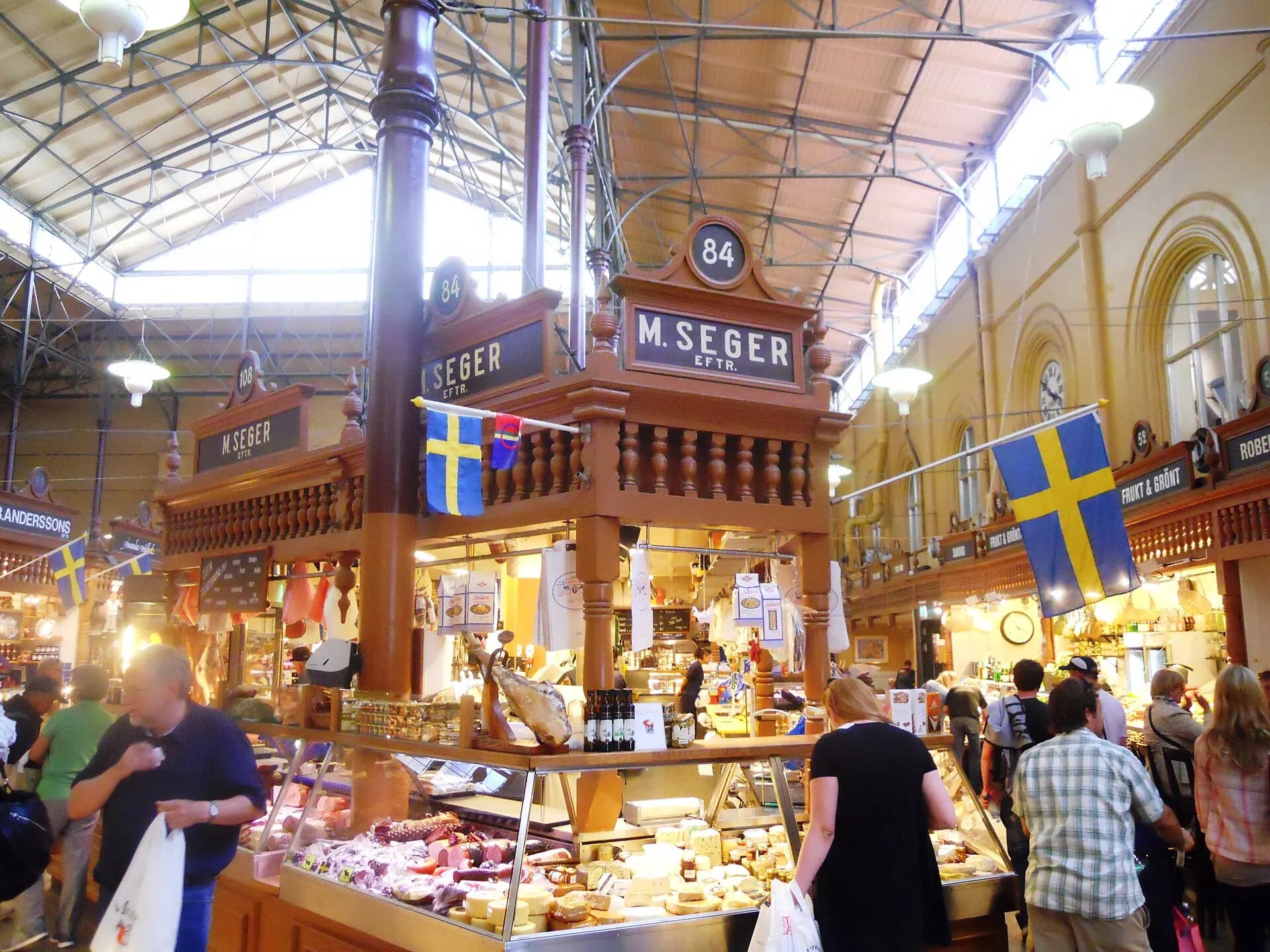
Stockholm's grand food hall, opened in 1888 in a red-brick building on Östermalmstorg, sells fish, cheese, game, bread and pastries, and has stalls where you can sit down for herring, shrimp sandwiches or Swedish classics. It was carefully restored and reopened in 2020.
- 8
Moderna Museet and Skeppsholmen
Photo: Holger.Ellgaard, CC BY-SA 3.0, via Wikimedia Commons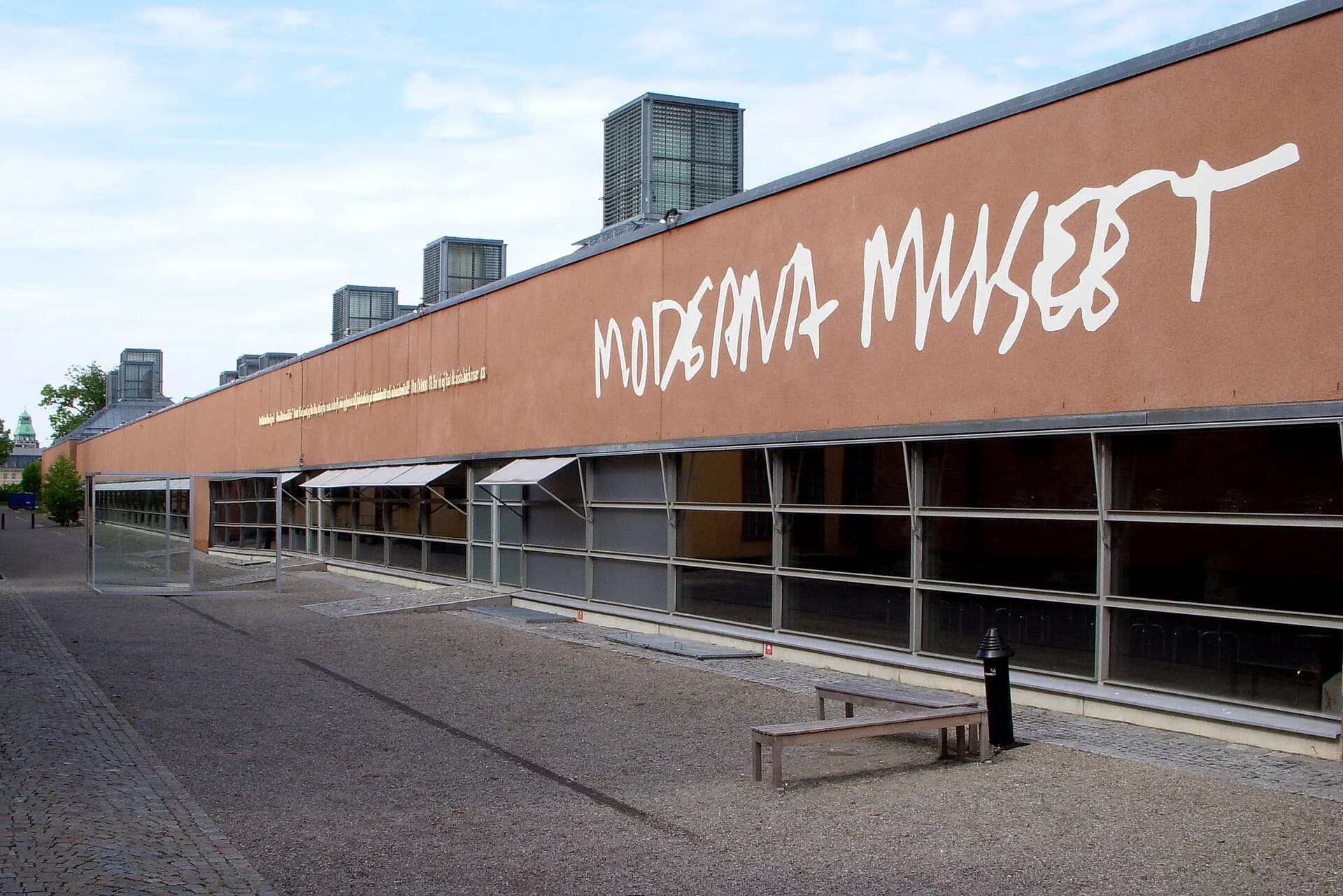
On the leafy island of Skeppsholmen, Moderna Museet holds one of Europe's leading collections of modern and contemporary art, with works by Picasso, Dalí, Duchamp and Warhol, and Swedish artists such as Hilma af Klint. Niki de Saint Phalle's colourful sculptures stand in the garden. Entry to the collection has been free in recent years, with charges for some exhibitions.
TipThe island's waterfront paths have lovely views of the Royal Palace and the old ships moored along the quays.
- 9
The Vasa Museum
Photo: Peulle, CC BY-SA 4.0, via Wikimedia Commons
The most visited museum in Scandinavia is built around one ship. The warship Vasa sank in Stockholm's harbour on her maiden voyage in 1628, minutes after setting sail, and was raised 333 years later almost intact. Today the towering wooden hull, covered in carved sculptures, fills a dim hall, with exhibitions on the ship's crew, construction and salvage.
TipCome at opening time or in the late afternoon; pre-bought tickets don't skip the queue, and large bags aren't allowed inside.
- 10
Nordiska museet
Photo: ThibautRe, CC BY-SA 4.0, via Wikimedia Commons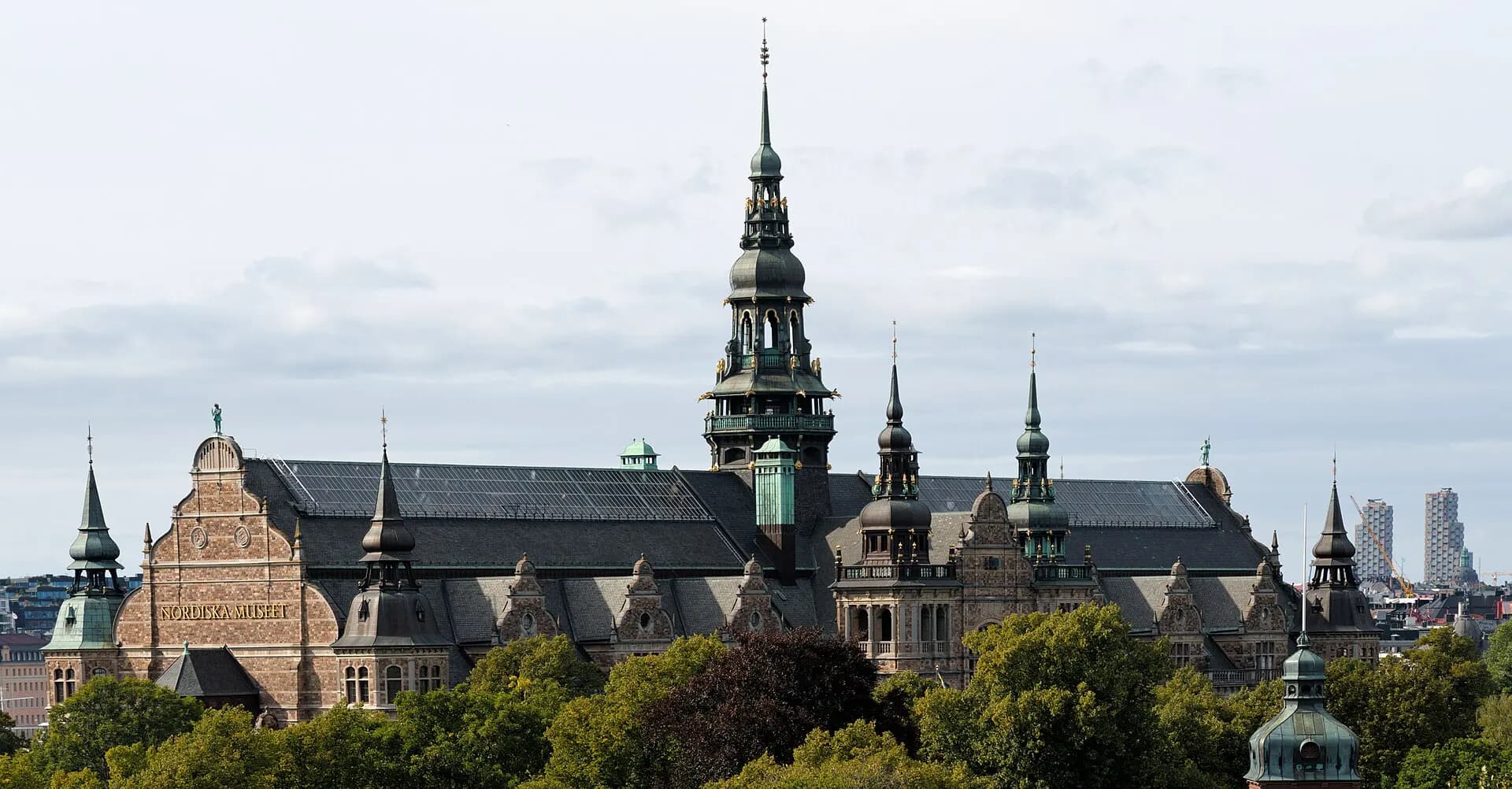
Sweden's museum of cultural history fills a vast castle-like building beside the Vasa Museum, with displays on everyday life, folk costumes, Sámi culture, table settings and homes through five centuries. The great hall, with a huge statue of King Gustav Vasa, is impressive in itself.
- 11
ABBA The Museum
Photo: I99pema, CC BY-SA 3.0, via Wikimedia Commons
A playful, interactive museum about Sweden's most famous band, with costumes, gold records, the band's recording studio and chances to sing and dance alongside holograms. It's fun even for those who are only casual fans. Admission is by timed ticket and the museum is cashless.
- 12
Skansen
Photo: Chme82, CC BY-SA 4.0, via Wikimedia Commons
The world's oldest open-air museum, founded in 1891, brings together around 150 farmhouses, manor houses, churches and workshops moved here from across Sweden, with staff in period dress demonstrating crafts. A Nordic zoo has elk, brown bears, wolves, lynx and reindeer. It's at its liveliest at midsummer and during the Christmas market.
TipTake the funicular up from the Hazeliusporten entrance, or walk up through the grounds for views over the city.
- 13
Fjäderholmarna
Photo: Bengt Oberger, CC BY-SA 4.0, via Wikimedia Commons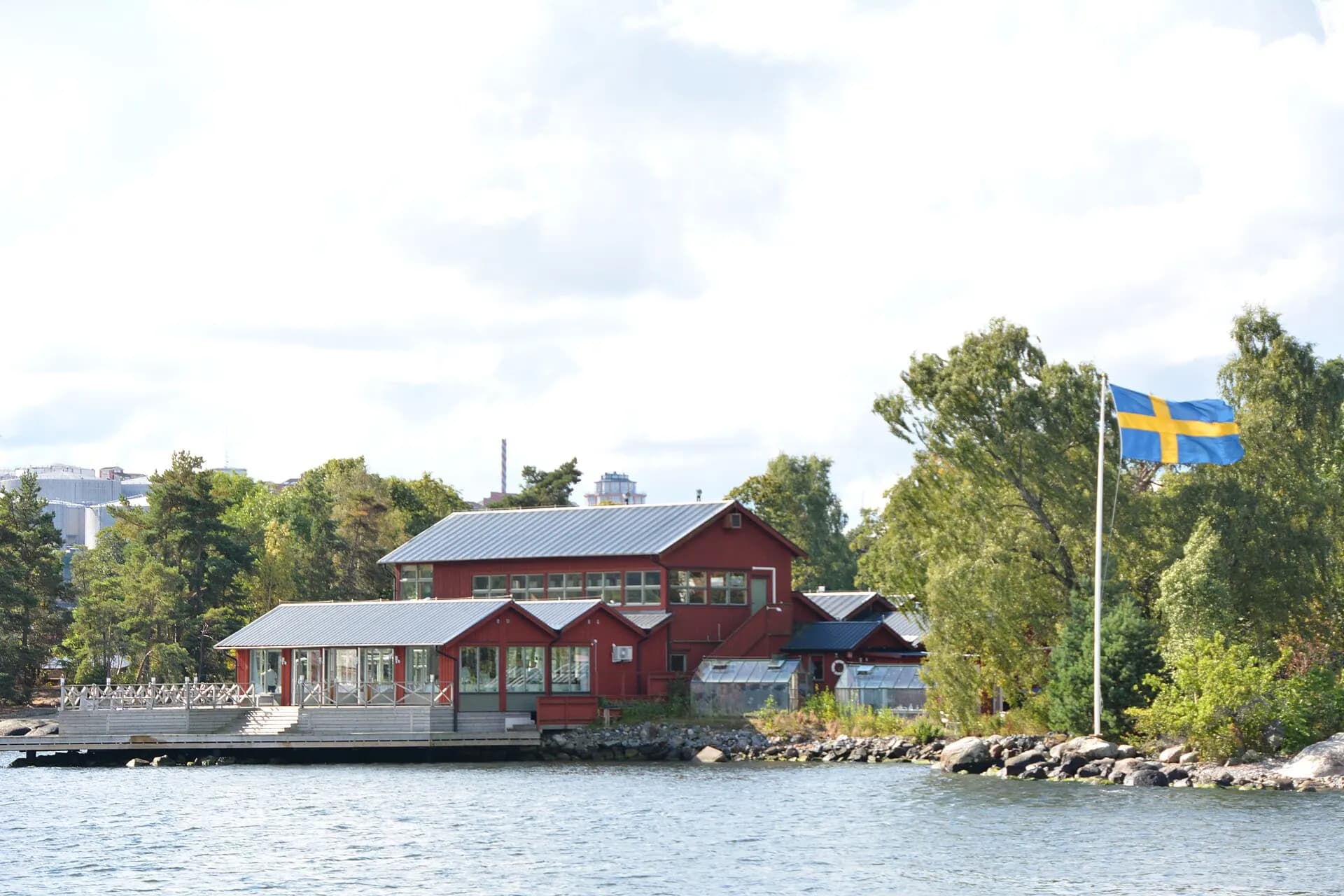
The closest archipelago islands to the city, a short boat ride away, with smooth granite rocks for sunbathing, craft workshops, a smokehouse and seafood restaurants. It's an easy way to get a taste of island life if you only have an afternoon.
TipBoats run frequently in summer and less often or not at all in the colder months; check timetables before setting off.
- 14
Fotografiska and Fjällgatan
Photo: ArildV, CC BY-SA 4.0, via Wikimedia Commons
Fotografiska, a centre for contemporary photography in a former customs building on the Södermalm waterfront, hosts changing exhibitions and has a top-floor restaurant and café with superb views. Climb the hill behind it to Fjällgatan, a lane of small wooden houses from the eighteenth century with a lookout over the harbour, Djurgården and Gamla stan.
- 15
Monteliusvägen
Photo: ThibautRe, CC BY-SA 4.0, via Wikimedia Commons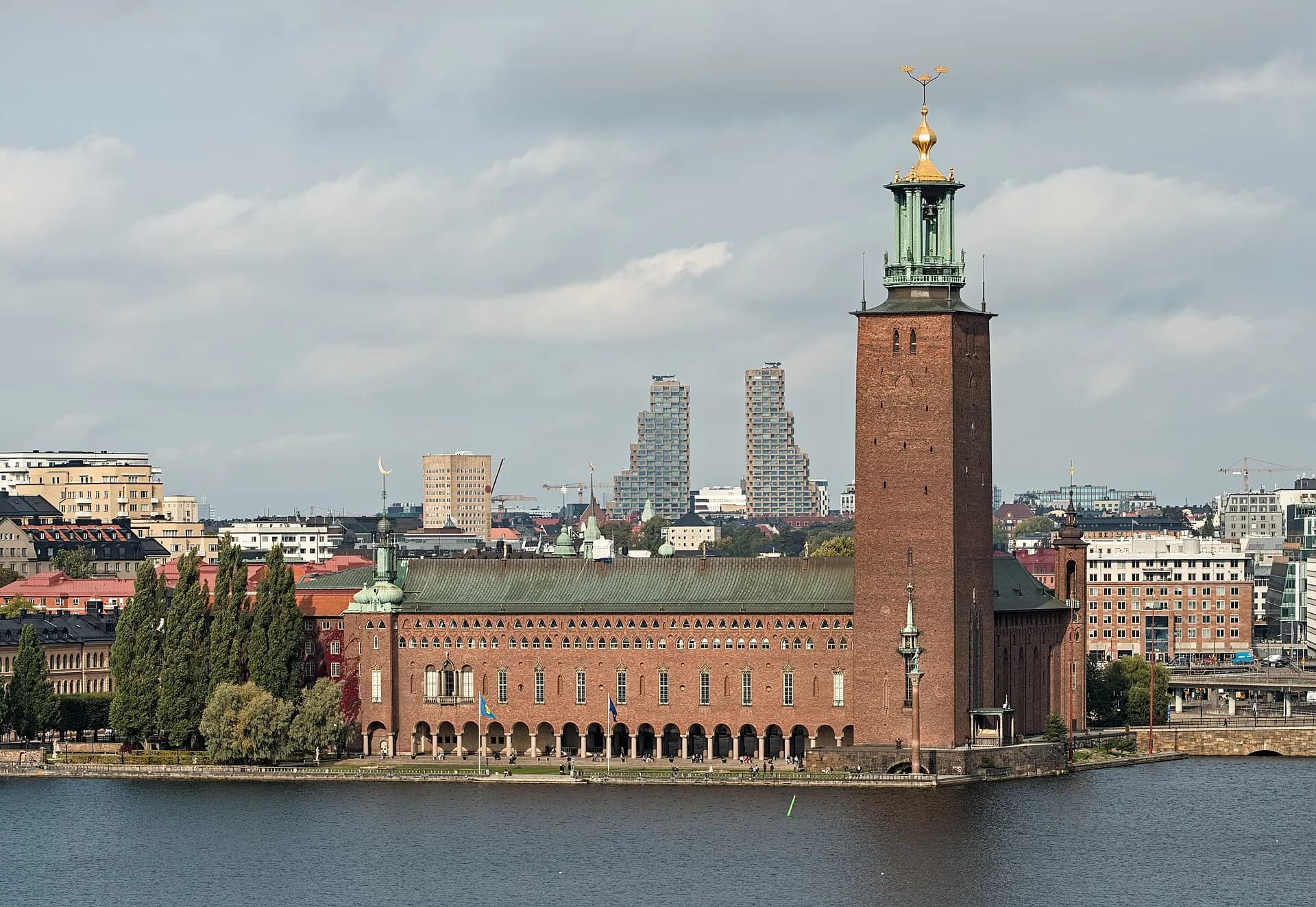
A short walking path along the northern cliffs of Södermalm, with one of the finest views of Stockholm: Riddarholmen, City Hall and Lake Mälaren laid out below. It's especially beautiful at sunset. Afterwards, explore the streets of SoFo, south of Folkungagatan, with its cafés, vintage shops and design stores.
- 16
Drottningholm Palace
Photo: Pudelek, CC BY-SA 4.0, via Wikimedia Commons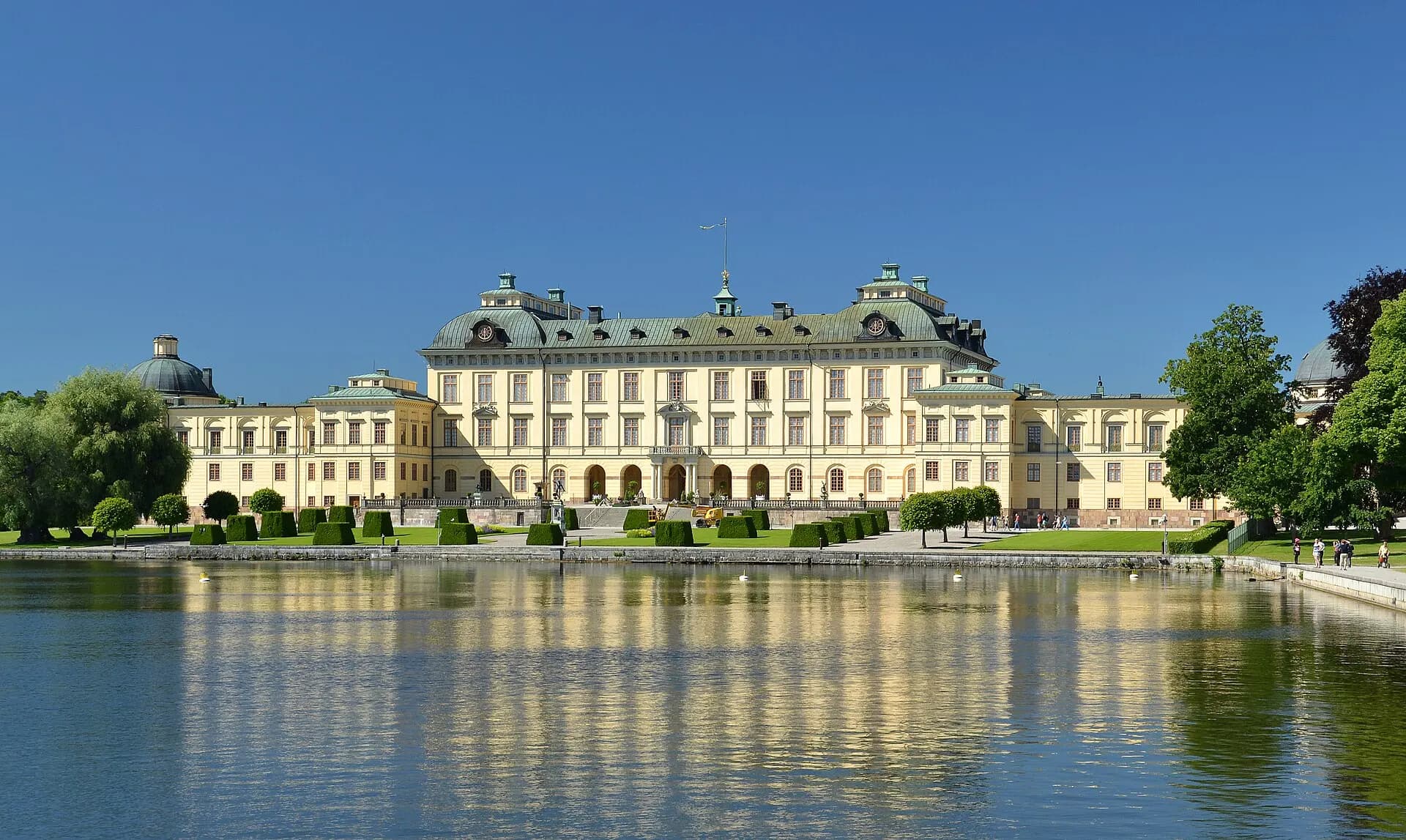
The permanent home of the King and Queen, on an island in Lake Mälaren west of the city, and a UNESCO World Heritage Site. Built in the seventeenth century and inspired by Versailles, it has lavish state rooms, formal Baroque gardens, the exotic Chinese Pavilion and an eighteenth-century court theatre still using its original stage machinery. The royal family's rooms are private.
TipIn summer, the most enjoyable way to arrive is by boat from Stadshusbron beside City Hall; out of season, take the metro to Brommaplan and a bus.
- 17
Vaxholm
Photo: Bengt Nyman, CC BY 3.0, via Wikimedia Commons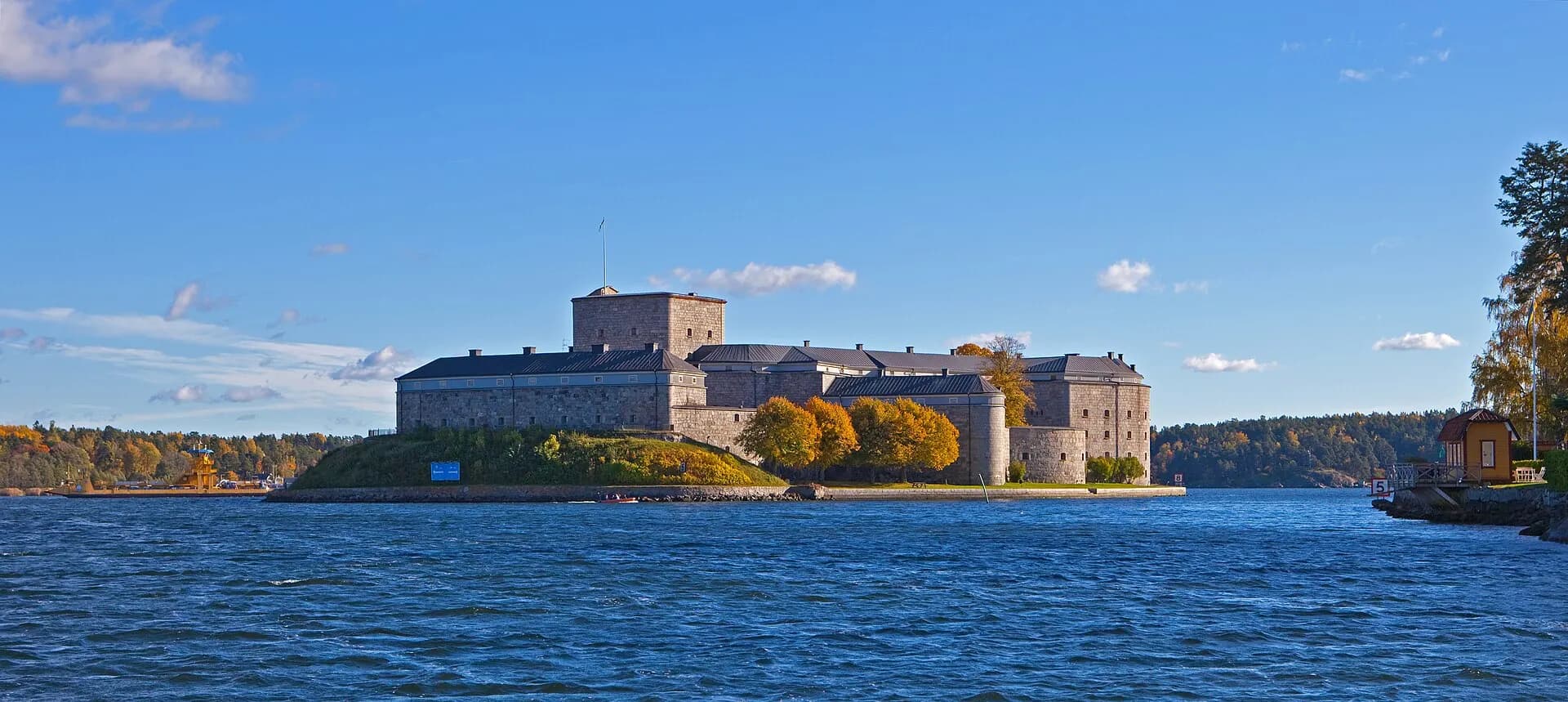
A small town in the inner archipelago, about an hour away by boat from Strömkajen, with wooden summer villas, a harbour and Vaxholm Fortress on its own islet, which guarded the sea route to Stockholm for centuries. A ferry crosses to the fortress, and the town is a jumping-off point for other islands.
- 18
Sandhamn
Photo: Bengt Nyman from Vaxholm, Sweden, CC BY 2.0, via Wikimedia Commons
On the island of Sandön at the outer edge of the archipelago, Sandhamn has been the heart of Swedish sailing for more than a century, with a harbour full of yachts in summer, a village of painted wooden houses, pine forest and sandy beaches. It makes a long day trip or a lovely overnight stay.
TipDirect boats from the city run in summer; at other times, take a bus to Stavsnäs and a boat from there.
When to go
Summer, from June to August, is the best time to visit. Days are long, with the sun setting only briefly around midsummer, and the light lingers through the "white nights". Outdoor cafés fill, the archipelago boats run full timetables, and people swim from the rocks in the city. Midsummer, on the Friday between 19 and 25 June, is Sweden's great festival, with maypoles, flower crowns, herring and dancing; many Stockholmers leave for the countryside, and Skansen holds a traditional celebration.
Spring and autumn are cooler and quieter, with lovely colours in September. Winters are cold and dark, with only around six hours of daylight in December, but the city glows with candles and lights. Christmas markets fill Stortorget and Skansen from late November, Lucia processions on 13 December light up churches with candles, and the Nobel Prizes are awarded on 10 December, with the banquet at City Hall.
Getting around
Arlanda Airport is about 40 kilometres north of the city. The Arlanda Express train reaches Stockholm Central in around twenty minutes; commuter trains from Arlanda C are cheaper but slower, and airport coaches also run to the centre.
Stockholm's public transport, run by SL, covers the metro (T-bana), buses, trams, commuter trains and some ferries, including the boat between Slussen and Djurgården. You can tap a contactless bank card or phone at the gates and on board, or buy tickets in the SL app. Each single ticket is valid for 75 minutes. If you plan to travel a lot, a 24-hour, 72-hour or 7-day travel card on the app or a rechargeable SL card is good value. The centre is compact and very walkable, and city bikes and e-scooters are widely available.
Local tips
- Sweden is almost cashless: many shops, cafés, museums and even some public toilets accept only cards or phone payments. Carry a card that works abroad.
- Alcohol stronger than 3.5% is sold only at state-run Systembolaget shops, with limited hours; you must be 20 to buy.
- Stand on the right on escalators and let people pass on the left.
- Tap water is excellent and free; bring a refillable bottle.
- In summer, book Drottningholm boats, City Hall tours and archipelago trips a few days ahead.
- Many people take off their shoes when entering a home; follow your host's lead.
- In winter, wear warm layers, waterproof shoes and something with reflectors when walking after dark.
- Some museums close one day a week or have shorter hours outside summer; check before you go.
Eat and drink
Swedish cooking centres on fish, game, root vegetables and berries. Try meatballs with lingonberries and mashed potatoes, pickled herring in its many flavours, gravlax, shrimp sandwiches (räksmörgås) and toast skagen, a rich shrimp topping on fried bread. Husmanskost, traditional home cooking, appears on many lunch menus, and a daily set lunch (dagens lunch), usually with salad, bread and coffee, is the best-value way to eat out.
Stockholm also has an exciting fine-dining scene inspired by New Nordic cooking, and the food halls of Östermalm, Hötorget and Söderhallarna are good places for a casual meal. For a summer evening, find a terrace by the water on Södermalm or along Strandvägen.
Where to stay
Gamla stan puts you among the sights, in historic buildings, though rooms can be small and pricey. Norrmalm, around the Central Station, is convenient for the airport train and the shops. Östermalm is elegant and calm, with upmarket hotels. Södermalm has a younger, more relaxed feel, with good restaurants and bars and a range of hotels and hostels. Stockholm also has some unusual stays, including hostels in a ship moored at Skeppsholmen.
Fika
Fika is more than a coffee break: it's a near-sacred Swedish ritual of stopping to share coffee and something sweet with friends or colleagues, often more than once a day. The classic companion is a kanelbulle, a cardamom-scented cinnamon bun, which has its own national day on 4 October. Look out too for kardemummabullar, cardamom buns; prinsesstårta, a dome of sponge, cream and green marzipan; and in the weeks before Lent, the semla, a bun filled with almond paste and whipped cream. Gamla stan's old cafés, with candlelit vaulted cellars, are a cosy place to try it in winter.
The archipelago
The Stockholm archipelago stretches some eighty kilometres out into the Baltic, from wooded islands with summer villages near the city to bare granite skerries in the outer reaches. The white steamboats and ferries of the archipelago fleet, many leaving from Strömkajen and Nybroplan, make it easy to explore, and their timetables are fullest from midsummer to mid-August. Choose one or two islands rather than trying to see many: Vaxholm and Fjäderholmarna are easy half-day trips, while Sandhamn, Utö or Grinda reward a full day or a night. Many islands have simple restaurants, swimming spots and hiking paths, and the waymarked Stockholm Archipelago Trail links walks across several of them.
Allemansrätten, the right to roam
Sweden's right of public access, allemansrätten, lets everyone walk, swim, pick berries and mushrooms and even camp for a night on most land, including privately owned land, as long as you respect nature and people. The principle is "don't disturb, don't destroy". Keep your distance from homes and gardens, leave gates as you find them, take all your rubbish with you, and don't disturb wildlife or nesting birds. Fire bans are common in dry summers, so check before lighting any fire, and remember that some nature reserves and bird islands have their own rules, with landing banned during the nesting season.
A city on the water
Stockholm was founded in the mid-thirteenth century on the island that is now Gamla stan, guarding the passage between Lake Mälaren and the sea. It grew rich on trade, became the capital of a Baltic empire in the seventeenth century, the age of the Vasa, and later reinvented itself as a modern, welfare-state capital. Its waters are now so clean that people swim and fish in the city centre, and the wealth of museums, from the Vasa to the Royal Palace, tells the story of a small nation that once ruled much of Northern Europe.
Responsible travel
Stockholm makes sustainable travel easy: public transport, ferries and bicycles reach almost everywhere, and trains link the city with the rest of Sweden and Norway. In the archipelago, respect the right of public access and its limits, use proper toilets or carry waste away, and avoid disturbing seabirds and seals. Drink tap water instead of buying bottled water, and choose seafood from sustainable sources, such as those certified by MSC or KRAV.