Bethlehem
A hill town of limestone churches and souks, where the oldest working church in the Holy Land sits a short ride from desert monasteries and the ruins of Jericho.
- Best time to go
- March to May and late September to November, for mild days in the hills and bearable heat in Jericho; Christmas for the celebrations in Manger Square
- Local time
- –
- Currency
- Israeli New Shekel (ILS)
- Reading time
- 16 min
- Language
- Arabic
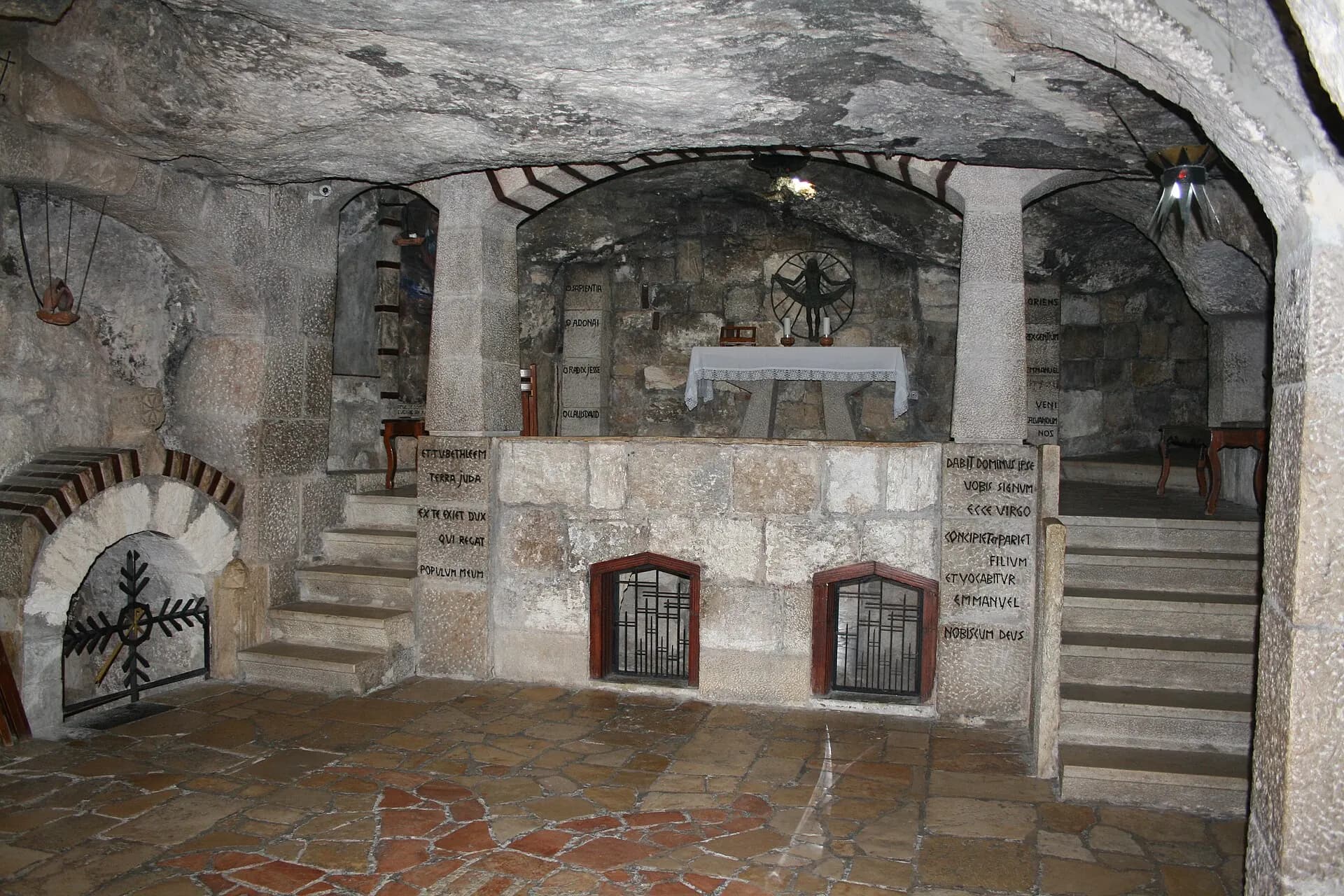
Current advice, October 2026: the UK Foreign, Commonwealth & Development Office (FCDO) advises against all travel to Gaza, and against all travel to the Jenin, Tulkarm and Tubas governorates in the northern West Bank. It advises against all but essential travel to the rest of the West Bank, with named exceptions: East Jerusalem, Bethlehem Governorate, Ramallah Municipality, and Jericho Municipality and the areas south of it, including the Allenby crossing. The US State Department rates Israel and the West Bank at Level 3, "Reconsider travel", citing terrorism and civil unrest; Gaza is at Level 4, "Do not travel", and US government staff need special permission for West Bank travel. Advice can change within hours; check both before booking and again before each day trip. Travelling against official advice can invalidate your insurance.
Bethlehem sits on a ridge of the Judaean Hills about ten kilometres south of the Old City of Jerusalem, a compact town of pale limestone houses, stepped lanes and church bells, with olive terraces falling away to the desert in the east. For Christians it is the birthplace of Jesus, and the Church of the Nativity over the traditional grotto has drawn pilgrims for some 1,700 years. It is also a Palestinian town of roughly 30,000 people, governed by the Palestinian Authority, with markets, bakeries and workshops carving olive wood and mother-of-pearl, and with the Israeli separation barrier running along its northern edge.
Most visitors come on a half-day trip from Jerusalem, but staying a night or two gives time for the quieter shrines, the wall murals, and day trips into the surrounding West Bank: Herod's hilltop fortress, the cliff monastery of Mar Saba, the terraced village of Battir, and down to Jericho, an oasis city below sea level. The stops below run from the old town outwards, then south, east and north, ending in Ramallah. Hebron is included as a heritage site, but read the advice notes carefully; the region's political divisions shape how, and whether, you can visit each place.
The top 14 in Bethlehem
- 1
Star Street and the old town
Photo: JJ Jones, CC BY 3.0, via Wikimedia Commons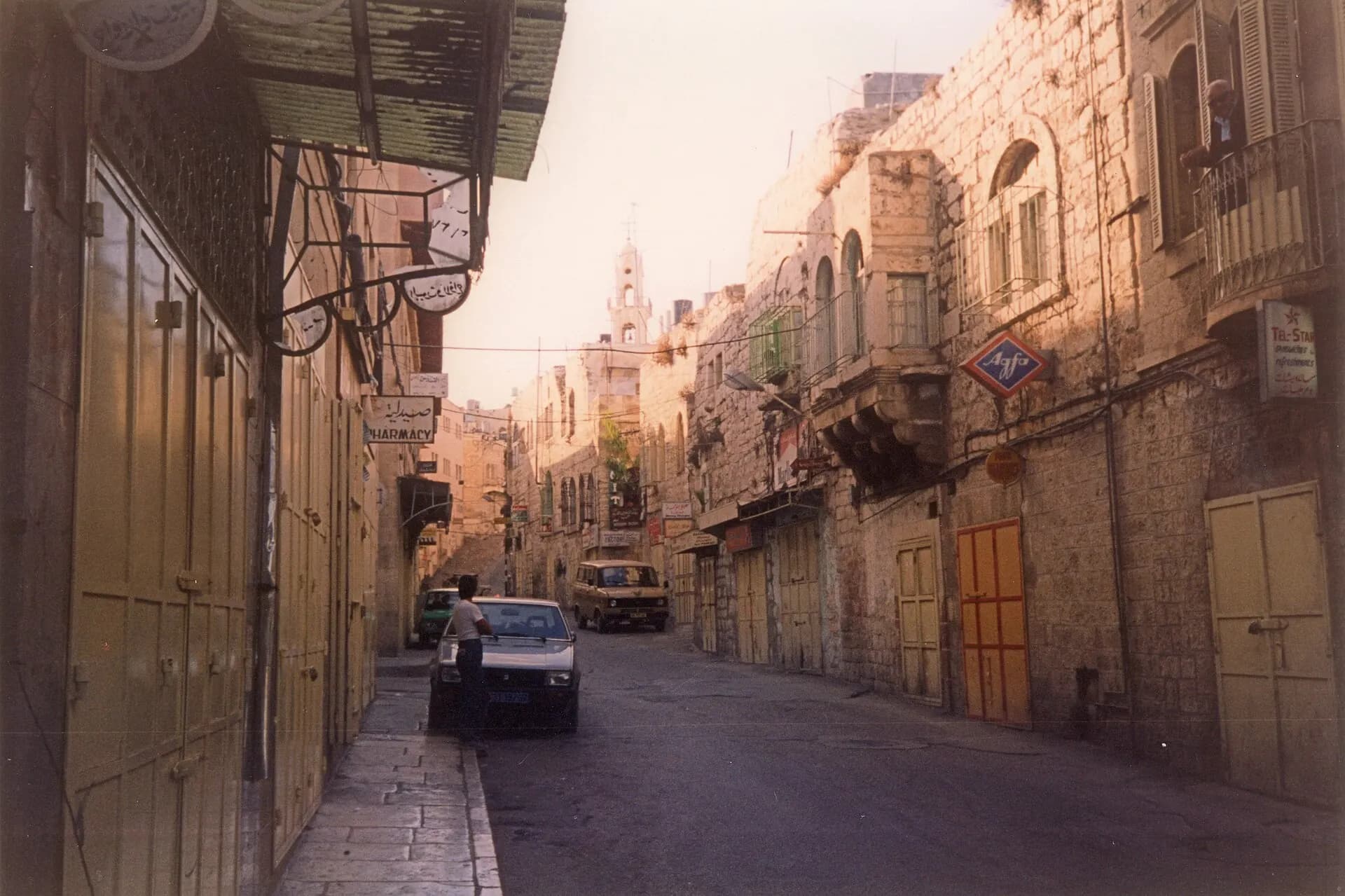
Star Street is the old pilgrim and processional route into Bethlehem, the way that, by tradition, Joseph and Mary walked into town, and the path the Latin Patriarch still takes each Christmas Eve on his way to Manger Square. Restored for the millennium, it climbs between limestone houses with arched doorways, carved lintels and iron balconies, past shuttered workshops and the occasional guesthouse. Side lanes lead down into the souk, where fruit, spices, bread and household goods are sold from tiny shopfronts, and towards the Old Market, still the commercial heart of the old town.
TipWalk Star Street downhill from Bab al-Zqaq towards Manger Square, and duck into the side lanes; many of the old houses have been converted into small cafés, galleries and guesthouses.
- 2
Manger Square
Photo: Konrad Summers from Santa Clarita (Valencia) , California, USA, CC BY-SA 2.0, via Wikimedia Commons
The town's main square is a broad paved plaza between the Church of the Nativity at one end and the Mosque of Omar, Bethlehem's oldest mosque, at the other. Around it are the Peace Center, shops selling olive-wood nativity sets, and cafés where taxi drivers, guides and residents gather. At Christmas it fills with a giant tree, scout bands with bagpipes and drums, and crowds watching the processions. After two years without public festivities during the Gaza war, the tree was lit again in December 2025 and celebrations returned, though with fewer international visitors than before.
TipBethlehem marks Christmas three times: on 24 and 25 December for Catholics and Protestants, on 6 and 7 January for the Orthodox churches, and on 18 and 19 January for the Armenians.
- 3
Church of the Nativity
Photo: Krzysztof Golik, CC BY-SA 4.0, via Wikimedia Commons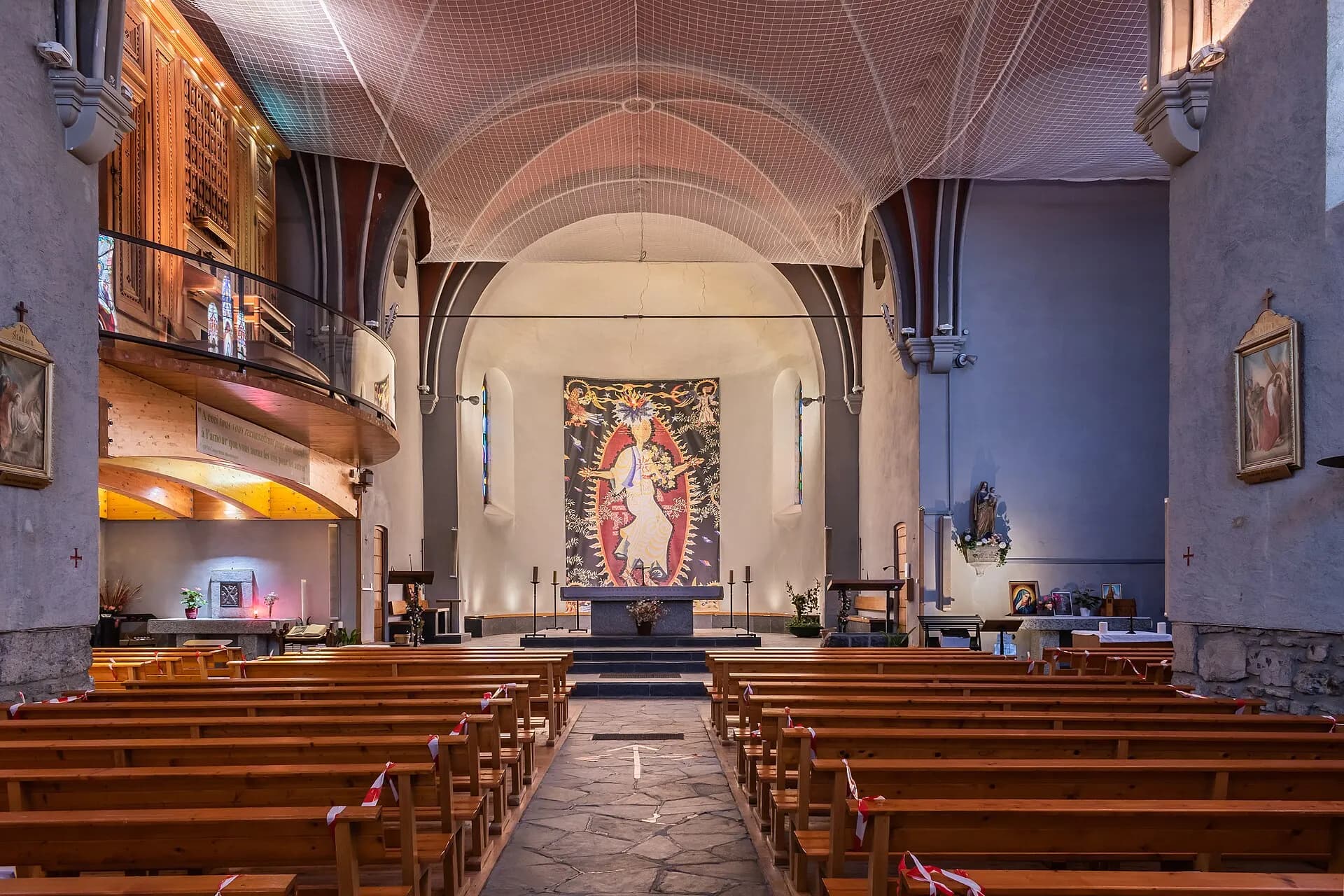
The emperor Constantine and his mother Helena commissioned the first basilica here in the fourth century, over a cave already venerated as the place of Jesus's birth; the present building largely dates from Justinian's rebuilding in the sixth century, making it one of the oldest churches in continuous daily use anywhere. You enter by stooping through the tiny Door of Humility, narrowed in later centuries, into a forest of red limestone columns. A long restoration, begun in 2013, cleaned the Crusader-era wall mosaics of angels and church councils and repaired the roof, and the church was taken off UNESCO's danger list in 2019. Steps beside the altar lead down into the Grotto of the Nativity, where a silver star set in marble marks the traditional spot.
The church is shared, under long-standing arrangements known as the Status Quo, between the Greek Orthodox, Armenian Apostolic and Catholic churches, and the adjoining Franciscan Church of St Catherine is where the Christmas midnight Mass is broadcast worldwide.
TipQueues for the grotto can last an hour or more when tour groups are in town; arrive at opening, or come in the late afternoon. Dress modestly, with shoulders and knees covered, and expect the grotto to close briefly during services.
- 4
Milk Grotto
Photo: Fallaner, CC BY-SA 4.0, via Wikimedia Commons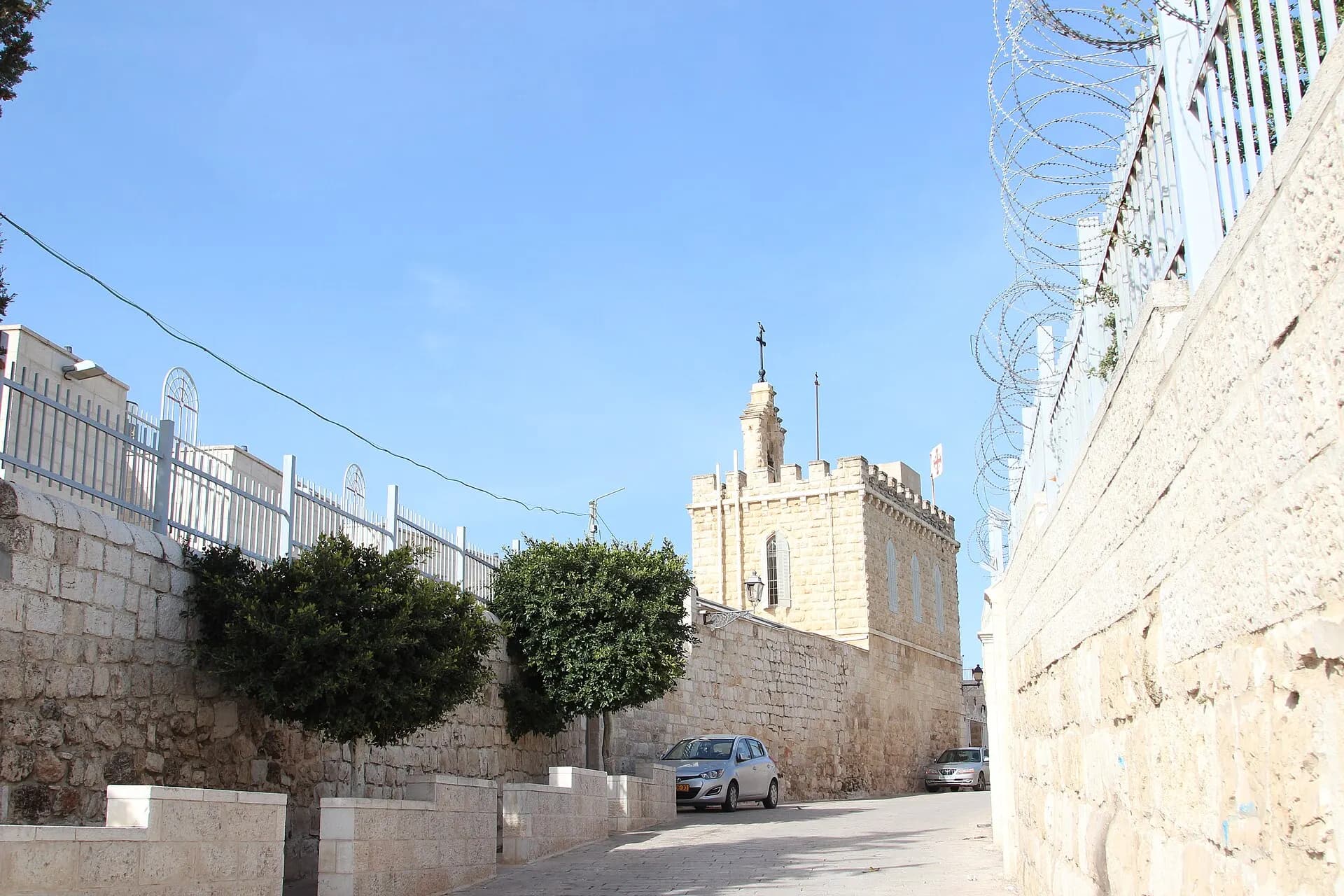
A few minutes' walk down Milk Grotto Street, a Franciscan chapel is cut into a cave of soft, chalk-white rock. Tradition holds that the Holy Family sheltered here on their flight to Egypt, and that a drop of Mary's milk fell on the stone and turned it white. For centuries women of different faiths have come to pray for children or for nursing, and the walls of the adjoining room are hung with letters and photographs of thanks. The chapel is cool, quiet and usually far less crowded than the basilica.
- 5
Separation wall and the Walled Off Hotel
At the northern edge of town, the Israeli separation barrier, here a line of eight-metre concrete slabs and watchtowers built from the early 2000s, cuts Bethlehem off from Jerusalem and loops around Rachel's Tomb. Its Palestinian side has become one of the world's best-known open-air galleries, covered with murals, slogans and portraits by local and international artists, including several attributed to Banksy around the town. Many visitors walk a stretch of it with a local guide, who will explain the barrier, the checkpoints and life on either side from a Palestinian perspective.
Facing the wall on Caritas Street, the Walled Off Hotel was created by Banksy in 2017 as a working hotel, museum and gallery that claims "the worst view in the world". It closed in October 2023 and reopened in December 2025; its piano bar, artworks and small museum on the history of the barrier are a draw even if you don't stay. Check the hotel's website for current opening hours before visiting.
TipThe artworks change constantly as new murals are painted over old ones. Photographing the wall is normal, but don't photograph soldiers or watchtowers.
- 6
Battir terraces
West of Bethlehem, the village of Battir sits above a valley of dry-stone terraces that have been farmed for millennia, watered by springs through an ancient system of channels and pools; families still share out the water by a rota. The landscape of olives, vines and vegetable plots, including a small, prized local aubergine, was inscribed by UNESCO in 2014 and placed straight onto its danger list because of threats to the terraces. Footpaths drop from the village down towards the old Ottoman-era railway line in the valley, with views across to the hills on the Jerusalem side.
TipWalks here are best in spring, when the terraces are green, and in early morning in summer. Ask locally which paths are open and stay on marked trails.
- 7
Hebron Old Town
Photo: Picture taken and uploaded by Justin McIntosh,, CC BY 2.0, via Wikimedia Commons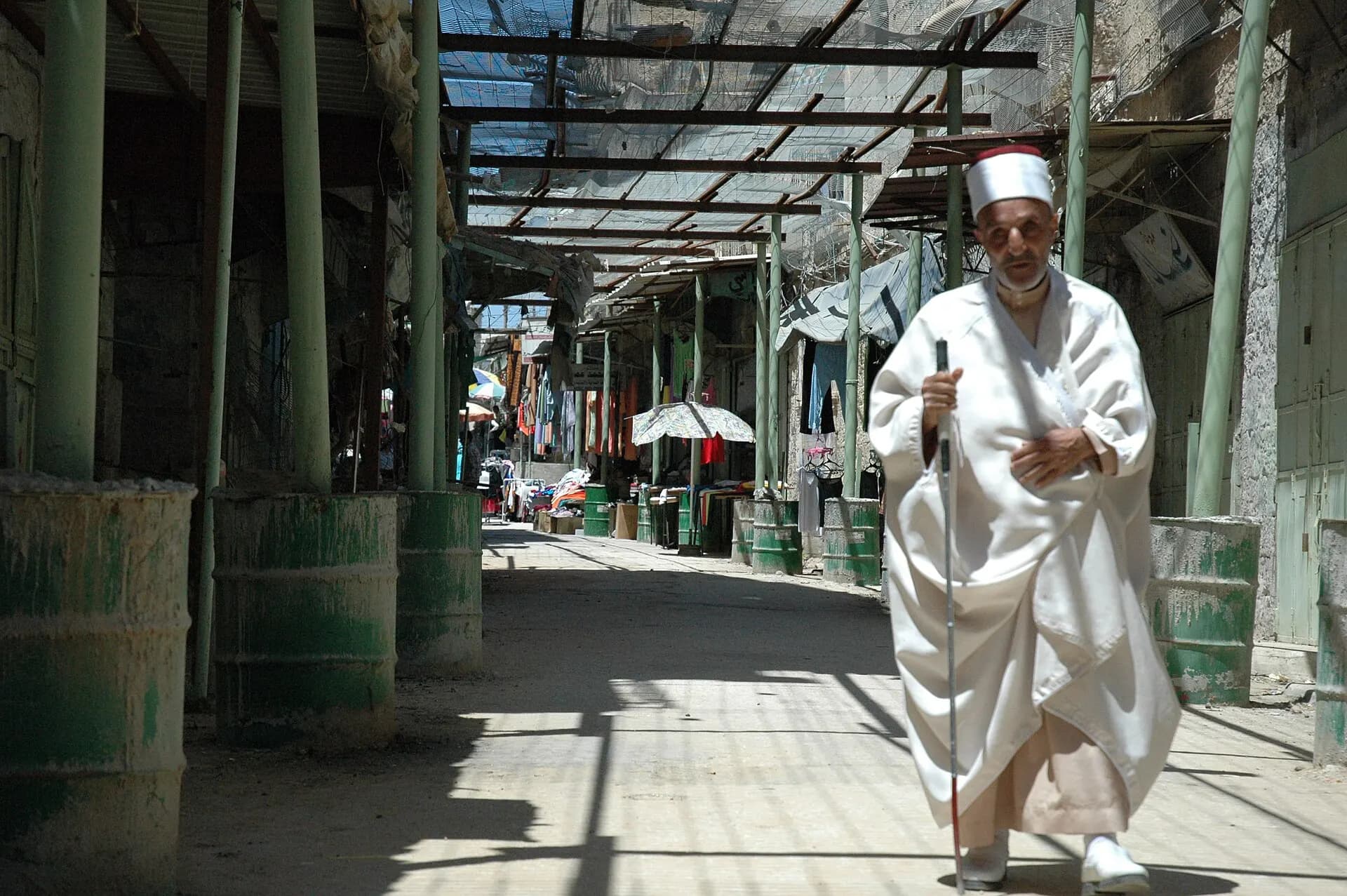
Some 25 kilometres south of Bethlehem, Hebron (al-Khalil in Arabic) is one of the oldest cities in the region and holy to Jews, Christians and Muslims as the burial place of Abraham, Isaac and Jacob and their wives. The great stone enclosure over the Cave of the Patriarchs was built under Herod the Great, and later served as a church and, for most of the past thirteen centuries, as the Ibrahimi Mosque. Around it, the Mamluk-era old town of stone-vaulted souks, glass-blowing and ceramics workshops was inscribed by UNESCO in 2017, and placed on its danger list.
Hebron is also the most sensitive place in this guide. Under a 1997 agreement, the city is split into H1, under Palestinian Authority control, and H2, the old centre and the area around the shrine, under Israeli military control, where several hundred Israeli settlers live. After a 1994 shooting attack in which 29 Muslim worshippers were killed, the shrine was divided into separately run mosque and synagogue sections, entered through different checkpoints. The FCDO describes a closed military zone in H2 around Shuhada Street and the shrine, flags a risk of hostile reactions from extremist groups, and urges particular caution about visiting at all; Hebron is not among the West Bank areas it exempts from its "all but essential travel" advice.
TipIf advice allows a visit, go only with an experienced local guide or an established tour operator who checks conditions on the day, carry your passport, and leave at once if tension rises or shops start closing.
- 8
Herodium
South-east of Bethlehem, a perfectly conical hill rises from the desert edge: Herod the Great had it built up into a circular palace-fortress, with towers, a bathhouse and a theatre, as his summer retreat and, it turned out, his tomb. Archaeologists announced in 2007 that they had found the remains of his mausoleum on the slope. From the top, you look out over the Judaean Desert towards the Dead Sea and the mountains of Jordan; a network of cisterns and later rebel tunnels runs through the hill below.
Herodium is in Area C and is run as a national park by the Israel Nature and Parks Authority, with an entry fee. Under international law most governments regard it as part of the occupied West Bank, a status Israel disputes.
TipThe climb is short but exposed. Go in the morning, take water, and check opening hours with the parks authority, as they shorten on Fridays and before Jewish holidays.
- 9
Shepherds' Field
Photo: Mahmood moutan, CC BY-SA 4.0, via Wikimedia Commons
In the neighbouring town of Beit Sahour, the fields and caves where, by tradition, angels announced the birth of Jesus to the shepherds are marked by rival shrines. The Franciscan site has a tent-shaped chapel by the architect Antonio Barluzzi from the 1950s, with frescoes of the shepherds and a dome pierced to let light in like stars, set among pines and the excavated remains of a Byzantine monastery. A Greek Orthodox church nearby stands over an older cave chapel. It is a gentle, green stop, popular with church groups for open-air Masses and carol singing.
- 10
Mar Saba
Photo: Godot13, CC BY-SA 4.0, via Wikimedia Commons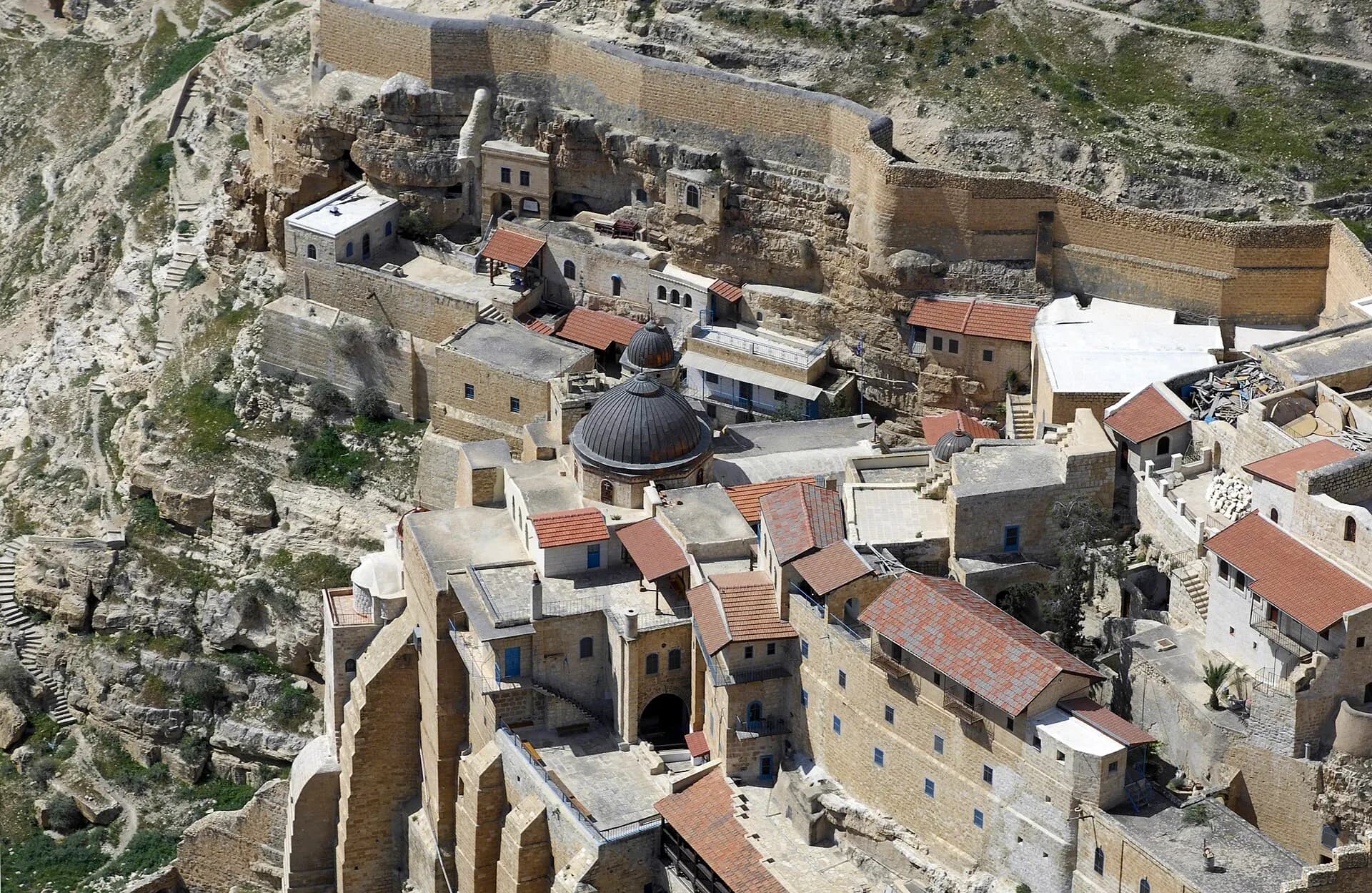
About fifteen kilometres east of Bethlehem, the road runs out at one of the most dramatic buildings in the Holy Land: a Greek Orthodox monastery founded in 483 by St Sabbas, its domes, towers and cells stacked down the sheer wall of the Kidron gorge. Still home to a small community of monks, it keeps a strict rule: men may visit inside, usually by knocking at the door during set hours, while women are not admitted but can see the whole monastery from the Women's Tower and the path on the opposite side of the gorge.
TipThe last stretch of road passes through Area C, and there is little shade or water. Go with a driver who knows the route, and dress conservatively.
- 11
Tell es-Sultan, ancient Jericho
Photo: Diego Delso, CC BY-SA 3.0, via Wikimedia Commons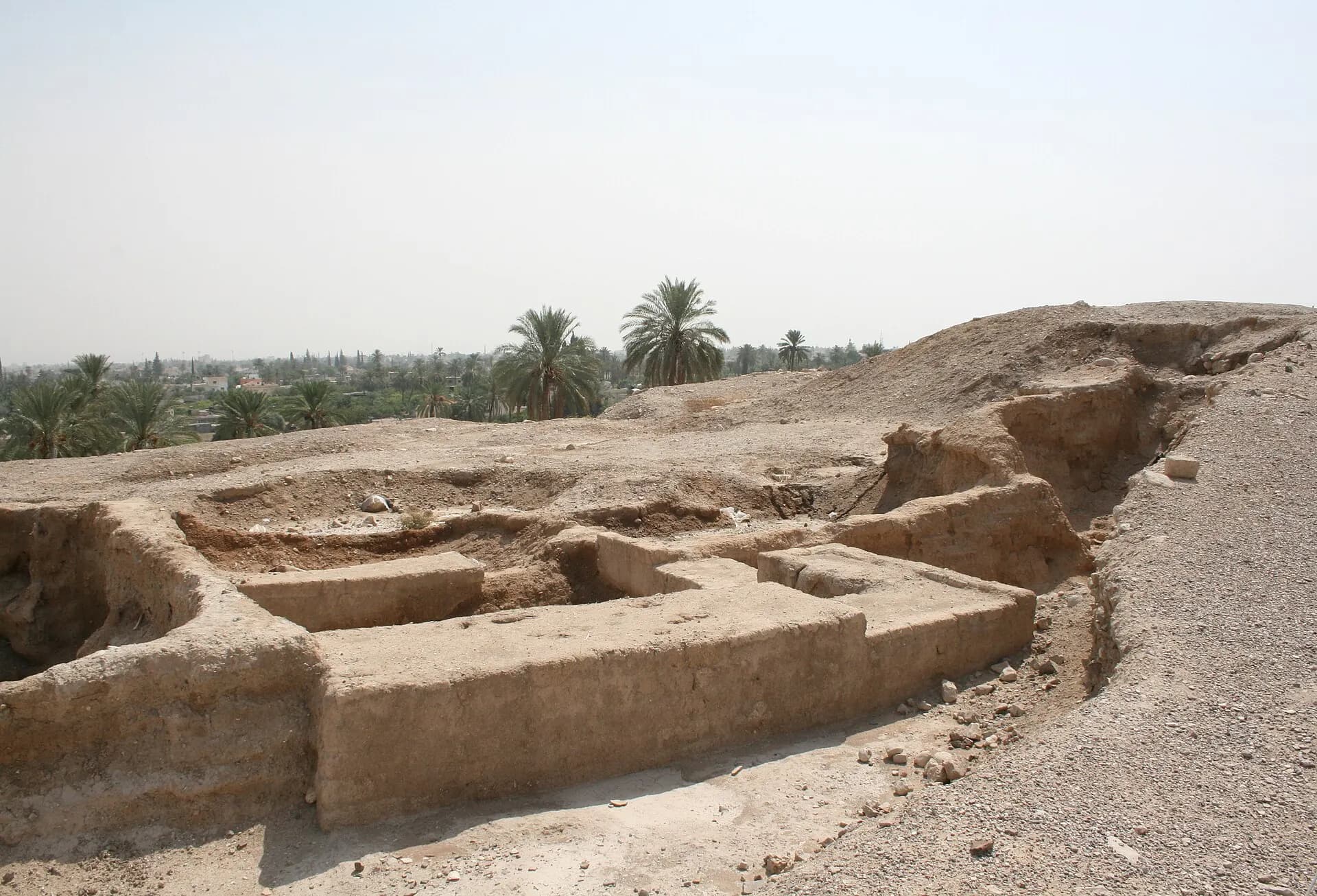
Jericho lies around 250 metres below sea level in the Jordan Valley, an oasis of palms, bananas and citrus fed by springs, and claims to be among the oldest continuously inhabited towns on Earth. At Tell es-Sultan, the mound beside Elisha's Spring, excavations have uncovered Neolithic walls and a stone tower built more than 10,000 years ago, long before writing or pottery. UNESCO inscribed the site in 2023. What you see are mostly trenches and earthworks, but the age of what lies beneath, and the view up to the Mount of Temptation, make it worth the stop.
TipJericho is very hot from May to October; visit early in the day and combine the tell with the cable car, whose lower station is just across the road.
- 12
Mount of Temptation and the cable car
Photo: Reinhard Dietrich, Public domain, via Wikimedia Commons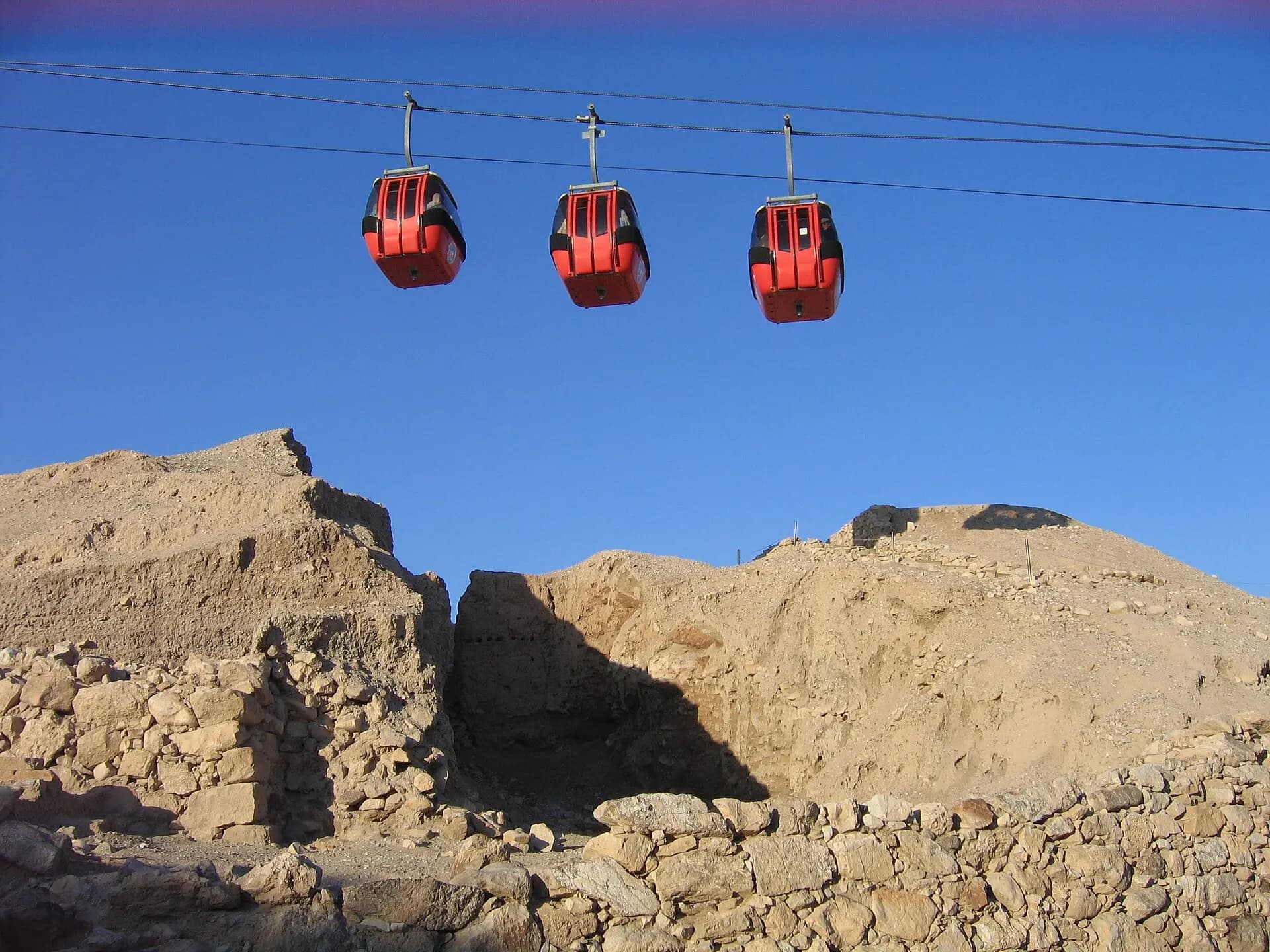
The cliffs above Jericho are traditionally where Jesus fasted for forty days and was tempted by the devil, and a Greek Orthodox monastery hangs off the rock face over a cave chapel, rebuilt in the late nineteenth century on much older foundations. A cable car, opened in 1999 and among the lowest in the world, carries visitors up from beside Tell es-Sultan in a few minutes, with views over the oasis, the Dead Sea and the hills of Jordan; there's a café and restaurant terrace at the top station. Hikers can also take the steep path.
TipThe monastery keeps shorter hours than the cable car and closes for part of the day; check times locally, and cover shoulders and knees.
- 13
Hisham's Palace
Photo: Bukvoed, CC BY 4.0, via Wikimedia Commons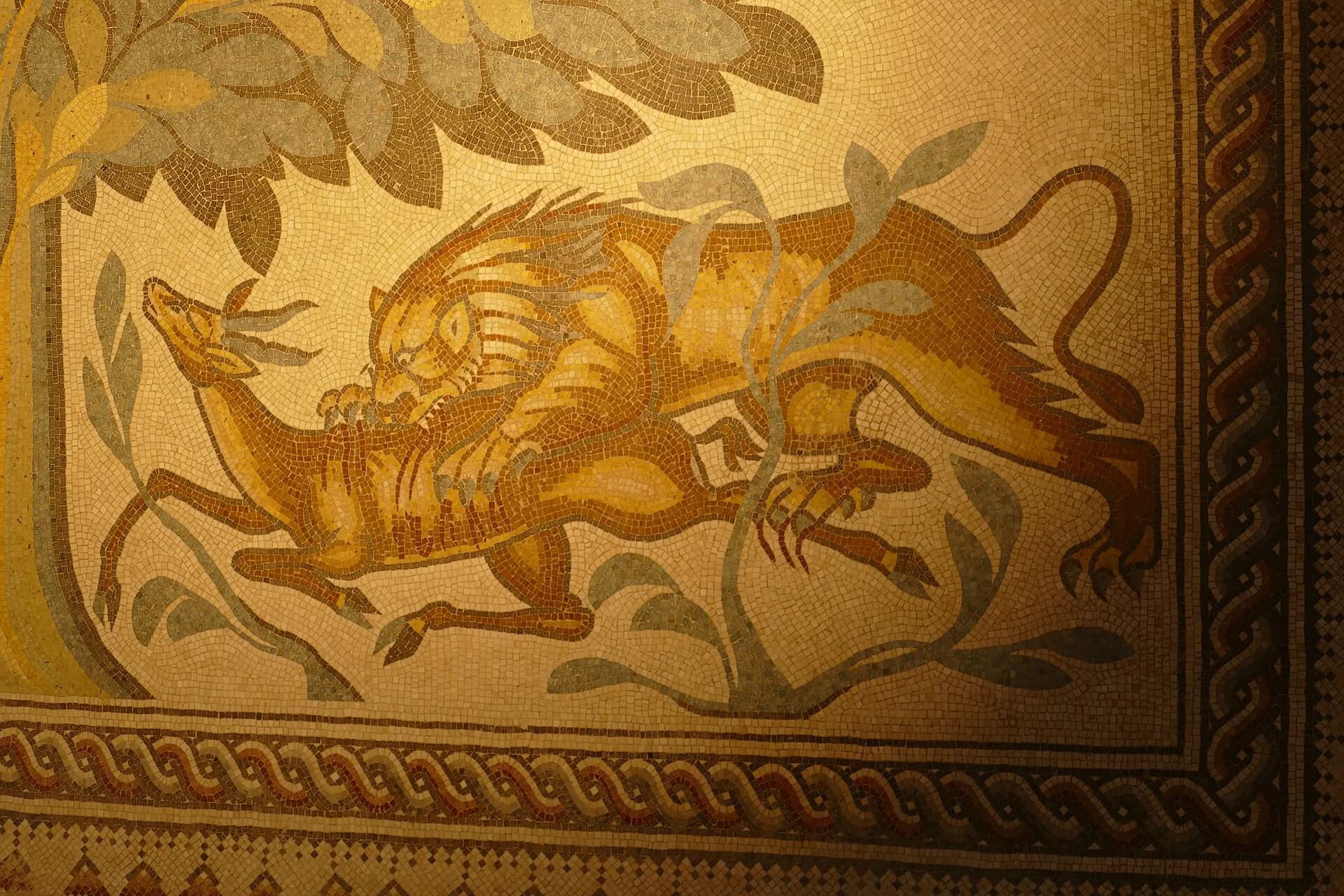
Just north of Jericho, Khirbet al-Mafjar is the ruin of an eighth-century Umayyad winter palace, with a mosque, courtyards and an enormous bathhouse. It's best known for its mosaics: a famous panel in a small reception room shows a lion attacking a gazelle beneath a tree of life, and the bath hall floor, one of the largest mosaic carpets in the world, has been put on permanent display under a protective roof. The carved stucco and the star-shaped window recovered here have made the palace an emblem of Jericho.
- 14
Ramallah
Photo: Davide Mauro, CC BY-SA 4.0, via Wikimedia Commons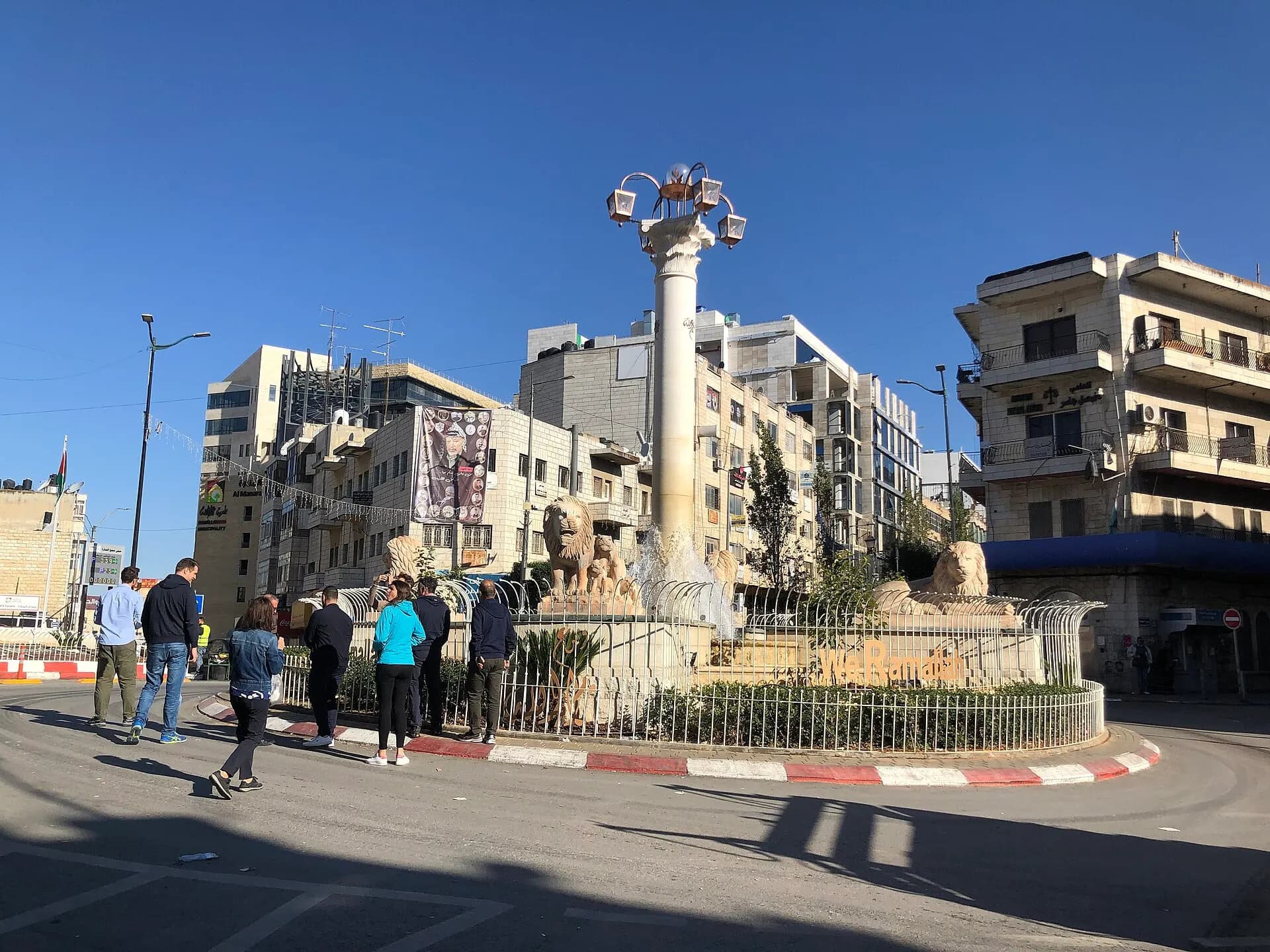
Twenty kilometres north of Jerusalem, Ramallah is the de facto administrative centre of the Palestinian Authority and the liveliest city in the West Bank, with cafés, restaurants, galleries and a busy nightlife. The traffic-filled Al-Manara Square, with its stone lions, is the centre; a short taxi ride away, the Muqata'a compound holds the mausoleum of Yasser Arafat, and the Palestinian Museum in nearby Birzeit, opened in 2016, hosts exhibitions in a striking building set among terraced gardens. Most visitors reach Ramallah through the Qalandia checkpoint, which can be slow.
Safety and current advice
The FCDO and US State Department positions above summarise the advice as of October 2026. Bethlehem, Ramallah and Jericho continue to receive organised tours, and the FCDO notes that it has had no recent reports of serious incidents involving foreigners there, but it asks visitors to take care anywhere in the West Bank. It warns of violent incidents, including shootings, stabbings and stone throwing, at checkpoints, on roads used by both Israelis and Palestinians, and in places such as Hebron and refugee camps; of military operations that can start without warning; and of settler violence near some settlements and outposts. If you find yourself near a security operation or clashes, stay indoors until local authorities confirm it is calm.
Gaza is not covered in this guide as a destination. Both the UK and the US advise against all travel there, its crossings have been closed to ordinary travellers, and consular help is not available inside the territory.
There are no warning sirens or public shelters in Palestinian areas of the West Bank. Since early 2026, missile and drone attacks linked to regional conflicts have affected Israel and Palestine, and airspace and land borders can close at short notice. Register for your government's alerts, keep your passport and Israeli entry slip with you, avoid demonstrations, particularly after Friday prayers and on anniversaries, and leave flexibility in your plans. The UN's humanitarian office publishes information on closures and movement restrictions.
How the West Bank is divided
Under the 1995 Oslo II interim agreement, the West Bank is divided into three kinds of area, and the label affects what visitors can do:
- Area A: the main Palestinian cities, including Bethlehem, Ramallah, Jericho and part of Hebron, under Palestinian Authority civil and security control. Red signs at the entrances warn that entry is dangerous and forbidden for Israeli citizens under Israeli law; they do not apply to foreign passport holders.
- Area B: mainly Palestinian towns and villages with Palestinian civil administration and Israeli security control.
- Area C: around 60 per cent of the land, including Israeli settlements, main roads, military zones and most open country, under full Israeli control. Herodium and the approaches to Mar Saba are here.
The Israeli military controls the external crossings and runs checkpoints between these areas, which can be closed or slowed at short notice.
When to go
Bethlehem stands at about 775 metres, so it is markedly cooler than the coast or the Jordan Valley. Spring, from March to May, brings wild flowers, green terraces and comfortable walking weather; autumn, from late September to November, is warm and dry, with the olive harvest in October and November. Summer is hot but bearable in the hills and fierce in Jericho, where afternoon temperatures pass 40°C. Winter, from December to February, is cool, sometimes cold and rainy, and occasionally sees snow on the hills, but it is the season of the Christmas celebrations, when hotels fill and prices rise. Easter, with its processions, is the other peak. Ramadan changes opening hours of restaurants during daylight, and evenings become festive.
Getting around
From Jerusalem to Bethlehem: Palestinian buses leave from the bus stations near Damascus Gate in East Jerusalem. One route enters Bethlehem through Beit Jala and the main road; another stops near Checkpoint 300, the pedestrian crossing at the town's northern edge, from where taxis wait to take you into town. Going in, there are usually no checks. Coming back, buses may stop at a checkpoint where soldiers board to inspect documents, or you may walk through Checkpoint 300, a long caged corridor with turnstiles and passport inspection. Allow extra time on return, especially in the morning and late afternoon rush.
Documents: you need your passport and the Israeli entry slip you were given on arrival every time you cross a checkpoint. Israeli authorities control all entry to the West Bank; some travellers arriving at Ben Gurion Airport or the Allenby Bridge have received entry permissions restricted to "Palestinian Authority only" or asked to sign forms about entering Palestinian areas, and travellers of Palestinian origin face separate rules. Read the entry section of your government's advice before travel.
Within the West Bank: shared yellow taxis (service) and minibuses link the main towns, leaving from central ranks when full. For Herodium, Mar Saba, Battir and Jericho, hiring a Palestinian taxi driver for the day from Bethlehem is the simplest option; many double as informal guides. Most Israeli car-hire companies do not insure cars in Palestinian areas, while firms in East Jerusalem may offer cover for both. Checkpoints such as Container, on the road east from Bethlehem towards Jericho, and Qalandia, near Ramallah, can add long delays.
From Jordan: the Allenby (King Hussein) Bridge connects Jordan to the West Bank near Jericho. Opening hours are limited, it has closed for periods since 2024, and you cannot get a visa on arrival there; check its status before relying on it.
Local tips
- The Israeli new shekel is the everyday currency; Jordanian dinars and US dollars are also widely accepted. Cash machines are common in central Bethlehem, Ramallah and Jericho.
- Bethlehem's shops and churches open early; the old town is quiet on Sundays, when many Christian-owned businesses close, and on Friday middays around prayers.
- Bargaining is normal for souvenirs. Buying olive-wood carvings, embroidery and ceramics directly from workshops keeps more money in local hands.
- Greeting people with "marhaba" (hello) and "shukran" (thank you) goes a long way. Ask before photographing people, especially women, and never photograph soldiers, checkpoints or military installations.
- Dress modestly throughout the West Bank and in religious sites: shoulders, upper arms and legs above the knee covered. Women should carry a scarf for mosques.
- Avoid political debates with strangers and at checkpoints. Answer questions calmly and keep your passport and entry slip ready.
- Israeli SIM cards work in most places, and Palestinian networks offer local data; coverage in the desert near Mar Saba is patchy.
Eat and drink
Palestinian food is generous and seasonal. Breakfast is hummus, falafel and foul (stewed fava beans) with fresh bread, olive oil and za'atar, the thyme and sesame mix that families pick and dry in the hills. Look out for musakhan, roast chicken on taboon bread smothered with onions and sumac; maqluba, the layered rice, vegetable and meat dish flipped upside down at the table; and stuffed vine leaves and courgettes. Knafeh, warm cheese pastry soaked in syrup, is the favourite sweet, usually eaten in the evening.
Bethlehem has a range of restaurants from simple falafel stands around Manger Square to family-run places in old stone houses off Star Street. Ramallah has the most varied dining and bar scene in the West Bank. The Christian villages around Bethlehem and Ramallah have a long winemaking tradition, including the Salesian winery at Cremisan near Beit Jala, and the village of Taybeh, north-east of Ramallah, is known for its family brewery and an October beer festival. In Jericho, try fresh dates, bananas and juice from roadside stalls.
Where to stay
Most hotels cluster in Bethlehem, Beit Jala and Beit Sahour, ranging from large pilgrim hotels to guesthouses in restored old houses near Star Street and the souk; staying in town supports a tourism economy hit hard since 2023. The Walled Off Hotel offers rooms with a view of the barrier. Ramallah has business hotels and boutique options, and Jericho has resort hotels with pools, popular in winter. Many travellers base themselves in Jerusalem and visit as day trips, which is simpler logistically but leaves less time for evenings in Bethlehem.
A short history
Bethlehem appears in the Hebrew Bible as the home of Ruth and the birthplace of King David, and in the Gospels as the birthplace of Jesus. Constantine's basilica made it one of the great pilgrimage destinations of the Christian world, and the town passed through Byzantine, early Islamic, Crusader, Mamluk and Ottoman rule, with Christian and Muslim communities living side by side. After the First World War it came under the British Mandate; from 1948 it was administered by Jordan, and after the 1967 war it came under Israeli occupation. Under the Oslo Accords, the Palestinian Authority took control of the town in 1995. The separation barrier was built along its northern edge in the early 2000s during the Second Intifada. The Christian share of the population has declined over the past century through emigration, but Bethlehem remains one of the main centres of Palestinian Christian life.
Responsible travel
Tourism is one of Bethlehem's main sources of income, and the town's guides, drivers, hoteliers and craftspeople have been badly affected by the absence of visitors in recent years. Hiring local Palestinian guides, eating in local restaurants and buying crafts from workshops spreads the benefit. Be respectful at all holy sites, whichever faith they belong to, and remember that people on every side of the region's conflict live with its consequences daily; listening is more useful than arguing. On walks in Battir and the desert, stay on paths, take your rubbish away and leave terraces and walls as you found them.