Kathmandu
Ancient stupas and pagoda temples, incense and prayer flags, and the Himalaya on the horizon.
- Best time to go
- October to November and March to April, for clear skies and mountain views
- Local time
- –
- Currency
- Nepalese Rupee (NPR)
- Reading time
- 4 min
- Language
- Nepali
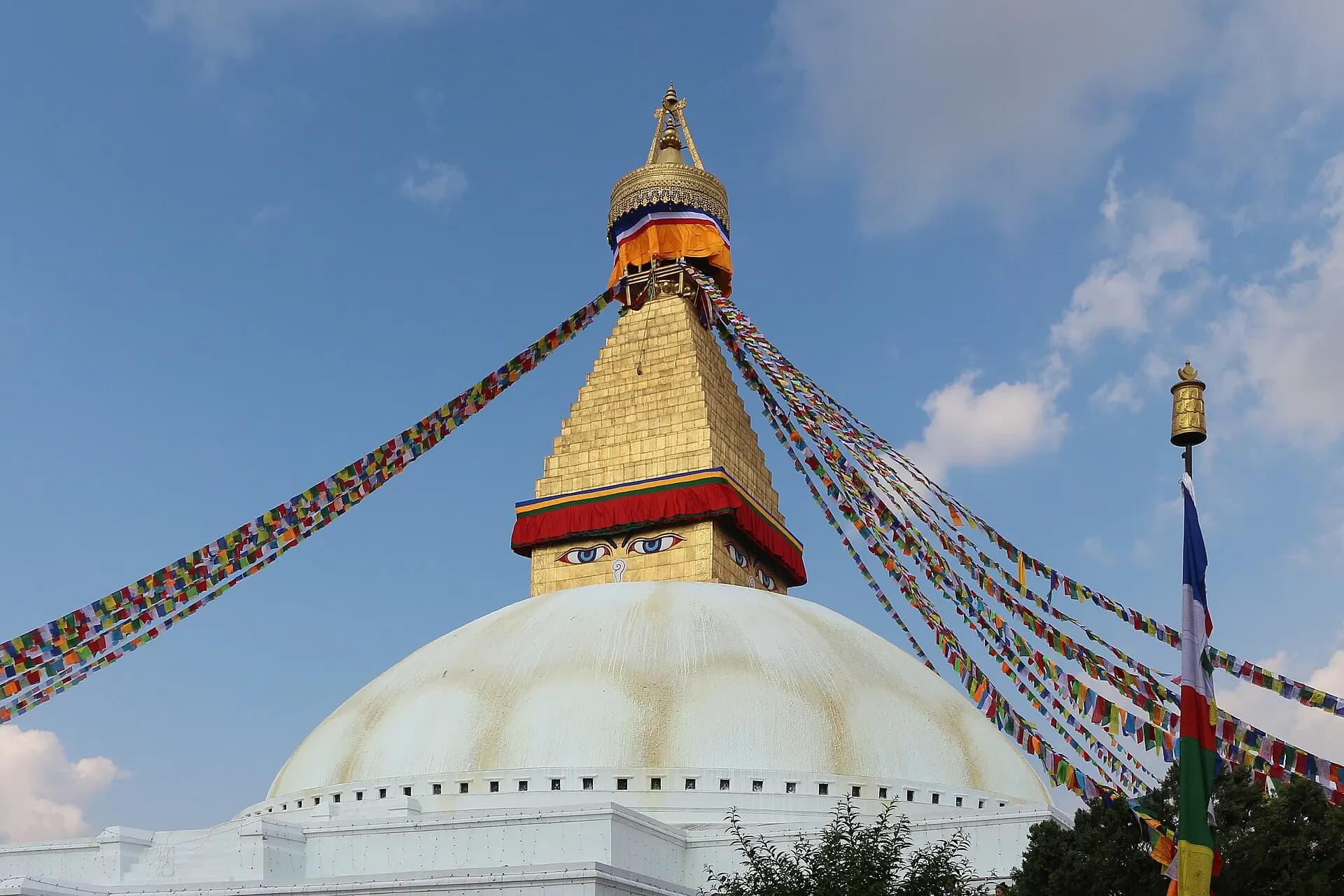
The Kathmandu Valley was home to the Newar kingdoms of Kathmandu, Patan and Bhaktapur, whose rivalry over centuries produced an astonishing concentration of temples, palaces and courtyards, now a World Heritage Site. Hindu and Buddhist traditions intertwine here: the same shrine may be honoured by both, and festivals, rituals and processions fill the calendar.
Kathmandu itself is chaotic, dusty and loud, but also fascinating and welcoming. Some monuments were damaged in the earthquake of 2015 and have been painstakingly rebuilt. Most visitors pass through on their way to the Himalaya, but the valley deserves several days of its own.
The top 8 in Kathmandu
- 1
Kathmandu Durbar Square
Photo: Jorge Láscar from Melbourne, Australia, CC BY 2.0, via Wikimedia Commons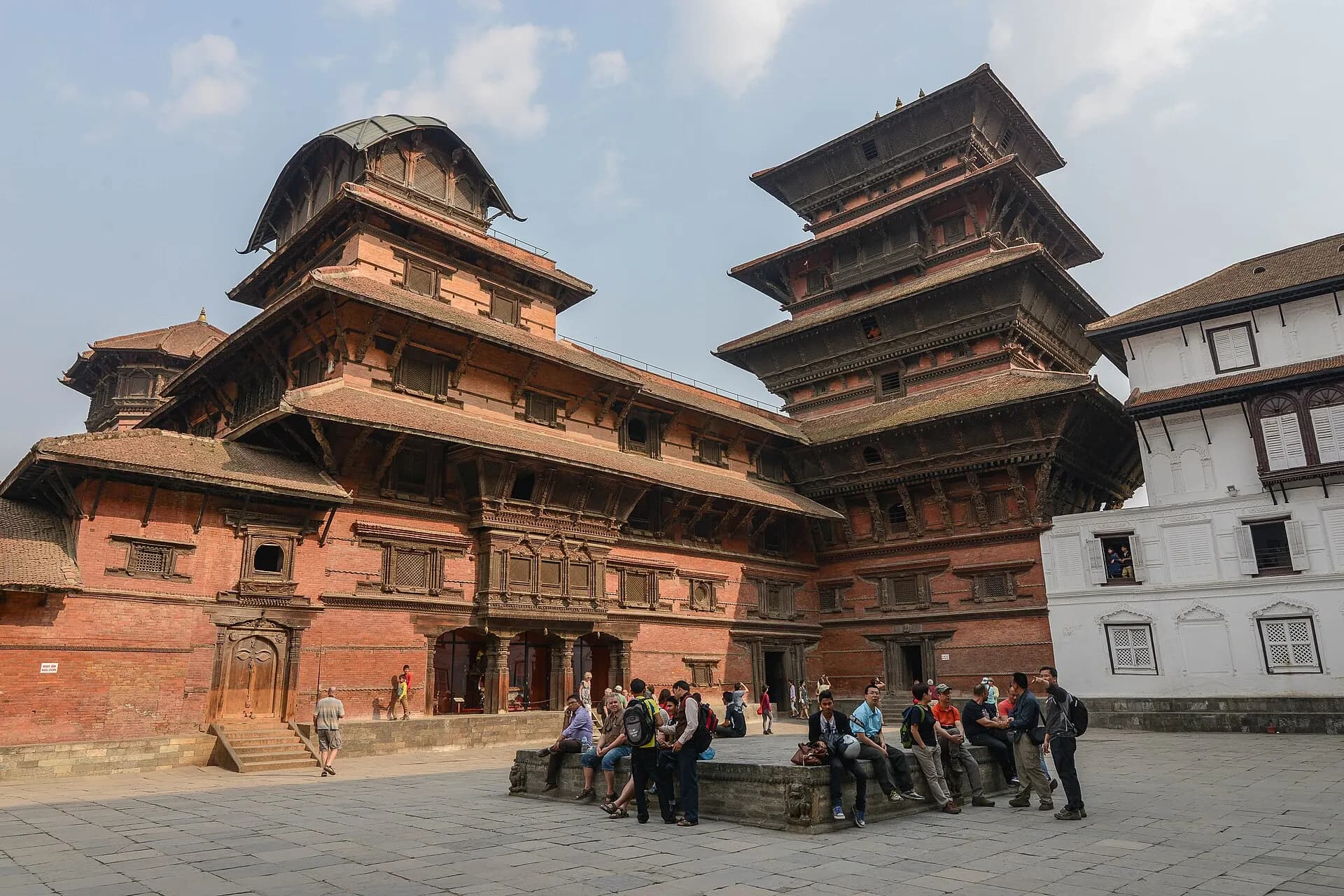
The old royal square of the Kathmandu kingdom, crowded with pagoda temples, palaces and shrines. The Hanuman Dhoka palace complex holds museums, and the Kumari Ghar is home to the Kumari, a young girl worshipped as a living goddess, who sometimes appears at her window.
TipPhotographing the Kumari is not allowed; wait quietly in the courtyard with others.
- 2
Swayambhunath
Photo: Nirmal Dulal, CC BY-SA 4.0, via Wikimedia Commons
A hilltop stupa west of the city, its white dome topped by a golden spire painted with the all-seeing eyes of the Buddha. Prayer flags flutter everywhere, and the monkeys that live here give it the nickname of the Monkey Temple. Climb the steep stairway on the eastern side for the full approach.
- 3
Boudhanath
Photo: Sonamray, CC BY-SA 4.0, via Wikimedia Commons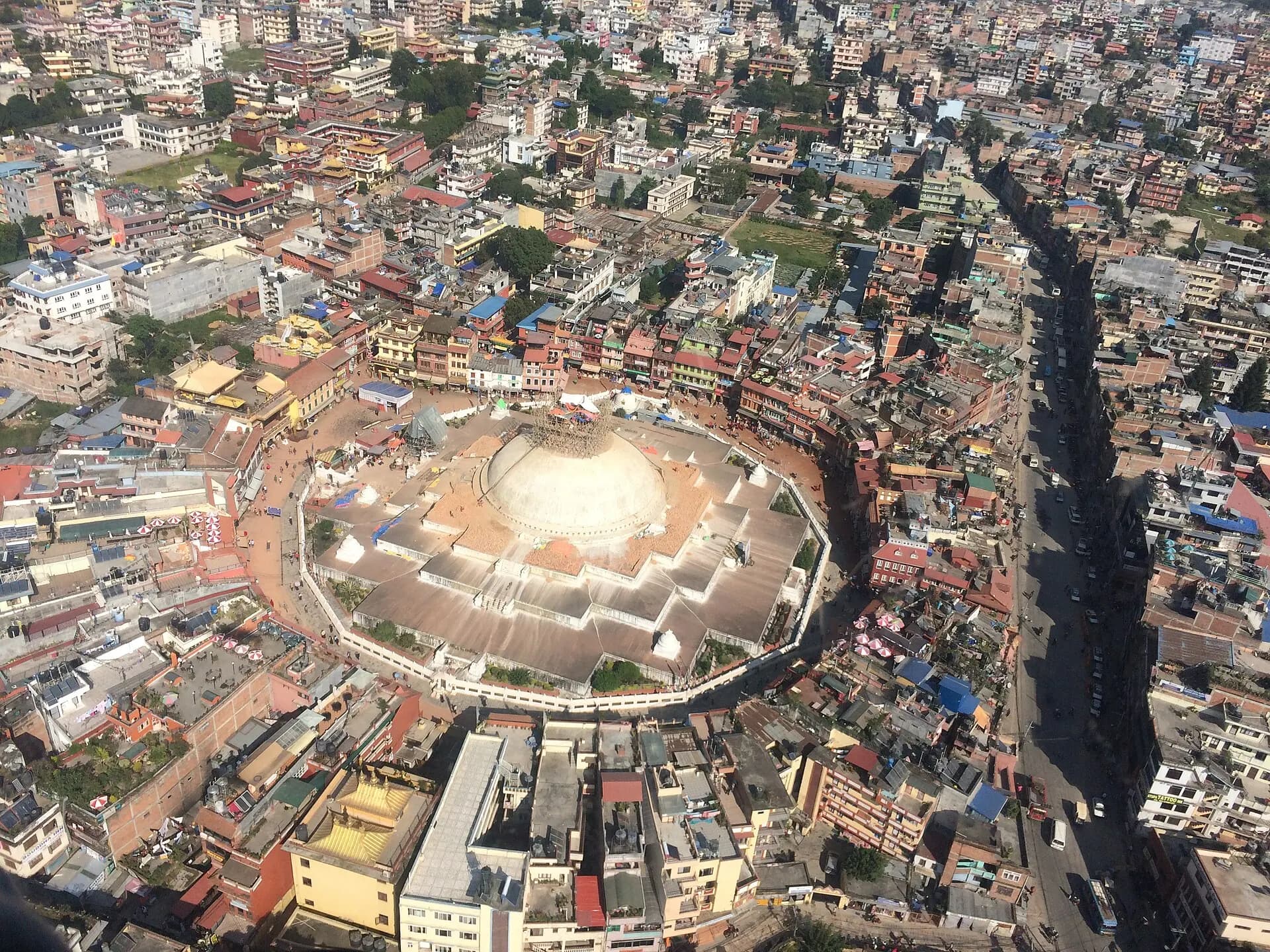
One of the largest stupas in the world, the centre of Tibetan Buddhism in Nepal, surrounded by monasteries and shops. Pilgrims walk around it clockwise, spinning prayer wheels, especially at dusk, when butter lamps are lit.
TipFind a rooftop café around the stupa to watch the circling pilgrims at sunset.
- 4
Pashupatinath
Photo: Luca Galuzzi (Lucag), CC BY-SA 2.5, via Wikimedia Commons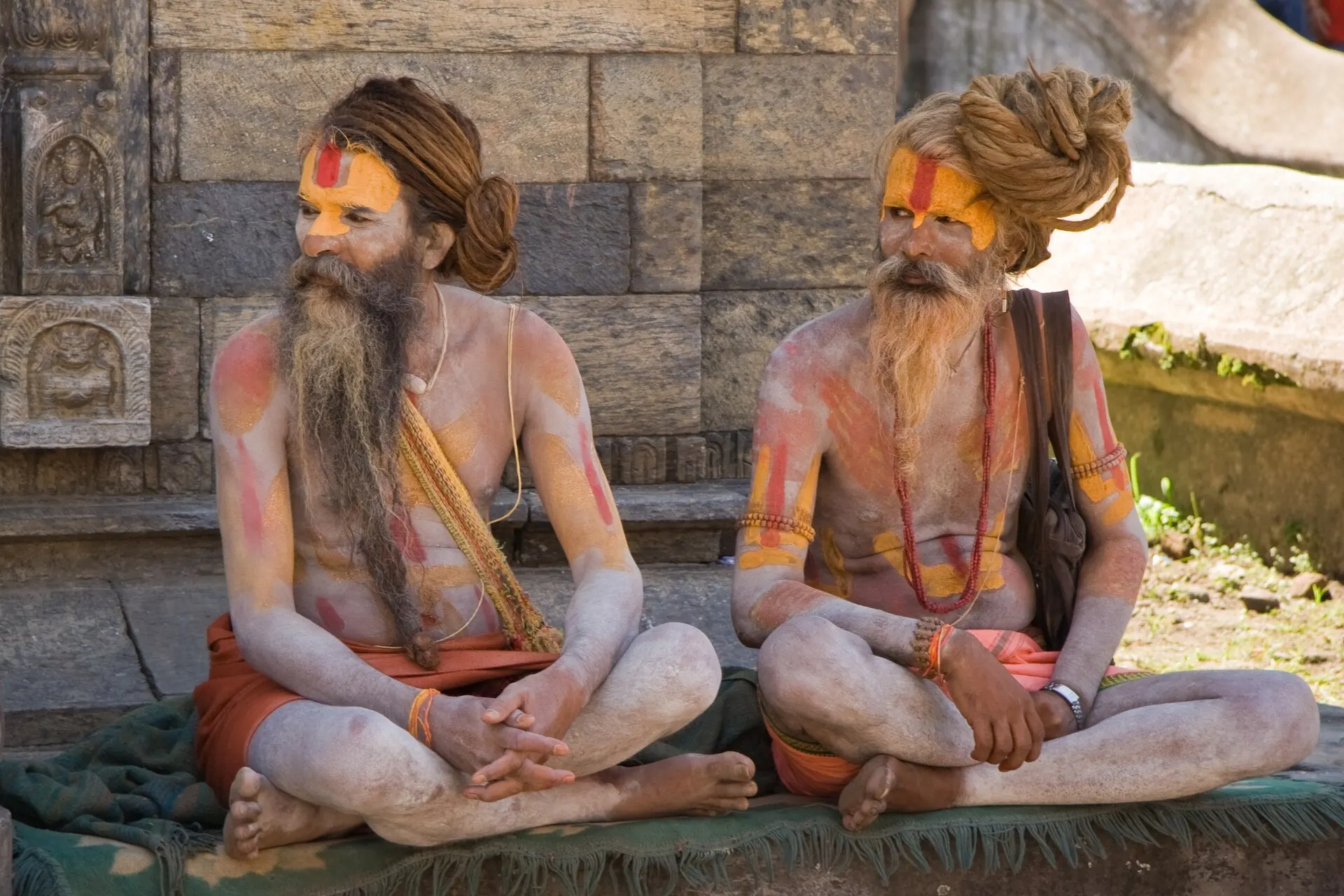
The most sacred Hindu temple in Nepal, dedicated to Shiva, on the banks of the Bagmati River. Only Hindus may enter the main temple, but visitors can watch from across the river, where open-air cremations take place on the ghats, and sadhus, holy men, gather in the courtyards.
TipBe respectful at the cremation ghats: don't photograph mourners, and keep a discreet distance.
- 5
Thamel
Photo: Bijay Chaurasia, CC BY-SA 4.0, via Wikimedia Commons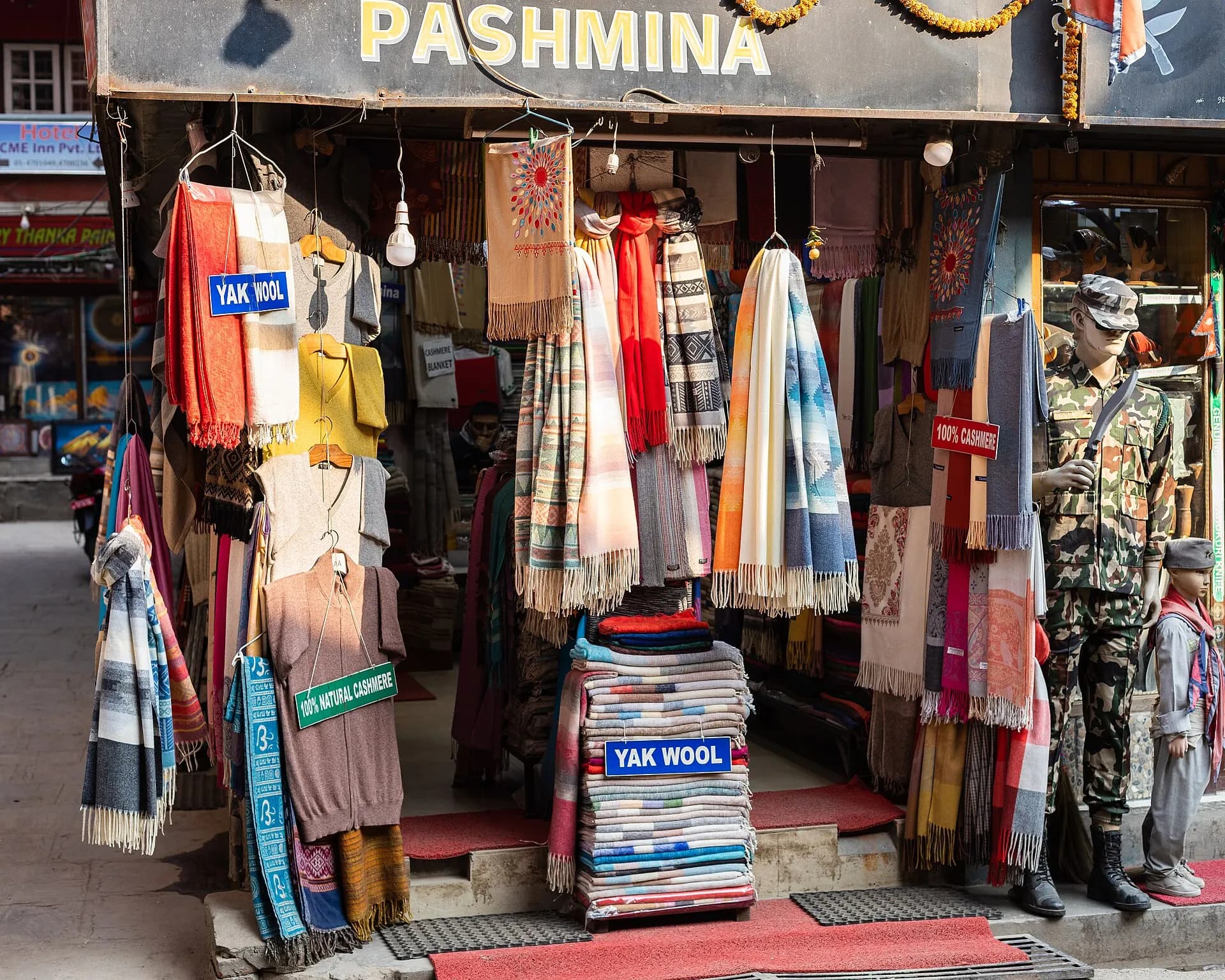
The busy backpacker and trekking district, a tangle of lanes packed with guesthouses, restaurants, bookshops and trekking-gear stores. It's the easiest base for planning treks, though it's noisy and touristy.
- 6
The Garden of Dreams
Photo: Gerd Eichmann, CC BY-SA 4.0, via Wikimedia Commons
A restored neoclassical garden from the 1920s, with pavilions, fountains and lawns, just outside Thamel. It's a peaceful escape from the noise of the city.
- 7
Patan
Photo: Bijay Chaurasia, CC BY-SA 4.0, via Wikimedia Commons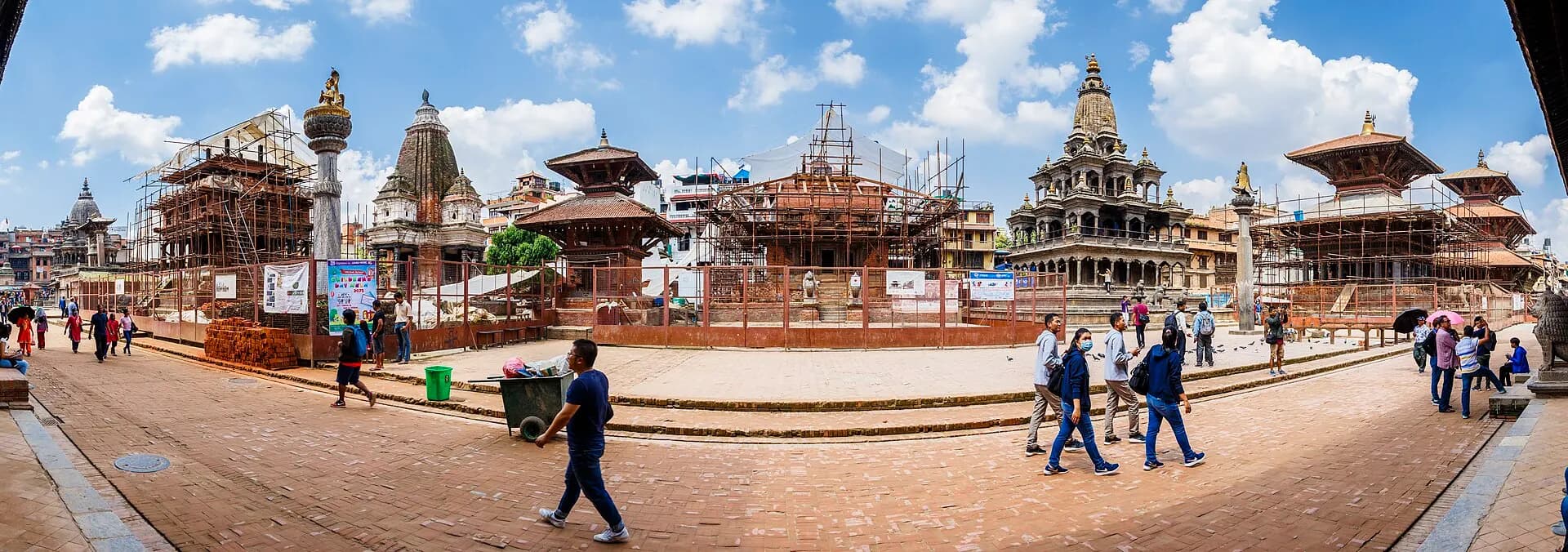
The former royal city of Patan, just south of Kathmandu across the river, has the finest of the valley's Durbar Squares, with temples in stone and wood and the Patan Museum, one of the best museums in Asia, devoted to Hindu and Buddhist art. Its backstreets are full of courtyards and metalworkers' workshops.
- 8
Bhaktapur
Photo: Nrik kiran, CC BY-SA 4.0, via Wikimedia Commons
The best preserved of the three old cities, about an hour east, with brick-paved squares, the five-tiered Nyatapola Temple, potters' squares where clay is shaped and dried in the sun, and few cars. Try juju dhau, "king of yoghurts", a sweet curd sold in clay pots.
TipStay overnight to see the city early in the morning and after the day visitors leave.
When to go
Autumn, from October to November, after the monsoon, brings clear skies, mild days and the best mountain views, plus the major festivals of Dashain and Tihar. Spring, from March to April, is also good, with rhododendrons in bloom in the hills, though haze is more common. The monsoon, from June to September, brings heavy rain, and winter, from December to February, is cold at night and often smoggy.
Getting around
Taxis are plentiful; agree on the fare first or use ride-hailing apps, which operate in the valley. Walking is the best way to explore the old squares, but traffic and dust are heavy, so a mask helps. Hiring a car and driver for a day is an easy way to visit Patan, Bhaktapur and the stupas.
Tribhuvan International Airport is on the eastern edge of the city. Domestic flights serve Pokhara and the mountain airstrips, such as Lukla for the Everest region.
Local tips
- Most visitors can get a visa on arrival or apply online; check the immigration website.
- Walk clockwise around stupas and Buddhist shrines.
- Remove your shoes and leather items before entering some temples, and ask before photographing people.
- Drink bottled or filtered water; refill stations are increasingly common.
- Power cuts are less common than they were, but carry a torch.
- Entry fees apply to the Durbar Squares and Bhaktapur; keep your ticket for repeat visits.
Eat and drink
Try dal bhat, rice with lentil soup, vegetables and pickles, the national meal, often with free refills; momos, steamed or fried dumplings; and Newari specialities such as bara, lentil pancakes, and choila, spiced grilled buffalo meat. Tibetan dishes such as thukpa, noodle soup, are common around Boudhanath. Drink masala chai, and try local raksi, a spirit distilled from rice or millet.
Beyond Kathmandu
Nagarkot, on the valley's eastern rim, offers sunrise views over the Himalaya on clear days. Pokhara, a lakeside town about six hours by road or half an hour by air, is the gateway to the Annapurna region. Treks to Everest Base Camp start with a flight to Lukla, and Chitwan National Park, in the lowlands, is home to rhinos, elephants and tigers.
Festivals
The valley's calendar is full of festivals, many following the lunar calendar. Indra Jatra, in late summer, brings masked dances and the Kumari's chariot procession to Kathmandu Durbar Square. Dashain, Nepal's biggest festival, in autumn, is a time of family gatherings and kites, followed by Tihar, the festival of lights, when houses are lit with lamps and dogs, crows and cows are honoured. Bisket Jatra, Bhaktapur's New Year festival in April, features enormous wooden chariots hauled through the streets.