Valletta
A golden fortress capital built by the Knights of St John, with baroque churches and a spectacular natural harbour.
- Best time to go
- April to June and September to October, for warm days without the summer heat
- Local time
- –
- Currency
- Euro (EUR)
- Reading time
- 4 min
- Language
- Maltese and English

Valletta, the capital of Malta, was built by the Knights of St John after they withstood the Great Siege of 1565 by the Ottoman Empire. Planned on a grid on a narrow peninsula between two harbours and ringed by massive fortifications, it's one of the most concentrated historic areas in the world and a World Heritage Site. Its honey-coloured limestone streets, wooden balconies and baroque churches glow in the Mediterranean sun.
Malta is small, and Valletta makes a perfect base for exploring the island's prehistoric temples, the silent city of Mdina, the sea caves and bays of the coast, and the sister island of Gozo.
The top 9 in Valletta
- 1
St John's Co-Cathedral
Photo: Joseolgon, CC BY 4.0, via Wikimedia Commons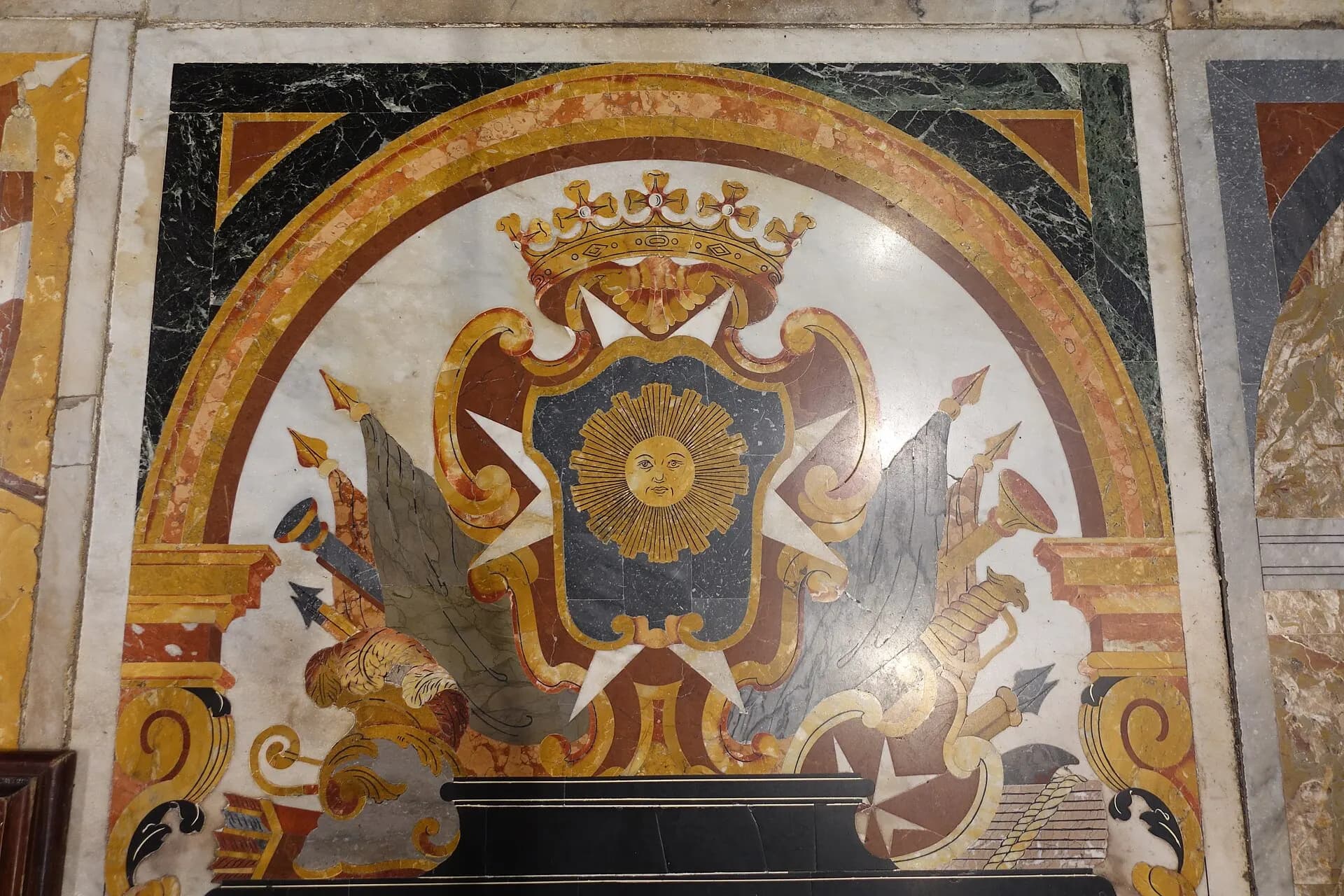
The Knights' conventual church, plain outside but dazzling inside, with gilded walls, a painted vault and a floor of inlaid marble tombstones of the knights. Its oratory holds Caravaggio's The Beheading of St John the Baptist, his largest painting and the only one he signed.
TipShoulders and knees must be covered, and stiletto heels aren't allowed, to protect the floor.
- 2
The Upper Barrakka Gardens
Photo: Txllxt TxllxT, CC BY-SA 4.0, via Wikimedia Commons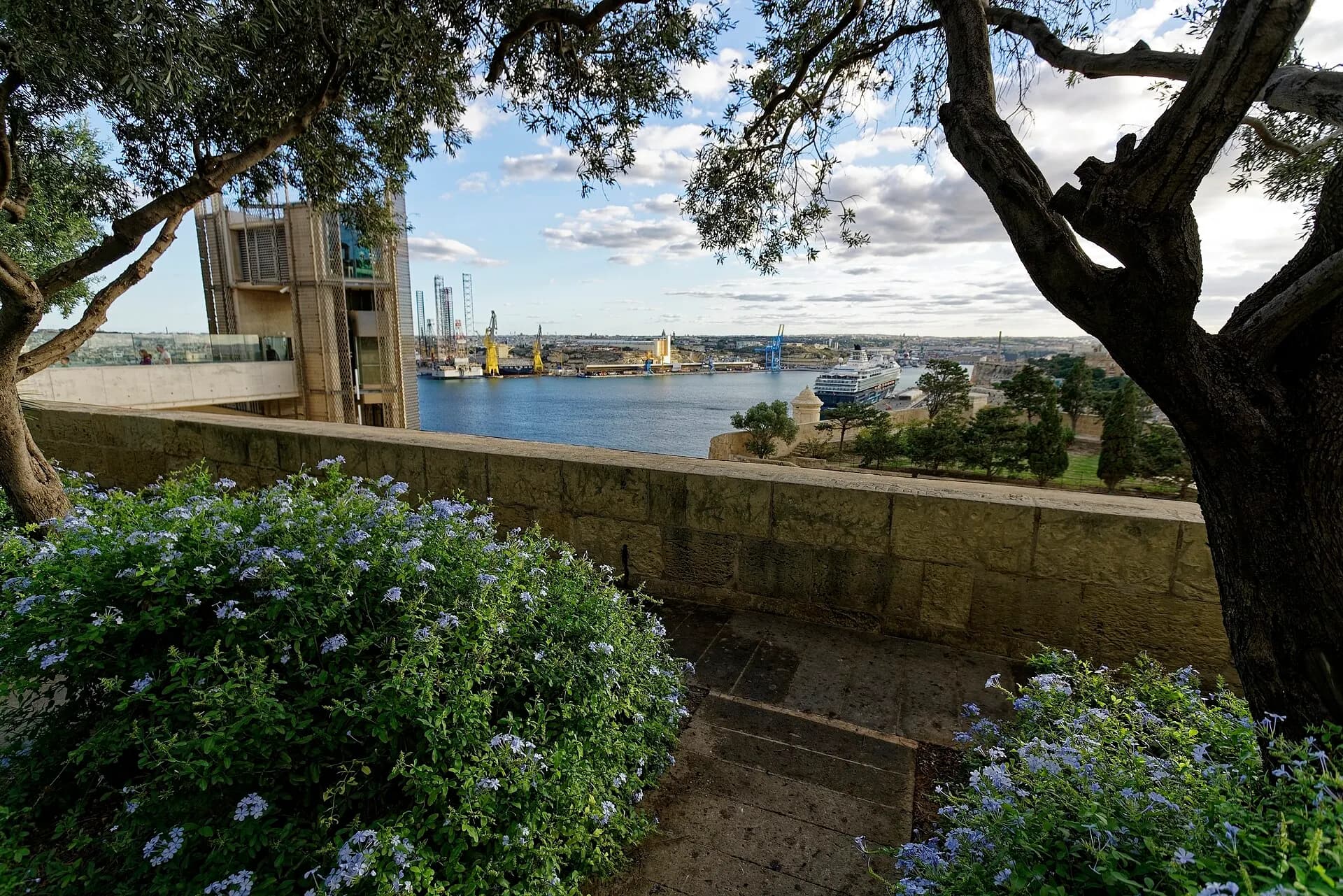
Arcaded gardens on the city's bastions with a breathtaking view over the Grand Harbour to the fortified Three Cities. Below, at the Saluting Battery, a cannon is fired at noon and at four in the afternoon. A lift runs down to the waterfront.
- 3
The Grand Master's Palace
Photo: Simon Burchell, CC BY-SA 4.0, via Wikimedia Commons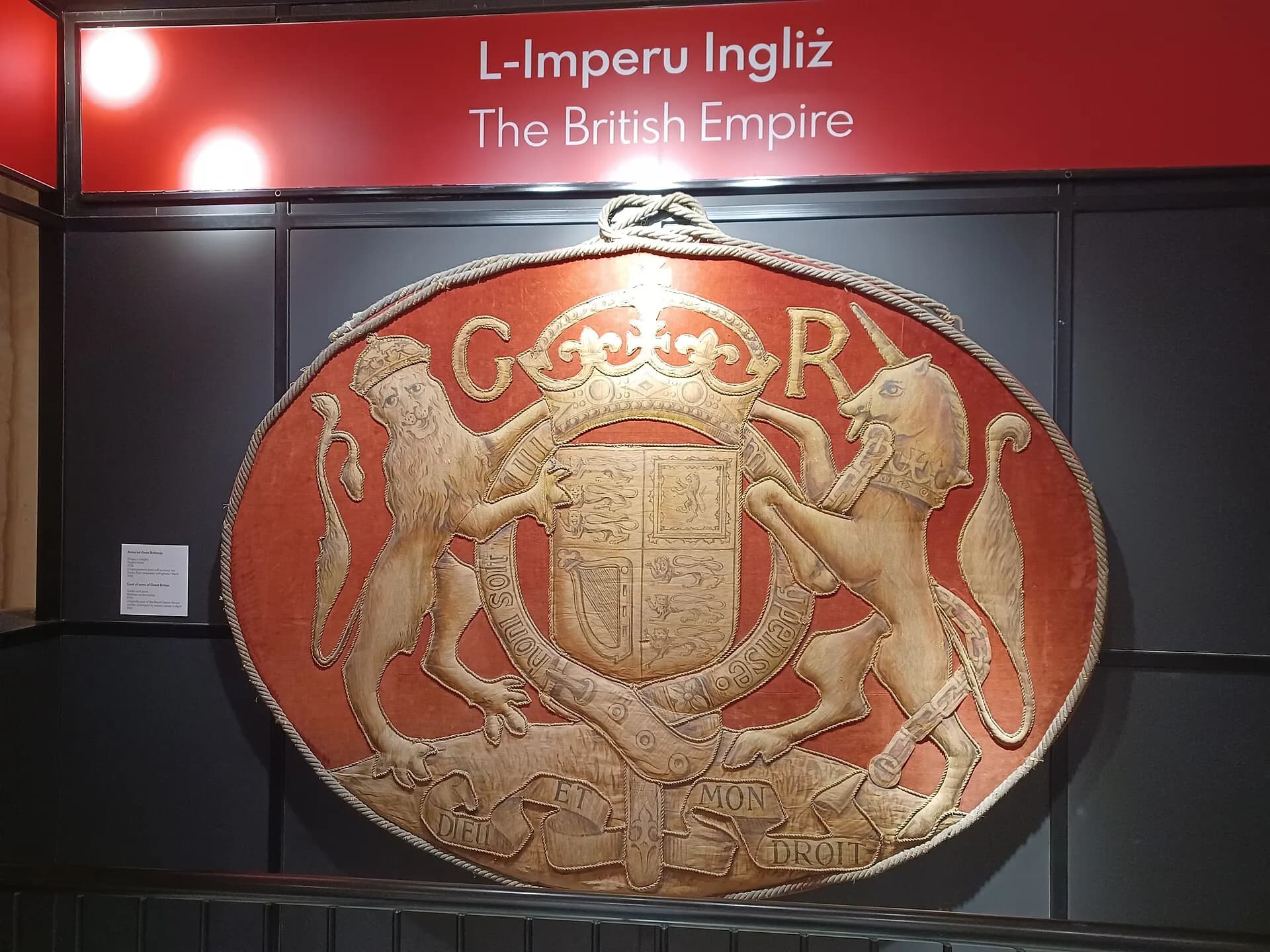
The former palace of the Grand Masters of the Order, with state rooms decorated with frescoes of the Great Siege and a remarkable armoury of weapons and armour.
- 4
Fort St Elmo and the National War Museum
Photo: Diego Delso, CC BY-SA 4.0, via Wikimedia Commons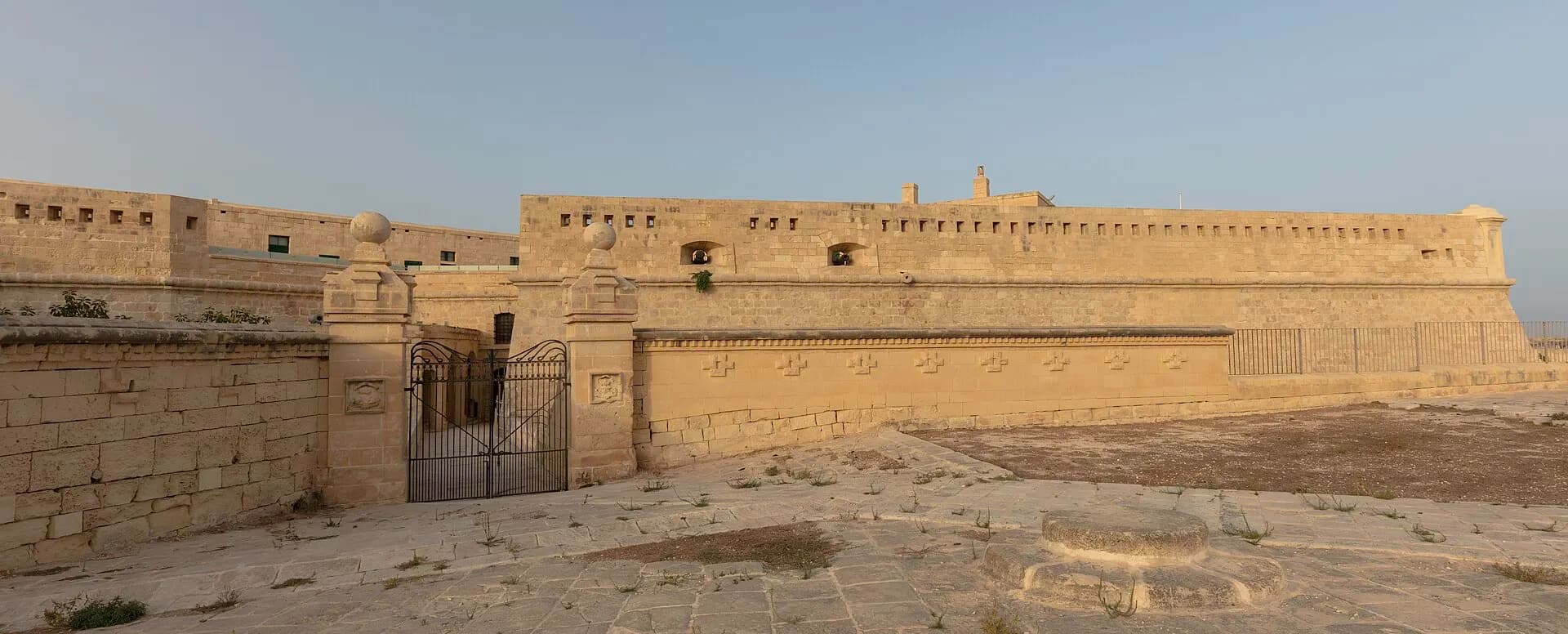
The star-shaped fort at the tip of the peninsula, which held out for weeks during the Great Siege, now houses the National War Museum, telling Malta's military history from prehistory to the Second World War, when the island was heavily bombed and awarded the George Cross.
- 5
The Three Cities
Photo: Marie-Lan Nguyen, CC BY 2.5, via Wikimedia Commons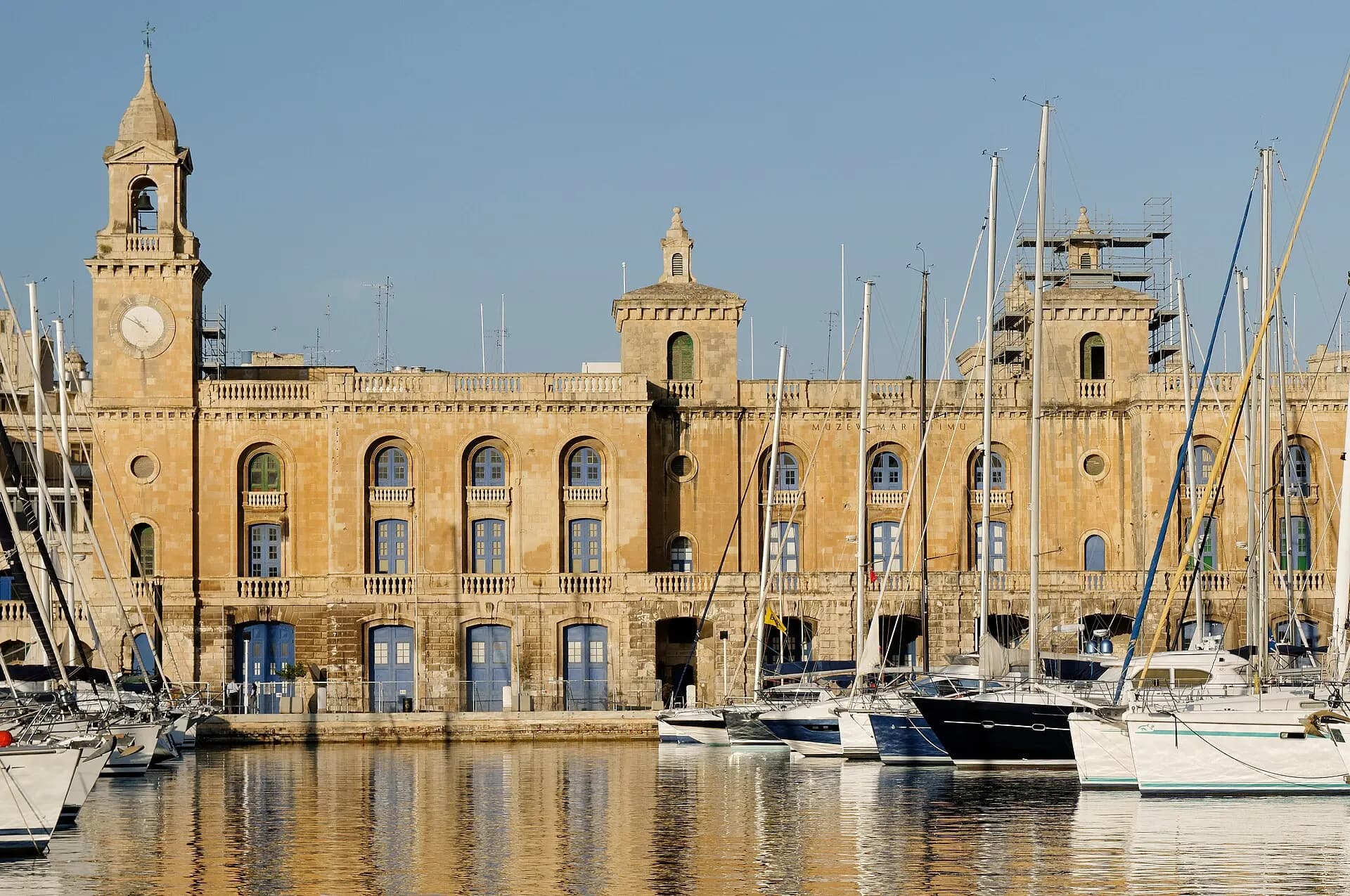
Across the Grand Harbour, the fortified towns of Birgu, Senglea and Cospicua, the Knights' first home, reached by a short ferry or a traditional dgħajsa boat. Explore the quiet streets of Birgu and Fort St Angelo.
- 6
Mdina
Photo: Diego Delso, CC BY-SA 4.0, via Wikimedia Commons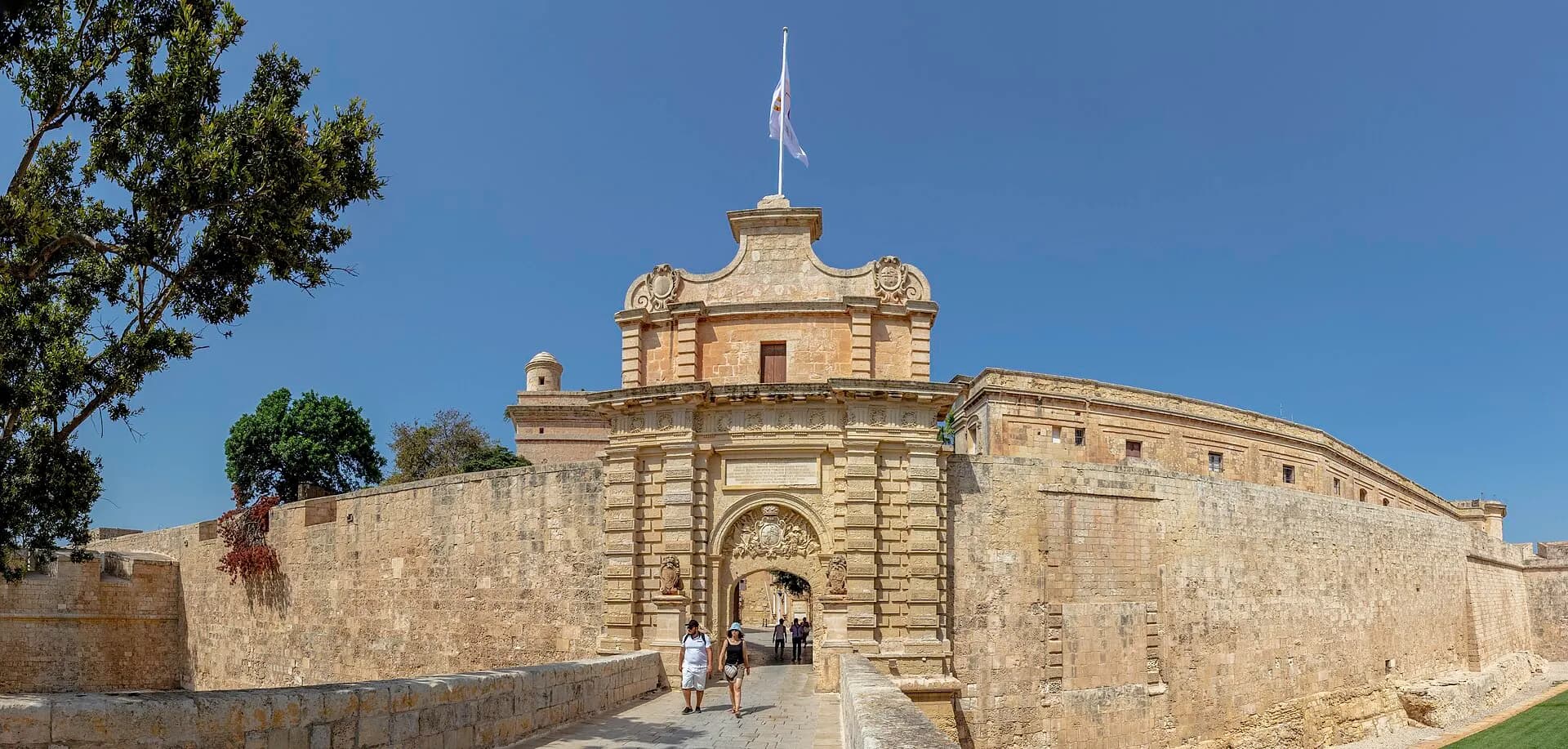
The old walled capital on a hilltop in the centre of the island, known as the Silent City, with narrow streets, palaces and a cathedral, and views over the island from its bastions. The neighbouring town of Rabat has catacombs from the Roman era.
- 7
The Ħal Saflieni Hypogeum
Photo: Ethan Doyle White, CC BY-SA 4.0, via Wikimedia Commons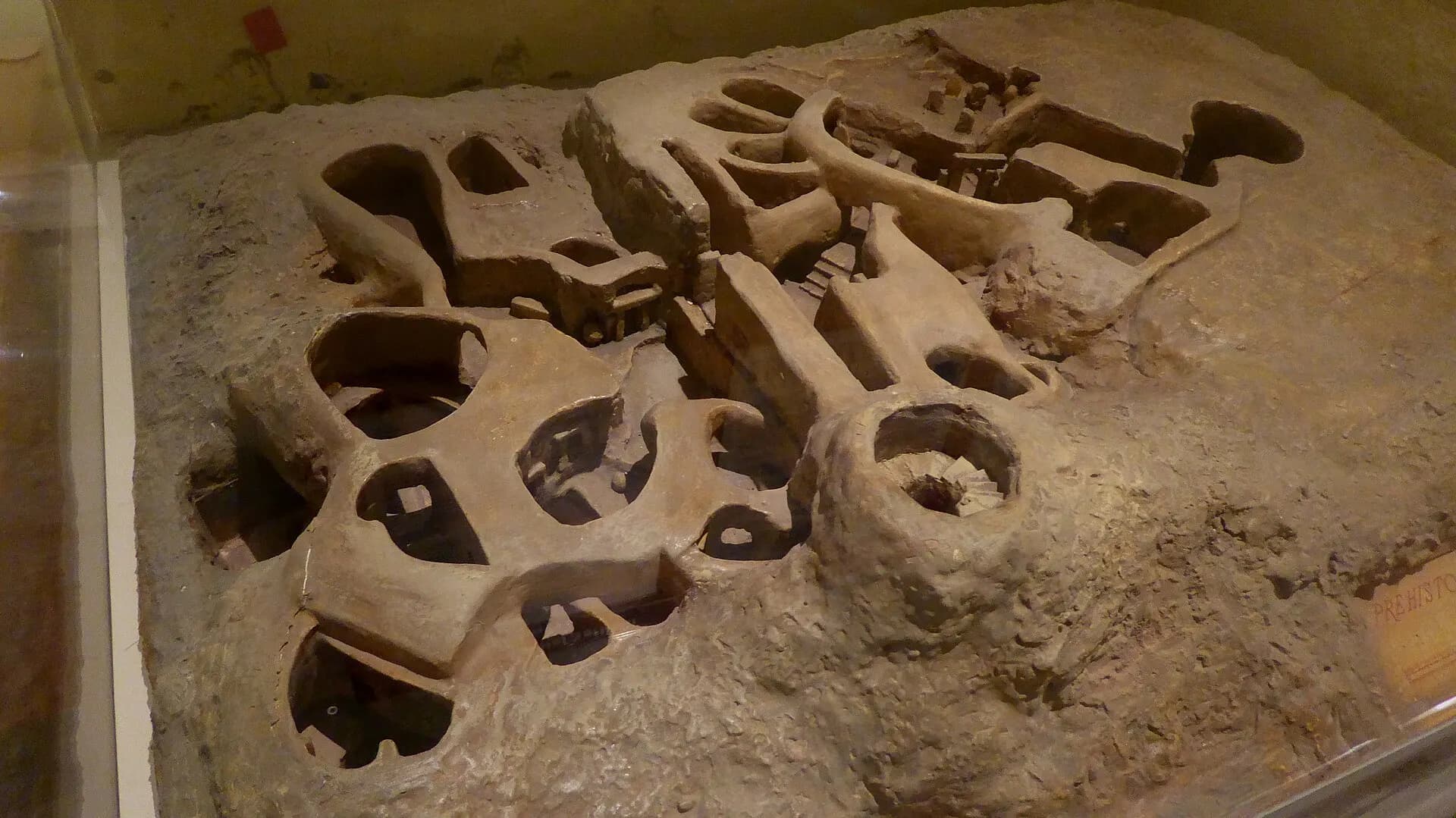
An underground complex of chambers carved into the rock around five thousand years ago, used as a sanctuary and burial site, unique in the world.
TipVisitor numbers are strictly limited; book weeks or months in advance.
- 8
The Blue Grotto
Photo: Berthold Werner, CC BY-SA 3.0, via Wikimedia Commons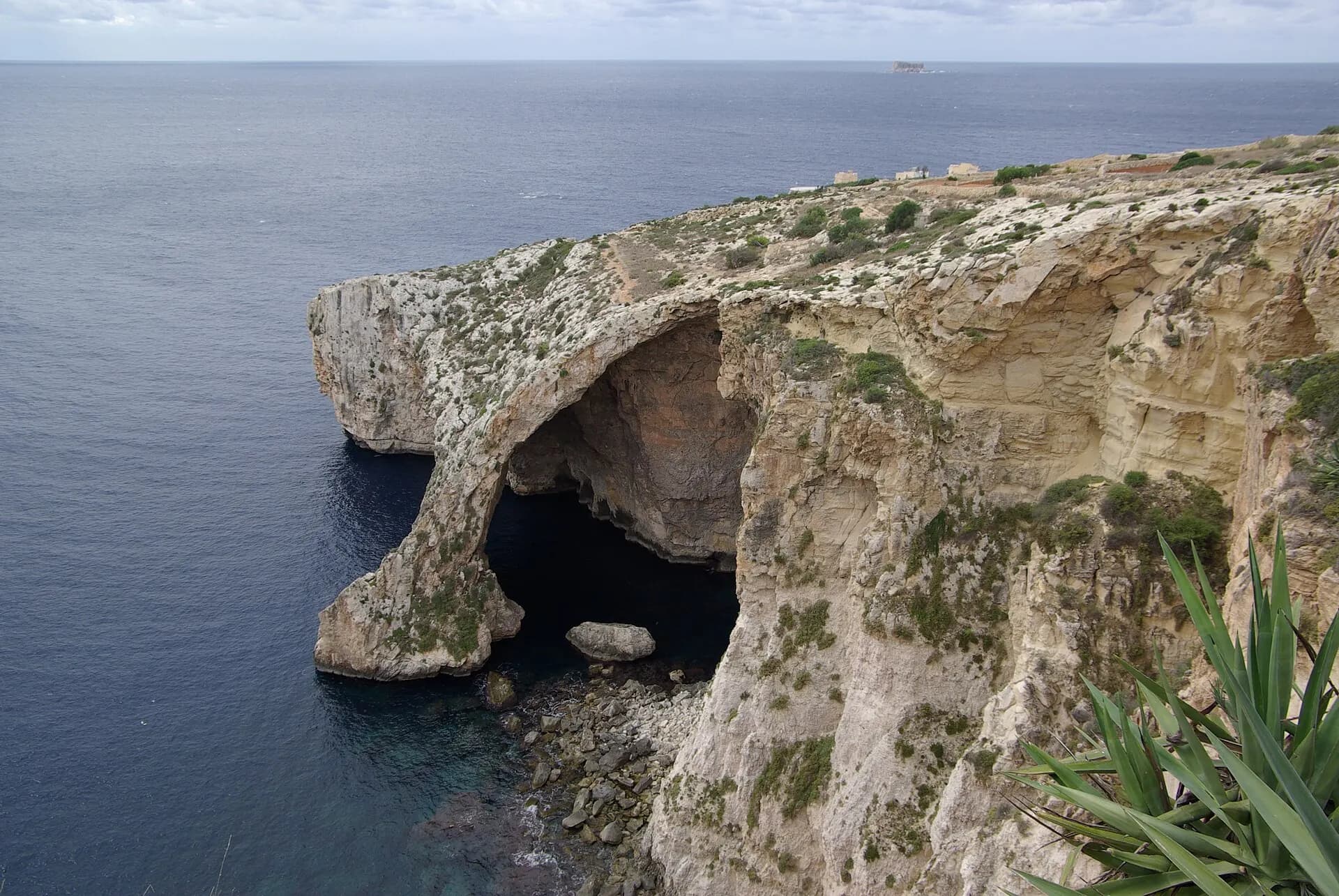
Sea caves on the south coast, where small boats enter caverns lit by water of an intense blue, best on calm mornings.
- 9
Gozo and Comino
Photo: Diego Delso, CC BY-SA 4.0, via Wikimedia Commons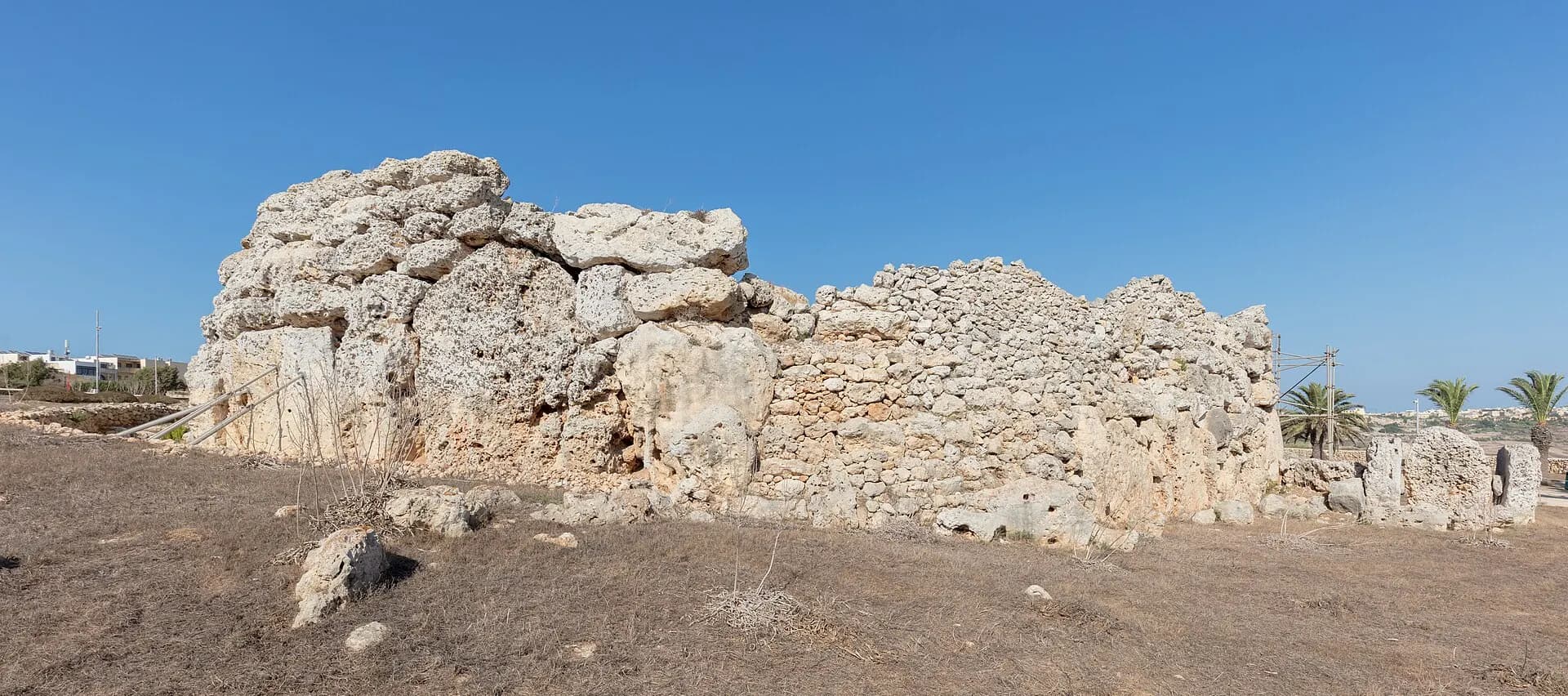
Gozo, Malta's greener, quieter sister island, a short ferry ride away, has the Ġgantija temples, among the oldest free-standing structures in the world, the citadel of Victoria and dramatic coastline. Tiny Comino, between the two, is known for the Blue Lagoon.
When to go
Spring and autumn are ideal, with warm weather and a swimmable sea. Summer is hot, dry and busy. Winters are mild, though windy and sometimes rainy. Festas, village feasts with fireworks and processions, take place across the islands in summer, and Carnival brings parades to Valletta in February.
Getting around
Valletta is compact and best explored on foot, though some streets are steep stairs. Buses run from the Valletta terminus to the whole island, and ferries cross to Sliema, the Three Cities and Gozo. Traffic drives on the left. Malta International Airport is about twenty minutes from the city.
Local tips
- Malta uses the euro; English is an official language.
- Dress modestly to visit churches.
- Book the Hypogeum and popular boat trips well ahead.
- Carry water in summer; there's little shade in the streets.
- Use the ferries to avoid traffic around the harbours.
- Many museums are closed on certain public holidays; check opening times.
- A Heritage Malta pass covers many sites and saves money.
- Ferries to Sliema and the Three Cities avoid traffic and give great harbour views.
Eat and drink
Try pastizzi, flaky pastries filled with ricotta or peas, sold at bars everywhere; ftira, a Maltese bread with fillings; stuffat tal-fenek, rabbit stew, the national dish; and fresh fish such as lampuki in autumn. Drink Kinnie, a bittersweet orange soft drink, or Cisk lager, and try local wines.
Where to stay
Valletta has boutique hotels in historic palazzos, quiet in the evening once day visitors leave. Sliema and St Julian's, across Marsamxett Harbour, have larger hotels, seafront promenades and nightlife, a short ferry ride away.
Malta's prehistoric temples
Malta has some of the oldest free-standing stone buildings in the world, built more than five thousand years ago, before the pyramids of Egypt. Ħaġar Qim and Mnajdra, on the south coast, stand on a clifftop above the sea, with chambers aligned to the sun at the solstices and equinoxes; Tarxien, near the Hypogeum, has carved spirals and animals. Together with Ġgantija on Gozo, they form a World Heritage Site.
Swimming and the coast
Malta has few sandy beaches, but its rocky coastline is perfect for swimming, with clear water and ladders down from the rocks. Popular spots include St Peter's Pool, a natural rock pool near Marsaxlokk, the sandy bays of Golden Bay and Għajn Tuffieħa in the north-west, and the Blue Lagoon on Comino, which is very crowded in summer; go early or late. Diving is excellent, with wrecks, caves and reefs.
Marsaxlokk
A fishing village in the south-east, with brightly painted traditional boats called luzzu in its harbour, each with an eye painted on the bow, and a Sunday fish market.