Madagascar
An island continent of lemurs, baobabs and limestone forests, where most of the wildlife lives nowhere else on earth.
- Best time to go
- April to November, the dry season
- Local time
- –
- Currency
- Malagasy Ariary (MGA)
- Reading time
- 4 min
- Language
- French and Malagasy

Madagascar, the world's fourth-largest island, split from the African and Indian landmasses tens of millions of years ago, and its plants and animals evolved in isolation. The result is a natural world found nowhere else: more than a hundred species of lemur, chameleons, baobab trees, spiny forests and orchids, most of them endemic. Its people, the Malagasy, descend from settlers who came across the Indian Ocean from Borneo as well as from Africa, giving the island a unique culture and language.
It's a challenging place to travel: distances are long, roads are often poor, and much of the population lives in poverty. But for wildlife and landscapes, few destinations compare. Plan carefully, focus on a few regions, and allow plenty of time.
The top 9 in Madagascar
- 1
The Avenue of the Baobabs
Photo: Cactus0625, CC BY-SA 4.0, via Wikimedia Commons
A dirt road near Morondava on the west coast lined with giant Grandidier's baobabs, some estimated to be hundreds of years old, rising thirty metres above the rice paddies. It's spectacular at sunset and sunrise.
- 2
Andasibe-Mantadia National Park
Photo: Heinonlein, CC BY-SA 4.0, via Wikimedia Commons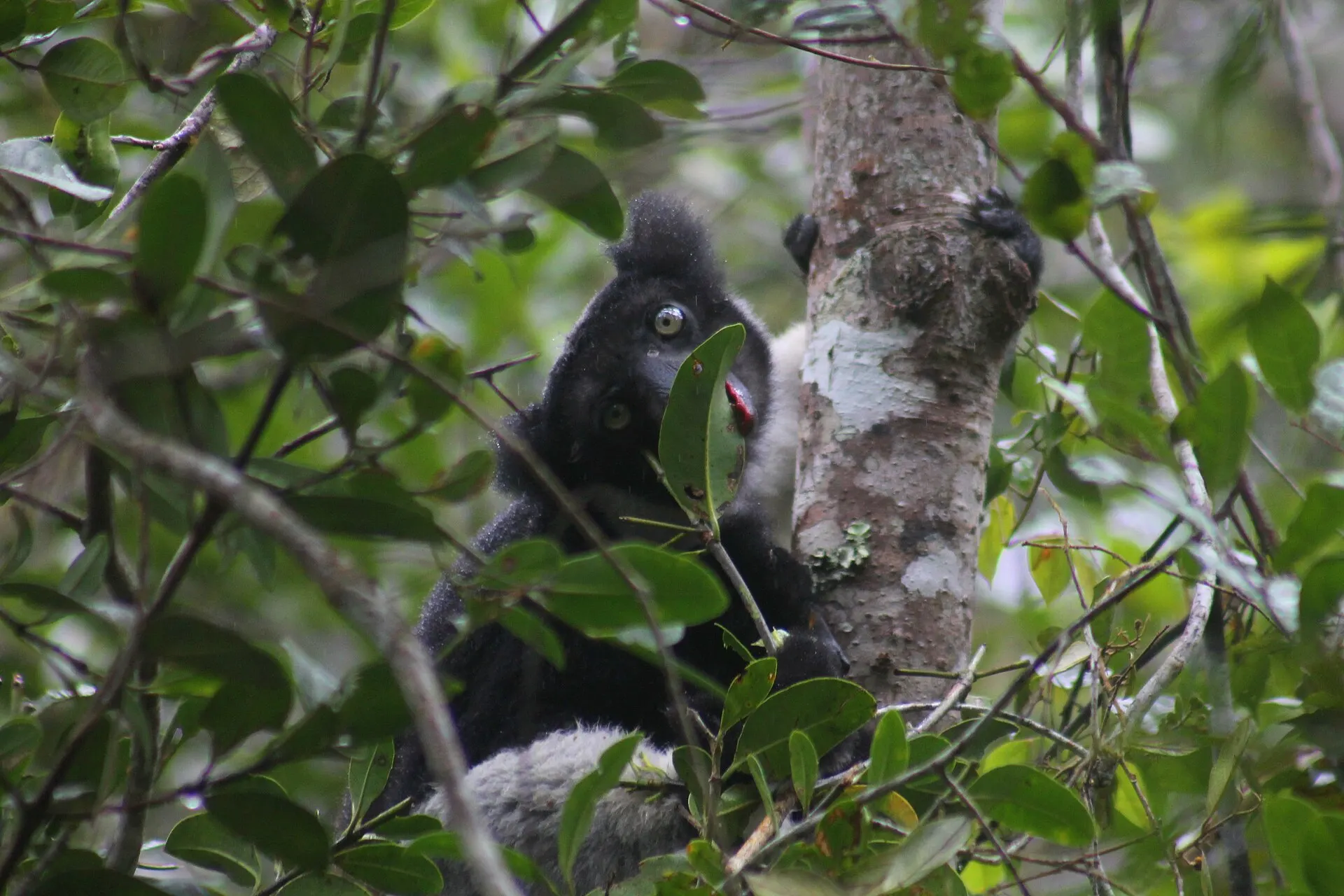
A rainforest about three hours east of the capital, home to the indri, the largest living lemur, whose haunting wailing calls echo through the forest each morning. Guided walks, including at night, reveal chameleons, frogs and other lemurs.
TipGo out early in the morning to hear the indris sing.
- 3
Tsingy de Bemaraha
Photo: Cactus0625, CC BY-SA 4.0, via Wikimedia Commons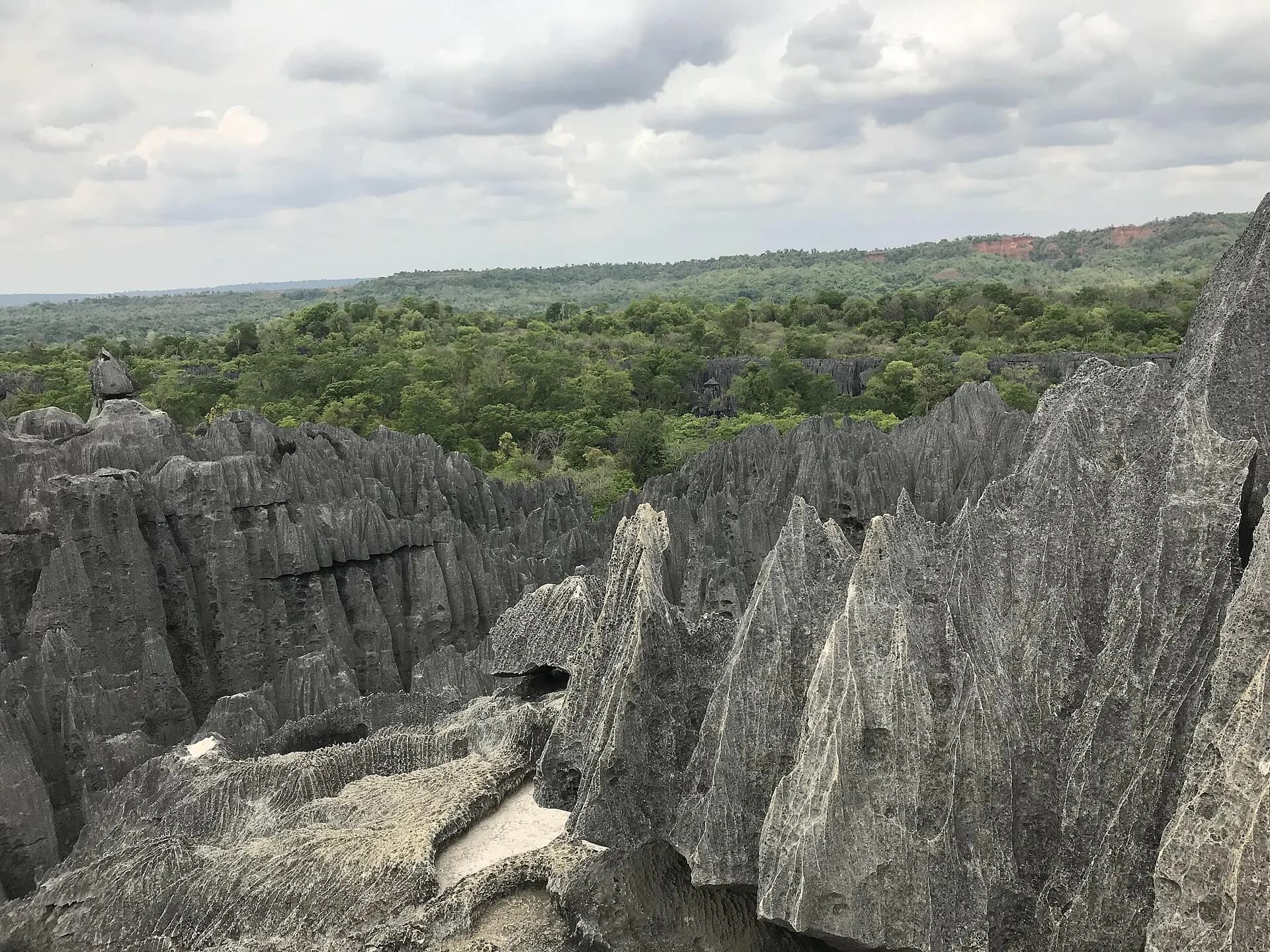
A World Heritage Site in the west, famous for its tsingy, a forest of razor-sharp limestone pinnacles, crossed by suspension bridges and via ferrata routes, with lemurs and unique plants in the canyons between.
TipThe park is usually only accessible in the dry season, from about April to November, and the road is long and rough.
- 4
Ranomafana National Park
Photo: Charles J. Sharp, CC BY-SA 4.0, via Wikimedia Commons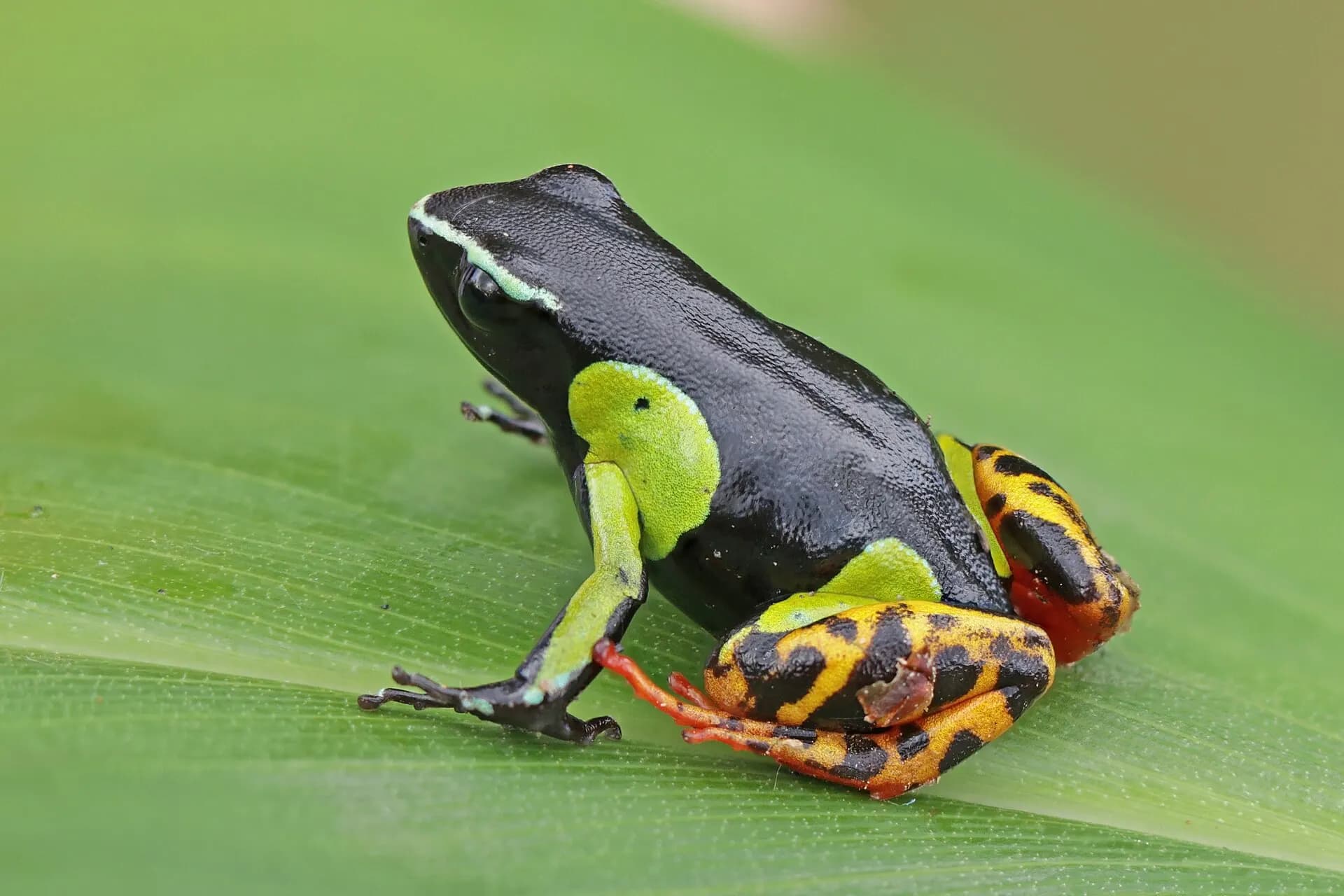
A mountainous rainforest in the south-east, home to the golden bamboo lemur, discovered only in 1986, as well as many other lemurs, frogs and chameleons, with hot springs in the village.
- 5
Isalo National Park
Photo: Bernard Gagnon, CC BY-SA 3.0, via Wikimedia Commons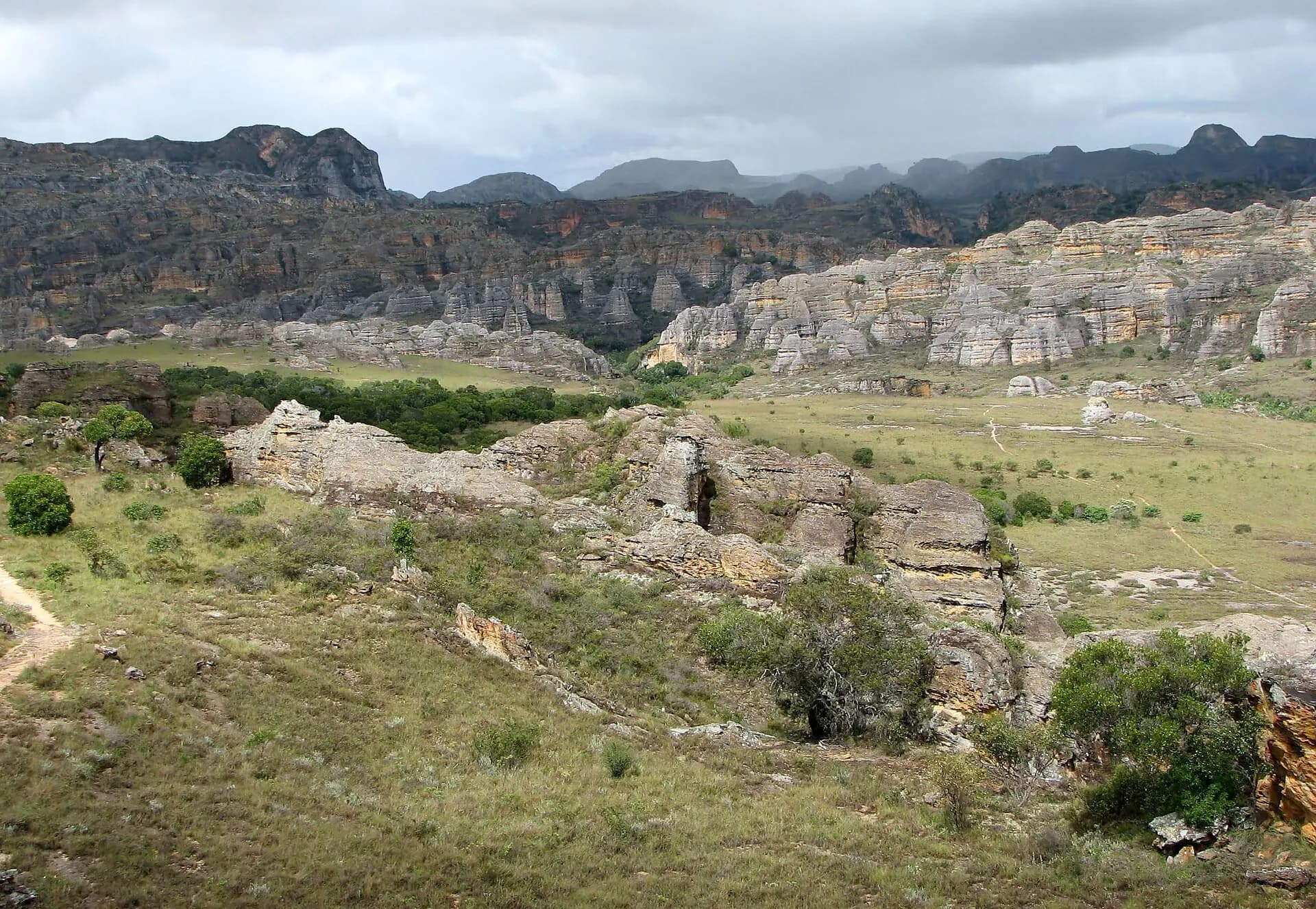
A landscape of sandstone massifs, canyons and grasslands in the south, with natural swimming pools in oases, hiking trails and ring-tailed lemurs.
- 6
Nosy Be
An island off the north-west coast, Madagascar's main beach destination, with beaches, coral reefs, ylang-ylang plantations and boat trips to nearby islands; whale sharks visit in season.
- 7
Antananarivo
Photo: Bernard Gagnon, CC BY-SA 3.0, via Wikimedia Commons
The capital, built on hills in the central highlands, with the Rova, the queen's palace on the highest hill, colourful markets and a lively, chaotic atmosphere.
- 8
Île Sainte-Marie
Photo: Anai171, CC BY-SA 4.0, via Wikimedia Commons
An island off the east coast with palm-lined beaches, a pirate cemetery, and humpback whales that come to breed between July and September.
- 9
The Tsingy Rouge and Ankarana
In the north, near Diego Suarez, the Tsingy Rouge are eroded red sandstone pinnacles, and Ankarana National Park has limestone tsingy, caves and crowned lemurs.
When to go
The dry season, from April to November, is the best time to travel, with cooler temperatures and accessible roads. September to November is good for wildlife, as lemurs have young and jacarandas bloom. The rainy season, from December to March, brings heavy rain and cyclones, especially on the east coast, and many roads and parks become inaccessible.
Getting around
Distances are huge and roads often poor, so many visitors hire a car with a driver-guide, the most practical way to travel. Domestic flights save time on long routes, but schedules can change. Taxi-brousses, shared minibuses, are cheap but slow and uncomfortable. Ivato International Airport serves Antananarivo.
Local tips
- Check visa requirements; many visitors can apply for an e-visa online or obtain a visa on arrival.
- Take medical advice on malaria and vaccinations before travelling.
- Hire licensed local guides in national parks; it's compulsory and supports communities.
- Respect fady, local taboos that vary by region, and ask your guide about them.
- Carry cash in ariary; cards are rarely accepted outside hotels.
- Avoid travelling by road at night.
Eat and drink
Malagasy food is based on rice, eaten at almost every meal, with dishes such as romazava, a beef and greens stew; ravitoto, pounded cassava leaves with pork; and zebu meat, from the humped cattle seen everywhere. Coastal areas offer excellent seafood. Madagascar produces some of the world's finest vanilla, as well as cloves, cacao and coffee, and local rum is often infused with vanilla and fruit.
Where to stay
Accommodation ranges from simple bungalows near national parks to comfortable lodges and beach resorts on Nosy Be and Île Sainte-Marie. In Antananarivo, hotels are often used as a base at the start and end of a trip.
Planning an itinerary
Two to three weeks allows a classic route: the RN7 road south from Antananarivo through the highlands to Ranomafana, Isalo and the coast at Tuléar, combined with Andasibe in the east, or a flight to Morondava for the baobabs and the Tsingy. Choose a region rather than trying to see everything.
Lemurs and other wildlife
Lemurs are found naturally only in Madagascar, and they range from the tiny mouse lemurs, among the smallest primates in the world, to the indri, which can weigh around nine kilograms. Ring-tailed lemurs live in the drier south, sifakas "dance" sideways across open ground in the west and south, and the strange aye-aye, with its long, thin middle finger, forages at night. Many species are endangered by deforestation, and seeing them in the wild with a local guide helps protect their forests. Madagascar is also home to about half the world's chameleon species, from the tiny Brookesia, no bigger than a fingertip, to the colourful panther chameleon, as well as the fossa, a cat-like predator, and an extraordinary range of frogs, geckos and birds.
Responsible travel
Tourism brings vital income to communities living around Madagascar's parks. Use licensed guides, buy crafts directly from makers, and never buy products made from endangered animals or plants, such as tortoise shells or rare orchids. Leave wildlife undisturbed: don't feed lemurs or handle chameleons.