Antigua Guatemala
A colonial city of cobbled streets and ruined baroque churches beneath three volcanoes, one of them smoking.
- Best time to go
- November to April, the dry season; Semana Santa for the processions
- Local time
- –
- Currency
- Guatemalan Quetzal (GTQ)
- Reading time
- 4 min
- Language
- Spanish
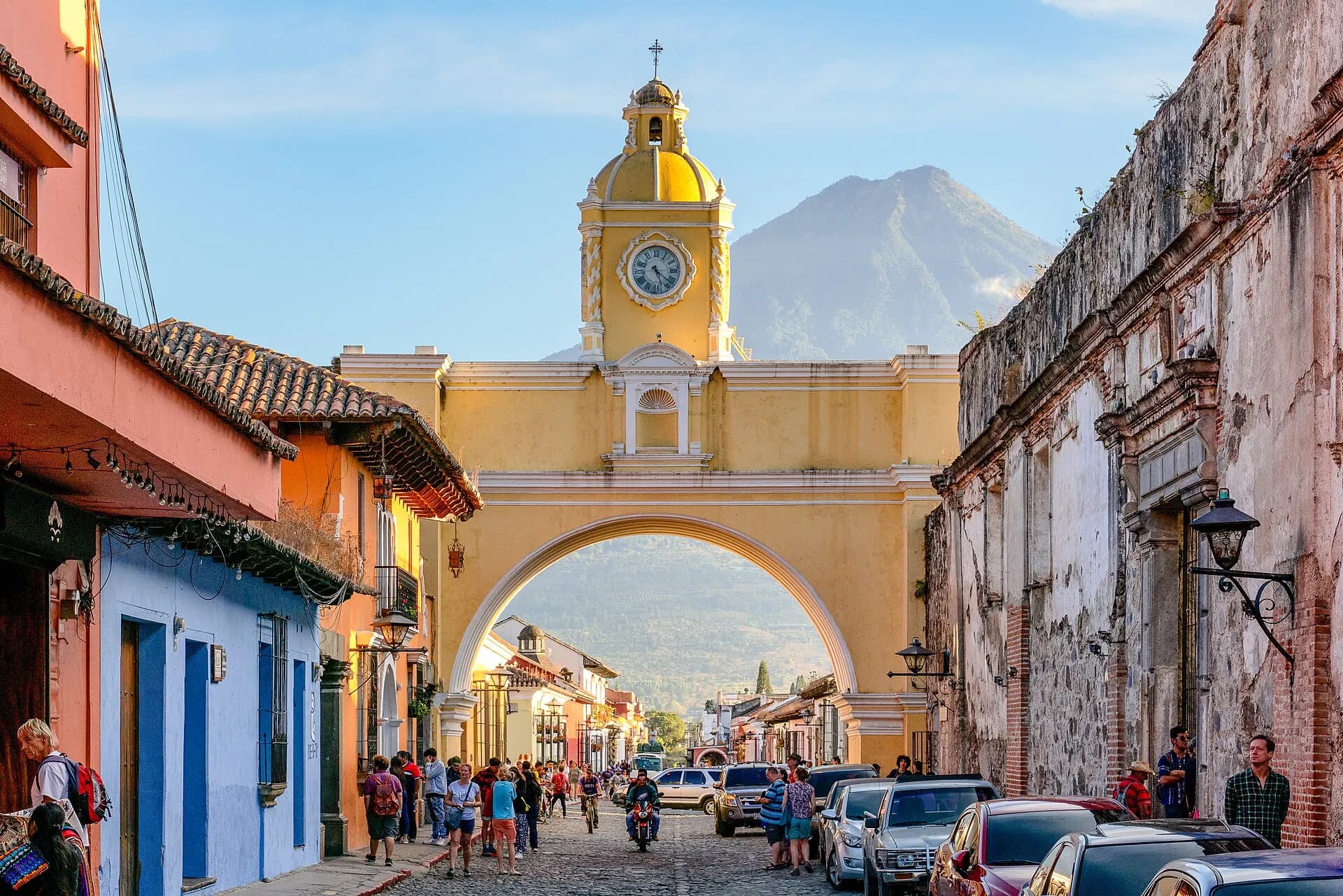
Antigua Guatemala was the capital of the Spanish colonial Kingdom of Guatemala, which stretched across much of Central America, until a series of earthquakes in 1773 destroyed much of the city and the capital moved to Guatemala City. Antigua was never fully rebuilt, and today its grid of cobbled streets, pastel houses, convents and ruined churches, set in a valley beneath the volcanoes of Agua, Fuego and Acatenango, is a World Heritage Site.
It's one of the most beautiful colonial cities in the Americas, popular with travellers and with students learning Spanish, and a base for volcano hikes, coffee farms, Maya villages and Lake Atitlán.
The top 9 in Antigua Guatemala
- 1
The Santa Catalina Arch
Photo: Erik Cleves Kristensen, CC BY 2.0, via Wikimedia Commons
A yellow arch with a clock tower, built in the seventeenth century so that nuns could cross between two parts of their convent without being seen. With Volcán de Agua behind it, it's the symbol of the city.
TipCome early in the morning for clear views of the volcano and an empty street.
- 2
- 3
La Merced Church
A church with an ornate yellow-and-white baroque façade decorated with stucco, one of the most beautiful in the city. The ruins of its monastery include a huge fountain.
- 4
Convento de las Capuchinas
Photo: Willyman, CC BY-SA 4.0, via Wikimedia Commons
The ruins of an eighteenth-century convent, with a unique circular tower of nuns' cells, cloisters and gardens, one of the best preserved of the city's religious buildings.
- 5
Cerro de la Cruz
Photo: Simon Burchell, CC BY-SA 4.0, via Wikimedia Commons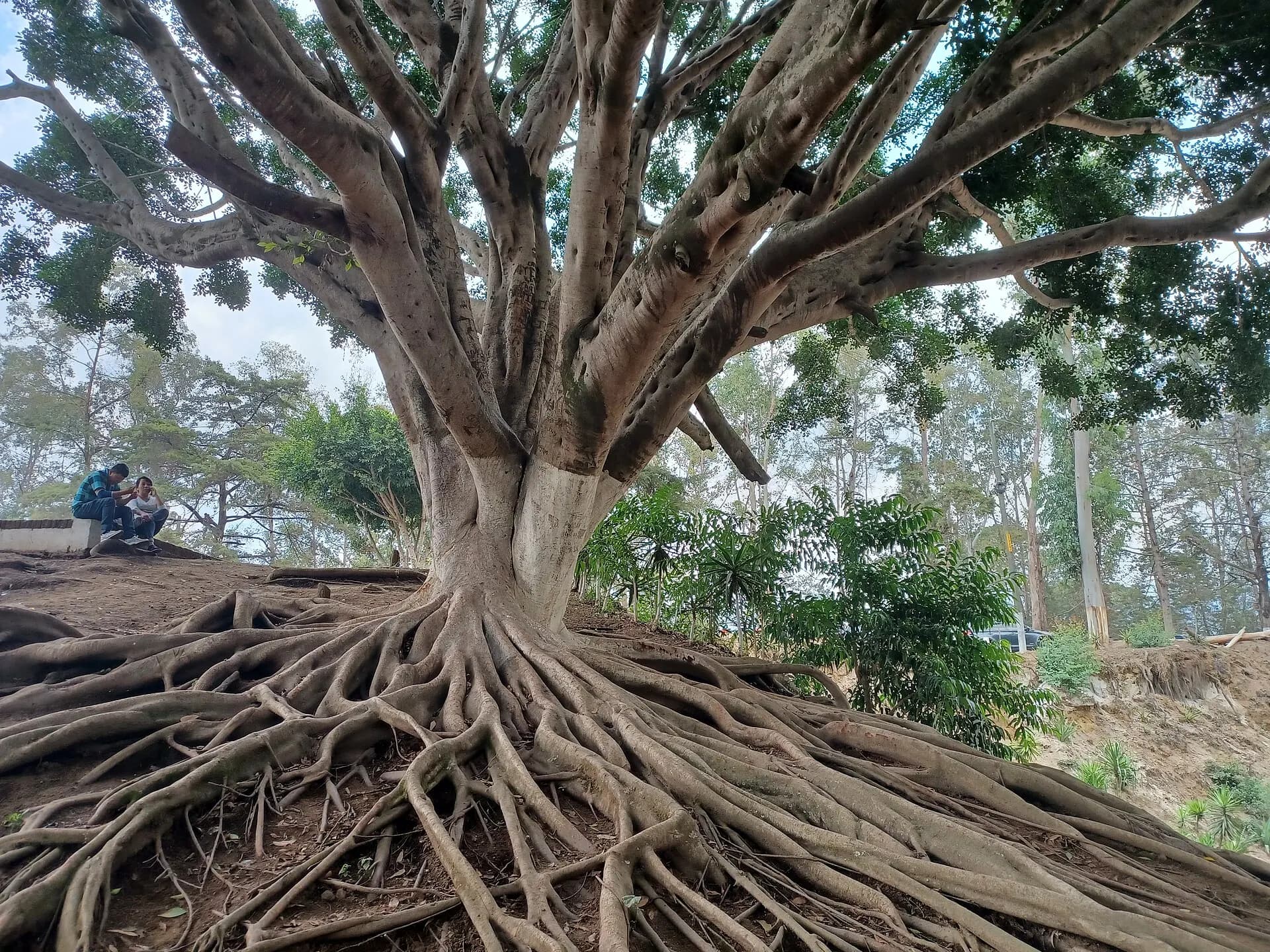
A hillside viewpoint with a large stone cross, overlooking the rooftops of Antigua and Volcán de Agua, reached by a short walk with steps.
TipGo with others or with the tourist police escort if available.
- 6
Santo Domingo
Photo: Adam Jones from Kelowna, BC, Canada, CC BY-SA 2.0, via Wikimedia Commons
The ruins of a large Dominican monastery, now part of a hotel complex with museums of colonial art, archaeology and silverwork among the ruins and gardens.
- 7
Volcán Pacaya
Photo: Christopher Crouzet, CC BY-SA 4.0, via Wikimedia Commons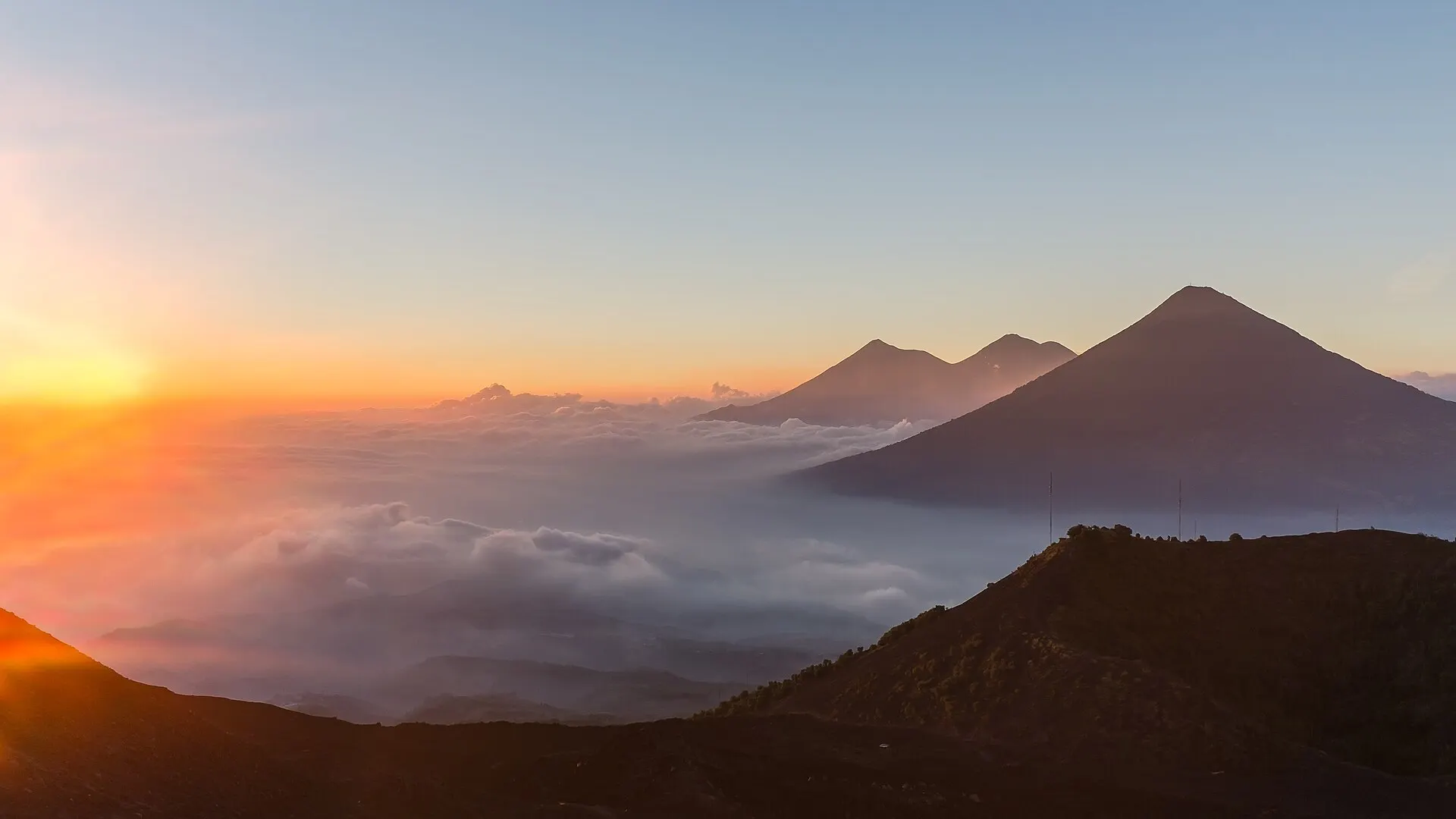
An active volcano about an hour away, with a relatively easy hike over black lava fields to a viewpoint near the summit, where guides often roast marshmallows on hot vents.
- 8
Acatenango and Volcán de Fuego
A demanding overnight hike up Acatenango, one of the highest volcanoes in Guatemala, to camp facing Volcán de Fuego, one of the world's most active volcanoes, which often erupts every few minutes, glowing red at night.
TipGo with a reputable guide, bring warm clothes for the freezing summit, and be prepared for altitude.
- 9
Coffee farms
The valley around Antigua produces some of the world's finest coffee, grown on volcanic slopes. Farm tours explain how coffee is grown, harvested and roasted, with tastings.
When to go
The dry season, from November to April, brings sunny days and cool nights. Semana Santa, the week before Easter, is the most spectacular time to visit, when residents create elaborate carpets of coloured sawdust, flowers and fruit on the streets for processions to walk over; book accommodation far in advance. The rainy season, from May to October, brings afternoon showers but green landscapes.
Getting around
Antigua is compact and walkable, though the cobblestones are uneven. Tuk-tuks and taxis cover short trips. Shuttle buses link Antigua with Guatemala City, La Aurora International Airport (about an hour away), Lake Atitlán and other destinations.
Local tips
- Wear comfortable shoes for the cobbled streets.
- Use shuttle buses or registered transport rather than the cheapest local buses.
- Carry cash in quetzales for markets and small shops.
- Drink bottled or filtered water.
- Volcano activity can change quickly; follow your guide's advice and official warnings.
- Many visitors take a week of Spanish lessons with a homestay; book through a reputable school.
Eat and drink
Try pepián, a rich spiced meat stew considered Guatemala's national dish; kak'ik, a turkey soup from the Maya highlands; tamales; and rellenitos, mashed plantain filled with sweet black beans. Antigua's cafés serve excellent local coffee, and the city has a growing number of restaurants and rooftop bars with volcano views. On Sundays, food stalls around the Parque Central and in front of La Merced sell street snacks such as tostadas, chuchitos, small tamales, and atol, a warm maize drink.
Where to stay
Antigua has many boutique hotels in colonial houses built around courtyards and gardens, as well as guesthouses and hostels. Staying within a few blocks of the Parque Central puts everything within walking distance.
Day trips
Lake Atitlán, ringed by volcanoes and Maya villages, is about two and a half to three hours away and deserves a few days of its own. Chichicastenango, in the highlands, has one of the largest markets in Central America on Thursdays and Sundays. Nearby villages such as San Antonio Aguas Calientes are known for their weaving, and Ciudad Vieja was the site of an earlier capital.
Learning Spanish
Antigua is one of the most popular places in Latin America to learn Spanish, with dozens of schools offering one-to-one lessons, often four hours a day, combined with homestays with local families. The clear accent, affordable prices and the beauty of the city make it a rewarding place to spend a week or more, and many schools organise afternoon activities, from cooking classes to volcano hikes.
Markets and crafts
The city's main market, near the bus terminal, is a lively maze of fruit, vegetables, flowers and household goods, used by local people from the surrounding villages. The Mercado de Artesanías and shops around the city sell textiles woven in the highland villages, each with its own traditional patterns and colours, as well as jade jewellery, ceramics and carved wooden masks.