Luxor
Ancient Thebes on the Nile, with the temples of Karnak and Luxor on one bank and the royal tombs on the other.
- Best time to go
- October to April, when the days are warm rather than scorching
- Local time
- –
- Currency
- Egyptian Pound (EGP)
- Reading time
- 8 min
- Language
- Arabic

Luxor stands on the site of ancient Thebes, the religious capital of Egypt at the height of the New Kingdom, more than three thousand years ago. The Nile divides it in two. On the east bank, where the sun rises and the modern city lives, are the vast temple complex of Karnak and the elegant Luxor Temple, joined by a processional road lined with sphinxes. On the west bank, towards the sunset and the desert cliffs, the pharaohs cut their tombs into the Valley of the Kings and built mortuary temples on the edge of the fields. Together they form the World Heritage Site of Ancient Thebes with its Necropolis, and there is more here than most visitors can see in a week.
The city itself is busy, hot and unapologetically commercial, with horse-drawn carriages, felucca captains and souvenir sellers all competing for your attention. Give it at least three full days: one for the east bank, one or two for the west bank, and a dawn on the river or in a balloon. Start early every day, rest through the middle hours, and come back out for the temples lit up at night.
The top 15 in Luxor
- 1
Karnak Temple Complex
Photo: Diego Delso, CC BY-SA 4.0, via Wikimedia Commons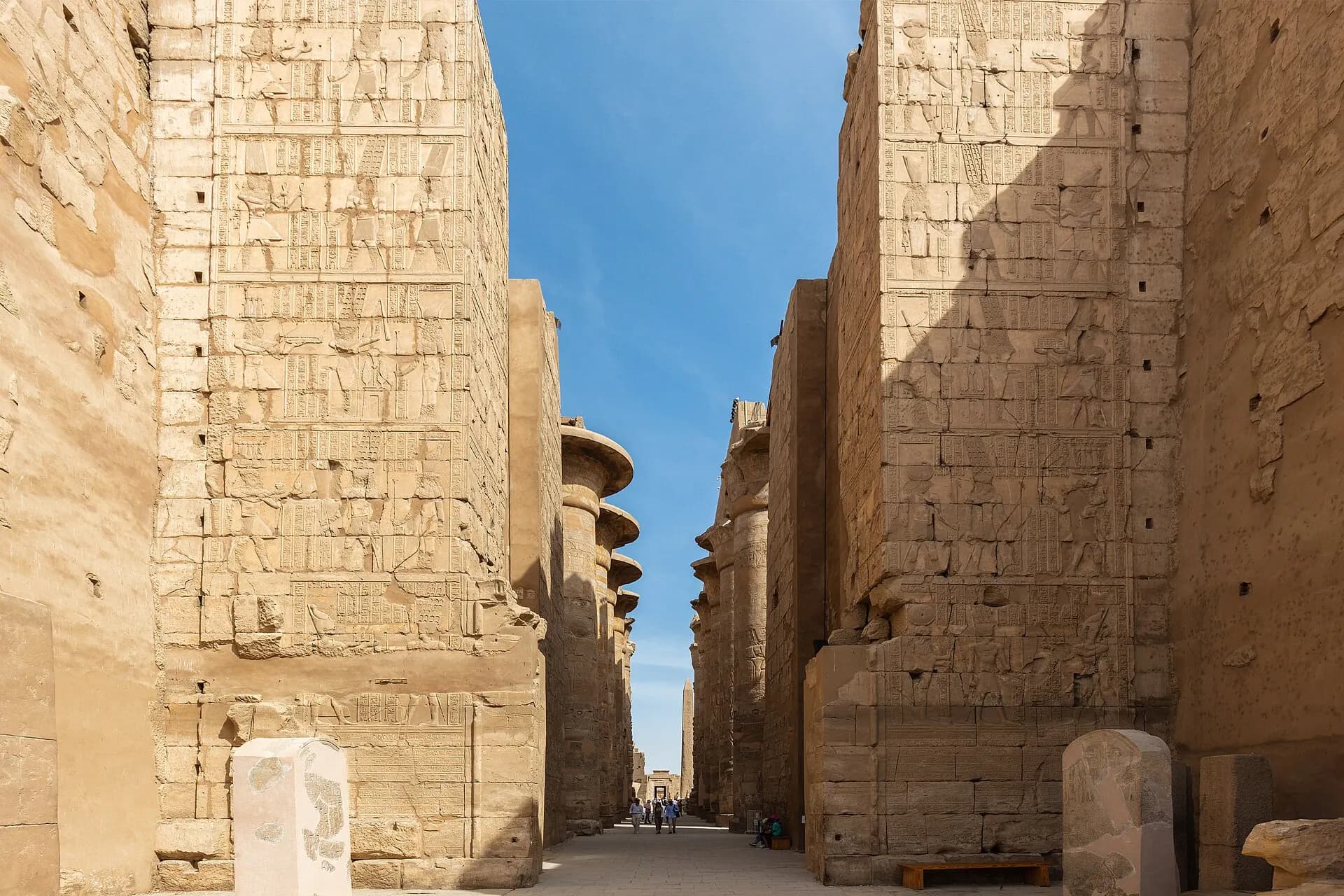
The largest religious site of the ancient world, built and rebuilt over some two thousand years and dedicated above all to the god Amun. The Great Hypostyle Hall, a forest of 134 giant papyrus columns, is the moment most people remember, but leave time for the obelisks, the sacred lake and the quieter corners beyond.
TipGo at opening time, before the tour groups and the heat arrive, and allow at least three hours.
- 2
Luxor Museum
Photo: Marsupium, CC BY 4.0, via Wikimedia Commons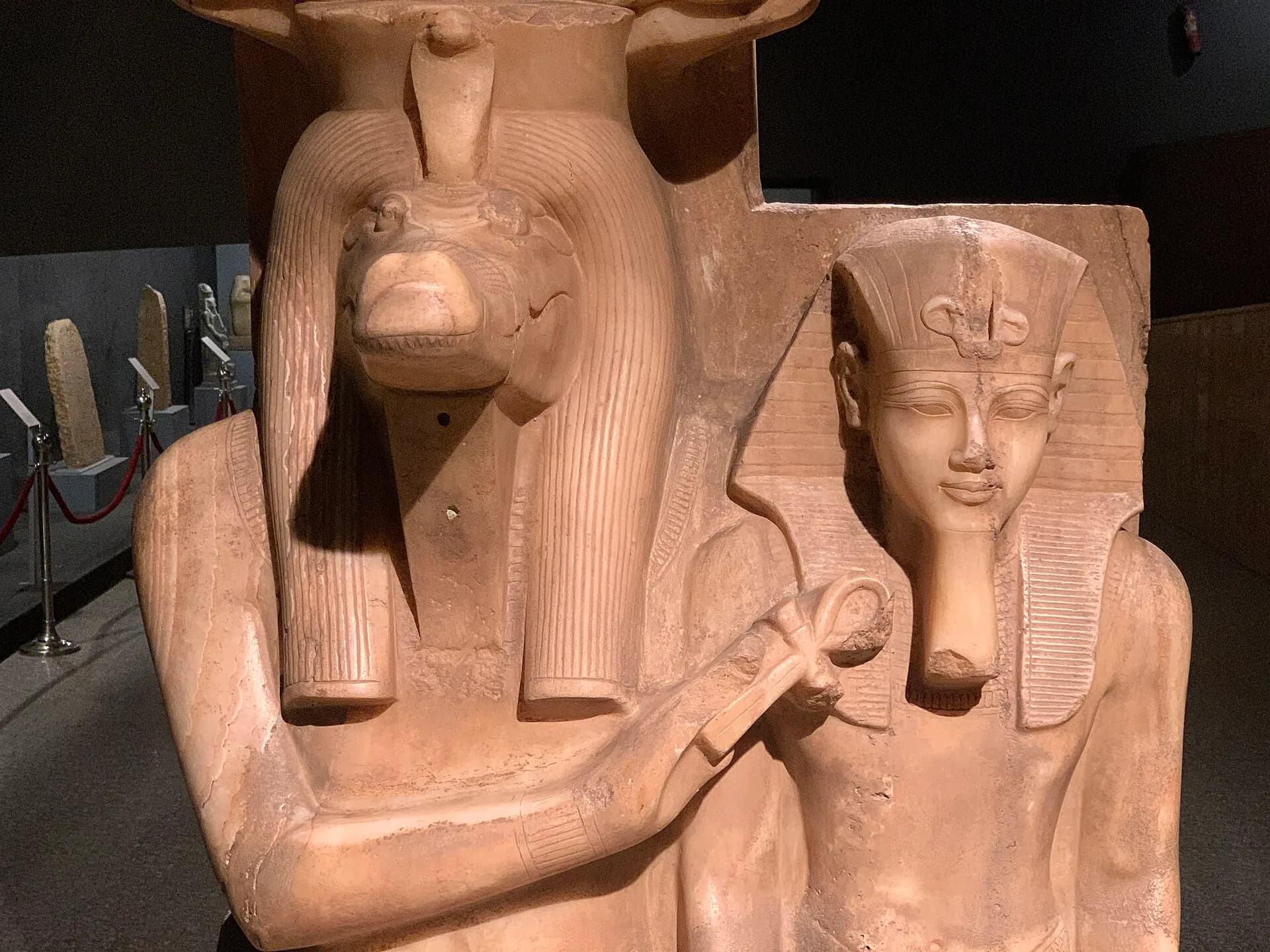
A small, beautifully lit museum on the Corniche with some of the finest sculpture in Egypt, including a cache of statues found buried under Luxor Temple in 1989 and objects from the reign of Akhenaten. It's an hour well spent before or after Karnak.
- 3
Avenue of Sphinxes
Photo: Marc Ryckaert (MJJR), CC BY 3.0, via Wikimedia Commons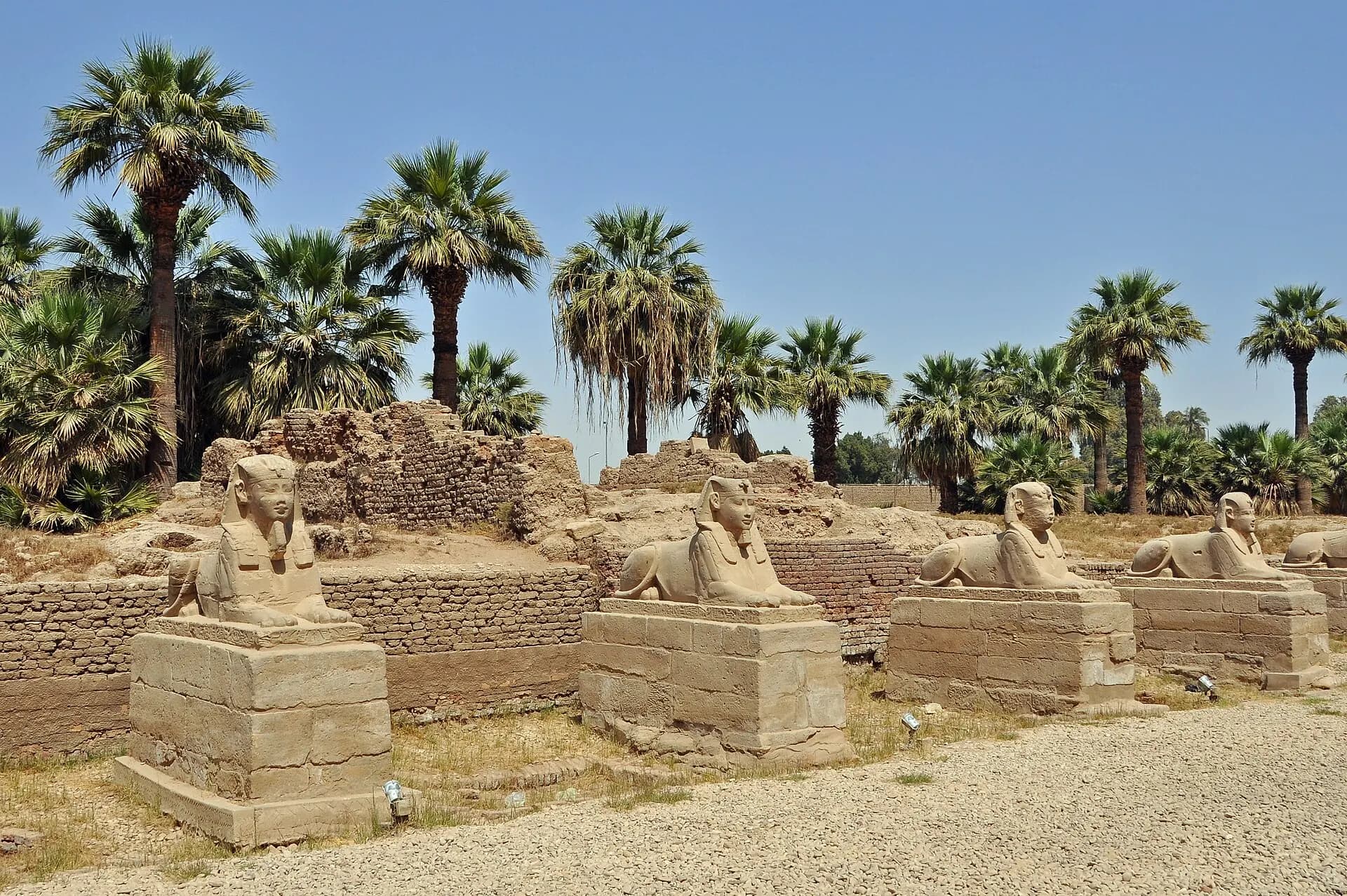
The ceremonial road of about two and a half kilometres that once linked Karnak with Luxor Temple, lined with hundreds of sphinxes and excavated over decades before it reopened with a grand parade in 2021. The stretch nearest Luxor Temple is the most complete, and it makes a fine walk in the cool of the evening.
- 4
Mummification Museum
Photo: Menna.Hassan100, CC BY-SA 4.0, via Wikimedia Commons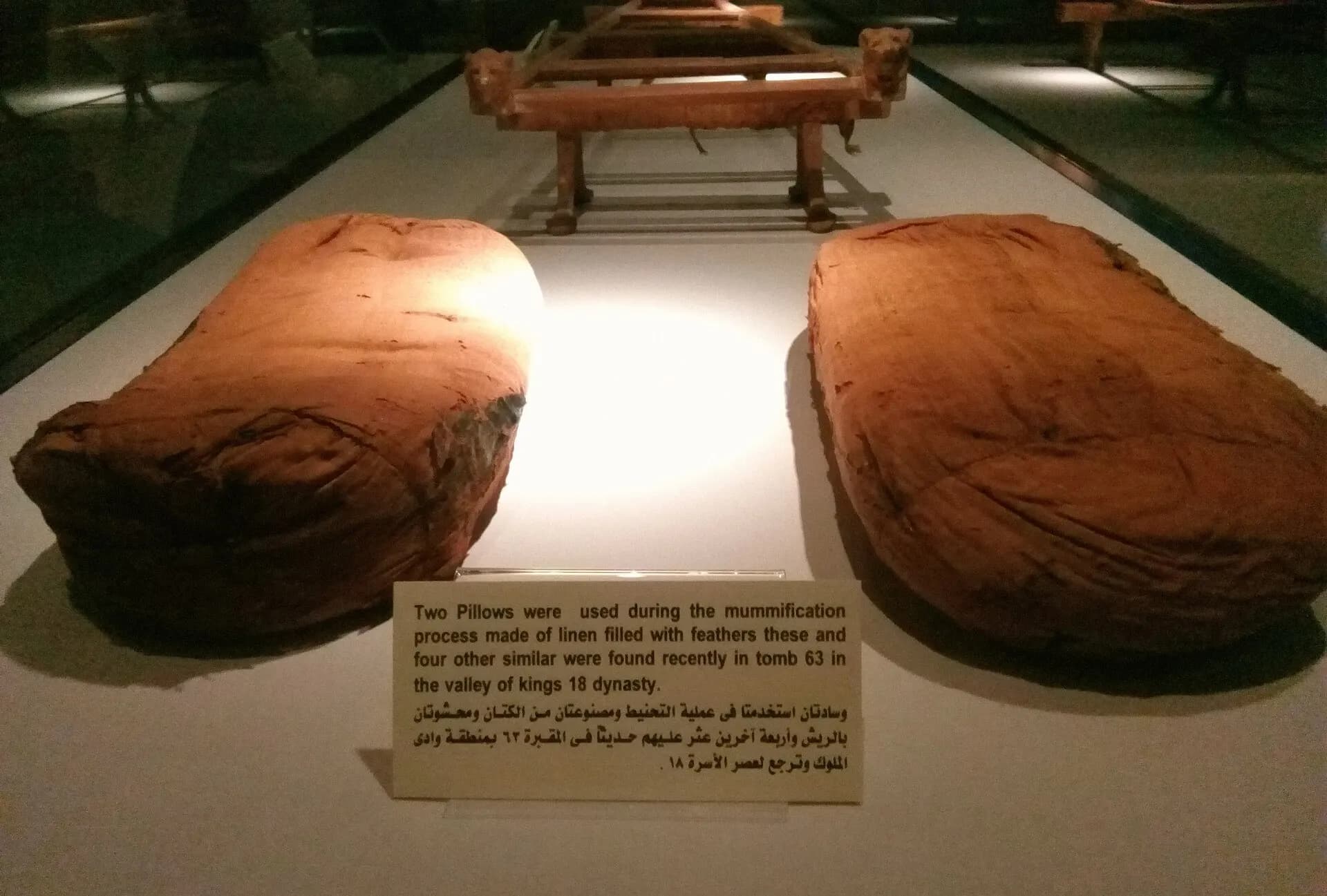
A compact museum on the riverfront explaining how the ancient Egyptians embalmed their dead, with tools, canopic jars and mummified animals, including a crocodile and a cat. It helps make sense of the tombs across the river.
- 5
Luxor Temple
Photo: Vyacheslav Argenberg, CC BY 4.0, via Wikimedia Commons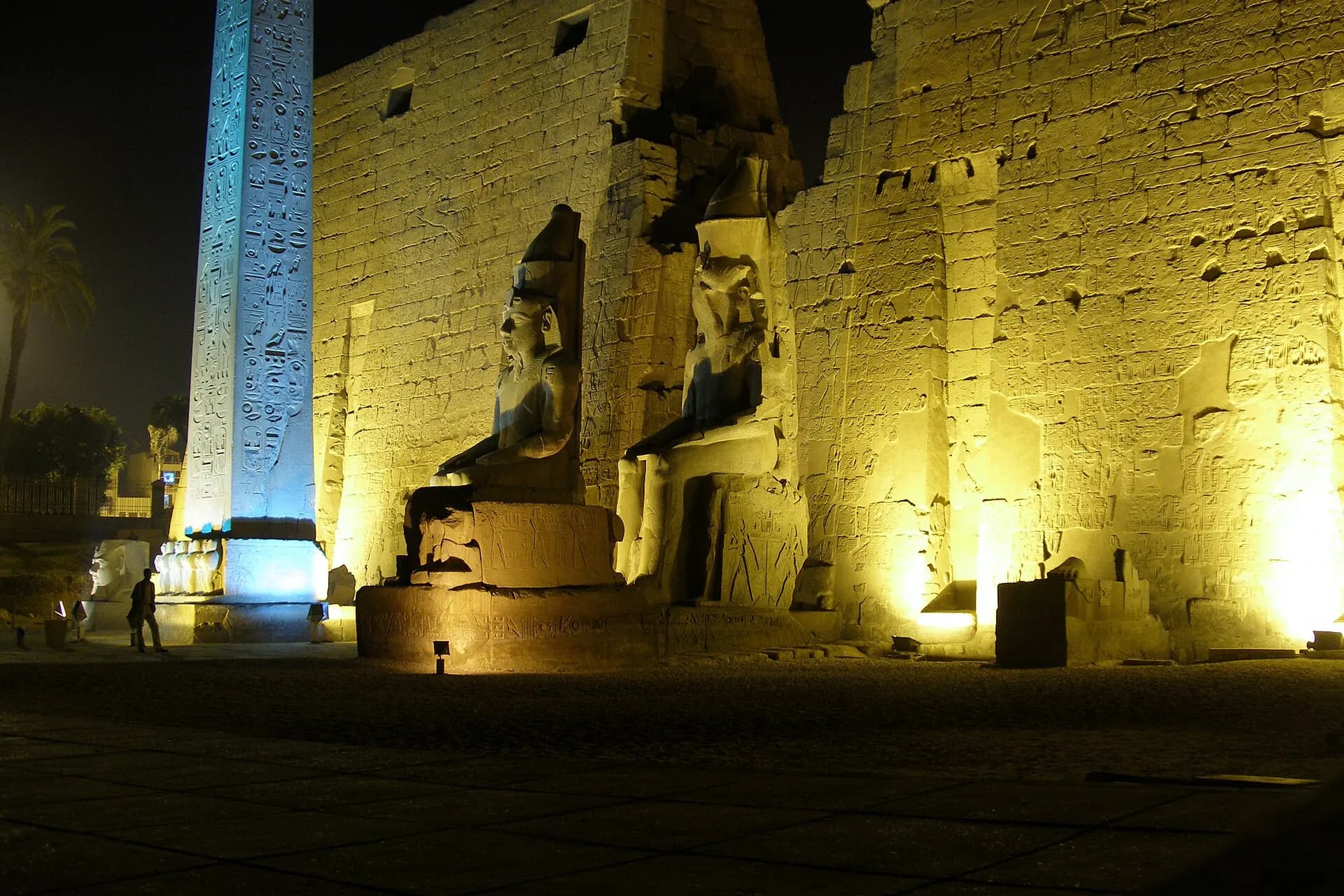
Built mainly by Amenhotep III and Ramesses II, the temple is entered through a towering pylon guarded by colossal statues and a single obelisk; its twin has stood in the Place de la Concorde in Paris since the 1830s. Inside are a colonnade, a court with Roman-era wall paintings and a mosque built on top of the ruins, still in use.
TipVisit around sunset and stay as the lights come on; the temple stays open into the evening.
- 6
Valley of the Kings
Photo: Diego Delso, CC BY-SA 4.0, via Wikimedia Commons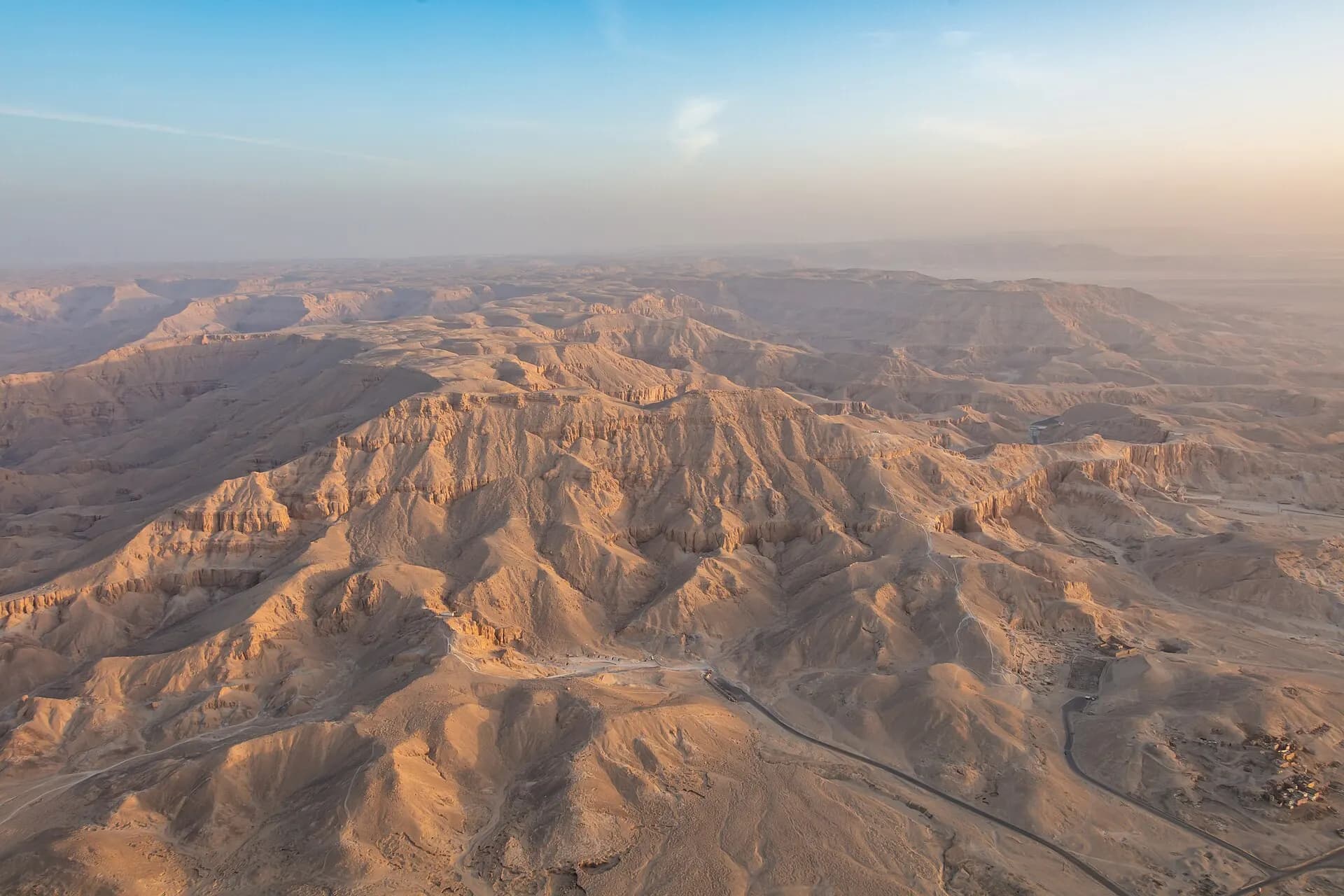
The royal burial ground of the New Kingdom, a dry valley in the Theban hills with more than sixty known tombs, their corridors painted with gods, stars and spells to guide the king through the underworld. The standard ticket covers a selection of three tombs, which rotates to protect the paintings. Tutankhamun's tomb, where his mummy still lies, and the long, superbly decorated tomb of Seti I each need a separate ticket, bought at the main ticket office; check which other tombs carry a supplement on the day.
TipArrive when it opens at 6am. By late morning the valley is crowded and the rock radiates heat.
- 7
Temple of Hatshepsut, Deir el-Bahari
Photo: Diego Delso, CC BY-SA 4.0, via Wikimedia Commons
The mortuary temple of Hatshepsut, one of the few women to rule Egypt as pharaoh, rises in three broad terraces against a sheer amphitheatre of cliffs. Its reliefs show an expedition to the land of Punt, with ships, incense trees and exotic animals. There is little shade, so come early or late.
- 8
Tombs of the Nobles
Photo: Maciej Hnydka, Public domain, via Wikimedia Commons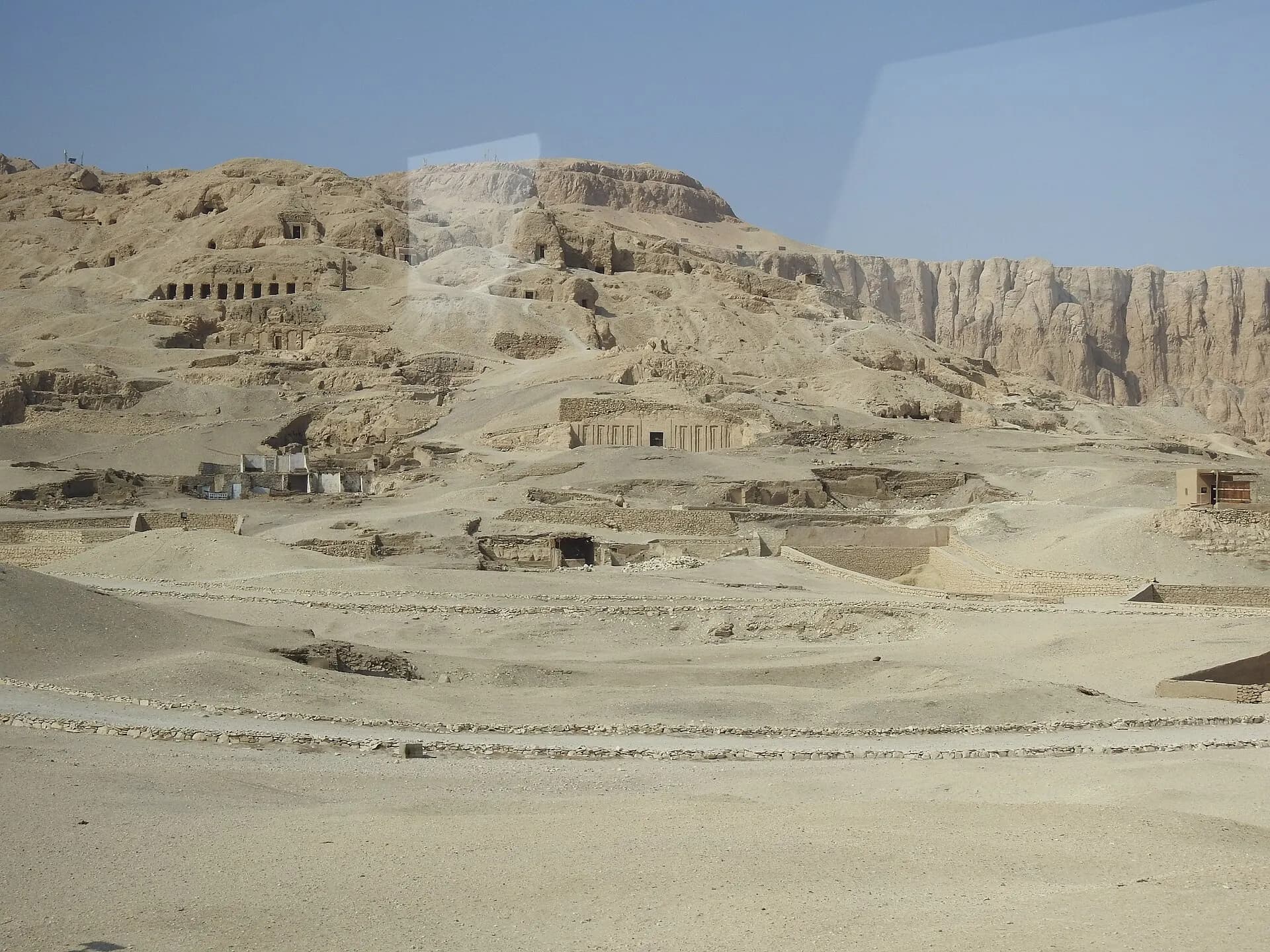
On the hillside of Sheikh Abd el-Qurna, the tombs of officials, priests and scribes are smaller than the royal tombs but often livelier, painted with scenes of farming, fishing, banquets and music from everyday life. Several groups of tombs are sold on separate tickets, and they're usually much quieter.
- 9
Deir el-Medina
Photo: Olaf Tausch, CC BY 3.0, via Wikimedia Commons
The village of the craftsmen who dug and decorated the royal tombs, with the stone footings of their houses, a small Ptolemaic temple and their own family tombs, some among the most colourful in Thebes. It brings the people behind the monuments vividly to life.
- 10
Valley of the Queens
Photo: Kingtut at Hungarian Wikipedia, CC BY-SA 3.0, via Wikimedia Commons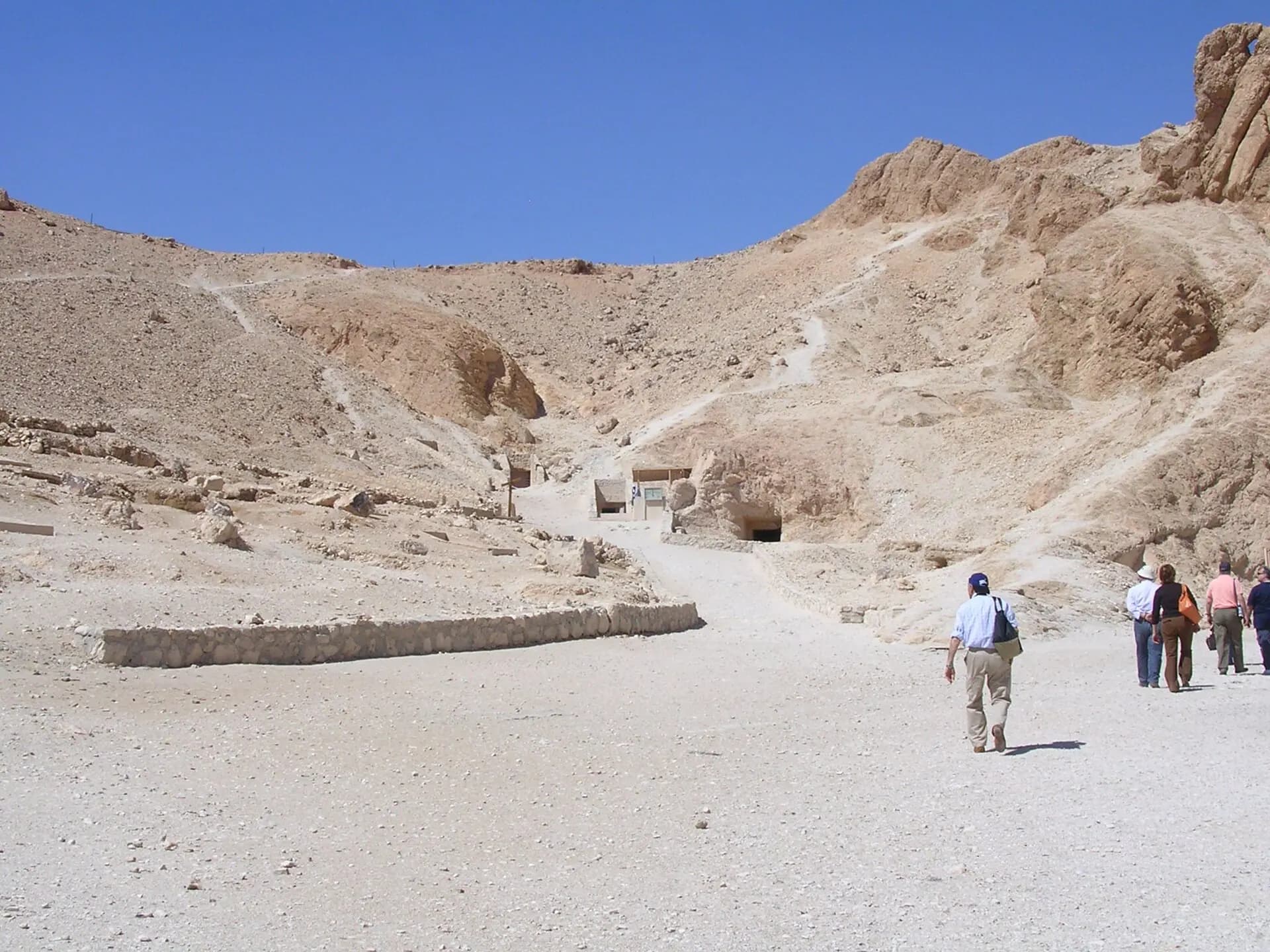
The burial ground of queens, princes and princesses. The highlight is the tomb of Nefertari, the favourite wife of Ramesses II, often called the most beautiful in Egypt for its brilliant, restored paintings. It's open on a separate, expensive ticket, with numbers and time inside limited to protect it; check before you go.
- 11
Medinet Habu
Photo: Marc Ryckaert (MJJR), CC BY 3.0, via Wikimedia Commons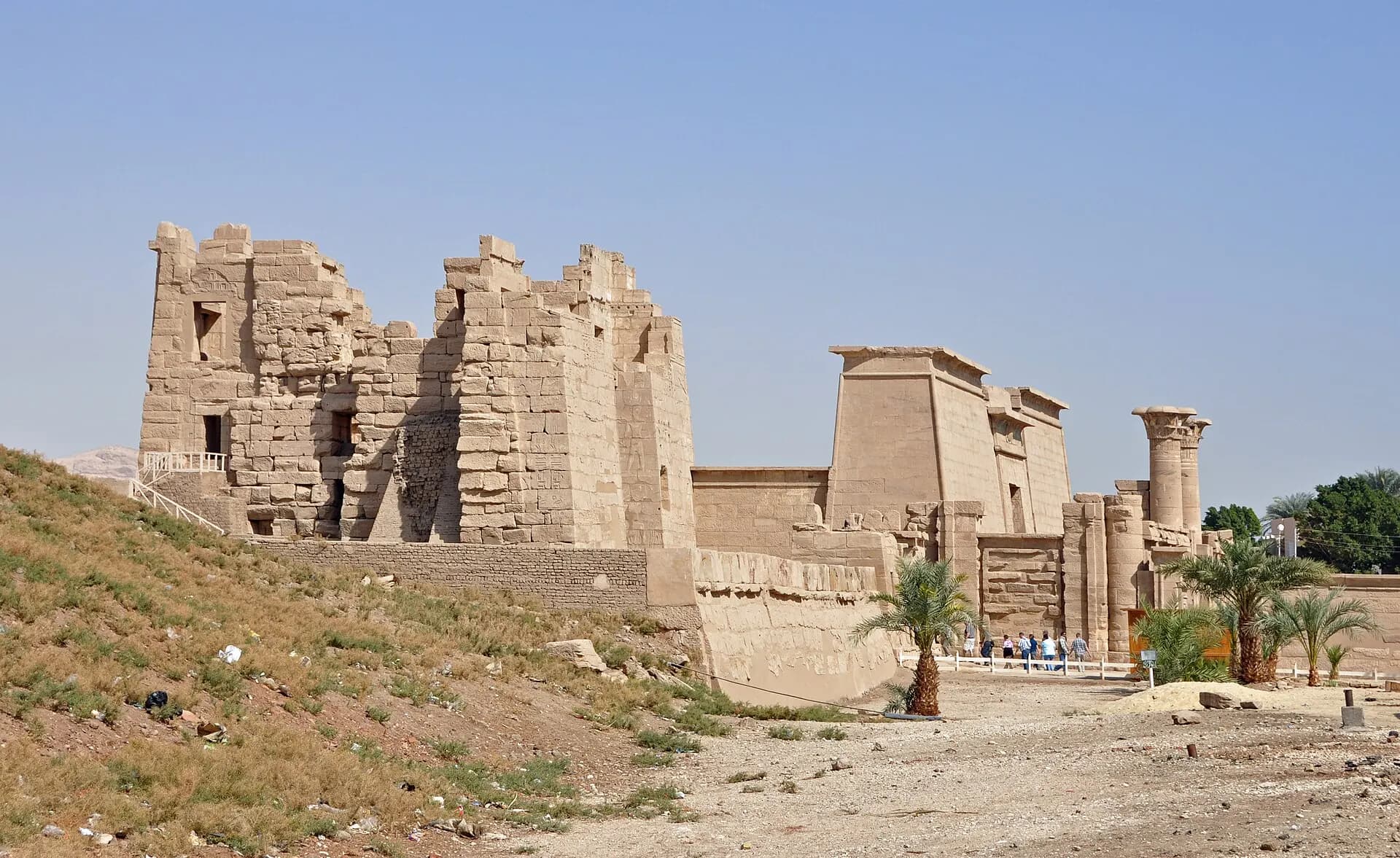
The mortuary temple of Ramesses III is one of the best preserved in Egypt, with deeply carved reliefs, including battles against the Sea Peoples, and ceilings that still keep much of their colour. It's often left out of tours, which makes it all the more rewarding.
- 12
Ramesseum
Photo: Marc Ryckaert, CC BY 3.0, via Wikimedia Commons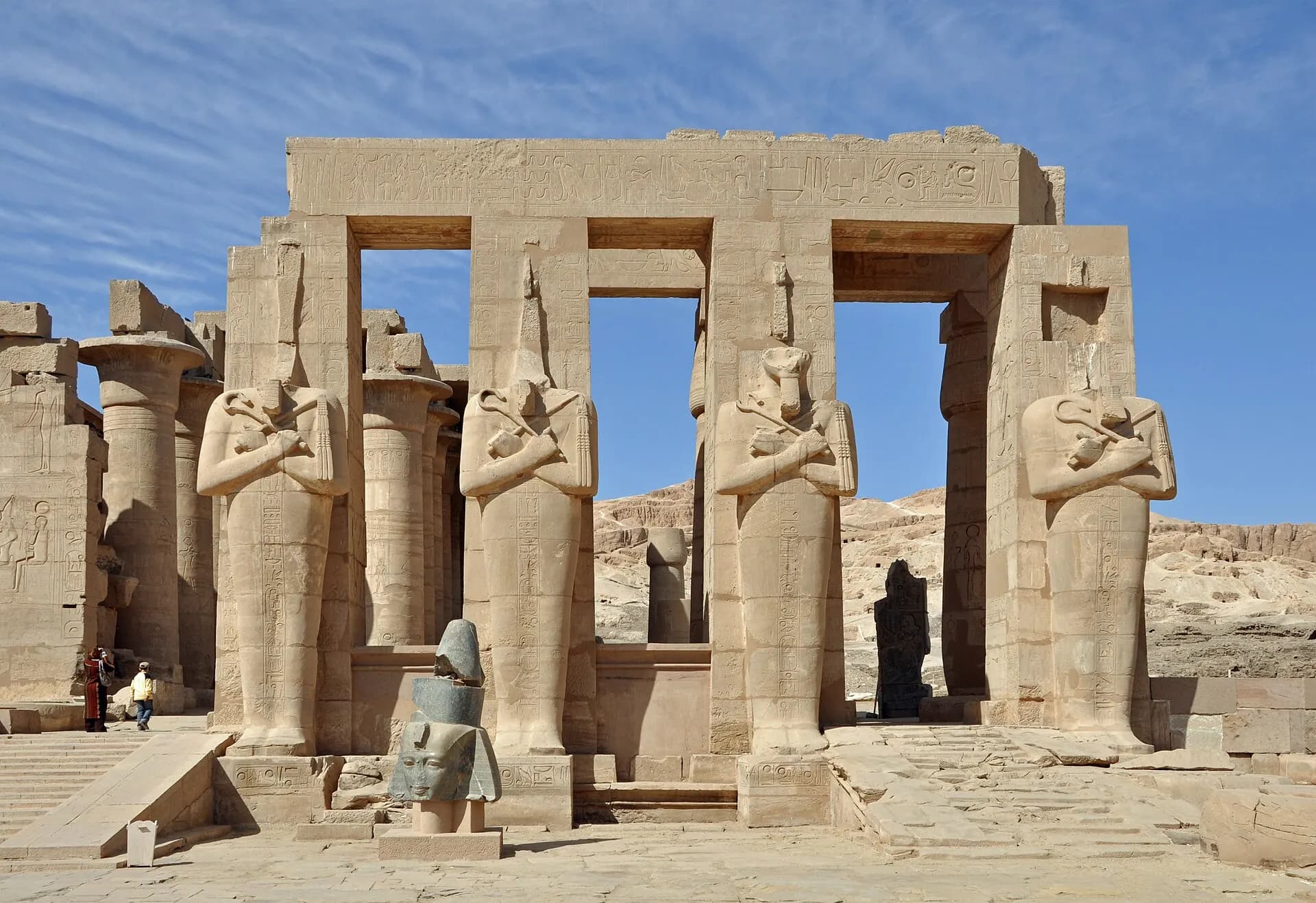
The mortuary temple of Ramesses II, now partly ruined, with the toppled fragments of a colossal granite statue of the king that inspired Shelley's poem "Ozymandias". Its columns and Osiris pillars are lovely in the late afternoon light.
- 13
Colossi of Memnon
Photo: Diego Delso, CC BY-SA 4.0, via Wikimedia Commons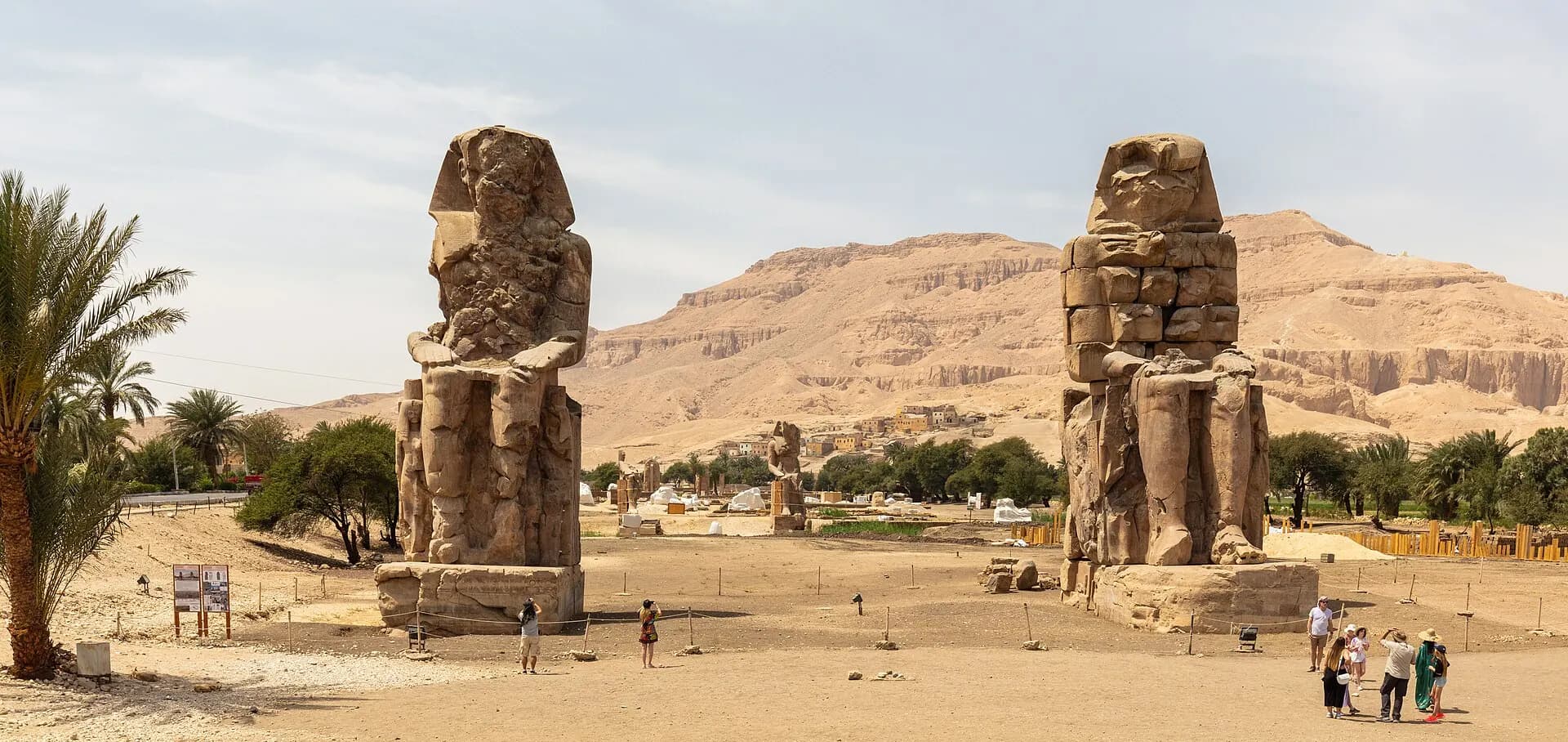
Two enormous seated statues of Amenhotep III, about eighteen metres tall, which once guarded the entrance to his mortuary temple, now mostly vanished. They stand beside the road and can be seen at any time; a quick stop on the way to or from the ferry.
- 14
Dendera
Photo: Hamerani, CC BY-SA 4.0, via Wikimedia Commons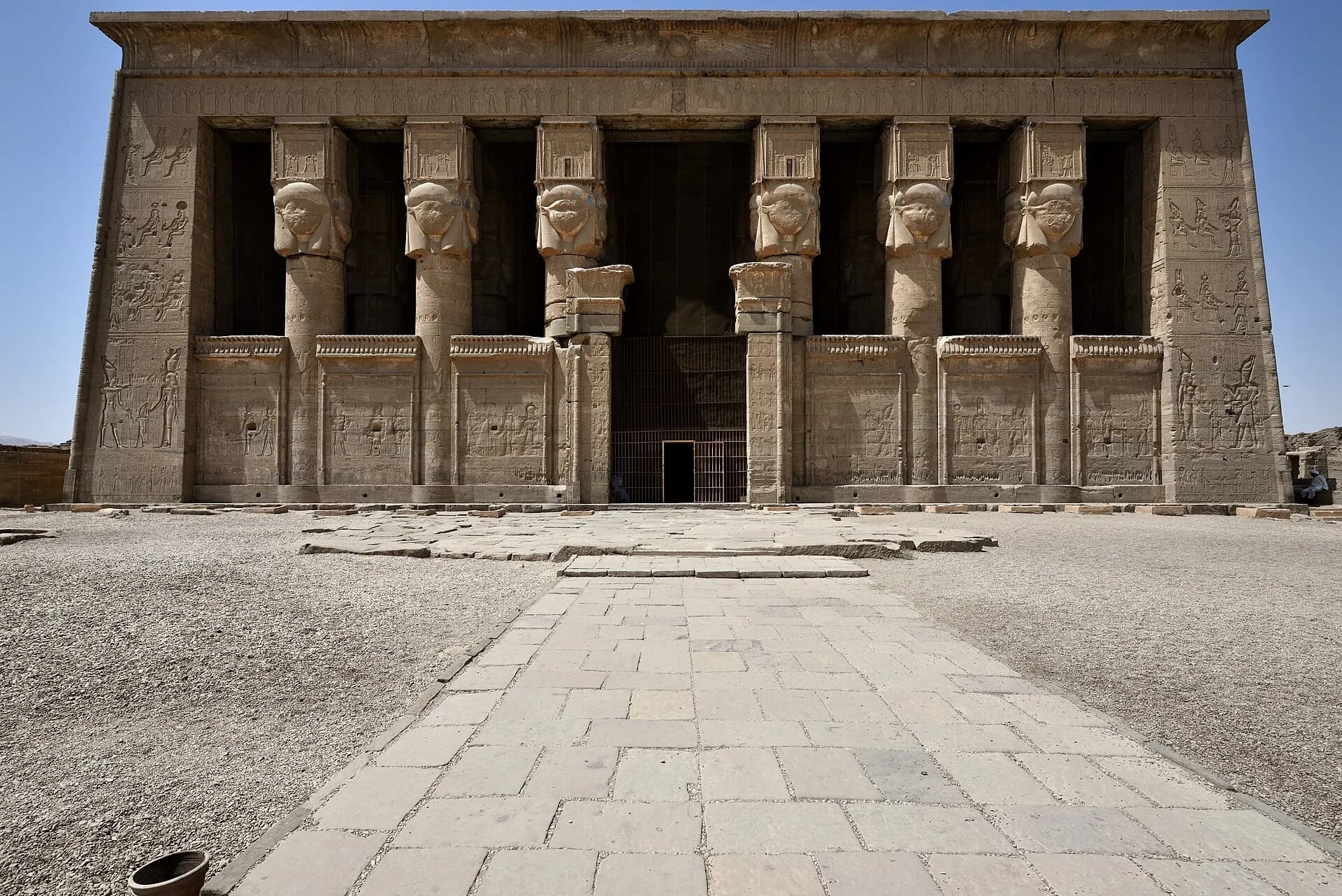
The Temple of Hathor at Dendera, about an hour's drive north, is one of the most complete temples in Egypt, from the Ptolemaic and Roman periods, with vivid blue ceilings, a zodiac relief (the original is in the Louvre) and rooftop chapels. It pairs well with Abydos on a long day trip.
- 15
Abydos
Photo: Vyacheslav Argenberg, CC BY 4.0, via Wikimedia Commons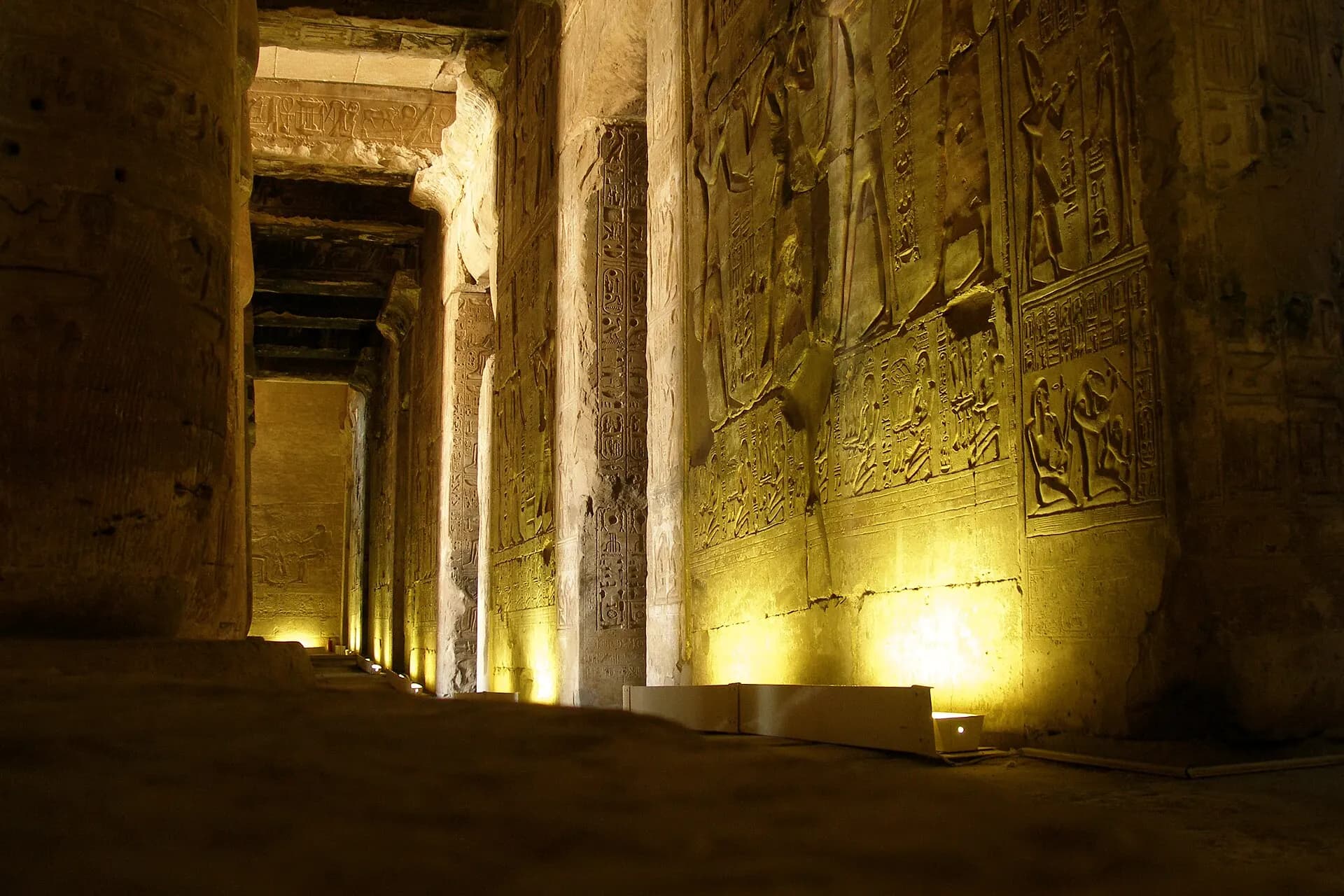
One of the most sacred places in ancient Egypt, associated with the god Osiris. The Temple of Seti I has some of the finest relief carving anywhere and the Abydos King List, a roll of the pharaohs before him. It is around three hours from Luxor by road, so start at dawn.
When to go
October to April is the best time, with warm, sunny days and cool nights; December and January are the busiest months, and early mornings in the desert can be chilly. From May to September the heat is intense, regularly passing 40°C in summer, and sightseeing is only comfortable in the first few hours after dawn and in the evening. Ramadan changes opening hours and the rhythm of the city, so check dates before you travel.
Getting around
Luxor International Airport has flights from Cairo and, seasonally, from Europe. Trains, including an overnight sleeper, run along the Nile from Cairo and on to Aswan. On the east bank, Karnak and Luxor Temple are a short taxi ride or a long walk apart along the Corniche. To reach the west bank, take the public ferry, hire a motorboat, or drive over the bridge south of town. The west bank sites are spread out, so most people hire a taxi or driver for the day, or join a tour with a licensed Egyptologist guide. Cycling is possible in the cooler months, but distances and heat catch many people out.
Local tips
- Buy tickets at each site's office; the Valley of the Kings, Nefertari's tomb and the special tombs have their own counters. Cards are increasingly accepted, but carry some cash in Egyptian pounds.
- Phone photography is generally allowed in tombs without flash; using a camera may require a photography ticket, and rules differ between sites, so check at the office.
- Never touch the painted walls, and don't pay guards to let you into closed areas or to take photos where it's forbidden.
- Dress modestly, with shoulders and knees covered, especially in town and at the mosque in Luxor Temple; it also helps keep the sun off.
- Agree prices for taxis, carriages and feluccas before you set off, and haggle in the souq with good humour.
- Carry plenty of water, a hat and sunscreen, and plan indoor breaks in the middle of the day.
- Expect requests for baksheesh, small tips, for help or directions; keep small notes handy.
Eat and drink
Egyptian food is simple, filling and good value: ful medames, stewed fava beans; ta'ameya, Egyptian falafel made with fava beans; koshari, a mix of rice, lentils and pasta with tomato sauce and fried onions; and grilled pigeon or kofta. On the west bank, family-run restaurants serve home-style meals, sometimes with views of the fields and the Nile. Try karkadeh, hibiscus tea, hot or iced, and fresh sugar cane juice. Drink bottled water.
Where to stay
The east bank has the widest choice, from large riverside hotels on the Corniche, including the historic Winter Palace, to budget guesthouses near the souq and the station. The west bank is quieter and more rural, with small hotels and guesthouses among the sugar cane fields, close to the tombs for early starts. Many travellers also sleep aboard a Nile cruise ship moored in Luxor.
Thebes, city of Amun
Thebes rose to power in the Middle Kingdom and became the heart of Egypt in the New Kingdom, from about 1550 BCE, when pharaohs such as Thutmose III, Hatshepsut, Amenhotep III and Ramesses II poured the wealth of an empire into its temples. The god Amun, combined with the sun god as Amun-Ra, was worshipped at Karnak, and each year, at the festival of Opet, his statue was carried along the Avenue of Sphinxes to Luxor Temple. The kings were buried on the west bank, where the sun set, in hidden tombs, while their mortuary temples stood on the plain below. The city declined after the capital moved north, but its monuments survived the centuries, buried in sand and later visited by Greek and Roman tourists, who left their graffiti on the tombs. Howard Carter's discovery of Tutankhamun's tomb in 1922 made the Valley of the Kings famous around the world.
Hot-air balloons at dawn
Balloon flights over the west bank are one of Luxor's great experiences: you rise at sunrise over the temples, the Colossi of Memnon, villages and green fields, with the desert cliffs glowing behind. Flights are short, usually around forty-five minutes to an hour, and pickups are very early. Ballooning here has a mixed safety record, including a serious accident in 2013 that killed nineteen people, and rules have been tightened since. Book with a well-established, licensed operator rather than the cheapest offer, listen to the safety briefing, and accept cancellations when the wind is too strong.
Nile cruises to Aswan
Luxor is the usual starting or finishing point for cruises along the Nile to Aswan, about 200 kilometres upstream. Most last three or four nights, stopping at the temples of Edfu, dedicated to the falcon god Horus, and Kom Ombo, shared by Sobek and Horus, with the river banks of palms, fields and villages drifting past. Large cruise ships are the most common option; dahabiyas, traditional sailing boats with a handful of cabins, travel more slowly and moor at quieter spots. Check what's included, especially guided visits and entry tickets.
Responsible travel
The paintings in the tombs are fragile, and the moisture and heat from crowds of visitors damage them, which is why tombs open and close in rotation. Keep to the rules, never touch the walls, and don't use flash. Avoid carriages whose horses look underfed or overworked, and don't ride animals in poor condition. Hire licensed guides and eat in local restaurants so that money stays in the community, and be respectful when photographing people, asking first.