Copenhagen
A harbour city of colourful quays, royal palaces, bicycles everywhere and some of the world's most exciting food.
- Best time to go
- May to September, for long, bright days and harbour swimming
- Local time
- –
- Currency
- Danish Krone (DKK)
- Reading time
- 4 min
- Language
- Danish
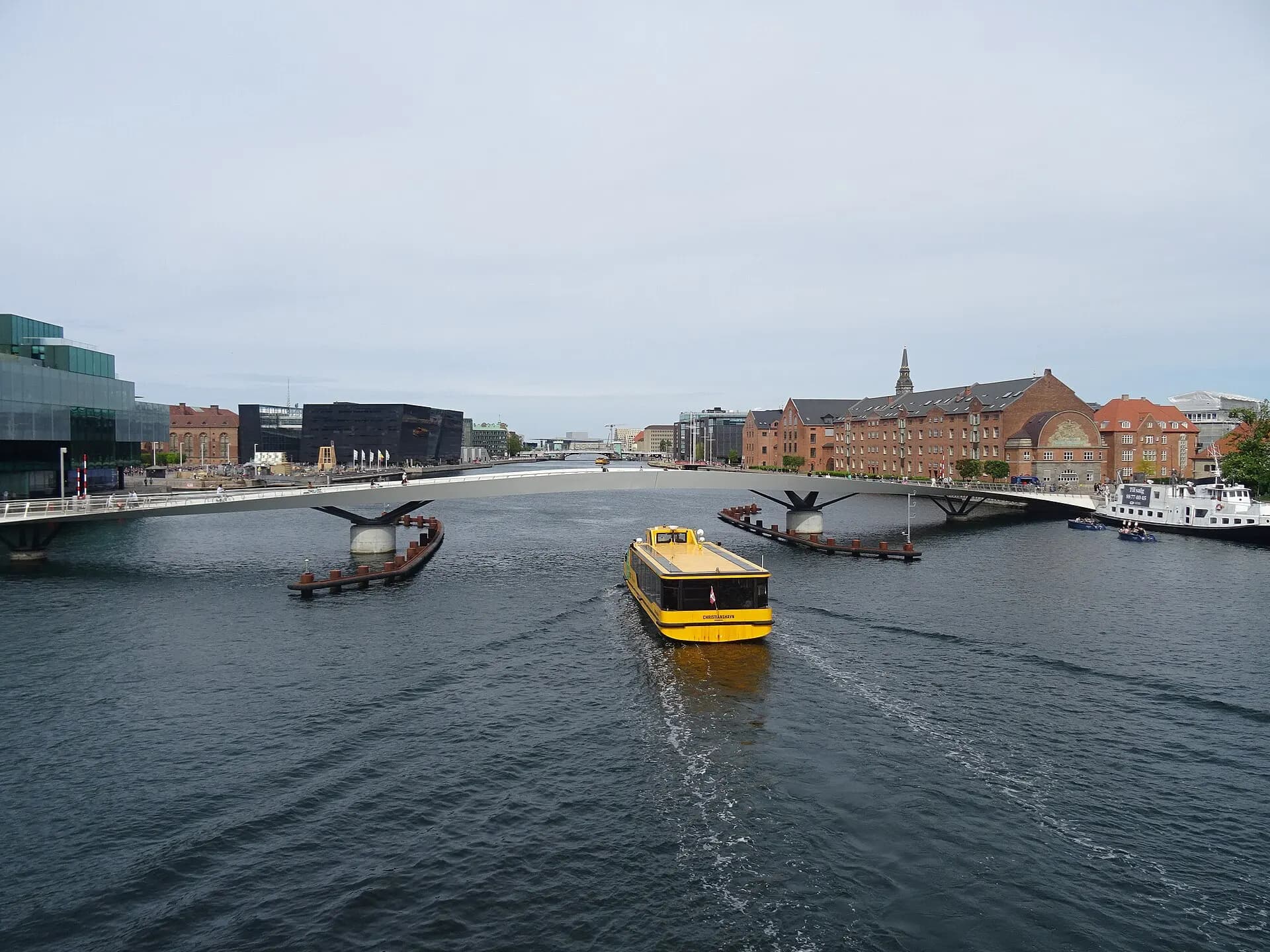
Copenhagen began as a fishing village and grew into the capital of a Scandinavian empire. Today it's often named one of the world's most liveable cities: its streets are designed for bicycles, its harbour is clean enough to swim in, and its restaurants helped spark the New Nordic food movement. Danish design, from furniture to architecture, is everywhere.
The centre is compact and easy to explore, with royal palaces, canals and pedestrian streets. Do as locals do: rent a bike, stop for coffee and a cinnamon bun, and in summer jump into the harbour.
The top 10 in Copenhagen
- 1
Nyhavn
Photo: OleNeitzel, CC BY 4.0, via Wikimedia Commons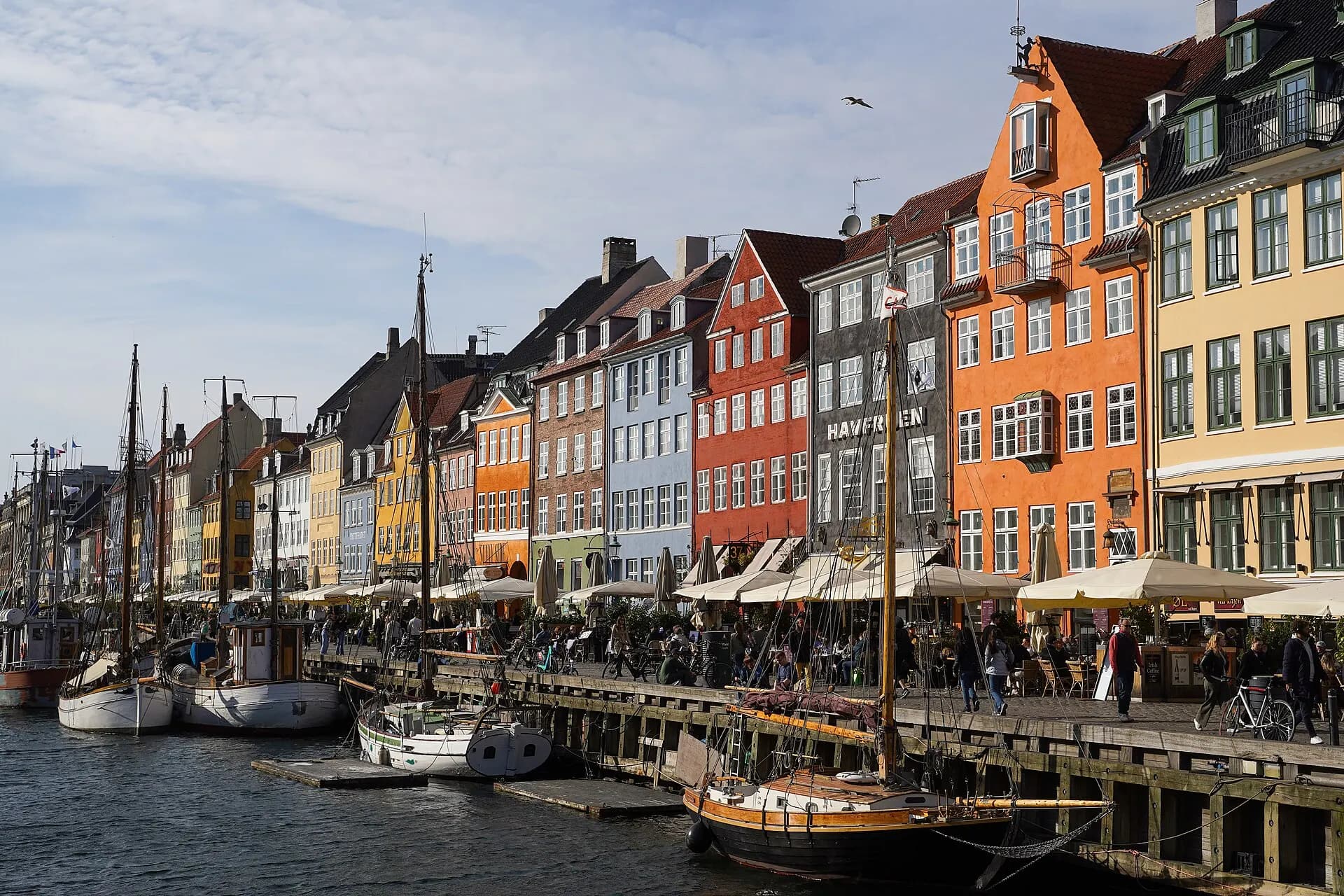
A seventeenth-century canal lined with brightly painted townhouses, wooden ships and café terraces, the most famous view in the city. Hans Christian Andersen lived at several addresses along it. Canal tours leave from here.
TipTake a harbour boat tour from Nyhavn for an easy overview of the city.
- 2
Tivoli Gardens
Photo: Jakub Hałun, CC BY-SA 4.0, via Wikimedia Commons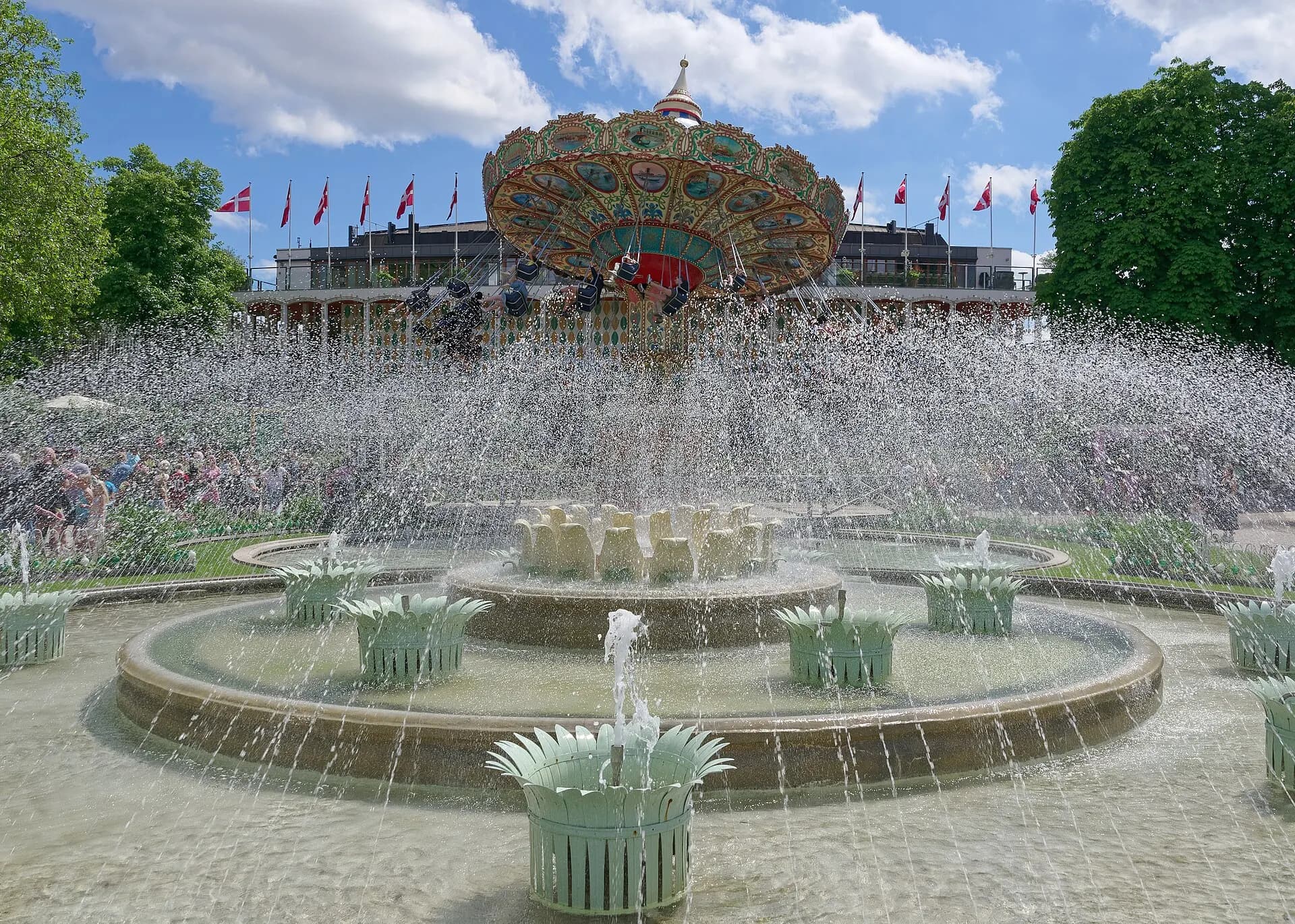
One of the oldest amusement parks in the world, opened in 1843, with gardens, historic rides, a wooden roller coaster from 1914, concerts and restaurants. It's at its most magical in the evening, when thousands of lights come on.
- 3
Rosenborg Castle and the King's Garden
Photo: Marco Almbauer, CC0, via Wikimedia Commons
A Renaissance castle built by King Christian IV in the early seventeenth century, holding the Danish crown jewels and royal regalia in its treasury. The King's Garden around it is the city's oldest park, popular for picnics.
- 4
Amalienborg and the Marble Church
Photo: Mstyslav Chernov, CC BY-SA 3.0, via Wikimedia Commons
The home of the Danish royal family, four identical rococo palaces around an octagonal square, with the changing of the guard daily at noon. The domed Marble Church, Frederik's Church, faces it.
- 5
The Little Mermaid
Photo: Jakub Hałun, CC BY-SA 4.0, via Wikimedia Commons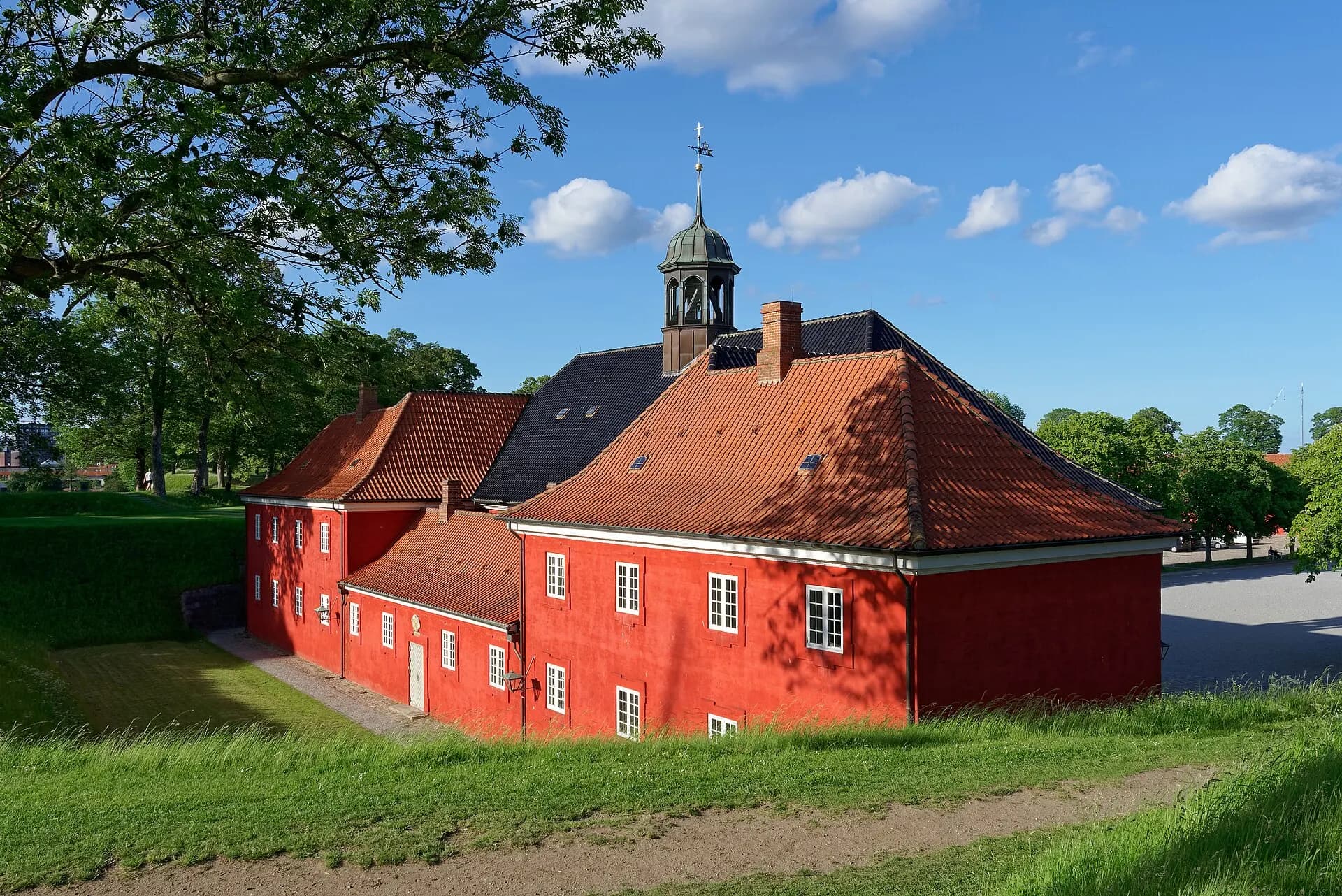
The small bronze statue, inspired by Hans Christian Andersen's fairy tale, sits on a rock by the harbour. It's modest in size, so combine it with a walk along the waterfront and through the star-shaped Kastellet fortress nearby.
- 6
Christiansborg Palace
Photo: Moahim, CC BY-SA 4.0, via Wikimedia Commons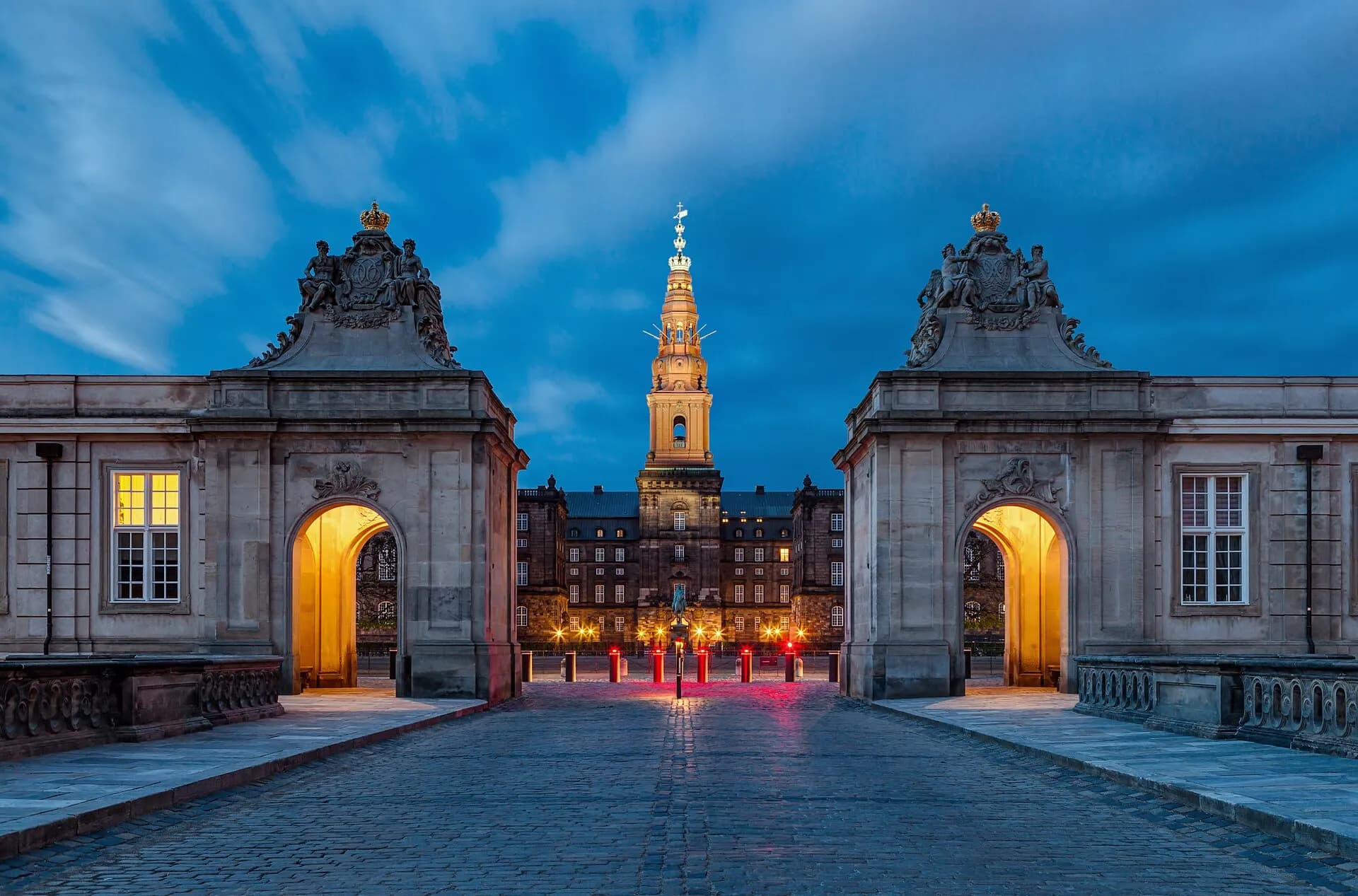
On the island of Slotsholmen, the palace houses the Danish parliament, the Supreme Court and the Royal Reception Rooms. Its tower, the tallest in the city, has a free viewing platform, and ruins of earlier castles lie beneath it.
- 7
Christiania
Photo: Till Niermann, CC BY-SA 3.0, via Wikimedia Commons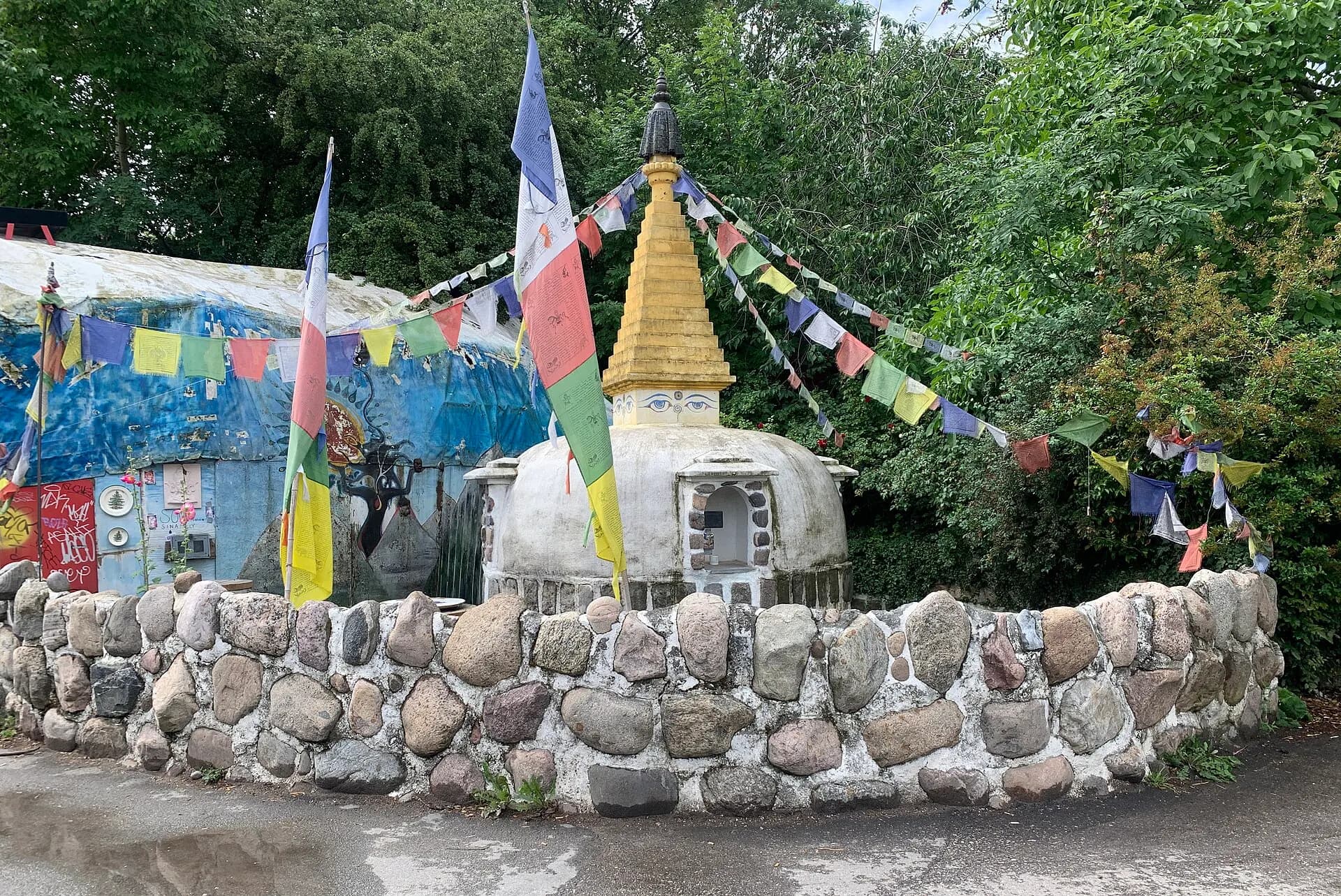
A self-governing community established by squatters in an old military area in 1971, with colourful homemade houses, workshops, cafés and green spaces. Respect the rules posted at the entrances, especially the ban on photography in some areas.
- 8
The Round Tower
Photo: Aram Zucker-Scharff from Fairfax, VA, USA, CC BY 2.0, via Wikimedia Commons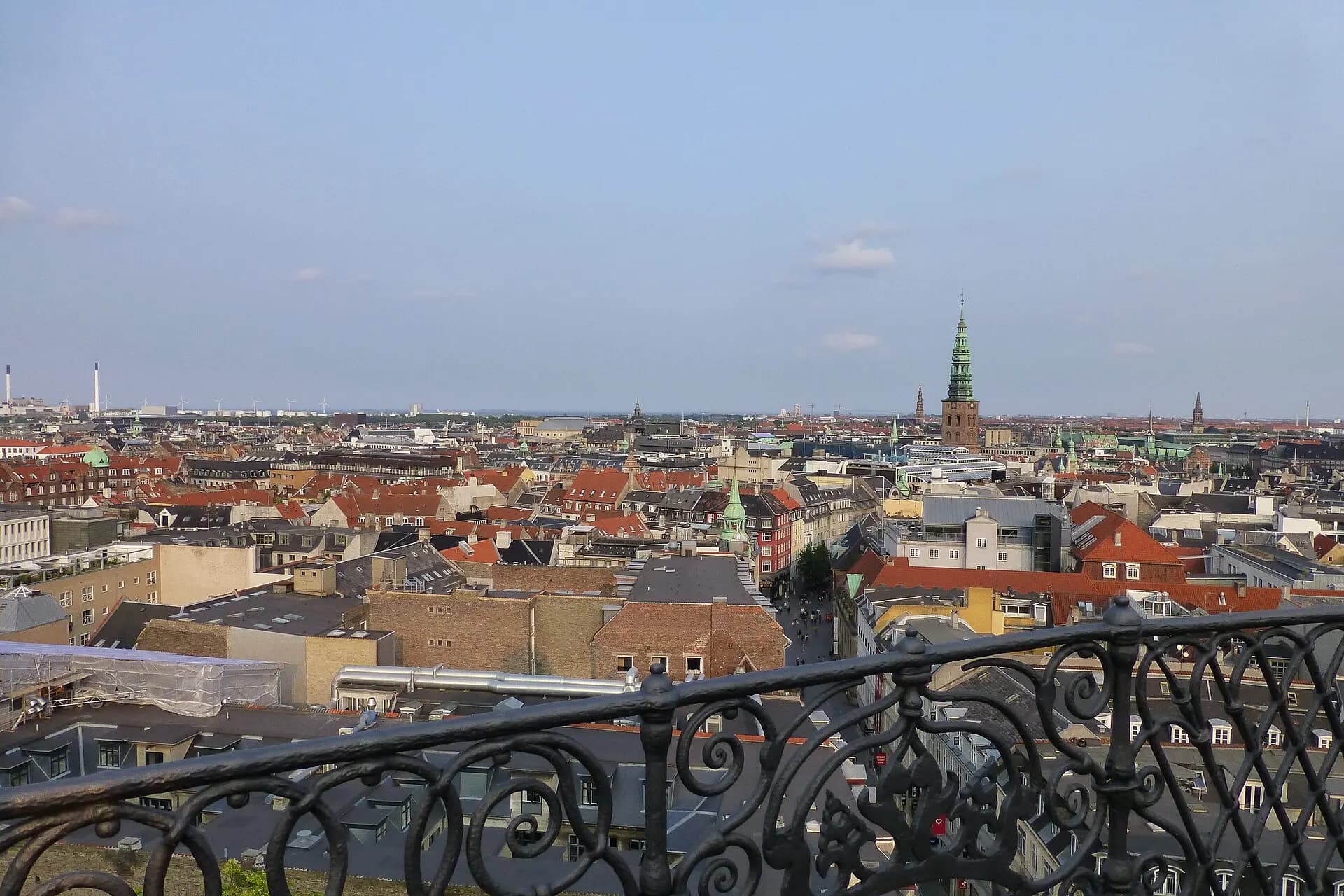
A seventeenth-century observatory tower in the old town, climbed by a wide spiral ramp rather than stairs, with views over the rooftops and spires.
- 9
The National Museum and Ny Carlsberg Glyptotek
Photo: Thomas Dahlstrøm Nielsen, CC BY-SA 4.0, via Wikimedia Commons
The National Museum tells the history of Denmark from the Vikings onwards, and the Glyptotek, founded by the Carlsberg brewing family, has ancient sculpture and French Impressionist paintings around a palm-filled winter garden.
- 10
Louisiana Museum of Modern Art
Photo: Luis Antonio Carrasc…, CC BY 3.0, via Wikimedia Commons
About forty minutes north along the coast, a celebrated museum of modern art in a modernist building set in a sculpture park overlooking the Øresund strait.
When to go
Late spring and summer are the best seasons, with long, bright evenings, outdoor dining, festivals and harbour swimming. Copenhagen Jazz Festival takes over the city in July. Autumn is mild but grey, and winter is cold and dark, though the city is cosy, with Christmas markets and the lights of Tivoli.
Getting around
Cycling is the local way to get around, with excellent bike lanes and many rental shops and bike-share bikes. The metro, S-trains, buses and harbour buses are fast and frequent; use a contactless card or the transport app. The centre is also easy to walk.
Copenhagen Airport is about fifteen minutes from the centre by metro. Trains cross the Øresund Bridge to Malmö in Sweden in about forty minutes.
Local tips
- Copenhagen is expensive: bakeries, food halls and supermarkets help keep costs down.
- Ride on the right of the bike lane, signal turns, and don't stop suddenly; locals ride fast.
- Denmark uses the krone, but cards are accepted almost everywhere.
- Tap water is excellent.
- Harbour baths at Islands Brygge and elsewhere are free and safe for swimming in summer.
- Book popular restaurants well ahead.
- The Copenhagen Card covers public transport and entry to many museums and attractions, and can save money on a busy sightseeing day.
- Many museums are closed on Mondays.
Eat and drink
Try smørrebrød, open sandwiches on rye bread with toppings such as pickled herring, roast beef or shrimp, for lunch; a hot dog from a street pølsevogn; and Danish pastries, which locals call wienerbrød, along with cinnamon buns, kanelsnegle. The city is famous for its innovative New Nordic restaurants. Food halls such as Torvehallerne and Reffen, a street-food market on the harbour, are great for casual meals, and Danish craft beer is excellent.
Where to stay
Indre By, the old centre, puts you close to Nyhavn, the palaces and the main shopping streets. Vesterbro, west of the main station, is a former working-class district now full of restaurants, bars and the Meatpacking District. Nørrebro is multicultural and lively, with cafés along the lakes and the Superkilen park. Christianshavn, across the harbour, has canals, houseboats and a village feel, close to Christiania.
Day trips
Kronborg Castle in Helsingør, about forty-five minutes north by train, is the Renaissance fortress Shakespeare used as the setting for Hamlet, guarding the narrow strait to Sweden. Frederiksborg Castle in Hillerød is a magnificent Renaissance palace on islands in a lake, and Roskilde, half an hour west, has a cathedral holding the tombs of Danish kings and a museum of Viking ships. Malmö, in Sweden, is a short train ride across the Øresund Bridge.